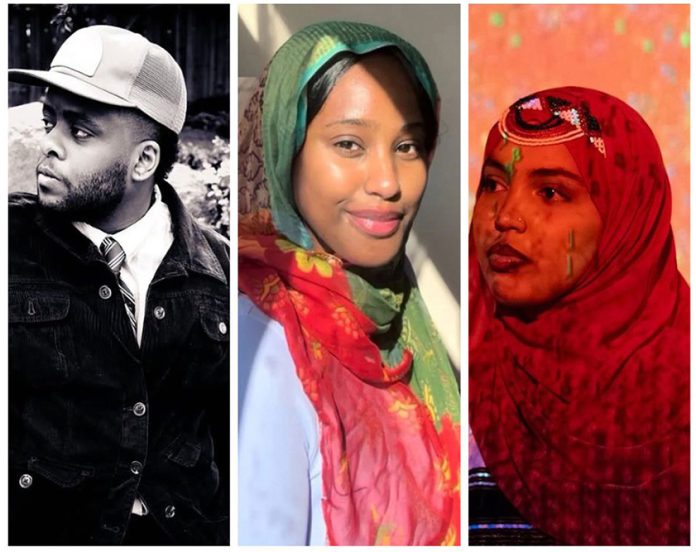
Featured artists in Mara: 40 Years of Oromo Knowledge Making are, from left, photographer Murata Wolldeyohannes, illustrator and storyteller Lokho Kotile, and artist and creative technologist Agartuu Inor. The exhibition opens Aug. 6 at Soomaal House of Art in Minneapolis. | Photos courtesy of the artists
Featured artists in Mara: 40 Years of Oromo Knowledge Making are, from left, photographer Murata Wolldeyohannes, illustrator and storyteller Lokho Kotile, and artist and creative technologist Agartuu Inor. The exhibition opens Aug. 6 at Soomaal House of Art in Minneapolis. | Photos courtesy of the artists
A new art exhibition opening next month in Minneapolis will explore Oromo knowledge, history and cultural traditions through the work of contemporary artists and community scholarship.
Mara: 40 Years of Oromo Knowledge Making opens with a public reception at 6 p.m. on Aug. 6 at Soomaal House of Art. The exhibition is organized around the Oromo concept of time and examines how Oromo communities have built, preserved and shared knowledge across generations and throughout the diaspora.
According to organizers, the exhibition brings together three interconnected expressions of Oromo knowledge: scholarly work, women’s ritual knowledge and creative works by young Oromo artists living in Minnesota.
Featured artists include Lokho Kotile, an illustrator, curator and storyteller; Saint Paul photographer Murata Wolldeyohannes; and Oromo American artist, essayist and creative technologist Agartuu Inor.
The exhibition runs Aug. 1-16 at Soomaal House of Art, 2200 Minnehaha Ave. in Minneapolis. Gallery hours are 1 to 6 p.m. Wednesdays, Fridays, Saturdays and Sundays. Admission is free and all ages are welcome.
Event:Mara: 40 Years of Oromo Knowledge Making Opening reception: Thursday, Aug. 6, 6 p.m. Exhibition: Aug. 1-16 Location: Soomaal House of Art, 2200 Minnehaha Ave., Minneapolis Admission: Free; all ages welcome
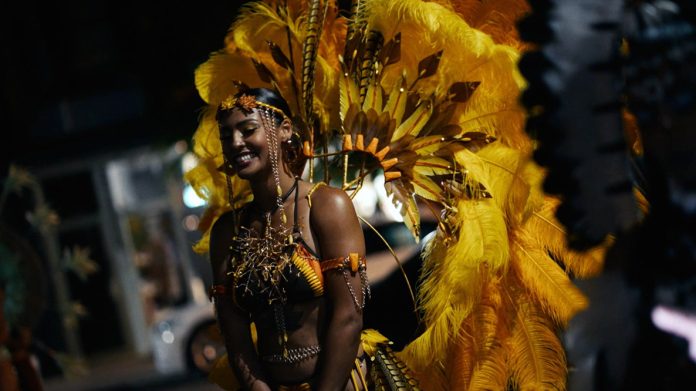
Revelers take part in a Carnival celebration featured in the documentary Carnival: They Can't Steal Our Joy. The film explores Carnival's origins as a movement of resistance and its evolution into a global celebration across the African diaspora. It will screen July 23 at The Main Cinema in Minneapolis. | Photo courtesy of Film Garage Studios
Revelers take part in a Carnival celebration featured in the documentary Carnival: They Can't Steal Our Joy. The film explores Carnival's origins as a movement of resistance and its evolution into a global celebration across the African diaspora. It will screen July 23 at The Main Cinema in Minneapolis. | Photo courtesy of Film Garage Studios
Ian Mark Kimanje had been going to Carnival for close to a decade when he realized that there was one question that kept nagging him. What was the origin of the cultural festival so big that it was celebrated in dozens of countries across continents?
“I didn’t know what the history was about and where it came from,” Kimanje said in a phone interview from Toronto, where he currently resides. “I just enjoyed the music, enjoyed the dancing and everything until I started asking questions like how come there are so many people that turn up for [Carnival] and what led to its formation? Did they just decide that they wanted to have a party or something?
The answers to those questions and more are contained in Carnival: They Can’t Steal Our Joy,’ Kimanje’s new documentary, which has been screening in cities across North America, comes to Minneapolis on July 23. Darryl Streeter, the curator of the screening event, said he chose the film because it captured the essence of the Caribbean and its diaspora.
“Carnival celebrations are a glowing and bursting expression of creativity, identity, and self-reclamation,” Streeter said in a written statement. “It is the one and unique form of fighting back and protesting the history and effects of ill treatment, persecution, and outright racism. It is also the one way our people could effectively fight back, since other forms like taking up arms, etc. were [often] fatal.”
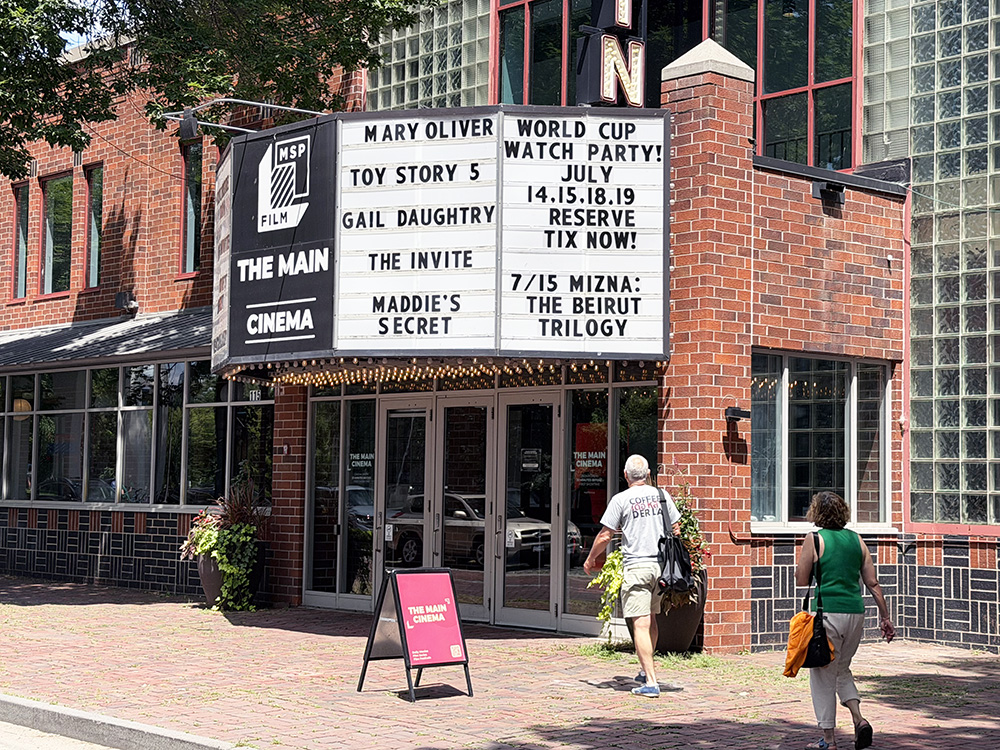
Streeter, along with the Ghanaian, Ugandan and Sierra Leonean communities and the West African Collaborative, raised the necessary funds to bring the film screening to Minneapolis. The event will be held on July 23 at The Main Cinema, 115 SE Main St. SE, Minneapolis. It will begin with a live performance by the Titambe West African Dance Ensemble of Minnesota at 6:30 p.m., followed by the screening at 7 p.m. The evening will conclude with a Q&A session with the filmmaker and a reception featuring cuisine from six countries spanning Africa and the Caribbean.
“The idea behind the screening event was and is to provide the community a glimpse of how this film unites people in more than one way and to give the community an attempt at a full immersion in film art and culture with a comprehensive show,” Streeter said.
Kimanje traveled across continents to shoot the film. It begins in Ghana at one of the castles where European slave traders kept Africans in dungeons before shipping them across the Atlantic. He also filmed in Trinidad and Tobago, where the form of Carnival featured in the documentary is believed to have originated before spreading to cities such as London, Toronto, and New York.
Kimanje said what shocked him was discovering that Carnival – which is often marked by joyful dancers in elaborate costumes – had more painful origins. Between 1881 and 1884 in Trinidad, the British colonial government’s attempts to quash cultural celebrations of freed slaves led to protests. More than 20 people died in what came to be known as the Kambule (Canboulay) riots. Those protests are the precursor of the Carnival that started in Trinidad.
Canadian-Ugandan filmmaker Ian Mark Kimanje directed Carnival: They Can’t Steal Our Joy after setting out to understand the historical roots of Carnival celebrations across the African diaspora. | Photo courtesy of Film Garage Studios
“I found out that Carnival was created as a resistance movement by people who had just been freed from slavery. And they tried to create their own celebrations, but those celebrations were denied. And so, what they did, they said, ‘We are free people. You cannot tell us like what, what and what not to do. You tell us we cannot play drums, we cannot do other things, but we, we are going to have to do a certain celebration of our culture, of where we came from, even though you tried to make us to forget it.’”
That spirit of defiance is present throughout the film, regardless of where the scene is set. There are stories of Africans in the diaspora facing violence but rising to defendant their culture.
“For example, in the UK, when there was a killing of a Black migrant by white people, Black people were protesting and burning stuff,” Kimanje said. “So, one lady decided to turn the protest into a celebration, and that’s how the Notting Hill Carnival was created in London.”
It might seem unlikely, even strange, for a person born in Uganda to be the one making a film about Carnival. Uganda is not one of the dozens of countries around the globe that celebrate Carnival. But Kimanje said there were cultural aspects of his upbringing that he saw in Carnival. For example, as a teenager in Uganda, he and other children had to learn how to dance by moving their waists in circular motion.
“We were dancing something we call Maganda,” he said. “You were told, as a child, a young boy, a young girl, that this is your traditional dance. But I didn’t know why they danced like that.”
The dance was controversial because some in the community considered it too sexual in a country that had become staunchly Christian due to colonization. It wasn’t until Kimanje began shooting his film in Ghana that he learned from experts that dancing by wiggling the waistline had nothing to do with sexual expression.
“What they call whining in this current generation, or some people may say twerking, it had nothing to do with sex,” Kimanje said. “It all had to do with celebration of a childbirth. So, when a child was born, men would come out with drums and women would go around the [new mother’s] house dancing, shaking their bums and their waistlines because a child comes through the waistline. Learning that made me realize of how much we have lost because of colonialism and cultural taboos of saying like this is not Christian enough or this is sexual.”
The Main Cinema in northeast Minneapolis will host a special screening of Carnival: They Can’t Steal Our Joy on July 23. The event includes a live performance, a discussion with filmmaker Ian Mark Kimanje and a reception featuring African and Caribbean cuisine. | Photo by Tom Gitaa/Mshale
The theme of how Carnival endured and evolved as it spread across continents to become what many today consider “the greatest street parade in the world” is ever-present in the film. Even in the present era where Carnival has virtually no resistance from authorities, people in the diaspora continue to remind younger generations of how it is a sign of African resistance and resilience.
As one artist in the documentary says, “[Carnival] is a euphoria of love. We took the worst form of human tragedy and made this. We didn’t become depressed … because they can’t steal our joy from us. Because this is who we are.”
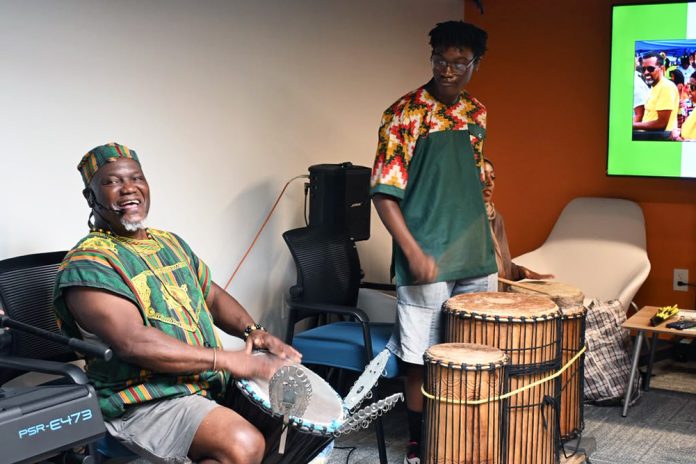
Members of JAJA Band African Drumming perform during the launch of the Pan-African Leadership Coalition (PALC), opening the celebration with traditional African drumming that organizers said symbolized unity, new beginnings and shared cultural heritage. | Photo by Lizzy Nyoike for Mshale
Members of JAJA Band African Drumming perform during the launch of the Pan-African Leadership Coalition (PALC), opening the celebration with traditional African drumming that organizers said symbolized unity, new beginnings and shared cultural heritage. | Photo by Lizzy Nyoike for Mshale
For more than a decade, community leaders across Minnesota’s African diaspora have talked about the need for a coalition that could bring organizations together around a shared vision.
The official launch of the Pan-African Leadership Coalition (PALC) brought together nonprofit leaders, elected officials, advocates and community members to celebrate the creation of a union they said had been years in the making.
“This organization exists because a group of leaders believe our community would be stronger if we work together instead of being alone or in isolation,” said Dr. Habon Abdulle, the president and chair of PALC.
Designed to foster collaboration, strengthen leadership and elevate the voices of African diasporan communities, the coalition represents an opportunity to build stronger partnerships and advance shared priorities, organizers said.
Before the formal program began, the sound of traditional African drums filled the room. Members of JAJA Band African Drumming opened the celebration with a lively performance that organizers said was fitting for the launch. They described drumming as an essential part of many African cultures, where music has long marked new beginnings, celebrated milestones and helped pass knowledge and traditions from one generation to the next.
Although PALC officially launched Wednesday, its origins date back to 2014, when approximately 50 Minnesota community leaders traveled to Portland, Oregon, to learn how communities of color had successfully built unified coalitions capable of advancing shared interests.
Inspired by what they learned, leaders returned home hoping to establish a similar model for Minnesota’s African diaspora. While several organizing efforts followed over the years, the vision never fully materialized.
It wasn’t until 2023 that a smaller group of leaders renewed those conversations, laying the foundation for what would become PALC. Leaders of the coalition said the need for that unified voice was greater than ever.
Between 2010 and 2021, Minnesota welcomed more than 63,000 new immigrants from Africa, according to the latest report from the state’s department of Employment and Economic Development. The report, which was released in 2022, found that Africa was the largest and fastest growing continent of origin for immigrants to Minnesota and the second largest source of foreign-born residents in the state, after Asia. With nearly 85,500 residents, eastern Africa region accounted for the largest number immigrants from the continent to Minnesota, compared to an estimated 32,500 from western Africa.
Yet despite those contributions, organizers say many African diaspora communities continue to face disparities in housing, education, healthcare and economic opportunity.
“We have chosen to make this our home,” said Nelima Sitati-Munene, a PALC board member. “We have contributed to this great state. PALC is about bringing together our experiences, our gifts, our assets, our resources to say, ‘How do we strategize about who we want to continue to be in Minnesota?’”
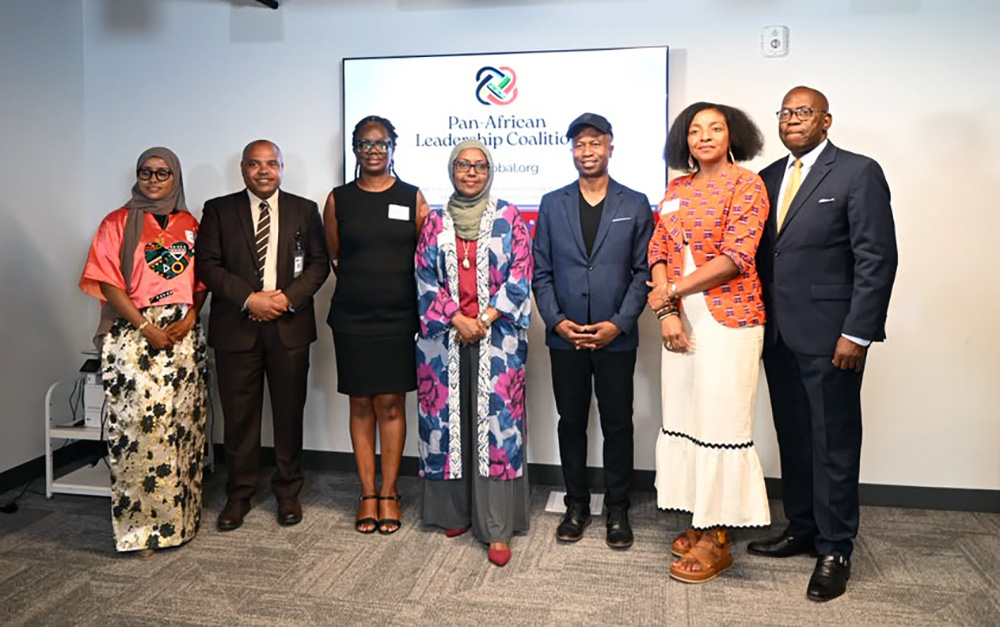
The inaugural board of the Pan-African Leadership Coalition (PALC) poses following the organization’s official launch in Minnesota. From left are board member Naima Farah, Treasurer Dr. Gene Gelgelu, Secretary Nelima Sitati-Munene, President and Chair Dr. Habon Abdulle, board member Michael Elliott, board member Comfort Dondo and board member Wayne Doe. Leaders said the coalition aims to strengthen collaboration, leadership development, research and advocacy across Minnesota’s African diaspora communities. | Photo by Lizzy Nyoike for Mshale
Leaders said PALC was intended to serve as unifying umbrella coalition to complement and support the work community organizations were already doing. They envisioned it as a space where organizations could collaborate, share resources and advocate collectively on issues affecting African diasporan communities.
One of the coalition’s first priorities would be community-rooted, data-driven research. Leaders said they aimed to better understand the needs and experiences of African diaspora communities across Minnesota by analyzing data. They said the approach would help identify gaps in services while providing policymakers with a clearer understanding of the community’s priorities.
The launch also sparked conversations about what comes next. Audience members asked how the coalition planned to engage youth, strengthen partnerships with African American communities and ensure that the many cultures represented within Minnesota’s African diaspora all have a seat at the table.
For Momodja “MJ” Lansana, community engagement director for the Council for Minnesotans of African Heritage, the coalition represented an opportunity to continue strengthening relationships between African immigrants and African Americans.
Lansana said his office launched the Bridging the Gap initiative to address misconceptions that have sometimes divided the two communities and create space for honest conversations rooted in shared history.
“I would love to see a lot of African American brothers and sisters there,” Lansana said. “Then I know we are actually reaching out. When you talk about Pan-Africanism, that’s all it is. This is your heritage. This is about us.”
He added that engaging younger generations was key to ensuring the coalition’s long-term success.
“We have to get our youth involved,” Lansana said. “The current generations are so exposed to diversity, compared to the past, you know, I think we’re in the right direction. We’ll just have to be deliberate about making sure they’re part of these conversations because they’re the future generation.”
Although PALC is still in its early stages, leaders acknowledged that building the coalition would take time. They encouraged community members, organizations and partners to help shape its future by sharing ideas, building partnerships and participating in the work ahead.
With the coalition now formally launched, organizers said the next phase of the work would focus on turning years of planning
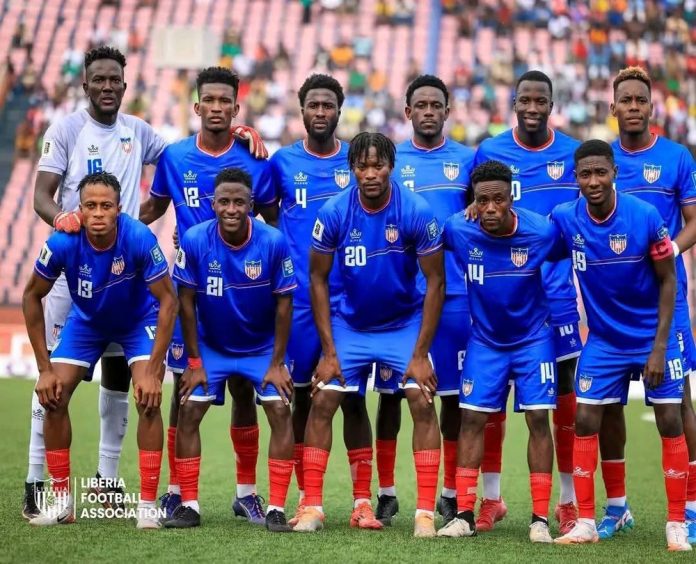
Liberia’s men’s national soccer team, known as the Lone Star. A July 26 international friendly against Minnesota United at Allianz Field was canceled after several key members of the team and its official delegation were denied U.S. entry visas. | Photo courtesy of the Liberia Football Association
Liberia’s men’s national soccer team, known as the Lone Star. A July 26 international friendly against Minnesota United at Allianz Field was canceled after several key members of the team and its official delegation were denied U.S. entry visas. | Photo courtesy of the Liberia Football Association
The international friendly between Minnesota United FC and Liberia’s men’s national soccer team scheduled for July 26 at Allianz Field has been canceled after several members of the Liberian delegation were denied U.S. entry visas.
Minnesota United, the Liberia Lone Star National Football Team and Brooklyn Park-based nonprofit Strengthening African Resilience towards Excellence (SARX), which helped organize the event, announced the cancellation Wednesday.
The match had been planned to coincide with Liberia’s Independence Day and was expected to celebrate the strong ties between Minnesota’s large Liberian community and the Major League Soccer club.
In a statement, Minnesota United said circumstances beyond the parties’ control made it necessary to cancel the match and thanked supporters for their understanding. Fans who purchased tickets will receive automatic refunds.
SARX said the cancellation followed the denial of U.S. entry visas for several key members of the Liberian national team and official delegation, making it impossible to complete travel arrangements in time for the July 26 match. The organization said months of planning had gone into the event, which it described as an opportunity to celebrate Liberia’s independence, showcase Liberian talent and strengthen ties with the diaspora.
The cancellation comes as the Trump administration has tightened visa policies affecting travelers from several African nations, leading to increased scrutiny and delays in some visa applications. While neither Minnesota United nor SARX attributed the visa denials to a specific federal policy, Liberian officials said the team’s inability to secure visas made the trip impossible.
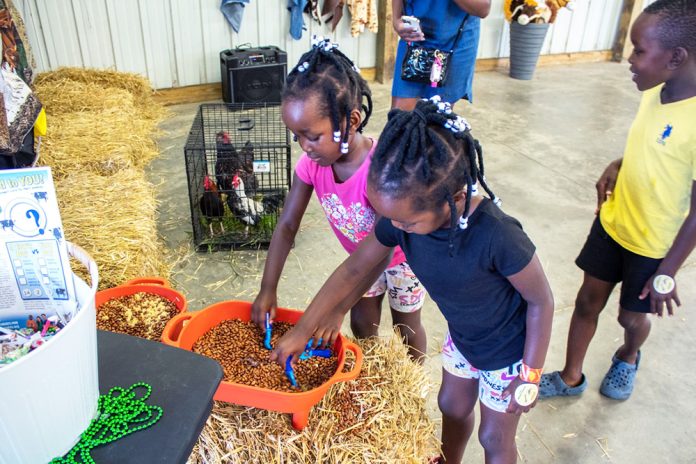
Children enjoy activities at a past Anoka County Fair. Anoka County will host a free Family Child Care Provider Resource Fair on Aug. 15 to connect current and aspiring providers with licensing information, grants, educational resources and other support available to start or grow a child care business. | Photo by Nora Rustad/Compass Child Care
Children enjoy activities at a past Anoka County Fair. Anoka County will host a free Family Child Care Provider Resource Fair on Aug. 15 to connect current and aspiring providers with licensing information, grants, educational resources and other support available to start or grow a child care business. | Photo by Nora Rustad/Compass Child Care
Anoka County will host a free Family Child Care Provider Resource Fair next month to help current and prospective family child care providers learn about licensing, financial assistance and other resources available to start or grow a child care business.
The event will take place from 10:30 a.m. to 1 p.m. on Saturday, Aug. 15, at Rum River Library, 4201 Sixth Ave., Anoka. It is free and open to the public, and no registration is required.
Attendees will be able to learn how to become a licensed family child care provider, explore grants and financial assistance, discover curriculum and educational resources, and meet one-on-one with local agencies that support child care providers.
Organizations expected to participate include the Anoka-Hennepin Child Care Collaborative, Anoka County Child Care Licensing, Anoka County Library, Child Care Assistance Programs, Early Learning Scholarships, Empower to Educate and First Children’s Finance.
For more information about the event, call 763-324-1235.
Cape Verde’s soccer team returns home to huge welcome. The basketball team also has World Cup hopes
By Tim Reynolds
The national soccer team returned home Sunday as heroes after their run to the round of 32 of the World Cup and pushing Lionel Messi and Argentina
into extra time. The men’s basketball team clinched a berth in the second round of that sport’s World Cup qualifying as well.
And all this happened during an already joyous time in Cape Verde — Sunday was Independence Day.
“Viva Cape Verde,” basketball coach Emanuel Trovoada said after his team beat Libya on Sunday in a World Cup qualifying matchup in Cameroon.
Viva Cape Verde, indeed. Not bad for a country of about 500,000 people — the smallest, in terms of land mass, ever to reach the World Cup.
Independence Day was already going to be a day of celebration across the island nation off the western coast of Africa, but Sunday — with the soccer team returning from Miami — only made it more festive. Vozinha, the goalkeeper, captured video footage of workers on the tarmac dropping to their knees and bowing as the plane taxied into its gate.
Eventually — after interviews that were followed by countless hugs, high-fives and selfies with well-wishers at the airport — players and coaches were loaded onto the back of a truck and paraded through thousands of cheering fans. Flags swayed in the breeze on a sunny afternoon, drummers took to the streets and dance troupes were part of the celebration.
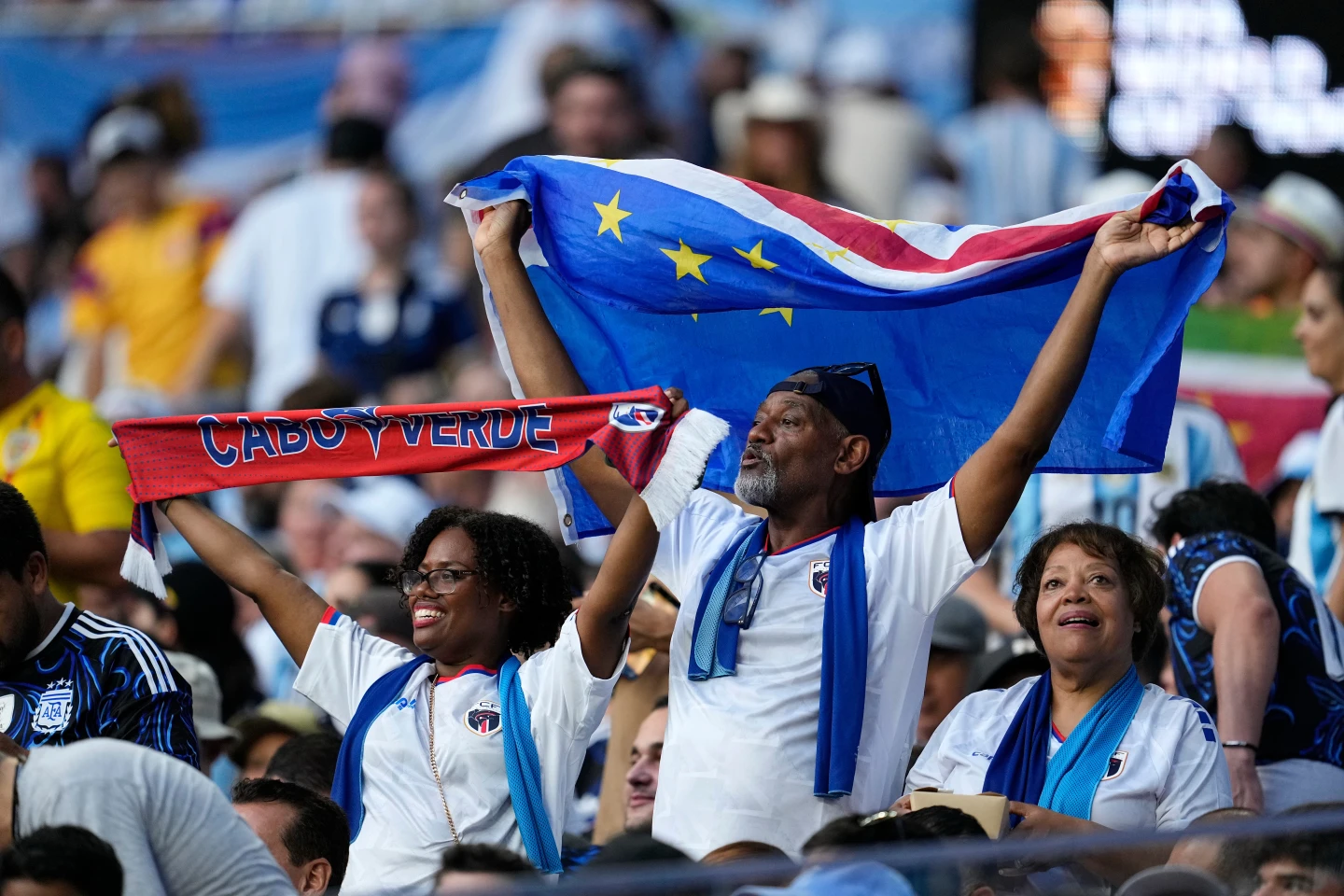
Cape Verde fans cheer during the World Cup round of 32 soccer match between Argentina and Cape Verde in Miami Gardens, Fla., Friday, July 3, 2026. Photo by George Walker IV/AP
“We gave it all for Cape Verde,” defender Pico Lopes said.
The soccer team was in the World Cup for the first time this year. The basketball team — which got its second-round berth locked up on Saturday, before it easily beat Libya on Sunday — made its inaugural World Cup appearance in 2023 and will resume qualifying in late August with hopes of getting in to the 2027 event.
“This is historic. This is important,” Trovoada said. “Our soccer team has returned to the country — for a party.”
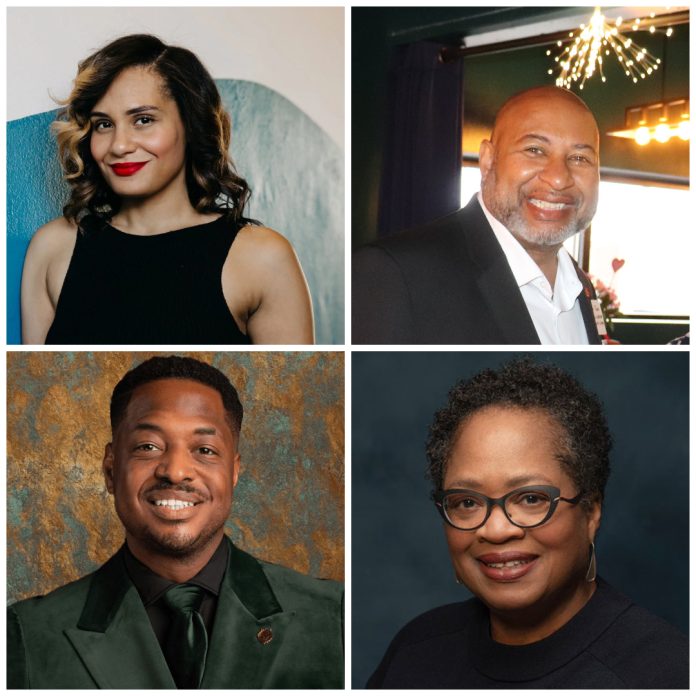
Clockwise from upper left: Tatiana Freeman, president of Aurora St. Anthony Neighborhood Development Corporation; Bryan Tyner, executive director of Phyllis Wheatley Community Center; Marquita Stephens, president and CEO of Urban League Twin Cities; and Benny Roberts, executive director of Hallie Q. Brown Community Center. The four leaders launched the Legacy Stabilization Collaborative, a partnership designed to strengthen some of Minnesota's most enduring Black-led institutions. | Courtesy photos; Bryan Tyner photo by Tom Gitaa/Mshale
Clockwise from upper left: Tatiana Freeman, president of Aurora St. Anthony Neighborhood Development Corporation; Bryan Tyner, executive director of Phyllis Wheatley Community Center; Marquita Stephens, president and CEO of Urban League Twin Cities; and Benny Roberts, executive director of Hallie Q. Brown Community Center. The four leaders launched the Legacy Stabilization Collaborative, a partnership designed to strengthen some of Minnesota's most enduring Black-led institutions. | Courtesy photos; Bryan Tyner photo by Tom Gitaa/Mshale
For generations, four of Minnesota’s most enduring Black-led institutions have served their communities from opposite sides of the Mississippi River, helping families navigate housing, youth development, workforce training, education and neighborhood challenges.
Now, their leaders say ensuring those institutions remain strong for future generations requires something different: working together.
Aurora St. Anthony Neighborhood Development Corporation, Hallie Q. Brown Community Center, Phyllis Wheatley Community Center and Urban League Twin Cities on Thursday, July 3, announced the Legacy Stabilization Collaborative, a long-term partnership designed to strengthen organizational leadership, financial resilience and operational capacity while preserving institutions that together represent 346 years of service to Black Minnesotans.
In separate interviews with Mshale, the organizations’ leaders said the collaboration goes beyond a traditional nonprofit partnership, describing it as a long-term effort to strengthen the institutional capacity of four of Minnesota’s most enduring Black-led organizations.
“I had found that there were vulnerabilities that organizations like Hallie Q. Brown and Urban League Twin Cities were experiencing in terms of undercapitalization, leadership transition and some structural needs,” said Tatiana Freeman, president of Aurora St. Anthony Neighborhood Development Corporation, which is convening the effort. “Especially when there were so many changes at both the federal and philanthropic level, it made more sense if we could find a way to work together.”
Freeman said conversations about the collaborative began last fall after several of the organizations underwent leadership transitions, creating an opportunity for a new generation of executives to rethink how long-established institutions support one another.
The partnership extends across both Minneapolis and St. Paul, something Freeman said was intentional.
“It’s really designed to facilitate us all working together and working together across the bridge,” she said. “We have so much in common and hopefully make an impact on the longevity of each organization, as well as be able to serve community better.”
The collaboration comes as many nonprofit organizations continue adjusting to the lingering effects of the COVID-19 pandemic while facing inflation, rising insurance costs, staffing pressures and shifts in philanthropic giving. Freeman also pointed to Operation Metro Surge, saying immigrant families served by Aurora St. Anthony were affected when immigration enforcement activity created fear within the community. She said those pressures reinforced the need for organizations to share knowledge and resources rather than work in isolation.
The initiative’s first phase includes a $960,000 stabilization strategy supported by early investments from the Bush Foundation, Knight Foundation and Saint Paul & Minnesota Foundation. Leaders are continuing to raise funds, with more than half of the budget intended to flow directly to participating organizations as flexible operating support.
Freeman said the collaborative is developing a nine-month curriculum centered on financial management, fundraising, leadership transition and organizational infrastructure. Rather than creating new community programs immediately, she said the focus is on building stronger institutions capable of expanding their impact over time.
Recent IRS Form 990 filings illustrate the differing financial profiles of the four organizations. Hallie Q. Brown Community Center and Phyllis Wheatley Community Center each reported operating deficits in their latest filings, while Urban League Twin Cities and Aurora St. Anthony reported operating surpluses. The organizations also vary significantly in size, underscoring that the collaboration brings together institutions with different resources but common long-term goals.
Bryan Tyner, who recently became executive director of Phyllis Wheatley Community Center after serving as Minneapolis fire chief, said a new generation of leadership helped create momentum for the partnership.
“Having new leaders — like myself, I’m relatively new to this — coming in with a fresh set of eyes definitely helps,” Tyner told Mshale.
Tyner said he also hopes the collaboration broadens awareness of organizations that may be unfamiliar to newer Minnesotans.
“I haven’t seen many immigrants come in to take advantage of our services, but we are right here and are open to everyone and definitely look forward to serving newcomers to our city,” he said.
For Marquita Stephens, president and CEO of Urban League Twin Cities, one of the collaboration’s greatest strengths lies in its ability to strengthen ties between Black institutions on both sides of the Mississippi River while extending that collaboration into surrounding suburbs.
“I think one of the fundamental wins from this collaborative is that it has the ability to have a trickle-down effect of uniting both sides of the river, but also beyond that to include the suburbs,” Stephens told Mshale.
She said the partnership also reflects the growing diversity of Minnesota’s Black community.
“This will have the effect also of highlighting the commonality of people of African descent because we are serving the same people,” Stephens said.
Benny Roberts, executive director of Hallie Q. Brown Community Center, described the collaborative as an investment in preserving institutions that have long served as pillars of Minnesota’s Black community.
“Legacy invokes history, durability, and irreplaceability,” Roberts said in a statement announcing the initiative. “We are not building something new. We are finally giving something essential the foundation it has always deserved.”
Freeman said the collaborative ultimately is about ensuring institutions that have served generations of Black Minnesotans remain strong enough to serve future generations as well.
“We can’t just assume that because you’ve been here 46 years, 100 years, that you’re going to continue to be here,” Freeman told Mshale. “If they’re going to continue to be around, we have to make these investments.”
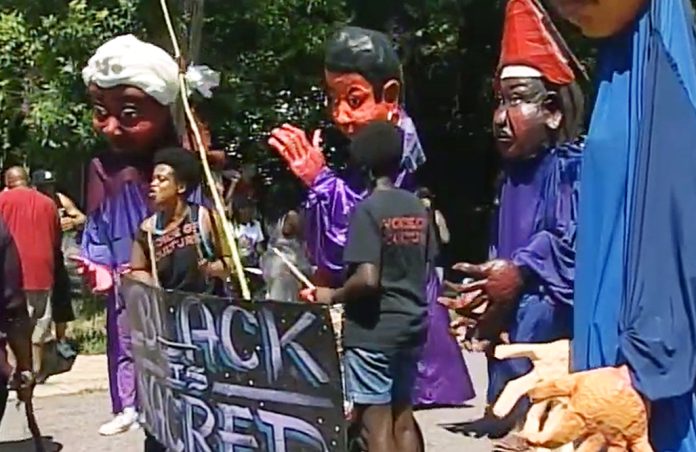
The "Black is Sacred" puppets make their way through a past Rondo Days celebration in St. Paul. The annual festival returns Saturday, July 18, 2026 with music, youth activities, food, vendors and a celebration of the historic Rondo neighborhood. | Screenshot from SPNN YouTube
Rondo Days, Minnesota’s largest African American-sponsored festival, returns to St. Paul on Saturday, July 18, bringing together community members for a day of music, food, culture and celebration of the historic Rondo neighborhood.
Hosted by Rondo Avenue, Inc., the annual festival will take place from noon to 7 p.m. at the Martin Luther King Center. Organizers say the event celebrates the history and enduring legacy of the Rondo neighborhood, once the heart of St. Paul’s Black community.
Founded in 1982, Rondo Days has grown into an annual tradition that draws visitors from across the Twin Cities and beyond. Held each year on the third Saturday in July, the festival celebrates Black culture while honoring the resilience and history of the Rondo community.
This year’s festival will feature an expanded Youth Zone with activities designed for children and teenagers, including new youth sports competitions showcasing athletes from across the region. The day’s lineup also includes live performances by local hip-hop artists, food trucks, a vendor marketplace featuring local businesses and community organizations, and music from DJs Dime and Digie. Hip-hop artists Kwame and Bahamadia are scheduled to appear as featured performers.
Organizers describe the event as more than a festival, saying it serves as a tribute to the resilience, culture and legacy of the Rondo community while inspiring future generations through music, art, sports and storytelling. Admission is free and the event is open to all ages.
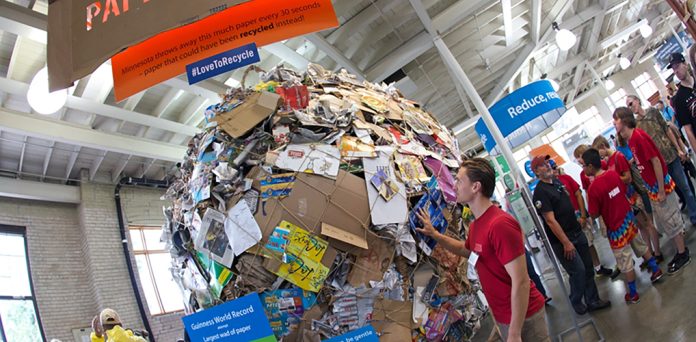
Visitors explore a Minnesota Pollution Control Agency exhibit at the Minnesota State Fair. The agency is accepting applications through July 22, 2026 for its Environmental Justice Advisory Group. | Photo courtesy of the Minnesota Pollution Control Agency
Visitors explore a Minnesota Pollution Control Agency exhibit at the Minnesota State Fair. The agency is accepting applications through July 22, 2026 for its Environmental Justice Advisory Group. | Photo courtesy of the Minnesota Pollution Control Agency
The Minnesota Pollution Control Agency is seeking applicants to serve on its Environmental Justice Advisory Group, offering community members an opportunity to help shape state environmental policies and programs.
Applications are open through Wednesday, July 22, 2026, and the agency is encouraging people from diverse and historically underrepresented communities across Minnesota to apply.
The advisory group, established in 2016, provides recommendations to the MPCA on incorporating environmental justice principles into agency decision-making. Members advise the agency on policies, programs and community engagement efforts aimed at reducing pollution and addressing environmental health disparities.
According to the MPCA, the advisory group has helped shape the agency’s Environmental Justice Framework, improve communication with communities, strengthen public participation and provide feedback on initiatives including the Climate Pollution Reduction Grant Program and the Volkswagen Grant Program.
The agency defines environmental justice as the fair treatment and meaningful involvement of all people, regardless of race, color, national origin or income, in the development, implementation and enforcement of environmental laws, regulations and policies.
The MPCA said it has focused on reducing pollution and health disparities affecting communities disproportionately impacted by environmental hazards, including Black, Indigenous, low-income and other communities of color.
The selection process will begin after the application deadline, and all meetings of the Environmental Justice Advisory Group will be open to the public.
Information about eligibility and the application process is available on the Minnesota Pollution Control Agency’s environmental justice webpage.
A stethoscope rests on U.S. $100 bills, illustrating the growing financial burden of health care. A new report says health insurance premiums, deductibles and other medical costs are consuming an increasing share of Minnesotans' household budgets. Photo: Creative Commons
A stethoscope rests on U.S. $100 bills, illustrating the growing financial burden of health care. A new report says health insurance premiums, deductibles and other medical costs are consuming an increasing share of Minnesotans' household budgets. Photo: Creative Commons
Health insurance premiums, deductibles and out-of-pocket medical costs are consuming a growing share of Minnesota workers’ paychecks, according to a new report that warns health care affordability is likely to worsen unless policymakers address rising hospital and prescription drug prices.
The report, Rising Health Care Spending in Minnesota, released Wednesday by North Star Policy Action, found employee contributions toward employer-sponsored health insurance premiums have increased 67 percent since 2013, while median wages in Minnesota have risen 42 percent over the same period, leaving many families spending a larger share of their income on health coverage.
Researchers said the increases are being driven less by Minnesotans using more health care than by rising prices for hospital services and prescription drugs, trends they say have been fueled in part by increasing consolidation across the health care industry.
The report also projects significant increases for many Minnesotans who purchase insurance through MNsure after enhanced federal premium subsidies expired. On average, monthly premiums are expected to increase 54 percent in 2026 for people who previously received those subsidies, although some households — particularly older adults and rural residents — could see substantially larger increases depending on their circumstances.
The findings were released during a news conference featuring health care workers, faith leaders and researchers. Speakers also raised concerns about the proposed acquisition of Minneapolis-based Allina Health by California-based Sutter Health, saying additional consolidation could further increase costs for patients.
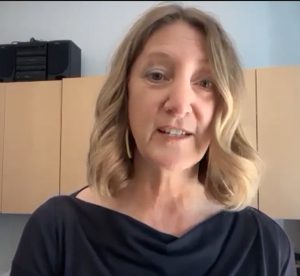
Jen Schultz, a University of Minnesota economics professor and co-author of the report, said consumers often blame insurance companies for rising premiums while overlooking the role hospital pricing plays.
“Most people are quick to blame health insurance companies for their high premiums. But folks only need to look at their bill or EOB to see another reason: high hospital prices,” Schultz said. “Higher hospital prices mean smaller paychecks and inflated premiums.”
Jen Schultz, a University of Minnesota economics professor and co-author of the Rising Health Care Spending in Minnesota report, speaks during a virtual news conference announcing the study. Schultz said rising hospital prices and health care consolidation are major contributors to increasing health care costs in Minnesota. | Screenshot from North Star Policy Action video
Schultz said hospital consolidation has given large health systems greater market power, allowing prices to rise over time.
The report found rising costs are already affecting how Minnesotans seek medical care. It cites polling showing that 26 percent of Minnesotans delayed seeking treatment because they could not afford it, while nearly half reported experiencing stress related to health care costs.
Researchers also warned that if more people lose health insurance because of rising premiums, hospitals could face higher levels of uncompensated care, costs they say are likely to be passed on through higher prices for other patients.
Aaron Rosenthal, research director at North Star Policy Action and a co-author of the report, said rising health care costs should not be viewed as unavoidable.
“The worst thing we could do is treat rising health care spending as inevitable,” Rosenthal said. “Federal policy has put Minnesota in a tough spot to be sure. Even so, we have the power to make health care more affordable for working families in this state, and we should use it.”
Faith and community leaders attending the event said rising health care costs also have a disproportionate impact on underserved communities.
“Black community members face disproportionate barriers to health care, from chronic disease burdens to cost-related delays to treatment,” said Wanda Malden of the Black Church Power Project. She said major health care mergers should include “explicit protections, transparent accountability, and measurable commitments to racial equity.”
The report recommends a range of policy options for state lawmakers, including measures to curb health care consolidation, address rising prices and preserve access to affordable health insurance.
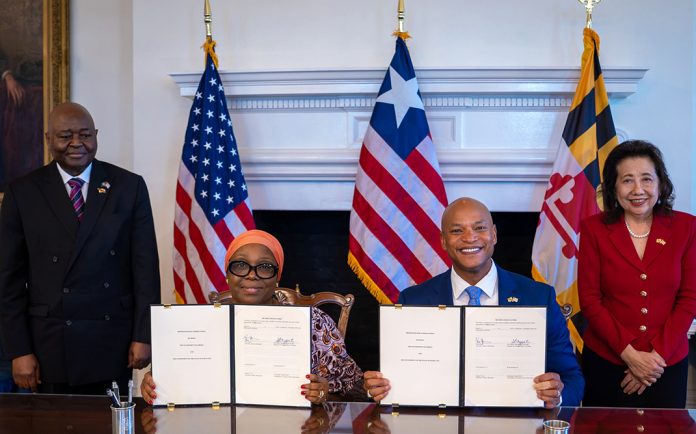
Liberian Foreign Minister Sara Beysolow-Nyanti, left, and Maryland Gov. Wes Moore display a signed memorandum of understanding establishing a sister-state partnership between Liberia and the State of Maryland on June 24, 2026. They are joined by Liberia’s ambassador to the United States, Al-Hassan Conteh, standing left, and Maryland Secretary of State Susan C. Lee. | Photo by Al-Jerome Chede/Embassy of Liberia
Liberian Foreign Minister Sara Beysolow-Nyanti, left, and Maryland Gov. Wes Moore display a signed memorandum of understanding establishing a sister-state partnership between Liberia and the State of Maryland on June 24, 2026. They are joined by Liberia’s ambassador to the United States, Al-Hassan Conteh, standing left, and Maryland Secretary of State Susan C. Lee. | Photo by Al-Jerome Chede/Embassy of Liberia
Nearly two centuries after Maryland played a pivotal role in Liberia’s early history, the two governments have signed what officials describe as a landmark partnership aimed at strengthening economic, educational and cultural ties for a new generation.
Liberian Foreign Minister Sara Beysolow-Nyanti and Maryland Gov. Wes Moore signed a sister-state memorandum of understanding on June 24, establishing what Maryland officials said is the first formal sister-state relationship between the state and an African nation.
The agreement creates a framework for cooperation in areas including trade, investment, education, agriculture, technology, infrastructure, public health and workforce development, while reaffirming a relationship that both sides say is rooted in nearly 200 years of shared history.
“This signing marks the reaffirmation of a relationship that stretches back nearly two centuries and is rooted in a shared history, common aspirations and enduring bonds,” Nyanti said during the signing ceremony.
For many Americans, Liberia’s founding is associated broadly with formerly enslaved and free Black Americans who settled there during the 19th century. Less widely known is Maryland’s unique role in that history.
Beginning in the 1830s, the Maryland State Colonization Society established a settlement along Liberia’s southeastern coast that later became Maryland County. Before joining the Republic of Liberia in 1857, the settlement briefly existed as the independent Republic of Maryland, giving the U.S. state an enduring historical connection unlike that of any other state.
Nyanti said Maryland continues to occupy “a special place” in Liberia’s national history, noting that modern relationships have expanded beyond history through exchanges involving Maryland and Liberia’s Maryland and Bong counties.
“The signing of this Memorandum of Understanding marks a historic new chapter in the longstanding relationship between the Republic of Liberia and the State of Maryland—a relationship rooted in nearly two centuries of shared history, friendship and enduring people-to-people ties,” she said.
The foreign minister said the agreement also aligns with President Joseph Nyuma Boakai Sr.’s ARREST Agenda for Inclusive Development, Liberia’s national development strategy aimed at promoting economic growth, improved infrastructure and human capital development.
Moore, Maryland’s first Black governor, opened his remarks by congratulating Liberia on its recent election as a non-permanent member of the United Nations Security Council, saying Liberia’s voice was long overdue on the global body.
He also reflected on the historical journey that connected Maryland and Liberia.
“In 1834, free Black men and women fled the United States from dehumanizing conditions to find a new home in Liberia,” Moore said, noting that Liberia’s second president, Stephen Allen Benson, was born in Cambridge, Maryland, before emigrating to Liberia.
Moore described the memorandum as the first agreement of its kind between Maryland and an African nation and said his administration intends to focus initially on four priority areas: trade, education, public health and civic exchange.
“These pillars will deliver real projects in real time and with tangible results,” Moore said.
The ceremony brought together Maryland officials, members of the Liberian diplomatic mission in Washington, D.C., and leaders from the Liberian community in the Washington metropolitan area.
Among those attending were Liberia’s Ambassador to the United States, Dr. Al-Hassan Conteh, Assistant Minister for American Affairs Christiana Konneh and Sebastian Teclar, president of the Liberian Association serving the Washington, D.C., Maryland and Virginia region.
While the agreement was signed in Maryland, its significance extends to Liberian communities across the United States, including Minnesota, which is home to the country’s largest Liberian population. Brooklyn Park, where many Liberian Americans have settled, has long maintained formal ties with a community in Liberia, reflecting the enduring people-to-people relationships that continue to connect the two countries.
Although largely symbolic at its signing, officials from both governments said they expect the memorandum to serve as a platform for expanded trade, educational exchanges, public health collaboration and investment in the years ahead.
For Liberia, the agreement represents an opportunity to deepen partnerships with a state whose history has been intertwined with its own since the country’s earliest beginnings. For Maryland, officials said it opens a new chapter in a relationship built not only on history but on a shared vision for future cooperation.