

The African nations of Botswana, the Central African Republic, Guinea, Guinea-Bissau and Namibia have been added to the list of countries whose citizens have to post a bond of up to $15,000 to apply for a non-immigrant visa to enter the United States.
The new additions became effective on January 1 with Bhutan and Turkmenistan the only non-African counties added to the updated list, which brings the total number of countries affected by the bond policy to thirteen.
Those posting the bonds are also required to enter and exit the United States through three designated ports of entry:
- Boston Logan International Airport (BOS)
- John F. Kennedy International Airport (JFK)
- Washington Dulles International Airport (IAD)
Failure to enter and exit the U.S. through the three airports will lead to one losing their bond.
When it started the visa bond policy last year, the Trump administration said it was part of an effort to combat visa overstays, and that it was pilot program.
The administration plans to add 25 more countries to the pilot with different implementation dates through January 21.
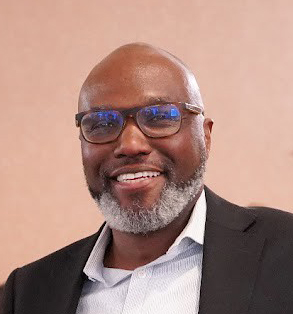
About Tom Gitaa, Editor-in-Chief
Born and raised in Kenya's coastal city of Mombasa, Tom is the Founder, Editor-in-Chief and Publisher of Mshale which has been reporting on the news and culture of African immigrants in the United States since 1995. He has a BA in Business from Metro State University and a Public Leadership Credential from Harvard’s Kennedy School of Government. He was the original host of Talking Drum, the signature current affairs show on the African Broadcasting Network (ABN-America), which was available nationwide in the United States via the Dish Network satellite service. On the show, he interviewed Nobel laureates such as 2004 Nobel Peace prize winner, Professor Wangari Maathai, the first woman from Africa to win the peace prize and heads of states. Tom has served and chaired various boards including Global Minnesota (formerly Minnesota International Center), the sixth largest World Affairs Council in the United States. He has previously served as the first Black President of the Board of Directors at Books for Africa. He also serves on the board of the Minnesota Multicultural Media Consortium. He has previously served two terms on the board of the United Nations Association. An avid runner, he retired from running full marathons after turning 50 and now only focuses on training for half marathons.
- Web |
- More Posts(515)
 (No Ratings Yet)
 Loading...