
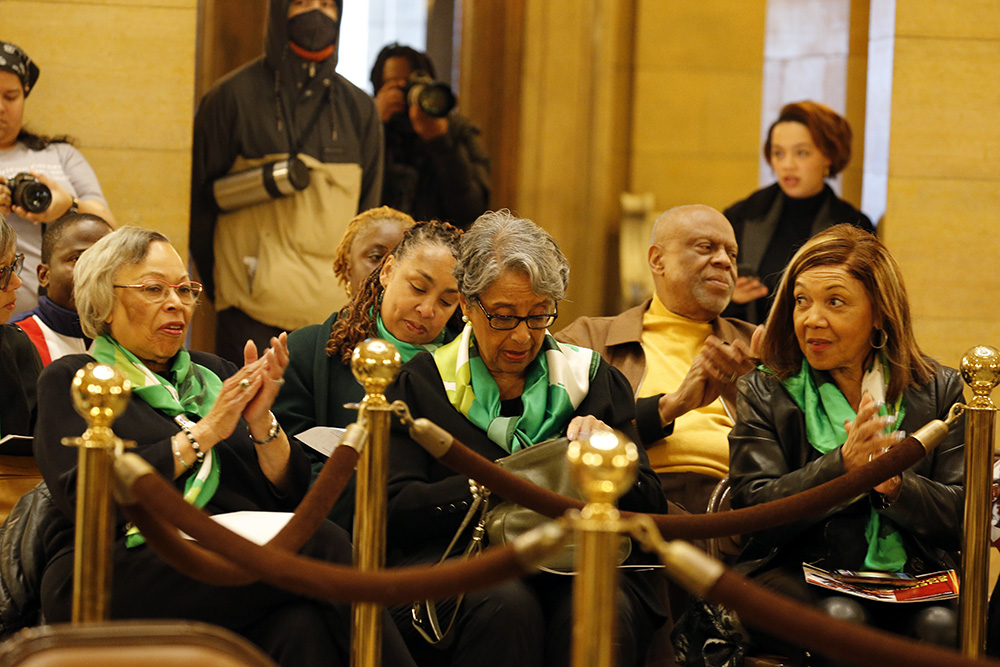

Many African heritage families in Minnesota are experiencing rising anxiety tied to immigration enforcement concerns and persistent disparities, according to the Council for Minnesotans of African Heritage’s 2025 annual report—even as population growth and economic influence across the state continues to expand.
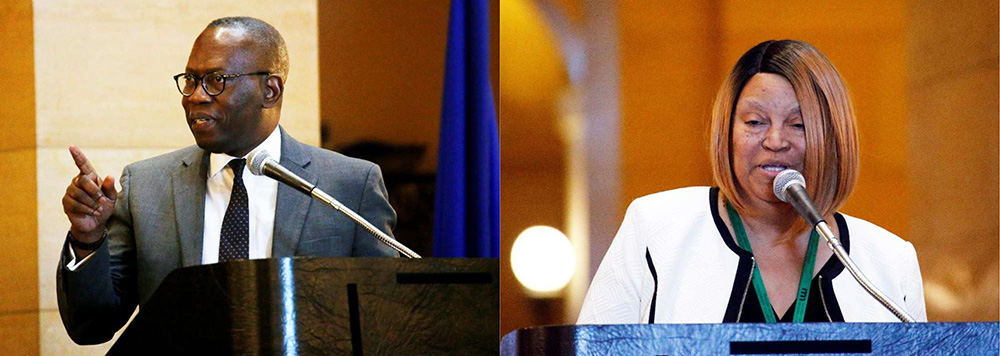
“Families are anxious. Neighbors are afraid,” Council Chair Wayne Doe wrote in the report’s opening, describing what he called a growing sense of silence and withdrawal in parts of the community.
The report points to African immigrant communities, including residents from Somalia and Liberia, as particularly affected. It says some families are becoming more cautious about attending public events, engaging with government services, or participating in civic spaces due to fears linked to immigration enforcement and increased scrutiny.
“We have to make sure people feel safe before they can fully engage,” said Executive Director Linda Sloan, who described trust-building as a central part of the council’s work. She said CMAH has leaned more heavily on partnerships with grassroots organizations and trusted community voices to help bridge that gap.
At the same time, the report highlights the scale of Minnesota’s African heritage community and its growing economic presence across the state.
It estimates about 287,000 working-age African heritage residents in Minnesota, supported by more than 103,000 births since 2010 and the arrival of roughly 79,000 Black immigrants between 2010 and 2023.
CMAH places the community’s overall economic footprint at about $18 billion in combined income and housing-related assets, including roughly $10 billion in consumer spending power.
Entrepreneurship continues to expand as well. The report cites about 48,500 Black-owned non-employer businesses across the state—nearly double the number recorded in 2017—and more than 2,100 employer businesses that together generate roughly $924 million in payroll and employ over 33,000 workers.
Altogether, CMAH estimates African heritage residents contribute about $58 billion in economic output and support roughly 300,000 jobs statewide.
Despite that growth, the report says long-standing disparities in education, employment, housing, and health outcomes remain a pressing concern.
Mental health access is highlighted as a particular gap, with the report pointing to limited availability of culturally responsive providers, stigma around seeking care, and broader system barriers that continue to affect families.
“Our strength has always been in community, faith, resilience,” Doe wrote, framing the report as both a reflection of progress and a reminder of unfinished work.

About Tom Gitaa, Editor-in-Chief
Born and raised in Kenya's coastal city of Mombasa, Tom is the Founder, Editor-in-Chief and Publisher of Mshale which has been reporting on the news and culture of African immigrants in the United States since 1995. He has a BA in Business from Metro State University and a Public Leadership Credential from Harvard’s Kennedy School of Government. He was the original host of Talking Drum, the signature current affairs show on the African Broadcasting Network (ABN-America), which was available nationwide in the United States via the Dish Network satellite service. On the show, he interviewed Nobel laureates such as 2004 Nobel Peace prize winner, Professor Wangari Maathai, the first woman from Africa to win the peace prize and heads of states. Tom has served and chaired various boards including Global Minnesota (formerly Minnesota International Center), the sixth largest World Affairs Council in the United States. He has previously served as the first Black President of the Board of Directors at Books for Africa. He also serves on the board of the Minnesota Multicultural Media Consortium. He has previously served two terms on the board of the United Nations Association. An avid runner, he retired from running full marathons after turning 50 and now only focuses on training for half marathons.
- Web |
- More Posts(517)
 (No Ratings Yet)
 Loading...