


Health insurance premiums, deductibles and out-of-pocket medical costs are consuming a growing share of Minnesota workers’ paychecks, according to a new report that warns health care affordability is likely to worsen unless policymakers address rising hospital and prescription drug prices.
The report, Rising Health Care Spending in Minnesota, released Wednesday by North Star Policy Action, found employee contributions toward employer-sponsored health insurance premiums have increased 67 percent since 2013, while median wages in Minnesota have risen 42 percent over the same period, leaving many families spending a larger share of their income on health coverage.
Researchers said the increases are being driven less by Minnesotans using more health care than by rising prices for hospital services and prescription drugs, trends they say have been fueled in part by increasing consolidation across the health care industry.
The report also projects significant increases for many Minnesotans who purchase insurance through MNsure after enhanced federal premium subsidies expired. On average, monthly premiums are expected to increase 54 percent in 2026 for people who previously received those subsidies, although some households — particularly older adults and rural residents — could see substantially larger increases depending on their circumstances.
The findings were released during a news conference featuring health care workers, faith leaders and researchers. Speakers also raised concerns about the proposed acquisition of Minneapolis-based Allina Health by California-based Sutter Health, saying additional consolidation could further increase costs for patients.
Jen Schultz, a University of Minnesota economics professor and co-author of the report, said consumers often blame insurance companies for rising premiums while overlooking the role hospital pricing plays.
“Most people are quick to blame health insurance companies for their high premiums. But folks only need to look at their bill or EOB to see another reason: high hospital prices,” Schultz said. “Higher hospital prices mean smaller paychecks and inflated premiums.”

Schultz said hospital consolidation has given large health systems greater market power, allowing prices to rise over time.
The report found rising costs are already affecting how Minnesotans seek medical care. It cites polling showing that 26 percent of Minnesotans delayed seeking treatment because they could not afford it, while nearly half reported experiencing stress related to health care costs.
Researchers also warned that if more people lose health insurance because of rising premiums, hospitals could face higher levels of uncompensated care, costs they say are likely to be passed on through higher prices for other patients.
Aaron Rosenthal, research director at North Star Policy Action and a co-author of the report, said rising health care costs should not be viewed as unavoidable.
“The worst thing we could do is treat rising health care spending as inevitable,” Rosenthal said. “Federal policy has put Minnesota in a tough spot to be sure. Even so, we have the power to make health care more affordable for working families in this state, and we should use it.”
Faith and community leaders attending the event said rising health care costs also have a disproportionate impact on underserved communities.
“Black community members face disproportionate barriers to health care, from chronic disease burdens to cost-related delays to treatment,” said Wanda Malden of the Black Church Power Project. She said major health care mergers should include “explicit protections, transparent accountability, and measurable commitments to racial equity.”
The report recommends a range of policy options for state lawmakers, including measures to curb health care consolidation, address rising prices and preserve access to affordable health insurance.
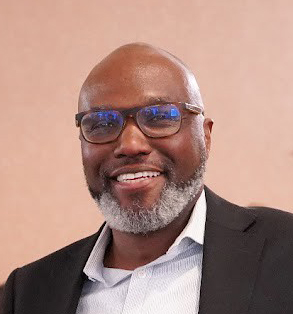
About Tom Gitaa, Editor-in-Chief
Born and raised in Kenya's coastal city of Mombasa, Tom is the Founder, Editor-in-Chief and Publisher of Mshale which has been reporting on the news and culture of African immigrants in the United States since 1995. He has a BA in Business from Metro State University and a Public Leadership Credential from Harvard’s Kennedy School of Government. He was the original host of Talking Drum, the signature current affairs show on the African Broadcasting Network (ABN-America), which was available nationwide in the United States via the Dish Network satellite service. On the show, he interviewed Nobel laureates such as 2004 Nobel Peace prize winner, Professor Wangari Maathai, the first woman from Africa to win the peace prize and heads of states. Tom has served and chaired various boards including Global Minnesota (formerly Minnesota International Center), the sixth largest World Affairs Council in the United States. He has previously served as the first Black President of the Board of Directors at Books for Africa. He also serves on the board of the Minnesota Multicultural Media Consortium. He has previously served two terms on the board of the United Nations Association. An avid runner, he retired from running full marathons after turning 50 and now only focuses on training for half marathons.
- Web |
- More Posts(514)
 (No Ratings Yet)
 Loading...