
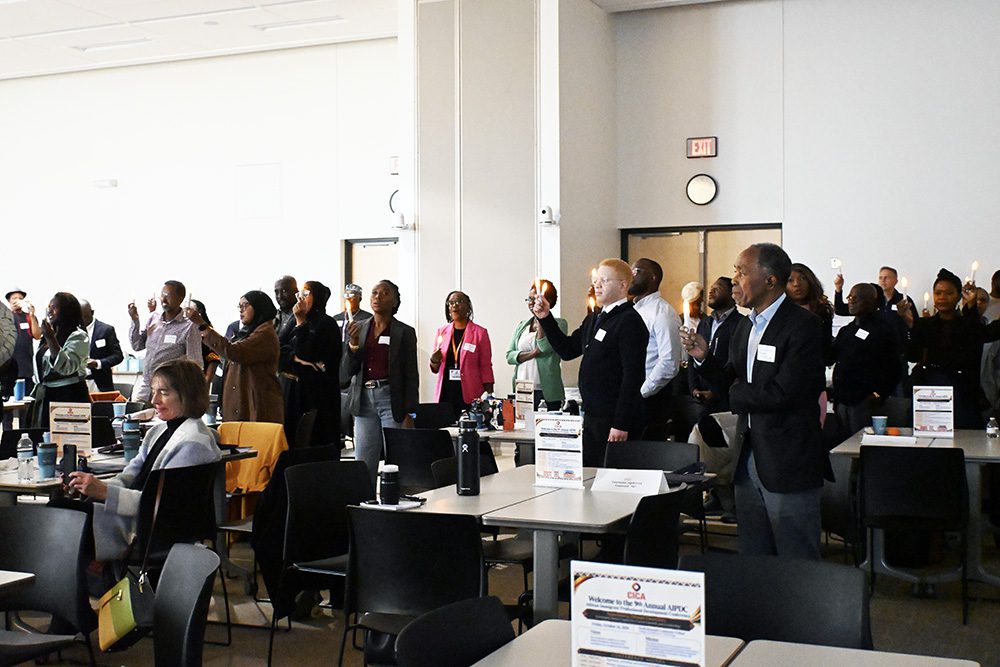

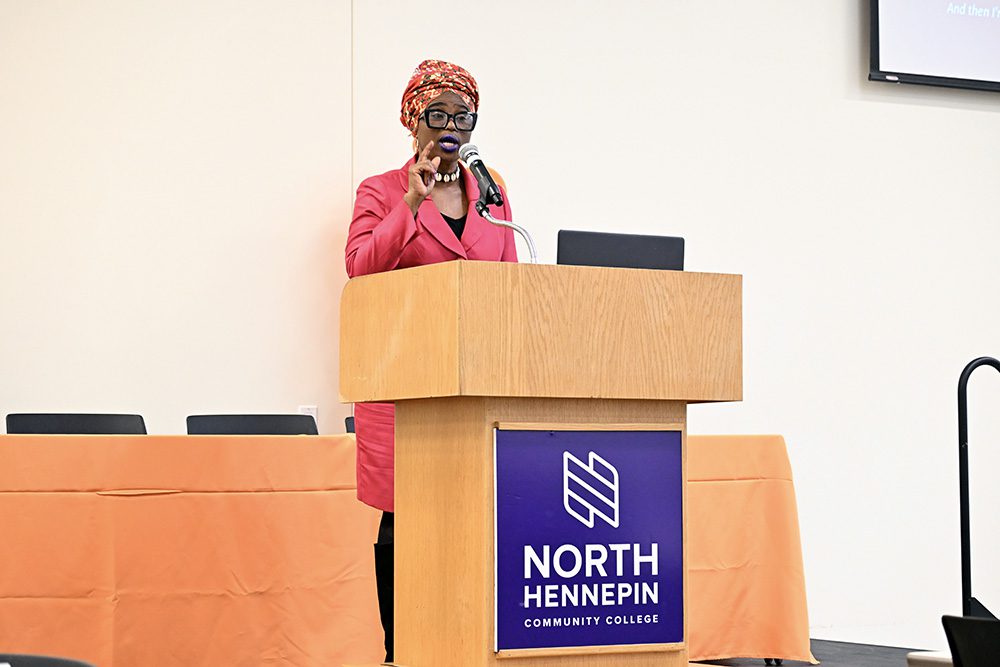
Inside Helling Hall at North Hennepin Community College, Rosemond Sarpong Owens asked participants to hold a candle and think about personal strengths they had minimized. Owens, who was delivering the keynote speech at the ninth annual African Immigrant Professional Development Conference (AIPDC), told members of her audience to also think about relationships they had hesitated to build on, and the rooms they wondered whether they belonged in.
“You can begin with what you have, where you are and you can begin today,” Owens said, as participants picked up candles that had been provided to them, turned them on and raised them.
Owens’ candle exercise was about recognizing personal strength and building relationships that help those abilities become visible. Those ideas set the tone for the conference.
Organized by the Center for Immigrant Career Advancement (CICA), the conference explored how African immigrants could turn their education, experience and community connections into opportunities for growth and leadership. This year’s theme, “Repositioning through uncertainty: leveraging social capital for career growth and leadership,” guided conversations about mentorship, entrepreneurship and navigating workplace barriers when traditional pathways become difficult to access.
Such conversations have become common in Minnesota as contributions of African immigrants to the state’s labor force and economy continues to grow. According to the latest Department of Employment and Economic Development (DEED) report released in March 2025, African-born residents accounted for 28.3% of Minnesota’s foreign-born population in 2023. The state’s African Immigrant population grew by 61,035 between 2013 and 2023, a surge of 78.8%. Immigrants overall accounted for more than 344,000 people, 10.9% of Minnesota’s labor force in 2023. The population also accounted for nearly half the state’s labor force growth over the decade, according to the DEED report. Those workforce figures cover immigrants from all regions, rather than African immigrants specifically.
CICA provides career development and leadership opportunities for skilled immigrants through networking, mentorship, training and strategic partnerships. Its six-month pilot program pairs African immigrants with Twin Cities professionals in their intended fields, combining mentorship with training on resumes, networking and workplace culture.
The annual conference traces its origins back to AIPDC co-founder Dr. S. Miata Getawah’s doctoral research examining African immigrants’ advancement into leadership and senior positions. During the defense of her dissertation in 2018, she was asked how she would share her findings with the African community.
When opening this year’s conference, Getaweh acknowledged the uncertainty surrounding participants’ professional aspirations. She described how the troubling immigration enforcement crackdown posed fear and affected African immigrant families, businesses and workplaces in Minnesota.
“Our presence today is a testimony to resilience, but we also deserve more than simply surviving difficult times,” Getaweh said. “We deserve to feel safe, valued and to thrive.”
The day combined professional headshots, panel discussions, audience questions and a community networking lunch. Participants heard from professionals in various careers about relationships that helped shape their careers.
Panelist Karen Fomafung shared how one connection helped redirect a career that initially offered little room for her qualifications. After moving to the United States from Cameroon in 2013, Fomafung said she found herself in a community where healthcare was presented as the only career path worth pursuing. Despite holding a bachelor’s degree in economics, business management and enterprise administration, she began working as a nursing assistant. Within seven months, she said she knew she needed another direction.
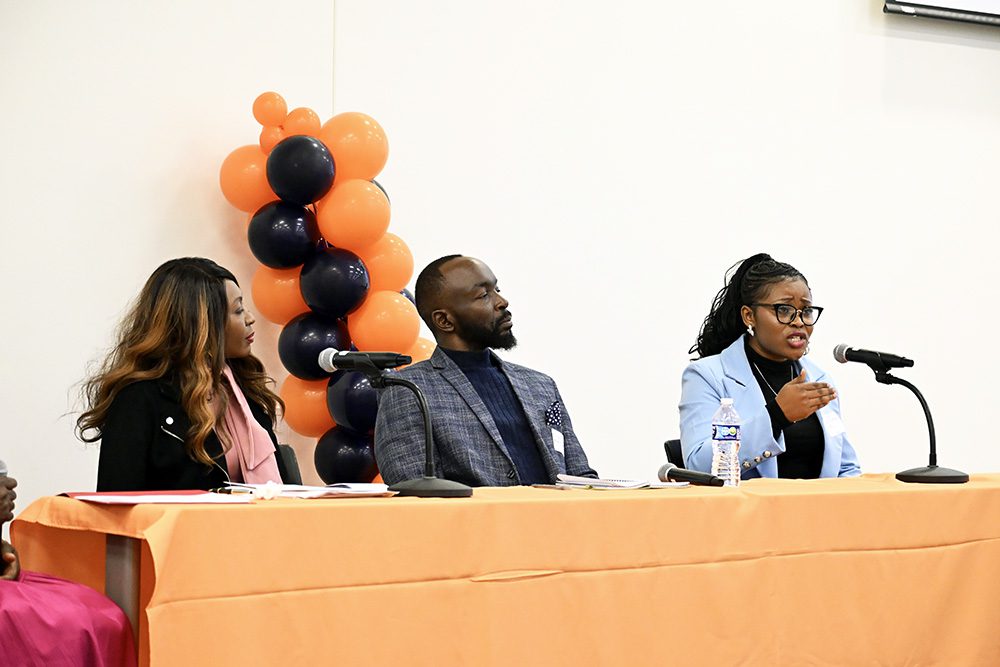
“I was so traumatized, I figured out very quickly that this cannot be for me,” she said. “I had to quit without any Plan B.”
Later at church, she connected with an old university friend who introduced her to corporate career possibilities. He trained her for three months helping her prepare for a project coordinator position she later secured at Xcel Energy, the Minneapolis-based electricity and natural gas company.
Fomafung began documenting and sharing her transition, eventually developing work in career, business and financial coaching. Her experience connected to common distinctions throughout the conference, having qualifications and not knowing how to access opportunities can be challenging.
DEED reports that 35.8% of Minnesota’s foreign-born residents ages 25 and older held a bachelor’s degree or higher in 2023, including 16% with advanced degrees.
Kenyan-born panelist Alex Masika described building professional connections before relocating to the United States. Educated in Kenya, he intentionally pursued international opportunities, including work with U.S.-headquartered startups operating in African markets.
During the conference, he shared how those experiences helped him establish relationships and demonstrate relevant skills when he relocated to the U.S.
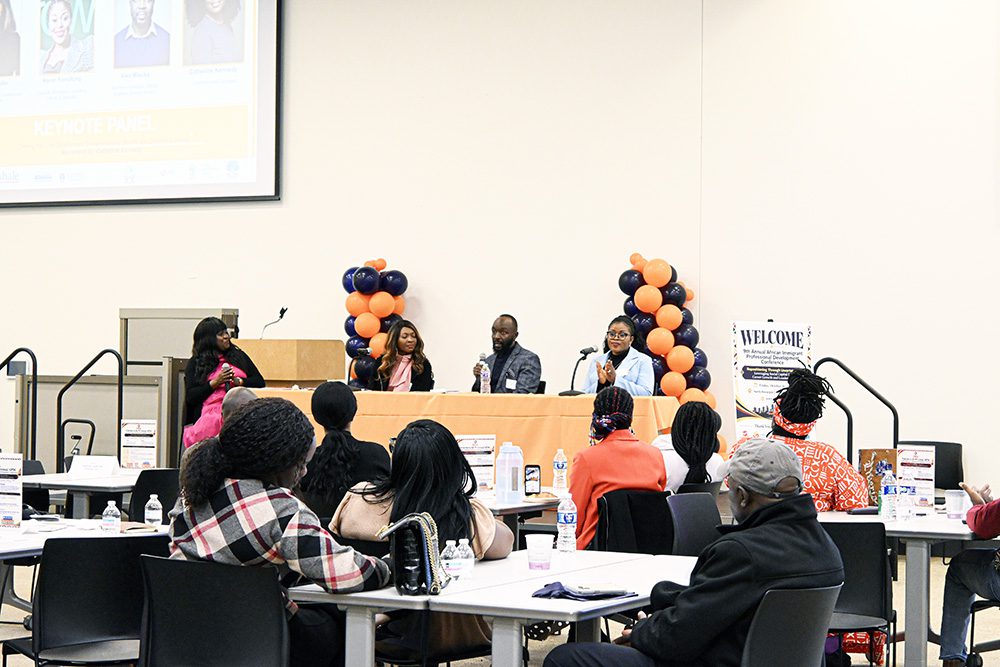
“I started positioning myself before coming here,” Masika said. “While I was in Kenya, one of the things I did for myself was always looking for international opportunities because international opportunities expose you to the other parts of the world.”
Now as a business consultant at Metropolitan Economic Development Association, he encouraged participants to advocate the value of their experience.
“Don’t just ask for a seat at the table; demonstrate the value that you bring to the table,” Masika said. “Sometimes you just need to create your own doors.”
Panelists also addressed sustaining careers and community work. Comfort Dondo, the founding executive director of Phumulani, a nonprofit that provides services to immigrants and refugees to help them transition smoothly and settle into their new lives in the United States, emphasized mentorship, trusted relationships and rest. Audience questions extended those discussions to balancing employment with family time and supporting relatives abroad while saving for the future.
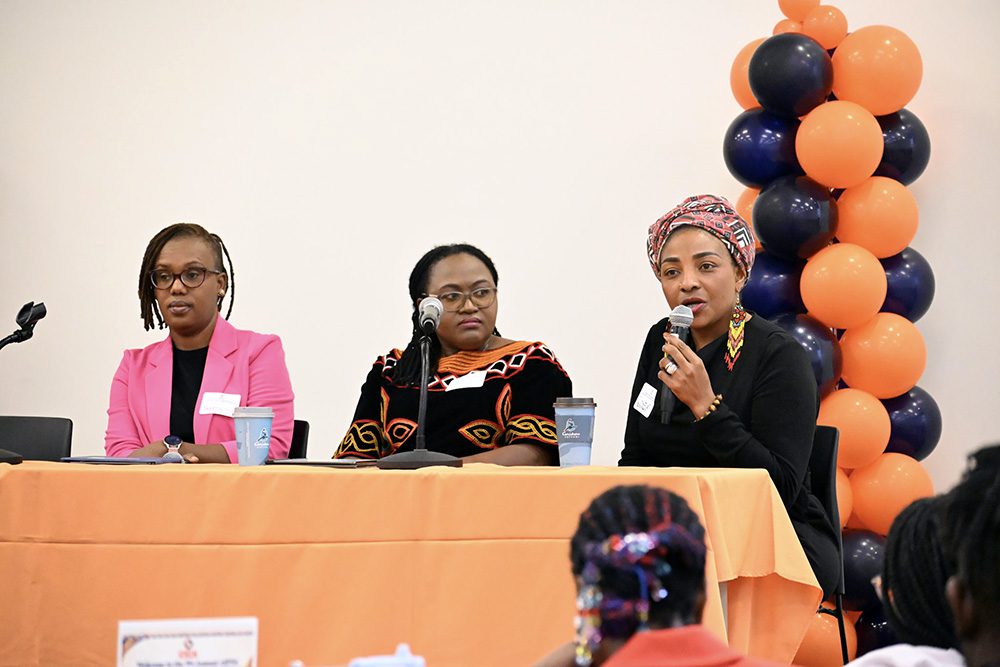
Owens, the keynote speaker, encouraged participants to view relationships as an ongoing investment in others.
“Your social capital is your savings account,” Owens said. “You make deposits long before you know you have to make a withdrawal. Don’t wait till you need people before you start building relationships. Build them now.”

About Lizzy Nyoike - Mshale Contributing Reporter
Lizzy Nyoike is a Hubbard School of Journalism & Mass Communication student.
 (1 votes, average: 5.00 out of 5)
 Loading...