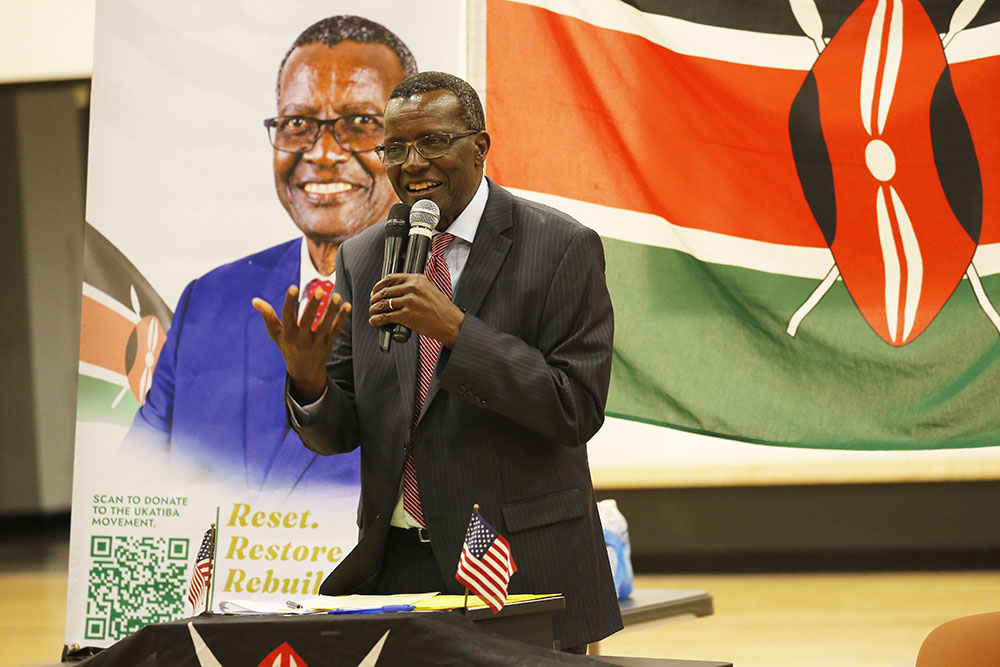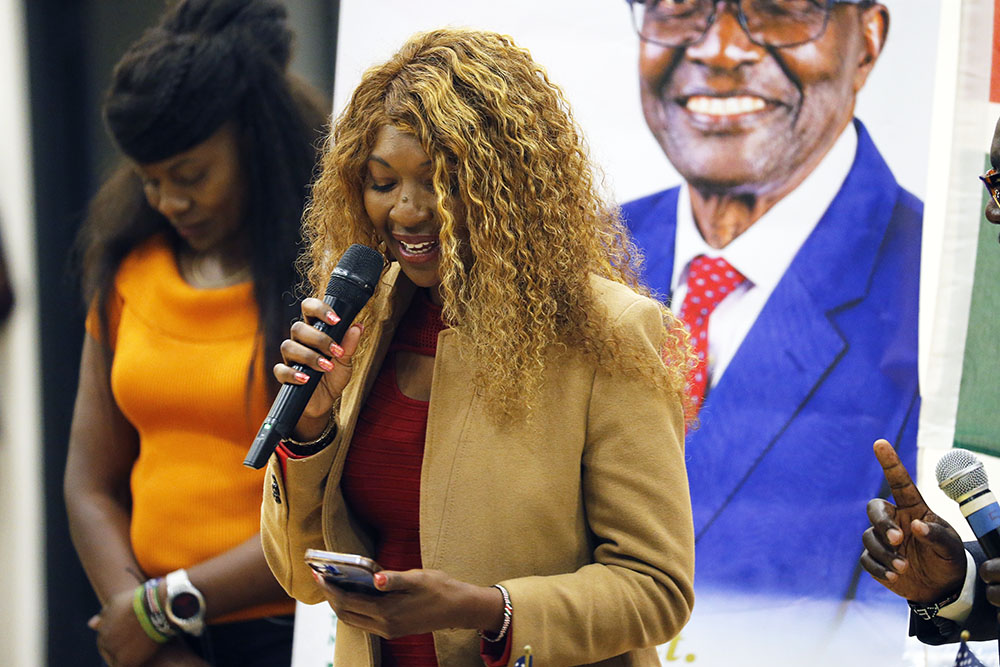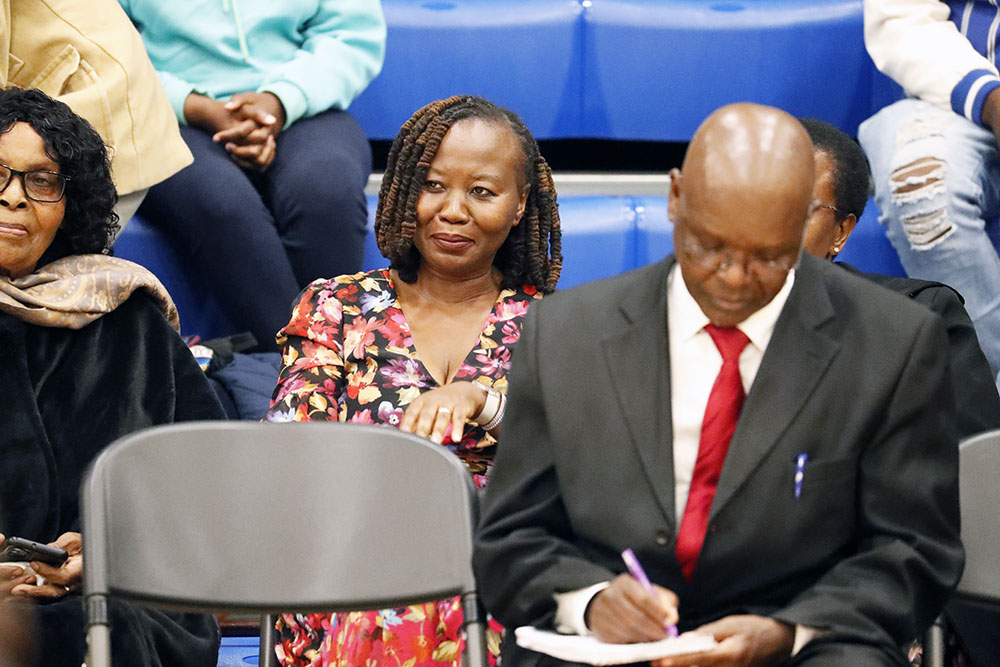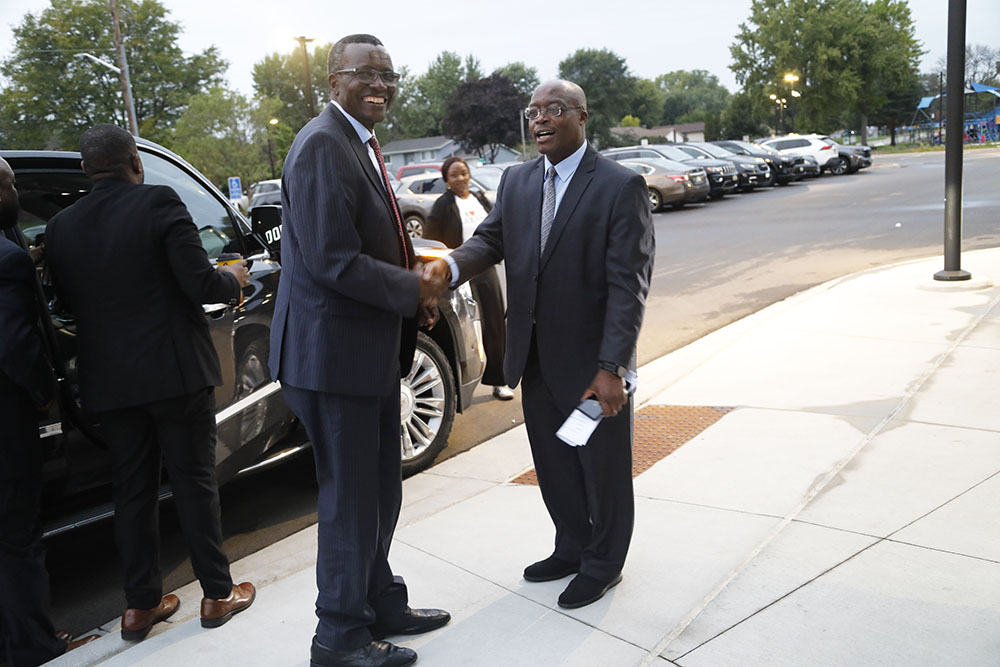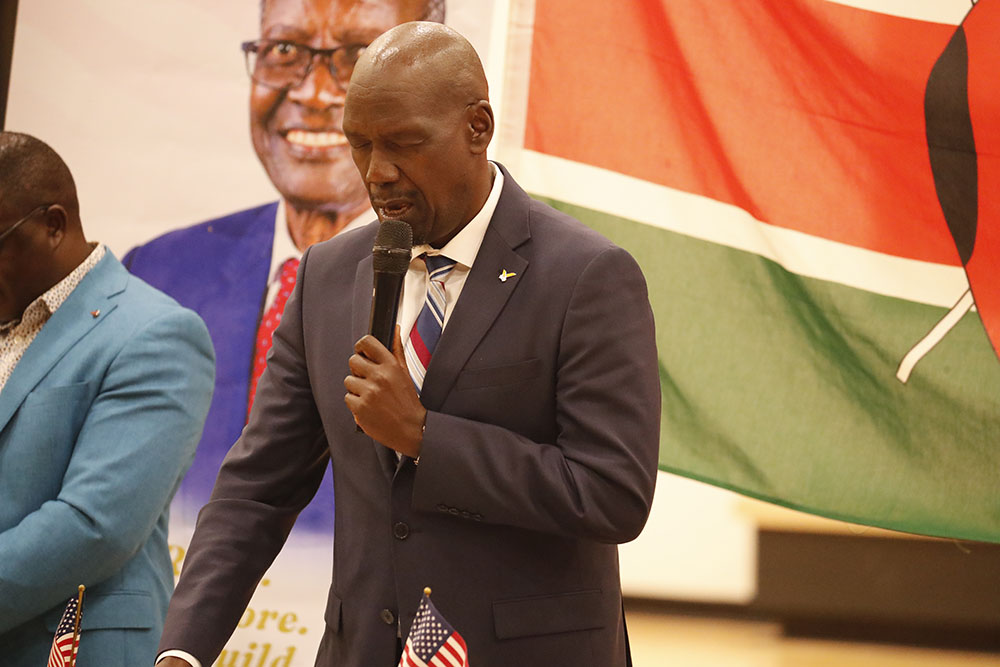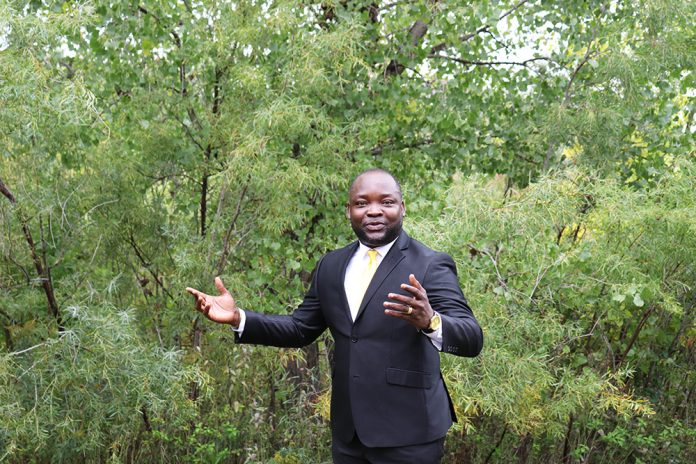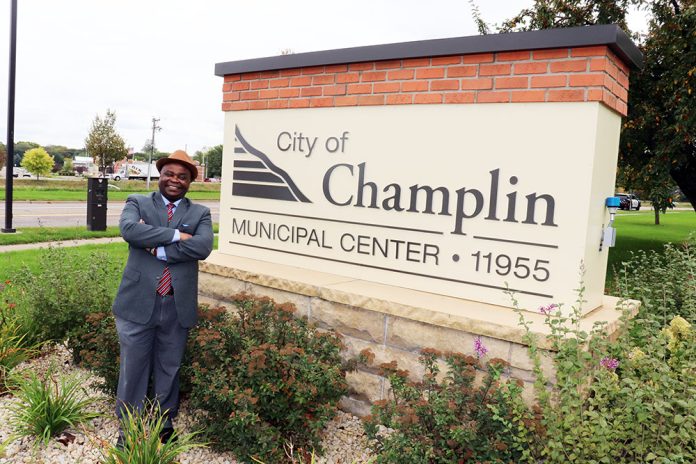
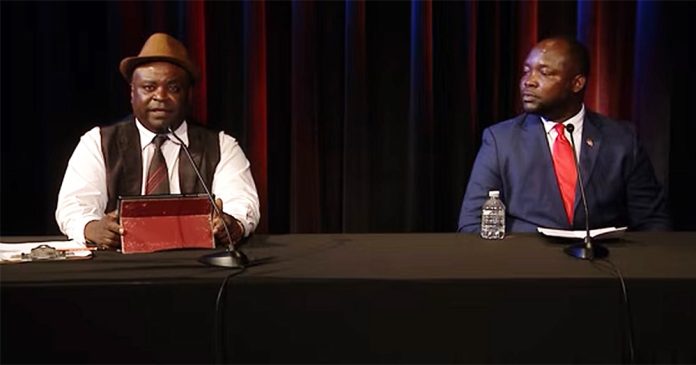

CHAMPLIN, Minn. — Two candidates seeking a seat on the Champlin City Council offered distinctly different assessments of one of the city’s signature redevelopment projects during a candidate forum, exposing one of the clearest differences in an otherwise largely cordial discussion about the city’s future.
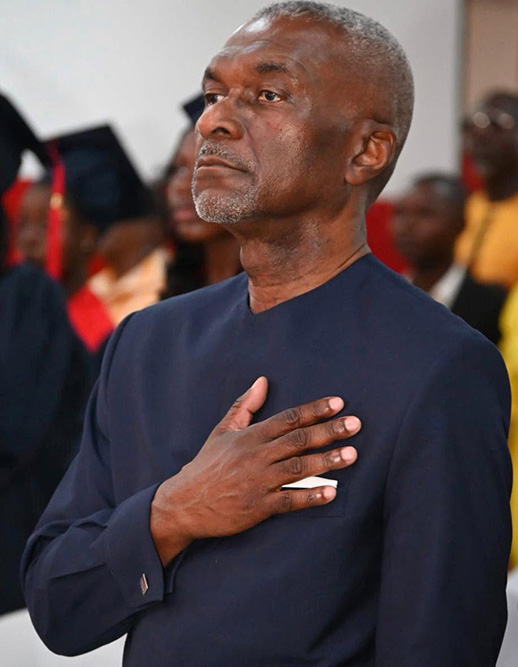
Charles Boakai questioned whether the city’s investment in Mississippi Crossings reflects the priorities of residents struggling with property taxes and rising household costs. Samuel Mwangi, meanwhile, called the riverfront redevelopment an important investment and an asset to Champlin, while saying future growth should be balanced against the needs of existing neighborhoods.
The exchange came during a League of Women Voters candidate forum for the Ward 4 special election. Boakai and Mwangi were the only two of four candidates who participated.
Lorraine Coan, the sitting Ward 4 council member, declined the League’s invitation. Ryan Reider did not respond, according to the League.
Coan has represented Ward 4 since April, when the City Council appointed her to temporarily fill the seat vacated by former Councilmember Tim LaCroix.
LaCroix resigned March 11 after he and his wife were charged with multiple felony tax crimes by the Hennepin County Attorney’s Office. The charges are unrelated to city government operations, according to the city.
The council interviewed applicants for the vacancy April 20 and selected Coan, who took office April 27. Mwangi, who also sought the appointment, later told Mshale he believed his previous campaigns and years of civic involvement should have carried greater weight in the selection process. He criticized leaving the decision solely to sitting council members and said he would have preferred a process that included additional community input.
The Nov. 3 special election will determine who serves the remaining two years of LaCroix’s term, which ends Dec. 31, 2028.
Boakai, Coan, Mwangi and Reider will all appear on the ballot.
Different views of Mississippi Crossings
Asked how Champlin should balance new development with the needs of existing neighborhoods, Boakai tied development decisions to broader concerns about affordability.
He pointed to property taxes, insurance costs and other financial pressures on residents before turning to Mississippi Crossings, the city’s riverfront redevelopment.
Boakai questioned whether some city investments have delivered the amenities residents most need and pointed specifically to the event center at Mississippi Crossings.
Instead, he said Champlin needs a community center so residents do not have to travel to neighboring cities for similar amenities.
“We need to build smart,” Boakai said.
Mwangi followed with a notably different assessment.
“I support reasonable development and planning because Champlin has to prepare for the future,” Mwangi said. He called Mississippi Crossings “a good example of an important investment” and described the redevelopment as an asset to the city.
But Mwangi said new development should not come at the expense of existing neighborhoods. He said city leaders need to consider infrastructure, traffic and environmental impacts and ensure established neighborhoods continue receiving adequate services as Champlin grows.
The exchange reflected different approaches the candidates have emphasized during the campaign.
Boakai has questioned some city spending decisions and argued that residents should have a greater role in determining priorities. Mwangi has emphasized long-term planning and his experience on the city’s Environmental Resources Commission while arguing that growth must be managed carefully.
Taxes and spending
The candidates found more common ground when the discussion turned to property taxes and city spending.
Both said residents are concerned about rising costs and argued that city officials need to scrutinize spending.
Boakai said residents he has spoken with are worried about property taxes and questioned whether taxpayers are receiving enough value from some city investments.
He argued that Champlin should pursue economic development that broadens the tax base without placing unnecessary burdens on homeowners.
Mwangi said fiscal responsibility requires city officials to prioritize essential services and carefully examine how taxpayer money is spent.
An accountant by profession, Mwangi pointed to his financial background as experience he could bring to council budget discussions.
Both candidates also said economic development should include support for small businesses.
Listening to residents
If there was a recurring theme throughout the forum, it was that residents should have a larger voice at City Hall.
Boakai was the more pointed of the two.
Discussing what he has heard while campaigning door to door, he said Champlin residents care about their community but do not always believe city leaders are listening.
“I think the City Council don’t listen,” Boakai said.
He called for more opportunities for residents to provide input and receive feedback from city leaders.
Mwangi also emphasized engagement but framed the issue around communication and transparency.
He said residents want to know what the city is doing, how much projects will cost and how they can participate in decisions. Major issues, he said, should not reach the council for a vote before residents have had meaningful opportunities to weigh in.
Mwangi suggested town halls, neighborhood meetings, surveys and public comments as ways to involve residents earlier in the process.
Public safety brings agreement
There was considerably less distance between the candidates on public safety.
Both expressed support for Champlin police and said the department should have the resources and tools necessary to serve residents.
Mwangi emphasized community engagement and pointed to his participation in the Champlin Police Citizen Academy as part of his experience with local public safety issues.
Boakai praised law enforcement and also discussed efforts to educate residents about e-bike safety, saying his organization was planning an educational effort with police.
Both candidates presented public safety as an important part of maintaining Champlin’s quality of life.
Immigrants, minorities and LGBTQ+ residents
The forum also ventured into an area not always prominent in suburban City Council campaigns.
The candidates were asked what policies or initiatives they would support to ensure minority groups, including immigrants and LGBTQ+ residents, feel safe, represented and welcome in Champlin.
Boakai, a Liberian immigrant, said human rights are important and that immigrants legally in the United States should be welcomed.
When addressing LGBTQ+ residents, he was emphatic.
“They are human. For God’s sake, they are human,” Boakai said. “We need to welcome them.”
He said he was not there to judge people and argued that everyone should have a fair share in the community, describing his goal as “one Champlin and united Champlin.”
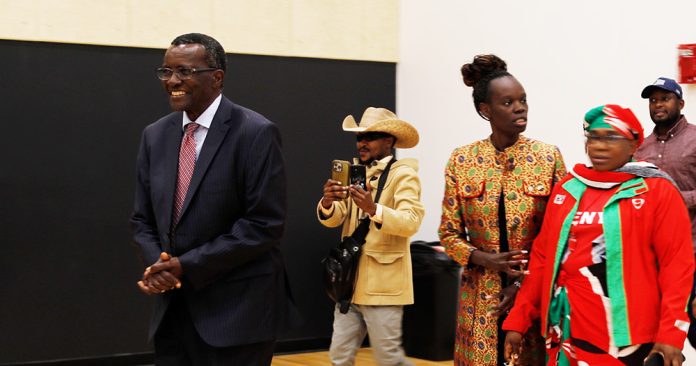
Mwangi, a Kenyan immigrant, said Champlin’s growing diversity is a strength but that diversity alone does not necessarily create connections among residents.
He said LGBTQ+ residents and immigrants should have the same rights as others and proposed more neighborhood conversations and activities that bring residents together. His ideas included family and youth activities, a community event celebrating Champlin’s diversity and a “Welcome to Champlin” program for newcomers.
Experience versus a new perspective
The forum also highlighted the different backgrounds the two candidates bring to the race.
Mwangi has lived in Champlin for more than two decades and has served eight years on the city’s Environmental Resources Commission. This is his third campaign for City Council after coming within 47 votes of winning a seat in 2024.
He repeatedly pointed to his city commission experience, accounting background and community involvement as preparation for serving on the council.
Boakai is making his first run for elected office.
He highlighted his background in banking, regulatory compliance, government and nonprofit work and argued that the council would benefit from new voices and perspectives.
Despite their differences, the two candidates largely avoided attacking each other during the forum. Their clearest distinctions emerged over priorities and how they viewed decisions already made by city leaders.
They are also competing against Coan, who already sits at the council table, and Reider.
The special election now gives voters the final say over who will represent Ward 4 for the remainder of the term.
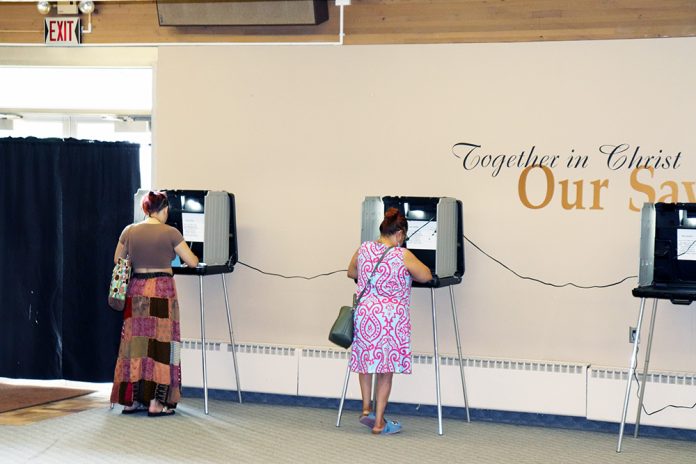
Absentee voting for the election began Sept. 18, while in-person early voting at Champlin City Hall begins Oct. 16. Election Day polls will be open from 7 a.m. to 8 p.m. Nov. 3.