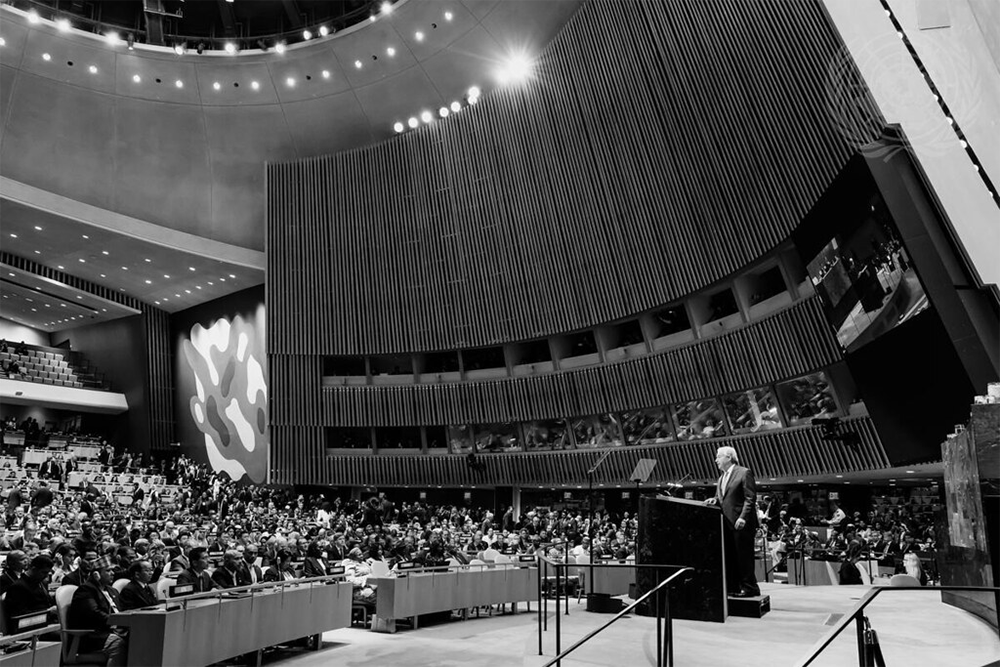
UNITED NATIONS — African leaders brought a common message to the United Nations General Assembly last week: A continent of 1.5 billion people should have a greater say in the institutions that decide questions of war, peace and the global economy.
From Kenya and Ghana to Sierra Leone and Nigeria, speeches during the 81st session of the General Assembly repeatedly returned to Africa’s lack of permanent representation on the U.N. Security Council. Leaders also pressed for changes to a global financial system they say makes borrowing more expensive for developing countries and called for Africa to retain more of the value from its natural resources.
Kenyan President William Ruto offered one of the sharpest critiques.
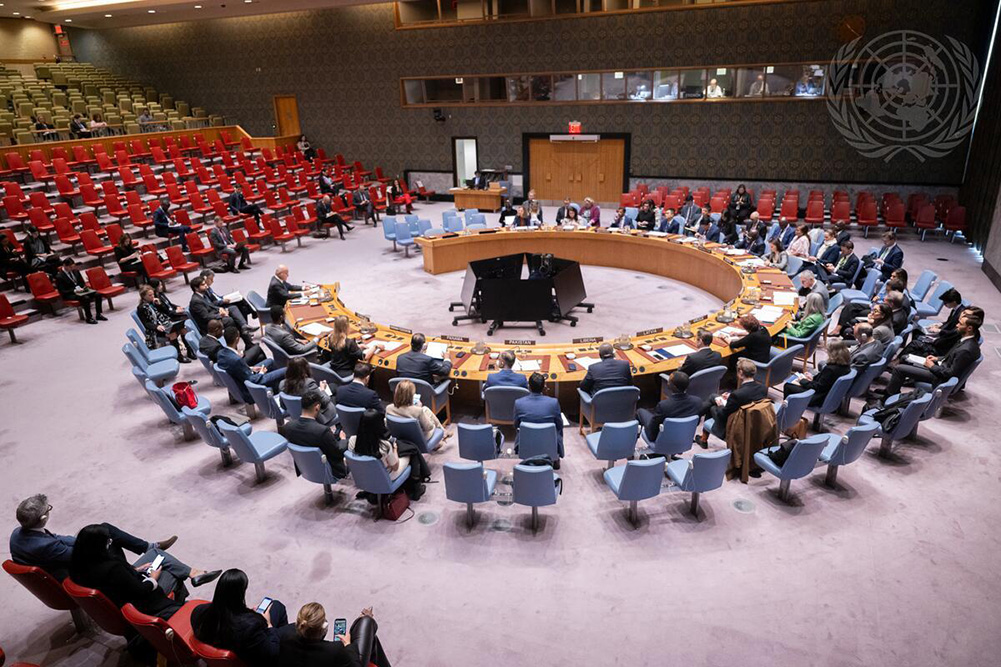
Africa’s 54 U.N. member states make up more than a quarter of the General Assembly, but none holds a permanent seat on the Security Council.
“The equality proclaimed in this assembly ends at the doors of the Security Council,” Ruto said Wednesday.
The 15-member council has five permanent members — China, France, Russia, the United Kingdom and the United States — each with veto power. Its structure largely reflects the global balance of power at the end of World War II, when much of Africa was still under colonial rule.
Ruto described the continent as “permanently discussed, yet permanently excluded.”
His argument was echoed by Ghanaian President John Dramani Mahama, who said Thursday that Africa should receive permanent representation with the same rights and powers enjoyed by existing permanent members.
“Security Council reform is not a favour to Africa,” Mahama said. “It is an imperative for the legitimacy, credibility, and survival of the United Nations.”
Nigeria made a similar case.
Vice President Kashim Shettima, speaking on behalf of President Bola Tinubu, said the world of 2026 should not remain bound by the distribution of power established in 1945.
“Africa cannot continue to fill the council’s agenda while remaining absent from its permanent membership,” Shettima said.
The calls reflect a longstanding African Union position seeking at least two permanent Security Council seats for Africa and additional nonpermanent representation.
General Assembly President Khalilur Rahman acknowledged the imbalance as he opened the general debate Tuesday, saying Africa, the U.N.’s largest regional grouping by number of member states, remains underrepresented.
“Africa needs to be at the table, not on the menu,” Rahman said.
But representation was only part of the argument African leaders carried to New York.
Ruto and others connected political power to economic power, criticizing borrowing costs and debt burdens that they said leave developing countries choosing between paying creditors and funding basic services.
“The hospital competes with a creditor. The classroom competes with debt service,” Ruto said.
He cited estimates that developing countries can face borrowing rates two to four times those paid by developed nations.
Mahama made a similar case, saying developing nations need long-term, affordable financing to invest in education, industrialization and adaptation to climate change.
“Africa does not seek charity,” Mahama said. “Africa seeks equal partnership anchored in mutual respect.”
That partnership, African leaders argued, must also change the continent’s relationship with its natural resources.
Africa possesses many of the critical minerals needed for electric vehicles, renewable energy and other technologies central to the global transition away from fossil fuels. Mahama said African countries should process more of those resources at home instead of exporting raw materials while manufacturing and higher-value jobs are created elsewhere.
“We will process our minerals at home, build local industries, create dignified jobs for our youth, and retain the value of our natural resources,” he said.
Climate change added another dimension to the financing debate. African governments have long argued that countries that contributed relatively little to historical greenhouse gas emissions are being forced to borrow to recover from droughts, floods and other climate-related disasters.
Sierra Leone President Julius Maada Bio also urged world leaders to reconsider international priorities, arguing that the resources governments mobilize for military spending should be matched by investment in peace, development and human security.
The demands produced no immediate breakthrough on the decades-old question of Security Council reform.
Changing the council’s structure would require agreement extending well beyond Africa, including the involvement of the five countries that already hold permanent seats.
But the speeches in New York showed how Africa’s argument has expanded beyond simply seeking seats on one U.N. body.
For many of the continent’s leaders, Security Council representation, debt, climate financing and control over natural resources are now pieces of the same demand: a greater African role in shaping the international system rather than simply living with decisions made elsewhere.

About Mshale Staff
The byline “By Mshale Staff” is used for stories that involve limited or no original reporting by our newsroom. These stories are often based on press releases or information provided by official sources, including corporations, government agencies and public institutions. The byline also may be used for reports compiled from multiple contributors, wire services, previously published material or aggregated sources when listing individual authors is impractical. Outside sources are generally identified within the story.
 (No Ratings Yet)
 Loading...