
Home Blog Page 69

Brooklyn Park wraps up Black History Month with focus on youth health and wellness

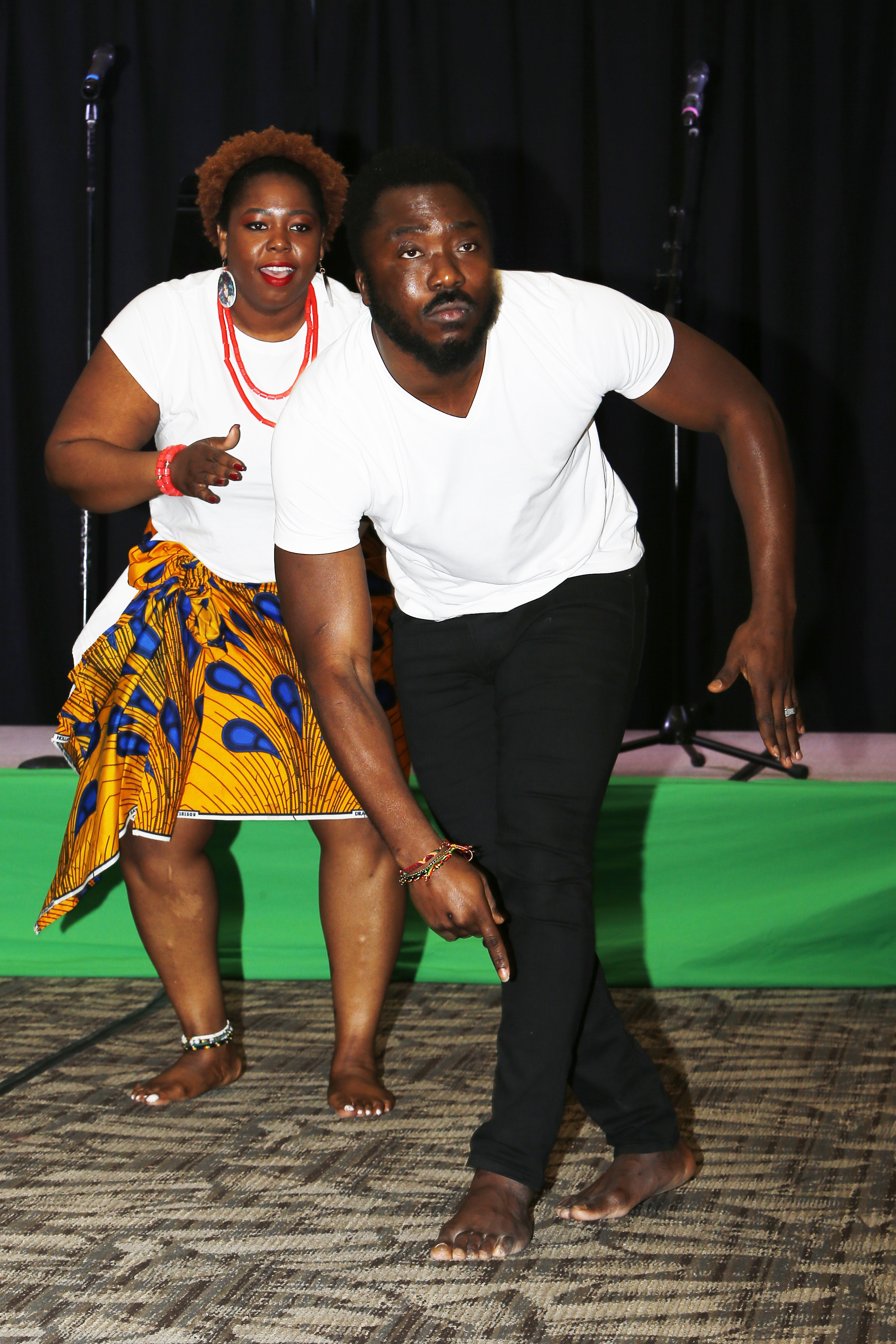
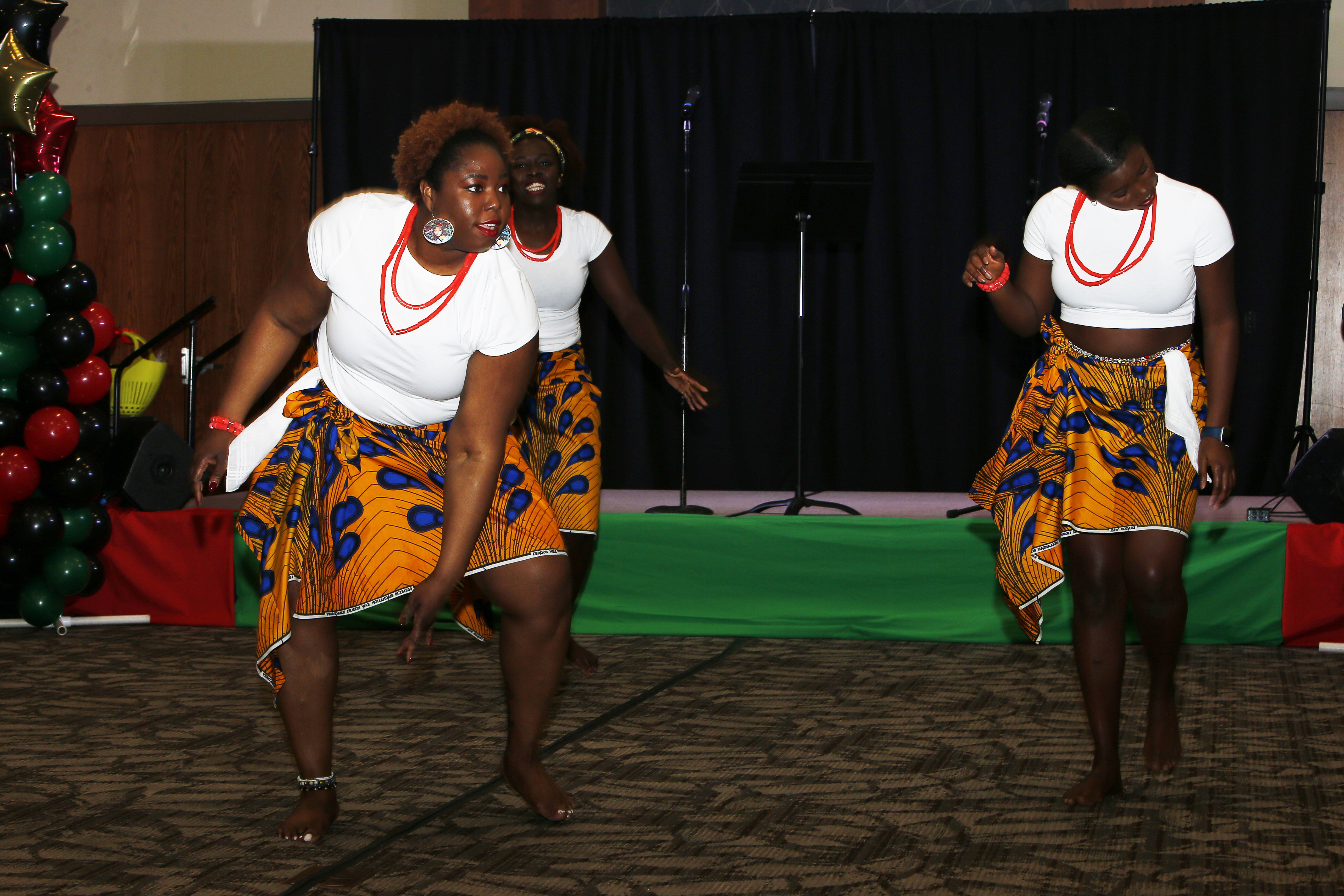
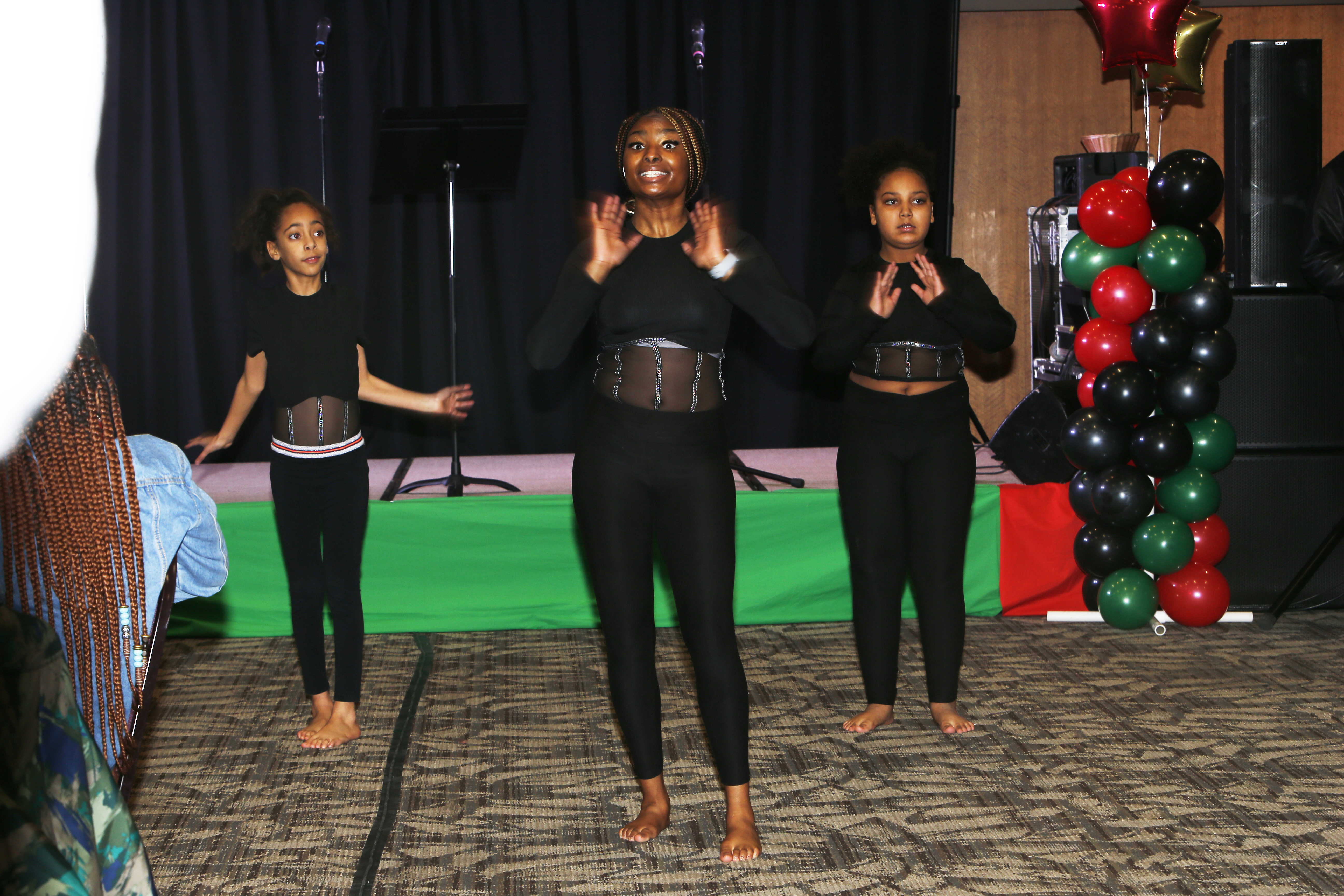
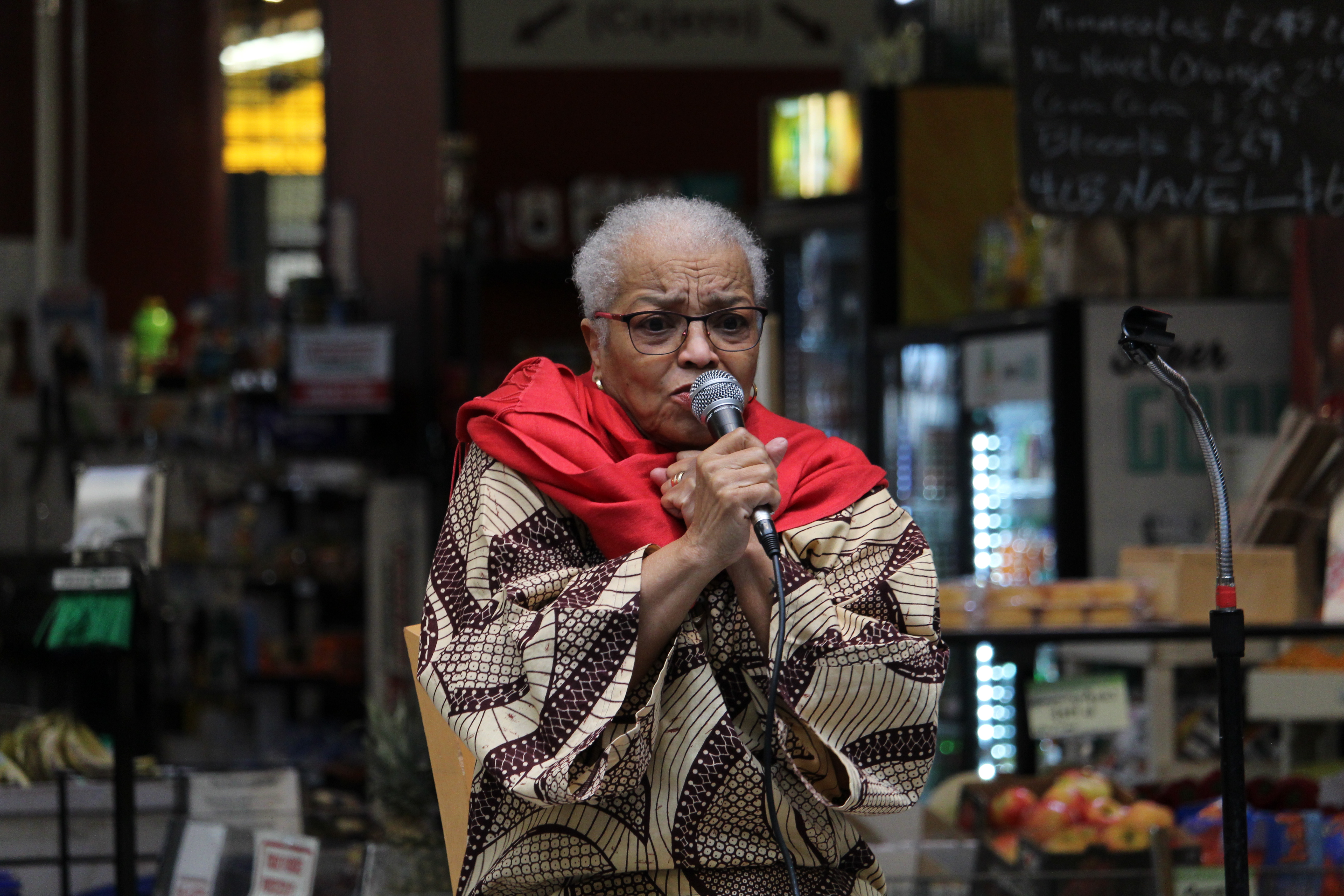
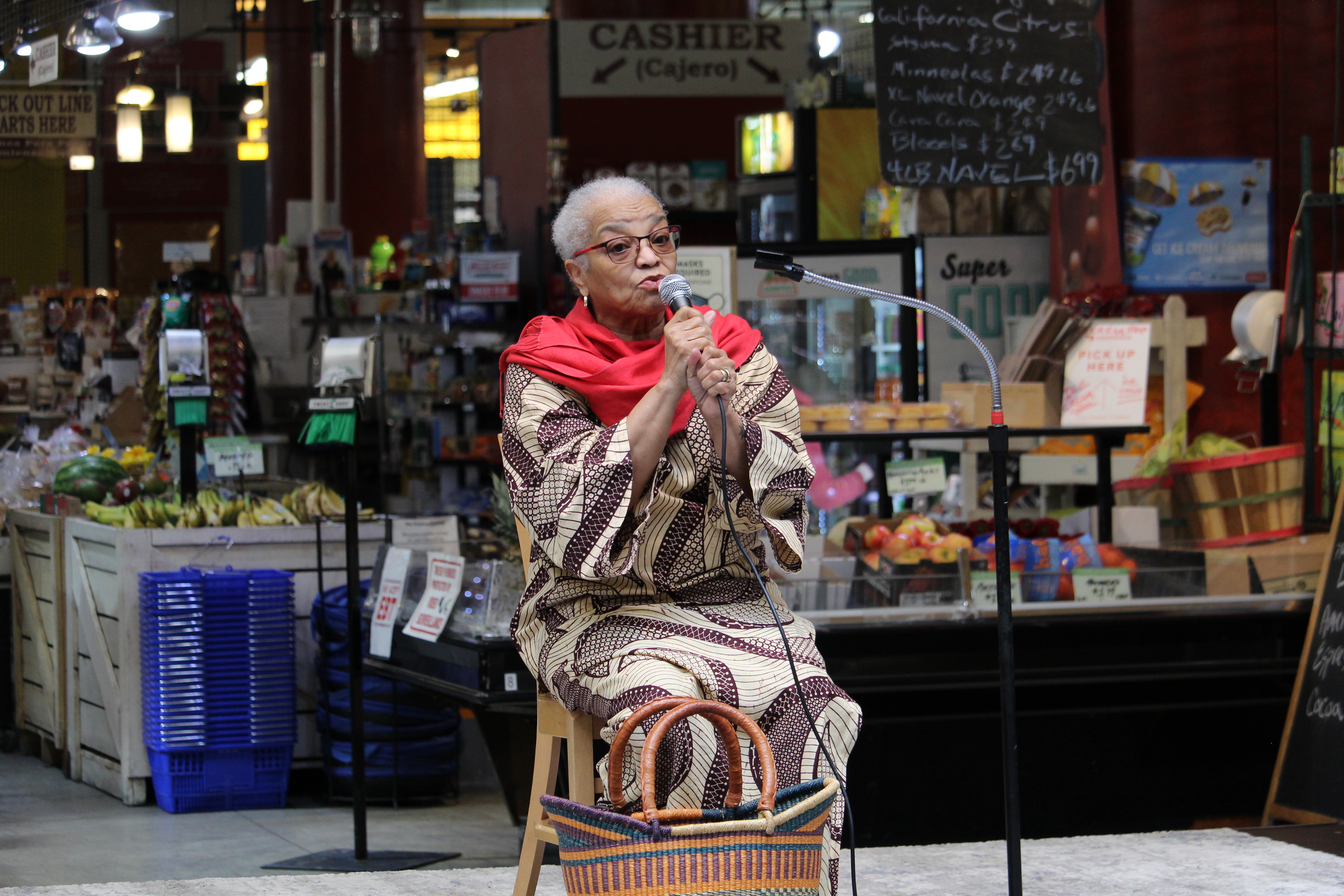
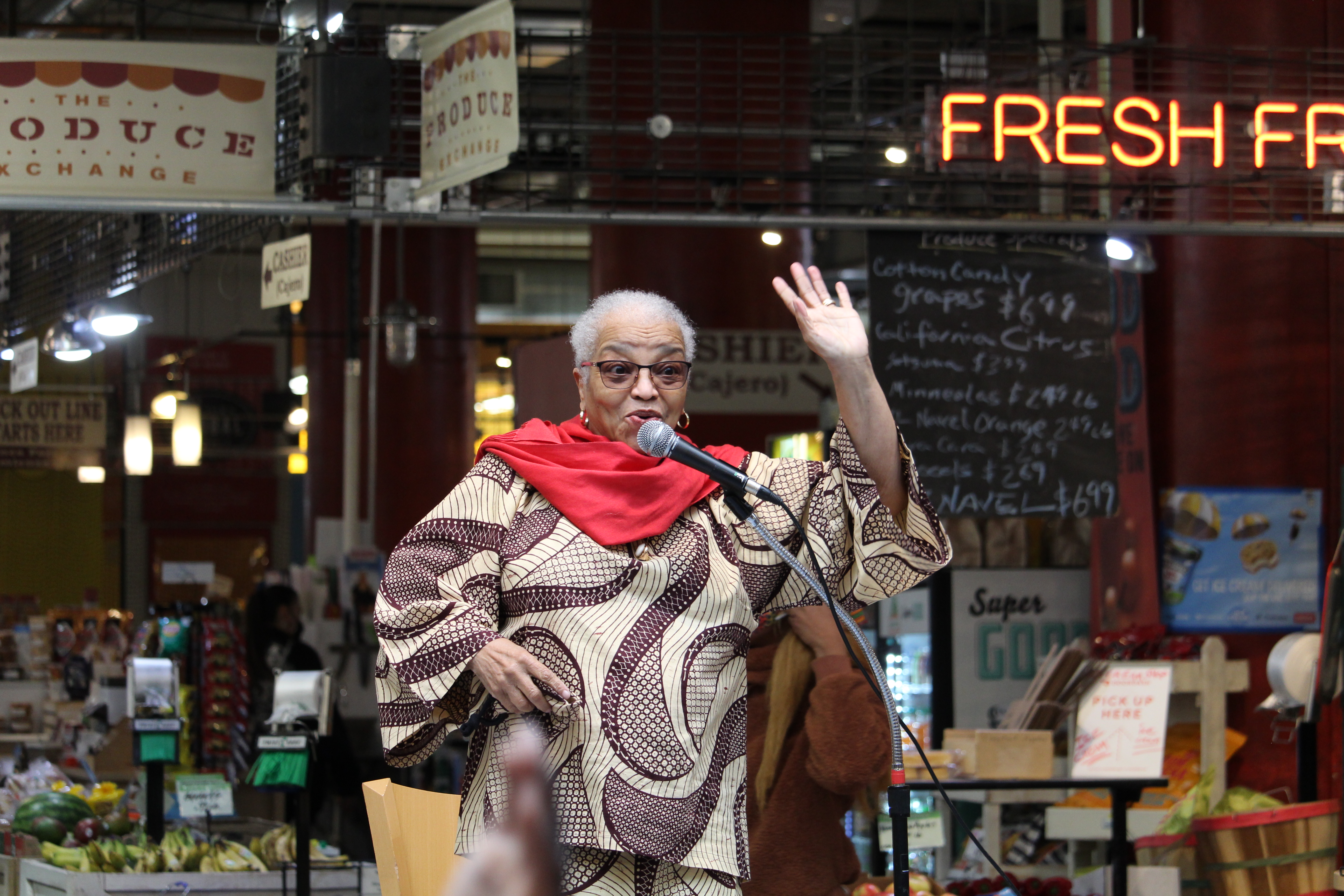
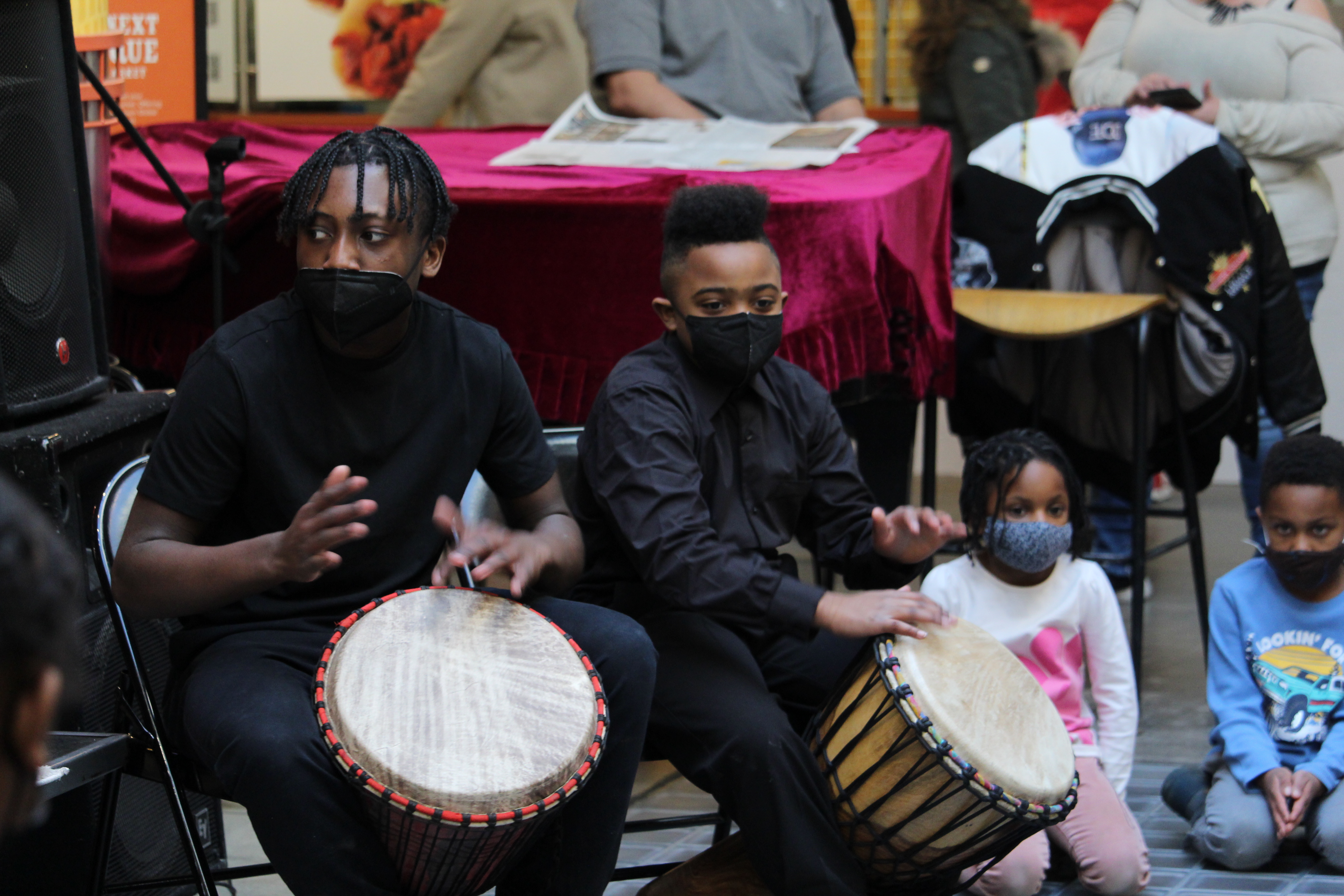
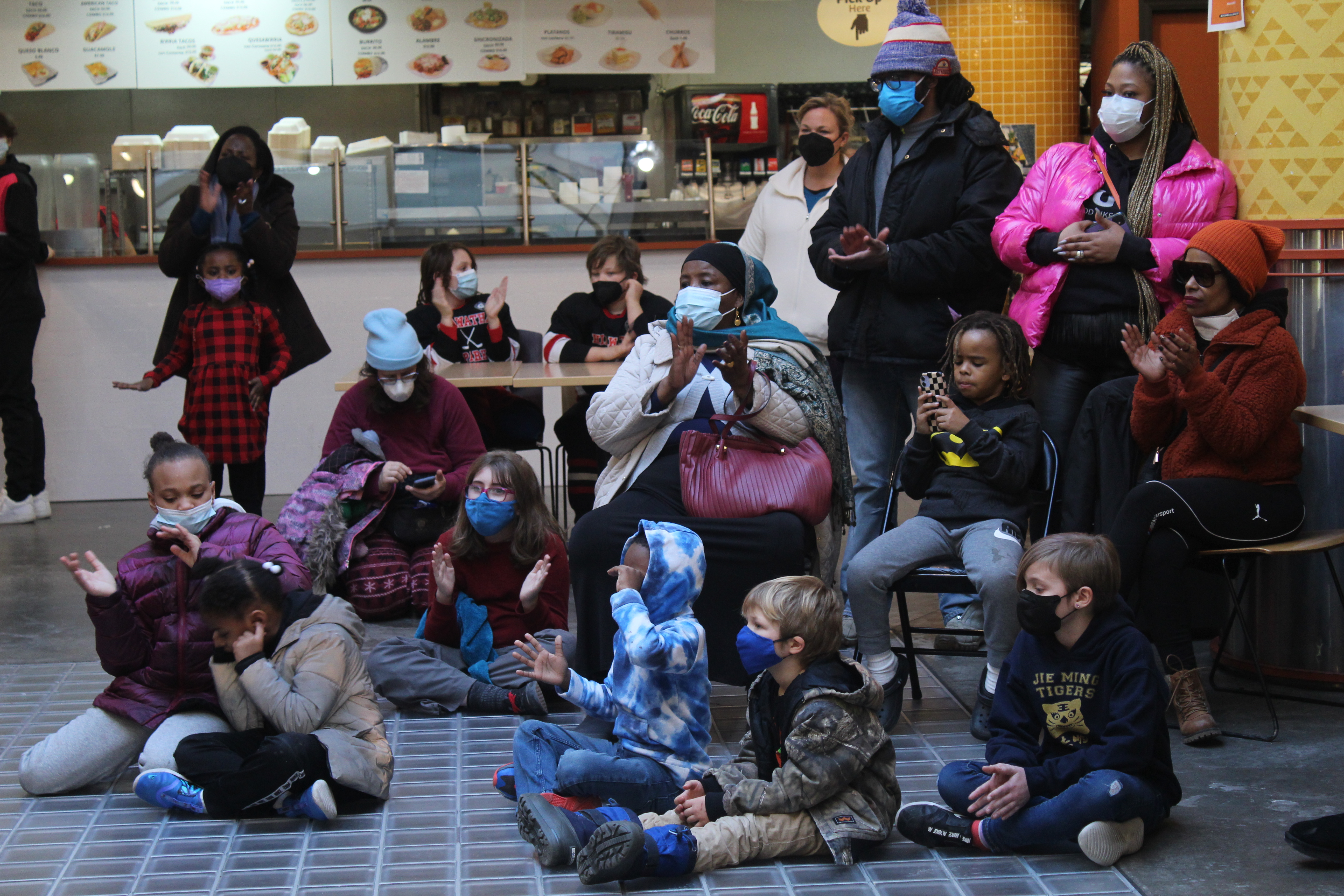
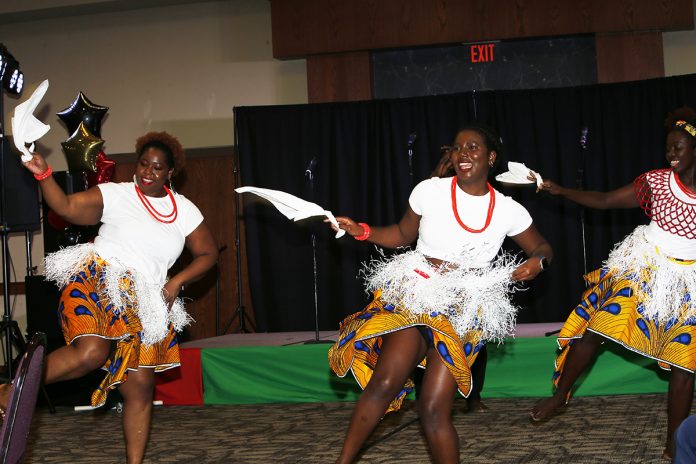
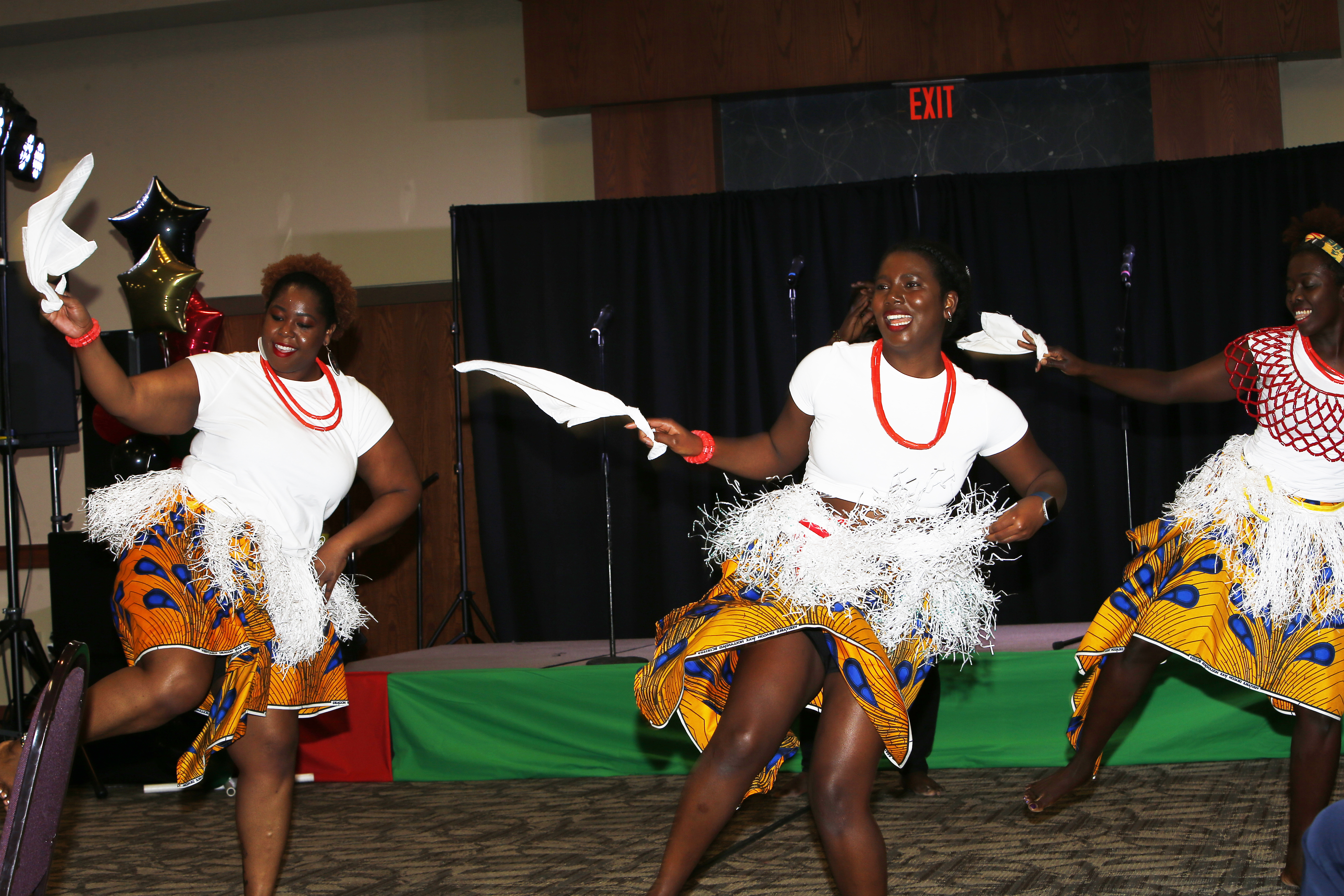
Members of Afrocontigbo, a Twin Cities dance company, performing during a Black History Month event at the Brooklyn Park Community Center on Friday, February 25, 2022. Photo: Richard Ooga/Mshale
BPBHMShowcase3 Mshale
Members of Afrocontigbo, a Twin Cities dance company, performing during a Black History Month event at the Brooklyn Park Community Center on Friday, February 25, 2022. Photo: Richard Ooga/Mshale

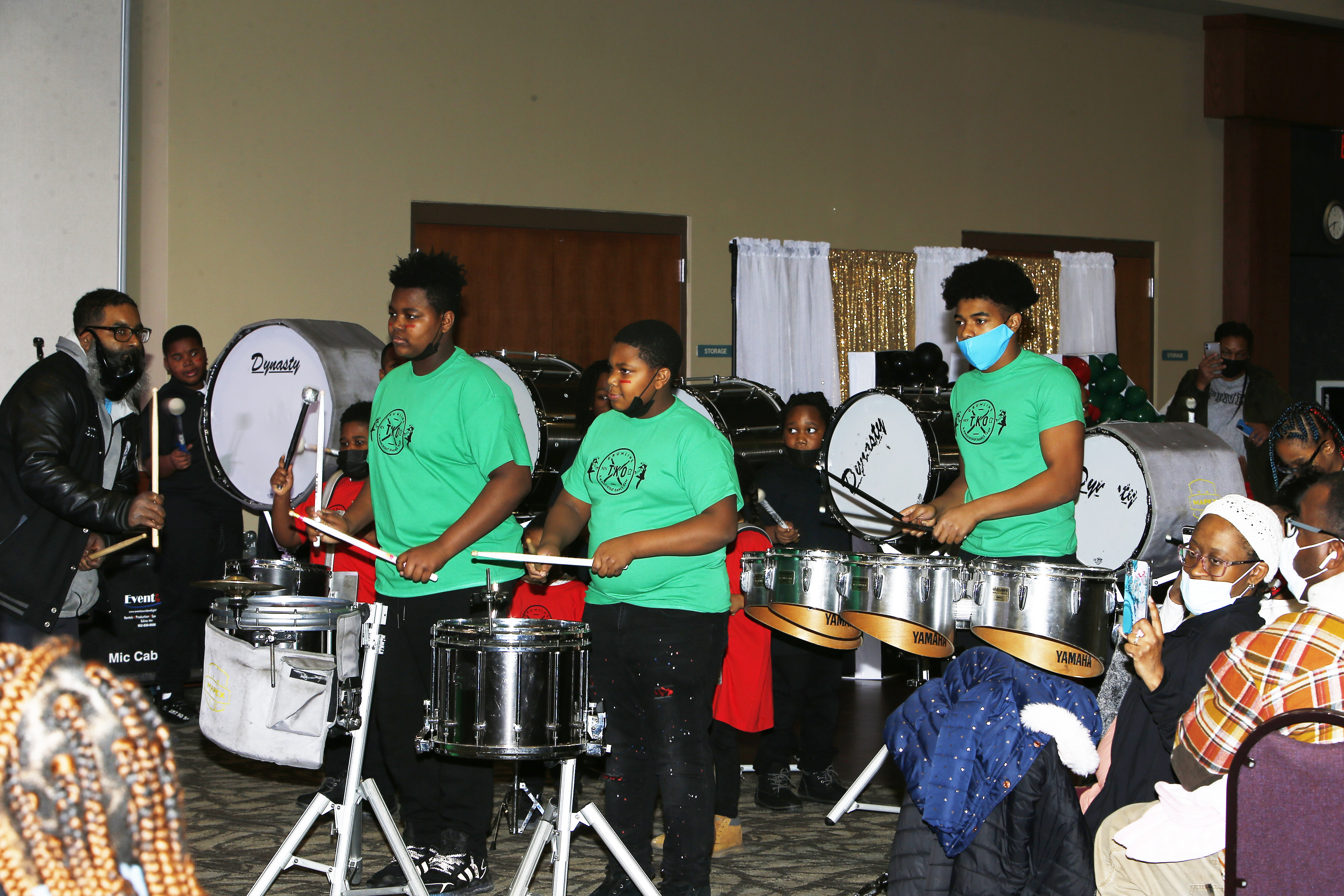
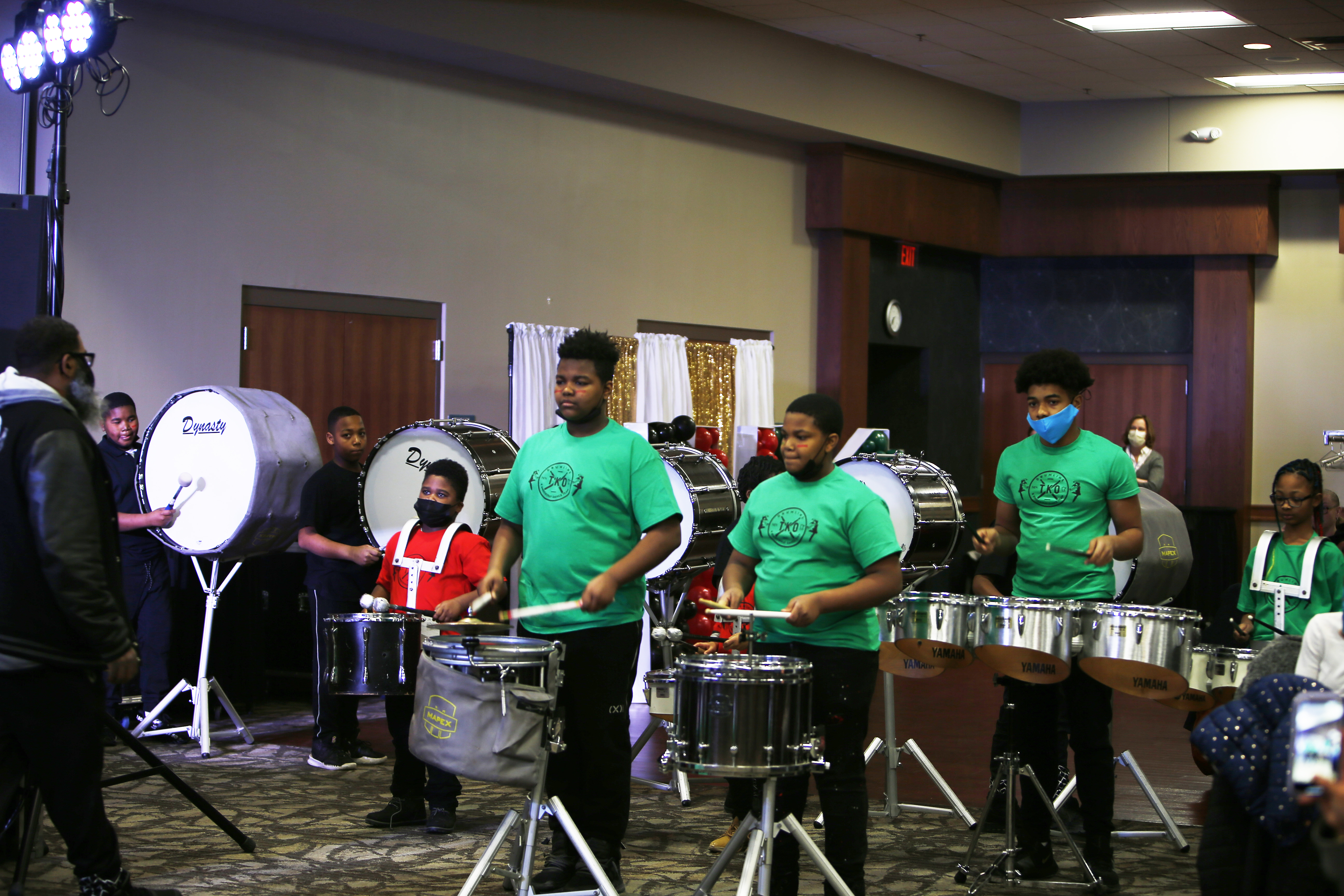
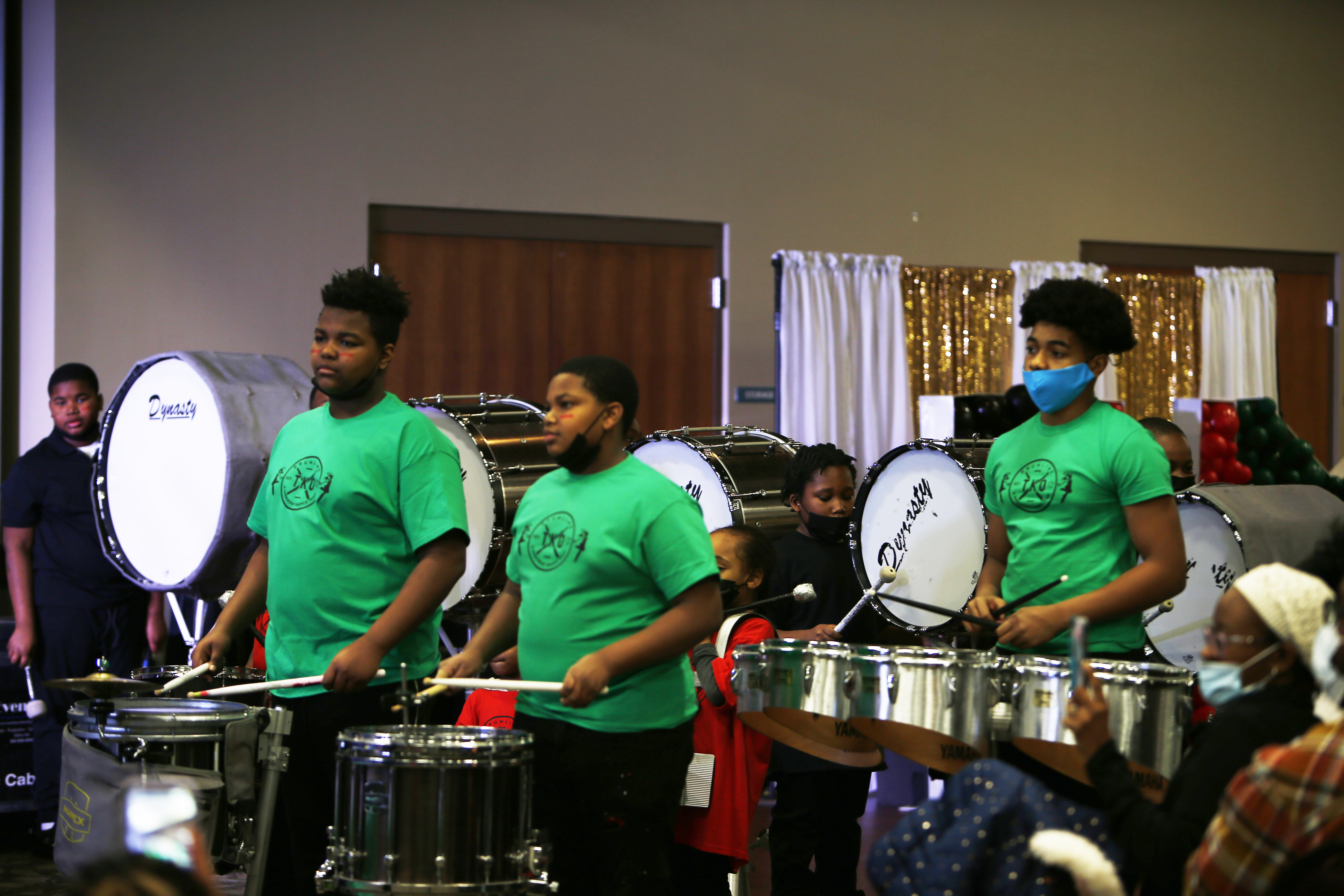
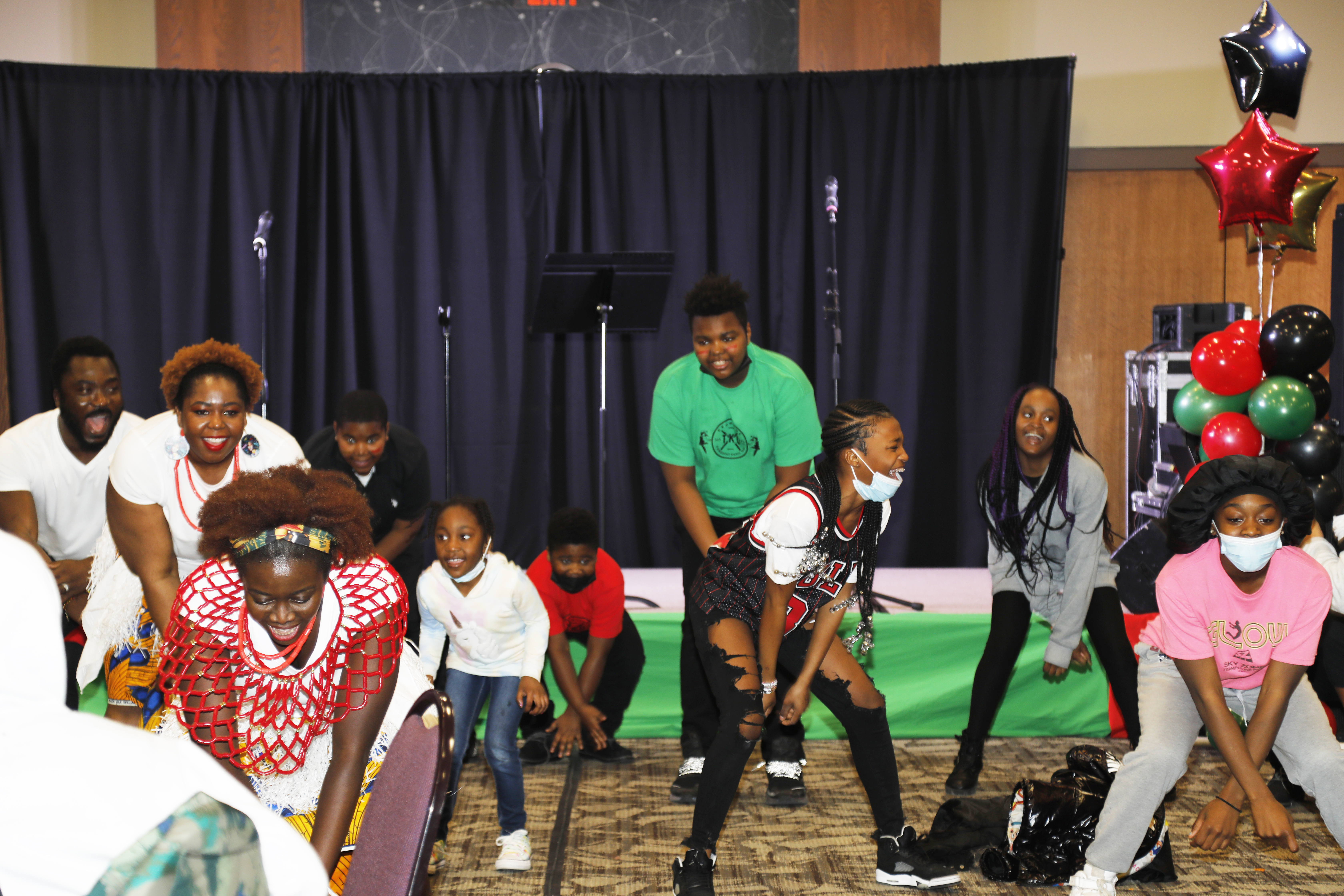
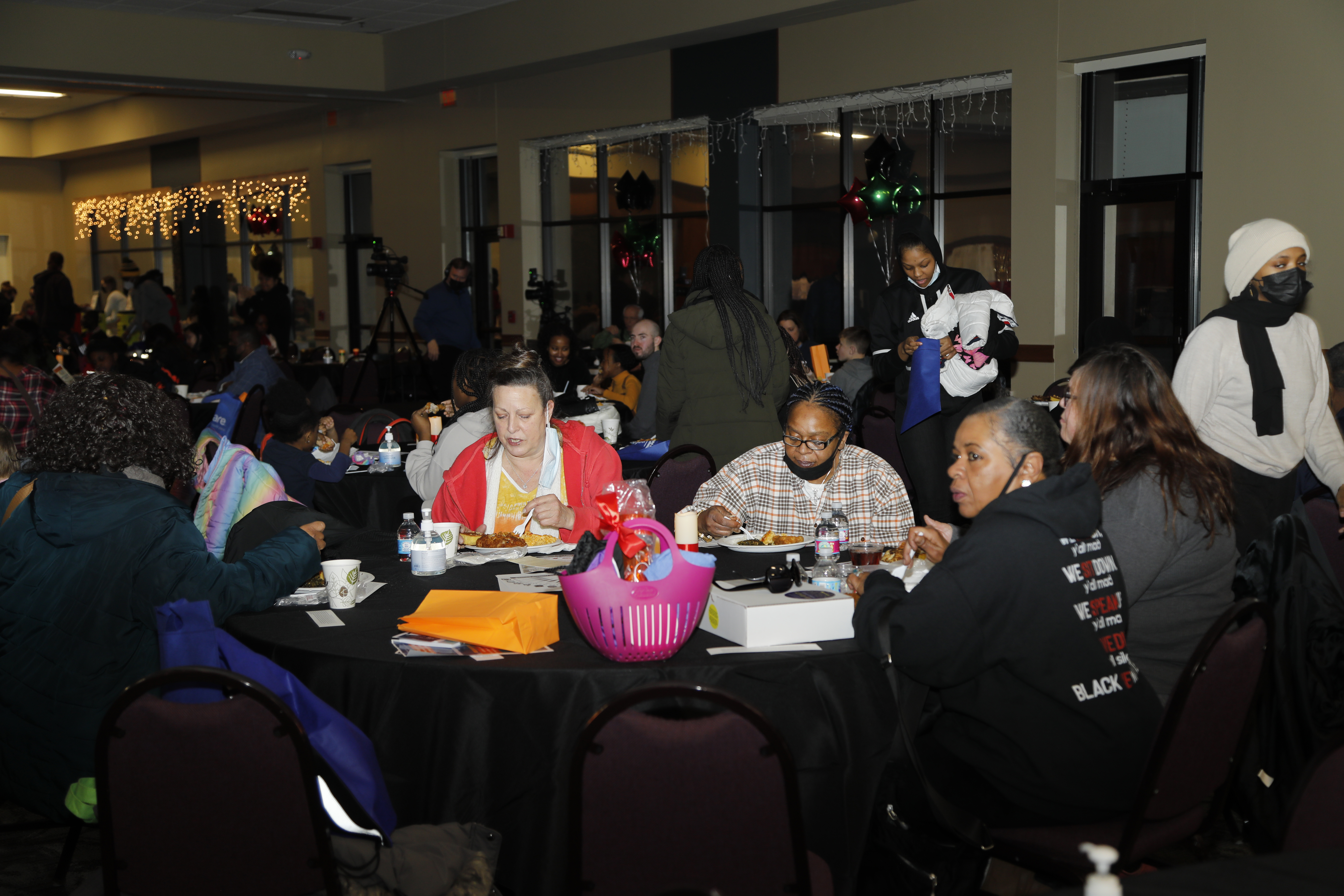
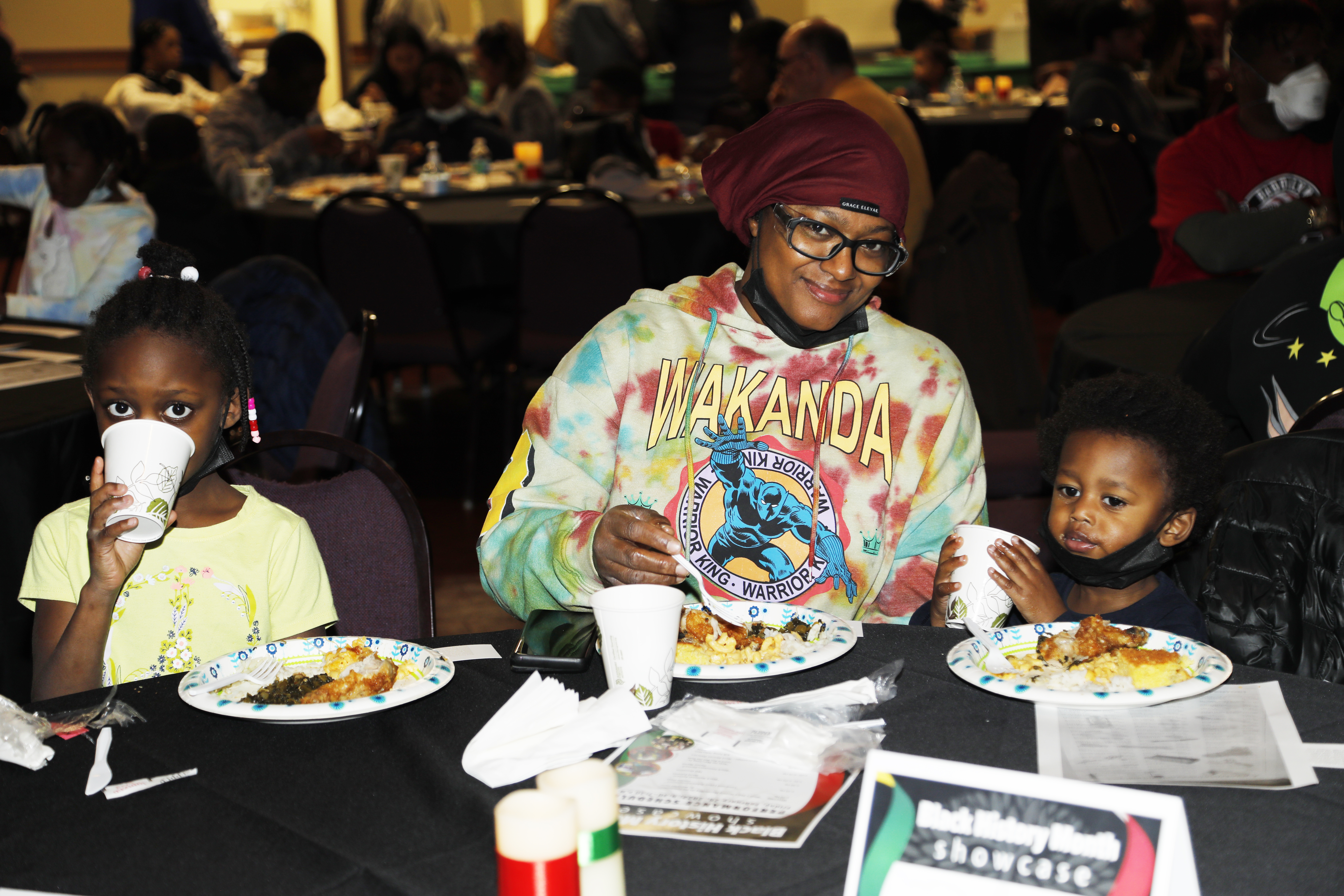
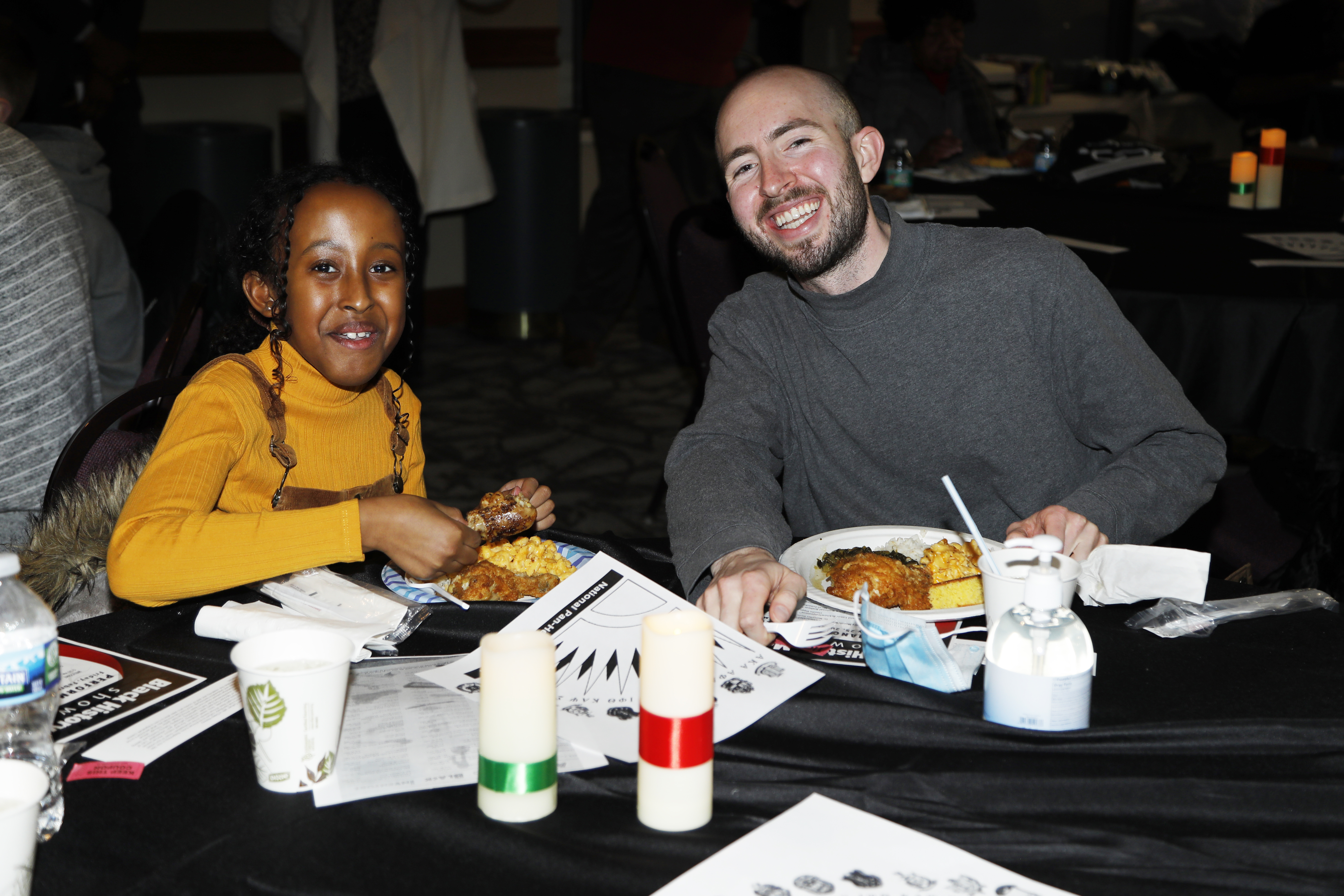
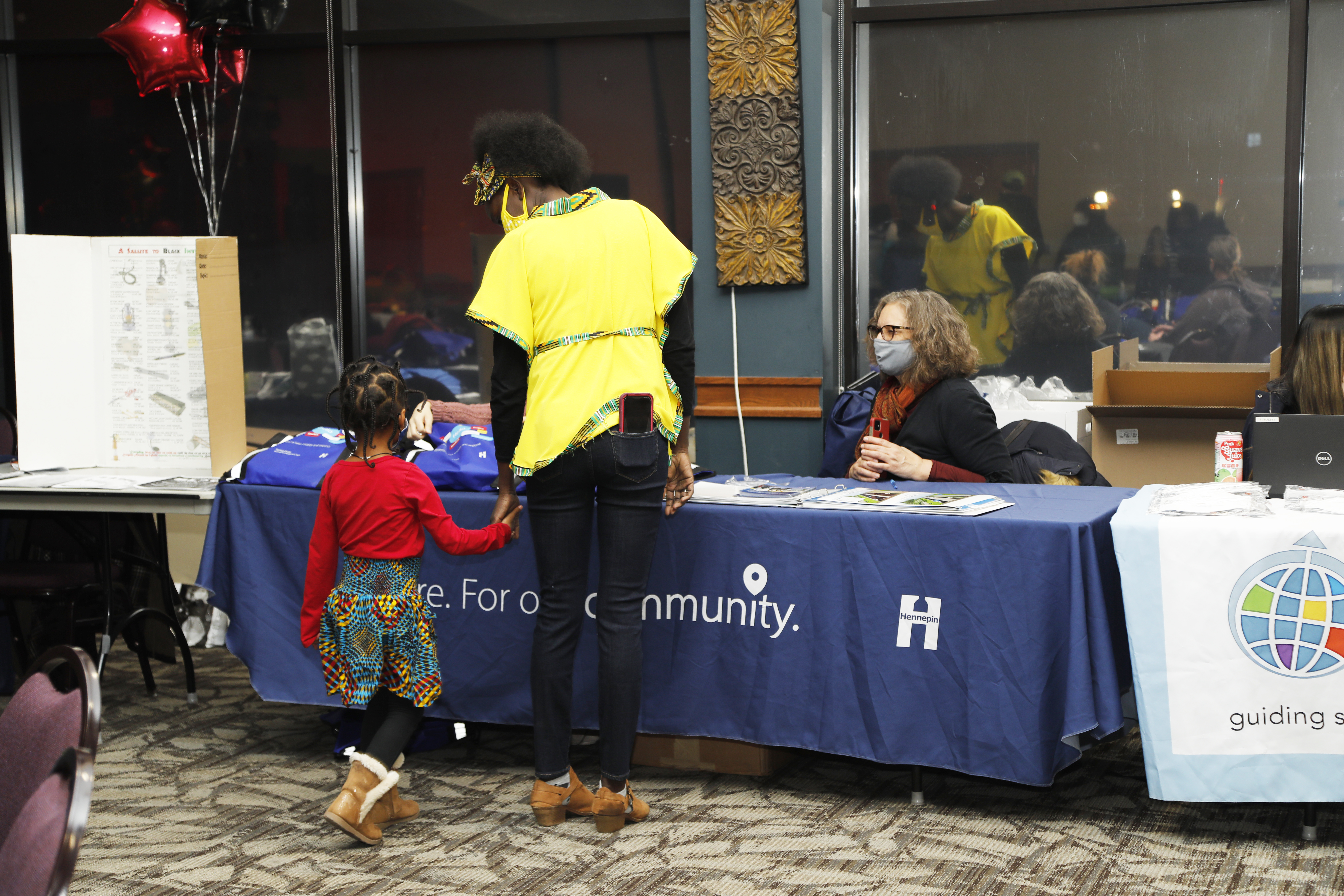
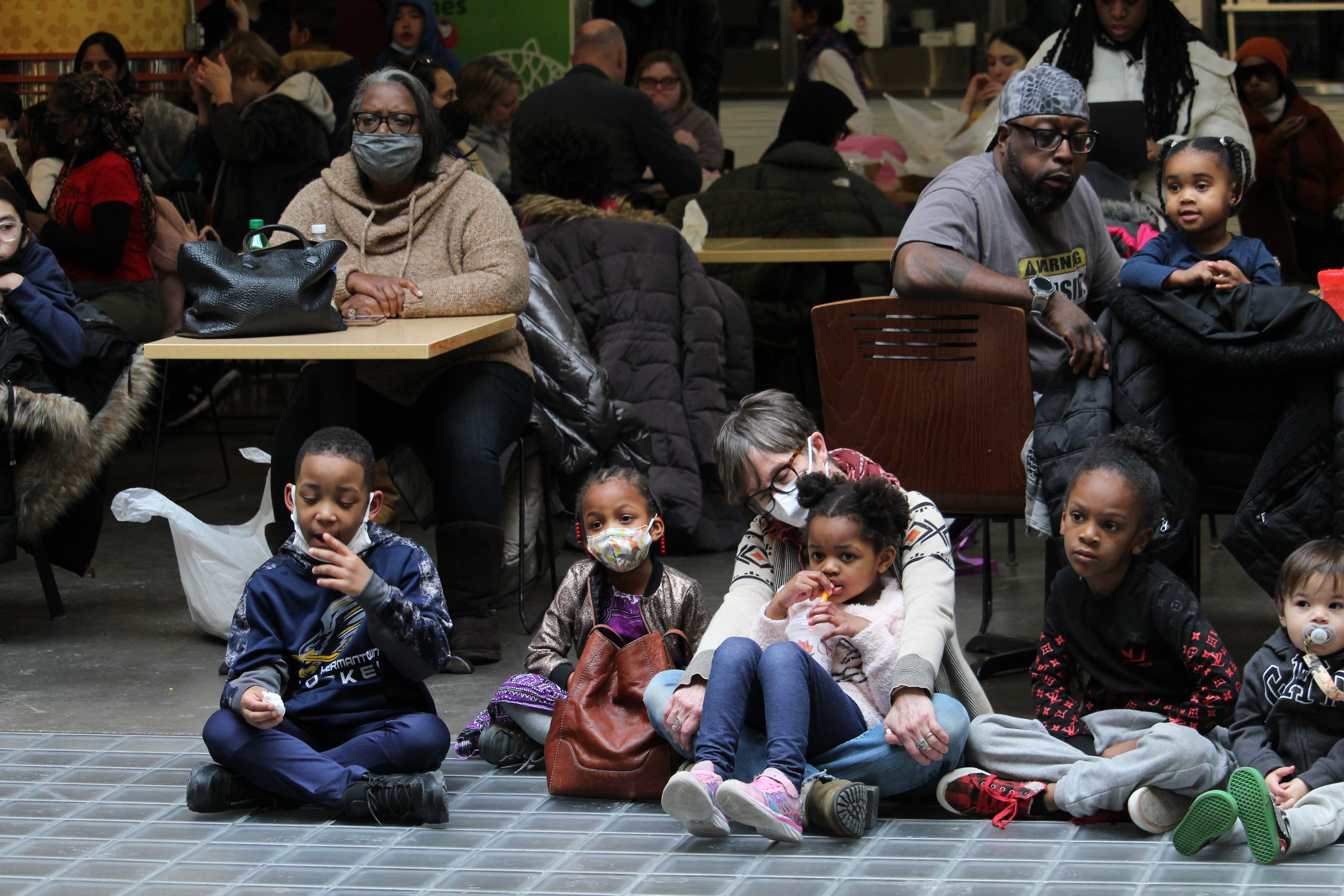
The Brooklyn Park Recreation and Parks ended Black History Month celebrations with a showcase focusing on health and wellness of the African and African American communities.

The event, which was titled “Black Health and Wellness: How are the Children?” was held at the at the Brooklyn Park Community Activity Center on Feb 25.

Marcellus Davis, Brooklyn Park’s racial equity, diversity, and inclusion manager, said the suburban Minneapolis city added the question “How are the Children?” to this year’s national Black History Month theme of “Black Health and Wellness” because no community can be healthy and well if its children are not.
“It’s a common African belief that if the children in the community are doing well, then the community is doing well,” Davis said. “We wanted this event to promote the wellbeing of our youth because they are the future.”

According to Davis, the theme was inspired by Dr. Joy DeGruy’s book “Post Traumatic Slave Syndrome”, in which the author—a descendant of American slaves—talks about her travels to the motherland, Africa. In the book, DeGruy writes about how locals always greeted her her by asking, “How are the children?”

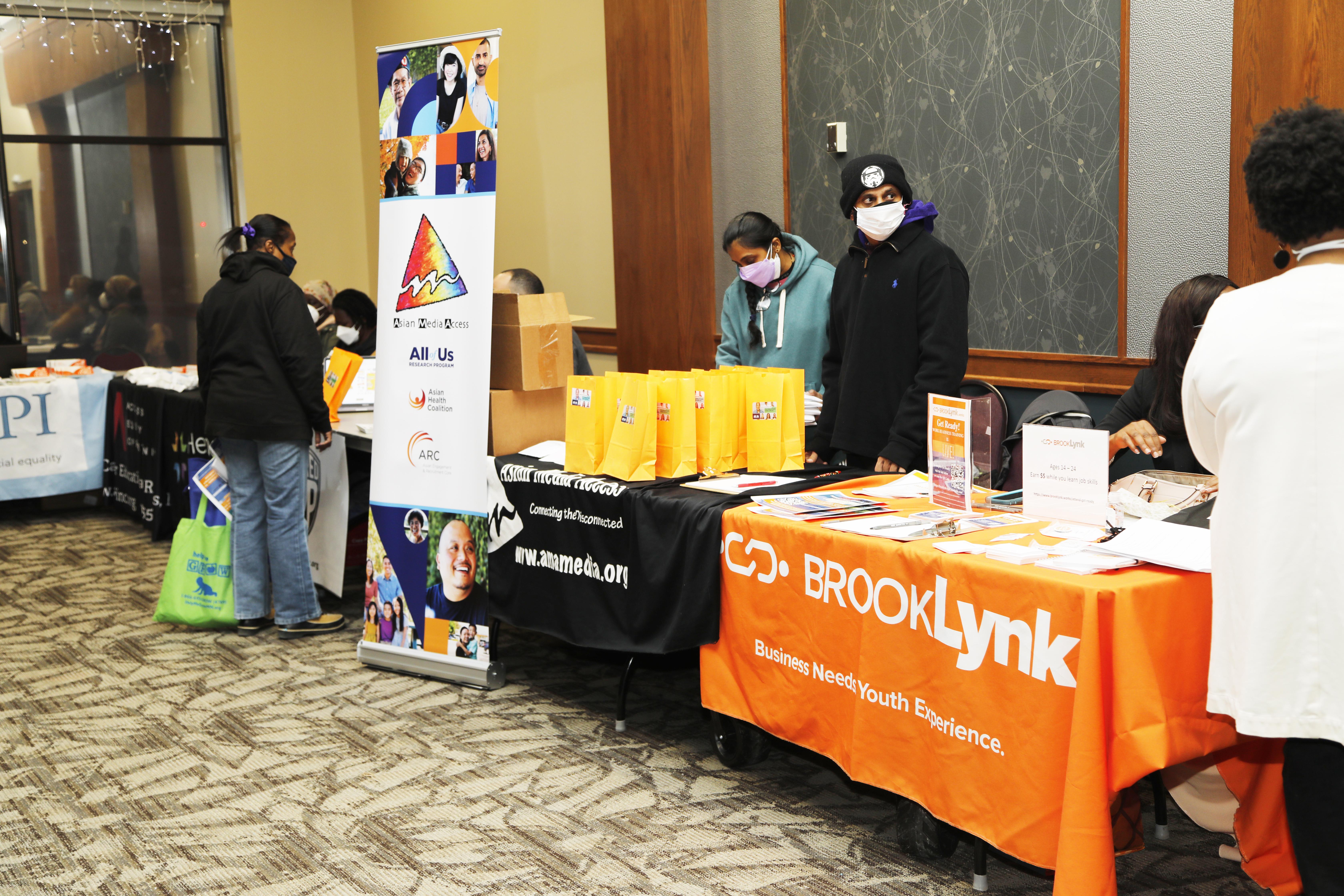
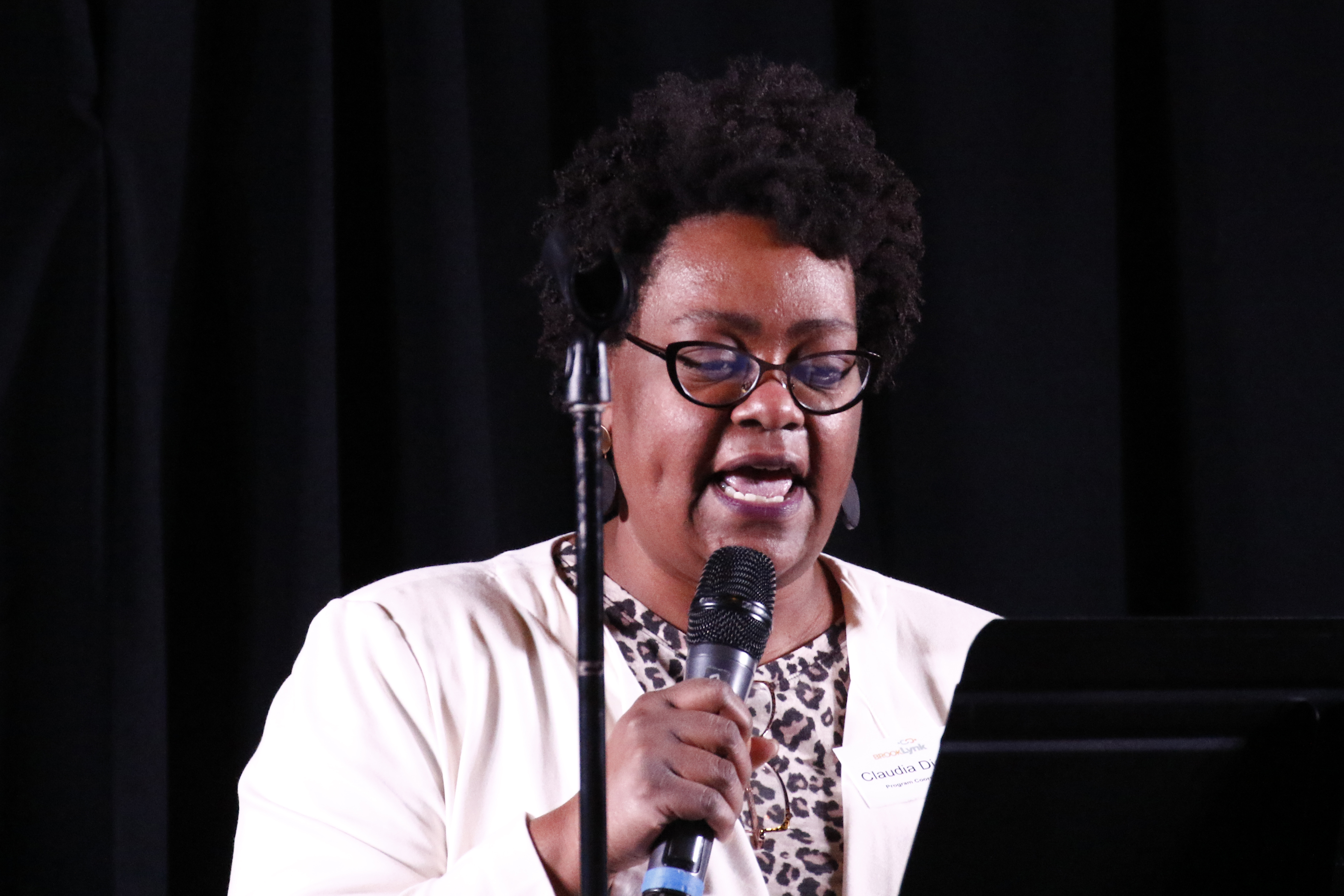
Claudia Diggs works as a Program coordinator at BrookLynk, an organization that provides youth with access to employment services, described her passion for youth wellbeing and how it inspired her to help coordinate the showcase. Diggs, who works closely with youths between the ages of 14 and 24, said the coronavirus pandemic has especially created dire circumstances for young people.

“The theme really resonates with me,” said Diggs. “Mental health is such an important aspect of overall wellbeing, and in difficult times like these, it is critical we as city officials provide as many resources to help as we can.”

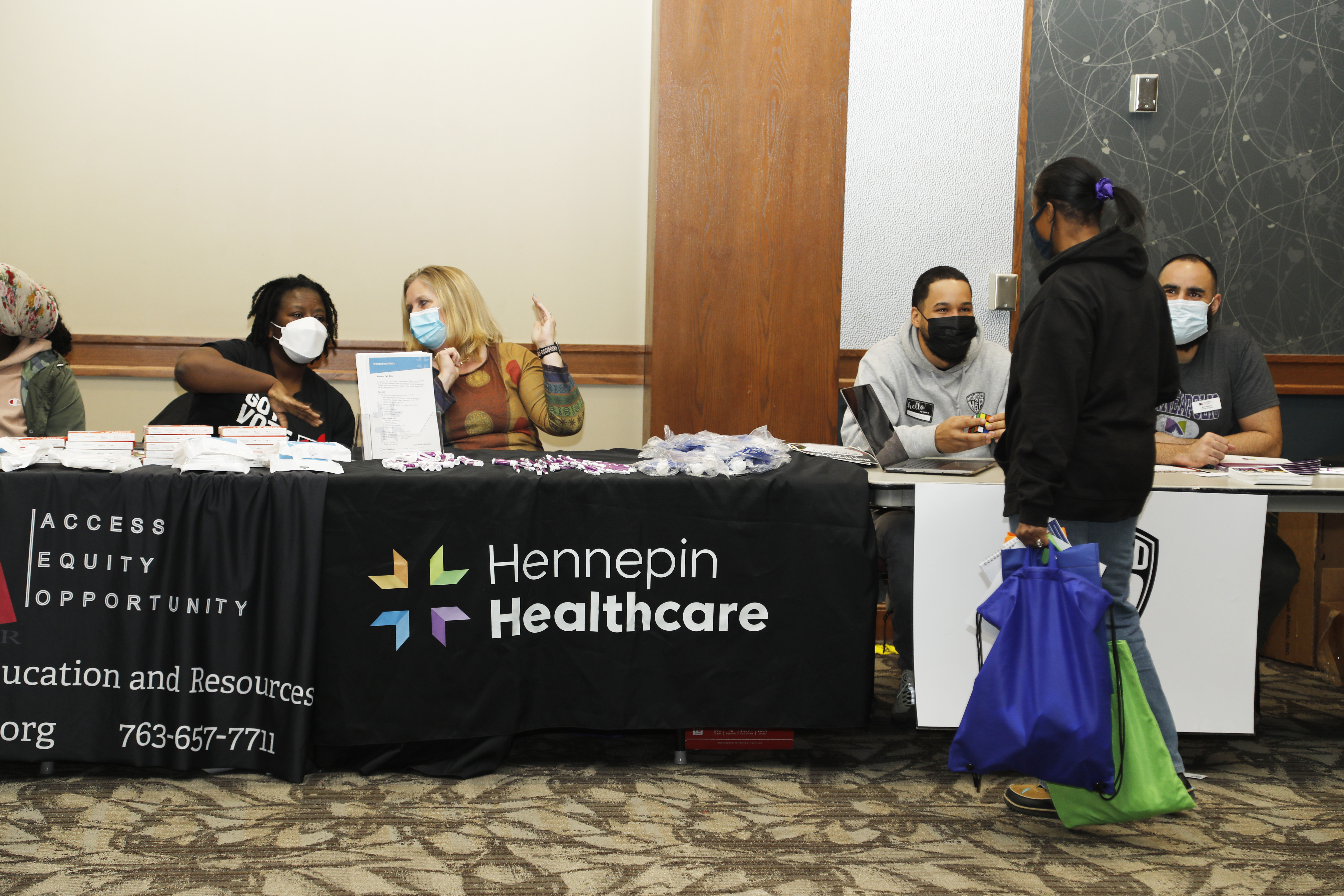
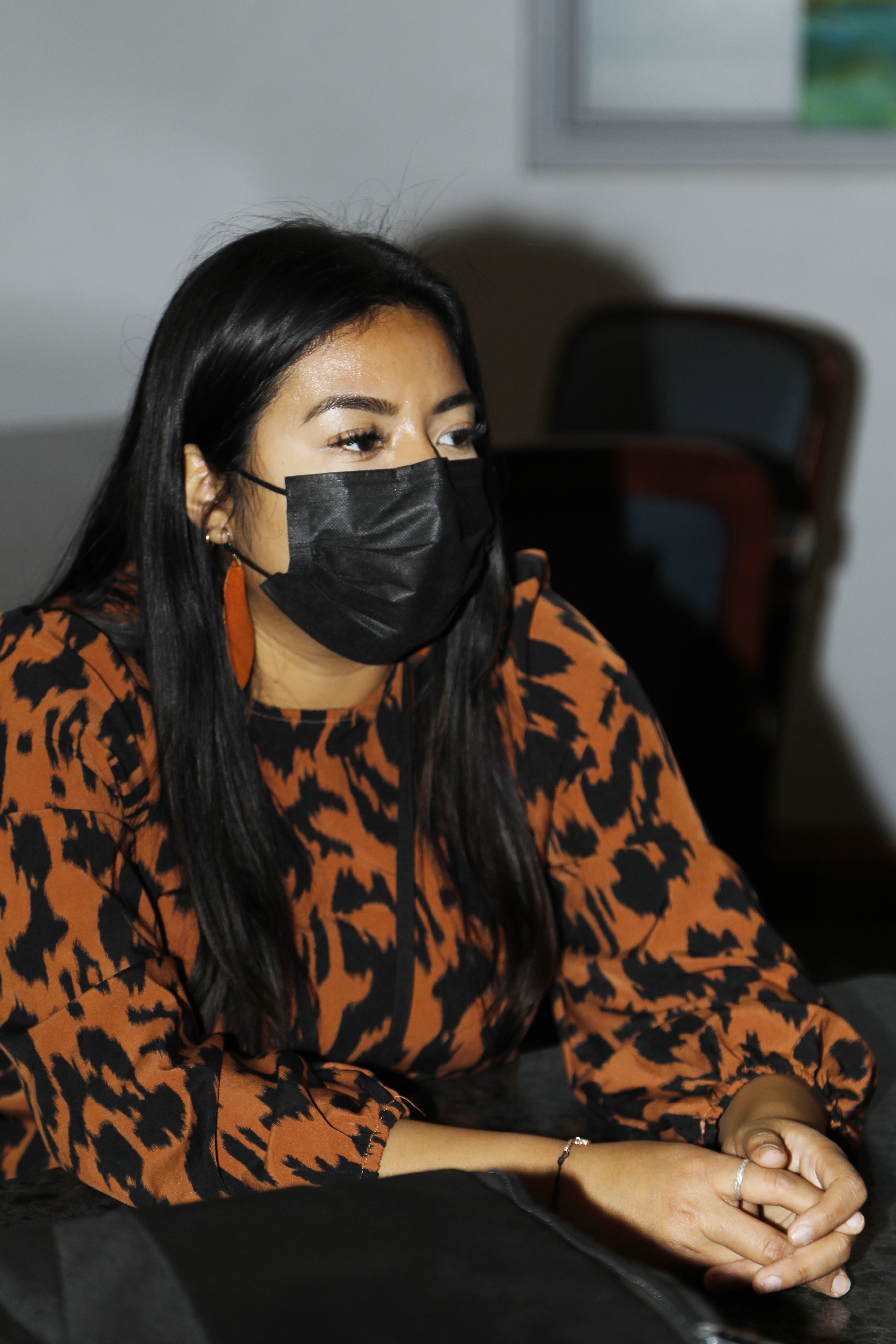
As part of the theme, the event also featured a vaccination clinic organized by Brenda Morales, a city official who works in the Department of Administration. The vaccination fair also included a $25 gift card prize to incentivize people to get the jab. Despite this, Morales said that getting the fair started was a challenge. Racism in the medical field has bred an attitude of skepticism in the Black community, and this distrust deters many from taking advantage of vaccination opportunities, she said.

“When we look at the data, vaccination rates among Black Americans are low statewide,” Morales said. “It is a systemic issue, but if we start small by tying the importance of vaccination to the goal of Black health and wellness, we can begin to make a difference in communities.”

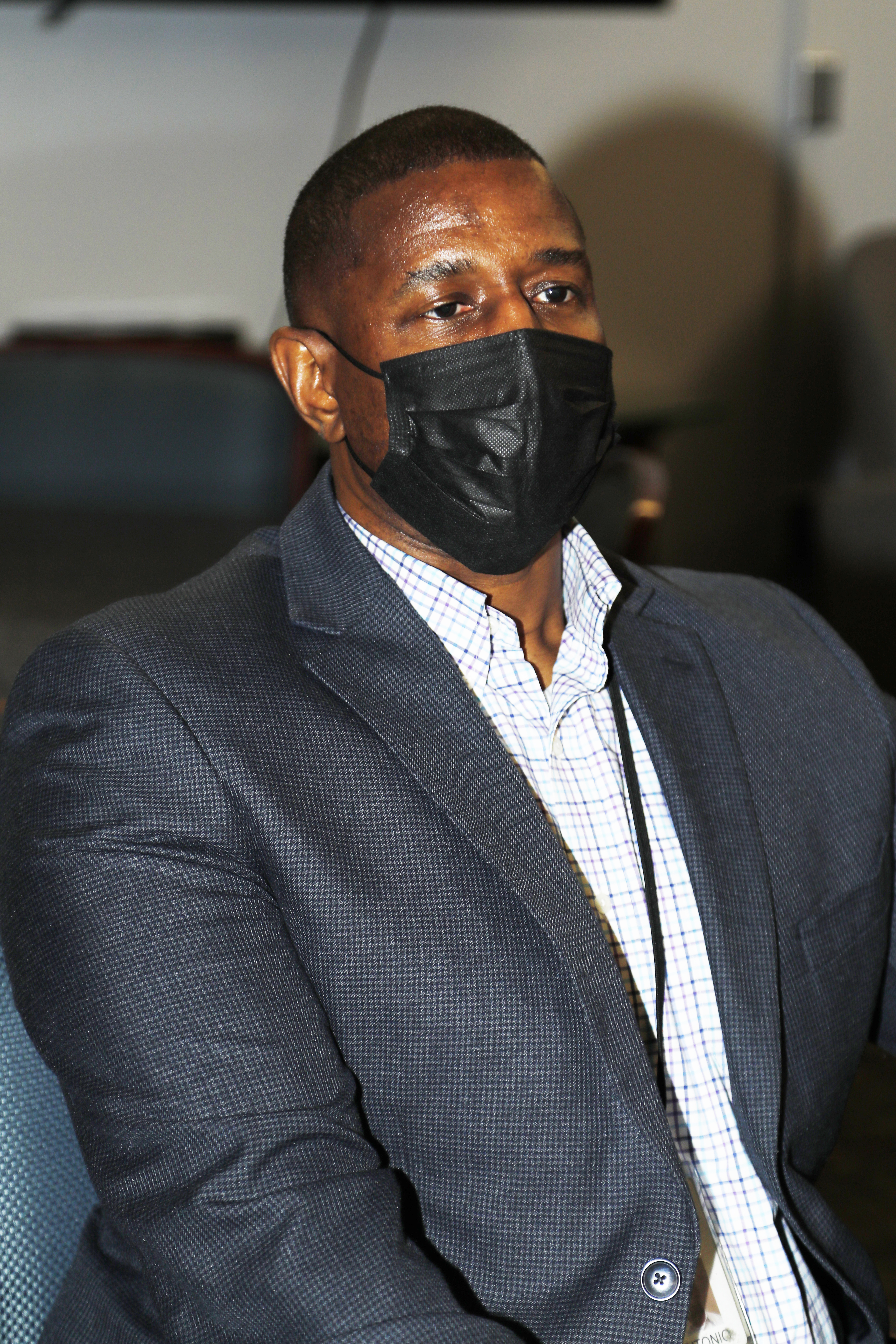
The event also highlighted the need to address issues of gun violence as part of the overall goal of achieving Black wellness and health. Antonio Smith is the youth services liaison and city lead for Cities United, an organization that works to reduce incidents of shootings and homicides involving Black boys and young men. He said Cities United had been hosting Black History Month showcases for seven years. His goal is not only to continue to support local showcases, but to make Black History month a celebration every month, he said.

“Our work focuses on youth wellbeing through revitalizing hope, health, and safety,” Smith said. “When it comes to kids who are exposed to community violence, especially, I think the aspect of restoring hope is so crucial. Our children need to believe that they can have a future.”

Black students from the area spoke about their experiences in schools. They said they experienced a noticeable difference in the way their teachers treated them when compared to their white peers.

“Teachers are quicker to take disciplinary action when the student is Black,” the students said. “It’s so tiring and it really takes a toll on your mental health.”

The students also shared their perspectives on what could be done to improve the experience of Black students in public schools.

“A more concerted effort to acknowledge Black History Month would make me feel so much safer,” another student said. “I think it’s important for schools to celebrate these things because sometimes it’s the only way we feel seen as students of color.”

Davis, the racial equity, diversity, and inclusion manager of Brooklyn Park, also spoke about the realities of white supremacy and how it has harmed Black children in education, the justice system, and in day-to-day life.

“In both African and African American communities, mental health has been something that we do not speak of,” said Davis. “And with the advent of social media, our kids can now consume a daily dose of Black death on YouTube and Instagram. Therefore, it’s very crucial that we check in and ask, ‘How are the children?’”


CDC: Many healthy Americans can take a break from masks

0
A shopper waring a proactive mask as a precaution against the spread of the coronavirus selects fruit at the Reading Terminal Market in Philadelphia, Wednesday, Feb. 16, 2022. The majority of healthy Americans, including students in schools, can safely take a break from wearing masks under new U.S. guidelines released Friday, Feb. 25. The Centers for Disease Control and Prevention outlined a new set of measures for communities where COVID-19 is easing its grip, with less of a focus on positive test results and more on what’s happening at hospitals. Photo: Matt Rourke/AP
Shopper wearing mask
A shopper waring a proactive mask as a precaution against the spread of the coronavirus selects fruit at the Reading Terminal Market in Philadelphia, Wednesday, Feb. 16, 2022. The majority of healthy Americans, including students in schools, can safely take a break from wearing masks under new U.S. guidelines released Friday, Feb. 25. The Centers for Disease Control and Prevention outlined a new set of measures for communities where COVID-19 is easing its grip, with less of a focus on positive test results and more on what’s happening at hospitals. Photo: Matt Rourke/AP

Most Americans live in places where healthy people, including students in schools, can safely take a break from wearing masks under new U.S. guidelines released Friday.

The Centers for Disease Control and Prevention outlined the new set of measures for communities where COVID-19 is easing its grip, with less of a focus on positive test results and more on what’s happening at hospitals.

The new system greatly changes the look of the CDC’s risk map and puts more than 70% of the U.S. population in counties where the coronavirus is posing a low or medium threat to hospitals. Those are the people who can stop wearing masks, the agency said.

The agency is still advising people, including schoolchildren, to wear masks where the risk of COVID-19 is high. That’s the situation in about 37% of U.S. counties, where about 28% of Americans live.

The new recommendations do not change the requirement to wear masks on public transportation and indoors in airports, train stations and bus stations. The CDC guidelines for other indoor spaces aren’t binding, meaning cities and institutions even in areas of low risk may set their own rules. And the agency says people with COVID-19 symptoms or who test positive shouldn’t stop wearing masks.

But with protection from immunity rising — both from vaccination and infection — the overall risk of severe disease is now generally lower, the CDC said.

“Anybody is certainly welcome to wear a mask at any time if they feel safer wearing a mask,” CDC Director Dr. Rochelle Walensky said in a news briefing. “We want to make sure our hospitals are OK and people are not coming in with severe disease. … Anyone can go to the CDC website, find out the volume of disease in their community and make that decision.”

Some states, including Massachusetts, Connecticut and New Jersey, are at low to medium risk while others such as West Virginia, Kentucky, Florida and Arizona still have wide areas at high levels of concern.

CDC’s previous transmission-prevention guidance to communities focused on two measures — the rate of new COVID-19 cases and the percentage of positive test results over the previous week.

Based on those measures, agency officials advised people to wear masks indoors in counties where spread of the virus was deemed substantial or high. As of this week, more than 3,000 of the nation’s more than 3,200 counties — greater than 95% — were listed as having substantial or high transmission under those measures.

“Anybody is certainly welcome to wear a mask at any time if they feel safer wearing a mask,” CDC Director Dr. Rochelle Walensky said in a news briefing. “We want to make sure our hospitals are OK and people are not coming in with severe disease. … Anyone can go to the CDC website, find out the volume of disease in their community and make that decision.”

Some states, including Massachusetts, Connecticut and New Jersey, are at low to medium risk while others such as West Virginia, Kentucky, Florida and Arizona still have wide areas at high levels of concern.

CDC’s previous transmission-prevention guidance to communities focused on two measures — the rate of new COVID-19 cases and the percentage of positive test results over the previous week.

Based on those measures, agency officials advised people to wear masks indoors in counties where spread of the virus was deemed substantial or high. As of this week, more than 3,000 of the nation’s more than 3,200 counties — greater than 95% — were listed as having substantial or high transmission under those measures.

That guidance has increasingly been ignored, however, with states, cities, counties and school districts across the U.S. announcing plans to drop mask mandates amid declining COVID-19 cases, hospitalizations and deaths.

With many Americans already taking off their masks, the CDC’s shift won’t make much practical difference for now, said Andrew Noymer, a public health professor at the University of California, Irvine. But it will help when the next wave of infection — a likelihood in the fall or winter — starts threatening hospital capacity again, he said.

“There will be more waves of COVID. And so I think it makes sense to give people a break from masking,” Noymer said. “If we have continual masking orders, they might become a total joke by the time we really need them again.”

The CDC is offering a color-coded map — with counties designated as orange, yellow or green — to help guide local officials and residents. In green counties, local officials can drop any indoor masking rules. Yellow means people at high risk for severe disease should be cautious. Orange designates places where the CDC suggests masking should be universal.

How a county comes to be designated green, yellow or orange will depend on its rate of new COVID-19 hospital admissions, the share of staffed hospital beds occupied by COVID-19 patients and the rate of new cases in the community.

Taking hospital data into account has turned some counties — such as Boulder County, Colorado — from high risk to low.

Mask requirements already have ended in most of the U.S. in recent weeks. Los Angeles on Friday began allowing people to remove their masks while indoors if they are vaccinated, and indoor mask mandates in Washington state and Oregon will be lifted in late March.

In a sign of the political divisions over masks, Florida’s governor on Thursday announced new recommendations called “Buck the CDC” that actually discourage mask wearing.

In Pennsylvania, acting health secretary Keara Klinepeter urged “patience and grace” for people who choose to continue masking in public, including those with weakened immune systems. She said she’ll keep wearing a mask because she’s pregnant.

State health officials are generally pleased with the new guidance and “excited with how this is being rolled out,” said Dr. Marcus Plescia of the Association of State and Territorial Health Officials.

“This is the way we need to go. I think this is taking us forward with a new direction going on in the pandemic,” Plescia said. “But we’re still focusing on safety. We’re still focusing on preventing death and illness.”

The CDC said the new system will be useful in predicting future surges and urged communities with wastewater surveillance systems to use that data too.

“If or when new variants emerge or the virus surges, we have more ways to protect ourselves and our communities than ever before,” Walensky said.

Minneapolis and St. Paul lift mask mandates

0
Minneapolis and St. Paul on February 24, 2022 lifted their indoor mask mandates that went into effect on January 5, 2022 as the omicron variant raged. Photo: Shutterstock
Mask Mandate
Minneapolis and St. Paul on February 24, 2022 lifted their indoor mask mandates that went into effect on January 5, 2022 as the omicron variant raged. Photo: Shutterstock

The mayors of Minneapolis and St. Paul today announced the lifting of their cities’ mask mandates that went into effect on January 5 as the omicron variant ravaged through the state.

The mandates affected city-licensed restaurants and businesses and prompted a lawsuit in Minneapolis from restaurants and bars that were affected.

The mayors’ move was widely expected as there have been declining COVID-19 case numbers and hospitalizations.

CDC data shows in Ramsey County where St. Paul is located has had a decrease of 43% in cases and an almost 28% decrease in deaths over a one-week period. In Hennepin County where Minneapolis is located the numbers are 23% and 31% over the same period.

“Encouraging downward trends have improved our outlook significantly since January,” Mayor Melvin Carter of St. Paul said in a written statement.

Masking will however continue to be required in city owned facilities in the two cities.

“Today, the Twin Cities has good reason to be hopeful for the future, and I know that our residents will continue stepping up for one another as we navigate this next phase together,” said Mayor Jacob Frey of Minneapolis.

FIFA suspends Zimbabwe, Kenya over government interference

0
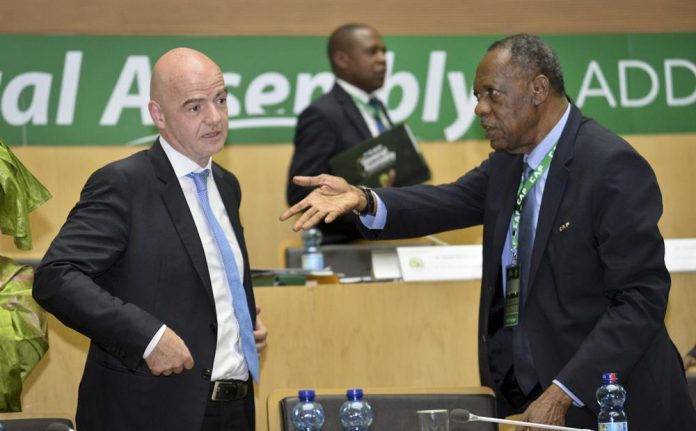
FIFA President Gianni Infantino, left, at the opening of the general assembly of the Confederation of African Football (CAF) in Addis Ababa, Ethiopia, Thursday, March 16, 2017 with former CAF President Issa Hayatou, right. Photo: AP
FIFA President Gianni Infantino
FIFA President Gianni Infantino, left, at the opening of the general assembly of the Confederation of African Football (CAF) in Addis Ababa, Ethiopia, Thursday, March 16, 2017 with former CAF President Issa Hayatou, right. Photo: AP

HARARE, Zimbabwe (AP) — FIFA suspended Zimbabwe and Kenya from international competitions on Thursday for government interference in the running of their national soccer bodies.

Zimbabwe was banned after its government-run Sports and Recreation Commission refused to relinquish control of the Zimbabwe Football Association and reinstate the federation’s leadership.

ZIFA officials were removed from office in November on allegations of corruption.

Kenya was banned after its sports ministry also removed the soccer federation’s leaders and accused them of corruption. Kenyan soccer president Nick Mwendwa is facing criminal charges.

FIFA president Gianni Infantino announced the bans.

It means Zimbabwe and Kenya national teams and clubs can’t play in any international competitions. Funds from FIFA are also cut off.

Kenya’s women’s national team was already thrown out the qualifying competition for the African Cup of Nations because of the crisis at the federation.

The world soccer body ordered Zimbabwe to reinstate its soccer officials by Jan. 3 but delayed any action, allowing Zimbabwe to compete at the men’s African Cup of Nations in Cameroon in January and February.

COVID-19 vaccine sites at MSP consolidated into one pre-security location

0
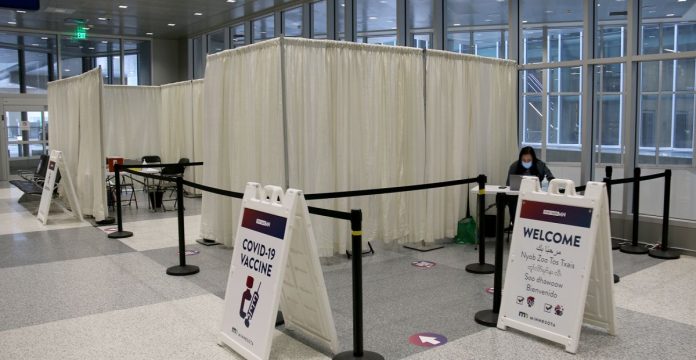
The two COVID-19 vaccination sites at Minneapolis-St. Paul International Airport (MSP) to a single pre-security location that is more accessible to the public. Photo: Courtesy MAC
MSP COVID 19 Site
The two COVID-19 vaccination sites at Minneapolis-St. Paul International Airport (MSP) to a single pre-security location that is more accessible to the public. Photo: Courtesy MAC

The two COVID-19 vaccination sites at Minneapolis-St. Paul International Airport are now consolidated in a single pre-security location that is more accessible to the public, according to a post on the Metropolitan Airports Commission site yesterday.

The site is open seven days a week from 7 a.m. to 3 p.m.

The Minnesota Department of Health and the Metropolitan Airports Commission (MAC) have coordinated the relocation to Terminal 1 between the Blue and Red parking ramps, on Level 1. The site is conveniently located one level below the state’s COVID-19 testing site that has served thousands during the pandemic.

MSP has provided two sites for the state’s vaccination program since June 2021: in Terminal 1 (post-security) and Terminal 2 (pre-security). Nearly 5,400 people were vaccinated at MSP in 2021. The new more-centrally located vaccine clinic will continue to offer both the Johnson & Johnson and Moderna vaccines for those over the age of 18.

If interested in getting free vaccinations or booster shots, while walk-ins are welcome, appointments are encouraged and  can be scheduled at this link.

Directions to the location can be found at this webpage.

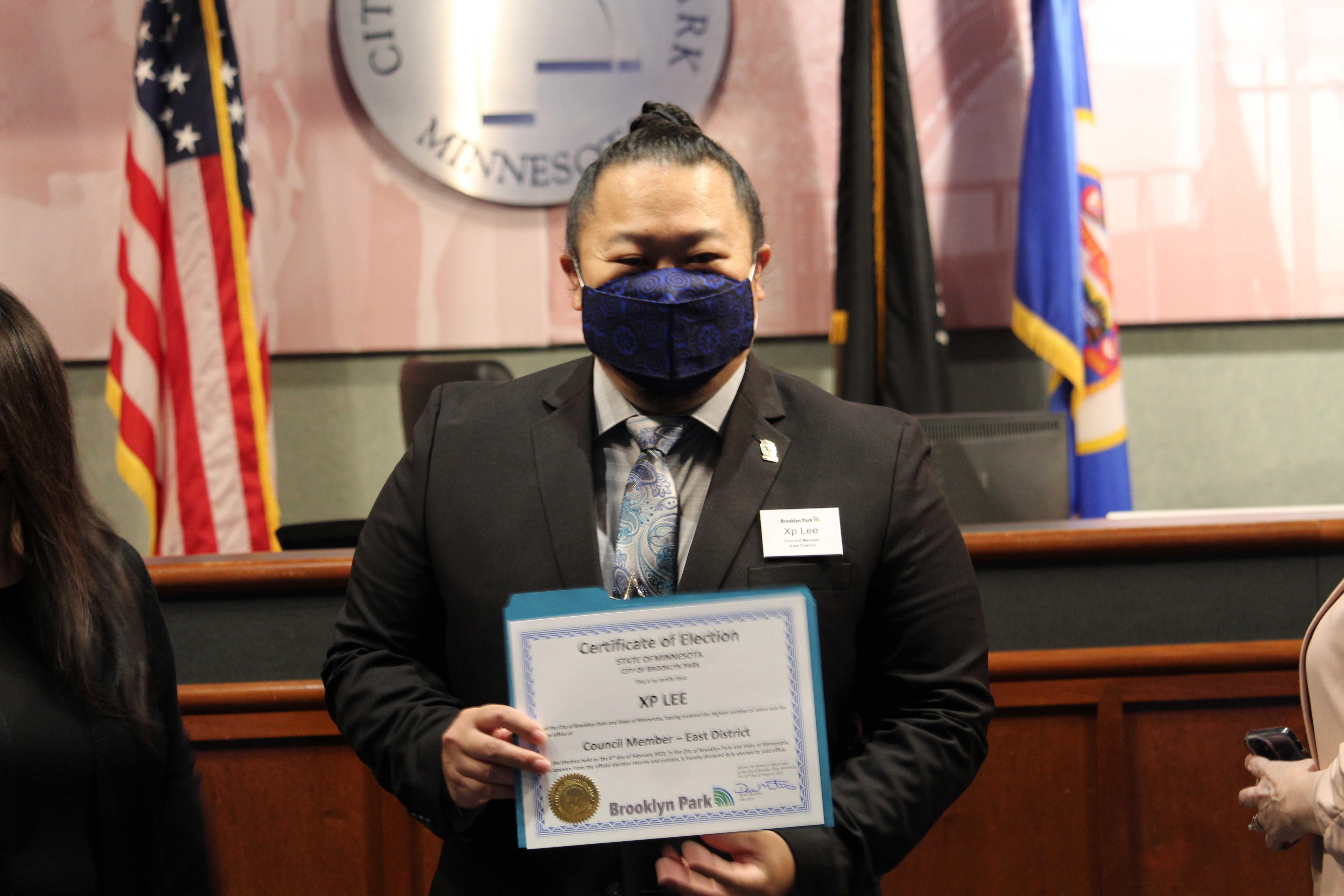
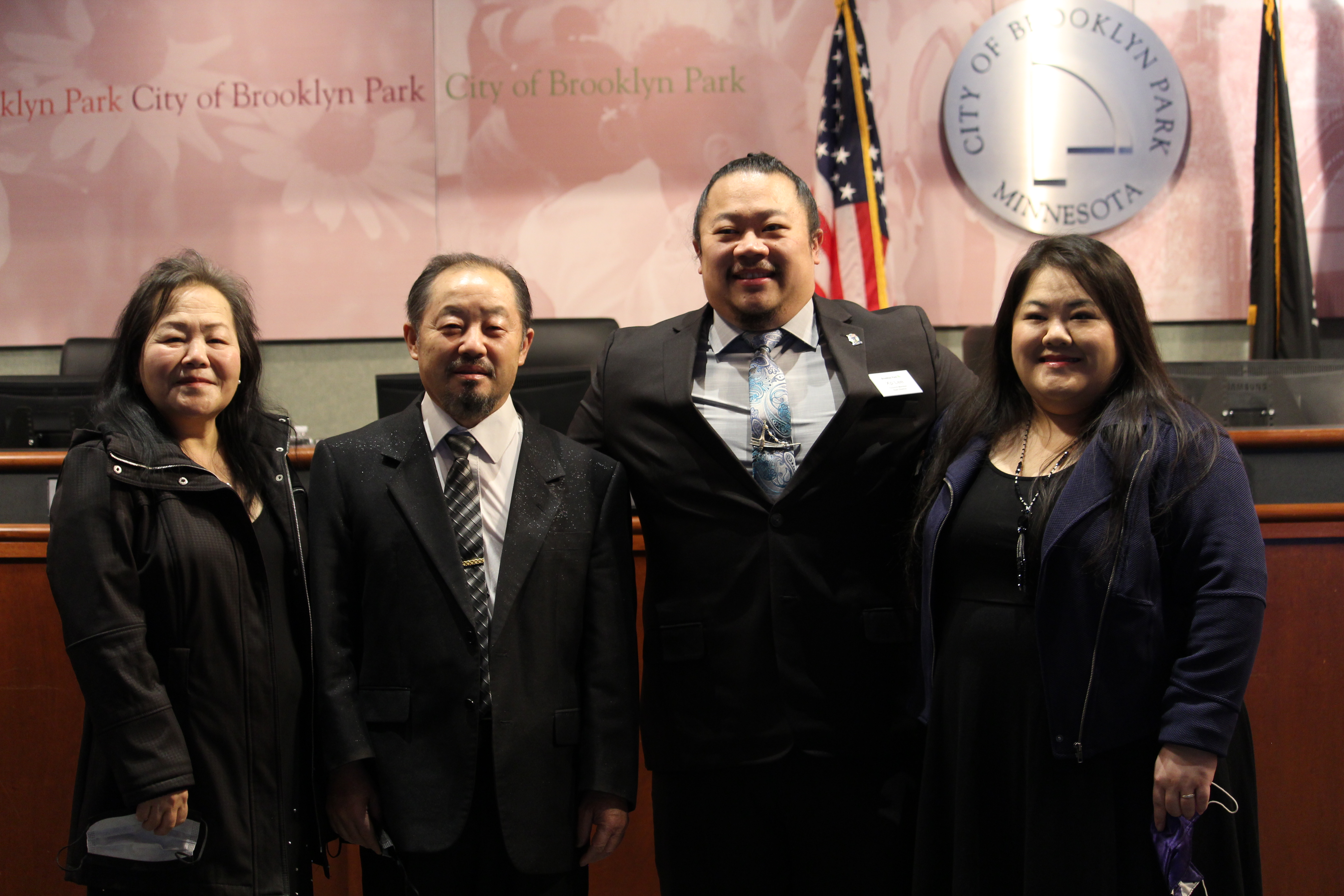
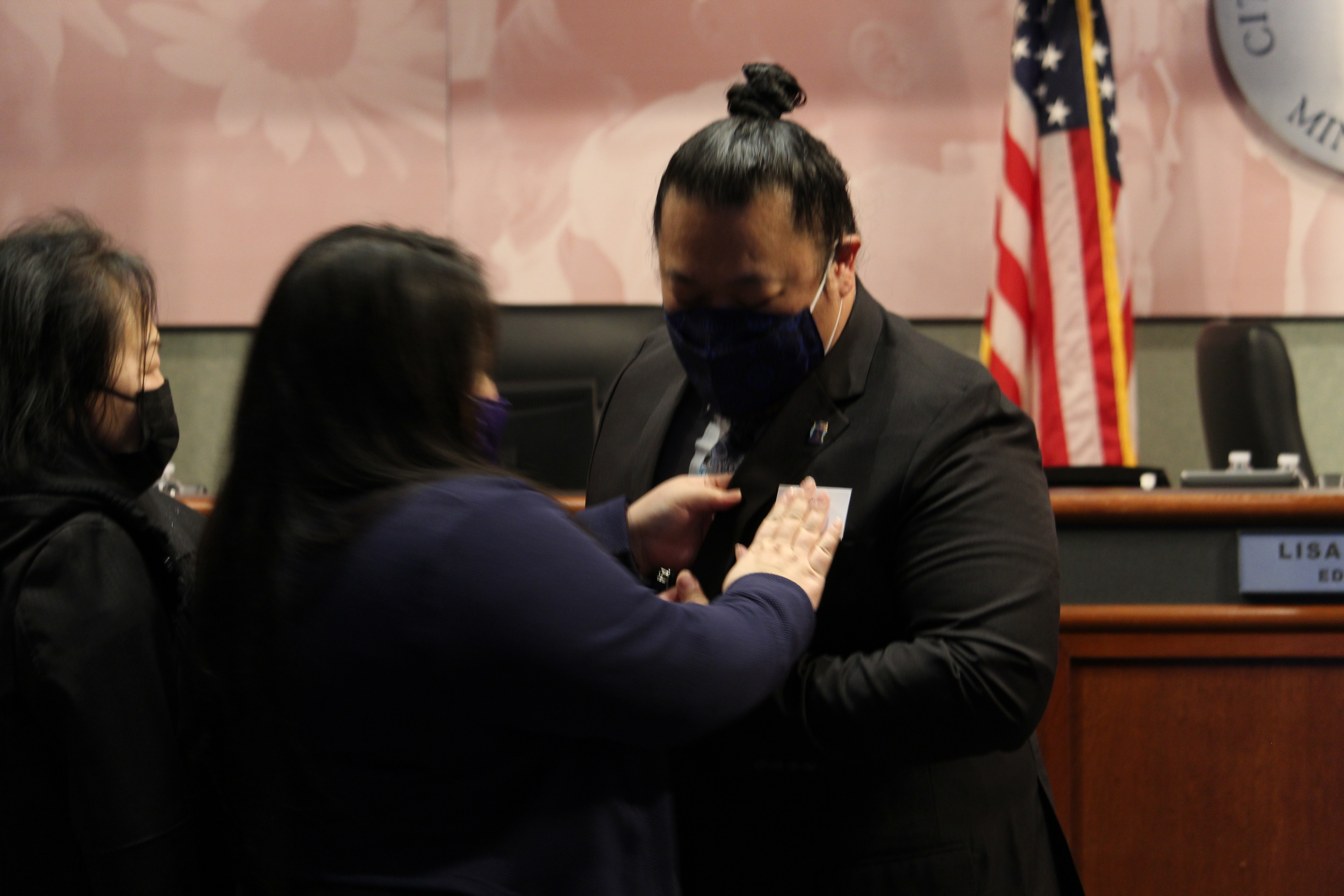
Xp Lee sworn in as new Brooklyn Park council member

0
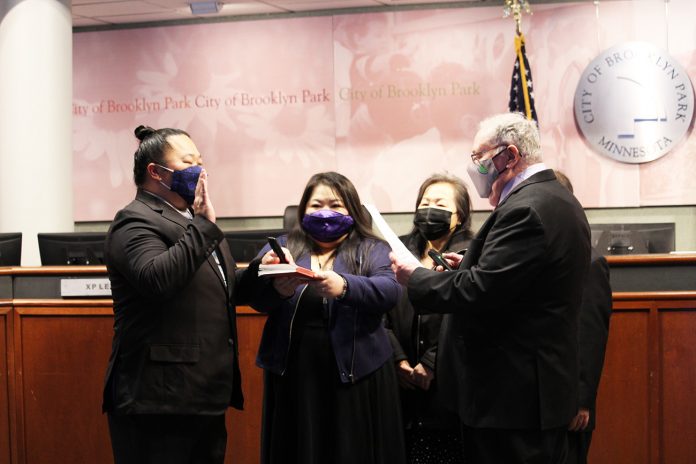
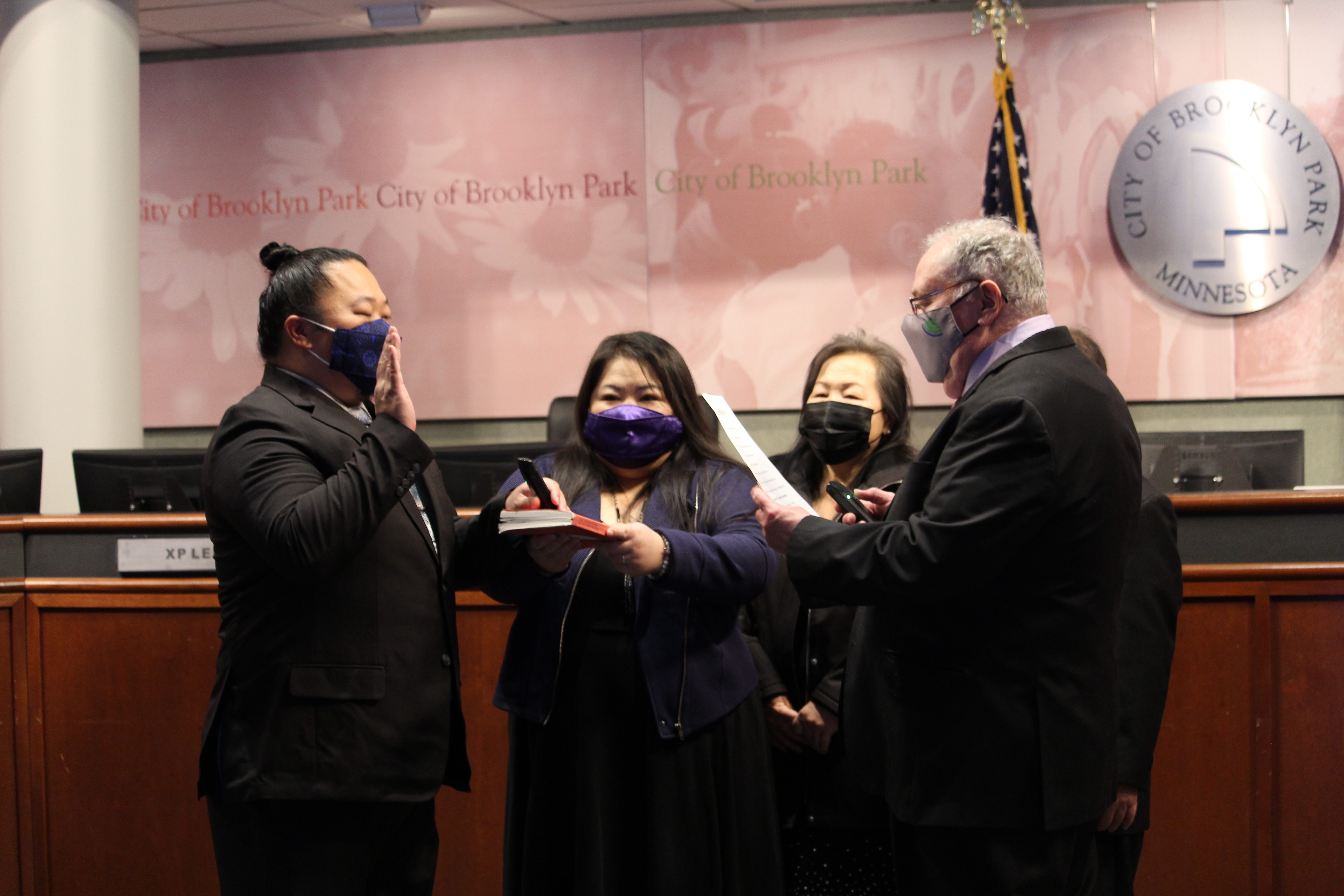
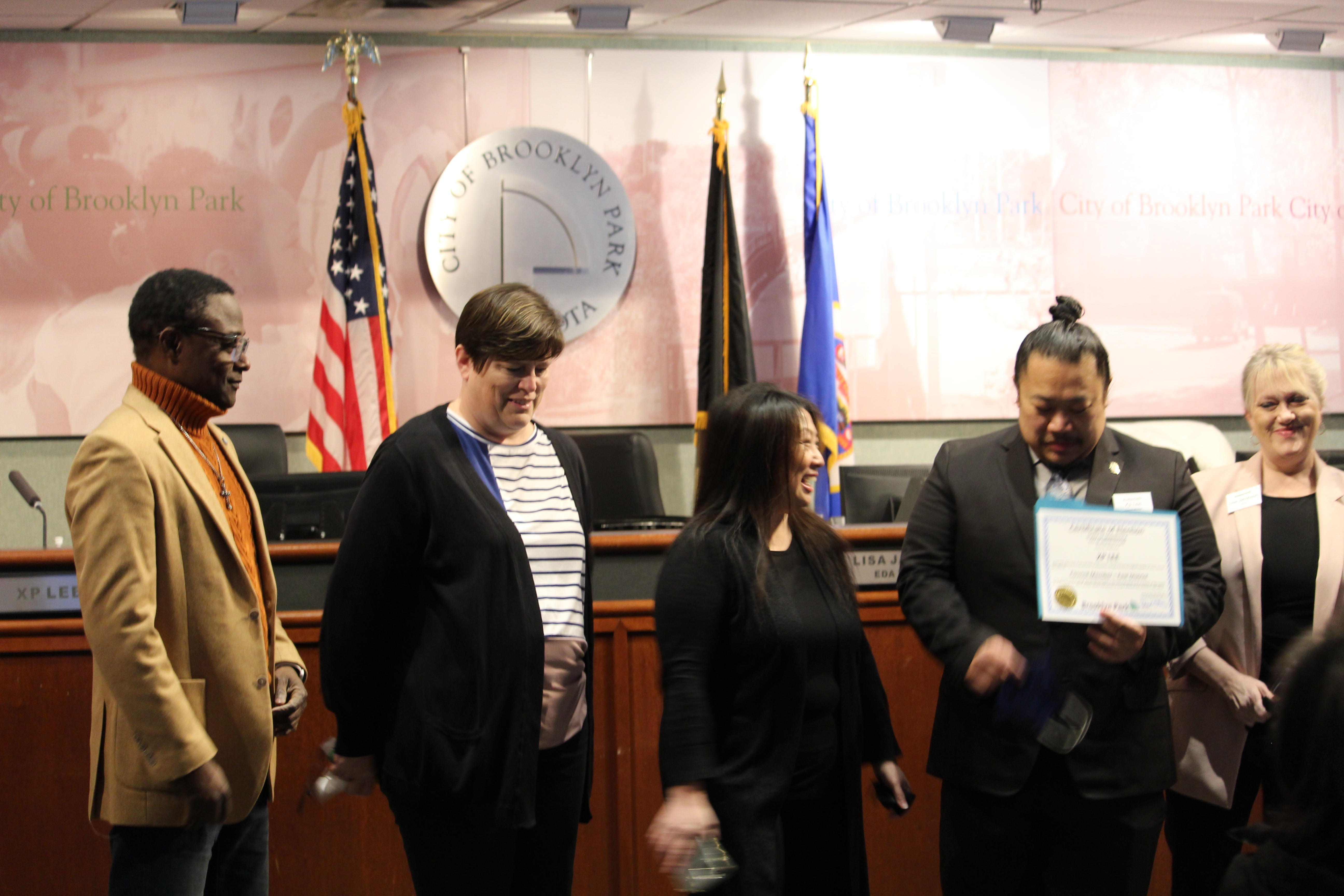
Xp Lee (left) takes his oath of office Tuesday, February 22, 2022, at Brooklyn Park City Hall. He becomes the city's newest council member, filling the vacancy left when Lisa Jacobson became mayor. Councilmember Terry Parks (right), who also represents the East District administers the oath. Photo: Jasmine Webber/Mshale
Xp Lee taking oath Mshale
Xp Lee (left) takes his oath of office Tuesday, February 22, 2022, at Brooklyn Park City Hall. He becomes the city's newest council member, filling the vacancy left when Lisa Jacobson became mayor. Councilmember Terry Parks (right), who also represents the East District administers the oath. Photo: Jasmine Webber/Mshale

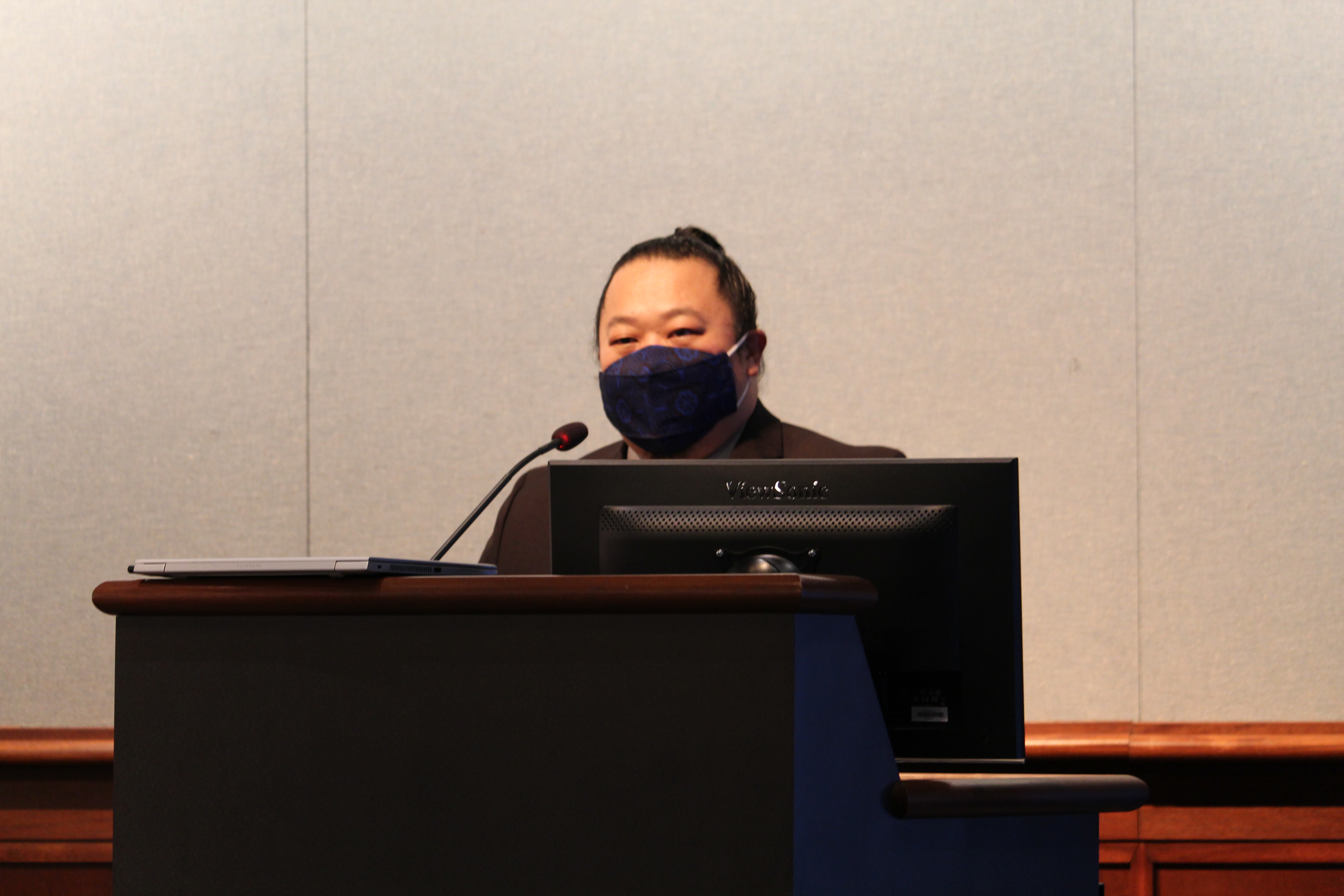
Xp Lee was sworn in as the newest member of the Brooklyn Park City Council today as the city’s Economic Development Authority (EDA), which consists of city council members met during their monthly meeting. This was the first opportunity to swear in Councilmember Lee. He won a special election on February 8 to fill the East District seat that has been vacant since last August when Mayor Lisa Jacobson who represented the district ascended to the mayorship.

Meet Zaynab Mohamed, the Somali American woman running for Minnesota State Senate

0
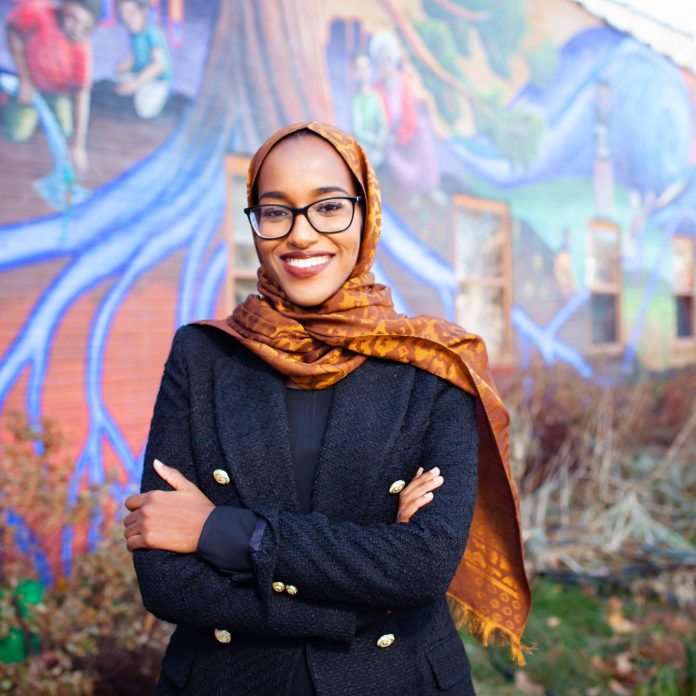
Zaynab Mohamed is running to represent District 63 in the Minnesota Senate. Minnesota has yet to elect a Black woman to its state Senate with Mohamed one of two Black women running to change that in November 2022. She has been endorsed by every elected member in her district. Photo: Courtesy of Zaynab Mohamed Campaign
Zaynab Mohamed
Zaynab Mohamed is running to represent District 63 in the Minnesota Senate. Minnesota has yet to elect a Black woman to its state Senate with Mohamed one of two Black women running to change that in November 2022. She has been endorsed by every elected member in her district. Photo: Courtesy of Zaynab Mohamed Campaign

When Zaynab Mohamed began visiting the Minnesota state legislature in St. Paul to advocate for her community, she noticed something very troubling.

“What inspired me was going to the Senate speaking to legislators, and never seeing myself in there, never seeing anyone who looks like me,” she said.

Mohamed decided to do something about it. The 24-year-old Somali immigrant is running to represent District 63 in the Minnesota State Senate.

“For the past two years I’ve been at the state level advocating for simple things around issues of criminal justice reform, public safety, around housing and other things,” she said.

Mohamed launched her campaign in December after Sen. Patricia Torres Ray—a Colombian immigrant who made history in 2006 when she became the first Latina to be elected to the State Senate—announced that she would retire at the end of the current term.

Mohamed is one of two African immigrant women who are seeking election to the Minnesota State Senate in November. The other is Huldah Momanyi Hiltsley, a Kenyan immigrant, who announced last year that she would be running to represent District 40, but ended up in District 38 when redistricting was done. If one of them is elected, she would make history by becoming the first Black woman, and first African immigrant woman to serve in the upper house of the Minnesota legislature. Additionally, Mohamed would be the first Muslim woman, and the youngest senator in the state.

Since launching her campaign, Mohamed has received a series of endorsements from several leaders, including Rep. Ilhan Omar, who made history in 2018 when she became the first Somali-American to be elected to the U.S. House of Representatives. Mohamed has also been endorsed by every elected member in her district. She is running a grassroots campaign that has so far raised more than $50,000.

Andrew Johnson, a Minneapolis city councilman representing Ward 12, said he chose to support Mohamed because she reminds him of Omar, who had worked as his campaign manager when he first ran for office in 2013, and later as his first senior policy aide before she ventured into active politics.

“I see in Zaynab the same qualities I saw in Ilhan,” Johnson said. “She is somebody who knows the issues well, and who has a natural ability to build coalitions and lead.”

Johnson, who has been a member of the Minneapolis city council since 2013, said he would like to see Zaynab continue the legacy of Torres Ray. He said that he thinks Zaynab is the right person to work on legislation without compromising her values.

“I just encourage folks to get a chance to know Zaynab because there is so much depth of knowledge and wisdom and skills that she brings to the table that really qualify her for this role,” he said.

Mohamed said she is running to address issues in labor rights, economic justice, healthcare, education, affordable housing, and environmental justice. She considers healthcare to be amongst the most critical for people in her district. It’s also a personal one to her.

“I only recently got health insurance for the first time in my life,” she said.

Mohamed explained that she had been uninsured until January of this year, when she began her work as a policy aide for Jason Chavez, who represents Ward 9 in the Minneapolis City Council.

She said that being uninsured was a source of great anxiety for her, especially during the height of the coronavirus pandemic.

“I got COVID-19 in 2020 August,” she said. “I remember having anxiety on top of the issues that come with COVID and I was really struggling.”

Mohamed said she would not have been able to seek health treatment if it wasn’t for laws that made it possible for COVID-19 patients to have their medical bills covered.

“If we weren’t in a global pandemic, I would not have gone to the hospital as quickly as I did,” she said.

Another issue that Mohamed said she wanted to address is public safety and police accountability. Prior to her role with the council, she worked for the Council on American-Islamic Relations (CAIR) promoting legislation centered around public safety reform.

“The work I did for the past two years was pushing for accountability bills which would include things like no-knock warrants,” she said.

No-knock warrants have been controversial because of their likelihood to mistake innocent people for those sought by law enforcement. One such case is that of Amir Locke, a Black man who was fatally shot in a downtown Minneapolis apartment when officers tried to arrest a homicide suspect.

“I am someone who understands and fully comprehends that community safety is number one,” Mohamed said. “But good policing needs accountability.”

The legislation that Mohamed advocated for did not pass in a divided Minnesota House and Republican-majority Senate, but it was through this advocacy work that she met civil rights attorney and Minneapolis resident Nekima Levy Armstrong.

“Zaynab is amazing,” Levy Armstrong said. “She is a phenomenal leader, a woman who leads with integrity, and a very strong organizer and a serious advocate for justice. I’m just so happy that she’s running.”

Pastor and racial justice advocate Nathan Roberts said he supports Mohamed because of her constant dedication to serving the community. Early last year, the two worked together and organized a town hall in Columbia Heights, a suburb of Minneapolis, after the death of Daunte Wright, a 20-year-old Black man a Brooklyn Center police officer killed during a traffic stop on April 11, 2021.

“She shows up for people in the community in ways that, when the community’s hurting she is out meeting with people, talking to people,” Roberts said.

Mohamed said she is dedicated to advocacy and positive change in the community and she wants to encourage civic engagement and voting regardless of the election outcome.

“I think the one thing that we have in this country is our vote,” she said. “Whether you elect me or not, I will continue being a member of this community and leading on the issues that we care about.”

Ghanaians in Minnesota showcase their culture at ‘Urban Expedition’

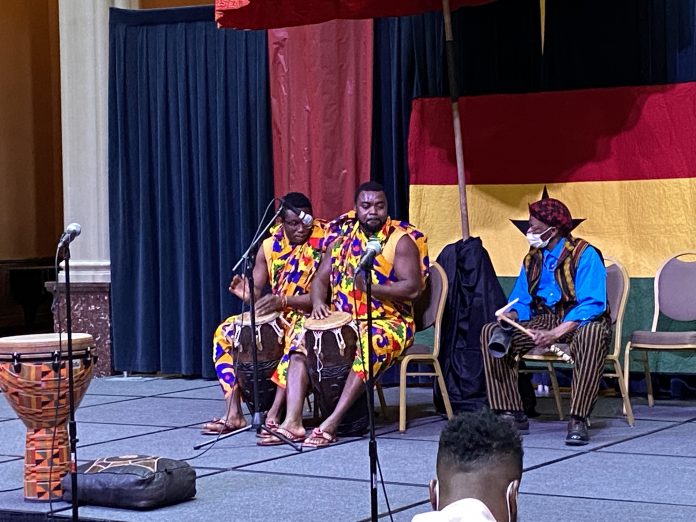
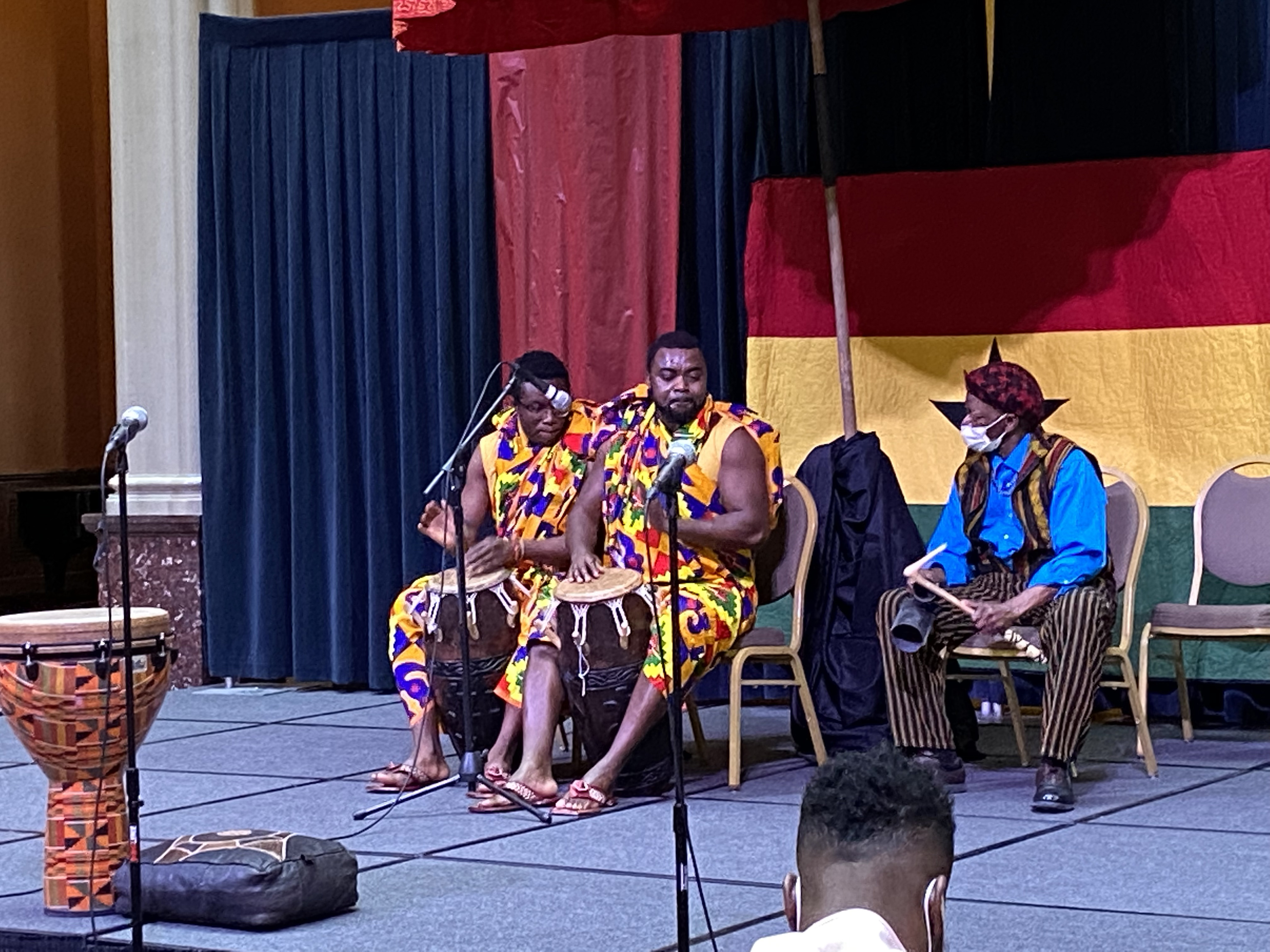
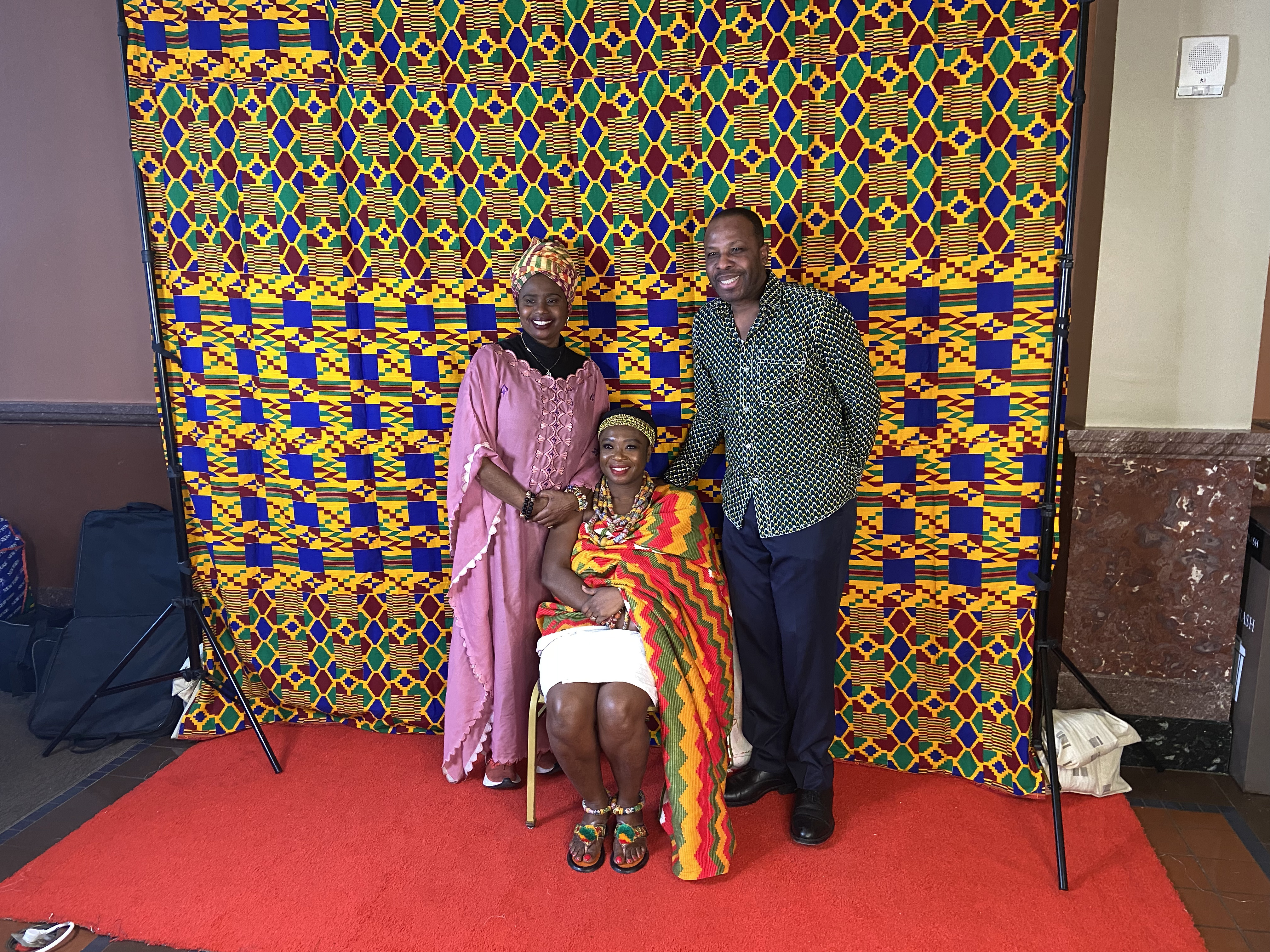
Titambe West African Dance Ensemble at the Landmark Center during a celebration of Ghanaian culture in the "Urban Expedition" series on Sunday, February 13, 2022. Photo: Panashe Matemba-Mutasa/Mshale
Adeti 1

The Ghanaian Association of Minnesota (GhanAM) held its second “Urban Expedition” at the St Paul Landmark Center. The event was held in celebration of Ghanaian culture.

According to GhanAM President Isaac Owens, the last Ghanaian Expedition took place over a decade ago. Since then, GhanAM has expanded its presence across the state, coordinating events in the Twin Cities and beyond. Owens expressed an appreciation of local Ghanaian entrepreneurs, as well as a desire to celebrate the country ahead of their country’s Independence Day, which is commemorated on March 6.

“This was all a collective effort of us here at GhanAM, the Landmark Center, and the Ghanaians of the community,” Owens said. “With Independence Day coming up soon, we wanted to share our rich culture.”

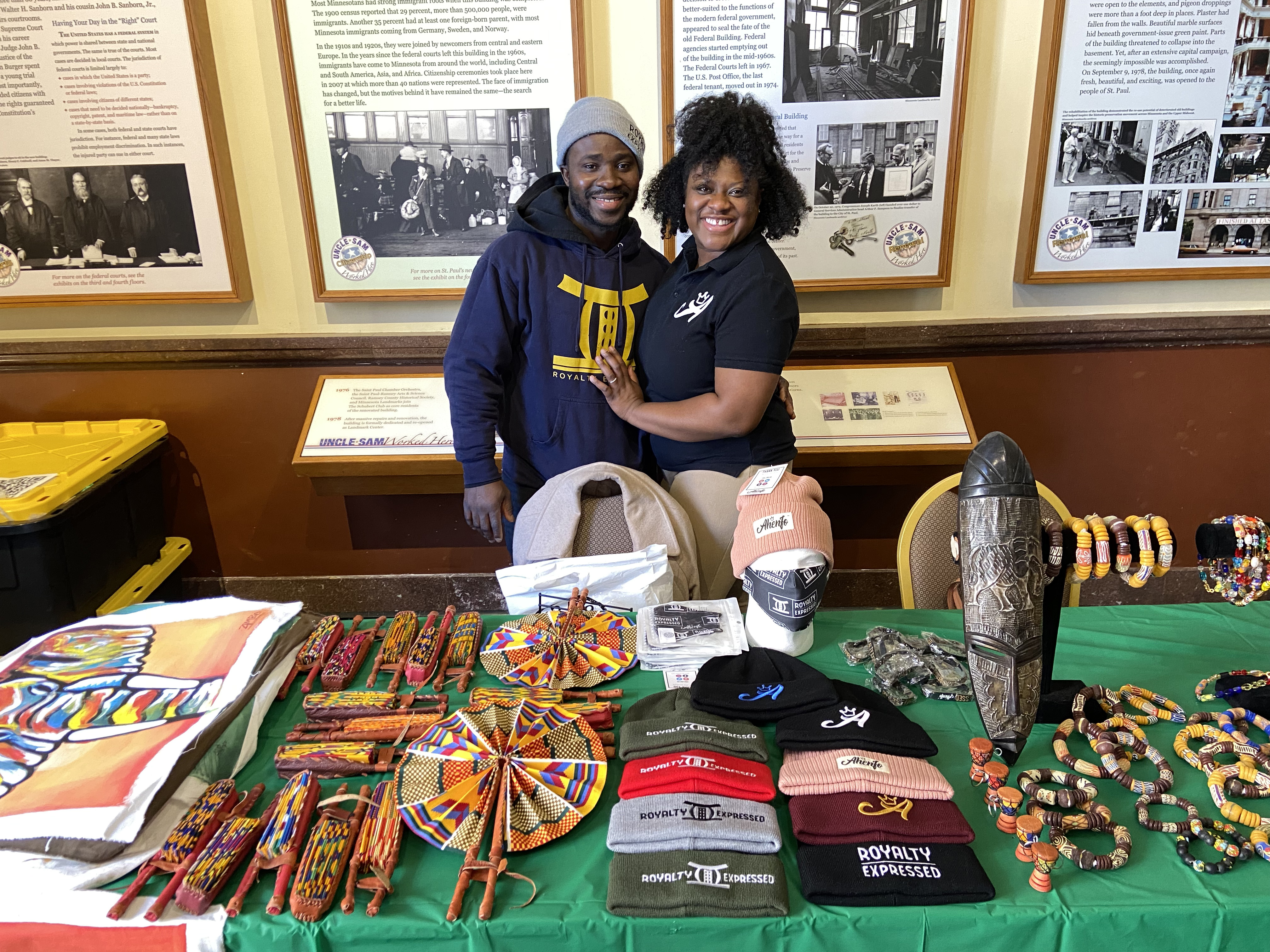
Guests featured at the event included various small business owners like Emmanuel and Taniellia Boateng, a husband and wife who recently opened a store at the Mall of America. Their brand, United People Apparel, designs clothes inspired by diverse cultures. The couple, who hail from Ghana and Jamaica, respectively, aim to maintain a brand identity that reflects their core values of multiculturalism and unity.

“We’ve gotten customers who traveled from as far as Australia, Hong Kong, Vietnam, Thailand, and Hawaii,” Taniellia said.

United People Apparel also includes a brand called Ahenfo. While the former offers products that feature more general designs, Ahenfo adopts a more Afrocentric aesthetic and incorporates it into apparel, artwork, drinkware, and accessories.

Emmanuel shared what inspired him to create Ahenfo, as well as the significance behind the name. He said that many of the times when people think about African history, they default to slavery. While Emmanuel and Taniellia value all aspects of African history, they wanted Ahenfo to reflect the often-forgotten history of African kingship. Their slogan, “Royalty Expressed,” was selected with this theme in mind.

“In the Akan language, Ahenfo means royalty,” Emmanuel said. “The brand is intended to encourage noble living in all of us—to remind us all that we are descended from greatness. We opened our store because not everyone can make it to Africa. This gives people a chance to experience her beautiful culture.”

Another featured guest, Rosemond Owens, is an author and founder of Lion’s Historian, her publishing company. Owens calls herself a born storyteller. She’s been writing books for 4 years and currently has six published works. Her passion for writing, however, goes much deeper than being a wordsmith. Owens said she was driven by the lack of racial diversity in children’s book characters. Specifically, all her kids’ books feature a protagonist of color.

“I write so that children, especially Black children, can see themselves in books,” Owens said.

One of Owens’s books is “Yaa Asantewaa: The Fearless Queen”, which is about the life of a Ghanaian girl in the 1800s—who when the men from the village were too afraid to fight off the British invasion—stood up and became a heroine.

“This is a story about courage, bravery, and female empowerment,” Owens said.

Owens’s nickname and name of her publishing company, “the Lion’s Historian” was inspired by the late renowned Nigerian author Chinua Achebe’s famous quote: “Until the lions have their own historians, the tale of the hunt will always glorify the hunter.” Owens said she set out to write because historically most books glorified the history the white dominant society.

“I created this series of children’s books because I want to retell the stories of our ancestors,” she said. “So often African history is shared through a lens of whiteness, and our children need accurate and corrective representation about themselves and their history.”

Urban Expedition: Ghana also featured members of the Titambe West African Dance Ensemble. The entertainment company specializes in music and dance from various regions across West Africa, with members from Senegal, Ghana, and Liberia. The group shares their talent with the Twin Cities and Greater Minnesota through travel.

“Our ensemble reflects Ghanaian culture and tradition. We want to share that with Minnesota,” said Ghanaian Titambe Artistic Director, Christian Adeti.

Adeti also shares his heart for music through teaching. He teaches West African music at the Minnesota Department of Education “COMPASS” program. And has also taught a semester of dance at St Olaf college in Northfield, MN.

Adeti calls the learning of African music, “the unlocking of ancestral vibration.”

“I love being able to teach people about my country’s musical traditions,” he continued. “For so long peoples’ tastes have been skewed toward Western music. It’s time we shared our sound with the world.”

Urban Expedition is a project of the Landmark Center, a nonprofit organization founded in 1892 to create, promote, and preserve educational programs that spotlight Minnesota’s cultural diversity.

Huldah Momanyi Hiltsley and Susan Pha both now in Senate District 38

0
After Minnesota redistricting maps were released on Tuesday, February 15, 2022, Huldah Momanyi Hiltsley and Susan Pha who announced their candidacies in 2021 for Minnesota Senate District 40 will both remain in a new redrawn Senate district which will be Senate District 38. Photos: Richard Ooga/Mshale and Susan Pha Campaign
Hilstley Pha
After Minnesota redistricting maps were released on Tuesday, February 15, 2022, Huldah Momanyi Hiltsley and Susan Pha who announced their candidacies in 2021 for Minnesota Senate District 40 will both remain in a new redrawn Senate district which will be Senate District 38. Photos: Richard Ooga/Mshale and Susan Pha Campaign

A special redistricting panel appointed by the Minnesota Supreme Court today released new maps for Minnesota’s legislative and congressional districts. Redistricting is required after the U.S. Census Bureau releases new population counts every 10 years.

It is the responsibility of the Minnesota Legislature to come up with the final maps but has failed to do so in the last half century necessitating the courts to step in.

In the current Senate District 40 which is represented by Sen. Chris Eaton, the seat has attracted Susan Pha and Huldah Momanyi Hiltsley who both announced their candidacies last year. Eaton is not seeking reelection.

The two are the main contenders to replace Eaton in the new redrawn district. Their latest campaign finance filings show the two virtually even in terms of money raised.

Both Hiltsley and Pha will remain in the same Senate district, which after redistricting will now be Senate District 38. Neither responded to Mshale by the time of this writing to state their political intentions after their new maps were released. Other than a new numeric assignment, the redistricting panel appears to have left the old Senate district mostly intact.

“We are not positioned to draw entirely new … districts, as the legislature could choose to do. Rather, start with the existing districts, changing them as necessary to remedy the constitutional defect by applying politically neutral redistricting principles,” the panel wrote as they released the maps.

There had been some expectation that Pha and Hiltsley might end up in different districts but with the redistricting question now settled, the two are expected to shift gears and start getting ready in earnest for Senate district conventions expected in March or April.

House Speaker Melissa Hortman (DFL-Brooklyn Park) in a statement Tuesday seemed to reflect the sentiments of most elected officials and aspirants.

“With the maps now released from the judicial panel, we will begin the process of analyzing the information, which will take some time,” Hortman wrote.

You can view the new redistricting maps at this link.

Midtown Global Market kicks off Black History Month with African music, art and stories

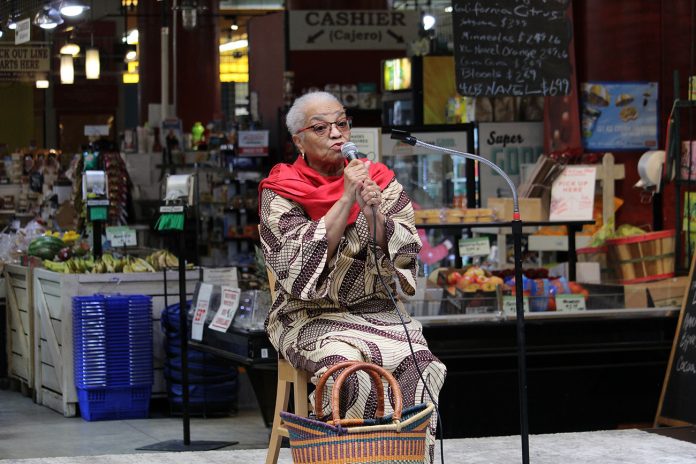
Beverly Cottman commonly referred to as ‘Auntie Beverly’ was the featured storyteller at a Black History Month kick-off event held at the Midtown Global Market in Minneapolis on Saturday, February 5, 2022. Photo: Jasmine Webber/Mshale
Beverly Cottman
Beverly Cottman commonly referred to as ‘Auntie Beverly’ was the featured storyteller at a Black History Month kick-off event held at the Midtown Global Market in Minneapolis on Saturday, February 5, 2022. Photo: Jasmine Webber/Mshale

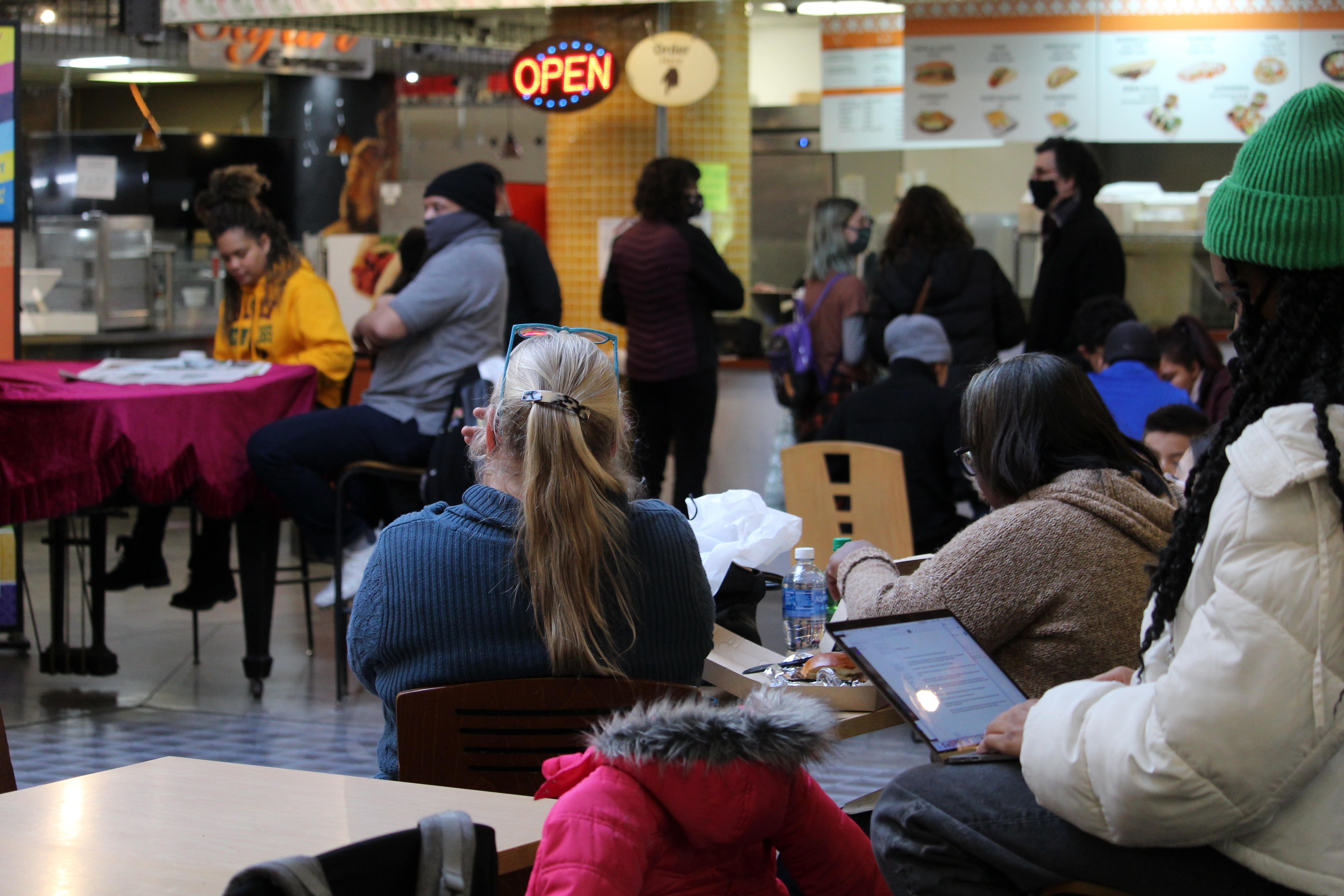
Minneapolis’s Midtown Global Market kicked off its Black History Month celebrations Saturday with art and stories about the African experience.

One of the most anticipated guests of the day was Beverly Cottman, who is famously known as Auntie Beverly. Cottman is a professional storyteller who delivers engaging stories from the African diaspora by leveraging traditional elements of oration, such as movement, expressions, and vocal dynamics.

“Historically, virtually every society has partaken in storytelling,” Cottman said. “Today, I have the privilege of sharing the stories of our ancestors.”

Cottman said she grew up in a time when there was no Black History Month. Her generation didn’t have advanced technology, so the Black history people know today – the sit-ins, the protests and the marches for voting rights – was all recorded orally, she said.

“So, in a way, the art of storytelling has served as a way for us to preserve what would have otherwise been forgotten,” she said.

In her performance, Beverly’s story list included a rendition of Sam and the Tigers, and a Senegalese folktale.

Cottman, who started her storytelling career 20 years ago, said he has always considered herself a creative person. As she gained more confidence, she quit her job as a high school biology teacher and started telling stories for a living. She has never regretted it. She has traveled abroad and shared stories with children, adults, and senior citizens. She has also been featured in conferences, schools, events, libraries, and literacy development programs, she said.

“Many of my stories are Afro-centric,” she said. “And when we think about Africa as the cradle of civilization, it makes sense to preserve that history.”

Cottman said a lot of the folktales, fables, and moral stories she tells date back to the 16th and 17th centuries, and possibly even earlier, she said. The stories were passed down through oral tradition, and were used to establish rules and norms in African societies.

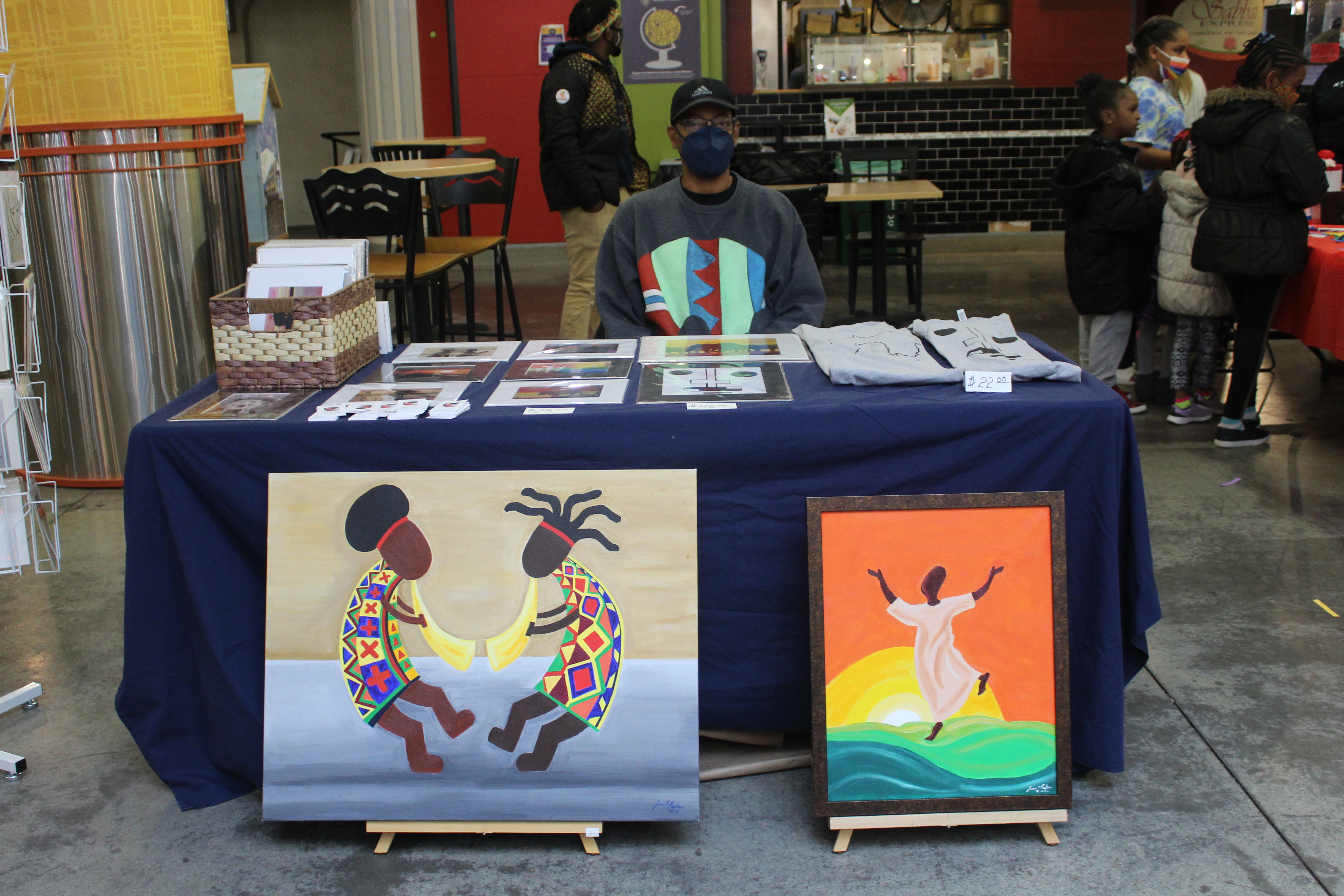
The event also displayed the works of local artists like Juan T. Parker, whose art features African animals and settings in pen and ink, acrylic paint, color pastel, oil pastel and pencil. He said he uses his art to depict what he calls “the colors of Africa.”

“Africa is so rich in culture, beauty, and nature,” he said.

Parker also owns an art gallery at Midtown Market, where he has been selling his work for more than three years. Parker said began his journey as an artist at the age of five. He recalled his mother making crafts using strings. Throughout the years, as Parker began sharing his creativity with the community, his passion continued to motivate him in some of his toughest times.

“Being an artist helped me get through being an outcast as a teenager,” he said. “Having this creative outlet also helped me when I was struggling with congestive heart failure in 2015. I ended up having to undergo a major operation, but my art helped me survive.”

The event also featured music by Heart and Soul Drum Academy, a St. Paul-based school specializing in hand-drum classes for children between the ages of three and 17. The organization aspires to “connect the community through the art of drumming.” In addition to educating the youth about the creative and communicative aspect of the hand-drum, the academy travels and shares cultural experiences with the greater Twin Cities.

The group’s performance featured several songs and an improvised act at the end. Lars T. McCritty, a featured drummer, said the group has thrived by staying rooted in West African values.

“In Liberia, we have a village mentality,” he said. “In everything that we do, we try to maintain this spirit of togetherness.”

The school’s founder, Baba Jesse, shared the idea behind the creation of the music school. He said it focuses on giving at-risk kids from low-income in the Rondo neighborhood opportunities to study music.

“I wanted to make a difference in these kids’ lives,” Jesse said. “Before drumming, many of them lacked an avenue for fulfillment and personal growth. Music gives them kids an opportunity to develop skills they otherwise would not have. They are building motivation, respect, and self-esteem.”

Midtown Global Market is a shopping and cultural center on Lake Street in Minneapolis. It was founded in May of 2006, when local entrepreneurs of color partnered with the Neighborhood Development Center and rented space in what used to be an abandoned Sears building. Many of the business owners expressed a desire for the new cultural hub. Today, the market hosts more than 25 businesses representing the diverse cultures of the neighborhood.

In addition to offering global goods from different vendors year-round, Midtown is also known for holding a variety of cultural events each year.

“Midtown has so much diversity in culture,” said Parker, the art shopkeeper. “It’s the perfect spot for any artist of color.”

How to get up to $3,600 per child in tax credit

0
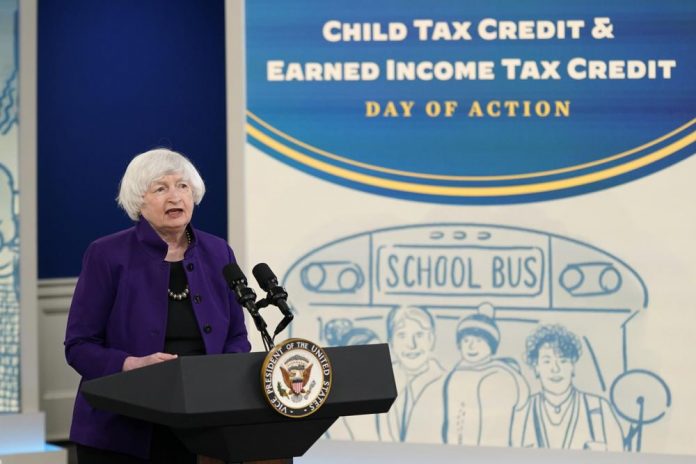
Treasury Secretary Janet Yellen encourages Americans to take advantage of tax credits, including the expanded Child Tax Credit and Earned Income Tax Credit, in the South Court Auditorium on the White House campus, Tuesday, Feb. 8, 2022, in Washington. (AP Photo: Patrick Semansky/AP
Janet Yellen
Treasury Secretary Janet Yellen encourages Americans to take advantage of tax credits, including the expanded Child Tax Credit and Earned Income Tax Credit, in the South Court Auditorium on the White House campus, Tuesday, Feb. 8, 2022, in Washington. (AP Photo: Patrick Semansky/AP

WASHINGTON (AP) — Millions of Americans who have never filed a tax return will need to do so this year in order to claim what’s coming to them under the enhanced child tax credit.

Previously, only people who earned enough money to owe income taxes could qualify for the full credit.

But as part of the $1.9 trillion coronavirus relief package, President Joe Biden expanded the program, increasing the payments to up to $3,600 annually for each child aged 5 or under and $3,000 for those who are ages 6 to 17.

The monthly payments have amounted to $300 for each child 5 and younger and $250 for those between 5 and 17.

The government began to send the payments out — an overall $93 billion — on a monthly basis starting last July. Now, there are an additional six months’ worth of payments waiting to be claimed. And some families haven’t collected any of the benefits they’re due yet. In all, an estimated $193 billion is yet to be claimed.

The only way to receive that money is to file a tax return.

Some questions and answers about who’s eligible for the credit and how to get it:

WHO GETS THE CHILD TAX CREDIT?

More than 36 million families received the advanced payments in December alone, which marked the last month that advanced monthly payments were sent to households. Families qualify for the full credit if their 2021 adjusted gross income was at or below $150,000 for married couples filing a joint return, or $75,000 for single-filer parents.

HOW DO I KNOW IF I QUALIFY AND WHAT IF I DON’T OWE TAXES?

Whether or not a family owes tax money or has filed taxes before, they will need to file a return to get all or the rest of their money.

Eligible families that didn’t receive any advance child tax credit payments during 2021 can still claim the full amount of the child tax credit on their federal tax return. Those families that are unsure of whether they’ve received payments, or potentially received paper checks that went uncashed, can visit the Child Tax Credit Update Portal, to see how much of the credit they should have received.

Additionally, families that received payments should have received a “Letter 6419, 2021 advance CTC” notice, which includes information on the amount of advance payments families have received and tax information for filing purposes.

However, the IRS has said that some people may have received incorrect information on their forms. The portal can help people who want to confirm the correct amount they should have received. Despite any inconsistencies in documentation, the IRS advises that taxpayers should keep the letter, and any other IRS communications about advance payments, with their tax records.

WHAT IS THE BEST WAY TO FILE?

The IRS urges individuals to file their taxes electronically to process forms quicker, and provides links on the agency website to free filing sites like GetYourRefund.org, which helps families earning less than about $66,000 a year file their taxes for free. The organization partners with IRS-certified Volunteer Income Tax Assistance, and provides free help in English and Spanish. Another option is MyFreeTaxes.com, which provides virtual assistance to people who make $58,000 or less to file their federal and state taxes for free. That service is offered through the United Way.

The IRS also has a tool to help individuals identify other free file sites that offer tax filing help.

WHAT IF I LIVE OUTSIDE THE 50 STATES?

While the coronavirus relief package included child tax credit benefits for residents of Puerto Rico, they were not eligible to receive the advance monthly payments. Instead, Puerto Rican residents can receive the full amount of child tax credit that they are eligible for by filing a federal income tax return this year. Additionally, residents of American Samoa, the Commonwealth of the Northern Mariana Islands, Guam or the U.S. Virgin Islands may be eligible for the full child tax credit payments, but they will need to contact their local U.S. territory tax agency.

WHO CAN HELP ME SORT THIS OUT?

The IRS has launched a website, called ChildTaxCredit.gov, which lists criteria that filers must meet in order to receive the full credit. Additionally, the federal agency will begin offering walk-in assistance with IRS volunteers in limited locations for individuals who need help filing their taxes, beginning Feb. 12.

Thirty-five tax assistance centers around the country will be open from 9 a.m. to 4 p.m. on the second Saturday of the next four months.

The tax filing deadline is April 18.