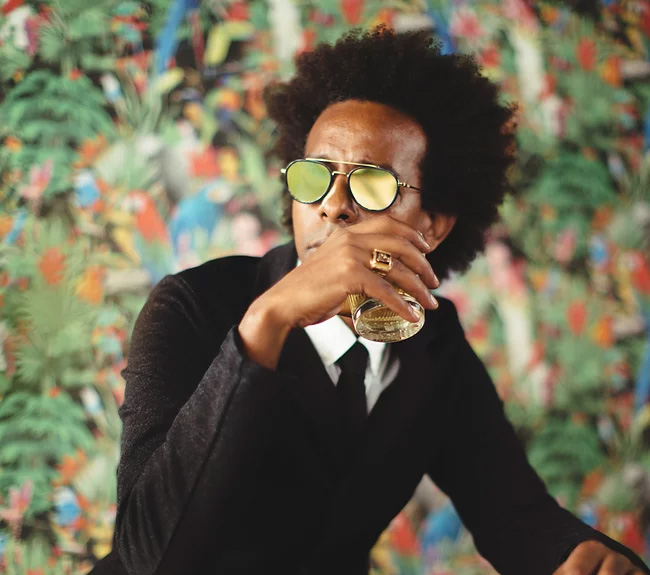
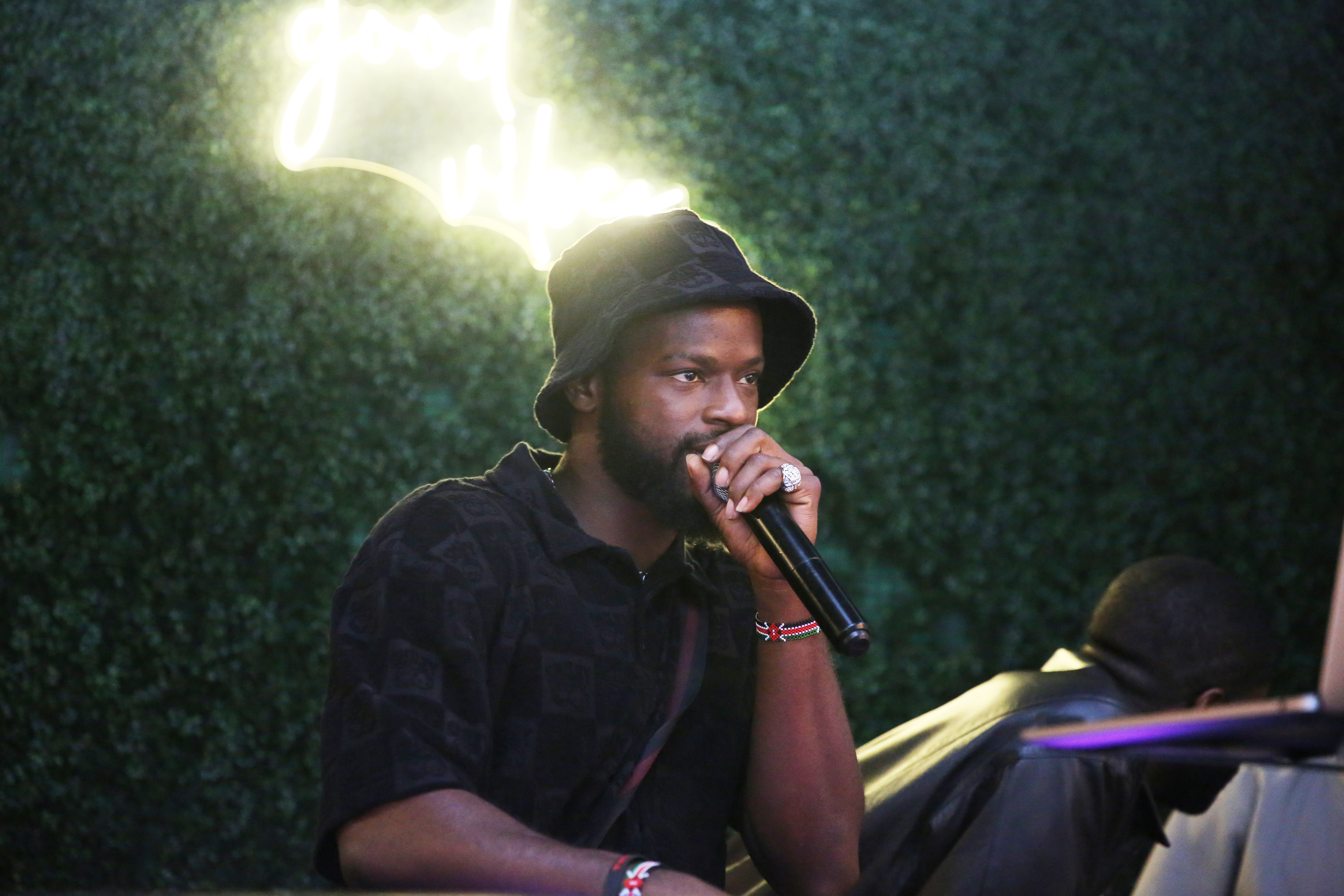
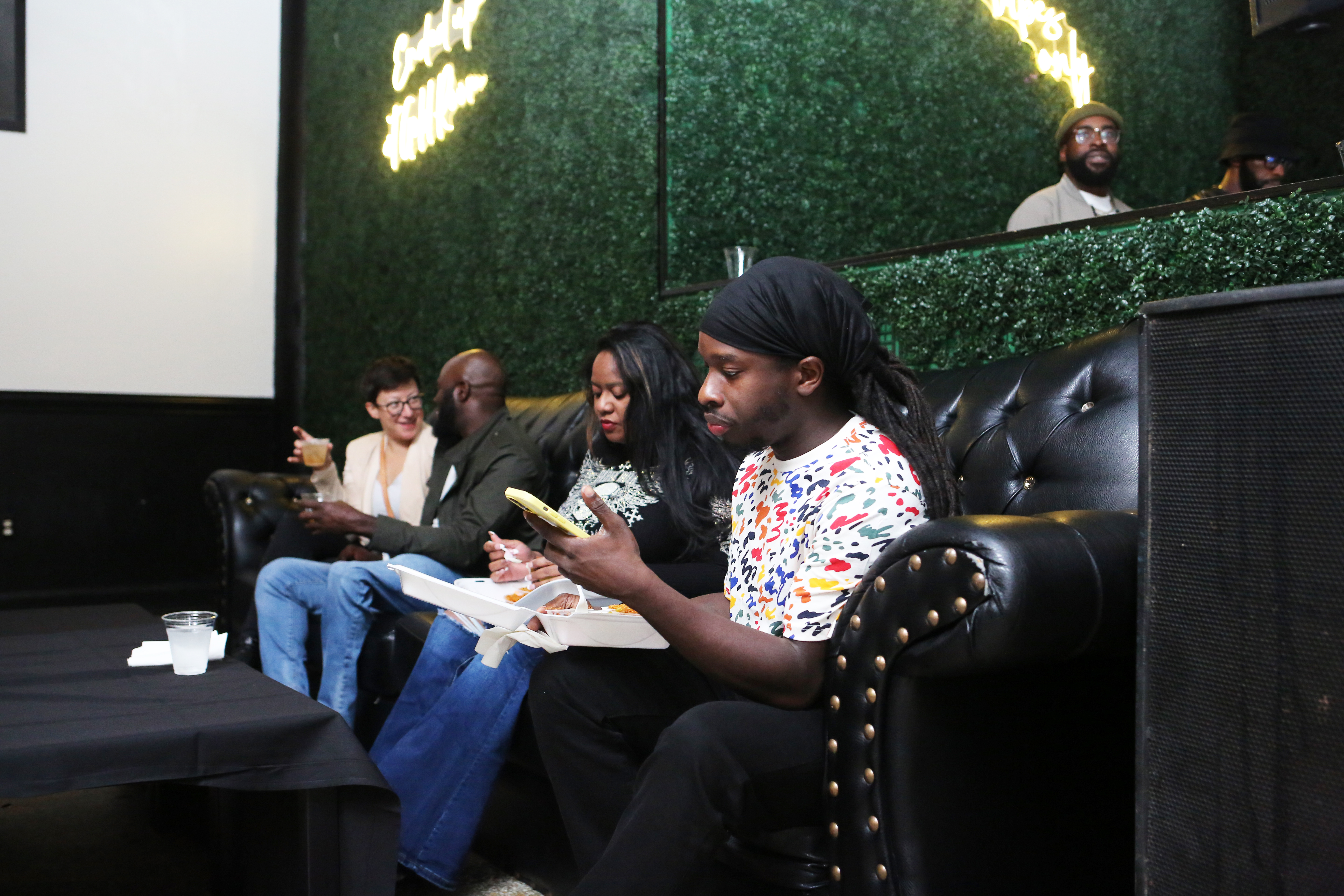
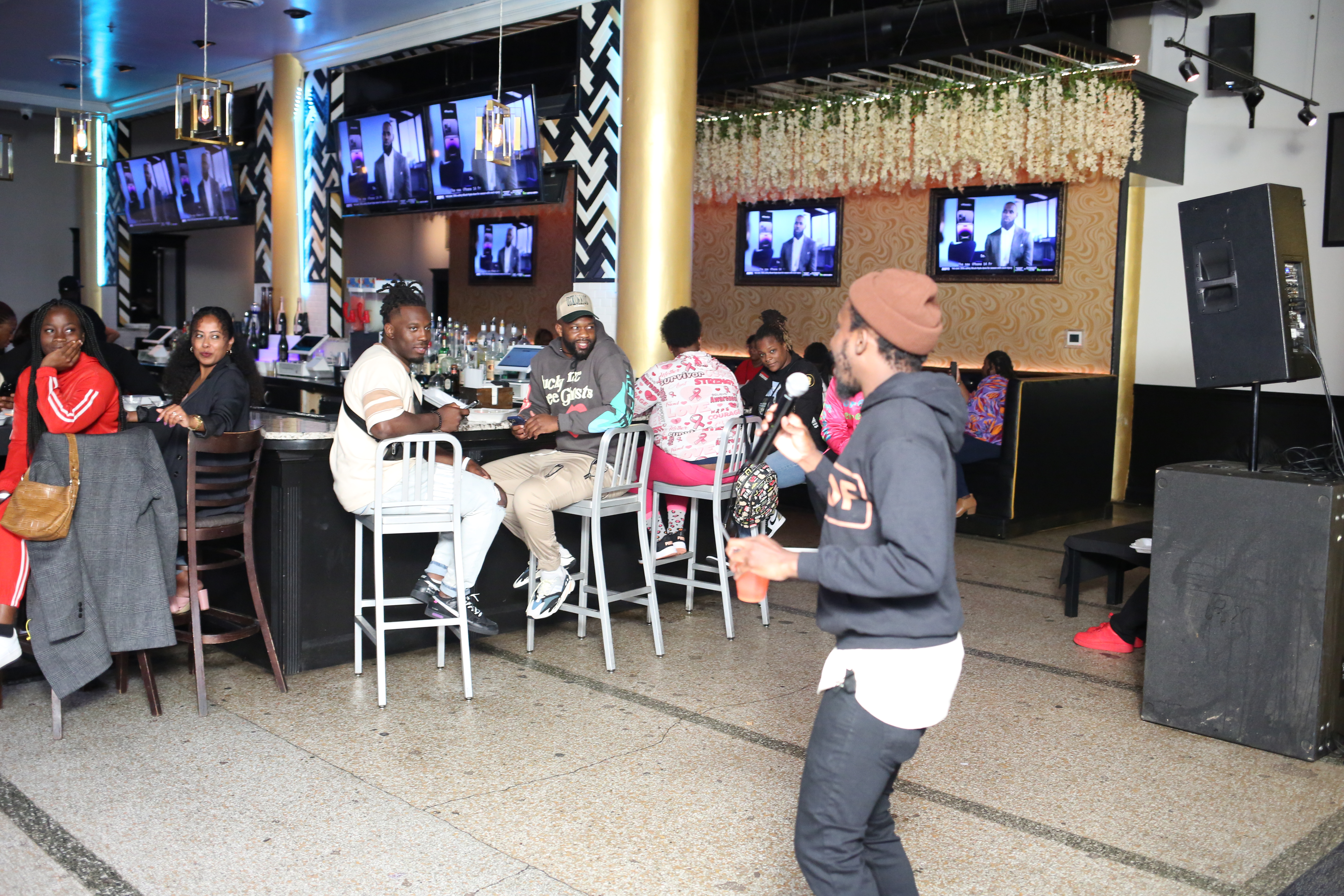
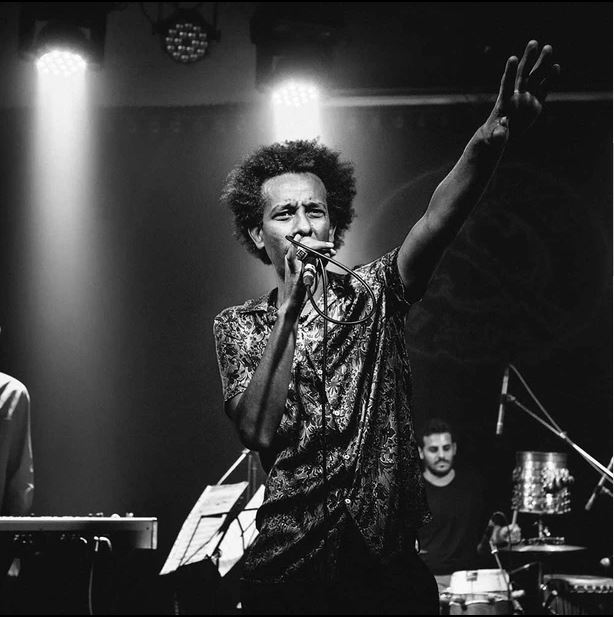
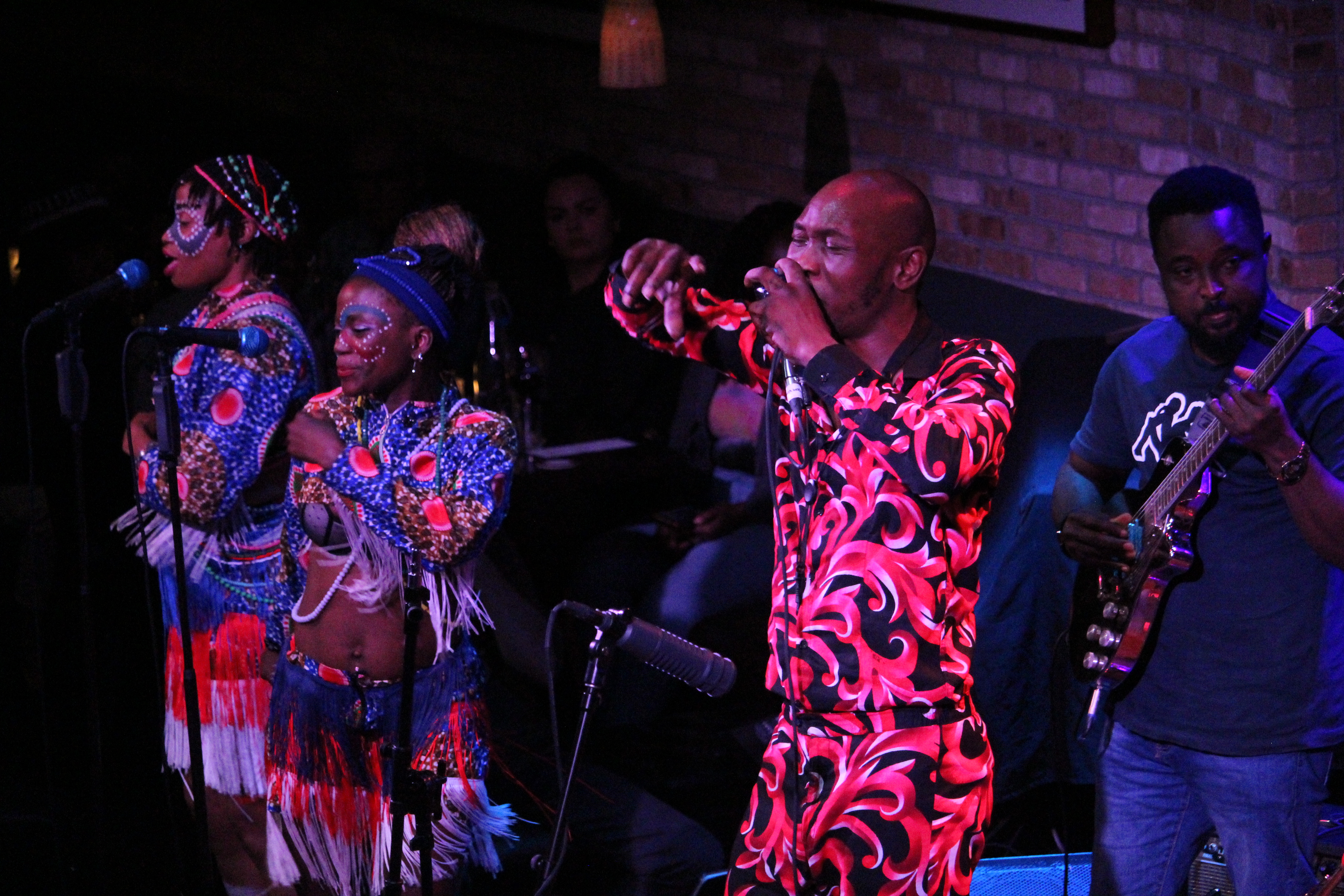
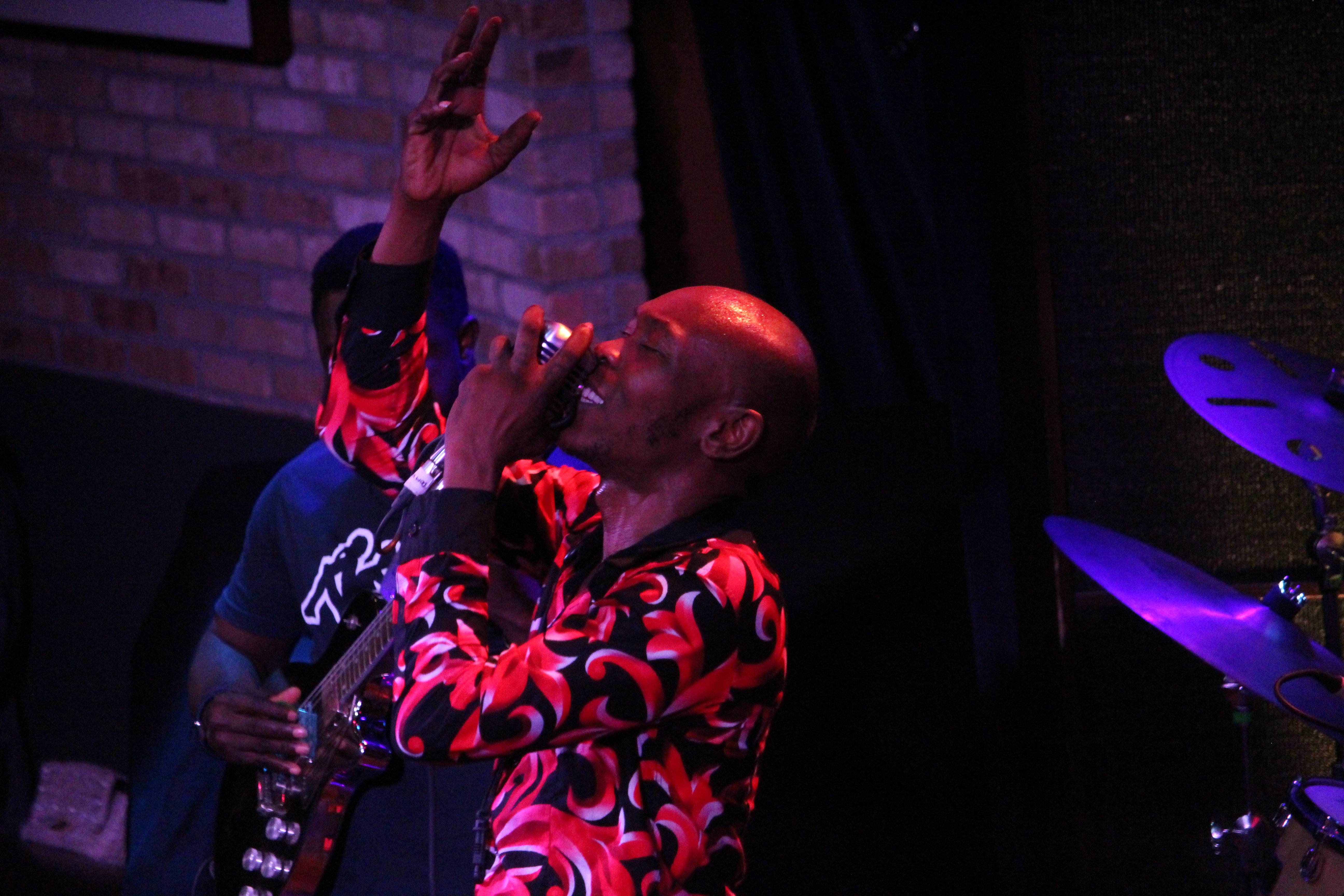
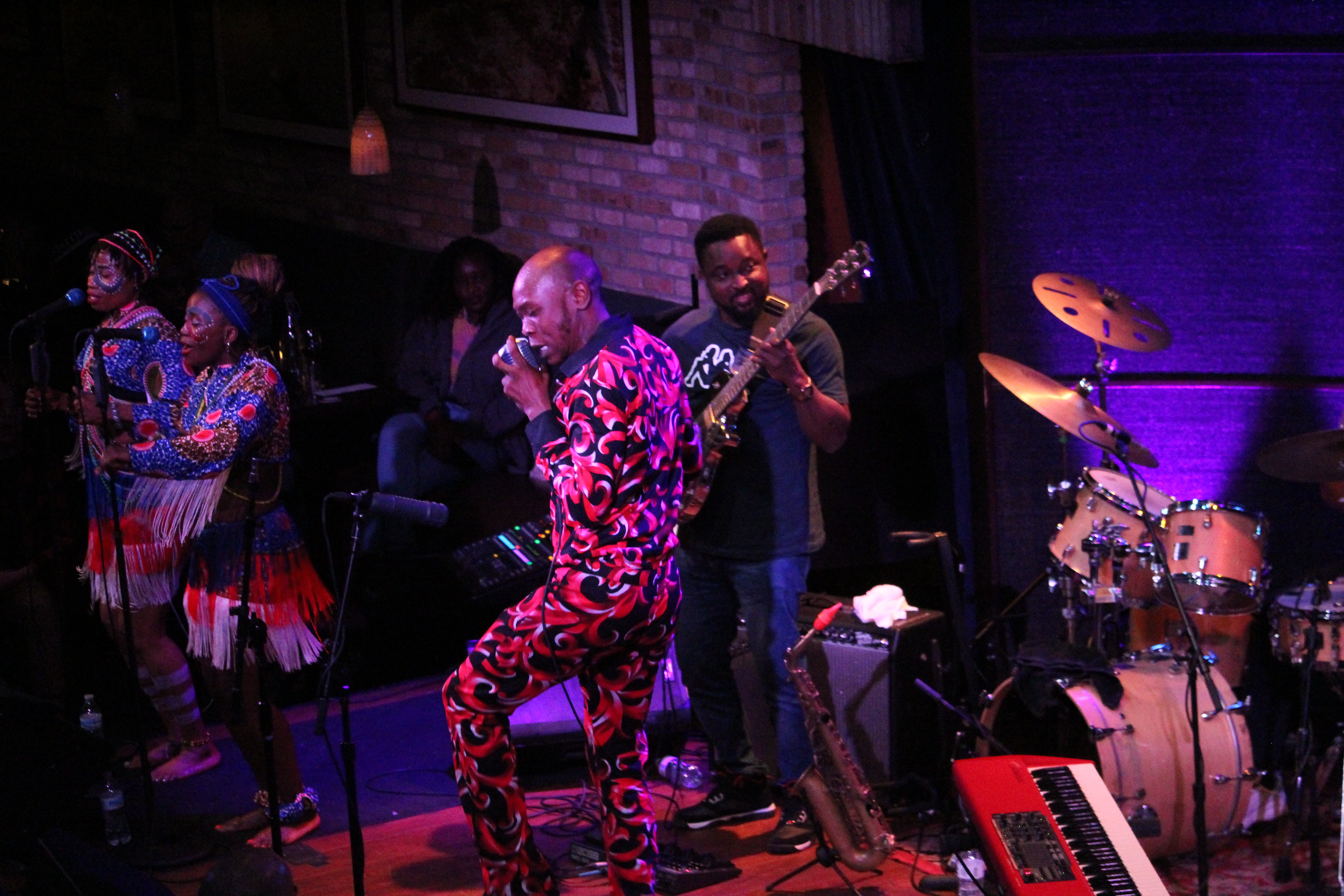
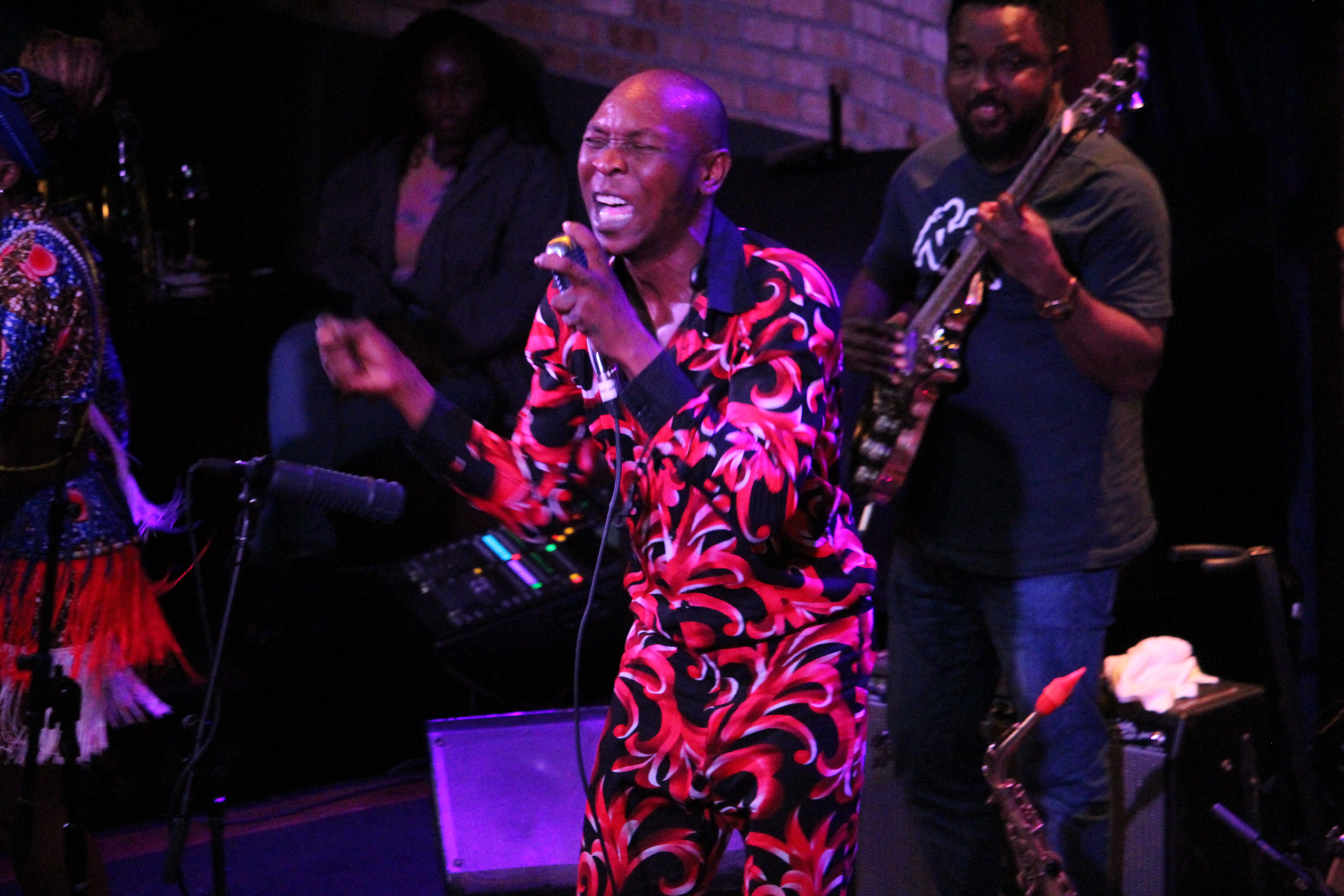
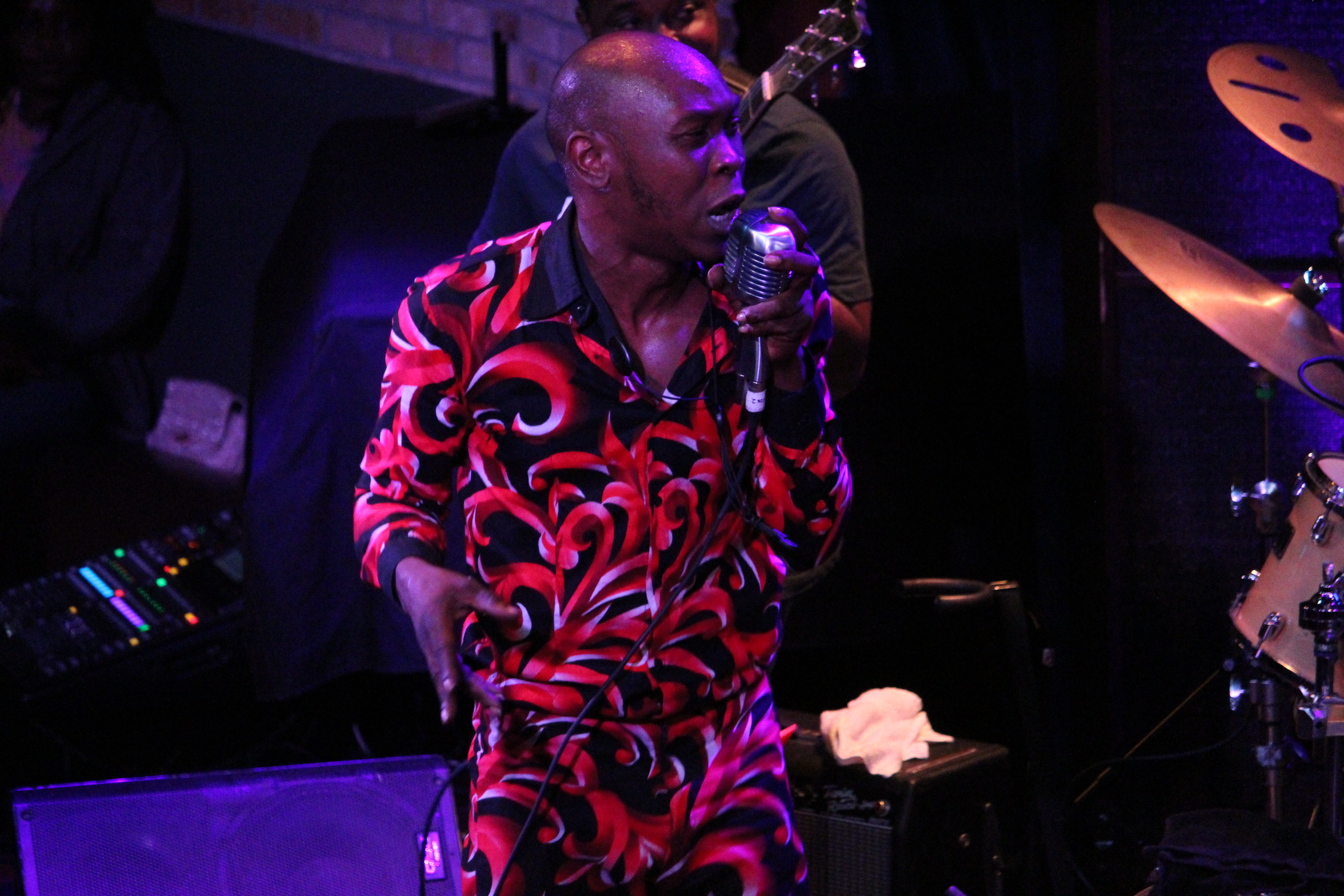
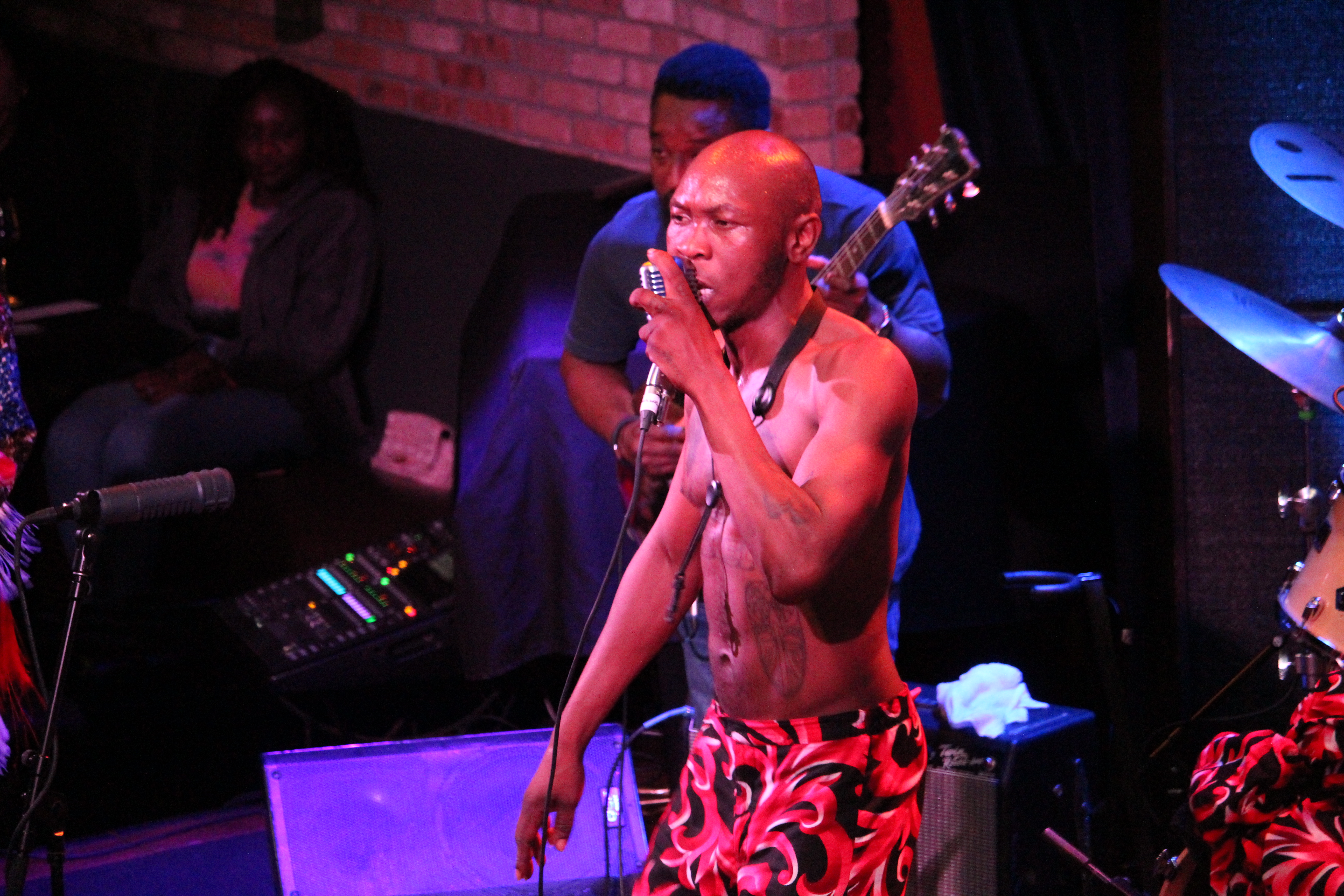
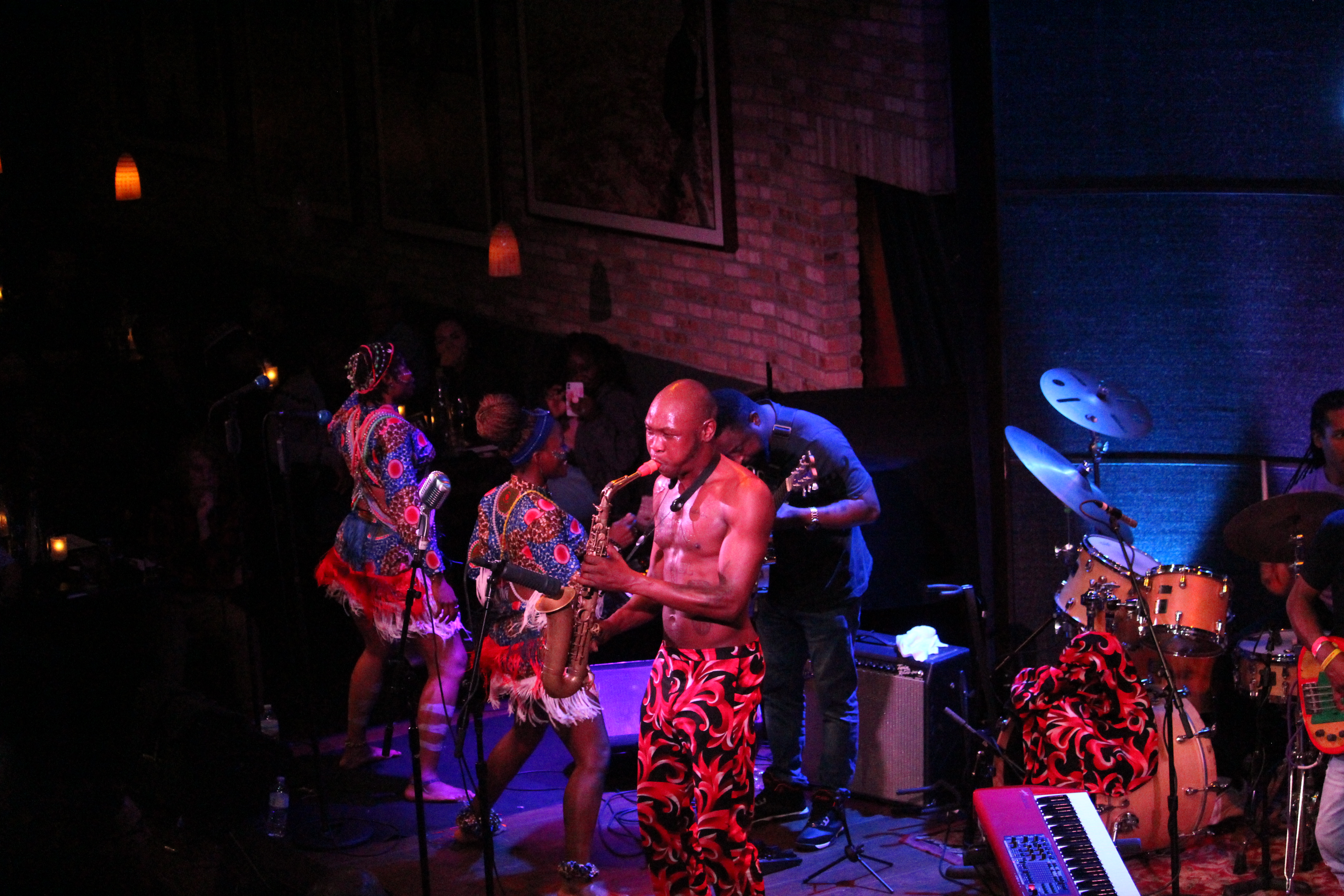
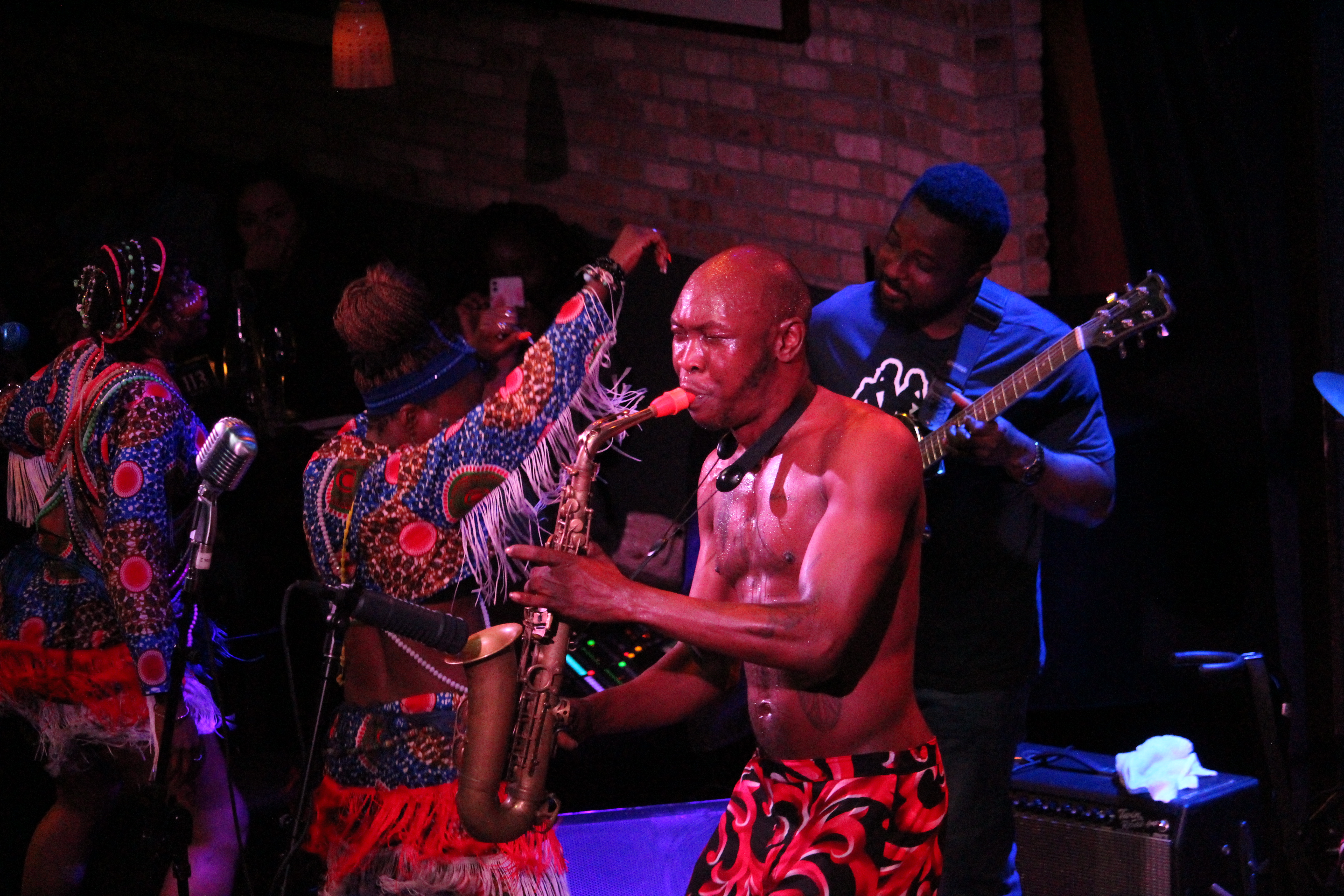
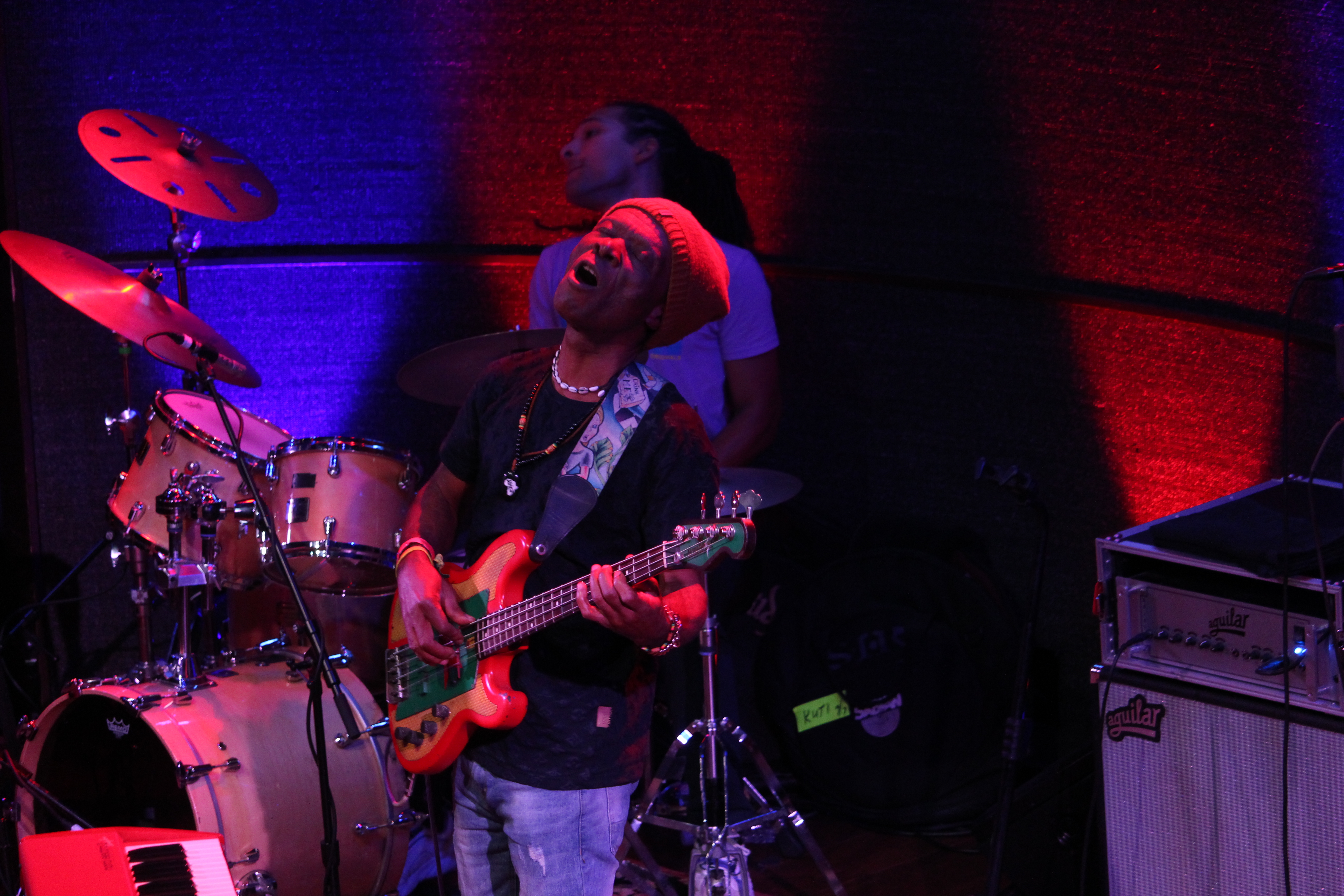
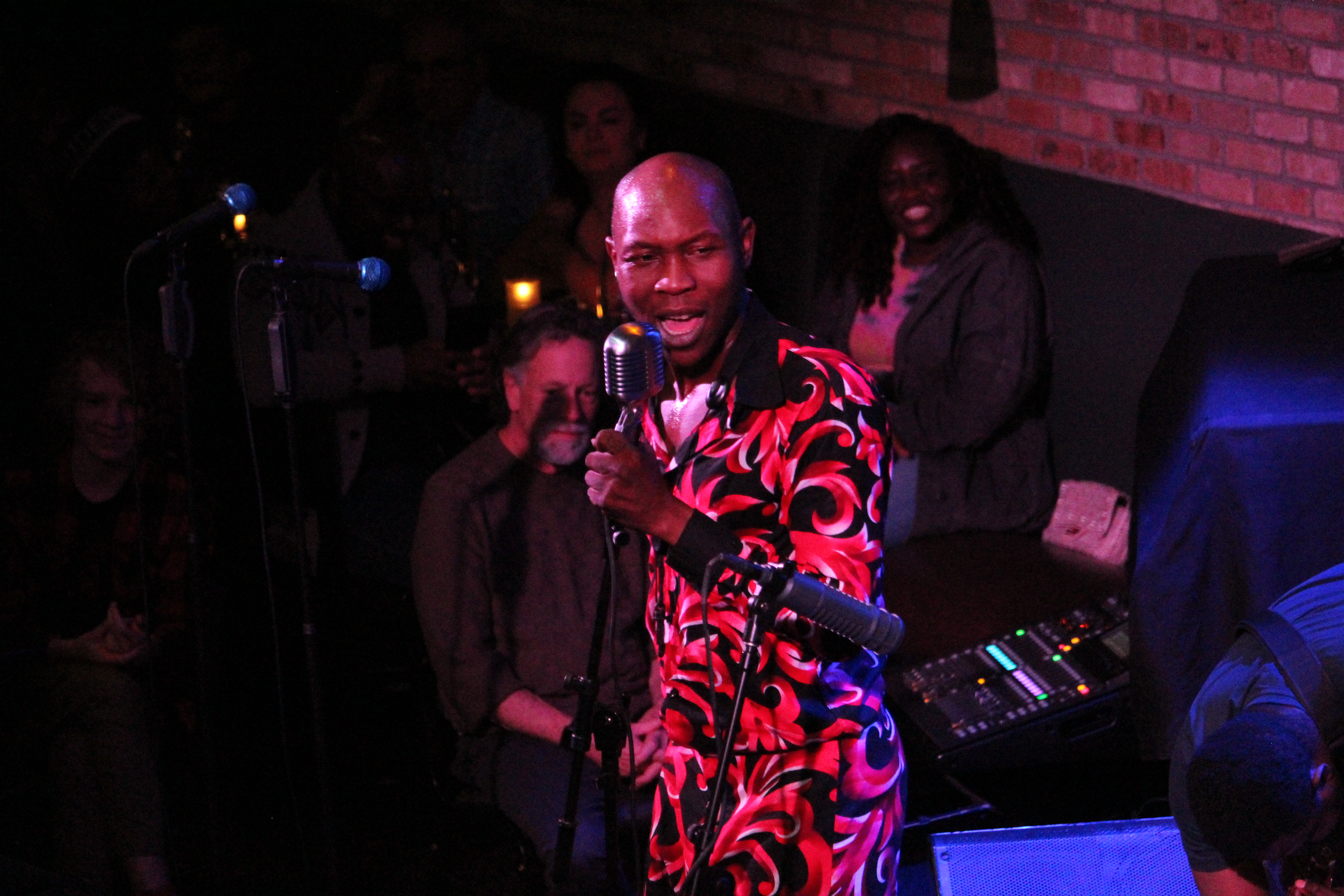
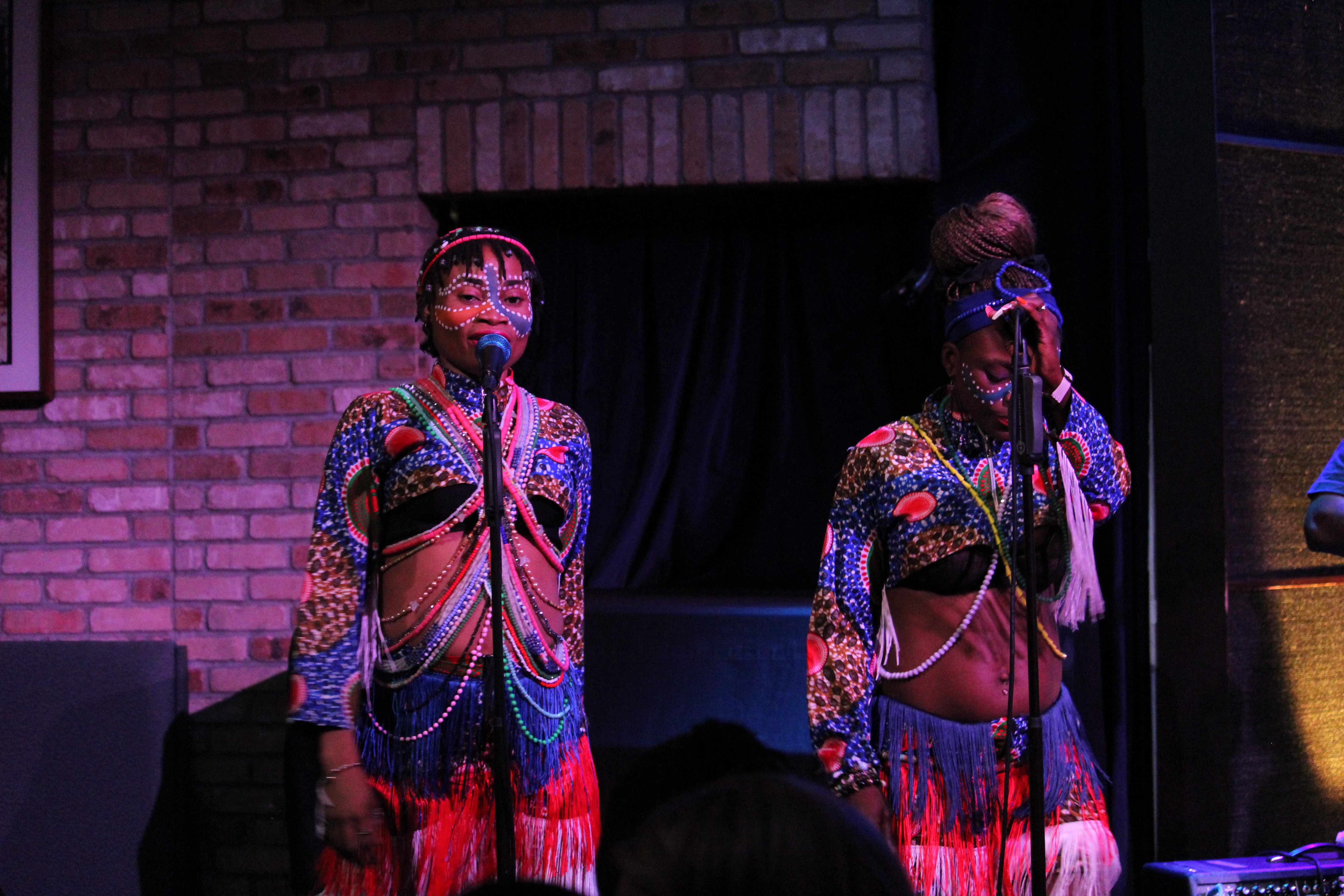
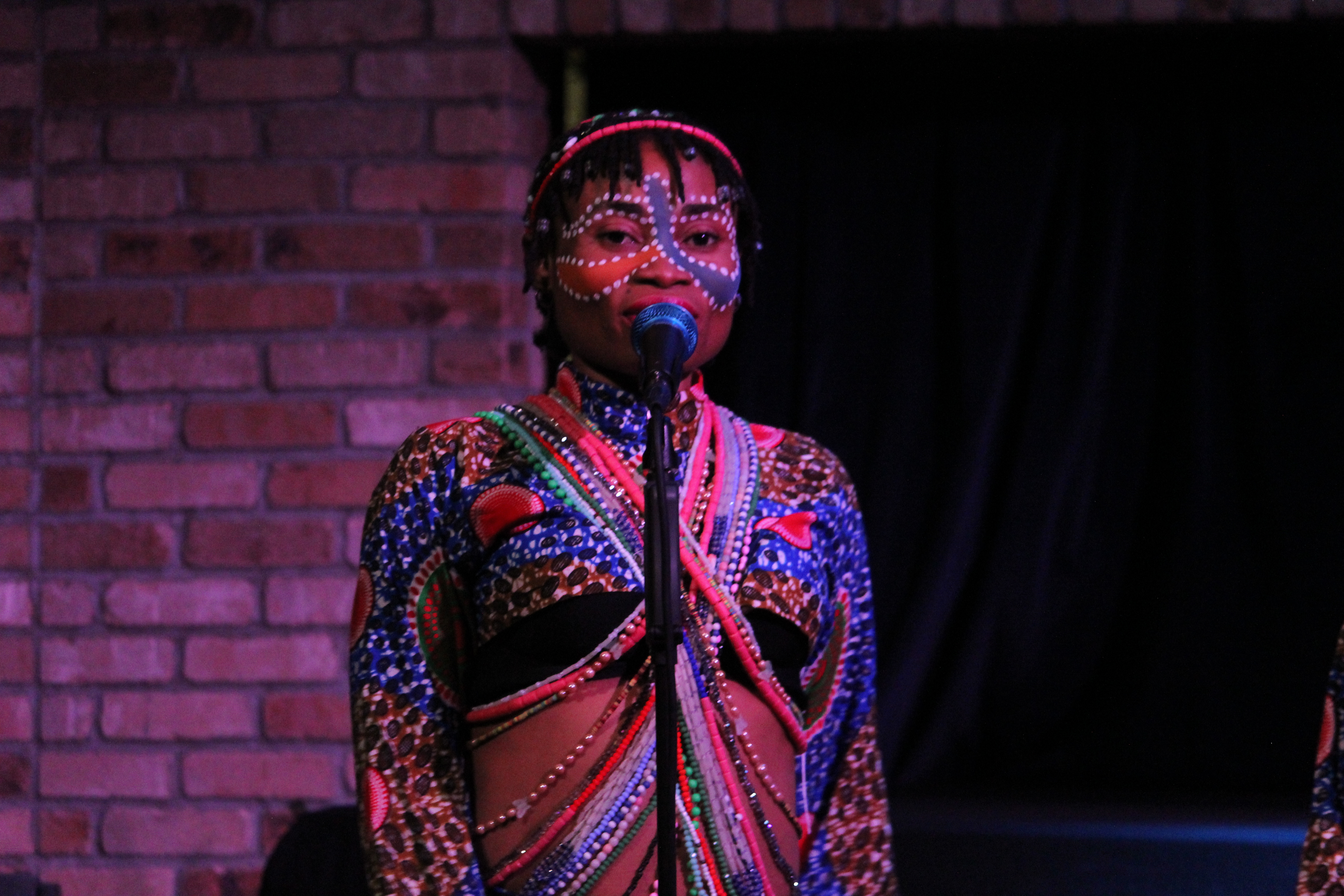
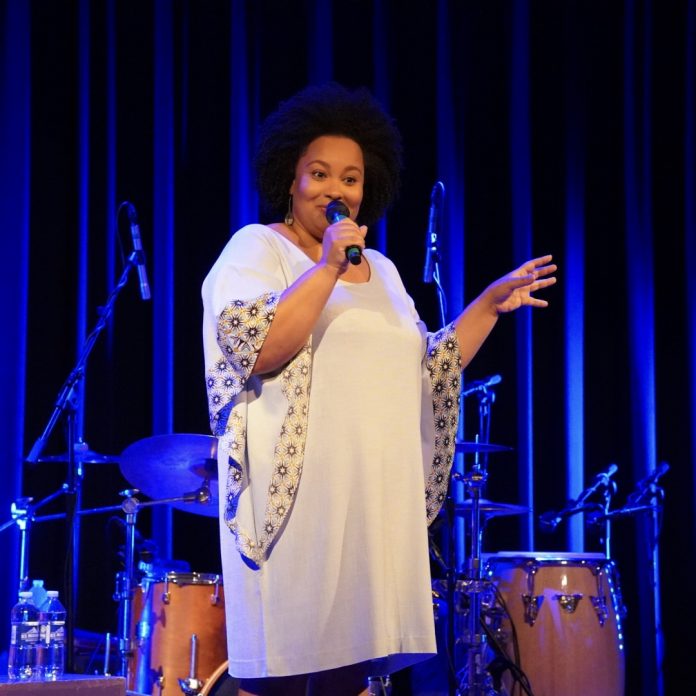
Gili Yalo performed at The Cedar in Minneapolis on Saturday, October 1, 2022. Photo: Courtesy of Gili Yalo
Gili Yalo performed at The Cedar in Minneapolis on Saturday, October 1, 2022. Photo: Courtesy of Gili Yalo
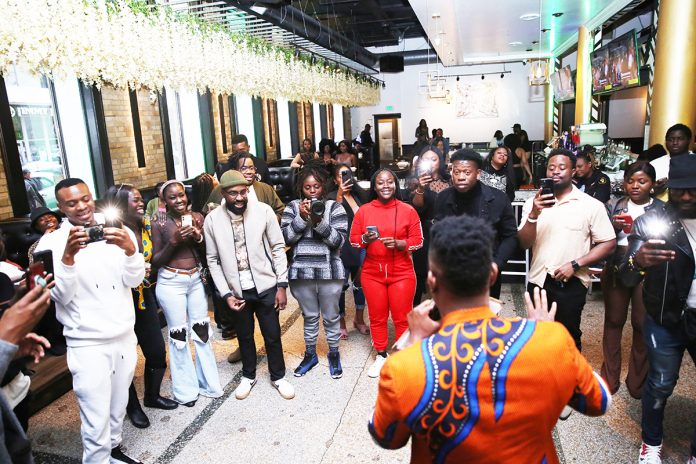
Ethiopian-Israeli singer Gili Yalo and his five-piece band Saturday got everyone on the dance floor hopping to music that blurs boundaries between blues, jazz, funk, reggae, and traditional Ethiopian.
“Ladies and gentlemen, I want to take you to Ethiopia. Do you want to come to Ethiopia?” he asked the audience during the Cedar Cultural Center concert. A few songs later, he coaxed, “Clap your hands higher. Come closer, I want to try something with you. Are you ready?”
The audience approached the stage. Yalo, who has performed worldwide, seemed to tower above the dancing crowd. They jumped in sync as he leapt up and down and shook his hips and shoulders to the beat. He had emerged on stage wearing a bright yellow and black checked jacket, then shed it not long after the first few songs.
He’s been singing soulful, healing music ever since escaping famine in Ethiopia with his family as a young boy. They were among Ethiopian Jews covertly evacuated under Operation Moses in 1984. After they settled in Israel, he began performing worldwide as a soloist with the Jerusalem Boys Choir. As a young adult, he sang for seven years with a band, then launched his own band in 2017.
On Saturday he sang songs that evoked hints of mournful blues, reggae rhythms, jazz tones and funky beats, still while retaining Ethiopian flare and characteristics such as melodies and chords based on minor pentatonic scales.
“The music I compose, I try to write without boundaries,” he told the audience. His lyrics are in English, Amharic, and occasionally Hebrew. “Ethiopian songs (are still) very precious for me from my childhood.”
He and his band performed recent songs including Hylooga, as well as Tadese, Selam, Sab Sam, Hot Shot, Coffee and Fire from the Gili Yalo 2017 debut album, and Sew Lesew and Zelel Zelel from Made in Amharica, a 2019 collaboration with Dallas-based musicians at Niles City Sound recording studio.
Fanaka Nation opened the concert, and the lead singer went back on stage to rap a few lines during one song with a warm invitation from Yalo. “This next song, Selam, is the first song I ever wrote in Amharic,” Yalo said. The two danced and jammed on stage with the band.
Gili Yalo’s tour included performances at global music festivals and venues in Georgia, Indiana, Vancouver, and the Kennedy Center in Washington D.C., and was to conclude Oct. 3 in Chicago. Yalo planned to return home to Tel Aviv for a month, then begin another tour with his band, including Nadav Peled on guitar, Dor Heled on keys, Billy Aukstik on trumpet, Peter Kronreif on drums, and Geoffrey Muller on bass.
In a new thrust, Yalo is creating experimental spiritual music, even writing lyrics in Ge’ez, an ancient Semitic language now spoken only by rabbis and a few in the Jewish community. The inspiration came in part when his mother, a very spiritual person, passed away several months ago.
“I’m not a typical Ethiopian musician,” he said in an interview before the show. “I’m trying to create my own world, not trying to imitate. That’s the most important thing to me.”
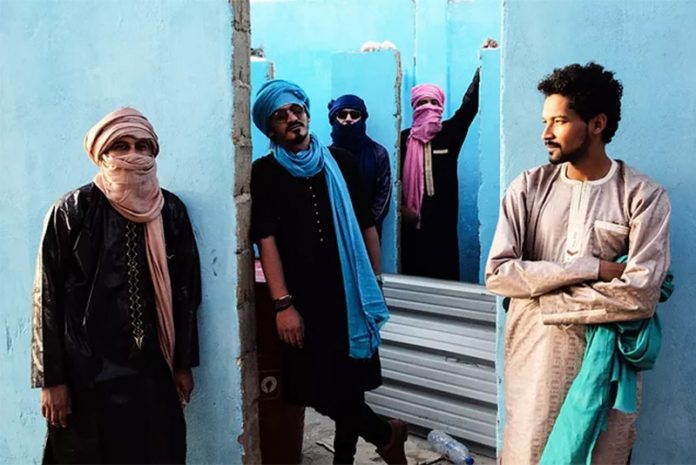
Imarhan will bring their Tuareg sound to Minneapolis when they perform at The Cedar Cultural Center on Tuesday, October 11, 2022. Photo: Courtesy of Imarhan
Imarhan will bring their Tuareg sound to Minneapolis when they perform at The Cedar Cultural Center on Tuesday, October 11, 2022. Photo: Courtesy of Imarhan
Tuareg music mixes electric blues with African and Middle-Eastern sounds. We can hear it live and up-close on Tuesday evening, October 11th at The Cedar Cultural Center in Minneapolis when Imarhan climbs the stage-steps and delivers a sound they’ve been polishing since they were young boys in school.
Their first language is not English so Mshale’s interview with them was via an interpreter and transcriber. Imarhan said, “We all five knew each other from the start: we grew up in the same neighborhood, we went to the same school. We are like brothers.”
“We started to play [musically] very early, like lots of kids in Tamanrasset, [Algeria] and in 2006 we decided to create our own band,” Imarhan said recalling how their band emerged. They mix ancestral instruments such as the djembe and calabash alongside electric guitars and bass. They relied on the decades-old Tuareg band, Tinariwen, for guidance and mentoring then added their own brand of funk and psychedelia, bridging the past to the contemporary.
“Our main motivation [to remain together as a band] has just been that we loved sharing time together and sharing our love for music; music is part of daily life in our community and in Tamanrasset,” they said.
This is their first North American tour since 2018. It’s also been four years since they’ve released an album. Aboogi is their third studio production and first recorded in their own space in a studio they built themselves in Tamanrasset.
On stage, the audience can expect to hear songs of oppression and the day-to-day struggles of the Tuareg people of the Sahara. But we can also anticipate Imarhan to sing about the beauty of the landscape. “We always play our music with pleasure, joy,” said Imarhan. “It’s most important to have pleasure and joy, and it’s what we feel.”
Tuareg music is generally sung in Tamashek language, the lyrics often drawing upon traditional Tuareg poetry. Yet, Imarhan hopes, the language will not be a barrier. “We like it when the audience is very into it, moving to the vibe of the show at the maximum possible. We are very focused in our music when we play and we love when we feel the audience is focused in it as well, and enjoying it!”
Tickets for the October 11th, standing show are available at The Cedar website. Special guest, Crystal Myslajek.
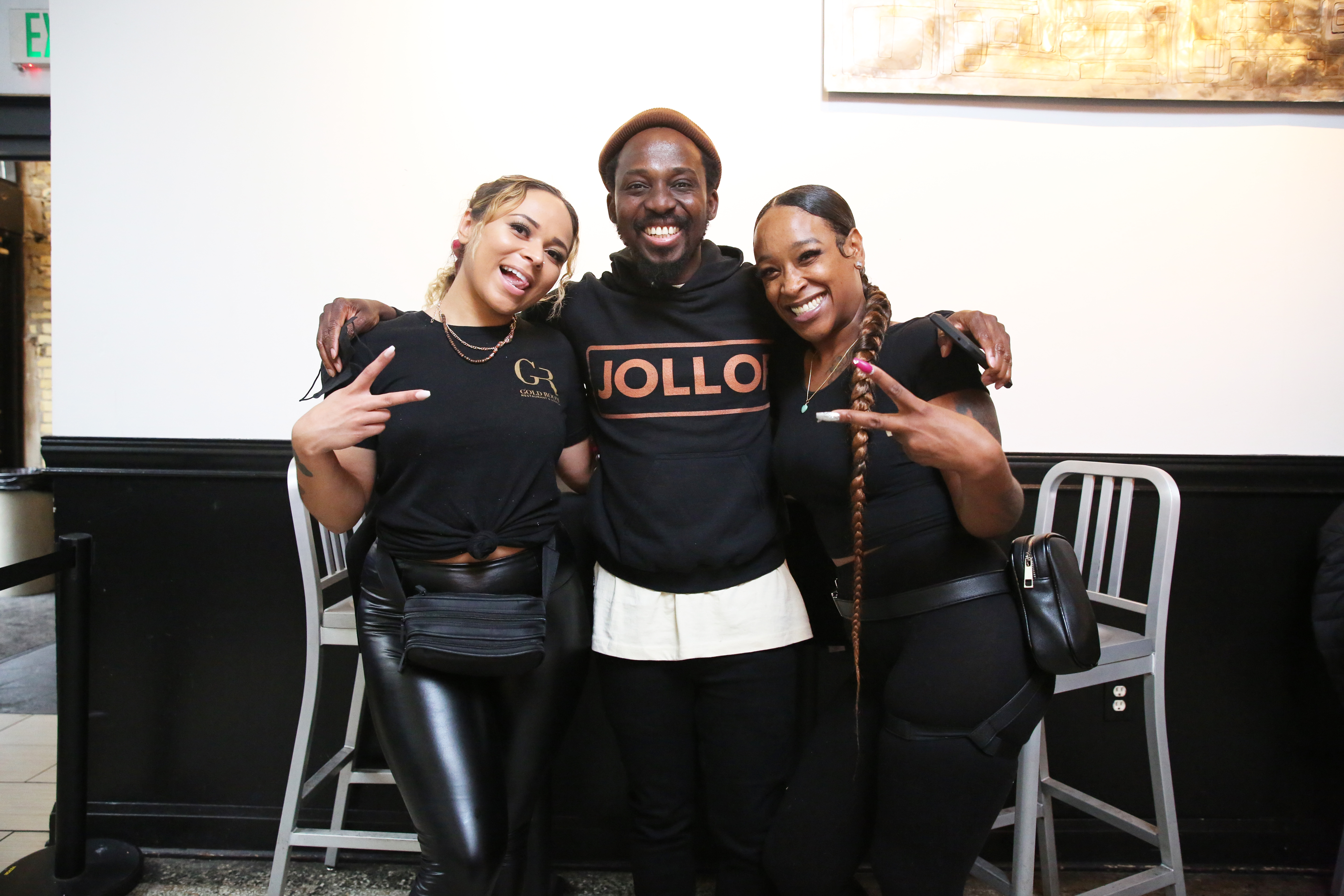
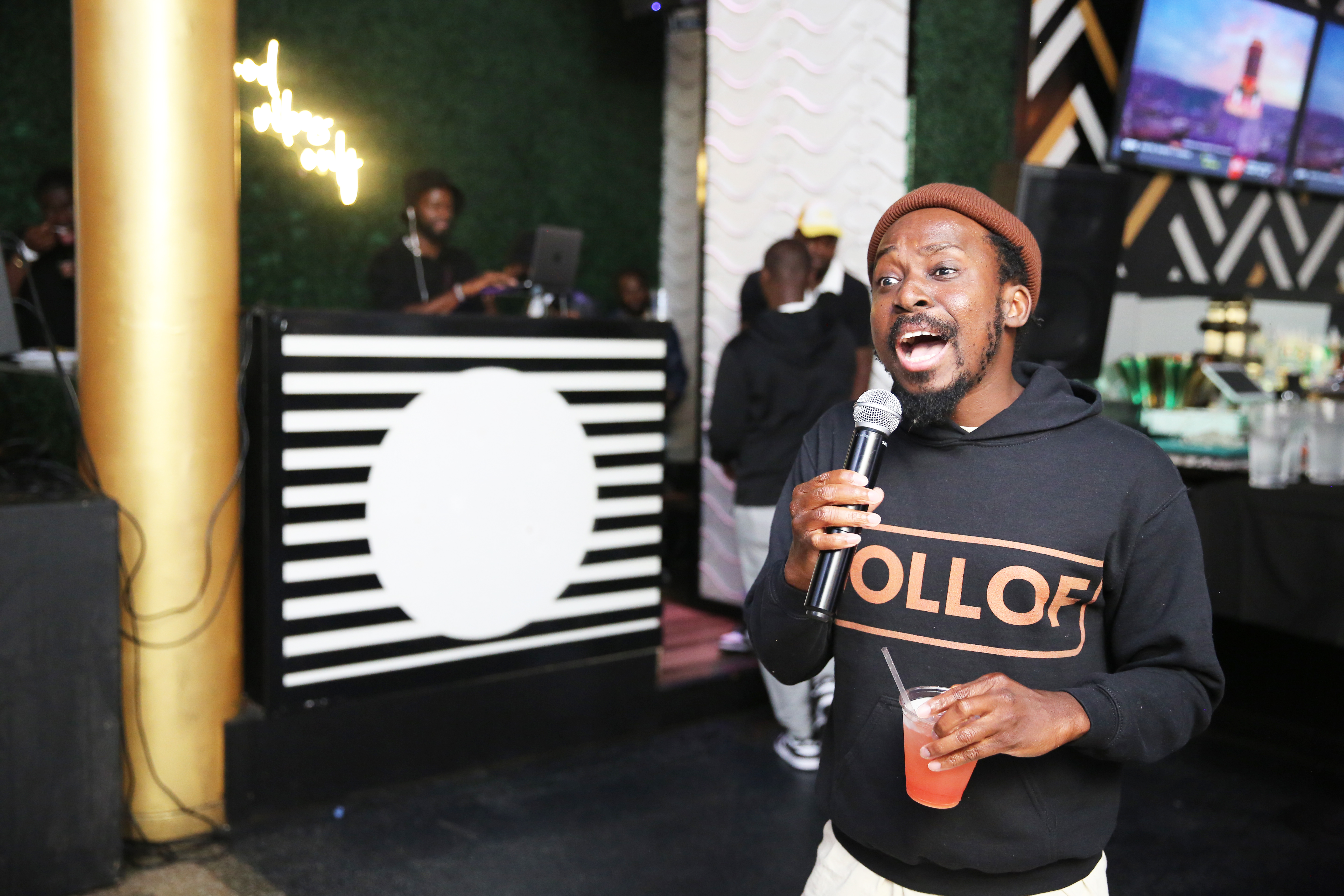
MC Dulo Folarin Harris gets ready to announce the winner of the Twin Cities Jollof Festival which was held for the first time in the Twin Cities in downtown Minneapolis on Saturday, September 24, 2022. Photo: Kelechi Uchegbu for Mshale
MC Dulo Folarin Harris gets ready to announce the winner of the Twin Cities Jollof Festival which was held for the first time in the Twin Cities in downtown Minneapolis on Saturday, September 24, 2022. Photo: Kelechi Uchegbu for Mshale
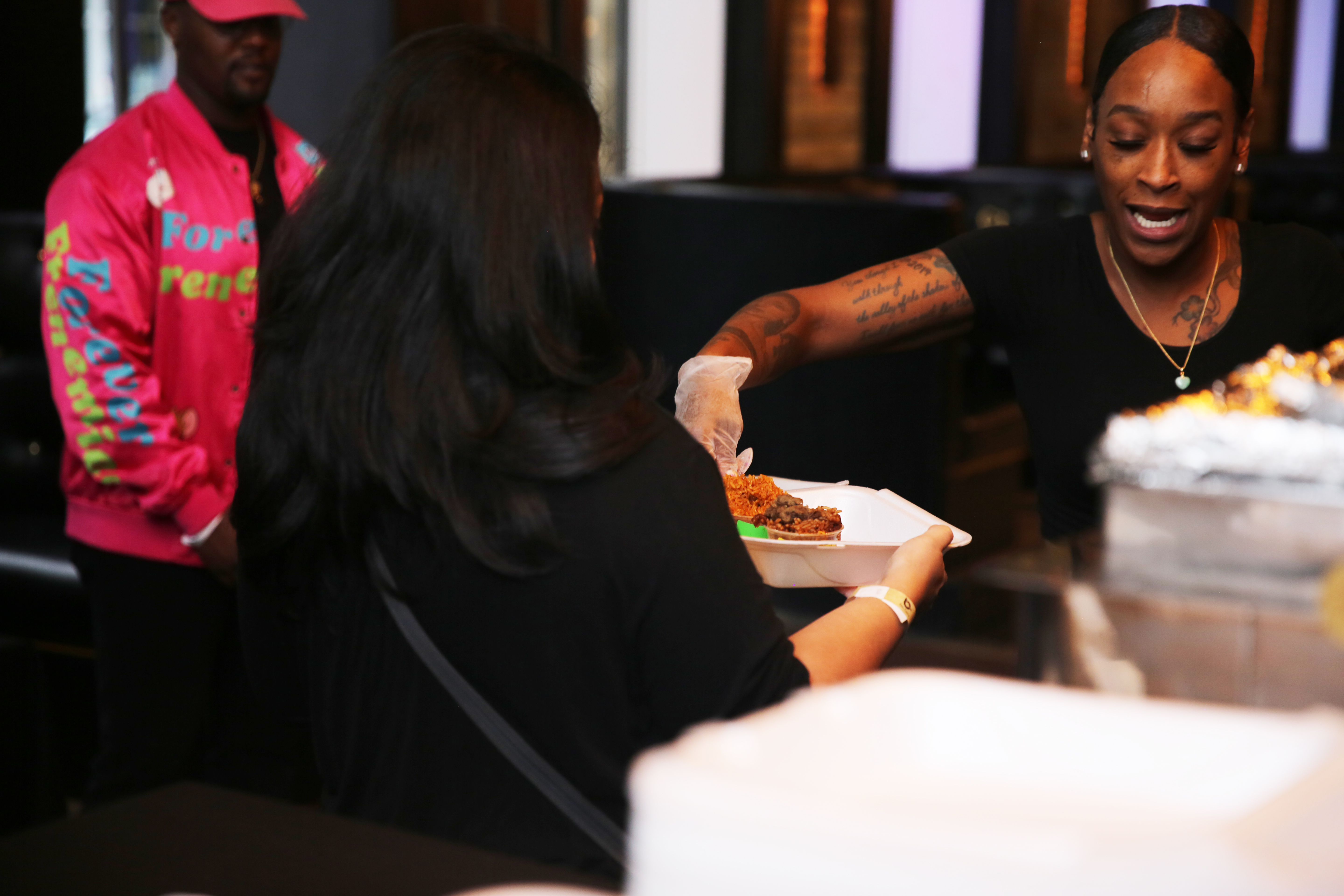
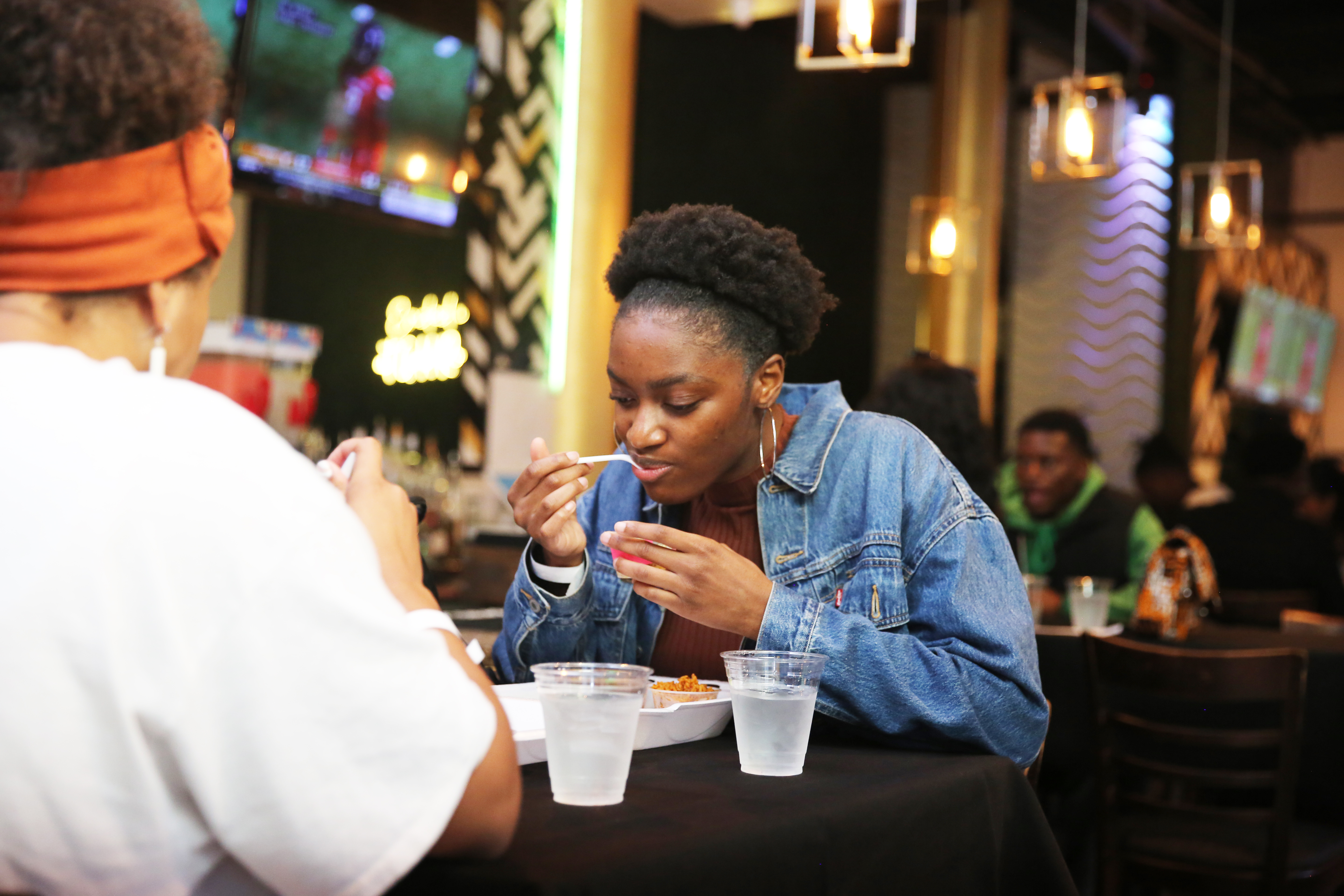
There is finally a winner in the Minnesota front of the Jollof Wars. This is unlikely to settle the conflict, but for now, it is the Liberian recipe that emerged as the winner in Saturday’s battle at the Jollof Festival, the first-ever to be held in the Twin Cities.
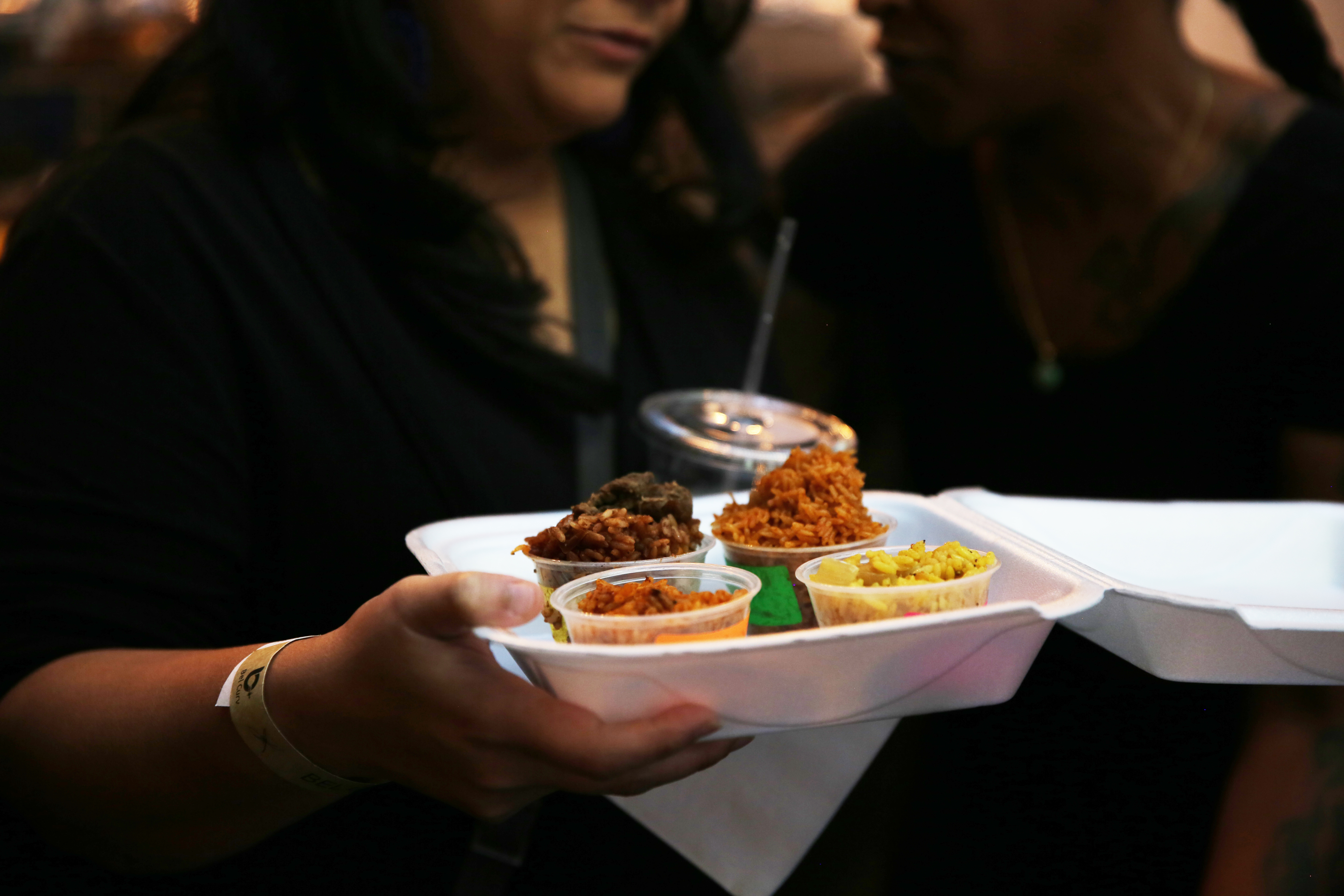
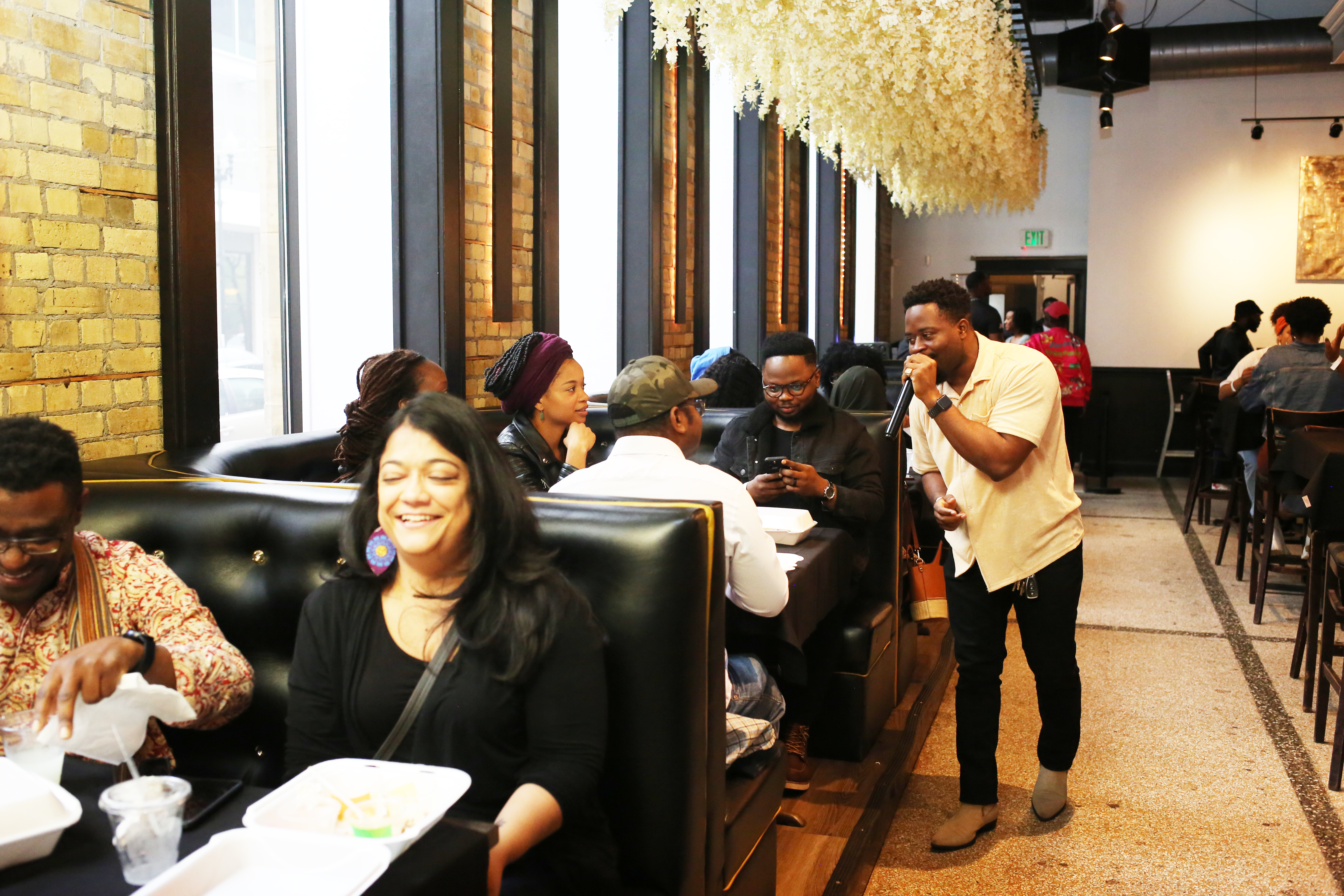
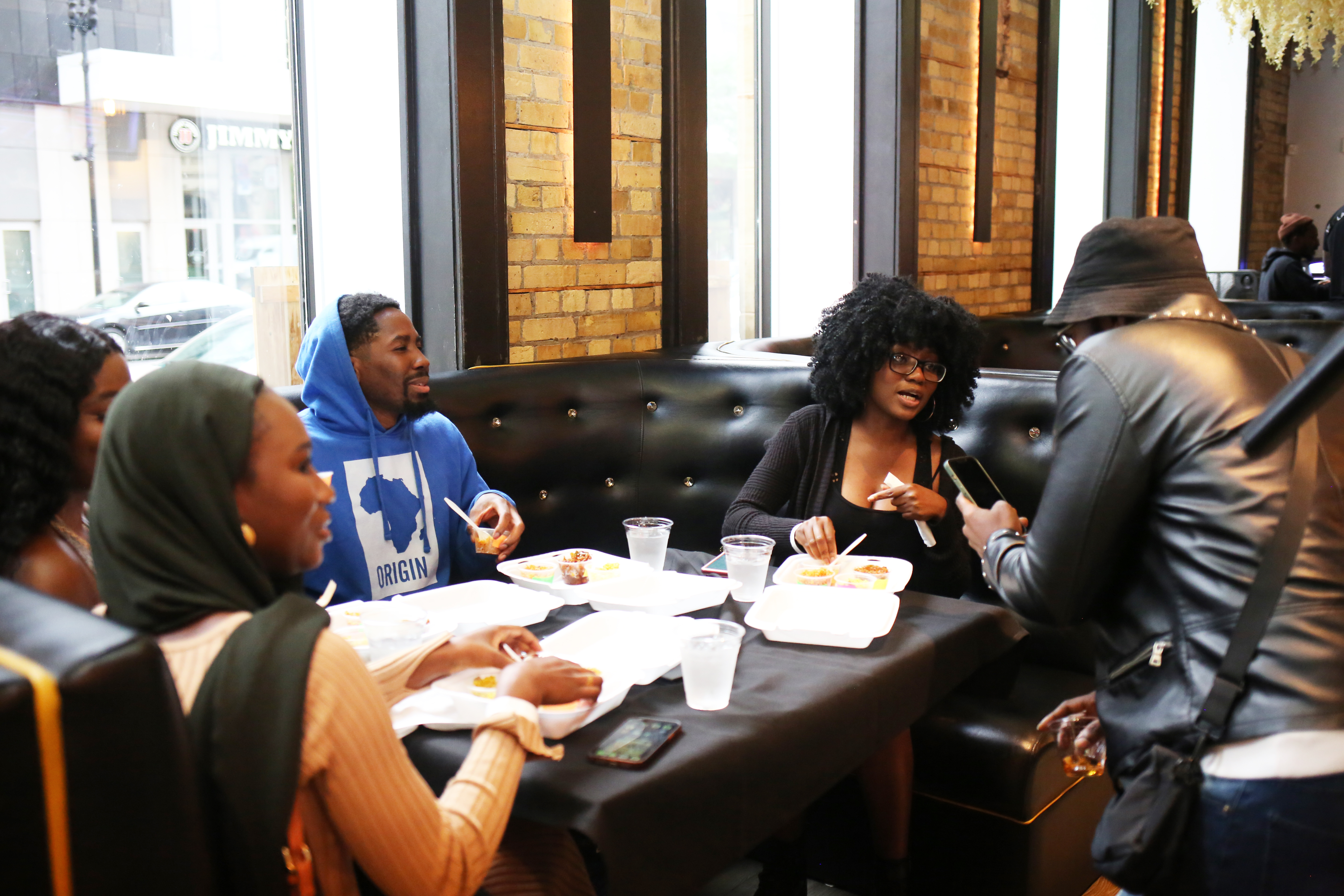
Chefs from Ghana, Nigeria, and Liberia gathered for a fierce competition to determine who in Minnesota can create the most delicious plate of jollof rice, a west African staple. Even Kenya, to which jollof rice is foreign, made an attempt to pull an upset at the festival, which was held at the Gold Room Restaurant in downtown Minneapolis. The lighthearted competition gave locals a chance to experience the wide variations of jollof rice and to vote for their favorite.
“Jollof is significant because it’s one of the only cultural expressions across the [West African] region where almost all countries who make it claim to be the best at it,” said the founder of the festival, Ghanaian-born Ishmael Osekre.
Jollof Wars is a colloquial term for the online banter that started between West Africans on whose jollof is the best. Founded in 2017, the Jollof Festival is a nationwide project to celebrate the dish. The festival offers a cultural experience that allows participants to indulge in the beloved dish and vote for their country of choice. In addition to tasting and voting, the events often include a night of live performances by singers, dancers, DJs, and traditional west African ensembles.
Although the result from the Jollof Festival in Minnesota is unlikely to end the Jollof Wars for good, the state is likely to hold a sway in the debate because it has the fastest growing African immigrant population in the United States. Between 2000 and 2019, Minnesota’s Black immigrant populations increased by almost 250% to about 100,000 people, according to a 2022 Pew Research Center study.
Jollof rice is a one-pot dish believed to have originated in 1300s during the Wolof Empire, also known as the Jolof Empire, which occupied part of the area covered today by countries of Senegal, the Gambia, and Mauritania. The earliest name for the dish was thieboudienne, and it was prepared with rice, fish, shellfish and vegetables. As the region is geographically ideal for crops, rice farming flourished there, and soon the dish became popular and spread beyond the Jolof Empire. Today, jollof is a staple in all countries spanning Senegal Cameroon. Modern jollof rice is often comprised of a tomato paste base and incorporates meats such as chicken, beef, or seafood. It is served most often with soups or stews.
Nigerian-born Tulo Ekisola said that attending the festival was a must for her, as she grew up on the popular dish. Ekisola, whose family moved to Minnesota at when she was 4 years old, said she was proud that her family retained their Nigerian cuisine and encouraged her to appreciate it. Though Nigerian jollof can take different forms, Ekisola’s favorite method of preparation includes dried onions, beef, and peas, ingredients she says were her mother’s “go-to” for her recipe.
“The Nigerian community here is strong,” she said. “I think it is great that we have this opportunity to showcase our version of the dish and finally settle the beef.”
Michael Alada, who is also from Nigerian, said that opportunities like the Jollof Festival were needed, especially in Minnesota. Alada said he hoped that the Jollof Festival could be a catalyst for starting more events that honor Africa’s unique cultures and cuisines.
“We need more Nigerian and West African representation in Minnesota, and I think the Jollof Festival is a great way for us to be promoting that,” Alada said.
Kwame Anderson, who was born in Liberia, said he had been enjoying jollof since he was a child. Over the booming speakers from the DJ, Anderson reminisced about the jollof his mother used to prepare for him and his siblings. Though he admitted bias toward his home country, he said he loved to see people in the community coming together over common culture.
“The jollof wars are an age-old battle, and I think it’s great we get to settle that with some of the best recipes in the city,” Anderson said.
Sama Alakija, whose parents are from Eritrea and Nigeria, remembers fondly the jollof rice his aunts from his fathers’ side of the family used to prepare during family functions and during holidays. Even though he grew up on common Nigerian recipes, he said he was excited to try the variations from other countries.
“It’s my comfort food, and I think it’s so cool that we get to have an event surrounding it, especially since it’s a cultural staple for many different countries,” Alakija said.
Binta Kanteh was born and raised in Minnesota to parents from the Gambia, where she says jollof is referred to as benachin. Kanteh said that while Gambia has many variations of the dish, her favorite includes carrots and cabbage, and she enjoys it with a side of fried fish stuffed with spinach. She said that above everything, one of the most unique aspects of jollof rice is that it unites the region of West Africa.
“I just love the concept of us all getting together and using rice as a friendly competition among us,” Kanteh said. “It truly is in good fun.”
Pierre Bensusan during his show at The Cedar in Minneapolis on Sunday, September 25, 2022. Photo: Susan Budig/Mshale
Pierre Bensusan during his show at The Cedar in Minneapolis on Sunday, September 25, 2022. Photo: Susan Budig/Mshale
Sunday evening an audience of over 60 people were wrapped up in the warm, embracing notes of Pierre Bensusan’s acoustic guitar and voice. This Algeria-French musician graced the Cedar Cultural Center’s stage on September 25th, holding us in rapt attention for more than two hours.
From the first notes he played, we heard something new and unique. When Bensusan played a chord on his guitar, he strum or pluck several notes to achieve the single sound he desired, but simultaneously he’d pull out one of those notes to emphasize its tone, then release it back into the chord. It was a magical sound with the notes reverberating and piling upon one another.
His set-list included work from his earliest days as a professional musician such as Belle Je Men Vais En Allemagne, which he first performed in 1976 and yet, he told us, “It’s still a work in progress.”
His third number, L Alchimiste created a sensation that there was more than one instrument playing. Often, his voice lent a sound akin to Bobby McFerrin’s vocal melange of scat singing and polyphonic overtones.
As if that wasn’t enough to swoon over, Bensusan recited Victor Hugo’s famous poem, Tomorrow at Dawn, which recounts Hugo’s visit to his daughter’s grave. In the audience, we are swept in the emotional poem and the music that ensues.
The show balances itself with songs full of gibberish and nonsense words, danceable and upbeat. He shared a funny recounting of a dream he had about crashing on stage, “and I’m so happy when I wake up.”
While serious about his music, Pierre Bensusan was lighthearted about life. He said, “For the past two [pandemic] years, I played a lot of music at my house and my audience was my dog. When I’d make a mistake, his ears would shoot up. I called my agent and said maybe I should do a tour of dog kennels.”
Dressed in a blue tunic-shirt, canvas pants, and leather boots, he assured us that human beings are his preferred audience. “Coming back here is like coming to one of my homes.”
Pierre Bensusan last performed in Minneapolis in 2012. Let’s hope he doesn’t take another ten years to return.
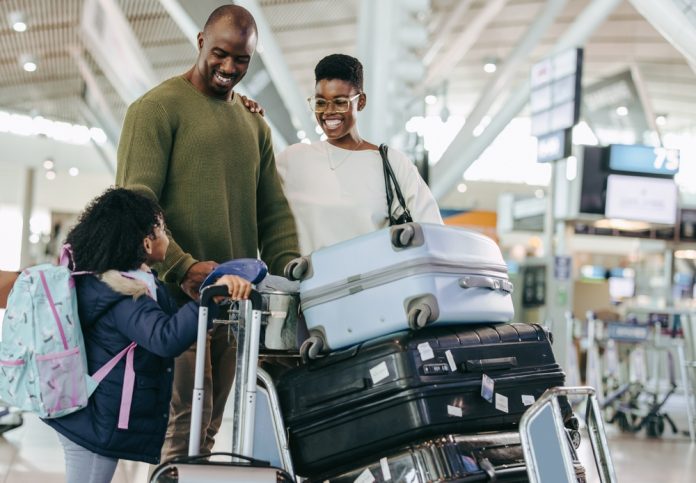
Minnesota health officials advises those traveling internationally to research the COVID-19 requirements for not just their final destination, but also wherever stops or layovers are planned. Photo: Jacob Lund/Shutterstock
Minnesota health officials advises those traveling internationally to research the COVID-19 requirements for not just their final destination, but also wherever stops or layovers are planned. Photo: Jacob Lund/Shutterstock
To say that the COVID-19 pandemic has disrupted the way we do things would be an understatement. The coronavirus, which is still spreading, has infected nearly 620 million people globally, 6.5 million of whom have died. But as devastating has it has been, it has made health care experts and policymakers to start thinking ahead and prepare better in case another pandemic strikes, and also to look at how they can streamline screening procedures to detect highly contagious diseases before they spread across borders.
Before the pandemic, many of us only needed to leave home with house keys, a phone. But the list has grown to include masks and hand sanitizers. If you’re leaving home for a short while, forgetting some of those items is no big deal. You can easily turn around, or buy them at the corner store. But what happens when you are travelling internationally?
In June, my family and I missed a flight from San Francisco, California, to Kenya to visit relatives we hadn’t seen in many years. We had planned the trip for the summer of 2020, but the pandemic forced us to postpone it then and in 2021. When it became relatively safer to travel, it didn’t occur to us that the pandemic had changed travelling so much that we needed more than just vaccinations, masks, and sanitizers.
When we got to the airport, the airline refused to let us on the plane because we had neither registered with Kenya’s Ministry of Health, nor uploaded our proof of vaccination to Global Haven, a COVID-19 test and vaccination validation site of the United Nations Development Programme. Of course we learned that after we’d stayed in the queue for an hour to get to the desk. And, as fate would have it, the Kenyan website was down. By the time we got through, the plane had departed. The airline wanted more than $20,000 to book my wife and I, and our two children for a flight the following day, on top the $5,000 we would lose because we had bought our tickets from a third party.
Since then, I have heard from three friends who also missed their flights because they didn’t realize the extent to which COVID-19 has changed the way we travel.
Immigrant communities like ours aren’t often the primary targets of travel security and health advisories from government agencies. Because of our foreign origin, our needs are also very unique, compared to American-born travelers. Immigrants are also significantly less well-off financially, which might make paying to reschedule a flight very expensive, and even impossible, and ruin trips we’ve taken years to plan. As many of us get ready to travel home for Christmas, what are some of the steps we need to take to make sure our travel goes smoothly?
Recently, I posed that question two experts from Minnesota Department of Health (MDH), who were generous enough to give Mshale an exclusive interview tailored to our community. Kathryn Como-Sabetti is the epidemiology manager of the COVID-19 Epidemiology at MDH, who for nearly 20 years has worked on various projects, including disease surveillance and pandemic influenza planning. Como-Sabetti says that before traveling, it is important to research the COVID-19 requirements for not just your final destination, but also wherever you plan to make a stop, even if it’s for a layover.
Kathryn Como-Sabetti. Photo: Courtesy of MN Dept. of Health
“There are some countries that have no requirements, and there are some countries with very strict requirements,” she says. “If you’re having a long layover and you need to leave the airport, you may be required to show a negative COVID test, or your COVID testing history. So, having all of that paperwork as a part of your travel packet is really important.”
Dr. Elizabeth Dufort, a pediatric infectious diseases physician who currently serves as a medical epidemiologist at MDH, says a visit to a travel health clinic should be part of preparations for international travel for both adults and children.
“When I speak with friends or community members or patients, or families who are going back to visit friends and family, I urge them to think of it as part of the preparation,” she says. “When you start to think about getting your flight, you should also book that appointment and think of that as part of the overall cost of your trip.”
One of the misconceptions those of us who were born abroad often have is that because we are familiar with the environment back home, we do not need to take the same precautions as, say, tourists who are visiting Africa for the first time.
But Dufort, whose 15-year career includes working on global health projects in Kenya, says spending years away from the continent can weaken one’s immune system and make them just as vulnerable.
“You’re going to go, and you’re going to eat all the food you used to eat and drink the things you used to drink,” Dufort says. “I want you to have that experience with your family or your cousins and your friends. But after you live in the U.S. [for many years], you lose some of that immunity you had built up.”
Dufort says people who are traveling home after being away for a long time need to remember that there are things circulating in the environment that we rarely encounter in the United States. Numerous studies have shown that people who are visiting friends and family abroad have higher rates of returning with diseases like malaria, typhoid, and dengue fever, she says. Making sure that you’re cooking all your food thoroughly, washing fruits and vegetables, and drinking water bottled from a safe source, can keep your trip from becoming unpleasant, Dufort says.
“We want you to remain safe, but also to enjoy your trip and not be sick and holed up inside with fever and diarrhea,” she says.
Dr. Elizabeth Dufort. Photo: Courtesy MN Dept. of Health
Dufort adds that those who have children born in the United States should not forget that their immune systems are much weaker, which makes tolerance of disease-causing germs much lower. Taking preventive measures like obtaining antimalarial drugs and insect repellents is important. But what children do once they get to the destination is just as important in keeping them healthy. Because of their upbringing around pets, American children are also more likely than African children to get closer to animals, which puts them at higher risk of contracting rabies, Dufort says.
“[American-born] kids, are used to these animals that are friendly to pet could get injured by animals that aren’t necessarily pets but guard dogs,” she says. “They might pet an animal in a way it doesn’t like. So, it is important also to talk to children who are old enough to have this conversation, and to watch the younger children.”
So, you’ve followed all the advice and have returned to the United States. Is there anything more you need to do? Como-Sabetti says that if you feel sick, you should see your health care provider immediately. She says outbreaks like COVID-19 and measles have made Minnesota’s health systems to create a comprehensive patient screening process that includes questions that health care providers ask about recent travel history.
“Those screening questions are very, very important,” Como-Sabetti says. “Knowing someone’s travel history is so vital to knowing what kind of assessment they should have. I would encourage people to answer those questions honestly and openly.”
She says it is also important for patients to ask questions, and to volunteer information to their health care providers about anything in their travel history that might have put them at risk, but wasn’t asked during the screening process.
My family and I learned the hard way that international traveling in a time of COVID-19 requires more than tickets, passports, visas, masks, vaccinations, home test kits, and hand sanitizers. Fortunately, my wife insisted on speaking with the manager, who booked us on the next flight without any additional fees. (When you travel with small children, they can melt hearts). But that took four hours to negotiate. In the end, we still had to spend more than $500 on a hotel room near the airport because we were more than 60 miles from home.
My friends weren’t so lucky when they missed their flights. Two of them paid more than $1,000 each to change their flights. One of them canceled his travel completely and lost more than $1,500.
Below are some resources Como-Sabetti and Dufort recommend to make planning your international travel easier. I especially love the Packing Smart list from the U.S. Centers for Disease Control.
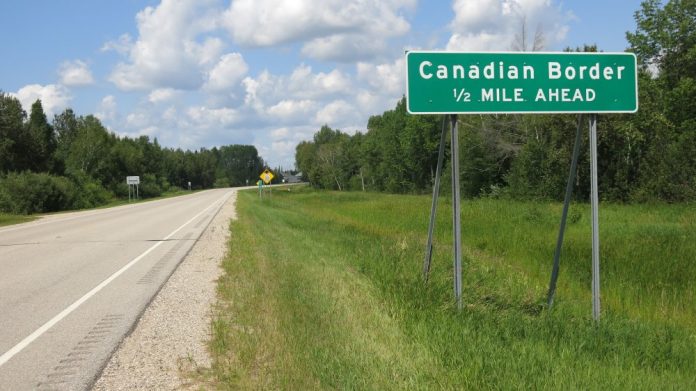
A sign near the border crossing to Canada at Roseau, Minnesota. Effective October 1, 2022 Canada is dropping all COVID-19 travel restrictions. Photo: John Enger/Minnesota Public Radio via AP
A sign near the border crossing to Canada at Roseau, Minnesota. Effective October 1, 2022 Canada is dropping all COVID-19 travel restrictions. Photo: John Enger/Minnesota Public Radio via AP
Canada will lift all remaining COVID-19 restrictions for international and domestic travelers starting Oct. 1, according to that country’s Public Health Agency in a press release.
Prior to the pandemic, over 2.4 million Americans crossed into Canada by car each year, according to Statistics Canada.
The regulatory changes come 2 1/2 years after Canada, like many other countries, first implemented requirements for people entering the country and traveling within it by public transport. Its policies included mask mandates, random testing and vaccination requirements, and were some of the strictest in the world.
While Canada has loosened some COVID-19 requirements for entry into the country since the pandemic began, a number of others have remained in place for both air and rail travelers. Those will formally end on Saturday, the Public Health Agency of Canada said in a news release, which noted that the upcoming shift includes the removal of all entry restrictions, in addition to testing, quarantine and isolation requirements for anyone arriving in Canada, regardless of citizenship status.
This means that travelers will no longer have to submit mandatory health information through ArriveCAN in order to enter the country, the health agency said. Travelers will not be required to provide proof of vaccination or undergo COVID-19 testing prior to or upon arrival, and Canada’s previous policies for quarantine, isolation and symptom monitoring of travelers will be lifted as well.
Update: Effective October 1st, we’re removing COVID-19 border and travel measures. We’ll continue to follow the latest available science and do whatever is necessary to protect your health. Stay protected by keeping your vaccinations up to date. More here: https://t.co/F8q1lb8yGF
Similar restrictions will be lifted for Canadian cruises, although health officials said that certain guidelines will remain in place to protect passengers and crew members. Ongoing restrictions for cruise travel will be in line with U.S. policies, according to the agency’s announcement.
The upcoming changes to Canada’s COVID-19 rules also apply to mask mandates, which will no longer be in effect for people traveling on planes or trains. However, health officials said that continuing to wear face masks on both forms of transportation is still “strongly recommended” and people should refrain from traveling entirely if they have symptoms of COVID-19.
Canadian health officials explained that the government’s decision to end travel restrictions was informed by the country’s high vaccination rates and lower incidences of hospitalizations and deaths due to COVID-19.
“Thanks largely to Canadians who have rolled up their sleeves to get vaccinated, we have reached the point where we can safely lift the sanitary measures at the border,” said Canadian Health Minister Jean-Yves Duclos in a statement included with the health agency’s announcement. “However, we expect COVID-19 and other respiratory viruses will continue to circulate over the cold months, so I encourage everyone to stay up-to-date with their COVID-19 vaccination, including booster doses and exercise individual public health measures.”
Ethiopian Israeli musician Gili Yalo will perform at The Cedar in Minneapolis on Saturday, October 1, 2022. Photo: Courtesy of Gili Yalo
Ethiopian Israeli musician Gili Yalo will perform at The Cedar in Minneapolis on Saturday, October 1, 2022. Photo: Courtesy of Gili Yalo
Gili Yalo’s life has been one of departure and arrival, leaving the familiar to seek safety in what is new. What’s never been cast-off, but has remained a security blanket that he’s carried around is his music.
While still a young child, Gili Yalo and his family fled Ethiopia to escape famine. They found themselves in Sudanese refugee camps, but then became a part of Operation Moses in 1984, a covert evacuation of Ethiopian Jews from Sudan during a civil war. Gili Yalo sang to render comfort to himself and his family. In the course of this exhausting and emotional journey, the music encouraged Gili and his family to keep on moving.
Eventually, Gili established himself in Tel Aviv, Israel where he sang with boys choirs and then for seven years in a band, Zuvloon Dub. As he transformed from a band member to a solo act in 2017, he sang songs about his life. He’s still singing and creating music as he moves along with everyone else into a post-pandemic world.
Saturday, October 1st, he’ll jump on stage at the Cedar Cultural Center to perform along with his band of Nadav Peled on guitar, Dor Heled on keys, Billy Aukstik on trumpet, Eran Fink on drums, and Geoffrey Muller on bass.
The audience can expect to hear how he’s taken his Ethiopian roots and grafted on soul, jazz, psychedelic, R&B, reggae, and funk to create a new sound with his stylings all over it.
Fanaka Nation opens for the 8 pm show. Tickets for his show on October 1st can be purchased at The Cedar website.
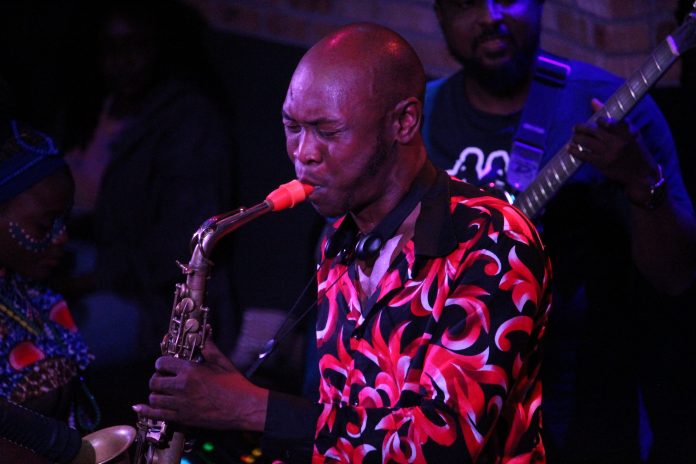
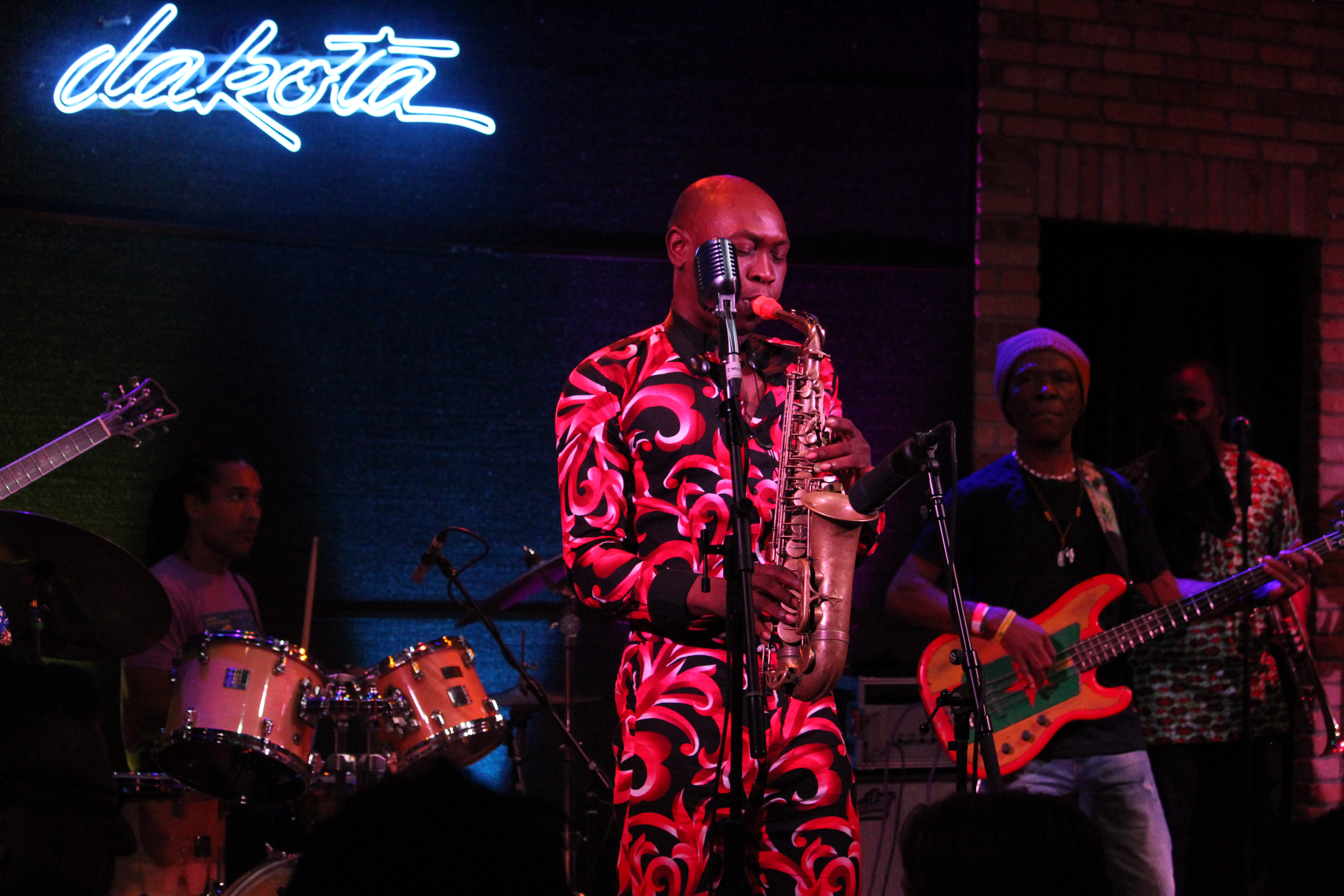
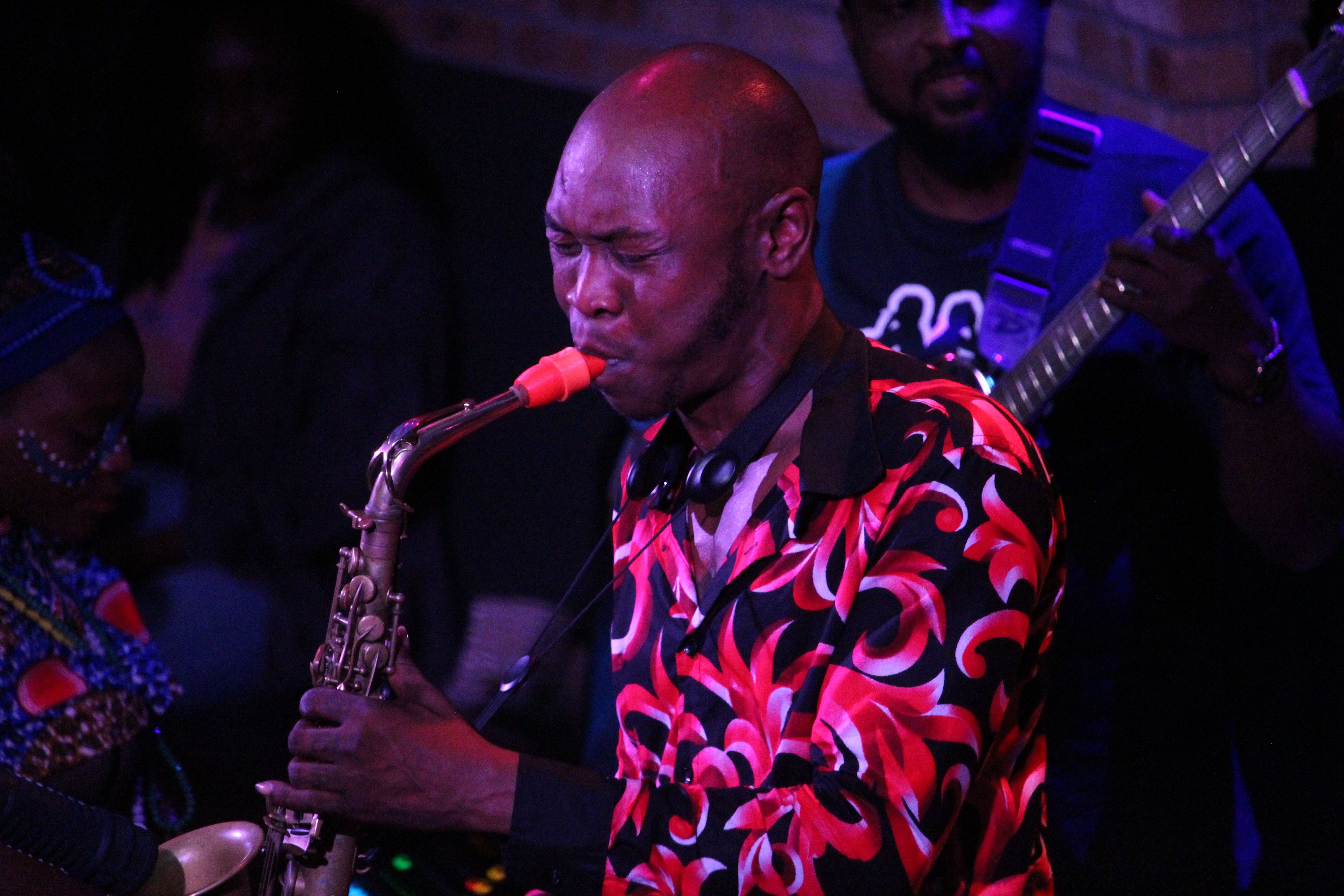
Seun Kuti plays the saxophone at the Dakota in downtown Minneapolis where him and his Egypt 80 band performed to a sold-out house on Wednesday, September 21, 2022. Photo: Jasmine Webber/Mshale
Seun Kuti plays the saxophone at the Dakota in downtown Minneapolis where him and his Egypt 80 band performed to a sold-out house on Wednesday, September 21, 2022. Photo: Jasmine Webber/Mshale
Seun Kuti & Egypt 80 brought their blistering and buoyant performance to the Dakota in downtown Minneapolis on Wednesday that had the initially reserved crowd clapping and hooting.
The number of Black immigrants living in Minnesota has increased 274% over the last two decades, now over 100,000, according to a Pew Research Center report. To that I say, Hallelujah because among so many positives, it also means we have more drawing power to entice bands from Africa to visit our state.
The Nigerian band played to a full house on Wednesday evening, September 21st. It was the perfect way to end astronomical summer by turning up the heat as we head into fall and winter.
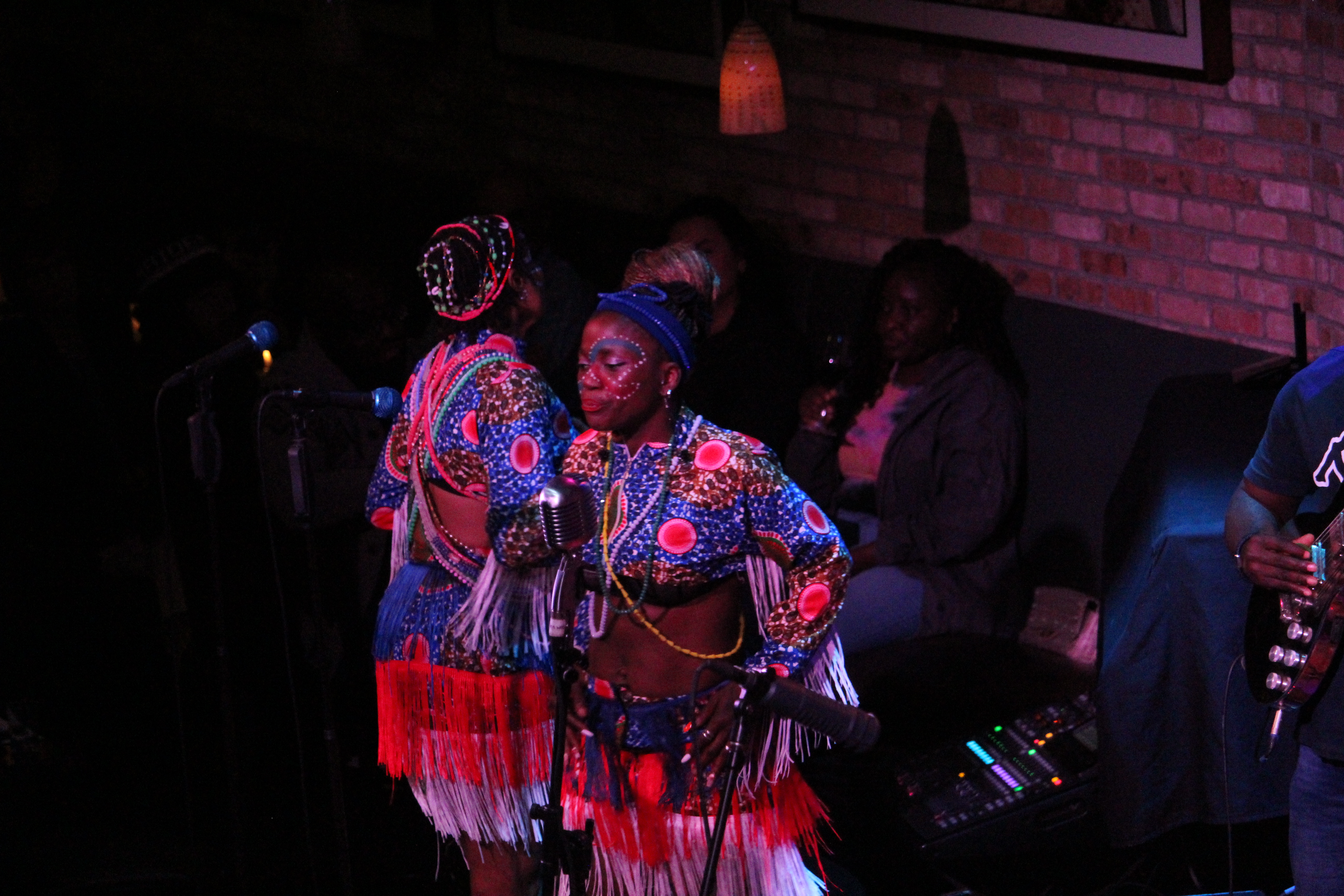
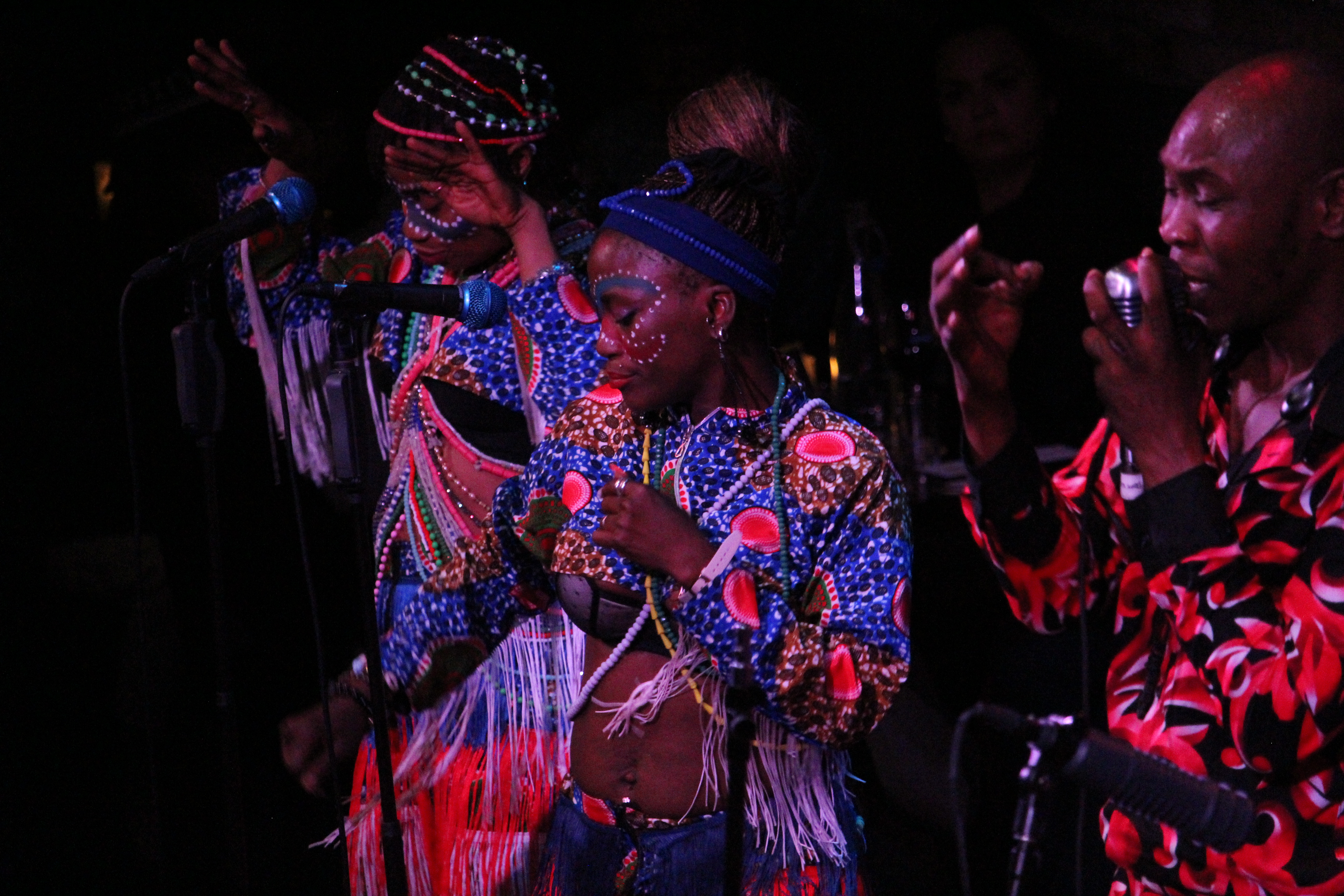
The Dakota pulled it off. They managed to assemble Seun Kuti & Egypt 80 all onto its small stage, all four horns, two guitars, a keyboard, a drum set, two back-up singers, and Seun himself. The Dakota somehow convinced Seun and his band to keep a lid on their volume, only twice hiking the sound up to “harmful levels” of 80 decibels. In other venues and spaces, this band routinely hits 80+ db and earplugs are required.
But Wednesday evening, we wanted to hear it all. From their old music written by Afrofunk King, Fela Kuti, when he led the band prior to 1998 to their new music including newly released tracks, Love and Revolution and Emi Aluta, released by The Orchard on June 24th of this year.
Seun introduced his new number, Love and Revolution, by telling us, “I wrote this song because my wife says, you don’t write love songs. So to me, love has to be a revolutionary idea. We have to embrace the mother-side.”
As Seun sang the lyrics, “You don’t want to mess with her, I’d advise ya…” the audience member sitting next to me had been recording the band, I couldn’t look at the stage from my vantage point without seeing his phone. The only thing he’d recorded after several minutes were the dancers’ backsides, zoomed in on their shimmying, gyrating…backsides.
Aside from that curious and humorous side note, the song was stunning. Seun writhed and twisted on stage, playing multiple instruments and dancing and singing. Wearing a jumpsuit of red, black, and white plumes, he moved so much, he expended enough energy to run a marathon.
It wasn’t until the last song, Emi Aluta, that his shirt came off, by the time he’d finished the song, he was spent. He’d given us his all and exited the stage, leaving the rest of the band to wrap up the number.
After the show, I asked the drummer, Mario Orsinet, if he thought the audience was too reserved in showing their appreciation for the band’s performance. Orsinet graciously said that he could tell the patrons were really listening and attentive, “They were really into us.” He didn’t think wild audience participation with dancing and shouting was necessary.
He let us off the hook.
But next time this award-winning, effusive band plays in Minnesota, may we all get up and dance our feet off.
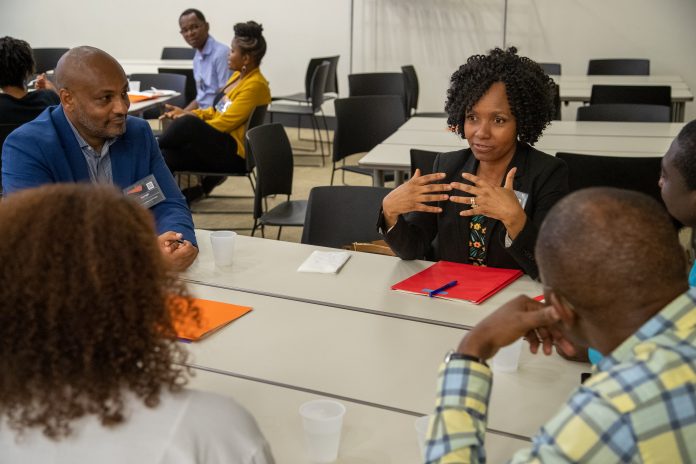
Attendees at a previous African Immigrant Professional Development Conference. This year's conference will be held on Saturday, Oct. 1, 2022 at North Hennepin Community College in Brooklyn Park, Minnesota. Photo: Courtesy of Make It MSP
Attendees at a previous African Immigrant Professional Development Conference. This year's conference will be held on Saturday, Oct. 1, 2022 at North Hennepin Community College in Brooklyn Park, Minnesota. Photo: Courtesy of Make It MSP
The 5th annual African Immigrant Professional Development Conference (AIPDC) returns to North Hennepin Community College in Brooklyn Park on Oct. 1 to initiate conversations about employment and career growth among people from the continent who live in Minnesota.
This year’s theme is “Navigating Change,” and to provide participants with opportunities to hear from panelists working in various professional fields.
“This is an opportunity not only for people in the community to listen to and be inspired by the panelists, but also to network and share their own professional capital with each other,” said Miata Getaweh, one of the organizers of the conference, who is the executive director of the Center of Immigrant Career Advancement.
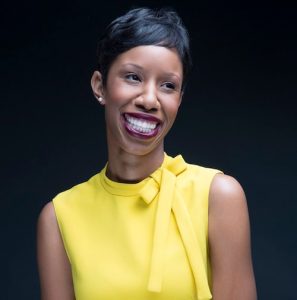
Wokie Daboh, the director of diversity, equity, and inclusion at ESPN will keynote the African Immigrant Professional Development Conference on Oct. 1, 2022 at North Hennepin Community College in Brooklyn park, Minnesota. Photo: Courtesy of AIPDC
Immigrants across the United States often struggle with finding adequate employment because of their inability to break into professional networks. The struggle is even harder for Black immigrants. According to a recent report from the Minnesota Department of Economic Development, following the outset of the pandemic in April of 2020, workers of African descent saw significantly worse unemployment rates than any other ethnicity, peaking at around 10 percent in April of 2021. Though these numbers have since improved, Black communities still struggle to close the gap.
AIPDC is part of increasing efforts to connect immigrants with the tools they need to thrive in Minnesota’s economy. But this work doesn’t just make an impact at the individual level. A collaborative report by research firm New American Economy and the Minneapolis Regional Chamber found that immigrants have been integral in restoring Minnesota’s post-pandemic economy, comprising 42.3% of workers in “essential services” in the Minneapolis-St Paul metro area. Additionally, immigrants in the area possess 11.2% of spending power, a significant figure considering their population makeup of just under 15%.
“It is critical to include all persons of working age in all communities, including immigrants, to contribute to Minnesota’s economic survival and vitality,” Getaweh said.
This year’s keynote will be delivered by Wokie Daboh, the director of diversity, equity, and inclusion at multinational sports media conglomerate ESPN.
For more information about the conference, including the full schedule and registration details, visit AIPDC’s Website.
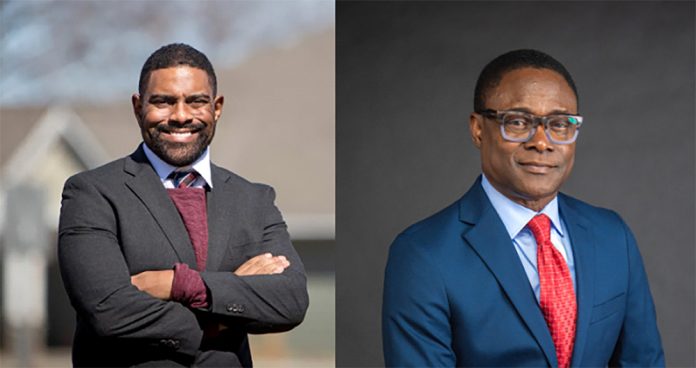
The two candidates for Mayor of Brooklyn Park, Hollies Winston (left) and Wynfred Russell met at a candidate forum alongside candidates running for City Council on Tuesday, September 20, 2022. Election Day is Tuesday, November 8, 2022. Photos: Courtesy of the candidates
The two candidates for Mayor of Brooklyn Park, Hollies Winston (left) and Wynfred Russell met at a candidate forum alongside candidates running for City Council on Tuesday, September 20, 2022. Election Day is Tuesday, November 8, 2022. Photos: Courtesy of the candidates
The League of Women Voters on Tuesday decided to combine mayoral and Council candidates in Brooklyn Park in the same forum, denying voters who will in November elect their first Black mayor, a chance to scrutinize the two mayoral candidates up close. Still, the limited time the two mayoral candidates, Hollies Winston and Wynfred Russell, answered questions from the moderator yielded some insight into how they will approach the office of mayor.
Participating candidates for City Council were Christian Eriksen and Indred Alexander who are vying for the East District; Teshite Wako who is running in the Central District, his opponent Nichole Klonowksi did not participate; Maria Tran who is running in the Central District, her opponent Tonya West-Hafner did not participate.
Here are five takeaways from the forum:
Crime takes centerstage
An MPR News/Star Tribune/Kare 11 poll released on the eve of Tuesday’s forum that surveyed 800 registered Minnesota voters and conducted by Mason Dixon Polling found 54% thought crime had increased in their community and 45% stating it stayed flat. During the pandemic rising crime rates, or perceptions of it, have dominated the news cycles and is a subject candidate from the governor and down ballot races have had to address.
On Tuesday when asked how they will address crime all candidates with the exception of Russell espoused the community policing strategies of building bridges with the community and especially the youth. They all without exception also pledged their support for the police, a standard requirement for any serious candidate running in a suburban American city nowadays.
Winston on his part promised “to continue to fully fund the police. I mean, that’s obvious,” adding that there should always be a youth component to the strategy.
His computer for mayor, Wynfred Russell, said there were already “a lot of youth programs” and the problem as he sees it are the lenient county prosecutors who let criminals off saying “When we arrest kids here, folks here and send them to Hennepin County, they get out of jail with a slap on a wrist.” Echoing a common talking point among metro area police chiefs and conservative politicians.
Russell said more prosecutions are needed.
Russell’s response drew a sharp rebuke from Indred Alexander who is running for the East District Council seat.
“I just want to say I’m kind of disappointed in that answer of wanting to do more prosecution. We’re not seeing a rise in crime because people aren’t being prosecuted enough,” Alexander said. “We’re seeing a rise in crime because these children are dealing with issues. There’s a lot of mental health issues.”
Majority of them are not too hot on Ranked Choice Voting
A surprising topic that came up at the forum was the Ranked Choice Voting system (RCV) when moderator Carol Barclay asked “Do you think ranked-choice voting is the most democratic means of selecting candidates? And if not, why not?”
Under the RCV system, voters rank candidates in order of preference and it has been credited with lessening polarization at the polls, as candidates are forced to reach out to a broader pool of voters than just their supporters. In Minnesota, five cities currently use the system for their local elections: Minneapolis, St. Paul, St. Louis Park, Bloomington and Minnetonka. Minneapolis was the first one to implement it in the state back in 2013.
None of the candidates on Tuesday came out in opposition to the system, instead opining that it might confuse voters and that the voters might not be too familiar with it. Only Alexander offered a full endorsement of the process pointing out the story of Mary Peltola who defeated Sarah Palin and, in the process, made history last month as the first Alaska Native and first woman to be elected to that state’s lone seat in the U.S. House. Alaskans voted in 2020 to adopt RCV.
Eriksen probably summed up the thinking of most at the forum when he said “Those who support ranked-choice voting have a big education job ahead of them before I would be comfortable supporting that as a electoral process going forward.”
They all love the police
Candidates were asked to describe the current state of relationship between the police department and the community.
Eriksen: “I would say that I’ve already felt some tangible improvement in how the community looks at our police department and how our police officers feel about themselves.”
Alexander: “I’m optimistic as well with the relationship with the city (of Brooklyn Park) and the police department.”
Wako: “Public safety is a concern of all of us, and we all need to be safe. And for that, we need to support a law enforcement and a police that’s accountable and transparent.”
Winston: “I’ve actually met with our new police chief (Bruley) and I’ve been impressed with some of the work he’s been doing in Huntington Place. I think one of the crown jewels over there is the organization called The Village, and he’s been amenable to working with him, to have the police come interact with the community once a week.”
Tran: “I agree with Teshite. In additional, I hope that and I think that we still have to put more effort into the law enforcement and community relationship.”
Russell: “I have a very excellent relationship with the police department and with our law enforcement as a whole, I received the endorsement of the fire, Brooklyn Park Professional Fire Department.”
You can watch their full responses above or at this link.
They all want to improve transportation within the city
Almost all of those at Tuesday’s forum promised to work to improve the ability of city residents, especially the youth and seniors, to commute within the city.
Wako and Alexander pointed out the need to ensure one can commute from one end of the city to the other if they don’t have a car, with Eriksen suggesting the city come up with a circulator that can make transiting within the city easy.
Russell pointed out that the city is already doing a lot towards improving mobility within the city and boasted that “I’m not coming into the mayor position, telling you what I will do. I’m coming into the mayor office telling you what I am currently doing and what I will continue to do.”
Wynfred Russell is not a fan of Brooklyn Center Mayor Mike Elliott’s leadership
As is the case with many of these forums where candidates don’t directly engage each other in intense debate, not much fireworks emanate from them. But on Tuesday, Russell decided to throw a firebomb across city lines as the forum concluded.
In his closing statement, Russell argued it is important to have experience before one becomes mayor, otherwise, “I think that we all can see or have seen that experience matters. We see what is happening to our neighbors next door.”
Although he did not mention names, it is unlikely Russell was referring to the mayors of Maple Grove, Champlin, Osseo or Crystal – cities that share a border with Brooklyn Park, and have mayors with varying experiences either as mayors or Councilmembers prior to being elected to their current terms.
The only other city bordering Brooklyn Park will be Brooklyn Center, which has been in the eye of the storm following the police killing of Daunte Wright, but has since quieted down. Mayor Mike Elliott, a Liberian American like Russell, is winding up his first term this November and is up for reelection.
Outside of groups that believe police officer Kim Potter should not have been prosecuted for killing Daunte Wright, many credit Elliott with leading the city through the crisis and providing the needed leadership.
Russell went on “When you have someone who doesn’t have that experience in this position and the track record and built the relationship that we have built over the years, what we see happening next door, I’m afraid it may happen to us here in Brooklyn Park.”
The NAACP (National Association for the Advancement of Colored People), the nation’s oldest and largest civil rights organization, clearly does not share Russell’s view of Mayor Elliott. Three days before the candidate forum, at its Freedom Gala, it presented Elliott with an award for his years of service and commitment to the community.
Lucibela from Cape Verde during a flawless 90 minute set at the Cedar in Minneapolis on Friday, September 16, 2022. Photo: Courtesy of Dave Naughton
Lucibela from Cape Verde during a flawless 90 minute set at the Cedar in Minneapolis on Friday, September 16, 2022. Photo: Courtesy of Dave Naughton
Lucibela said she wanted to spread Cape Verde’s music to the world as did her role model Cesária Évora. Friday night, September 16th, on stage at the Cedar Cultural Center, she took another step closer to her goal.
A modest-sized, yet passionate audience danced to the warm-up DJs, Douala Soul Collective, a pair of Cameroonians who know how to groove as well as spin their tunes. The crowd didn’t stop moving when Lucibela and her quartet of musicians, bass guitar, cavaquinho, drums, and acoustic guitar, climbed on stage at nine pm.
Her single-set lasted over 90 minutes with minimal talking and a lot of singing. There appeared to be only one Cape Verdean person in the crowd, which delighted Lucibela, but many attendees present were familiar with Lucibela’s music. Cape Verde’s population is slightly more than half a million so having anyone in the crowd to claim that land as home is surprising.
Sung in both Creole and Portuguese, her sound is flawless. She entertained with the slower morna songs and the upbeat often humorous coladeira numbers. Many of the songs were from her recently released in 2022 album, Amdjer including Alma Gêmea, Zum Zum, and Adeus Mama. Her voice soared as she sang Laço Umbilical. The audience applauded at length in recognition of the depth and beauty of Lucibela’s talent.
She shared a story when she sang, Alma Gêmea, which translates to soul-mate. “This song talks about a woman who wants to be nice and yet not misunderstood by the men” Lucibela paused, then spoke in a conspiratorial voice,”…you know what I’m saying?” The audience laughed at the innuendo. “The woman is not an animal; it’s a funny song.”
Lucibela was reticent to speak much in English, but she got her message across. She even induced the crowd to sing in Creole for a couple of call-and-response numbers. As the evening wound down, she urged even those couple dozen people who found seats at this standing concert to dance. The floor was empty of chairs giving us all opportunity to sway our hips and shuffle our feet.
Cape Verdean music has an island sound with its cavaquinho, similar in sound and shape to a ukulele. The songs are often about relationships and about women and their daily lives. No children were at the show, which was a surprise and a shame. It’s the perfect music to introduce children to world-music. Wholesome, pure in sound, never too loud—not reaching above 77 decibels, which is how loud most alarm clocks are, and unique.
This was Lucibela’s second tour of North America and her first time at The Cedar. She promises to return.