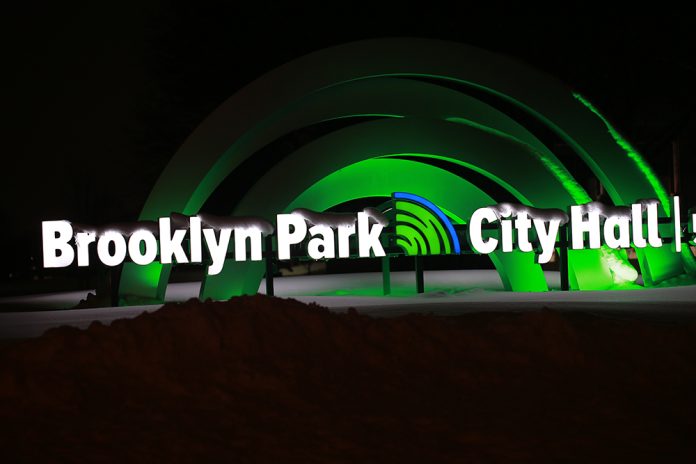
Brooklyn Park residents can apply to serve on the Charter Commission by April 15, 2026. Mshale Staff Photo by Richard Ooga
Brooklyn Park residents can apply to serve on the Charter Commission by April 15, 2026. Mshale Staff Photo by Richard Ooga
Brooklyn Park is seeking applicants to fill six City At-Large seats on its Charter Commission, with submissions accepted through April 15, 2026. The commission reviews and monitors the city’s Home Rule Charter, a governing document akin to a constitution, and recommends changes to the City Council or voters when needed.
Brooklyn Park is one of Minnesota’s most diverse communities. The city’s population of roughly 83,000 is majority non‑white, with residents identifying as White (about 36%), Black or African American (approximately 30%), and Asian (around 20%), along with Hispanic, multiracial, and other groups.
More than 20% of the city’s population is foreign-born with 53% of the foreign-born being from Africa.
The commission consists of 11 citizen members and one city staff liaison. Members serve four‑year terms and meet on the second Wednesday of each month at 7 p.m., with a typical time commitment of about three hours monthly. Appointments are made by the Hennepin County Chief Judge following interviews.
Applicants must be qualified voters and residents of Brooklyn Park. For more information, contact the city clerk Devin Montero at [email protected].
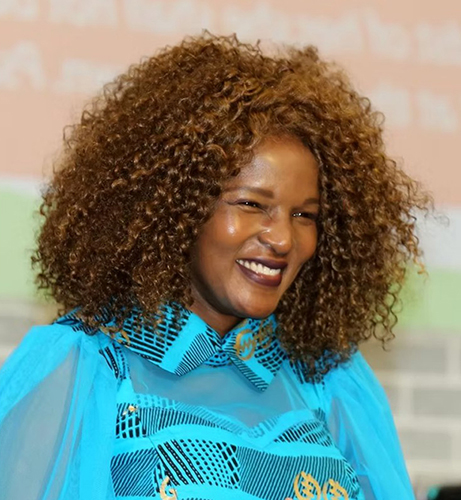
“It is a day we come together as East Africans, worshiping and fellowshipping as a community,” said Pastor Zipporah Bogonko. The event will take place April 18, 2026. Photo: Courtesy East African Day of Prayer
“It is a day we come together as East Africans, worshiping and fellowshipping as a community,” said Pastor Zipporah Bogonko. The event will take place April 18, 2026. Photo: Courtesy East African Day of Prayer
East Africans living in Minnesota are gearing for another annual day of prayer and reflection, as immigrant communities continue to deal with uncertain times in the United States.
The event known as the East African Day of Prayer, the event will take place Saturday, Apr. 18, at 3 p.m. at Ebenezer Community Church in Brooklyn Park. It is organized by faith leaders and community members and invites East Africans to come together in worship while strengthening relationships across cultures and countries from the region.
What began as a gathering of Kenyans has grown into an annual event that now brings people from across the East African region together for shared moments of faith, reflection and connection.
“It is a day that we come together as East Africans,” said Pastor Zipporah Bogonko of Divine Encounter Church, who is the host and one of the organizers of the event. “A time that we take time away from our schedules and stand together as East Africans, worshipping together, fellowshipping together as Africans and as a community praying.”
This year’s theme is “Discerning the Times,” and reflects what organizers describe as a need for hope and resilience during difficult moments immigrant communities in the United States are enduring as President Donald J. Trump’s administration continues its heavy-handed immigration enforcement. Recent events affecting immigrant families across Minnesota have caused fear and uncertainty in many East African communities, Bogonko said.
Bogonko said the event’s aim was to provide spiritual encouragement during those challenging times. She added that the Trump administration’s actions, such as Operation Metro Surge, which brought thousands of Immigration and Customs Enforcement agents to the Twin Cities, created fears that have had ripple effects across families, churches, and community gatherings.
“It impacted church attendance, community event attendance, and really impacted us mentally, and socially in many ways,” Bogonko said.
East African Day of Prayer also reflects the lived experiences of many immigrants from that region who balance life in the United States with ties to their home countries. Bogonko said the event creates space to pray not only for life in America but also for loved ones back in Africa.
“Even though God has given us an opportunity to be here in a country of very many opportunities, where we have freedom to worship and also to excel, [it’s a day of] remembering and praying for our national countries – that our national countries will also continue to grow and that our people will continue to grow and experience better lives for themselves,” Bogonko said.
The event began its roots in 2011, when Kenyan Christians in Minnesota began gathering and praying together annually. For 13 years, it was called Kenyan Day of Prayer. But over the years, Minnesotans originating from countries neighboring Kenya began attending the event as well, prompting organizers to change the name to make the day more inclusive, Bogonko said.
“After that, we expanded or rebranded to East African Day of Prayer because, even as we did it as Kenyans, we found that many [from] other nations, the East African nations, were coming.”
The increase in the number of individuals from other East Africans backgrounds attending also led organizers to rethink the event’s structure and purpose. Faith leaders decided to rebrand the gathering as East African Day of Prayer, making it more reflective of the communities attending. Since the change, organizers said the event has continued to grow and build connections across communities.
“It has caused a lot of excitement among our communities, and we continue to see growth and the impact of that day among people,” Bogonko said. “It’s one of those annual highlights within our communities, that our communities look forward to.”
East African Day of Prayer is a day to remind community members that difficult seasons do not last forever. Bogonko said her vision is for the gathering to continue long after she and current leaders step aside.
“I pray that it will outlive us, and that at some point we will pass the baton to our young people to keep it up and continue.”
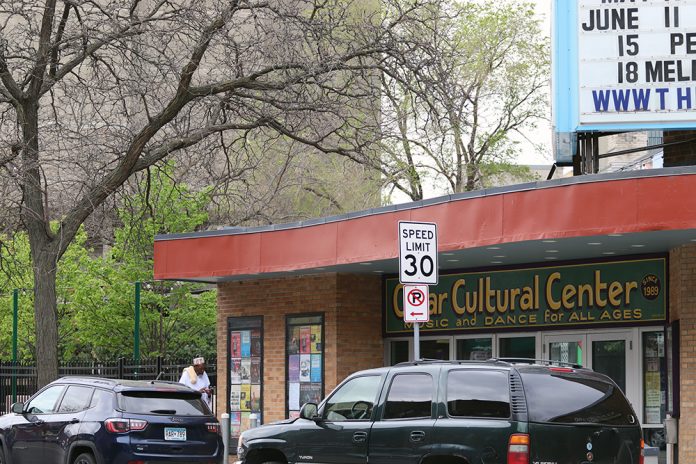
AFROMATIC, a live music event celebrating African diaspora artists, comes to the Cedar Cultural Center on April 11, 2026. Mshale Staff Photo by Tom Gitaa.
AFROMATIC, a live music event celebrating African diaspora artists, comes to the Cedar Cultural Center on April 11, 2026. Mshale Staff Photo by Tom Gitaa.
The Cedar Cultural Center will host a night celebrating music from across the African diaspora as AFROMATIC, a live music event highlighting Afro-inspired artists.
The event presented by SAFEHUAS UNIVERSAL, will take place on Apr. 11. It will feature performances by Brandyn Lee Tulloch, the lead singer and songwriter of the collective Poetic Roots, and Osa Deraé, a Nigerian American afrobeats and highlife artist. Other performers on the list include Le Ru, a Kenyan-born singer, songwriter, and creative director, and other artists, bringing together a mix of afrobeat, reggae, soul, and hip-hop in one space.
According to organizers, AFROMATIC is a curated live music experience designed to showcase the rhythms of African beats with contemporary genres while highlighting artists connected to the African diaspora.
Kwame Suavé founded SAFEHUAS UNIVERSAL, a label management company for artists and creators working with artists to create a platform to perform and showcase themselves.
“I actually started as an artist myself,” he said. “When I was younger, it was really hard to find places where we can find people like us, and a platform to perform and showcase ourselves as an artist.”
Tulloch of Poetic Roots said the event will be meaningful because it will be his first time performing at the Cedar Cultural Center, a venue known for celebrating global music traditions.
“AFROMATIC, is a mix of live music with different performers, and a DJ,” Tulloch said. “I am most excited for the fact that it’s at the Cedar. I’ve yet to play at the Cedar and with the Cedar being the cultural center, it’s a very cool opportunity to celebrate the diaspora.”
Tulloch said Poetic Roots draws inspiration from reggae as well as funk and soul music from the 1970s and 1980s.
“Obviously, [it’s] heavily inspired by reggae, but also the Black American music, like the funkier, groovier soul sound,” he said.
Deraé, whose music blends afrobeats and highlife, describes his sound as an energetic celebration of culture that brings audiences together through blending “soulful beats” with vibrant African rhythms and movement. Known for his interactive performances, he said his focus was creating an atmosphere where audiences felt comfortable letting loose and enjoying the moment.
“My main thing when I perform is to remind people that it’s time to enjoy,” Deraé said. “It’s time to dance.”
He said music has the ability to bring people together across cultures and backgrounds.
“Music connects everybody on a very deep level,” he said. “I’ve had people come to me and say, ‘You make me want to dig deeper into my culture.’”
And Le Ru, who describes herself as the East African Princess, said her music reflects her Kenyan heritage and her journey as a creative living in the United States.
“I didn’t want to lose my heritage,” she said. “I didn’t want to lose my culture. I wanted the world to know that I’m Kenyan and a proud East African.”
Le Ru said she was excited to share new music with audiences and connect with the Twin Cities community.
AFROMATIC will be on Apr. 11 at the Cedar Cultural Center in Minneapolis, doors open at 7 p.m., with the show beginning at 8 p.m. Tickets are available for purchase at the venue’s website.
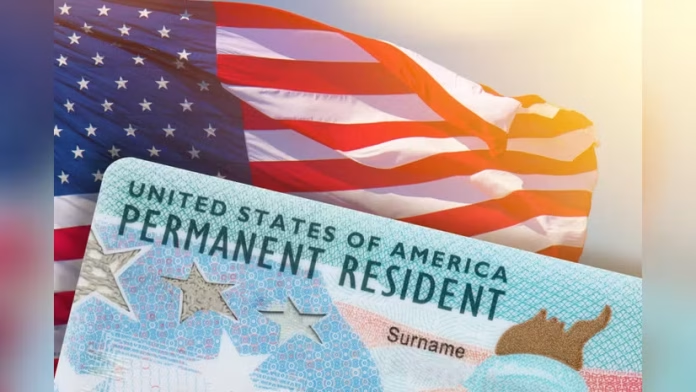
Effective April 10, 2026 applicants will need to submit a scanned copy of their passport when entering the U.S. Green Card lottery. Photo: Shutterstock
Effective April 10, 2026 applicants will need to submit a scanned copy of their passport when entering the U.S. Green Card lottery. Photo: Shutterstock
The U.S. Diversity Immigrant Visa program (DV2027) is back starting this coming October, after the Trump administration paused it last November as part of its immigration crackdown.
Applicants however will face a significant new barrier: a passport will now be required to submit an entry. It is also no longer free to enter, as announced in September 2025.
The new rule takes effect on April 10, 2026 and will require those submitting entries for the lottery to also upload a scan of their valid unexpired passport.
The change, outlined in a notice filed by the State Department in the Federal Register, marks the most consequential shift in years for the program, commonly known as the green card lottery. In previous cycles, applicants could register with basic personal information, after a federal court in 2022 struck down the passport requirement for not following the notice-and-comment rule-making process required by law.
U.S. officials say the requirement is designed to curb fraud and strengthen the program’s integrity. In a recent lottery cycle, the government identified roughly 2.5 million fraudulent applications, often linked to third parties who withheld entry information from applicants unless they paid fees or participated in scams.
But the passport rule has already drawn criticism. Some immigration experts warn it could effectively exclude applicants from parts of Africa and Asia, where obtaining a passport can take months or require significant expense.
The exact start date in October to submit entries for DV-2027 have not yet been announced, but immigration advocates are advising those planning to enter the lottery to work on obtaining passports if they don’t have them, and get the scanned copy of the biographic and signature pages of the passport ready for when the entry period begins.
For Kenyans living in the United States, managing finances back home can sometimes feel complicated. Time zone differences, long-distance communication, and unfamiliar processes make it challenging to send money, invest, or open accounts from abroad.
Equity Bank of Kenya provides a solution through its network of official diaspora referral agents. These trusted representatives, located across the U.S., help Kenyans access banking services in Kenya safely and efficiently.
Through the diaspora agent network, you can:
Open Equity Bank diaspora accounts remotely
Send remittances securely to family and businesses
Receive guidance on investments such as land, businesses, and other financial opportunities
Access support for loan and mortgage inquiries in Kenya
In 2025, Kenyans abroad sent approximately $5.04 billion back home — highlighting the critical role of diaspora contributions in supporting the economy. Equity Bank’s diaspora agents help make these financial flows easier, safer, and more efficient.
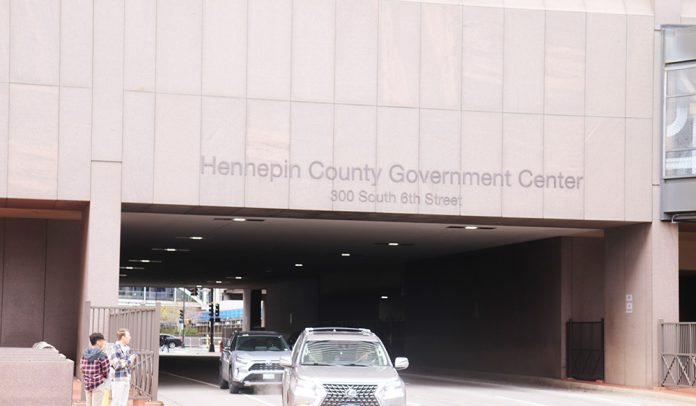
Cars drive past the Hennepin County Government Center, the county seat of Minnesota's largest county, on November 21, 2024. | Mshale Staff Photo by Tom Gitaa
Cars drive past the Hennepin County Government Center, the county seat of Minnesota's largest county, on November 21, 2024. | Mshale Staff Photo by Tom Gitaa
Hennepin County on Wednesday announced a new grant program to support small businesses financially strained by intensified federal immigration enforcement. The Hennepin County Small Business Recovery Fund will provide roughly $2 million in one-time grants to help cover rent and mortgage payments, officials said.
The fund, administered by the Hennepin County Housing and Redevelopment Authority with assistance from NextStage, opens for applications at 4 p.m. on Wednesday, March 18, and closes at 4 p.m. on March 25. The county said the program is designed to prevent widespread commercial closures and maintain vibrant neighborhood business corridors.
Many expected beneficiaries are immigrant-owned businesses experiencing reduced foot traffic, temporary closures, or workforce disruption. “Our goal is to help businesses stay open and maintain the cultural and economic fabric of our neighborhoods,” a county spokesperson said.
Grants will range from $3,000 to $10,000, depending on business size and financial need, and can cover up to two months of rent or mortgage payments.
Online-only and home-based businesses are not eligible.
Who Can Apply
Locally owned, for-profit business with a physical location in Hennepin County
Revenue loss ≥30% from Dec. 1, 2025 – Feb. 28, 2026 due to immigration enforcement
Annual revenue: $25,000–$4 million
Must be in good standing with the Minnesota Secretary of State
Must be current on property taxes
Online-only and home-based businesses not eligible
Grants range $3,000–$10,000, prioritizing smaller businesses with fewer employees
To apply and receive support putting together documentation for your application, visit the Elevate Hennepin website.
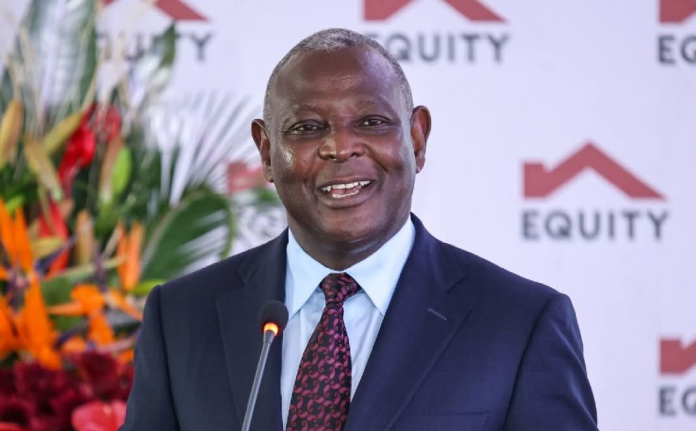
James Mwangi, Group CEO of Equity Group Holdings Plc, speaks at a previous company event. The bank on March 18, 2026 announced a record profit after tax of 75.5 billion Kenyan shillings (about $580 million) for the year ending 2025. Photo: Courtesy Equity Group
James Mwangi, Group CEO of Equity Group Holdings Plc, speaks at a previous company event. The bank on March 18, 2026 announced a record profit after tax of 75.5 billion Kenyan shillings (about $580 million) for the year ending 2025. Photo: Courtesy Equity Group
Equity Group Holdings Plc reported record earnings on Wednesday, posting one of the strongest profit gains in Kenya’s corporate history as its regional expansion and digital banking strategy delivered a surge in returns.
The lender said profit after tax rose 55 percent to 75.5 billion Kenyan shillings (about $580 million) for the year ending 2025, up from 48.8 billion shillings a year earlier, underscoring the results of a multiyear shift toward diversification and efficiency.
Total income increased 12 percent to 217.7 billion shillings (about $1.7 billion), supported by a 17 percent rise in net interest income and continued growth in noninterest revenue. The balance sheet expanded to 1.97 trillion shillings, while net loans climbed 8 percent to 882.5 billion shillings.
Executives said the results reflect a deliberate move away from reliance on traditional lending toward a broader financial services model spanning multiple African markets. The group’s cost-to-income ratio improved to 51 percent from 58.2 percent, driven by tighter cost controls and a rapid shift to digital channels. More than 98 percent of transactions were conducted outside physical branches, with most processed through mobile and online platforms.
“The performance reflects the success of our deliberate transformation into a diversified, regional financial services group,” said James Mwangi, the chief executive.
A central pillar of that transformation has been the bank’s expansion beyond Kenya. Regional subsidiaries now account for roughly half of total profitability, highlighting the growing importance of markets such as the Democratic Republic of Congo (DRC), Uganda, Rwanda and Tanzania.
Profit in the DRC rose 58 percent, supported by loan growth, while Uganda’s earnings increased fivefold from a low base. Rwanda and Tanzania also recorded strong gains, with both markets posting double- and triple-digit profit growth.
The Kenyan banking unit remained a major contributor, reporting a 63 percent increase in profit to 39.2 billion shillings. Improved lending margins and lower funding costs helped lift returns on equity and assets.
The bank has also expanded outreach to customers abroad, including through diaspora roadshows in U.S. cities, aimed at reconnecting with existing clients and offering services tailored to overseas investors and Africa’s growing diaspora.
Equity’s insurance business continued to scale rapidly driven by what the bank described as “newly acquired life, general, and health underwriting licenses.” Gross written premiums rose 75 percent to 9.17 billion shillings, reflecting expansion across that sector as the group deepens its presence across financial services.
The board recommended a dividend of 5.75 shillings per share, up from 4.25 shillings, for a total payout of 21.7 billion shillings.
The results come amid improving economic conditions across parts of Africa, where several countries — including Rwanda and Uganda — rank among the fastest-growing globally. Rising commodity prices and stronger export demand have supported growth, even as geopolitical tensions create periodic volatility in energy markets.
Beyond its core business, Equity pointed to the expanding role of the Equity Group Foundation, which focuses on education, health care and small-business development. The foundation said it has supported more than one million entrepreneurs and helped hundreds of thousands of small businesses gain access to credit.
The group is also investing in technology and workforce development, training young people in fields such as artificial intelligence and data analytics in partnership with global institutions.
Looking ahead, Equity said it plans to extend its footprint as part of a 2030 strategy targeting operations in 15 countries and 100 million customers. The plan emphasizes digital infrastructure, data-driven services and broader financial inclusion.
Mr. Mwangi said the bank ultimately aims to evolve beyond traditional banking into what he described as a “transformation finance institution,” focused on mobilizing capital and supporting economic development across the continent.
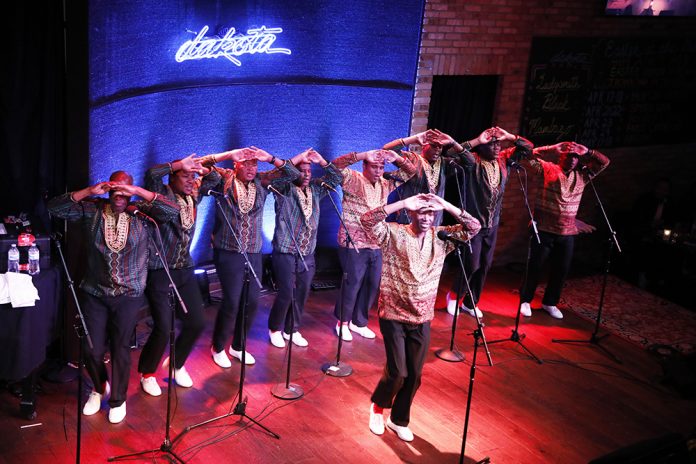
Ladysmith Black Mambazo during their performance at the Dakota on March 28, 2023. They will perform there again on April 6, 2026 as they mark 65 years of performing. | Mshale Staff Photo by Richard Ooga
Ladysmith Black Mambazo during their performance at the Dakota on March 28, 2023. They will perform there again on April 6, 2026 as they mark 65 years of performing. | Mshale Staff Photo by Richard Ooga
Ladysmith Black Mambazo celebrates their 65th year of performance this year. Since Joseph Shabalala first assembled his group in the township Ladysmith, South Africa, the baton of leadership has passed from Joseph to his sons with potential to continue with his grandsons who are also now members of the musical group.
Likewise, audience members might share in a multigenerational appreciation of the choral group as the band has been performing at the Dakota for many years. Once more on April 6th, Ladysmith Black Mambazo will take the Dakota stage and fill the evening of Easter Monday with isicathamiya harmonies juxtaposed with the powerful mbube singing for which they are so well known.
With a new album released in February of this year, the band stays true to their original mission, that is, to bring a message of peace and love to others. Their most senior member joining the band in 1969, Albert Mazibuko, stressed in past interviews with Mshale their deep desire to connect with young people.
While he said this in 2017, the essence of their music and its missive remains. “We believe if we give this message to the young ones, they [will] grow up to love one another. We want to include the parents, bringing the parent and child together. The family today [doesn’t] have much to do together. We put these songs of families together to give [them] time together. To encourage them,” Mazibuko said.
Their latest album, One Voice – One World, is more than a collaboration with Nduduzo Makhathini and Mbuso Khoza, but more a complete fusion of their various sounds. Makhathini will perform at the Dakota in May so unfortunately too late for a cameo appearance when Ladysmith Black Mambazo will appear in April, but attending both shows although they are a month apart would complement one another.
The album honors the legacy of founder Dr. Joseph Shabalala, coinciding with the band’s 2026 international tour running from February to April.
Ladysmith Black Mambazo will present their show twice at The Dakota, 7 pm and 9 pm. Tickets available here.
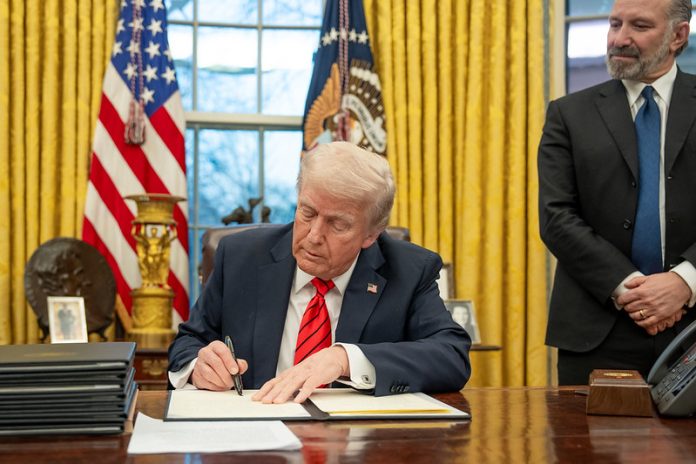
President Trump signs an executive order at the White House on February 11, 2025. Photo: The White House
President Trump signs an executive order at the White House on February 11, 2025. Photo: The White House
The Trump administration’s right-leaning, anti-immigration posture—now echoed in a national security strategy that frames migration and demographic change as threats—signals more than a policy preference. It marks an ideological project that seeks to reshape the global order by pressuring allies, particularly in Europe, to embrace exclusionary, right-wing politics. This is not merely about borders. It is about power, hierarchy, and whose lives and labor are deemed legitimate in the modern world.
At its core, this project subordinates Black and brown people by recasting them as risks rather than contributors. Migration is reduced to a security problem; diversity becomes a dilution; asylum is rebranded as weakness. When the world’s most influential democracy adopts this framing—and urges Europe to follow—it legitimizes a politics that sorts humanity by race, origin, and usefulness to a narrow vision of national identity. The result is a de facto new world order that strains to revive a bygone era: one that privileged whiteness as destiny and treated non-white peoples as expendable inputs.
What this worldview conspicuously ignores is history. The wealth of the West did not materialize in a vacuum. It was built through centuries of extraction—of African, Latin American, and Asian resources; of enslaved and coerced labor; of colonial domination that transferred land, minerals, and human capital to imperial centers. From sugar and cotton to rubber and oil; from forced migration to indenture; from colonial railways to modern supply chains—the global economy was shaped by contributions that this new nationalism now erases. To deny that legacy while weaponizing borders against the descendants of those contributors is not realism; it is revisionism.
The danger is not abstract. When migration is securitized and racialized, policy hardens into cruelty. Families are separated, refugees are stranded, and whole regions are stigmatized. Abroad, strongmen are emboldened. In Europe, where far-right movements have long searched for mainstream validation, American pressure to “get tough” on immigration functions as permission. It weakens liberal norms, fuels xenophobia, and fractures the very alliances that have underpinned decades of peace and prosperity.
America’s greatest achievements have come through multilateralism, not monoculture. The post-World War II order—imperfect and often hypocritical—still delivered unprecedented gains: expanded trade, poverty reduction, scientific collaboration, and collective security. Immigration powered that success at home, renewing the workforce, seeding innovation, and strengthening democracy through pluralism. To abandon this tradition is to trade strength for spectacle and cooperation for coercion.
There is also a strategic cost. In a world of climate displacement, pandemics, and transnational threats, walls cannot substitute for diplomacy. Exclusionary politics alienate partners in the Global South precisely when collaboration is essential. They hand moral ground to rivals who promise respect while practicing domination. And they erode America’s soft power—the credibility that comes from aligning values with action.
A national security strategy that treats diversity as a liability and migration as contamination is not forward-looking; it is fearful. It mistakes nostalgia for sovereignty and grievance for strength. The United States should reject this regression. Security in the twenty-first century will not be achieved by resurrecting racial hierarchies or exporting them to allies. It will be built by reckoning honestly with history, honoring human dignity, and leading—again—through inclusive, multilateral engagement.
Anything less risks undoing the progress of generations and replacing a cooperative world with one defined by exclusion, resentment, and decline.
When Nomfusi takes the stage at the Cedar Cultural Center on April 21st, her first time performing there, the spring in her step will be genuine. Mshale grabbed a few minutes of her time between Barcelona and Johannesburg to talk about her upcoming show.
“What I found from my last tour (in 2025) in the US was the welcoming attitudes from people everywhere; it’s the opposite of what social media and the internet lead us to believe,” South African Nomfusi told me, her warmth and positivity emanating over our connection and seven hour time difference.
Her spirited demeanor she attributes to her mother who passed just as Nomfusi was about to enter her teenage years.
“My mom wasn’t like most mothers,” Nomfusi said, “if I went home crying because I got beat by a classmate, she wouldn’t say, ‘Oh, there there, honey.’ She’d want to know what happened and what I was going to do about it.”
Nomfusi laughed, “She didn’t advocate fighting, but she didn’t think we should just put up with other people’s (issues).”
“The message, at this moment, is the message of not giving up, the message of resilience,” said Nomfusi, “because I look at my life and I think, where did I ever get this—the strength—but ultimately, it looks like the message of don’t give up.
Nomfusi needed this intestinal fortitude as a youth because she not only lost her mother, but her father was absent and her aunt who stepped in to care for Nomfusi and her siblings also passed while Nomfusi was a teenager.
“I credit my resilience from my mother and my country and the township (KwaZakhele) structure that I come from,” the 40-year-old mother of two said.
“It took time for me to find my voice, I’m not gonna lie, it took time for me to find my sound, find my music. It was not an easy journey, but I wouldn’t change anything,” she said. “I wouldn’t be able to wake up every morning without choosing to be optimistic about life.”
if you don’t know Nomfusi, if you’ve never heard of her in your life, it would help to have a picture of Miriam Makeba and Tina Turner in mind. Nomfusi’s music is built on South African rhythms and beautiful melodies including the distinctive clicks of Kwele. Maskandi guitars, Afropop, Afro-soul all influence this tiny musician with a big stage presence.
Nomfusi said, “and the energy of Tina Turner on that stage is definitely gonna be so evident.”
Tickets for her April 21st show at The Cedar are available here.
Nomfusi will take the stage with a matinee at The Sheldon Theater in Red Wing, Minnesota on April 19th prior to her Twin Cities performance at the Cedar.
Former President Barack Obama, left, and former first lady Michelle Obama toss shovels of dirt during a groundbreaking ceremony for the Obama Presidential Center Tuesday, Sept. 28, 2021, in Chicago. Photo: Charles Rex Arbogast/AP
Former President Barack Obama, left, and former first lady Michelle Obama toss shovels of dirt during a groundbreaking ceremony for the Obama Presidential Center Tuesday, Sept. 28, 2021, in Chicago. Photo: Charles Rex Arbogast/AP
The Obama Presidential Center will be dedicated over the Juneteenth weekend in Chicago, with all living US presidents, except President Trump, on the invitation list.
The dedication ceremony will take place on June 18 on the John Lewis Plaza and will be livestreamed globally.
The next day on June 19 (Juneteenth) is when the 19 acres campus, which houses the Obama Foundation offices, a branch of the Chicago Public Library and a playground will, open to the public followed by community wide celebration on June 20-21.
Former President Obama made the announcement on Saturday in a social media video post.
“Here on the South Side of Chicago, hope is getting a permanent home. Starting on June 19, you can visit the Obama Presidential Center,” Obama said. “This is not a monument to the past, it is a living destination for people who refuse to accept the status quo. If you feel that way, this is your invitation to join us.”
Most of the festivities which include live performances and family activities will be free except for museum tickets which will go on sale in May.
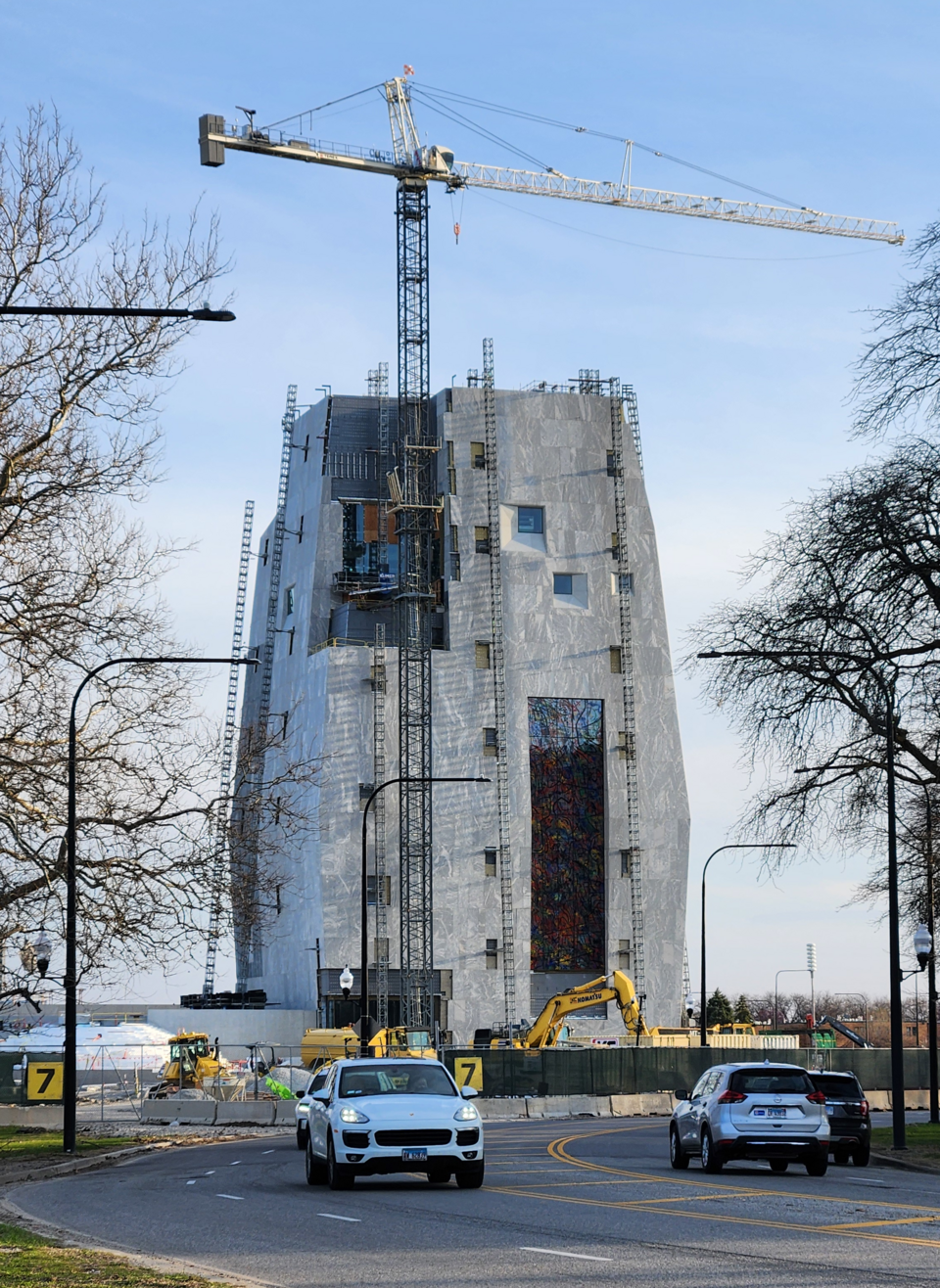
The Obama Presidential Center on April 16, 2025 while under construction. It will be dedicated on Thursday, June 18, 2026 and open to the public the following day on Juneteenth. Photo: Creative Commons License
Presidents build libraries to host records from their tenure in the Oval Office. The Obama Presidential Center – an 850 million project – broke ground in 2021.
You can sign up to be alerted when museum tickets go on sale on the Obama Presidential Center website at this link.