Home Blog Page 53

‘Griot Series’ aims to revive community enthusiasm for Kwanzaa

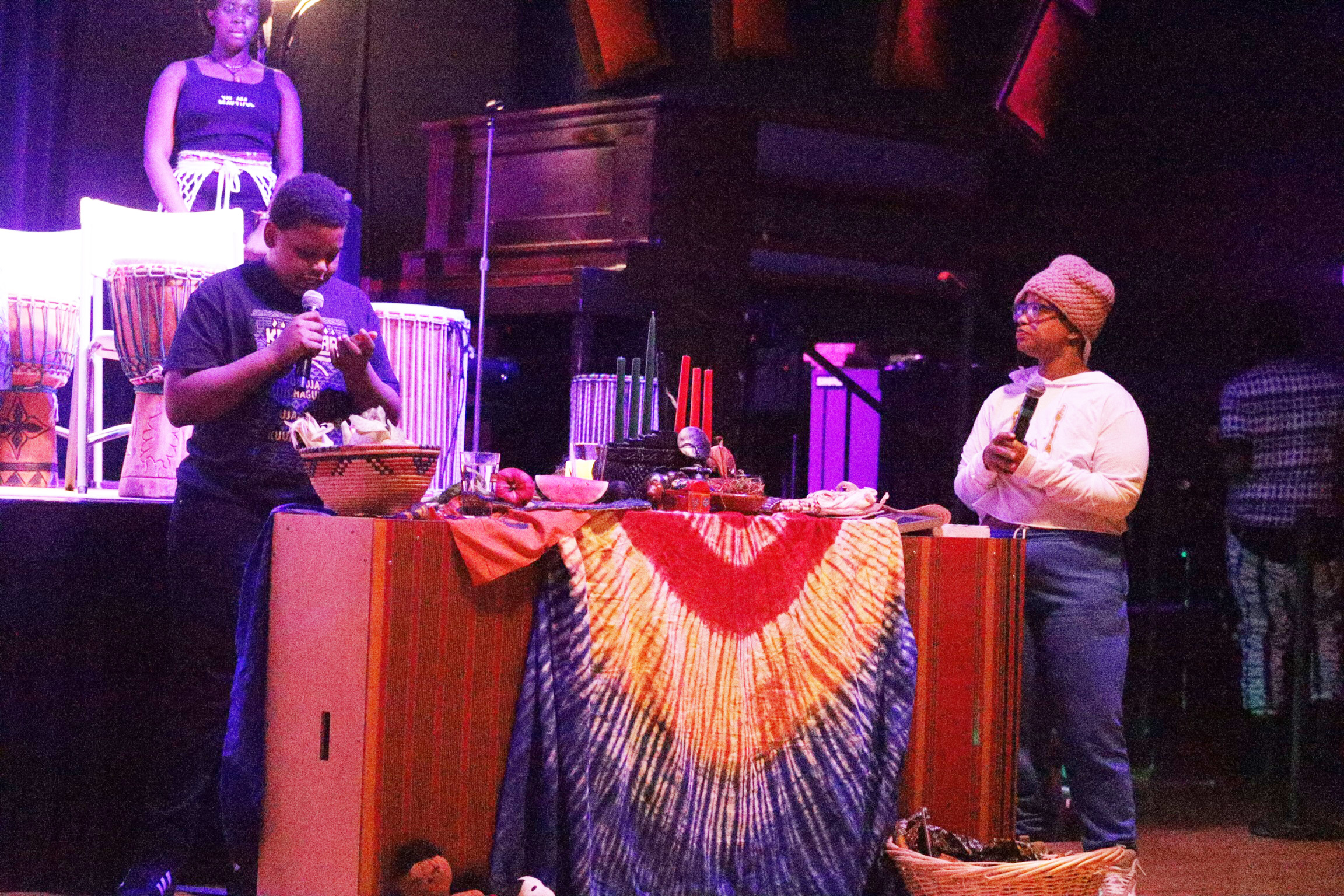
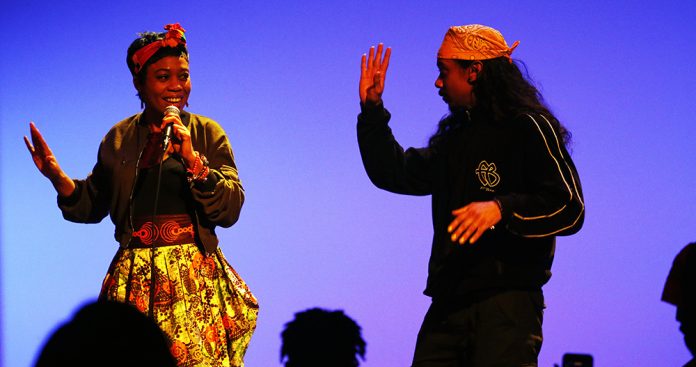
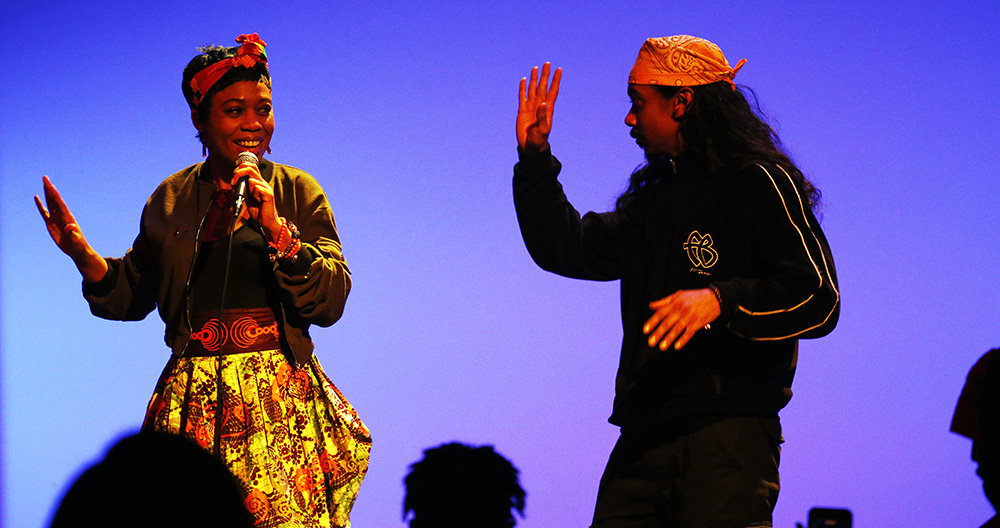
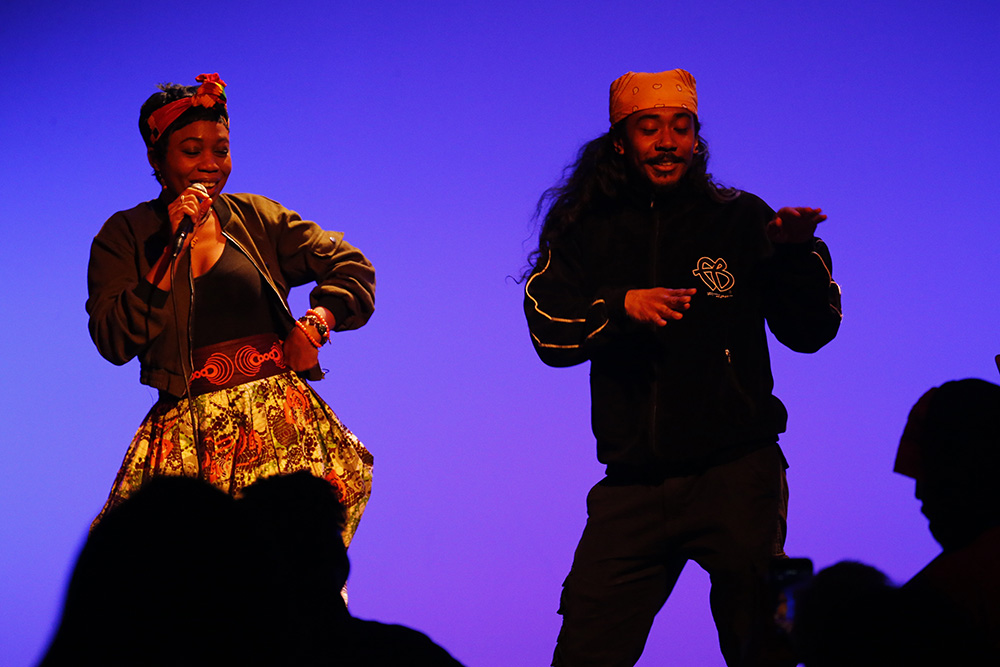
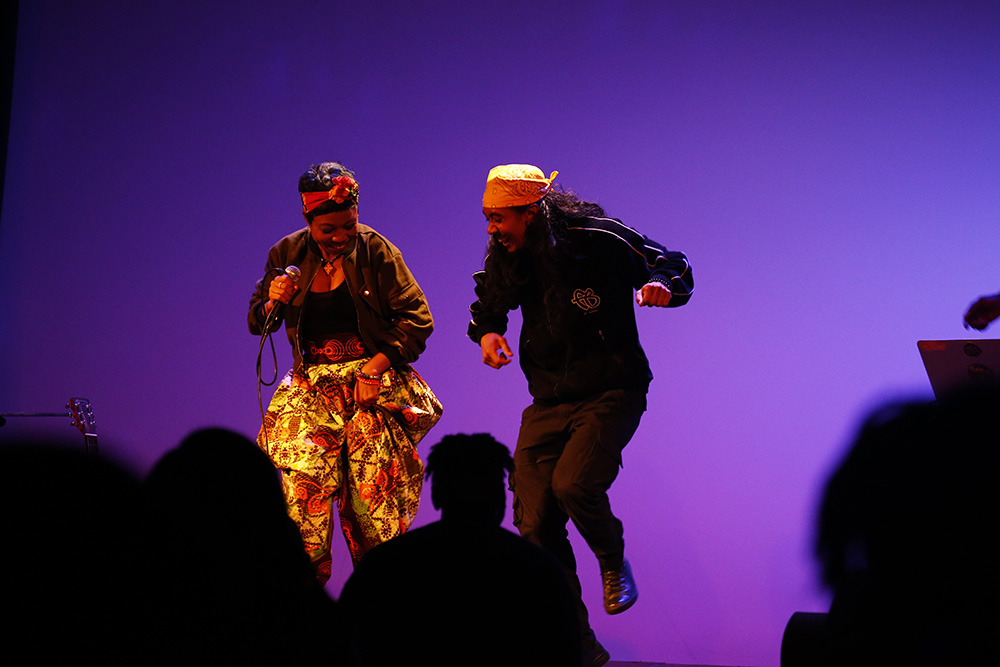
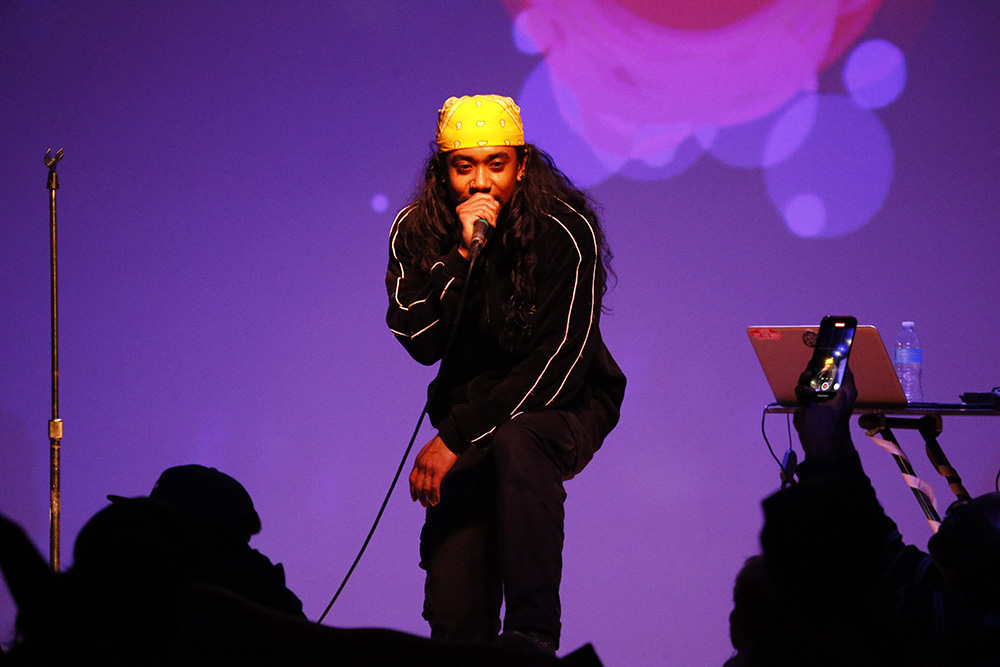
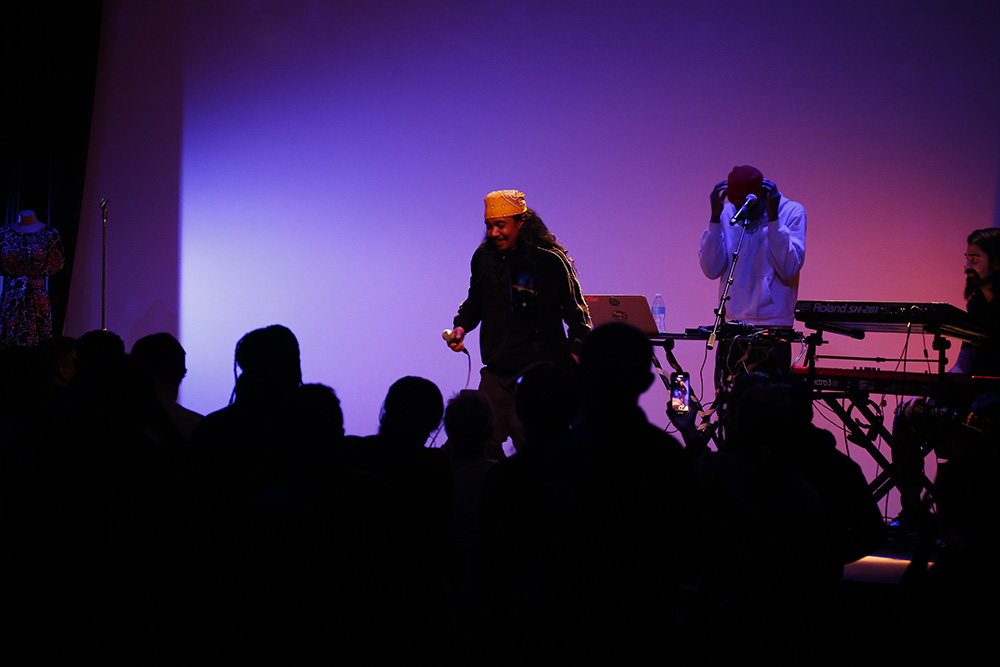
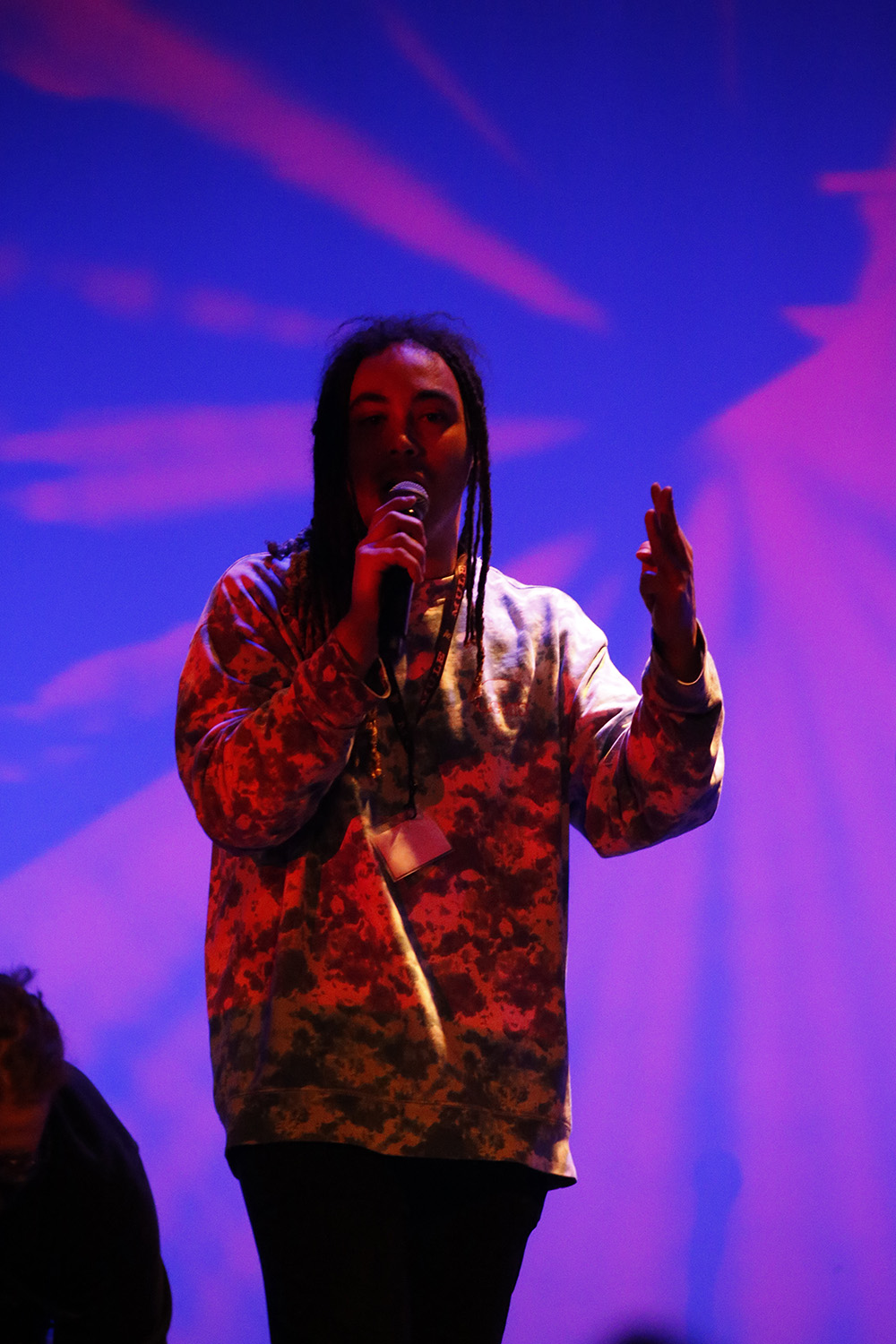
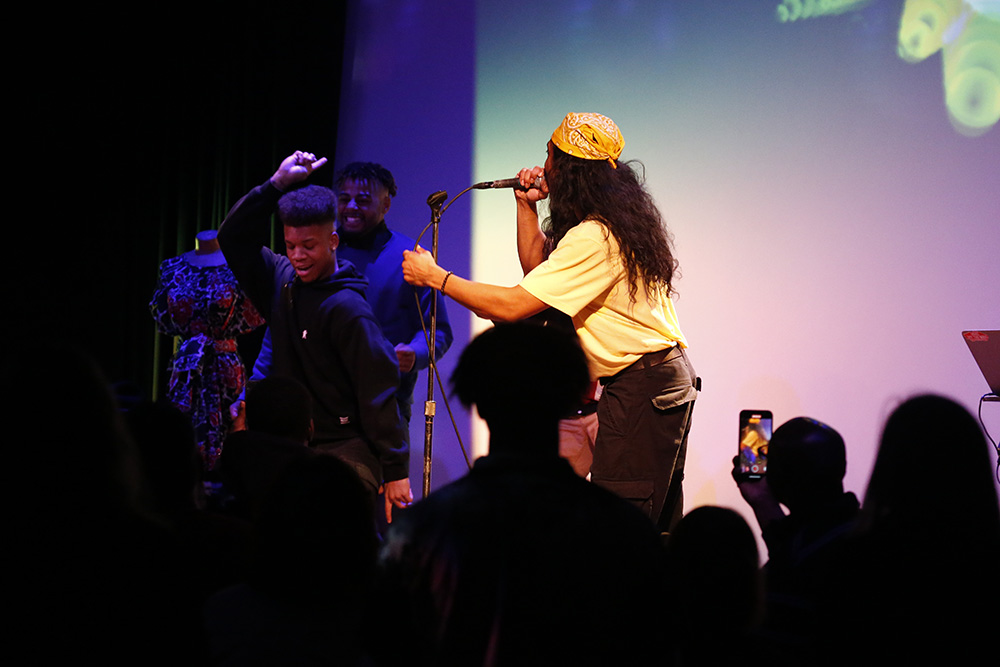
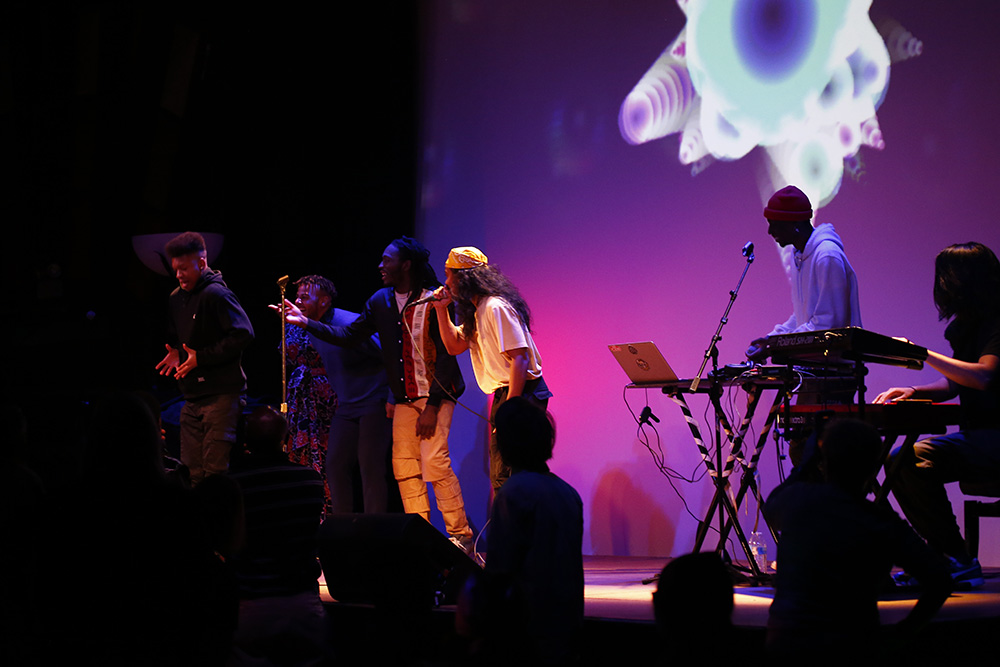
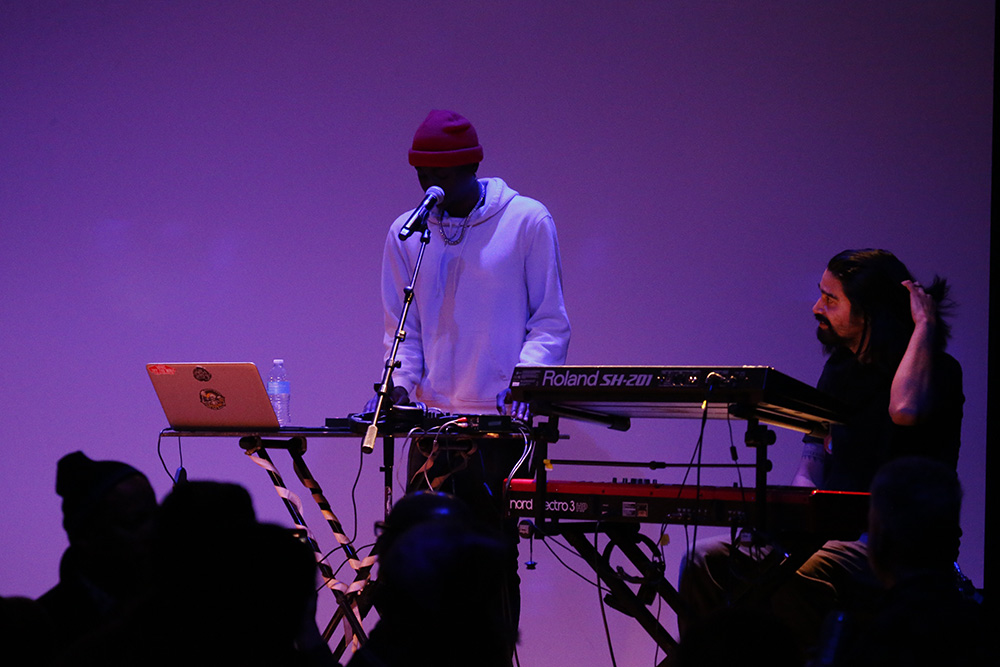
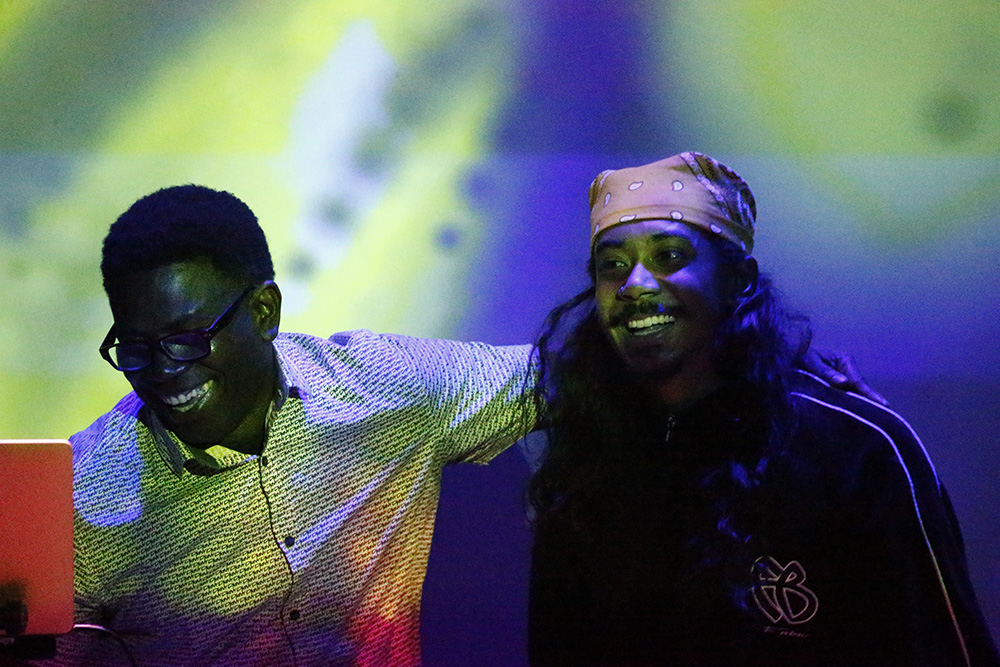
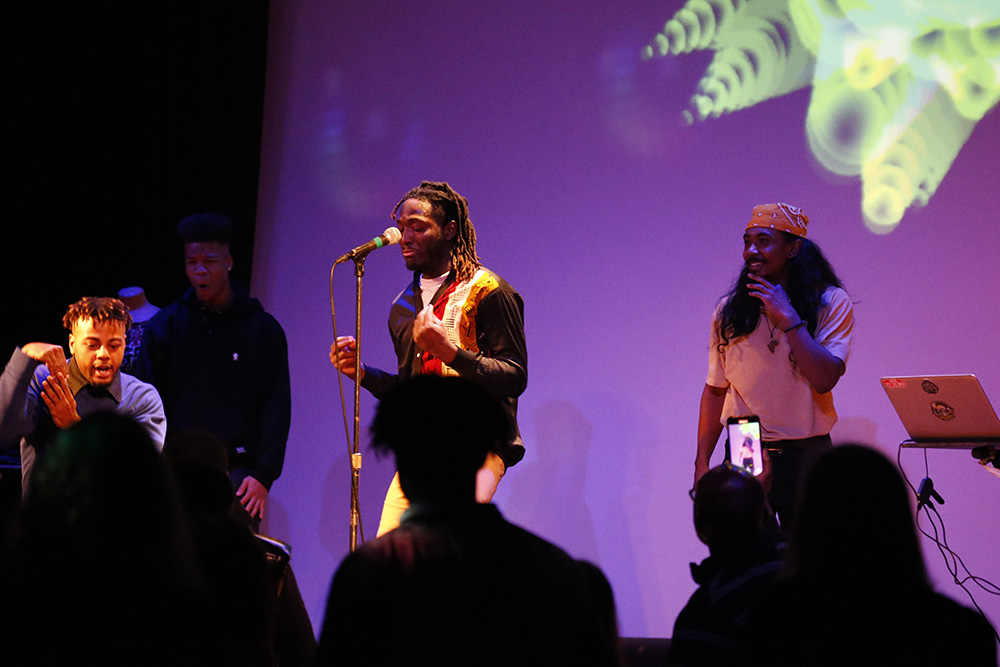
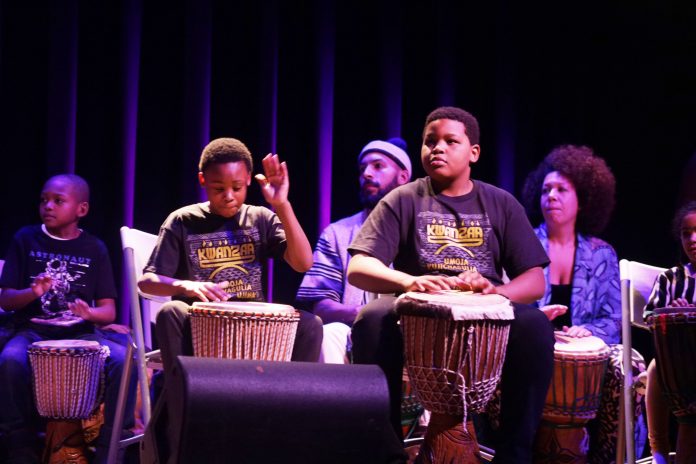
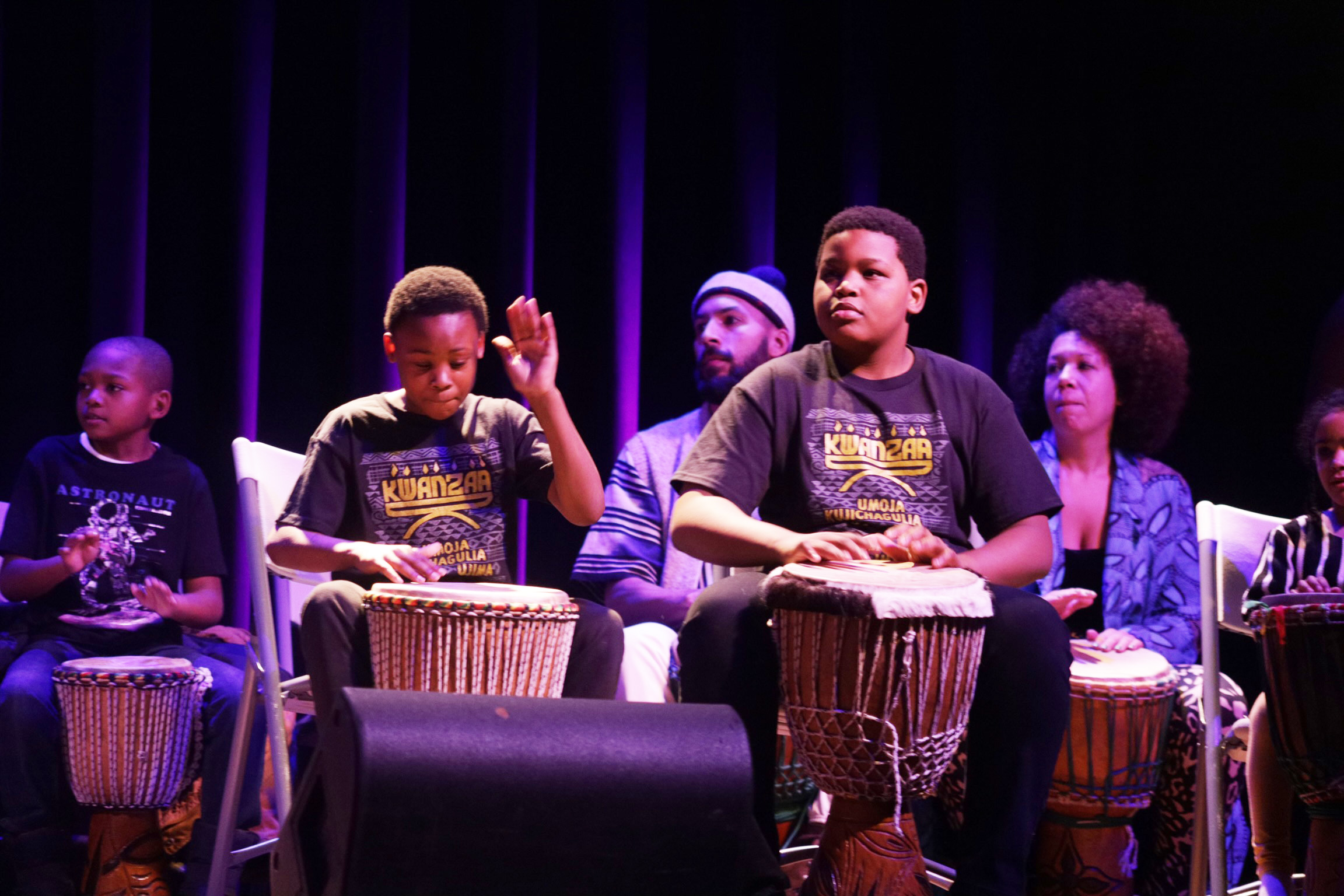
Youth from We Win Institute perform during a Kwanzaa presentation at The Cedar Cultural Center during a Kwanzaa presentation on Monday, December 19, 2022. Photo: Panashe Matemba-Mutasa/Mshale
We Win Institute
Youth from We Win Institute perform during a Kwanzaa presentation at The Cedar Cultural Center during a Kwanzaa presentation on Monday, December 19, 2022. Photo: Panashe Matemba-Mutasa/Mshale

The holiday season is here, and for Kenna-Camara Cottman that means curating Afro-fusion musicals that grip individuals of all ages. This year, Kenna wants to bring attention to Kwanzaa, the African American holiday, which some say has lost popularity among Black youth.
Kenna, who is non-binary and prefers to go by their first name, is promoting Kwanzaa through a series of events they call the Griot Series. It is a project of VOICE of Culture, an organization founded in 2008 in Minneapolis’s Northside neighborhood to promote Black American arts and culture and will host various cultural events throughout the year.

One of the shows, held on Monday in Minneapolis at the Cedar Cultural Center, spotlighted the African American holiday of Kwanzaa by drawing on traditional African storytelling in a series of vocal and drum performances.

“I wanted to increase access and engagement with Black arts and culture in the Cedar-Riverside neighborhood by bringing together my community of artists in a unique way,” said Kenna.

Despite increasingly progressive attitudes towards multiculturalism, Kwanzaa, which was once a popular holiday, has over the years slipped into obscurity. It was erroneously dubbed the “Black Christmas,” and has been the subject of ceaseless controversy, with claims from Black and white people that it promotes segregation. Particularly amongst the younger crowd, Kwanzaa’s popularity has waned significantly compared to just a few decades ago. Through the Griot Series, Kenna seeks to promote a deeper understanding about Kwanzaa and hopefully restore its true meaning.

The origins of Kwanzaa go back to the 1960s when Ronald McKinley Everett, a prominent African American college professor and civil activist, began to think of ways to keep Black Americans connected to their African roots. He adopted the Kiswahili name Maulana Karenga and in 1966 he organized the first Kwanzaa celebration. In response to growing racial tensions in the United States, Karenga sought to unite and empower his community, especially after riots devastated the predominantly Black neighborhood of Watts in Los Angeles. The name Kwanzaa is derived from the Swahili phrase “matunda ya kwanza,” which means “first fruits.” Karenga drew inspiration from traditional African harvesting festivals in his ideation of the holiday. As Kwanzaa steadily gained traction in Black America through the 1970’s and 1980’s, it became an African American cultural holiday, hallmarked by feasting, gift-giving, and remembrance of their African heritage.

Kenna, who is the child of community leader and professional storyteller Auntie Beverly, said that their family celebrates Kwanzaa in different ways each year. In addition to organizing events, Kenna works with Black youth to educate them about African and African American culture and history.

“It’s always fun to raise folks of all ages’ awareness and create new avenues to uplift Blackness in those spaces,” Kenna said.

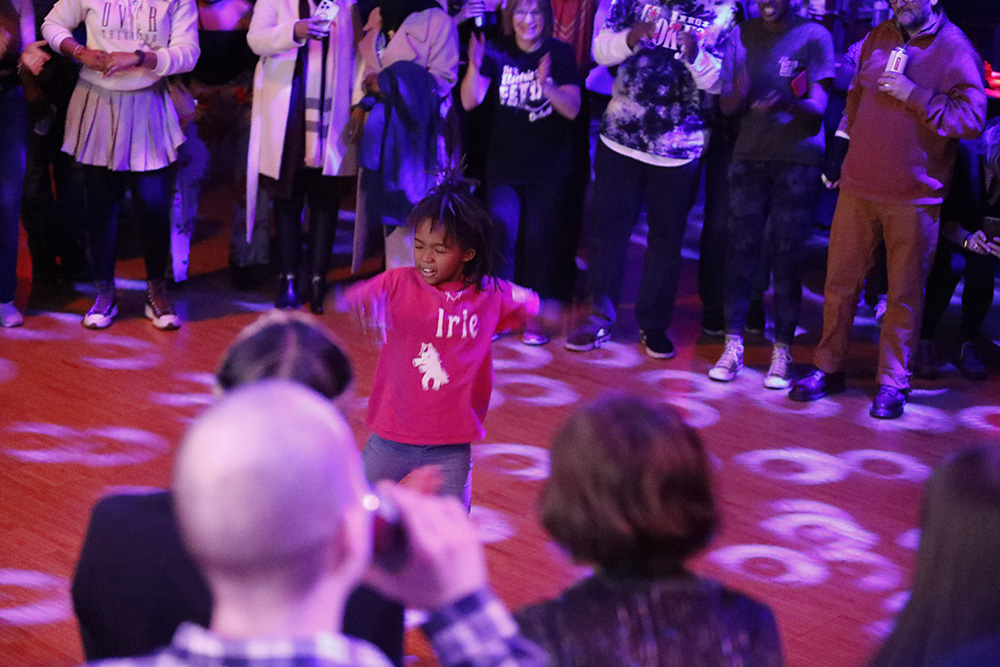
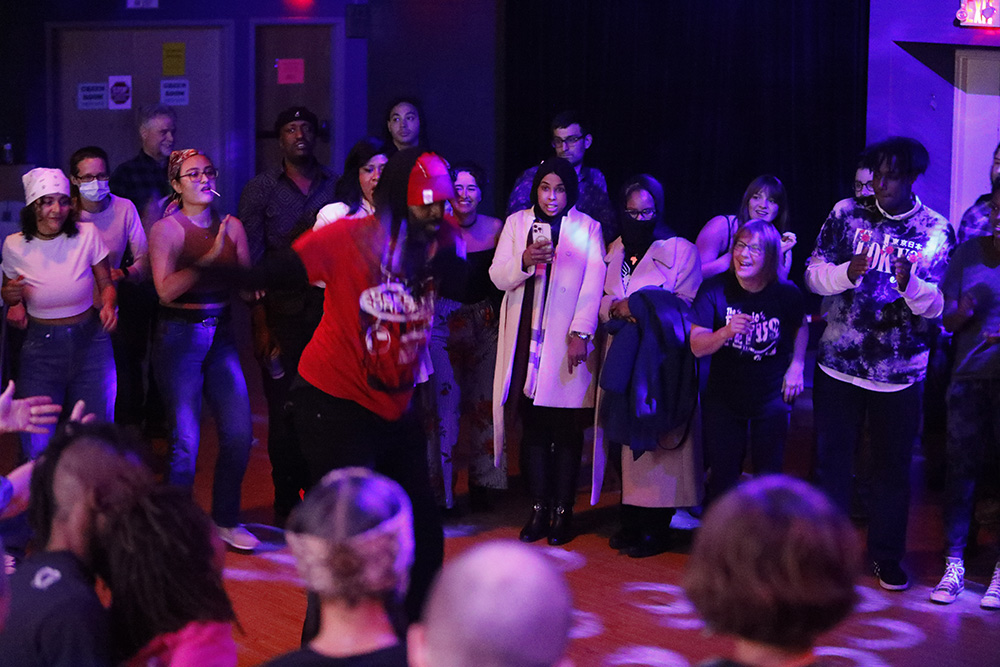
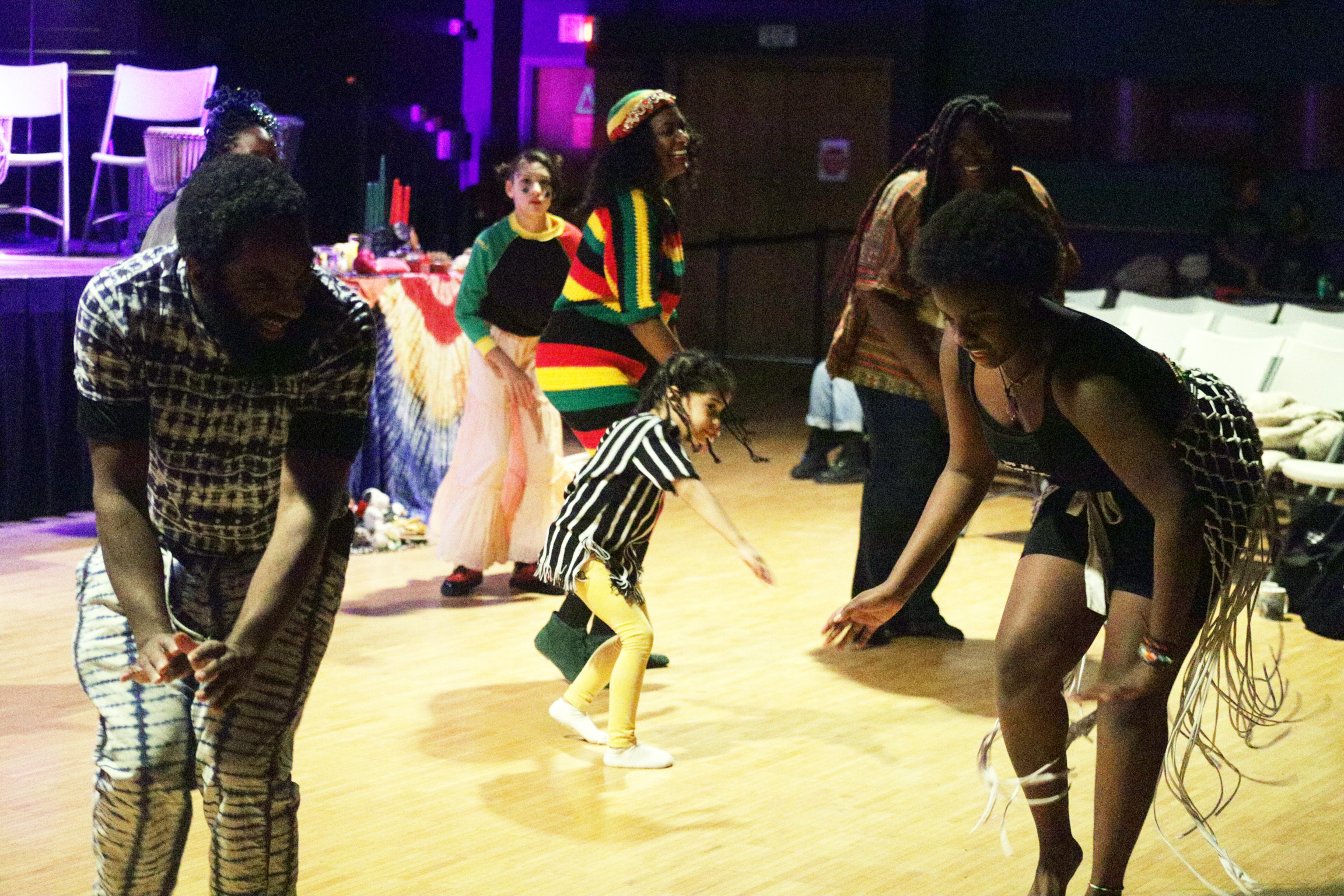
Throughout the night, performers bridged Africa and America leading the audience through the villages of Guinea and then into the Deep South as they switched from a djembe ensemble to gospel tunes. It was a juxtaposing mélange of explosive percussion and lullaby-like melodies that had even the youth on their feet. Children younger than 5 could not be contained as they gamboled across the center of the room. When Kenna conducted the drummers into an ancestral chant, a group of children broke out in a semi-uniform dance number screaming, “Ashe!” which translates loosely to “power” in the Yoruba language and honors the power of the ancestors.

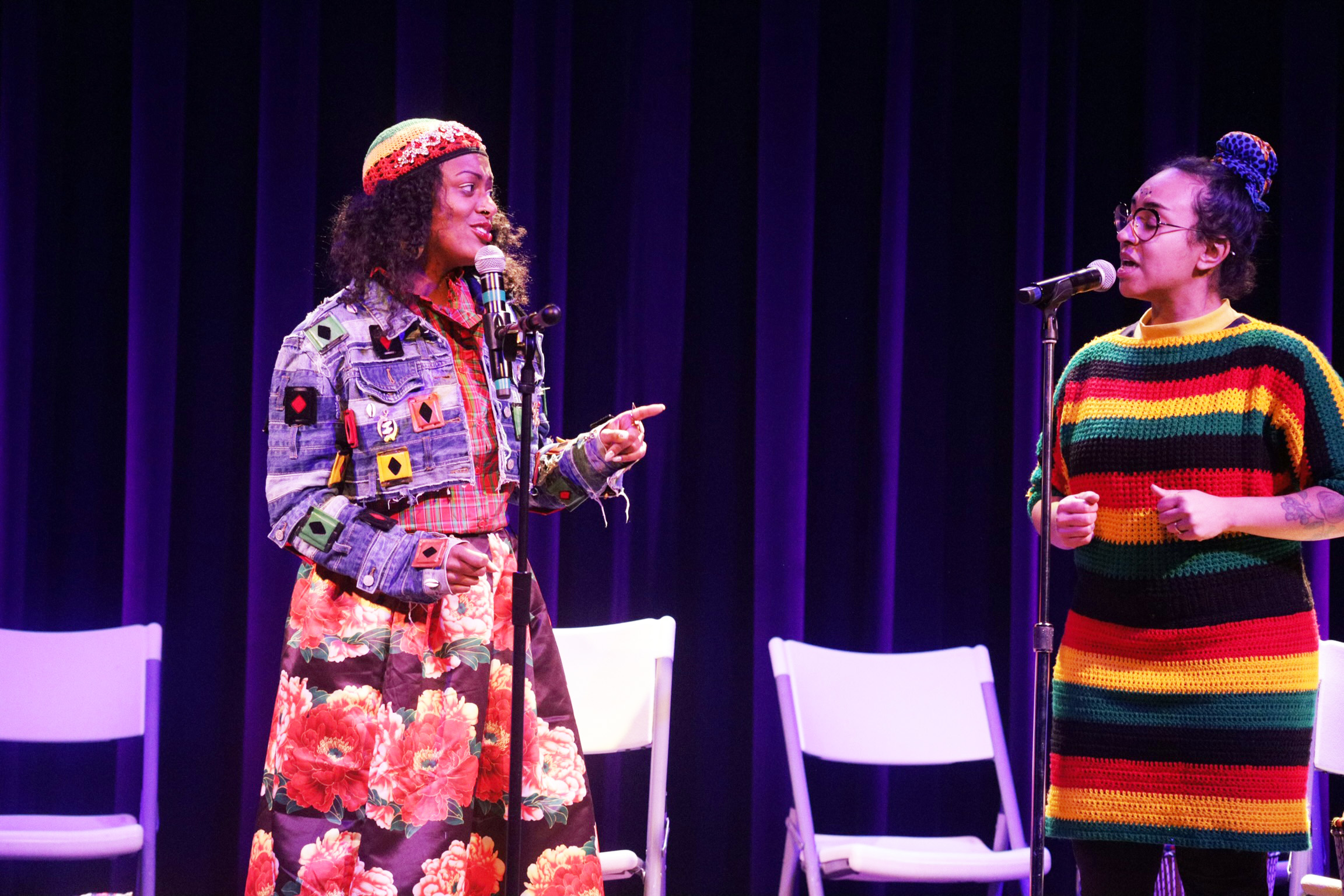
When vocal powerhouse duo Jayanthi RaJaSa and Alicia Jameel broke out into a funky rendition of Odetta Holmes’ “This Little Light of Mine,” the audience erupted. Some grooved to the steady beat, while others nodded. As the singers transitioned from belted choruses to a harmonized outro, the audience grew even more restless. But silence soon swept the room again as they awaited the next set.

Throughout the night, there was a recurring chant of “Umoja! Kujichagulia! Ujima! Ujamaa! Nia! Kuumba! Imani!” the Seven Principles of Kwanzaa, which translate to unity, self-determination, collective work and responsibility, cooperative economics, purpose, creativity, and faith, respectively. For each of the seven days of Kwanzaa celebration, a candle is lit to represent each of the principles.

In the latter half of the show, Kenna presented the Kwanzaa table, which was adorned with traditional items, many symbolic in nature. The kinara or candleholder, sat in the middle of the table on the vibrantly tie-dyed mat known as mkeka. On the kinara were seven pan-African colored candles – three red ones to represent the struggle, three green ones to symbolize hope for the future, and a black one to represent the people of the African diaspora. Also on display was mazao (the fruit to represent the harvest), zawadi (gifts), and mahindi (the corn representing children). Kenna invited the youth performers to gather around the table and give short recitations affirming their Black identities, which included a chant in Kiswahili and a tribute to Marcus Garvey, the late Jamaican-born advocate and pan-Africanist.

Attendees lingered after the show to chat, grab refreshments, and purchase handmade African crafts at the featured tables. Local rapper Fanaka Nation, who was one of the last to leave as he laughed heartily in conversation with other attendees, said that Kwanzaa recognition is especially important in states like Minnesota, where African American representation lags in the shadows of Eurocentric cultural norms. Reiterating the spirit of umoja, he said the event was a heartwarming way to spend a cold winter evening.

“It’s so awesome they were able to organize this here in Minneapolis,” he said. “It really gets me excited for the holidays.”


Review your broadband map to improve border-to-border access

Minnesota has a goal of border-to-border broadband coverage across the state. Photo: Asha Rkyu/Shutterstock
AshaRkyu Shutterstock
Minnesota has a goal of border-to-border broadband coverage across the state. Photo: Asha Rkyu/Shutterstock

Recently, Governor Tim Walz announced that internet providers will receive nearly $100 million in funding to expand broadband coverage to more Minnesotans.  This largest-ever grant round is estimated to extend new high-speed internet connections to more than 33,000 Minnesota homes and businesses in 48 counties.

At the Department of Employment and Economic Development’s Office of Broadband Development, we’re working hard to get broadband to more Minnesotans who need it. Now, we need your help to make that a reality.

As part of the federal Bipartisan Infrastructure Bill, $65 billion in funding is available to states for broadband. We’re excited to implement the bill’s programs, but much of our funding relies on a new mapping project from the Federal Communications Commission (FCC) to show where broadband is and is not available.

The FCC is accepting challenges to their new map right now, and we encourage all Minnesotans to review the map to see if the broadband speeds shown to be available at their address are correct. Local review of the broadband maps is important, as residents know best if the mapping information is accurate. Minnesotans can go to broadbandmap.fcc.gov to review their map and provide feedback.

To review the map, type in your address. Your home should appear on the map along with a list of services that providers claim to have available for purchase at your location. If your location is missing or inaccurately reflected on the map, you can submit a location challenge to correct it. If the information about the service provided is incorrect, you can file an availability challenge. Detailed video instructions on how to file a challenge can be found at fcc.gov/BroadbandData/consumers.

Our goal is border-to-border broadband coverage across Minnesota. Future federal funding will be allotted based on the number of locations in Minnesota that do not have broadband services available right now. To ensure valid challenges are incorporated into the map before federal funding allocations are made, Minnesotans have until Jan. 13, 2023 to submit feedback.

This year, between 240,000 and 291,000 households in Minnesota lacked access to high-speed broadband. So much of what we do happens online, which is why we want to ensure all Minnesotans have access to high-speed internet.

All Minnesotans deserve equal access to high-speed broadband. If you have any questions, please reach out to the Office of Broadband at 651-259-7610 or [email protected]

Gov. Walz Cabinet: Cunningham and Jett named as commissioners

0
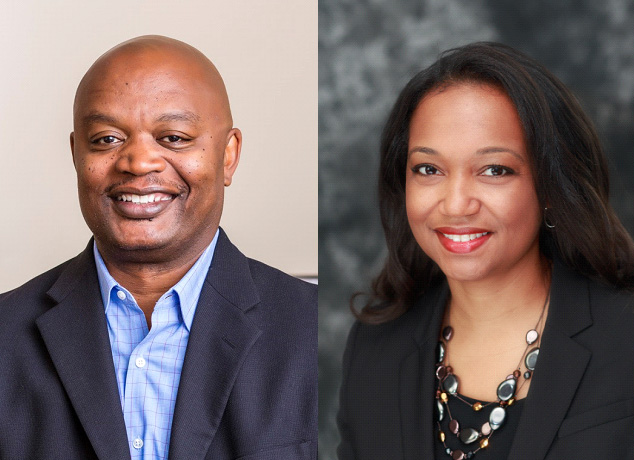
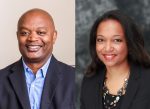
Gov. Tim Walz of Minnesota on Wednesday, December 21, 2022 named Willie Jett II as Commissioner of Education and Brooke Cunningham as Commissioner of Health. They are among six new commissioners the governor named to complete his cabinet as he embarks on a second term. The Minnesota Senate, which Democrats flipped in last month’s election, will need to confirm them. Photos: Courtesy Office of Gov. Walz
Jett and Cunningham Headshot Montage
Gov. Tim Walz of Minnesota on Wednesday, December 21, 2022 named Willie Jett II as Commissioner of Education and Brooke Cunningham as Commissioner of Health. They are among six new commissioners the governor named to complete his cabinet as he embarks on a second term. The Minnesota Senate, which Democrats flipped in last month’s election, will need to confirm them. Photos: Courtesy Office of Gov. Walz

Gov. Tim Walz chose an ex-police chief Wednesday to be Minnesota’s top cop and picked one of the Legislature’s top tax experts as his chief tax collector.

The Democratic governor announced six appointments altogether to fill out his cabinet as he prepares for his second term. Most of his agency heads are coming back, but six slots were open — mostly because of commissioners retiring or taking other jobs.

Bob Jacobson, a former New Brighton public safety director and police chief, will take over as commissioner of public safety. He’ll replace John Harrington, who helped lead the state’s response to the violence that followed the police killing of George Floyd in 2020. Since stepping down in New Brighton in 2016, Jacobson has held a series of other posts, most recently as the state’s interim deputy assistant commissioner of human services and as interim chief of police and emergency management director in Stillwater.

Outgoing House Taxes Committee Chairman Paul Marquardt, of Dilworth, will become revenue commissioner. Marquardt had opted not to seek reelection to a 12th term in the Minnesota House, where he was one of the leading Democratic voices on tax issues, serving for four years as chairman.

Former St. Cloud Area Public Schools Superintendent Willie Jett was named education commissioner to replace Heather Mueller, whose agency was rocked when $250 million in fraud was uncovered in pandemic feeding programs for schoolchildren. Jett currently teaches leadership development at the University of Minnesota College of Education.

Brooke Cunningham, who leads equity work at the Minnesota Department of Health, will move up to replace Commissioner Jan Malcolm, one of the leading faces of the state’s response to the COVID-19 pandemic.

Ida Rukavina, executive director of the Range Association of Municipalities and Schools, will become commissioner of Iron Range Resources and Rehabilitation, an economic development agency for northeastern Minnesota. She’s the daughter of the state Rep. Tom Rukavina, a colorful and powerful figure in Iron Range politics, who died in 2019.

Nicole Blissbach will become permanent as commissioner of the Department of Labor and Industry after serving as the agency’s temporary head since August.

While cabinet posts are subject to confirmation by the Minnesota Senate, that’s not likely to be much of an issue in 2023. Senate Democrats will hold a one-seat majority when the Legislature convenes Jan. 3. The outgoing Senate Republican majority fired or forced out a few members of Walz’s original cabinet, while maintaining leverage over most of the rest by never giving them up-or-down confirmation votes.

Dr. Angel Smith named Brooklyn Park’s new assistant city manager

0
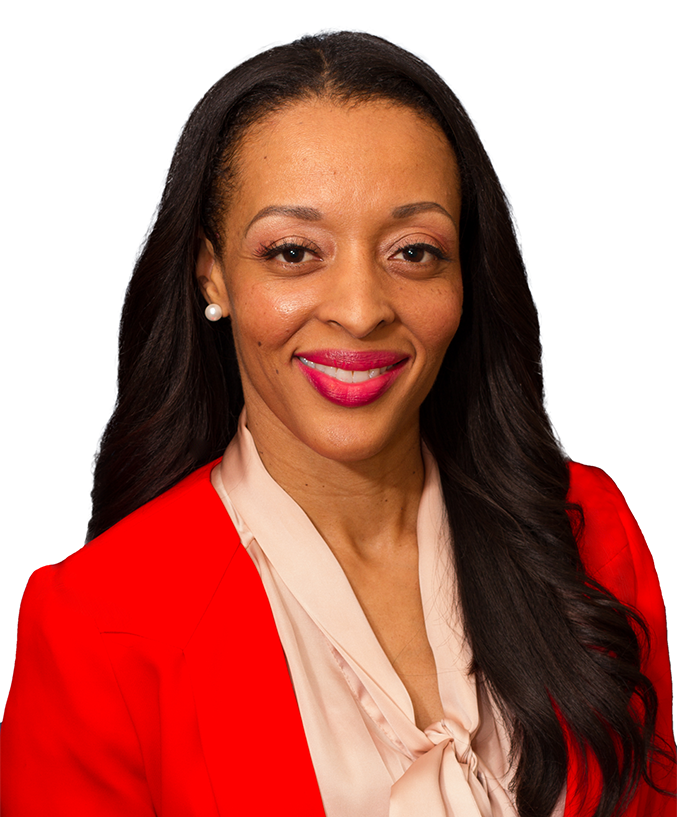
Brooklyn Park has named Dr. Angel Smith, a 20-year civil service veteran and Florida native, as its new assistant city manager. She will start on January 9, 2023. Photo: Courtesy City of Brooklyn Park
Dr Angel Smith e1671650327373
Brooklyn Park has named Dr. Angel Smith, a 20-year civil service veteran and Florida native, as its new assistant city manager. She will start on January 9, 2023. Photo: Courtesy City of Brooklyn Park

The Brooklyn Park City Council in its last meeting for 2022, on Dec. 12, voted unanimously to appoint Dr. Angel Smith as the city’s new assistant city manager. Dr. Smith will also be director of the administration department. She takes over from Wokie Freeman-Gbogba who left in August to lead operations at Youthprise, a Minneapolis nonprofit.

Her official start date will be January 9, 2023. That is also the day a new council that includes a new mayor will be sworn in.

Dr. Smith, a native of Florida, is moving over from neighboring Brooklyn Center after a five-year stint as that city’s communications director, and most recently its interim assistant city manager.

During her time in Brooklyn Center, she was responsible for crisis communications as the global spotlight turned on the city after the killing of Daunte Wright by former officer Kim Potter, which happened as the trial of Derek Chauvin was wrapping up in Minneapolis.

City Manager Jay Stroebel, as he introduced Smith to the council, said her hiring came after “she rose to the top of an applicant pool of 82 different folks that applied,” and noted that the selection process included “three rounds of interviews” and five panels comprised of among others, community members, community partners, staff members and Mayor Jacobson.

Dr. Smith joins a small group of Black professionals in the nation serving in the role. Ever since the city manager role was introduced in city government early in the 20th century, Blacks still form a small percentage of the city and county management demographic, according to International City/County Management Association (ICMA).

The Bureau of Labor Statistics, a federal agency, puts the number of Black city managers at a mere 3 percent and Latinos at just 6 percent.

Outside of major cities like Minneapolis and St. Paul, most suburban and rural towns in Minnesota have the council-manager form of government, as is the case in most of the United States.

Dr. Smith comes to Brooklyn Park with a wealth of experience beyond her time in Brooklyn Center.  She has had a 20-year career in various state and local government roles in Florida, Wisconsin and Minnesota.

She holds a BA in Legal Studies and Public Administration and a MA in Non-Profit Management and Public Administration, both from University of Central Florida. Her PhD in Organizational Leadership is from Nova Southeastern University.

Dr. Smith is Minnesota chapter president of the National Forum for Black Public Administrators (NFBPA). NFBPA will hold its 2023 national convention in Minneapolis and Dr. Smith is chair of the host planning committe.

“I just want to tell you how excited I am to be joining the team, I have been involved with a lot of the work here over the last 5 ½ years with the city of Brooklyn Park in my role at Brooklyn Center and I feel I am already home,” Dr. Smith said in brief remarks before the council.

Outgoing officials say farewells as Brooklyn Park’s first Black mayor prepares to take over

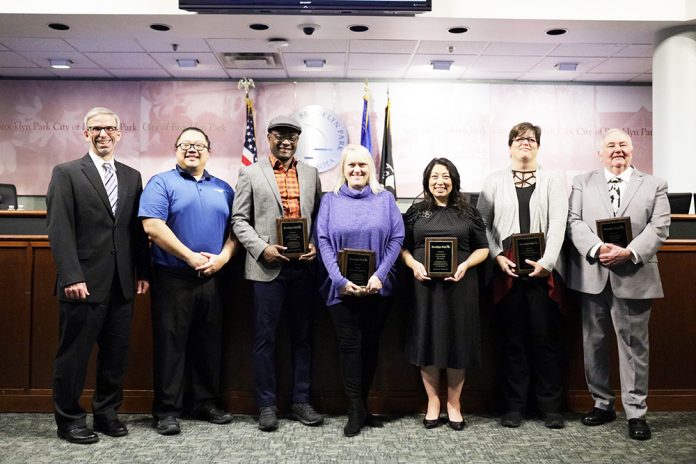
(L to R) Brooklyn Park city manager Jay Stroebel, councilmember XP Lee with outgoing councilmember Wynfred Russell, outgoing mayor Lisa Jacobson, councilmembers Susan Pha, Tonja West-Hafner and Terry Parks after a city resolution honoring the service of the outgoing councilmembers was read by Mayor Jacobson on Monday, December 12, 2022. Photo: Panashe Matemba-Mutasa/Mshale
Councilmembers with plagues
(L to R) Brooklyn Park city manager Jay Stroebel, councilmember XP Lee with outgoing councilmember Wynfred Russell, outgoing mayor Lisa Jacobson, councilmembers Susan Pha, Tonja West-Hafner and Terry Parks after a city resolution honoring the service of the outgoing councilmembers was read by Mayor Jacobson on Monday, December 12, 2022. Photo: Panashe Matemba-Mutasa/Mshale

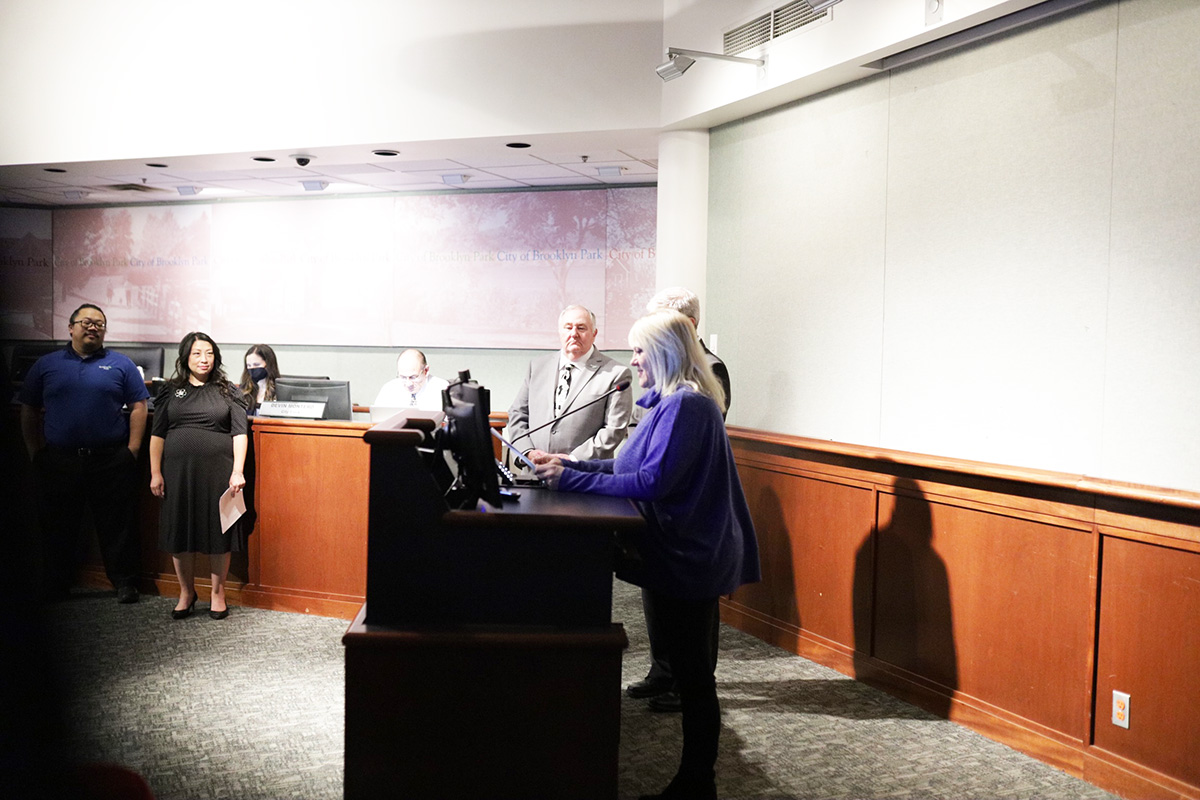
Brooklyn Park Mayor Lisa Jacobson held her last city council meeting Monday, joined by outgoing councilmembers who also came to say their final goodbyes. The council meeting also served as a forum to discuss the future of the city’s facilities, infrastructure, and the wellbeing of the community.

“I’ve been serving this community for the past 38 years, so this is really an emotional day,” Jacobson said, wiping her eyes at the podium.

In addition to wishing departing city officials well, the council meeting addressed some of the hot-button issues that Brooklyn Park has been facing for years mainly regarding community wellbeing. Safety has been a major concern for the city’s residents, which was highlighted last month by the fatal shootings of two 17-year-olds – Syoka Siko in Brooklyn Park, and Yaseen Johnson [a Brooklyn Park resident killed] in nearby Plymouth – which happened just one week apart.

Another issue raised was the public transit system. After years of planning, Brooklyn Park will have light rail going through the city that would be accessible to its residents in a project known as the Blue Line Extension, according to Metropolitan Council. The extension would run from downtown Minneapolis to Brooklyn Park and is aimed at connecting the region’s diverse population with educational and job opportunities outside the suburban city.

Situated west of the Mississippi River in northwest Hennepin County, Brooklyn Park has a population of around 84,000 residents, the sixth largest in the state. More than half of the city’s population are people of color, with non-white ethnic groups (Black, Asian, American Indian/Alaska Native, nonwhite Hispanic and Native Hawaiian/ Pacific Islanders) making up 60% of the population, according to Minnesota Compass.

Jacobson did not seek re-election and will be succeeded by Hollies Winston, who made history in November when he was elected Brooklyn Park’s first Black mayor. Jacobson said that although she entered politics at the urging of her supporters rather than her own desire to run, once she was in public service, she made an undying commitment to serve that lasted 38 years.

Lisa Jacobson reading resolutions
Outgoing Brooklyn Park Mayor Lisa Jacobson reads a resolution thanking outgoing councilmembers on Monday, December 12, 2022. Photo: Panashe Matemba-Mutasa/Mshale

“In my whole career, I’ve missed one city council meeting when I was in the hospital,” she said. “That’s how dedicated I am to this job.”
Outgoing councilmember Susan Pha, who is leaving after she was elected to the Minnesota State Senate in November to become the third Hmong American in the upper house of the state legislature, reflected on her experience serving her city since 2016. Pha has been involved in community service through volunteering and board positions at organizations such as Brooklyn Park Economic Development and Brooklyn Bridge Alliance. Although she would miss being able to serve at the local level, she said that she looked forward to the responsibilities her new role would bring.

“I am most excited about advocating for policies that will benefit everyone across the state and improve the lives of families and people,” Pha said.
Councilmember Tonja West-Hafner, who lost her re-election bid to Maria Tran, said that the hardest part about being on the city council was not being able to complete projects within the timeframe of a term. Hafner shared her involvement in advocating for homeowner loan programs, rental assistance, and the approval of the Blue Line station. Nevertheless, she expressed pride in the work she had done, and even alluded to a potential return.

“I’m not going anywhere,” Hafner said. “It’s been an honor to do this work, and don’t be surprised if you see me back up there in the future.”

Liberian-born Wynfred Russell, who instead of running for re-election to his city council seat in November chose to run for mayor but lost to Winston, was also honored for his service in a city council resolution. Russell thanked voters for electing him in 2019 to represent the West District, and his colleagues at City Hall for having confidence in him.

“The work continues,” Russell said, who during his tenure served on several committees and commissions, including the city’s Economic Development Authority. “We’re not going anywhere. We’re in this city. We’ll continue to do what we’ve aways been doing as we continue to do right by the people of Brooklyn Park.”

US deaths fell this year, but not to pre-COVID levels

0
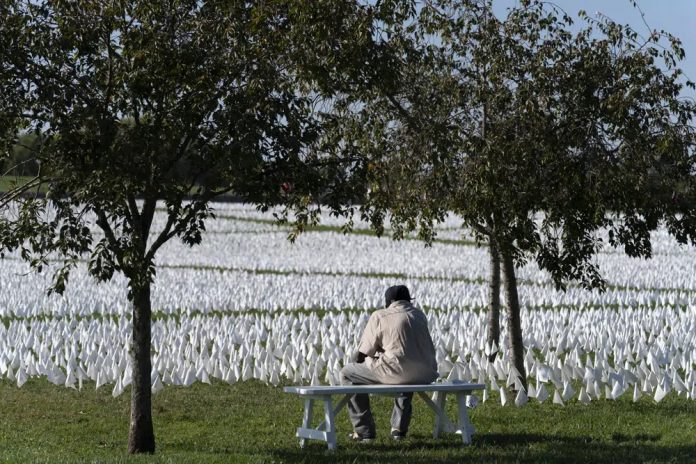
A visitor sits on a bench to look artist Suzanne Brennan Firstenberg's "In America: Remember," a temporary art installation made up of white flags to commemorate Americans who have died of COVID-19, on the National Mall in Washington on Oct. 2, 2021. The number of U.S. deaths has dropped in 2022 after soaring for two years during the COVID-19 pandemic, but it still is much higher than the levels before the coronavirus hit. Photo: Jose Luis Magana/AP File
US Covid Deaths 2022

The number of U.S. deaths dropped this year, but there are still more than there were before the coronavirus hit.

Preliminary data — through the first 11 months of the year — indicates 2022 will see fewer deaths than the previous two COVID-19 pandemic years. Current reports suggest deaths may be down about 3% from 2020 and about 7% vs. 2021.

U.S. deaths usually rise year-to-year, in part because the nation’s population has been growing. The pandemic accelerated that trend, making last year the deadliest in U.S. history, with more than 3.4 million dying. If current trends continue, this year will mark the first annual decline in deaths since 2009.

It will be months before health officials have a full tally. The October and November numbers are not yet complete and a late-December surge could change the final picture, said Farida Ahmad, who leads mortality surveillance at the Centers for Disease Control and Prevention.

If the decline does hold, it will still be a far cry from where the nation was before the coronavirus appeared. This year’s count is likely to end up at least 13% higher than what it was in 2019.

“We’re (still) definitely worse off than we were before the pandemic,” said Amira Roess, a George Mason University professor of epidemiology and global health.

Once again, most of the annual change is due to the ebb and flow of COVID-19, which has killed more than 1,080,000 Americans since it first was recognized in the U.S. in early 2020.

This year started off horribly, with about 73,000 COVID deaths in January alone — the third deadliest month from COVID-19 since the pandemic began. For 2022, “the bulk of mortality was concentrated during that omicron wave at the beginning of the year,” said Iliya Gutin, a University of Texas researcher tracking COVID-19 mortality.

Monthly COVID-19 deaths dropped below 4,000 in April and averaged about 16,000 per month through November. The monthly average for 2021 was more than double that.

COVID-19 will nevertheless end up as the nation’s third leading cause of death this year, just as it was in 2020 and 2021 — behind the perennial leader, heart disease, and cancer.

Heart disease deaths, which have tended to surge in tandem with COVID-19 deaths, are on track to be down from 2021, Ahmad said. And it’s not clear whether the number of cancer deaths will change, based on preliminary data.

There may be some relatively good news regarding drug overdose deaths, which hit an all-time high last year. Provisional overdose death data posted by the CDC on Wednesday — through the first seven months of this year — suggests overdose deaths stopped climbing early this year, around last winter’s end.

Also Wednesday, the CDC released its first report on deaths involving long COVID — long-term symptoms after a person has recovered from coronavirus infection. The CDC estimates that about 3,500 deaths from January 2020 through June 2022 involved long COVID. That’s about 1% of deaths in which COVID was deemed the underlying or contributing cause.

Experts believe pharmaceutical weapons against the coronavirus have been making a difference. The Commonwealth Fund this week released a modeling study that concluded the U.S. COVID-19 vaccination program prevented more than 3.2 million deaths.

“We all really would expect that the number of deaths — and the number of severe cases — would decrease, due to a combination of immunity from natural infection and vaccination … and treatment,” Roess said.

The Cedar hosts a successful Afrobeat Dance Party

0
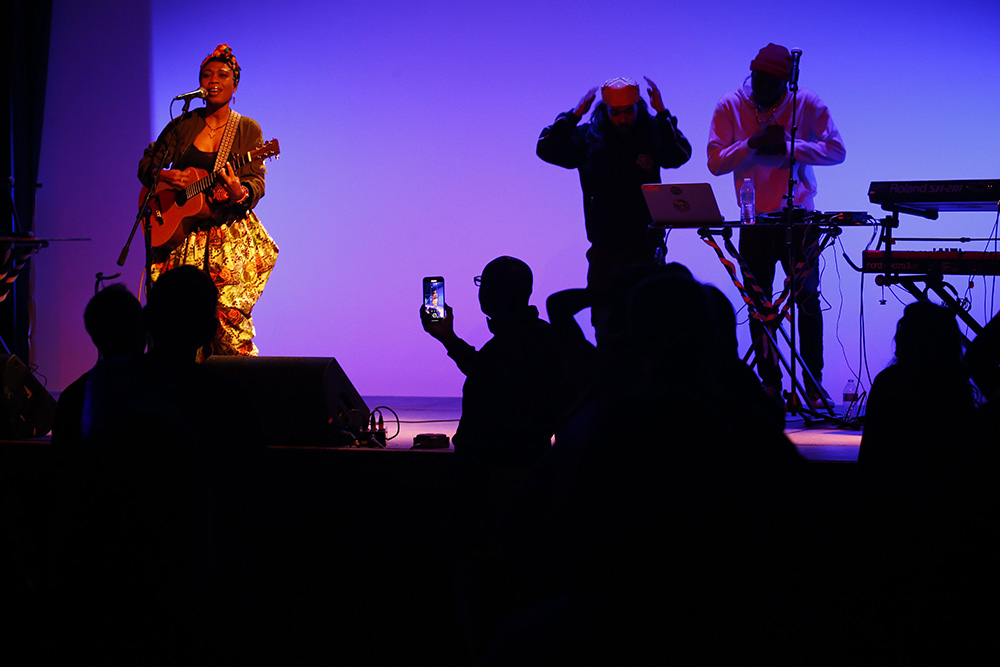
Tip for Mobile Users: Hold your phone in landscape mode to enjoy the photos. Carolyne Naomi and Fanaka Nation performing at The Cedar Cultural Center during a Minneapolis Afrobeat Dance Party the two hosted on Saturday, December 10, 2022. Photo: Richard Ooga/Mshale
Minneapolis Afrobeat 1
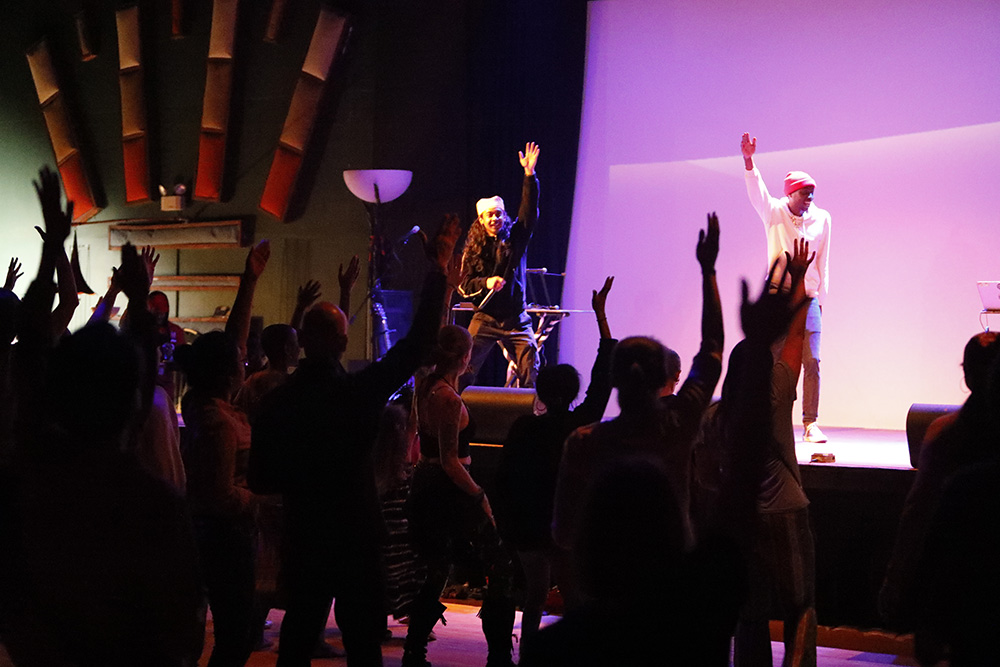
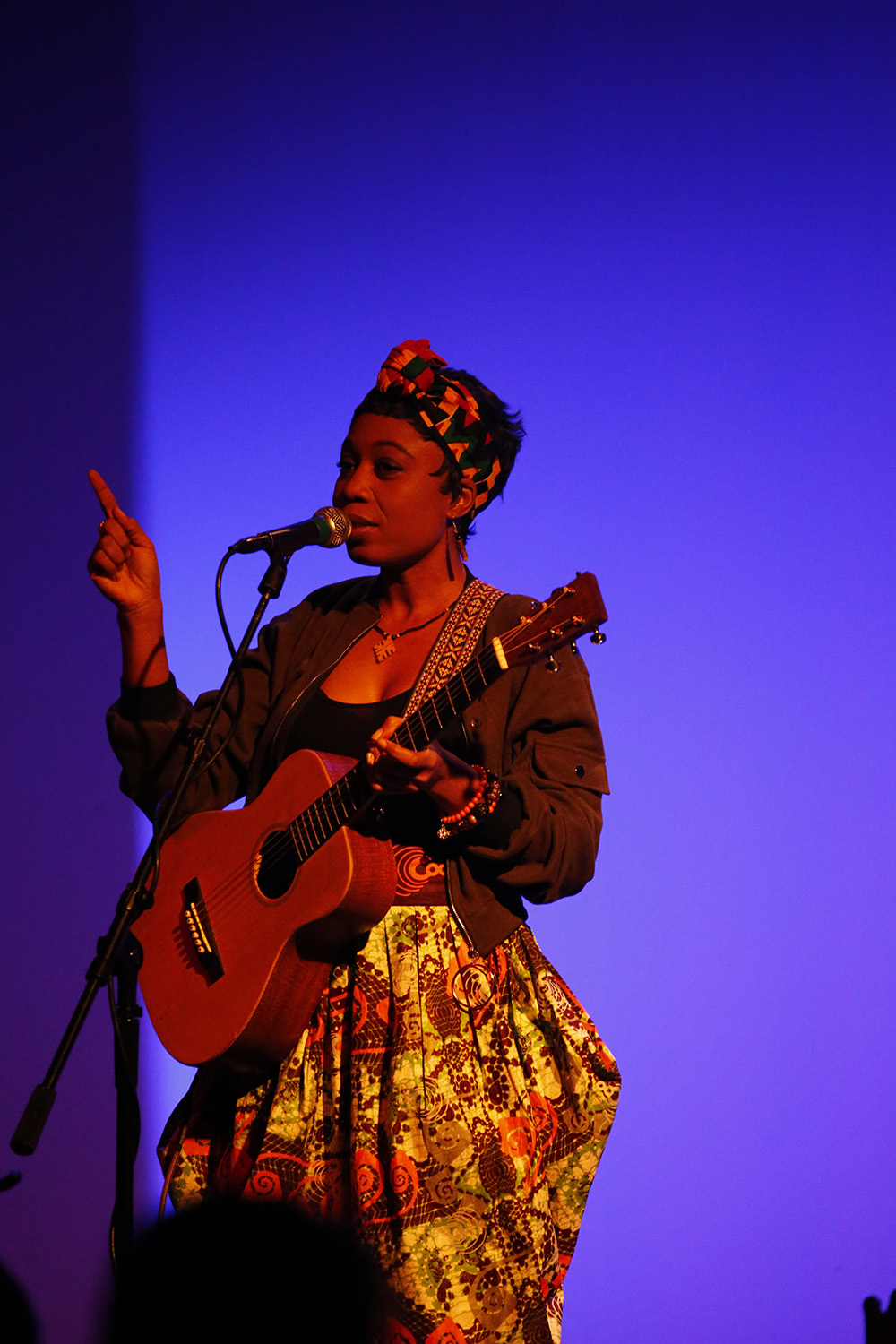
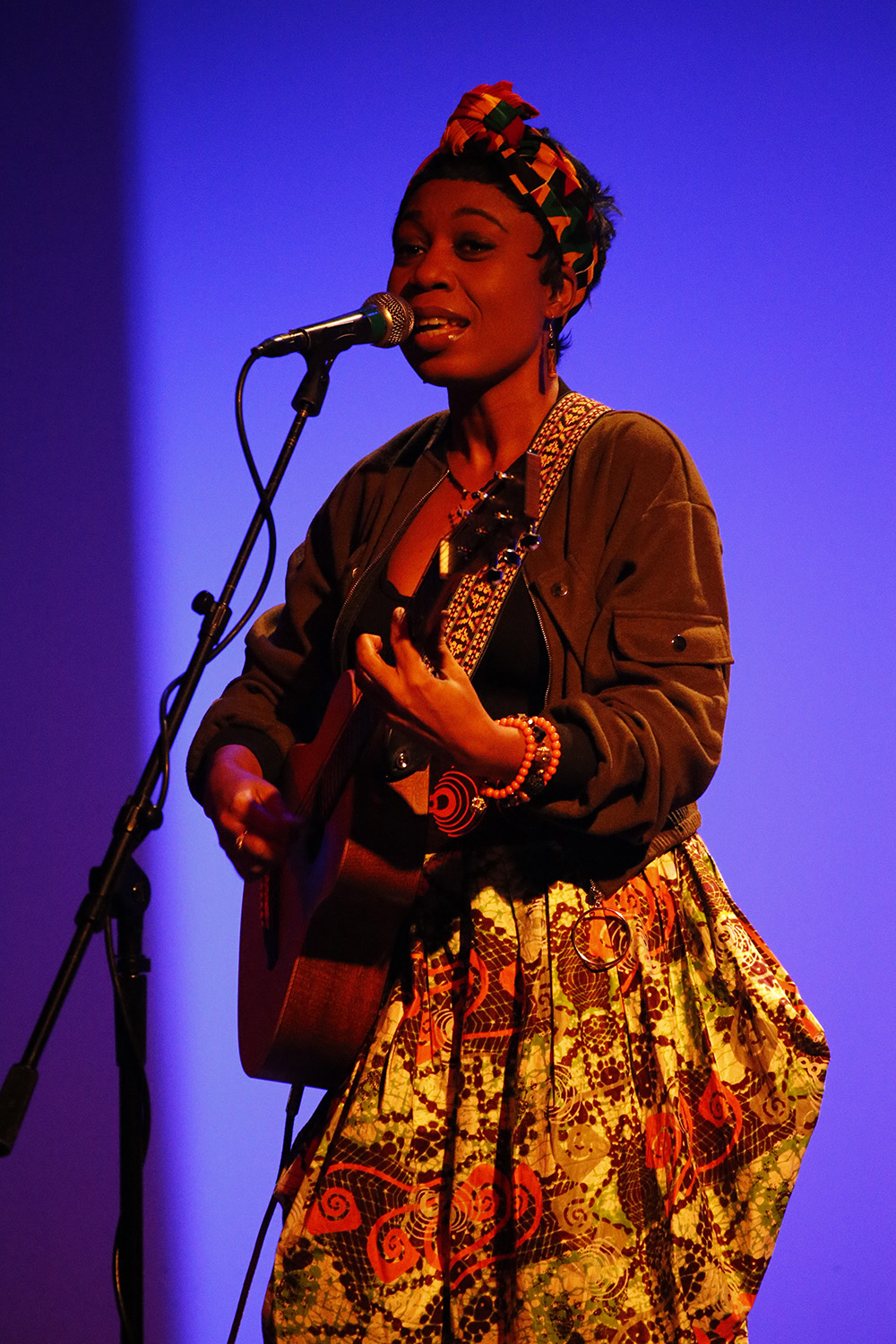
Tip for Mobile Users: Hold your phone in landscape mode to enjoy the photos. Carolyne Naomi and Fanaka Nation performing at The Cedar Cultural Center during a Minneapolis Afrobeat Dance Party the two hosted on Saturday, December 10, 2022. Photo: Richard Ooga/Mshale

AfroBeats Dance Party started at 8 pm Saturday night at the Cedar Cultural Center, but no one was on the floor dancing. House manager, Kendall, did not look alarmed. Nor should he have been. He knew the pre-sale tickets were strong and people were buying tickets at the door as well.

When DJ Salif Keita started spinning, a couple started grooving. After several minutes, though, they stopped. Keita did not. He persevered for ten more minutes to an empty floor until he played a song released in 1971 by Bill Withers, Ain’t No Sunshine. But this version, tricked out with beats that made the room pop like a bottle of champagne brought everybody to the dance floor.

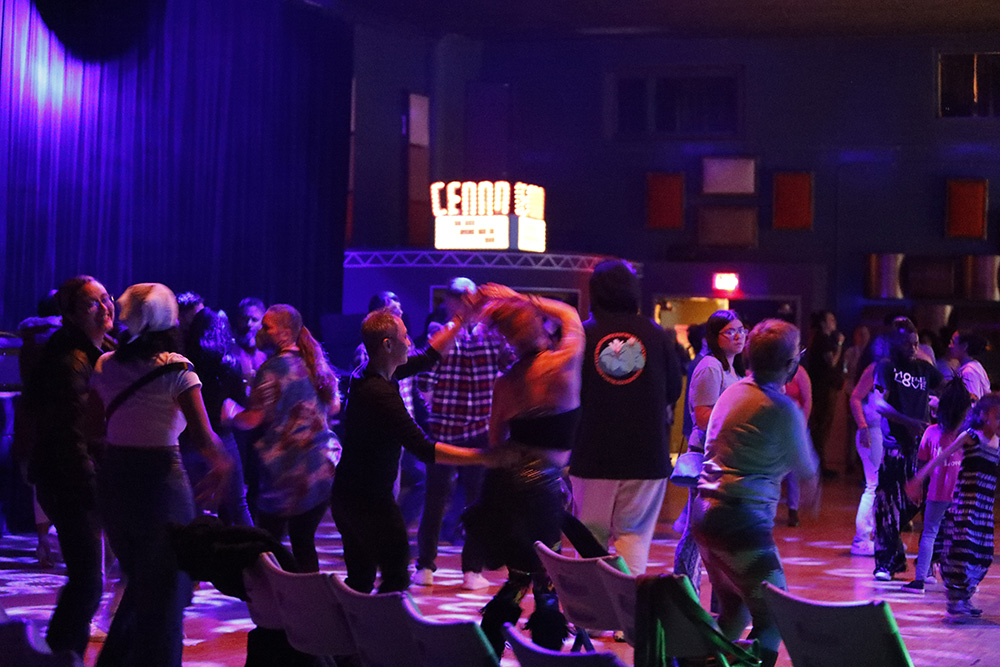
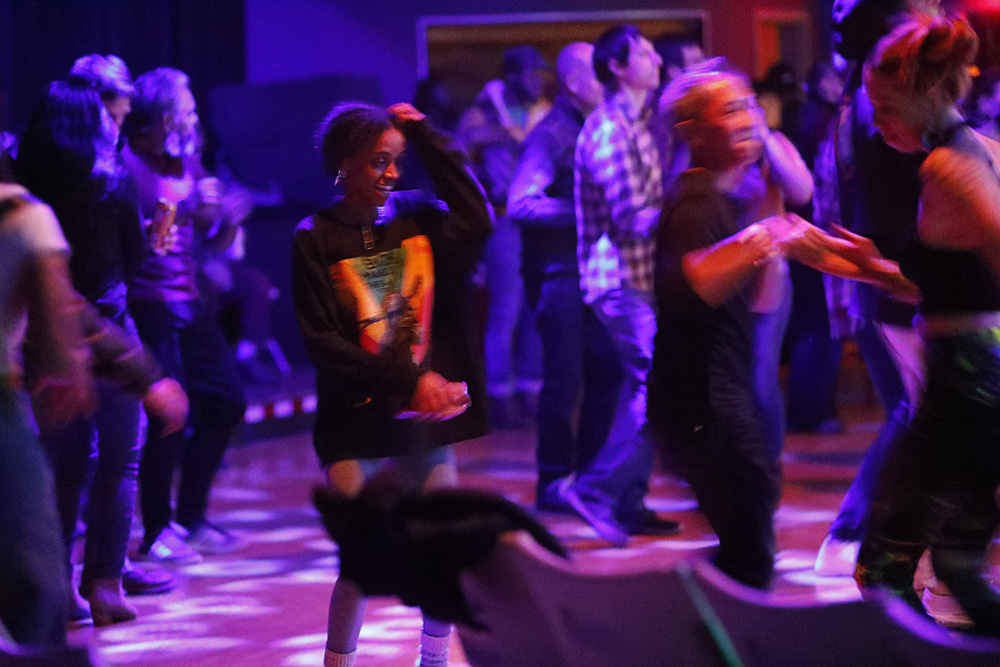
New dancers poured in the door until, Kendall estimated, 185 attendees enjoyed the show. The dance skills ranged from those who stepped side-to-side and snapped their fingers, to soukous dancers rolling their hips, to full-on breaking making it easy to see why it’s become an Olympic sport.

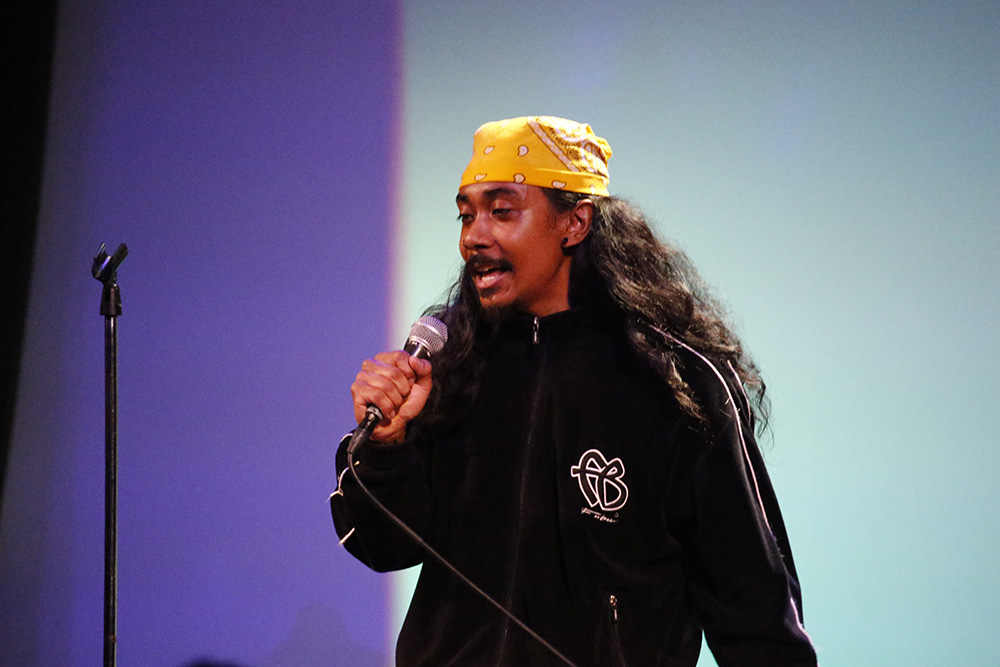
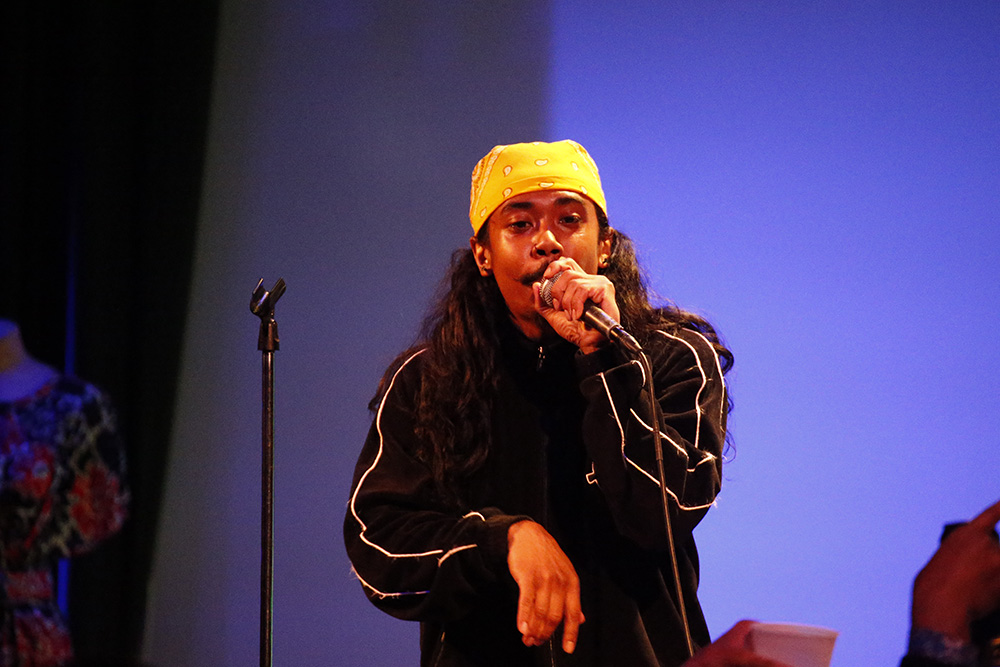
Abstract geometric shapes bloomed on the screen behind the DJs and musicians. A disco-ball glittered overhead. Chai was served along with harder beverages from the bar. Host Fanaka Nation weaved around on stage and off like a darter fish, his infectious smile and ready dance moves stir the disparate clusters of people into a unified dancing community.

Young men in checkered flannel shirts looking as if they drove a tractor to the Cedar were dancing alongside women with stiletto heels and leather mini-skits next to children who weren’t old enough to ride the roller coaster at Valleyfair. All were grooving as one to the music both on vinyl and produced live.

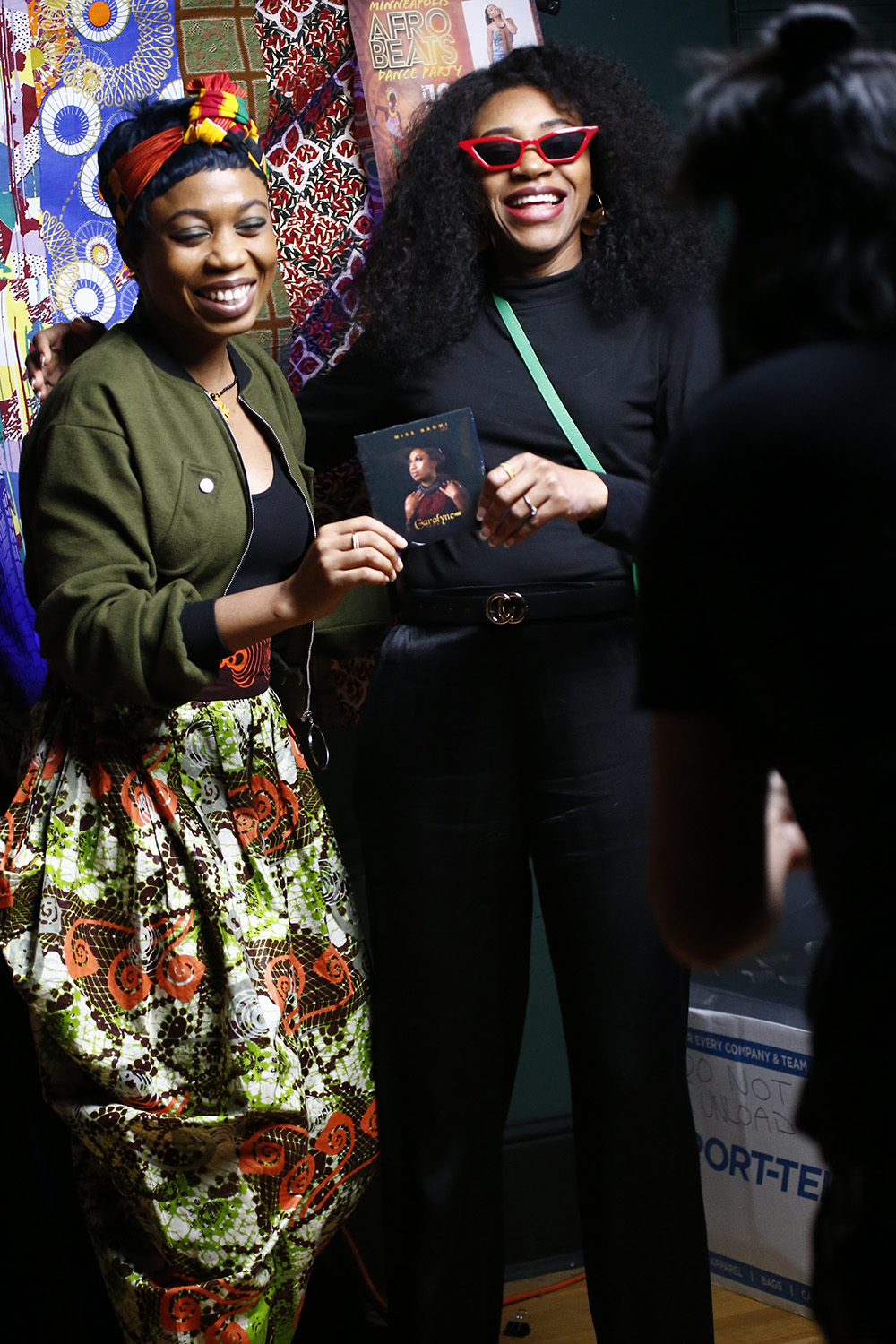
The crowd slowed down to listen when Nigerian-American Carolyne Naomi took the stage. She performed four songs including two from her recently released EP Miss Naomi. Somehow, she managed to find a woman from Switzerland to announce in French her last song, Avec Moi.

All eyes fixed on Fanaka Nation as he flipped off the stage into the crowd and initiated a dance circle. Over a dozen dancers took turns solo-ing including one of the children. Eventually, the circle filled in with dancers until everyone was again dancing.

Neither of the two slated DJs could make the show, but the last-minute substitution wasn’t noticeable because the two DJs that filled in were completely up to the task. King Swank, artist, DJ, and dancer from Uganda, spun numbers that appealed to every ear.

In the last quarter of the show, Fanaka Nation offered some direction to King Swank when he called out, “Let’s take it around the world. We’ll start in West Africa…let’s go!” King Swank complied and continued to play songs from South Africa to Nairobi Kenya to Lagos Nigeria. The crowd dispersed with flushed cheeks and bright eyes.

Gallery: Minneapolis Afrobeat Dance Party

0
Tip for Mobile Users: Hold your phone in landscape mode to enjoy the photos. Carolyne Naomi and Fanaka Nation performing at The Cedar Cultural Center during a Minneapolis Afrobeat Dance Party the two hosted on Saturday, December 10, 2022. Photo: Richard Ooga/Mshale
Minneapolis Afrobeat 1
Tip for Mobile Users: Hold your phone in landscape mode to enjoy the photos. Carolyne Naomi and Fanaka Nation performing at The Cedar Cultural Center during a Minneapolis Afrobeat Dance Party the two hosted on Saturday, December 10, 2022. Photo: Richard Ooga/Mshale

Fanaka Nation and Carolyne Naomi hosted the all ages Afrobeat Dance Party at The Cedar Cultural Center on Saturday, December 10, 2022. Mshale’s Chief Photographer Richard Ooga was on the scene to capture the images.


Nigerian women’s group continues COVID-19 vaccinations, reminds community virus isn’t gone

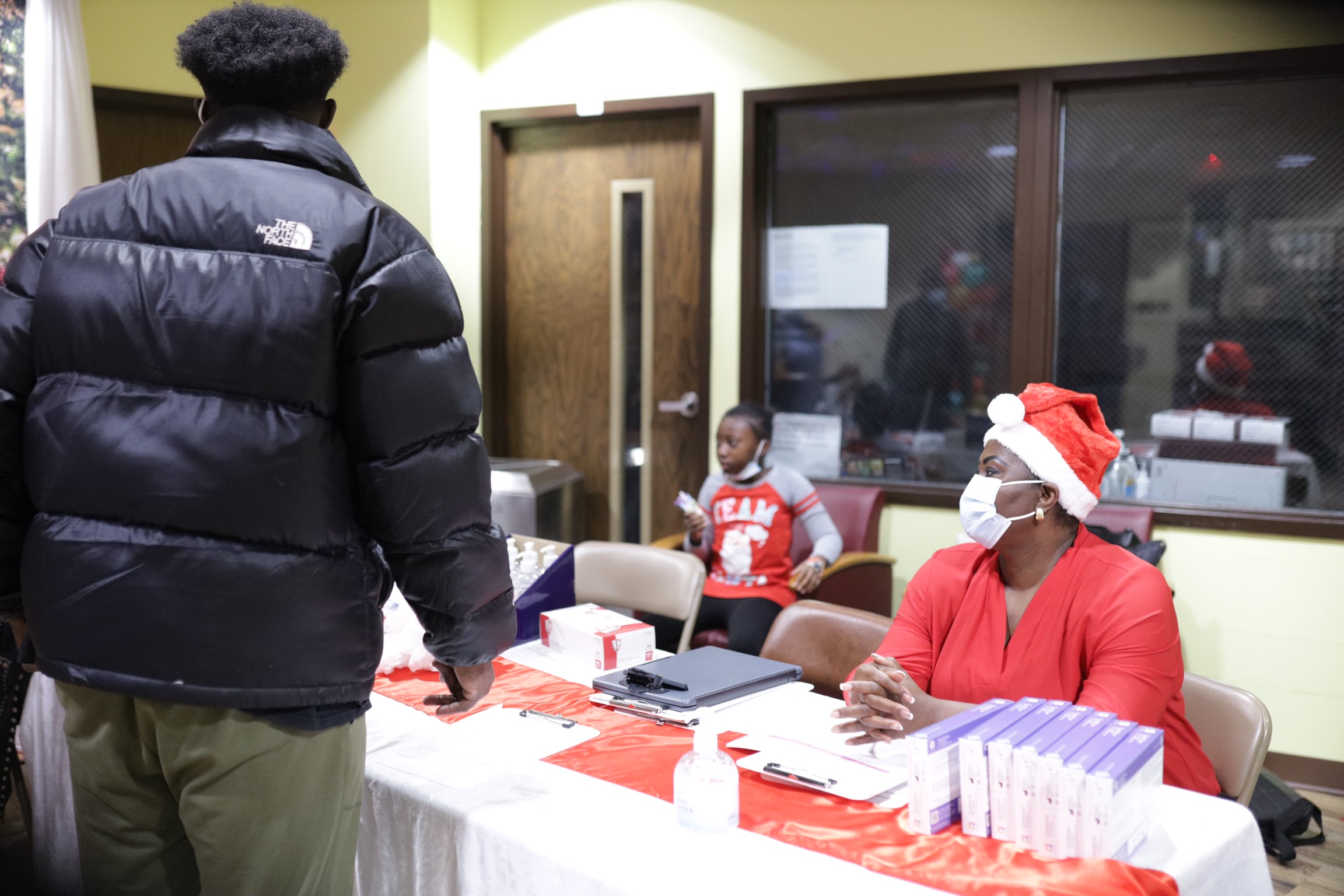
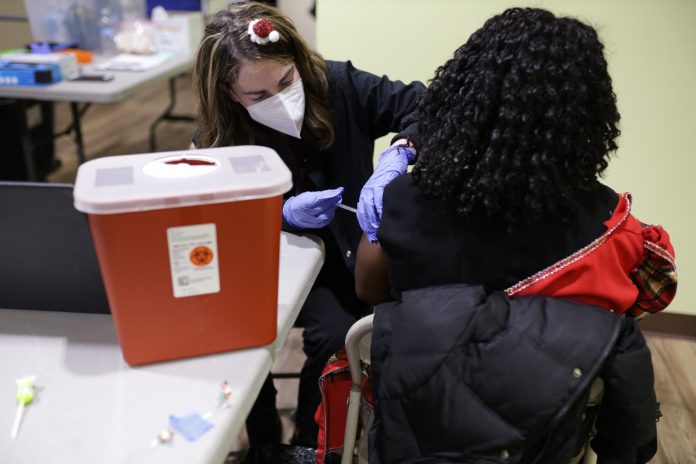
Ngozi Wamuo receives her biValent Covid booster shot at Brooklyn United Methodist Church in Brooklyn Center, Minnesota on Saturday, December 10, 2022 during a pop-up vaccine clinic organized by the Igbo Women League of Minnesota. Photo: Panashe Matemba-Mutasa/Mshale
wamuo getting vaccinated
Ngozi Wamuo receives her biValent Covid booster shot at Brooklyn United Methodist Church in Brooklyn Center, Minnesota on Saturday, December 10, 2022 during a pop-up vaccine clinic organized by the Igbo Women League of Minnesota. Photo: Panashe Matemba-Mutasa/Mshale

Efforts by African immigrant health care professionals in Minnesota to create COVID-19 awareness in their community continue. On Saturday, it was the Igbo Women League of Minnesota (IWL) hosting a COVID-19 vaccination and education at Brooklyn United Methodist Church in Brooklyn Center. The event, which IWL organized in partnership with the Minnesota Department of Health (MDH), encouraged members of the community to get vaccinated by offering them incentives like gift cards and even catfish, a cultural food.

“Our vision of a healthy Brooklyn Center is what compels us to do what we do,” said Ugo Ukabam, IWL’s communications manager.

Founded on Thanksgiving in 1994, IWL began when three women, Amaka Onwumere, Benedette Ojiaku, and Rositta Nwaokolo, saw a need for a group bringing together women from the Igbo community of Nigeria living in Minnesota. By 2003, the organization had launched a scholarship program for girls in need in Nigeria and was working to preserve Igbo cultural heritage in Minnesota. In the middle of the coronavirus pandemic, IWL became a Covid Community Coordinator, an MDH program that brings local organizations together to deliver COVID-19 vaccines and preventative and materials like hand sanitizers to communities in need.

21BDAA07 94F0 4511 A5D1 F0F1C47993CE
A member of the Igbo Women League of Minnesota helps Denzel Fondungallah check in for his second booster shot during a pop-up vaccine clinic IWL hosted at Brooklyn United Methodist Church in Brooklyn Center on Saturday, December 10, 2022. Photo: Panashe Matemba-Mutasa/Mshale

The IWL and MDH COVID-19 vaccination program meets participants where they are by providing a culturally sensitive alternative to a clinical setting. Research published by the Commonwealth Fund found that in 2021, just 42 percent of Black Americans said they would be willing to get the vaccine. Hesitancy to undergo necessary medical procedures are believed to stem from Black people’s lengthy history of “medical mistrust”, a term coined for attitudes of skepticism toward the clinics that can be traced back to slavery, when early gynecologists would perform gruesome procedures on Black women slaves without anesthesia. Medical mistrust ultimately prevents people from receiving needed care. By providing hosting the vaccination event twice a month, IWL provides a space for the community to get vaccinated while alleviating some of the fears that come with going the traditional route.

Denzel Fondungallah, an accountant, waited in line to receive his second booster shot. He said that the process of getting his first shot was “hectic,” even in South Dakota where attitudes were laxer. At the time, Fondungallah was a football player at Augustana University and was out for the season due to restrictions, so he was eager to be able to get vaccinated when the time came. He said that it was important that IWL could reach populations that otherwise may not have gotten vaccinated.

“The pandemic was life altering for us all, so it’s good that IWL can work to get us all back to normalcy,” Fondungallah said.

Mogaka
Matu Mogaka, a senior at Lakeville North High School awaits her first Covid booster shot at Brooklyn United Methodist Church in Brooklyn Center on Saturday, December 10, 2022 during a pop-up vaccine clinic organized by the Igbo Women League of Minnesota. Photo: Panashe Matemba-Mutasa/Mshale

Matu Mogaka, a senior at Lakeville North High School, awaited her first booster shot. For Mogaka, the effects of the pandemic were “depressing” because the isolation period lasted from her freshman year through the middle of her junior year. She said that because her parents were so strict, she was not allowed to see anyone in person. After a two year wait, she was “more than ready” to get the vaccine.

“I still feel like I missed out on a huge chapter in my life, but I’m glad I was able to get that first dose when I did,” Mogaka said.

Mogaka also said she was excited to get boosted and to see those in her community take advantage of the opportunity. She said that, from her perspective, many in the African community do not seem as enthusiastic about going to clinics. Most notably, she recalled the difficulties she encountered in the past while to trying to convince her grandmother to go into a clinic. In addition to people experiencing medical mistrust, Mogaka said the COVID-19 event was good for people who may have other hang-ups about being vaccinated in clinics.

“I think this is a great outreach effort to protect people that are apprehensive about catching illnesses, especially since Covid is not over,” Mogaka said.

ug in middle amrill to her left
Ugo Ukabam, third left, the Igbo Women League of Minnesota (IWL) communications manager and Amrill Okonkwo, second right, IWL’s COVID-19 project manager, with other IWL members after the conclusion of a vaccine event the organization hosted at Brooklyn United Methodist Church in Brooklyn Center on Saturday, December 10, 2022. Photo: Panashe Matemba-Mutasa/Mshale

Community member Ngozi Wamuo was there for her fifth dose. She said that she was proud to see IWL transforming the health of the community after more than two years grappling with the pandemic. She also emphasized the importance of getting vaccinated from a communal health standpoint.

“I think it’s good that Igbo Women League can have an event where people are encouraged to protect themselves and others,” Wamuo said.

Amrill Okonkwo, the project manager for the COVID-19 vaccine event, said that when the pandemic began, IWL saw it as a challenge to ensure community wellbeing. Throughout the operation of the project, she says IWL has served West Africans from various countries, but their primary target has been refugees and immigrants. If the people on the outskirts can be reached, she said, Brooklyn Center could be one step closer to a healthier future.

“We just want our community to be safe and to return to normalcy,” Okonkwo said.

Upcoming Minnesota COVID-19 testing & vaccination events for December

0
coronavirus 2.tmb 479v
Upcoming Minnesota COVID-19 testing & vaccination events for December

The Minnesota Department of Health (MDH) works in partnership with communities to provide safe and free on-site COVID-19 vaccines.

Completing your primary vaccination series and getting a booster dose when due remains the most important way to protect yourself and others from COVID-19. COVID-19 vaccines continue to be very good at preventing severe disease, hospitalization, and death. Make sure you and your family are up to date on any COVID-19 vaccine doses you are recommended to get to have the best protection against COVID-19.

  • How to get a free vaccine
    • Use the state’s Vaccine Locator Map to find a vaccine provider near you
    • Check for vaccine appointments using Vaccine.gov (you can search for appointments by vaccine type: Pfizer vaccine, Moderna vaccine, Johnson & Johnson vaccine)
    • Contact your primary health care provider or a local pharmacy.
    • Employers may also reach out with information for vaccination opportunities.

Vaccination Events:


Asian Media Access

  • Pop Up Vaccination at Art of HEALING with Youth Entrepreneurship Activities

Igbo Women League of Minnesota

  • COVID-19 vaccine clinic
    • Saturday, December 10, 2022
    • 4 – 8 p.m.
    • Pfizer vaccine and bivalent boosters available
    • At-home rapid COVID-19 tests available
    • Brooklyn United Methodist Church
    • 7200 Brooklyn Blvd, Brooklyn Center
    • IWL Vaccination Event 12.10.jpg

Autism Society of Minnesota & Multicultural Autism Action Network

  • Three COVID-19 and flu vaccine events for children with Autism Spectrum Disorder
    • Tuesday, December 13, 2022
      • 8:30 a.m. – 4 p.m.
      • St. Paul Primary Care Clinic
      • 347 N. Smith Avenue, Garden View Suite 302, St. Paul
      • To schedule an appointment, call 651-220-6700
    • Thursday, December 15, 2022
      • 8:30 a.m. – 4 p.m.
      • Partners in Pediatrics Maple Grove Primary Care Clinic
      • 12720 Bass Lake Road, Maple Grove
      • To schedule an appointment, call 763-559-2861
    • Friday, December 16, 2022
      • 8:30 a.m. – 4 p.m.
      • Partners in Pediatrics Brooklyn Park Primary Care Clinic
      • 8500 Edinbrook Parkway, Brooklyn Park
      • To schedule an appointment, call 763-425-1211
    • Children’s Minnesota AuSM and MAAN vaccine clinics flyer.pdf

TAKS

  • Community COVID-19 vaccination event
    • Thursday, December 15, 2022
    • 2 – 6 p.m.
    • Pfizer vaccines and bivalent boosters available
    • $50 incentive
    • 2601 Minnehaha Avenue, Minneapolis

TAKS Vaccination Event 12.15.pdf

Status of COVID-19 in Minnesota

0
coronavirus 2.tmb 479v
Status of COVID-19 in Minnesota

Updated December 8, 2022

  • Total positive including reinfections: 1,719,549
  • Total deaths: 13,773
  • Total cases requiring hospitalization: 77,591
  • Total cases hospitalized in ICU: 13,267

Numbers are cumulative since Jan. 20, 2020.

The number of lab-confirmed positive tests among Minnesota residents will be updated weekly on Situation Update for COVID-19 with data as of 4 a.m. on the Tuesday prior. The page also includes a map of counties with confirmed cases, data by race/ethnicity, and more.

This total reflects only the results from laboratory testing. There are more cases in Minnesota, and the virus is circulating in communities. It is important for everyone to take steps to protect themselves and others through vaccination, testing, staying home when sick, and more.

Updated December 8, 2022

  • People with at least one vaccine dose: 4,003,084
  • People with completed vaccine series: 3,763,339
  • People up to date with vaccine doses: 1,103,626