I have lived and worked in the United States for a long time now, but just when I think I have seen enough of the life of the Somali in the diaspora, something new comes up.
I was recently driving through the US state of Texas on my way to California when my train of thought was interrupted by a phone call from a female friend.
“Hassan, I will never talk to you again,” she said.
“What did I do?”
“Two years ago, you wrote about my brief marriage.”
“No, I did not.”
“In your piece, ‘Spouses in Crisis,’ you called it a ‘blink-and-you –missed-it’ marriage.”
“Did I mention your name and your former husband’s?”
“No.”
“Then it was not you. It was about a woman who was married to a control freak. Your ex was not a control freak.”
“Never mind, just forget about it,” she said and then changed the topic.
The above call is an example of how prevalent aborted or short term marriages are in the Somali communities in America.
The example of my friend is by no means the exception. There are plenty of examples of similar incidents which I recount below. These are true stories, of neither friends nor foes, relayed to me by people I’ve met in the course of my everyday life. Names and locations have been changed to protect individual privacy of the people involved.
I Object
“Abdi” is a cleric based in Oregon. He has conducted a lot of marriages and is frequently called upon to travel to other states. He has a sense of humor and is quick to remind you that he is a man of religion. “Would you mind if I name-drop and mention God?” he inquired as I talked to him recently.
I asked him if he had ever conducted a marriage ceremony in which someone objected. He looked at me smiling and paused for a few seconds.
“Well, it happened to me not once, but twice,” he said. “In my line of work, I guess, it is an occupational hazard.”
On both occasions, as Abdi was conducting a marriage ceremony, someone in the audience shouted at him to stop the proceedings. It is not part of Somali culture for an officiating cleric to ask if any of the attendees of a marriage ceremony have an objection, that famous “speak now or forever hold your peace” is unknown.
It turns out the brides were already married and about to make the cleric to commit a sin of betrothing them to someone else.
“In one case, a man said his brother in Kenya was still married to the would-be bride,” the cleric said. This was an embarrassing moment, of course, he added, and he had no choice but to confer with the marrying couple in private to clarify the matter. The ceremony had to be stopped.
Dowry Blues
“Ali,” a young man in his late twenties, lives in Columbus, Ohio. He has attended many weddings, he said. Columbus, after all, has the second largest Somali community in the U.S. after Minneapolis. One marriage ceremony however left a bad taste in his mouth.
“It was the weirdest marriage ceremony that I ever attended,” he said.
Ali explained that it was for a young couple in their twenties, and more than a hundred people were present when the ceremony commenced. The food was ready to be served and he could smell the aroma of the lamb, rice, and samosas. The officiating cleric asked the groom if the agreed-upon dowry of $10,000 was fine.
“$10,000?” the groom screamed.
“Yes, that is how much the bride is asking for,” clarified the cleric.
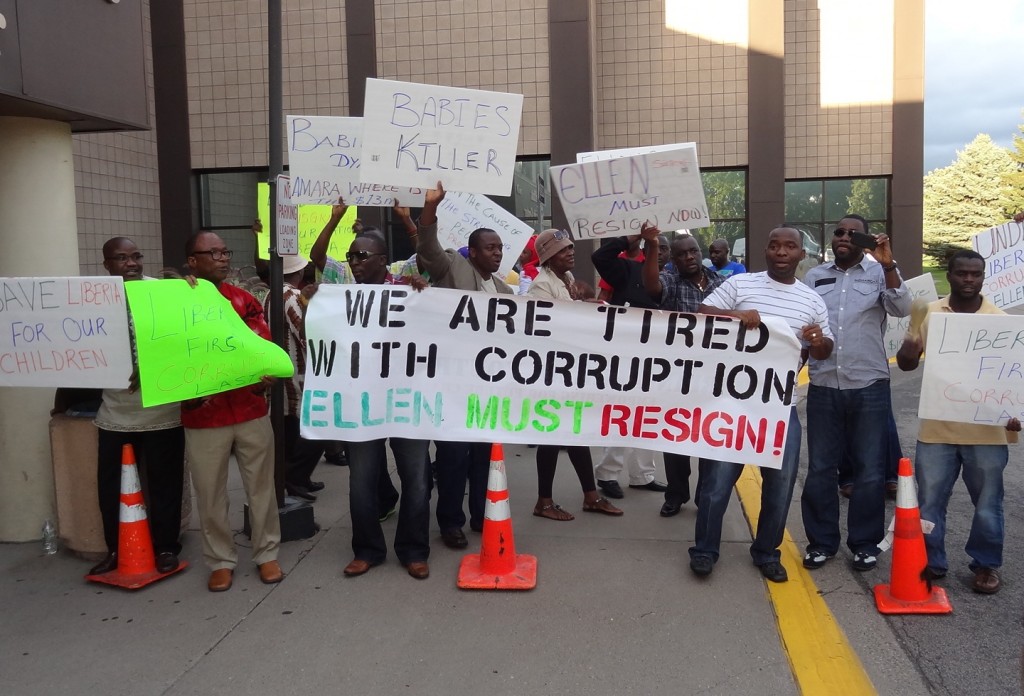
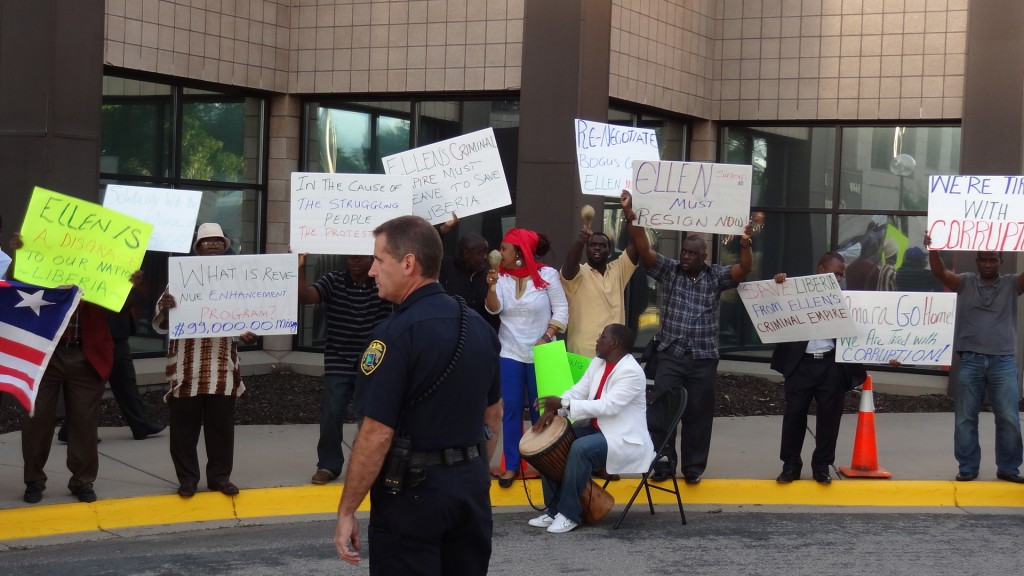
A police officer monitors the two groups of protestors during a protest against Minister Konneh on July 26, 2013 in Brooklyn Park, Minnesota. Photo: Wynfred Russell/Mshale
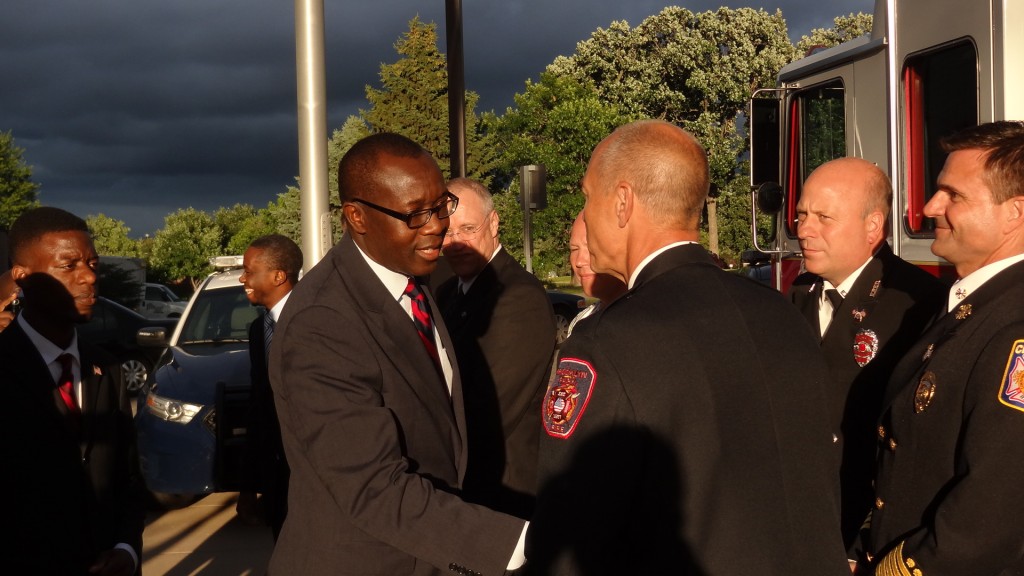
A police officer monitors the two groups of protestors during a protest against Minister Konneh on July 26, 2013 in Brooklyn Park, Minnesota. Photo: Wynfred Russell/MshaleDemonstrators from the group Movement of Liberians Against Corruption demonstrate outside Brooklyn Park Community Center where Liberia's Minister for Finance, Amara Konneh, spoke on on July 26 2013 . Photo: Wynfred Rusell/MshaleMinister Konneh greets Brooklyn Park fire officials upon arrival. Photo: Wynfred Russell/Mshale
After weeks of contentions and bickering surrounding the decision of the Organization of Liberians in Minnesota – OLM – the lead community organization, to invite finance minister Amara Konneh to keynote its official July 26th Independence Day program, the event was held without incident and went well into the night.
Minister Konneh, who arrived at the event center in a two-car SUV convoy, was flanked by six men who appeared to be plain-clothes private body guards. Smiling and shaking hands with the City of Brooklyn Park officials who had assembled to greet him in front of a brand new fire truck they later presented to Liberia, Konneh walked through two groups of opposing Liberians chanting pro and contrarian slogans.
A heavy police force separated the groups. One made up of supporters, wearing white tee shirts, and the other of a group calling itself the Movement of Liberians Against Corruption (MOLAC). Minister Konneh turned to the more than 50 protestors of MOLAC, who condemned his visit because of what they called “corruption and bad governance” in the Johnson-Sirleaf administration, and waved. They responded with boos and jeers, while pounding their drums and waving signs some of which read: “Amara Go home. We Are Tired With Corruption!”
The group’s co-organizer, Seyon Nyanwleh, issued a statement accusing Konneh of being a “key official of the Liberian Government and a close ally of President Ellen Johnson Sirleaf,” under whose administration Liberia has received the dubious recognition of being the “most corrupt country in the world,” questioning where a $13.3 million grant to support maternal health from the European Union has gone, when all of the hospitals where Konneh said the money went have denied ever receiving the funds.
Konneh acknowledged the group’s concerns and even cheered their courage to join the fight against corruption. But the minister’s speech drew mixed reactions from different audiences in Minnesota—a sign that Liberian-Americans’ frustrations with political leaders in their homeland to address corruption and lack of public services are deepening. People said they expect the government to do more to improve the lives of average Liberians.
Konneh spent a good part of his hour-long speech referencing his family history. And there is a good story there. He built on that past by pointing to how Liberia is made up of immigrants and how the values instilled in him by his Guinean grandfather helped shaped his future. Standing relaxed in front of a packed hall, his message was poignant and somewhat reflective: “The Mandingos and Fulanis, as you know, are spread across West Africa. Our population is denser in other countries such as Guinea, Ivory Coast, Senegal and Mali – that’s why we are not considered Liberians. But equally so, the Lormas and the Kpelles, Krus and Krahns are regional groups.”
Many attendees told Mshale News that his speech was “all over the place” and short on substantive policy issues to address the myriad of problems facing the post-war county. They said it instead sounded more like a plea for acceptance of his ethnic Mandingoes. However, midway into his address he found an opening to draw a clear distinction between the Johnson-Sirleaf administration and previous governments.
“We have brought about a quiet revolution in the Liberian government. Today, there is increased voice and accountability than ever at any time in the history of our country. There is more political freedom than at any time of our history,” he said.
Later at an interactive town hall forum on Saturday, intended to allow Liberians to engage Konneh directly, the issue of the EU $13 million health sector donation was front and center.
The minister acknowledged he made some mistakes in handling the question of the money when it first erupted. He said he should have sat down with Ministry of Health officials to clarify the procedure used to allocate the funds to hospitals and health centers around the country.
He admitted that graft is widespread in Liberia and a major distraction but deflected all criticisms directed toward the executive branch, adding, “I don’t have control over corruption in the government.”
“The Transparency International report didn’t say that the Ministry of Finance or the Executive Mansion were corrupt. The report didn’t say that the government was corrupt. It said corruption exists in the judiciary and police,” Konneh stressed.
Even though the Transparency International 2013 Global Corruption Barometer that the minister was talking about named the National Legislature as one of the most corrupt entity in the country as claimed by 96% of Liberians interviewed, Konneh refused to mention the legislature in his response to a question about the source of corruption in government. He instead joked that he didn’t want to say anything for fear of it being interpreted as an indictment of the legislature for corruption because budget hearing was coming up and he didn’t want members of the legislature to retaliate and slow passage of his budget.
“He seems well-meaning,” said Edward Carter, former mayor of Bentol City and a historian who co-moderated the forum. “The system may not be giving him the latitude to fight corruption and for him to do what he would like to do to put government’s fiscal house in order.”
He further noted, that despite the controversy, “Konneh articulated the development policy of the government, which in my estimation, when implemented could put Liberia on the path to sustainable growth and development.”
But others took a more circumspect position when describing the minister’s performance at the open town hall meeting.
“I needed to hear some specifics on fiscal policy that would dampen the current economic hardship in the country. How do we reduce the high unemployment rate? What is the government doing to spur economic growth?” asked Milton Massaquoi, branch manager at a Wells Fargo Bank in suburban St. Paul. “I was looking to hear about policies to support small business development and alleviate the jobless rate.”
The controversy to select Konneh as guest speaker and the boisterous noise from protesters outside the hall where he spoke on Friday did little to discourage the more than 400 people from attending the Independence Day program and over 100 who participated in the town hall forum the following day. But many guests complained that the events were poorly organized and reflected negatively on the image of the Liberian community in Minnesota, one of the largest in the Diaspora. The OLM sent out a “statement of apology” Tuesday for “not delivering on food services” during the July 26th program that people paid $20, $35, and $50, respectively, to attend. The organization promised an investigation into what happened and said it will host a free community picnic on August 24, Liberia’s Flag Day.
TD Jakes School of Leadership to launch classes in Africa
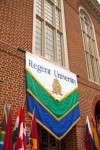
Megachurch pastor T.D. Jakes says he has been exploring the possibility of taking his School of Leadership curriculum, which offers courses in entrepreneurship, digital media, church media and more, overseas to Africa and Asia, as the Regent University-powered online program prepares to engage its inaugural class.
“We will be sharing some of the curriculum at this year’s MegaFest,” Jakes told The Christian Post on Wednesday. “We’re also, interestingly enough, exploring providing this same curriculum overseas. So we’ve had some talks with India, we’ve had some talks with Kenya and various places around the world.”
The T.D. Jakes School of Leadership offerings are supported by Regent University’s Professional and Continuing Education department and include accredited courses in online certificate programs. As Jakes tells it, the current economic climate makes the leadership school particularly relevant.
“The reason that we did it is that around 54 percent of current executives predict that there’s going to be a shortage of leadership in the industries that they work in,” he told CP.
“And after the recession, there are so many people that are having to retool themselves around working jobs that are paying less and lesser money, that we thought this convenience would be helpful to them as well as aspiring students that are looking for upper level education.”
In addition to Regent University staff directing courses, Jakes plans to deliver a few lectures at the Virginia Beach, Va., campus.
“I’ll be coming up there two or three times a year and talking to the students about leadership, corporate leadership as well as spiritual leadership,” the Texas minister explained. He added that the program progressed out of the 2013 International Pastors and Leadership Conference from April that provided attendees continuing education credits.
The initial offerings for the T.D. Jakes School of Leadership include online certificate programs in entrepreneurship, digital media, project management and church media. Registration fees range from $149 per course (entrepreneurship) to $1,495 for the full certificate program (project management).
“This collaboration offers our faith-centric audiences a gateway to professional learning tools that advance the work of the ministry while also supporting those laymen looking to enhance their corporate leadership and entrepreneurial credentials,” Jakes previously stated.
Regent President Dr. Carlos Campo has called the partnership, facilitated through Jakes’ for-profit TDJ Enterprises, a “privilege.”
“This relationship with T.D. Jakes provides us with an incredible opportunity to powerfully connect with a broad-based international community, and we look forward to working together on many projects,” said Campo.
Regent University, founded in 1978 by Christian Broadcasting Network Chairman and university Chancellor Pat Robertson, has more than 5,800 students enrolled worldwide and is viewed as “one of the nation’s leading academic centers for Christian thought and action.” More information about the T.D. Jakes School of Leadership, which begins classes this week, can be found on Regent University’s website.
After DOMA ruling, new life for binational same-sex couples
NEW YORK — On the day of their immigration interview, Catriona Dowling waited patiently at the U.S. Citizenship and Immigration Services (USCIS) office in Denver, Colorado. At her side were her wife, Cathy Davis and their three young children.
Dowling, 55, an American citizen, asked an immigration officer to approve her petition for a spousal visa for Davis, 42, an Irish national. Dowling was holding a copy of a statement by Homeland Security Secretary Janet Napolitano, directing her agencies to extend immigration benefits to all binational same-sex couples, following the Supreme Court decision to strike down the Defense of Marriage Act (DOMA). A few minutes later, an immigration officer approved her request: Davis was issued a green card on July 3, becoming the first immigrant to receive a green card in a binational same-sex marriage in the United States.
At that moment, Dowling said, she cried.
“It was a very special day and I was overwhelmed with emotion,” Dowling said in a phone interview from their home in Boulder. “We’re just excited and relieved —and now we can make plans for our future with no disruptions.”
After the Supreme Court struck down DOMA nearly three weeks ago, marriage-based green card approvals for binational same-sex couples are beginning to be issued. For these couples, the Supreme Court ruling marks a turning point – the end of their immigration limbo and ability for their families to remain intact.
Madeleine Sumption, senior policy analyst at the Migration Policy Institute, said that these green card approvals mean that federal benefits are being extended immediately to same-sex married couples, including immigration benefits.
“Immediate relatives, such as a spouse, have special priority and they do not have a waiting time [for a visa number]. They also do not have a global cap or limit in the number of visas each year,” said Sumption. “So it does not really affect the backlogs in other immigration visa categories.”
While the number of green card holders may rise, as more and more binational same-sex married couples are expected to apply, not to mention those who are already in line, Sumption says “it would be [a] relatively small… overall increase in the next 10 years.”
Who are these binational same-sex married couples?
According to a 2001 report by the Williams Institute of UCLA School of Law, there were an estimated 28,500 binational same-sex couples in which one partner is a U.S. citizen and the other is not.
Among noncitizens in binational couples, 45 percent of them are Latino; 36 percent white; 3 percent black; and 14 percent Asian and Pacific Islander.
Like Dowling and Davis, most of these couples have found themselves in immigration limbo — whether the non-citizen spouse’s visa is about to expire or facing deportation — and filing their green card applications even months or years prior to DOMA’s historic repeal is their last resort to stay together in the country.
“We were running out of options as far as keeping our family together,” said Dowling. “So our lawyer advised us to get married and submit our application. We thought, ‘well, let’s do it.’ We were going to get married, anyway.”
Derek Tripp, an immigration attorney and project associate of the DOMA Project, the Los Angeles-based organization that also handled Davis’ immigration case, said that binational same-sex couples somehow face a similar immigration predicament, desperately doing what they can do to stay together in the United States.
And the foreign spouse, at least in cases that they are currently handling, have come from different parts of the world, including Ecuador, the Philippines, Indonesia and Trinidad and Tobago, to name a few.
“We are now expecting to receive more green card approval for same-sex married couples,” said Tripp. “The processing time would be no different from any other married couples, but we want to make sure that the USCIS fairly and expeditiously handle their [same-sex couples] cases.”
Since 2010, Tripp said that his organization has filed about 100 applications for binational same-sex married couples — and most of them were repeatedly denied due to DOMA’s definition of marriage as between one man and one woman.
However, they appealed through the USCIS administrative body, asking it to hold off on their immigration cases until the Supreme Court handed down its decision.
“We have advocated to have access immediately, and right now we don’t see any delays from immigration officials,” Tripp said. “These green card approvals can be considered the closure of a chapter for many same-sex couples who struggled under DOMA. It’s time for them to move on with their lives.”
Under the current U.S. immigration law, a U.S. citizen may petition for permanent residence for a non-citizen spouse and expedited citizenship for a resident.
A permanent resident spouse may also obtain permanent residence status for a spouse with a non-immigrant status such as those who are on a student, tourist or worker’s visa.
Fighting for green card, keeping family together
In 2006, Dowling and Davis met at a mountain-climbing trip in the Himalayas. Their romance blossomed instantly, but after the trip Dowling had to go back to Colorado and Davis to Dublin.
They continued a long-distance relationship and visited each other as often as they could.
Two years later, Davis, who is a nurse, was hired in a hospital in San Antonio, Texas. She came back to the United States on a work visa and Dowling, an I.T. executive, relocated to Texas so they can live together.
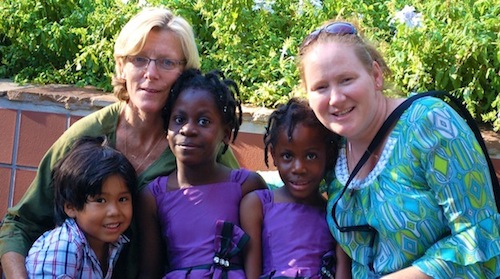
Dowling and Davis together adopted three children. They brought home their son, Cian, now 6, from Guatemala in 2007. Their two daughters, Mardoche and Angelina, now 11 and 9, respectively, came home with them from Haiti in 2010, after a massive earthquake hit the country.
But, in 2012, when Davis tried to extend her visa based on a job promotion, it was denied. That decision meant that Davis had only two options: overstay her visa in the United States or leave behind Dowling and their children.
“We definitely thought about moving to another country,” said Dowling. “We didn’t exactly know [which country], but we definitely considered it,” she added. Ireland was out of the question: it does not recognize same-sex marriage.
Undeterred to break UP their family, Dowling and Davis decided to fight their case. They packed up and moved back to Colorado.
On June 12, 2012, they got married in Bluffs, Iowa – the state recognizes gay marriage — even though it was unclear if under federal immigration law, they could stay together.
On the day that their entire family was at USCIS for the interview, and Davis was given a green card, Dowling had never felt victorious before in her life.
“This is not just a same-sex couple issue—it is really a family issue. It is that simple, and we want everyone to understand,” Dowling said. “Now we are ready to decorate our kids’ room and look forward to be at their soccer games in the fall.”
Books for Africa outperforming most charities, rating agency says
(Disclosure: Mshale founder and publisher, Tom Gitaa, is past president of the board at Books for Africa and still sits on the board as Secretary to the board of directors as of the posting date of this story)
Charity Navigator, the New Jersey based rating agency for charitable organizations has given its top 4-star rating to Books for Africa making the largest shipper of donated textbooks to Africa the only Africa focused organization to earn that distinction in the country.
Books for Africa earned the top rating for what Charity Navigator called “sound fiscal management and commitment to accountability and transparency”. This is the second consecutive time the St. Paul, Minnesota based organization has received the top rating putting it in elite company, “only 17% of the charities we rate have received at least 2 consecutive 4-star evaluations, indicating that Books For Africa outperforms most other charities in America”, Ken Berger, President & CEO of Charity Navigator said.
A pleased Patrick Plonski, executive director at Books for Africa, said in an email statement that it is an honor to be recognized as one of the top charities that rely on private donations in the country for seven consecutive years as measured by efficiency.
“This recognition is testimony to the outstanding support from donors across the world in providing funding, donated books, and donated labor. We are pleased that this level of efficiency allows us to send high-quality books to our partners in Africa in the most cost-effective manner possible,” Plonski said.
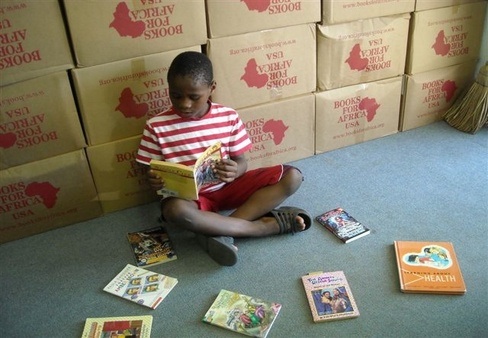
Books for Africa will celebrate 25 years of sending books to Africa at a gala ceremony in St. Paul on September 20. It has shipped over 28 million textbooks to 49 African countries since its founding in 1988 by its founder Tom Warth.
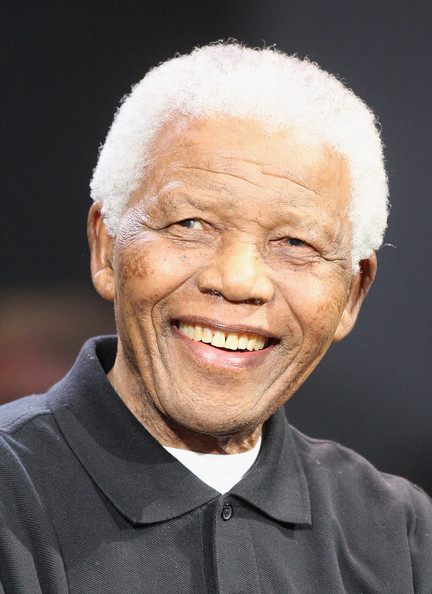
A seventh grader from Hmong International Academy plants a tree to mark Nelson Mandela's 95th birthday at the Minnesota African American Museum on Thursday, July 18 2013. Photo: Tom Gitaa/Mshale
A seventh grader from Hmong International Academy plants a tree to mark Nelson Mandela's 95th birthday at the Minnesota African American Museum on Thursday, July 18 2013. Photo: Tom Gitaa/Mshale
Hundreds jammed into the grounds of the Minnesota African American Museum in Minneapolis to plant trees to celebrate Nelson Mandela’s 95th birthday. They were joined by Fransie Cooper, the Political Consul at the South African Consulate in Chicago alongside Judge (ret.) LaJune Lange, the Honorary Consul of South Africa in Minnesota.
The African American Museum was designated by the consulate as the official celebration site for Mandela’s birthday in Minnesota. July 18 has become known as “Nelson Mandela International Day,” since the United Nations proclaimed it in 2009.
The sweltering heat did not deter those who streamed in all morning and waited their turn patiently to plant trees in the grounds of the museum.
Laetitia Uzarerwa, a nursing student from Rwanda was there to both celebrate Mandela and also to volunteer her time.
“I am with him in spirit and wish him quick recovery,” Uzarerwa said. “He is an inspiration to me and I had to come out here.”
Mandela has been hospitalized since June 8 of a recurring lung infection that has kept him in critical condition. This is his fourth stay in the hospital in the last six months.
At the Minneapolis Thursday event marking his 95th birthday however, the mood was that of celebration as people from different backgrounds and races mingled together in a celebratory mood. Two gentlemen high fived each other that “he made it to 95 man” and each other as they laughed heartily.
Youth from the museum’s Stevens neighborhood joined with others from around the city such as the Northside gardening task force made up of Summer Step-Up youth working with/for Project Sweetie Pie, Afro Eco, and Ejam and Northside Fresh as were youth from Blaisdell YMCA.
Seng Yang, a seventh grader from the Hmong International Academy, epitomized the energy the youth brought to Mandela day in Minneapolis. He kept refusing help from an adult as he enthusiastically shoveled in the dirt after the tree had been nested into the ground.
At the noon hour, the Mandela Day activities moved to the Cathedral of St. Paul for a public prayer service for the towering Mandela. Father Kevin M. McDonough of the historic St. Peter Claver Church assisted by Deacon Philip Stewart led the congregation in paying tribute to Mandela after the singing of “Lift Every Voice and Sing”.
Civil rights leader Josie Johnson who lobbied to pass Minnesota’s anti-discrimination laws in 1956 did the first reading at the service – Revelation 7:9. Chapter 7 of the book of revelation is commonly referred to as God’s program of grace and salvation during the period of judgment.
Hindia Ali of the Somali Action Alliance did a reading of Archbishop Desmond Tutu’s “No Future without Forgiveness”.
Fransie Cooper of the South Africa consulate in Chicago praised Minnesotans “for celebrating Mandela with us”.
This posting is courtesy of Wellshare International (Formerly Minnesota International Health Volunteers)
Healthy living is an important part of Islam and is just as important during the Ramadan month of fasting. Some people think of Ramadan as a time when they can “re-set” their stomach and give their bodies a time to rest. After fasting from food and water for an entire day, you may think you need to eat a lot of food to make up for what you missed. This can be an unhealthy habit.
It is important to be careful and not over-eat unhealthy foods when you break your fast at iftar.
Some people feel like they deserve to indulge every evening because it was a long day with no food. Every evening meal is a celebration, so it important not to eat too much food or too many unhealthy foods.
Eat and drink, but avoid excess. (Qur’an 20:81) Wasting food is not just throwing food out.
Wasting food is anyone eating more than needed. Especially during the holy month of Ramadan, at the iftar meal one third of your stomach is for food, one third is for water, one third is for air.
If you over-eat at each iftar meal during Ramadan, it is likely that you will gain weight during Ramadan and you will be less healthy. Islam is the middle way and encourages us to stay clean and stay healthy as our body is a trust from Allah. People must respect their own physical body as a sign of devotion to Allah. To take good care of your body and respect the gift that Allah has given you, you should:
• Try hard to eat healthy foods at your iftar meal.
– During Ramadan, it is important to eat the same amounts of fruits and vegetables as
during the rest of the year. At meals during Ramadan, half of your food should be fruits or vegetables. This will help you get good nutrition, stay less hungry, avoid constipation, and is an important way to take good care of your body as a sign of devotion to Allah.
– A lot of iftar food is fried, but you should try to limit your consumption of oil and fat. This means to limit or avoid: fried foods, halwa, fat on meat, extra oil on your rice and vegetables.
– If others do not want to eat the healthy foods you are eating, you can have your food
prepared separately.
• Limit the amount of sweets you consume during Ramadan.
– Limit the dates you eat each day to no more than 4. Dates have a lot of sugar and calories, almost like candy.
– Put no more than 2 spoons of sugar in your tea.
– Do not add sugar to your juice.
– Avoid eating sweet desserts every night. Cake, ice cream, halwa, and cookies should be a treat for the Eid celebration, not every day.
• Drink plenty of water.
– Water is healthier for you than soda, juice, or other sugary beverages.
– Water will help you stay hydrated.
Not everyone should fast during Ramadan
Based on the Holy Qur’an, not everyone is required to fast. If fasting would put your health at risk, you are not supposed to fast.
People who are excluded from fasting during Ramadan include:
• Women who are pregnant and breastfeeding;
• The elderly; and
• Those with a chronic health condition, including diabetes.
If you have diabetes you should not fast without talking to your doctor. Fasting while you are on any medication might be dangerous. Talk to your imam and your doctor with any questions about diabetes and fasting.
You MUST talk to your doctor if you want to fast during Ramadan and you are onmedication.
• Call your doctor’s office (or have your family or Community Health Worker call for you).
• Tell the person who answers the phone that you want to fast during Ramadan, but you are on
medication.
• Ask to talk to your doctor or your nurse so you can make a plan to stay healthy during
Ramadan. Your doctor should talk with you about how fasting will affect you—it is different for every person. You have different health than your family or friends, so each person much talk to his or her own doctor. If your doctor thinks you should not fast, do not fast.
• At the end of Ramadan, you should call your doctor again to tell them that you are done fasting so they know if they need to change your medications and help you plan to stay healthy.
Editor’s note: This article is made possible by a grant from the Eliminating Health Disparities Initiative (EHDI) of the Minnesota Department of Health’s Office of Minority & Multicultural Health, through an appropriation from the Minnesota State Legislature.
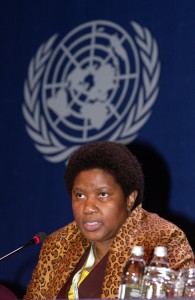
Ms. Phumzile Mlambo-Ngcuka, then South Africa's Minister of Minerals and Energy, seen here during a press briefing on August 29 2002 at the World Summit on Sustainable Development in Johannesburg. Photo: UN News Service
Ms. Phumzile Mlambo-Ngcuka, then South Africa's Minister of Minerals and Energy, seen here during a press briefing on August 29 2002 at the World Summit on Sustainable Development in Johannesburg. Photo: UN News ServiceMs. Phumzile Mlambo-Ngcuka, then South Africa's Minister of Minerals and Energy, seen here during a press briefing on August 29 2002 at the World Summit on Sustainable Development in Johannesburg. Photo: UN News Service
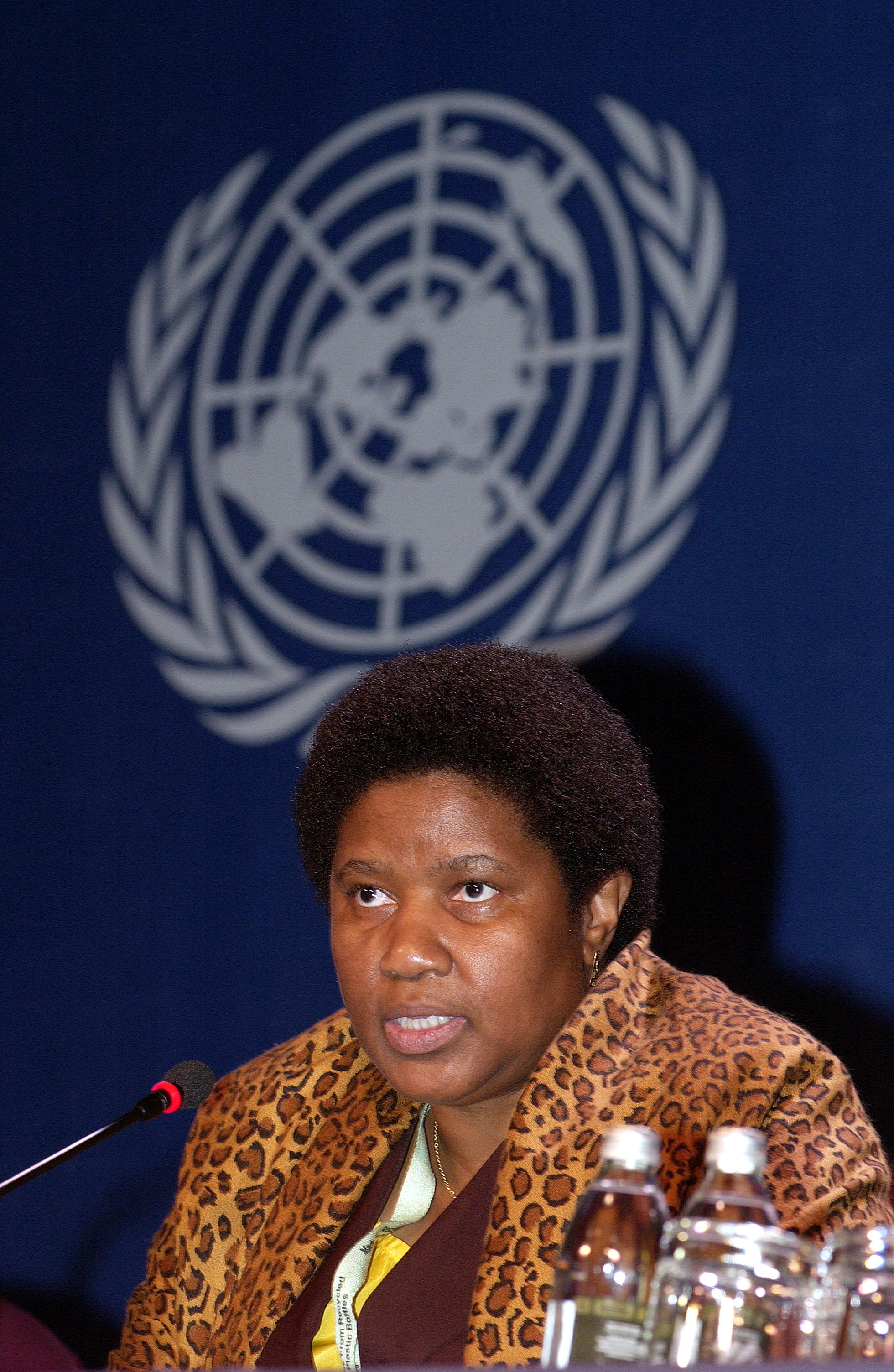
Ms. Phumzile Mlambo-Ngcuka, then South Africa’s Minister of Minerals and Energy, seen here during a press briefing on August 29 2002 at the World Summit on Sustainable Development in Johannesburg. Photo: UN News Service
United Nations Secretary-General Ban Ki-moon has appointed Phumzile Mlambo-Ngcuka, a former deputy president of South Africa and women’s advocate, as the new head of the United Nations body tasked with promoting women’s rights and their full participation in global affairs.
Ms. Mlambo-Ngcuka replaces Michelle Bachelet, a former president of Chile who served as the first Executive Director of the UN Entity for Gender Equality and Empowerment of Women (UN Women). Ms. Bachelet stepped down a few months ago.
“The Secretary-General expressed his gratitude for the outgoing Executive Director’s commitment in spearheading the Organization’s work on gender equality and the empowerment of women at the global, regional and country level,” stated the announcement of the appointment.
It went on to say that Ms. Mlambo-Ngcuka brings to her new position a wealth of experience in advocating for women’s issues “with a combination of strategic leadership, consensus building and hands-on management experience.”
She was the first woman to hold the position of Deputy President of South Africa from 2005 to 2008, and has also served as Deputy Minister in the Department of Trade and Industry, Minister of Minerals and Energy, and briefly as acting Minister of Arts, Culture, Science and Technology.
Among her many activities, Ms. Mlambo-Ngcuka established Umlambo Foundation in 2008 to provide support to schools in impoverished areas in South Africa through mentorship and coaching for teachers and in Malawi through school improvements with local partners.
UN Women was established in July 2010 by a unanimous vote of the General Assembly to oversee all of the world body’s programmes aimed at promoting women’s rights. It is tasked with helping Member States implement standards, providing technical and financial support to countries which request it, and forging partnerships with civil society.
Within the UN, it holds the world body accountable for its own commitments on gender equality.
The Minnesota African American Museum will host the state's official "Nelson Mandela Day" event on July 18 2013. Event is co-sponsored by the South Africa Consulate in Chicago.
The Minnesota African American Museum will host the state's official "Nelson Mandela Day" event on July 18 2013. Event is co-sponsored by the South Africa Consulate in Chicago.
The Minnesota African American Museum (MAAM) has been designated as one of the official United States locations, by South Africa’s embassy, to host in Minnesota the Nelson Mandela International Day celebration on July 18, 2013, from 8:30am to 1pm.
The day annually remembers Nelson Mandela’s achievement in working towards conflict resolution, democracy, human rights, peace, and reconciliation. Nelson Mandela who is currently hospitalized in critical condition turns 95 on July 18.
The day seeks to empower communities everywhere in a day of service.
A press release from the museum says volunteers are welcome to come and plant a tree in Mandela at museum. Children will be attending the event from the Northside gardening task force made up of Summer Step-Up youth working with/for Project Sweetie Pie, Afro Eco, and Ejam and Northside Fresh. Also youth from the southside Blaisedell YMCA will be attending the event to plant along with children in the Stevens Neighborhood.
Program speaker at 10am will be Francie Cooper, Consul Political from the South Africa Consulate Chicago. Other speakers include Minnesota Honorary Consul for South Africa, Judge LaJune Lange (ret.) and Roxanne Givens, MAAM Founder.
The mission of the relatively new Minnesota African American Museum and Cultural Center (MAAM) is to increase understanding and appreciation for the contributions made by African Americans in Minnesota. One of the museum’s exhibits includes Minnesota North Star Pioneers which chronicles the journey of African Americans to Minnesota and documents the African American contribution to the settlement and development of the Midwest.
The event is free and open to the public.
Nelson Mandela International Day
@ Minnesota African American Museum
Co -Sponsored by the South Africa Consul General in Chicago
1700 3rd Ave South, Minneapolis, MN
Thursday, July 18 2013
Time: 8:30am-1:00pm
1700 3rd Ave S., Minneapolis, MN 55404 www.maamcc.org
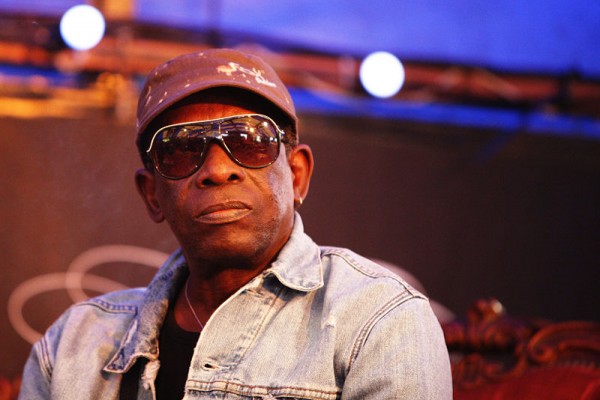
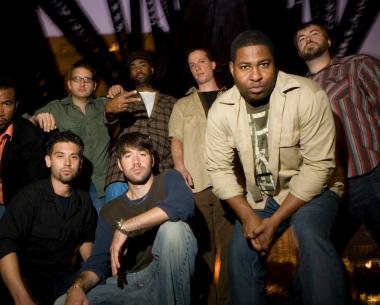
Tony Allen, former drummer to legendary Fela Kuti will be featured alongside the Chicago Afrobeat Project at the Cedar on July 26, 2013 as the closing act to the 2013 "African Summer" music series. Photo: Courtesy Chicago Afrobeat Project
Tony Allen, former drummer to legendary Fela Kuti will be featured alongside the Chicago Afrobeat Project at the Cedar on July 26, 2013 as the closing act to the 2013 "African Summer" music series. Photo: Courtesy Chicago Afrobeat ProjectChiacgo Afrobeat Project which will feature Tony Allen, drummer to the legendary Fela Kuti, will close out the 2013 "African Summer" concert series at the Cedar in Minneapolis on July 26. Photo: Courtesy Chicago Afrobeat Project
The former drummer to the legenadary Fela Kuti will be part of the closing concert to this year’s succesful ‘African Summer’ series at the Cedar Cultural Center in Minneaopolis.
After the “African Summer” concludes on July 26, Twin Citians would have attended over six concerts of some Africa’s top bands including Fela Kuti’s own son, Femi Kuti, who performed at a packed Cedar on June 28. The annual series this year kicked off on June 11 although another top African act, Fatoumata Diawara, performed there in April as a warm up to the series.
The July 26 concert to close out the “African Summer” will bring the Chicago Afrobeat Project, currently considered Chicago’s hottest Afrobeat band. The band will pair up with Tony Allen, widely considered as influential in the music made famous by the late Fela Kuti, who came up with the name. Afrobeat combines Yoruba music with elements of jazz, highlife and funk interspersed with vocals.
The Lagos-born Tony Allen(officially Tony Oladipo Allen) was the drummer and musical director of Fela Kuti’s band Africa 70 from 1968 to 1979.
The Chicago Afrobeat Project which will feature Tony Allen on July 26 has risen among Afrobeat groups after emerging as one of the first nationally touring American bands to take the sound to the masses. Over the years the band has mastered a sound that successfully weaves the uniqueness of the Chicago music scene with a distinct western-influenced Nigerian style of music.
Last year the band released its fourth album “Nyash Up!”.
Chicago Afrobeat Project featuring Tony Allen with Black Market Brass
@ Cedar Cultural Center – Minneapolis
Friday, July 26, 2013 – 8:00pm
Doors Open: 7:00pm
Advance: $25.00
Day of show: $30.00
Standing show (open dance floor)
Ticket Purchase: Online here.
Immigration reform is now in the hands of the U.S. House of Representatives, after the Senate passed a comprehensive bill two weeks ago. The 1200-page Border Security, Economic Opportunity, and Immigration Modernization Act – commonly known as S744 — is White House-backed and gained a bipartisan vote of 68 to 32 in the Senate. Among other things, the bill creates a path to citizenship for millions of undocumented immigrants and beefs up security around the U.S.-Mexico border.
But the legislation has no effect unless the House takes it up and approves it.
Top House Republicans, including House Speaker John Boehner (R-Ohio), agree that fixing the nation’s broken immigration system is a domestic priority, but reject the Obama Administration and Senate’s approach. Following a closed-door meeting today to discuss their position and strategy on immigration reform, Republican leaders announced that they would take a “step-by-step” approach to develop their own bill. Here is the written statement they issued:
Today House Republicans affirmed that rather than take up the flawed legislation rushed through the Senate, House committees will continue their work on a step-by-step, common-sense approach to fixing what has long been a broken system. The American people want our border secured, our laws enforced, and the problems in our immigration system fixed to strengthen our economy. But they don’t trust a Democratic-controlled Washington, and they’re alarmed by the president’s ongoing insistence on enacting a single, massive, Obamacare-like bill rather than pursuing a step-by-step, common-sense approach to actually fix the problem. The president has also demonstrated he is willing to unilaterally delay or ignore significant portions of laws he himself has signed, raising concerns among Americans that this administration cannot be trusted to deliver on its promises to secure the border and enforce laws as part of a single, massive bill like the one passed by the Senate.
Boehner has yet to provide specifics about which policies the House will take up. He simply stated that that any bill will go through regular order, with House Judiciary Committee Chairman Bob Goodlatte (R-Va.) at the helm.
So far, the Judiciary panel has approved separate bills addressing various immigration issues, including interior enforcement, employment screening, short-term agricultural guest workers, and high-skilled workers. But none covers the question of citizenship or legal status for the estimated 11 million undocumented immigrants currently living in the U.S.
Undocumented Immigrants: Linchpin to Comprehensive Immigration Reform
House Republicans broadly favor the Senate bill’s promise to strengthen U.S.-Mexico border security; increase travel restrictions (electronic entry/exit system at all American airports and seaports that tracks when visitors enter and leave the country); and heighten employment restrictions (mandatory E-Verify system to prevent U.S. employers from hiring unauthorized workers).
But they are divided over the Senate bill’s 13-year path to U.S. citizenship to those living here illegally, provided they pay fines and meet certain conditions. Some GOP leaders prefer a path to citizenship only for young, undocumented immigrants who were brought to the U.S. by their families and consider the U.S. as their only home (so-called Dreamers). Some want to accomplish stronger border security before even provisional legal status is allowed. Some support a path to lawful status to the undocumented, which would bring them out of the shadows, but without means to gain citizenship. And some oppose any type of legalization for any undocumented immigrant, period.
The four Democratic members of the “Gang of Eight” who drafted the Senate bill and Democrats in both chambers insist that reform must include a pathway to citizenship for undocumented immigrants who meet certain conditions.
“The bottom line is we all agree—the four of us and the Democratic caucus—that without a path to citizenship, there is not going to be a bill,” said Sen. Chuck Schumer (D-NY). “There can’t be a bill.”
Republicans warned that this all-or-nothing approach could result in no immigration bill at all. “I think it’s less likely today than it was a month ago,” Rep. Raúl Labrador (R-ID) said, when asked about the prospect of a bipartisan bill passing Congress. “And I think it’s because they have staked a position that is: ‘citizenship or nothing else.’”
Rep. Trey Gowdy (R-SC), who chairs the House Judiciary Committee’s immigration subcommittee, said “When the bar has been set, as it has been by some of my colleagues on the other side of the aisle, that it’s full-fledged citizenship for all 11 million or nothing, because that’s so overtly political they may end up with nothing.”
Because Republicans make up the majority of the House, their approach will have a profound impact on the future of immigration reform. At the closed-door conference today, GOP leaders did not reach a consensus on a possible pathway to citizenship for the millions of undocumented immigrants. “We have a disagreement inside here,” said Rep. Steve King (R-IA), estimating a “50-50” split on any legalization for undocumented immigrants, a key issue in comprehensive immigration reform.
The lack of consensus is not only a stumbling block for the House, but a linchpin to comprehensive immigration reform. And in light of the step-by-step approach, a single, sweeping bill like the one approved by the Senate is unexpected in the House.


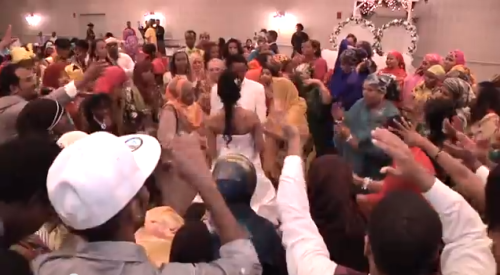 I have lived and worked in the United States for a long time now, but just when I think I have seen enough of the life of the Somali in the diaspora, something new comes up.