


Home Blog Page 83

Liberian-born songbird Snoti defies pandemic to release another single

Minnesota-based Liberian-American singer and songwriter Snoti has launched her first single "Get Away." Photo: Courtesy Savannah Street Music
Snoti
Snoti at 2019 African Awards Gala
Snoti performing at the 8th Edition of the African Awards Gala on Saturday, October 12, 2019 at Target Headquarters. Snoti launched her newest single “Get Away” early 2021. Photo: Oladipupo Sule for Mshale

Her name, Snoti, means “God’s time” in Kru, one of the languages of Liberia, where she was born. If you are a believer, then you know that when God’s time has come, nothing can stop it. That is the attitude the Minnesota-based Liberian-American singer and songwriter has carried with her over the years, as she has worked to build a career in music.

“As a musician, your goal is to just always do your music fulltime,” Snoti says.

After a long journey that has had a number of detours and obstacles, Snoti’s resilience has finally paid off. She has released another song, a single named “Get Away,” which she describes as “a sassy break-up song.”

“It’s something that a lot of people can relate to,” she says, though she is quick to point out the song is not autobiographical.

Her road to the musical career she dreams of, however, has not been a smooth one. The Covid-19 pandemic, which has had a heavy toll on earnings of performing artists across the world, has been even more unforgiving to up-and-coming ones like Snoti because they rely heavily on live performances for their development. But artists are finding ways around it, says Ben Obi, a British-born Nigerian-American, whose Minneapolis-based company Savannah Street Music produced Snoti’s new single.

“The pandemic has affected their performances, but I have this motto that as a business person, you have to continue to evolve,” Obi says. “Even though it’s a very nasty thing, it gives some people the opportunity to really reinvent themselves. Your mission must be to continue to educate yourself, evolve and change, and develop new ideas. So, really, I see the pandemic as an opportunity.”

Obi himself has had to reinvent many times as the music industry has changed tremendously since he moved to Minneapolis from England in the 1980’s and founded his company to cater for African artists. In the nearly 30 years Obi has been in the business, the industry has changed from vinyl, to cassettes, to CDs and now online streaming. His business has survived because he learned to adapt to the changes, he says.

“If I stayed the same way I was 20 years ago, I would be dead as a businessman,” Obi says.

Snoti
Minnesota-based Liberian-American singer and songwriter Snoti has launched her new single “Get Away.” Photo: Courtesy FREDDY Photography

He now uses his decades of experience to help underrepresented artists like Snoti find ways to navigate through the challenges to make their music careers successful. Obi advises artists to look at their music as the advertisement arm of their brand – as “a means to an end, and not an end in itself.”

“The physical containers that you put music in don’t necessarily sell anymore because really, a CD is just the container,” Obi says. “Find your brand, whatever it is. It could be lipstick. It could be water or whatever. Use the music to attract the people who might say, ‘You know I really like Snoti. Look at the African prints she wears. Where can I find that?’”

That is the message Snoti seems to be heeding. She is building her online with social media channels, which already have thousands of fans attracted there by the video she shares of her music.

Snoti, who came to the United States when she was 11 years old, credits her family for her early interest in music. She grew up around family members who loved to sing at gatherings, she says. Soon, she began writing her own songs hoping to one day become a professional recording artist. But as an African immigrant, acquiring higher education took precedent. She put her dreams on hold to study journalism and communications at the University of Minnesota. After graduating from college, her musical ambitions took the backseat yet again as she went to work fulltime because she felt she needed to put her education to use.

“After a while, you realize that it’s not about utilizing the degree,” Snoti says. “It’s about doing what you care about.”

In 2015, she decided to go into music fulltime. Like many up-and-coming artists, she began by performing at local venues and community events, including at the African Awards, an annual gala produced by Mshale. Through her participation in the Twin Cities’ African music scene, she crossed paths with Obi and later began working with him to produce her music. “Get Away” is the first song they have released, though Obi says they have recorded several others that will be released later.

“Get Away” is a pop dance single that sounds almost too upbeat to be a breakup song. Snoti says that was intentional. She wanted to combine the upbeat spirit of the music of her African heritage, and the pop and R&B styles of the American culture she has grown up in. The producer sent her nearly a dozen different beats, and the African-style guitar and drums influenced her final choice of beat, she says.

“I thought it was something that was different from what we’re typically hearing now with top music,” Snoti says. “And that’s what I try to do as an artist – something that is different and unique.”

Follow Snoti on Facebook (@snoti) and YouTube, Instagram, and Twitter (@snotimusic).

An earlier version of this article incorrectly stated that “Get Away” is Snoti’s first single. It is the first single she worked on with Ben Obi of Savannah Street Music. We apologize for the error.

Minnesota ahead of schedule with COVID-19 vaccinations, expands eligibility

0
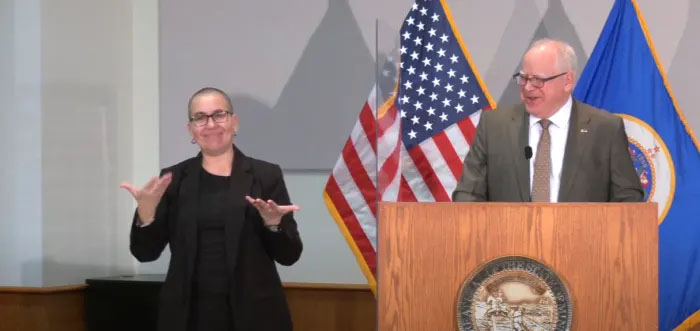
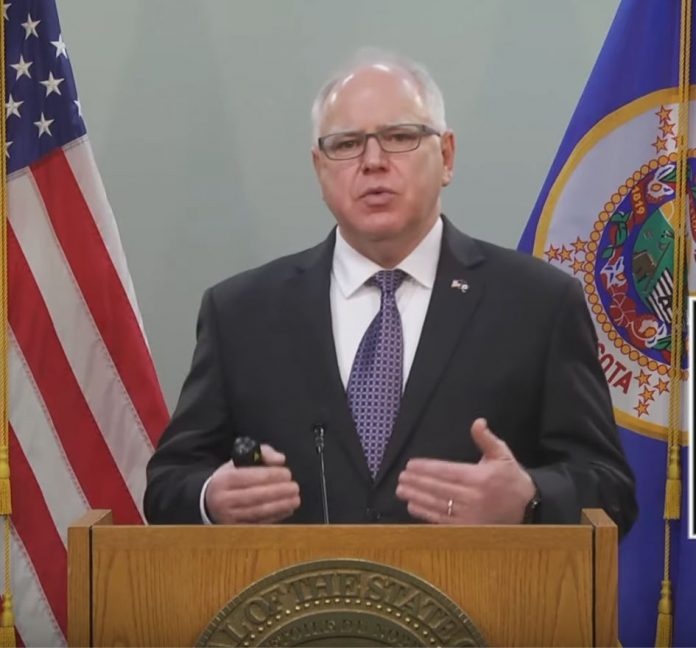
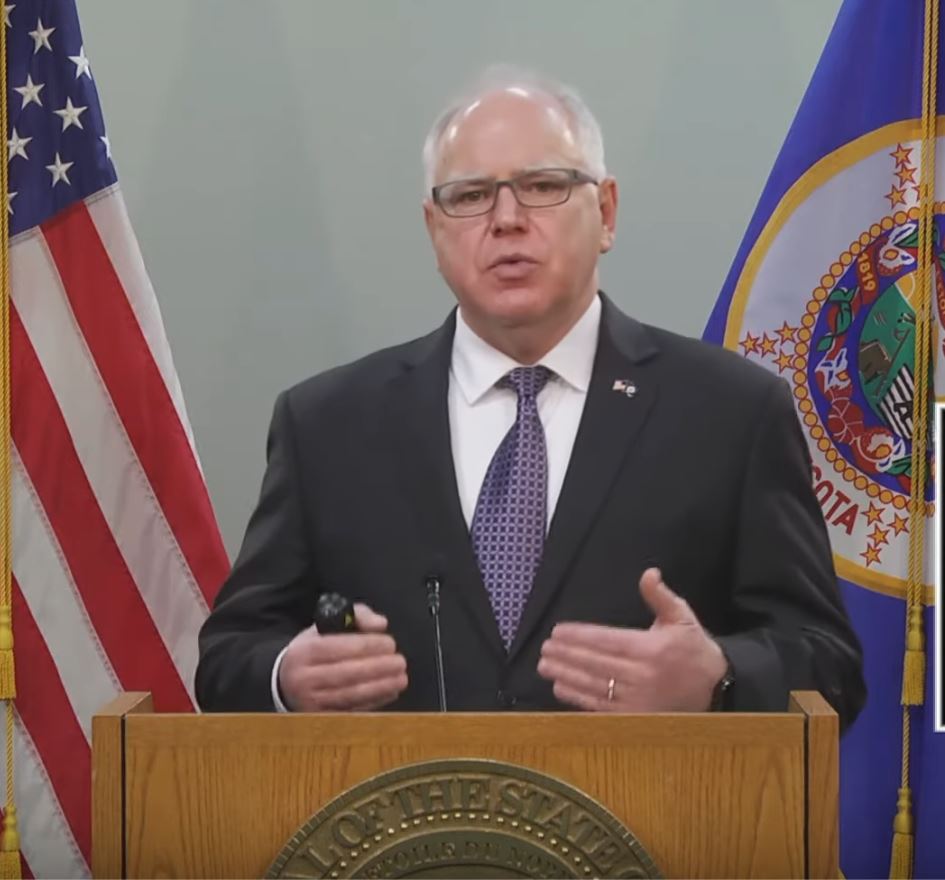
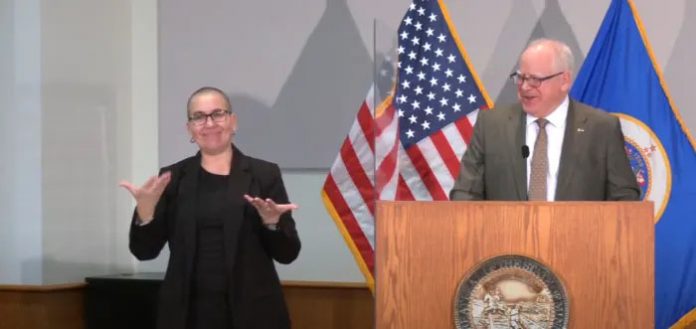
Governor Tim Walz seen here on Tuesday, March 9, 2021 during a COVID-19 press briefing. He declared the day as Nic Zapko Day in honor of the sign language interpreter (on his right) that has been a constant presence since he started giving the briefings. Photo: Governor Walz YouTube Screengrab
Governor Walz and Nic Zapko
Governor Tim Walz seen here on Tuesday, March 9, 2021 during a COVID-19 press briefing. He declared the day as Nic Zapko Day in honor of the sign language interpreter (on his right) that has been a constant presence since he started giving the briefings. Photo: Governor Walz YouTube Screengrab
Governor Walz and Nic Zapko
Governor Tim Walz seen here on Tuesday, March 9, 2021 during a COVID-19 press briefing. He declared the day as Nic Zapko Day in honor of the sign language interpreter (on his right) that has been a constant presence since he started giving the briefings. Photo: Governor Walz YouTube Screengrab

Minnesota Governor Tim Walz and state health officials announced at yesterday’s COVID-19 briefing that the state is ahead of schedule with its coronavirus vaccinations and thus will be expanding eligibility to more groups of people who can receive them.

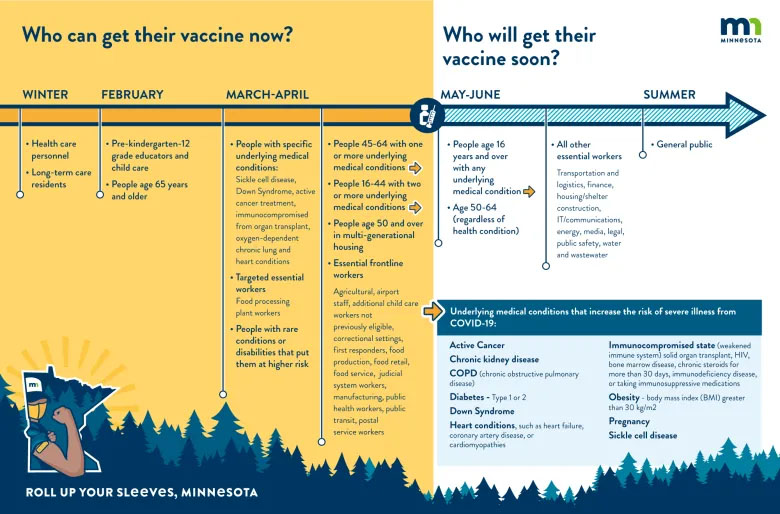
As a result, the state will expand eligibility to the next two phases of Minnesotans at once, starting today (March 9, 2021). Providers have been directed to prioritize people in the first of these phases, which includes Minnesotans with specific underlying health conditions; food processing plant workers; and Minnesotans with rare conditions or disabilities that put them at higher risk of severe illness. Providers will then have the flexibility to provide available appointments to other eligible Minnesotans.

“We asked most Minnesotans to wait patiently while we protected Minnesotans at higher risk and got shots to at least 70% of our seniors. We will hit that milestone on Wednesday – well ahead of schedule. More Minnesotans will now be eligible to get a COVID-19 vaccine, beginning this week,” said Governor Walz. “To reach 70% of seniors vaccinated is an incredible accomplishment in itself, but it’s not the end goal: we will continue moving full steam ahead until every Minnesotan who wants a shot gets one.”

“This is a landmark day. So many Minnesota seniors at serious risk have now gotten their shot. That is a huge relief for them – and their loved ones,” said Lieutenant Governor Peggy Flanagan. “This week, as we continue to follow the science and vaccinate our most vulnerable, even more Minnesotans will have the opportunity to get a vaccine. We are working to ensure we’re vaccinating equitably and for the most impact as we continue to provide these life-saving shots to even more Minnesotans.”

How to sign up

Minnesota Department of Health officials is encouraging everyone to register via the state’s COVID-19 Vaccine Connector at VaccineConnector.mn.gov.

Governor Walz declares ‘Nic Zapko Day’ in Minnesota

After Governor Walz wrapped up his COVID-19 briefing yesterday, he surprised the sign language interpreter Nic Zapko with a  surprise proclamation. The governor declared March 9, 2021 as Nic Zapko Day in Minnesota.

Zapko who lives in Bloomington has been a constant presence at the governor’s side in the past year giving sign language in interpretations of the governor’s COVID-19 press briefings.

“There’s been somebody who’s been here since the beginning, ensuring that every single Minnesotan had access to this information the whole time. That person is by far the most popular person on this podium and the most well-known,” Walz said. “I would like to make a proclamation today for Nic Zapko who we’ve all come to really appreciate and enjoy.”

Zapko went viral last year following the unrest that followed the killing of George Floyd by Minneapolis police officer Derek Chauvin due to her animated expressions that conveyed the emotions of the speakers giving briefings.

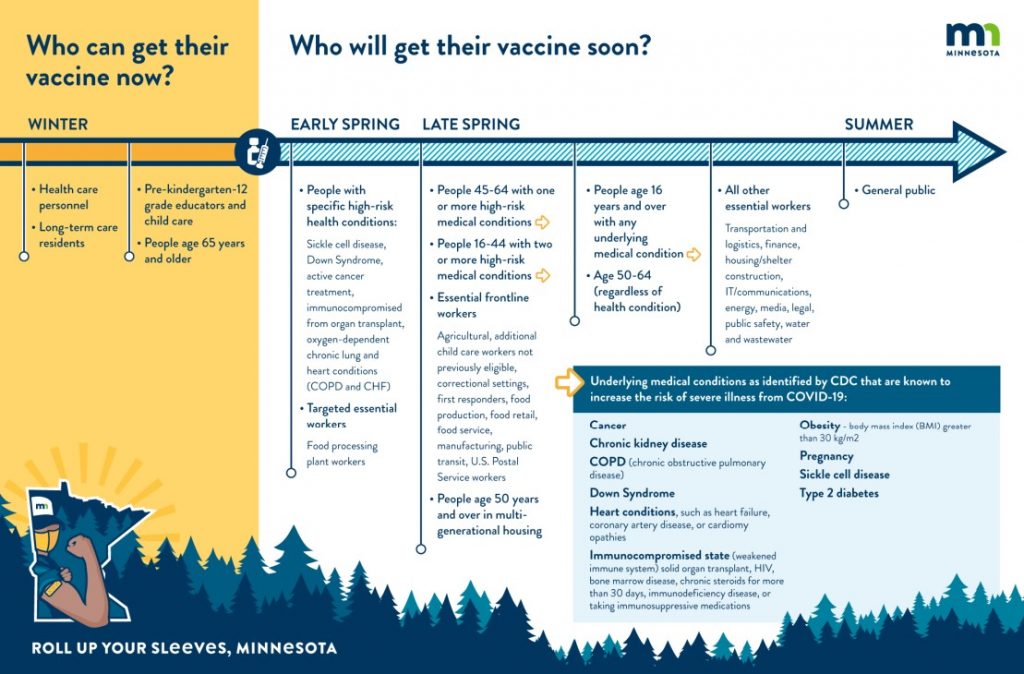
MN COVID 19 Vaccine Timeline as of March 9 2021
This is the latest timeline released by the State of Minnesota on March 9, 2021 for COVID-19 vaccinations for various groups.

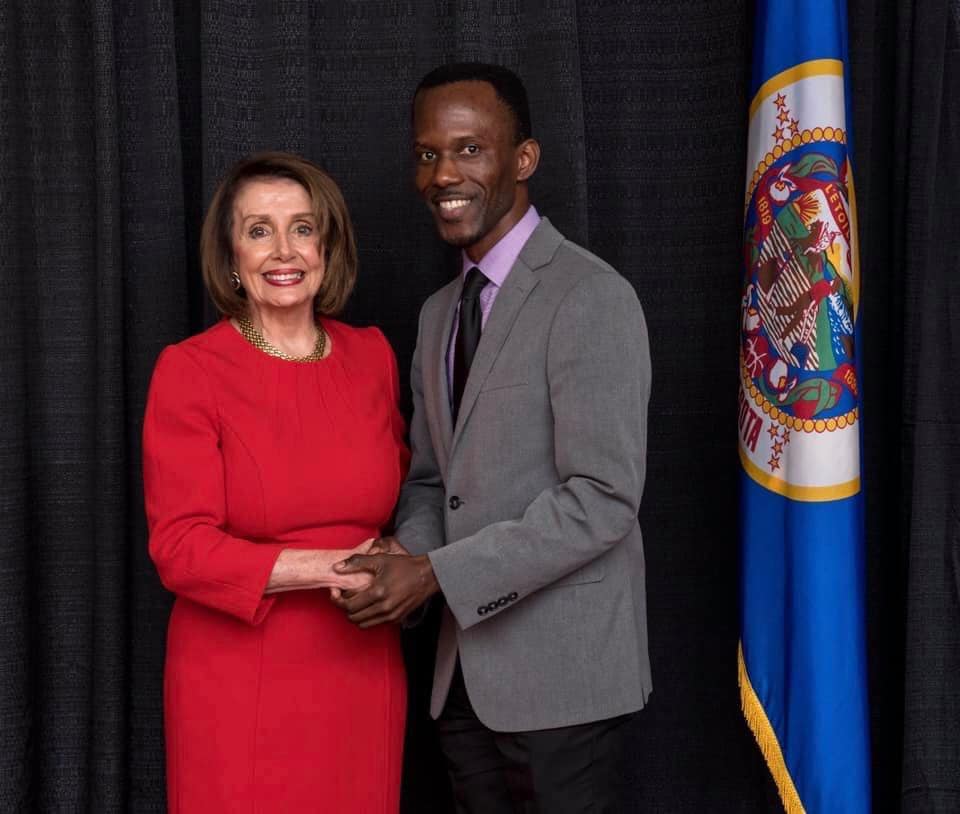
Ugandan-born rising star in Minn. Democratic Party launches political consulting firm for minority candidates

Ian Oundo
Ugandan-born rising star in Minn. Democratic Party launches political consulting firm for minority candidates

After years of working as the first African-born person in the senior leadership of Minnesota Democratic Party, one would expect Ian Oundo to perhaps use his experience to run for office. But Oundo, who was the director of civic engagement for the party known in the state as Democratic Farmer-Labor (DFL), has other ideas. He thought he could make an even greater impact on African immigrants and other communities of color by using his experience to help prospective minority candidates learn how to run successful campaigns.

“We are really looking to focus on how to make sure that we are creating opportunities that will allow our communities to be a part of the conversation, and not feel like they are always an afterthought,” said Oundo, who was born in Uganda.

One way to get the underrepresented communities involved in the making of decisions that affect them is to be active in the political process, according to Oundo.

“A lot of our community members are not as engaged and involved as they should be,” Oundo said.

Although African immigrants make up nearly 5 percent of the foreign-born population in the United States, they are some of the most underrepresented in active politics. In the 2020 U.S. elections, for example, only about three-dozen African-born citizens ran for elected offices across the country, an insignificant number for a community whose population is estimated to be 2.5 million people, according to the U.S. Census Bureau data.

Oundo said he wanted to change that by increasing the number of Africans and minorities running for office, not only in Minnesota but also across the country. In February, he founded Makesi Creative Strategies, a political consulting firm whose mission is to give minority candidates the tools they need to run successful political campaigns. It’s a void he saw while working at the DFL, he said.

As the party’s director of community engagement, Oundo said he traveled extensively throughout the state and met with people from various communities who wanted to get into politics because they felt ignored.

“You know, you go to places like Saint Cloud, where there’s a very large population of our immigrant community, but they feel like nobody is hearing them,” Oundo said. “A lot of them want to get involved, but they don’t have the knowledge, the resources, the tools.”

Oundo said although a lot of emphasis gets put on statewide and nationwide races, many of the decisions that affect most people are made on the local level. That’s why his firm would focus on helping people from minority communities navigate the complexities of engaging in politics on that level and eventually gain the experience necessary to run statewide and national campaigns.

“Not much emphasis is put on municipal races, or county-level races, and that is where most of our people live,” Oundo said. “We usually say politics are local. There is an opportunity for us to build on that and understand that part of how we make all of our other races and offices stronger is by building a strong foundation. That begins with us supporting local races.”

Leaders in the African immigrant community say Oundo’s experience working at the top echelon of DFL party leadership will bring much-needed knowledge to people who may want to run for office but don’t know where to begin.

“It’s so great that we have a brother like Ian, who already knows it because he has been inside when most of us have been outside,” said Nyakade Tot. “We can now follow in his footsteps and he’s going to open a lot of doors for all of us, especial for us Africans.”

Tot, who runs Sudd Women Outreach Project, a nonprofit based in Coon Rapids, Minn., that serves Sudanese women and children, met Oundo when he showed up at one of her events in 2018. She described him as a selfless servant of the African immigrant community, and said he would succeed in his new venture.

“I’m so proud of him for this move he has made,” Tot said. “He is a people person. When he sees you, even if he doesn’t know you, he will run to you like you’re a sister or brother. He is a gift for all of us, a person that all of us can look up to. I don’t have any doubt that in the program he has started he will include all of us.”


Nasibu Sareva, a Tanzanian-American who is the executive director of Minnesota-based African Development Center, said Oundo’s experience would bring new opportunities for the advancement of the African immigrant community’s political ambitions.

“Mr. Oundo has a clear vision of how our community can sit at the important tables,” Sereva said. “He is very decisive but also humble. He has the self-confidence and self-awareness to recognize the value of others.”

Sareva described Oundo as someone who always showed up at community gatherings and tried to convince people that it is important for all to take part in the process of the making the big decisions that affect their lives.

“He always exhibits a positive attitude in these meetings,” Sareva said. “I am so excited about his newly-minted consulting firm and I really do hope that our community will take advantage of services provided by him and his firm. I think this is where Mr. Oundo is going to maximize his problem-solving ability, expertise and capabilities to drive change and create lasting impact.”

Oundo said his desire to serve in leadership roles began at an early age, when he was growing up in Uganda. In high school, he served in student government, and after graduation, he went into organizing in his community in Kampala, the capital.

“I’ve always been very, very involved in organizing people around issues, in making sure that people understand that it’s through getting involved, that things happen,” Oundo said.

In 2000, he left Uganda and moved to Kansas to go to college. Like the Africans he is now trying to get to participate in politics, Oundo didn’t get involved in political organizing in his early years in the United States.

“Politics in this country is a little different [from Africa],” Oundo said. “It usually takes time for people to wrap their heads around how things work.”

Even after he moved to Minnesota in 2005, Oundo didn’t immediately get into politics. But he continued to organize his new community around non-political issues like raising funds to help community members with funeral expenses of loved ones.

“It wasn’t until Obama ran for president that I really got more inquisitive and wanted to know how I could get involved,” Oundo said. “Obama gave us a different sense of hope as an African man, as a black man in this country. For the first time I saw something. I saw somebody that looked like me. I didn’t know how, but I knew I wanted to help this man becomes the next president of this country.”

Oundo said he walked into the neighborhood offices of Obama’s campaign and asked how he could help. They trained him how to work the phone bank. They gave him scripts with talking points and sent him knocking on doors.

“It really brought a sense of pride in me knowing that I was doing something that was directly hopefully going to impact the direction of this country,” Oundo said.

After Obama’s successful campaign, Oundo was even more inspired and continued to be more active in DFL matters. He rose through the ranks to become the party’s statewide director of civic engagement. He said he now wants to use what he learned from his years of working as a senior party official to benefit candidates from underrepresented communities.

“Many of them are just really strong community leaders who love their communities,” Oundo said. “But it’s one thing to be a community leader; it’s another thing to know how to run a successful political campaign. Those are two different things.”

As country celebrates 64 years of independence, Ghanaian diaspora urged to invest back home

Ghana Embassy DC May 4 2019
As country celebrates 64 years of independence, Ghanaian diaspora urged to invest back home
Ghana 64th Independence Day Embassy Speakers
Cynthia Djokoto (left) who heads the trade and investment desk at the Embassy of Ghana in Washington and Adjoa Kyerematen, the director of Ghana Diaspora Public Affairs Collective (center) and Kofi Tonto, who heads the Information and Public Affairs department at the embassy spoke during a virtual town hall meeting on Friday, March 5 2021 that launched three days of online celebrations of the west African country’s 64th year of independence. Photo: Facebook

Ghanaian diplomats have called on their compatriots living abroad to take advantage of the numerous investment opportunities that exist back home.

The diplomats from the Embassy of Ghana in Washington, D.C., were speaking Friday during a virtual town hall meeting that launched three days of online celebrations of the west African country’s 64th year of independence from the British Empire.

“As we reflect on the significance of our independence as a people, I call on all compatriots to continue to strive for excellence in spite of all the challenges that confront the world today,” said Genevieve Apaloo, the embassy’s acting head of mission. “Building a self-sufficient Ghana will depend on the efforts of all Ghanaians, especially those of us in the Diaspora. So, let us continue to stay united and resolute in our support for our government’s effort to build a strong and equitable socio-economic environment for our people.”

Like many African countries, Ghana is targeting its Diaspora in efforts to jumpstart an economy battered by shutdowns related to the coronavirus pandemic. Since 2009, the amount of money sent home by Africans living outside the continent nearly doubled to $85 billion in 2019, accounting for 5 percent of the continent’s GDP, according to the Brookings Institution. Due to the Covid-19 pandemic, that number is projected to decline by 21 percent, or $18 billion, and countries like Ghana, which received over $4 billion in remittances in 2019, see direct investment by their citizens abroad as a way to make up for that shortfall.

The event’s moderator, Maryland-based DJ Kweku Amoako, said it was important to have the Ghanaian government maintain a strong connection with the Diaspora in order to boost confidence in investment.

“There are a lot of people in the Diaspora, not just Ghanaians, who are very, very interested in exploring investment opportunities in various sectors in Ghana,” Amoako said. “We know that opportunities are there. We know that the will is there but somehow the connection is broken.”

Cynthia Djokoto, the embassy’s head of trade and investment, said the government recognized that, and was making efforts to bridge that broken link between Ghanaians and the investments opportunities back home. She said the Ghana Investment Promotion Center had created a Diaspora investment desk at the embassy to facilitate engagement with those considering investing in the country. Ghana had several opportunities for investment in areas such as processing of agricultural products for export, oil and gas, tourism, and real estate, where she said there was an immediate need for more than 2 million units of residential housing.

“Most among the audience may have families who own farms producing fruits like pineapples and can easily set up factories to produce packaged fruit juices for local consumption and for export,” Djokoto said.

Kofi Tonto, who heads the Information and Public Affairs department at the embassy, said in addition to seeking to attract investment to Ghana, the government was making a targeted effort to tap the Diaspora’s expertise. He gave a recent example where the government sought the Diaspora’s skills in planning and carrying out a virtual concert to raise funds for the fight against Covid-19 in Ghana. In order to do that successfully, they partnered with Ghanaian musicians and talents across the United States and also in Ghana, Tonto said.

“For me, it exemplifies how we can leverage the talent of people in the United States, especially to benefit Ghana,” Tonto said. “We all recently heard about Paul Mensah with Pfizer. This is a Ghanaian who is vice president for bioprocess research at Pfizer, and he led the exercise at Pfizer to develop the Covid-19 vaccine. I can cite so many examples of Ghanaians in high places, from Wall Street to many Fortune 500 companies at senior-level positions. The question is: How are we leveraging all these talents to our benefit?”

Tonto said traditionally, Ghana had only reached out to Ghanaians working in organizations like the World Bank, and the International Monetary Fund as potential avenues to securing investment, but in the wake of the Covid-19 pandemic, the government sought the advice of Ghanaians physicians and nurses working in the United States.

“These are the people that we go to all the time for questions about anything related to health to advice and to support us, but we need to find a more strategic and sufficient way of doing this,” Tonto said.

He said the embassy was exploring the idea of creating a comprehensive database of Ghanaian professionals and other experts who were friends of Ghana.

One of the obstacles Ghanaians who want to start businesses back home run into is lack of capital, with many thinking they have to use their personal savings. But Adjoa Kyerematen, the director of Ghana Diaspora Public Affairs Collective, an advocacy nonprofit organization that operates in Ghana’s capital, Accra, and Washington, D.C., said there were U.S. government grants earmarked for entrepreneurs who want to do business in Africa.

“If you are an American citizen, the U.S. government actually provides support for Diaspora investment, meaning your business, your project back at home could actually receive funding and risk assurance from the U.S. government,” Kyerematen said.

She said just last year, the U.S. government gave $8 billion to more that 300 businesses on the African continent.

“Not a lot of people are aware of that, and unfortunately, not a lot of people of color are aware of that, and Ghanaians are certainly not aware of that,” Kyerematen said. “Meanwhile, we’re rubbing our coins together, rubbing our pesewas together to do these projects when we can actually receive support.”

Tonto, the public affairs officer, was asked if Ghana could avoid being like many African governments, which lured citizens to invest back home, only to be frustrated by members of the ruling class, who felt politically threatened. He said Ghana’s government had already proven that it was serious by appointing nearly 100 members of the Diaspora to key government positions. They include the current minister of education, who was an educationist in California prior to being appointed, he said. Tonto himself was a member of the Diaspora, who came to the United States when he was 14 years old, and was later hired to work at the embassy.

“Ghana has a different story to tell as far as the Diaspora is concerned,” Tonto said. “We are seriously committed to engaging the Diaspora.”

A DACA recipient’s guide to buying a home

0
Dreamers now officially qualify for FHA-backed loans. Photo: Andrey Popov/Shutterstock
Black Couple Buying a Home
Dreamers now officially qualify for FHA-backed loans. Photo: Andrey Popov/Shutterstock
Black Couple Buying a Home
Dreamers now officially qualify for FHA-backed loans. Photo: Andrey Popov/Shutterstock

There are over 643,000 people currently enrolled in DACA, the Deferred Action on Childhood Arrivals. The program was created by President Obama in 2012 to provide a stop-gap to deportations. Obama issued DACA as an executive order after the DREAM (Development, Relief and Education for Alien Minors) Act failed to pass in Congress. Although the DREAM Act failed, the individuals the bill was intended for are still called “DREAMers.”

Many DREAMers look, sound and consider themselves Americans. They came to the U.S. at a very young age, attended school with you or your kids, and may not necessarily speak the language of their country of origin, much less remember anything other than their life in America. In addition, the Center for American Progress says, “202,500 DACA recipients are working to protect the health and safety of Americans as the country confronts COVID-19,” including 29,000 healthcare workers.

DREAMers have many of the same goals as the average American — to get an education, raise a family, make a living and have a home to call their own. DACA provides safety and stability to law-abiding DREAMers who fear deportation and seek opportunities like homeownership. News broke last week that Dreamers now officially qualify for FHA-backed loans, so if you’re a DACA recipient, here’s what you need to know before buying your first home.

Three things to consider before you buy

Buying a home may be the largest financial commitment you’ll make in your life. Before you make such an important decision, there are certain factors to consider before you buy.

1. How much can you afford to spend on a house?

Crunching numbers to determine how much house you can afford is essential. Add up your monthly income. Depending on how much you make, most lenders advise you to spend no more than 28% to 43% of your income on a home. The amount includes mortgage payments, insurance and property taxes. With FHA loans that allow you to place a smaller downpayment, mortgage insurance becomes part of your monthly bill budget.

In addition, you’ll need to look at your monthly expenses and debt obligations. When you add up your estimated mortgage payment for the target amount of house you can afford and include the total of your monthly expenses, is your income enough?

2. What type of home best fits your needs?

After you know how much house you can afford, you’ll need to narrow down your house goals. Some factors include proximity to work or schools, the number of family members who will live with you, cost of living for your area, how much space you need and your lifestyle. For some, an apartment or condo downtown is more practical than a house in the suburbs requiring more upkeep. Depending on your house budget, you may need to make some compromises on size or location.

3. What are your rights?

Know your rights when you’re buying a home to avoid being taken advantage of or having information and resources omitted. The Fair Housing Act forbids others from discriminating against you based on your immigration status. Realtors, lenders and anyone else involved in the process cannot ask about your national origin or documentation status.

Finding a home loan as a DACA recipient

While DACA recipients have the same rights to homeownership, loan options aren’t as plentiful. Government-backed mortgages, such as VA and USDA loans are off the table. FHA loans, previously on this list, were made available to DREAMers in January 2021. John Romito of Heart & Home Real Estate in Oregon says, “With the incoming Biden administration, it is expected that affordable housing initiatives will be put in place that among other things, will help pave the way for DREAMers to once again qualify to apply for federal homeownership funding assistance.” As of last week, his statement is proving true.

In the meantime, conventional loans through private loans are the main option for DREAMers dreams of homeownership. The home loan application process is lengthy for any applicant, but DACA recipients need to show additional documentation. Jim Quist of Newcastle Loans says, “Like everyone else who applies for a mortgage, you’ll need to prove to the lender that you can handle the monthly mortgage payments.” Proof of income and a steady job are required, as well as documentation about your status as a DACA recipient, including past and current Employment Authorization Document (EAD) cards to show your ongoing status.

Fannie Mae HomeReady Loan

The Federal National Mortgage Association, known best as Fannie Mae, is a government-sponsored agency. Fannie Mae has a “long-standing policy” for non-citizen U.S. borrowers, providing DACA borrowers with the same opportunities for borrowing U.S. citizens would have.

DACA recipients are eligible for a Fannie Mae mortgage if they can provide:

  • A Social Security number, Tax ID or an unexpired employment authorization document (EAD) to establish proof of legal presence in the U.S.
  • Proof of continuous income, such as W-2s, pay stubs and/or bank statements

Other conventional loans

Private lenders may have varying requirements when it comes to home loans for DACA recipients. You may be required to have a higher credit score or pay a larger down payment when you apply for a conventional loan. Depending on the size of the lender, there may be many layers in the underwriting process, making it difficult to know whether you’ll be approved for a mortgage.

If you’re having trouble finding a lender willing to work with you, a mortgage broker experienced with DACA or foreign buyers may be a good resource. Mortgage brokers shop your loan application around to several lenders to find you the best candidate.

Lenders with special DACA mortgage programs include:

  • New Castle Loans: A dedicated team of DACA specialists helps buyers who intend on buying a home as a principal residence. New Castle provides mortgages for buyers based in Illinois, Indiana, Michigan, Florida, and Tennessee.
  • Trust Home Loans: Undocumented residents in Colorado may find funding if they have a credit score of 620 or higher and legally eligible to work in the U.S.

Required documents for a DACA mortgage

Regardless of the lender you approach, you’ll be required to provide certain information and documents to qualify. Make sure your loan application is correctly filled out. One of the biggest pitfalls is identifying your legal status. Elizabeth Ricci, an attorney specializing in “complex immigration” has helped roughly 500 young people qualify for DACA and its benefits. She says, “DACA holders should be sure not to claim that they are Lawful Permanent Residents (“Green Card” holders) or US citizens on any loan applications. That could result in loan denial and even imprisonment or deportation.”

Documents required for a DACA mortgage include:

  • A Social Security or Tax Identification number
  • Current Employment Authorization Document (EAD card) issued by the U.S. Citizenship and Immigration Services (USCIS) in the C33 category
  • Previously-expired EAD card(s)
  • Proof of Income documents to show you’re able to make your monthly mortgage payment.
  • The home buying process

    Except for mortgage qualification, the home-buying process is the same for DREAMers as it would be for a U.S. citizen. The process takes time — patience and organization are key. Here’s what you can expect:

    Get your finances in order

    Lenders will be looking at your finances closely. In fact, the process can sometimes be downright intrusive. You may be asked questions about marks on your credit report or to explain any irregular deposits you made. Therefore, it’s a good idea to get your finances in order in advance — you may want to start six months to a year ahead of time.

    Some ways to prepare in advance include saving for a down payment, as well as putting money aside for closing costs and fees. Focus on paying off as much debt as possible — your debt to income ratio is a major factor in whether your mortgage is approved. Paying off debts also has another benefit — a lower DTI ratio, as well as making payments consistently and on time improves your credit score.

    Look for pros to help

    Working with professionals who understand your needs and support your dream of buying a home could help the process run smoother. Ask for recommendations for realtors who may have experience with non-resident buyers. Create a shortlist of lenders or mortgage brokers who specialize in DACA home loans. Start getting moving quotes to budget and save for the cost of the move.

    Find a home

    Work with your realtor to create a snapshot of the type of home you’d like. A list of wants and needs, ordered by priority, will save you both time in the search for your first home. In addition, there are many free online tools available to assist you. You can view what’s available for your target neighborhoods, what the “comps” are, such as price per square foot, take virtual home tours and find what homes are currently selling for, through websites such as Redfin and Zillow.

    Have the home inspected

    Once you find a home you like, be sure you add a home inspection contingency to your offer. Hiring a quality home inspector to closely look at the home’s pest control and major systems like the roof, HVAC, plumbing and electrical could save you from expensive, unexpected surprises after you receive the key to your new home.

    Making sure the home is safe and “to code” is also necessary to get homeowners insurance. Lenders will require you to have home insurance, but insurance companies may not cover you if there are code violations or an older roof, for example. It’s best to find such issues before you buy the home so you can negotiate with the seller to have them fix the issues before you agree to buy the home. Make sure any repairs done to the home are on record with the county permit office, so you don’t get embroiled in a paperwork battle should those repairs fail.

    Organizations that help DACA recipients

    DACA recipients can turn to certain organizations for additional support. They include:

    The bottom line

    The Fair Housing Act makes it illegal for anyone to discriminate against a buyer based on their immigration status. DREAMers have access to homeownership through DACA — the Deferred Action on Childhood Arrivals. Although DACA recipients may face more challenges when finding a home loan, the remainder of the process should be similar to what a typical homebuyer should expect. If you’re a DACA recipient and interested in buying your first home, doing a little research and getting your finances in order in advance are the secrets to success.

  • Frequently Asked Questions

    Q: Can DACA recipients apply for residency?
    A: There are no provisions at this time for DREAMers to become legal permanent residents of the U.S. DACA isn’t a pathway for citizenship, but does at least provide a renewable way to defer deportation for two years.
    Q: What qualifies you as a DREAMer?
    A: There are over 1.4 million DREAMers, based on how they’re classified. DREAMers came to the U.S. before they were 16, or were between the ages of 14 and 31 on June 15, 2012. They have been in America for at least five years. DREAMers must also graduate from high school or actively serve in the military (or were honorably discharged), and not have any felonies or multiple misdemeanor convictions.
    Q: What is the current status of DACA?
    A: DACA is still in effect, despite Former President Trump’s termination of the program. On June 18, 2020, the U.S. Supreme Court overturned the termination, stating that it was “done in an arbitrary and capricious manner, in violation of the Administrative Procedure Act (APA).”

Johnson & Johnson vaccine arrives in Minnesota as state gets top ranking for protection of children during pandemic

0
The humanitarian organization Save teh Children has a relased a report ranking Minnesota as the best state overall for children during the COVID-19 pandemic. Photo: Courtesy Save the Children
Isabella Statement on Corona 1
The humanitarian organization Save teh Children has a relased a report ranking Minnesota as the best state overall for children during the COVID-19 pandemic. Photo: Courtesy Save the Children
Isabella Statement on Corona 1
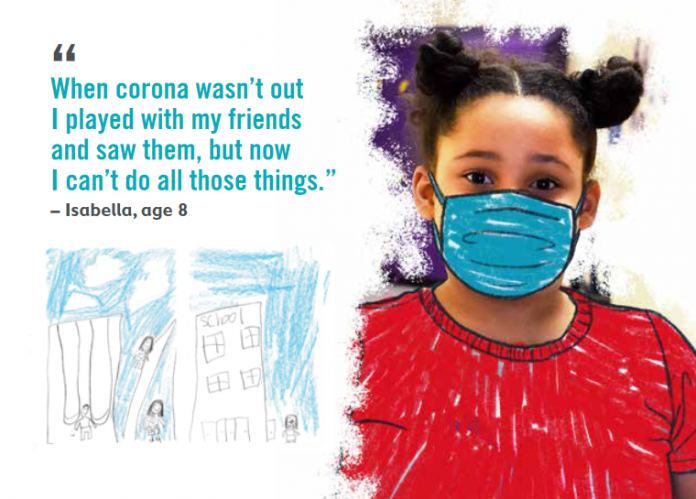
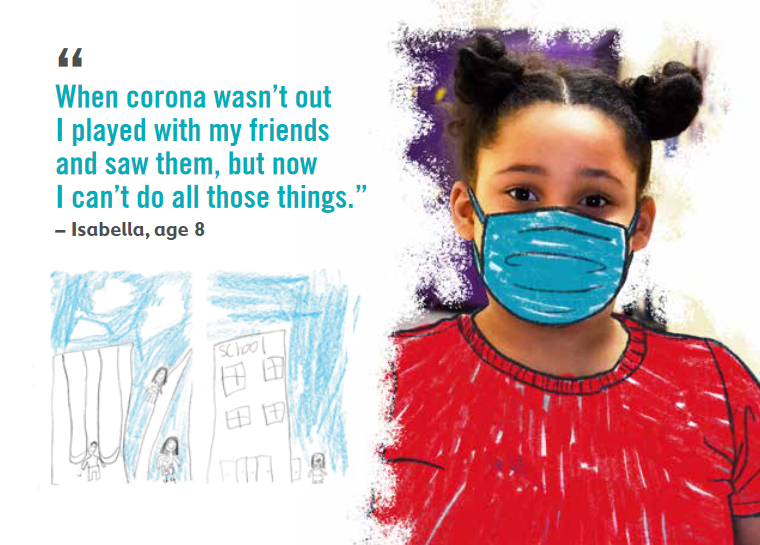
The humanitarian organization Save the Children has a released a report ranking Minnesota as the best state overall for children during the COVID-19 pandemic. Photo: Courtesy Save the Children

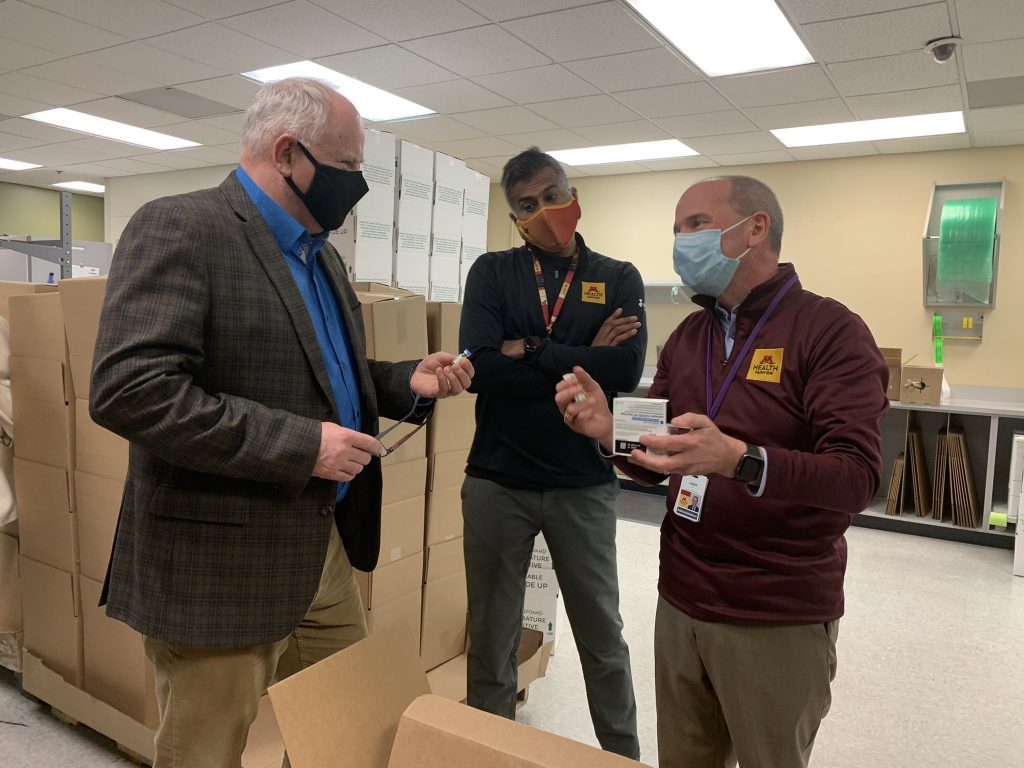
The first shipment of the much-awaited Johnson & Johnson COVID-19 vaccine arrived in Minnesota this week and was received by Governor Tim Walz. The state received 45,200 doses. The Johnson & Johnson vaccine is the third vaccine authorized by the Food and Drug Administration to help stop the coronavirus pandemic.

The shipments come in the wake of rankings from the Centers for Disease Control which indicate Minnesota is 3rd among states for the percentage of doses received that have been administered.

Minnesota providers have administered more than 1.4 million doses to almost 930,000 Minnesotans. More than 54% of Minnesotans 65 and older and 56% of K-12 educators and child care workers have gotten at least their first dose.

“This is an exciting development. We now have three vaccines available that are safe and highly effective in preventing severe disease, hospitalization, and death,” said Governor Walz. “The Johnson & Johnson vaccine will help our state quickly provide immunity and get us one step closer to ending this pandemic. We know we need broad community protection before we can get back to the normal, enjoyable parts of life we have missed, and the way we get there is by getting as many people vaccinated as quickly as possible. Everyone who has the opportunity to get this shot should take it.”

Walz Receicing JandJ Vaccine Shipment
Governor Tim Walz of Minnesota receives the first shipment of the Johnson & Johnson COVID-19 vaccine for his state on Wednesday, March 3, 2021. Photo: Governor of Minnesota Office

Minnesota, best state for children during pandemic

The high ranking from the CDC for Minnesota come in the wake of a report from the Save the Children organization that said the state was best for children during the coronavirus pandemic.

Minnesota came in first followed by Utah and Washington. The report analyzed four months of data the U.S. Census Bureau’s Household Pulse Survey. The survey was launched last year to study the social and economic effects of the COVID-19 pandemic.

According to Save the Children, using responses from households with children under the age of 18 that responded to the Census Bureau’s survey, it used three factors from the survey to rank states: 1.) Food scarcity 2.) Lack of access to tools for remote learning and 3.) Difficulty paying for household items.

The report said even with the states like Minnesota where children are doing well amid the pandemic, children in Black and Hispanic families have been disproportionately impacted by the pandemic, with those households being twice as likely as white families to lack enough food.

You can read the full report here.

Spotify expands to 40 more African countries

0
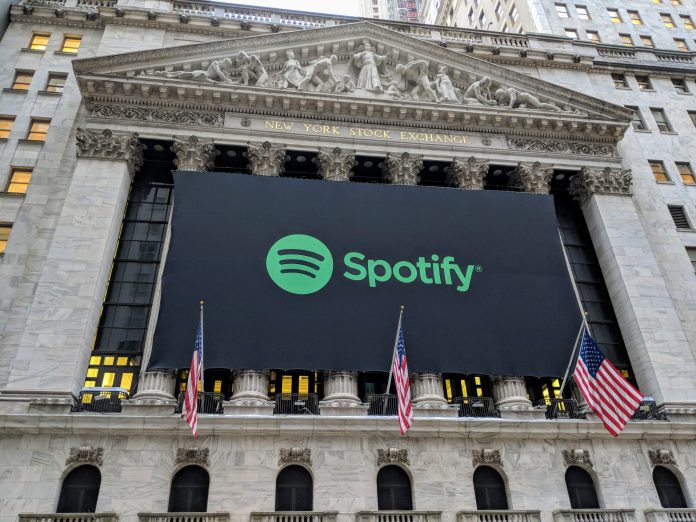
New York City, April 3 2018 - Banner on the New York Stock Exchange celebrating the IPO of the streaming music service Spotify. On February 22, 2021, the company announced it will expand its streaming services to an additional 40 African countries. Photo: Christopher Penler/Shutterstock
Spotify IPO
New York City, April 3 2018 - Banner on the New York Stock Exchange celebrating the IPO of the streaming music service Spotify. On February 22, 2021, the company announced it will expand its streaming services to an additional 40 African countries. Photo: Christopher Penler/Shutterstock

The streaming platform Spotify, which until now has been available in only 5 African countries, is set to launch in 40 additional African countries including Kenya, Angola, Benin, Zimbabwe, Nigeria and more.

The Swedish audio streaming service is home to over 50 million songs and 2 million podcasts as of the time of this writing.

In total, the company announced it is expanding into a total of 85 new markets around the globe. The company made the announcement at its Stream On event for creators and partners.

“Having more listeners on our platform creates more opportunities for artists and podcasters to make a living from their work. And more creators means more audio content for our users to discover,” said Alex Norström, Spotify’s Chief Freemium Business Officer. “This creates an essential flywheel between creators and listeners that is the foundation of our business — and in the end, it is what will propel the audio industry forward.”

In the new markets it is launching, the company said it will make available its full global music catalog while the entire podcast catalog will be available in the majority of them.

“We will work with local creators and partners to expand our music offerings and deliver a Spotify experience that meets the unique needs of each market,” Spotify said.

Spotify reported 345 million total monthly listeners in the fourth quarter of 2020, a number that includes 155 million premium subscribers.

Adewale Adeyemo testifies before Senate Finance Committee during confirmation hearing

0
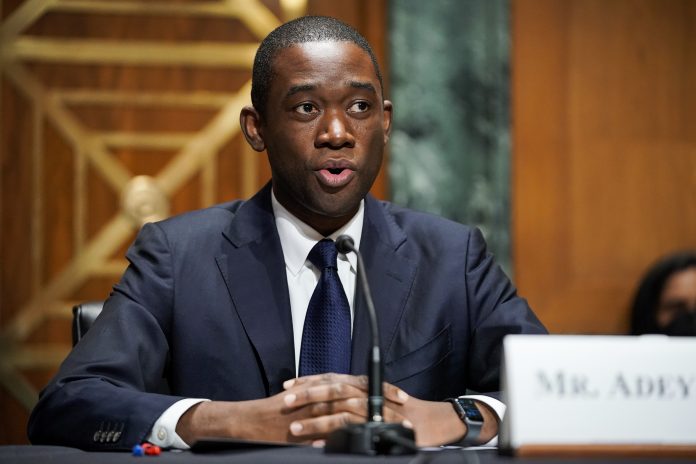
Adewale Adeyemo, deputy U.S. Treasury secretary nominee for U.S. President Joe Biden, speaks during a Senate Finance Committee confirmation hearing in Washington, D.C., U.S., on Tuesday, Feb. 23, 2021. If confirmed, Adeyemo will oversee a top-to-bottom review of the agency's sanctions operations, including an evaluation of current programs, staffing and budgets. Photographer: Greg Nash/The Hill/Bloomberg via Getty Images
Wally Adeyemo Testifying Before Finance Committee on 2 23 2021
Adewale Adeyemo, deputy U.S. Treasury secretary nominee for U.S. President Joe Biden, speaks during a Senate Finance Committee confirmation hearing in Washington, D.C., U.S., on Tuesday, Feb. 23, 2021. If confirmed, Adeyemo will oversee a top-to-bottom review of the agency's sanctions operations, including an evaluation of current programs, staffing and budgets. Photographer: Greg Nash/The Hill/Bloomberg via Getty Images

Adewale Adeyemo, President Biden’s nominee for the No. 2 spot at the Treasury Department, testified at his confirmation hearing on Tuesday (Feb.23). If confirmed as expected, Adeyemo and his boss, Treasury Secretary Janet Yellen, will make history as the first woman to lead the agency and the first Black deputy secretary.

Adeyemo was born in Nigeria and moved to the US with his parents at a young age. He previously served as a senior international economic adviser in the Obama administration.

He is one of the few Biden nominees who seems to enjoy bipartisan support and it showed at the hearing in Tuesday. Senate Finance Committee Chairman Ron Wyden (D., Ore.), in a clip you can watch above, was effusive in praising Adeyemo as the hearing opened.

“Wally Adeyemo is an ideal choice to serve as deputy secretary,” Chairman Wyden said.

Sen. Chuck Grassley (R-Iowa), the committee’s former chairman said he had some policy disagreements with Adeyemo but that given his qualifications, merited confirmation.

Former presidential candidate, Sen. Elizabeth Warren (D-Mass.) who was the first head of the Consumer Financial Protection Bureau under the Obama administration said Adeyemo was the new bureau’s first chief and staff “where he worked miracle after miracle” to address economic inequality.

Gov. Walz says other high-risk Minnesotans next in line to be vaccinated

0
Governor Walz during a press conference on Thursday,February 25, 2021 to announce the latest COVID-19 vaccine strategy for the state. Photo; YouTube Screengrab
Gov Walz Press COnference on 2 25 21
Governor Walz during a press conference on Thursday,February 25, 2021 to announce the latest COVID-19 vaccine strategy for the state. Photo; YouTube Screengrab
Gov Walz Press COnference on 2 25 21
Governor Walz during a press conference on Thursday,February 25, 2021 to announce the latest COVID-19 vaccine strategy for the state. Photo; YouTube Screengrab

Governor Walz on Thursday said those with serious pre-existing health conditions that puts them at risk of fatal COVID-19 infections are next line as a priority group to get the vaccine.

The governor made the announcement during a press conference to brief the state on the latest vaccine plans. Vaccine supplies from the federal government continue to be in short supply although the state did announce early this week that at least one million Minnesotans have received at least one shot of the two dose vaccines.

The current priority group for the state are health workers, educators, child care providers, seniors and people living or working in long-term care. Seniors have been a priority because they have accounted for 89 percent of the COVID-19 deaths.

“We set out to protect the most vulnerable Minnesotans, and we are honoring that commitment,” Walz said.

Governor Walz and state health commissioner Jan Malcolm said in the short term, the current priority groups will continue to be the priority but vaccinations will start for others after the priority groups, especially seniors, have received their shots.

In the press conference monitored by Mshale, this is what we gathered from the governor and state health officials:

  • After seniors have received their shots,
  • Early spring: vaccinations will be opened up to those with serious pre-existing conditions like sickle cell, Down Syndrome, chronic lung and heart conditions and those who may be undergoing cancer treatments. The early spring group will also include essential workers in food processing plants.
  • Late spring: Vaccinations will be open to those between 45-64 with pre-existing conditions that are not as risky. Next after this group are those aged 16 and over with underlying health conditions.

The late spring group also includes those aged 50-64 regardless of health condition, this group will come after those with preexisting conditions have had their vaccine.

  • Summer: This is when vaccinations will be open to the general public.

Minnesota Vaccine Connector – Know when it is your turn

Last week we covered the unveiling of Minnesota’s Vaccine Connector, which is a new tool the state has launched to help those who register know when its their turn to get vaccinated. It is also the state’s attempt to distribute the vaccine more equitably as communities of color are falling behind and are not receiving the vaccine at the same rate as whites.

You can register at mn.gov/vaccineconnector or by calling 1-800-657-3504.

Below is a graphic from the state that shows the prioritization flow of the vaccine going forward.

Latest Walz Vaccine Plan

Brooklyn Park Mayor Race: Absentee Voting begins February 26

0
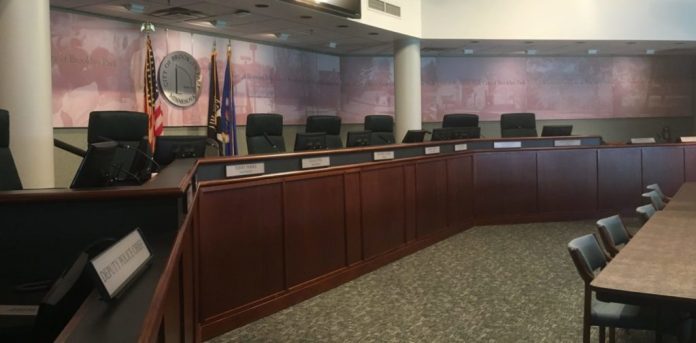
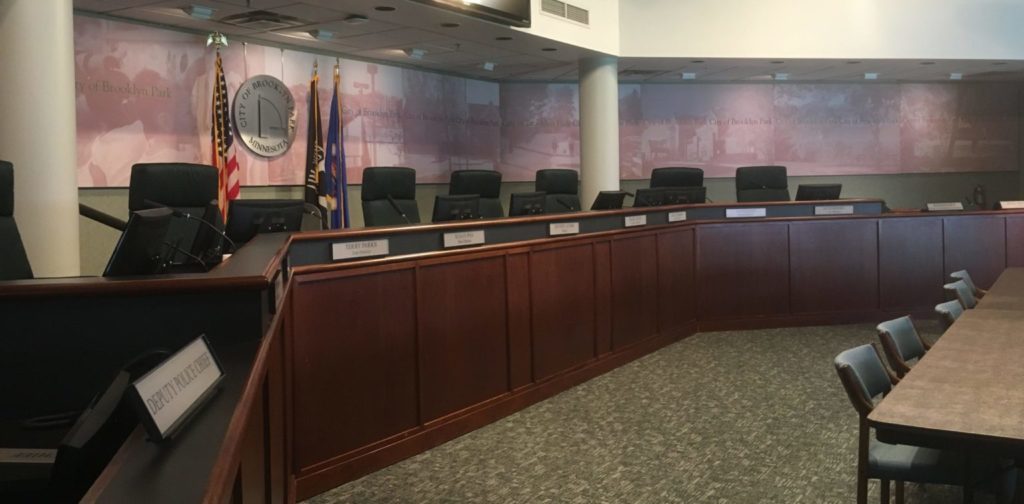
Absentee voting for the Brooklyn Park mayoral race will begin on February 26, 2021 for the April 13, 2021 special primary election. Photo: Courtesy City of Brooklyn Park
Brooklyn Park Council Chambers
Absentee voting for the Brooklyn Park mayoral race will begin on February 26, 2021 for the April 13, 2021 special primary election. Photo: Courtesy City of Brooklyn Park
Brooklyn Park Council Chambers
Absentee voting for the Brooklyn Park mayoral race will begin on February 26, 2021 for the April 13, 2021 special primary election. Photo: Courtesy City of Brooklyn Park

Absentee voting for the April 13 special primary election for Brooklyn Park mayor will start tomorrow (Feb. 26, 2021). The deadline to file to run for mayor was February 16 and more than two candidates filed necessitating a primary on April 13 to narrow the field to two.

The two top candidates on April 13 will advance to the August 10 special election.

You can read more about the candidates that have filed at this previous Mshale story.

From the City of Brooklyn Park on the absentee voting process:

  • The in-person and mail-in absentee voting period for the 2021 Special Primary Election is February 26 – April 12.
  • The in-person absentee voting office will be held at City Hall, 5200 85th Ave N. during business hours, Monday-Friday 8am to 4:30pm.
  • You can apply for an Absentee Ballot by:
  • Once completed and signed, return your absentee ballot application as soon as possible to Hennepin County by:
    • Mailing to the Hennepin County Elections Government Center
      300 S. 6th St MC 012 Minneapolis MN 55487-0012
    • Or emailing it to [email protected]

This information is available at: brooklynpark.org/elections/#2021-special-election.

Vaccine Connector, Minnesota’s new website tool to sign up for the COVID-19 vaccine

0
Minnesota on Thursday, February 18, 2021 launched a new website tool called vaccine Connector to alert those who sign up when it is their turn to receive the COVID-19 vaccine.
MN COVID 19 Vaccine
Minnesota on Thursday, February 18, 2021 launched a new website tool called vaccine Connector to alert those who sign up when it is their turn to receive the COVID-19 vaccine.
MN COVID 19 Vaccine
Minnesota on Thursday, February 18, 2021 launched a new website tool called vaccine Connector to alert those who sign up when it is their turn to receive the COVID-19 vaccine. Photo: Shutterstock

The state of Minnesota on Thursday launched a new website tool for those 18 years and older that will alert them when its their turn to sign up for the Covid-19 vaccine.

Minnesotans can sign up at mn.gov/covid19/vaccine/connector/, or by calling 1-833-431-2053 if one does not have internet access.

Special Note: The new tool is for the general public and NOT for those already eligible to be vaccinated right now like:

  • Minnesotans age 65 or older
  • Health care workers
  • Long-term care residents or staff members
  • Pre-kindergarten through grade 12 educators, or contracted school staff member
  • Child care staff members licensed and certified child care centers or programs

Those listed above can continue the current process of getting the vaccines through their employers or health care providers.

Why only 18 and up?: This is because of the eligibility requirements for the Moderna vaccine which is approved for those 18 and up while the Pfizer one has been approved for 16 and up.

What to expect: When you sign up you will be asked for your address, age, occupation and medical history. Optional data include race, gender and sexual orientation. The optional data is to help the state track and measure equity and fairness in the vaccine distribution process.

“When a Minnesotan becomes eligible to receive a vaccine under state guidelines, the Vaccine Connector will alert them of their eligibility, connect them to resources to schedule an appointment, and notify them if there are vaccination opportunities in their area,” said Gov. Tim Walz.