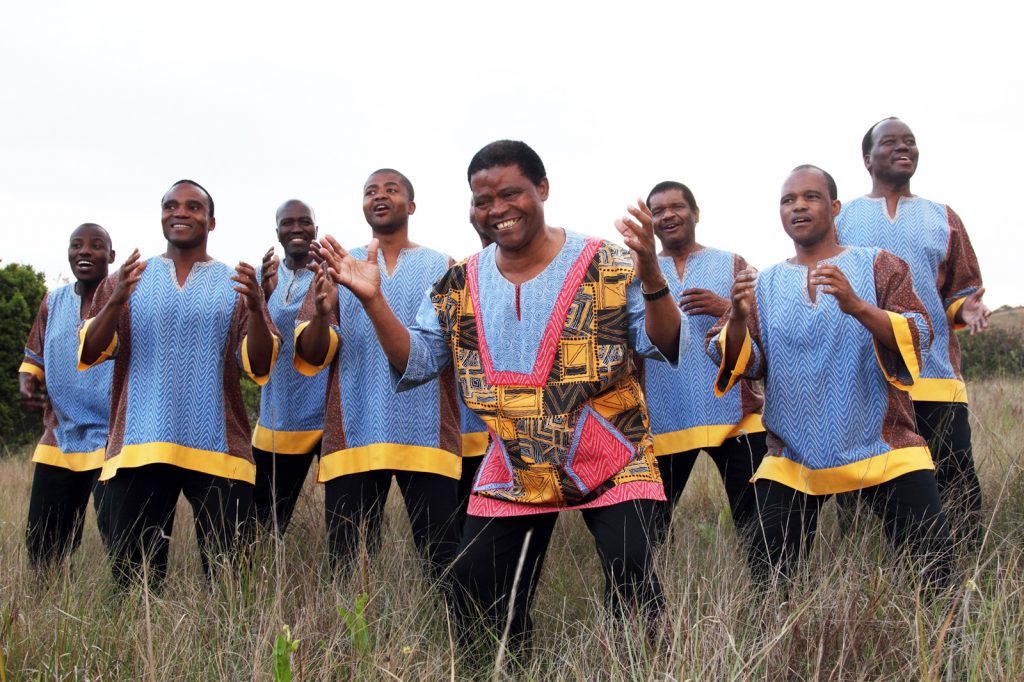
The Macalester College African Music Ensemble will perform at Ghana's 60th Independence dinner celebration at Minnetonka Sheraton on Saturday, March 11, 2017. Photo: Courtesy of Macalester College
The Macalester College African Music Ensemble will perform at Ghana's 60th Independence dinner celebration at Minnetonka Sheraton on Saturday, March 11, 2017. Photo: Courtesy of Macalester CollegeThe Macalester College African Music Ensemble will perform at Ghana’s 60th Independence dinner celebration at Minnetonka Sheraton on Saturday, March 11, 2017. Photo: Courtesy of Macalester College
The Ghanaian Association of Minnesota will mark Ghana’s 60th independence with a dinner and dance at the Minnetonka Sheraton on Saturday, March 11.
The association said in a release that it will be an elegant evening of food , drinks and music to honor Ghana’s “rich history and culture.”
Macalester College’s African Dance Ensemble will perform. The ensemble which was founded in 1987 and directed by a Ghanaian, Sowah Mensah, performs traditional African music primarily from Ghana, but also from Nigeria, Zimbabwe, Guinea, The Gambia, Kenya, and Tanzania.
Macalester College is also the alma mater of former United Nations Secretary General Kofi Annan of Ghana.
Tickets, which are available online, range from $25-$30 and $15 for those under 17.
In Ghana, the country celebrated independence day on Monday. March 6 at Independence Square and other venues around the country.
The country’s president, Nana Addo Dankwa Akufo-Addo, told the country at Independence Square “We have a bright future, and we must mobilize all our resources and all our strengths, here and in the Ghanaian Diaspora, to get to that promised land of prosperity faster.” This was his first independence day as president having taken office on January 7, 2017.
Ticket information for the Ghanaian Association of Minnesota independence day dinner celebration can be found here.
Ghana Independence Day Dinner and Dance Date: Saturday, March 11, 2017 @ 6:30 PM Venue: Sheraton Hotel, 12201 Ridgedale Drive, Minnetonka, MN 55305 Tickets:Go Here.
Mali's Salif Keita 'The Golden Voice of Africa' will perform at a Mshale sponsored concert on Wednesday, March 1 at the Cedar in Minneapolis. Photo: Courtesy Salif Keita
Mali's Salif Keita 'The Golden Voice of Africa' will perform at a Mshale sponsored concert on Wednesday, March 1 at the Cedar in Minneapolis. Photo: Courtesy Salif KeitaMali’s Salif Keita ‘The Golden Voice of Africa’ will perform at a Mshale sponsored concert on Wednesday, March 1 at the Cedar in Minneapolis. Photo: Courtesy Salif Keita
Malian superstar Salif Keïta, ‘The Golden Voice of Africa’ as music fans affectionately call him is set to perform at a Mshale sponsored concert at the Cedar on Wednesday, March 1, as part of the Cedar’s Global Roots music series and a closing out of Mshale’s year long 20th anniversary celebrations.
In a response on his Facebook page responding to a Mshale entry on his timeline two weeks ago, Keita said regarding his Minneapolis concert: “On March 1, I’ll be Singing my greatest hits for the 1st time!”
Twin-cities based renowned soukous player Siama Matuzungidi will open for the legend (Read a previous Mshale story on Siama here).
Keita is one of Mali’s best-known singers for his Afro-pop sound. He has brought traditional African rhythms and instruments to a broader audience. Keita is also an albino and has for many years spoken out on their behalf and the stigma associated with albinism in Africa. In his third album released in 2009, La Différence, he calls on others to understand that “difference” does not mean “bad” and to show love and compassion towards albinos like everyone else: “I am black, my skin is white, so I am white and my blood is black (albino)…I love that because it is a difference that’s beautiful”, “some of us are beautiful some are not, some are black some are white, all that difference was on purpose…for us to complete each other,let everyone get his love and dignity,the world will be beautiful.”
Salif Keita can usually be counted on to deliver an exciting concert blended with superb instrumentation and his famed vocals.
The concert at the Cedar is an ‘Open floor’ meaning you can dance.
Salif Keita Concert
Cedar Cultural Center – Global Roots
416 Cedar Ave S
Minneapolis, MN, 55454 Cover: $35 for Advance Tickets or $40 at the door. Tickets:Buy Online.
The Dandies 2017 Book launch will take place on March 9 2017 at the 514 Studios in Minneapolis. Pictured are this year's Dandies. Photo: Courtesy MK8 Design
The Dandies 2017 Book launch will take place on March 9 2017 at the 514 Studios in Minneapolis. Pictured are this year's Dandies. Photo: Courtesy MK8 DesignThe Dandies 2017 Book launch will take place on March 9 2017 at the 514 Studios in Minneapolis. Pictured are this year’s Dandies. Photo: Courtesy MK8 Design
Mark your calendars for the annual Dandies Project: a showcase and photo book release featuring professional men of color from around the Twin Cities. Amara Kamara, Dandies Project board member and owner of Pillars Athletic Training, spoke to Mshale in advance of this year’s showcase. When asked what to expect for the upcoming release, Kamara responded, “we have the same goal: to put out a positive image of men of color.”
(A more detailed look on the Dandies by my colleague Kari Mugo can be read here).
The Dandies Project started in 2013 with the mission of highlighting the positive impact that men of color have brought to their own community with a sense of purpose and style. It has since expanded to encompass all men, regardless of race. Now in it’s fourth year, the annual Dandies Project continues to empower communities by staging a gathering for people to connect, donate to local organizations, and be inspired to do good and look good.
This year’s featured Dandies include Tom Gitaa, David Stewart, Charles Dwamina, Vii Washington, Harry Colbert, Mark Parish, Michael Gittelson, Ansu Soumaoro, and Houston White.
The photo book will sell for $50 with proceeds going to the Hallie Q. Brown Community Center. The Hallie Q. Brown Center is a service agency and non-profit founded in 1929 with the mission of serving the Summit University area of Saint Paul, and the broader Twin Cities metro. Don’t miss the book launch and benefit on Thursday, March 9th at 514 Studios in North Loop, Minneapolis.
Door donations and proceeds from the book will go towards supporting the Hallie Q. Brown Community Center. Come and show your style, meet the 2017 Dandies, and make a difference in the community.
Dandies Project 2017 Book Launch
Thursday, March 9th, 2017 6:00 – 9:00 pm
@ 514 Studios
514 North 3rd Street STE 101, Minneapolis, MN 55401 Cover: FREE but voluntary donations will be accepted. Book Cost: $50 (cash or credit card). facebook.com/events/408118589529051/
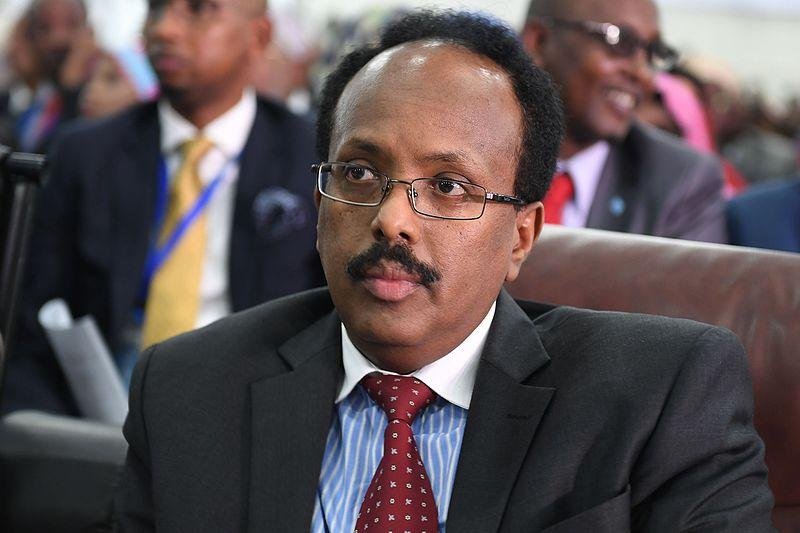
In an electoral surprise, a man from New York recently became president. No, not that man, and not from that slice of New York—Mohamed Abdullahi “Farmajo” Mohamed, a long-time resident of a Buffalo suburb and the former prime minister of Somalia, was selected as the next president of the African nation of Somalia earlier this week.
According to Merrit Kennedy at NPR, Mohamed was the surprise winner against incumbent president Hassan Sheikh Mohamud in an election by the nation’s Parliament. Kennedy explains that over several months, 14,000 Somali elders elected 275 members of parliament and 54 senators. Those newly elected officials gathered in a fortified base in Mogadishu to vote for president. From a field of 20, the first vote reduced the pool of candidates to three, including Mohamed and Mohamud. In the second round of voting, Mohamed was declared the winner. Mohamud conceded to the new president.
The New York Times‘ East Africa bureau chief Jeffrey Gettleman quotes a Somalia analyst who explains what happened as follows: “The least corrupt and most-well-liked candidate won Somalia’s most corrupt and least democratic election.”
Though Mohamed has spent the most of the last year campaigning in his native country, the 54-year-old spent the majority of his adult life in the United States. Jane Kwiatkowski Radlich at The Buffalo News reports that in the 1980s Mohamed worked for Somalia’s ministry of foreign affairs, moving to Washington in 1985 where he worked at the Somalia embassy for four years. After applying for asylum, he moved to Buffalo because of its large Somali population, Radlich reports. He eventually became a dual U.S./Somali citizen.
Mohamed has worked for the Buffalo Municipal Housing Authority, for Erie County’s division of Equal Opportunity Employment and was an employee of New York’s Department of Transportation. In 2010, he met with then-president of Somalia Sheikh Sharif Ahmed who was visiting New York. In November of that year Ahmed selected Mohamed to become Somalia’s prime minister. His time in office was brief, and political infighting led to his dismissal in June 2011. The rare politician who’s enjoyed wide support in Somalia, his departure led to violent protests in which demonstrators demanded Mohamed’s reinstatement.
The Somali community in Buffalo have watched Mohamed’s run for the presidency carefully. “Somalia is having a difficult time,” Bashir Hagi Abdi a Buffalo-based Somali tells Radlich. “There are three reasons: militant groups, instability of neighboring countries and political clans. I believe the new president will have to work very hard, and he will because he is a great leader. In the eight months that Mohamed was prime minister he pushed out militant groups and fought corruption.”
David Lawler at The Telegraph, reports that Mohamed is not alone in returning to his embattled nation. Most of the officials elected during the recent elections were dual-citizens who have lived outside Somalia during the country’s decades of political turmoil.
Nor is Mohamed the first dual U.S. citizen to be elected president of another country. Golda Meir, born in Ukraine, received U.S. citizenship when her father was naturalized. She became prime minister of Israeli in 1969.
While dual citizenship is accepted for politicians in Somalia, other African nations that have experienced similar diasporas are not quite as accepting. In Liberia, politicians and intellectuals have debated for years whether dual citizens should be allowed to hold power, especially after the 2006 election of Ellen Johnson-Sirleaf, the first democratically elected female president in Africa, who has dual Liberian/German citizenship.
Mshale Editor’s note: Story is by Jason Daley Courtesy of The Smithsonian
Green Card Voices Offers a Platform for Immigrant Stories
Her face now reserved, Aisha Abdullahi sits on stage under a bright spotlight. Jose Guzman works the microphone and camera while Tea Rozman-Clark perches in an opposing chair, leaning forward, as she attempts to draw a story out of the young woman whose voice has unexpectedly fallen to a barely perceptible decibel. Seven of us in the auditorium of Intermedia Arts wait soundlessly.
Abdullahi, born in Nairobi, lived with her grandma in Kenya for ten years while her mother lived in the United States. Abdullahi was finally able to rejoin her mother and siblings as a young teenager. She warms to Rozman-Clark’s voice and opens up slightly, sharing her hope to finish her last semester of high school and then commence college where she’ll study nursing.
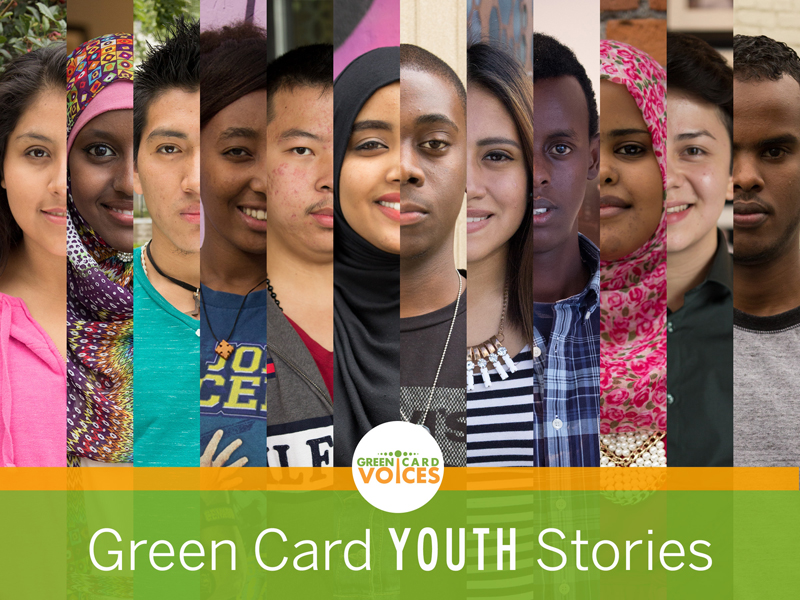
Her story becomes one of hundreds recorded and archived by Green Card Voices, a 501-non-profit that endeavors to acquire first-person perspective about immigrants’ lives, increasing the appreciation of the immigrant experience in America. (Mission Statement)
Renting workspace at Intermedia Arts, Green Card Voice’s regard for first-person immigrant stories and the story’s ability to connect and empower aligns with the philosophy of many other highly recognized and honored organizations: StoryCorps, Community Celebration of Place, Studs Terkel, and simply the many griots worldwide who understand the power of a well-told tale.
“I don’t know what happened,” Abdullahi says in an animated and stronger voice after her recording session, “when I was sitting in that chair, I just suddenly felt shy.” Currently three staff members strong, Green Card Voices use the material they collect from their subjects and add photos from the storyteller’s homeland as well as pictures from daily activities here in the United States. A five-minute piece is produced and added to their collection.
Green Card Voices zeroes in on the immigrant story as a way to build a bridge between immigrants, non-immigrants, and advocates from across the country (Vision Statement). The stories are captured in audio and video recordings then edited and disseminated in a variety of formats including educational materials for schools, workplaces, and community centers.
Their first book, “Green Card Youth Voices: Immigration Stories from a Minneapolis High School,” has been awarded the Gold Medal Award for Best Multicultural Non Fiction Chapter Book in the Moonbeam Children’s Book Awards. This book and its recognition provide not only another medium to share their story, but an affirmation for their diligent work.
Somali youth, Ahmed Hamza Mahamed, was born in Saudi Arabia. When he was four, his family moved to South Africa. Eventually, they ended up here. He also sat in the spotlight and chronicled his immigrant story. Mahamed said, “My mom likes that I’m involved [in this project]. It’s good to know other people’s stories.”
To listen to the stories produced by Green Card Voices, explore their website.
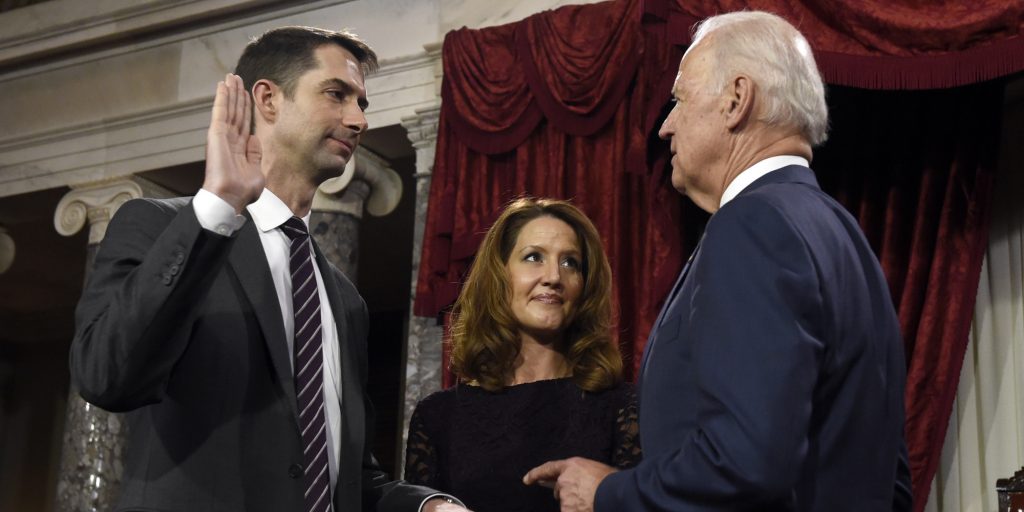
Vice President Joe Biden administers the Senate oath to Sen. Tom Cotton R-Ark., during a ceremonial re-enactment swearing-in ceremony, Tuesday, Jan. 6, 2015, in the Old Senate Chamber on Capitol Hill in Washington. Cotton's wife Anna is at center. Photo: C-Span Screen Grab
Vice President Joe Biden administers the Senate oath to Sen. Tom Cotton R-Ark., during a ceremonial re-enactment swearing-in ceremony, Tuesday, Jan. 6, 2015, in the Old Senate Chamber on Capitol Hill in Washington. Cotton's wife Anna is at center. Photo: C-Span Screen GrabVice President Joe Biden administers the Senate oath to Sen. Tom Cotton R-Ark., during a ceremonial re-enactment swearing-in ceremony, Tuesday, Jan. 6, 2015, in the Old Senate Chamber on Capitol Hill in Washington. Cotton’s wife Anna is at center. Photo: C-Span Screen Grab
Immigrants still smarting from president Donald Trump’s executive orders banning entry from Muslim-majority countries have a new challenge to contend with. New legislation to be introduced by Trump ally, first term US Senator Tom Cotton, of Arkansas intends to end the popular diversity visa lottery which allots about 50,000 visas a year to countries that have traditionally had lower rates of immigration into the United States.
Senator Cotton calls the diversity visa lottery “outdated”.
The legislation, called the Reforming American Immigration for Strong Employment Act or the RAISE Act, would also seek to limit the ability of American citizens and permanent residents (green card holders) to sponsor their families for green cards.
Additionally, the RAISE Act will limit refugees offered permanent residency to just 50,000.
In documentation obtained by Mshale, the most radical aspects of the RAISE Act legislation will be the elimination of preferences for the extended and adult family members of U.S. residents including:
Adult parents of U.S. citizens
Adult siblings of U.S. citizens
Unmarried adult children of U.S. citizens
Married adult children of U.S. citizens
Unmarried adult children of legal permanent residents
According to Senator Cotton the legislation will reduce overall immigration “by 41% in its first year and 50% by year 10”.
Senator Cotton contends that the RAISE Act would lower overall immigration to 637,960 in its first year and to 539,958 by its tenth year—a 50 percent reduction from the 1,051,031 immigrants who arrived in 2015.
Cotton’s new legislation is expected to be formally proposed today in the senate by fellow Republican, Senator David Perdue of Georgia.
In an op-ed in the New York Times in December, Senator Cotton said: “For too long, our immigration policy has skewed toward the interests of the wealthy and powerful: Employers get cheaper labor, and professionals get cheaper personal services like housekeeping.”
Cotton blames immigration and what he calls a “generation-long influx of low-skilled labor” as being responsible “the downward pressure on the wages of working Americans.” he goes on to say that “wages for Americans with only high school diplomas have declined by 2 percent since the late 1970s, and for those who didn’t finish high school, they have declined by nearly 20 percent.”
In a bid to appear humane with his draconian legislation, Cotton’s bill if it becomes law would create a temporary visa for parents in need of caretaking. He says in his legislation regarding these ailing elderly: “For U.S. citizens who wish to bring elderly parents in need of caretaking to the United States, the RAISE
Act creates a renewable temporary visa on the condition that the parents are not permitted to work, cannot access public benefits, and must be guaranteed support and health insurance by their sponsoring children.”
It is not clear at this point whether Senator Cotton’s RAISE Act will in anyway increase the number allotted for the H1-B visas from the current allotment of 85,000 per year that Congress has allowed.
Regardless, the RAISE Act will face significant opposition from proponents of legal immigration which include many of the Fortune 500 executives as well as most of Silicon Valley.
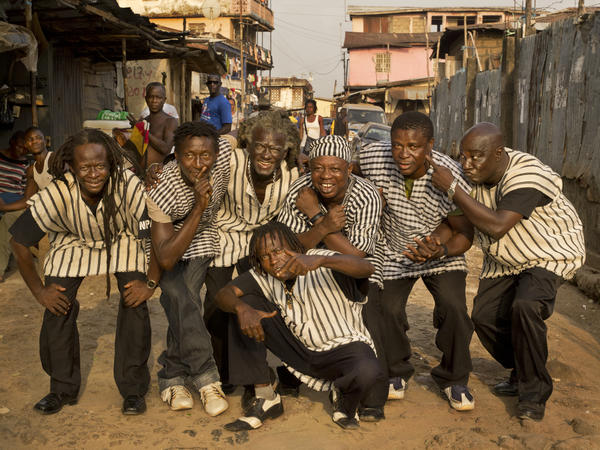
Sierra Leone's Refugee All Stars will perform at Books for Africa benefit concert on Friday, February 10 2017 at the Amsterdam Bar in St. Paul. Photo: Courtesy Sierra Leone Refugee All Stars
Sierra Leone's Refugee All Stars will perform at Books for Africa benefit concert on Friday, February 10 2017 at the Amsterdam Bar in St. Paul. Photo: Courtesy Sierra Leone Refugee All StarsSierra Leone’s Refugee All Stars will perform at Books for Africa benefit concert on Friday, February 10 2017 at the Amsterdam Bar in St. Paul. Photo: Courtesy Sierra Leone Refugee All Stars
Sierra Leone’s Refugee All Stars will perform live at a Books for Africa benefit concert at the Amsterdam Bar & Hall in St.Paul on Friday, February 10 to raise funds to send a container of books (22,000 books) to Sierra Leone.
The band was formed by those fleeing their homes in the 1990s during Sierra Leone’s bloody civil war. It formed into a band Kalia Refugee Camp in Guinea. It is one of Africa’s top touring and recording bands.
The 28-year old Books for Africa has shipped almost a million books to Sierra Leone since the organization’s founding. It is the largest shipper in the world of school textbooks to the African continent.
sierra Leone Refugee Allstars second album, Rise & Shine, earned the band 2010 Album of the Year on the World Music Charts Europe.
Tickets to the concert on Friday are $25 and proceeds will go towards the container shipment to Sierra Leone.
Amsterdam Bar & hall is located at 6 W 6th St, St Paul, MN 55102.
Their smiling faces and simple melodies belie the hard work and carefully cultivated talent that goes into the performance of Grammy-winning Ladysmith Black Mambazo. On stage at the historic State Theater in Minneapolis last Saturday evening, this nonet of cultural ambassadors for South Africa brought nothing but acclaim to their country.
Their concert, accented with hallmark South African sounds of clicks and whistles as well as energetic dance steps, started promptly at 8 o’clock and lasted two hours. In all that time, the only instruments used were their voices as they sang in the traditional Isicathamiya style. No pitch pipe offers them a starting note, they sing as if they’ve perfect pitch.
A little history of the Isicathamiya fashion of singing deepens ones appreciation for Ladysmith Black Mambazo. This a cappella style relies on tight harmonies, which Ladysmith Black Mambazo achieves through maintaining a tight-knit group with many brothers and cousins providing their voice, and precise choreography, which Ladysmith Black Mambazo displayed with panache. Even the most senior members who hover close to 70s in age kicked their heels high above their heads, repeatedly.
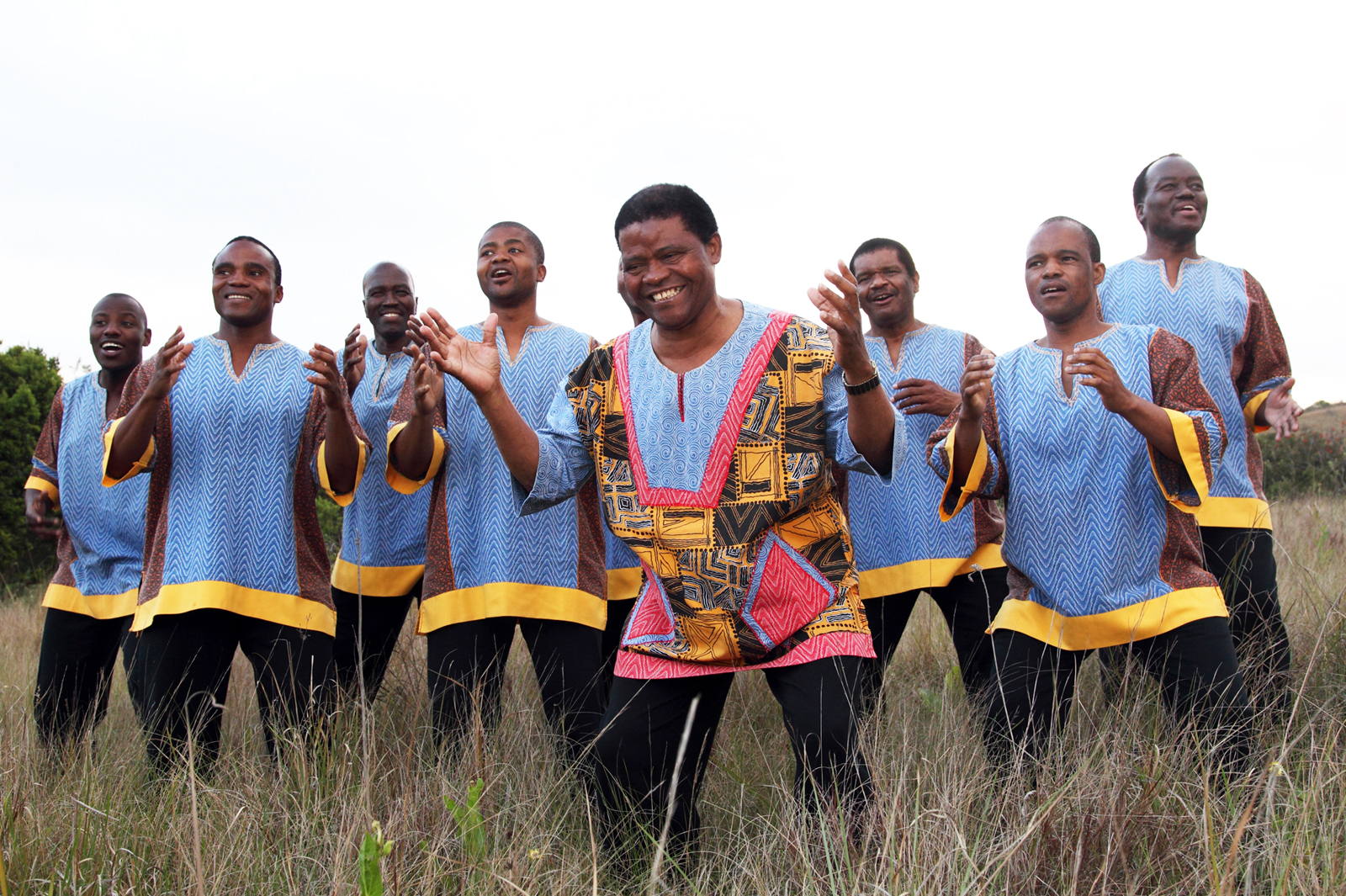
Isicathamiya choirs also require a dress code of suits, white shirts, and black shoes. The choir founded by Joseph Shabalala 57 years ago deviated from the specifics, yet retained the requisite red socks. They exchanged the suit coat and dress shirt for attire in style and color that was more representative of their Zulu culture. Their feet glowed white instead of their shirts.
The polished picture they presented on stage with honed voice, meticulous footwork, and infectious humor kept their nearly sold-out audience entertained and informed. The group sang from their album, Walking in the Footsteps of Our Fathers, which is up for this year’s Grammy for Best World Music Album. The Grammys will take place on Sunday February 12th.
South African group Ladysmith Black mambazo will perform at the State Theatre in downtown Minneapolis on Saturday, February 4, 2017. Photo: Courtesy Ladysmith Black Mambazo
South African group Ladysmith Black mambazo will perform at the State Theatre in downtown Minneapolis on Saturday, February 4, 2017. Photo: Courtesy Ladysmith Black MambazoSouth African group Ladysmith Black mambazo will perform at the State Theatre in downtown Minneapolis on Saturday, February 4, 2017. Photo: Courtesy Ladysmith Black Mambazo
Four-time Grammy winner, South Africa’s Ladysmith Black Mambazo, will be back in the Twin Cities on February 4 at the State Theatre in Minneapolis.
The group, known for their plifting harmonies that dwell on love and harmony and given their country’s history, freedom of the political kind.
Walking in the Footsteps of Our Fathers is their first studio album in five years. The group is well known and popular in Africa but in the United States, they are best known as the center stage of Paul Simon’s 1986 record Graceland. It was recorded with South African musicians as the peak of a global cultural boycott against the apartheid regime then ruling the nation and its apartheid laws.
“Ladysmith” is founder Joseph Shabalala’s hometown, and “mambazo” means “axe” in Zulu.
Ladysmith Black Mambazo will perform at 8 pm on Saturday, February 4, at the State Theatre in downtown Minneapolis. Tickets range from $29.50 to $49.50. Show is all ages.
An African immigrant in Atlanta. The Center for Migration Studies of New York has released a report on Trump's planned mass deportation. Photo: Courtesy Atlanta Black Star
An African immigrant in Atlanta. The Center for Migration Studies of New York has released a report on Trump's planned mass deportation. Photo: Courtesy Atlanta Black StarAn African immigrant in Atlanta. The Center for Migration Studies of New York has released a report on Trump’s planned mass deportation. Photo: Courtesy Atlanta Black Star
The Center for Migration Studies of New York (CMS) today released a report on the impact of President Donald Trump’s large-scale deportation plan on US families and the US economy.
The report provides a statistical portrait of the US undocumented population, with an emphasis on the social and economic condition of mixed-status households (that is, households that contain a US citizen and an undocumented resident). Major findings include:
There were 3.3 million mixed-status households in the United States in 2014.
6.6 million US-born citizens share 3 million households with undocumented residents (mostly their parents). Of these US-born citizens, 5.7 million are children (under age 18).
2.9 million undocumented residents were 14 years old or younger when they were brought to the United States.
Three-quarters of a million undocumented residents are self-employed, having created their own jobs, and in the process creating jobs for many others.
A total of 1.3 million, or 13 percent of the undocumented over age 18, have college degrees.
Of those with college degrees, two thirds, or 855,000, have degrees in four fields: engineering, business, communications, and social sciences.
Six million undocumented residents, or 55 percent of the total, speak English well, very well, or only English.
The unemployment rate for the undocumented was 6.6 percent, the same as the national rate in January 2014.
Seventy-three percent had incomes at or above the poverty level.
Sixty-two percent have lived in the United States for 10 years or more.
Their median household income was $41,000, about $12,700 lower than the national figure of $53,700 in 2014 (US Census Bureau 2015).
Based on this profile, a massive deportation program can be expected to have the following major consequences:
Removing undocumented residents from mixed-status households would reduce median household income from $41,300 to $22,000, a drop of $19,300, or 47 percent, which would plunge millions of US families into poverty.
If just one-third of the US-born children of undocumented residents remained in the United States following a mass deportation program, which is a very low estimate, the cost of raising those children through their minority would total $118 billion.
The nation’s housing market would be jeopardized because a high percentage of the 2.4 million mortgages held by households with undocumented immigrants would be in peril.
Gross domestic product (GDP) would be reduced by 1.4 percent in the first year, and cumulative GDP would be reduced by $4.7 trillion over 10 years.
CMS derived its population estimates for 2014 using a series of statistical procedures that involved the analysis of data collected by the US Census Bureau’s American Community Survey (ACS). The privacy of all respondents in the survey is legally mandated, and the identity of undocumented residents cannot be derived from the data. A detailed description of the methodology used to develop the estimates is available.
President Donald Trump, left, with Defense Secretary James Mattis, right, watching, explains the executive action on extreme vetting that he is about to sign at the Pentagon in Washington, Friday, Jan. 27, 2017. Photo: Courtesy White House
President Donald Trump, left, with Defense Secretary James Mattis, right, watching, explains the executive action on extreme vetting that he is about to sign at the Pentagon in Washington, Friday, Jan. 27, 2017. Photo: Courtesy White HousePresident Donald Trump, left, with Defense Secretary James Mattis, right, watching, explains the executive action on extreme vetting that he is about to sign at the Pentagon in Washington, Friday, Jan. 27, 2017. (AP Photo/Susan Walsh)
Last week, the new White House Administration issued several Executive Orders targeting immigrants for deportation and increasing the forces of Immigrations and Customs Enforcement (ICE) and Customs and Border Protection (CBP) and giving them more power to capture, detain and deport immigrants. In particular, refugees and visitors from seven countries, including the African nations of Libya, Sudan and Somalia have been barred from entering the United States and the U.S. Refugee Resettlement program has been suspended for 90 days, with some countries, including Syria, suspended indefinitely.
Travelers from these countries have been detained at U.S. airports, prevented from boarding flights to the U.S. and restricted from contacting their families. Several people have even been unlawfully deported after they were intimidated into signing away their rights by customs officers.
Regardless of your immigration status, everyone has certain rights according to the U.S. Constitution. While attorneys are working on behalf of individuals affected, it is important that everyone impacted by the ban know their rights to protect themselves and their loved ones.
Here are the three most important tips for every immigrant, including Legal Permanent Residents (green card holders), when being confronted by a law enforcement officer regarding their immigration status:
1. Remain Silent! — Anything you say could be used against you, so it’s best to stay silent until you can speak with your attorney.
2. Don’t sign anything. — You may be told that it is for the best, but these forms presented to you may revoke your visa or your residency status.
3. Ask for a lawyer. — These are legally binding situations, and you need to have representation present.
BAJI also has a resource Line at 718-483-8665 for questions and referrals to legal services.
You can right click to download these tips which have been translated into Haitian Kreyol, French, Spanish and Arabic.
Be sure to share this information with your networks. BAJI is committed to developing tools and resources to help Black immigrants defend themselves and their communities and build power to fight for social and economic justice.