Hundreds are expected at Parkers Park Community Playfield in Plymouth this Sunday, June 1, as Minnesota’s Kenyan-American community celebrates Madaraka Day, which marks the day Kenya attained internal-self rule from the British on June 1, 1963 in the run-up to full independence on December 12, 1963.
This will be the 51st celebration by independent Kenya. The Minnesota event will feature soccer, music and children’s activities and “lots of food”, according to the organizaing committee.
Activities will begin at 1:00 P.M. on Sunday and conclude at 7:00 P.M.
Mwanyagetinge Foundation which draws membership from the Gusii community of western Kenya is the lead organziation organziaing the celebration, in collaboration with other Kenyan associations in the state including AKIA, GOTABGAA, MEGA and KCM. The annual Madaraka day celebration draws visitors from around Minnesosta and surrounding states.
By good timimg of the calendar this year, Kenyans in Minnesota will be able to celebrate Madaraka day the same day as people in Kenya. It is a public holiday in Kenya but diaspora Kenyans have traditionally celebrated it the first weekend following the actual June 1.
Minnesota is home to over 10,000 Kenyans, among the largest in the United States.
Madaraka Day in Minnesota
When: June 1, 2014
Time: 1:00 P.M. – 7:00 P.M.
Location: Parkers park Community Playfield, 15505 County Road 6, Plymouth, Minnesota
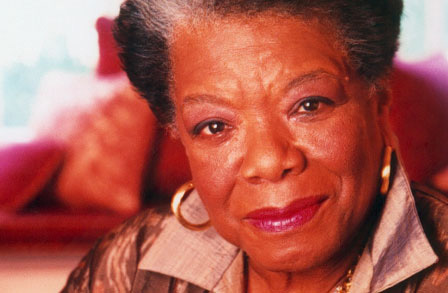
American poet and author Maya Angelou died today, Wednesday May 28, 2014 aged 86.
American poet and author Maya Angelou died today, Wednesday May 28, 2014 aged 86.American poet and author Maya Angelou died today, Wednesday May 28, 2014 aged 86.
Beloved American author and poet, Maya Angelou, born April 4 1928 in St. Louis, Missouri, ,died today at the age of 86.
Thus she had lain
sugercane sweet
deserts her hair
golden her feet
mountains her breasts
two Niles her tears.
Thus she has lain
Black through the years.
Over the white seas
rime white and cold
brigands ungentled
icicle bold
took her young daughters
sold her strong sons
churched her with Jesus
bled her with guns.
Thus she has lain.
Now she is rising
remember her pain
remember the losses
her screams loud and vain
remember her riches
her history slain
now she is striding
although she has lain.
American R & B artist Miguel will perform at the MTV Africa Music Awards in Durban, South Africa on June 7, 2014.
American R & B artist Miguel will perform at the MTV Africa Music Awards in Durban, South Africa on June 7, 2014. American R & B artist Miguel will perform at the MTV Africa Music Awards in Durban, South Africa on June 7, 2014.
MTV Base has revealed that R&B superstar Miguel is to join the star-studded line-up of performers at the 2014 MTV Africa Music Awards (MAMA).
Miguel will be performing at the global celebration of African creativity, talent and youth culture, taking place on 7 June at the ICC in Durban, KwaZulu-Natal, South Africa.
Also adding star power to the awards ceremony will be Nigerian sensations Flavour and Tiwa Savage, while urban hit makers Uhuru, Oskido and Professor will be flying the flag for South Africa.
They join previously announced African artists Davido (Nigeria) and Mafikizolo (South Africa) at the music event and live telecast that will be broadcast around the world on MTV, MTV Base, BET International and affiliate stations.
Commenting on his involvement in the MAMA, Miguel said, “What I love most about Africa is the people and the spirit there. What makes me most proud to be involved in the MAMA is the feeling that my music has reached further than I imagined it could…it’s inspiring.”
President Uhuru Kenyatta State House Road Nairobi, Kenya
Dear Mr. President:
We write to express our concern over the treatment of Somalis in Kenya during the government’s recent security operations. While we strongly support Kenya’s right to defend itself from terrorism and to enforce its laws, all countries are obligated to do so in a way that respects human rights and does not indiscriminately target members of one community. We urge you to ensure that the rights of Somalis in Kenya are upheld.
The state of Minnesota is home to the largest Somali community in the United States, and many of our constituents are deeply affected by the events in Kenya. According to Human Rights Watch, police have detained hundreds of Somalis in overcrowded and unsanitary facilities for extended periods without access to the courts or being charged with a crime. Harassment, forced relocations to refugee camps, and summary deportations continue. Observers have also reported that Kenyan security forces have extorted money and property from Somalis during operations.
These reported abuses would violate the rule of law for Kenyan citizens, as well as Kenya’s intemational obligations to treat refugees and others humanely. We recognize Kenya as one of our country’s key partners in Africa and appreciate the humanitarian assistance it provides to refugees from neighboring countries. It is in our mutual interests to ensure that Kenya pursues its security in a way that does not violate its own laws or alienate the Somali community in Kenya.
We thank you for your attention to this important matter.
Sincerely
Amy Klobuchar, United States Senator Al Franken, United States Sentaor Keith Ellison, Member of Congress
A protester at a May 10, 2014 rally at the State Capitol in St. Paul, Minnesota carries a sign condemning the enslavement of Nigerian girls abducted by Boko Haram. Photo: Senah Yeboah-Sampong/Mshale
A protester at a May 10, 2014 rally at the State Capitol in St. Paul, Minnesota carries a sign condemning the enslavement of Nigerian girls abducted by Boko Haram. Photo: Senah Yeboah-Sampong/MshaleA protester at a May 10, 2014 rally at the State Capitol in St. Paul, Minnesota carries a sign condemning the enslavement of Nigerian girls abducted by Boko Haram. Photo: Senah Yeboah-Sampong/Mshale
A May 10 rally condemning the abduction of more than 200 students from a school in Chibok, Nigeria brought members of the state’s Nigerian population and the broader African Diaspora together in St. Paul. Held in the State Capitol rotunda, speakers at the rally voiced concern for the victims, questions about the Nigerian government’s level of accountability, and the potential role the United States could play in securing their return.
President Goodluck Jonathan of Nigeria remains subject to international criticism for a response perceived as delayed and lackluster. Protests held by the parents of the abductees have fueled into a potent international campaign spanning social media and many public demonstrations.
“We strongly urge the United States government to act boldly and without haste to return these girls to safety,” said Bravada Garrett-Akinsanya. “Today we stand here with the courageous acts of those girls’ mothers and fathers, who have placed themselves in positions of immanent harm, danger and risk for retaliation in order to secure the safe release of their daughters.”
Boko Haram, an Islamic sect active in Nigeria since 2002, took responsibility for the April 14 kidnappings. According to a 2012 report by the U.S. Institute of Peace, Boko Haram wants to topple the country’s federal government and found a state ruled by Sharia law. The organization has taken responsibility for numerous church bombings and other acts of terrorism in order to realize its goal, the report said.
Garrett-Akinsanya, a psychologist whose specialty is child welfare, said that that Boko Haram’s intent is to illicit hate and fear. Such psychological warfare must be countered with love and courage, she said.
Demonstrator Titus Jaafaru, said he sees the international outrage that has followed the abductions as critical to pushing Nigeria’s government and its allies to act. He said that the rally is a part of what those who have emigrated from Nigeria’s northern region have tried to do in the past.
“Some of us have gone to Washington D.C. I was one of those who went to Hillary Clinton’s office to try to bring to their attention what has been happening.” Jafaaru said. “That was three years ago.”
In a letter to President Barack Obama, Minnesota Sen. Amy Klobuchar and Illinois Sen. Mark Kirk recommended actions the United States could take to help locate the missing girls. The May 6 letter offered three ways similar mass abductions could be prevented in the future.
The first action was to seek a United Nations Security Council resolution to condemn the attack and appeal for all members’ countries to help locate the victims. The second would push the U.S. to provide intelligence, surveillance and reconnaissance to support the search for the missing students, as was used to root out the Lord’s Resistance Army in central Africa. Lastly, the senators wrote that the U.S. should call upon the U.S. Agency for International Development and the State and Justice Departments to enhance the capacity of regional authorities to protect children and combat human trafficking.
Fatima Lawson, vice chair of the Minnesota Institute from Nigeria Development (MIND), said that the fate of the kidnapped students touched her especially deeply. She had been forced to withdraw from school to get married, Lawson said.
“Nigeria’s problem is everybody’s problem. It is a shame that something like this is happening to us,” Lawson said of her homeland, which is Africa’s most populous nation and a budding economic power. She appealed for further action to ensure what was said in the rotunda was more than mere rhetoric.
“There is a great need for the international African Diaspora to collaborate beyond religious, ethnic and cultural distinction,” Lawson said. “This inhumanity against humanity is breeding the wrong culture for Africa. For this, all Africans must stand together.”
Ambassador Mathilde Mukantabana visited the editorial offices of Mshale Newspaper in Minneapolis for an interview shortly before speaking at the University of St. Thomas Minneapolis campus on Monday, May 5 2014. Photo: Tom Gitaa/Mshale
Ambassador Mathilde Mukantabana visited the editorial offices of Mshale Newspaper in Minneapolis for an interview shortly before speaking at the University of St. Thomas Minneapolis campus on Monday, May 5 2014. Photo: Tom Gitaa/MshaleAmbassador Mathilde Mukantabana visited the editorial offices of Mshale Newspaper in Minneapolis for an interview shortly before speaking at the University of St. Thomas Minneapolis campus on Monday, May 5 2014. Photo: Tom Gitaa/Mshale
April marked the start of Kwibuka 20 events to commemorate the twentieth anniversary of the 1994 Genocide in Rwanda. The word “kwibuka” means to remember in the Kinyarwanda language. Mathilde Mukantabana, Rwanda’s Ambassador to the United States spoke on the genocide at the University of St. Thomas campus in Minneapolis on Monday. She appeared as a guest of the Minnesota International Center.
“Sometimes we look at Rwanda with genocide, Most of the time we don’t look at the incredible culture, the people,” said Mukantabana. “We are talking about a land smaller than Maryland where a million people died in three months. It is not just the dead but also the people who carry the burden.
Mukantabana also detailed Rwanda’s social and economic progress. Unprecedented investments in universal health care, education and infrastructure have led the nation to relative peace and stability, she said, a far cry from the Rwanda of her youth.
Tensions between the Hutu and Tutsi ethnic groups made her into a teenage refugee before her parents became victims of genocide, the ambassador said.
“It shows in my own small, micro level, that genocide was not something spontaneous that came overnight,” she said. “It had been prepared over many years.”
Mukantabana, herself a Tutsi, remembers waking up one and hearing there were no Tutsis in her school, though quotas were already enforced. Some were kicked out. Others died, she said. That kind of cyclical massacre of the Tutsis had started in 1959, after Rwanda gained independence from Belgian colonial rule. According to the CIA world fact book, an estimated 150,000 Tutsis became refugees in the years that followed. Mukantabana also took what she called the road into exile.
“You have those waves of killing that lead eventually to the genocide of 1994,” said Mukantabana. “It had been prepared by years of discrimination, oppression. We moved from the protection of what a citizen can expect from their own state.”
Tutsis who escaped the massacres had to find their own ways in foreign countries, Mukantabana said. She continued her education in Burundi, where she fed a passion for history. She eventually finished high school and her undergraduate degree before she came to the United States. She became a tenured professor in 1994, just before genocide was unleashed.
Mukantabana saw the situation as a reflection of failed institutions, from the state down to the family. It is the state’s responsibility to protect the freedom and human rights of all people within its borders, she said.
“Genocide completely destroys all the social ties. Most people in California where we were also lost loved ones.” Mukantabana said. “People were suffering but nobody was there. We felt a need for people that were trained to deal with that incredible loss.”
To meet that need Mukantabana founded Friends of Rwanda Association, with a three-tiered mission to provide relieve and foster friendship for the mutual survival of her people. She also began to speak against the genocide, which displaced over 4 million people.
In 1999, Rwanda reached a turning point of its own. To take pressure off of the overwhelmed court systems, the government implemented Gacaca, based on a traditional conflict resolution strategy which roughly translates as “judgment on the grass.”
Meanwhile, Mukantabana began to study social work and community organizing for the sake of her people in Rwanda. Social work Social work is an all-encompassing program that deals with trauma and poverty at an individual level but also facilitates communication between human services and institutions, she said. The curriculum she developed as a result was first at taught at Rwanda’s National University in 2000.
A constitutional overhaul in 2003 prioritized gender equity and has helped elevate women to postions of power in public and private institutions. Citizens voted to maintain the percentage of women in parliament at 64 percent since 2013 elections.
Combating the public health crisis that rode on the heels of the genocide, universal health care has doubled life expectancy in Rwanda, according to a report released in the scientific journal Lancet just last year.
“Mother and infant mortality have been reduced, said Mukantabana, which has helped to put Rwanda on track to meet the United Nations Millennium goals.
“Chronic diseases have been managed, especially AIDS, because we have medication, education and many other things that are tied into this,” she said. “In the poorest village, people are being treated. Chronic disease is not so much like a death sentence.”
For the ambassador, the important thing is to provide Rwandans with the freedom from want, fundamental to all other freedoms, she said.
Questions about press freedom linger in the wake of policy which aims to curb the use of mass media to sustain and propagate ethnic hatred. The ambassador said that the recent declarations of press freedom and the sheer number of publications make clear that change is in effect.
“We are looking for an informed population. Right now over 40 percent of our budget is education,” the ambassador said.” We have promoted compulsory education from the primary to the secondary level. At the third level, we are promoting quality education in higher learning.”
But in a country where over half the population is below the age of 20, the horrors of the past are something of a distant memory and the potential failure to learn from history carries risks, said Mukantabana.
This has also fed tensions within the country and throughout the international community, the ambassador said. There are those who believe the narrative of genocide is a tool by which the Kagame administration maintains power and wish to turn this to a political advantage, she said, but this not unprecedented. She used Holocaust deniers as a prime example.
Rwanda has accepted its own liability, in service of nation’s ongoing reconciliation process, the ambassador said, but there are other key players in the genocide that have not yet done so.
“We understood that our genocide would be denied as well. But it is something we have to constantly, constantly fight against,” she said.
In light of her personal losses and the broad scope of her public life, Mukantabana reminded her audience why the lessons history teaches remain unparalleled.
“That’s what Rwanda is trying to do. Not so much to shame anybody, not say, ‘you’ve done that’ but to look at that collectively and say, this is a dark part of our history, Mukantabana said.
“But you can move forward and you can actually find strength by acknowledging even your frailties as human being.”
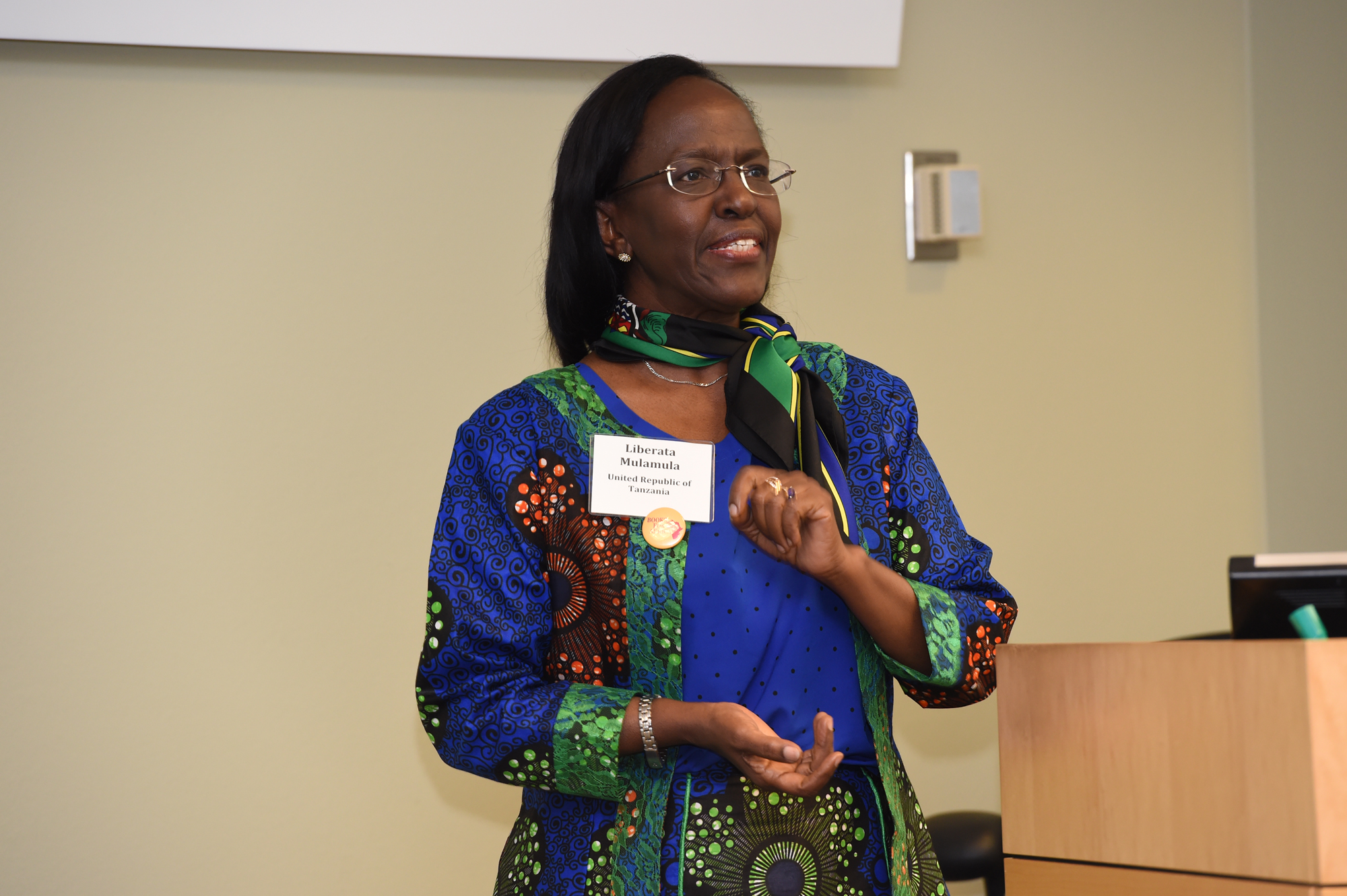
Ambassador Liberata Mulamula of the United Republic of Tanzania speaking at the Eastern Africa Business Forum at Thomson Reuters headquarters in Eagan, Minnesota on May 7 2014. The forum was organized by the State of Minnesota's Trade Office. Photo: Courtesy Thomson Reuters
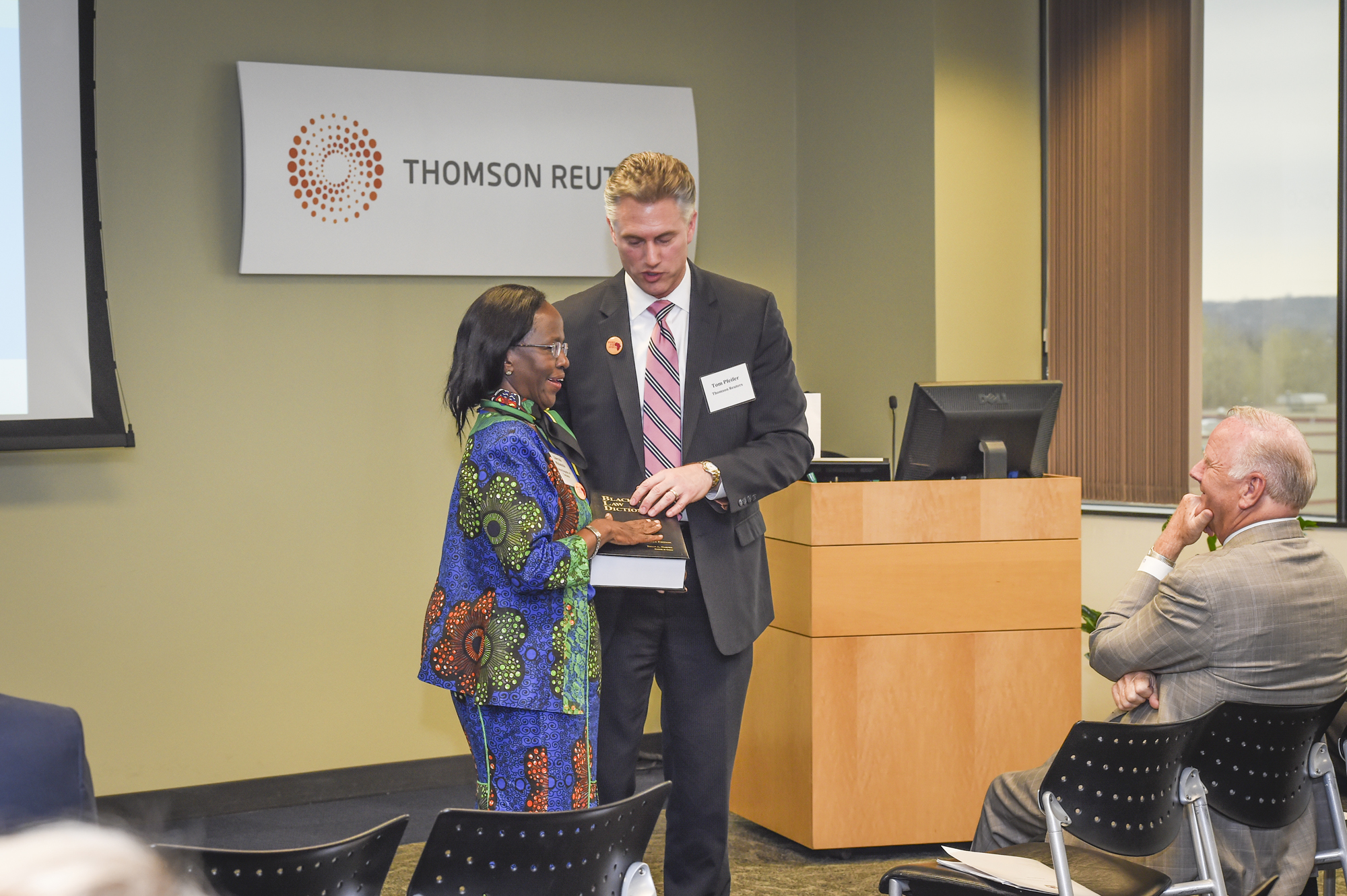
Ambassador Liberata Mulamula of the United Republic of Tanzania speaking at the Eastern Africa Business Forum at Thomson Reuters headquarters in Eagan, Minnesota on May 7 2014. The forum was organized by the State of Minnesota's Trade Office. Photo: Courtesy Thomson ReutersAmbassador Liberata Mulamula of the United Republic of Tanzania speaking at the Eastern Africa Business Forum at Thomson Reuters headquarters in Eagan, Minnesota on May 7 2014. The forum was organized by the State of Minnesota’s Trade Office. Photo: Courtesy Thomson ReutersAsratie Teferra, Bradley Buck and Staci Seibold of Zebra Consulting, Land O’ Lakes and General Mills respectively, was one of two panels that discussed trade opportunities in Eastern Africa on May 7 2014 at Thomson Reuters headquarters organized by the Minnesota Trade office. Photo: Courtesy Thomson ReutersKarl Gambronne, Satish Jayaram and Fred Nabeta of Dodoma Tanzania Health Development, Cummins Power and Uganda North America Association (UNAA) was one of two panels that discussed trade opportunities in Eastern Africa on May 7 2014 at Thomson Reuters headquarters organized by the Minnesota Trade office. Photo: Courtesy Thomson ReutersAmbassador Liberata Mulamula receives a law manual from Tom Pfeifer of Thomson Reuters after she spoke about trade opportunities in her country on May 7 2014 at Thomson Reuters headquarters organized by the Minnesota Trade office. Thomson Reuters is a leading publisher of law books. Photo: Courtesy Thomson Reuters
Tanzania’s U.S. ambassador, Liberata Mulamula, was busy on her May 7 visit to Minnesota. After speaking at the Books for Africa annual fundraiser in St. Paul, she appeared at the Eastern Africa Business Forum at Thomson Reuters headquarters in Eagan. Presentations highlighted investment opportunities in Ethiopia, Uganda and Tanzania in particular.
Taken together, the events exemplified developmental and commercial investment interests in U.S.-Africa relations.
“We are the gateway,” Mulamula said of Tanzania at the forum. “Sometimes when you hear people talk of East Africa they think of only five countries. But we go up to Djibouti and Eritrea. From Tanzania, you can see all of these.”
This African regional forum was the first facilitated through the Minnesota Trade Office, which is dedicated to helping Minnesota companies to export their goods worldwide.
Asratie Teferra, an Ethiopian-American based in Washington DC, opened one forum panel with a look at East Africa’s emergence as an economic power and the longstanding American perceptions he feels must change to increase U.S. investment there.
“In 2000, 14 years ago, [the Economist magazine] referred to Africa as the hopeless continent and in the same magazine in 2011 as the ‘hopeful continent’.” Teferra said, “I would say, next year, they will say, ‘Africa is our life.’”
60 percent of the world’s arable farmland covers Africa. As the global population continues growing, Teferra said, Africa will be have to feed the world. He also cited figures that put seven out of the top ten fastest growing economies in Africa, including Rwanda and Ethiopia, his nation of origin.
Teferra touched on sub-Saharan Africa’s growing middle class, with 128 million households that have $1.4 billion to spend. Because the middle class is growing, they want all the comforts of middle class living, he said. There are opportunities for foreign investment to parallel massive infrastructure projects such as the $4.8 billion millennium dam to be constructed in Ethiopia.
“There is not only a book famine in Africa,” said Teferra, referring to the BFA luncheon earlier that day. There is also an energy famine.”
Those books do represent a substantial investment in development, however. Mulamula called Books for Africa’s mission to end the continent’s “book famine” noble and wonderful.
When Tanzania was newly independent, only 2 percent of school age children could attend class. At that time the country had fallen prey to what the ambassador called the three enemies of Tanzania and of Africa as a whole. Before poverty and disease, “the third and the biggest enemy of the people in Tanzania was ignorance,” Mulamula said.
Under Tanzania’s first president, Julius Nyerere, universal primary school closed the education gap between rich and poor. Illiterate adults also had opportunities to learn to read and write. Still, through successive governments, the three enemies remained. Books for Africa stepped in after Tanzania’s economy collapsed.
Thomson Reuters eventually partnered with BFA through the Jack Mason law and Democracy Initiative and shipped entire law libraries to the continent, some of which went to Tanzania. Those donations fit with the Thomson Reuters mission to help the legal system work better every day, said Tom Pfeifer, the company’s head of global sales and customer experience.
“To be able to sit there and do those things,” said Pfeifer at the forum. “To establish and grow business and to establish relationships that will have a long lasting impact, without the rule of law, that is not possible.”
Bradley Buck, Land O’ Lakes operations and corporate engagement director, held similar sentiments. Buck began working with the agricultural business co-operative in Uganda in 2000. Buck talked about the Tanzania Dairy Development Program currently underway.
With USDA and USAID funding, Land O’Lakes works with dairy producers, dairy processors, milk collection centers and consumers to boost productivity stimulate demand, Buck said. Ultimately, new avenues for American investment could be cultivated as the market grows, Buck said.
“These projects wouldn’t be successful if we didn’t have a great relationship with the government of Tanzania, who’s providing a strong regulatory environment,” Buck said.
Minnesota based Ugandan-American, Fred Nabeta, who presented on Uganda, talked about the cultural shift in public-private partnership. The nation’s image, he said was, tarnished by Idi Amin’s role but the past 28 years of stability led to that shift.
“We had this old culture where, when foreign investors used to come in, they came in and they did everything on their own terms, Until Uganda said, no,” said Nabeta, an IT consultant who chaired Uganda’s North American Convention. “Why bring cement when we have cement here? Why bring timber when we sell timber? Why employee people from there when we have labor in our country?”
Nabeta also outlined a Uganda’s range of investment incentives and also touted agro-business, tourism and mining as some of the nation’s priority sectors.
In her closing statements at the forum, Mulamula said she was glad simply to be discussing the future of business in Africa rather than the strife rampant in so many countries.
“I am here to pay tribute to all those that have contributed a cent, a dollar,” Mulamula said at the fundraiser. “A dollar for Africa means transforming the life of a child.”
Rita Jeptoo today sucesfully defended her title and in the process also set a new course record in the Boston Marathon’s women’s race with a time of 2:18:56. That was 29 seconds ahead of her winning time last year.
This is Jeptoo’s third win at Boston, having also won in 2006 and 2013.
Ethiopian Buzunesh Deba finished second in the women’s race, clocking in at 2:19:59.
An American wins the men’s race
In the men’s race, history was made as Meb Keflezighi became the first American to win the Boston marathon. He pumped his fists as he crossed the finish line, posting a time of 2:08:36. He managed to hold off Wilson Chebet of Kenya at the finish line. A Kenyan or Ethiopian has won the last 12 men’s Boston marathons.
Keflezighi was born in the Eritrean capital of Asmara and emigrated to the United States in 1987.
According to marathon officials, the last American to win the men’s race was Greg A. Meyer in 1983 who clocked 2:09:00.
Ernst Van Dyk of South Africa won the men’s wheelchair race with a time of 1:20:36 to claim his 10th title. In the women’s wheelchair race, Tatyana McFadden of the United States won her second consecutive race with a time of 1:35:06, breaking the course record.
Shegitu Kebede (right) with Neyat Tafer, Frewoini Haile's nephew. Photo: Courtesy of TC Daily Planet
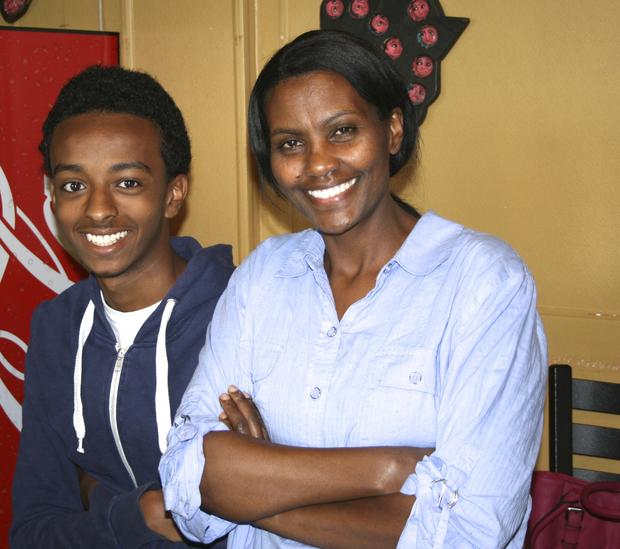
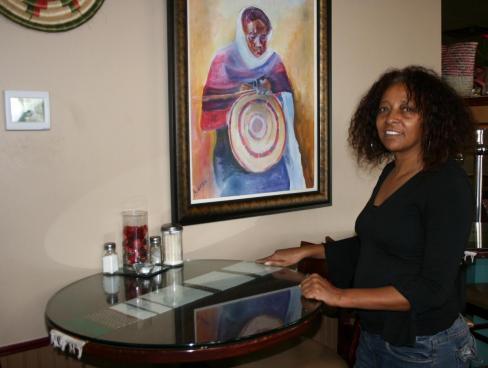
Shegitu Kebede (right) with Neyat Tafer, Frewoini Haile's nephew. Photo: Courtesy of TC Daily PlanetShegitu Kebede (right) with Neyat Tafer, Frewoini Haile’s nephew. Photo: Courtesy of TC Daily PlanetFrewoni Haile of Flamingo Restaurant in St. Paul, Minnesota. Photo: Courtesy of TC Daily PlanetFlamingo Restaurant in St. Paul, Minnesota owned by Ethiopian refugees Shegitu Kebede and Frewoini Haile has been able to rebound from a power surge that nearly shut them down thanks to unprecedented community support to keep them in business. Photo: Courtesy of TC Daily Planet
In July 2010, six months after fulfilling their dream and opening Flamingo Restaurant (located at the intersection of Syndicate Street and University Avenue in St. Paul), Shegitu Kebede and Frewoini Haile faced a huge and unexpected challenge, one that they feared might shut them down.
Kebede explains: “We have a power surge run through our restaurant. I think two or three blocks from here, something happen (an Xcel Energy transformer failed). So the power company turned off the power to fix that situation and by the time I run to my box to turn the power off, the power came on, and all that power came, and our hood…it’s huge, it’s a $75,000 hood, so that burned, icemaker, freezer, refrigerator, everything that you can imagine.” The electrical surge that overloaded the system caused large quantities of meat and produced to spoil.
Xcel Energy refused to cover repair costs, calling the power surge, “an act of God.” Kebede and Haile assumed their insurance would cover the damage, but they were wrong. They were told that their policy had no provision for electrical surges.
“We didn’t have the money to fix all this….Everything we had, we invested in the place…and so we…we were ready to close. And I remember, I was sitting at that last table, very sad. Fre was upset, closed the door and left.” That’s when Kebede turned to the Bible.
It was the appearance of a friend from home that proved a turning point. “A friend of ours, she just fly and came, and she say, ‘I don’t know what’s going on, but something pulled me to you guys….She’s in America and I told her the situation and she went home and wrote an email to every person that she knew in town.”
The friend’s email, “became a snowball. Everybody got it, the newspaper people picked it up.”
Kebede chokes up as she recalls the response from people in the community. “People were lining up on the street to get in. I mean we were packed.“ Many provided donations. “In three weeks we recovered. I mean everything was fixed. You have no idea, so our life has been a miracle.”
It was this experience that led the business partners to know that they were “home.”
“We didn’t just drop from the tree”
Both Kebede, from Ethiopia, and Haile, from Eritrea, grew up knowing nothing but war, their countries at war with each other. “That’s all we knew, there was not a peace time in our time.” Awasa, one of Ethiopia’s largest cities, located in the southern part of the country, is where Kebede spent her early years. “We are known for our lakes and hills.”
Amidst a lot of tragedy, she says she has many positive childhood memories. “We did a lot of gardening, we did a lot of knitting, crocheting, volunteering in the church and the clinics, going on fieldtrips. We went camping, a lot of camping, we did a lot of mushroom roasting and going to the lakes and camp by the lake. We traveled with the missionaries to the countryside.”
These activities helped provide a semblance of normalcy. “As little children, even though a lot of killing surround us, we were so sheltered by doing those things, we kind of didn’t even notice it’s there and so it was that kind of sheltered home that we have and that I have experienced that it helps me to balance life.”
Kebede ended up in orphanage at age five. She recalls the orphanage, which was run by Scandinavians, being, “a very loving, caring home.” However, she says that the Communist-led government shut it down because it was Christian.
At age 17, Kebede fled Ethiopia for a resettlement camp in Kenya. Then, in her early twenties, she became a refugee to the United States. Her first stop was Fargo, North Dakota. “As a refugee you don’t have a choice,” she explains. She jokes that the United Nations, which makes the decision, “didn’t know there was Florida or California.”
After less than a year in North Dakota, Kebede moved to the Twin Cities, following an Ethiopian friend she had made in Fargo. “I just didn’t want my son to be not having a playmate, so I moved, just to be with them.” She has lived in St. Paul’s Skyline Tower, Minneapolis’s Seward neighborhood, and St. Anthony Village. Now that her kids are grown and independent, she has scaled back and moved back to St. Paul.
Business partner Fre also fled her country as a teen. “Fre grew up in a very well-to-do upper-class family but they lost everything,” says Kebede. “Some family members got killed. Most of them flee the country.” Her family fractured, Haile came to the United States from Sudan.
Haile’s father was separated from the rest of the family for 10 or 11 years. “So there was a lot of scattering of the family, so then finally, the majority of her siblings are here now.” Her father, who Kebede says owned the biggest mechanic shop in the country—“his client was the King and the Royal Family”—is now in his 90s. After living in the United States for a time, he has returned to Eritrea.
The two women’s stories are very American, says Kebede.
Coming to the United States, she observes, requires starting over. “If you look at cab drivers in the Twin Cities, most of them have a Ph.D. It’s just that their education didn’t translate here.” This is why mentoring is so important. Having been mentored herself—especially when she began her first business, a cleaning company—Kebede makes mentoring others a priority.
“We are a country of volunteers, and there’s no way that I could not be a part of that.”
Starting over, becoming business owners
Launching one’s own business is fraught with challenges, challenges that are even steeper for women, immigrants, and people of color. As Kebede explains, “not many of us have good credit, usually a bank doesn’t approve us.”
To overcome the hurdles associated with starting a business, and to help each other through other life challenges—including buying a house or sending a child to college—many East African women have formed informal circles to raise capital that they then lend to one another. There are no strings attached, no interest to be paid.
The size of the circles vary, so might be comprised of 50, 100, or 200 women. “Each month we take turns, and whoever is in urgent situation, they can take first…We have been doing that for heaven knows how long. We do that back home, too.” The group has been together for 20 years in the U.S. It’s where the two business partners met.
Both women shared a desire to own a restaurant, but it was Haile who came with the most experience. According to Kebede, Haile had owned a restaurant, then managed one for Crowne Plaza, but lost that position as part of a massive layoff when the economy tanked.
It took some doing, but eventually the partners found the right space, off of University Avenue on Syndicate Street, just when they had nearly given up. “We were looking for the space and we were looking and we were looking and we were looking and this place came up and we, me and Fre, we didn’t have enough money that they were asking for, so we brought other people to help finance it, and things just didn’t work out. “
Several months later, late one night, the owner of the property at 490 Syndicate Street phoned, and said, “’You know if you and Shegitu decide to own it by yourself, I’m willing to give it to you for this amount of money. And I don’t even need a down payment, just pay me every month.’ So that was a miracle. So me and Fre we just jumped on it and here we are.”
They have not been disappointed. “We walked the neighborhood and greeted people and let them know that we’re here. They are very welcoming and now we feel like this is the right neighborhood for us.”
A community coming together
University Avenue was not new to Kebede. When she lived in Skyline Towers—just south of University—she would shop at Sears. She purchased her first car at one of the now vacant car dealerships. She marvels over how much has changed along the Avenue since 1990, and likes that the street is experiencing a “facelift.” However, it’s not been entirely easy on Flamingo.
Construction of the light rail line was not something the business owners knew about when they scouted out locations. On top of the power surge, it created more obstacles that Kebede and Haile had to learn to navigate.
Community support has been provided in other ways. Kebede credits the U7 staff at the Neighborhood Development Center (NDC) and their City Council member and his staff, for making it a “team effort.” In her view all of the work behind the green line, “…was well thought out, well planned, and with a lot of heart.”
Kebede adds, “Sometimes you have intelligent people just doing business from the head and not the heart and that’s when the little people like us will disappear. This was the heart and the mind together. And when you have that kind of group working together you will not leave anybody behind….”
This assistance provided visibility for Flamingo and other businesses along the Corridor. “It was wonderful, they put up a billboard for us. We were on Facebook. They just did tremendous advertisement for us, so it really was very supportive. It’s like a community thing.” This makes her optimistic. “When you have that kind of community coming together, making things happen, you will know that in the end it will be a success.”
Haile calls NDC their “backbone,” providing support for all of their restaurant’s needs.
Once completed, Kebede believes the trains will be a boost to business. Like Bangkok Thai Cuisine owner, Jai Vang, she says that traveling convinces her that, “having a train makes a huge difference for a neighborhood.”
All of these experiences have led Kebede and Haile to dream about expanding, either at their current location, to a second location, or both. “Fre is even going ahead and thinking, maybe we should get another spot in Minneapolis, but we really have a dream that we’re going to expand this place.”
Haile says that one first order of business, after trains are running, may be to hold a long-delayed “grand opening.”
Flamingo’s owners would like to see their restaurant grow from a family business—currently there are around eight family members who work there—into a community business.
Having benefited from community support at home in St. Paul, Kebede explains, she and Haile want the support to continue and to ripple out near and far. This is why serving as mentors, including to students at nearby Gordon Parks High School, is so important. “We want to get into those women’s lives, woman-to-woman and show how to start a business, maybe give them a micro-loan, and so they can start their own business.” It’s a desire that carries over to Ethiopia, where Kebede has spent the first three months of 2014 starting a school in a refugee camp.
Overcoming so many challenges in such a short span of time, thanks to a supportive community, has proven that Minnesota is home. Kebede says: “We feel like we’re home. This is home….I am Minnesotan, proudly Minnesotan, yes.”
Flamingo is located at 490 N. Syndicate Street in St. Paul.
This article is part of a Central Corridor small business oral history project funded through a State of Minnesota Historical & Cultural Heritage Grant.
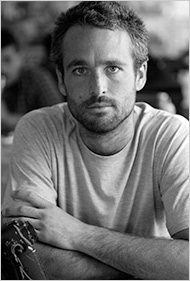
Tyler Hicks, a New York Times staff photographer based in Nairobi, won a Pulitzer on April 14 2014 for his breaking news photos of the Westgate Mall attack by Al-Shabaab on September 21, 2013. Photo: Courtesy New York Times
Tyler Hicks, a New York Times staff photographer based in Nairobi, won a Pulitzer on April 14 2014 for his breaking news photos of the Westgate Mall attack by Al-Shabaab on September 21, 2013. Photo: Courtesy New York Times
Tyler Hicks, a New York Times staff photographer based in Nairobi, won a Pulitzer on April 14 2014 for his breaking news photos of the Westgate Mall attack by Al-Shabaab on September 21, 2013. Photo: Courtesy New York Times
Coverage by the New York Times of the September 21, 2013 Al-Shabaab attack on the upscale Westgate mall in Nairobi has won the New York Times a Pulitzer in the Breaking News Photography category. The New York Times, a prolific Pulitzer winner in written hard news, only managed wins in the photography category this year. Its other win this year was in the Feature Photography category where it took home a Pulitzer for its coverage of the Boston Marathon bombing last year.
Winners were announced this morning by Columbia University which oversees the awards.
The Pulitzer committee said it was awarding New York Times staff photographer Tyler Hicks this year’s breaking news Pulitzer for his “compelling pictures that showed skill and bravery in documenting the unfolding terrorist attack at Westgate mall in Kenya.”
At least 67 people were killed during the Westgate attack and over 175 injured by official count.
Mr. Hicks, who is based in Nairobi and was born in Sao Paulo Brazil, was near Westgate when gunmen opened fire. Asked what he was doing there, he replied “I was at a framing shop in an adjacent mall picking up some photographs that had been given to me as gifts by photojournalists who attended my wedding. I was very close. I didn’t have all of my equipment, just had a small camera that I always have with me in case something happens.”
The Pulitzer Prize is named after journalist and publisher Joseph Pulitzer. Mr. Pulitzer left money to establish the Columbia Journalism School. The Pulitzer awards are decided by a 19-member panel of editors, news executives and academics. There are 14 categories of journalism awarded and 7 non journalism categories awarded as well in diverse fields of drama, music, poetry and books
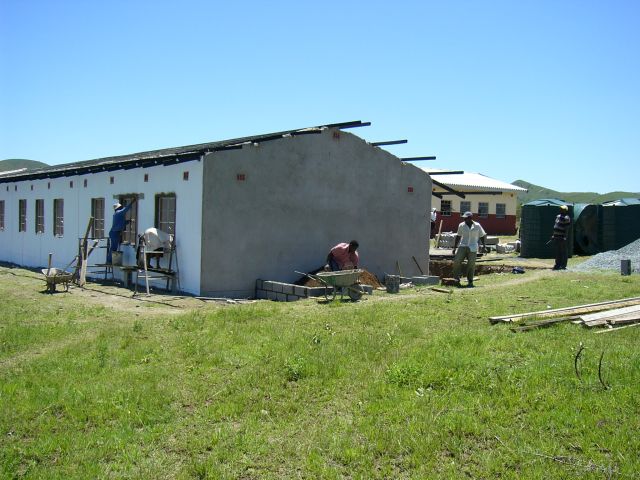
A school under construction in KwaZulu-Natal that was funded by Minneapolis-based Africa Classroom Connections through funds raised at fundraisers like the one planned on April 30, 2014 at the home of Uri and Melissa Camarena, the historic Alfred Pillsbury House in Minneapolis. Photo: Courtesy of ACC
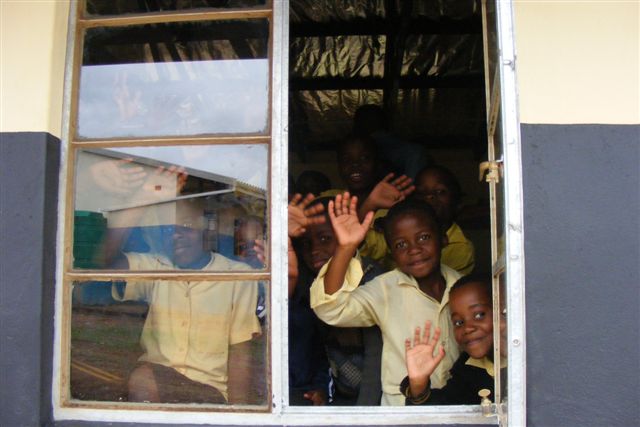
A school under construction in KwaZulu-Natal that was funded by Minneapolis-based Africa Classroom Connections through funds raised at fundraisers like the one planned on April 30, 2014 at the home of Uri and Melissa Camarena, the historic Alfred Pillsbury House in Minneapolis. Photo: Courtesy of ACCSouth African students at a classroom African Classroom Connections built. Photo: Courtesy ACCA school under construction in KwaZulu-Natal that was funded by Minneapolis-based African Classroom Connections through funds raised at fundraisers like the one planned on April 30, 2014 at the home of Uri and Melissa Camarena, the historic Alfred Pillsbury House in Minneapolis. Photo: Courtesy of ACC
Africa Classroom Connections holds its annual “Freedom Day” gathering on April 30 at the historic Alfred Pillsbury house in Minneapolis, home of Uri and Melissa Camarena.
Freedom Day in South Africa is marked on April 27 and commemorates the first democratic elections held in that country on April 27, 1994. This year marks the 20th anniversary of that historic day.
Africa Classroom Connections uses the day each year to raise funds to build classrooms in South Africa, specifically in KwaZulu Natal. Since its founding in 2006, by founder Henry Bromelkamp, the Minneapolis based organization has helped build 55 classrooms that each seat at least 40 students. Over 2,000 South African students benefit each year from using the classrooms the organization has helped build.
It also arranges travel to South Africa for its supporters to experience the work it does on the ground in collaboration at times with Books for Africa, which is also based in Minnesota. This year’s travel dates are in August.
At the April 30 fundraiser, guests can expect South African food and wine to be served. A live and silent auction will be conducted, with 100 per cent of the ticket sales going directly to fund classroom building projects, according to the group’s leadership.
Tickets are $65 and the link to purchase is available on the Africa Classroom Connections website.
African Classroom Connections “Freedom Day” Fundraiser Wednesday, April 30 2014 @ 6PM CST Home of Uri and Melissa Camarena 116 East 22 Street, Minneapolis, MN 55404 Tickets: $65 per person. Buy at Africa Classroom Connections.