

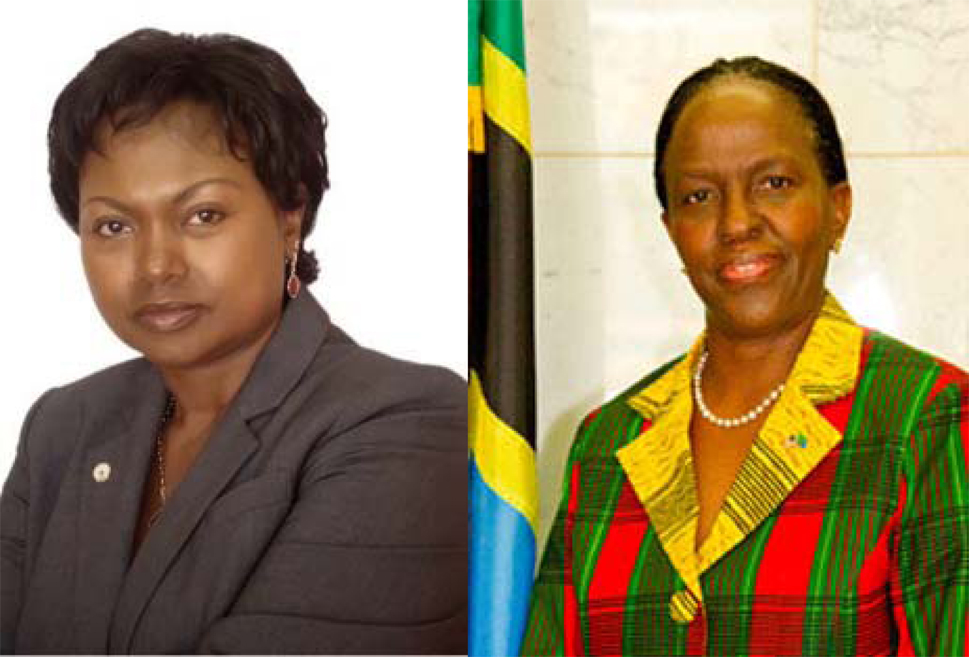
Registration for two key Africa focused events in May in the Twin Cities is now open. Ambassador Mathilde Mukantabana of Rwanda and Ambassador Liberata Mulamula of Tanzania will headline two separate events organized by the Minnesota International Center and Books for Africa in the same week.
Rwanda Genocide ‘Kwibuka 20’ Remembrance on May 5 @ 5:30 P.M.
Ambassador Mukantabana will be in Minneapolis on May 5 to speak at the Minneapolis campus of the University of St. Thomas on the 20th anniversary of the Rwanda genocide. UN Secretary General Ban ki-Moon in February launched ‘Kwibuka 20‘, a series of events commemorating the tragedy, and urged the international community to do more to fully internalize and implement the lessons learned from the killings of 800,000 people in 1994.
The remembrance event at St. Thomas is being organized by the Minnesota International Center (MIC), one of the country’s largest World Affairs Council.
The ‘Kwibuka 20’ event is free but online registration is required to secure a spot. The registration link is at the bottom of this story.
Books for Africa Fundraising Luncheon May 7 @ 11:30 A.M.
Ambassador Liberata Mulamula will be the keynote speaker at the annual Books for Africa fundraising luncheon. The luncheon, tailored for working folk during the lunch hour, is the main fundraising event the organization holds during the year.
Books for Africa has grown to become the largest shipper of donated school textbooks to Africa.
Among Books for Africa’s marquee programs, in addition to the well established shipment of books to primary and secondary schools in Africa, is the Law and Democracy Initiative that former Un Secretary General Kofi Annan and former US Vice President Walter Mondale co-chair. The program, through a sponsorship from Thomson Reuters, ships new law books to African law schools.
The luncheon is free to attend (after a free registration) but it is a fundraiser meaning you will be asked to financially support the work Books for Africa does.
Registration details are at the bottom of this story.
Doing Business in East Africa May 7 @ 2:00 P.M.
Ambassador Mulamula after the Books for Africa luncheon will head to Thomson Reuters headquarters in Eagan where she will be the featured speaker at an East Africa Business forum organized by the State of Minnesota’s Trade Office (DEED). Panelists at the forum alongside the ambassador will include IT Consultant Fred Nabeta, Asratie Teferra of Zebra Consulting and Tom Gitaa of Mshale; all are US based East Africans. Speakers from Twin Cities Fortune 500 and small companies will be featured.
The forum is part of the Trade Office’s Africa Series. Registration for the East Africa Business Forum is $10.
Registration Links


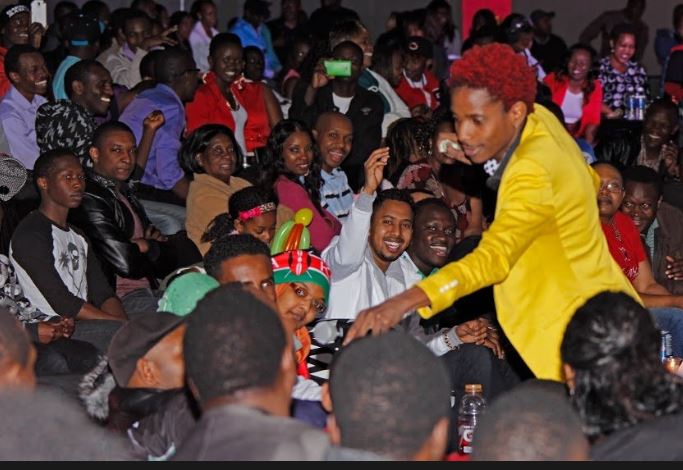
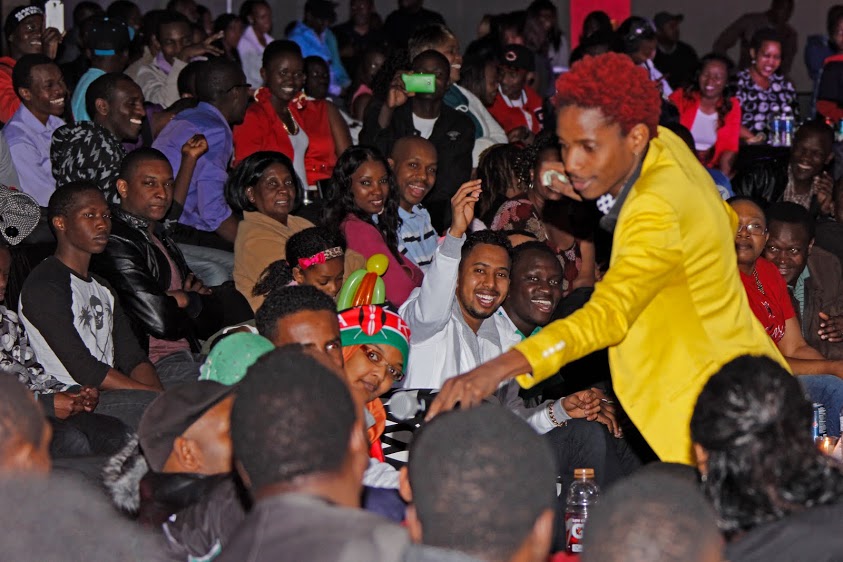
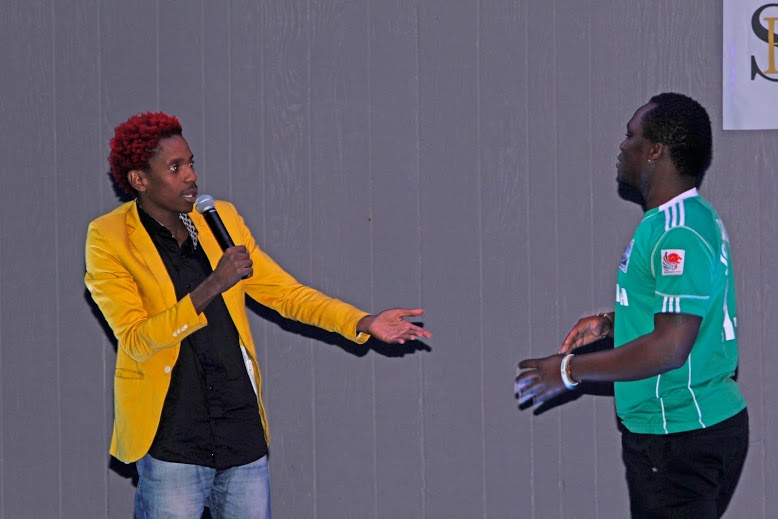
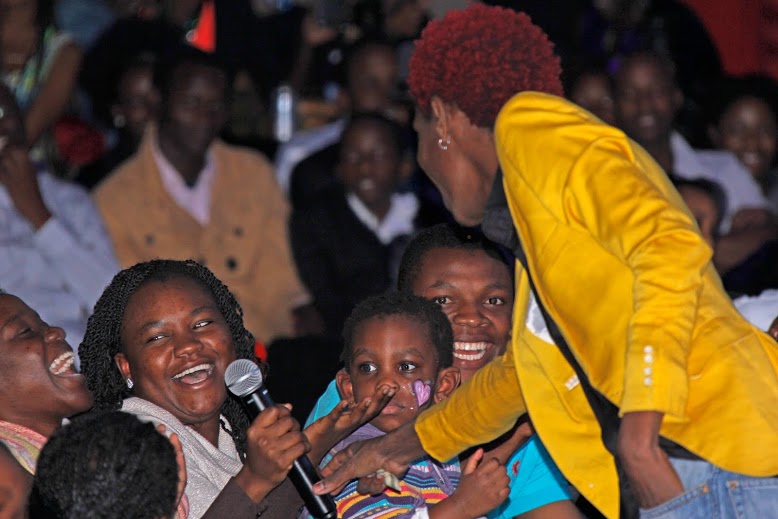
Eric Omondi, recognizable by his trademark red hair on Kenyan TV, is currently touring the United States in what is dubbed the “Untamed Tour”.
Omondi known for his wit and hilarious jokes is on top of his game in the current Kenyan comedy scene and can be seen in the popular Churchill Live show on NTV Kenya. His US tour started last week with stops in Los Angeles and Las Vegas.
Kenyan celebrity and gossip sites recently reported the prolific comedian has taken a break from the Churchill show and will be back after his US tour is completed.
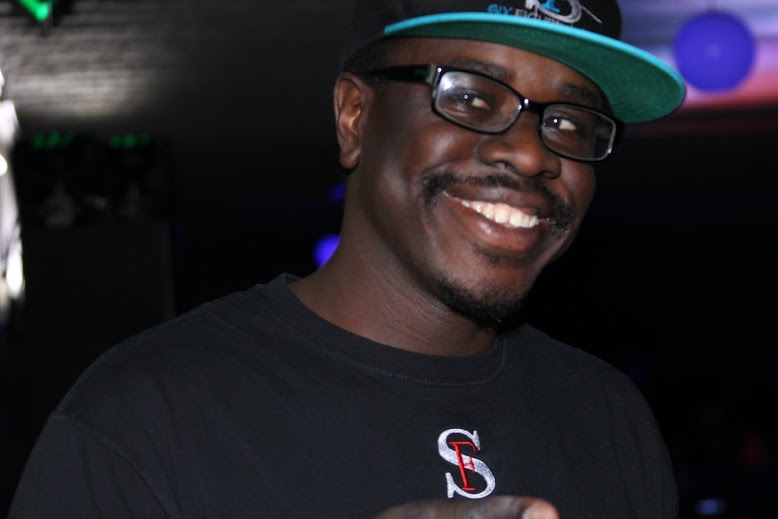
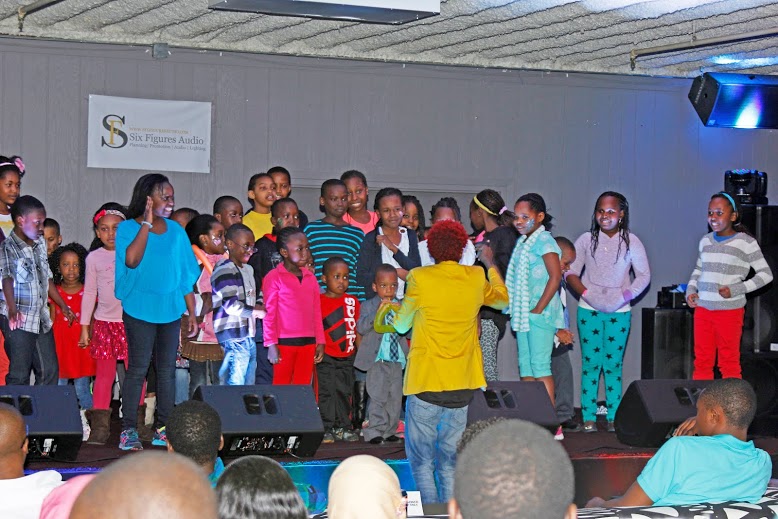
The Minnesota stop is being organized by local promoters Six Figures Audio and will be at a venue called The Rink, about 30 miles west of the “African suburb” of Brooklyn Park.
Nairobi Blue
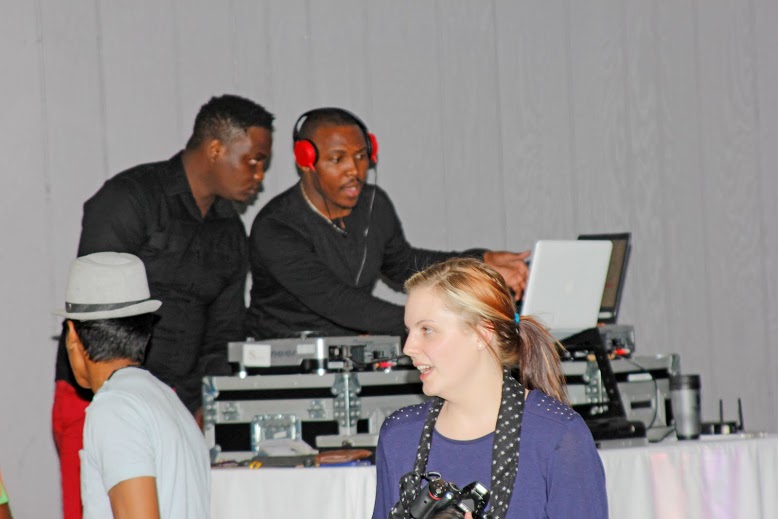
Omondi will then join fans at an After-party at the monthly “Kenya Night Minnesota” at the Blue Nile in Minneapolis which Kilimanjaro Entertainment hosts. Dress code for the After party is “Nairobi Blue”. If you are not in the know about “Nairobi Blue”, just Google “Lupita Nyong’o Nairobi Blue”. The After party cover charge is $10. Deejays Big Bwoy and Nodeh will be spinning.
Eric Omondi SHOW INFO: Tickets are $20 and $30 for VIP, and the show begins 6 p.m.-9 p.m. Saturday, April 5, at The Rink in Monticello, Minnesota. Address is 102 Thomas Park Dr, Monticello, MN 55362.
Eric Omondi Show Promoter’s website: therinkmn.com.


Vaccines are a very important part of protecting your children and yourself from some serious diseases. Anyone who has seen a person die or get very sick from a disease that could be prevented by a vaccine knows how important they are.
Immunizing your child is one of the most loving things you can do. Shots work. Shots are safe. They have very few side effects. The benefits far outweigh any risks.
Immunization starts before a baby is born when the mom gets shots to prevent whooping cough (pertussis) and flu when she is pregnant. These vaccines help keep the mom and baby from getting sick. It is important for dads, grandparents, brothers, sisters, and anyone else that will be spending time with your baby to get their whooping cough and flu vaccines too. This protects the newborn baby until they get their own vaccinations.
Be sure to get shots at the right ages. Kids need most of their shots by 2 years of age. Shots work best at these ages, but if your child is behind, you can get them caught up. Shots for young children are usually given at:
Vaccination protects against these diseases:
We don’t see some of these diseases very often anymore. That is because vaccines work. Vaccinations help keep children healthy so disease does not spread in our communities.
It is okay for a baby to receive several shots at the same time. It helps the immune system to grow stronger. Most of the time, it is okay to go ahead with vaccination even if your child has a cold, earache, diarrhea, or is on antibiotics.
Remember to carry a shot record card for each child. You will need them for the doctor, child care, Head Start, school, camp, and even college.
Sometimes parents are worried about how much shots cost. Free or low cost shots are available for eligible children in Minnesota through the Minnesota Vaccines for Children program. Find out if your child can get free or low cost shots by going to this website: www.health.state.mn.us/divs/idepc/immunize/howpay.html.
If you are looking for more information about the diseases and the vaccines that prevent them, check out the Vaccine Information Sheets. They are available in many languages. The website is: www.immunize.org/VIS.
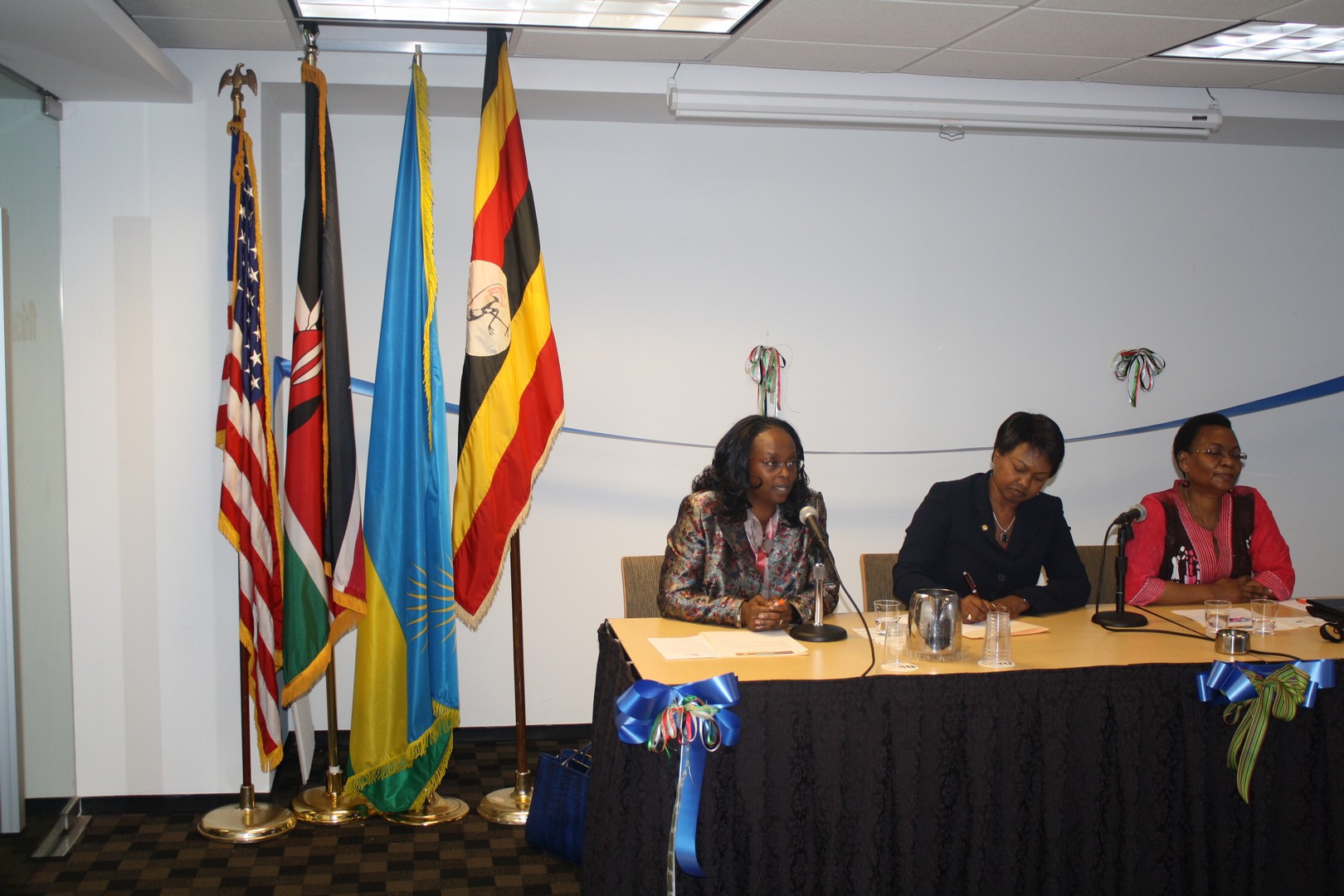
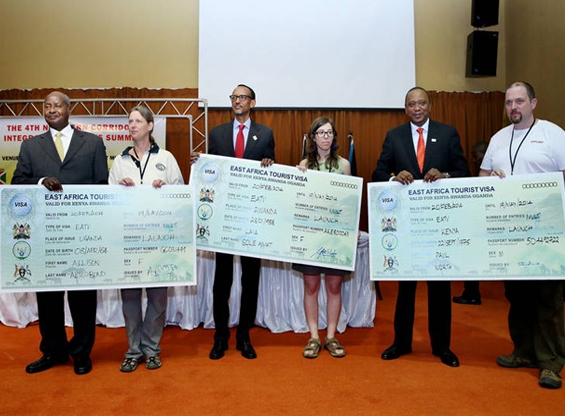
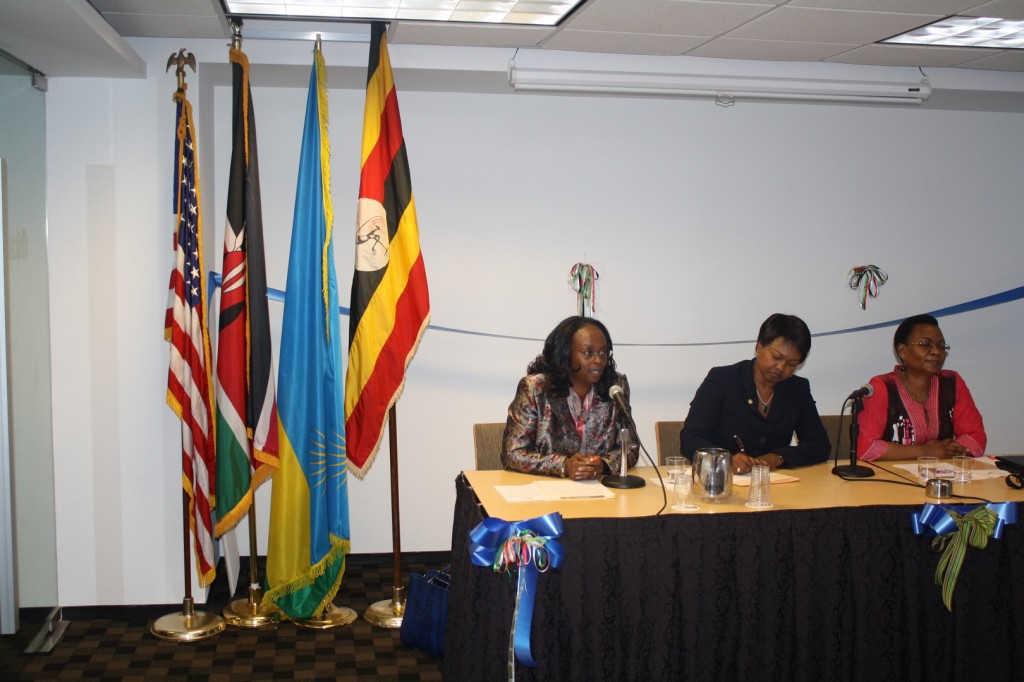
The ambassadors to the United States for Kenya, Rwanda and Uganda today unveiled the single destination tourist visa to the region at a ceremony held at the Embassy of Rwanda in Washington, DC and attended by travel agents, DC area business chamber and other stakeholders.
The ‘single destination’ tourist visa was launched last month in Uganda by the presidents of the three countries in a bid to boost tourism.
Tourists will now pay just $100 for a 90-day visa once instead of applying and paying for three separate visas to the three countries. The new process took effect January 1, 2014 but Stateside efforts by the three embassies are just now gaining
momentum.
Visitors planning to visit the three countries will save an avergae of $50. Prior to the changes, the cost of a single entry visa for Kenya was USD $50, for Uganda $50 and Rwanda $30. The main benefit hoewver for travelers is the removal of the ‘hassle factor’, the need to apply for three separate visas.
The countries have also embarked on a new branding initiative already underway called “Borderless Borders” to signify the new direction in promoting trade and tourism into the region.
Embassy officials at the three embassies indicated their websites will be updated soon to reflect the new changes.
www.kenyaembassy.com
www.rwandaembassy.org
www.ugandaembassy.com
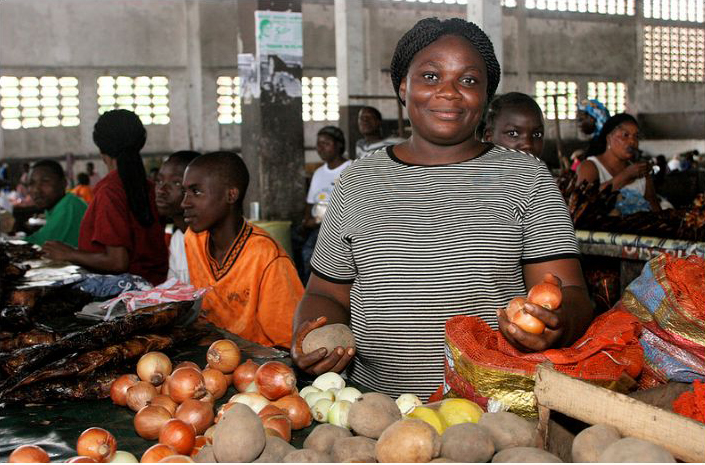
The American Refugee Committee, based in Minneapolis, has sold its Liberian Microfinance Bank, Liberty Finance, LLC to DCRB Investments. DCRB is a company registered in Liberia and includes former members of the Liberian Diaspora in Minnesota now based in Liberia. Sale terms were not disclosed (We will be talking to the ARC CFO later tonight who is en route from Liberia and will update as necessary).
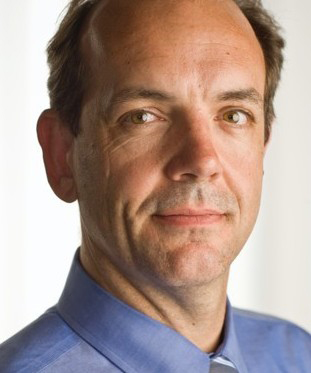
Among the group of four that form DCRB is a former candidate for Mayor of Brooklyn Park, Wynfred Russell, who also ran a competitive race in 2012 for a City Council seat and missed it by a mere five votes. Russell, a former instructor at the University of Minnesota, is now an international policy analyst, providing consulting services for various international management agencies.
Liberty Finance has seven branches in Liberia including in the capital Monrovia. Since its opening in 2005, it has built a client base of over 1,800 82% of whom are women according to numbers provided by ARC. The bank clients run market-based businesses and receive loans averaging $250. ARC president Daniel Wordwsorth said the loans enabled thousands of business owners to become self-sufficient.
The bank employs 33 local Liberians.
The American Refugee Committee made the sale announcement this morning and in a follow up interview with Mshale said the sale of Liberty should wrap up its activities in Liberia. “It is always a good thing when we close operations in a country as it means things are back to normal,” Therese Gales, Communications Director at ARC said in a phone interview.
ARC entered Liberia at the height of the Liberian civil war and after emergency operations ended stayed on in 2005 to start and run the bank, a move Wynfred Russell commended when he spoke with Mshale earlier today. “ARC unlike many other relief organizations stayed with Liberians for a much longer period to help the entrepreneurs be self-sufficient,” Russell said. Russell is the only one of the four partners of DCRB Investments that is still based in Minnesota. The rest are in Liberia.
“It is a good thing when these major international organizations hand over major operations like this (microfinance) to locals”, Russell said.
DCRB Investments hailed the sale as a “national milestone”.The group said that its vision is to build Liberty into an organization that is committed to the transformation of Liberia’s vulnerable populations, including the youth, women, men, and persons with disabilities. “We aim to build and cultivate their entrepreneurial skills to enable them to become resilient against the stresses that lead to mass poverty,” DCRB said in its statement.
“With this sale to local Liberian professionals, we are confident Liberty Finance will remain in good hands,” Daniel Wordsworth, American Refugee Committee president said.
Who is DCRB Investments?
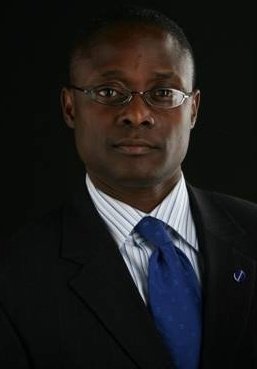
DCRB is a privately held company registered in Liberia and consists of four individuals:

67 people from various countries were killed and over 175 injured many with debilitating injuries, when Al-Shabab terrorists attacked the upscale Westgate mall in Nairobi on September 21 2013.
The world rose up in anger and condemned the attacks and Kenyans in the Diaspora joined in the flurry of fundraisers to assist the victims. In Minnesota, a church-led initiative by Minnesota’s Kenyan clergy days following the attacks raised over $2,500 which was sent directly to the Kenya Red Cross.
To show the victims of the massacre at Westgate that they have not been forgotten “after the news crews have moved on”, some of those involved in the $2,500 kitty sent to the Kenya Red Cross have quietly been meeting, to explore continued assistance to the victims until they are rehabilitated.
The fruits of the meetings among Minnesota Kenyans manifested itself on Saturday when on the 6th anniversary of the Westgate attack, “I love and Support Kenya” (iLask) was launched at a Minneapolis hotel.
Call from God
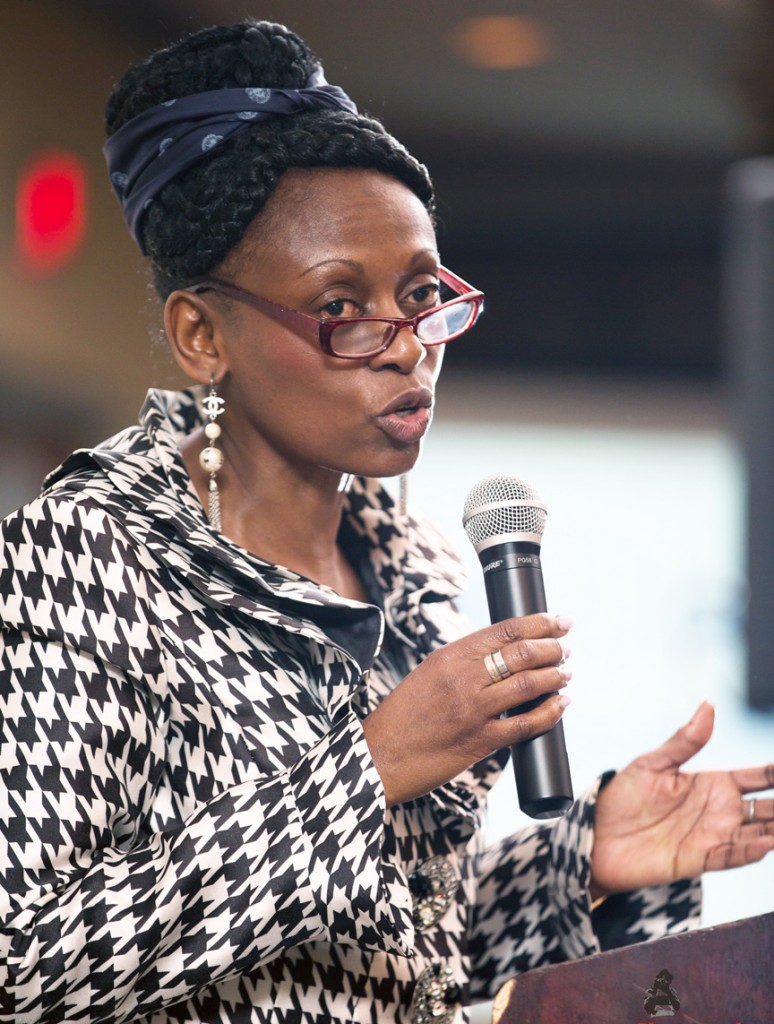
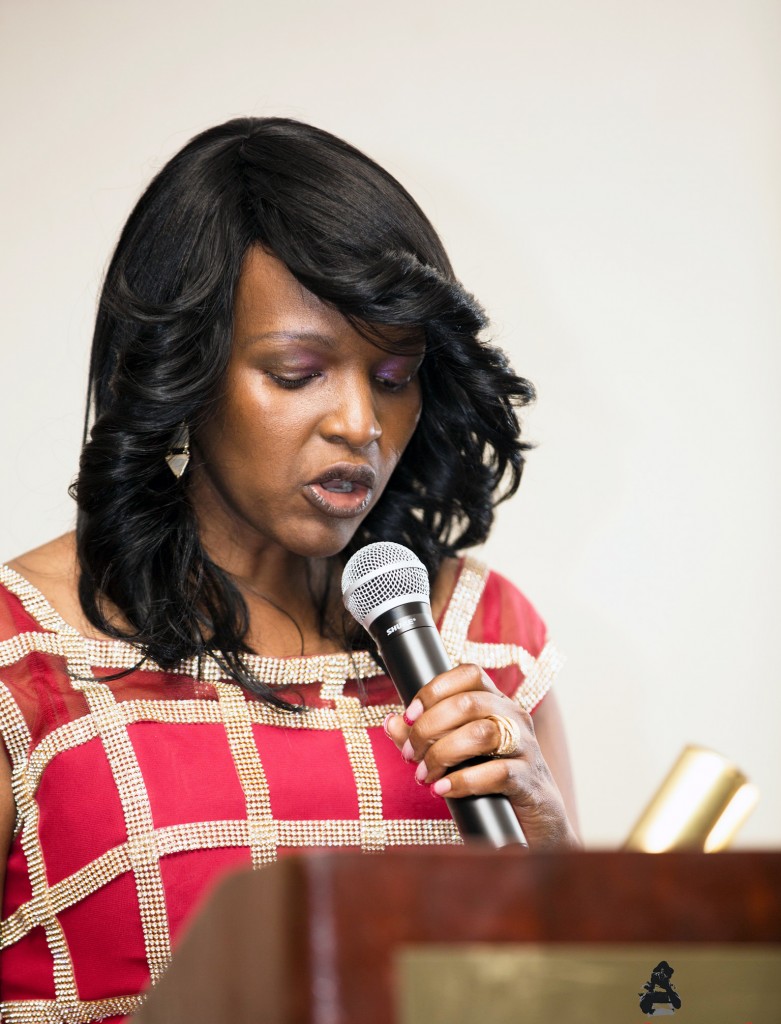
“There is still so much need,” Zipporah Bogonko, Associate Pastor at International Outreach Ministries in Burnsville, Minnesota said. Bogonko, the brains behind iLask, said “God woke me up with this words ‘don’t let the victims of Westgate mall to be forgotten, this was a call to action,'”.
A group under the leadership of Pastor Bogonko has been meeting in the last few months to plan the launch capitalizing ion the momentum and goodwill by local Kenyans and friends following the last initiative to raise the $8,000.
Bogonko said iLask’s approach will be to mobilize global resources to respond to national calamities in Kenya but will emphasize working with organizations already established in Kenya and to resource them. The Westgate mall victims assistance is iLask’s first project.
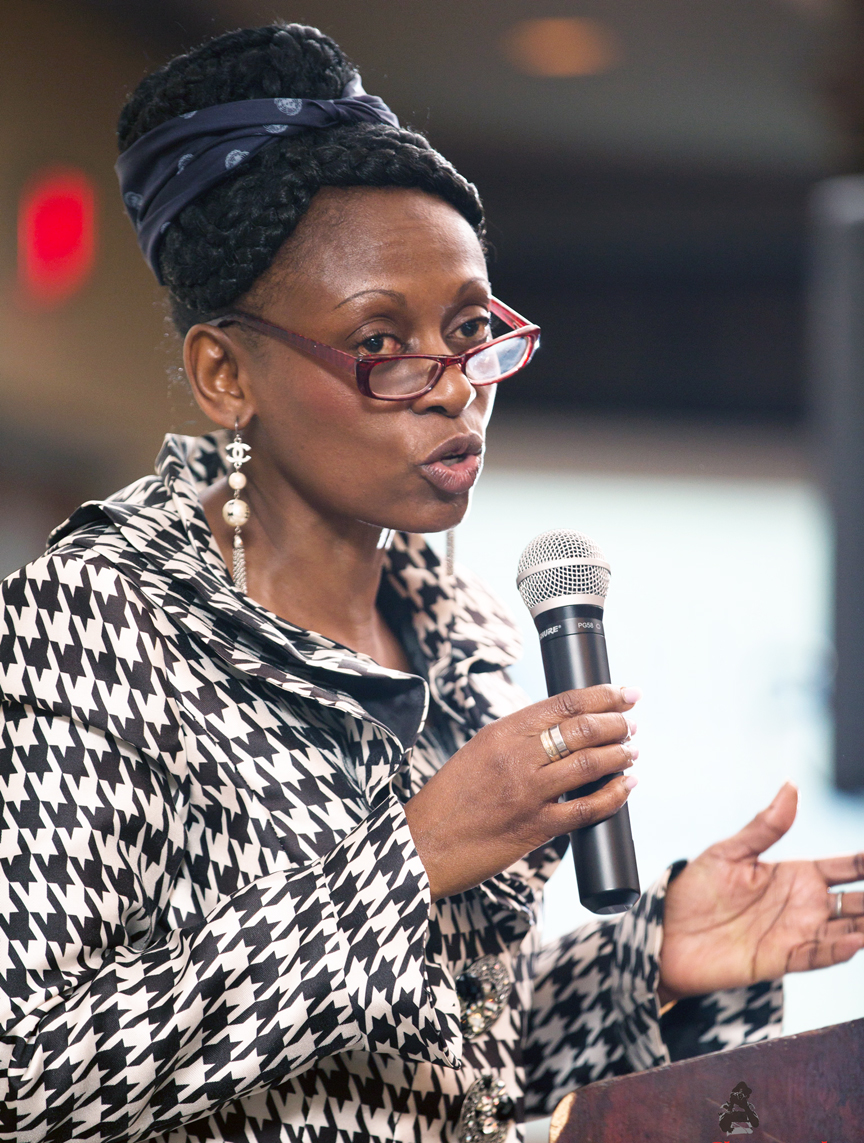
iLask brought in African diplomatic heavyweight, Kenya-born, Dr. Josephine Ojiambo, as keynote speaker to launch the organization at a well attended Christian-themed dinner. She is Chief of UNFPA’s (United Nations Population Fund) Executive Board and External Relations Branch. Prior to that, she was Kenya’s Deputy Permanent Representative to the United Nations in New York during the Mwai Kibaki administration.
Prefacing her remarks with her love for Jesus Christ, Ambassador Ojiambo called the launch of iLask “outstanding”. “Outstanding initiatives and projects begin with outstanding people,” she said to a chorus of “amen” from the audience.
Ambassador Ojiambo recalled the genesis of instability in the East African region and placed the origins to the “Shifta Menace” of the 1960s and 70s. That was during the time following independence in Kenya that secessionist activity rocked the north-eastern part of Kenya that is inhabited by Kenyan Somalis. The government of Somalia at the time under Siad Barre laid claims on that region of Kenya.
Ojiambo urged Kenyans in the Diaspora to invest in Kenya during “good and bad times” as their investments are needed at all times.
Regarding iLask, she said “The only thing that will distinguish iLask from all other Diaspora initiatives is the quality of your product, (is) giving life and hope and setting back into society those who have been affected by the Westgate mall attacks”.
To be relevant, Ambassador Ojiambo said iLask must add value to the lives of Kenyans. But even with their generous and giving hearts, she cautioned Diaspora Kenyans to be aware of scams back in Kenya, some that involve family members. “Many of us can relate to a time when we gave money to a relative for something whether it was for school fees or a project only to find out later that it never happened,” she said.
Ojiambo also advised iLask and its supporters not to be distracted by ongoing priorities in Kenya but to focus on its mission. Cautioning that it is easy to be pulled in different directions.
“Also, bring outside auditors to audit your work,” she told iLask.
Kenya-based gospel singer Kambua Manundu-Mathu, who goes by the stage name Kambua, provided the evening’s entertainment. The evening’s set list included her hit “Bado Nasimama” (I am Still Standing).
Among those attending the launch was local Ugandan-American physician, Lilian Kingonya, who said she was touched by the evening’s proceedings “It is amazing that the Kenyans are united in supporting the victims of the Westgate mall incident, ” she said.
To support the work of iLask and to learn more about the organization, visit them at www.iloveandsupportkenya.org.
Editor’s note: The amount raised by Kenyans in Minnesota in the aftermath of the Westgate Mall attack has been updated to the correct figure of $2,500 since this story first published. We regret the error.
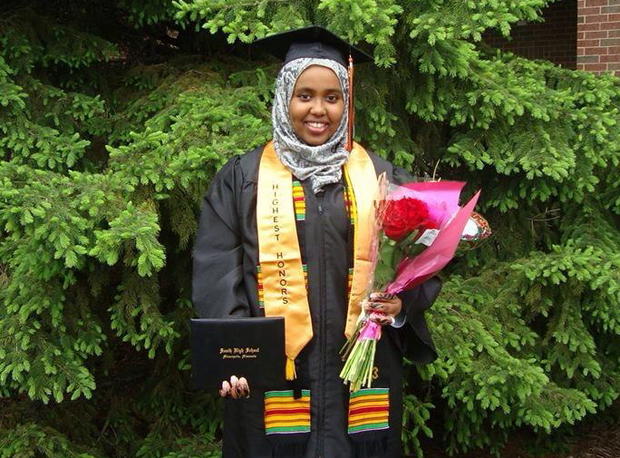
University of Minnesota first year student Saida Mahamud is the kind of person to take on issues of social justice head on. Though she’s just starting out with her college career, she has already taken on leadership roles with some of the student groups she’s a part of, such as Amnesty International. A graduate of South High School, Mahamud attributes some of her success to Students Together as Allies for Racial Trust (s.t.a.r.t), an anti-racism student group at Minneapolis South High School that she co-chaired during her senior year.
Mahamud joined s.t.a.r.t. in her junior year, a couple of years after the group formed in response to boundary changes within the district. “I wanted to get more of an in depth look at race and how it affects us,” she said.
Through s.t.a.r.t., Mahamud was able to learn about concepts such as systemic racism and the disparities that plague our society, and how “we’re living in an era of Jim Crow,” she said.
Last year, when Mahamud was a senior, Kate Towle, the advisor for the group, asked her to be a co-chair.
“Being co-chair helped me to gain leadership instincts,” Mahamud said. “I used to be shy, but my junior and senior year, I started to find my voice.”
Some of the events Mahamud coordinated included a workshop at the November 2012 Overcoming Racism Conference, where she was a co-presenter. “Seeing my name in the program as a co-presenter —I felt legit,” she said. Mahamud also took a leadership role in other activities that s.t.a.r.t. planned, including events in the wake of several incidents that happened last year, such as the doll-hanging incident at Washburn High School (the s.t.a.r.t. students attended an assembly about the incident) and also the fight that happened in the lunchroom at South, spurring discussions about race throughout the whole school.
Now a student at the University of Minnesota, where she plans on majoring in Biology, Society and the Environment, Mahamud has tried out several student groups focusing on cultural identity and also on social justice. She has become a member the U of M’s chapter of Amnesty International. In February, she did organizing around an event featuring Occupy Homes member Antoine Martinneau. Because she had connections with people in the activist community in Minneapolis, Mahamud was able to secure the speaker through her networks.
Mahamud says her experience with s.t.a.r.t. at South has informed her work at the University of Minnesota, which she actually finds less diverse than her high school. “In a lot of classrooms, you don’t see people that look like you,” she said. “It made me aware of who gets to college.”
Instead of majoring in biology, her original plan, Mahamud has set her sights on a major that combines her love of science with a social activism piece, where she’ll be able to find a career in public health and take on health disparities that persist in society.
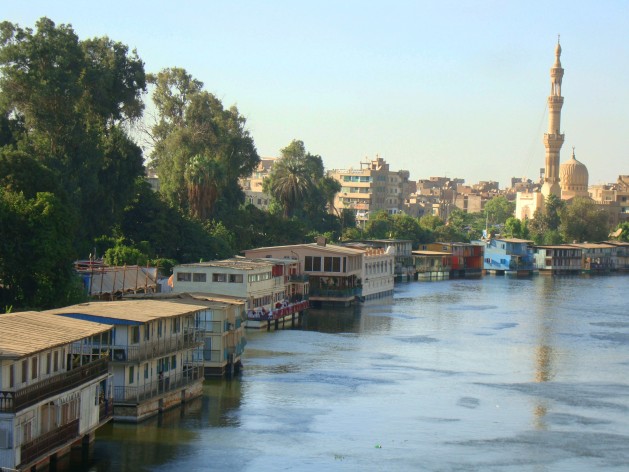

CAIRO, Mar 21 2014 (IPS) – When Egypt’s then-president Mohamed Morsi said in June 2013 that “all options” including military intervention, were on the table if Ethiopia continued to develop dams on the Nile River, many dismissed it as posturing. But experts claim Cairo is deadly serious about defending its historic water allotment, and if Ethiopia proceeds with construction of what is set to become Africa’s largest hydroelectric dam, a military strike is not out of the question.
Relations between Egypt and Ethiopia have soured since Ethiopia began construction on the 4.2 billion dollar Grand Renaissance Dam in 2011.
Egypt fears the new dam, slated to begin operation in 2017, will reduce the downstream flow of the Nile, which 85 million Egyptians rely on for almost all of their water needs. Officials in the Ministry of Irrigation claim Egypt will lose 20 to 30 percent of its share of Nile water and nearly a third of the electricity generated by its Aswan High Dam.
Ethiopia insists the Grand Renaissance Dam and its 74 billion cubic metre reservoir at the headwaters of the Blue Nile will have no adverse effect on Egypt’s water share. It hopes the 6,000 megawatt hydroelectric project will lead to energy self-sufficiency and catapult the country out of grinding poverty.
“Egypt sees its Nile water share as a matter of national security,” strategic analyst Ahmed Abdel Halim tells IPS. “To Ethiopia, the new dam is a source of national pride, and essential to its economic future.”
The dispute has heated up since Ethiopia began diverting a stretch of the Nile last May, with some Egyptian parliamentarians calling for sending commandos or arming local insurgents to sabotage the dam project unless Ethiopia halts construction.
Ethiopia’s state-run television responded last month with a report on a visit to the site by army commanders, who voiced their readiness to “pay the price” to defend the partially-built hydro project.
Citing a pair of colonial-era treaties, Egypt argues that it is entitled to no less than two-thirds of the Nile’s water and has veto power over any upstream water projects such as dams or irrigation networks.
Accords drawn up by the British in 1929 and amended in 1959 divvied up the Nile’s waters between Egypt and Sudan without ever consulting the upstream states that were the source of those waters.
The 1959 agreement awarded Egypt 55.5 billion cubic metres of the Nile’s 84 billion cubic metre average annual flow, while Sudan received 18.5 billion cubic metres. Another 10 billion cubic metres is lost to evaporation in Lake Nasser, which was created by Egypt’s Aswan High Dam in the 1970s, leaving barely a drop for the nine other states that share the Nile’s waters.
While the treaty’s water allocations appear gravely unfair to upstream Nile states, analysts point out that unlike the mountainous equatorial nations, which have alternative sources of water, the desert countries of Egypt and Sudan rely almost entirely on the Nile for their water needs.
“One reason for the high level of anxiety is that nobody really knows how this dam is going to affect Egypt’s water share,” Richard Tutwiler, a specialist in water resource management at the American University in Cairo (AUC), tells IPS. “Egypt is totally dependent on the Nile. Without it, there is no Egypt.”
Egypt’s concerns appear warranted as its per capita water share is just 660 cubic metres, among the world’s lowest. The country’s population is forecast to double in the next 50 years, putting even further strain on scarce water resources.
But upstream African nations have their own growing populations to feed, and the thought of tapping the Nile for their agriculture or drinking water needs is all too tempting.
The desire for a more equitable distribution of Nile water rights resulted in the 2010 Entebbe Agreement, which replaces water quotas with a clause that permits all activities provided they do not “significantly” impact the water security of other Nile Basin states. Five upstream countries – Ethiopia, Kenya, Uganda, Tanzania and Rwanda – signed the accord. Burundi signed a year later.
Egypt rejected the new treaty outright. But after decades of wielding its political clout to quash the water projects of its impoverished upstream neighbours, Cairo now finds itself in the uncomfortable position of watching its mastery over the Nile’s waters slip through its fingers.
“Ethiopia’s move was unprecedented. Never before has an upstream state unilaterally built a dam without downstream approval,” Ayman Shabaana of the Cairo-based Institute for Africa Studies had told IPS last June. “If other upstream countries follow suit, Egypt will have a serious water emergency on its hands.”
Ethiopia has sought to assure its downstream neighbours that the Grand Renaissance Dam is a hydroelectric project, not an irrigation scheme. But the dam is part of a broader scheme that would see at least three more dams on the Nile.
Cairo has dubbed the proposal “provocative”.
Egypt has appealed to international bodies to force Ethiopia to halt construction of the dam until its downstream impact can be determined. And while officials here hope for a diplomatic solution to diffuse the crisis, security sources say Egypt’s military leadership is prepared to use force to protect its stake in the river.
ormer president Hosni Mubarak floated plans for an air strike on any dam that Ethiopia built on the Nile, and in 2010 established an airbase in southeastern Sudan as a staging point for just such an operation, according to leaked emails from the global intelligence company Stratfor posted on Wikileaks.
Egypt’s position was weakened in 2012 when Sudan, its traditional ally on Nile water issues, rescinded its opposition to the Grand Renaissance Dam and instead threw its weight behind the project. Analysts attribute Khartoum’s change of heart to the country’s revised domestic priorities following the secession of South Sudan a year earlier.
According to AUC’s Tutwiler, once Sudan felt assured that the dam would have minimal impact on its water allotment, the mega-project’s other benefits became clear. The dam is expected to improve flood control, expand downstream irrigation capacity and, crucially, allow Ethiopia to export surplus electricity to power-hungry Sudan via a cross-border link.
Some studies indicate that properly managed hydroelectric dams in Ethiopia could mitigate damaging floods and increase Egypt’s overall water share. Storing water in the cooler climes of Ethiopia would ensure far less water is lost to evaporation than in the desert behind the Aswan High Dam.
Egypt, however, is particularly concerned about the loss of water share during the five to ten years it will take to fill the dam’s reservoir. Tutwiler says it is unlikely that Ethiopia will severely choke or stop the flow of water.
“Ethiopia needs the electricity…and hydroelectric dams don’t work unless you let the water through.”
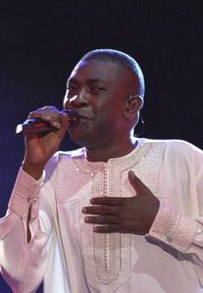
In his latest music video, world-renowned Senegalese pop star Youssou N’Dour does what he does best. His song, One Africa, performed with vocalist Idylle Mamba from the Central African Republic (CAR), is a sterling example of N’Dour’s unique style that mixes French lyrics with Wolof (a local language in Senegal) and his trademark Mbalax rhythms. The song is an emotional call for peace in the troubled CAR where Christians and Muslims remain engaged in a bitter conflict.
The video includes images of Senegal’s first president Léopold Sédar Senghor. A Christian leader in a predominantly Muslim country, he was an example of religious tolerance.
The video goes on to show Muslim imams and Christian pastors in the CAR holding hands amid the destruction of the conflict that has torn communities apart. The lyrics are mostly French and Mamba, who lives in Cameroon, might not be that well known to her fellow Central Africans, but this is certainly a positive message.
However, the question may be asked whether the message will indeed reach the right people. To what extent are musicians or artists able to contribute to peacebuilding in Africa, especially given the dearth of good leadership on the continent? Cynical observers will say that it is merely a way for musicians to attract attention and improve their sales.
For some, activism could involve mainly photo opportunities. Institutions like the United Nations Children’s Fund (UNICEF) and the United Nations Education Science and Culture Organisation (UNESCO) have long since recognised the power of associating a famous face with a good cause.
Goodwill ambassadors include stars like Nigeria’s Femi Kuti (pictured), Benin’s Grammy-winning singer, Angélique Kidjo, and Colombia’s Shakira. South African actress Charlize Theron has been a United Nations Messenger of Peace since 2008 – along with the likes of United States musician Stevie Wonder, and actor George Clooney.
Others, however, devote a lot of time and energy to trying to make the world a better place. Two musicians who are especially famous for their activism in Africa and, by extension, hobnobbing with powerful politicians are Bono from U2, and Bob Geldof, who led the Live Aid campaign to raise money for Ethiopian famine victims in the 1980s.
Both singers are still involved in various initiatives, following the Live 8 project in 2005 that accompanied former British Prime Minister Tony Blair’s Commission for Africa, on which Geldof served. Their ‘Make Poverty History’ campaign to scrap debt and increase aid to Africa was severely criticised, but it did raise global awareness of these issues.
The difference between these artist-activists and personalities like N’Dour, however, is that the former have not, so far, run for political office. Raising awareness and speaking at the World Economic Forum in Davos is one thing, but being in the executive is quite another. Dare one say that being a politician is a job?
Haitian President Michel Martelly, for example, was a well-known musician before reaching the highest office in that country. Superstar Wyclef Jean also attempted to stand for president in the election that brought Martelly to power in 2010. N’Dour, who tried to run for president in 2012, is now an advisor to Senegalese President Macky Sall, with the rank of minister.
N’Dour is well liked and must be admired for his grassroots projects and investment in the media in Senegal. But he seems to be diplomatic only when it suits him. During an interview with French media on 16 March, N’Dour surprised some by attacking non-Africans for meddling in Uganda’s affairs.
Asked about Uganda’s harsh anti-homosexuality laws, N’Dour, who was Senegal’s Minister of Tourism until September last year, accused the media and outsiders of dictating to Africa.
‘Why don’t you rather speak about children dying of AIDS in Uganda?’ he asked. N’Dour pointed out that in Senegal, Sall didn’t shy away from defending his country’s position on gay rights when US President Barack Obama visited in June last year. In Senegal, homosexuality is punishable by up to five years in prison.
The role of musicians, well-known personalities and artists in peacemaking is not a straightforward issue. Throughout history there are examples of famous people who were both artists and activists. In fact, some will argue that all art is political.
Where would women’s rights in Africa be without the likes of Miriam Makeba and Brenda Fassie? The ‘Free Mandela’ campaign in the ’70s and ’80s wouldn’t have gathered momentum without the contribution of artists and musicians from around the world. And how many outside South Africa would have known about Steve Biko if it hadn’t been for Peter Gabriel’s hit single, Biko?
Artists can indeed change the world. The struggle against apartheid in South Africa is a classic example of how singers and performing artists raised awareness and campaigned to support sanctions and put pressure on the government. In more recent times, rap artists have played a major role in the Arab Spring in countries such as Tunisia in 2011.
Also in 2011, the Senegalese rap group Y’en a Marre (meaning ‘fed up’) played an important role in the popular protest movement to convince former President Abdoulaye Wade not to stand for a third term.
In the end, Wade managed to have his candidature accepted by the courts, but the mass mobilisation – which included N’Dour – was seen to have contributed to the overwhelming victory of Sall in the March 2012 run-off elections.
Youssou N’Dour is correct when he says – referring to One Africa – that ‘a song can get the message out there quicker than a political speech.’ Ultimately though, to really work, the message for peace must also come from the politicians.
*The African Centre for Peace and Security Training at ISS Addis Ababa is hosting a training session from 14-25 April 2014 entitled ‘The artist as peacebuilder‘.
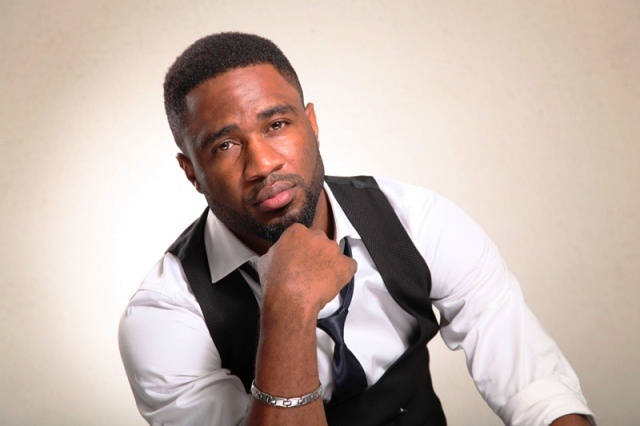
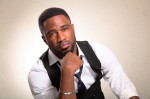
Acclaimed Nigerian musician Praiz is visiting the United States currently and will be visiting the KMOJ Radio studio tomorrow (March 22) for an interview on Charles Dennis’ African Roots Connection show.
Show is at 9:00 A.M. CST or 3:00 P.M. Lagos time. Locally, you can listen on 89.9 FM or stream online at www.KMOJFM.com if outside the Minneapolis/St. Paul metro area. Kay Rhoma, a Nigerian-American artist will be accompanying Praiz to the interview.
SmartPhone App Users in Nigeria and elsewhere: Use LOCATION FINDER on your app to drill down to: USA>Minnesota>Minneapolis-St.Paul>89.9FM. This will work if using the TuneIn app that Mshale uses available from the Google Play Store.
Meet & Greet
There will be a Meet & Greet with Praiz and Kay at the popular Jambo Africa Restaurant in Brooklyn Center located at 6000 Shingle Creek Parkway, Brooklyn Center, MN 55430. The Meet & Greet will start at 6:00 PM and conclude at 8:00 PM. You can browse the Jambo Africa menu at www.jamboafricadining.com. They are on Facebook at www.facebook.com/jamboafrica1.
Updates: For anymore updates on Praiz while in Minnesota, join the Mshale Text Club by texting NIGERIA to 24587. Mshale will give out a free meal at Jambo Africa for those subscribing today. You will be notified of your free meal for two by noon Saturday.