Home Blog Page 75

Tanzanian Abdulrazak Gurnah awarded Nobel literature prize

0
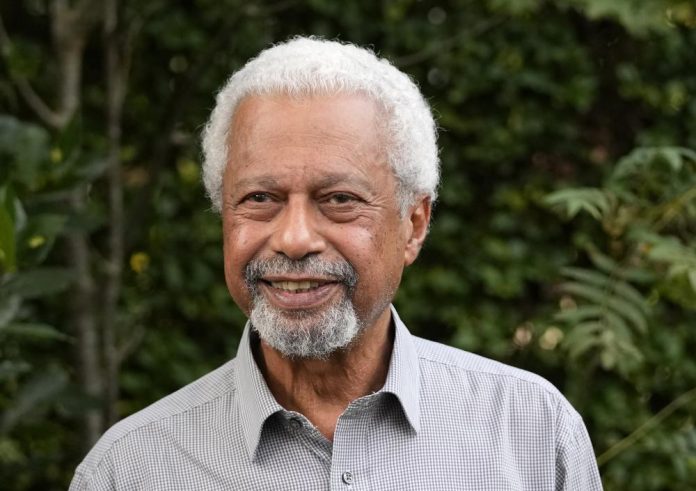
Tanzanian writer Abdulrazak Gurnah poses for a photo at his home in Canterbury, England, Thursday, Oct. 7, 2021. Gurnah was awarded the Nobel Prize for Literature earlier on Thursday. The Swedish Academy said the award was in recognition of his "uncompromising and compassionate penetration of the effects of colonialism." Photo: Frank Augstein/AP
1000 2

STOCKHOLM (AP) — U.K.-based Tanzanian writer Abdulrazak Gurnah, whose experience of crossing continents and cultures has fed his novels about the impact of migration on individuals and societies, won the Nobel Prize for Literature on Thursday.

The Swedish Academy said the award was in recognition of Gurnah’s “uncompromising and compassionate penetration of the effects of colonialism and the fate of the refugee.”

Gurnah, who recently retired as a professor of post-colonial literatures at the University of Kent, got the call from the Swedish Academy in the kitchen of his home in southeast England — and initially thought it was a prank.

He said he was “surprised and humbled” by the award.

Gurnah said the themes of migration and displacement that he explored “are things that are with us every day” — even more now than when he came to Britain in the 1960s.

“People are dying, people are being hurt around the world. We must deal with these issues in the most kind way,” he said.

“It’s still sinking in that the Academy has chosen to highlight these themes which are present throughout my work, it’s important to address and speak about them.”

Born in 1948 on the island of Zanzibar, now part of Tanzania, Gurnah moved to Britain as a teenage refugee in 1968, fleeing a repressive regime that persecuted the Arab Muslim community to which he belonged.

He has said he “stumbled into” writing after arriving in England as a way of exploring both the loss and liberation of the emigrant experience.
1000 4
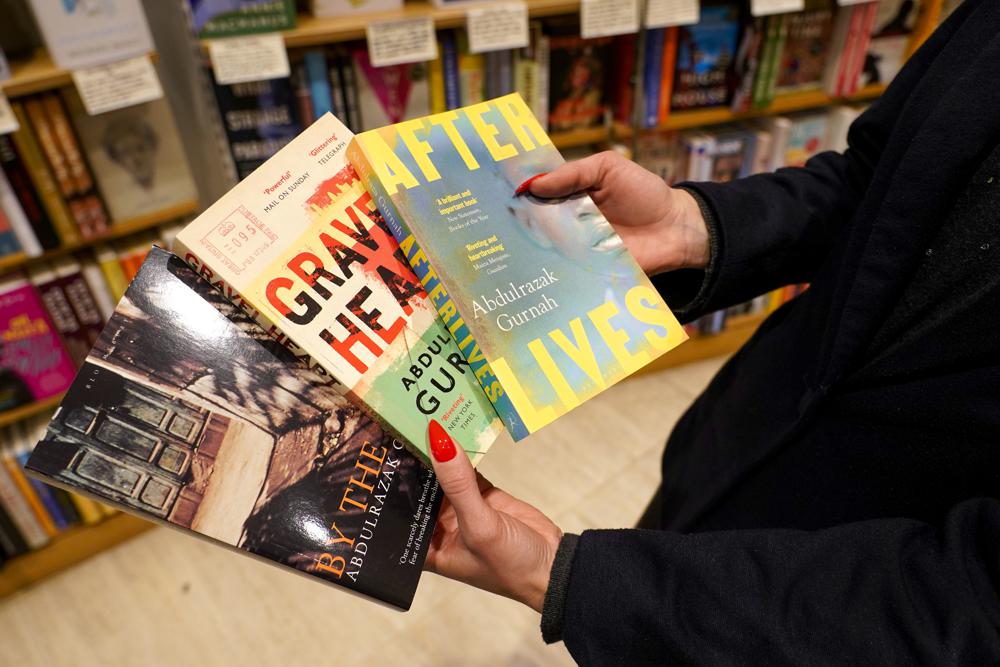
A member of staff holds copies of books by Zanzibar-born novelist Abdulrazak Gurnah in a book shop in London, Thursday, Oct. 7, 2021. U.K.-based Tanzanian writer Abdulrazak Gurnah, whose experience of crossing continents and cultures has fed his novels about the impact of migration on individuals and societies, won the Nobel Prize for Literature on Thursday. Photo: Alberto Pezzali/AP

Gurnah is the author of 10 novels, including “Memory of Departure,” “Pilgrims Way,” “Paradise” — shortlisted for the Booker Prize in 1994 — “By the Sea,” “Desertion” and “Afterlives.” The settings range from East Africa under German colonialism to modern-day England. Many explore what he has called “one of the stories of our times”: the profound impact of migration both on uprooted people and the places they make their new homes.

Gurnah, whose native language is Swahili but who writes in English, is only the sixth Africa-born author to be awarded the Nobel for literature, which has been dominated by European and North American writers since it was founded in 1901.

Nigerian writer Wole Soyinka, who won the Nobel Literature prize in 1986, welcomed the latest African Nobel laureate as proof that “the Arts — and literature in particular — are well and thriving, a sturdy flag waved above depressing actualities” in “a continent in permanent travail.”

“May the tribe increase!” Soyinka told the AP in an email.

Anders Olsson, chairman of the Nobel Committee for literature, called Gurnah “one of the world’s most prominent post-colonial writers.” He said it was significant that Gurnah’s roots are in Zanzibar, a polyglot place that “was cosmopolitan long before globalization.”

“His work gives us a vivid and very precise picture of another Africa not so well known for many readers, a coastal area in and around the Indian Ocean marked by slavery and shifting forms of repression under different regimes and colonial powers: Portuguese, Indian, Arab, German and the British,” Olsson said.

He said Gurnah’s characters “find themselves in the gulf between cultures … between the life left behind and the life to come, confronting racism and prejudice, but also compelling themselves to silence the truth or reinventing a biography to avoid conflict with reality.”

Luca Prono said on the British Council website that in Gurnah’s work, “identity is a matter of constant change.” The academic said Gurnah’s characters “unsettle the fixed identities of the people they encounter in the environments to where they migrate.”

News of the award was greeted with excitement in Zanzibar, where many remembered Gurnah and his family — though few had actually read his books.

Gurnah’s books are not required reading in schools there and “are hardly to be found,” said the local education minister, Simai Mohammed Said, whose wife is Gurnah’s niece. But, he added, “a son of Zanzibar has brought so much pride.”

“The reaction is fantastic. Many are happy but many don’t know him, though the young people are proud that he’s Zanzibari,” said Farid Himid, who described himself as a local historian whose father had been a teacher of the Quran to the young Gurnah. “I have not had the chance to read any of his books, but my family talked about it.”

Gurnah didn’t often visit Zanzibar, he said, but he has suddenly become the talk of young people in the semiautonomous island region.

“And many elder people are very, very happy. Also me, as a Zanzibari. It’s a new step to make people read books again, since the internet has taken over.”

The prestigious award comes with a gold medal and 10 million Swedish kronor (over $1.14 million). The money comes from a bequest left by the prize’s creator, Swedish inventor Alfred Nobel, who died in 1895.
1000 3
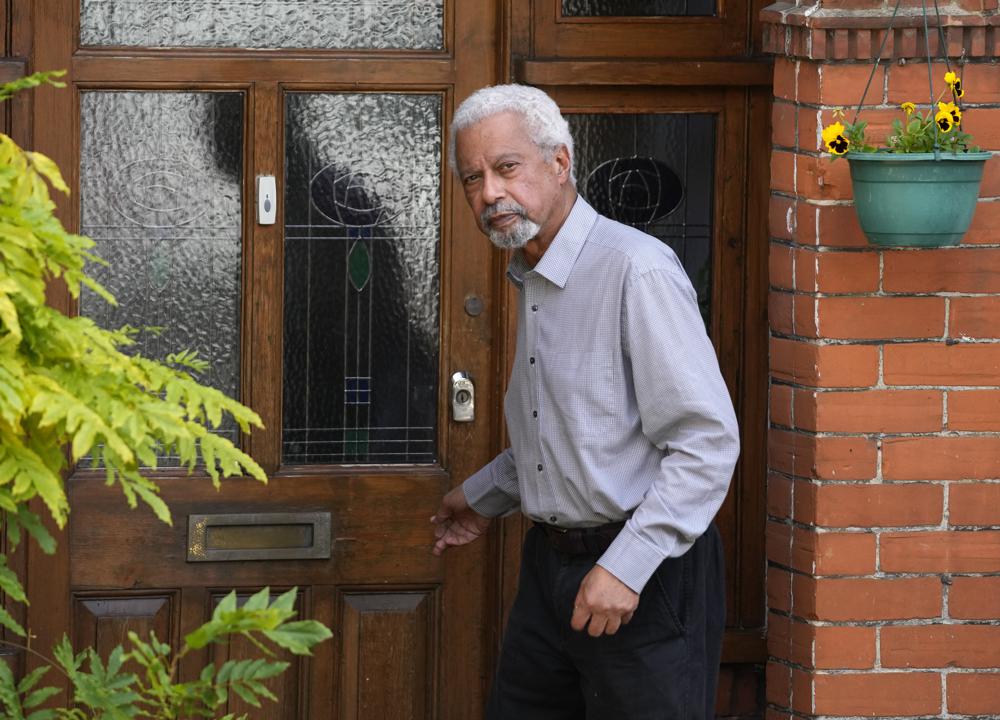
Tanzanian writer Abdulrazak Gurnah arrives back at his home in Canterbury, England, Thursday, Oct. 7, 2021. Gurnah was awarded the Nobel Prize for Literature earlier on Thursday. The Swedish Academy said the award was in recognition of his “uncompromising and compassionate penetration of the effects of colonialism.” Photo: Frank Augstein/AP

Last year’s prize went to American poet Louise Glück. Glück was a popular choice after several years of controversy. In 2018, the award was postponed after sex abuse allegations rocked the Swedish Academy, the secretive body that chooses the winners. The awarding of the 2019 prize to Austrian writer Peter Handke caused protests because of his strong support for the Serbs during the 1990s Balkan wars.

On Monday, the Nobel Committee awarded the prize in physiology or medicine to Americans David Julius and Ardem Patapoutian for their discoveries into how the human body perceives temperature and touch.

The Nobel Prize in physics was awarded Tuesday to three scientists whose work found order in seeming disorder, helping to explain and predict complex forces of nature, including expanding our understanding of climate change.

Benjamin List and David W.C. MacMillan were named as laureates of the Nobel Prize for chemistry Wednesday for finding an easier and environmentally cleaner way to build molecules that can be used to make compounds, including medicines and pesticides.

Still to come are prizes for outstanding work in the fields of peace, on Friday, and economics, on Monday.

—-

Lawless reported from London and Anna from Nairobi, Kenya. Associated Press writers Danica Kirka in London, Chinedu Asadu in Lagos, Nigeria. and Frank Jordans in Berlin contributed.

Philadelphia’s Libyan-born Hrezi wins Twin Cities Marathon men’s race, Fulton of Wisconsin takes women’s title

0
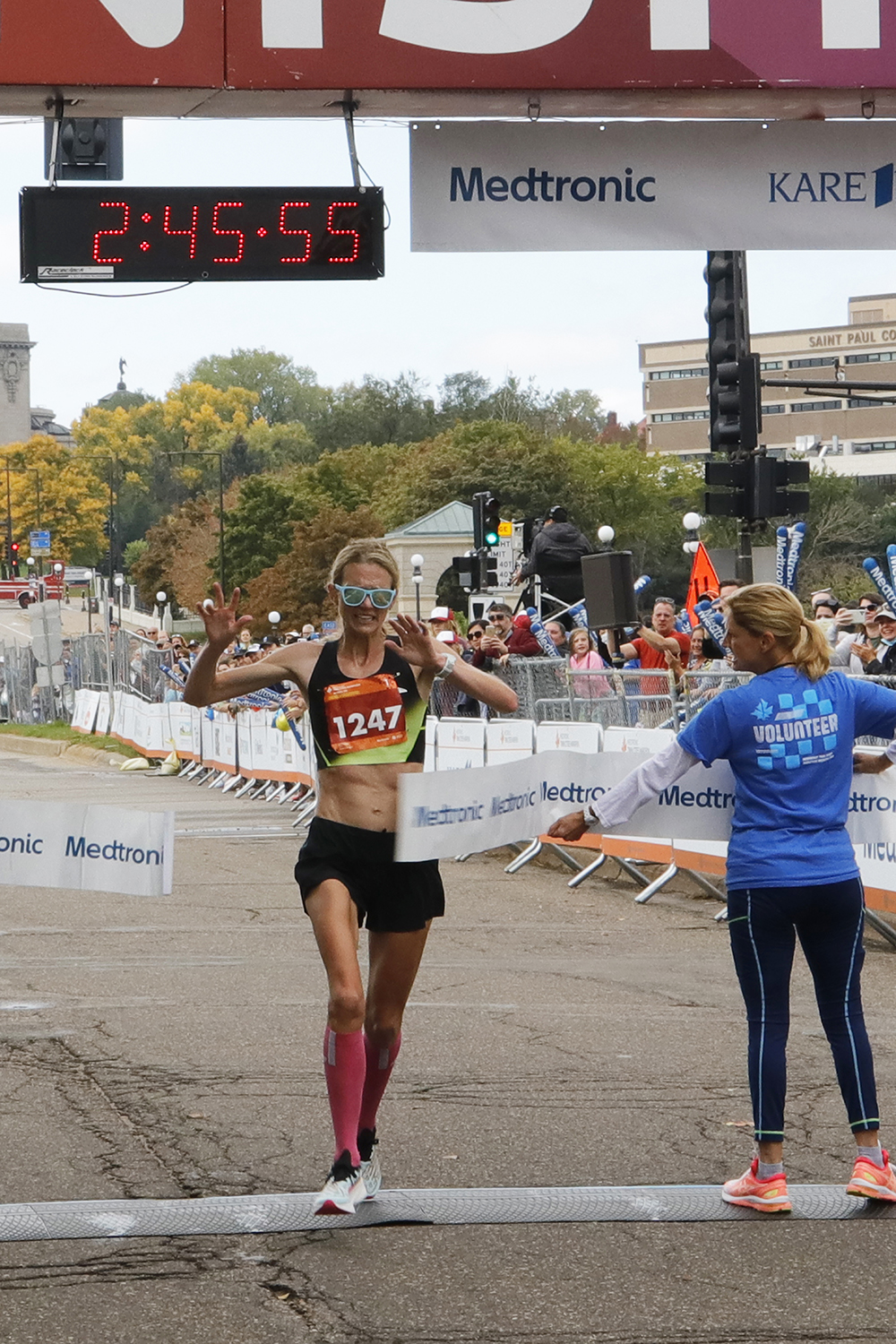
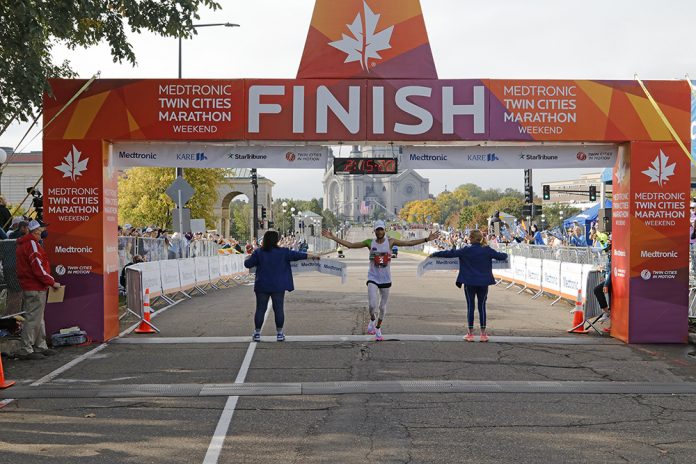
Philadelphia's Libyan-born Hrezi crosses the finish line Twin Cities Marathon men's race on Sunday, October 3, 2021. Photo: Richard Ooga/Mshale
Hrezi Featured
Philadelphia's Libyan-born Hrezi crosses the finish line Twin Cities Marathon men's race on Sunday, October 3, 2021. Photo: Richard Ooga/Mshale

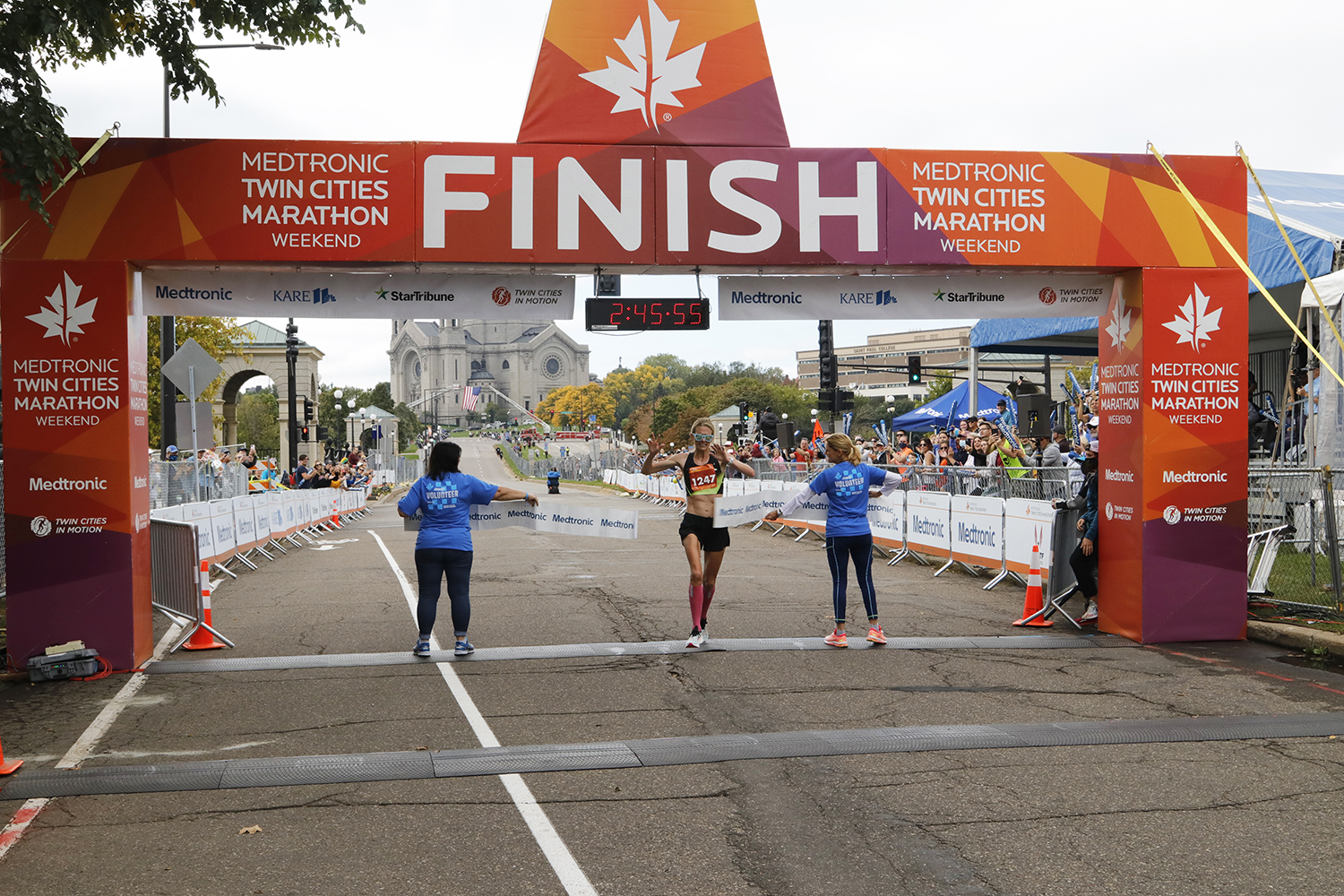
Mohamed Hrezi of Philadelphia won the Twin Cities Marathon men’s title with a time of 2 hours, 15 minutes, 22 seconds while Naomi Fulton from Hartland, Wisconsin took home the women’s title with a time of 2 hours, 45 minutes, 57 seconds.

Last year’s race was canceled due to the pandemic and race officials said that 3,192 runners completed Sunday’s 26.2 mile. 3,192 is less than half that completed in 2019. As part of COVID-19 protocols, race officials had capped entries at 4,500.

There was also no prize money in this year’s race which limited the number of elite runners like the Kenyans who have dominated it in the last 10 years, winning seven of the last 10 with the other three being taken by runners from the United States.

Libyan-born Hrezi and the women’s winner Fulton are not full-time professional runners.

Among those who ran the full marathon was Minneapolis Mayor Jacob Frey who finished with a time of 2:53:22. The starting line of the marathon was at US Bank Stadium in downtown Minneapolis and finished at the State Capitol in Saint Paul.

10 Mile Race

In the 10 Mile race, Danny Docherty of St. Paul won the men’s title in 49 minutes, 19 seconds while Rachel Drake of Portland, Oregon won the women’s 10-Mile title in 56 minutes, 41 seconds.

6,521 runners (including this writer) completed the 10-mile race.

Comcast announces $1 million in $10,000 grants for Twin Cities small, minority-owned businesses

0
Cecelia Chung, owner of Little Celebrations in Boston is a past recipient of a Comcast Rise grant. Starting October 1, 2021 Comcast opens applications for small minority owned businesses in the Twin Cities to apply for $10,000 out of a $1 million that the company is making available for the area. Photo: Comcastrise.com Screengrab
Cecelia Chung
Cecelia Chung, owner of Little Celebrations in Boston is a past recipient of a Comcast Rise grant. Starting October 1, 2021 Comcast opens applications for small minority owned businesses in the Twin Cities to apply for $10,000 out of a $1 million that the company is making available for the area. Photo: Comcastrise.com Screengrab

Comcast announced on Thursday that starting today (October 1), it is accepting applications for $1 million in grants to 100 small businesses owned by people of color, including Black, Indigenous, Hispanic, and Asian American owners, among others, in the Twin Cities. The grantees may also receive technology and marketing resources.

The Twin Cities is among six markets, including Houston, Miami, Oakland, Seattle, and Washington, D.C., that were selected to award a $10,000 grant to 100 local businesses from the Comcast RISE Investment Fund, for a total of $6 million across 600 businesses.

Businesses can apply now through October 14, for Comcast RISE monetary grants, and, or marketing and technology services at www.ComcastRISE.com.

Winners will be notified in late November.

“The Comcast Rise Investment Fund will ensure that 100 businesses that exist today will continue to exist tomorrow,” said Governor Tim Walz, State of Minnesota. “Minnesota knows that this pandemic has created challenges for many small businesses, especially minority owned businesses. We continue to do everything we can to help them until things get better. I highly encourage small businesses owned by people of color to take advantage of this wonderful opportunity provided by our friends at Comcast.”

The Investment Fund is an extension of Comcast RISE, the multi-year, multi-faceted initiative launched in October 2020 to support small businesses owned by people of color and provide the resources and tools they need to thrive for years to come. The Comcast RISE Investment Fund is focused on small businesses that have been in business for three or more years with 1-25 employees. Businesses must be in the Twin Cities seven-county metro (Anoka, Carver, Dakota, Hennepin, Ramsey, Scott, and Washington Counties) to be eligible.

“While we know that no single organization can solve historic and systemic inequities overnight, we are committed to taking tangible actions that can drive long-term impact and change,” said Kalyn Hove, Regional Senior Vice President, Comcast Twin Cities. “Comcast RISE and the Comcast RISE Investment Fund offer the opportunity for small businesses owned by people of color to help grow their businesses, create jobs and play a vital role in supporting our communities. The Comcast RISE grants will provide more entrepreneurs of color with the resources and tools they need to scale their businesses and thrive for years to come.”

Comcast RISE Marketing and Technology Services

In addition to the Investment Fund, Comcast RISE, which stands for “Representation, Investment, Strength and Empowerment,” provides the opportunity for small businesses owned by people of color nationwide to apply for one or more of the following support focus areas with the opportunity to receive one.

Marketing Services from Effectv, the advertising sales division of Comcast Cable, and its creative agency, Mnemonic, are designed to help recipients with their marketing and media campaigns, including:

Media: A linear TV media campaign to run over a 90-day period.

Creative Production: Turnkey :30 TV commercial production, plus a media strategy consultation and 90-day media placement schedule.

Consulting: Advertising and marketing consultations with local Effectv marketing, research, and creative teams to gain insights on how to drive business.

Technology Makeovers: The state-of-the-art equipment and technology upgrade from Comcast Business includes computer equipment as well as Internet, Voice, and Cybersecurity services for up to a 12-month period. (Taxes and other fees may still apply for technology makeover services.)

Monetary Grants: In round one, which was announced in April of 2021, the Comcast RISE Investment Fund provided $5 million in grants to 500 small businesses owned by people of color in five cities: Philadelphia/Chester, Houston, Atlanta, Chicago, and Detroit.  The Comcast RISE Investment Fund will provide an additional $6 million in grants to 600 small businesses owned by people of color in six cities: Miami, Houston, Oakland, Seattle, the Twin Cities, and Washington, D.C.

All eligible applicants will receive a monthly Comcast RISE newsletter with educational content, and all small business owners can visit the Comcast RISE destination on the X1 platform featuring aggregated small business news, tips, insights, and more.

Comcast RISE is part of Comcast’s ongoing efforts to advance digital equity and help to provide underrepresented small business owners with access to the digital tools and funding they need to thrive. Over the next 10 years, Comcast has committed $1 billion to programs and partnerships that will reach an estimated 50 million people with the skills, opportunities, and resources they need to succeed in an increasingly digital world.

Obama presidential center breaks ground in Chicago

0
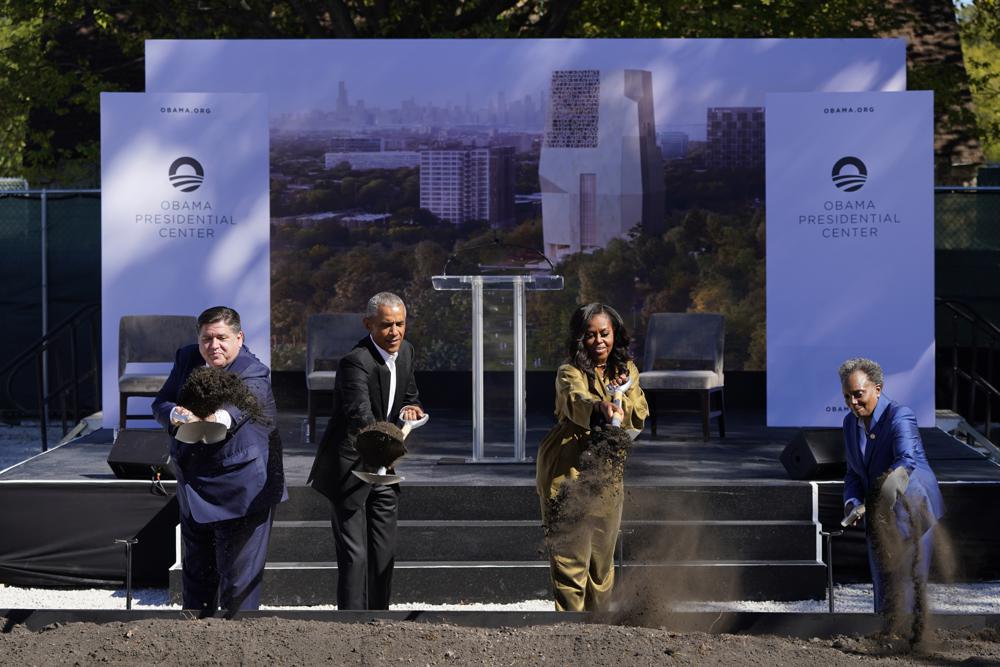
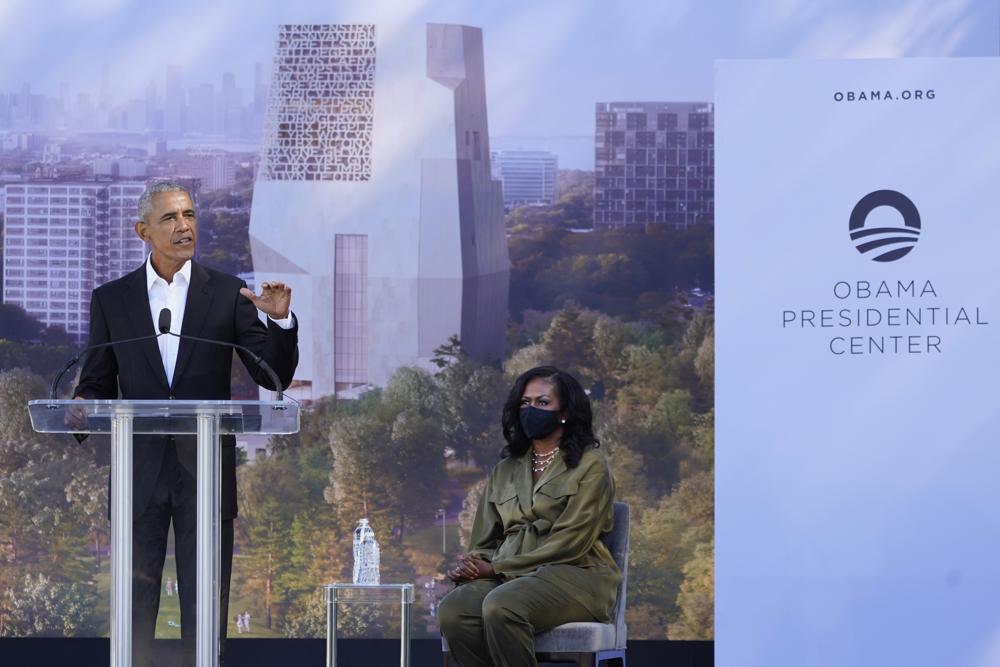
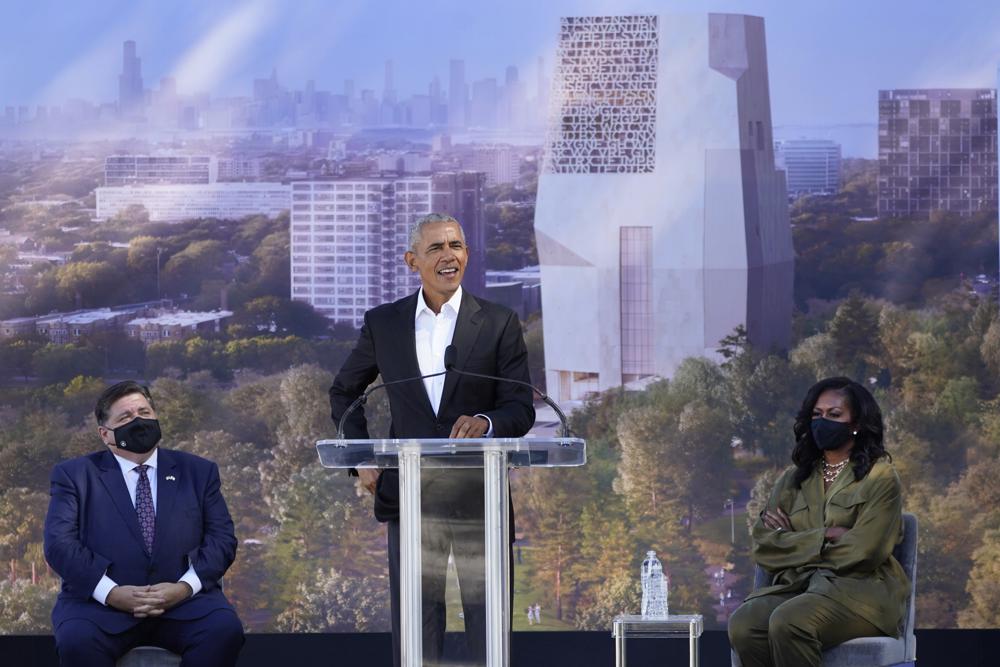
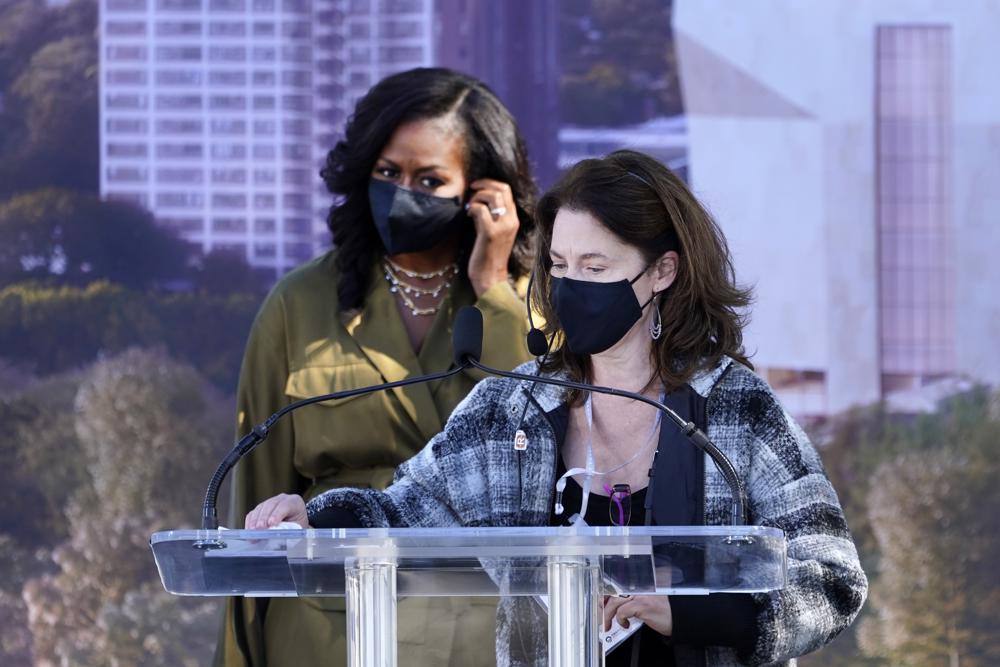
Former President Barack Obama, left, and former first lady Michelle Obama toss shovels of dirt during a groundbreaking ceremony for the Obama Presidential Center Tuesday, Sept. 28, 2021, in Chicago. Photo: Charles Rex Arbogast/AP
Obama and Michelle on September 28 2021 in Chicago
Former President Barack Obama, left, and former first lady Michelle Obama toss shovels of dirt during a groundbreaking ceremony for the Obama Presidential Center Tuesday, Sept. 28, 2021, in Chicago. Photo: Charles Rex Arbogast/AP

CHICAGO (AP) — After five years of legal battles, gentrification concerns and a federal review, Barack and Michelle Obama dug shovels into the ground Tuesday during a celebratory groundbreaking on their legacy project in a lakefront Chicago park.

Construction on the Obama Presidential Center along Lake Michigan, near the Obama family home and where the former president started his political career on Chicago’s South Side, officially began last month.

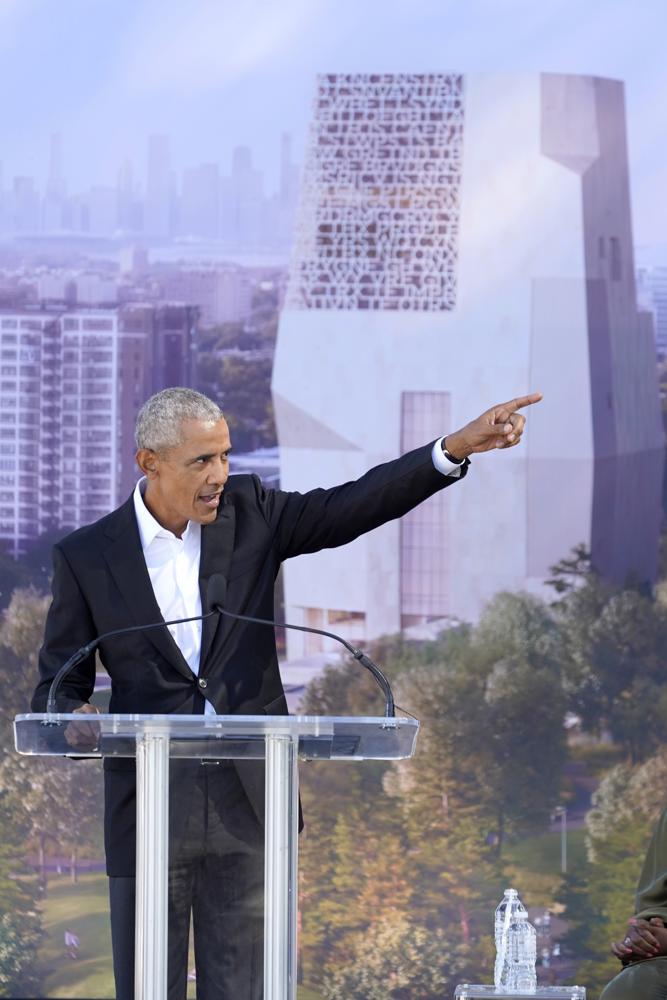
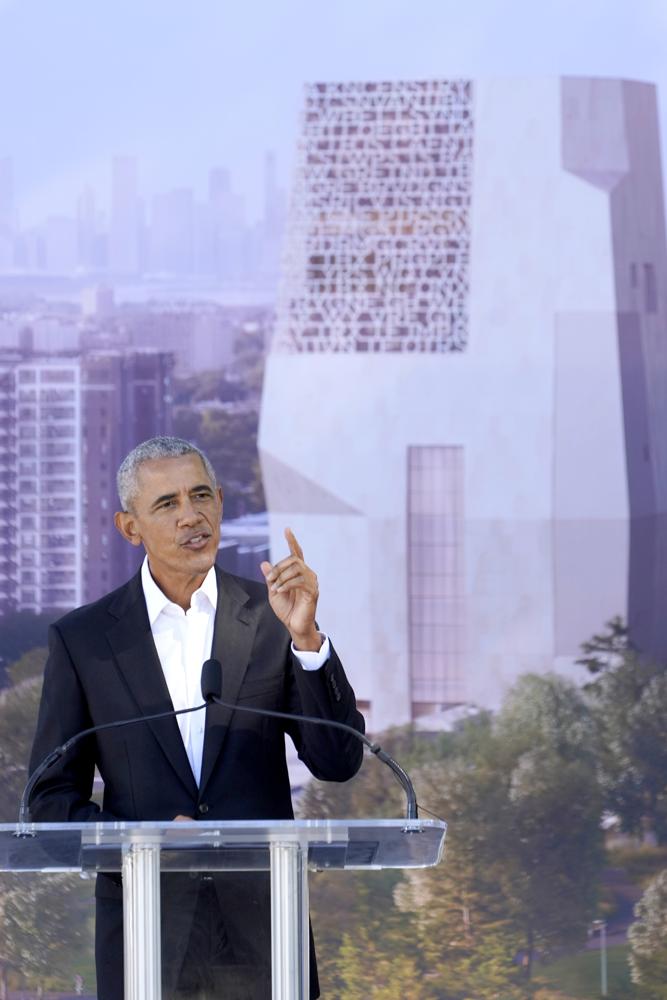
Standing near an excavator and other heavy equipment, Obama described how the city’s South Side shaped him, first as a community organizer, then as a husband, father and elected official. He said the center was one way of giving back and he hoped it would bring an economic boost to the area and inspire a future generation of leaders.

“We want this center to be more than a static museum or a source of archival research. It won’t just be a collection of campaign memorabilia or Michelle’s ballgowns, although I know everybody will come see those,” he joked. “It won’t just be an exercise in nostalgia or looking backwards. We want to look forward.”

Chicago Mayor Lori Lightfoot, Illinois Gov. J.B. Pritzker and several city aldermen were among the few people allowed at the event, which was streamed online to limit crowds amid the COVID-19 pandemic.

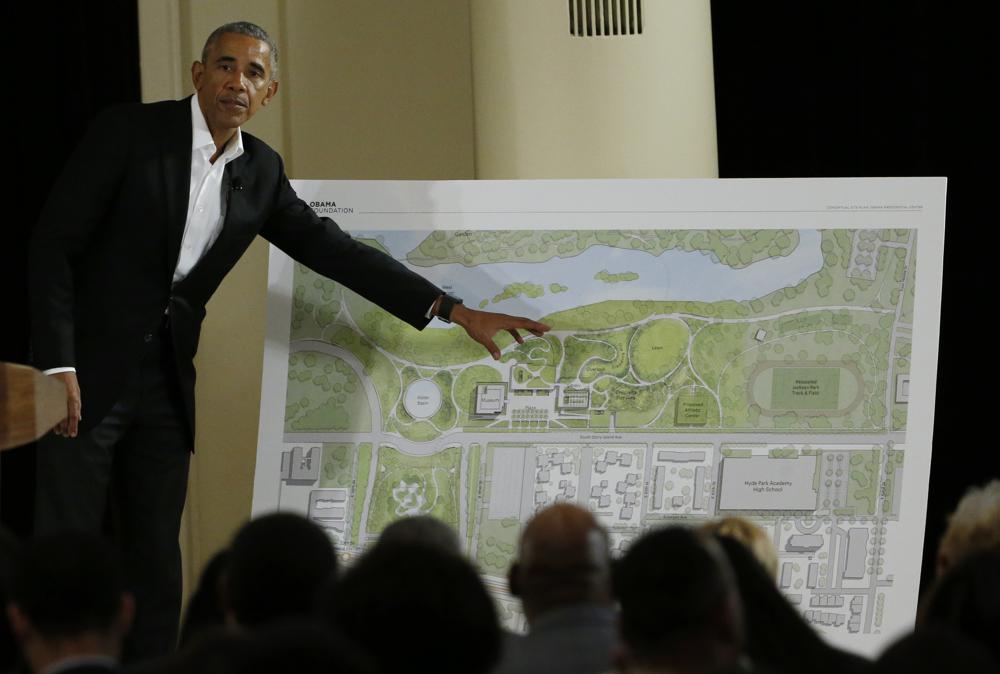
The presidential center will sit on 19 acres (7.7 hectares) of the 540-acre (291-hectare) of Jackson Park, named for the nation’s seventh president, Andrew Jackson.

It will be unique among presidential libraries. Obama’s presidential papers will be available in digital form. The sprawling campus will include a museum, public library branch, athletic center, test kitchen and children’s play area.

The initial cost was projected at $500 million, but documents released by the Obama Foundation last month showed it is now roughly $830 million. Funds are being raised through private donations.

Organizers estimate about 750,000 visitors will come to the center each year.

Work on the Obama Presidential Center is expected to take about five years. Currently, heavy machinery peppers the site that’s fenced off with green tarps.

Progress has been delayed by lawsuits and a federal review required because of the location in Jackson Park, which is on the National Register of Historic Places. At the same time, fears about displacing Black residents in the area developed into a yearslong battle resulting in city-approved neighborhood protections, including for affordable housing.

Some neighborhood activists said Tuesday that they were already seeing rising housing prices and would keep pushing for more protections in surrounding areas. Environmental advocates have also objected to the location and the loss of green space. During the event, a plane pulled an aerial banner reading, “ STOP CUTTING DOWN TREES. MOVE OPC.”

Obama, who didn’t take questions during the event, has said over the years that the center will benefit the surrounding area with new jobs and new trees would be planted on the campus.

He chose Chicago over several cities, including Honolulu, where he was born and spent his early years.

It’s a part of Chicago that has special significance for the Obamas. The center is near the University of Chicago where Obama taught law and where the Obamas got married and raised their two daughters. Michelle Obama also grew up on the South Side.

“This city, this neighborhood courses through my veins and defines me at my very core,” she said at the event. “This substantial investment in the South Side will help make the neighborhood where we call home a destination for the entire world.”

On Minneapolis police amendment, let the people decide

0
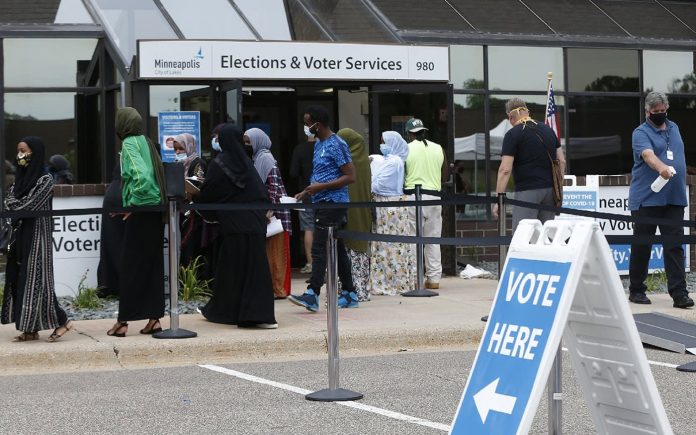
Minneapolis voters line up to vote a day ahead of Minnesota's Tuesday primary election on Monday, Aug. 10, 2020, at the Minneapolis Election and Voters Services offices. In the November 2021 city elections, the city's voters will be voting to amend the city charter to place the police department under a Department of Public safety. Photo: Jim Mone/AP
Minneapolis Voters Jim Mone AP
Minneapolis voters line up to vote a day ahead of Minnesota's Tuesday primary election on Monday, Aug. 10, 2020, at the Minneapolis Election and Voters Services offices. In the November 2021 city elections, the city's voters will be voting to amend the city charter to place the police department under a Department of Public safety. Photo: Jim Mone/AP

New Analysis

The power structure and its allies (like the mainstream press) should stop trying to confuse the issue

The mainstream press purportedly has been attempting to bring clarity to the proposed charter amendment put to Minneapolis voters on the election ballot as a way of fixing the problem of police and public safety. However, it seems their efforts at “clarity” have added still more confusion to the effort.

The measure was organized by YES Minneapolis and supported by the Minneapolis City Council. It proposes to address the issue of police misconduct by reorganizing the structure of the MPD and create in its place “a Department of Public Safety that employs a comprehensive public health approach purpose of the city’s police department.”

The Minneapolis Star Tribune in particular appears to be in opposition to the measure while not directly saying so. The Strib has also spent lots of ink either unintentionally or intentionally obscuring the community’s concerns around police misconduct.

Such misconduct—witnessed worldwide in George Floyd’s murder—is, after all, what the amendment was proposed to address.

Before voters could go to the polls and decide for themselves, the Minneapolis Star Tribune declared in so many words that people are on the whole opposed to the charter amendment. At least that is what can be inferred from the lead in a story that ran in Sunday’s paper titled, “Minnesota Poll: Most Minneapolis voters want reform, not fewer cops.”

“Through its editorial board and narrative slant, I think the Star Tribune coverage has been biased against the people’s vote on the public safety,” said Minneapolis filmmaker, artist, storyteller  D.A. Bullock. “From that shameless PR piece they featured on Judge Anderson—front page above the fold—to their generous coverage of Don and Sondra Samuels as the ‘trusted voice’ and de facto proxy for Black people in Minneapolis, they have avoided the scrutiny that is the benchmark of the fourth estate.”

According to the lede in writer Kelly Smith’s story, which was supposedly based on a poll of Minneapolis citizens, “a clear majority of Minneapolis voters oppose reducing the size of the city’s police force, and that feeling is especially strong among Black voters.”

“They are putting on a full-court last-minute press trying to influence the outcome through what is presented as a neutral and objective poll,” said one observer and Minneapolis resident who wanted his name withheld, when asked his thoughts on the article. “It’s like saying, hey, most of your fellow citizens are on the side of a no vote, so you should be too. It’s a scare tactic to steer people away from the public health approach.”

The poll, which took into account the opinions of 800 Minneapolis residents, was conducted by Mason-Dixon Polling & Strategy Inc. of Jacksonville, Fla, and paid for by a combination of news agencies including KARE 11, MPR News, Star Tribune, and PBS’s FRONTLINE. But the poll raises a big question: Why feature so prominently at the top of Sunday’s front page a survey of 800 prospective voters just as the people are preparing to vote if not to influence the outcome of that vote?

“A poll is only as good as the questions asked and the context of the reporting on the opinion thereafter. In terms of policy, I’m not so much interested in the percent of opinion, but knowing why folks hold an opinion. Are they believing lies? Do they know the facts? Have they been frightened into decisions (fear is a form of coercion),” observed Bullock.

Smith did not reiterate the facts that the proposed charter amendment allows for a police force and does not call for abolishing the police. Nor does it call for defunding the police.

The article appears to have pulled away the veneer of objectivity that has been loudly and repetitively claimed by the Star Tribune. Recently in a note to readers, Star Tribune Editor and  Senior Vice President Rene Sanchez wrote that his department and the editorial board—which is apparently opposed to the ballot proposal—“have no connection to, or advance awareness of, our news coverage.”

“This separation is strict and complete,” he wrote.  “In the newsroom, we are firmly committed to bringing you fair, complete coverage of the campaigns that’s grounded in fact, not opinion… But we know that it can be confusing at times to some readers.”

Opponents, including Minnesota governor Tim Walz and U.S. Senator Amy Klobuchar, have tried to paint the amendment as a referendum on defunding the police. The move is disingenuous at best; at worst they would have us believe that their reading comprehension skills are not what someone in elected office ought to have.

Minneapolis Mayor Jacob Frey revealed yet again his opposition to the proposed amendment when he tweeted his support for the article on Sunday, which raised suspicions among some on social media about collusion between him and the Star Tribune. Frey in his tweet also insisted that a Department of Safety could be created without charter change, which generated mockery by some. Javier Morillo, for example, noted that the mayor has gone from “the guy who spent a year and a half opposing the creation of a Department of Safety to the guy saying we can do it without a charter change!”

“The poll fills in a blank, not because it is the right answer, but because there was blank space there. Black people’s views on police are far more complex than one question in a poll. But politicians will use this to their own benefit. They don’t really care about the well-being of Black people” said Bullock.

“Don’t let anyone convince you that Black people love to be over-policed and under-protected.”

California mother needs financial help for daughter savagely attacked in Kenya

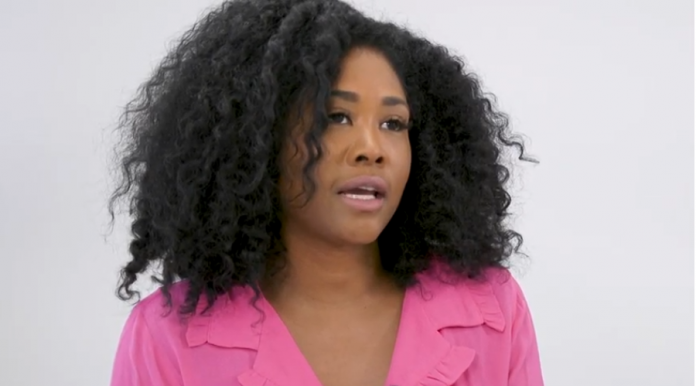
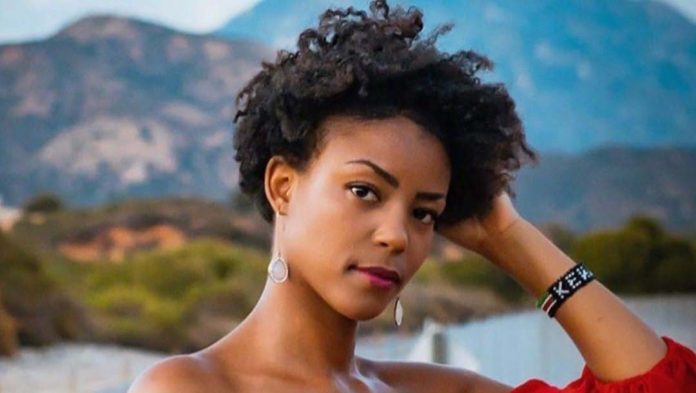
Sharon “Nahsha” Wachuka has been in hospital in Kenya since July 12, when she was found severely beaten and dumped on a roadside. Her family is asking for financial help. Photo: Courtesy
Sharon Wachuka
Sharon “Nahsha” Wachuka has been in hospital in Kenya since July 12, when she was found severely beaten and dumped on a roadside. Her family is asking for financial help. Photo: Courtesy

The mother of a woman found savagely attacked and left for dead in Kenya in July is appealing for financial help to transport her back home to the United States for more specialized medical care.

Speaking from Kenya, Veronica Njeri Mukui of San Jose, California, said her 24-year-old daughter, Sharon Wachuka, was admitted to a hospital in Nairobi on July 12, after she was found severely beaten and dumped on the side of a road. Wachuka was in a coma and on ventilator for three weeks fighting for her life, her mother said.

“This tragedy has really affected me, emotional, physically, and financially,” Mukui said.

David M. Burwen, Wachuka’s godfather, said the assault left her with a broken jaw, a damaged lung, and traumatic brain injury. She underwent surgery to repair her jaw, and had extensive rehabilitation to get her lungs and throat working, so that she could breathe and eat on her own, he said.

“Sharon is now breathing without tubes and beginning to swallow food on her own,” Burwen said in a statement. “Having regained consciousness, she is responding to verbal commands and showing emotional response to music and hearing about her friends.”

But she still has a long and difficult road to recovery. Mukui said they planned to return her back home to California, as soon as doctors said it was safe for her to travel. Mukui said the hospitalization of her only child had taken a heavy toll on her finances. She has not been working because she has had to be by her daughter’s bedside for the past seven weeks.

“I really appreciated friends and donors, who have been working very hard to ensure that Sharon receives treatment and rehabilitation,” Mukui said.

Wachuka, who is also a musical artist known by her stage name, Nahsha, was born in Kenya and came to the United States when she was 8 years old, according to her mother. In December 2020, she and her mother traveled back to Kenya to celebrate Christmas with their extended family.

“Sharon had a plan for us to produce a special song she wrote for me,” Mukui said. “She loves music, which is why she learned how to play a guitar at a young age.”

Known as Nakupenda, Mama (I Love You, Mom), the song was supposed to feature Mukui and her sisters, who live in Kenya, she said. Unfortunately, Wachuka was forced to postpone the project when a cousin she was very close to died unexpectedly. Mukui returned to California in January, but her daughter decided to stay behind after the burial to help her cousin’s family deal with the loss.

During the seven months before she was attacked, Burwen said Wachuka collaborated with other singers and songwriters she met at a Nairobi music recording studio owned by a Kenyan American.

Judging by what those who know Wachuka said about her, it is not surprising that she would choose to stay in Kenya to help others. Marawan Nassar, who has been friends with Wachuka since they were 14 years old, described her as someone who is “so kind-hearted.”

“She wants to start an orphanage in Kenya,” Nassar said.

Lee Casem taught Wachuka at Mountain View High School, where she excelled in and out of the classroom, and was voted the “most likely to solve a world problem.” Casem remembered her as someone who “radiated positivity, and openness.”

“Even more memorable than her intellect, though, was Sharon’s magical and charismatic personality,” Casem said.  “She truly helped make any classroom a warm, inclusive, and exciting place to be.  She never fell into the superficiality or pettiness that can entrap teens, and her earnestness, humility, and willingness to connect with and listen to others made all in her presence feel at home.”

Wachuka graduated from high school and went to California State Polytechnic University, Pomona, where she majored in psychology. During her university studies, she worked as behavioral health specialist for autistic children, and as a summer camp counselor for children with dyslexia, said Jennifer Pence.

“Amidst all this, Sharon still always found time to help others, whether that meant collecting books to send to Kenya, or lending a listening ear to a troubled friend,” Pence said.

Mukui said after graduating from university in 2019, her daughter continued working with children with autism because of her dedication to helping those in need. But due to the outbreak of the coronavirus pandemic, it became increasingly difficult to work with children and her job ended.

Wachuka’s family and friends are now hoping others can show her the compassion she has always had towards people and help her.

Burwen, her godfather, said her friends had formed a group called Friends of Nahsha, through which they had raised nearly $100,000, most of which has already been used to pay for the medical expenses incurred so far. The group is planning a live virtual fundraiser via Zoom on Friday Sept. 24 from 6 p.m. to 8 p.m. PST.  Wachuka’s medical care is expected to cost at least $150,000, according to a GoFundMe campaign set up to raise money for her.

‘You are the one we have been waiting for’: DFL House and Ways committee chair Rena Moran tells Huldah Momanyi Hiltsley at state Senate campaign launch

0
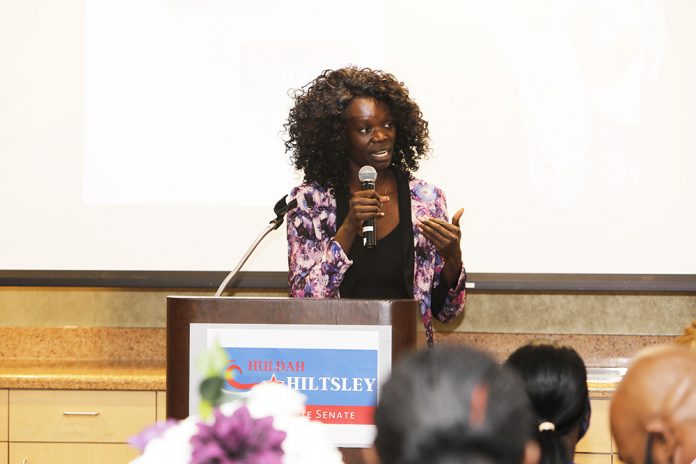
Huldah Nyamisa Momanyi Hiltsley, a Kenyan-American community leader and corporate compliance professional, launched her campaign for the Minnesota State Senate on Thursday, September 16, 2021 representing Senate District 40. Photo: Richard Ooga/Mshale
Huldah Hiltsley at State Senate Campaign Launch on Sept 16 2021
Huldah Nyamisa Momanyi Hiltsley, a Kenyan-American community leader and corporate compliance professional, launched her campaign for the Minnesota State Senate on Thursday, September 16, 2021 representing Senate District 40. Photo: Richard Ooga/Mshale

SAINT PAUL, Minn. – Huldah Nyamisa Momanyi Hiltsley, a leader in the African community in Minnesota, on Thursday launched her campaign for state Senate in 2022.

She is running to replace DFL Sen. Chris Eaton who announced last month that she will not be seeking reelection and represents what is now Senate District 40 ahead of redistricting. Because of the new Census 2020 figures that were recently released, district boundaries will not be known until sometime next year.

“I am running to fight for a future where a better quality of life is accessible to all residents in this district,” Hiltsley said at an evening event at the Paul and Sheila Wellstone Center. Around 60 people, including DFL House Ways and Means committee chair Rep. Rena Moran and state House Rep. Cedric Franzen, gathered with sambusa, pita bread and salad while Hiltsley gave a 15-minute speech.

The choice of venue outside of District 40 was intentional. Hiltsley is the daughter of Philip and Tabitha Momanyi, Kenyan immigrants who were less than 48 hours from being deported in 2000 were it not for the intervention of late Minnesota US Senator Paul Wellstone who the center is named after. The senator came to the family’s aid after pleas from Progressive Baptist Church, a prominent Black church that the family attended.

Paul Wellstone was a beloved two-term Democratic senator from Minnesota. He and his wife Sheila died in a plane crash in October, 2002 in Eveleth, Minnesota just 11 days before Election Day.

“He will forever be part of the fabric of our family’s American Story. This is my family’s tribute to him and his heart of service to others. He inspired me to run for Senate because when good people run, lives are changed for the better.”

On Thursday, the aspiring state senator’s two Sunday School teachers from Progressive were present to witness her candidacy announcement.

“Huldah, I believe that you are the person of the moment, in a moment that needs you,” Rep. Moran, who is the first Black woman to chair the powerful House Way and Means committee, said. “I am so excited tonight as I believe you are the one, we have been waiting for.”

Hiltsley, who is president of the Mwanyagetinge Association of Kenyans in Minnesota and a corporate compliance specialist by profession, described herself as someone who values integrity, accountability, transparency and equity. Those values were echoed by some of the speakers at the launch, including Ian Oundo, the former DFL director for civic engagement before he left to form a political consultancy firm. Hiltsley said she would fight for a future where a better quality of life is accessible to all residents in her district.

Born in Nyamira County in Kenya in 1985, Momanyi Hiltsley moved to the United States at the age of nine and was a graduate of the Class of 2004 at Robbinsdale Cooper High School in New Hope, Minnesota. She attended Bethel University in St. Paul where she received both her bachelor’s degree in International Business and an MBA. She is a recipient of The Morrill Hall and Rachel Tilsen Social Justice Award for her commitment to social justice and restorative justice practices.

While Minnesota elected its first woman to the state Senate in 1927, it took 75 years before a woman of color got elected when Hmong American Mee Moua became the first Asian to be elected in 2002.

Blacks make up 33 percent of the residents of Senate District 40, Asians 17 percent while those who identify as white make up 35 percent.

Should Momanyi Hiltsley emerge victorious in the 2022 election, she would become the first Black woman elected to the Minnesota State Senate, a point Rep. Moran made a point to emphasize.

Somali American says he’s the best candidate for mayor of Minneapolis

0
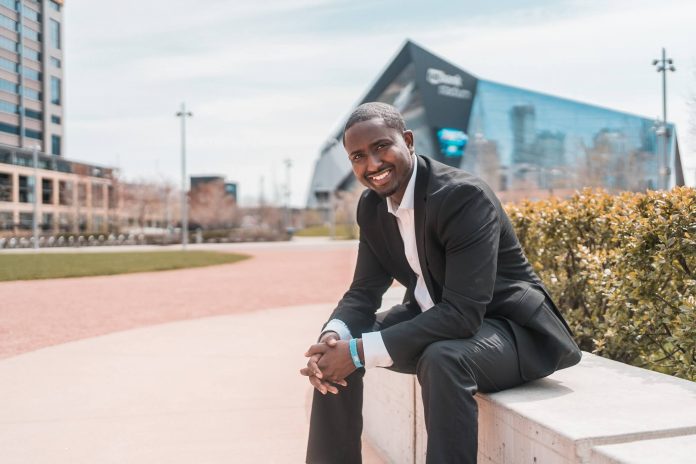
Somali American AJ Awed who is running to be Mayor of Minneapolis says he is the solution to the city's polarization. Early voting for the November 2 election starts on September 17, 2021. Photo: Courtesy Neighbors for AJ Awed
AJ Awed
Somali American AJ Awed who is running to be Mayor of Minneapolis says he is the solution to the city's polarization. Early voting for the November 2 election starts on September 17, 2021. Photo: Courtesy Neighbors for AJ Awed

AJ Awed says Minneapolis is a polarized city. But he thinks he has the solution. The Somali American, who once ran to represent Ward 6 in the Minneapolis city council now wants to be the city’s mayor.

“The city is really going through a tough period,” Awed says. “These growing pains, I think we need someone who has the capacity to bring people together.”

Awed says he wants to utilize his experience as a professional mediator to unify Minneapolis.

In the past year and a half, the city of Minneapolis has received both national and global attention following the death of George Floyd, an unarmed African American man who was murdered by police. The death of Floyd sparked outrage and sent the city into a series of protests that have largely left parts of it unrecognizable. Local businesses were forced to close due to rioting, as well as the effects of a global pandemic that has left some industries struggling to recover.

Today Minneapolis is a city in recovery, as businesses and streets that were once closed are now open. The city is also in its electoral season for its next leader.

“I believe having an African American mayor as a leader in our municipality would not only be great for our community, it’ll be definitely a great change from what we have in our community right now,” says Tola Vann, who has lived in Minneapolis for 10 years.

Vann is the executive director of operations and development for the Cedar Riverside Community Council, a non-profit organization that disburses funds from the city of Minneapolis’s community fund to appropriate recipients.

If Awed succeeds in his bid, he will be the city’s first black male Mayor and the second person of color to hold the position after Sharon Sayles Belton’s 1994 victory as the city’s first black and also first female Mayor.

Although Minnesota is ranked highly for quality of life nationwide, according to US News and World Report, it also has one the nation’s highest racial wealth gaps. The state has the second largest wealth gap between white and black residents, second only to the District of Columbia.

Awed wants to address inequality by increasing funding and resources for underserved communities.Since moving to Minneapolis twelve years ago, Awed says that he has seen tremendous increase in homelessness, chemical dependency, and political division. He also wants to address the problem of lack of affordable housing, increase community engagement, and fund rehabilitation services and public safety, which he says he will pay for by increasing taxes on wealthy Minneapolis residents.

Among the issues that his campaign promises to address, Awed considers public safety to be the most critical.

“My top priority is public safety,” he says. “Because nothing that I have envisioned for the city can actually manifest into reality and materialize when we have such high rates of crime and high levels of attrition from police officers.”

If elected Awed vows to increase funding for the police department. He has publicly shunned the Yes 4 Minneapolis campaign which is a movement that wants the city of Minneapolis to create a Department of Safety that provides alternatives for policing.

Minneapolis native Mark Wegmiller says he’s been disappointed with the city’s leadership for decades and is looking for a fresh new change to move the city forward.

“Minneapolis has been a very poorly run city,” he says. “I would like to see a real leader in our next mayor.”

Awed’s journey to City Hall won’t be smooth. He is in a crowded race with seventeen candidates running to unseat Jacob Frey, the incumbent, who has a war chest of $384,000 in donations. But if the amount of money raised is an indication of how competitive a candidate will be, then Awed is Frey’s most formidable challenger. According to campaign finance data, Awed has raised over $230,000 – more than any other candidate challenging the mayor.

If Awed is to succeed, he needs to woo voters like Matthew Burandt, a resident in the city’s downtown, who says he wants to maintain the current leadership of mayor Frey, but is open to listening to what other candidates have to offer.

“I would definitely change my mind if there was a compelling alternative,” Burandt says.

Professionally, Awed is a mediator, and the executive director for policy and programs in the Cedar Riverside Community Council. He is also a fellow at the American Arbitration Association and serves on the board of directors at Community Mediation and Restorative Services. He holds a bachelor’s degree from the University of Minnesota in Sociology of Law, Criminology and Deviance, and a Juris Doctorate from the Mitchell Hamline School of Law.

Awed lives in the Marcy Holmes neighborhood with his wife Salma and their two sons.

Early voting for the Minneapolis City municipal elections will begin on Friday, September 17 and will continue until election day on Tuesday, November 2.

Minnesota Kenyans close out summer with a picnic

0

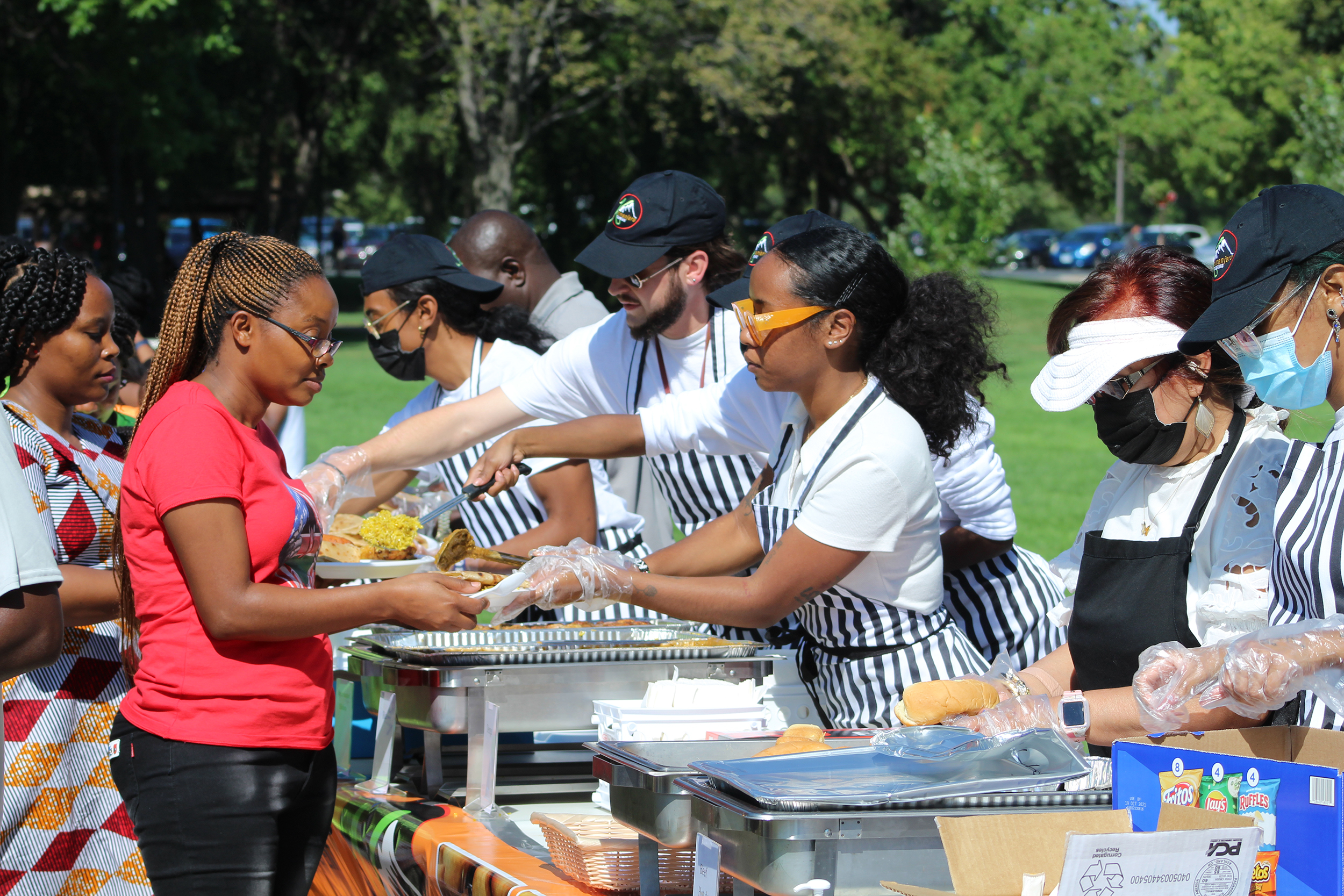
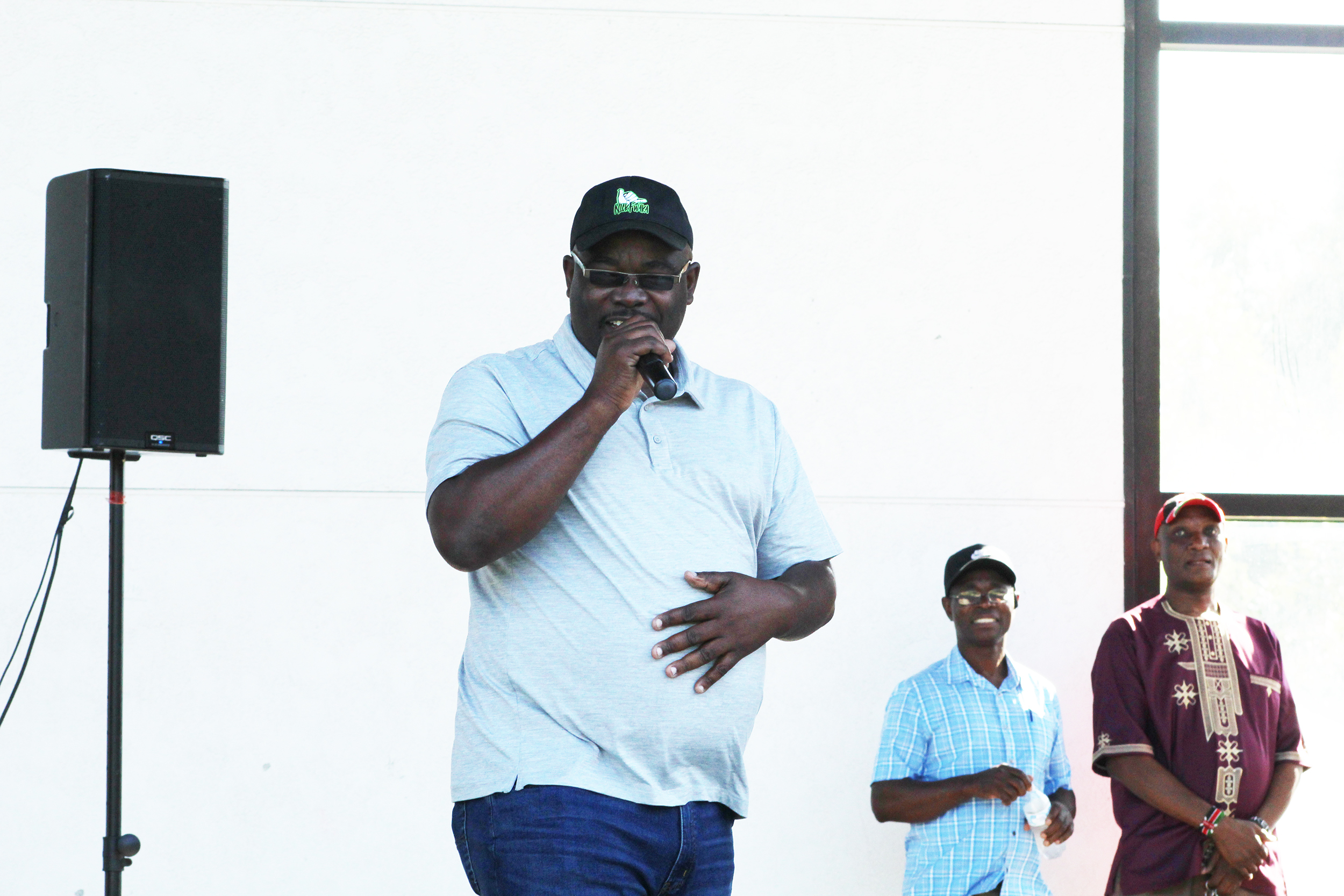
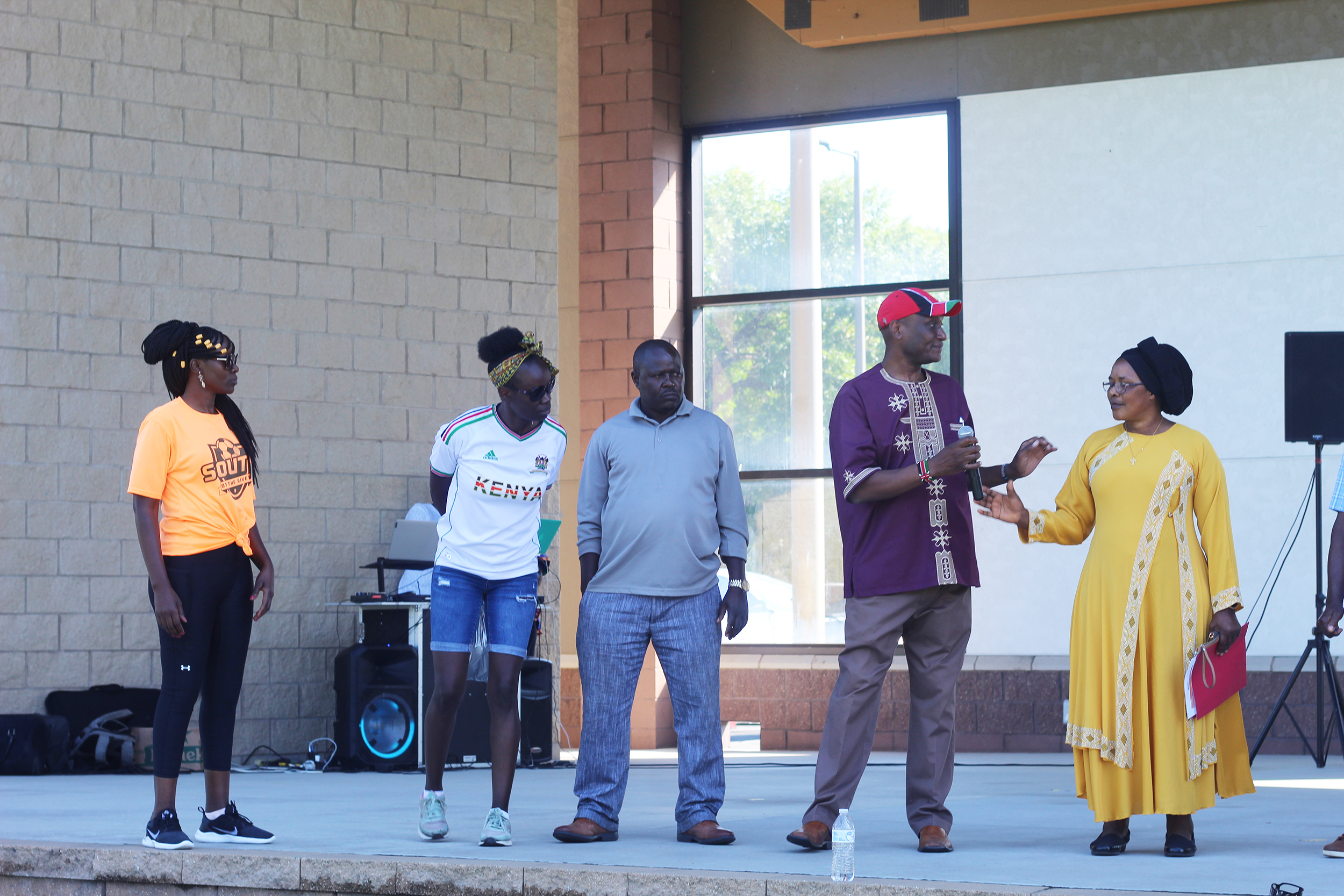
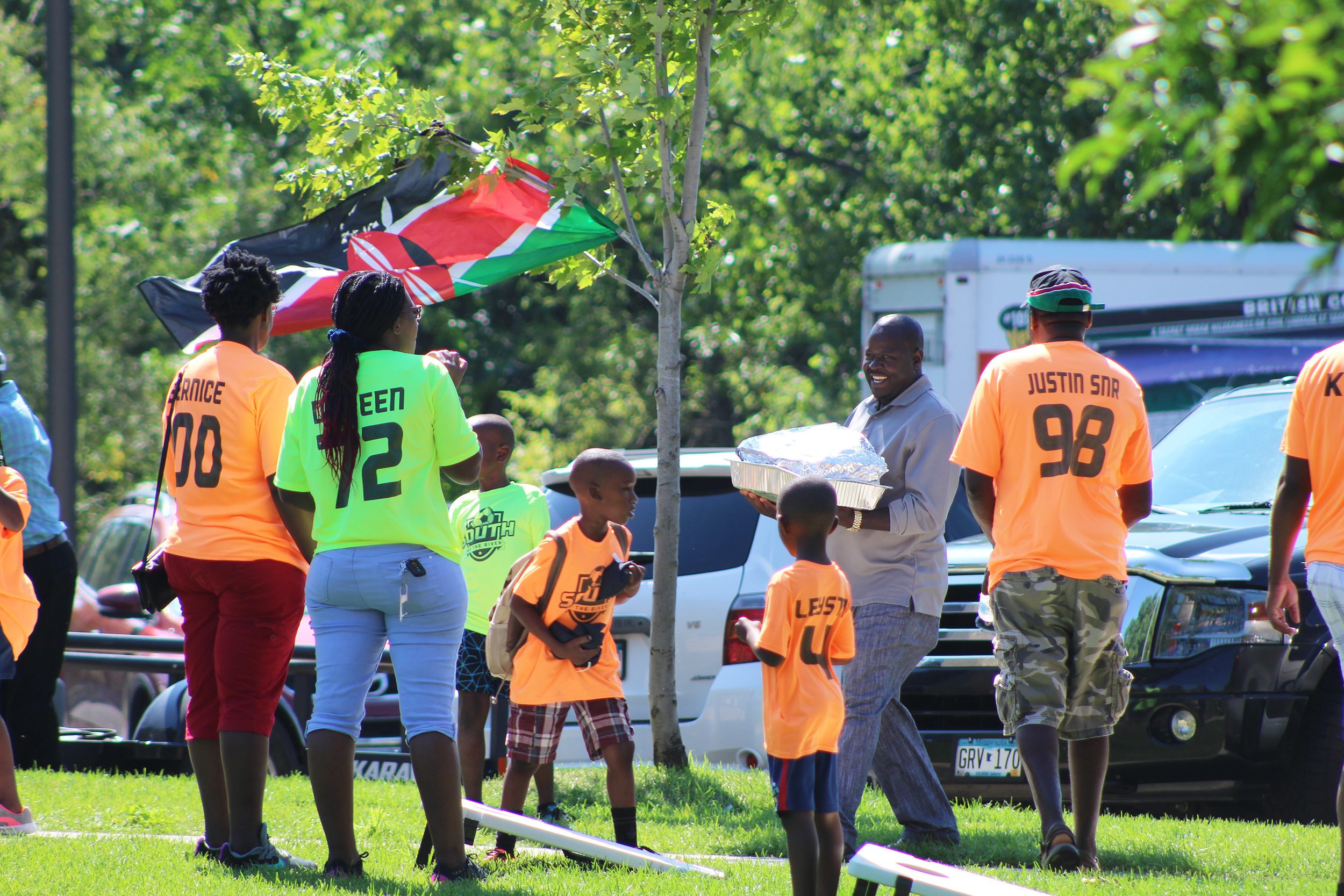
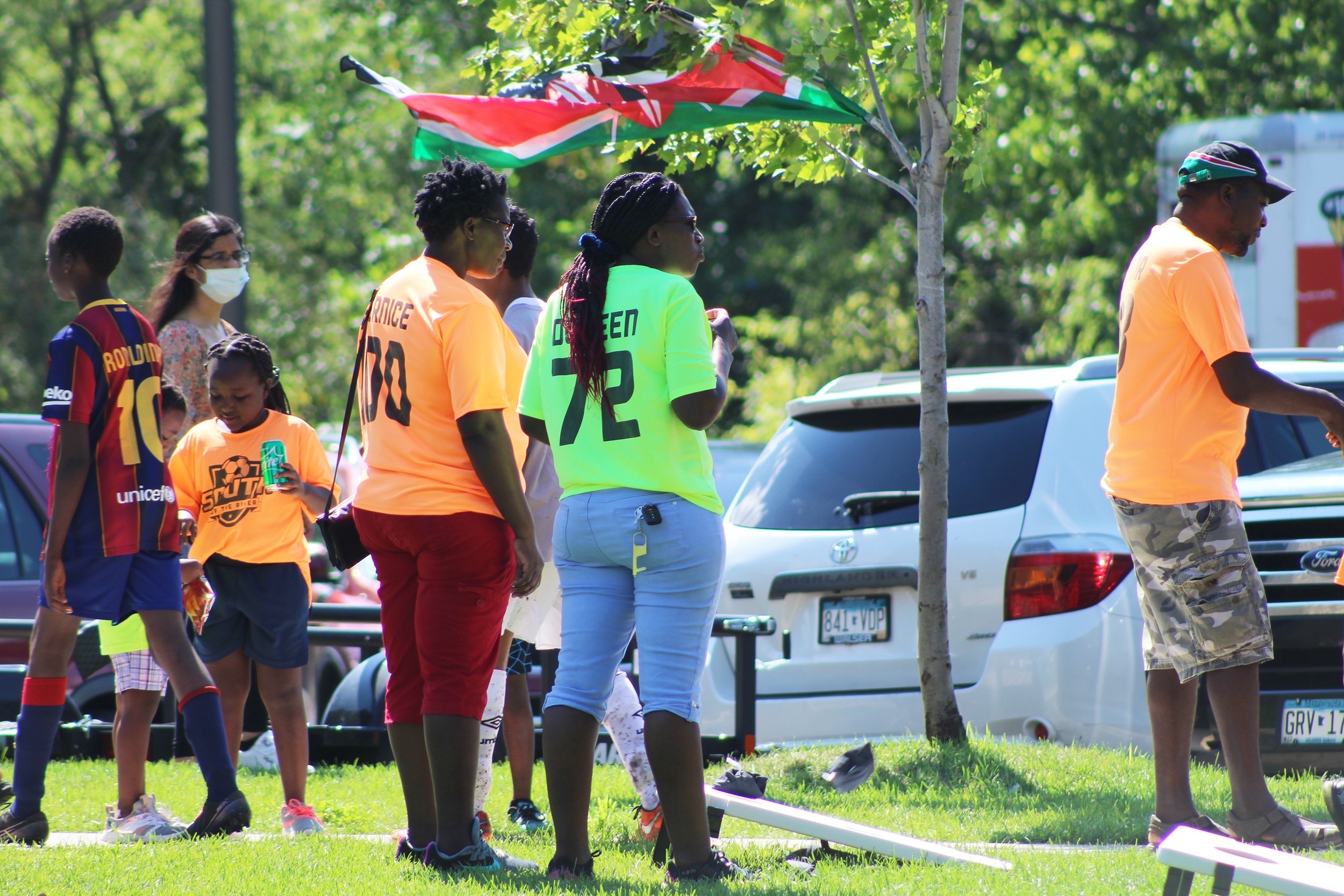
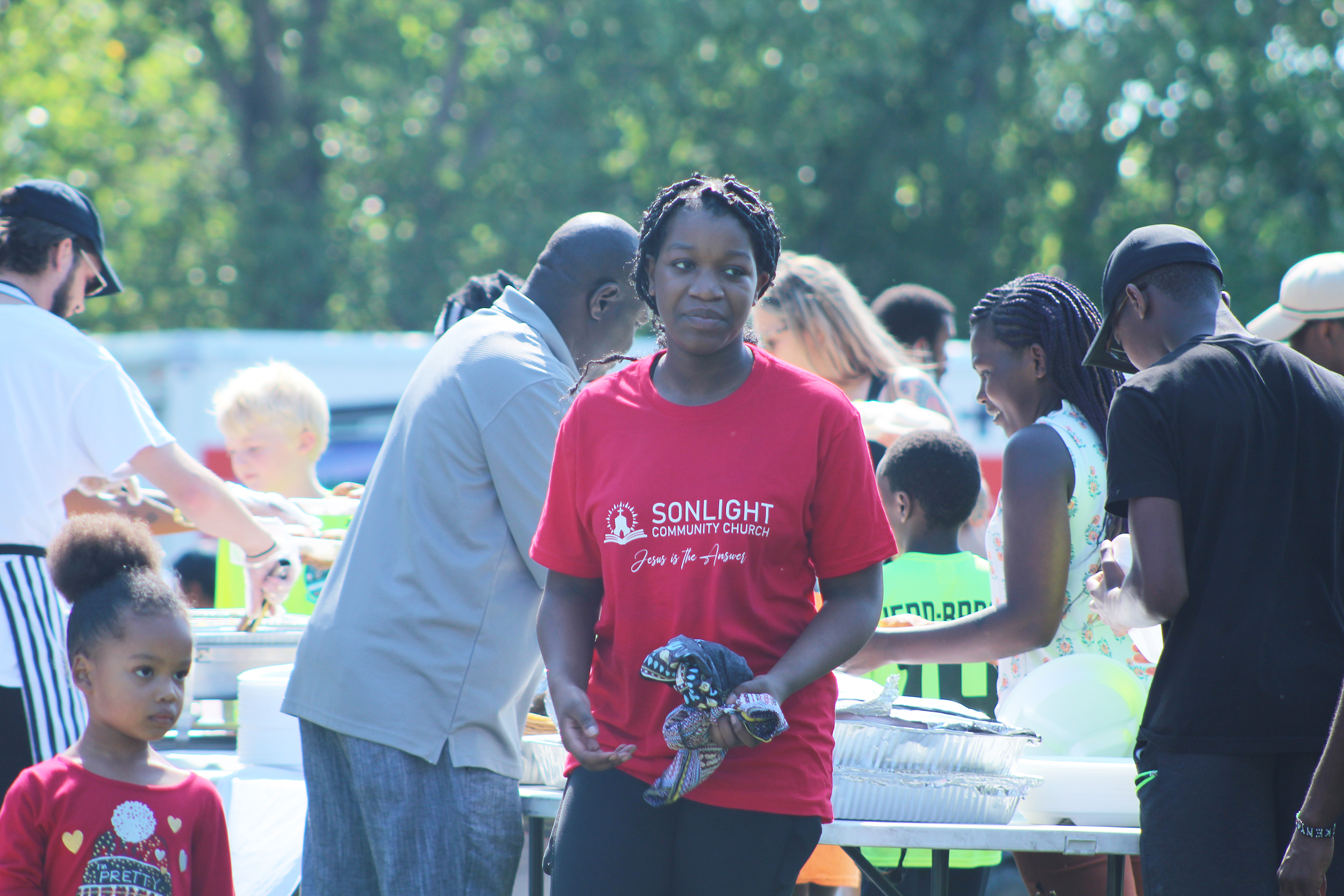
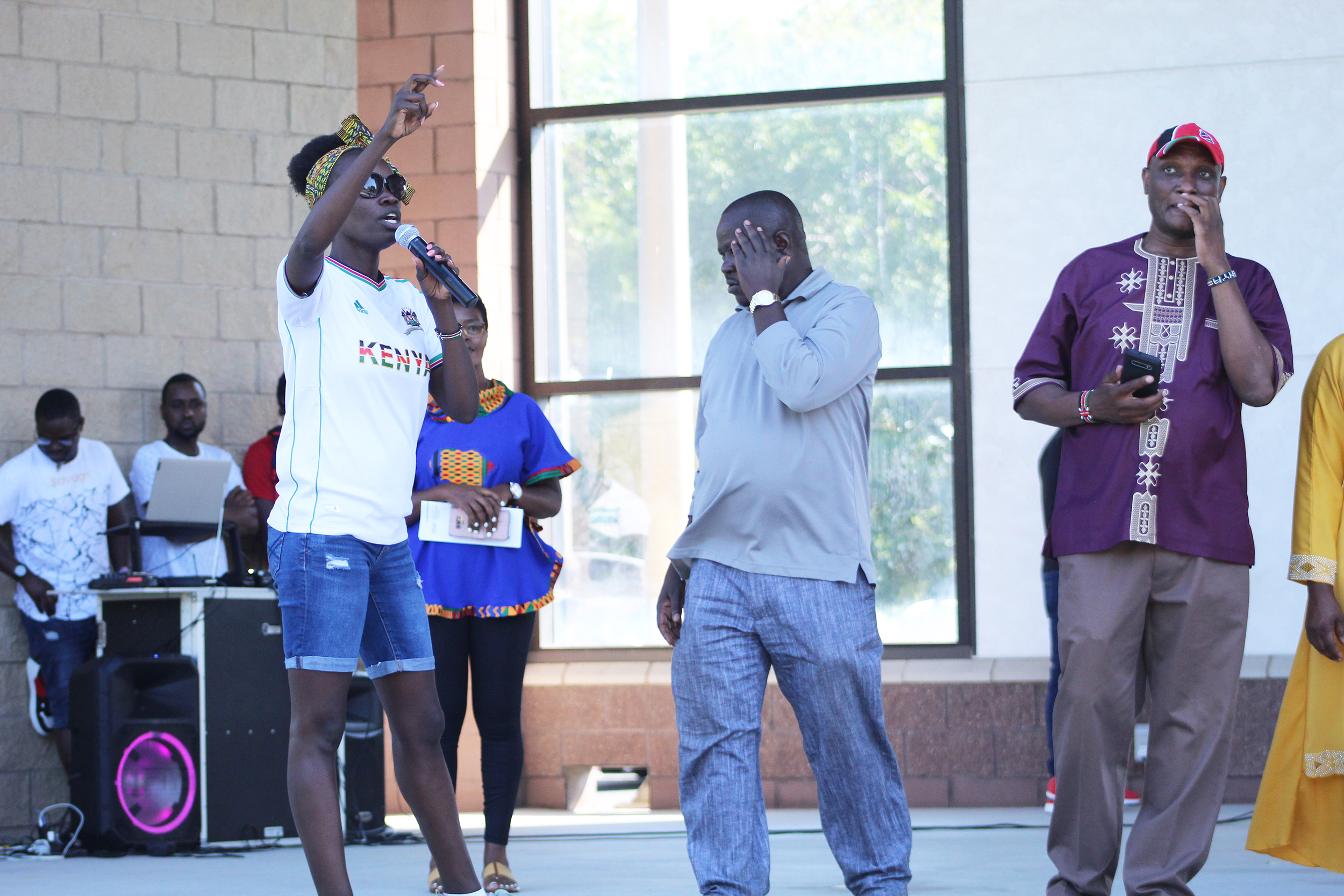
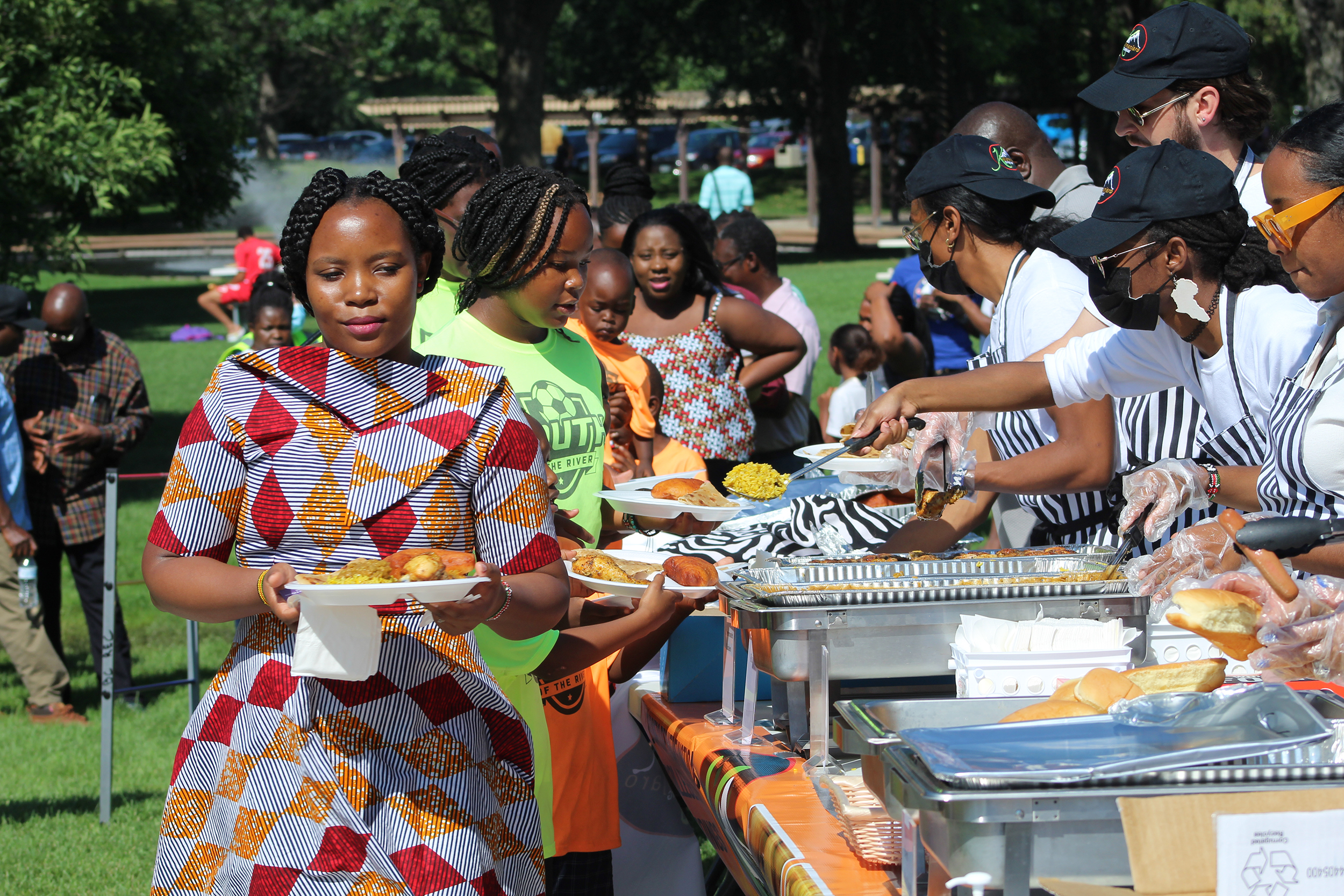
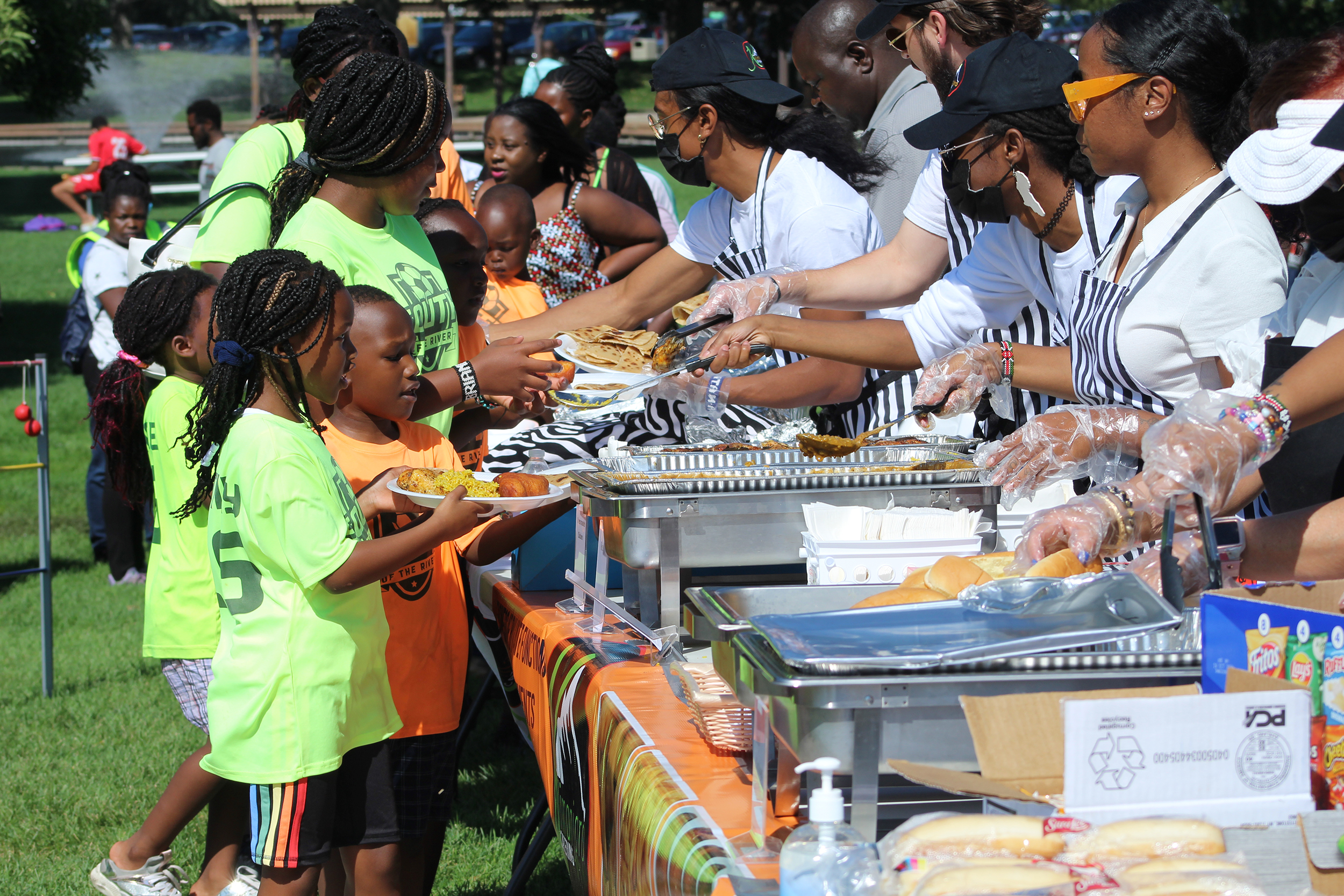
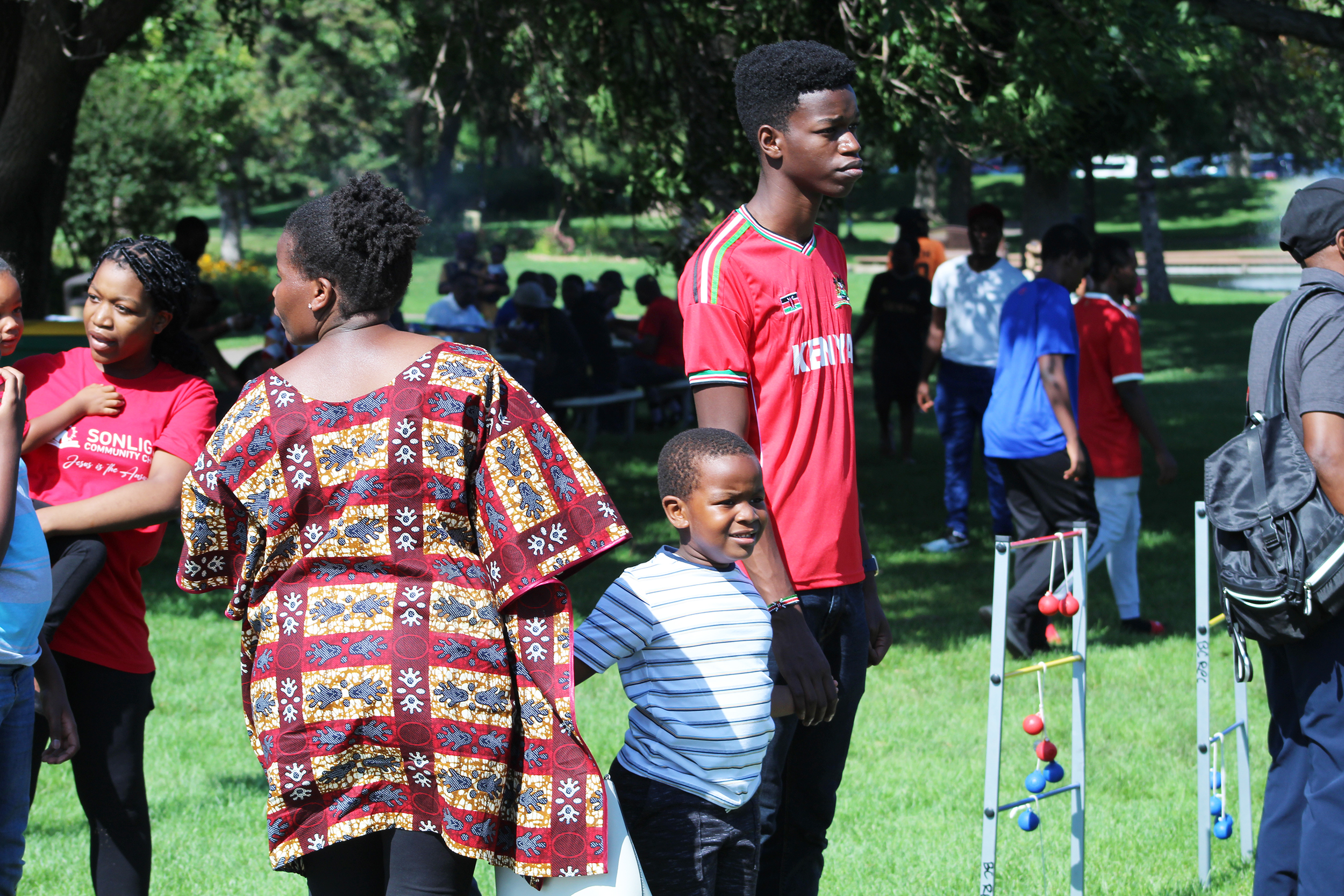
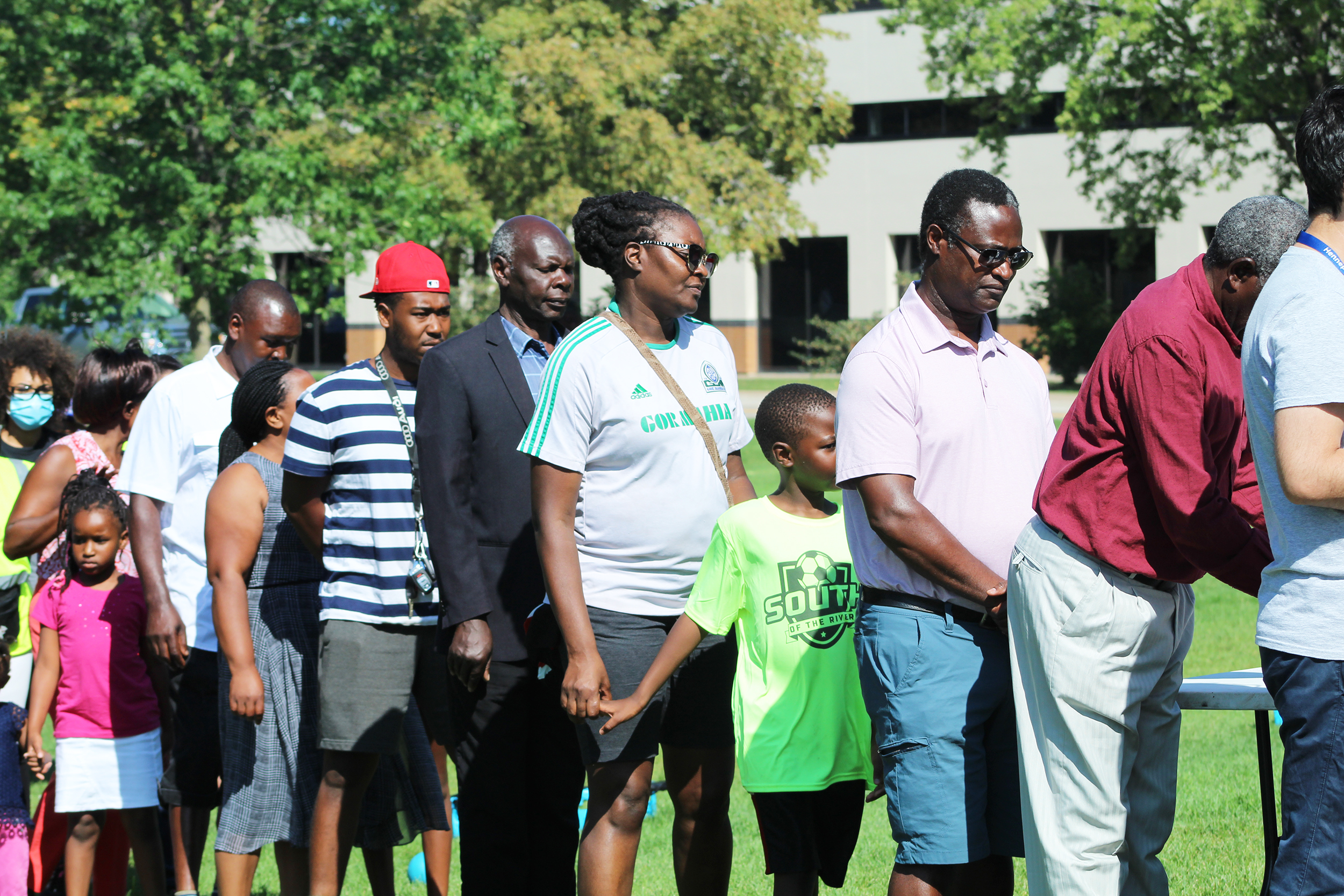
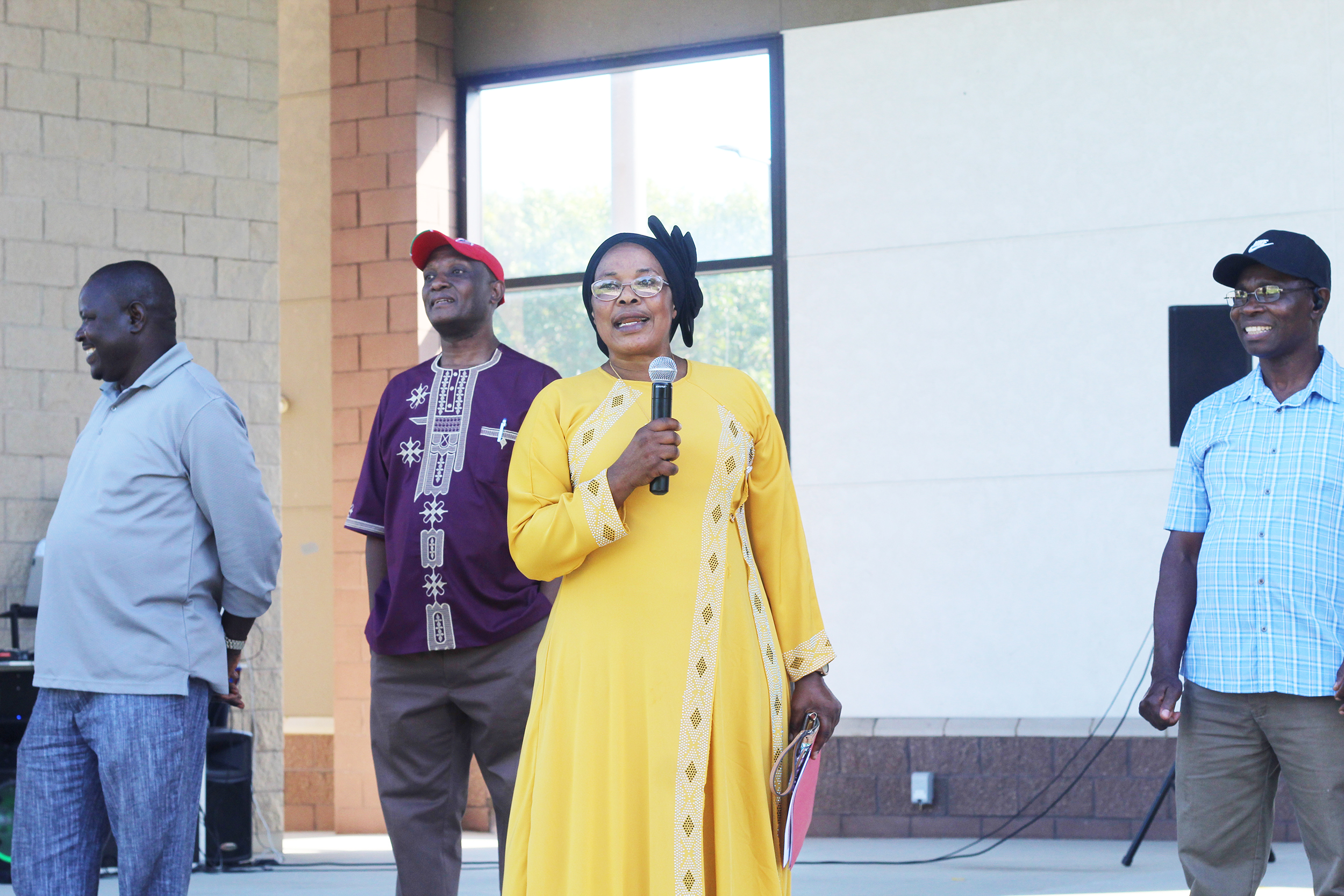
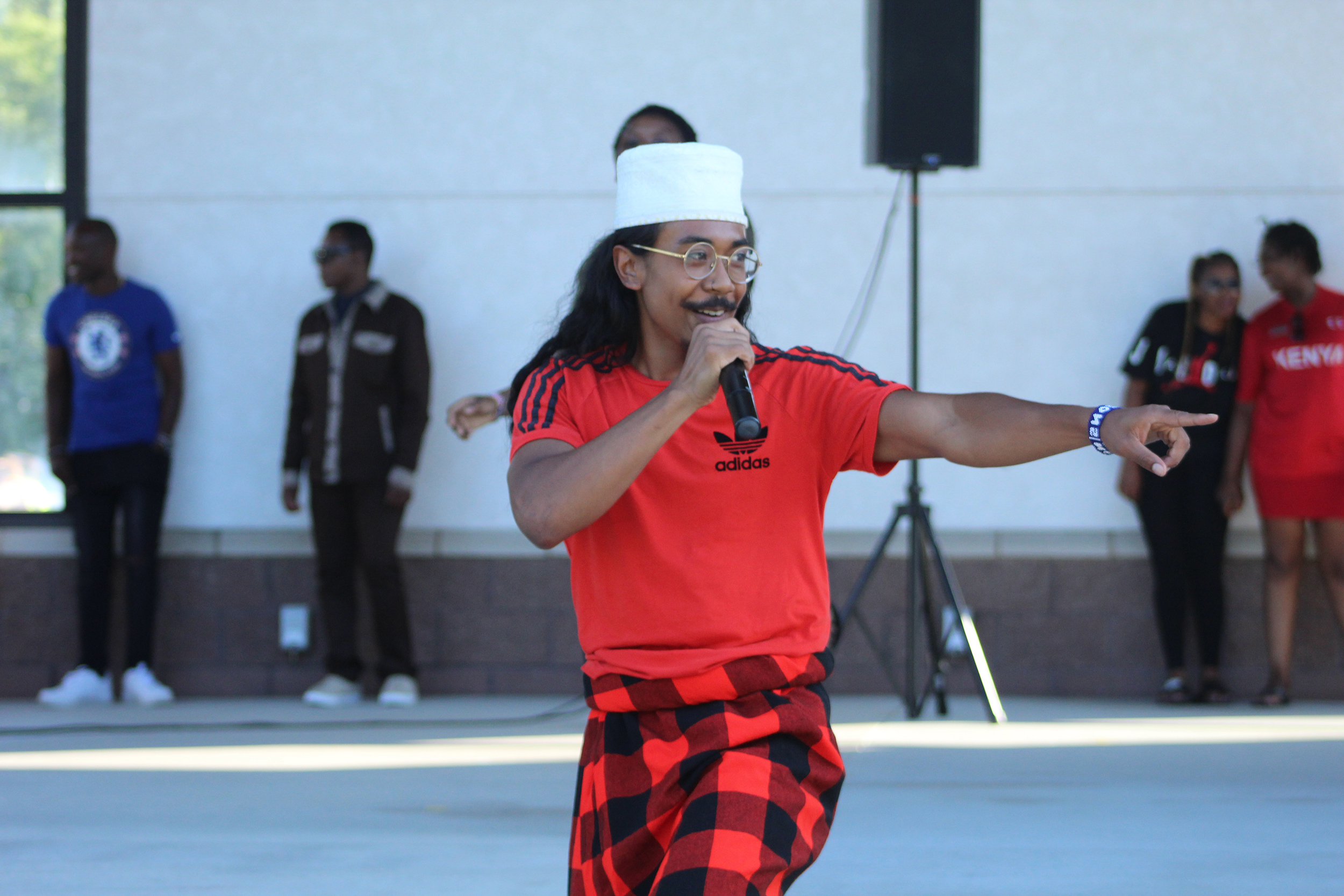
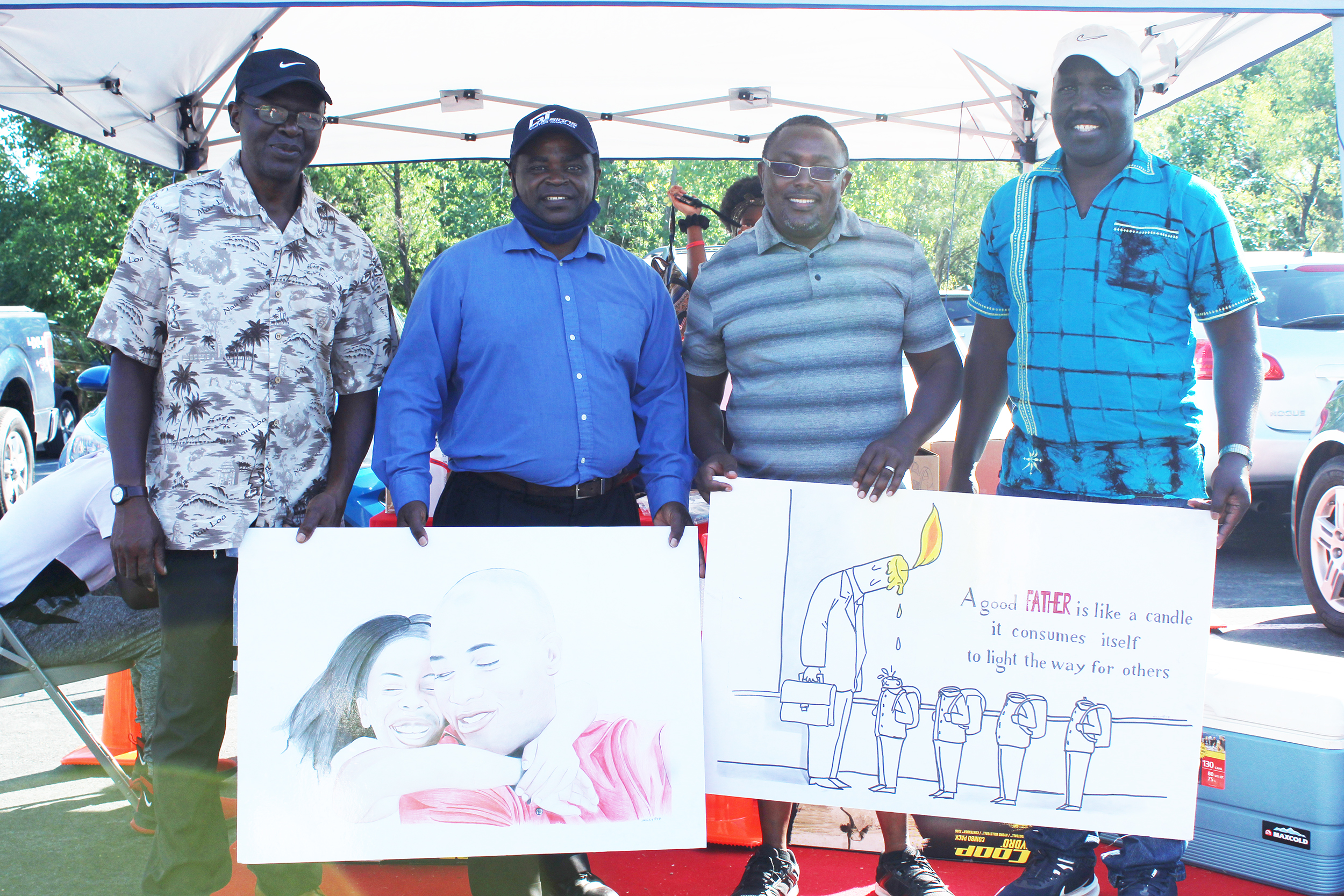
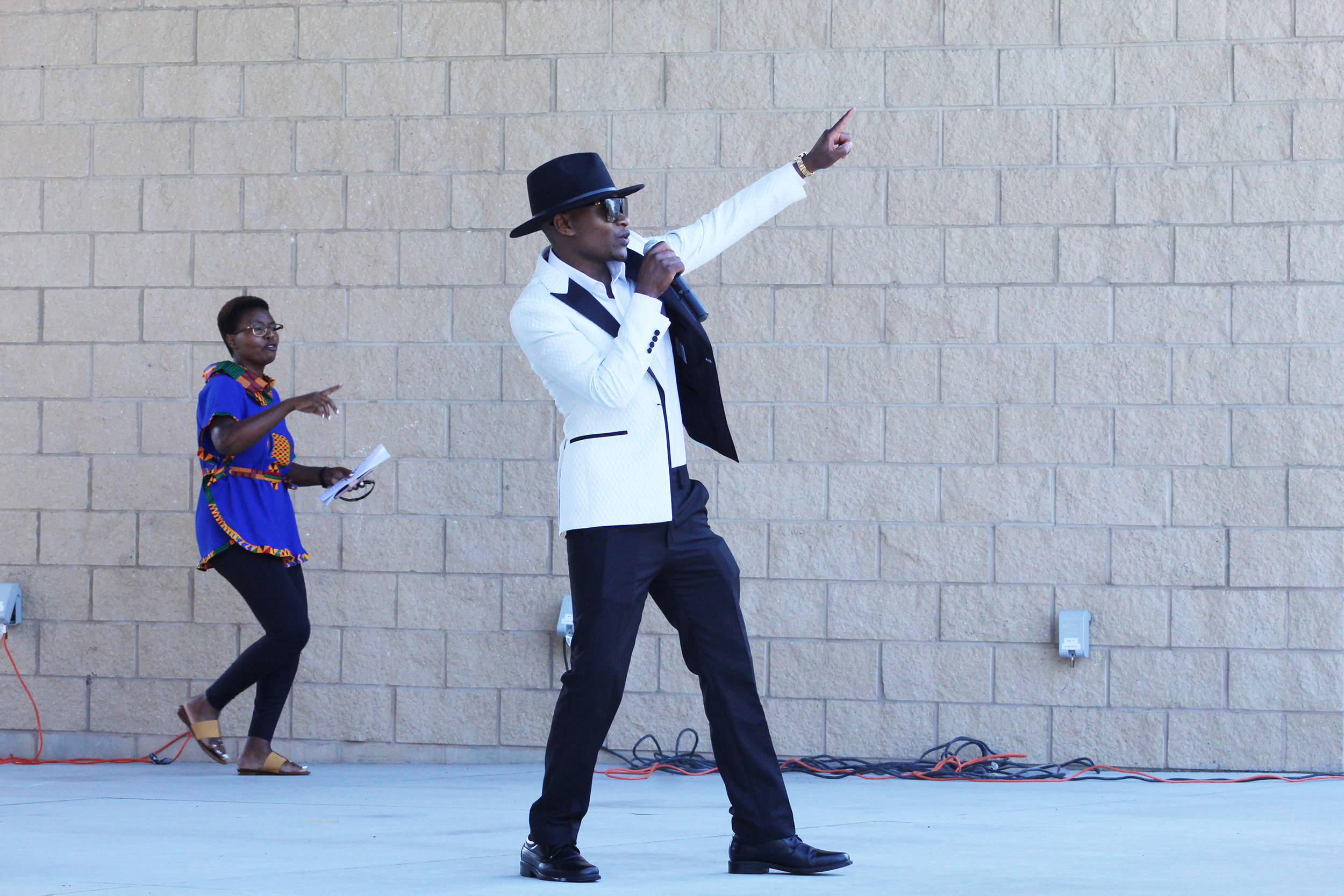
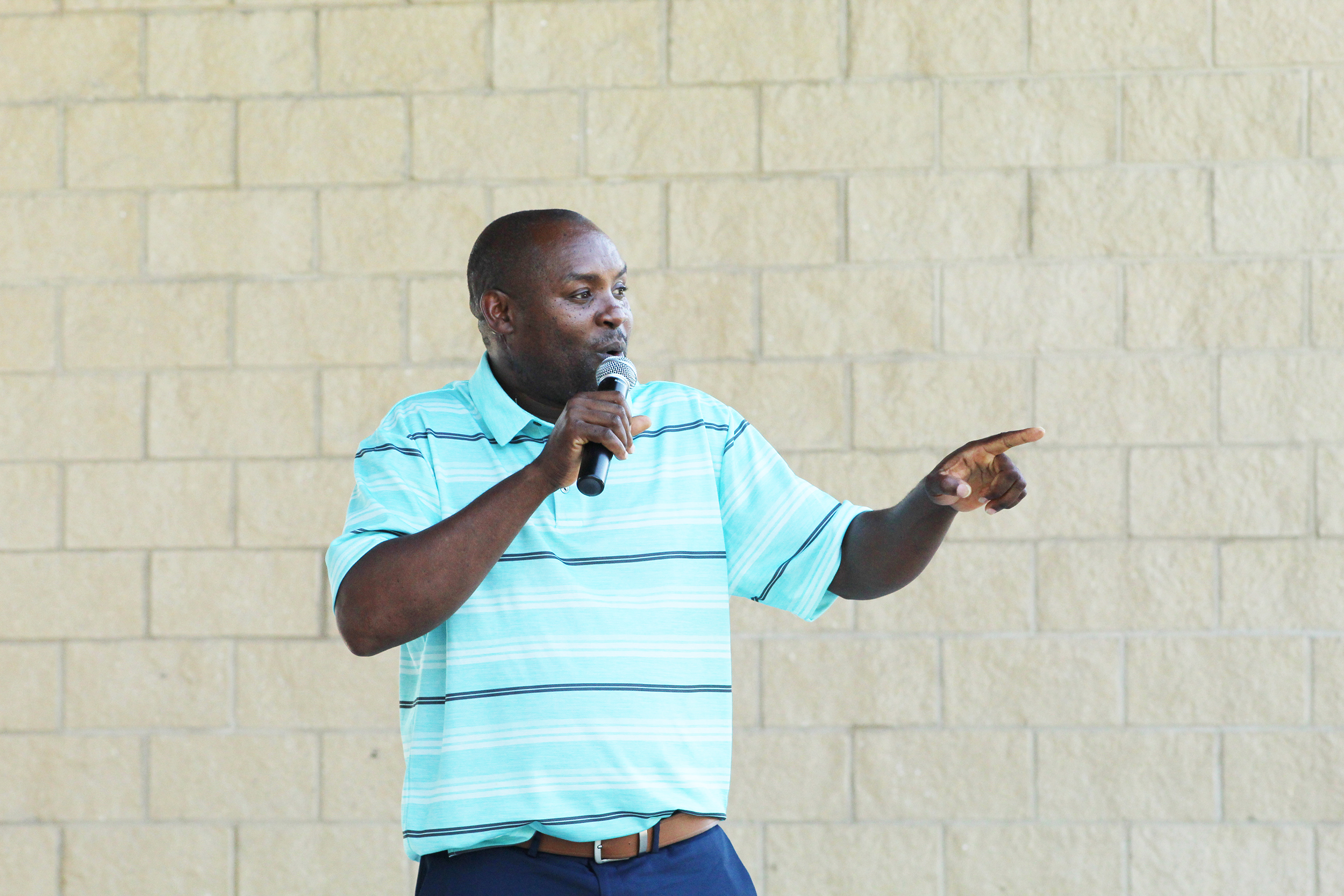
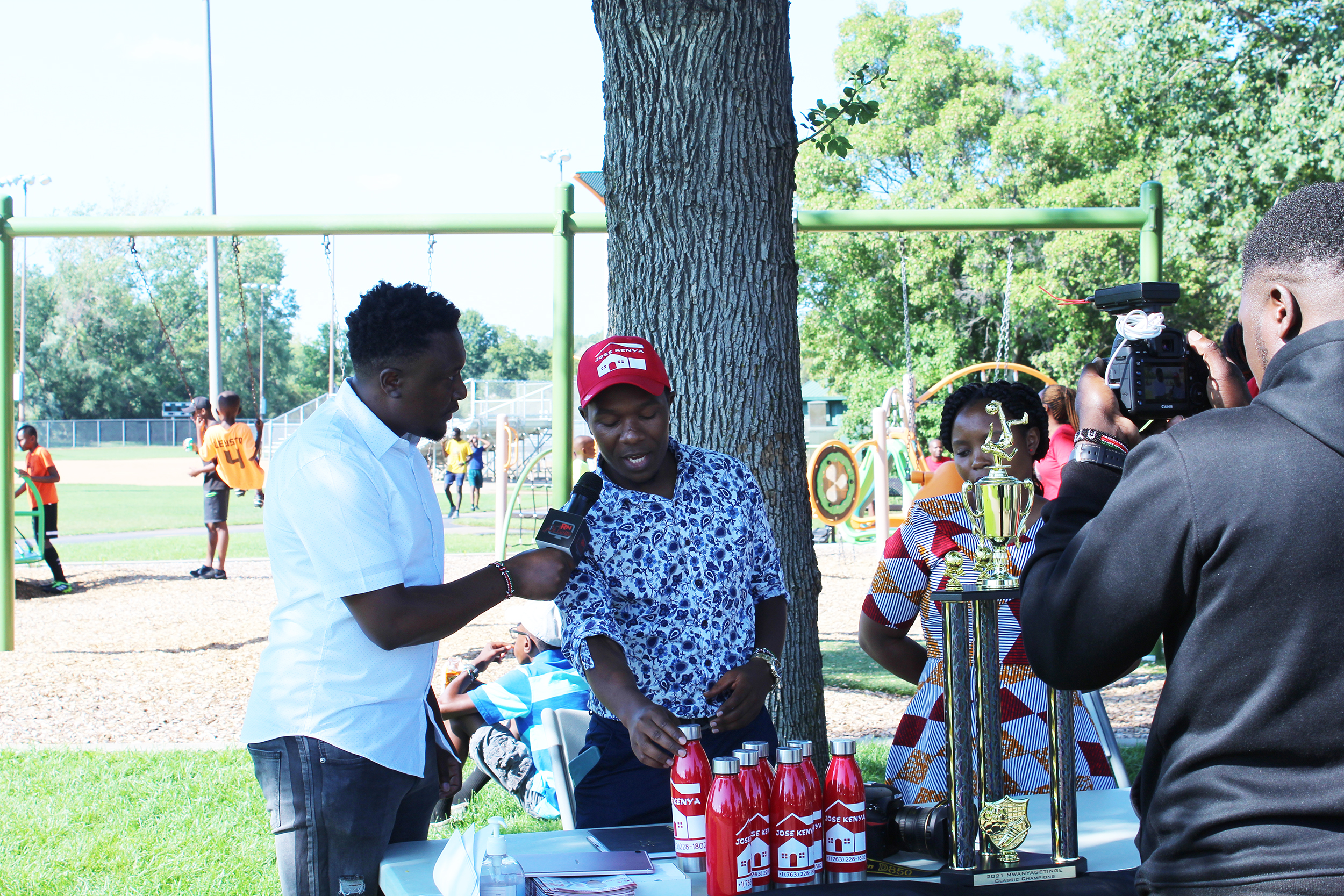
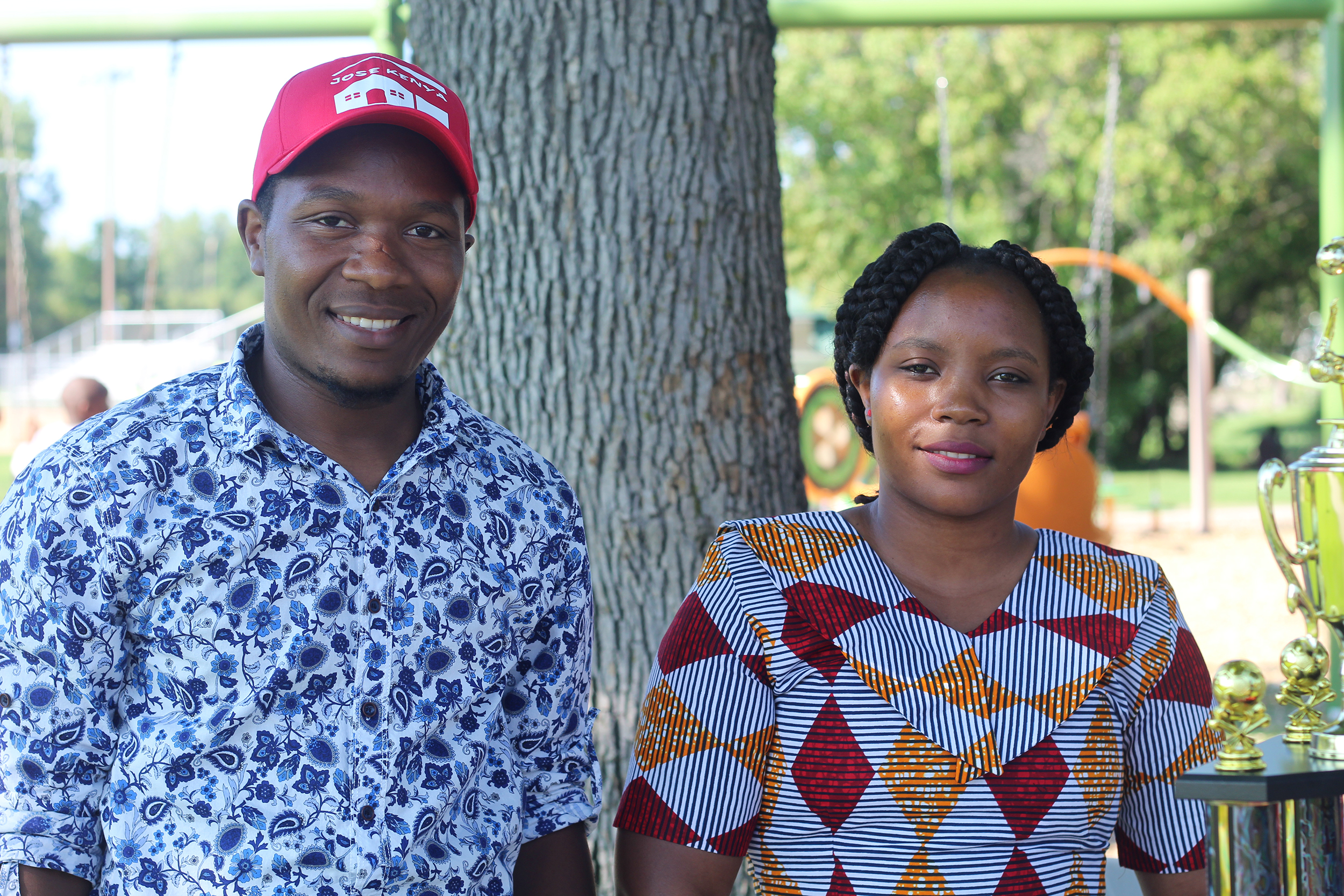
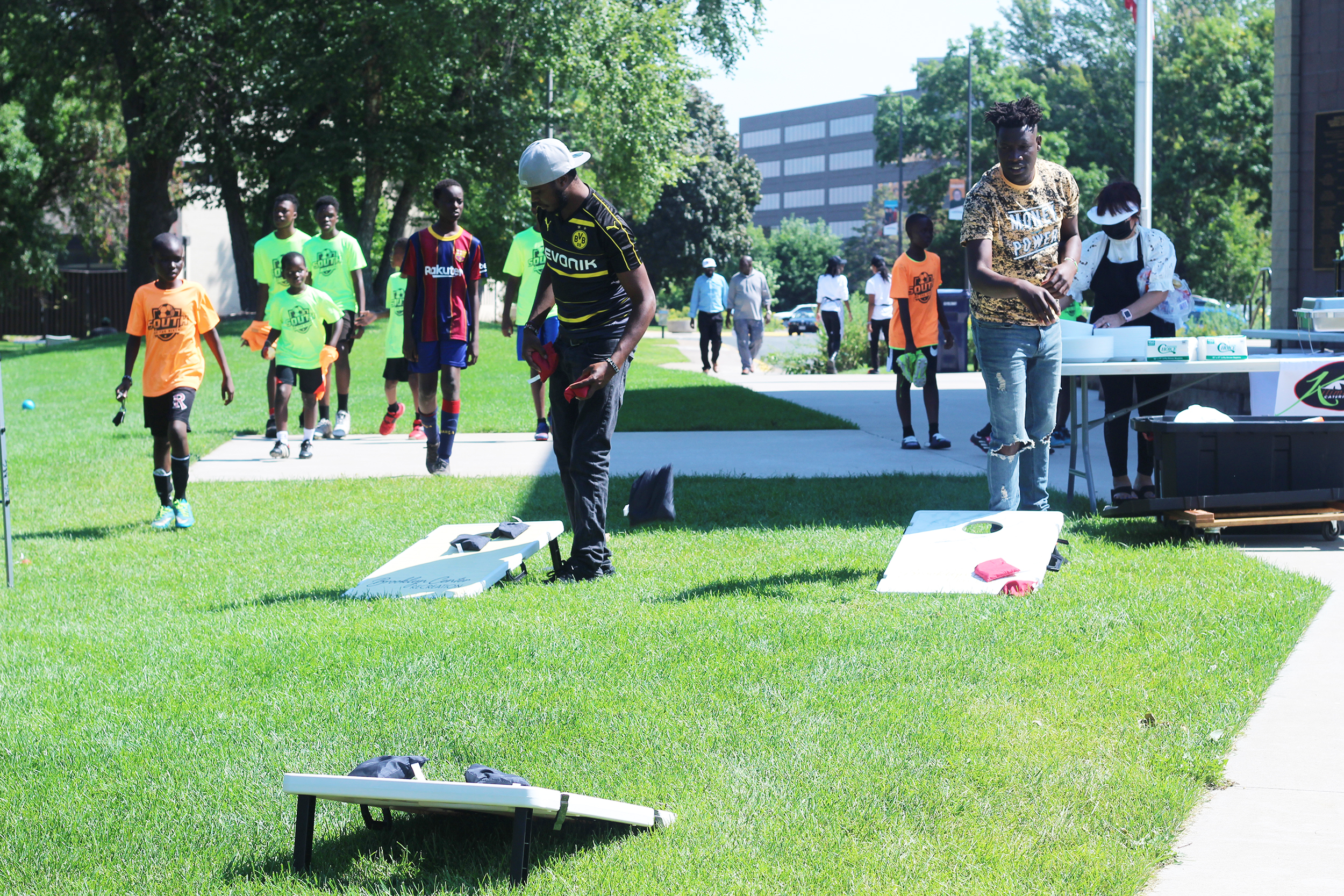
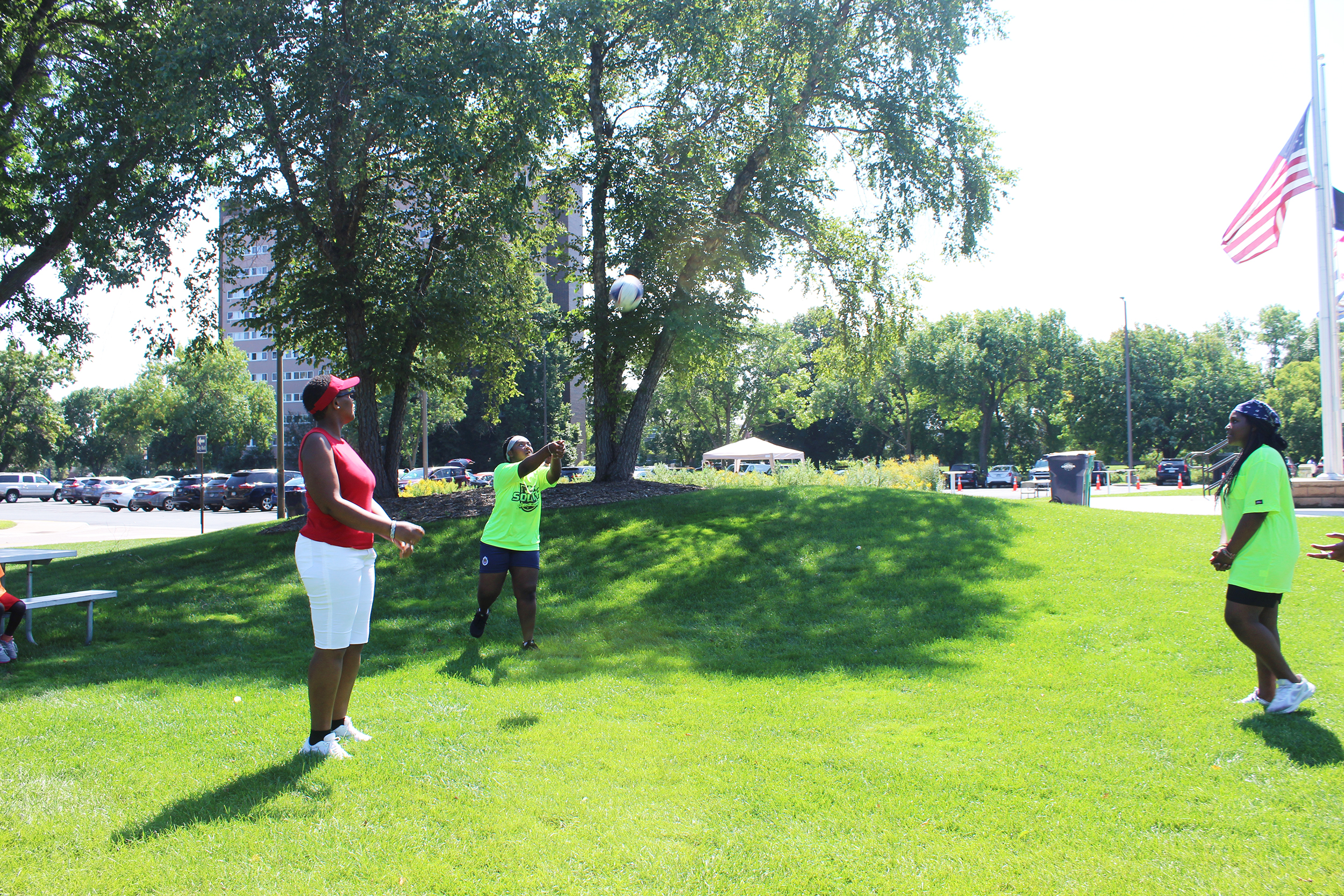
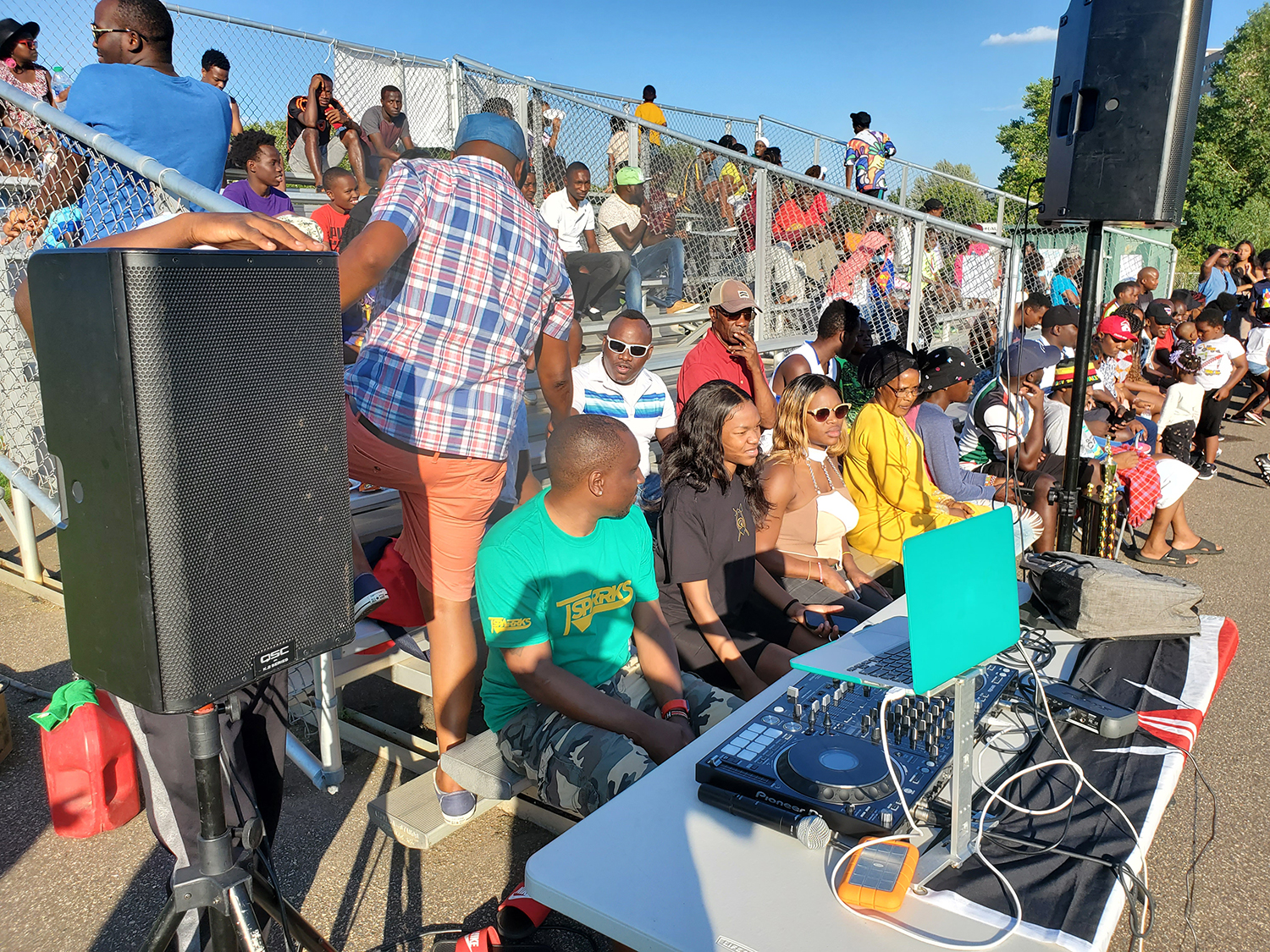
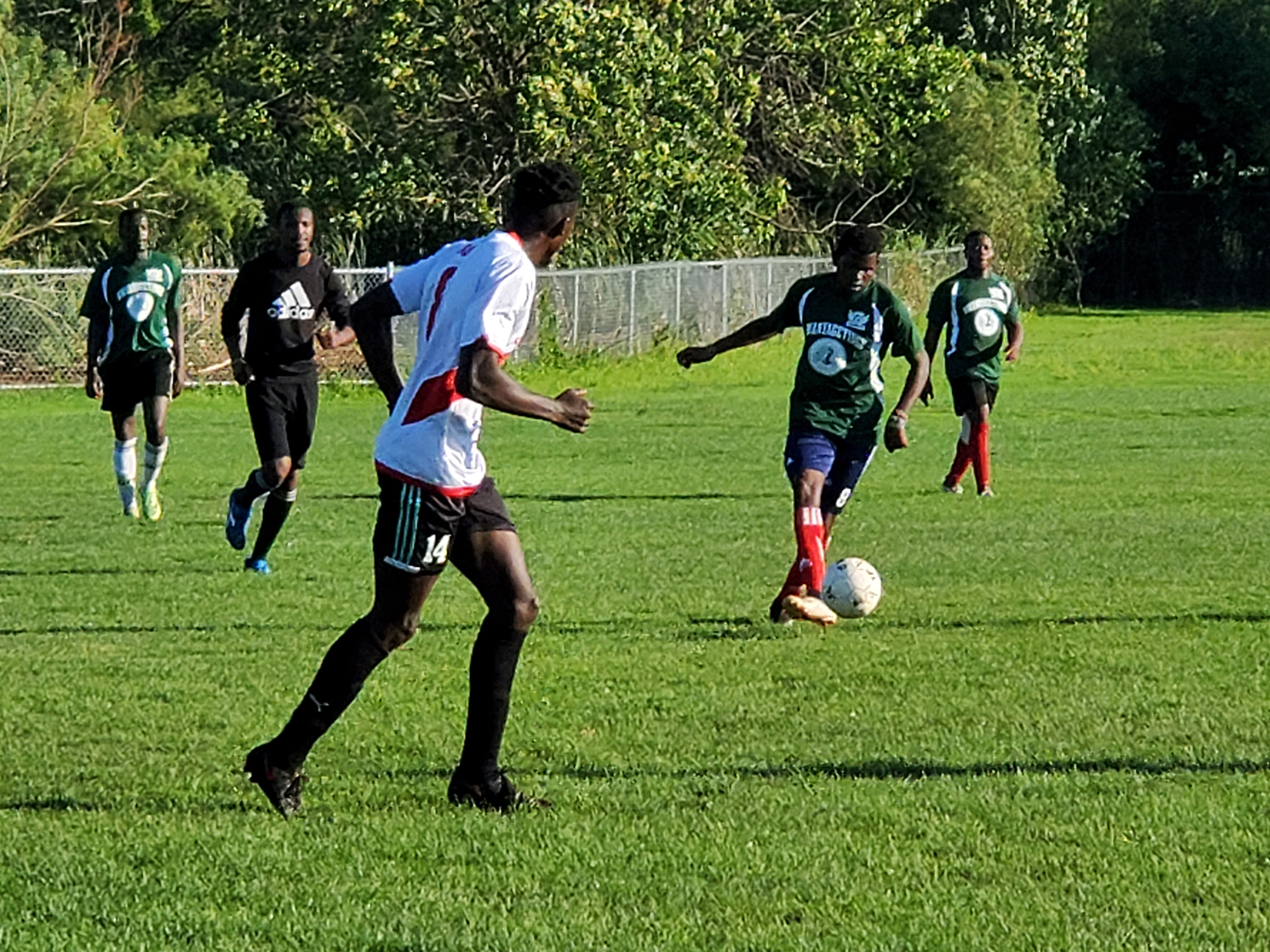
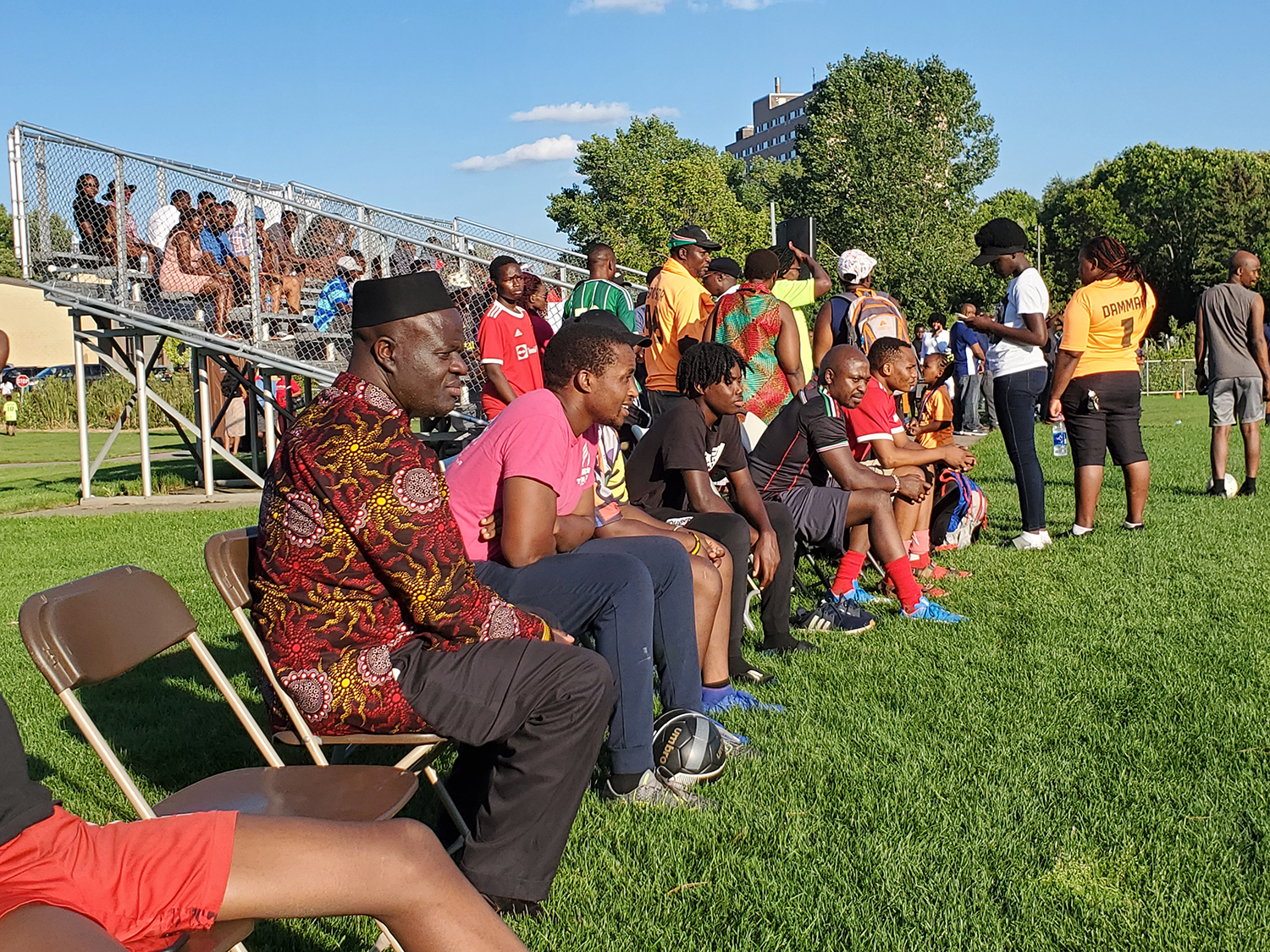
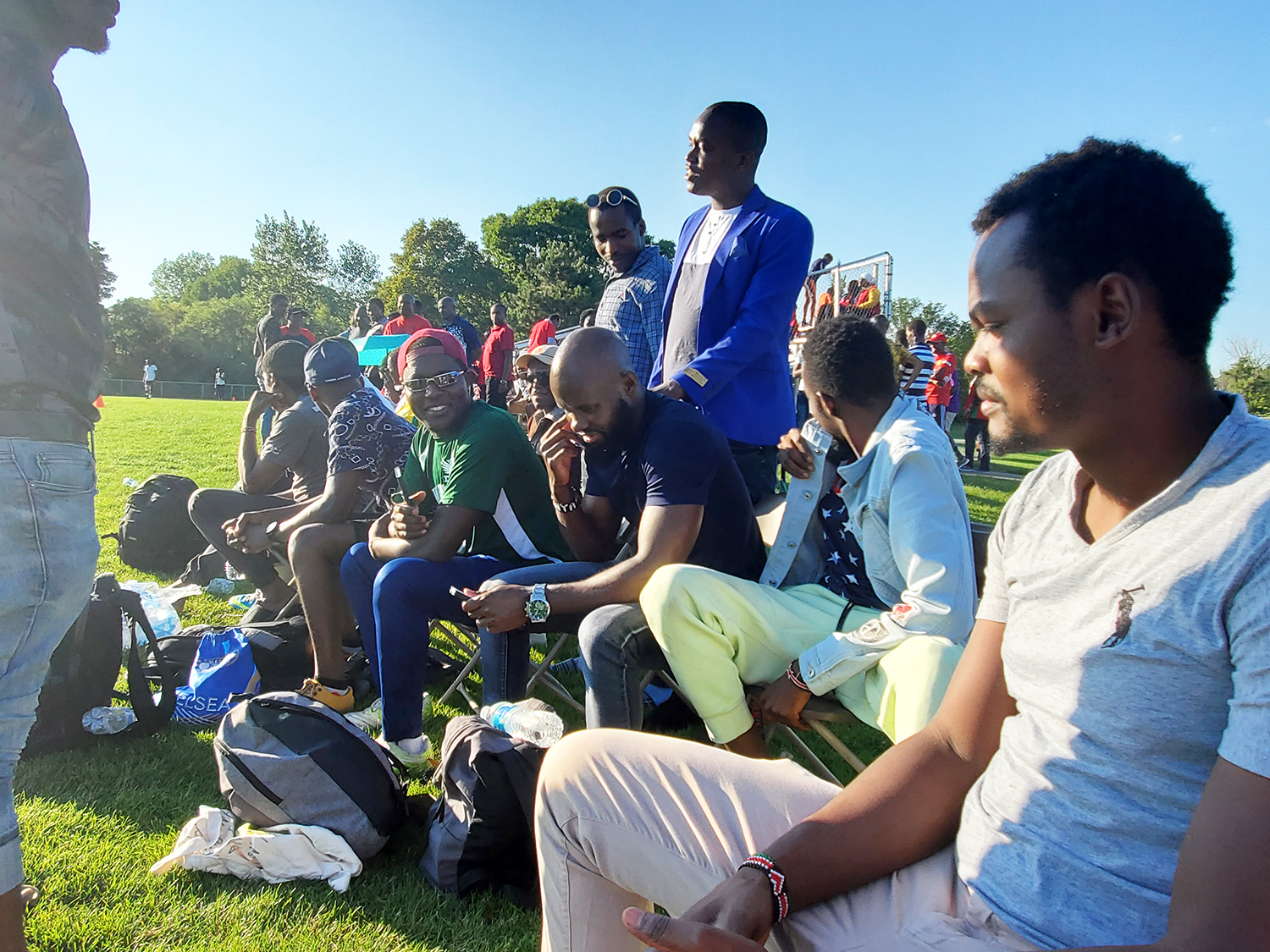
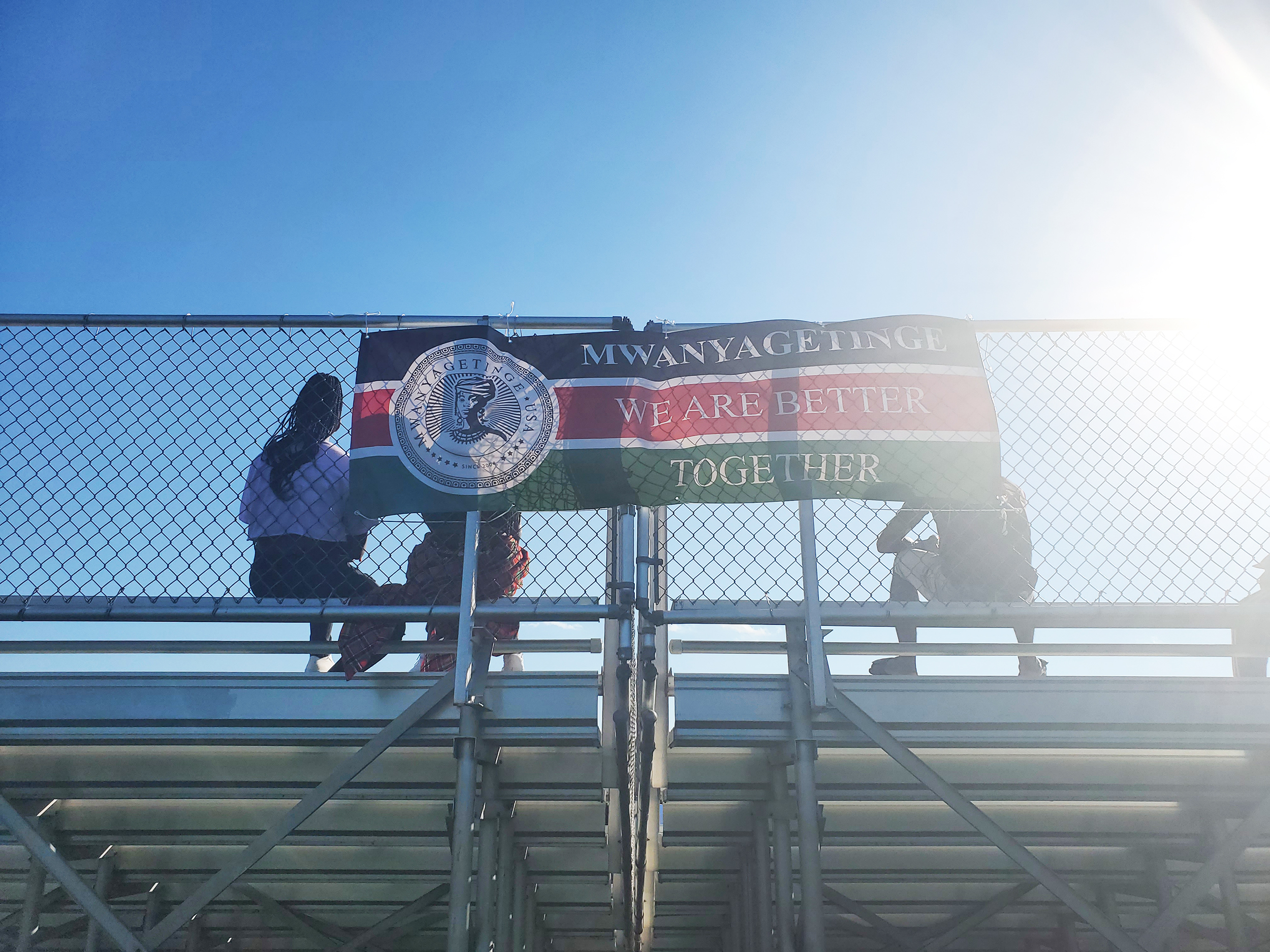
BROOKLYN CENTER, Minn. – Mwanyagetinge Association of Kenyans in Minnesota hosted their annual family picnic at Centennial Park on Sunday, August 29, 2021. Highlights included both youth and adult soccer, Kenyan delicacies served by Kilimanjaro Catering and entertainment by Gusii artists. Hennepin Healthcare was also present to administer COVID-19 vaccines.

Ordway hires its first Black president and CEO

0
The Ordway Center for the Performing Arts in Saint, Paul Minnesota on September 8, 2021 announced Christopher Harrington as its new president and CEO, effective November 1, 2021. He will be the organization's first Balck leader in its 36 year history and its 12th since it was founded.Photo: Courtesy of the Ordway Center for the Performing Arts
Christopher Harrington
The Ordway Center for the Performing Arts in Saint, Paul Minnesota on September 8, 2021 announced Christopher Harrington as its new president and CEO, effective November 1, 2021. He will be the organization's first Balck leader in its 36 year history and its 12th since it was founded.Photo: Courtesy of the Ordway Center for the Performing Arts

The Ordway, Minnesota’s flagship performing arts venue, announced Wednesday morning that it has hired Detroit arts executive Christopher Harrington as its next president and CEO, succeeding Jamie Grant who left in June 2020 to head the McCallum theatre in California.

His start date is November 1, 2021.

Harrington who holds a master’s in business administration and a bachelor of music degree from Wayne State University becomes the Ordway’s 12th leader since its founding 36 years ago and its first Black person to lead it.

A news release from the Ordway said Mr. Harrington’s hiring followed a comprehensive national search process guided by Arts Consulting Group. Harrington currently works at Detroit Symphony Orchestra where he is credited with launching its venue The CUBE and increasing its presentations sevenfold. Most noteworthy for an arts organization, he grew ticket revenue by over 300% and grew audiences to better reflect Detroit’s demographics.

The Ordway is also home to the Minnesota Opera, The Saint Paul Chamber Orchestra, and The Schubert Club. Part of Harrington’s duties will be to represent the Ordway on the Arts Partnership Board of Directors which brings together all the four organizations, according to the announcement from the Ordway.

Hugh Masekela L on stage at the Ordway MN byAlice Mansaray The AfricaPaper
The late Hugh Masekela (left) and Vusi Mahlasela, middle, during a sold-out concert at the Ordway Center for the Performing Arts in St. Paul, Minnesota on Saturday, March 7, 2015. The Ordway on September 8, 2021 announced the hiring of its first Black president and CEO, Christopher Harrington. Photo: Alice Mansaray/The AfricaPaper

“Chris is a trusted arts advocate and we’re thrilled to welcome him to the Ordway family and the Twin Cities,” said Brad Wood, chair of the Ordway’s Board of Directors and its search committee. “Many events of the past year and a half have only underscored the significance of the arts in our lives. He is passionate about community and bringing people together around the performing arts. I can’t imagine a better person to lead the Ordway as we reopen.”

“The Ordway is one of the nation’s leading performing arts centers and boasts diverse programming, a world-class venue, and a dedicated community of arts supporters,” said Harrington. “I couldn’t be more thrilled to join the talented Ordway team and serve as the organization’s next president and CEO. I look forward to collaborating with the board, staff, and Arts Partnership to build on the Ordway’s rich legacy and immerse myself in the vibrant arts community here.”

Legendary African musicians that have performed at the Ordway include the late Hugh Masekela, Vusi Mahlasela and Angelique Kidjo.

The Ordway will reopen to in-person shows on September 19 after an 18-month closure due to the pandemic. Proof of COVID-19 vaccinations or negative test results will be required to attend shows.

Ethnic media an important partner in combating COVID-19 misinformation, CDC says

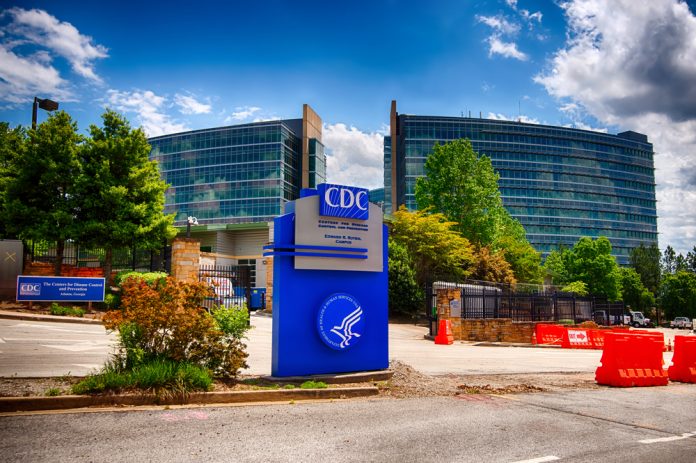
U.S. Centers of Disease Control on Thursday, September 2, 2021 said ethnic media is an important partner in combating COVID-19 misinformation. Photo: Rob Hainer/Shutterstock
CDC HQ
U.S. Centers of Disease Control on Thursday, September 2, 2021 said ethnic media is an important partner in combating COVID-19 misinformation. Photo: Rob Hainer/Shutterstock

Faced with rising coronavirus cases and hospitalizations across the country, officials from the U.S. Centers of Disease Control, called on ethnic media journalists to help combat COVID-19 vaccine misinformation.

The CDC officials were speaking Thursday during a virtual coronavirus pandemic briefing for ethnic media, which was organized by Ethnic Media Services, a California-based nonprofit that advocates for news outlets that serve communities of color.

“We really appreciate all the media’s effort to make sure that things are carefully factchecked, and conveying as accurate information as possible – helping us as you write by thinking through how people might misinterpret things,” said Dr. Peggy Honein, who leads the CDC’s state, tribal, local, and territorial COVID-19 support task force. “Even if they are accurate, is there a way that someone would read that and take the wrong message from it?”

More than 18 months after the United States went into a national lockdown, authorities are still struggling to control the spread of the coronavirus. Experts say masks and vaccines are the best weapons against the virus, and the United States has more than enough to inoculate all its citizens. But only about 53% of Americans have been fully vaccinated. Honein said vaccination rates were highest among people aged 65 and older, with 82% of them being fully vaccinated. At 40%, rates were the lowest among adolescents aged 12-17, she said. In that age group, Mississippi had the lowest rate of 11%, while Vermont has the highest, 60%.




Coronavirus cases have been on the rise since the July, mostly due to the Delta variant, which is highly transmissible. Efforts to combat the virus have been complicated by the fact that the pandemic has been highly politicized, with many politicians going against CDC guidelines and even leading misinformation campaigns about masks and vaccines.

Honein said in June, the United States had reached a low 7-day average of less than 12,000 cases a day. It has since risen to nearly 150,000 cases a day. The average number of hospital admissions had soared tremendously during that period to more than 12,000, leading to an average of 1,000 deaths a day, she said. Since the pandemic began, there have been nearly 40 million cases reported in the United States, and more than 640,000 deaths – the highest of any nation in the world.

“This pandemic continues to take a major toll, despite the availability of proven mitigation measures and very effective vaccines,” Honein said.

High rates of vaccine hesitancy among ethnic communities are mostly due to mistrust of the U.S. government, which has a history of using people of color as guinea pigs, as opposed to anti-vaccine conspiracy theories that are responsible for the low immunization rates among the general American population. CDC officials are hoping by reaching out through ethnic media, they can get more people in ethnic communities vaccinated.

“The overarching message is that if you could remember one thing to tell your readers today is that anyone who is eligible to be vaccinated should get vaccinated,” said Dr. Cindy Friedman, who is chief of the travelers’ health branch of the CDC’s Division of Global Migration and Quarantine.

Friedman urged people who are not vaccinated to avoid travelling this Labor Day weekend, and those who are vaccinated to still take precautions such as masking and social distancing. The current spike of coronavirus cases was a result of travel during the July 4 holiday weekend.

Addressing concern about breakthrough cases of coronavirus infection of vaccinated people, Dr. Jennifer Layden, who leads the CDC’s vaccine task force, said it’s normal for the number of those infections to rise as more people get the vaccine. But she said breakthrough infections were extremely rare, and symptoms are often mild.
“Still the highest fractions of individuals who are hospitalized or have severe outcomes from COVID-19 are those who are unvaccinated,” Layden said.

Honein encouraged ethnic media journalists to reach out to the CDC for clarification of any information about COVID-19 that might be unclear, in order to avoid confusing people in their ethnic communities.

“We really appreciate all of your efforts to help communicate this clearly,” she said.