
Home Blog Page 105

Mamadi Diakite journey to Minneapolis Final Four started with Jordan videos

0
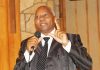
University of Virginia star Mamadi Diakate of Guinea.
Mamadi Diakate
University of Virginia star Mamadi Diakate of Guinea.
Mamadi Diakate
University of Virginia star Mamadi Diakite of Conakry, Guinea. Photo: AP

There were a few things Virginia forward Mamadi Diakite had to do to have a shot in the world of basketball.

He had to listen to his dad. He had to stop kicking a ball around in his hometown of Conakry in the West African country of Guinea.

And after giving up soccer for a completely unfamiliar game, he had to watch old video tapes of Michael Jordan and Hakeem Olajuwon to see what the heck basketball was all about.

That’s pretty much how Diakite started on the road from Africa to the University of Virginia and now the Final Four thanks to his game-tying buzzer-beater to force overtime in Virginia’s Elite Eight win over Purdue.

As Diakite recalled during the Final Four buildup in Minneapolis, it wasn’t instant success when he made the switch in sports back in Conakry, the capital of Guinea.

“I didn’t know anything about NBA,” Diakite said Thursday at U.S. Bank Stadium, where Virginia next faces Auburn on Saturday. “So I started playing and my teammates were kicking my butt a lot. So I didn’t know what was going on.

“I had to watch tapes … I had to watch Michael Jordan and all those guys for six or seven months, and once I got the hang of it, I started watching Hakeem Olajuwon.”

While Diakite’s father spotted a little basketball potential in his tall, slender child, something else prompted the change — soccer’s reputation for fighting in Guinea.

“I often sat to watch my son play football (soccer),” Diakite’s father, Aboubacar Sidiki Diakite, said in French in an interview with The Associated Press in Conakry. “He played excellently well but I was worried.

“Football is a violent sport. That’s why I told him one day, ‘Mamadi, are you interested in basketball?’ And he answered, ‘No problem, dad.'”

The elder Diakite had plans for Mamadi. He got him jumping by hoisting a small toy box as high as he could and challenging the youngest of his four children to leap and hit it over and over. He also set up a nutritional plan to get him to grow.

Mamadi’s mother wasn’t convinced about the menu, which was a lot of dairy and eggs.

“He got tall quickly,” said Diakite’s mom, Aminata Kaba. “(But) I worried about his skinny waist, compared to his age. But his father told me he needs to grow up fast. He gave him a lot of that food.”

A bit skinny, maybe, Diakite did have advantages. His parents, both medical professionals, had money. His father is the former director of Guinea’s national pharmacies and laboratories. His mother is a specialist in obstetrics and gynecology. He grew up in the chic Conakry neighborhood of Camayenne.

Diakite’s father also had contacts. He tracked down Ibrahima Camara, the former coach of the Guinea national team and a renowned basketball figure. He took Mamadi to meet him at a small sports hall next to the much bigger 28 September Stadium, the country’s main soccer venue. A reminder that Diakite had chosen a sport firmly in the shadow of soccer.

“What impressed me when I met the young man was his height,” Camara told the AP. “But, I said, ‘Look how skinny he is.’ He just smiled.”

After a few practice sessions, Guinea’s famous coach was doing the smiling, impressed almost immediately by the young Diakite’s “sense of movement.”

“I realized that he is a young person with a future. That he will go (far). His story has proved me right,” Camara said. “Today, he is my pride. There are many young Guineans playing abroad but he is my pride.”

Diakite was committed to his new sport. He would practice nearly every day, his father said, and when he wasn’t practicing he would walk two miles from home back to the 28 September Stadium to watch games in that little hall.

While he was always tall in Guinea, at 6-foot-9 he discovered he wasn’t all that big for the college game. That’s when he had to do one more thing to have a shot at being successful. He had to develop a shot. And that’s where those videos of Olajuwon, maybe Africa’s greatest NBA player, paid off.

“I already had my footwork great,” Diakite said. “It was just my hands weren’t good. So I watched him a lot and started working on it, and that helped me a lot.

“When I came to the U.S. I understand obviously that I was undersized, 6-9, playing against 7-footers and 6-11 kids, 7-foot-3. So I had to expand my game to have a shot.”

He’s got one now and it took Virginia to the Final Four for the first time since 1984.

With only one other Guinean player in the NBA, Hamidou Diallo of the Oklahoma City Thunder, Diakite was on the way to becoming a role model back home. It’s happened much quicker than expected after the game against Purdue.

“We are proud of him. He is our national hero,” said Oumar Camara-Sampil, the secretary general of the Guinea basketball federation. “And this performance (against Purdue) encourages us to build stadiums, to train young people and to have a lot of Mamadi Diakites.”

Just about everyone in Diakite’s neighborhood, and anyone who knows him in Conakry, plans to watch the Final Four. His brother-in-law is traveling from France to be at the Auburn game.

“The people are proud,” Diakite said. “They take it personally. This is bigger than basketball.”

Although it’s a lot to shoulder for a 22-year-old college player, Diakite’s already getting a lot of attention in the U.S. and he appears to be comfortable with it.

“I just saw Grant Hill,” Diakite said, “and he told me how proud he was.”

AP Sports Writer Dave Campbell in Minneapolis contributed to this report.

Former president Barack Obama remembers Nipsey Hussle

0
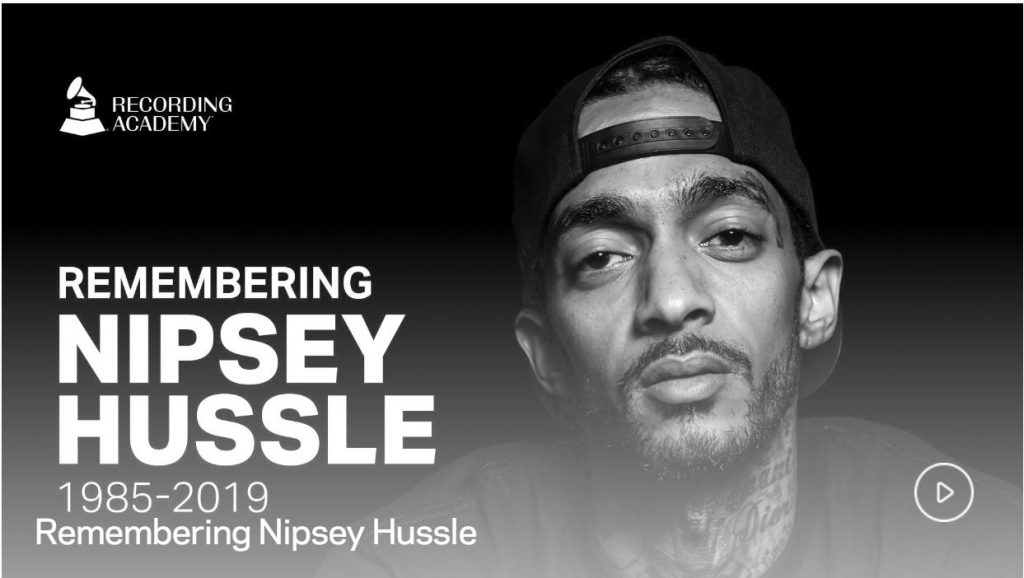
A screen grab of a video on the Grammy website paying tribute to Eritrean-American rapper Nipsey Hussle who was gunned down on March 31, 2019. A memorial service was held in Los Angeles on April 11, 2019.
Nipsey Hussle Grammy Tribute
A screen grab of a video on the Grammy website paying tribute to Eritrean-American rapper Nipsey Hussle who was gunned down on March 31, 2019. A memorial service was held in Los Angeles on April 11, 2019.
Nipsey Hussle Grammy Tribute
A screen grab of a video on the Grammy website paying tribute to Eritrean-American rapper Nipsey Hussle who was gunned down on March 31, 2019. A memorial service was held in Los Angeles on April 11, 2019.

Former president Barack Obama was among those who paid tribute to the late rapper and community activist, Nipsey Hussle, during his memorial service in Los Angeles yesterday. In a letter read on his behalf by the late lyricist’s business partner Karen Civil, Obama praised Hussle for his lasting legacy. Obama said he had never met Hussle but heard his music through his daughters.

Hussle was gunned down outside his store, The Marathon Clothing, on March 31. A 29-year-old man, Eric Holder, has been charged and entered a not-guilty plea on charges of murder, attempted murder, and possession of a firearm by a felon.

Nipsey Hussle was born Ermias Joseph Asghedom to an American mother, Angelique Smith, and an Eritrean father, Dawit Asghedom. They were both at the funeral where the mother called on Nipsey’s ancestors to “keep him company on his journey.” The vehicle carrying his coffin was draped with the Eritrean flag.

The following is the full text of Obama’s letter read by Karen Civil:

“I’ve never met Nipsey, but I’ve heard his music through my daughters. After his passing, I had the chance to learn more about his transformation and his community work. While most folks look at the Crenshaw neighborhood where he grew up and only see gangs, bullets and despair, Nipsey saw potential. He saw hope. He saw a community that, even through its flaws, taught him to always keep going.

“His choice to invest in that community rather than to ignore it — to build a skills training center, a coworking space in Crenshaw to lift up the Eritrean-American community — he set an example for young people to follow and is a legacy worthy of celebration. I hope his memory inspires more good work in Crenshaw and communities like it.”

Others speaking at the memorial service that was attended by over 21,000 people at the Staples Center were Nation of Islam leader Louis Farrakhan, Stevie Wonder and fellow rapper Snoop Dogg. Dogg called Hussle a “kind spirit” and “peace advocate.” “This man got a letter from Barack Obama, man,” Dogg said, as he saluted Hussle’s coffin. Farrakhan on his part called Hussle a “prophetic soul” and praised his valiant efforts to bring together rival gangs, the Crips and the Bloods. Hussle was a former Crips.

R & B singer Stevie Wonder when he spoke said “I’m very happy that in his short life he was able to motivate people, and I hope that it motivates you to say, ‘Enough of people being killed by guns and violence.'”

Wonder then granted Nipsey Hussle his wish by playing a song at his funeral. He sang one of Nipsey’s favorite Stevie Wonder songs “Rocket Love.”

In Nipsey Hussle’s 2016 track “Ocean Views,” he rapped “Hundred-thousand in my coffin, that’s just light dough play a Stevie Wonder song, smoke some flight, bro.”

Habitat for Humanity develops new mortgage program for first-time homebuyers

0
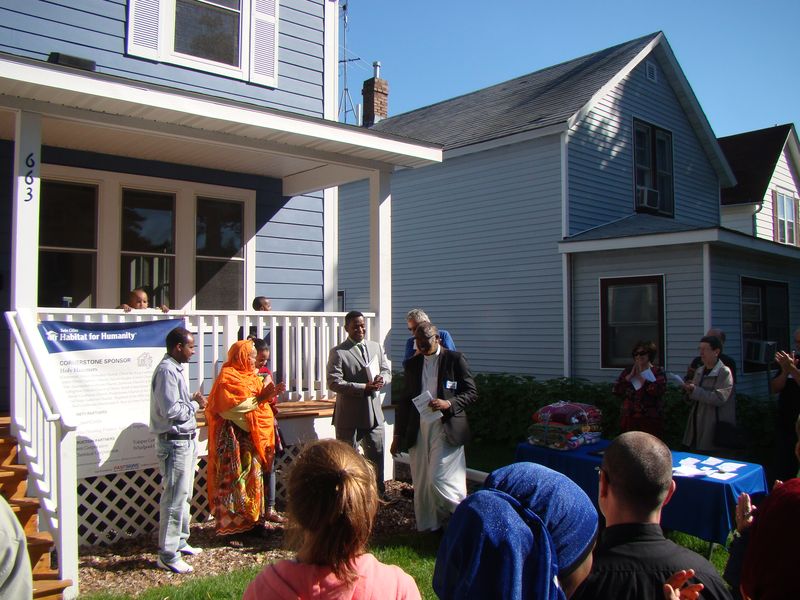
A past dedication ceremony for a house built for a family in north Minneapolis by Habitat for Humanity. The organization in April 2019 announced a new mortgage program targeting those who have faced barriers to home ownership. Photo: Twin Cities Habitat for Humanity
Habitat North Minneapolis
A past dedication ceremony for a house built for a family in north Minneapolis by Habitat for Humanity. The organization in April 2019 announced a new mortgage program targeting those who have faced barriers to home ownership. Photo: Twin Cities Habitat for Humanity
Habitat North Minneapolis
A past dedication ceremony for a house built for a family in north Minneapolis by Habitat for Humanity. The organization in April 2019 announced a new mortgage program targeting those who have faced barriers to home ownership. Photo: Twin Cities Habitat for Humanity

Twin Cities Habitat for Humanity, which has a mission of eliminating poverty housing, has developed a new program to help first-time homebuyers who have faced barriers to buying a home through traditional mortgage lenders.

Under the program, homebuyers can buy on the open market using Habitat’s affordable, fixed-rate mortgage. They can even work with the Realtor of their choice, complete Habitat’s homeownership education and buy a home in their preferred neighborhood or city.

The new program reaches a broader income range, including those who may think their income is too high to qualify. Households earning $40,000-$80,000 have successfully bought a home in Habitat’s redesigned homeownership program.

The program revolves around an “unbeatable mortgage,” a 30-year fixed-rate with monthly payments set to no more than 30 percent of income. Down payment assistance may be available.

The mortgage program was made possible by an innovative partnership with Bremer Bank. It is the largest program of its kind among Habitat affiliates in the country and serves as a national model.

“The need to open access to housing has never been greater, especially for first-time homebuyers and underserved populations,” said Chris Coleman, President and CEO of Twin Cities Habitat and the former St. Paul Mayor. “We are excited about the mortgage program’s ability to serve residents throughout the metro area.”

Coleman noted that 1 in 4 Minnesota households are cost-burdened, paying more than 30 percent of their income on housing.

Minnesota’s racial gap in homeownership is among the worst in the nation. Seventy-six percent of white households own homes compared with 22 percent of black households. Forty percent of all households of color own homes.

Interested residents can find more information on the mortgage program at: www.BuyWithHabitat.org or by calling 612-540-5660.

Habitat also works with Realtors: https://www.buywithhabitat.org/realtor

Governor Walz kicks off 2020 Census countdown

0
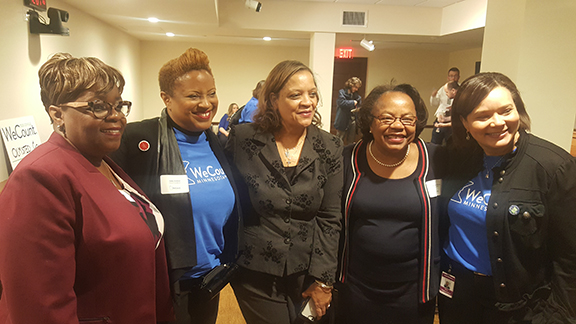
Marilyn Sanders (left) the regional director of the US Census Bureau with Anika Robbins of the We Count campaign and former Minneapolis mayor Sharon Sayles-Belton (second from right) at the Census 2020 yearlong countdown kickoff at the Minnesota State Capitol on Monday, April 1, 2019. Photo: Tom Gitaa/Mshale
Sanders Belton web
Marilyn Sanders (left) the regional director of the US Census Bureau with Anika Robbins of the We Count campaign and former Minneapolis mayor Sharon Sayles-Belton (second from right) at the Census 2020 yearlong countdown kickoff at the Minnesota State Capitol on Monday, April 1, 2019. Photo: Tom Gitaa/Mshale
Sanders Belton web
Marilyn Sanders (left) the regional director of the US Census Bureau with Anika Robbins of the We Count campaign and former Minneapolis mayor Sharon Sayles-Belton (second from right) at the Census 2020 yearlong countdown kickoff at the Minnesota State Capitol on Monday, April 1, 2019. Photo: Tom Gitaa/Mshale

Minnesota governor Tim Walz and U.S. Census Bureau regional director Marilyn Sanders on Monday helped kick off the yearlong countdown to the April 1, 2020 census at the Minnesota State Capitol. Walz said “The ability to have a fair democracy is incumbent on every single person being counted.” Highlighting his administration’s push for $2.5 from the legislature to support census outreach initiatives, he called the census one of the “one of the truly non partisan issues that will come under this dome,”

Sanders whose regional office in Chicago covers eight states including Minnesota said the state has the second highest response rate based on the 2010 census. The census is used to apportion congressional seats as well as determine the amount of federal aid each state receives.

In the 2010 census, Minnesota as able to keep its current slots of eight congressional seats when it beat the next state by just 8,739 people. There are concerns again this time that it is in a similar situation as the state’s population, while growing, is not growing as fast as others. there are also concerns that hard to count populations like immigrants might be put off by the citizenship question that is pending at the US supreme court. Lower courts have rejected the Trump administration’s attempts to include the citizenship question. The administration has appealed to the supreme court and a decision is expected this summer with arguments before the court stating on April 23.

The Census Bureau however seems unfazed by the politics surrounding the citizenship question. Responding to questions from the media at the St. Paul event, director Sanders said “Our message is that we’re prepared to count everyone. The census is confidential and the census is safe,”

Present at Monday’s activities were former Minneapolis mayor Sharon Sayles-Belton and Sen. Mary Kiffmeyer. The two are co-chairs of the governor appointed “Complete Count” committee.

Minnesota attorney general Keith Ellison announced this week that the state is joining 17 other states in challenging the Trump administration’s decision to include the citizenship question. There is feat that the question might lead to an undercount of immigrants, impacting crucial federal aid to the state.

The census is also currently hiring thousands of temporary workers as it prepares for the count next year. To apply for the jobs available, follow this link.

Lupita Nyong’o unveils cover of Sulwe

0
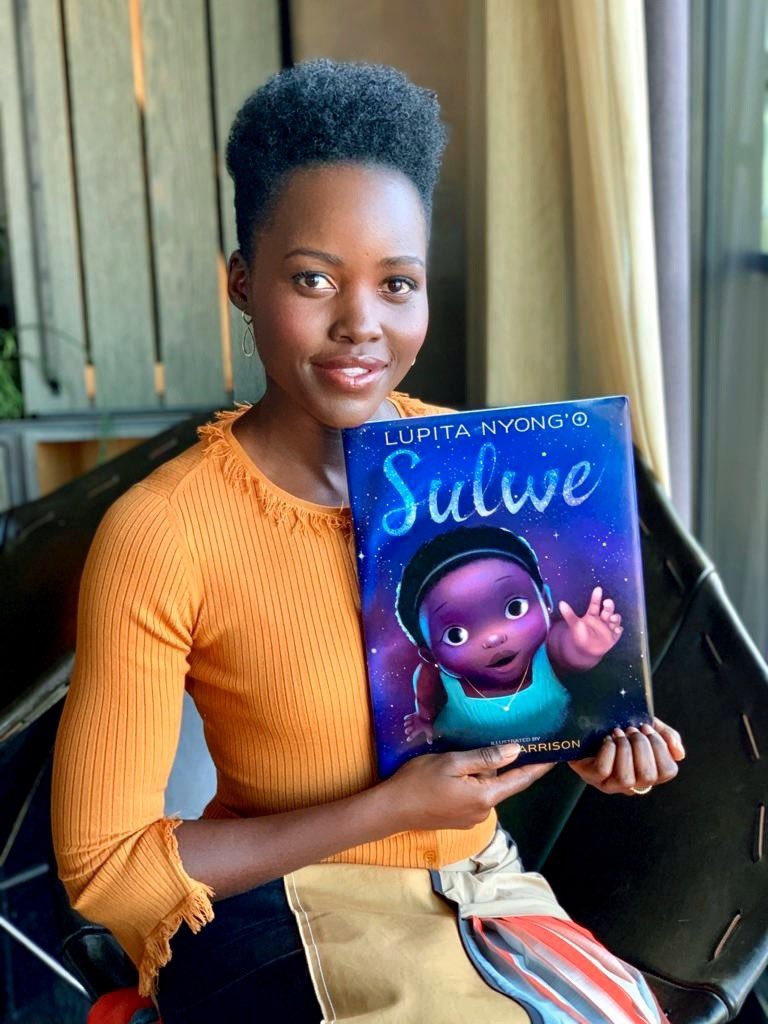
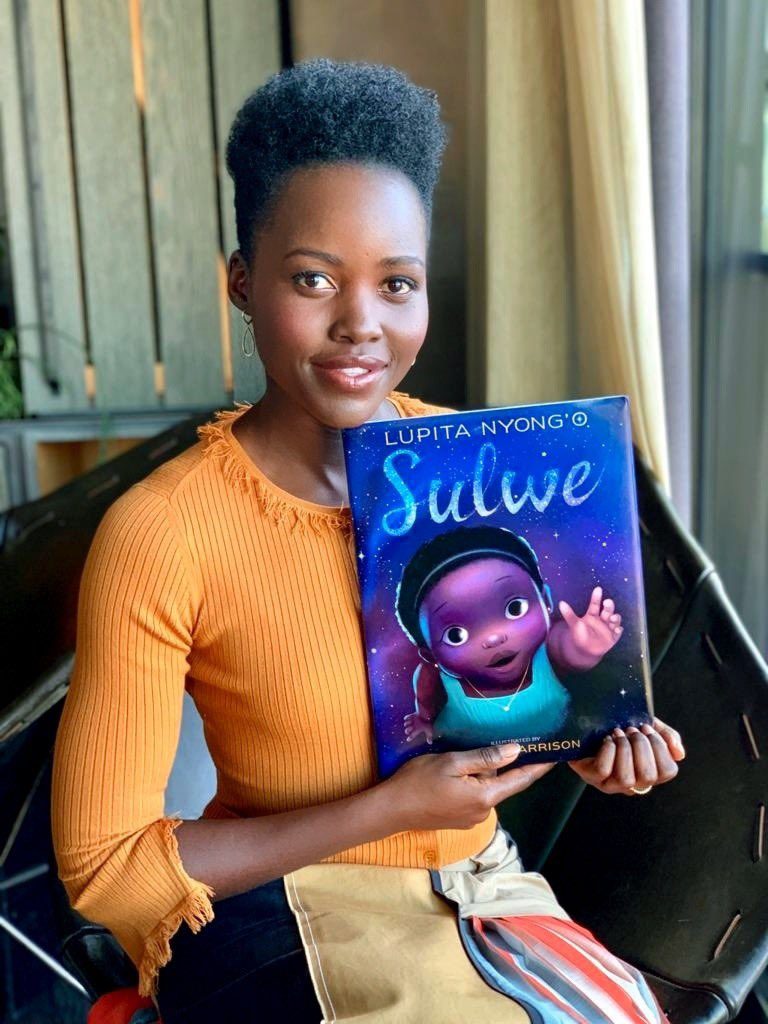
Lupita Nyong'o posted on instagram on Monday this photo of her holding her first children's book called Sulwe that is available now for pre-order and will be released on October 1, 2019. Photo: Lupita Nyong'o Instagram
Lupita Holding Sulwe
Lupita Nyong'o posted on instagram on Monday this photo of her holding her first children's book called Sulwe that is available now for pre-order and will be released on October 1, 2019. Photo: Lupita Nyong'o Instagram
Lupita Holding Sulwe
Lupita Nyong’o posted on instagram on Monday this photo of her holding her first children’s book called Sulwe that is available now for pre-order and will be released on October 1, 2019. Photo: Lupita Nyong’o Instagram

Lupita Nyong’o on Monday unveiled the cover of her first children’s book called Sulwe. Nyong’o announced last year that she will be writing the book and Monday on instagram announced to her 7 million followers “I wrote a book! It’s called #Sulwe! This is the cover! I’m thrilled to share it with you. Sulwe is out October 1 and is available for pre-order today at the link in bio! The extraordinary @VashtiHarrison illustrated the story. I wrote #Sulwe to encourage children (and everyone really!) to love the skin they are in and see the beauty that radiates from within. #Bookstagram #ChildrensBooks.”

The book, illustrated by Vashti Harrison, encourages self-esteem among kids by celebrating their skin color and the ways that they are unique. This is how the Amazon description reads “‘Sulwe’ has skin the color of midnight. She is darker than everyone in her family. She is darker than anyone in her school. Sulwe just wants to be beautiful and bright, like her mother and sister. Then a magical journey in the night sky opens her eyes and changes everything.”

Pre-orders can be done at this link.

Hamse Warfa appointed assistant commissioner at Minnesota DEED

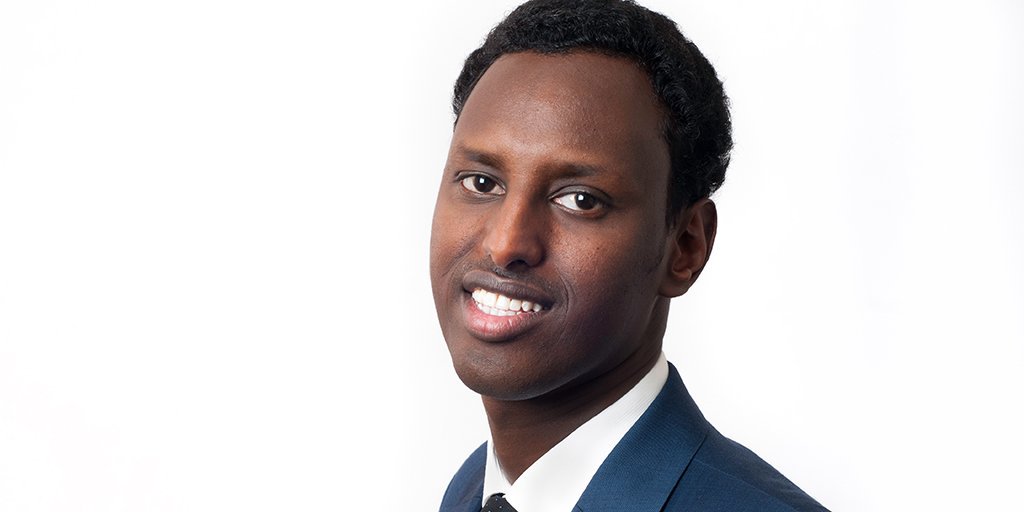
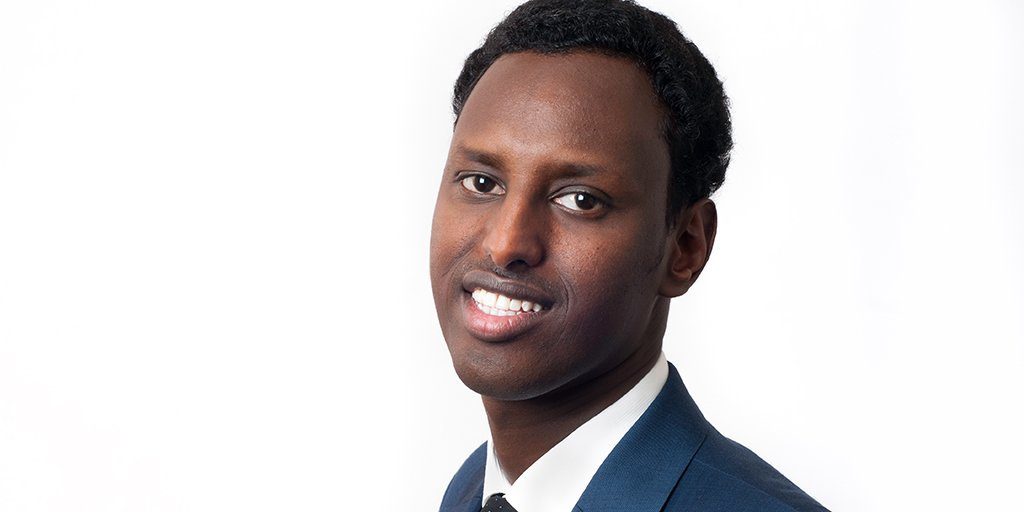
Hamse Warfa's appointment as assistant commissioner in the Minnesota Department of Employment and Economic Development on March 22, 2019 makes him the highest ranking African immigrant employee in state government. Photo: Bush Foundation
Hamse Warfa High Res
Hamse Warfa's appointment as assistant commissioner in the Minnesota Department of Employment and Economic Development on March 22, 2019 makes him the highest ranking African immigrant employee in state government. Photo: Bush Foundation
Hamse Warfa High Res
Hamse Warfa’s appointment as assistant commissioner in the Minnesota Department of Employment and Economic Development on March 22, 2019 makes him the highest ranking African immigrant employee in state government. Photo: Bush Foundation

Somali-American entrepreneur, Hamse Warfa, was named the Department of Employment and Economic Development’s (DEED) Assistant Commissioner for Economic Opportunity on March 22nd. The appointment makes him the highest ranking African immigrant in Minnesota state government.

Governor Tim Walz’s transition team had in January announced Warfa as one of three finalists for the position of DEED commissioner to serve in his cabinet. The commissioner position was instead given to Steve Grove.

According to DEED Communications Director,Shane Delaney, “the role will work with stakeholder groups,DEED partners, and local officials and boards across the state to advance economic equity in our State and amplify DEED programs that target under-invested and under-capitalized communities of color.”

Warfa is a community builder, philanthropist, and entrepreneur who most recently Cofounded BanQu Inc, a blockchain powered social impact platform bringing years of experience to the new position.

DEED Commissioner Steve Grove, who appointed Warfa, described Warfa as a “proven leader who will help us continue to move forward.”

“Minnesota continues to experience one of the worst economic racial disparities in the nation… We have a lot of work to do in this area. I’m committed to making this a priority at DEED,” said Grove.

DEED is the state’s principal economic development agency, creating programs to promote business recruitment, expansion, and retention; international trade; workforce development; and community development.

Warfa’s position is new and will see him lead a new division – the Office of Economic Opportunity within DEED that replaces the office of Economic Equity and Opportunity that was formed under former governor Mark Dayton’s administration in 2016.

Warfa holds a Masters in Organizational Management and Leadership from Springfield College in Massachusetts, as well as a Bachelor of Arts in Political Science from San Diego University.

Mshale Editorial: Minnesota legislators need to pass Driver’s Licenses for All

0
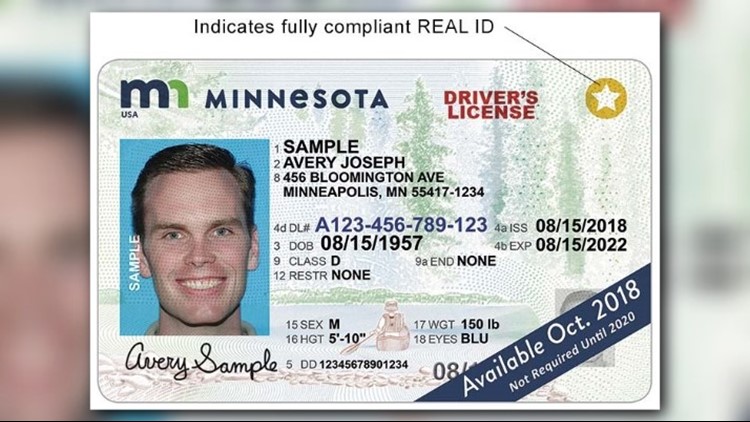
MN REAL ID
Mshale Editorial: Minnesota legislators need to pass Driver’s Licenses for All

Minnesota had Driver’s Licenses for All until 2003. That changed when anti-immigrant politicians ordered an end to licenses for undocumented immigrants. Before 2003, every Minnesota resident could take driver’s education and driver’s tests and drive safely and insured on Minnesota roads. We can do that again—if the legislature acts now to pass Driver’s Licenses for All.

We all care for our state and our families and our communities, regardless of where we came from. The Minnesota House committee hearings were packed with people supporting Driver’s Licenses for All, as agriculture representatives, business people, law enforcement, religious leaders, and many others testified about the importance of passing this legislation.

This should not be a party line issue. In the Minnesota House, the Driver’s License bill is co-sponsored by DFL Majority Leader Ryan Winkler and Minneapolis DFGL Representative Aisha Gomez and rural Minnesota Republican Representative Rod Hamilton.

People need to drive to go to work, to take children to school, to get to doctor’s appointments, to attend parent-teacher conferences, and more. They know that passing the tests on Minnesota driving laws and the road test makes for safer drivers and a safer community. In Minnesota, an undocumented immigrant’s annual income would increase an estimated $1,500-4,400 if permitted to obtain a driver’s license. That means more spending, boosting Minnesota’s economy for all of us, a benefit to all of us. Furthermore, all of us that are drivers benefit from lower auto insurance rates in states that grant undocumented immigrants access to drivers licenses.

Legislators just need to look at Oregon, where research found that barring undocumented immigrants from receiving driver’s licenses would likely cause the state to lose $134-201.9 million in gross domestic product. That is due to the difficulty undocumented immigrants would have in accessing their jobs without driving. There is no need for that to be happening in our state, which prides itself in being at the forefront of bettering the lives of those who live within it and call it home, as many of the undocumented do.

It is not just an Urban Minnesota issue either. Many of the affected immigrants work and live in rural Minnesota, providing critical labor to the agricultural sector. There is little to non-existent transit in many of the rural areas, which makes driving a necessity. The legislature needs to give them the necessary legal access by passing Driver’s Licenses for All. After all, with licenses, undocumented drivers will also be required to purchase auto insurance. After passing laws to allow undocumented drivers access to licenses, New Mexico saw its rate of uninsured drivers drop by 24%. Utah saw a similar drop of 20%. Minnesota can see similar results.

Let us join twelve other states, Washington DC and Puerto Rico in allowing these immigrants to have access to driver’s licenses. It is not as if Minnesota will be alone on this. It should be noted that licenses issued to these immigrants would be distinctively marked, as required under federal law, and would not be valid for REAL ID purposes.

We call on all Minnesota legislators, Democrats and Republicans, to reject the politics of fear and scapegoating immigrants and vote for Driver’s Licenses for All.

Regular checkups help keep your baby healthy

0
Regular checkups for your baby helps keep them healthy.
MDH QuarterPageVertical 4C April2019
Regular checkups for your baby helps keep them healthy.
MDH QuarterPageVertical 4C April2019
Regular checkups for your baby helps keep them healthy.

Having a new baby is an exciting time with lots of changes. Every day brings something new for you and your baby. It can also be a time of many questions, like: Is my baby growing as they should? Are they getting enough food? When should they be sleeping through the night?

It is normal to have questions and concerns about your baby’s health and well-being. You want what is best for your baby. Your baby’s health care provider will also want to check in with you about how you are doing and feeling. That is why scheduling regular checkups with your baby’s medical provider is so important.

These well child checks are recommended every 2-3 months from birth through about 2 1/2 years old. After that, your child should get a checkup once a year. At these appointments, the medical provider will make sure your baby is growing, learning, and developing. They do this by checking for developmental milestones. Developmental milestones are skills your child learns such as taking their first step, smiling, waving, and pointing. At the checkup, the medical provider will learn more from you about what your baby is already doing, and they look at things like how your baby moves their body, interacts with others, explores and solves problems, and communicates.

Checking for developmental milestones early in a child’s life is important because it can help you and the medical provider identify any concerns early. If your child is not meeting certain milestones when they should, there are often things you can do to help get them back on track. Your child’s medical provider will either work with you or help you find the right resources for your child. You can learn more about developmental milestones at www.HelpMeGrowMN.org. This website will give you information on what you can look for and help you prepare for your baby’s next checkup.

At checkups, your baby’s medical provider will also do a physical exam to make sure your baby is healthy from their head to their toes. They will do things like listen to your baby’s heart and check their hearing. They will also give recommended immunizations to protect your baby from diseases that could make them very sick.

During the appointment, the doctor or nurse will give you information about healthy food, sleep, behavior, and safety. This is also a great time to ask questions! You can ask questions about things like how to calm your baby when they are crying, what to do if they have a fever, and how to help your baby learn new things. Write down a list of questions to bring to the appointment so you do not forget them.

Regular checkups are important for keeping your baby healthy. Make sure you go to all of the recommended checkups. Your clinic can tell you when your baby needs to come in for their next appointment.

Recommended checkups are covered by insurance. If you do not have insurance, there are resources to help make sure your baby does not miss an important checkup. Your county or tribe’s health or human services department can help you apply for insurance or find a clinic.

Trump extends DED for Liberians another year

0
Liberian leaders and clergy at the Minnesota governor Tim Walz press conference following president Trumps's extension of DED for Liberians through March 30, 2020. Photo: Facebook Screen Grab
DED Press Conference
Liberian leaders and clergy at the Minnesota governor Tim Walz press conference following president Trumps's extension of DED for Liberians through March 30, 2020. Photo: Facebook Screen Grab

President Trump on Thursday reversed himself on the issue of termination of Deferred Enforced Departure (DED) for Liberians and said “it is in the foreign policy interest of the United States” to give Liberians another year, until March 30, 2020, to stay in the United States.

Last year, Trump shocked Liberians by saying that conditions in Liberia had improved and that DED will enter a one year “wind-down” period that was to end this weekend on March 31.

In a memorandum, Trump said “The overall situation in West Africa remains concerning, and Liberia is an important regional partner for the United States.  The reintegration of DED beneficiaries into Liberian civil and political life will be a complex task, and an unsuccessful transition could strain United States-Liberian relations and undermine Liberia’s post-civil war strides toward democracy and political stability.”

At a press conference at the Minnesota State Capitol following the president’s new extension, Minnesota governor Tim Walz, attorney general Keith Ellison and speaker of the Minnesota House Melissa Hortman praised the decision but called for a permanent solution to the uncertainty Liberians face each year.

The press conference was originally scheduled to call on the president to extend DED for Liberians but was overtaken by the surprise announcement from the White House.

One of the speakers at the press conference was Isabella Wrehfofana who is on DED, “I thought somebody was pulling my leg first, and then I screamed. Then, in like five minutes, I called about 20 people to be sure, am happy, but there’s still fear, because every year is the same thing.”

Ellison on his part attributed the president’s change of mind to the amicus brief he filed in a lawsuit that was challenging the DED termination.

You can view the press conference here.

Target executive to Africa diaspora: You are obligated to help Africa

0
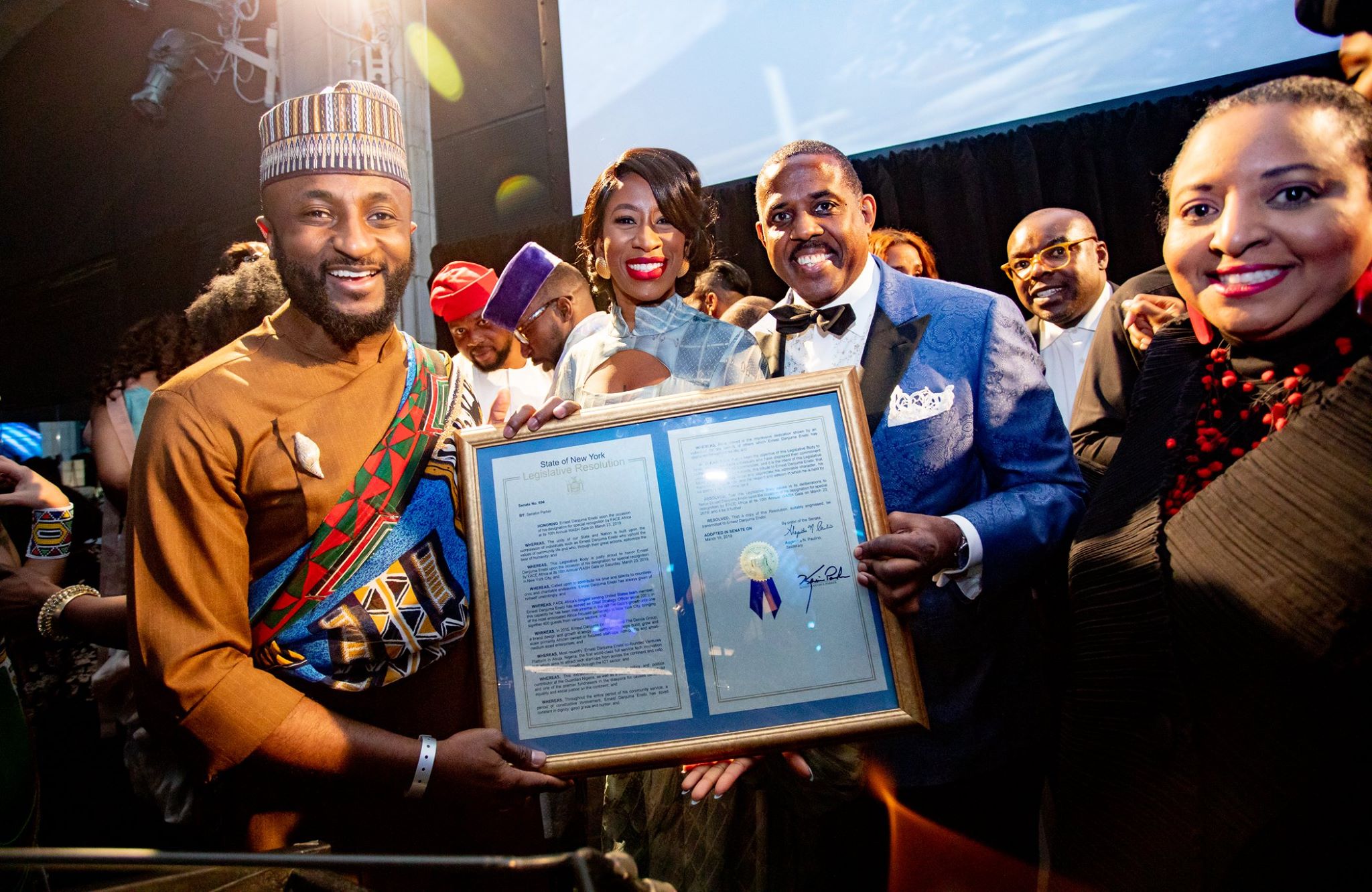
FACE Africa founder Saran Kaba Jones and New York State Senator Kevin Parker (in bow-tie), surrounded by planning committee members hold the State of New York resolution declaring March 23 2019 as WASH Gala Day. On the left next to Ms. Jones is Ernest Danjuma Carter and to the right is Gayle Jennings-O'byrne. Behind Mr. Parker is Chid Liberty, WASH Gala co-chair. Photo: Keiko Hiromi
State of NY Resolution
FACE Africa founder Saran Kaba Jones and New York State Senator Kevin Parker (in bow-tie), surrounded by planning committee members hold the State of New York resolution declaring March 23 2019 as WASH Gala Day. On the left next to Ms. Jones is Ernest Danjuma Carter and to the right is Gayle Jennings-O'byrne. Behind Mr. Parker is Chid Liberty, WASH Gala co-chair. Photo: Keiko Hiromi

NEW YORK – The audience at the 10th anniversary FACE Africa WASH gala included Bozoma Saint John (formerly Uber’s chief brand officer), Nomzamo Mbatha and Didier Drogba (via video), but it was the keynote speaker Caroline Wanga, Target’s vice-president and chief diversity officer, who left the audience wanting more with her gifted ability to dispense tough love messaging using pop culture references – Cardi B. quotes thrown in for good measure.

Wanga, who moved to the US from Kenya with her family at a young age, called on the African diaspora in the US to do more for Africa as they have the resources to do so, despite what they might think. She said they have much more than those in Africa.

“I am not begging you to pledge nothing, I am telling you, you have an obligation to represent those that got you here by putting aside some of your discretion spending to help those that have no water in Africa,” Wanga said.

She challenged the audience, numbering over 500, to come up with any valid excuse for not helping someone that has no water. To that end, she pledged $25,000 from Target towards FACE Africa’s clean water advocacy and infrastructure initiatives in Africa. A total of $230,000 was raised from sponsorships, gala ticket sales, donations and pledges, according to organizers.

WASH which stands for Water, Sanitation, and Hygiene is the brainchild of FACE Africa which was founded by Saran Kaba Jones. The annual gala gathering is an official UN World Water Day recognized event. Over 150,000 people have benefitted through FACE Africa’s work in Liberia and Nigeria and Jones said there are plans to expand Ghana, Kenya and Mozambique.

In a propulsive cadence, Wanga rattled off the discretionary money that Africans in the US have that they could use towards alleviating the water crisis in the continent.

Wanga said it was important that “we also do for ourselves what we are asking others to do for us.”

“You know you have much more than those that are back at home,” she said. “Do not use the American standard to judge your success.” She urged them to incorporate giving to charities such as FACE Arica as part of their household budget.

The African immigrant community, she said, is endowed with both material and intellectual wealth. She highlighted Target’s realization of the potential within it when last year when it started working with Mshale’s African Awards to develop them as customers and a workforce.

Among those already heeding Wanga’s call is attorney Charlyne Brumskine. She is a former diaspora member who has since moved back to Liberia where she now practices. She makes the annual trip to the US to attend the WASH gala as it is “a very worthy and necessary initiative, as we take water for granted here in America.”  Brumskine, a former Health and Human Services staffer during the Obama administration, told Mshale she has experienced firsthand the challenges that come with a lack of clean water ever since moving back to Liberia with her two young children, “The diaspora has to hold hands together to help our people.”

In addition to raising money for its initiatives, FACE Africa also honored three individuals for their illustrious careers. Retired Ivorian professional soccer player Didier Drogba was awarded the Humanitarian Award while the Rising Star Award was given to Nomzamo Mbatha. Mbatha’s Lighthouse Foundation works to improve access to education and business opportunities for South African youth. Former Uber chief brand officer Bozoma Saint John was awarded the Voice of Change Award. Saint John, who wears her African heritage on her sleeve, is now the chief marketing officer at Endeavor

Nigeria Money

As the evening drew to a conclusion, FACE Africa founder Jones, called Joel Ogunsola of the Nigerian state of Ondo who had a special message from his governor. Mr. Ogunsola is the Senior Special Assistant to the Governor on Innovation and Partnerships. He announced a matching grant of every dollar donated to FACE Africa for the next one year up to $1.4 million “as clean water should not be a luxury.”

Ogunsola also announced that due to the inspiration of FACE Africa’s work in his state, the state government there has recently invested over $5 million to bring water across 500 communities.

Student faces deportation to Liberia, where she has never lived

0
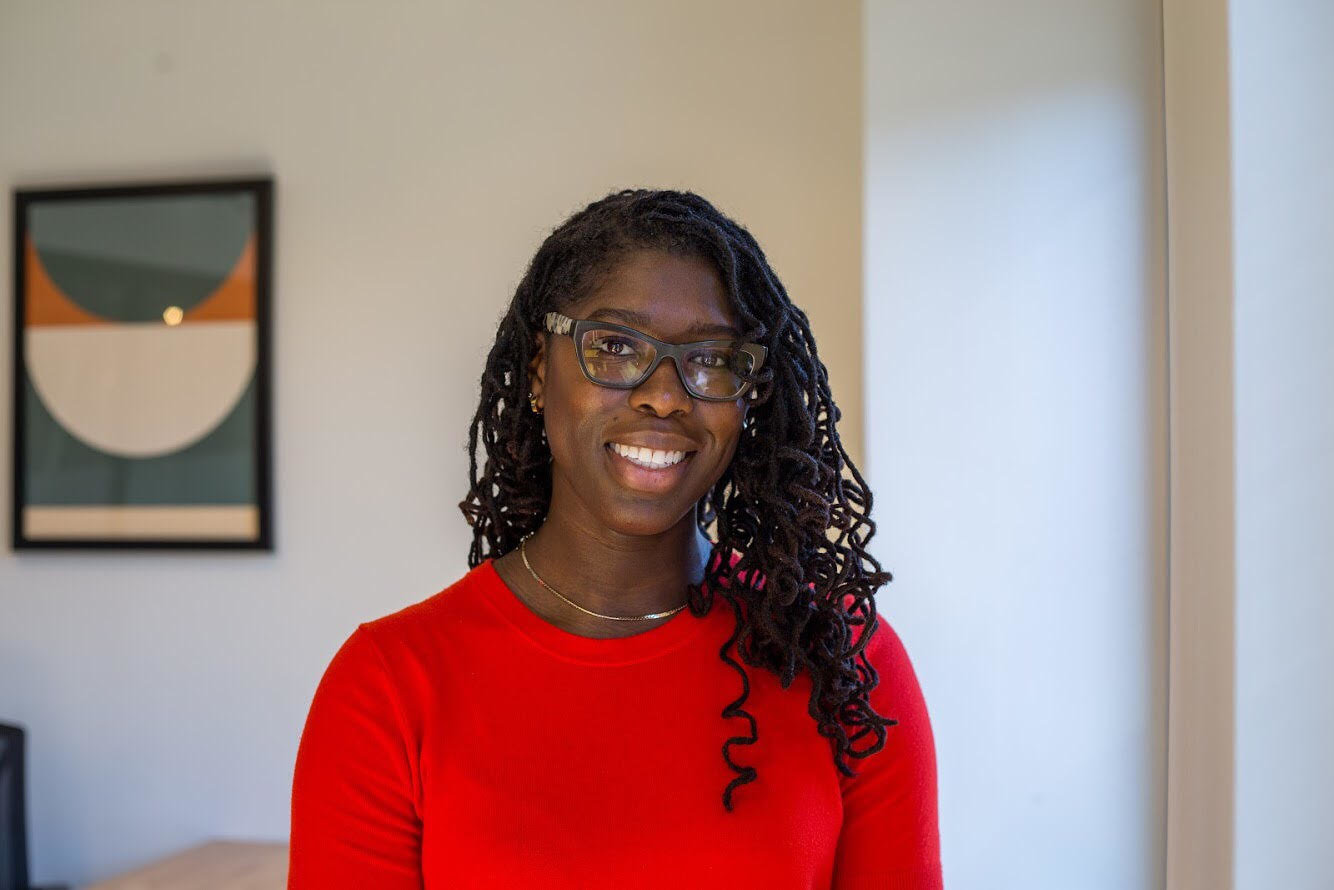
Yatta Kiazolu has never lived in or visited Liberia, but she could be deported there if the Trump administration is successful in ending the DED program for Liberians. Photo: Courtesy Yatta Kiazolu
Yatta Kiazolu
Yatta Kiazolu has never lived in or visited Liberia, but she could be deported there if the Trump administration is successful in ending the DED program for Liberians. Photo: Courtesy Yatta Kiazolu
Yatta Kiazolu
Yatta Kiazolu has never lived in or visited Liberia, but she could be deported there if the Trump administration is successful in ending the DED program for Liberians. Photo: Courtesy Yatta Kiazolu

Yatta Kiazolu moved to Los Angeles from Delaware to pursue her dream of obtaining a Ph.D. in history at UCLA.

But as she approaches her final year of the program, her dreams of walking across the stage with her degree in hand seem further and further away as her temporary visa status will expire at the end of this month. And she could be deported to Liberia, a country in which she has never lived, or even visited.

Kiazolu, 28, is one of the thousands of immigrants with Liberian citizenship who remain in the U.S. under a visa status called the Deferred Enforced Departure program.

Many of these DED beneficiaries indeed lived in Liberia before coming to the U.S. But not Kiazolu. She was born in Botswana to Liberian parents and so has Liberian citizenship. Her family moved to the U.S. in 1997 when Kiazolu was 6 years old.

Since then, she has been caught up in the vagaries of the DED rules and of U.S. immigration law more generally.

“This last year has been very anxiety ridden,” Kiazolu said in an interview. “It’s been hard to make long-term plans because this impacts every single part of your life. I’ve had to pass up job opportunities.”

And because DED holders are subject to limitations and have to get permission to travel outside the U.S., she received authorization to travel too late and had to cancel a planned overseas trip to Ghana, which was part of her Ph.D. research.

Since she’s been in the U.S., most of her family has been able to adjust their status to become U.S. citizens, but she hasn’t. Kiazolu said she tried on two occasions to apply for citizenship. In the first case, her grandmother petitioned for her to become a U.S. citizen, but her grandmother passed away as her application was being processed.

Then when Kiazolu turned 26 years old, she applied again but was told she had to wait seven years. As an adult child of permanent residents in the U.S., she has fewer avenues to become a U.S. citizen.

“I was very happy when my parents were able to adjust their status, and everyone around me is very supportive. It’s often hard because in my personal life I am the only one I know that is going through this,” she said. “I’m still in a state where I just don’t know, because there are so many moving parts, and my entire life is here” in the U.S.

What is DED?

Full story @ Roll Call.