Stima Investment Co-Operative Society of Kenya board member Caroline Odipo (left) and CEO Nelson Irungu after a Mshale interview in Minneapolis. Photo: Tom Gitaa/Mshale
Stima Investment Co-Operative Society of Kenya board member Caroline Odipo (left) and CEO Nelson Irungu after a Mshale interview in Minneapolis. Photo: Tom Gitaa/MshaleStima Investment Co-Operative Society of Kenya board member Caroline Odipo (left) and CEO Nelson Irungu after a Mshale interview in Minneapolis. Photo: Tom Gitaa/Mshale
Stima Investment Co-operative Society, the investment arm for members of Stima SACCO in Kenya, is continuing its push for a bigger slice of the Kenyan Diaspora market in the United States. Credit Unions are known as SACCOS in most of the world.
Stima SACCO is Kenya’s third largest SACCO by asset size which by extension also gives it the same ranking in Africa as the continent’s largest SACCOS are based in Kenya.
“The future is very bright for Stima as we have been rated very highly in Kenya,” said Caroline Odipo, a Stima Investment board member. Odipo along with the company’s CEO Nelson Irungu are on a four state US road show to promote the company’s latest offerings.
Odipo and Irungu spoke with Mshale after they met with Minnesota Kenyans this week.
The latest foray by Stima Investments into the US follows on the last visit by the leadership of its larger sibling, Stima Sacco. Stima Investments main activities are real estate and investments in the Nairobi Stock Exchange.
“Uptake was slow at the beginning but we have signed up over 2,000 members here in the US in the last two years,” Irungu noted. He attributed the growth to Stima finally figuring out the needs and type of customer service that Kenyan-Americans expect and the fact that Kenyan-Americans who became members three years ago received dividends “which showed them we mean business.”
Irungu said his team has been cognizant of the needs of Kenyan-Americans, key among them, the need for real time account information. A portal was established for them to address that need, Irungu said.
A Minnesota Kenyan, Richard Oganda, was one of the people giving a testimonial on what he called “superb service” from the Diaspora Desk at Stima’s Nairobi headquarters when he visited in person shortly after becoming a member. Oganda volunteered his testimony at the Stima information session on Sunday in the Twin Cities.
The Kenyan Diaspora investment potential, especially in North America, has long attracted institutions from Kenya wanting to tap into it. Many in the country have lamented that the monthly US$140 million that Kenyans in North America send to their country only goes into consumables and family maintenance and little if any goes into any investments.
“We want the money you send not to be just for consumption but also get you some returns,” Odipo said.
The Stima Investment duo of Odipo and Irungu will wrap up their Minnesota stop with one more information session on Wednesday, October 5 at the Brooklyn Park Community Center at 5:00PM.
They will conclude their US tour with stops in New Jersey and Oklahoma.
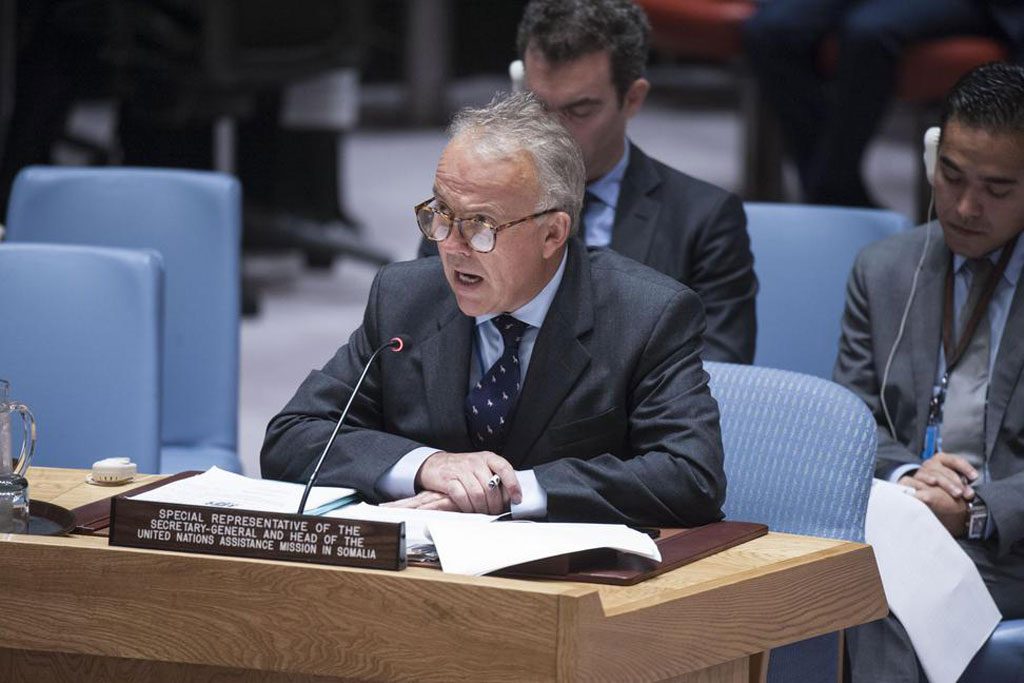
Michael Keating, Special Representative of the Secretary-General and Head of the United Nations Assistance Mission in Somalia (UNSOM), briefs the Security Council. Photo: Kim Haughton/UN
Michael Keating, Special Representative of the Secretary-General and Head of the United Nations Assistance Mission in Somalia (UNSOM), briefs the Security Council. Photo: Kim Haughton/UN Michael Keating, Special Representative of the Secretary-General and Head of the United Nations Assistance Mission in Somalia (UNSOM), briefs the Security Council. Photo: Kim Haughton/UN
A new delay in Somalia’s elections is a matter of “immediate concern,” raising fears that the process is being politically manipulated and that the latest postponement may only be one of yet further rolling delays, the top United Nations official in the long-troubled East African country warned today.
First slated to be held in August, parliamentary elections will now take place between 23 October and 10 November, and the presidential poll by the end of November, the Federal Indirect Electoral Implementation Team, or FIEIT, announced yesterday, citing the need for more time.
“What is most critical at this point is that the new extension does not create additional space for manipulation or disruption by spoilers,” the Secretary-General’s Special Representative and Head of the UN Assistance Mission in Somalia (UNSOM), Michael Keating, told the UN Security Council.
“Rather, the urgency and momentum must be maintained and the additional time used to ensure that the process is as transparent and credible as possible,” he said, calling it a “novel and exciting experience” for a country that last held national elections in 1969 and descended into civil war and anarchy in 1991.
Mr. Keating noted that much preparatory work has been completed, and registration of 14,000 electoral college delegates and hundreds of parliamentary candidates is in progress, with many painful compromises between interest groups and clans. This broadens the college from just 135 men in 2012. Thirty per cent of the 14,000 must be women and 20 per cent youth.
“Even though the numbers involved may seem relatively modest, this is a complicated process, requiring a high degree of dedication, organizational capacity and some bravery to implement,” in a country of some 12 million people divided by tribes and clans. “The security and logistical challenges alone are considerable,” he added.
The UN is providing technical support to bolster the credibility of the process, including a code of conduct for all candidates, parliametary and presidential, and creation of an electoral dispute mechanism with the inclusion of advisors provided by international partners.
“I am under no illusions about the challenges ahead and the scope for things to go awry. But if we remain vigilant and unified, this process could mark a positive, watershed moment for Somalia,” Mr. Keating said. But the road to peace and stability will still be long.
“Violence remains a feature of life for too many people. Al-Shabaab (Islamist movement) has continued to mount spectacular attacks against soft targets, notably in Mogadishu (the capital),” he added. “These attacks have underscored the urgency both of efforts to degrade, defeat and dismantle Al-Shabaab and to address the conditions that make it possible for the group to survive.”
He paid tribute to the UN-authorized African Union Mission to Somalia (AMISOM), which has thousands of troops in the country, with an upper limit of over 22,000, entrusted with of countering Al Shabaab and other armed opposition groups, and providing security to enable the political process at all levels, stabilisation, reconciliation and peacebuilding.
“AMISOM remains vital to Somalia’s security. Its troops are paying a heavy price to bring security to the country. They need to be supported in their effort to take the fight to Al Shabaab-controlled areas,” Mr. Keating stressed.
He also voiced concerns that a growing number of Somalis, nearly five million, suffer from malnutrition and food insecurity, with only 32 per cent of the UN Humanitarian Response Plan funded at this point. They also face multiple human rights deficits, while women and children are of “grave concern,” including youngsters captured from Al Shabaab and sentenced to death.
“The challenges are considerable,” he said, adding: “But, crucially, progress is also being made in almost every domain.”
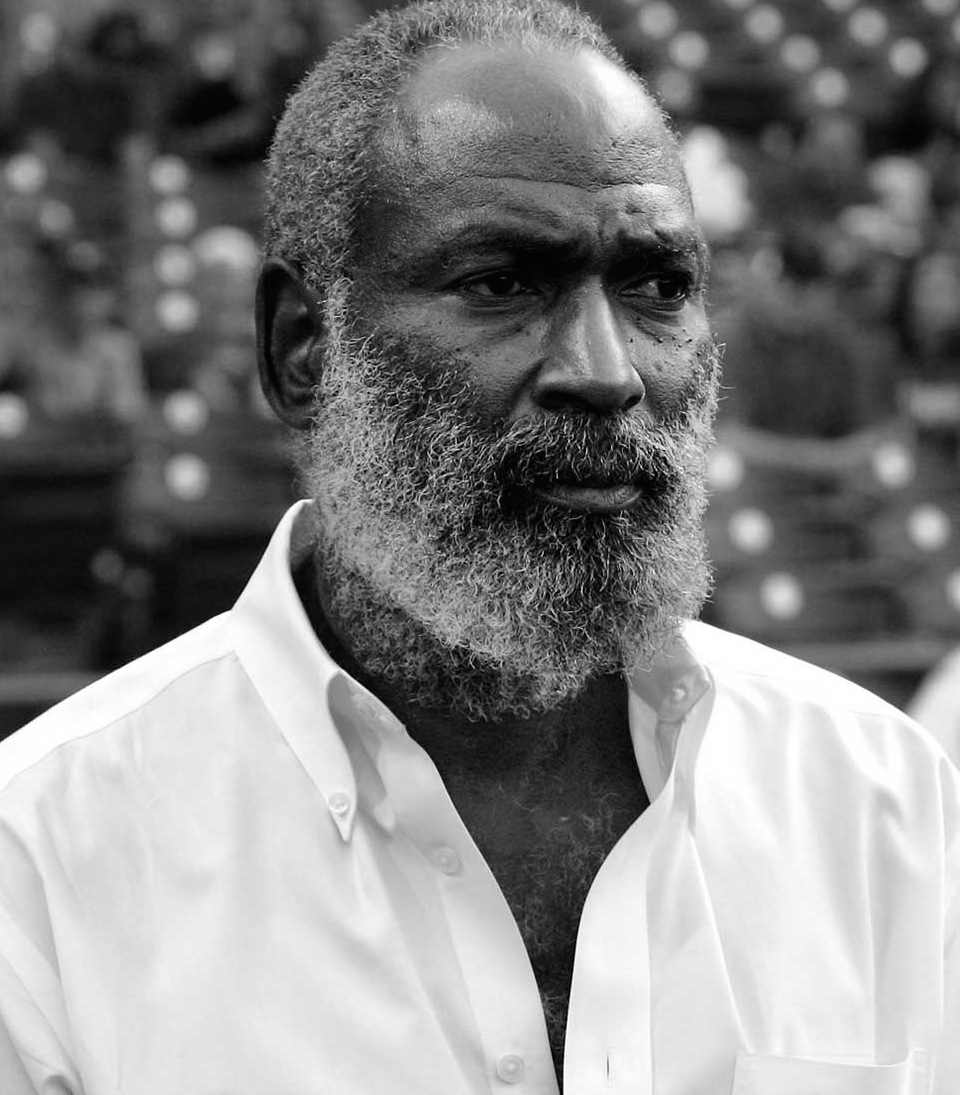
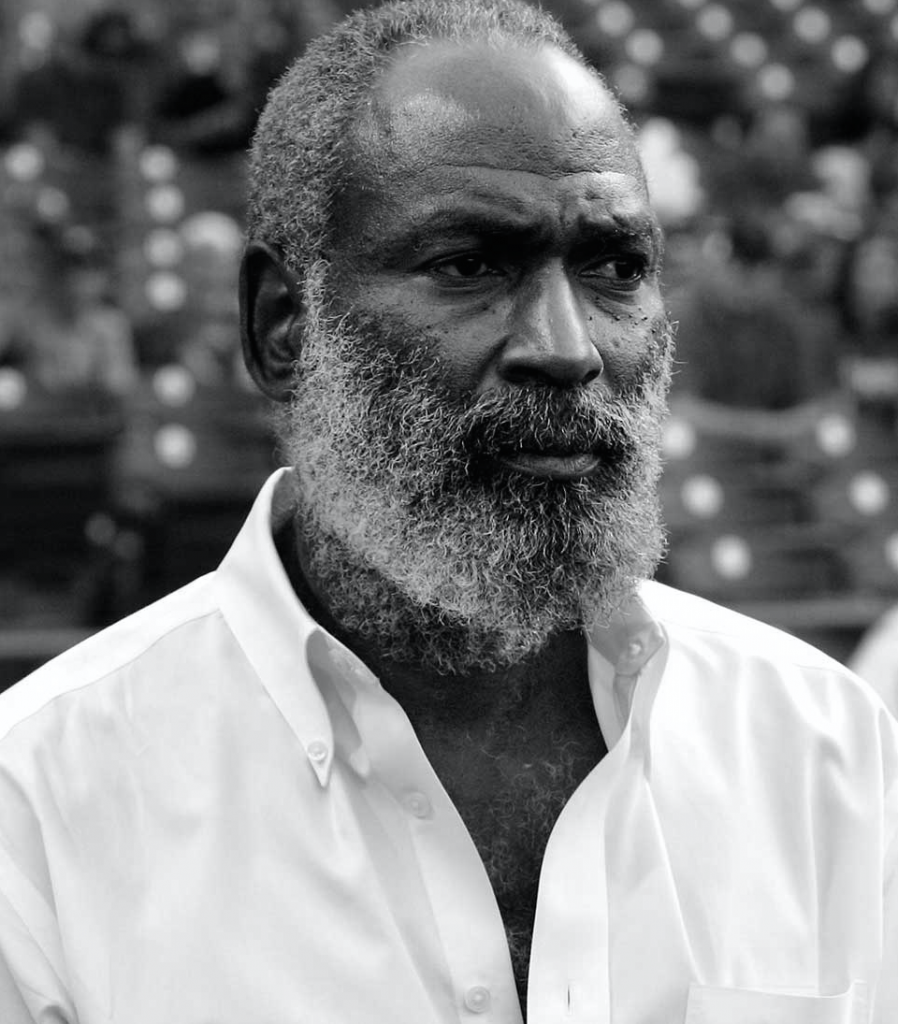
David Robinson, son of baseball legend Jackie Robinson, is in Minnesota to promote Books for Africa. He is seen here being interviewed after throwing the first pitch at the Minnesota Twins vs. Detroit Tigers game on Thursday, September 22, 2016 at Target Field. He will be the Grand Marshall at the Books for Africa Children's Book Walk on Saturday, September 24, 2016. Photo: Fox Sports Screen Grab
David Robinson, son of baseball legend Jackie Robinson, is in Minnesota to promote Books for Africa. He is seen here being interviewed after throwing the first pitch at the Minnesota Twins vs. Detroit Tigers game on Thursday, September 22, 2016 at Target Field. He will be the Grand Marshall at the Books for Africa Children's Book Walk on Saturday, September 24, 2016. Photo: Fox Sports Screen GrabDavid Robinson, son of baseball legend Jackie Robinson, is in Minnesota to promote Books for Africa. He is seen here being interviewed after throwing the first pitch at the Minnesota Twins vs. Detroit Tigers game on Thursday, September 22, 2016 at Target Field. He will be the Grand Marshall at the Books for Africa Children’s Book Walk on Saturday, September 24, 2016. Photo: Fox Sports Screen Grab
David Robinson, son of baseball legend Jackie Robinson will be the grand marshall at Books for Africa’s Children’s Book March taking place tomorrow (Saturday, September 24) starting at 10:30am.
Robinson, who moved to Tanzania 33 years ago and continues to live there, is in the Twin Cities to raise awareness and funds for Books for Africa. He threw the first pitch at yesterday’s Twins vs. Detroit game at Target Field.
The 3-mile walk starts at Matthews Park in Minneapolis (2318 29th Avenue South, Minneapolis, MN 55406) and ends at the Books for Africa warehouse in St. Paul (635 Prior Avenue North, Saint Paul, MN 55104).
A warehouse party will follow the conclusion of the walk featuring the band Ipso Facto and free food provided by Afro Deli and Kalahari Foods.
Rain Plan: The walk will be rescheduled if it is is raining at 10:15am.
Your cars: Books for Africa will provide free transfer service from the warehouse to Matthews Park between 12:30 and 2:00 pm.
Here is the schedule for the walk and warehouse party:
10:00-10:25 am: Gather for the March in front of the Matthews Park building. Each child will be able to choose a book and inscribe a message to an African child
10:30 am: Book March leaves Matthews Park
12 pm-2pm: Lunch at the BFA St. Paul Warehouse
2pm-4pm: Live Music by Ipso Facto and the Books For Africa Warehouse Band
Warehouse address:
635 Prior Ave N
Saint Paul, MN 55104
Wokie Freeman in the summer took over as the city of Brooklyn Park Assistant City Manager, becoming the first Liberian-American to do so in the city referred to as the African Suburb. Photo: Cynthia Simba/Mshale
Wokie Freeman in the summer took over as the city of Brooklyn Park Assistant City Manager, becoming the first Liberian-American to do so in the city referred to as the African Suburb. Photo: Cynthia Simba/Mshale Wokie Freeman in the summer took over as the city of Brooklyn Park Assistant City Manager, becoming the first Liberian-American to do so in the city referred to as the “African Suburb”. Photo: Cynthia Simba/Mshale
After leaving her native Liberia as a teenager during the start of the civil war in 1990, Wokie Freeman and her family moved to the city of Brooklyn Park in Minnesota. She attended high school in the city then went on to the University of Minnesota to study chemistry. In her adult life Freeman decided to return to Brooklyn Park where she would eventually purchase a home.
This year the city made a bold move after it hired Freeman as its Assistant City Manager making making her the first Liberian-American to hold the position. The city is home to many African immigrants with Liberian-Americans clearly the majority among the Africans. Current City of Brooklyn Center City Manager Curt Boganey was the last person of color to occupy one of the two top executive positions in the Brooklyn Park when he was City Manager. It is a significant development in Brooklyn Park, which census data now shows minorities comprise the majority in the city. Its City Council however remains all white. The city came close to electing its first minority council member in 2012 during a special election when Liberian-born Wynfred Russell lost by five votes in the city’s West District.
The low number of minority executives in city government nationally has been documented in various studies that look at disparities. With many city councils having no significant minority members, which in turn is also reflected in top city jobs such as the one Freeman now occupies. A recent New York Times study for example pointed out that according to the International City/County Management Association, among 340 American cities where more than 20 percent of the population is black, two had councils on which blacks were overrepresented compared with their population; 209 were within one seat of their population; and 129 underrepresented blacks by more than one seat.
The responsibilities of the Assistant City Manager varies by city but the significance of the position is to serve the city’s constituents by working to support and implement the city manager’s initiatives as directed by the City Council. In the absence of the city manager the assistant becomes the acting city manager that answers to the city council, board, and the mayor.
Ms. Freeman spends a typical day at the office meeting with departments and senior management to analyze and discuss various initiatives. To help set the city’s goals in accordance to the population’s needs the city gathers data, one of the key functions Freeman works on.
Recent data has helped the city of Brooklyn Park formulate goals for the year 2025. The data so far collected indicate the city residents hope to see more economic opportunities and investments as well as living wage jobs coming to the city. The city hopes to use its resources to bridge the education opportunity gap. The inhabitants of Brooklyn Park would love to create a destination center for the city one that acts as a symbol of Brooklyn Park. The residents would like to see more restaurants that reflect the city’s diversity as well as an events center that showcases diversity in the arts and music.
Just how diverse is Brooklyn Park? This city is home to 78,000 residents and is Minnesota’s sixth largest city. One in four residents born outside of the United States. Brooklyn Park has seen a lot of changes in its one hundred and sixty six year history. The changes can be seen in the infrastructure and demographics through the years. Many African immigrants call the city home with Liberians being the largest among the Africans.
The city also faces challenges with disparities in regards to economic, social, health, and educational opportunities amongst its community members. These are gaps that Wokie Freeman hopes to bridge.
Freeman also works to influence change in order to better serve and meet the needs of the city’s residents. Before becoming the new assistant city manager she served on the city’s core planning team and was apart of their community engagement initiative. With a science and strong business background working with the University of Minnesota Ms. Freeman states that she did not take the traditional route to obtaining her role.
Her work at University of Minnesota Robert J. Jones Urban Research and Outreach-Engagement Center (UROC) in Minneapolis where she was assistant executive director and director of operations and programs seems to have prepared her for her new executive position in Brooklyn Park. At UROC, she was one of the first employees there. UROC is one of the few research centers in the country specifically seeking solutions to urban challenges.
Heidi Barajas, UROC’s executive director and Freeman’s boss at the time, in her farewell message to Freeman as she departed to take the assistant city manager position said “Wokie has played an important role in growing UROC into a vibrant, place-based University research and outreach-engagement center.”
To be an effective assistant manager, Freeman says a high level of engagement in the community is key to serving the city’s constituents as well as strong analytical and communication skills. Experience in public administration is a big plus, according to her. She encourages individuals in various disciplines to be involved in their communities. She sees as part of her work, a duty to foster a Brooklyn Park where opportunities exist for all.
Freeman says all citizens, and especially immigrants, need to collectively take ownership of their goals and aspirations in order to achieve them.
“I believe there is a need for everyone to be represented at decision-making tables, and I encourage all of us to become more involved in our communities,” Freeman said.
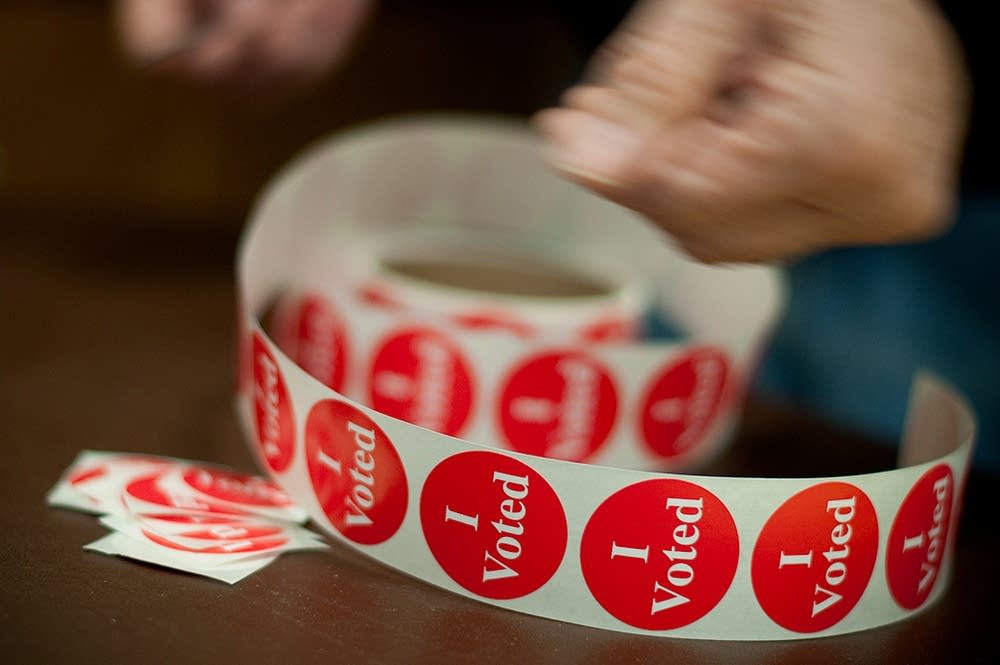
Minnesota voters can now vote absentee without having to give a reason starting September 23, 2016.
Minnesota voters can now vote absentee without having to give a reason starting September 23, 2016.Minnesota voters can now vote absentee without having to give a reason starting September 23, 2016.
Starting Friday September 23, if you are eligible to vote, you can start casting absentee ballots in Minnesota for the Nov. 8 general election.
This is the first presidential election in which Minnesotans are allowed to vote absentee without having to give an excuse. Minnesota is one of 34 states with some type of early voting and is among the first to start accepting ballots this year.
The presidential race is not the only one on the ballot. There also will be a constitutional amendment in Minnesota on whether state lawmakers’ authority to set their own pay should be transferred to an independent citizen board.
Minnesota voters have a variety of options to vote early.
1.) Voters can use the online application at mnvotes.org to request an absentee ballot or they can download the 2016 Minnesota absentee ballot application on the website and return it to their county election office by email, mail, or fax. The absentee ballot application forms are available in English, Spanish, Hmong, Somali, Vietnamese, Karen, Russian,Chinese, Lao, Oromo, Khmer, and Amharic.
If they aren’t yet registered to vote, a voter registration application will be provided with their ballot.
2.) Vote absentee in person at their elections office. This normally would be the county auditor’s office.
Important: If mailing your absentee ballots, it must be received at the county elections office by November 8. If voting absentee in person, Nov. 7 is the last day you can do so.
Tracking: Voters can track whether their mail ballot was received and accepted by their local elections office. A tracking feature is available to check the status of your ballot.
Minnesota Secretary of State Steve Simon has urged voters to participate in early voting.
Simon said he wants to see the state back in the lead. “I encourage all eligible Minnesotans who can’t make it to the polls on Election Day, or simply want to vote from the comfort of their own home, to vote early by casting an absentee ballot and ensure that their voice is heard,” he said. “I know that together we can get our state back to No. 1 in voter turnout in the country.”
Voters can visit the official MNVotes.org for more information on how to vote early or register to vote.
David Robinson, the son of baseball legend Jackie Robinson will be coming from his home in Tanzania to Minnesota to promote Books for Africa on September 22-24, 2016. Photo: Courtesy Sweet Unity farm
David Robinson, the son of baseball legend Jackie Robinson will be coming from his home in Tanzania to Minnesota to promote Books for Africa on September 22-24, 2016. Photo: Courtesy Sweet Unity farmDavid Robinson, the son of baseball legend Jackie Robinson will be coming from his home in Tanzania to Minnesota to promote Books for Africa on September 22-24, 2016. Photo: Courtesy Sweet Unity farm
David Robinson, the son of baseball icon Jackie Robinson, will travel from his home on a coffee cooperative in Tanzania, to visit the Twin Cities Sept. 22-24 to talk about his volunteer work for St. Paul-based Books For Africa (BFA).
Robinson, who has lived in Tanzania for more than 30 years, participated earlier this year in a walk across Zanzibar, off the coast of Tanzania, led by BFA Founder Tom Warth to raise money, deliver books and help end the book famine in Africa.
After the walk, Robinson, the baseball legend’s youngest child, distributed 5,000 books to six schools near his coffee cooperative, where the more than 200 members of the cooperative live and work.
He will come to the Twin Cities as a BFA volunteer to raise money for and interest in sending books to students in rural Tanzania:
•On September 22 he will throw out the first pitch at Books For Africa Night at the Twins game vs. Detroit at Target Field.
•On September 23, Robinson will meet with officials at Thomson Reuters in Eagan, a major sponsor for Books For Africa, and attend a fundraising reception at the Minneapolis home of former U.S. Ambassador to Morocco Sam Kaplan and his wife Sylvia.
•On September 24, he will participate in a Children’s Book Walk in St. Paul and attend BFA’s Annual warehouse party.
His schedule for Books for Africa is available on the BFA website.
Robinson will also be meeting with local coffee roasters and distributors. He directs a cooperative of 200 small coffee farmers which sells coffee in the U.S. He has also been instrumental in building the Bara Village Multimedia Education, Training and Entertainment Center. It is an educational center for over 2,000 primary and secondary students and training center for farmers, women’s groups and youth organizations.
Major League baseball has donated the film projector for the 150-seat theater in the center, where feature films and cartoons will be shown for adults and kids.
Robinson said he is honored to be able to visit Minnesota on behalf of Books For Africa. He said books are the key to providing education for the children of Africa.
Patrick Plonski, executive director of Books For Africa, said he was “thrilled that David Robinson would come all the way to the Twin Cities to help support BFA and the children of Africa. I understand that it will take longer for him to go from the coffee co-op over back roads to the airport than it will take for the flight to the U.S. So we’re grateful that he is making the effort.”
Books For Africa is the largest shipper of text and library books to the African continent. It has shipped more than 35 million books to 49 countries since 1988.
Spike Lee did a video for ESPN about David Robinson that can be viewed here.
(L to R) Sam Nyandoro, Joseph Bosire and Geoffrey Gichana listen to election instructions during the Mwanyagetinge elections on Saturday, September 10, 2016 in Brooklyn Center, Minnesota. Nyandoro who lost to Gichana has since filed a petition alleging it was rigged citing numerous irregularities. Photo: Tom Gitaa/Mshale
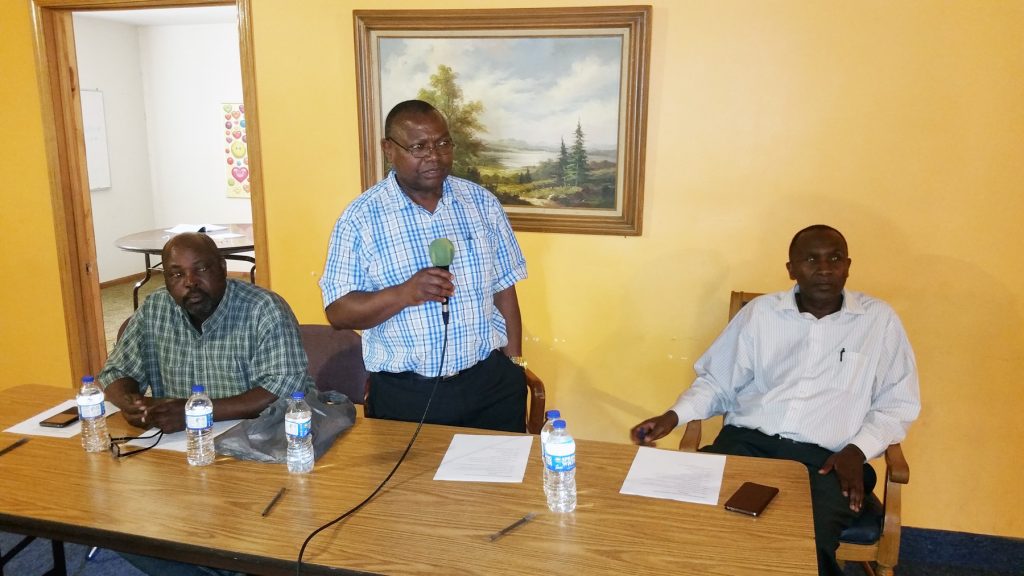
(L to R) Sam Nyandoro, Joseph Bosire and Geoffrey Gichana listen to election instructions during the Mwanyagetinge elections on Saturday, September 10, 2016 in Brooklyn Center, Minnesota. Nyandoro who lost to Gichana has since filed a petition alleging it was rigged citing numerous irregularities. Photo: Tom Gitaa/MshaleA Sam Nyandoro campaign poster on a car outside the Mwanyagetinge election venue on Saturday, September 10 2016, borrows a slogan from the Donald Trump campaign by seeking to make Mwanyagetinge “Great Again.” Photo: Tom Gitaa/MshaleChairman of the Mwanyagetinge Elections Commission, Tom Motanya (standing) explains the elections procedures during the disputed Mwanyagetinge elections on Saturday, September 10, 2016 in Brooklyn Center, Minnesota. Photo: Tom Gitaa/Mshale(L to R) Sam Nyandoro, Joseph Bosire and Geoffrey Gichana listen to election instructions during the Mwanyagetinge elections on Saturday, September 10, 2016 in Brooklyn Center, Minnesota. Nyandoro who lost to Gichana has since filed a petition alleging it was rigged citing numerous irregularities. Photo: Tom Gitaa/Mshale
Incumbent president of the Mwanyagetinge Association of Kenyans in Minnesota, Geoffrey “Chui” Gichana, won reelection in a poorly attended but drama filled election on Saturday. The position of president is the only one that attracted a challenger. Sam Nyandoro, a retired US Army Specialist was running against the popular Gichana garnering 45% of the votes to the incumbent’s 54%.
The influential Mwanyagetinge predominantly draws its membership from those who hail from the Kisii and Nyamira counties in western Kenya and those who trace their heritage there. The Gusii community is the largest among Kenyans in Minnesota.
This year’s election encountered the same dilemma as the last one in 2014 where only the ‘sexy’ posts of president, vice-president and Secretary attracted candidates. Even those posts other than for president attracted only one candidate each, meaning there was no contest and the candidates were elected by default. Important positions such as that of Organizing Secretary and Treasurer were almost left unfilled after numerous declines by members to take them. Seth Gekonde and Alex Ongou had to be arm twisted to accept to be Organizing Secretary and Treasurer respectively. Ongou was practically shouted down by members when he repeatedly tried to decline the nomination. He was left shaking his head in disbelief as he shared a laugh with William Nyariki Otoyota, founder of the global Gusii Community Network (GUCONET).
Elected without opposition for vice-president was Joseph Bosire while Andrew Agwata went in unopposed as Secretary. The constitution also calls for three board members. Members were unable to fill them and were left vacant after repeated declines by those nominated from the floor. Members expressed a desire to use the three slots to diversify the all male elected team by adding a woman or two. There were only three women in attendance who all declined offers to fill them.
The member apathy facing Mwanyagetinge has been attributed to the center of power and energy being redirected to the burgeoning churches run by Kenyans also from the Gusii area and the clan-based organizing that has “sucked the oxygen out of Mwanyagetinge,” as one community member described the situation. One person who seemed encouraged by the election was John Osumo who was thrilled to see a much younger corps of community members seeking leadership.
The mercurial Nyandoro in a 5 minute speech to members before voting began accused Gichana of failing to deliver for the community and accused the outgoing leadership of mismanaging the organization’s affairs including closing its physical offices. When it was his turn to speak, Gichana corrected him that the organization still had a physical office only that it was relocated after the previous office building was sold by the landlord necessitating a move. “So Mwanyagetinge still has offices,” Gichana said during his 5 minute speech to members.
Voting went on relatively smoothly and the totals announced by the elections team led by its chairman Tom Motanya when pandemonium broke lose as one of the community leaders, Lilian Mogendi was about to say closing prayers. The defeated Nyandoro and his supporters loudly stormed the venue alleging the results had been rigged.”We have proof,” they shouted in both English and Kisii. As the situation threatened to get out of hand, members were able to prevail on Nyandoro and his supporters to file an official protest.
Elections chair Tom Motanya confirmed that Nyandoro has officially filed a petition protesting the election outcome. The petition which was also sent to Mshale by Mr. Nyandoro claims that the election was not free and fair. It also levels accusations of partiality by the Motanya team specifically pointing out Commissioner David Ombuna as openly encouraging members to vote for Gichana. “We have overwhelming evidence,” the written petition says.
The petition calls for a rerun of the election. “I am therefore demanding that Mwanyagetinge election be repeated in a fair and free environment so that all members can be satisfied and join hands in building our own community organization,” Nyandoro says in the petition to the Motanya commission.
Nyandoro also claims more votes were counted than there were registered members, a clear violation of the rules that should render some of the ballots invalid.
In a telephone interview, Motanya acknowledged that his election team had received the petition and that it was being reviewed. Members of the elections team include David Ombuna, Sam Ogoro, Evans Onkwani, Dominic Mekenye, John Makori, David Bichanga and Naomi Kerongo. Motanya said that the elections results that were announced at the venue were uncertified as that is usually done at a later time. “We expect to make an announcement this weekend after the elections team has met,” Motanya said.
The urbane Gichana, who had earlier indicated he will not seek reelection to focus on his family, said “I was prevailed upon to run.” He admitted he was surprised by the accusations of rigging from Nyandoro but will let the process run its course “I look forward to serving the community,” he said.
Applicants to the "start-up visa" program must have a central role in founding the company or its operations, and must have received at least $345,000 from U.S. investors or at least $100,000 from qualified government agencies.
Applicants to the “start-up visa” program must have a central role in founding the company or its operations, and must have received at least $345,000 from U.S. investors or at least $100,000 from qualified government agencies.
Acting on a 2014 mandate issued by President Barack Obama, U.S. Citizenship and Immigration Services announced Aug. 26 a new proposal that would allow foreign entrepreneurs to be considered for a two-year stay in the U.S. to start or scale up a business.
The proposal, known as the Immigrant Entrepreneur rule and informally dubbed a “startup visa,” though it is actually not a visa, is aimed at entrepreneurs from abroad who own at least 15 percent of a startup – founded within the past three years before the entrepreneur applies for the provisions of the rule – that has demonstrated potential for rapid business growth and job creation. Applicants to the program must have a central role in founding the company or its operations, and must have received at least $345,000 from U.S. investors or at least $100,000 from qualified government agencies.
The waiver can be renewed after two years, for an additional three years, with a maximum cap of five years.
“This is an amazing move, which will foster U.S. competitiveness globally,” Venk Shukla, president of The Indus Entrepreneurs’ Silicon Valley chapter, told India-West. “There is no place in the world that is as friendly to innovation and the foreign born as the U.S. But I am personally aware of a lot of people who have gone back to India to start up companies,” he added, noting that Indian American entrepreneurs have created billions in wealth and more than half a million jobs.
“This is a win-win for everyone,” said Shukla, noting that the proposal, which does not need Congressional approval, nevertheless has bi-partisan support.
TiE has been lobbying for such a measure for several years, he told India-West, noting that Indian entrepreneurs are likely to be the largest beneficiaries of the new proposal.
Various reports indicate that 25 percent of the nation’s startups and more than half of Silicon Valley startups were founded by immigrants. Indian immigrants are one of the most successful groups of entrepreneurs, and have founded almost a quarter of Silicon Valley’s start-ups.
“America’s economy has long benefitted from the contributions of immigrant entrepreneurs, from Main Street to Silicon Valley,” said USCIS director León Rodríguez in an Aug. 26 press statement.
“This proposed rule, when finalized, will help our economy grow by expanding immigration options for foreign entrepreneurs who meet certain criteria for creating jobs, attracting investment and generating revenue in the U.S.,” he said.
Kalpana Peddibhotla, founding partner of MPLG, a Newark, Calif., law firm that specializes in immigration, told India-West: “Current visa options have a tendency to stifle entrepreneurship.”
Entrepreneurs holding an H-1B skilled temporary work visa must prove they are employees of a company. Therefore, founders of a company must show that their work is controlled by an external board that is in control of the company and can terminate the founder if necessary.
Moreover, founders must pay themselves a prevailing wage to keep their H-1B status, which is inconsistent with patterns of businesses in startup mode that often operate on shoestring budgets, explained Peddibhotla, who co-chairs the South Asian Bar Association’s immigration panel.
“I have spoken to Stanford graduates who have been through startup incubator programs, having to give up control of their company so that they can remain in the U.S.,” she said. “This has a chilling effect on entrepreneurship.”
San Francisco, Calif., angel investor MR Rangaswami also lauded the proposal as an avenue to increase entrepreneurship. Asked if the limited immigration status of a founder or key employee might deter investors, Rangaswami told India-West: “As an angel investor, I take a huge risk anyway.”
“This would be an additional risk factor that would be worth taking on a talented founder,” he said.
The proposed rule has been published in the Federal Register. The public now has 45 days – which began Aug. 25 – to comment on the proposal before it is implemented.
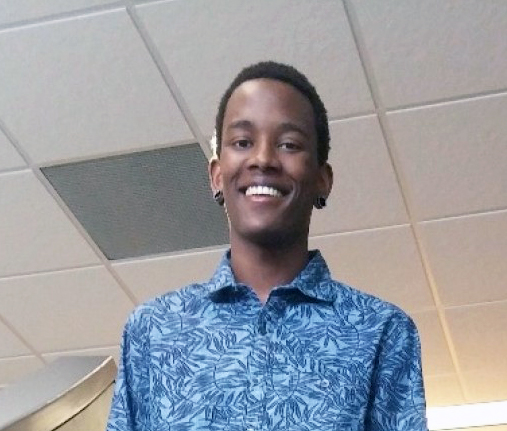
21 year old Kenyan-American Sean Maina's funeral fundraiser will be held at Park
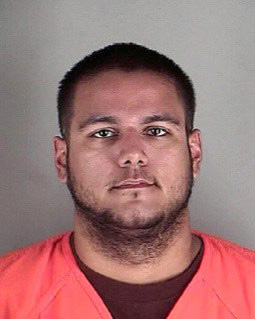
21 year old Kenyan-American Sean Maina's funeral fundraiser will be held at Park 21 year old Kenyan-American Sean Maina’s funeral fundraiser will be held at Park Center Senior High School in Brooklyn Center, Minnesota on Saturday, September 3, 2016 at 4:00pm. Photo: Courtesy Sean Maina family.Brandon Kenneth Bockoven is charged with stabbing Kenyan-American Sean Maina in Dinkytown on the night of Thursday, August 25 leading to his death. (Photo courtesy of the Hennepin County sheriff’s office)Friends of Sean Maina outside the Brooklyn Center funeral home where his visitation was held on Wednesday, August 31, 2013. Photo: Cynthia Simba/Mshale
Friends and family gathered Wednesday for a visitation and viewing of the body of 21-year old Sean Maina who was stabbed in Dinkytown, a college neighborhood by the University of Minnesota on the night of August 25.
Twenty-three-year-old Brandon Kenneth Bockoven of Maple Grove was charged with second-degree murder last Friday and faces 40 years in prison if convicted.
Neither Maina nor Bockoven were University of Minnesota students, Mshale has determined.
Maina is the son of Anthony Maina Mwangi and Stella Omoke. He is also survived by sisters Laura Kaine and Salma Maina.
Bockoven has a misdemeanor theft conviction but no felony record in Minnesota, according to a search of Minnesota criminal records.
A police report said the two men knew each other and were arguing over money that Maina owed Bockoven. Police arrived to find Maina in the front passenger seat of a car, bleeding heavily, according to the report. Bockoven was in the driver’s seat, and two women were in back seat.
“(Bockoven) responded that he had stabbed S.M.,” an investigator wrote in the complaint that Mshale obtained. “When asked where the knife was, (Bockoven) held up a blue folding knife and stated, ‘It’s right here.’”
One of the women in the car told police she saw Bockoven stab Maina twice in the torso. The other woman said she saw Bockoven’s hand come away from Maina, followed by a spurt of blood.
The death has sent shockwaves in the wider Kenyan community in the United States and the tone at the visitation was a somber one as loved ones and friends mourned young Maina.
Swahili and English hymns were sung in between sobs and speakers spoke of a young life lost.
The community will gather Saturday, September 3 at Park Center Junior High School in Brooklyn Center for a funeral fundraiser to assist the family.
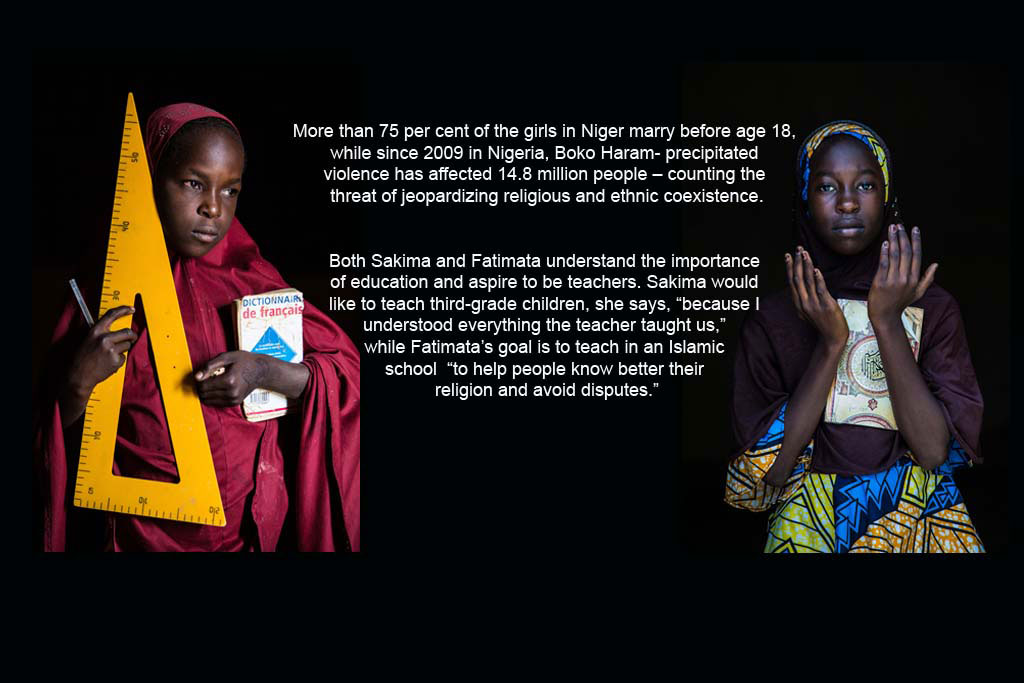
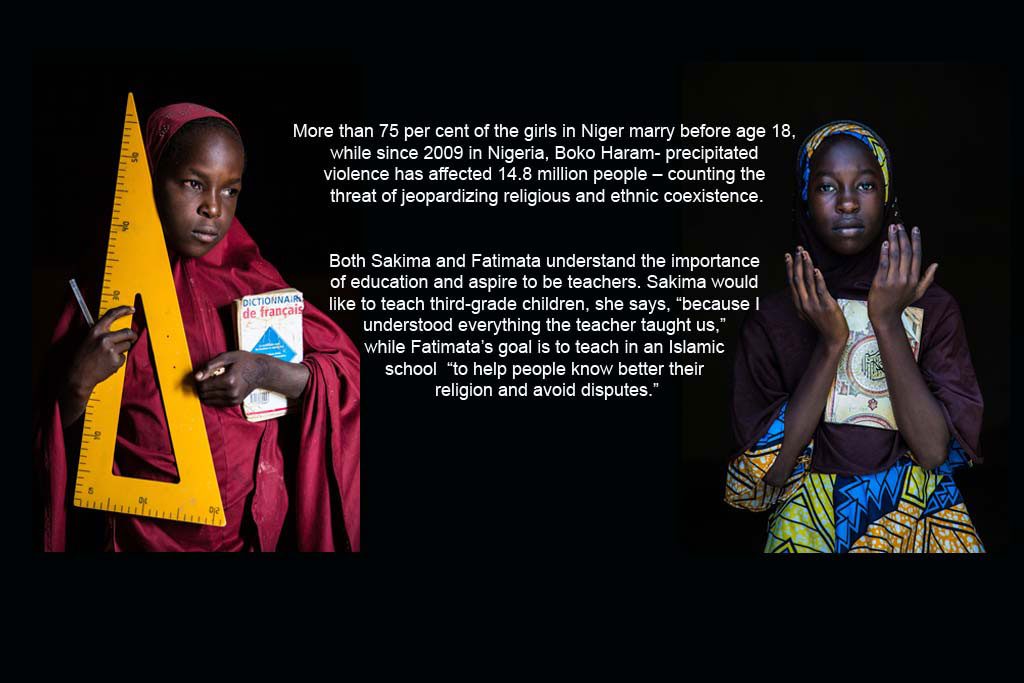
The photographic exhibition ‘When I Grow Up’ will be held at the General Assembly Visitors’ Hall at the United Nations Headquarters in New York from August 8 to October 14,2016. Photo: Courtesy UN
The photographic exhibition ‘When I Grow Up’ will be held at the General Assembly Visitors’ Hall at the United Nations Headquarters in New York from August 8 to October 14,2016. Photo: Courtesy UNThe photographic exhibition ‘When I Grow Up’ will be held at the General Assembly Visitors’ Hall at the United Nations Headquarters in New York from August 8 to October 14,2016. Photo: Courtesy UN
Every day, humanitarian aid workers stand on the front lines of war and disaster, braving great dangers to deliver assistance to those in need. To pay tribute to these unsung heroes, 19 August has been designated as World Humanitarian Day (WHD).
As part this year’s commemoration, the United Nations Office for the Coordination of Humanitarian Affairs launched a photography exhibition in New York entitled “When I Grow Up.” By photographing African children aged six to 18 – whose young lives have already been beleaguered with hardships – photographer Vincent Tremeau documented their aspirations by capturing each dressed in the clothing of the adult they aspire to be.
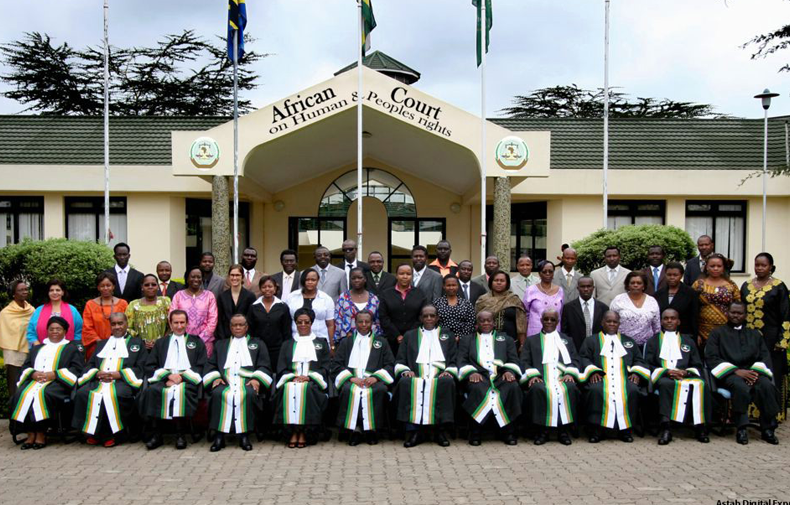
Staff and Judges of the African Court on Human and Peoples’ Rights. Photo: Courtesy of AfCHPR
Staff and Judges of the African Court on Human and Peoples’ Rights. Photo: Courtesy of AfCHPRStaff and Judges of the African Court on Human and Peoples’ Rights. Photo: Courtesy of AfCHPR
Judicial corruption is the “queen mother” and the most sordid of all corrupt behavior inflicted on the good people of Africa. The tentacles of corruption in the judiciary branch of most countries in Sub-Saharan Africa (SSA) run far, wide, and deep. The citizenry of SSA’s nation states are entitled to and deserve at a minimum, the same interna-tionally recognized standards of honor, decency and reliability in their dealings with their judiciaries.
Judicial corruption may be defined as acts or omissions that constitute the use of public authority for the private benefit of judges, court personnel, and other justice sector personnel that result in the improper and unfair delivery of judicial decisions. Such acts include bribery, extortion, influence pedaling, the abuse of court procedures for personal gain, and any inappropriate influence on the impartiality of the judicial process by actors within the court system.
Africa is widely considered amongst the world’s most corrupt places, a factor contributing to the stunted development and economic impoverishment of many African nations. Of the ten countries considered to be the most corrupt in the world, six are in SSA, according to Transparency International (TI), a leading global watchdog on corruption.
A competent and incorruptible judiciary with fidelity to the vision of equal justice for all is the bedrock on which democracy and democratic practice are anchored. Corruption is pernicious by its very nature so that dishonorable conduct in their judiciary undermine and sap the confidence of the African people in the judiciary. It is a cancer in Africa’s nation-states that desecrates the principle of the rule of law and systematically destroys the fabric of decent society and good governance.
The Scourge of Judicial Corruption in Sub-Saharan African Countries
Some corruption is found in the judiciaries of all countries—rich and poor, democratic and authoritarian, as well as in all types of legal systems, whether state-based or non-state based, formal or informal, applying civil law, common law, religious law, or customary law.
Concerned about the rise in incidents of corruption in the judiciary, the International Bar Association [IBA] launched a judiciary integrity initiative in January of 2015. IBA President David W. Rivkin remarked, “Corruption in judiciaries is a problem on every continent. Where it occurs, this corruption undermines the rule of law and civil society, because it causes citizens to lose faith in the ability of government to assist them. And where judicial corruption exists, it is impossible to eliminate corruption in other aspects of government.
This issue requires the attention and resolve of the legal profession as a whole to overcome it, and the IBA, as the global association of lawyers and bar associations, can uniquely contribute to the fight against judicial corruption.”
The fact that corruption is a very “serious problem,” in forty of Sub-Saharan Africa’s 46 nation states was confirmed recently by TI, which also lamented that there has been no improvement in powerhouses, Nigeria and South Africa.
TI scapegoated Ghana, which was recently rocked by an undercover sting operation initiated by a journalist (reminis-cent of “Operation Greylord,” conducted in Chicago, Illinois, USA), that filmed judges taking bribes. 12 Ghanaian high court judges and 22 lower court justices were filmed accepting money, and in one case, a goat – for Christ’s sake!
The story alleges that the 34 judges accepted bribes and extorted money from litigants to influence their decision. After 20 months of investigation, 20 of the judges were found guilty of bribery and were unceremoniously sacked. This is particularly perturbing
Fundamental.” The cries of the international community calling the move, “clearly disproportionate,” has thus far fallen on deaf ears. Even South Africa’s judicial system, reputed to be one of the closest to international standards on the African continent, has also come into disrepute in recent years. Half of survey respondents in the Global Corruption Barometer 2013, considered the South African judiciary to be corrupt or very corrupt.
Nigerian President Mohamadu Buhari, elected last year on an anti-corruption mantel, recently commented that, “On the fight against corruption vis a vis the judiciary, Nige-rians will be right to say that is my main headache for now,” and that “far-reaching re-forms of the judiciary remained a key priority for his administration.”
According to the former Chief Justice of Nigeria, Justice Dahiru Musdapher, “Corrup-tion in the Justice sector is a keystone to corruption throughout society. Without an honest criminal justice system, the wealthy, especially the corrupt, can escape the con-sequences of their crimes. Such impunity reduces the perceived cost of corruption. The risk that corrupt activity will result in imprisonment and accompanying public humiliation is minimal. The gains from corruption are therefore not discounted and there is thus little reason beyond personal integrity not to engage in corrupt acts.”
Justice Musdapher closed his skating criticism by noting that, “Metaphorically a corrupt judge has been described as more harmful to the society than a man who runs amok with a dagger in a crowded street. The latter as you know can be restrained physically. But the former deliberately destroys the moral foundation of society and causes incalculable distress to individuals while still answering, ‘honourable.’”
Former president of the Nigerian Court of Appeals, Justice Isa Ayo Salami, similarly lamented that, “the problem with corruption in the judiciary is real and has eaten deep into the system.” “[W]e hear constantly of retired senior judges who practice as consult-ants in fixing judgments. These consultants take money from litigants to give judges or intimidate judges to pervert justice. It is my respectful view that appeal should be made to these retired senior justices to leave the despicable role of bribing or intimidating judges. They should engage themselves in other respectable vocations.”
It is obvious that the acidic rain of justice sector corruption pouring down on Africa to-day must be stopped by any means necessary. African nations and their external partners and stakeholders must put forth a mammoth effort to interrogate this important continental issue. To be a judge, or in some cases judge and jury, over your fellow man is to be placed in the stead of God. For this reason alone, any member of the Judiciary who ventures to indulge in bribery and other corrupt practices, abuses this trust in the most atrocious manner.
It bears mentioning that when judicial corruption reared its ugly head in the city of Chicago, Illinois, it was quickly and decisively decapitated by “Operation Greylord.” The operation is important in the annals of public corruption investigations in the United States. Disgusted with the corruption that permeated the Cook County court system, a local lawyer, Terrence Hake, became the FBI’s mole in its unprecedented undercover investigation of judicial corruption utilizing listening devices. At the conclusion of the investigations, nearly 100 people had been indicted, and all but a handful were convict-ed. Of the 17 judges indicted, 15 were convicted. The tally of convictions included 50 lawyers, as well as court clerks, police officers and sheriff’s deputies.
The above said, there is still much hope that judicial corruption can be substantially reduced in SSA. Africa must not throw in the towel for it is said that “man must struggle for to resign one’s self to faith is to be crippled fast.” Therefore, deployment of remedial measures should not be deemed a futile exercise of attempting to insert square pegs into round holes.
A Checklist of best practices for effectively reducing corruption in the judiciary of Sub-Saharan African nations
• Building up the socio-economic status of judges and judicial personnel is by far the most important justice sector corruption reduction factor. Judiciary ca-reers are poorly regarded and compensated in many African countries. This makes it difficult for judges to maintain a sense of professional dignity and re-main incorruptible.
• Care should be taken to ensure decent tenure for judicial personnel. The dura-tion of a judicial appointment at each level of a court system which protects judges against arbitrary dismissal, salary reduction, etc. is also essential to the success of anti-corruption efforts in the judiciary.
• Improving working conditions for judiciary personnel. In order to raise public expectations of professionalism for the judiciary and attract qualified persons to the judiciary, working conditions for judicial personnel must be superior to all and inferior to none.
• Establishing and strengthening independent judiciaries. Enhancing the power of the judicial branch vis-á-vis the other branches of government is also crucial to improving professional self-image and strengthening independent judicial bod-ies.
• Upgrading or reengineering judicial career pathways. Improvements in the se-lection system of judges such as utilizing merit-based criteria in the promotion systems, setting of salaries and benefits, etc. is also important.
• Strengthening judicial administration and self-governance. The objective in this regard is to make the judicial branch more independent and to distinguish judges from civil servants in the rest of the government.
• Building up the capacity of independent judicial and legal associations. Building competent judicial associations strengthens the independence of the judiciary as a whole and espouses the importance of an independent judiciary.
• Encouraging judicial professional development and access to the laws. Judges must be afforded access to ongoing training opportunities and other programs aimed at strengthening judicial education or improving training institutions and continuing legal education programs.
• Stimulating the citizenry to support unfettered judicial independence is also an asset in reducing judicial corruption. Citizen awareness and oversight are critical factors. African nations must institute effective judicial watch and public awareness programs which bolsters the independence and effectiveness of the judiciary.
• Close scrutiny of the judiciary by civil society, academics and the media. The external monitoring of courts is helpful in enhancing the impartiality, independence, and effectiveness of the judiciary.
• Improving the system’s component targeting efficient administration of justice. Programs to improve transparent and efficient administration utilizing automation reduces the incidence of corruption through transparency.
• Improving the investigative capacity of law enforcement such as prosecutors and the police. Since criminal laws are investigated and prosecuted by the police and prosecutors, respectively, improving their investigative capacities helps in discouraging corruption in the judiciary.
• Mandating disclosure of judges’ assets, income, benefits, and membership in associations. When the applicable laws require that judges disclose assets and liabilities when initially appointed and annually thereafter, it makes it easier to detect unexpected acquisitions of wealth by judiciary personnel.
• Regular sector-wide anti-corruption awareness and training is helpful. The le-gal profession led by the bar associations, law societies, law schools, and private law firms should engage more in the process to inform and train its own profes-sionals.
• Mandating that all law schools in SSA develop strong ethics/anti-corruption curriculums. Law schools and law programs should mandate anti-corruption courses for every year of law school in increasing complexity. Post-law school li-censure examinations must also include strong ethics and anti-corruption con-tent.
• Judicial ethics and institutional integrity must be constantly emphasized. Measures in place must foster compliance with ethical codes and ethics counse-lors should be made available to judges and court personnel to guide members faced with ethical questions.
• There must also be an impartial, effective and easily accessible procedure for filing complaints against unethical behavior. Timely-investigation and adjudi-cation of complaints, as well as appropriate disciplinary action must be imposed impartially.
• Investigations and punishment of corrupt practices must be even-handed in order to build credibility and respect for the system. The capacity to investigate, prosecute, and resolve allegations of corruption fairly must be fundamentally fair.
• Sanctions for judges, court officials, and lawyers found to have indulged in corrupt activities must always include forfeiture of all illicit gains.
• Adopting a process of financing the judiciary that does not leave the sector vulnerable to executive influences. The budget for the judiciary must always be protected against arbitrary reduction by the executive and legislative branches of government.
• The creation of anti-corruption agencies have also proven effective in the fight against judicial corruption. Special anti-corruption prosecutors and police with special prosecutorial powers and well-trained personnel should be deployed.
• The use of aggressive investigative techniques such as authorized wire taps, undercover informants, and well-orchestrated sting operations to track down those who compromise the judicial system is essential.
• Care must be taken to provide procedures to guard against misuse of anti-corruption policies and improper or politically motivated investigations of in-nocent judges.
• It is also important to place adequate emphasis on prevention by identifying all court procedures that invite or attract corruption and modifying them expeditiously.
• Encouragement of whistle-blowers and protection of them under the law to encourage reporting bad behavior by judges. This may require amendment of existing laws to enable judges presiding over corruption matters to admit recorded conversations, without compelling the whistle-blower to appear in court in order to protect their identity.
• Non-criminal misconduct should also be clearly understood and discouraged. This includes improper influences apart from criminal acts that distort judicial outcomes.
• Laws to criminalize ex-parte communication between judges and litigants must be created and utilized where they do not already exist. Because of the unique cultures of African nation states, litigants always strive to identity close friends of judges, and attempt to influence decisions.
• Judgments must be supported by well-written and publicly available opinions, either printed or online. Making judicial opinions publicly available will afford the general public, the media and other stakeholders to be supportive or critical based on the soundness of the legal reasoning of decisions.
• Establishment of committees on ethics code to provide opinions on questionable conduct. The committee will serve as an advisory board and be able to issue advisory opinions to judges and other court personnel.
• Finally, some proponents have espoused using the pulpit to condemn judicial corruption because many African nations have a strong religious consciousness or disposition in their body politic. The religious denomination does not make much of a difference, as long as an anti-corruption message is being delivered.
Conclusion
The judicial systems of SSA nations can effectively work toward overcoming the challenges of corruption and achieve high levels of integrity and public confidence. While the task is daunting, the rewards of success are great. Success in combating judicial corruption must include measures for reducing the opportunities for and benefits of corrupt behavior. Increasing the likelihood that indulging in corruption will be found out, publicly punished, and all ill-gotten gains disgorged is a very strong deterrent. As has been shown, adherence to high standards of judicial independence and impartiality, integrity, accountability, and transparency does diminish corruption.