



Home Blog Page 137

From Minnesota Chamber of Commerce’s Bill Blazar: African immigrant entrepreneurs key to state’s future

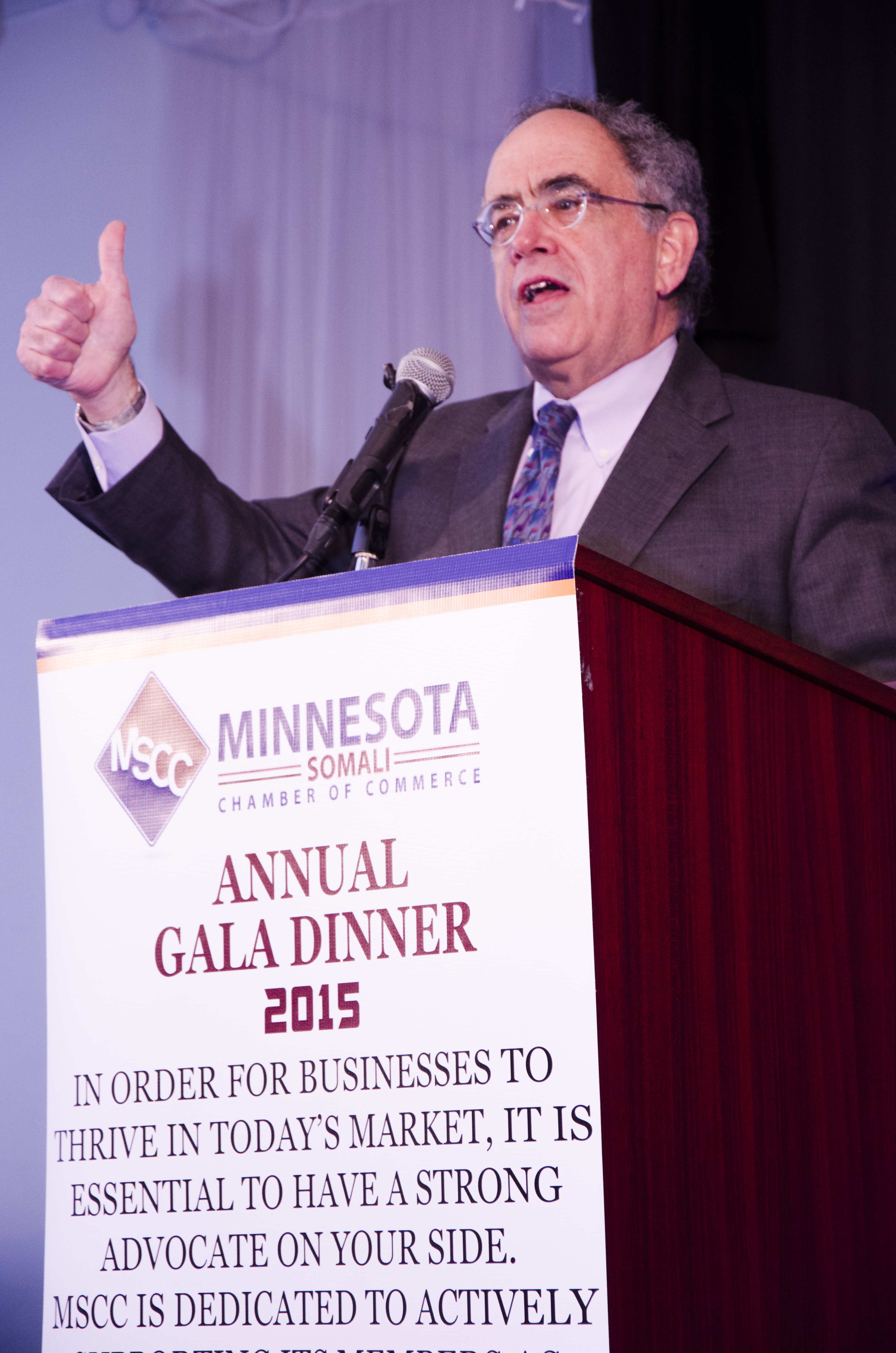
Bill Blazar, interim president of the Minnesota Chamber of Commerce delivered the keynote address at Minnesota Somali Chamber of Commerce's first gala dinner on Saturday, January 10, 2015. Photo: Kaamil Haider/Mshale
Bill Blazer, interim president of the Minnesota Chamber of Commerce delivered the keynote address at Minnesota Somali Chamber of Commerce's first gala dinner on Saturday, January 10, 2015. Photo: Kaamil Haider/Mshale
Bill Blazar, interim president of the Minnesota Chamber of Commerce delivered the keynote address at Minnesota Somali Chamber of Commerce’s first gala dinner on Saturday, January 10, 2015. Photo: Kaamil Haider/Mshale
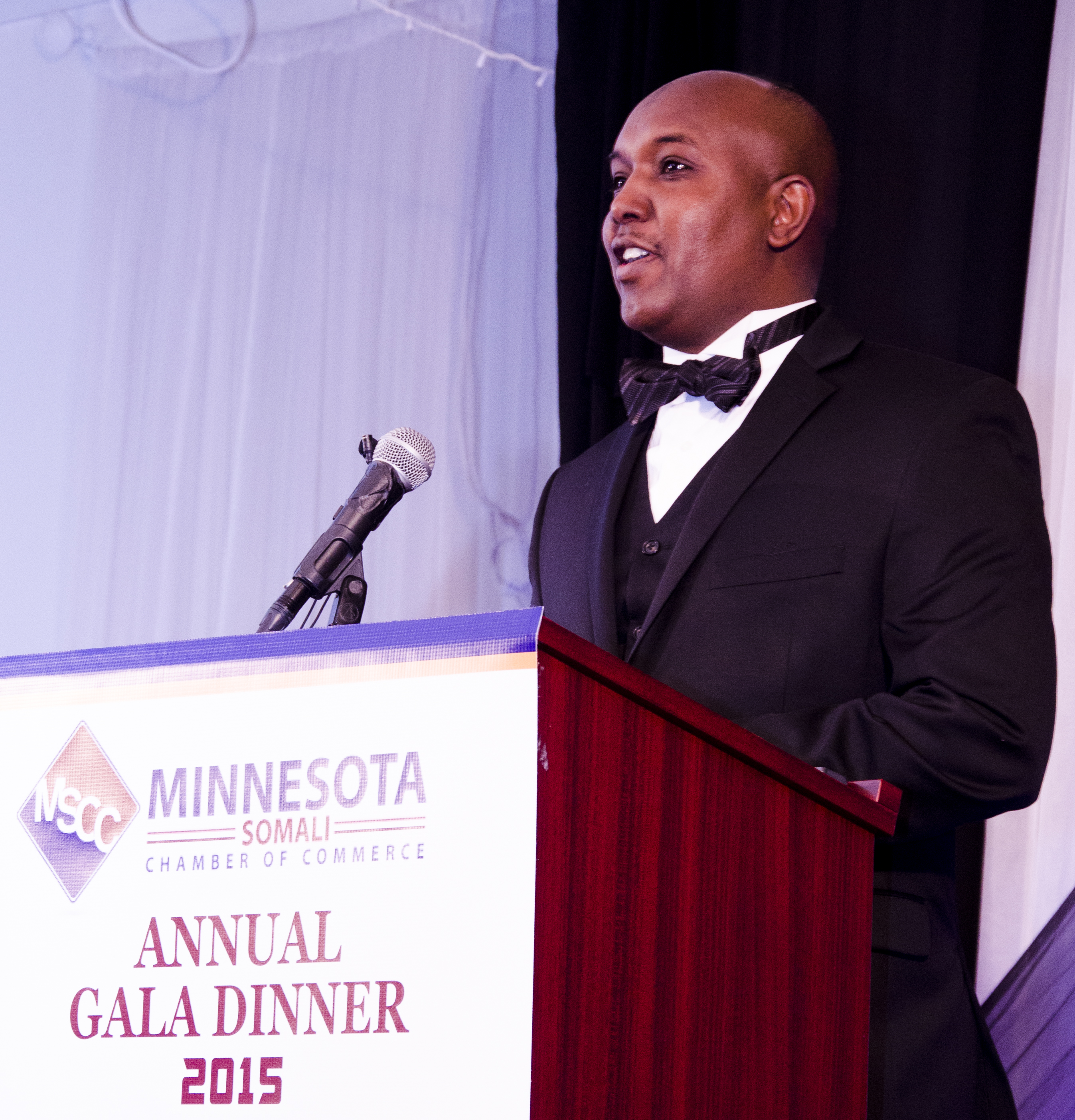
Mohamud Beenebeene, executive director of the Minnesota Somali Chamber of Commerce as kicked off the young chamber's first gala dinner at Safari Restaurant on Saturday, January 10, 2015. Photo: Kaamil Haider/Mshale
Mohamud Beenebeene, executive director of the Minnesota Somali Chamber of Commerce as kicked off the young chamber’s first gala dinner at Safari Restaurant on Saturday, January 10, 2015. Photo: Kaamil Haider/Mshale
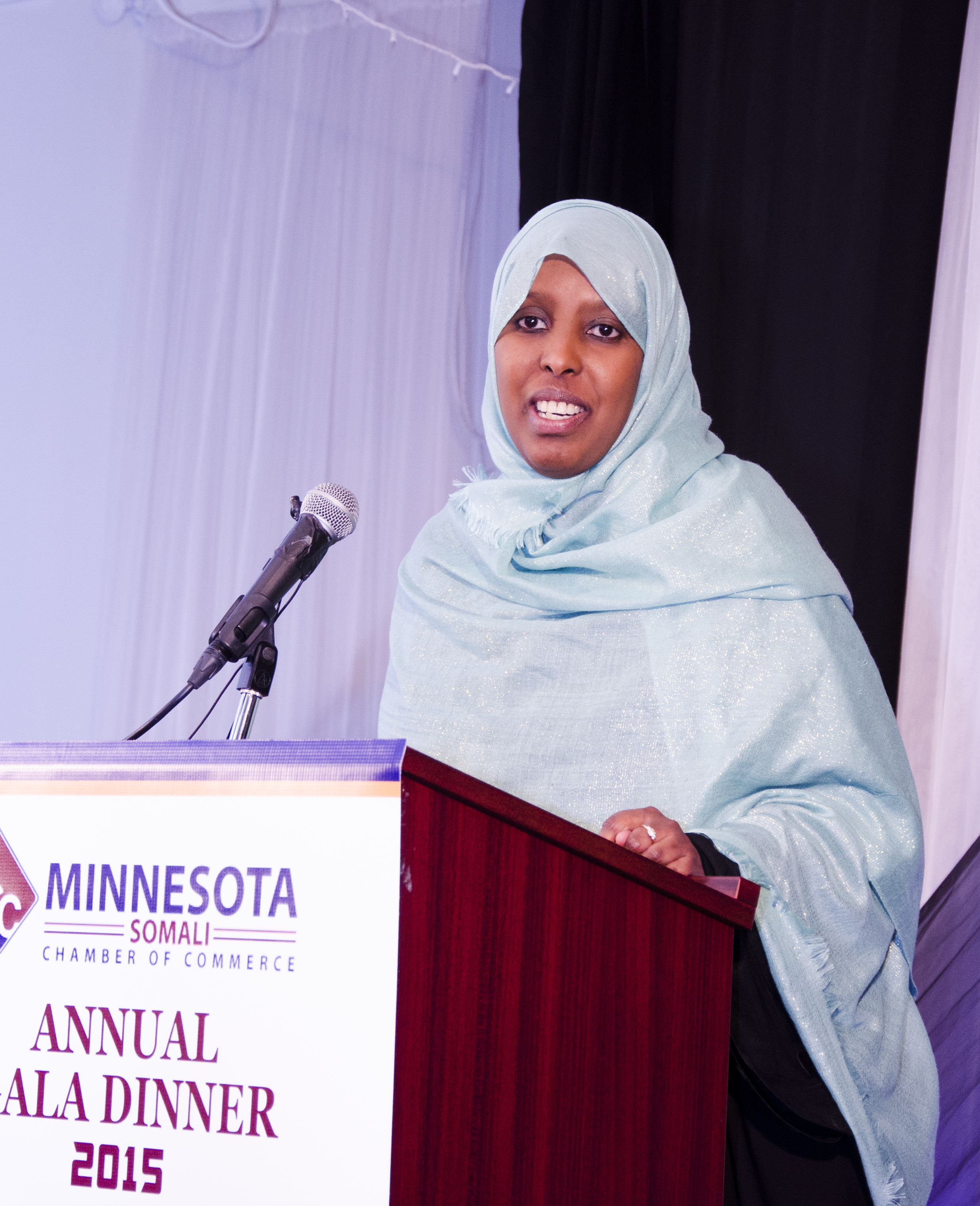
Twin Cities based Researcher, Farhiya Farah, gave a rousing speech at the Somali Minnesota Chamber of Commerce first gala dinner in Minneapolis on Saturday, January 10, 2015. Photo: Kaamil Haider/Mshale
Also making remarks at the gala was Dr. Bruce Corrie, Concordia University's Associate Vice President for University Relations and International Programs, he is the economist instrumental in much of the data available about the African immigrant consumer in Minnesota. Photo: Kaamil Haider/Mshale
Also making remarks at the gala was Dr. Bruce Corrie, Concordia University’s Associate Vice President for University Relations and International Programs, he is the economist instrumental in much of the data available about the African immigrant consumer in Minnesota. Photo: Kaamil Haider/Mshale
Djibouti-American restaurateur, Abdirahman Kahin, seen here making remarks at the first Minnesota Somali Chamber of Commerce gala dinner, is a key supporter of the chamber. Photo: Kaamil Haider/Mshale
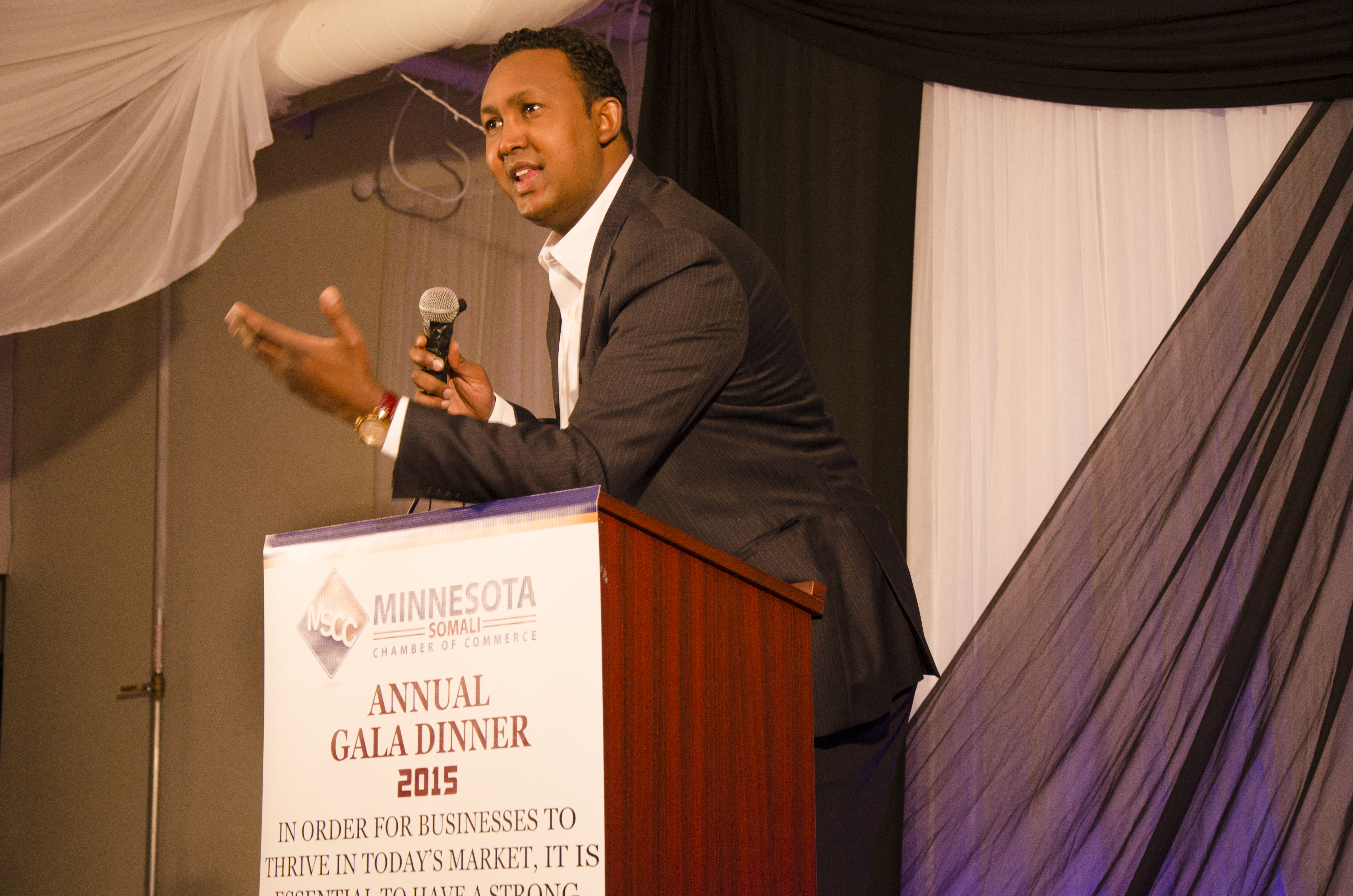
One of Minnesota's business success stories is that of entrepreneur Siyad Abdullahi, seen here making remarks at the first Minnesota Somali Chamber of Commerce gala dinner on Saturday, January 10, 2015 in Minneapolis. Photo: Kaamil Haider/Mshale
One of Minnesota’s business success stories is that of entrepreneur Siyad Abdullahi, seen here making remarks at the first Minnesota Somali Chamber of Commerce gala dinner on Saturday, January 10, 2015 in Minneapolis. Photo: Kaamil Haider/Mshale
Photo: Kaamil Haider/Mshale
One of Minnesota's business success stories is that of entrepreneur Siyad Abdullahi, seen here making remarks at the first Minnesota Somali Chamber of Commerce gala dinner on Saturday, January 10, 2015 in Minneapolis. Photo: Kaamil Haider/Mshale
One of Minnesota’s business success stories is that of entrepreneur Siyad Abdullahi, seen here making remarks at the first Minnesota Somali Chamber of Commerce gala dinner on Saturday, January 10, 2015 in Minneapolis. Photo: Kaamil Haider/Mshale
Minneapolis based Voice of America Correspondent, Mahamud Masadde, emceed the first Minnesota Somali Chamber of Commerce gala dinner on Saturday, January 10, 2015. Photo: Kaamil Haider/Mshale
Attendees at the first Minnesota Somali Chamber of Commerce gala dinner held at Safari Restaurant in Minneapolis on Saturday, January 10, 2015. Photo: Kaamil Haider/Mshale

MINNEAPOLIS – The Minnesota Somali Chamber of Commerce held its first annual celebration dinner Saturday at the Safari Restaurant in Minneapolis.

Bill Blazar, interim president of the Minnesota Chamber of Commerce, and other distinguished guests attended the Somali chamber’s gala dinner to celebrate and mark its achievements.

Despite a slow start of the night, guests enjoyed the evening dinner and the dynamic interaction. Some of the dignitaries attending the event included Dr. Bruce Corrie of University of Concordia St. Paul, Faruk Cingilli, president of Turkish Somali American Friendship Association, Nasibu Sareva, executive director of African Development Center, as well as Unity Cooperative Council’s executive director Hussein Khatib.

Mohamud Beenebeene, executive director of the Minnesota Somali Chamber of Commerce kicked off the gala dinner by thanking all the parties that have contributed to the chamber. Speaking mostly in Somali, Beenebeene shared the chamber’s history and achievements and outlined visions of the chamber going forward.

The Minnesota Somali Chamber of Commerce was conceived by a group of business women and men in June 2013 and was launched in 2014. It represents more than 210 Somali businesses in Minnesota.

“This initiative was formed by a group of men and women who wanted a business platform,” Beenebeene said. “We wanted to advocate, exchange ideas and support one another.”

“Somali entrepreneurs working together to advance a Somali business is our biggest success. We have created a lot of awareness both state and federal level.”

The members of the Minnesota Somali Chamber of Commerce embraced many state officials in helping to promote the chamber. Among the officials mentioned were Mayor Betsy Hodges and Representative Keith Ellison, D-Minn.

Hodges and Ellison were not in attendance.

“We have created good relationships with Minnesota officials,” said Beenebeene. “They have paved the way for advocacy. They have also helped us understand the rules and regulations.”

Some of the sponsors of the chamber are Afro Deli and Catering, Family Care and Transportation, Medina Realty, Olympic Money Transfer, AMA and African Development Center.

Farhiya Farah, a trained researcher based in the Twin Cities delivered a captivating and powerful speech. In her remarks, the young woman spoke passionately about Somali business women’s contributions and challenges in the society.

“We have been exposed to an environment with difficulties and yet we succeed,” she said, looking at the crowd fiercely.

She continued, “Investing in a woman is an investment in the future.”

Farah’s speech was one that shook the crowd and reminded guests about the importance of a woman regardless of her ethnic background. Her heartfelt remarks earned her applause and a standing ovation from the cheering loud crowd.

Saciido Shaie and Ayan Dean, members of the Somali community shared that their main goal for the night was to “come out here and support this great initiative.”

Blazar, accompanied by his wife Mary and other members of his Chamber, took the stage to address two key points: building businesses and Minnesota’s economy. Blazer discussed the gains of the emerging workforce and how it contributes to the economy.
“Immigrants are key to supplying the workers at all levels of skills. Somalis participate and contribute critically to the workers shortage our state faces,” he said.

He advised the chamber on how to grow successful businesses in Minnesota. Blazer urged the chamber to follow the model of the Minnesota Chamber of Commerce in order to develop and grow businesses: advocacy and working one-on-one with businesses.

Blazar giving praise to the enthusiastic crowd said, “Your contributions can be much greater as entrepreneurs and as bridge to the growing African economy.”

Blazar shared his worry about the state’s economy and some of the unchanging traditions in the last century. He emphasized the importance of new entrepreneurs and their growing impact on the state’s economy.

“The businesses that have done well here have started here. In the next 20 years your entrepreneurship spirit will grow this economy substantially.” he said confidently as he gazed back-and-forth over the crowd.

Blazar highlighted the growing significance of the African market and ways the Minnesota Somali Chamber of Commerce can help to lobby for the African community.

Thinking about the link to Africa, “Somali businesses people here in Minnesota understand the culture and know the language,” he said.

“Without your voice our World Trade office will not realize or recognize the opportunities Minnesota companies have in Africa.”

He concluded by reassuring the crowd that his chamber will help the Minnesota Somali Chamber of Commerce advance entrepreneurship and be a bridge to the growing African economy.

Sarah Radosevich, policy research analyst for the Minnesota Chamber of Commerce was convinced that the formation of the Minnesota Somali Chamber of Commerce will help bring unity to the Somali business community.

“This (Somali) chamber will make it easier for Somali businesses to be heard by legislators at the Capitol,” she said.

Growing awareness of end-of-life care among Nigerian immigrants

0
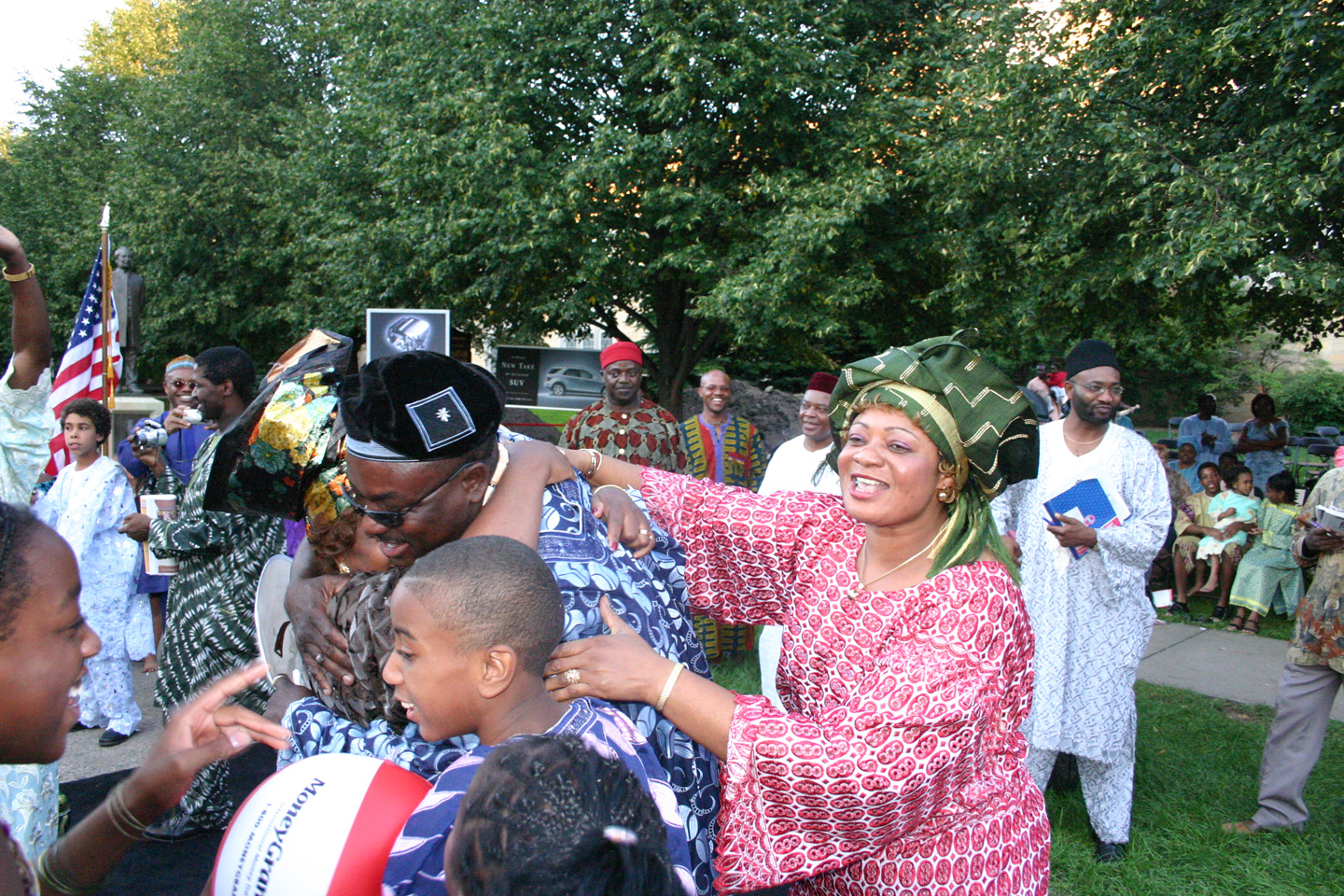
Nigerians in Minnesota at a past IgboFest which celebrates the culture of the Igbo people of Nigeria. Photo: Mshale Archives
Nigerians in Minnesota at a past IgboFest which celebrates the culture of the Igbo people of Nigeria. Photo: Mshale  Archives
Nigerians in Minnesota at a past IgboFest which celebrates the culture of the Igbo people of Nigeria. Photo: Mshale Archives

For Nigerian Americans, opting for all possible medical treatments for the ailing parents is normal.

“This thinking represents the family caring and the filial duty in our culture. Especially, we have a long-held perception that American medicine can cure just about anything,” said Nigerian-born Dan Musa, holder of a PhD in theology, as well as an MBA.

Musa owns a car import-export business in Los Angeles and is former president of the nonprofit Uzuma Association USA, Inc. (California Chapter), which promotes and advances Nigerian Americans.

Type “Nigerian Americans,” and the Internet browser produces a surprisingly long list of links to this diaspora group on numerous topics ranging from demographics to religions to professional associations. With more than 500 different languages and dialects spoken in Nigeria, English has become the country’s official language since gaining independence from Britain in 1960. This diversity in Nigeria reflects the heterogeneity among Nigerians in the United States.

“I am from southern Nigeria and I speak Igbo language. My wife, on the other hand, is from the north and she speaks Hausa,’ said Chike Nweke, publisher and CEO of Life and Times Magazine, an African diaspora-focus publication based in Los Angeles. He’s also a published poet and a city planning professional.

Sacred Duty–Ensuring Parents’ Health

Nweke added, “Nigeria is composed of many ethnicities and cultures, which explains why we have so many different Nigerian associations based on regionalism, religions, language, professional interests, and so on.”

Despite this great diversity, he emphasized, all Nigerians share one common value–-that it’s the children’s sacred duty to ensure their parents’ health is well cared for and their rite of passage is with “peace and dignity.”

Solomon Gochin is a Nigerian-born psychologist, who specializes in providing supportive-living services and adaptive-living skills at Passport to Learning, Inc., in Los Angeles. Gochin came to the United States in the 1960s to study and decided to stay. He explains that to Nigerian elders, their “peace and dignity” derives from being cared for by family members in their final days regardless whether they are back in Nigeria or in the U.S.

He added that at the same time, they don’t want to burden their children with difficult financial decisions.

These Nigerian cultural values are consistent with findings in the 2012 survey report titled “Final Chapter: Californians’ Attitudes and Experiences with Death and Dying” conducted by the California Healthcare Foundation (CHCF).

“Of the survey’s 12 most important concerns at end of life for Californians, being at peace spiritually is the top priority (76 percent) for African Americans,” said Emma Dugas, CHCF’s communications officer. “Also for this group, their second most important consideration is to not burden their families (60 percent).”

“Since we came from a society of weak government social supports,” said Life & Times Magazine publisher Nweke, “we therefore mainly rely on our families and kinship for everything from birth to marriage and especially, the end of life. Family support is a necessity, a way of life.”

For that reason, sending one’s parents to a nursing home is culturally viewed as abandonment by their children, a social taboo in the Nigerian community. Furthermore, many Nigerian elders are truly frightened about being away from their family surroundings, according to Gochin, who often visits and provides counseling to Nigerian families with terminally-ill patients and aging parents.

Advance Care Planning

This filial duty also re-enforces the belief among many Nigerian Americans that all medical treatments for ailing parents must be pursued.

But one reality that some in the Nigerian American community, especially those in the healthcare industry, have begun to recognize is the physical discomfort and potential side effects that came with some of the more aggressive and costly medical treatments.

Karl Steinberg, MD, chief medical officer of Shea Family Health in San Diego, believes that physical comfort should be part of the end-of-life quality care besides curative treatments.

Steinberg suggested that families who have terminally-ill members or aging parents should consider filling out a Physician Orders for Life Sustaining Treatment (POLST) form by reviewing the treatment options with their doctors.

This planning would ensure that the selected treatments are appropriate, provide physical comfort and would not violate any cultural taboo. Advance planning would also help avoid a financial burden to the family, the second most important concern to most African Americans. Once the one-page POLST is filled out, healthcare providers are required to honor this physician’s order, which must be signed by your doctor.

Experts also recommend that people prepare an advance directive, which enables them to express their wishes in greater details that the POLST form allows.

Steinberg’ advocacy is supported by the 2008 Dartmouth Atlas of Health Care study, which reveals that aggressive medical interventions had worsened many patients’ quality of life, increased medical costs and even shortened their lives. This study involved over 4.7 Medicare patients at thousands of hospitals throughout the U.S.

Another study, titled “Do Unto Others,” by V.J. Periyakoil, MD, and her colleagues at Stanford School of Medicine, show that almost nine in 10 of the nearly 1,100 doctors surveyed would select comfort care over aggressive treatments for themselves.

Palliative Care Option

“But families shouldn’t have to make these hard decisions on their own,” said Bradley Rosen, MD, who heads the Cedar-Sinai Hospital’s Supportive Care Medicine, a palliative care program.

Rishi Gupta, MD, assistant director of the Cedar-Sinai program, echoed Rosen’s point by adding that with palliative care, a family would have a team of experts in medicine, social work and spirituality. Their comprehensive support would cover appropriate treatments, pain management, social work, volunteer services and bereavement follow-up for family caregivers.

“Palliative care is like a one stop-shop service for end-of-life patients,” said Vincent Nguyen, DO, director at the HOAG Cares program in Orange County, Calif. He added that palliative care provides a patient with an option to stay at home to be surrounded by family members and still get full support services. For complicated procedures, the patient can come to the hospital for treatment and often go home.

Studies in major medical journals, such as the New England Journal of Medicine and The Lancet have shown that cancer patients, who were given palliative care early, actually experienced a better quality life and even lived up to three months longer.

The lead researcher on the Lancet study found that “patients appreciated having a team of professionals available to provide additional support navigating the cancer system and coping with multiple medical and social issues.”

Medicine’s Limits

Chiedozio Esiobu, a nurse who came to the U.S. from Nigeria five years ago, works at a home care agency for veterans in Los Angeles. He believes a number of Nigerian Americans, especially those in the healthcare field, have begun to reconsider the idea of going for all possible medical treatments for ailing parents.

“There is a growing awareness that medical treatments can only go so far, and not all are effective and yet [they are] costly,” said Esiobu.

“But our belief in family and spiritual supports will not change as these are our cultural values,” added Esiobu. Later that the day he planned to visit his friend’s father who is ill and bed ridden, following the Nigerian practice of visiting friends and neighbors to pray for their ailing family members.

Julian Do wrote this article for The Immigrant Magazine with support from a New America Media fellowship, funded by the California Health Care Foundation.

New Kenyan Ambassador holds discussions with Mshale’s Gitaa

0
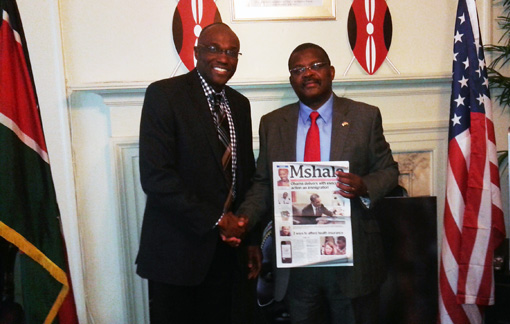
Mshale founder and publisher, Tom Gitaa (left) on December 19, 2014 met with Kenya's new ambassador to the United States, Robinson Njeru Githae, to welcome him and to discuss the Kenya Diaspora Policy Paper launched in the Summer of 2014 by the ministry of Foreign Affairs. Photo: Courtesy Embassy of Kenya, Washington.
Mshale founder and publisher, Tom Gitaa (left) on December 19, 2014 met with Kenya’s new ambassador to the United States, Robinson Njeru Githae, to welcome him and to discuss the Kenya Diaspora Policy Paper launched in the Summer of 2014 by the ministry of Foreign Affairs. Photo: Courtesy Embassy of Kenya, Washington.


Kenya’s new ambassador to the United States, Robinson Njeru Githae, held a high level discussion with Mshale founder and publisher, Tom Gitaa, at the embassy last week. Ambassador Githae presented his letter of appointment from President Uhuru Kenyatta to US president Barack Obama last month. Mr. Gitaa was in town for meetings at the Smithsonian and Newseum. The two institutions for the first time launched an exhibit called “News for All” at the Newseum and named Mshale among “100 Most Influential Ethnic Media in America.”

In reaffirming the embassy’s commitment to serving all Kenyans in the United States, Githae noted that the Embassy/US Kenyan community relationship has deepened following recent initiatives such as the issuing of Kenyan identity cards. “There is room for improvement and we are working hard on it,” he said. Githae is a former Finance Minister in president Mwai Kibaki’s administration.

Gitaa urged the ambassador to continue building on the capacity of the embassy to serve Kenyans in a timely manner and to build ongoing relationships with them around the country. “This might need more resources than is currently allocated to the embassy,” Gitaa said, adding Githae’s predecessor Ambassador Elkanah Odembo had worked hard on the engagement aspect and it will be critical to build on it.

“How best to serve the Diaspora here in the US is very important to me and we definitely want to do what is best according to your needs,” ambassador Githae said.

Ms. Jane Miano Mugweh who is the Head Chancery at the Kenya Embassy also attended the meeting.

Consulates

On the establishment of new consulates that has been in discussion for many years particularly in states with a high concentration of Kenyans, the ambassador reiterated president Kenyatta’s promise that this is in progress and “will happen.” The president while visiting the US during the White House US-Africa Summit in the summer had committed during meetings with Kenyans in Washington and Texas that more consulates will be established in places like Dallas and Minneapolis.

Gitaa advised in the case for a consulate in Minneapolis “Minnesota for sure has more Kenyans than in Chicago but the latter might make more sense for Kenya as a consulate location as it will allow for the servicing of Kenyans in Minnesota and the Upper Midwest and also address the country’s commercial interests.” He added Chicago already has other African consulates including South Africa’s and “it does not hurt that it is the home of Barack Obama.” Establishing the consulate in Chicago instead of Minnesota might not go down well with Kenyans in Minnesota “but will be the right strategic move,” Gitaa said.

Kenya Diaspora Policy

Ambassador Githae and Gitaa discussed at length the ‘Kenya Diaspora Policy’ that Cabinet Secretary for Foreign Affairs and International Trade, Ambassador Amina Mohamed, launched in June 2014 with the support of the president. (The policy paper can be found here).

“That policy now informs a lot of what we do at the embassy plus some,” Ambassador Githae said. “I would appreciate your help (Gitaa) in making the policy work for the Kenyans here.”

Gitaa on his part said he is in support of much of what is contained in the policy paper and is willing to engage the Ministry in implementing it with the Kenyans in the US. “I will be happy to work with the embassy and the ministry as regards Chapter 4 of the policy paper (Institutional and Implementation Framework) which has media owned by Kenyans abroad as one of the key partners in implementing the policy.” Gitaa said he has the capacity to work with the handful of Kenyan-owned media in the US to assist the ministry in that regard “as long as it is ready to engage the Kenya-owned US media entities in the same footing and seriousness they do with Kenya based media.”

Madaraka Day

Gitaa also brought to the attention of Ambassador Githae that back in 2009 then Ambassador Peter Nicholas Rateng’ Oginga Ogego had committed the embassy to having Minnesota be the official site of Madaraka day celebrations with the ambassador in attendance. Ambassador Ogego had kept that promise and his successor Ambassador Elkanah Odembo had continued the tradition. Madaraka Day (June 1) marks the day Kenya attained internal self-rule from the British in 1963 in the run-up to full independence on December 12, 1963

Gitaa who chaired the Kenya @ 50 Committee in Minnesota in 2013 told the ambassador the Kenyans in Minnesota would like to see the tradition continued to which he responded “I don’t see a problem with that as long as everyone understands Jamhuri Day (Independence Day on December 12) will remain in Washington, DC.” He requested Gitaa to ask the current Minnesota Madaraka Day Committee to make a formal request to the embassy to that effect.

“I look forward to my first visit there (Minnesota) in June,” Ambassador Githae concluded.

Godson Sowah named chair of African Awards Judges Panel

0
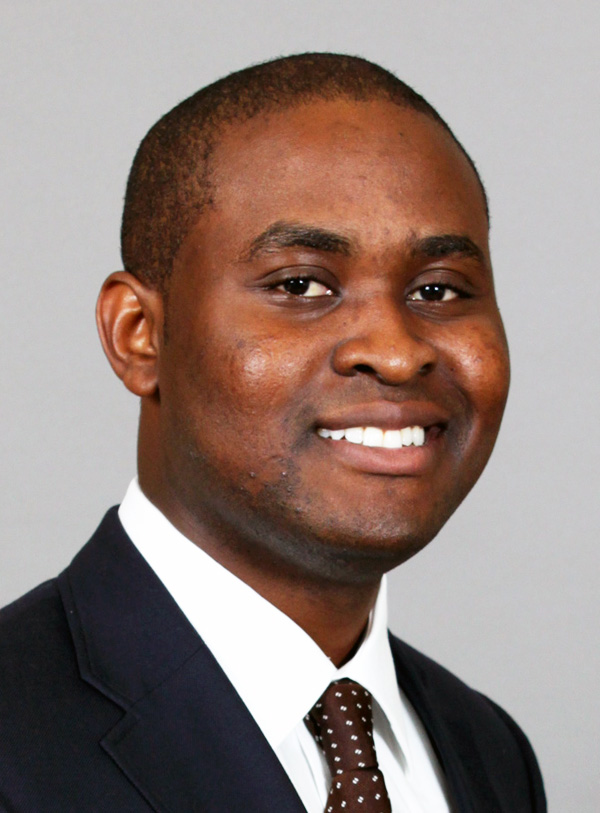
Godson Sowah is the new chairman of the judges panel of the African Awards which are presented by Mshale Newspaper. Mr. Sowah. a CPA and manager in the Advisory practice at Ernst & Young, LLP is also president of the National Association of Black Accountants, Minnesota Chapter. Photo: Courtesy of Ernst & Young, LLP.

The African Awards which are presented by Mshale Newspaper has named a distinguished panel of judges to oversee the selection of finalists for the 5th African Awards which will be held in Minneapolis in Fall 2015.

The panel judges’ task, like in previous Awards, is to review the profile and achievements of the individuals the public has nominated for the various award categories and determine the three finalists for each category. The public then votes for the eventual winners of each category.

Ghana native and president of the National Association of Black Accountants (NABA), Minnesota Chapter, Godson Sowah, CPA, will chair the three judges’ panel. He will be joined by Fatima Mohamed, co-founder of Egart Foundation. Ms. Mohamed replaces Nata Samb who has since relocated to Senegal while a replacement for the other judge, Joash Omandhi, is in the works. Mr. Omandhi ‘s intense transcontinental business travel will prevent him from fully engaging in the process.

Mr. Sowah will take over from retired Hennepin County Judge, Harry Crump, who has chaired the panel since the inception of the African Awards.

“I am eager to work with this exceptional panel to select our finalists from what I expect will once again be an impressive line-up of nominees from our readers and the public. The African Award nominees include community leaders, entrepreneurs and highly involved college students from the African immigrant community,” said Tom Gitaa, Mshale’s president and founder. “The African Awards provide us with an opportunity to recognize those who are good examples of excellence in our community, those who are leading and pushing boundaries to uplift the community.” Gitaa also thanked Judge Crump for his leadership in the previous four editions of the Awards and Samb and Omandhi for their service.

Mr. Sowah, a manager in the Advisory practice at Ernst & Young, LLP, one of the big four global accounting firms, said he looks forward to a remarkable 5th anniversary of the African Awards “I am humbled by my selection as chairman and look forward to working with my fellow judges to identify exceptional finalists that the African Awards has become famous for.” Mr. Sowah also sits on the executive board of directors for the North Minneapolis based non-profit, Avenues for Homeless Youth.

African Awards nominations from the public are expected to commence in March 2015 with the public voting taking place in May 2015. Winners will be announced at the Fall 2015 gala. Previous keynotes speakers have included former White House Social Secretary Desire Rogers and former CNN media personality Lolla Ogunnaike. Last year, Ghanaian actor, Majid Michel, winner of the Best Actor in a Leading Role at the 2012 African Movie Academy Awards keynoted the African Awards.

More info on the African Awards can be found here.

Iowa company sold fake Halal meat to Muslims

0
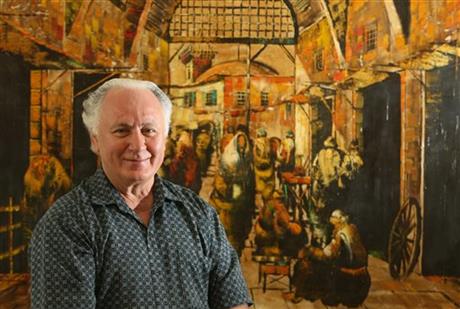
In this Sept., 2010 file photo Bill Aossey Jr., company founder, poses for a portrait in front of an image of Damascus, at Midamar Corp. in Cedar Rapids, Iowa. Aossey pleaded not guilty on Dec. 10, 2014 to federal charges that the company falsely marketed beef to Muslims around the world as meeting strict halal standards, exporting products that weren’t slaughtered in accordance with Islamic law. His sons are being arraigned Monday, Dec. 15. (AP Photo/The Des Moines Register, Mary Willie, File)

A food supplier falsely marketed beef to Muslims around the world for years as meeting strict halal standards, exporting products that weren’t slaughtered in accordance with Islamic law, federal prosecutors allege in a lengthy fraud indictment.

Midamar Corp., based in Cedar Rapids, Iowa, denies the allegations that it sold at least $4.9 million in beef to customers in Malaysia, Kuwait, United Arab Emirates and elsewhere that did not follow the halal practices promised in its labeling and advertising.

Midamar and its directors, brothers Jalel and Yahya “Bill” Aossey, are charged with conspiring to make and use false statements and documents, sell misbranded meat and commit mail and wire fraud. Also indicted is another company the brothers operate, Islamic Services of America — one of the few organizations approved by Malaysia, Indonesia, Kuwait, Saudi Arabia and UAE to certify beef for import into their countries. The defendants are charged with 91 other counts of making false statements on export certificates, wire fraud and money laundering.

The brothers, ages 40 and 44, entered not guilty pleas to the charges and were released following an arraignment Monday at the federal courthouse in Cedar Rapids. Their father, Midamar founder William Aossey Jr., 73, pleaded not guilty to similar charges last week and watched Monday’s hearing with a company banker.

Attorney Michael Lahammer, who entered not guilty pleas on behalf of the corporations, said Midamar stands by its “stellar record” of delivering and exporting quality products for 40 years and would contest the charges.

He said the company believed it had fixed labeling infractions uncovered by inspectors in 2010, and would challenge the allegations of halal fraud on the grounds that they violate the U.S. constitution’s separation of church and state.

“The government has no right to regulate what is a religious matter,” he said.

Midamar, which remains in business, said in a statement that its slaughter methods have been vetted by halal auditors for decades.

“The allegations of halal fraud are due to a ‘one size fits all’ approach taken by the government authorities,” the company said.

Islamic Services of America said that it won’t allow “allegations, implications or inferences of any improprieties” to affect its operations. The companies are based at the same location and collectively have about 80 employees.

The indictment alleges the companies repeatedly gave the false impression that beef products complied with import and United States Department of Agriculture requirements.

Midamar and Islamic Services of America told customers its cattle were slaughtered by hand by specially-trained Muslim slaughtermen who always recited prayer, the indictment alleges. Midamar also advertised that it did not use penetrative captive bolt stunning, a process commonly used in meatpacking in which an animal is killed when a steel rod is shot into its brain.

But Midamar’s primary beef supplier was a Windom, Minnesota, meatpacking plant that used bolt stunning to ensure all cattle slaughtered “were rendered senseless and were dead,” the indictment alleges. The plant, which wasn’t certified for export to Indonesia and Malaysia, often did not have Muslim slaughtermen present and didn’t recite the “Tasmia” prayer, the indictment says.

After the orders arrived in Cedar Rapids, employees removed federally-required labels showing the beef came from that plant with acetone or nail polish remover, the indictment says. Employees allegedly then put on fraudulent labels indicating the meat came from an Omaha plant that was certified to export to Malaysia and Indonesia. Midamar allegedly included the false representations about the source on export forms and certificates presented to and approved by the U.S. Department of Agriculture.

Syed Rasheeduddin Ahmed, president of the Muslim Consumer Group for Food Products, said many Muslims are apprehensive about meat products that claim to meet halal standards.

“This indictment will add to their suspicion,” he said. “Where can we buy? Which one is halal?”

Low American gas prices means pain in Africa

0
Ngozi Okonjo-Iweala, at the 2004 Spring Meetings of the International Monetary Fund and the World Bank Group. Photo: Courtesy of IMF

Falling oil prices are happy news for American car owners but disastrous news for Africa which was recently celebrating an “oil boom” around the continent.

Some energy consultants see falling prices as a political maneuver by the West designed to bring rebellious countries to their knees. Saudi Arabia also had a bone to pick with Iran. Soon there was a glut of cheap oil, pushing down prices in Iran, Russia and Venezuela. But the “collateral damage” of these price manipulations have been the people of Nigeria, Angola, Ghana and Uganda whose economies are heavily oil-dependent.

Examples of the pain abound. In Angola, government is budgeting major spending cuts on HIV/AIDS programs. According to Bloomberg news wire, Angola will set aside $11 million to fight HIV next year, compared to $16 million in 2014 and $22 million in 2013.

Angola’s government relies on oil for more than three quarters of revenue.

In another case, the newly-blessed oil state of Ghana borrowed heavily – about $500 million from the IMF – on the back of anticipated profits to fund fuel subsides and salaries. This hasn’t helped Ghana’s currency, the cedi, which depreciated by about 40 percent to the dollar in the first three quarters of this year.

“We are woefully short,” Sydney Casely-Hayford, a financial consultant and former adviser to Ghana’s treasury, told Dow Jones.

Ugandan officials say they fear lower oil prices could deter companies from following through on plans to invest up to $15 billion to develop the country’s oil fields.

Same for Mozambique which saw a $5 billion investment to develop natural-gas fields that look a lot less attractive now.

Dow Jones Business wire wrote: “The continent’s biggest economies have staked their futures on robust prices for oil and gas… The London-based Capital Economics research firm says falling commodity prices will cut growth across sub-Saharan Africa by one percentage point next year, to around 4%, the slowest rate since the late 1990s.

“It’s bad for all of Africa,” said Jack Allen, an economist at the firm.

Africa’s largest economy Nigeria is another case in point. The oil crude producer has grown 7% a year for the past decade. As retail and telecommunications companies have taken off, the oil industry has shrunk to a more balanced 14% of economic activity.

But Nigeria’s government revenue hasn’t evolved with its economy. Oil still fuels more than 70% of the budget, leaving public institutions dependent on the ebb and flow of global energy prices. As Brent crude prices fell below $70 a barrel this month, Nigeria’s naira currency plummeted to record lows.

Nigeria’s Finance Minister Ngozi Okonjo-Iweala says the drop in oil prices could drag economic growth down by a percentage point to 5.3% in 2015.

Falling prices for oil and other commodities are hurting African economies in other ways, too, notes Don Jones business writers.

The country’s currency, the rand, has dropped to a six-year low as investors retreat from the slowing economy.

Persistent weakness in the rand undermines any lift from cheap oil, said Nico Bezuidenhout of South African Airways.

“You’ve got the break on the fuel price,” he said. “But the currency has gone to the dogs.”

Driving While Black App is coming

0
Creators of the Driving While Black app in Portland, Ore., from left, software developer James Pritchett, lawyers Mariann Hyland and Melvin Oden-Orr. Photo: AP

A “Driving While Black” smartphone application is set for release this month, but its developers say motorists should be careful when they use it.

“Do not reach for your phone when you are talking to police,” stressed attorney Melvin Oden-Orr, who created the app with another Portland lawyer and a software developer.

Avoiding any move that could make officers think you’re reaching for a gun is just one of the tips “Driving While Black” offers. And despite its attention-grabbing name, the common-sense advice it offers applies to motorists of all races.

The app describes how people can assert their civil rights with officers, enables drivers to alert friends and family with a push of a button that they’ve been pulled over, and includes a recording function to document the interaction.

With attention focused nationally on police killings of unarmed black people, it’s one of several free smartphone applications that aim to help people navigate encounters with law enforcement.

“Five-O” is an application released this summer by three Georgia teenagers that people can use to create their own “incident reports” on police encounters, and contribute to community databases that rate how individual officers treat people.

And “Mobile Justice,” released by American Civil Liberties Union affiliates in four states, enables users to record and upload video of police encounters so that ACLU lawyers can look for due-process violations.

It’s modeled on “Stop and Frisk Watch,” an app the ACLU released for New Yorkers in 2012.

“It’s obviously in the forefront of everybody’s mind; the police know they are being recorded and people in public know they can record,” said Sarah Rossi, ACLU-Missouri’s director of advocacy and policy.

Portland attorney Mariann Hyland got the idea for “Driving While Black” after learning of an app for drivers suspected of drunken driving. She and Oden-Orr collaborated on it with developer James Pritchett.

The term “driving while black” reflects widespread frustration among African-Americans that they are more likely to get pulled over than white people — a reality confirmed in a Justice Department report last year that also found black and Hispanic drivers are more likely to be ticketed and searched than whites.

The key to surviving a traffic stop, Hyland and Oden-Orr say, is to remain calm, keep your hands on the wheel, be respectful and make no false moves.

It doesn’t sound difficult, but such encounters can be dangerous for police — putting them on heightened alert — and drivers can find it difficult to relax when they feel they’re being stopped for their skin color.

“They describe a pattern of getting pulled over by the police, and they find it to be very frustrating and sometimes that frustration can lead to anger,” Hyland said. “You have to always be mindful to check the anger.”

Their app — which The Oregonian newspaper reported about last week — doesn’t provide legal advice, but it will include a directory of lawyers for drivers who believe they were wrongfully stopped or searched.

“It’s about being safe during a traffic stop so that everyone goes home alive,” Oden-Orr said.

Obama’s immigration executive action: What you need to know

0
President Barack Obama came through with his promise to millions of undocumented immigrants that he will act using executive powers if Congress did not come up with an immigration reform bill. He issued an executive order on November 20, 2014.
President Barack Obama came through with his promise to millions of undocumented immigrants that he will act using executive powers if Congress did not come up with an immigration reform bill. He issued an executive order on
November 20, 2014.

President Barack Obama has finally delivered the eagerly awaited Executive Order and although masses were excited about the prospects of the Order solving their Immigration dilemma, Africans in the United States have experienced mixed reactions. Some are excited while others are very disappointed. Many believe that the President has gone way below their expectations and the struggle continues. Many felt that the Order should not have restricted the benefits to only those with sons and daughters who are citizens or legal permanent residents but should have gone further and cover all those who have been here for the said period, have been paying taxes and have no criminal record. Credit be given where it’s due though. The Order has come with various aspects which many should applaud.

The Order was heavily hinged on ‘Family Unity’. This is what led President Reagan and President George Bush Senior to act during their reign. President Obama has followed suit. This was a bold move which analysts believe was bolstered by the shellacking of the Democrats by Republicans during the mid-term elections. The President ordered Executive Action on the following areas;

i)                    Strengthen Border Security

ii)                  Revise Removal Priorities

iii)                End Secure Communities and Replace it with New Priority Enforcement Program

iv)                Personnel Reform for ICE Officers

v)                  Expand Deferred Action for Childhood Arrivals (DACA) Program

vi)                Extend Deferred Action to Parents of U.S. Citizens and Lawful Permanent Residents

vii)              Expand Provisional Waivers to Spouses and Children of Lawful Permanent Residents

viii)            Revise Parole Rules

ix)                Promote the Naturalization Process

x)                  Support High-skilled Business and Workers

It is important for one to first understand what an Executive Order is. An executive order is issued under statutory and or constitutional powers by the president to manage internal operations of federal agencies. Executive Orders have the full effect and the force of the law. Executive orders are subject to judicial review and can be struck down if they are found to be unconstitutional. However up until the Judiciary makes that determination, the executive order remains valid law. Based on the details of the Presidents Executive Order, the legal fraternity is of the opinion that the Order can withstand Judicial Review as the President ensured that he issued the Order within the bounds of the law.  

The areas that are so dear to most of the African population in the United States lie in Deferred Action, the ability to travel home with Advance parole and the much dreaded ICE-DETAINERS upon arrest by State and Local authorities. These areas have been covered by the Executive Order and numerous people will benefit as a result. There is a lot to celebrate at the moment. Besides the fact that many will now be able to come out of the dark, the ability to pay for citizenship application with a credit card will be a great relief to many as well as partial waiver of citizenship application fees upon consideration.

Deferred Action to Parents of U.S Citizens and Legal Permanent Residents

Extension of Deferred Action to parents of U.S Citizens and Legal Permanent Residents is a welcome relief. A lot of adults who came into the United States and were blessed with U.S citizen children have been waiting for their children to attain the age of 21 years to be eligible to petition for them. It is sad that many would be ineligible to travel out of the country for over two decades. The order as outlined in the Department of Homeland Memorandum dated 11/20/2014 is a great relief and solution to these parents. Those adults who were in the United States before January 1, 2010 and have either a United States citizen or Legal Permanent Resident child will be eligible to apply for Deferred Action regardless of the age of the child. There is no longer a need to wait for the child to attain the age of 21 years.

Any individual who is present in the United States without authorization can be removed (deported) when the Department of Homeland Security requests through the Department of Justice to do so. This is how undocumented aliens and illegal aliens find themselves in immigration courts for deportation.  Deferred Action is a form of Prosecutorial Discretion by which the Secretary of Homeland Security deprioritizes an individual’s case for humanitarian reasons, administrative convenience or in the interest of the department’s overall enforcement mission. The deferred Action does not confer any legal status but rather allows one to legally live in the United States. Just the option to legally live in the United States is liberating for so many people!

Simply put, the government is saying, we know you are here without authorization and you currently don’t have an available avenue to become a legal permanent resident or any other non-immigrant status, we understand you, and because you have some factors that are favorable, we will allow you to peacefully stay in the United States legally for a certain period of time (currently three years) and have the ability to work and seek permission to travel outside United States and come back without any problem. Hopefully, at the end of the three years, you might have got another avenue and if not, as long as you are still eligible, we shall consider again and extend your period of legal stay. To qualify, the Order as captured in the DHS Memo provides for Deferred Action to adults who;

a)      Have as of 11/20/2014 a child who is a U.S citizen or Legal Permanent Resident,

b)      Have continuously resided in the United States since before January 1, 2010

c)      Are physically present in the United States on 11/20/2014

d)     Have no lawful status as of 11/20/2014

e)      Are not enforcement priority as of 11/20/2014

f)       Present no other factors, that in the exercise of discretion makes the grant of Deferred Action inappropriate

The President mentioned among other requirements, the need to pay taxes. The Department of Homeland Security Memo however did not address the issue of taxes but this can be captured as a favorable factor that would make the grant of Deferred Action appropriate. As expected with any Executive Order, we await further guidelines which will soon be issued by USCIS. With the grant of Deferred Action, the individual will be eligible for a ‘Work Permit’ whose application shall be done together with the Deferred Action. This Deferred Action will be valid for three years and so shall the work authorization.

Ability to travel outside the United States

The guidelines to be released will also outline how one can obtain the necessary documents in the form of Parole, to enable them travel outside the United States and return without encountering any problem. This is exciting for many who have not seen their relatives back home for years and honestly did not have any hope of being able to travel home in the near future.

Duration of the Deferred Action

The Department of Homeland in its memo was directed to effect this deferred action for a period of three years.

The period for which DACA and the accompanying employment authorization is granted will be extended to three-year increments, rather than the current two-year increments. This change shall apply to all first-time applications as well as all applications for renewal effective November 24, 2014. Beginning on that date, USCIS should issue all work authorization documents valid for three years, including to those individuals who have applied and are awaiting two-year work authorization documents based on the renewal of their DACA grants.”

When to File the Application

The USCIS will provide guidelines on the application process and time. The Order was very specific with issuing USCIS with a time frame and deadline by which USCIS must have the application process open. Immigrants should act immediately and contact a reliable immigration attorney to ensure that at the time of the actual application, all preliminary matters have been attended to and that they are at the front of the line. It is critical to ensure that potential beneficiaries of the Order are not barred by things such as lack of proper documentation and criminal background clearance issues.

For those who entered United States before January 1, 2010 while under the age of 16 years, the memo provides;

“USCIS should begin accepting applications under the new criteria from applicants no later than ninety (90) days from the date of this announcement.”

“For those qualifying under parents’ category, the Order provides “USCIS should begin accepting applications from eligible applicants no later than one hundred and eighty (180) days after the date of this announcement.”

What is likely to happen after 3 years?

The language of the Order anticipates that barring changes in the law, the Deferred Action will be extended after three years.

“The period for which DACA and the accompanying employment authorization is granted will be extended to three-year increments, rather than the current two-year increments.”

Filing fee

The current work authorization and biometrics fee is $465.

Once the final application process is in place, this fee may increase to cover the advance parole application to enable one to travel temporarily out of the United States. This may call for an additional $380, but we are yet to know.

What if I Was Deported (Have a final removal order)

It is exciting that an individual either in removal proceedings or already has a final removal order will be eligible for deferred action.

“As with DACA, the above criteria are to be considered for all individuals encountered by U.S. Immigration and Customs Enforcement (ICE), U.S. Customs and Border Protection (CBP), or USCIS, whether or not the individual is already in removal proceedings or subject to a final order of removal.”

The Wrong Help Can Hurt

Matters involving one’s liberty and the ability to live and legally work in the United States is so dear to each and every non- United States citizen. That being the case, the Executive Order is very crucial to many. It is therefore advisable that one should consult an experienced, competent and knowledgeable immigration attorney. Professionalism on the part of the immigration attorney is key to allow those who will benefit from the act to smoothly navigate the process. Even the smallest error could be a greater source of agony to than that one suffered while they remained in the dark.

Kenya Independence Day Dinner to feature Brett Buckner

0
Brett Buckner, a Minneapolis community organizer and development consultant, will be the featured speaker at the Kenya Independence Day Dinner on Friday, December 12 2014 at Jambo Africa Restaurant in Brooklyn Center, Minnesota.

Community organizer and community development consultant, Brett Buckner, will be the featured speaker at a special dinner to mark Kenya’s 51st Independence Day (Jamhuri Day) at Jambo Africa restaurant in Brooklyn Center on Friday, December 12 at 8:00pm.

He was previously director of Color The Vote, a non-partisan, multi-cultural voter outreach campaign established by OneMN.org and Minnesota BaseNetwork to mobilize the ALANA (African, Latino, Asian & Native American) communities in Minnesota to vote.

Kenyans constitute the big five of the African immigrant population in the state (Somalis, Ethiopians, Liberians, Kenyans and Nigerians) and are visible in various key economic sectors. Jambo Africa, which is organizing and hosting the dinner, is a partnership between a Kenyan and a Liberian.

George Ndege, who owns Jambo Africa along with Simone Acolatse, said the response to the dinner has been “amazing”.

Dinner will be a formal buffet with dress code consisting of African attire or business suit. The evening will also feature comedy by Bwana Dawa. Tom Gitaa, Mshale Founder and Publisher, will emcee.

Reservations can be made at www.ke411.com or by calling Mr. Ndege (aka  Jojo) at 612-382-1549. Deadline to RSVP is Monday, December 8.

U.S. demand for Ebola ‘Moon Suits’ creates shortages in Africa

0
A Nigerian health official wearing a protective suit waits to screen passengers at the arrivals hall in Lagos.

Aid agencies that use the iconic ‘moon suits’ – the odd-looking full-body outfits used in battling Ebola – are running dangerously low as the protective garb is being snapped up by institutions in the U.S.

World Vision, a Christian charity, was reportedly looking to send the hazmat suits to Sierra Leone when they found the items were out of stock. “There’s been some sleepless nights,” Jennifer Mounsey, director of Corporate Engagement, told the Wall St Journal. “We’re all sweating bullets.”

African needs are competing with U.S. hospitals and government agencies which are stockpiling some of the scant supply made by companies such as the Lakeland Industries in Ronkonkoma, NY, that manufacture the chemical suits, boot covers, face masks, hoods that comprise the Personal Protective Equipment or PPEs.

Even the U.S. Centers for Disease Control and Prevention (CDC) ordered $2.7 million in PPEs for its Strategic National Stockpile. According to the CDC, American hospitals and firefighters also need PPEs on hand in case a potential Ebola suspect wanders into an emergency room or dials 911.

Aid groups on the front lines of West Africa’s Ebola virus outbreak say the shortage of protective suits is one more source of stress. These groups already face flight cancellations and travel bans that make it harder to get doctors to the field.

Meanwhile, of the countries that promised money to fight Ebola, little has been delivered: 7 percent of China’s $122 million pledge, 17 percent of the $265 million promised by the EU, and 43 percent of the United States’ $572 million, according to a new website that tracks contributions worldwide.

While the Office for the Coordination of Humanitarian Affairs, the UN, and the World Bank have data on the dollar figures associated with each pledge, little was known how much of those resources have actually made it to the ground in West Africa.

That’s what inspired the nonprofit ONE.org to create the Ebola Response Tracker, which can be found on its website.

The tracker focuses on three specific forms of support: financing, health-care personnel, and in-kind contributions. This “deeper dive” into individual country’s commitments, ONE hopes, will persuade leaders to put their money where their mouth is.

In the financing portion, the numbers are particularly bleak. While China has pledged $122 million to the fight, it has thus far only dispersed 7 percent of that number. Of the $265 million pledged by EU Institutions, just 17 percent have reached the epidemic’s hot zone. Even private institutions, which most likely have less bureaucratic hurdles to deal with, have been slow to pull the trigger. The Silicon Valley Community Fund has thus far sent 0 percent of the 25 million pledged. At the Google/Larry Page Family Foundation, it’s the identical equation.

Erin Hohlfelder, global health policy director at ONE, says the tracker shows the importance in transparency. “It’s one thing to make a great pledge and commit to doing that,” says Hohlfelder. “But in the meantime, every day that goes by without these resources is a missed opportunity.” While progress has been made in the months since those pledges, there is much work still to be done.

According to October estimates from the World Bank, the epidemic could cost the West African countries affected upward of $32 billion in the next 24 months.

Van Vicker to star in his first Hollywood movie

0
Van Vicker is set to star in his first Hollywood movie that will debut in 2015.

Ghanaian celebrated actor, Van Vicker, After many years in the movie industry has finally gotten the opportunity to star in his first Hollywood movie titled ‘Skinned’ with Hollywood actress /Director, Lisa Raye McCoy.

In the film, set to premiere in 2015, Van Vicker takes on the role of a businessman who only has an interest in light-skinned women.

He marries a woman who deceives him to believe that she’s light skinned, but it turns out she’s been bleaching. She tries to hide her embarrassing secret by lying that she suffers from vitiligo, hiding her baby pictures, and even goes so far as to not wanting to give birth to ensure no one finds out.

Van Vicker, who is currently in America, said that he has been very active shooting in different countries that was why he has not been too stable in Ghana,

“I have been very active shooting in different countries and also attending different programs. That’s why I have not been too stable in Ghana, but now I am in America shooting a Hollywood film for the first time’ he said excitingly.

Sharing his first time Hollywood shooting experience, he was quoted in Ghanaweb as saying “‘the experience, is not very different from other shoots, but I must say; Raye and Avery Williams (Director and co-director) changed my whole perspective as an actor and a director.”