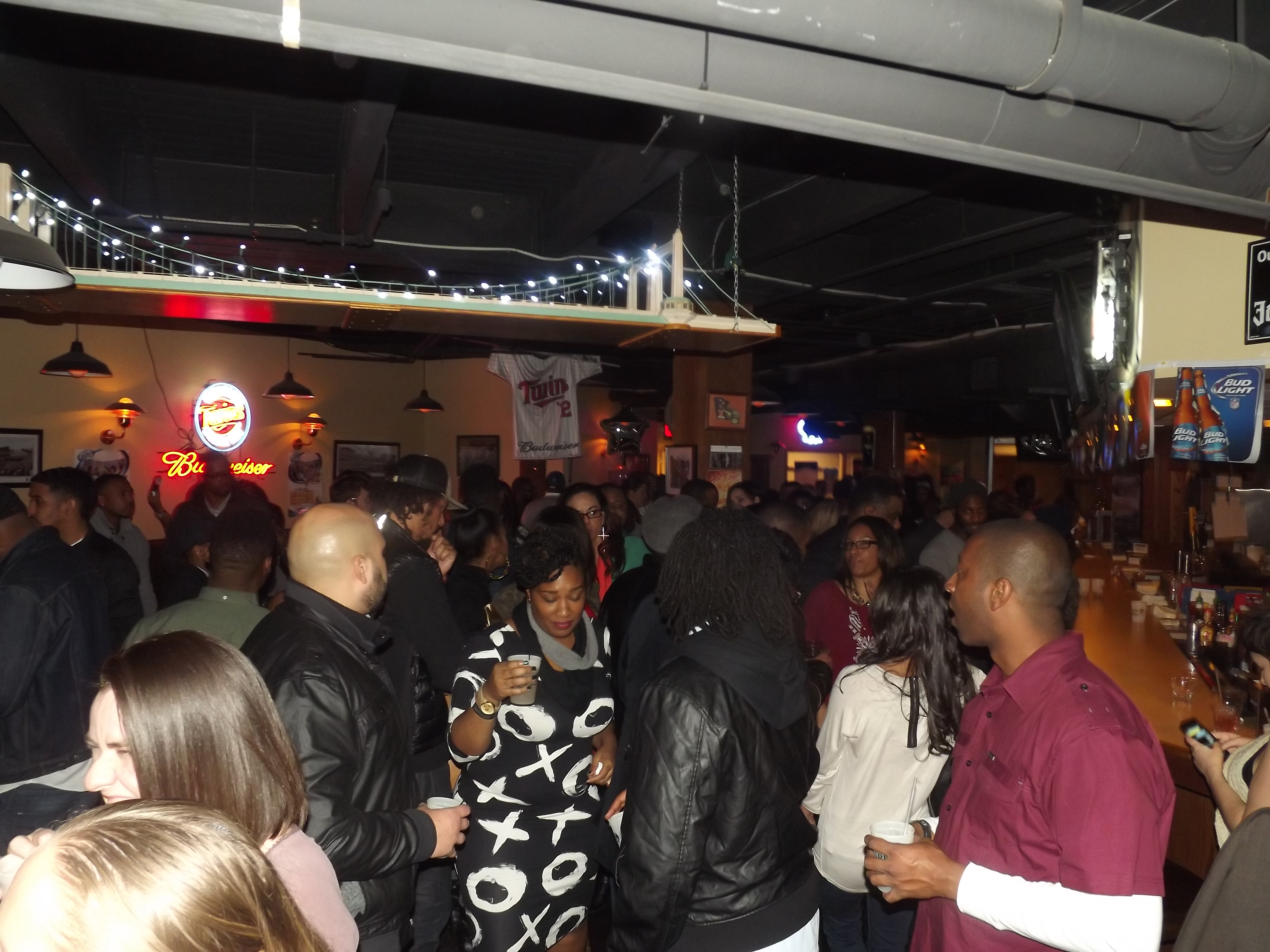
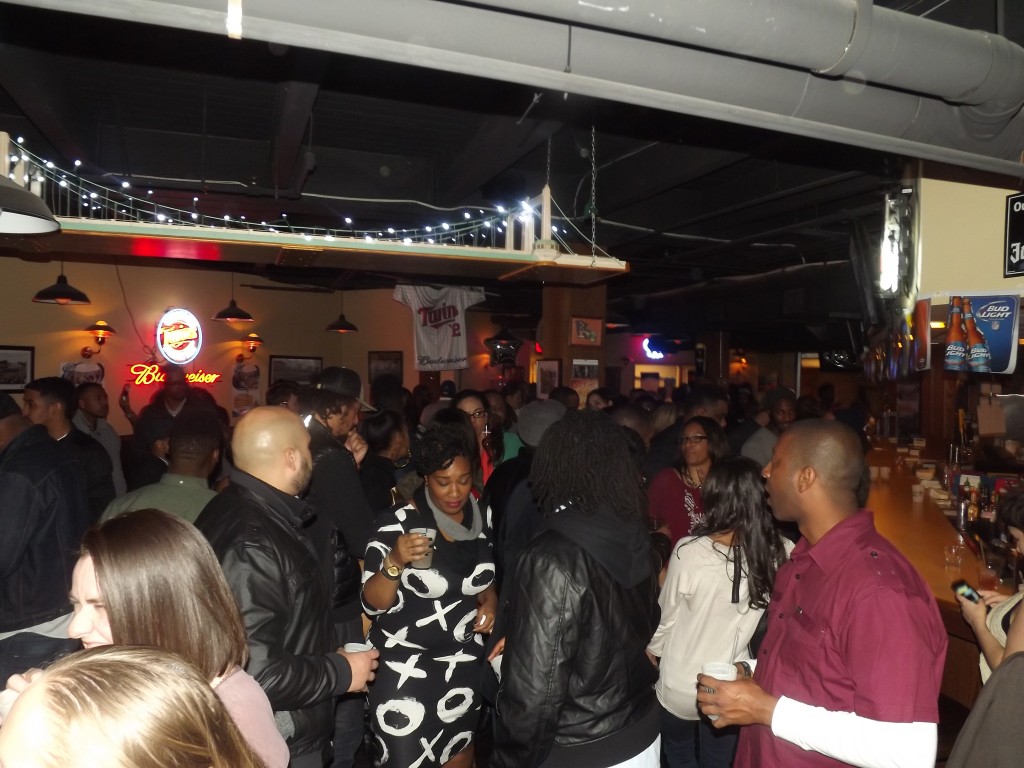
Scenes such as this, a recent holiday party catering to Black professionals are few and far between in the Twin Cities. Photo: Harry Colbert, Jr./Insight News
Scenes such as this, a recent holiday party catering to Black professionals are few and far between in the Twin Cities. Photo: Harry Colbert, Jr./Insight NewsScenes such as this, a recent holiday party catering to Black professionals are few and far between in the Twin Cities. Photo: Harry Colbert, Jr./Insight News
Recently on a local sports talk radio station the hosts were lamenting on the poor play of the Timberwolves and began discussing what they called an overall lack of talent.
The radio pundits discussed the play of Kevin Love, Ricky Rubio and others and basically came to the conclusion that the team needed to attract top-level free agent talent to play in Minnesota if it was to be truly competitive in the NBA. Then one of the commentators remarked that he spoke with several players around the league and the general consensus was that the Timberwolves could not attract top free agent talent because of the Twin Cites nightlife – or lack there of.
With 78 percent of the league’s players being African-American, it’s a safe bet to say that the players questioned were those with a bit extra melanin in their skin. And while the scene in downtown and Uptown Minneapolis is a bustling one on the weekends, the vast number of hot spots are teeming with 20-something and 30-something yuppies and the crowd, while welcoming, is far from diverse.
The Timberwolves may not be the only ones struggling to recruit and retain top African-American talent to the area. Many African-American professionals cite the lack of social activities geared towards a progressive Black audience as a major source of discontent with Twin Cities living. Some cited it as a reason for ditching the Twin Cities for other major urban enclaves.
“Minnesota was always a short stay for me because I only moved for a job assignment so I knew I’d (only) be there two to three years,” said Leah Stone, who worked here for Proctor & Gamble and who now resides in Cincinnati. “However, I will say, when I was there (Twin Cities) I traveled out of town a lot because the social circles seemed so small and there wasn’t a lot of variety in what was going on.”
Stone said that although she was able to enjoy several concerts that came to town, the scene for Black professionals was pretty stagnant.
“I was only there two years and (I felt like) I met every Black professional,” said Stone.
Stone is not alone in her desire to vacate the area for cultural reasons. April Preston, a native of St. Paul, recently packed up, leaving the Twin Cities for the East Coast to take up residence in Washington, D.C. Preston said while not the sole reason, the area’s lack of a consistent social scene for African-American professionals played a role in her decision to relocate.
“After a year or two of going out I kind of got bored,” said Preston, who returned to St. Paul in 2005 after completing college at Grambling State University in Louisiana. “It was the same thing – the same people. (Minneapolis nightlife) is missing variety.”
Preston said she feels white professionals don’t have the same social struggles.
“My friends and I always joke that if we were white it’d be great because there is stuff for them everywhere,” said Preston, who said her inner circle would attend popular venues that cater to a yuppie clientele such as Crave (downtown) and 7 Sushi. “Crave was cool, but they wouldn’t play our music, so you had to bring your own crew to enjoy yourself.”
Nick Hooks, an event producer with The Cool & Co. and Playfessionals lays blame with the area’s top employers for not promoting social diversity.
“Retention (of African-American professionals) here is horrible,” said Hooks. “Corporations recruit these African-Americans from the South and move them out to the suburbs and all they know is their job. Promoters such as myself and others (who cater to Black professionals) are really a part of these companies’ retention plan and they don’t even recognize it.”
Hooks said another issue is the lack of African-American club owners in the area.
“As a Black promoter it’s the hardest thing to find venues to let us in,” said Hooks, who said many club owners cannot decipher the difference between younger, more rowdy African-American club goers and the professional African-American patron. “I went to one event center and the woman there said we don’t host those kind of events without even hearing me. We had a white female we work with go in with the same proposal and then she was all ears. There’s just a lack of understanding.”
Preston, who said she’s proud to claim her St. Paul roots, feels without change the area will continue to see an exodus of African-American talent.
“I have a lot of sorority sisters who were at Target and they were out the door quick,” said Preston. “(Black professionals) are in these corporations (in the Twin Cities) to get it on their resumes and they’re out.”
What you need to know about vaccines and pregnancy
A pregnant woman has just returned from her first prenatal doctor’s visit. Her doctor has given her a large packet of information on how to keep herself and her growing baby healthy. There is a long list of everything she shouldn’t do, restrictions on eating certain foods and drinks, no smoking, avoiding changing the cat litter, and the list continues. She is confused because there are so many things she shouldn’t expose herself to or put in her body, but her doctor recommended that she get a flu shot and a whooping cough vaccine. She does not want to do anything that will hurt her baby and wonders if it is safe to get vaccinated during pregnancy.
Vaccines that are recommended during pregnancy are safe for pregnant women and their unborn babies, and are an important part of having a healthy pregnancy. The Minnesota Department of Health (MDH) recommends that pregnant women get two vaccines during every pregnancy: the influenza vaccine, commonly called the flu shot, and a pertussis or whooping cough vaccine, which is the tetanus, diphtheria and pertussis (Tdap) shot. A pregnant woman’s doctor may also recommend other vaccines before, during, or after pregnancy depending on her age, other medical conditions, whether overseas travel is planned, and what vaccines she has received in the past.
Vaccines help keep pregnant women and their new babies healthy. After a pregnant woman gets vaccinated, she passes along protection from vaccines to her baby. This protects her baby from some diseases during the first few months of life until the baby can get vaccinated. Vaccines also protect pregnant women from getting some diseases that can be dangerous to themselves and their babies.
Pregnant women should get the influenza (flu) shot because the flu can make them very sick. Women who get a flu shot during pregnancy are less likely to go into early labor, and their babies are less likely to be stillborn, born at a low birth weight, or hospitalized after birth. It is safe for a pregnant woman to receive the flu shot at any time during her pregnancy, and it will not hurt her unborn baby.
Pregnant women should also receive Tdap vaccine during every pregnancy, preferably between 27 and 36 weeks of pregnancy (during the third trimester). The Tdap shot protects both the pregnant woman and her baby from pertussis, commonly known as whooping cough. This disease can be life-threatening to infants, but mothers receiving a Tdap vaccine during pregnancy helps protect babies against whooping cough until they are fully vaccinated.
While there are a lot of things pregnant women cannot do, there are many things a pregnant woman can do to keep herself and her baby healthy. Getting vaccinated is important to check-off the “to-do” list when preparing for a new baby.
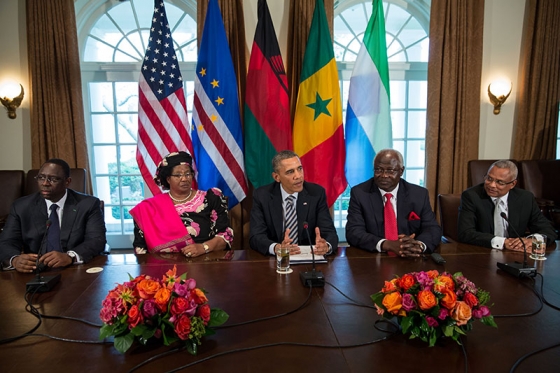
President Barack Obama meets with, from left, President Macky Sall of Senegal, President Joyce Banda of Malawi, President Ernest Bai Koroma of Sierra Leone, and Prime Minister José Maria Pereira Neves of Cape Verde in the Cabinet Room of the White House, March 28, 2013. Photo: Pete Souza/White House
President Barack Obama meets with, from left, President Macky Sall of Senegal, President Joyce Banda of Malawi, President Ernest Bai Koroma of Sierra Leone, and Prime Minister José Maria Pereira Neves of Cape Verde in the Cabinet Room of the White House, March 28, 2013. Photo: Pete Souza/White HousePresident Barack Obama meets with, from left, President Macky Sall of Senegal, President Joyce Banda of Malawi, President Ernest Bai Koroma of Sierra Leone, and Prime Minister José Maria Pereira Neves of Cape Verde in the Cabinet Room of the White House, March 28, 2013. Photo: Pete Souza/White House
US President Barack Obama will host a summit with African leaders in August in a bid to strengthen trade and investment ties with the continent.
The White House announced Tuesday said the summit will take place August 5 and 6 in Washington.
There was no immediate word on which African leaders will attend the summit, but one report said the leaders to be invited are those currently in good standing with the United States and who are not suspended from the African Union.
Gambian-born Sulayman Nyang, a professor and former chair of the African Studies Department at Howard University in Washington, says the summit will have historical significance because Obama would be the first postwar US president to bring African leaders together.
But, Nyang says, the President must insist that the African leaders demonstrate accountability to their citizens in terms of protecting human rights and fighting corruption.
“My proposition to the American leadership is, if you are going to bring African leaders (to Washington), you have to be very firm with them on three issues. One is, are you going to trade with us and open your markets and we open our markets to you under condition that your leadership is going to be accountable to your people the way we are accountable to our people through elections and respect to minority rights?,” he said.
With anti-homosexual sentiments on the rise in many African countries, Nyang says US policy on gay rights may come into conflict with the policies of some of the African leaders who might be invited to attend the summit.
“One problem that the Obama administration is going to face, and with congressional leaders very nice to gay groups in this country and in the West, ‘What are you going to tell some of the countries in Africa, who are opposed to the gay groups?’ This is where you’re going to have a big contradiction in Western policy,” Nyang said.
He said the Obama administration must also make the fight against corruption a condition in extending invitations to African leaders.
“During the Cold War, America did not care whether Mobutu (Sese Seko of the Democratic Republic of Congo, formerly Zaire) was a dictator. America didn’t care as long as the Belgians and the French and other Europeans were dealing with him. He was alright.
“But today, the African leaders who are coming to Washington are going to be criticized because we now have the technology. There are a lot of Nigerians and other people who are concerned about corruption. They are going to be blogging, they will be using the Internet,” Nyang said.
If only African leaders in good standing with the U.S. government are invited, Nyang said such criteria would be building on former President George W. Bush’s Millennium Challenge Account, which used respect for civil liberties, good governance and control of corruption as benchmarks.
“This is a very important issue now because many scholars, journalists and other people have commented about whether (Zimbabwean President Robert) Mugabe will be invited.
Nyang specuated on the difficulties of choosing who should not be invited. What if the White House did not invite Egypt because of the failure of the Arab Spring movement and the leaders of Sudan and Kenya were not invited because they are being charged before the International Criminal Court.
That would be a bone of contention in African circles if Kenyatta is invited to Washington, but not Bashir, Nyang said.
The White House announcement comes at a time when some Africans feel Obama has not done enough for Africa since his election.
But, Nyang says the US leader is a victim of historical circumstances beyond his control.
“What is very interesting now is the fact that he is President now, but he cannot perform miracles. He is not carrying a magic wand. The Tea Party people and all these other people are not helping him in conducting foreign policy.
“So, how can you engage the Africans when you do not have the political power at home to mobilize your leadership to be more deeply involved in Africa?” Nyang said.
How to make a date with yourself for Valentine’s Day
Whether you’re married, single or divorced, Valentine’s Day’s emphasis on romance and the expectations it sparks can create more stress than joy for many people, says Dr. Jaime Kulaga, a practicing therapist and life coach.
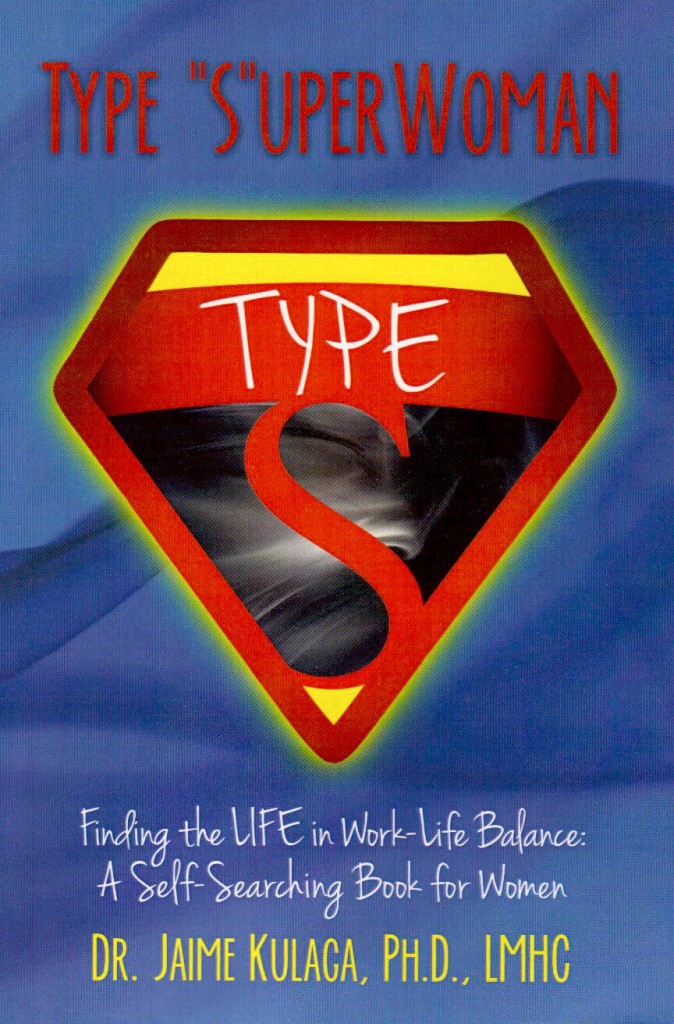
“There can be pressure on Feb. 14 for anyone,” says Dr. Kulaga, author of “Type ‘S’uperWoman – Finding the Work-Life Balance: A Self-Searching Book for Women,” (www.mindfulrehab.com).
“The ‘happily single’ may begin to have doubts; spouses may question the quality of their marital relationship; and for someone who recently experienced a breakup, the holiday can bring nothing but heartache.”
Kulaga says she prefers to view Valentine’s Day as an opportunity for personal growth.
She suggests planning a date with yourself on Valentine’s Day, no matter your current relationship status.
• If you’re single … The holiday is not just for couples; it’s for anyone who wants to strengthen a relationship, including the one with yourself. This is, after all, the most important and truly lifelong relationship we all have. Being comfortable in your own skin and in silence and with your own thoughts is a sign of self acceptance and emotional maturity. So, what kind of date would you take you on?
Meditation can be like confronting yourself for the first time, mentally naked. Can you literally do nothing but keep quiet and still for five, 10 or 20 minutes? Maybe you want to take yourself on an adventure — consider spending a day or evening visiting places you’d never otherwise go. Or, you may simply cook yourself your favorite meal – or go out. Dinner for one is much cheaper!
• If you have a spouse … Even though you likely won’t be alone on Valentine’s Day, there’s no reason you shouldn’t spend some time working on the relationship you have with yourself. Some couples participate in “girls’ (or boys’) night out” to gently establish a measure of independence in their relationship, but that’s not the same as spending quality time alone. Try a peaceful walk in the park, fishing or spending a few hours with a great novel. If you have plans on Feb. 14, make some time for yourself Feb. 13. It can make date night on the next day all the more rewarding.
• If you’re divorced or recently heartbroken …As with a romance, you shouldn’t limit your focus on improving your relationship to just one day of the year. Take yourself out to somewhere that’s a treat; be spontaneous; think about your dreams and priorities — the ones that come from your passions, talents and skills. Most importantly, be loving on this “date.” Whether or not you’re eager to find another romantic partner, you’ll be in a better place to meet Mr. or Ms. Right if you’re confident in your feelings about you. Your past relationships do not define you, but they can make you stronger and wiser.
Tanzania-born Nasibu Sareva who has been the interim executive director of the Minneapolis based African Development Center has been confirmed to the job on a permanent basis by the ADC Board of Directors.
Tanzania-born Nasibu Sareva who has been the interim executive director of the Minneapolis based African Development Center has been confirmed to the job on a permanent basis by the ADC Board of Directors.Tanzania-born Nasibu Sareva who has been the interim executive director of the Minneapolis based African Development Center has been confirmed to the job on a permanent basis by the ADC Board of Directors.
The Minneapolis based African Development Center this week confirmed Nasibu Sareva as its permanent executive director. The ADC board named him interim executive director last September following the August 25, 2013 death of the founding executive director, Hussein Samatar.
ADC said in a statement that Sareva was “was extremely successful after being appointed as the Interim Executive Director this past August, and will now fill this role permanently.”
ADC provides business training and loans to African immigrant businesses and was founded by the late Hussein Samatar who passed away due to complications of leukemia.
In a statement to Mshale, Jo Ann Vano, ADC Board of Directors President said “During the past few months, Nasibu has shown a remarkable ability to lead in difficult circumstances as well as think and act strategically for ADC’s strong future. ADC’s Board of Directors is thrilled that Nasibu has accepted this challenge.”
The board also named Matthew Holm as Deputy Executive Director. Both he and Sareva were appointed on an interim basis at the same time last September.
Otaak bringing music of the Pharaohs to Minneapolis
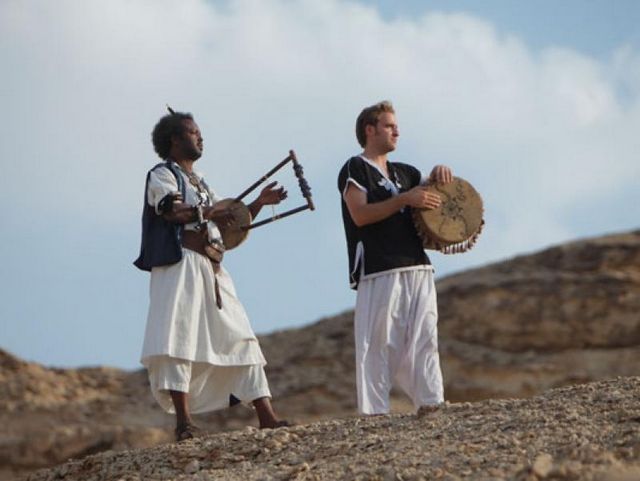
With his Beja heritage, Ahmed Said Abuamna from Eastern Sudan, brings the spellbinding music from his homeland to the Cedar Cultural Center this coming Wednesday, January 29th. Joining him with a second lyre, an instrument studied since 2009, Miguel Merino adds a touch of Americana flavor to the African sounds with rock-n-roll and bluesy notes.
Beja, an ethnic group descended from the Pharaohs of ancient times, dwells in the area between the Nile and the Red Sea. Abuamna seeks to retain his customs and educate others using traditional instruments and music.
His musical partner, Merino, hails from the state of Indiana. After a visit to Egypt in 2007, he found himself captivated by the masankop, the ancient instrument—a lyre—central to Beja music. He teamed up with Abuamna and together, they are debut a tour of the Midwest.
Wednesday, January 29, 2014 – 7:30pm
Doors Open: 7:00pm
Advance: $18.00
Day of show: $20.00
Seated show
At The Cedar
416 Cedar Ave S,
Minneapolis MN 55454
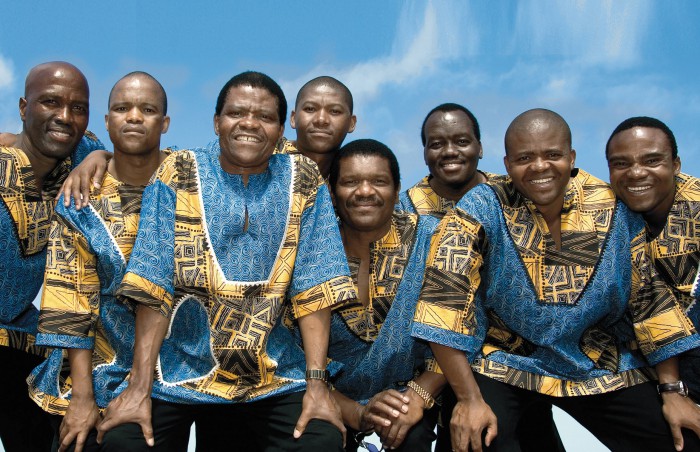
Ladysmith Black Mambazo who will be performing in St. Paul, Minnesota on February 9 tied for a Grammy at the 56th Grammy Awards held in Los Angeles on January 26, 2014. Photo: Courtesy of International Music Network
Ladysmith Black Mambazo who will be performing in St. Paul, Minnesota on February 9 tied for a Grammy at the 56th Grammy Awards held in Los Angeles on January 26, 2014. Photo: Courtesy of International Music NetworkLadysmith Black Mambazo who will be performing in St. Paul, Minnesota on February 9 tied for a Grammy at the 56th Grammy Awards held in Los Angeles on January 26, 2014. Photo: Courtesy of International Music Network
Group will perform at the Ordway in St. Paul on February 9
South African traditional choir Ladysmith Black Mambazo tied with the Gipsy Kings for a Grammy win in the Best World Music Album category at the 56th Grammy Awards in Los Angeles on Sunday, January 26, during a live telecast on CBS. This is the group’s fourth Grammy win.
The group’s a cappella performances seeks to preserve the musical traditions of South Africa’s black wine workers.
The album that won them this year’s Grammy Live: Singing For Peace Around The World was dedicated to the late Nelson Mandela and when the album was released, the group had promised sales of the album sold on its website will go to the late Mandela’s charity the Nelson Mandela Children’s Fund.
ladysmith Black Mambazo gained global prominency in 1986 when it collaborated with Paul Simon in the Graceland album which also won a Grammy.
Gipsy Kings tied for the Grammy with their Savor Flamenco album. The group is from Southern France and sings in Spanish.
Also nominated in the Best World Music Album category were Nigeria’s Femi Kuti for No Place For My Dream and Indian-born Ravi Shankar for The Living Room Sessions Part 2. Shankar did the recording for the album at his California home in 2011. He died in 2012 at the age of 92.
Ladysmith Black Mambazo are scheduled to perform at the Ordway in Saint Paul, Minnesota on Sunday February 9.
Ladysmith Black Mambazo in Concert The Ordway Sun, February 9, 2014 7:30 pm Tickets: Ordway.org
Actor Chris Hemsworth and Cheryl Boone, Academy President, as they announced the 2014 Academy Awards nominations at the AMPAS Samuel Goldwyn Theater in Beverly Hills, California on January 16, 2014. Photo: Courtesy Academy Awards
Actor Chris Hemsworth and Cheryl Boone, Academy President, as they announced the 2014 Academy Awards nominations at the AMPAS Samuel Goldwyn Theater in Beverly Hills, California on January 16, 2014. Photo: Courtesy Academy AwardsActor Chris Hemsworth and Cheryl Boone, Academy President, as they announced the 2014 Academy Awards nominations at the AMPAS Samuel Goldwyn Theater in Beverly Hills, California on January 16, 2014. Photo: Courtesy Academy Awards
This year, Africans and Diaspora Africans across the globe have more of a reason to follow Hollywood movie awards than in any other year. In the past, when Africans watched movie award shows such as the Golden Globes, Screen Actors Guild Awards (SAG) or the Academy Awards – they hardly saw African faces, much less African nominees. Africa was often represented by non-Africans. It seemed that the glitz and glamor of the Hollywood runway, was not a space for Africans. In an industry where there are already limited roles for minorities, African immigrants, children of African immigrants, Africans faced big challenges in finding roles that highlighted their talent. In recent years, there have been widely written about advances in the African film industry. Africa now has larger film industries such as Nollywood, continent wide and regional award shows, and being an actor or actress is a more viable careerchoice then in was in the past. Now, Africa is also making its mark on Hollywood.
Certainly, Africa has its own film industry awards and should not be seeking validation from the Global North on who it considers to be its top talent. The African Movie Academy Awards (AMA) have made a large and lasting impact on the continent by recognizing top talent in Africa across nations. They now currently in its 10th year and continue to be dedicated to recognizing the continent’s best actors and actresses, and films. The AMAA award though, which honors artists in young movie industries, does have the international stature of their American counterparts. This, of course, is understandable since Hollywood is the worlds oldest movie industry and many of its awards ceremony’s are older then many African nations themselves. They are therefore characterized by intense competition, bigger budgets, American tastes and a large international market. Therefore, Hollywood is a tough and competitive space for foreigners, much less Africa to gain visibility. Therefore, it is still an important to take note when Africans in the Diaspora make headway in this seemingly impenetrable American movie industry.
The American award shows largely celebrate American actors and actresses and films. Therefore few foreign films, outside outside of the ‘Best Foreign language’ film categories, feature. Additionally, few foreign or immigrant actors/actresses feature outside of this category from any country. There is also little room for diversity in Hollywood. There are a few roles written for minorities in general – much less African ones. It is largely a white American space where minorities, immigrants, children of immigrants, and foreigners struggle to get visibility. Therefore the unmistakable presence of Africa and Africa’s Diaspora at the Golden Globe Awards show which aired this past Sunday, is to be celebrated. Africa was represented by films who’s setting was on the continent and by actors/actresses who are directly connected to the continent. Therefore, this year is starting out to be the year for Africa in Hollywood.
Africa at the Golden Globe Awards:
This year marked a remarkable Golden Globe for Africa. For the first time, there was the noticeable presence of African actors and actresses at the awards ceremony. Although other Africans such as Sophie Okonedo (Nigeria), Djimon Hounsou (Benin), Gabourey Sidibe (Senegal), have been nominated. Charlize Theron (South Africa) has been the sole winner from Africa who has been nominated and won. This year, African presence from first generation Diaspora Africans was clear. Amongst those nominated included Chiwetel Efiojor, Lupita N’yongo, Idris Elba, and Barkhad Abdi. Africa was represented by the following actors: Chiwetel Efiojor – Efiojor was born to Nigerian parents in England – his father was a Doctor and his mother a pharmacist. His sister, Zain Asher, also has a career in front of the camera where she works as a CNN financial news correspondent. Efiojor is a five-time Golden Globe nominee who began his career at Dulwich College and subsequently joined the National Youth Theatre. Efiojor who should be familiar to many Africans. In his extensive career, he has starred in many quality films such as Amistad (1997), Dirty Pretty Things (2002), and Children of Men (2006). This year he was nominated in the following categories:
‘Best Performance by an Actor in Motion Picture – Drama” – 12 years a Slave (2013).
‘Best Performance by an Actor in a mini-series or motion-series or motion picture made for television’ – Dancing on the Edge.
Idris Elba – Elba was born to a Sierra Leonean father and Ghanaian mother in England. His father worked in the factories and his mother worked in administration. Elba started his career working as a DJ for his uncles company until he branched off to own his own DJ company. His first acting role was in the series Absolutely Fabulous. Fans will recognize Elba from his role in movies such as Tyler Perry’s Daddy’s Little Girls (2007), Thor: The Dark World (2013), and television shows The Wire and Luther. He was nominated in following categories:
‘Best Performance by an Actor in Motion Picture – Drama” – Mandela: Long Walk to Freedom (2013)
‘Best Performance by an Actor in a mini-series or motion-series or motion picture made for television’ – Luther.
Lupita Nyong’o – Nyong’o was born to Kenyan parents in Mexico. She is the daughter of Kenyan politician Peter Anyang’ Nyong’o and Dorothey Nyong’o. Her aunt, Isis N’yongo is one of the most powerful women in the Tech world regularly appearing on Forbes list of powerful women in Africa. She is a newcomer to the film industry having recently graduated from the University of Yale with a Masters in Fine Arts but has worked as part of production crew for several Hollywood movies. East African fans may recognize her from her role in the Kenyan series, Shuga. She was nominated in the following categories:
‘Best Performance by an Actress in a Supporting Role in a Motion Picture’ – 12 Years a Slave (2013)
Barkhad Abdi – Abdi was born in Somalia to Somali parents. He grew up in Somalia, Yemen and later moved to Minnesota in the United States of America. He is an alumni of the Minnesota State University Moorhead and had no formal acting experience before being selected for the role he was nominated in. He was nominated in the following category:
Best Performance by an Actor in a Supporting Role in a Motion Picture –Captain Phillips (2013)
Its an Honor Just Being Nominated…
Although none of this years African nominees won an individual Golden Globe, the old cliche ‘its an honor just being nominated’ holds true. These actors and actresses can now add ‘Golden Globe nominee’ to their resume, which in itself is an accolade in a competitive industry. These celebrities have proven that they are amongst the best in the world. In Africa’s favor, the movie 12 Years a Slave (2013) in which both Efiojor and Nyong’o starred did win a Globe in the category of “Best Motion Picture – Drama”. Although its setting was not on the continent, it bears a torch for Africa by telling the story of Africans. The fate of enslaved Africans in America and their experiences adjusting to their new world under deplorable conditions, is the story of Africa and Africans. The movie itself, was directed by Steve McQueen, who was born in England to parents from the Caribbean island of Grenada (where large numbers of enslaved Africans were brought). Also representing Africa was the filmMandela: Long Walk to Freedom (2013) which was about one of the most famous African leaders in our time, former South African president, Nelson Mandela was nominated in two categories for the song “Ordinary Love”:
Best Original Song (nominee – U2)
Best original Score (nominee – Alex Heffes)
The Group U2, which is led by African aid advocate Bono, won in its category as well. Although arguably not ‘African’ another notable mention needs to be made for Don Cheadle, an American Hollywood celebrity that has strong ties to the continent. Fans will recognize the former Hotel Rwanda (2004) star not only for his role in the movie, but also because he has continued his relationship with the continent. He deserves a notable mention here because he didn’t just star in a movie about Africa, adopt a couple of babies and do a photo op but he has continued a relationship with Africa. Cheadle is one of the few celebrities that have taken their DNA swabs in order to locate his African roots, runs the charity program ‘Ante for Africa’ , and is a United Nations Ambassador. He was awarded a Summit Peace Award by the Nobel Peace Prize Laureates for his work in Rwanda and Dafur, Sudan. He was nominated for Best Performance by an Actor in a Television Series – Comedy or Musical, a category in which he won the award last year. Although not wearing an African inspired gown, Africa was well represented on the runway by Nyong’o who made many ‘best-dressed’ lists in her striking red gown (incidentally, red is one of the colors of the pan African flag although this color choice was probably a coincidence)
Africa at the Screen Actors Guild Award
Not to be under-stated, all of the actors have also been nominated for the upcoming Screen Actors Guild Awards (SAG) that are scheduled for Saturday, January 18th, 2014. Although the SAG awards are not as well-known as the Golden Globe or Academy Awards (Oscars), they are important to actors/actresses in the industry because they represent accolades directly from their acting peers who cast the deciding votes. In this years SAG awards: Efiojor was nominated for both ‘male lead’, and ‘cast’ for 12 Years a Slave; N’yongo was nominated for ‘female support’ and ‘cast’ for 12 Years a Slave; and Abdi was nominated for ‘male support’ for Captain Phillips. Joining this list of nominees are: Adepero Oduye, who was born in the US to Nigerian parents, graduated pre-med from Cornell University, and was nominated in the category of ‘cast’ in 12 Years a Slave (2013); and David Oyelow, who was born in England to Nigerian parents, attended the London Academy of Music and Dramatic Art and was nominated in the category of ‘cast’ in Lee Daniels’The Butler (2013). In addition, the movie 12 Years a Slave has also been nominated for ‘Outstanding Performance by A Cast’ — equivalent to the Golden Globes Best Picture category.
Oscar buzz
The second reason that the SAG award nominations and awards are important is because they are considered a precursor the coveted Oscars, which are arguably the most prestigious awards in the industry. Typically, those that are nominated for or win at SAG are the front runners at Oscars. The Academy Award nominee announcements come at the heels of both the Golden Globes and SAG awards. They are announced on January 16th, 2014 and they will air on March 2nd 2014. Without doubt, the nominations will include some of these talented Africans from Africa’s Diaspora. Africans and Africa enthusiasts and fans should cross their fingers for Ejiofor, Nyong’o, Abdi, Elba, Oyelow, or Oduye to snag an award or nomination at this prestigious industry award as well. There is little doubt that many Africans in the Diaspora and on the continent will be hoping for the Oscar nod for these talented individuals and cheering on the African Diaspora actors and actresses during the upcoming awards ceremonies.
In a world where African Diaspora youth continue to be discouraged from pursuing acting (in favor for more ‘practical’ career paths), their presence may inspire a new generation of African actors in the Diaspora – and on a continent that is impacted by Hollywood. Due to the accolades Africans are receiving at the Golden Globe and SAG awards, they are already impacting Hollywood and proving that 2014 is the year for Africa in this film industry.
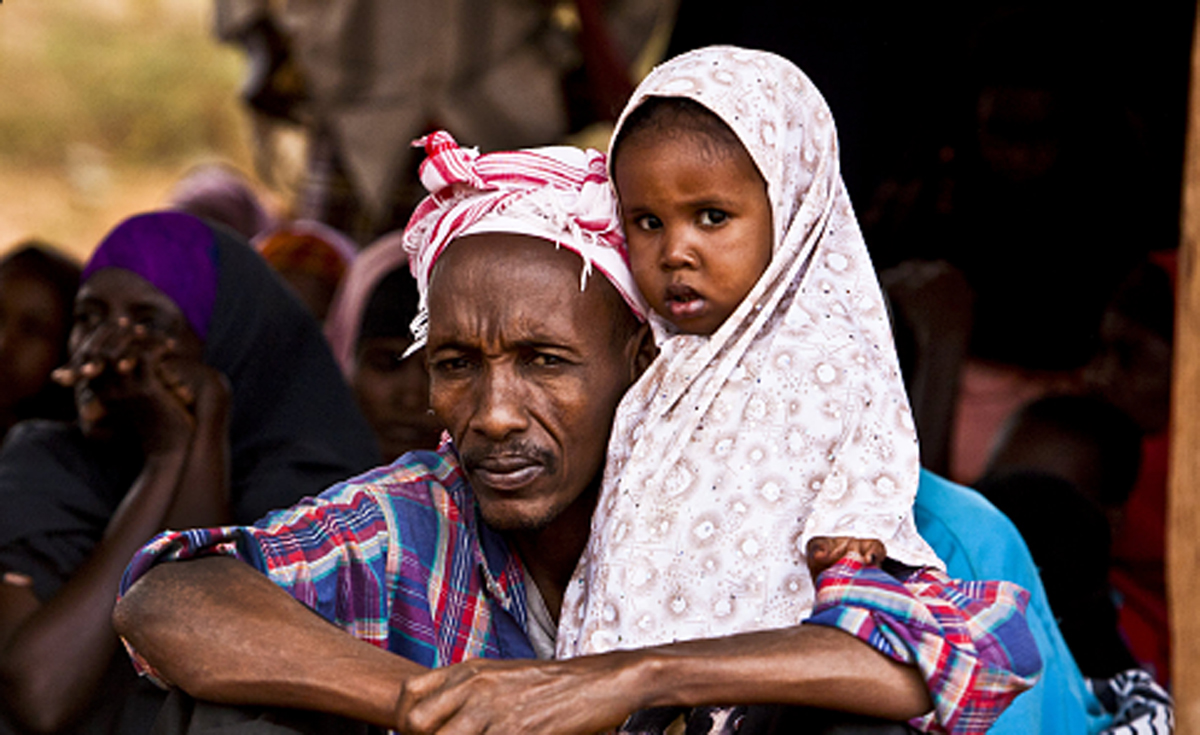
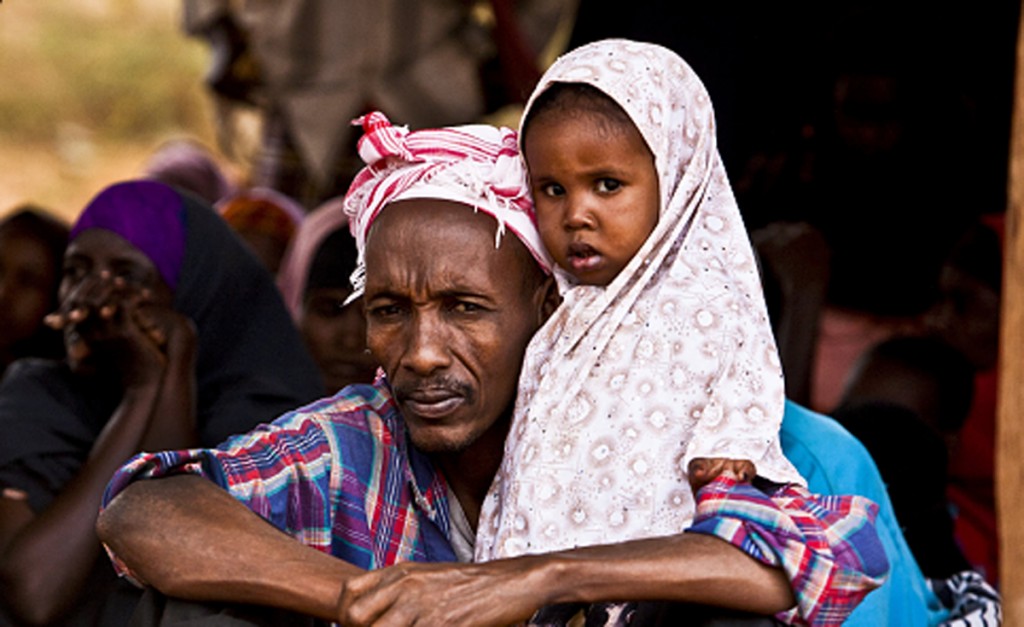
A Somali father with his daughter at the Daadab refugee camp in Kenya. Photo: Courtesy of CARE.
A Somali father with his daughter at the Daadab refugee camp in Kenya. Photo: Courtesy of CARE.A Somali father with his daughter at the Daadab refugee camp in Kenya. Photo: Courtesy of CARE.
By Hawa Noor, Intern & Emmanuel Kisiangani , Senior Researcher Conflict Prevention and Risk Analysis Division, ISS Nairobi
On 10 November 2013, the governments of Kenya and Somalia signed a tripartite agreement with the United Nations High Commission for Refugees (UNHCR) to repatriate Somali refugees from Kenya to ‘safe areas’ in southern Somalia.
The exercise was expected to be voluntary. The idea was conceptualised after the new Somali Federal Government was formed, and the agreement came amid reports that between 30 000 and 80 000 refugees had freely returned to Somalia since January 2013.
Against the backdrop of the 21 September 2013 terrorist attack on Westgate Mall in Nairobi, however, Kenya’s renewed resolve to repatriate Somali refugees is seen more as a move buttressed by Nairobi’s security concerns.
This is particularly evident from allegations that some of the terrorist attackers had used the Daadab Refugee Complex in north-eastern Kenya as their logistical base.
The Kenyan government has also maintained that it has been shouldering a disproportionately huge number of Somali refugees, with limited support from the international community.
Of concern, however, is whether the current security environment inside Somalia is amenable to voluntary repatriation, and if the Kenyan government will observe the human rights obligations relating to Somali refugees – in particular the principle of non-refoulement.
Central to refugee law, this principle provides for the protection of refugees from being returned to places where their lives or freedom may be threatened.
It is emphasised in the 1951 Refugee Convention, to which Kenya is a state party, together with its 1967 Protocol and the 1967 Organisation of African Unity (OAU) Convention governing specific aspects of refugee problems in Africa.
Following the signing of the tripartite agreement, non-governmental organisations such as the International Rescue Committee (IRC), the Norwegian Refugee Council (NRC), INTERSOS, Action Contre la Faim (ACF) and Tearfund expressed their willingness to assist with the voluntary repatriation process, but pertinently urged for continued engagement in the ‘processes and plans around solutions and the practical implications of the tripartite agreement’.
A tripartite commission was to be created to ‘draft an operational plan and provide policy guidance to effect the agreement’s provisions and regularly evaluate its progress’.
Kenya’s Cabinet Secretary for Interior and Coordination of National Government, Joseph Ole Lenku, however, insisted that that there was ‘no turning back,’ and that it was ‘time to say goodbye and wish Somali refugees the best as they go back home.’ Kenya has also argued that the repatriation of refugees will expedite their reintegration inside Somalia and form a basis for rebuilding this Horn of Africa nation.
While there are two main refugee camps in Kenya – the Kakuma Refugee Camp in north-western Kenya and Daadab in the north-east – it is the Daadab Refugee Complex, the largest and most congested refugee site in the country, that has been in the limelight over the repatriation process.
Daadab has been hosting about half a million refugees, mostly from Somalia, since the outbreak of civil war 1991 and in October 2011 witnessed kidnappings of aid workers – something that contributed to Kenya’s military intervention in Somalia.
It is estimated that there are about 500 000 other undocumented Somali refugees in Kenya. The Daadab camp has been the focus of discussion on terrorism in Kenya because of its alleged connections to the activities of the al-Qaeda linked al-Shabaab terror group.
While the Kenyan government has a right to pursue its security interests and protect its people from terrorist attacks and threats, it is important that it adheres to relevant international standards in the repatriation process.
It is revealing that there were suggestions of differences between the Kenyan government and the UNHCR following the signing of the tripartite agreement. Lenku implied that the process was inevitable, given that ‘it was in the best interest of refugees and their [Kenyan] hosts’, while the UNHCR representative in Kenya, Raouf Mazou, maintained that the return of the refugees would only be carried out on a voluntary basis as per the tripartite agreement, and that the process would take at least ten years to complete.
Kenya has not alluded to the only possible exception to the rule of non-refoulement provided for by the United Nations Convention Art 33(2), which accepts refoulement on the basis that ‘the person to be expelled constitutes a danger to national security.’
For voluntary repatriation to succeed, there is a need to invest substantial resources in education and health facilities, among others, in the ‘safe areas’ to make the repatriation appealing.
This responsibility belongs not only to Kenya and the nascent regime in Somalia, but also to other countries in the international community. The issue, however, of whether or not parts of southern Somalia can be considered as ‘safe areas’ remains debatable given the continuing insecurity challenges that Somalia faces.
In Kenya, the biggest security threat may, however, not be the Daadab Refugee Camp, but the country’s uneven growth and structural inequalities, which are helping al-Shabaab to recruit local human capital in Kenya.
Of course, there is also the question of inadequately equipped security agencies and their inability to police the country’s borders. Some have argued that any move to repatriate Somali refugees against their will may be counter-productive, as the refugees would clandestinely find their way back through the porous border into the country.
It is also important to understand that a sizable population of Somali refugees were born in the camps in Kenya, and may have little affinity with their parents’ country of origin.
It is therefore crucial that the refugee repatriation process is truly voluntary, and that Kenya’s national security concerns are not prioritised over the rights of refugees. Any forceful repatriation could easily play into the hands of al-Shabaab by forming a fertile recruitment ground, if not a complete lack of cooperation from the refugees.
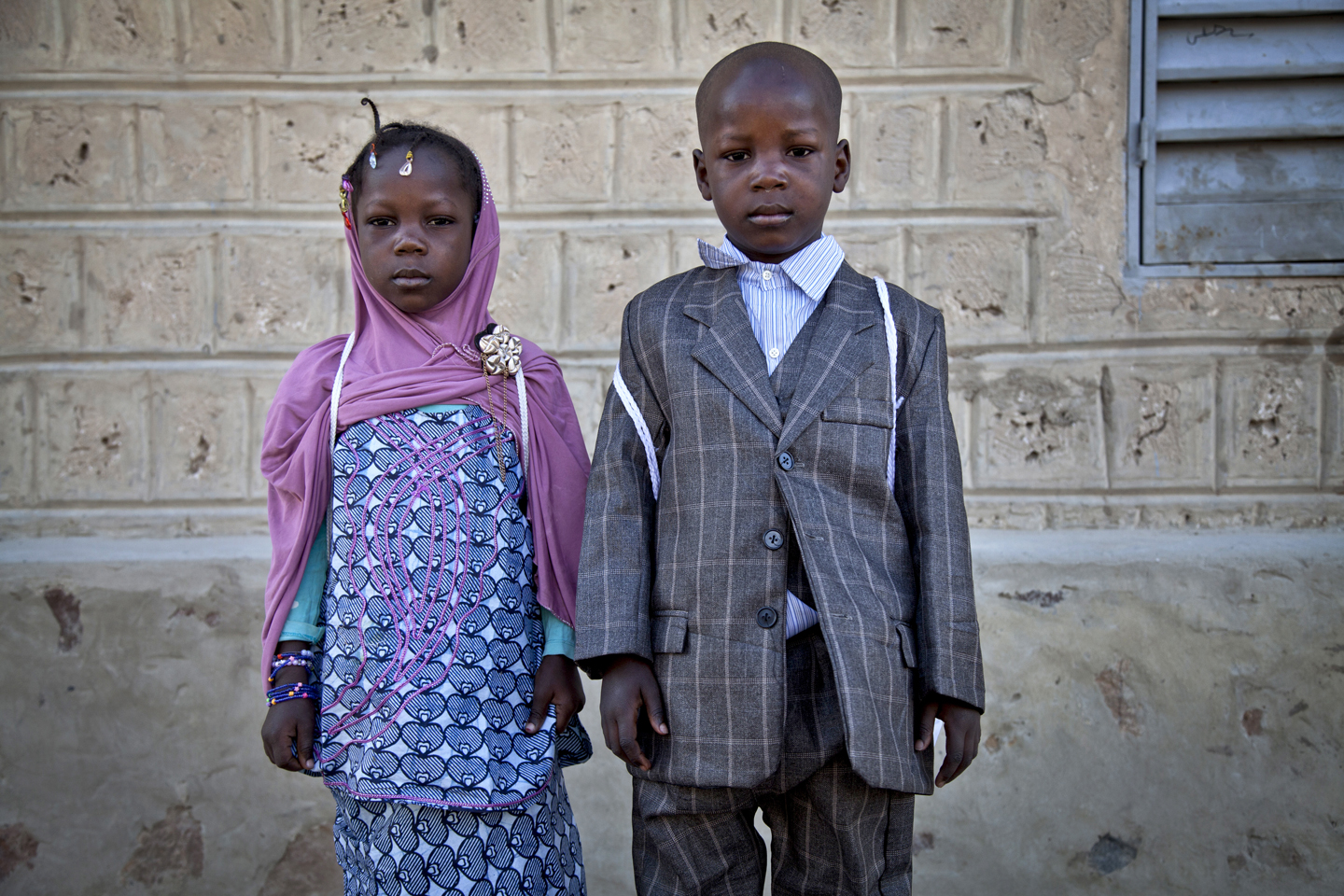
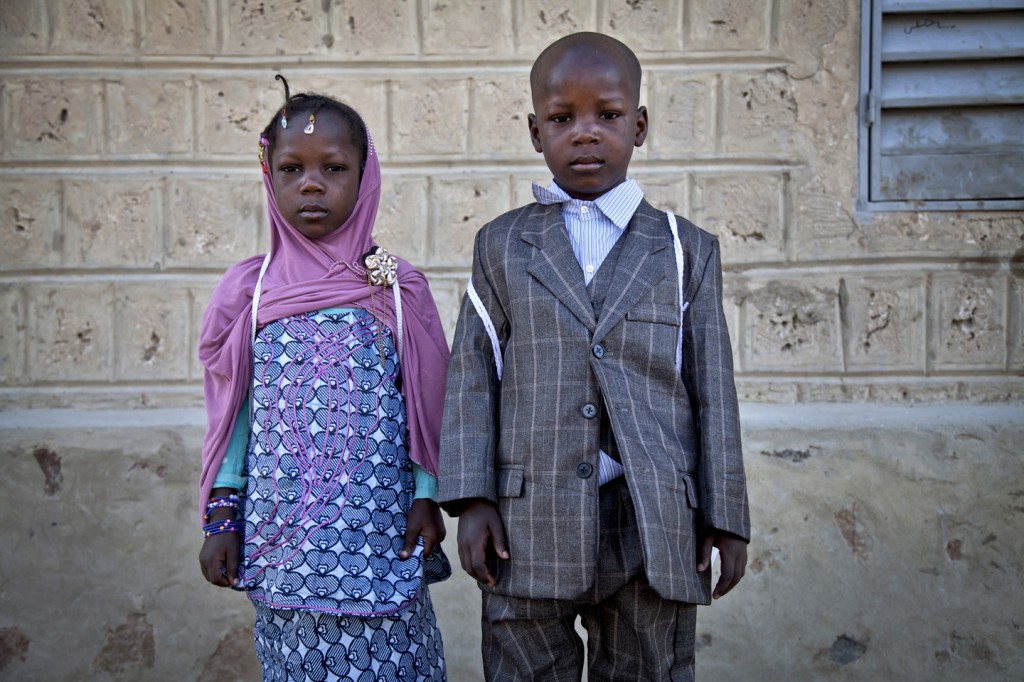
In this December 2013 photo, two children pose for a photo on their way to school in Timbuktu, Mali. Photo: Marco Dormino/UN
In this December 2013 photo, two children pose for a photo on their way to school in Timbuktu, Mali. Photo: Marco Dormino/UNIn this December 2013 photo, two children pose for a photo on their way to school in Timbuktu, Mali. Photo: Marco Dormino/UN
A new legal instrument allowing children or their representatives to file a complaint with the United Nations Committee on the Rights of the Child is set to go into effect in April, following its final required ratification, the United Nations today announced.
Costa Rica became the tenth country to ratify the Optional Protocol to the Convention on the Rights of the child on a Communications Procedure, the Office of the High Commissioner for Human Rights (OHCHR) announcement noted.
“The Optional Protocol gives children who have exhausted all legal avenues in their own countries the possibility of applying to the Committee,” said Kirsten Sandberg, Chairperson of the Geneva-based Committee on the Rights of the Child, which monitors implementation of the treaty and its protocols.
“It means children are able to fully exercise their rights and are empowered to have access to international human rights bodies in the same way adults are under several other human rights treaties.”
Starting in April, individual children or groups of children from the countries that have ratified the Optional Protocol will be able to submit complaints to the Committee on specific violations related to the Convention on the Rights of the Child.
The Convention is a universally agreed set of non-negotiable standards and obligations, providing protection and support for the rights of children. Its three Optional Protocols deal, respectively, with protecting children from trafficking, prostitution and child pornography; prohibiting their recruitment in armed conflict; and allowing them to bring their complaints to the UN if their rights are being abused.
The UN Children’s Fund (UNICEF) applauded Costa Rica’s ratification, saying the third Option Protocol will strengthen accountability, “not only helping to identify gaps in judicial systems for children at the national level but also supporting independent human rights institutions for children.”
The UN agency noted that the Convention and its three protocols are particularly vital for children most vulnerable to human rights violations, especially those excluded and marginalized, such as children with disabilities, and from indigenous or minority families.
Child-sensitive procedures and safeguards will be put into place to ensure that any child filing a complaint is protected and to prevent any reprisals.
The measures will also be in place to ensure that the child “is not being manipulated or used to make the complaint,” Ms. Sandberg noted.
She called the Optional Protocol “a major step forward,” but stressed that Governments have the primary responsibility to address child rights violations.
“We urge States to develop their own systems to ensure that children’s rights are respected and protected and that their voices can be heard,” said Ms. Sandberg.
On behalf of the UN human rights office, she called on Governments that have not done so to ratify this Optional Protocol.
The Costa Rican Government will officially deposit its ratification this afternoon at the UN Headquarters in New York.
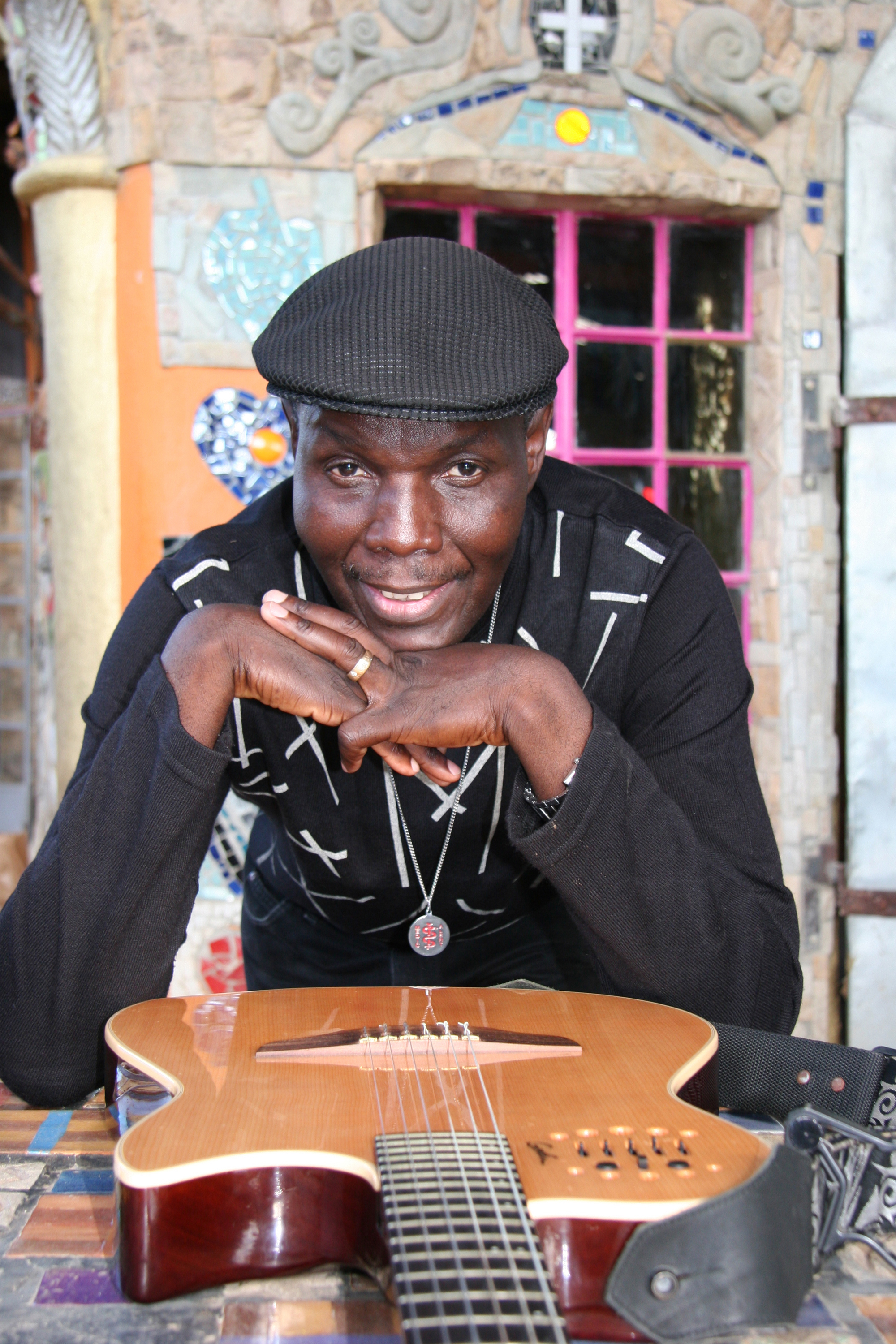
Oliver Mtukudzi will perform two shows on January 21, 2014 at the Dakota in downtown Minneapolis. Photo: Steve Hall
Oliver Mtukudzi will perform two shows on January 21, 2014 at the Dakota in downtown Minneapolis. Photo: Steve HallOliver Mtukudzi will perform two shows on January 21, 2014 at the Dakota in downtown Minneapolis. Photo: Steve Hall
Like the Colorado River helped to sculpt the Grand Canyon, so Oliver Mtukudzi and the Black Spirits work to shape their musical landscape into a fluid work of beauty. Tuku will play back-to-back gigs at the Dakota Jazz Bar on Tuesday, January 21.
Tuku’s music flows from his guitar along with his gritty voice. He blends traditional with new, strumming his six-string alongside old-style mbira (thumb harp) and kateke drumming. Starting his musical career 39 years ago when the country of Zimbabwe was still known as Rhodesia, he has remained with his band, Black Spirits, since 1979.
A member of Zimbabwe’s Kore Kore tribe, he sings in the national language, Shona, as well as Ndebele and English. The instruments he uses, however, surpass any language reflecting both his roots in Africa as well as his global voice.
His sound and message are not firecrackers, but tackle topical issues with tact and respect for the situations. Unlike some of his musical compadres, he does not seek social change through criticizing the current government. Instead, he focuses on ubantu and harmonious living.
Most recently, he was inducted into the Afropop Hall of Fame on Sunday July 21, 2013 after performing for an audience of 10,000 in Central Park during the Summer Stage Festival. His musical prowess stands alongside fellow African musicians, Angelique Kidjo, Hugh Masekela and Ladysmith Black Mambazo. And in that case, he stands tall.
Date: Tuesday, Jan 21, 2014
Time: 7:00pm & 9:00pm
Cost: $30 & $20
BOX OFFICE: 612-332-5299 or dakotacooks.com
Website: www.tukumusik.com