Home Blog Page 98

Abdi Warsame becomes first Somali to lead a government agency in Minnesota

0
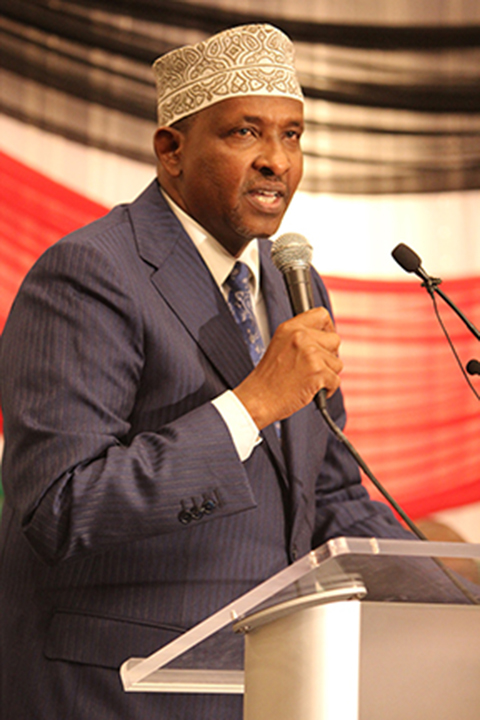
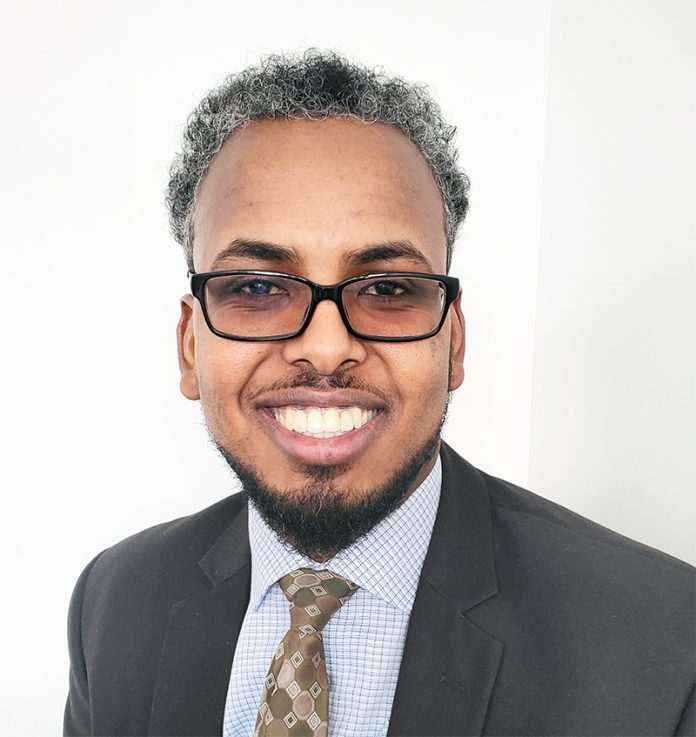
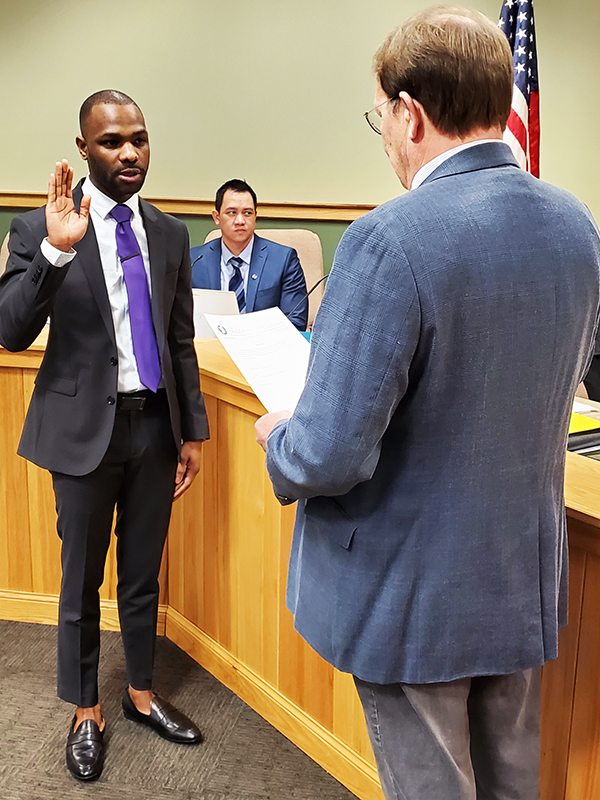
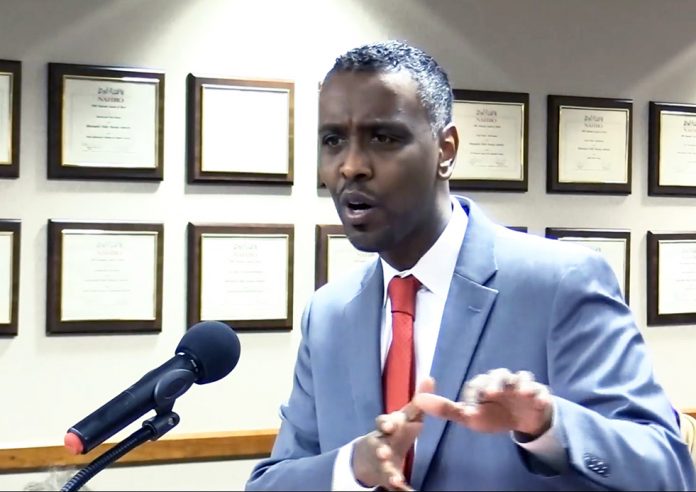
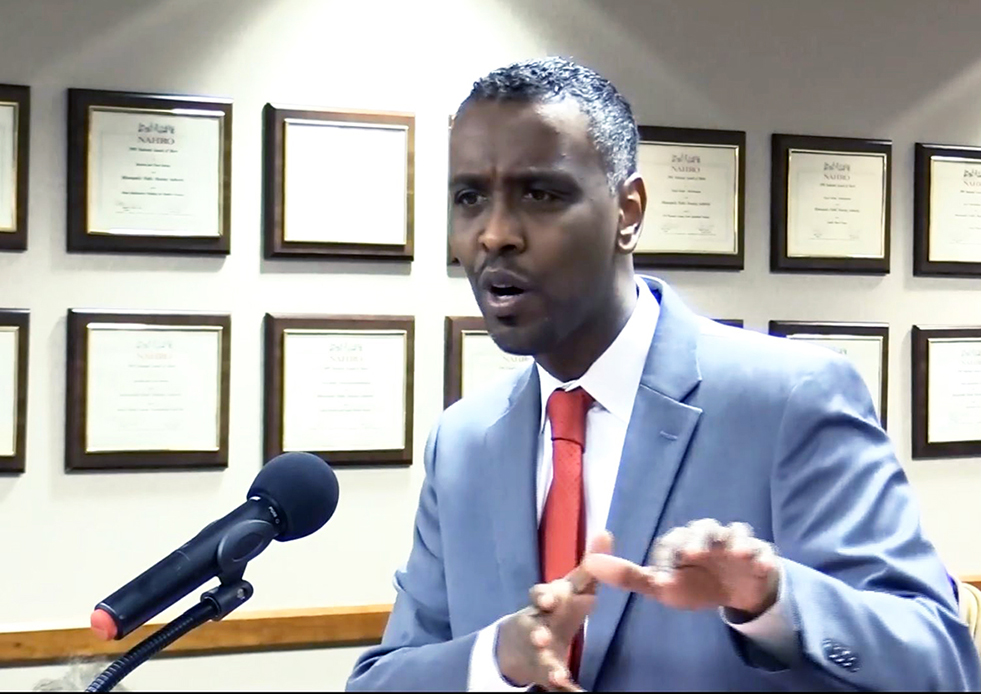
Abdi Warsame Addresing MPHA Board
Abdi Warsame the newly appointed CEO and executive director for the Minneapolis Public Housing Authority addressing the MPHA board of commissioners before they voted to appoint him on Wednesday, January 29, 2020. He becomes the first Somali to ever lead a government agency in Minnesota. Photo: Siyad Salah for Mshale
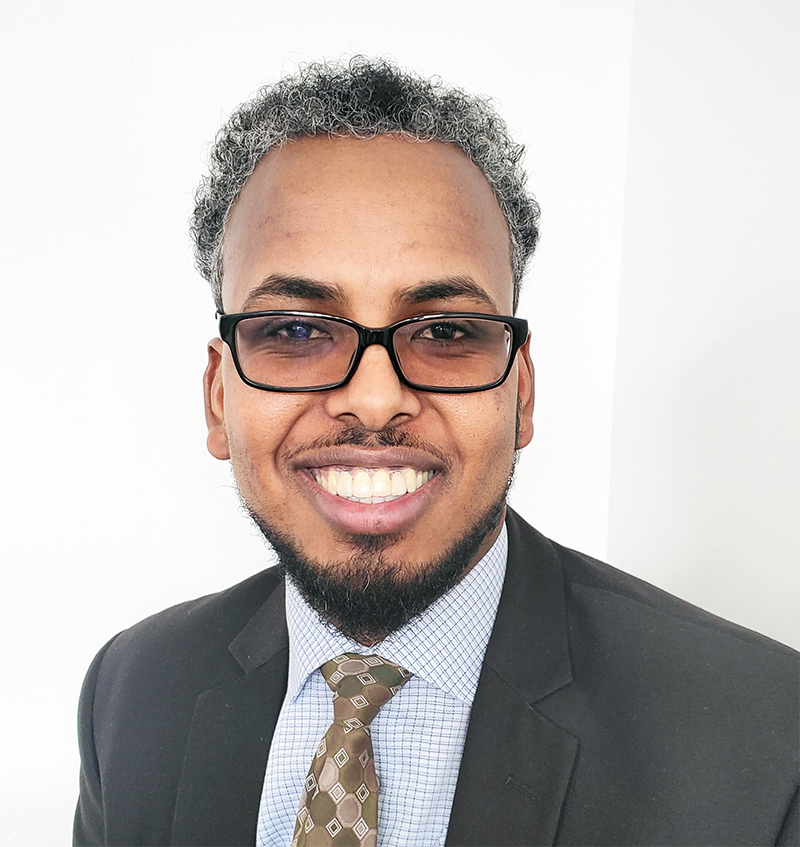
Abdi Warsame Addresing MPHA Board
Abdi Warsame the newly appointed CEO and executive director for the Minneapolis Public Housing Authority addressing the MPHA board of commissioners before they voted to appoint him on Wednesday, January 29, 2020. He becomes the first Somali to ever lead a government agency in Minnesota. Photo: Siyad Salah for Mshale
Abdi Warsame Addresing MPHA Board
Abdi Warsame the newly appointed CEO and executive director for the Minneapolis Public Housing Authority addressing the MPHA board of commissioners before they voted to appoint him on Wednesday, January 29, 2020. He becomes the first Somali to ever lead a government agency in Minnesota. Photo: Siyad Salah for Mshale

Minneapolis City Council Member Abdi Warsame was on Wednesday unanimously voted in by the board of the Minneapolis Public Housing Authority to be the agency’s new CEO and executive director, replacing interim executive director and CEO Tracey Scott. The organization’s former executive director Greg Russ left the position in August after getting appointed as the head of New York City’s Housing Authority, the largest in the nation.

Warsame’s new appointment will create a vacancy in Minneapolis’ Ward 6 that he represents. A special election will need to be called to fill the remainder of his term which ends in 2021. Within hours of Warsame’s appointment to lead the authority, Suud Olat, an activist sent a message to Mshale via Facebook Messenger announcing he will run for Ward 6.

Warsame is set to lead an organization that has recently fallen under public scrutiny following a November fire in the authority’s Cedar High apartment complex left five people dead. Warsame said this tragedy was a motivating factor as to why he applied for this position.

“We should work toward making sure that tragedy doesn’t happen again,” Warsame said. “I lost five people there, friends, family, constituents, and that was one of the key moments that made me more determined to go for the role,” Warsame said.

Weeks after the fire Warsame wrote an amendment that allocated over 2 million dollars in funds into Mayor Jacob Frey’s 2020 budget for public housing sustainability. The funds are set to be utilized to make improvements to public housing units to ensure that they are well maintained and safe for residents.

Prior to serving as a council member representing Ward 6, Warsame was a board chair for the Cedar Riverside-Neighborhood Revitalization Program (CRNRP) that serves as a channel for information and resources that flow from the city into the Cedar Riverside/ West Bank neighborhood. Warsame also held a position as the executive director of the Riverside Plaza Tenants Association (RPTA), advocating for more than 5,000 residents in the neighborhood, many of whom are low income.

Following his appointment, Warsame has drawn criticism from community members who find his experience inadequate for the position. Defend Glendale and Public Housing Coalition, a group that regularly criticizes the housing authority’s decisions released a statement voicing concern on his appointment.

“Abdi Warsame is not qualified to lead MPHA because he is not about the people,” the statement reads. “He and his best friend Mayor Jacob Frey have been very divisive and toxic in the East African communities of Minneapolis.”

Warsame has expressed increasing communication between residents and the organization’s employees as a way to increase transparency and build stronger relationships between residents and the housing authority.

Warsame hopes to bring experience as a council member and involvement in public housing leadership into his new position. He also pointed to his upbringing in public housing in London as a  lived experience.

Regarding his new role, Warsame stated that holding a position with the Minneapolis Public Housing Authority “would be a noble mission” in serving Minneapolis residents as the city faces a growing affordable housing crisis.
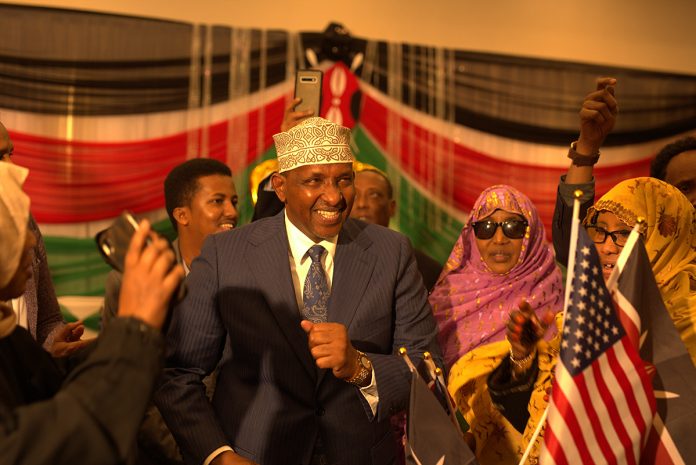
Kenya Parliamentary Majority Leader meets with Minnesota legislators and Somali diaspora

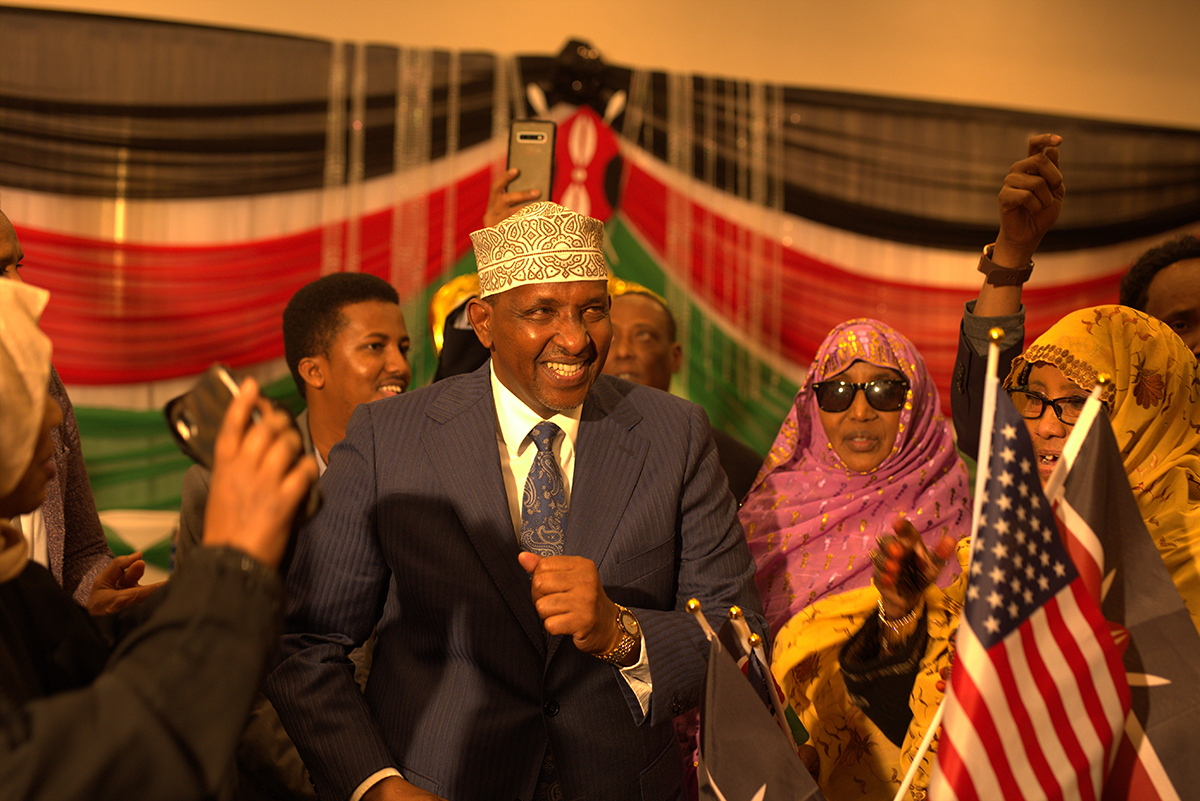
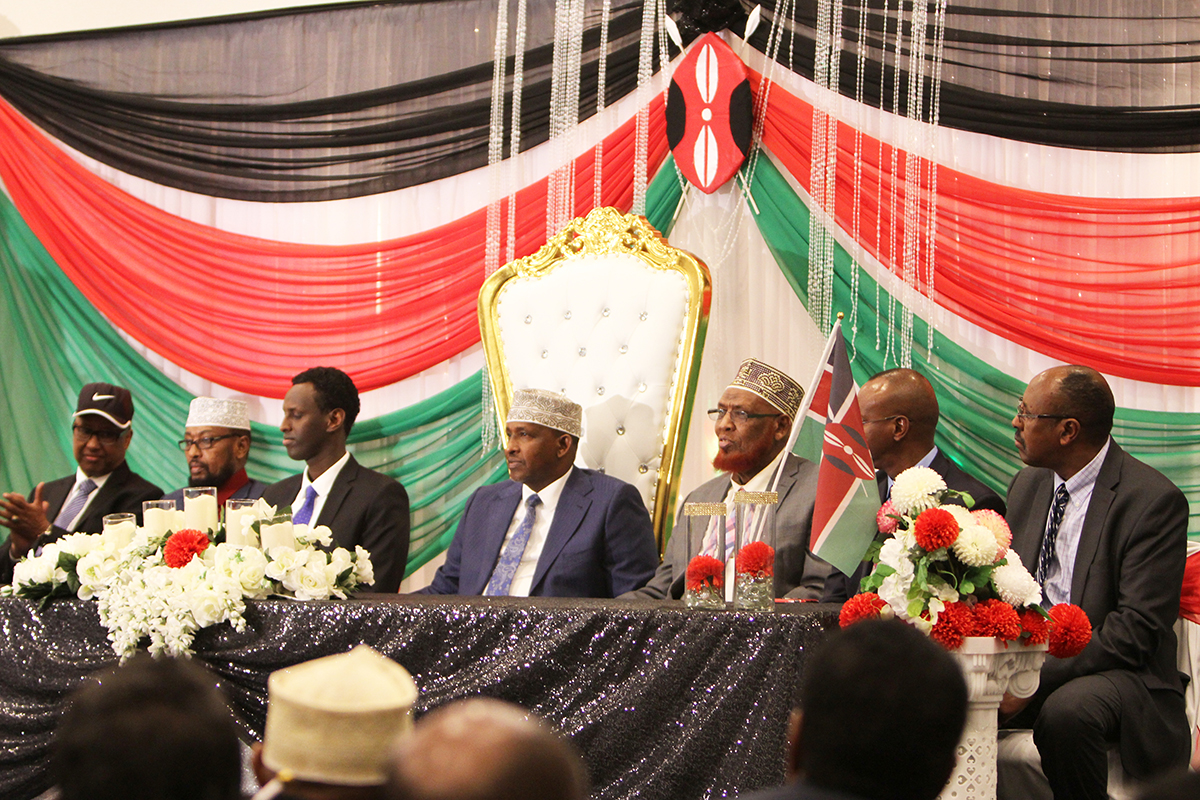
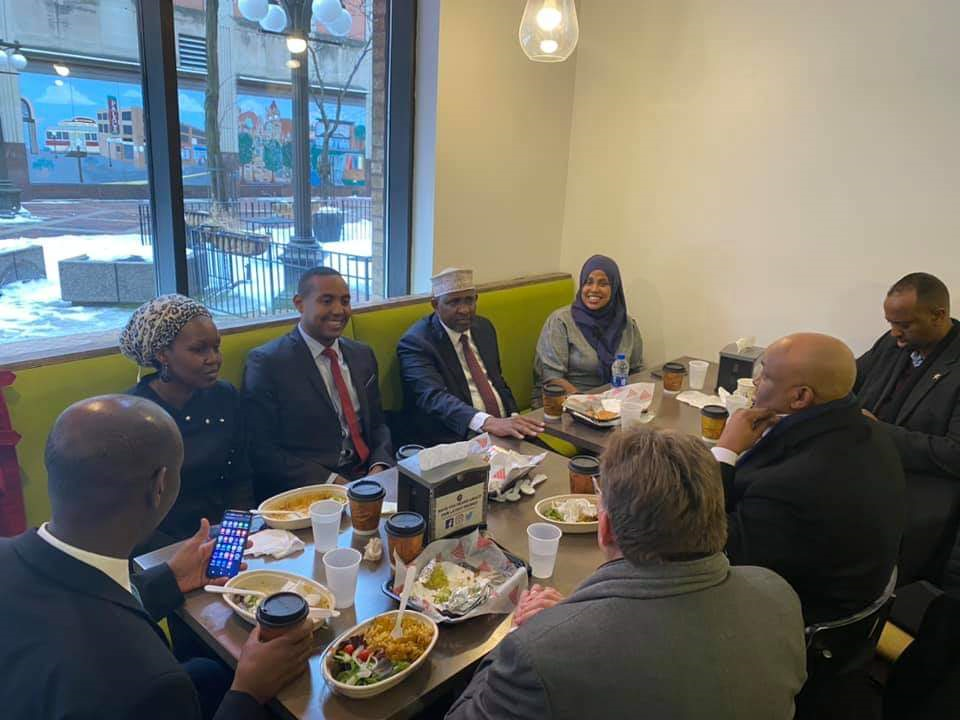
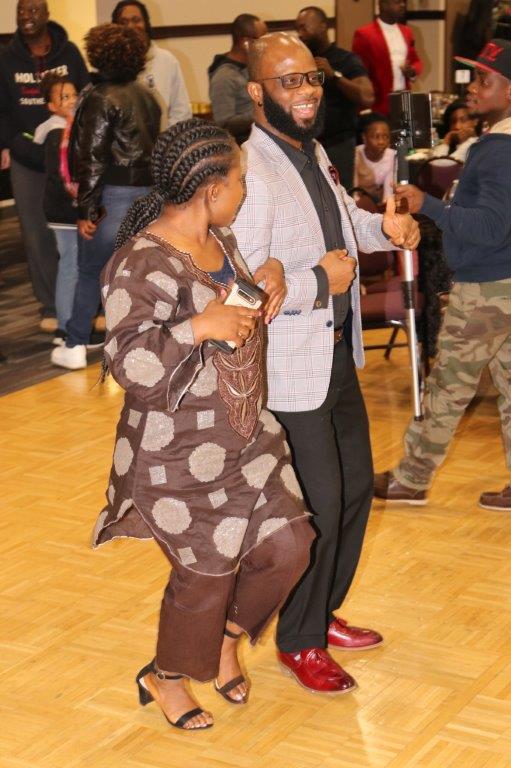
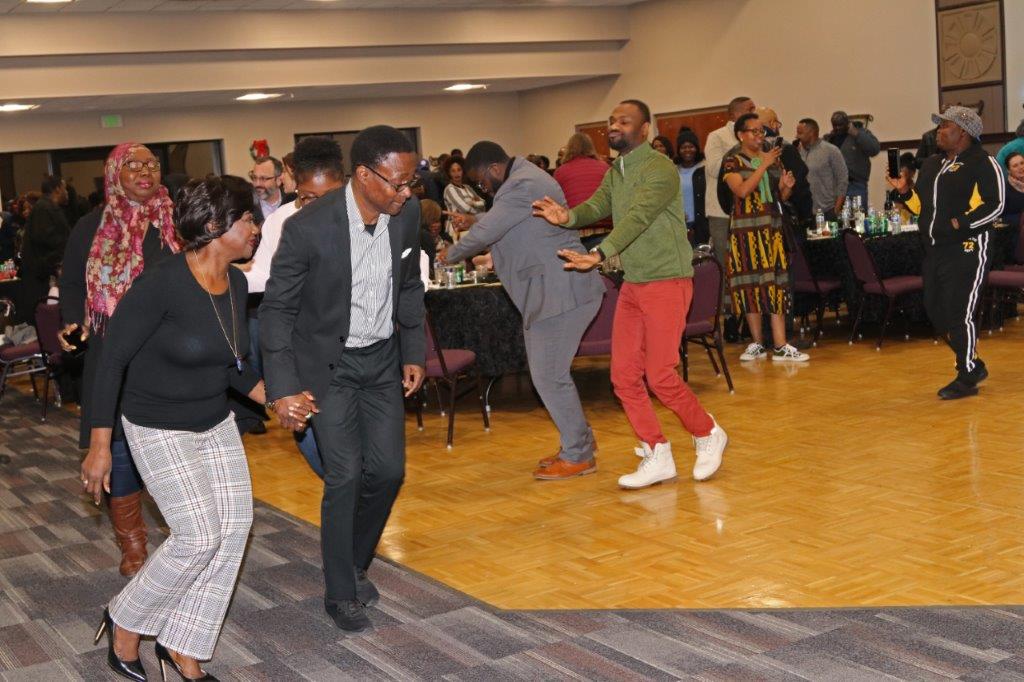
Kenya's Parliamentary Majority Leader Aden Duale joins in a dance as he is welcomed to Minnesota by members of the large Somali diaspora on Saturday, January 25, 2020. Photo: Jerusa Nyakundi/Mshale
J Duale Dancing.jpg
Kenya's Parliamentary Majority Leader Aden Duale joins in a dance as he is welcomed to Minnesota by members of the large Somali diaspora on Saturday, January 25, 2020. Photo: Jerusa Nyakundi/Mshale

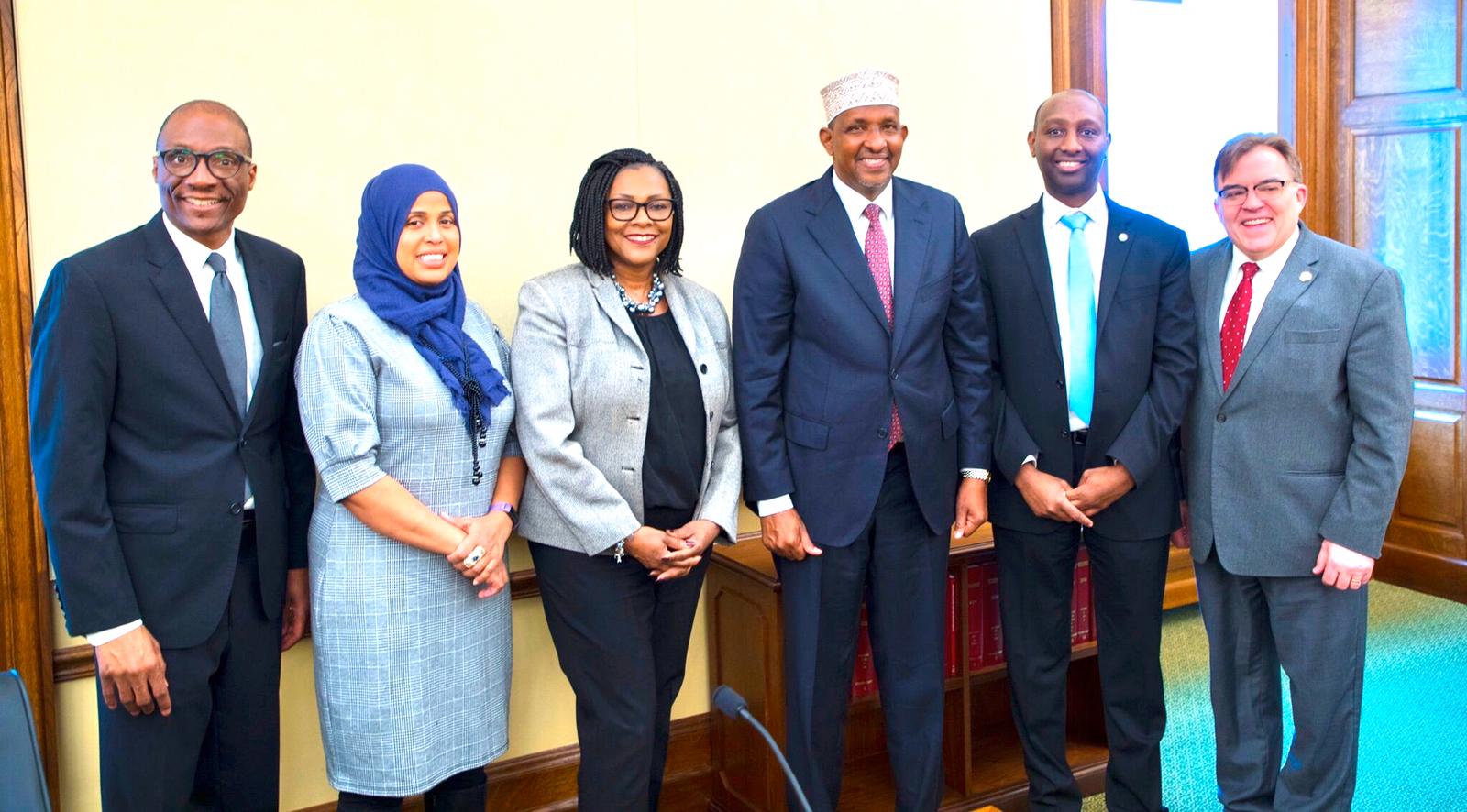
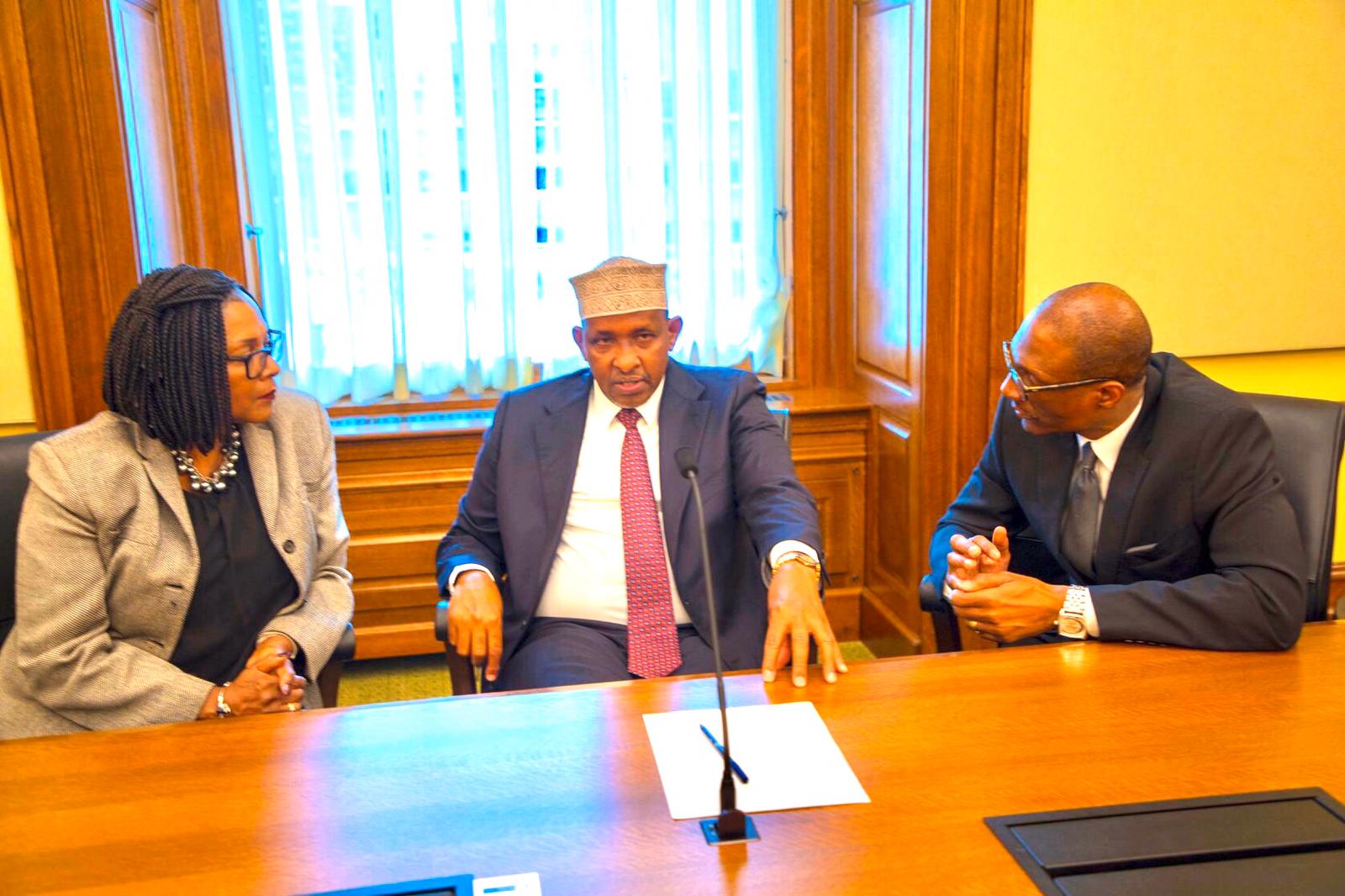
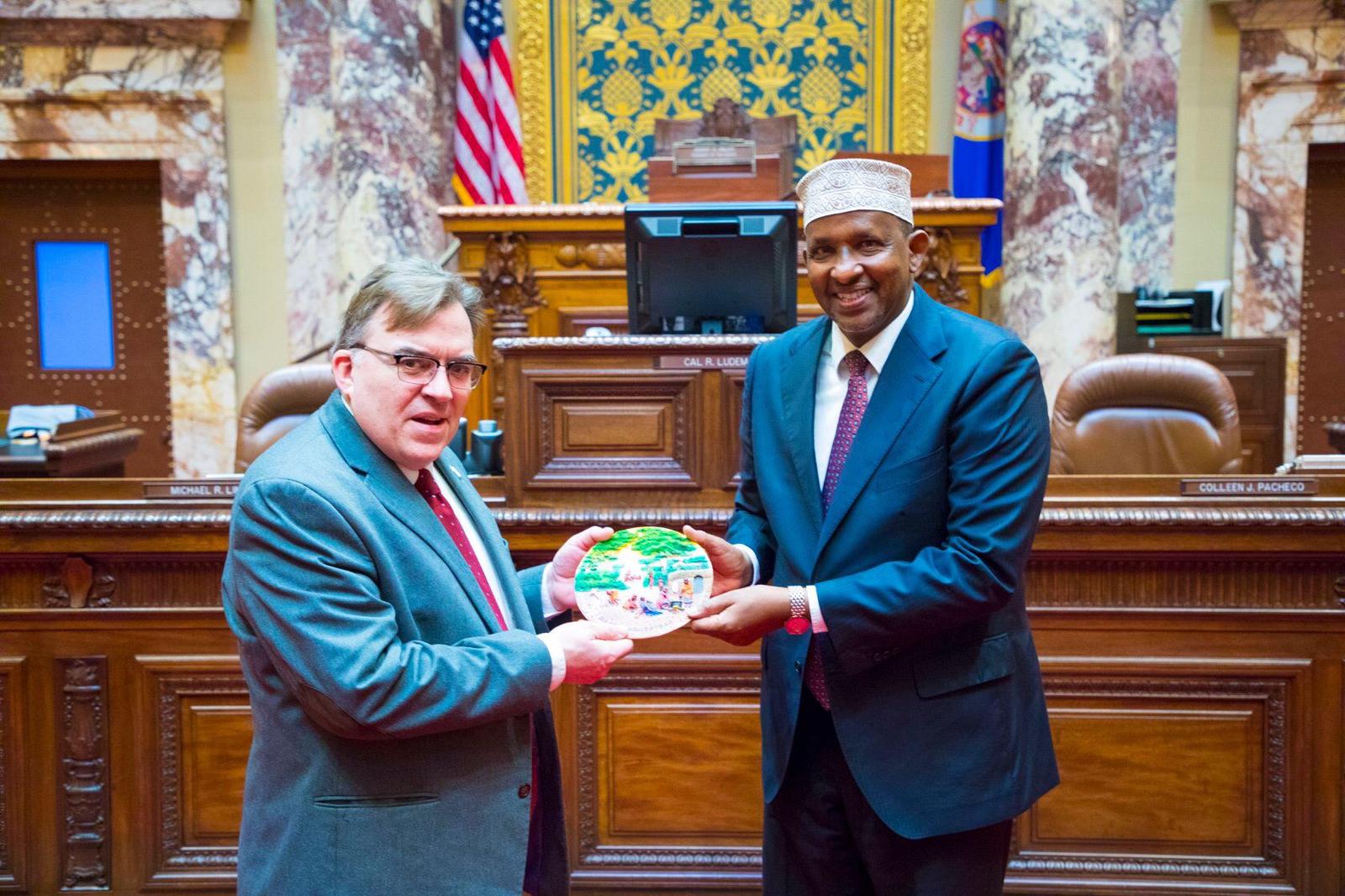
MINNEAPOLIS – Kenya’s Parliamentary Majority Leader, Aden Bare Duale, met with Minnesota government officials, the business community and the state’s large Somali diaspora – the largest outside of Africa during a three day visit to the state over the weekend. Duale last visited Minnesota five years ago.

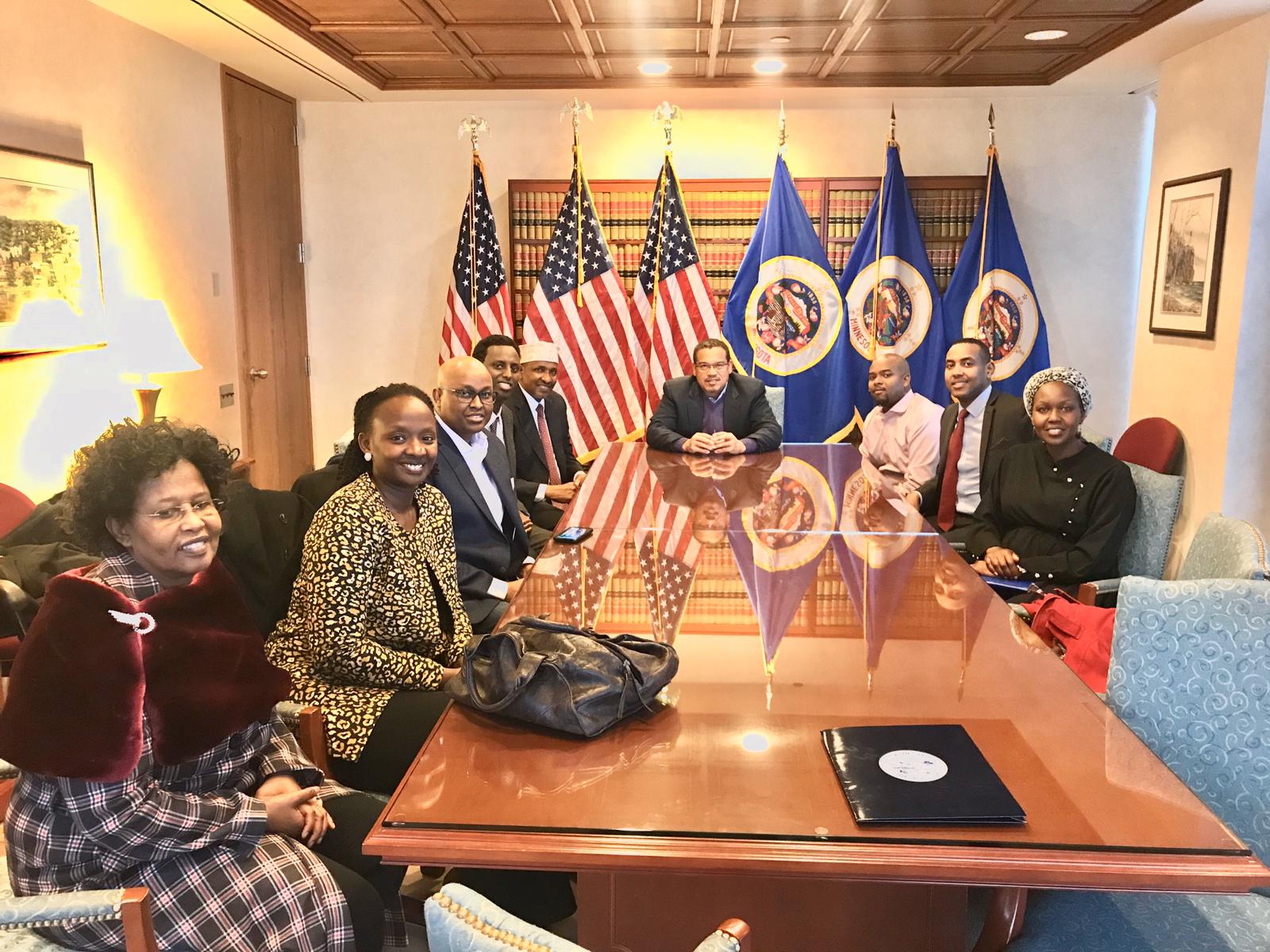
The majority leader met with leaders that have made history in the state and country since the last time he was here. Among those he met with was Minnesota Attorney General Keith Ellison who became the state’s first black Attorney General last November. Ellison was also the first Muslim elected to the US Congress. His move to the AG’s office created an opening in the Fifth Congressional District which was won by now Congresswoman Ilhan Omar who made history of her own by becoming, alongside Michigan’s Rashida Tlaib, the first Muslim women elected to Congress. Omar also is the first black person born in Africa to be elected to Congress. Duale met with Omar in Washington.

Duale also met with Minnesota State legislative leaders, among them Minnesota Senate Minority Whip John Hoffman and Assistant Majority Leader of the Minnesota House of Representatives Hodan Hassan. He also met with members of the Minnesota United Black Legislative Caucus, among them Senator Bobby Jo Champion and Representative Mohamud Noor, the only elected black male in the Minnesota House.

The Minnesota legislators highlighted the increasing economic cooperation between Africa and their state and acknowledged the growing economic and political clout of the African immigrant community. The Majority Leader on his part welcomed the legislators’ interest to visit East Africa and emphasized the business opportunities that abound in the region.

Duale also visited the popular Afro Deli for lunch while in the state. Afro Deli is owned by Abdirahman Kahin.

Books for Africa

During a breakfast meeting hosted in his honor by the board and staff of Books for Africa, Duale pledged to lend his support to the non-profit’s work in Africa. The St. Paul based books for Africa is the largest shipper of donated school text books to the continent.

“We need to tell more of the good work you (Books for Africa) do,” said Duale, adding that he would henceforth be an enthusiastic spokesperson for the group.

Diaspora Meeting

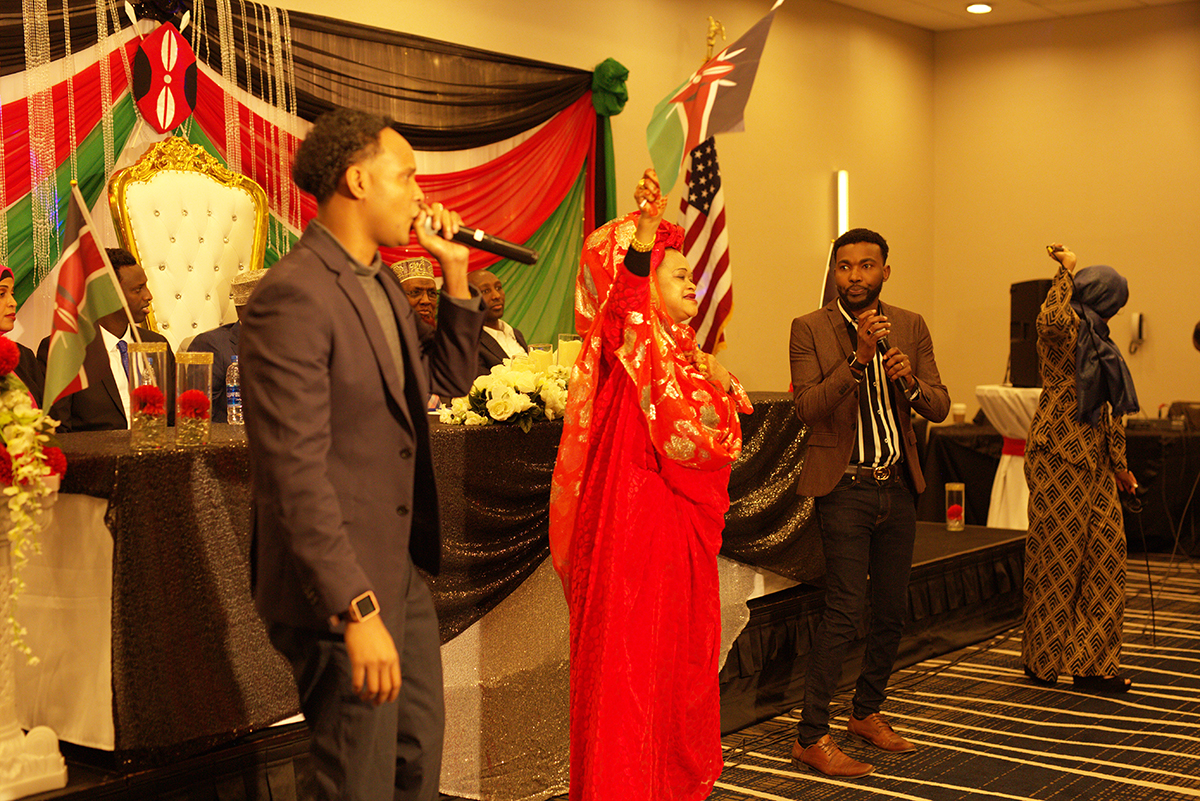
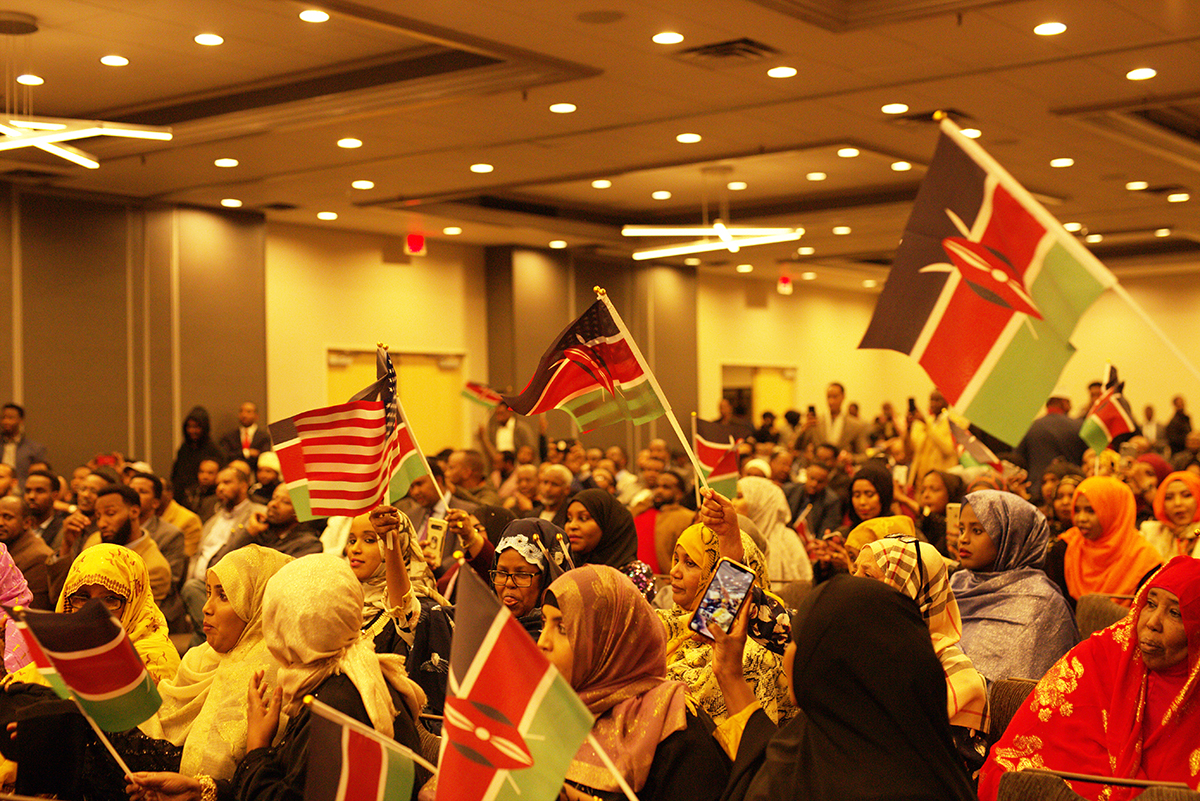
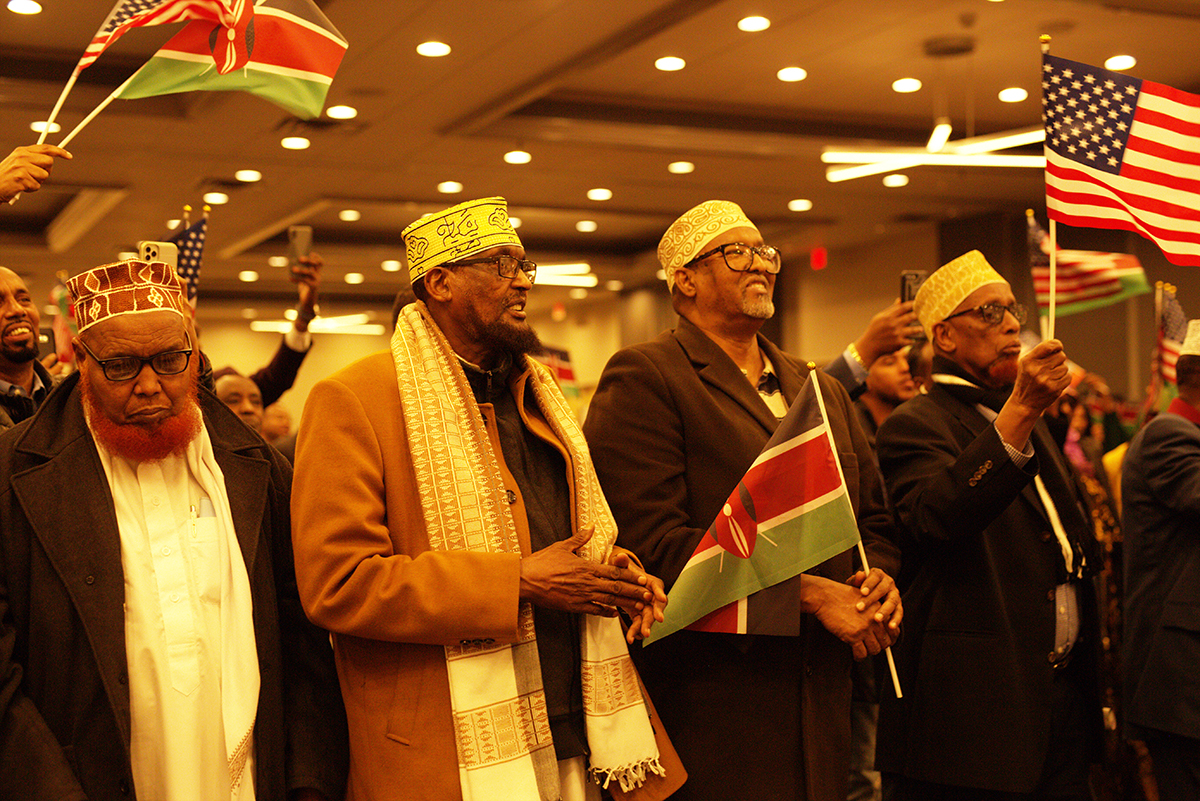
The Majority Leader on Saturday evening addressed a much-anticipated gathering of over 2,000 jubilant Minnesotans drawn from the Somali diaspora encompassing Kenya, Somalia, Ethiopia and Djibouti. The gathering at a local Minneapolis hotel was awash with Kenyan and US flags.

Duale paid tribute to the important contributions that the diaspora has made, in particular with the remittances that they send.

“There are billions of dollars remitted to our country each year,” said Duale. However, Duale feels that while the monetary funds have been a driving force towards growth, the country still lags in other aspects. He wants the diaspora to bridge this gap by serving the nation through other means beyond just remittances.

According to him, Kenya needs “people with new visions, new ideas… and advanced technical skills.” He said that the next generation of intellects and forward-thinking businesses can pave the way towards a brighter future―as they have the tools and foreign education to make this happen.

This community heard a similar request from Ambassador Robinson Njeru Githae, after he announced the government’s plan to open a consulate in the Twin Cities, Minneapolis St. Paul. This pledge was made almost five years ago and has yet to be fulfilled, one Kenyan lamented.

A community member present who wouldn’t share his name said “would love to invest in our country (Kenya), but we are still waiting to get the real leadership who would encourage us to do so.”

Many attendees at the gathering expected to hear some news about the outcome of last year’s negotiations between the Ogaden National Liberation Front (ONLF) and Jubbaland officials but Duale did not deliver on that expectation.

Even though Duale did not say anything about the meetings or Ethiopia’s political strategies at the event, Ibrahim Arab, a member of the central committee of ONLF talked to Mshale. “We’re really grateful for the significant role that Kenya has played in this peace process, he said. “We can expect to hear an update during the delegation’s stay in the U.S.”

Tom Gitaa contributed to this report.

Angélique Kidjo wins fourth Grammy and dedicates it to Burna Boy

0
Angelique Kidjo at the 62nd Grammy Awards
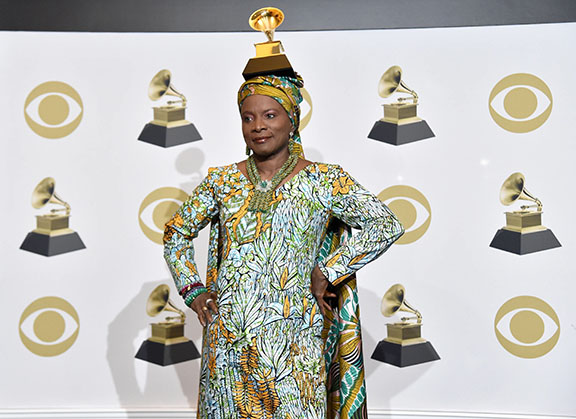
Angelique Kidjo of Benin on Sunday, January 26, 2020 poses for photographers at the 62nd Grammy Awards after winning the Best World Music Album for Celia. Photo: Alberto E. Rodriguez of Getty Images for The Recording Academy
Angelique Kidjo at the 62nd Grammy Awards
Angelique Kidjo of Benin on Sunday, January 26, 2020 poses for photographers at the 62nd Grammy Awards after winning the Best World Music Album for Celia. Photo: Alberto E. Rodriguez of Getty Images for The Recording Academy

Angélique Kidjo won Best World Music Album for Celia at the 62nd GRAMMY Awards on Sunday, beating out fellow nominees Altin Gün (Gece), Bokanté & Metropole Orkest Conducted By Jules Buckley (What Heat), Burna Boy (African Giant) and Nathalie Joachim With Spektral Quartet (Fanm D’Ayiti) to bag her fourth Grammy win.

The World Music category is usually not aired during the live telecast and is instead presented during what is called the Premiere Ceremony.

In her acceptance speech, Kidjo gave special recognition to the new generation of African musicians including fellow nominee Burna Boy whom he dedicated the award to.

“Four years ago on this stage, I was telling you that the new generations of artists coming from Africa gonna take you by storm and the time has come,” Kidjo said. “Celia Cruz, for me she’s the goddess of salsa. She’s the queen of salsa. She is one of those artists that taught me at a young age that my gender cannot define who I am, that I can do everything I wanted to do.”

Celia celebrates the late Afro-Cuban singer Celia Cruz.

Interestingly, Nigerian heavyweight Burna Boy’s African Giant has a track “Different” that he collaborated with Kidjo on. He had been expected to win the category and the reaction from his fans was palpable on social media. Some of their reactions are below.

Screenshot 2020 01 30 Twitter React To Burna Boy Losing A Grammy To Angelique Kidjo » Driptunes

Supreme Court gives Trump greenlight to deny green cards

0
Suprem Court Demo
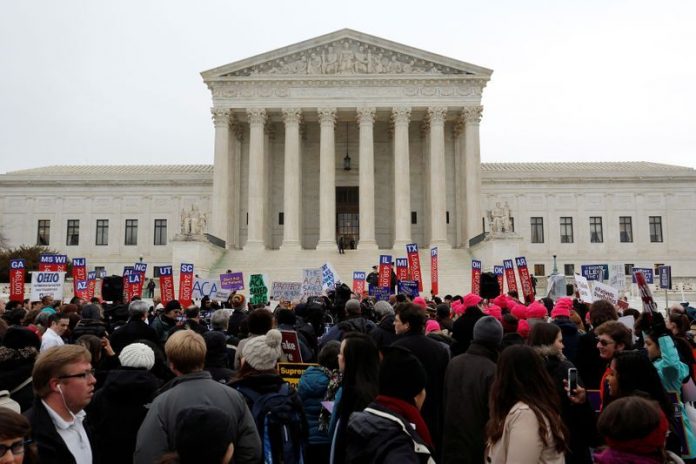
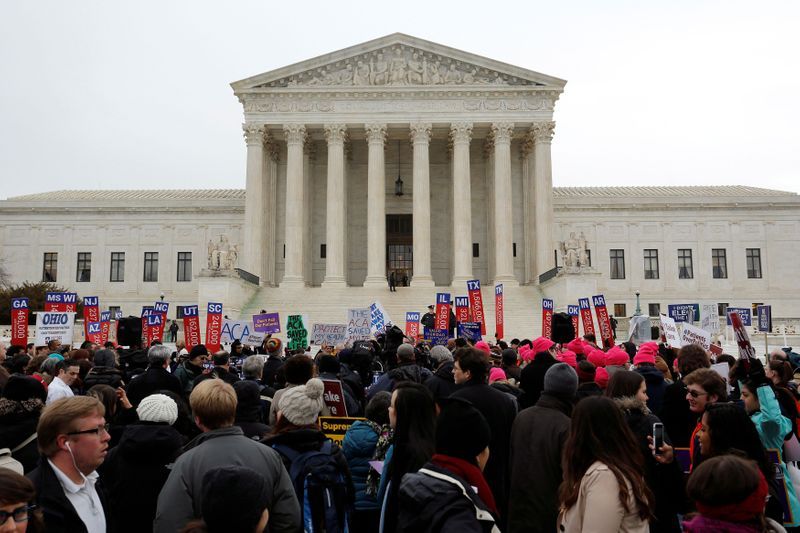
Demonstrators gather at the Supreme Court building in Washington in support of an issue that was before the court in December 2019. Photo: Mshale File
Suprem Court Demo
Demonstrators gather at the Supreme Court building in Washington in support of an issue that was before the court in December 2019. Photo: Mshale File
Suprem Court Demo
Demonstrators gather at the Supreme Court building in Washington in support of an issue that was before the court in December 2019. Photo: Mshale File

The US Supreme Court today on a 5-4 vote is allowing the Trump administration to deny those who have used public benefits such as Medicaid, food stamps, Section 8 housing assistance or cash assistance from getting green cards. The Trump administration appealed a ruling by the 2nd U.S. Circuit Court of Appeals in New York that had put on hold the administration’s policy from going forward.

The administration’s win at the Supreme Court means that when one applies for a green card, US immigration authorities can now demand that they prove they will not be a burden to the country or a public charge, even if an immigrant had qualified and legally received public benefits such as Medicaid and food stamps.

Implications

A 2018 study that was done by Boundless when the Trump administration signaled they would propose such a rule, found that 200,000 spouses would not be legally admitted into the country should the rule go into effect.

More than 19 million children, 86 per cent who are citizens, live with an immigrant parent who might not have obtained their green card yet. Many of these 19 million children are on Medicaid and there is now fear that parents who are planning to apply for green cards will not apply for Medicaid for their children, for fear of jeopardizing their green card applications, even though those children qualify for the benefits.

Each year, about 544,000 people apply for green cards and authorities have indicated that 382,000 would fall in categories that will trigger a review on whether they could be a public charge.

Osman Ahmed, US Senator Tina Smith’s only African immigrant staffer steps down

1
Osman Ahmed
Osman Ahmed, the only African immigrant in a substantive role in the office of US Senator Tina Smith is stepping down effective January 17, 2020. Photo: Tom Gitaa/Mshale
Osman Ahmed
Osman Ahmed, the only African immigrant in a substantive role in the office of US Senator Tina Smith is stepping down effective January 17, 2020. Photo: Tom Gitaa/Mshale
Osman Ahmed
Osman Ahmed, the only African immigrant in a substantive role in the office of US Senator Tina Smith is stepping down effective January 17, 2020. Photo: Tom Gitaa/Mshale

Days before the start of the 2020 early voting for the upcoming first presidential primary in Minnesota, Osman Ahmed, who serves as US Senator Tina Smith’s Outreach and Housing Policy Director at the Minnesota office, is stepping down to take a job in the non-profit sector.

His departure will leave Senator Smith’s Minnesota office with no person of color in a substantive role unless she hires one.

Ahmed’s resignation is effective Friday (Jan.17).

Ahmed previously worked for Senator Al Franken and stayed on when Sen. Smith took over from his former boss. Ahmed’s entry into the US Senator’s office was his key role in Franken’s first campaign as a campaign worker, where Franken won after months of recounting the votes, eventually prevailing with 312 votes. Franken then immediately hired him after assuming office.

In 2018, Ahmed unsuccessfully contested for the Minnesota House District 62A which was won by Rep. Hodan Hassan. During his time as staffer for both Franken and Smith, Ahmed has been a visible presence within the African immigrant community and credited for the popularity the two senators have continued to enjoy within it.

Ahmed was among a handful of African immigrant staffers who work in the offices of Minnesota’s congressional delegation.

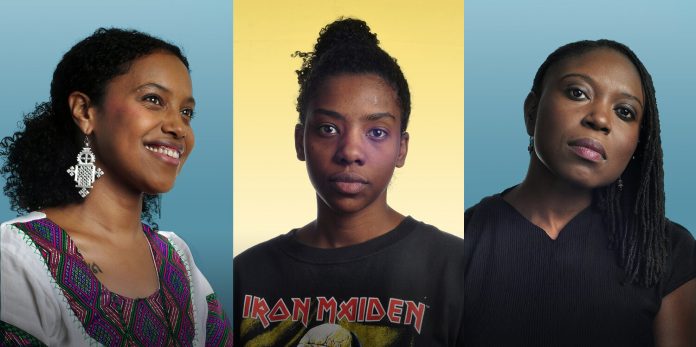
The Cedar Commissions to feature Rebecca Nichloson, Dua Saleh, and Tensae Fayise

0
The Cedar
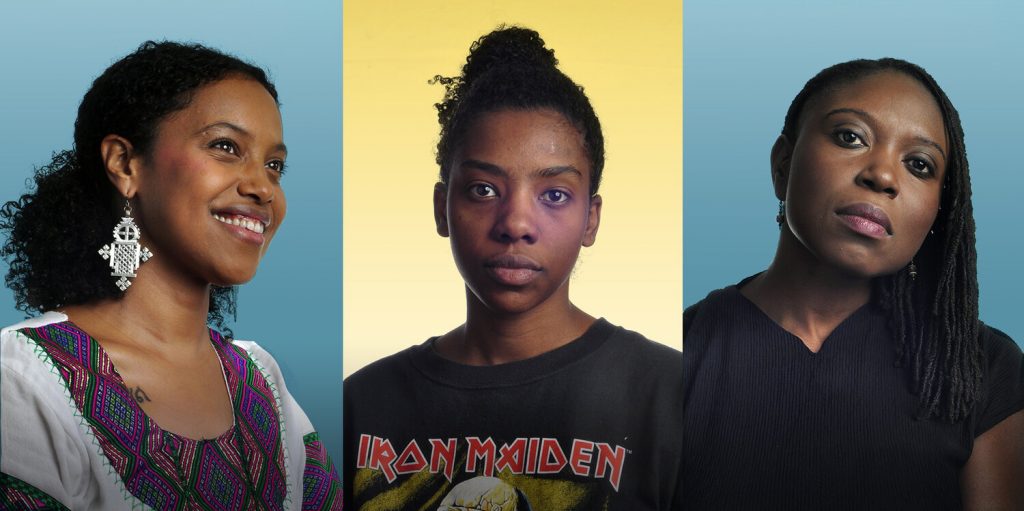
Artists Tensae Fayise, Dua Saleh and Rebecca Nichloson are among six artists that are part of the 2020 Cedar Commissions. They will perform at the Cedar on February 22, 2020. Photo: Courtesy of The Cedar
The Cedar
Artists Tensae Fayise, Dua Saleh and Rebecca Nichloson are among six artists that are part of the 2020 Cedar Commissions. They will perform at the Cedar on February 22, 2020. Photo: Courtesy of The Cedar
The Cedar
Artists Tensae Fayise, Dua Saleh and Rebecca Nichloson are among six artists that are part of the 2020 Cedar Commissions. They will perform at the Cedar on February 22, 2020. Photo: Courtesy of The Cedar

The Cedar Cultural Center has announced six artists for the ninth Cedar Commissions, its flagship program for emerging Minnesota composers and musicians. The six are ilan Blanck, Tensae Fayise, Freaque, Rebecca Nichloson, Dua Saleh and Anat Spiegel.

Their works will be showcased at performances on February 21 and 22.

Over the two nights of the 2020 Cedar Commissions, audience members will hear music inspired by family legacies and histories, traditional Ethiopian azmaris, women of the Holocaust, immersive Afrodiasporic sounds, Black America, collective action, and so much more.

Since 2011, the Commissions have showcased new work by over 60 emerging artists in Minnesota, according to the Cedar. Artists receive $3,500 plus a $1,000 production stipend to create and premiere 30 minutes of new music at The Cedar.

The Cedar Commissions
February 21 and 22, 2020
@ The Cedar Cultural Center
416 Cedar Avenue South
Minneapolis, MN 55454
Tickets Online @ thecedar.org

Yakasah Wehyee sworn in as Falcon Heights first Liberian-American on City Council

0
Yakasah Wehyee
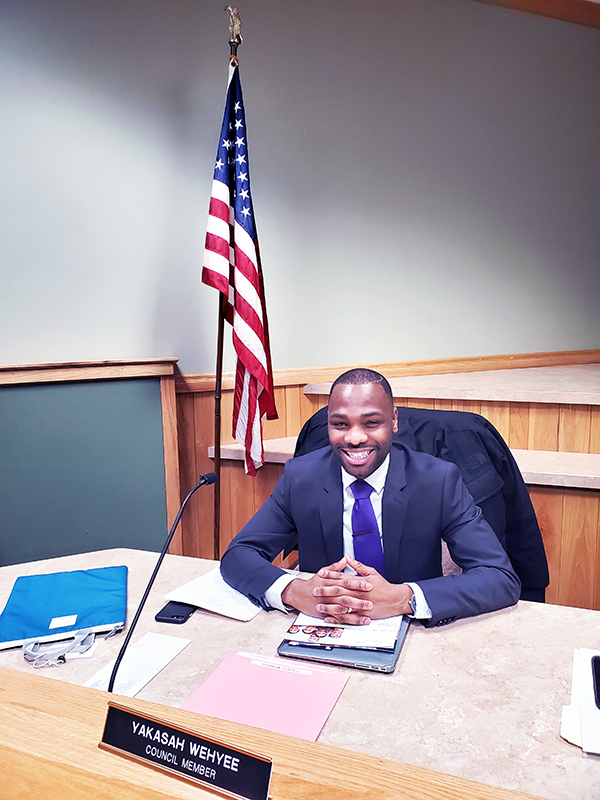
Yakasah Wehyee takes the oath of office on Wednesday, January 8, 2020 to become the first Liberian-American to serve on the Falcon Heights City Council. Photo: Tom Gitaa/Mshale
Yakasah Wehyee
Yakasah Wehyee takes the oath of office on Wednesday, January 8, 2020 to become the first Liberian-American to serve on the Falcon Heights City Council. Photo: Tom Gitaa/Mshale

About 50 people including the Minnesota Democratic Party’s Civic Engagement Director and the Liberian Consul General in Minnesota, crowded the City of Falcon Heights Council Chambers on Wednesday for the swearing-in ceremony of Yakasah Wehyee, the city’s first Liberian born Council member. The University of Minnesota’s St. Paul Campus and the sprawling Minnesota State Fair are located inside Falcon Heights.

Yakasah Wehyee was the top vote getter in a race to fill two open seats in the council last November that attracted three candidates. He garnered 44.4% of the vote to win one of the two seats. Voters also chose Kay Thomas who is legally blind to take the other seat. She was sworn in alongside Wehyee on Wednesday but the small crowd that was present was there for Wehyee who got the most applause and the customary African ululation to signal a joyous occasion.

Crowd at Falcon Heights City Council
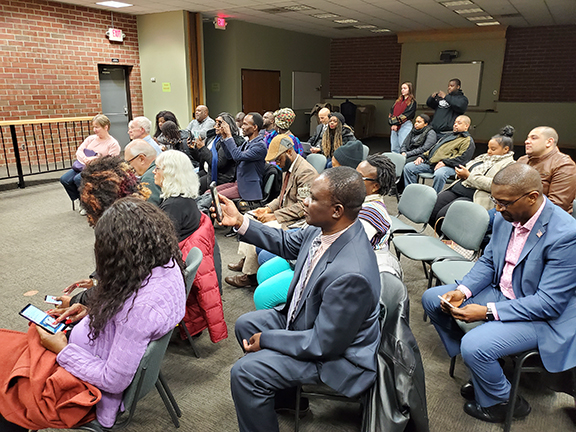
A section of those who came to witness the swearing-in of Yakasah Wehyee as a member of the Falcon Heights City Council on Wednesday, January 8, 2020. He became the first Liberian-American to serve on that council. Photo: Tom Gitaa/Mshale

In Falcon Heights’ nearly 71-year history, Yakasah Wehyee is the first African immigrant to be elected to its Council. The 28-year-old is a PhD student at the University of Minnesota.

Falcon Heights Mayor Randy Gustafson swore in Yakasah Wehyee in front of about 50 people that packed the small Council chambers, including the DFL Civic Engagement Director Ian Oundo and Jackson K. George, Jr., the Honorary Consul General for Liberia in Minnesota. Wehyee’s wife, Esha, and mother Vicky were also present.

Yakasah Wehyee and Ian Oundo
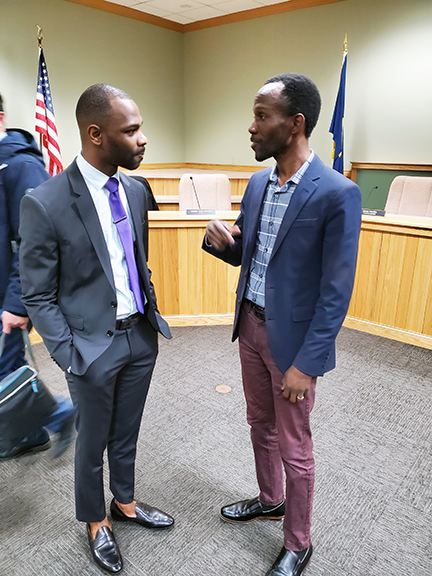
Yakasah Wehyee (left) speaks with Ian Oundo, the Minnesota Democratic Party’s Civic Engagement Director after Wehyee was sworn in as the first Liberian-American Falcon Heights City Council member on Wednesday, January 8, 2020. Tom Gitaa/Mshale

“I am so proud of all my children,” said Vicky Wehyee, mother to the new councilman. She added that she was not surprised when he said he will run for City Council as he was “always acting mature for his age.” His wife Esha said he had contemplated waiting to run after he completes his PhD “but I told him to just do it now.”

Jackson George and Vicky Wehyee
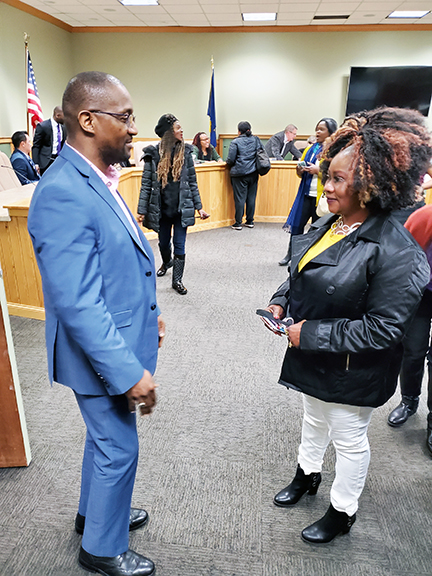
Jackson George, Jr., the Honorary Consul for Liberia in Minnesota speaks to Vicky Wehyee, the mother to Yakasah Wehyee after the latter was sworn in as the first Liberian-American to serve on the Falcon Heights City Council. Photo: Tom Gitaa/Mshale

The DFL’s Oundo told Mshale after Wehyee’s swearing in that the diversity the African immigrants are bringing to the elective posts they have recently assumed is a good thing for Minnesota.

“We continue to work hard at the DFL to ensure that all communities have elected officials that are representative of those who live there,” said Oundo.

Falcon Heights City Council
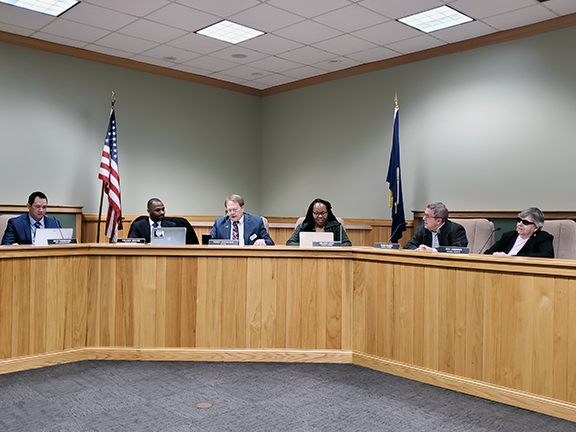
The Falcon Heights City Council holds its first meeting immediately after swearing in its first Liberian-American member Yakasah Wehyee on Wednesday, January 8, 2020. Photo: Tom Gitaa/Mshale
Yakasah Wehyee in Chamber
Yakasah Wehyee at his seat at the Falcon Heights City Council chambers after being sworn in on Wednesday, January 8, 2020 to become that city’s first Liberian-American council member. Photo: Tom Gitaa/Mshale

Liberians in Minnesota celebrate pathway to US citizenship

0
Denise Butler and Nekessa Opoti
Denise Butler (left) of the African Career, Education and Resource Inc. and Nekessa Opoti of the Black Immigrant Collective dance the evening away at a celebration on Saturday, January 4 2020 in Brooklyn Park, Minnesota to mark the signing of the Liberian Refugee Immigration Fairness Act by President Trump which gives Liberians in the US a pathway to citizenship. Photo: Richard Ooga/Mshale
Denise Butler and Nekessa Opoti
Denise Butler (left) of the African Career, Education and Resource Inc. and Nekessa Opoti of the Black Immigrant Collective dance the evening away at a celebration on Saturday, January 4 2020 in Brooklyn Park, Minnesota to mark the signing of the Liberian Refugee Immigration Fairness Act by President Trump which gives Liberians in the US a pathway to citizenship. Photo: Richard Ooga/Mshale

BROOKLYN PARK – Pastor Moses Punni clutched the evening’s program and kept glancing at it a few times, listening intently Saturday night as fellow DED holders spoke during a hurriedly put together celebration by a coalition of groups, that included the Black Immigrant Collective, to celebrate President Trump’s signing of legislation giving Liberians a pathway to citizenship.

All around him, people in the grand ballroom at the Brooklyn Park Community Center, were clapping and cheering as speakers narrated the pain of living under a cloud of uncertainty each year.

Civil war broke out in Liberia in 1991 and President George H.W. Bush granted Liberians already in the U.S.  Temporary Protective Status (TPS) which subsequently became Deferred Enforcement Departure (DED), versions of which prevented Liberians from being deported to unstable Liberia. What this meant is that they could not permanently set roots in the U.S. as DED required the president to annually extend that protection, which every president since then had done. However, in 2018 Trump signaled he was ending DED for Liberians and announced he will end it on March 2019. When March 2019 came, Trump citing “US national security interests” extended it for another year to “wind it down”.

“The fear is over,” Punni said joyfully. “It has been a long time coming.”

Liberian Food
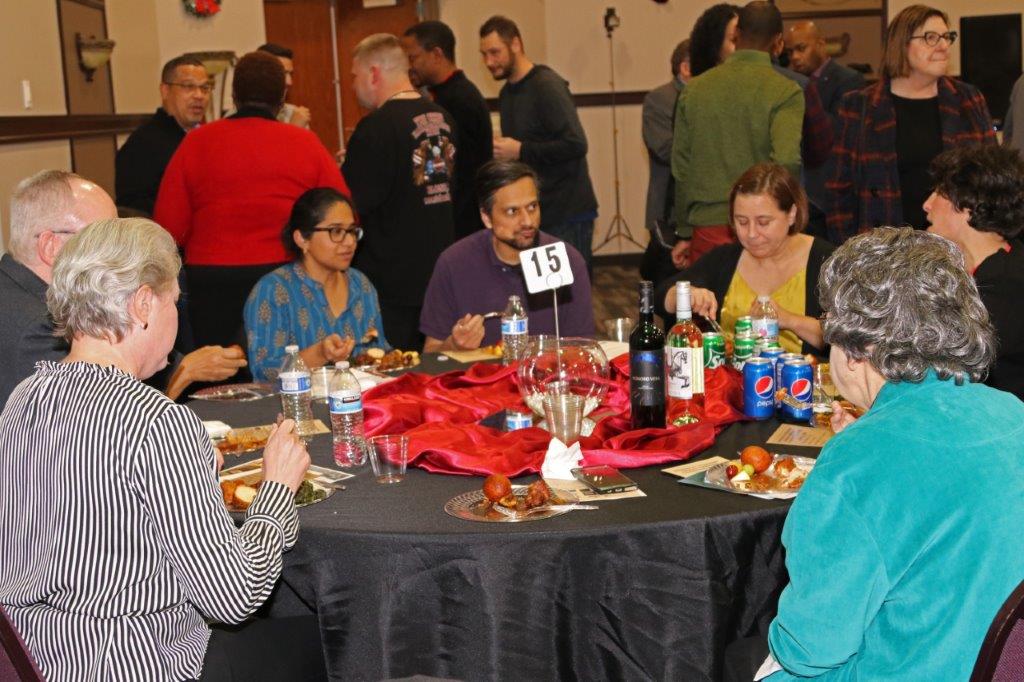
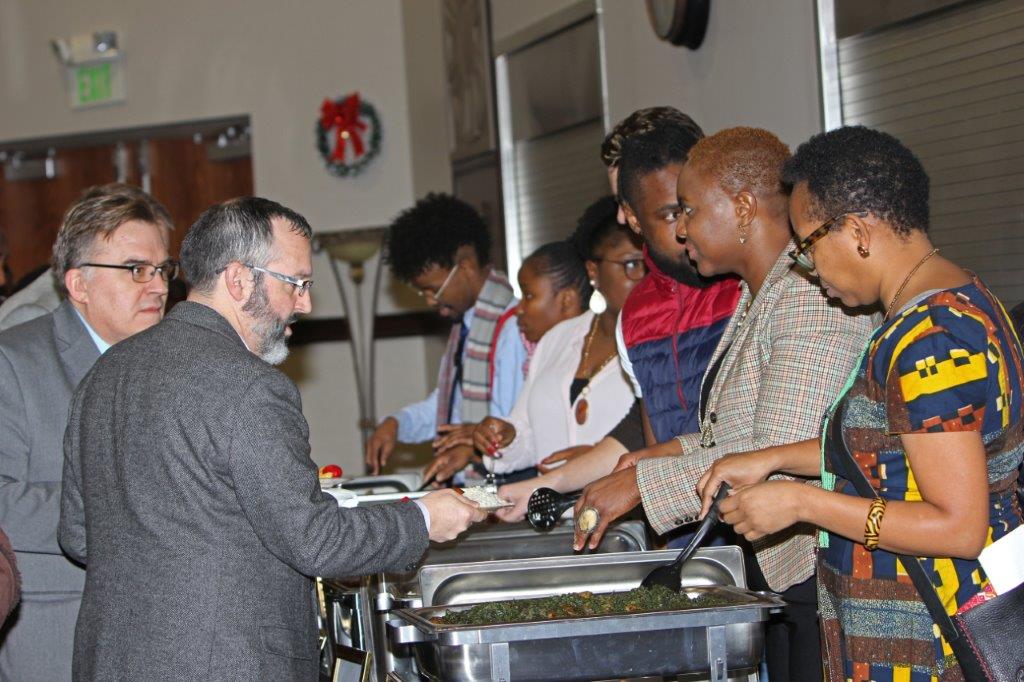
Attendees are served a traditional Liberian meal during a celebration on Saturday, January 4 2020 in Brooklyn Park, Minnesota to mark the signing of the Liberian Refugee Immigration Fairness Act by President Trump which gives Liberians in the US a pathway to citizenship. Photo: Richard Ooga/Mshale
Moses Punni
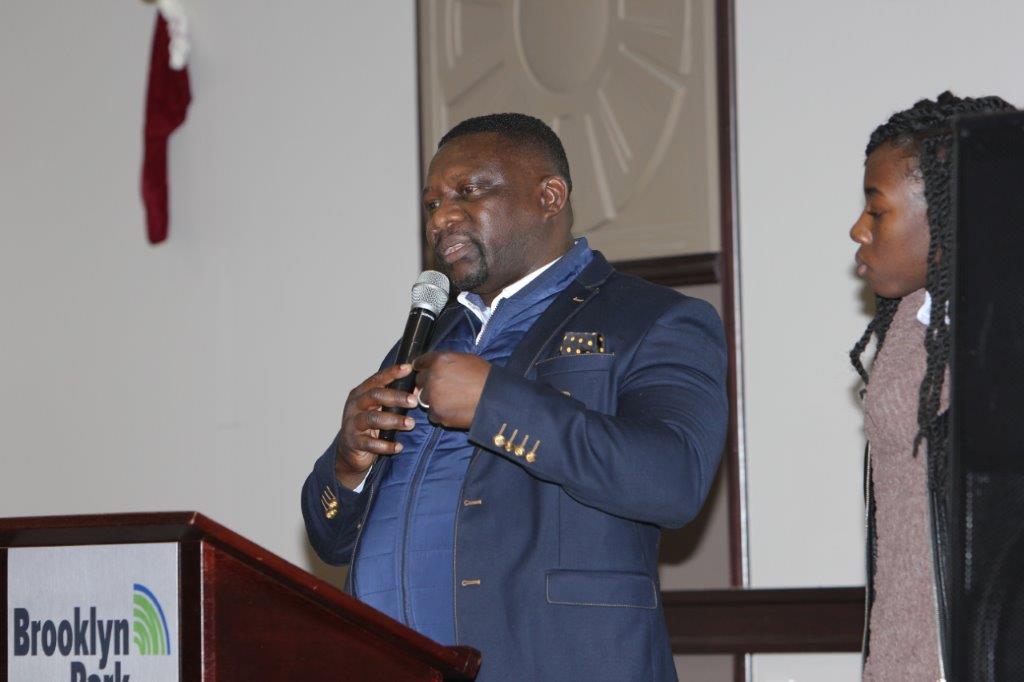
Pastor Moses Punni who has been on DED status speaks at a celebration on Saturday, January 4 2020 in Brooklyn Park, Minnesota to mark the signing of the Liberian Refugee Immigration Fairness Act by President Trump which gives Liberians in the US a pathway to citizenship. Photo: Richard Ooga/Mshale
Liberian Community in Minnesota
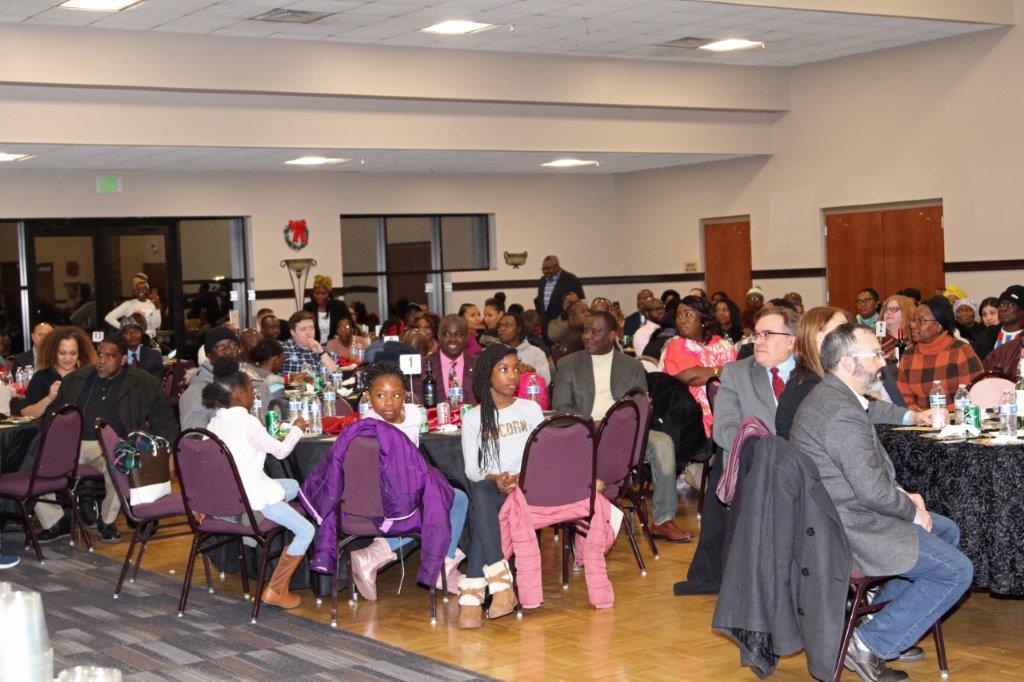
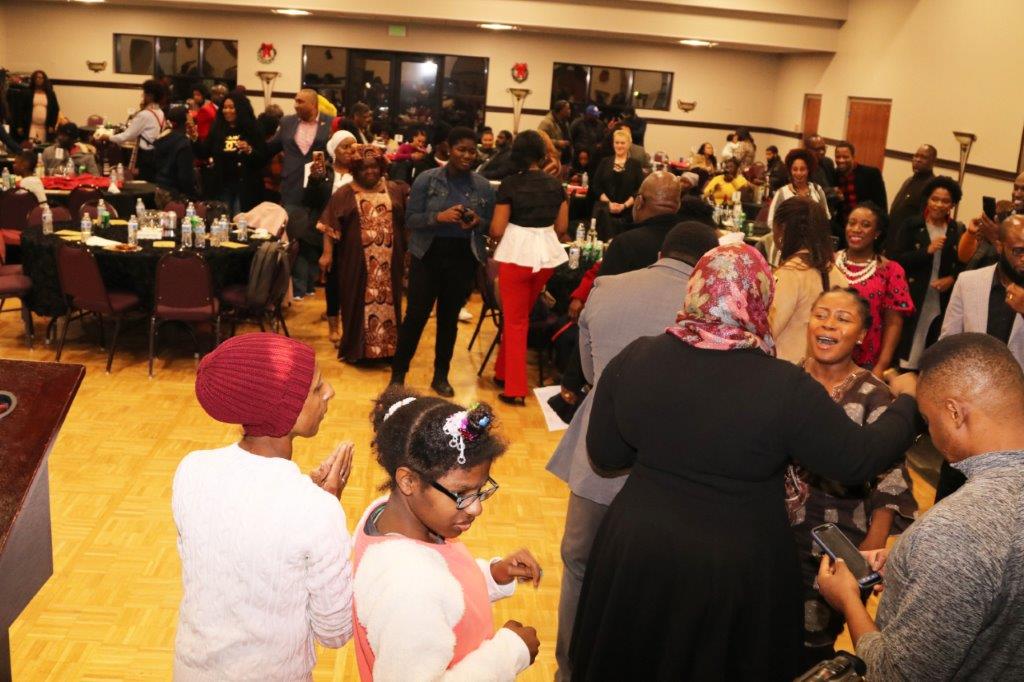
Members of the Liberian community at a celebration on Saturday, January 4 2020 in Brooklyn Park, Minnesota to mark the signing of the Liberian Refugee Immigration Fairness Act by President Trump which gives Liberians in the US a pathway to citizenship. Photo: Richard Ooga/Mshale
Sizi Goya and Alfreda Daniels
Sizi Goya (right), an elected member of the Organization of Liberians in Minnesota (OLM) board, dances with Brooklyn Center City Council candidate Alfreda Daniels at a celebration on Saturday, January 4 2020 in Brooklyn Park, Minnesota to mark the signing of the Liberian Refugee Immigration Fairness Act by President Trump which gives Liberians in the US a pathway to citizenship. Photo: Richard Ooga/Mshale
Magdalene Menyongar and Wynfred Russell
The DED Queen Magdalene Menyongar and Brooklyn Park City Council member Wynfred Russell during the Grand March at a celebration on Saturday, January 4 2020 in Brooklyn Park, Minnesota to mark the signing of the Liberian Refugee Immigration Fairness Act by President Trump which gives Liberians in the US a pathway to citizenship. Photo: Richard Ooga/Mshale
DJ Bangura
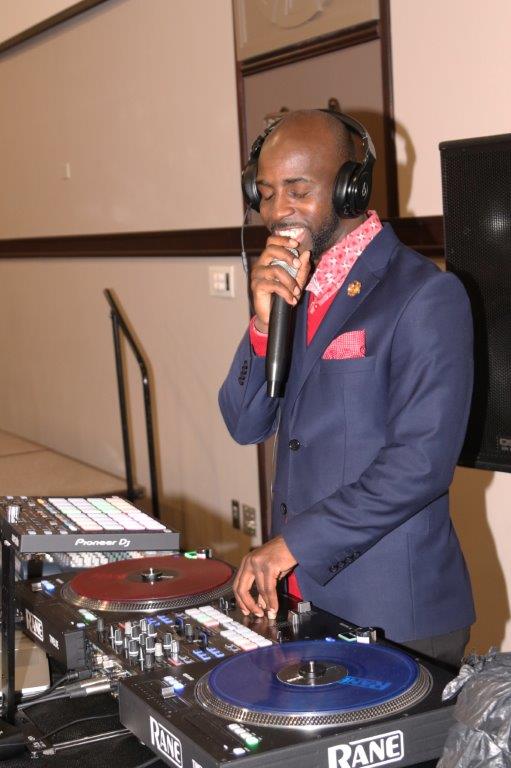
Popular Twin Cities DJ, Albert Bangura, provided the music at a celebration on Saturday, January 4 2020 in Brooklyn Park, Minnesota to mark the signing of the Liberian Refugee Immigration Fairness Act by President Trump which gives Liberians in the US a pathway to citizenship. Photo: Richard Ooga/Mshale
DED Queen
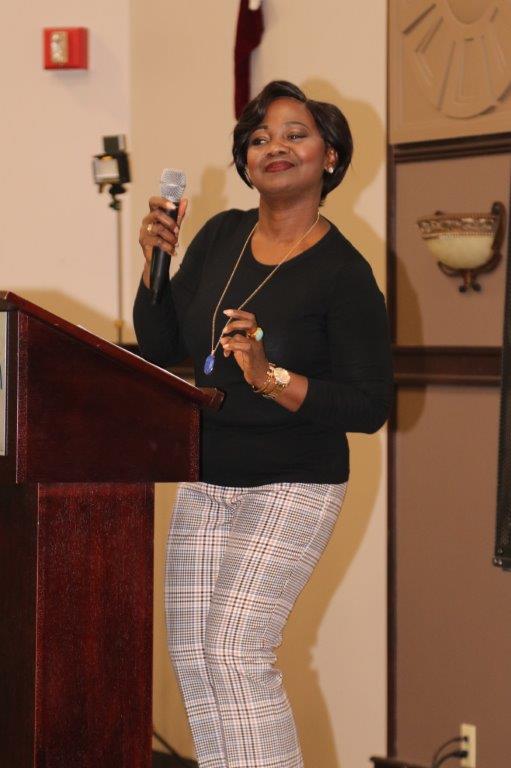
Magdalene Menyongar, referred to as the DED Queen in a joyful dance during a celebration on Saturday, January 4 2020 in Brooklyn Park, Minnesota to mark the signing of the Liberian Refugee Immigration Fairness Act by President Trump which gives Liberians in the US a pathway to citizenship. Photo: Richard Ooga/Mshale
Liberian Community at DED Celebration
A section of community members that were present at a celebration on Saturday, January 4 2020 in Brooklyn Park, Minnesota to mark the signing of the Liberian Refugee Immigration Fairness Act by President Trump which gives Liberians in the US a pathway to citizenship. Photo: Richard Ooga/Mshale
Minnesota Immigration Lawyers
Some of the lawyers from different organizations that were present at a celebration on Saturday, January 4 2020 in Brooklyn Park, Minnesota to mark the signing of the Liberian Refugee Immigration Fairness Act by President Trump which gives Liberians in the US a pathway to citizenship. Photo: Richard Ooga/Mshale
Minnesota Elelcted Officals
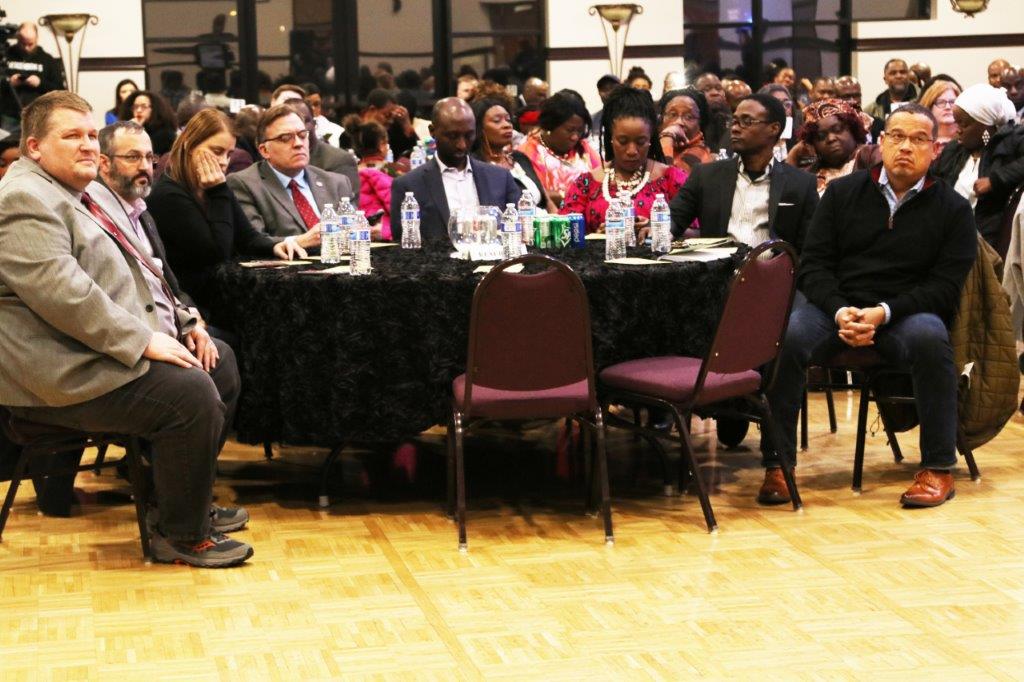
Some of the elected officials that were present at a celebration on Saturday, January 4 2020 in Brooklyn Park, Minnesota to mark the signing of the Liberian Refugee Immigration Fairness Act by President Trump which gives Liberians in the US a pathway to citizenship included Mayor Jeff Lunde of Brooklyn Park, Minnesota State Senator Jim Hoffman, Minnesota State Representative Mohamud Noor, Brooklyn park Council Member Wynfred Russell and Minnesota Attorney General Keith Ellison. Photo: Richard Ooga/Mshale
Advocates for Human Rights
Michele Garnett McKenzie, an immigration lawyer with the Advocates for Human Rights as she highlighted steps Liberians need to take before the December 2020 deadline to get green cards during a celebration on Saturday, January 4 2020 in Brooklyn Park, Minnesota to mark the signing of the Liberian Refugee Immigration Fairness Act by President Trump which gives Liberians in the US a pathway to citizenship. Photo: Richard Ooga/Mshale
Isabela Wreh-Fofana
Isabela Wreh-Fofana, referred to as the DED Cultural Ambassador provided some comic relief at a celebration on Saturday, January 4 2020 in Brooklyn Park, Minnesota to mark the signing of the Liberian Refugee Immigration Fairness Act by President Trump which gives Liberians in the US a pathway to citizenship. Photo: Richard Ooga/Mshale
Alfreda Daniels
Alfreda Daniels, a union organizer and a declared candidate for the Brooklyn Center City Council acknowledges cheers from the audience as she is introduced at a celebration on Saturday, January 4 2020 in Brooklyn Park, Minnesota to mark the signing of the Liberian Refugee Immigration Fairness Act by President Trump which gives Liberians in the US a pathway to citizenship. Photo: Richard Ooga/Mshale
US Senator Tina Smith
US Senator Tina Smith listens to a speaker at a celebration on Saturday, January 4 2020 in Brooklyn Park, Minnesota to mark the signing of the Liberian Refugee Immigration Fairness Act by President Trump which gives Liberians in the US a pathway to citizenship. Photo: Richard Ooga/Mshale
Dean Phillips
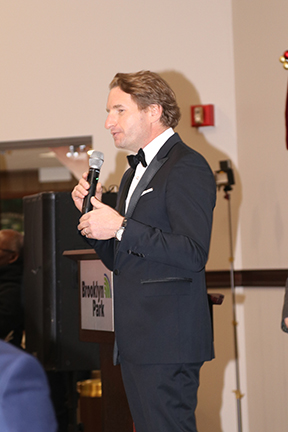
US Congressman Dean Phillips speaks at a celebration on Saturday, January 4 2020 in Brooklyn Park, Minnesota to mark the signing of the Liberian Refugee Immigration Fairness Act by President Trump which gives Liberians in the US a pathway to citizenship. Rep. Phillips represents the area where the celebration was held and home to the largest concentration of Liberians outside of Liberia. Photo: Richard Ooga/Mshale

For twelve years, Punni had not seen his parents and extended family, whom he left behind in Liberia in 2000. Painfully, he had to return briefly in 2012 using a travel document issued by USCIS in order to bury his father. He thanked Minnesota Attorney General Keith Ellison who was present at Saturday’s celebration “for making it possible to go bury my father.” Ellison was at the time a US congressman.

Now, the president has signed legislation that will allow Liberians like him to apply for green cards with a pathway to citizenship. After more than two decades of uncertainty and not seeing families, they can travel and live freely in the United States as long as they do not have other legal criteria that bars them.

The new law Trump signed does not just benefit DED holders but all Liberians nationals, their spouses and unmarried children under 21 that have lived in the United States since November 20, 2014. By the time the community was celebrating on Saturday, the U.S. Citizenship and Immigration Services was already accepting green card applications under the new law.

Across Minnesota and the nation, Liberians have been in a celebratory mood since Trump signed the law but on Saturday it became clear just how life-changing this legislation is. Take the case of Magdalene Menyongar, fondly referred to as the “DED Queen.”
Menyongar came to the United States in 1994 as the Liberian civil war intensified and applied for political asylum.

“I have a mother and she is 98-years old, and I have not seen her in 25 years,” Menyongar said on Saturday. “The moment I apply (for green card) I will tell them I have to go (to Liberia).”

Menyogar’s greatest fear has been leaving her high school daughter behind “as separation is very difficult for my daughter who is about to graduate, but to God be the glory.”

Her sentiments were echoed by US Senator Tina Smith who recalled how she was able to convince U.S. Sen. Jack Reed to include the Liberian Refugee Immigration Fairness Act into the gargantuan National Defense and Authorization Act to permanently solve the issue. One DED holder recalled a moment when Senator Smith, newly arrived at the US Capitol as a senator, broke down in tears on hearing the struggles those on DED have had to endure.

“Bartee Oh Barteee!” screamed Congressman Dean Philips as he echoed a popular Liberian greeting as he immersed himself in the celebration. Other dignitaries speaking included Brooklyn Park Mayor Jeff Lunde and Minnesota Attorney General Keith Ellison who urged the Liberian community to exercise their new found political power to benefit others that still face immigration uncertainty. Ellison also urged the community to immerse itself in the political process as that is what ultimately brings about the required change. Brooklyn Park Councilmember Wynfred Russell declared the DED success a communal effort that no one person or organization could take credit for.

This being a celebration, Liberians could also display their legendary humor despite what they have had to endure. As the speaking portion of Saturday’s celebration concluded, the mistress of ceremonies called to the stage Isabela Wreh-Fofana whom she described as the DED Cultural Ambassador. Wreh-Fofana then went on to sprinkle her talk with humorous anecdotes and a grim recollection of life under DED. Staff from the office of Minnesota Governor Tim Walz and US Congresswoman Ilhan Omar read congratulatory messages from their bosses.
“I was driving somewhere and then a police car pulled up behind me, I make a left turn and he make a left turn” she said humorously to hearty laughs from the crowd. “I said maybe they finally come for me, I decided to park and the police just sped away and I said praise the Lord.”
Steps to Green Card

One of the speakers at the celebration was Michele Garnett McKenzie of Advocates for Human Rights who urged all Liberians who qualify to apply immediately and not to wait until December 2020 when the window closes as it is a good law “but does not have forgiveness if you miss the deadline.”.

“Make sure when you file you use someone who knows what they are doing,” said McKenzie.

McKenzie who has worked with Liberians on DED for more than a decade described the new law “as an amazing opportunity.”

For those Liberians that cannot afford an immigration lawyer, McKenzie said “The Immigrant Law Center has priority intake already set up and open for Liberians as only have less than a year and you can call them at 651-641-1011.” She added that there are also resources such as walk-in legal clinics with volunteer lawyers like at Brooklyn United Methodist every first Friday of each month that “do not even need an appointment.”

Proposed public charge rule change, tied up in court, has huge chilling effect on immigrants

0
Ken Cuccinelli
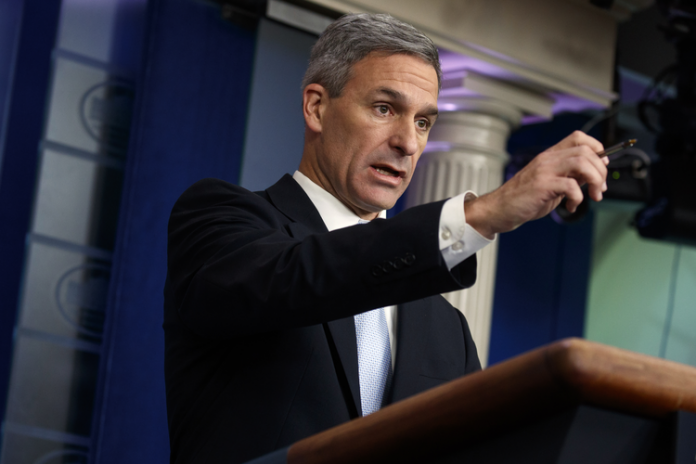
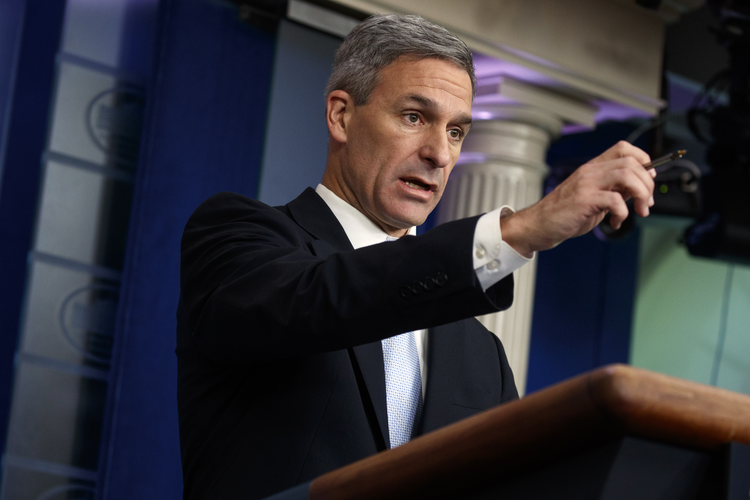
Acting Director of U.S. Citizenship and Immigration Services Ken Cuccinelli discusses the Trump administration's new public charge rule at a White House press conference on August 12, 2019. Photo: Evan Vucci/AP
Ken Cuccinelli
Acting Director of U.S. Citizenship and Immigration Services Ken Cuccinelli discusses the Trump administration's new public charge rule at a White House press conference on August 12, 2019. Photo: Evan Vucci/AP
Ken Cuccinelli
Acting Director of U.S. Citizenship and Immigration Services Ken Cuccinelli discusses the Trump administration’s new public charge rule at a White House press conference on August 12, 2019. Photo: Evan Vucci/AP

Federal courts have temporarily blocked the public charge rule change from going into effect, but its chilling effects continue to reverberate. The number of immigrants who, fearing the consequences of the rule change, have taken or plan to take steps to drop out of public services for which they are eligible far exceeds the actual number who would be at risk if the rule ever goes into effect, research data show.

A May study by the Urban Institute found of adults in immigrant families almost 14% reported that they or another adult family member had dropped benefits or skipped applying for them,  even on behalf of a child, rather than take on the perceived risk of exposure to new rules. Among low-income families, that number rose to more than 20%, the study found. Programs they shied away from include: SNAP (food stamps) CHIP (children’s health insurance), and Section 8 and other types of housing assistance.

Nationwide, the families of 22.7 million people’s families include immigrants who could potentially fall victim to the chilling effect created by fear of public charge rules changes.

The proposed rule change was due to take effect Oct. 15 this year until four different federal courts all ruled to block it and issued injunctions against implementing it.

But long before, as word of the proposed rule change began leaking out ahead of its October 2018 announcement, millions of people feared being caught in its clutches and avoided using government programs intended to help them and their families lead healthier, more successful lives.

Nationwide, said Randy Capps of the Migration Policy Institute, “So few noncitizens are eligible for the safety net programs covered by the rule that those who would be affected is estimated to be in the low tens of thousands,” not millions, as cited incorrectly by both officials and the news media.

A Michigan government study found that “of 86,298 noncitizen legal immigrants receiving public assistance from the state health department, only 611 may find a tougher path to legal permanent residency if they continue receiving public benefits.” That’s less than 1%.

For those already in the United States, the category of people who most need to be cautious about public charge rules aren’t those receiving benefits, but those who plan to travel beyond U.S. borders.

“If I had one message for every immigrant in America I would say, ‘Look, if you’re a green card holder, don’t leave for more than 180 days,’” said former Obama administration official Doug Rand, a co-founder of Boundless.com.

The public charge rules, even if toughened as proposed, simply don’t apply to many people already in the country. Not to asylum seekers or refugees, citizens or those applying for citizenship, nor DACA, or those with green cards. Use of benefits by family members and past use of benefits also is irrelevant, even under the proposed tougher rules.

“The list of programs now considered in the public charge test is more limited than it seems at first blush,” Sara Feldman of the National Immigration Law Center said. “The impact will mostly be restricted to use of food stamps, housing subsidies and cash assistance. While Medicaid is included, there are so many exceptions in the rule that few people enrolled in the program would be impacted.”

“And use of public benefits is only one factor considered when determining who gets a green card,” Feldman added. “Immigration officials also take income, health condition, English proficiency, and other factors into account.”

The people who have most fallen victim to public charge rules are those applying to come to the United States. Since 2016, the State Department has cited public charge issues more aggressively. Visa denials on public charge grounds jumped from 1,000 in 2016 to 12,000 in 2018 at U.S. consulates around the world.

But half of those denials already have been overturned, and more may be overturned as the time-consuming appeal process continues, the Migration Policy Institute’s Jeanne Batalova pointed out at a telebriefing co-sponsored by Ethnic Media Services, the Immigrant Legal Resource Center and the National Immigration Law Center.

“The brutal irony is that people are still disenrolling from public benefits when they don’t have to,” Rand said.

Mark Greenberg, senior fellow at the Migration Policy institute, told Ethnic Media Services in a phone interview after the telebriefing that “It’s very unclear what problem the administration thought it was going to solve, because Congress had already agreed 20 years ago to public charge-based restrictions,”

“The number of people who would be denied adjustment of status based on benefit use would be low because they aren’t eligible (for those benefits),” he said, far fewer than the number feeling the effect of the proposed rule change while it wends its way through the courts.

Reflecting on a year of progress for Minnesotans

9
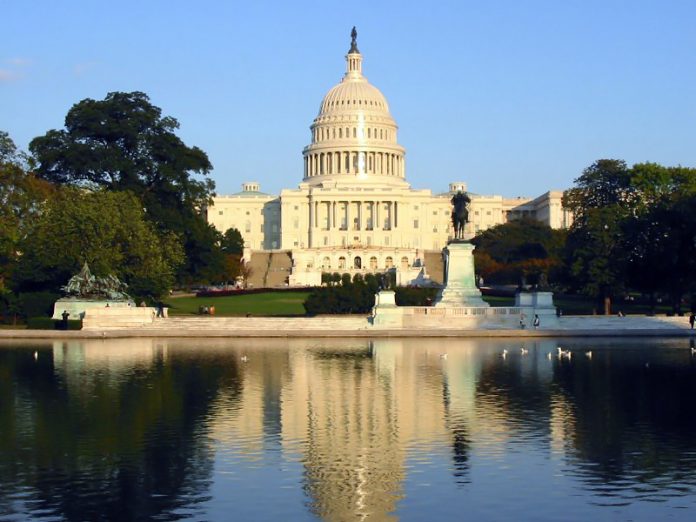
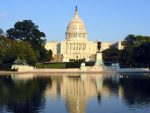
The US Capitol. Photo: Wikimedia
USCapitol
The US Capitol. Photo: Wikimedia

I came to Congress on a promise of cogovernance. As your Congresswoman, I do not only want to represent Minnesotans, I want to govern with you. As my first year in office comes to a close, I wanted to take this opportunity to speak to you directly about the priorities I am focused on.

When I was sworn in this year, I made my first and primary goal to invest in the people and the communities of Minnesota’s 5th District and to fight against the forces of economic inequality that are holding working families back in Minnesota and across the country. Too many Minnesotans are struggling to make ends meet because of policies that value corporate profits over workers’ rights, and by a rigged system that forces the average American to scrape by on stagnant wages as the cost of living skyrockets. Too often, our lawmakers prioritize wasteful Pentagon contracts or tax cuts for corporations over the basic needs of Minnesotans.

I’ve centered my agenda around making a more just and livable world for future generations—and cogoverning with the people who sent me to Washington.

Before I got to Congress, I worked with Speaker Pelosi and an interfaith coalition to

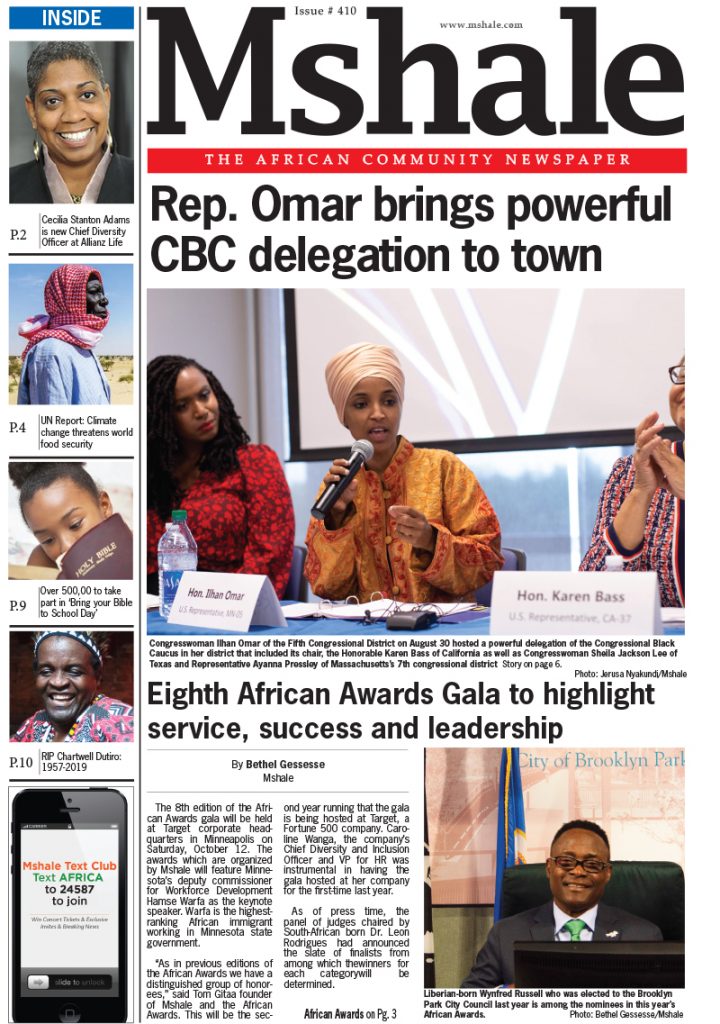
Congresswoman Ilhan Omar
The frontpage of Mshale which featured Congresswoman Ilhan Omar when she hosted a powerful delegation of the Congressional Black Caucus that included the CBC’s chair, Rep. Karen Bass of California, on August 2019 in Minneapolis.

overturn the ban on head covering on the House floor—because our constitution protects the rights of everyone to express their faith how they see fit. The first bill we introduced in the House was H.R. 1, the For The People Act, a major bill to get money out of politics and reform our elections. The final bill included my own legislation to restrict foreign lobbying, and I was honored to be one of the few freshmen members to play a part in that legislation. I introduced major bills to cancel student debt, make school meals universal, and guarantee housing as a human right. Whether it’s by fighting for climate justice, pushing for Medicare for All, or working to clean up our elections, my work has been guided by the priorities you sent me to Washington to fight for.

I also fought to ensure that our Liberian-American brothers and sisters could remain in the country, after the President decided to terminate Deferred Enforced Departure (DED) for Liberian Americans. After multiple letters to the Administration, the deadline was extended—and eventually we were able to pass a bill guaranteeing Liberians a path to legal status in this country. We were able to secure debt relief for Somalia—after the Administration failed to notify Congress.

In the House, we passed the Equality Act — to ensure that LGBTQ Americans receive basic civil rights protections.We passed the Dream and Promise Act to give DREAMers a pathway to citizenship. We passed the Raise the Wage Act to increase the federal minimum wage to $15 an hour, a raise for 33 million Americans, including 20 million women, and the Butch Lewis Act, to protect the pensions of more than 1 million workers and retirees. For the personal and financial security of America’s women, we passed a strong reauthorization of the Violence Against Women Act, the Debbie Smith Reauthorization Act, and the Paycheck Fairness Act for equal pay for equal work.

For committee assignments, I was assigned to the Education & Labor, Budget, and Foreign Affairs Committees—all committees that can make a tangible impact on Minnesotans’ lives.  Whether it’s raising  the minimum wage to $15 an hour, enacting stronger workplace safety laws, supporting workers’ right to collectively bargain or creating a federal jobs guarantee program—they all go through the Ed & Labor committee. The Foreign Affairs Committee allows me to oversee all foreign assistance, national security affecting the country’s foreign policy, treaties, peacekeeping and war powers. The budget committee sets the Congressional framework for all spending and revenue levels. So if you, like me, think we prioritize tax cuts for the wealthy and endless wars, when we should be investing in education and Medicare for All, the budget committee is the place to change those priorities

We were able to secure major victories in appropriations—including a $3 million increase in Healthy Star funding, a $40 million increase in TRIO education funding, a $550 million increase in Head Start and early Head Start—which will benefit over 12,000 kids in Minnesota. My team was able to return over $411,000 to constituents via casework—serving over 200 Minnesotans.

At each point, we were in close contact with you—to make sure our decisions represented Minnesotans. We held over 21 roundtables and town halls this year—on everything from Medicare for All to environmental justice, pay equity, immigration and LGBTQIA+ rights. And we held over 1,000 meetings with constituents. And we responded to over 47,000 letters you sent us.

Of course, the year was not without its challenges. We continue to face stonewalling on even basic legislation from the Senate and White House. We have a lawless president who shows disdain for basic democratic values—and repeatedly has violated his oath to the country and Constitution.

But we in the House of Representatives proved that we can legislative and investigate. We ended the year by upholding our oath by holding this President accountable for his abuse of power and outright obstruction of a legitimate Congressional inquiry.

I know how daunting the challenges before us can seem at times. When faced with the words and actions of the current occupant of the White House, it is easy for hopelessness and cynicism to set in. But I want you to know: you have a representative who will do everything in her power to resist the forces of hate and division pushed by this president and pursue a politics of joy.

Even in the darkest of moments, there is opportunity to build community and fight for a better world. I promise to continue to fight for that world as your representative in Congress.

Trump signs defense bill giving Liberians pathway to citizenship

0
Trump signing law giving Liberians citizenship
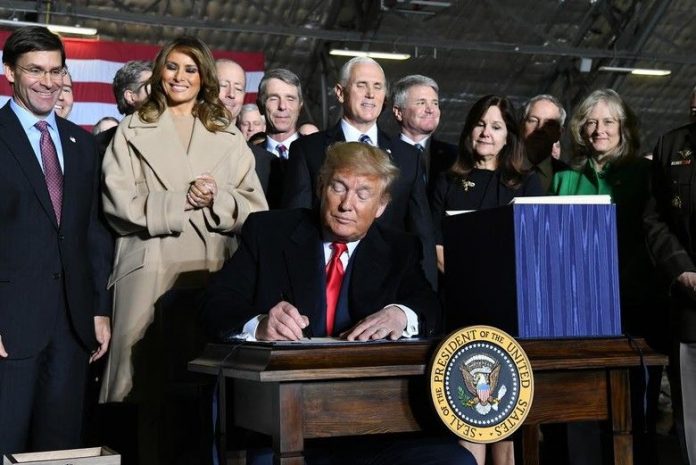
President Donald Trump signs S.1790, the $738 billion National Defense Authorization Act for Fiscal Year 2020 on Friday, December 20, 2019 at Joint Base Andrews. The act also gives a pathway to citizenship to thousands of Liberians who have been on Deferred Enforced Departure (DED). Photo: Spencer Slocum/11th Wing Public Affairs
Trump signing law giving Liberians citizenship
President Donald Trump signs S.1790, the $738 billion National Defense Authorization Act for Fiscal Year 2020 on Friday, December 20, 2019 at Joint Base Andrews. The act also gives a pathway to citizenship to thousands of Liberians who have been on Deferred Enforced Departure (DED). Photo: Spencer Slocum/11th Wing Public Affairs

Thousands of Liberians across the United States can breathe a sigh of relief as the legislation allowing those on Deferred Enforced Departure to be eligible for permanent residency becomes law. Last night (December 20), President Trump signed the National Defense and Authorization Act for the 2020 fiscal year. The bill included language that allows for Liberian nationals living in the United States under Deferred Enforced Departure to be eligible to apply for permanent residency.

Following the outbreak of the Liberian civil war in 1991 then President George H.W. Bush granted Temporary Protected Status (TPS) to Liberian nationals who were vulnerable to deportation. TPS is granted under the circumstances of war, natural disaster, or otherwise dangerous conditions that make it unsafe for individuals to return to their home countries.

In 1999 after their TPS status had expired approximately 10,000 Liberians were granted Deferred Enforced Departure (DED). For years this status had been extended throughout different presidential administrations a recent extension occurring during the Ebola outbreak in 2014 when during the Obama administration the measure was extended through March of 2018.

In his second year of office, President Trump weighed ending the program after deeming conditions in Liberia as safe. After pressure and activism from law makers and activists the President extended the program for a year following March of 2018. Earlier this year on March 8, a lawsuit challenging the termination was filed and three days before the program was set to be terminated, DED for Liberian nationals was extended till March of 2020.

In the nearly three decades since TPS was awarded to Liberians, individuals who have made the United States home for decades were faced with yearly anxiety as congress decided their fate to live in the U.S. “Every march I get an email, a countdown from my job. Because of my status” said Linda Clark, a DED holder and manager at Wells Fargo.

Clark, who has been living in the United States for 19 years had the opportunity to accompany Representative Ilhan Omar to the State of the Union Address where she was able to meet House Speaker Nancy Pelosi and advocate for immigration reform for DED holders.

Minnesota Senator Tina Smith worked closely with Sen. Jack Reed of Rhode Island to ensure that language included in the 2020 National Defense Act includes eligibility for permanent residency Liberian Nationals under DED.

This victory has arrived after years of activism and organization led by Liberian community members, local allies, and congressional members. “If it was not for the organizing in the last 20 years we would not be here,” Nekessa Opoti said.

Opoti is the co-founder of the Black Immigrant Collective, an organization that seeks to empower and protect immigrant rights in the United States.

Having been recently signed into law, the United States Citizenship and Immigration Services has not published instructions for filling for permanent residency under the latest bill. Activist Abena Abraham of the Black Immigrant Collective suggests those currently on DED speak with an immigration Law attorney before advice on how to proceed.

The provision for permanent residency will be extended for individuals who have been continuously living in the United States since 2014. Residents have a year to complete their fillings after the enactment.

The latest victory in immigration legislation for the Liberian community comes with an awareness that other immigrant groups have yet to be granted the same status. “I’m still concerned for DACA,” Clark said referring to the legislation that grants temporary status for undocumented individuals who came to the United States before the age of sixteen. “I’m praying for their opportunity and their peace to come”.

As the Liberian community closes the year on a positive note, individuals can move forward in their country with ease and a piece of mind. “We are grateful. We are thankful. This is the best Christmas ever” Clark said.