
Home Blog Page 139

Cancer locks a deadly grip on Africa, yet it’s barely noticed

0
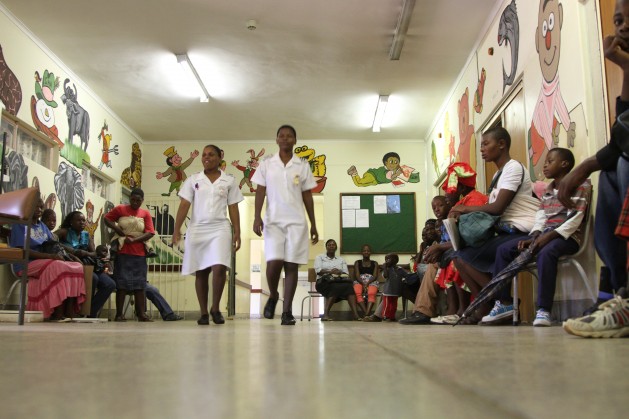
Many specialist doctors and nurses in Africa are migrating to greener pastures, leaving cancer patients with few options. Photo: Jeffrey Moyo/IPS
Cancer in Africa by Jeffrey Moyo Feb2015
Many specialist doctors and nurses in Africa are migrating to greener pastures, leaving cancer patients with few options. Photo: Jeffrey Moyo/IPS

HARARE – Hidden by the struggles to defeat Ebola, malaria and drug-resistant tuberculosis, a silent killer has been moving across the African continent, superseding infections of HIV and AIDS.

World Cancer Day commemorated on Feb. 4 may have come and gone, but the spread of cancer in Africa has been worrying global health organisations and experts year round. The continent, they fear, is ill-prepared for another health crisis of enormous proportions.

By 2020, according to the World Health Organisation (WHO), approximately 16 million new cases of cancer are anticipated worldwide, with 70 percent of them in developing countries. Africa and Asia are not spared.

“Africa is at a crossroads in the face of rising cancer cases, with the disease proving to be more deadly than HIV/AIDS and it is worsening at a time when the continent faces a serious shortage of cancer specialists,” Menzisi Thabane, a private oncologist in South Africa’s Eastern Cape Province, told IPS.

“Africa and its leaders have failed to recognise cancer as a high-priority health problem despite millions of people succumbing to the disease,” added Thabane.

Most of Africa’s 2,000 plus languages have no word for cancer. The common perception in both developing and developed countries is that it is a disease of the wealthy world, where high-fat, processed-food diets, alcohol, smoking and sedentary lifestyles fuel tumour growth.

While many cancers are linked to unhealthy diets and smoking, a large number – particularly in Africa – are caused by infections like hepatitis B and C which can lead to liver cancer and the human papillomavirus (HPV) that causes almost all cervical cancers.

An HPV vaccine treatment costs 350 dollars for three doses over six months in most sub-Saharan African countries, whereas in Zimbabwe radiotherapy costs between 3,000 and 4,000 dollars for a whole session.

A study published in 2011 found that since 1980 new cervical cancer case numbers and deaths dropped substantially in rich countries, but increased dramatically in Africa and other poor regions. Overall, 76 percent of new cervical cancer cases are in developing regions, and sub-Saharan Africa already has 22 percent of all cervical cancer cases worldwide.

According to Zimbabwe’s Ministry of Health and Child Care, the country only has four oncologists catering to over 7,000 cancer patients nationwide. “The shortage of cancer doctors stands as an impediment to comprehensive treatment and care for cancer patients here,” Dr Prosper Chonzi, director of Health Services in the Zimbabwean capital, Harare, told IPS.

The shortage of cancer specialists is also seen in West Africa.

Last year, The Vanguard, a Nigerian newspaper, reported that there were an estimated 60 oncologists serving over 300 million people in the West African sub-region with fewer than 20 oncologists serving 160 million Nigerians. Ghana has only seven for 24 million people, Burkina Faso two and Cote D’Ivoire just one. Sierra Leone has more than six million people and no cancer doctors.

Across the continent in Kenya, cancer accounts for approximately 18,000 deaths annually, with up to 60 percent of fatalities occurring among people who are in the most productive years of their life. Men are most commonly diagnosed with prostate or oesophageal cancer, and women are most frequently affected by breast and cervical cancer.

Zimbabwe’s health activists blame the absence of cancer education for the upsurge of fatal cases in the African nation. “Very few people, including government, consider cancer a real threat to the health delivery system,” Agnes Matutu, director of the Zimbabwe Cancer Alliance, an anti-cancer lobby group here, told IPS.

Melody Hamandishe, a retired government nutritionist, told IPS she blamed imported genetically modified foods. This contributes to cancer, she said, as does the abuse of alcohol, often causing liver cancer.

In Zambia, anti-cancer activists accuse the government of not prioritising the fight against the disease. “People are perishing in huge numbers because of cancer here in Zambia while government is seized with fighting HIV/AIDS,” Kitana Phiri, a cervical cancer survivor, now a devoted anti-cancer activist based in the Zambian capital, Lusaka, told IPS.

In Tanzania, cancer is also wreaking havoc. A January 2014 report by the Ocean Road Cancer Institute (ORCI), the only specialised facility for cancer treatment in this east African nation, said there are 100 new patients in every 100,000 population out of the country’s population of 45 million.

Finally, in Namibia, uranium workers were reported to have elevated rates of cancers and other illnesses after working in one of Africa’s largest mines.

Rio Tinto’s Rössing uranium mine extracts millions of tonnes of rock a year for the mineral. “Most workers stated that they are not informed about their health conditions and do not know if they have been exposed to radiation or not. Some workers said they consulted a private doctor to get a second opinion,” say researchers at Earthlife Namibia and the Labour Resource and Research Institute who collaborated in a study.

“The older workers all said they know miners dying of cancers and other illnesses. Many of these are now retired and many have already died of cancers,” says the study report.

Cancer is not beyond us in terms of cancer control and reducing the impact of the disease, declared the Cancer Association of South Africa (CANSA) on World Cancer Day this year.

“The global cancer epidemic is huge and set to rise,” said Elize Jourbert, head of CANSA. “In South Africa, more than 100 000 are diagnosed annually. This day helps us spread the word and raise the profile of cancer”.

Under the tagline ‘Not beyond us’, World Cancer Day in South Africa focused on taking a positive and proactive approach to the fight against cancer, highlighting that solutions do exist regarding cancer care and early detection and that they are within reach.

Meanwhile, Ellen Awuah-Darko, the 75-year-old founder of the Accra-based Jead Foundation for breast cancer, says her own experience – of finding a breast lump and ending up paying tens of thousands of dollars to be treated in the United States – made her to try force change.

“In America I had to put down 70,000 dollars before they’d even talk to me,” she said. “I was lucky, I could afford it after my husband died and left me money, but I thought ‘why should I get treatment when others can’t’.”

Now, every Wednesday, Awuah-Darko goes with healthcare workers into communities in the Eastern Region of Ghana to offer women breast screening. It is not the high-tech mammogram or ultrasound scan but a simple breast examination and a lesson in how to self-check.

“Early detection can save your life,” she said. “I want everybody to know that. It’s not something people should be ashamed of or embarrassed about.”


Money transfers cut off to Somalia

0
Money Wallet web1
Money transfers cut off to Somalia

Money Wallet_webPressured by the U.S. government’s anti-terrorism crackdown, a small Southern California bank is cutting off a crucial source of aid to families in war-ravaged Somalia — money wired from Somali immigrants in the United States.

Merchants Bank of California said it planned to stop wiring the funds to Somalia on Friday, following in the footsteps of a string of other banks that cut off the service since giants Wells Fargo & Co. and US Bancorp ended such transfers nearly a decade ago.

The one-office Carson bank had become a last resort for about a dozen money-transfer businesses that collect funds in U.S. offices and disperse them in Somalia, which has no connections to the international banking system or to such services as Moneygram and Western Union.

Somali-Americans said some relatives will be unable to afford food, clothing, rent or school fees if it becomes impossible to send money because of fears of illicit fund transfers to terrorists such as the Shabab, an Islamic militant group with ties to Al Qaeda.

“If this is shut down, it means people are not going to eat,” said caseworker Ali A. Mohamed at East African Community of Orange County in Anaheim, where an “Einstein was a refugee” poster hangs on a wall of the nonprofit for immigrants.

“Shutting down this option is like burning down the whole house to get one rat,” Mohamed said.

Somali expatriate Sadiq Yusuf Mohamud of Minneapolis, who immigrated in 1996 and became a U.S. citizen in 2008, sends $700 a month to five households of his own relatives in Somalia, Kenya and Ethiopia.

Full Story at LA Times.

IRS launches directory of federal tax return preparers

0
irs horiz
IRS launches directory of federal tax return preparers

irs_horiz

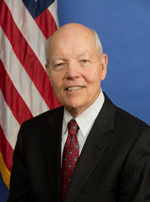
IRS Commissioner John Koskinen

The Internal Revenue Service has launched a new online directory of tax return preparers just as the tax filing season has kicked into gear. The searchable directory allows users to find tax professionals with credentials and select qualifications.

At the time of filing this report, all tax preparers advertising on Mshale after February 1 are listed on the IRS database. Of the more than 140 million tax returns filed last year, more than half were prepared with the help of a paid return preparer, according to the IRS.

IRS Commissioner John Koskinen said in a statement that those appearing on the database have completed the requirements for the voluntary IRS Annual Filing Season Program (AFSP) and have valid 2015 Preparer Tax Identification Numbers (PTIN). Koskinen said taxpayers should make sure their tax preparer has a valid PTIN and includes it on the tax return.

However, tax return preparers with PTINs who are not attorneys, CPAs, enrolled agents or AFSP participants are not included in the directory, nor are volunteer tax return preparers who offer free services.

Obamacare and your Taxes

New this year for those filing taxes are the requirements of the Affordable Care Act (ACA) aka Obamacare that requires everyone to have health care coverage. The directory can be a resource for taxpayers who may want to get help from tax professionals on the Affordable Care Act tax provisions that affect returns filed this year.“Taxpayers can also look to these tax professionals for help if they have questions about the new health care provisions on this year’s tax forms,” said IRS Commissioner John Koskinen.

The IRS searchable database which can be searched using the name, city, state and zip code of attorneys, CPAs, enrolled agents can be found here: http://irs.treasury.gov/rpo/rpo.jsf.

Planning international travel? Don’t forget about immunizations!

0
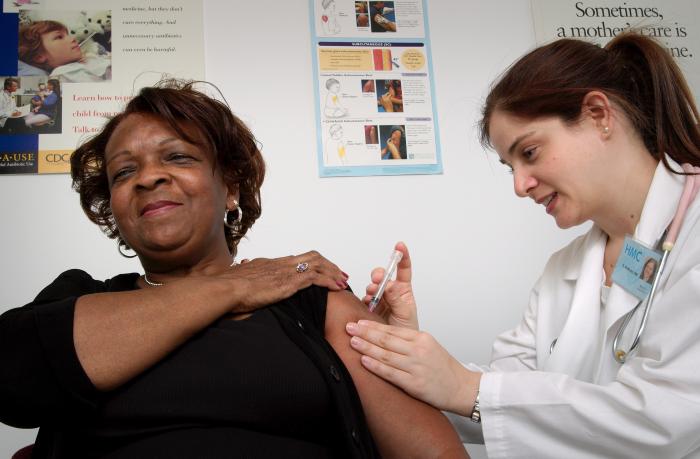
To keep your travels healthy, talk to your clinic or doctor about your trip, the shots you need and ways to stay healthy while traveling. Photo: Courtesy of the CDC
vaccine injection CDCWebsite
To keep your travels healthy, talk to your clinic or doctor about your trip, the shots you need and ways to stay healthy while traveling. Photo: Courtesy of the CDC

Measles kills 400 children in the world every day. It is very contagious and travels easily from one continent to another. But, there is something you can do to protect you and your family – get vaccinated.

If you are traveling overseas, make sure that you and your children are up-to-date on your measles, mumps and rubella vaccine (called MMR). Children as young as 6 months old should receive the MMR vaccine.

Polio is another infectious disease that has been spreading through travelers. Polio is a disease that can cause paralysis (cannot move a leg or arm) and sometimes meningitis (an infection in the brain and spinal cord). If the paralysis spreads it can cause a person to stop breathing.

The increase in the number of cases of polio has concerned health officials at the World Health Organization. They recommend that people who spend more than four weeks in a country where polio is found be vaccinated before they travel. People who are traveling to countries where polio is found should make sure to talk to their clinic about whether they need a booster and if their children have all the doses they need for travel.

It can be easy to think that these diseases won’t affect you and your family. One Minnesota mother found out how dangerous these diseases can be while traveling. Before traveling, the doctor recommended that her son get his MMR vaccine earlier than usual because they were traveling to visit family in Kenya. She meant for her son to get the vaccine, but he was finally sleeping. She decided it could wait until they came back. They were just going to visit family which didn’t seem like a big risk.

The day they returned home, her son developed cold symptoms – a cough, runny nose, and watery, red eyes. Then he got a fever and became very tired. She took him to the doctor, and they said it was a virus and to watch him closely. The cough got worse and the fever got higher so she took him to the doctor again. This time they put him in the hospital because he had pneumonia. The doctors did more tests and put him in a private room – he had measles.

It was hard for her child to breathe so they put him on a breathing machine. There were tubes in his mouth, nose, and arms. She felt helpless. The doctors warned that her son might die. For three weeks she watched a machine breath for her son.

The little boy survived, but his mother will never forget his suffering.  The disease also spread to other people on the airplane and among family members that were not vaccinated. She tells anyone traveling overseas, “Be sure to get all the vaccines you or your family needs.”

To keep your travels healthy, talk to your clinic or doctor about your trip, the shots you need and ways to stay healthy while traveling.

Brooklyn Park forum to examine police and community relations

0
BP Squad Car
Brooklyn Park forum to examine police and community relations

BP_Squad-CarA forum to examine the relationship between police and communities of color with a focus on African immigrants will be held on Saturday, January 31 at Brooklyn Park Community Center starting at 5:30pm.

It is an initiative by the non-profit Global Fatherhood Foundation headed by Kenya-born Samuel Mwangi who sits on the City of Champlin’s Environmental Resources Commission. Mwangi says the forum is in response to calls from the community for a better way of “building relationships between the police and the community in the wake of recent events in Ferguson and New York City.” He said the Saturday forum will be first in a series of upcoming engagements that will address crime, racial disparities and just policing.

Mwangi said issues to be tackled on Saturday include what local African community leaders can do to contribute to good police/community relations and “basic civil rights to which citizens, and immigrants who are not yet citizens are entitled, and to the proper way to respond if you are stopped by the police.”

Panelists on Saturday will include Geoffrey Gichana, president of Mwanyagetinge an Association of Kenyans in Minnesota, Eddie Frizell of the Minneapolis Police Department and recent Hennepin County Sheriff candidate; Nadia Polukhin-Pratt, an immigration Attorney; Hassanen Mohamed,  board chair of the League of Minnesota Human Rights Commissions; Pastor Charles Goah – Senior Pastor of United Christian Fellowship.

Liberian-born Seyon Nyanwieh will moderate. He is executive director of A-mon-nue Sport & Social Association.

Community Forum on Policing

Date: Saturday, January 31, 2015

Venue: Brooklyn Park Community Center, 5600 85th Ave. N, Brooklyn Park, MN 55443

Time: 5:30pm-8:30pm

Kenyan-American alleges corruption in national high school selection in Kenya

0
Education Cabinet Secretary Jacob Kaimenyi speaking at University of Nairobi during the Association of Commonwealth Universities (ACU) Conference in 2013. Photo: Courtesy of University of Nairobi
Kaimenyi Courtesy of U of Nairobi 2013
Education Cabinet Secretary Jacob Kaimenyi speaking at University of Nairobi during the Association of Commonwealth Universities (ACU) Conference in 2013. Photo: Courtesy of University of Nairobi

The selection process for who enters Kenya’s coveted national high schools has left one Kenyan-American grandfather, Stephen Ombaso, in Minnesota angry and has alleged corruption riddles the process.

His grandson, Brian Ombaso, was one of 889,000 who sat for the Kenya Certificate of Primary Education (KCPE) whose results were announced after Christmas by Education Cabinet Secretary Jacob Kaimenyi. He attended Eronge Primary School in Nyamira County.

Top performing students from each of the 47 counties get admission to the elite national schools. His grandson Brian scored 413 out of a possible score of 500 easily putting him on the list of the top performing students in the country. Education CS Jacob Kaimenyi when releasing the results said only 5,584 of the 889,000 students sitting the exams scored between 401 marks and 450 marks. 78% of the 889,000 students scored between 301 and 305 marks. Ombaso said his grandson instead of being admitted to one of the elite schools he chose such as Nairobi school, Kapsabet Boys or Mangu, is instead being told he has to go to the equivalent of a “village polytechnic”.

The elder Ombaso says he has not been able to sleep as his stress level has gone up “I appeal to the Ministry (of education) to bring fairness to the process,” he said as the top students have worked hard and are deserving of the opportunity to go the national schools.

First homeless Youth Shelter to open in “African suburb” of Brooklyn Park

0
Brooklyn Avenues, a $950,000 homeless shelter opens on January 31, 2015 in the City of Brooklyn. It will be the first youth homeless shelter in a Minnesota suburb. Photo: Tom Gitaa/Mshale
Brooklyn Avenues by Gitaa
Brooklyn Avenues, a $950,000 homeless shelter opens on January 31, 2015 in the City of Brooklyn. It will be the first youth homeless shelter in a Minnesota suburb. Photo: Tom Gitaa/Mshale
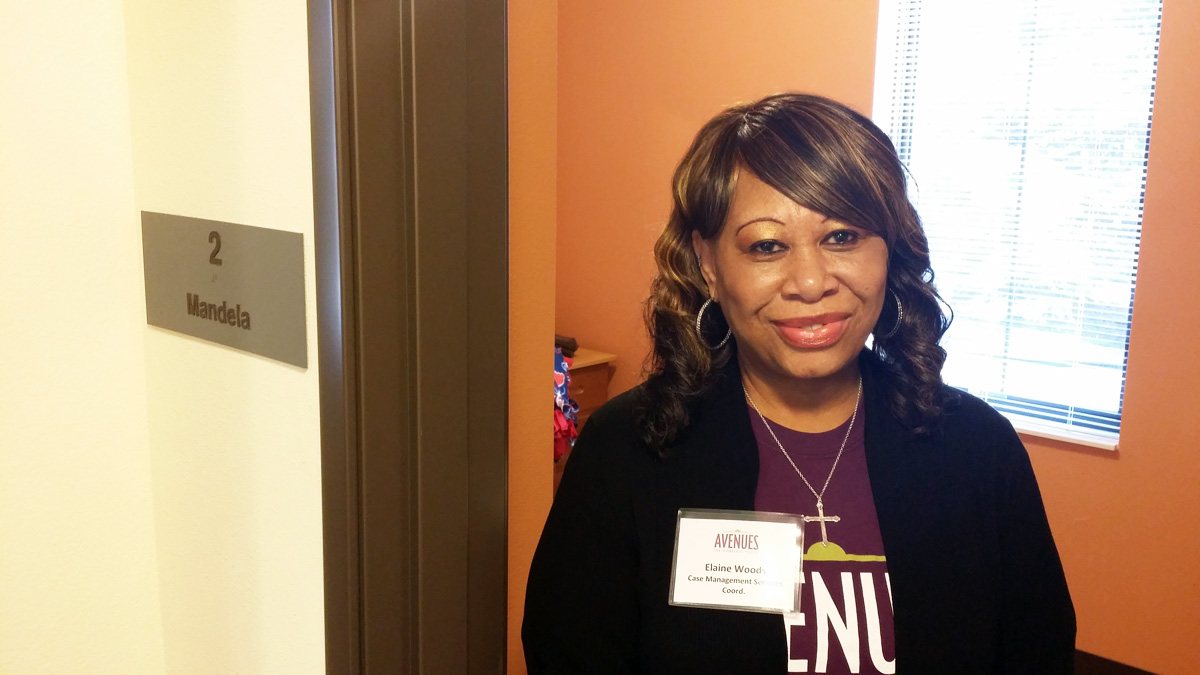
Elaine Woods, the case management coordinator at Avenues outside the "Mandela" whose name he suggested. All the rooms at Brooklyn Avenues are named after famous historical names like Mandela and Muhammad Ali and others. Photo: Tom Gitaa/Mshale
Elaine Woods, the case management coordinator at Avenues outside the “Mandela” whose name he suggested. All the rooms at Brooklyn Avenues are named after famous historical names like Mandela and Muhammad Ali and others. Photo: Tom Gitaa/Mshale
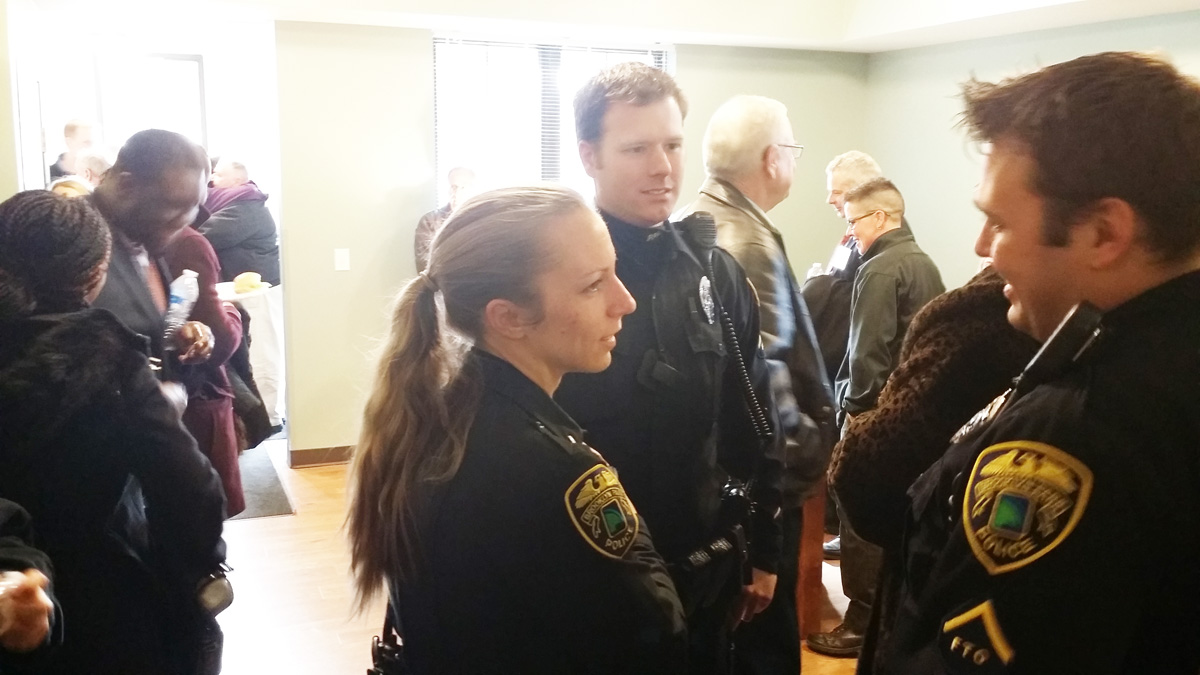
Members of the Brooklyn Park Police Department have been key in support for the shelter to be built were on hand at a ribbon-cutting ceremony by community leaders on Friday, January 30, 2015. The grand opening is Saturday, January 31, 2015. Photo: Tom Gitaa/Mshale

The first of its kind in a Minnesota suburb, a homeless shelter for youth in the City of Brooklyn Park, will open tomorrow (Saturday, Jan. 31) during an open house to celebrate the achievement. Brooklyn Park and the surrounding northwest suburbs referred to as the “African Suburb” is home to the largest concentration of African immigrants in the state that are homeowners.

Called Brooklyn Avenues, it is a 12-bed, short-term shelter and transition housing program, for teens aged 16 through 20. The Minneapolis nonprofit, Avenues for Homeless Youth, will run the shelter built by the City of Brooklyn Park through its Economic Development Authority at a cost of $950,000. The City will lease it to Avenues for $1.

The grand opening ceremony on Saturday will be open to the public in the form of an open house that will run from 1-4pm.

According to the renowned Wilder Research in Saint Paul, more than 4,000 youth are homeless and living alone in Minnesota on any one given night. The homelessness situation in the northwest suburbs has been aggravated in the last few years with the foreclosure crisis that has seen families lose their homes and therefore compounding the problem for teenagers. Brooklyn Park is a minority-majority city with many African immigrants there owning their homes but also affected greatly with the foreclosure crisis.

The Republican mayor of Brooklyn Park, Jeff Lunde and Congressman Keith Ellison during a speech at the annual Avenues for Homeless Youth Benefit Breakfast in North Minneapolis last May spoke of the unique challenges homeless youth present to the city. “Our police have been pressing us in the city Council to do something about it,” Lunde said. He said at the time when completed it will be one of his proudest achievements.

The building is located across the street from the Brooklyn Park Target store. The average stay for a teenager is expected to be three to six months.

Two Africans sit on the board of Avenues for Homeless Youth, Kojo Baafi as the board treasurer and Godson Sowah as Secretary to the board. Sowah last year took over as Mshale’s African Awards Judges’ panel chairman.

Avenues for Homeless Youth Open House

Date: January 31, 2015

Time: 1-4pm

Address: 7210 76th Avenue N, Brooklyn Park, MN  55428

Parking: Target lot in spots facing W. Broadway Ave

Yacub Addy, renowned Ghanaian drummer and composer passes

0
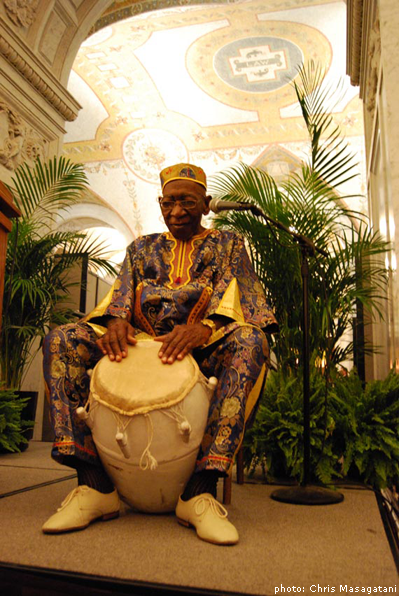
Yacub Addy, renowned drummer, composer and choreographer from the Addy family of drummers is dead at 83. Photo: Courtesy of YacubAddy.com
Yacub Addy
Yacub Addy, renowned drummer, composer and choreographer from the Addy family of drummers is dead at 83. Photo: Courtesy of YacubAddy.com
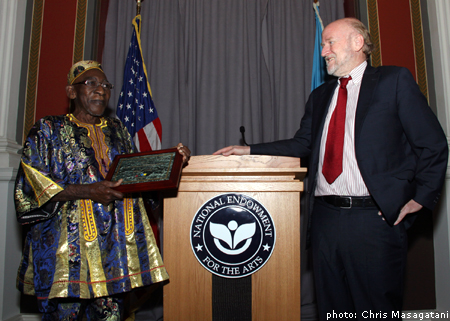
Yacub Addy was the recipient of a National Heritage Fellowship from the National Endowment for the Arts in 2010. Photo: Courtesy of YacubAddy.com

Yacub Addy, drummer, composer and choreographer from the Addy family of drummers, singers and dancers in Avenor, Accra, Ghana, has joined the elders, it was just announced. He was 83.

Addy lived in Latham, upstate New York, and received numerous awards including the National Heritage Fellowship from the National Endowment for the Arts, America’s highest honor for folk and traditional arts.

“A master of the traditional Ga music, Yacub Addy is a generous mentor of aspiring drummers as well as a collaborator with jazz and popular musicians, who has created new works that speak to issues of social and cultural relevance today,” said NEA chairman Rocco Landesman.

Born in 1932, Addy organized and led the first major staged performance of traditional Ghanaian music and dance at the Accra Community Center in 1956, the year of Ghana’s independence

He came to American in 1982 and created the Odadaa performance ensemble while teaching music at both Skidmore College and Rensselaer Polytechnic Institute in Troy, NY. He also taught at the Washington State Cultural Enrichment Program; the Seattle Public Schools; Evergreen College in Olympia, Washington; and Howard University in Washington, DC.

In an interview with the Saratoga Wire, jazz great Wynton Marsalis recalled his collaborator and close friend. “I loved Yacub. My kids loved Yacub,” Marsalis said. “I learned so much from him.’

Once, Marsalis recounted, during a rehearsal, Addy explained that a certain piece needed a royal rhythm. “I reminded Yacub that I was American and didn’t know much about royal rhythm,” said Marsalis. “Yacub looked at me with a broad smile: Brother, that’s why you’ll never play it right.”

In a 1989 review of an Odadaa! Performance at New York’s Symphony Space, the New York Times called the 11-member troop of dancers, singers and musicians “irresistible.” “Odadaa! is a treasure,” the review concluded.

Addy and Marsalis teamed together when they co-composed Congo Square, inspired by the historic park in New Orleans of the same name.

In 2012, the Congo Square group performed their European premiere at London’s Barbican Center. The London Evening Standard gave the performance 5 stars, saying that “a musical marriage as meaningful as this has never been realized before.”

His passing was announced by Amina Addy, his wife, manager and producer of 37 years.

Councilman Warsame to launch exclusive column in Mshale

Minneapolis City Councilman for Ward 6, Abdi Warsame will launch a new column in Mshale called Councilman's Corner starting February 1, 2015. He is the first Somali-American to win a municipal election in the US. Photo: Courtesy of Councilman Warsame
adbi warsame
Minneapolis City Councilman for Ward 6, Abdi Warsame will launch a new column in Mshale called Councilman's Corner starting February 1, 2015. He is the first Somali-American to win a municipal election in the US. Photo: Courtesy of Councilman Warsame
Minneapolis City Councilman for Ward 6, Abdi Warsame will launch a new column in Mshale called Councilman’s Corner starting February 1, 2015. He is the first Somali-American to win a municipal election in the US. Photo: Courtesy of Councilman Warsame

The first Somali-American to win a municipal election in the United States, Councilman Abdi Warsame of Minneapolis, will debut a new column called “Councilman’s Corner” in Mshale. The councilman’s column will debut in the February 2015 edition of the paper.

Mshale Newspaper was in 2014 named among the “100 Most Influential Ethnic Newspapers in America” by the Newseum and featured in the just concluded yearlong joint Smithsonian/Newseum “One Nation With News For All” exhibit.

The councilman will use the column to update constituents of developments in the Ward and the city at large. The councilman became the first Somali-American elected to the Minneapolis City Council in November 2013 and this past November marked his first anniversary on the council.

“Beyond his responsibilities to his constituents to report and update them on what is going on in the ward, he is a historic figure in our community and I would for sure expect him to share his thoughts and opinions about issues of importance to the larger African community,” said Mshale publisher Tom Gitaa after he visited with the councilman on his first year anniversary as a councilman. He will have full independence on what goes in the column, said Gitaa who invited the councilman to write the monthly column.

The column will appear in both the print edition of Mshale and its online property, Mshale.com.

From Minnesota Chamber of Commerce’s Bill Blazar: African immigrant entrepreneurs key to state’s future

Bill Blazar, interim president of the Minnesota Chamber of Commerce delivered the keynote address at Minnesota Somali Chamber of Commerce's first gala dinner on Saturday, January 10, 2015. Photo: Kaamil Haider/Mshale
Bill Blazer Jan10 2015
Bill Blazar, interim president of the Minnesota Chamber of Commerce delivered the keynote address at Minnesota Somali Chamber of Commerce's first gala dinner on Saturday, January 10, 2015. Photo: Kaamil Haider/Mshale
Bill Blazer, interim president of the Minnesota Chamber of Commerce delivered the keynote address at Minnesota Somali Chamber of Commerce's first gala dinner on Saturday, January 10, 2015. Photo: Kaamil Haider/Mshale
Bill Blazar, interim president of the Minnesota Chamber of Commerce delivered the keynote address at Minnesota Somali Chamber of Commerce’s first gala dinner on Saturday, January 10, 2015. Photo: Kaamil Haider/Mshale
Mohamud Beenebeene, executive director of the Minnesota Somali Chamber of Commerce as kicked off the young chamber's first gala dinner at Safari Restaurant on Saturday, January 10, 2015. Photo: Kaamil Haider/Mshale
Mohamud Beenebeene, executive director of the Minnesota Somali Chamber of Commerce as kicked off the young chamber’s first gala dinner at Safari Restaurant on Saturday, January 10, 2015. Photo: Kaamil Haider/Mshale
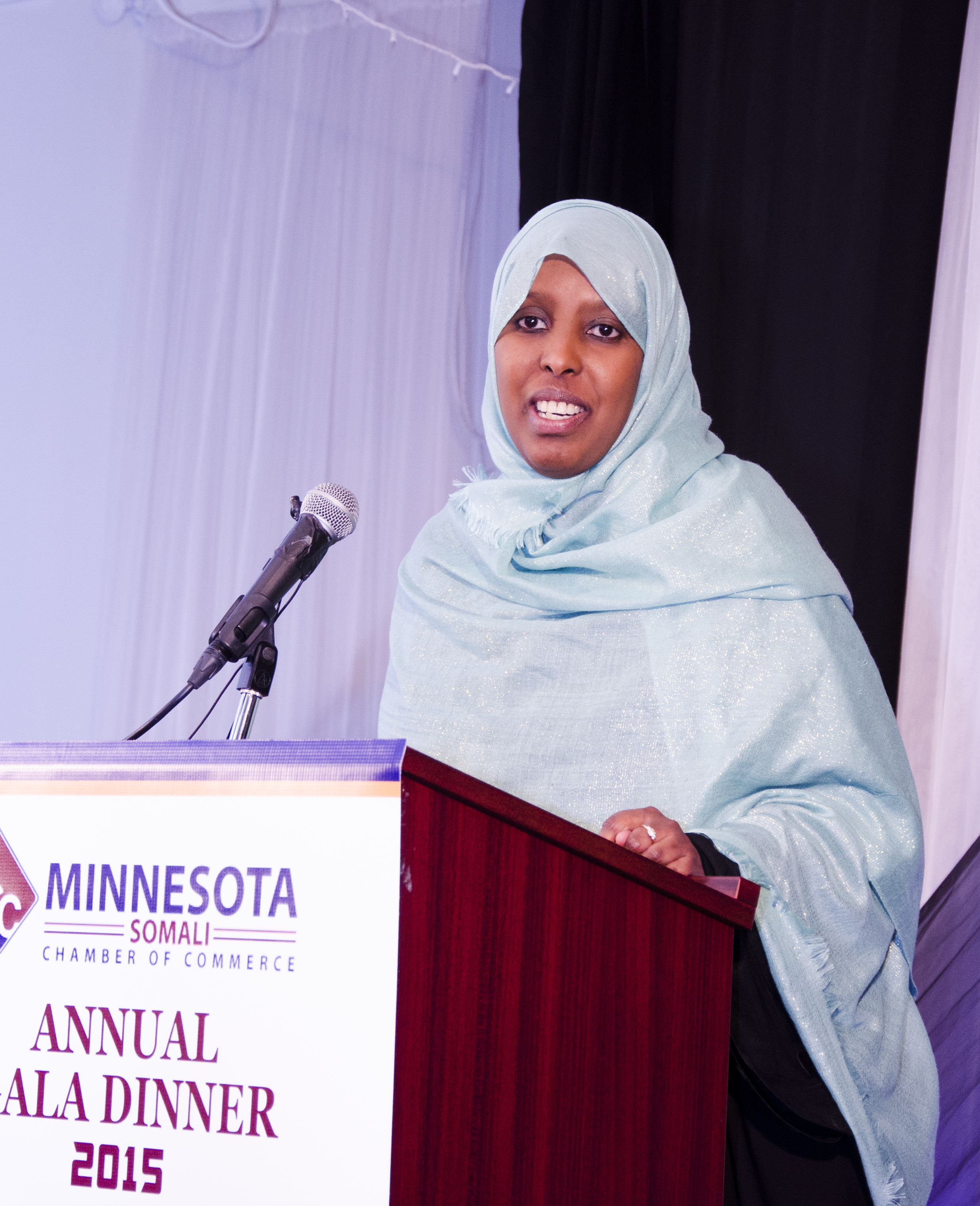
Twin Cities based Researcher, Farhiya Farah, gave a rousing speech at the Somali Minnesota Chamber of Commerce first gala dinner in Minneapolis on Saturday, January 10, 2015. Photo: Kaamil Haider/Mshale
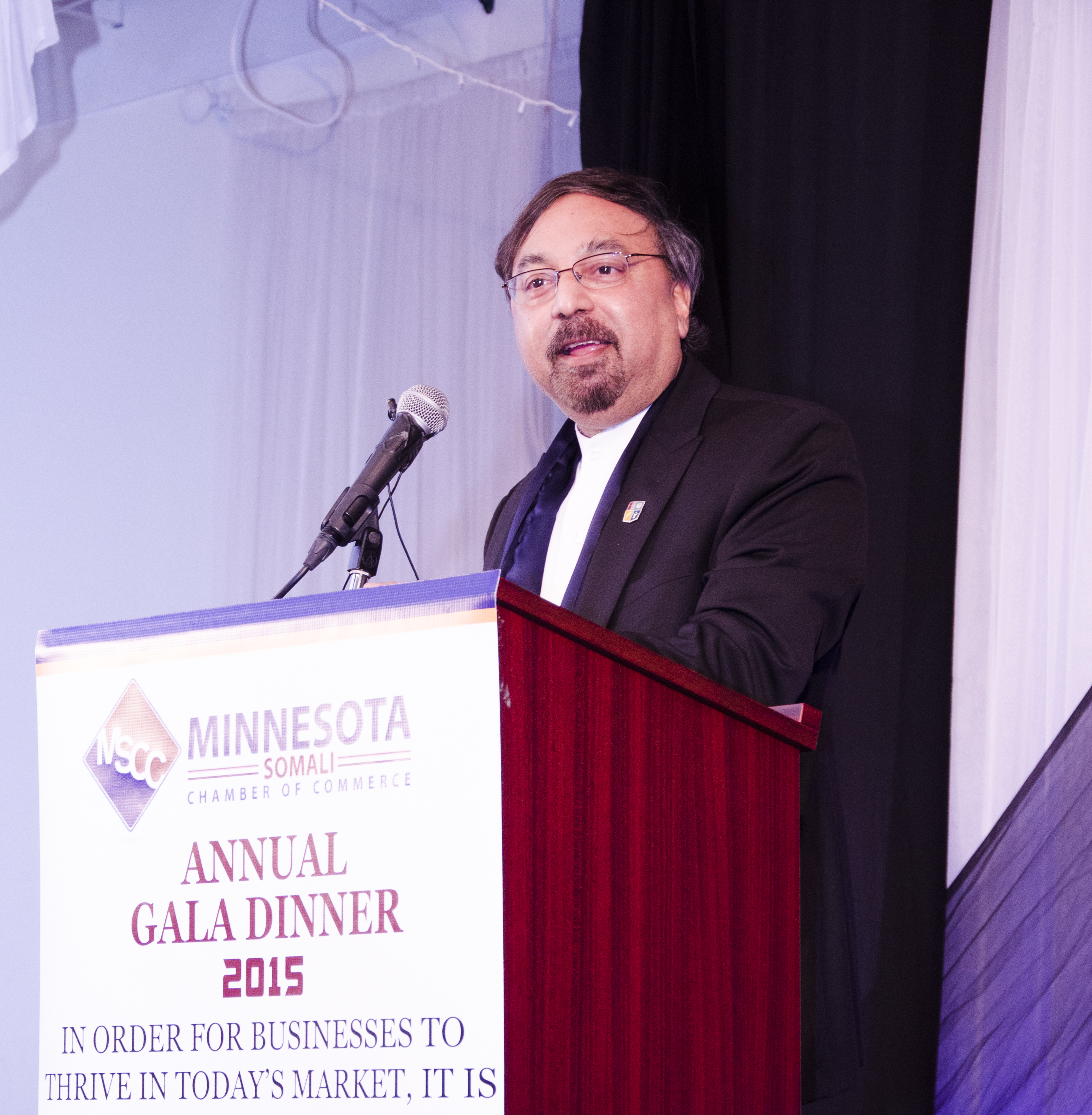
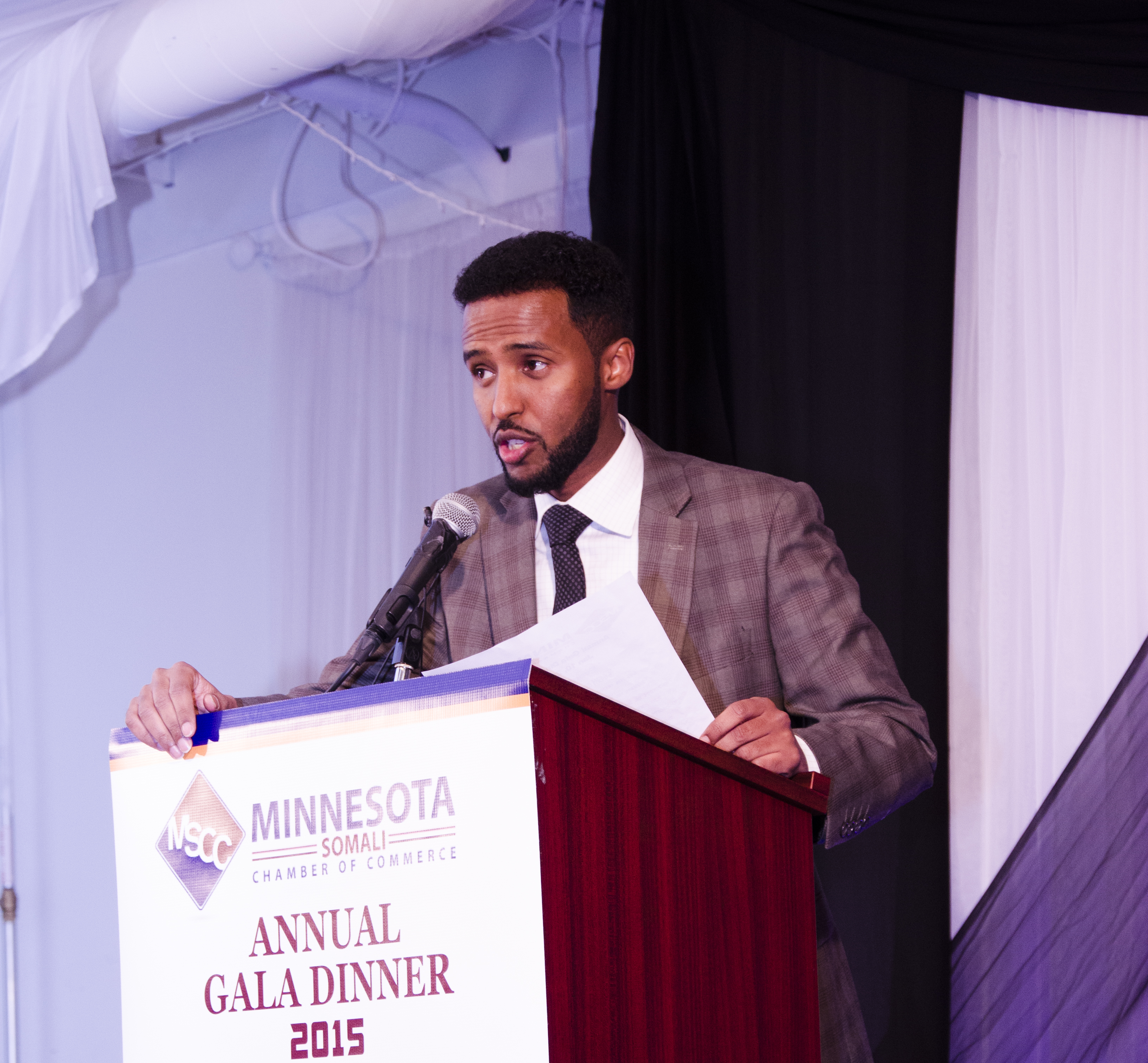
Also making remarks at the gala was Dr. Bruce Corrie, Concordia University's Associate Vice President for University Relations and International Programs, he is the economist instrumental in much of the data available about the African immigrant consumer in Minnesota. Photo: Kaamil Haider/Mshale
Also making remarks at the gala was Dr. Bruce Corrie, Concordia University’s Associate Vice President for University Relations and International Programs, he is the economist instrumental in much of the data available about the African immigrant consumer in Minnesota. Photo: Kaamil Haider/Mshale
Djibouti-American restaurateur, Abdirahman Kahin, seen here making remarks at the first Minnesota Somali Chamber of Commerce gala dinner, is a key supporter of the chamber. Photo: Kaamil Haider/Mshale
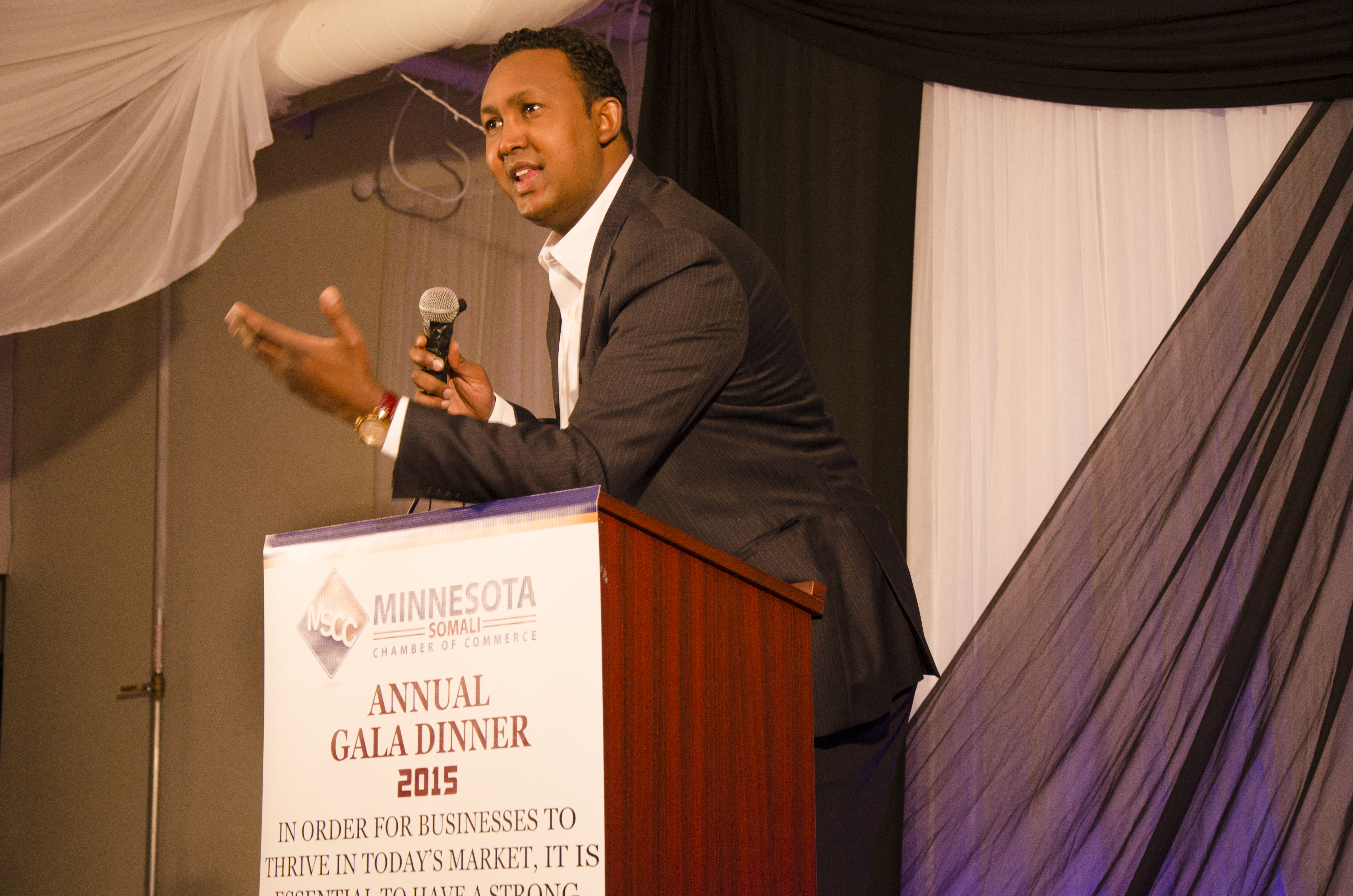
One of Minnesota's business success stories is that of entrepreneur Siyad Abdullahi, seen here making remarks at the first Minnesota Somali Chamber of Commerce gala dinner on Saturday, January 10, 2015 in Minneapolis. Photo: Kaamil Haider/Mshale
One of Minnesota’s business success stories is that of entrepreneur Siyad Abdullahi, seen here making remarks at the first Minnesota Somali Chamber of Commerce gala dinner on Saturday, January 10, 2015 in Minneapolis. Photo: Kaamil Haider/Mshale
Photo: Kaamil Haider/Mshale
One of Minnesota's business success stories is that of entrepreneur Siyad Abdullahi, seen here making remarks at the first Minnesota Somali Chamber of Commerce gala dinner on Saturday, January 10, 2015 in Minneapolis. Photo: Kaamil Haider/Mshale
One of Minnesota’s business success stories is that of entrepreneur Siyad Abdullahi, seen here making remarks at the first Minnesota Somali Chamber of Commerce gala dinner on Saturday, January 10, 2015 in Minneapolis. Photo: Kaamil Haider/Mshale
Minneapolis based Voice of America Correspondent, Mahamud Masadde, emceed the first Minnesota Somali Chamber of Commerce gala dinner on Saturday, January 10, 2015. Photo: Kaamil Haider/Mshale
Attendees at the first Minnesota Somali Chamber of Commerce gala dinner held at Safari Restaurant in Minneapolis on Saturday, January 10, 2015. Photo: Kaamil Haider/Mshale

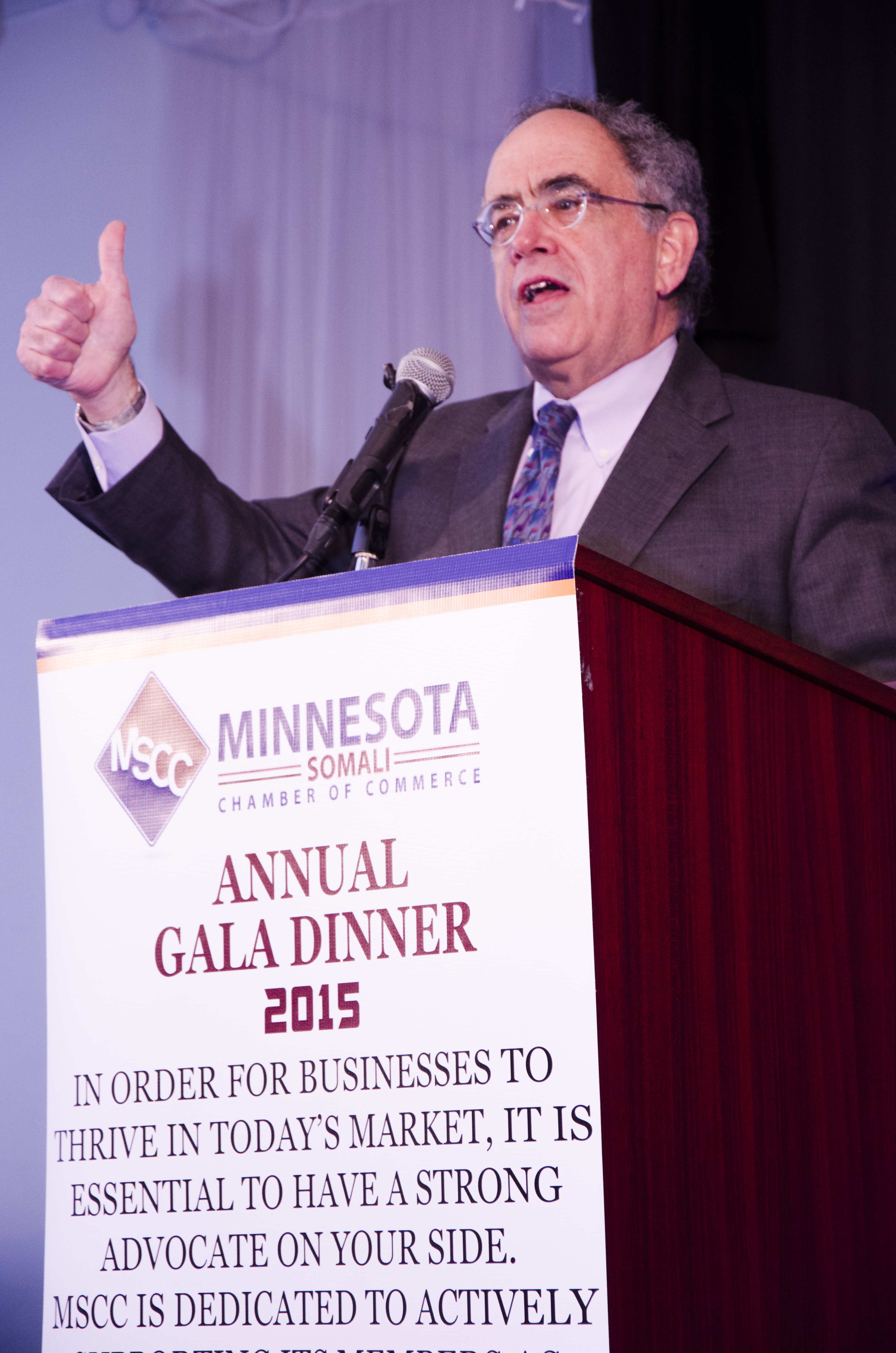
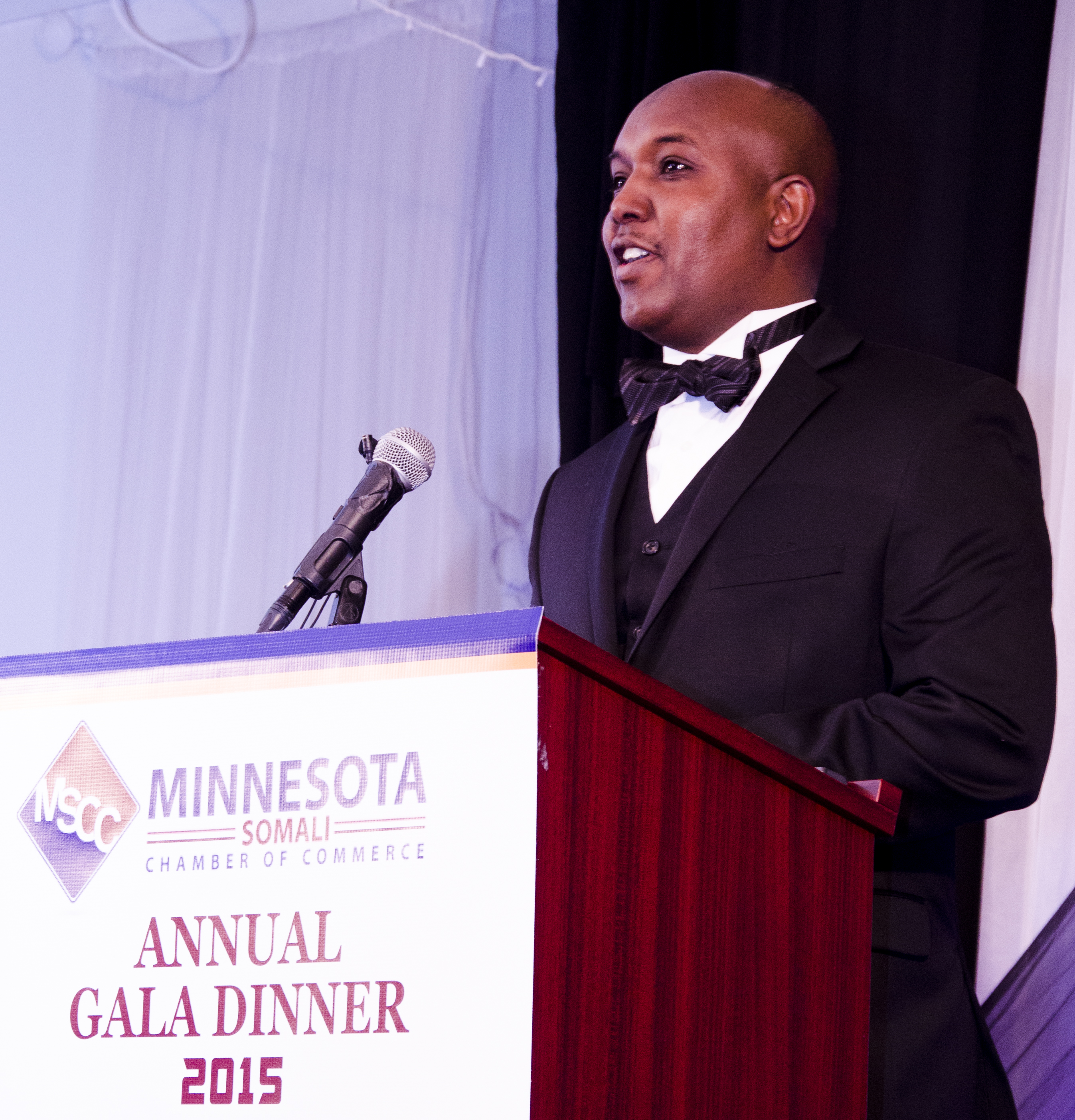
MINNEAPOLIS – The Minnesota Somali Chamber of Commerce held its first annual celebration dinner Saturday at the Safari Restaurant in Minneapolis.

Bill Blazar, interim president of the Minnesota Chamber of Commerce, and other distinguished guests attended the Somali chamber’s gala dinner to celebrate and mark its achievements.

Despite a slow start of the night, guests enjoyed the evening dinner and the dynamic interaction. Some of the dignitaries attending the event included Dr. Bruce Corrie of University of Concordia St. Paul, Faruk Cingilli, president of Turkish Somali American Friendship Association, Nasibu Sareva, executive director of African Development Center, as well as Unity Cooperative Council’s executive director Hussein Khatib.

Mohamud Beenebeene, executive director of the Minnesota Somali Chamber of Commerce kicked off the gala dinner by thanking all the parties that have contributed to the chamber. Speaking mostly in Somali, Beenebeene shared the chamber’s history and achievements and outlined visions of the chamber going forward.

The Minnesota Somali Chamber of Commerce was conceived by a group of business women and men in June 2013 and was launched in 2014. It represents more than 210 Somali businesses in Minnesota.

“This initiative was formed by a group of men and women who wanted a business platform,” Beenebeene said. “We wanted to advocate, exchange ideas and support one another.”

“Somali entrepreneurs working together to advance a Somali business is our biggest success. We have created a lot of awareness both state and federal level.”

The members of the Minnesota Somali Chamber of Commerce embraced many state officials in helping to promote the chamber. Among the officials mentioned were Mayor Betsy Hodges and Representative Keith Ellison, D-Minn.

Hodges and Ellison were not in attendance.

“We have created good relationships with Minnesota officials,” said Beenebeene. “They have paved the way for advocacy. They have also helped us understand the rules and regulations.”

Some of the sponsors of the chamber are Afro Deli and Catering, Family Care and Transportation, Medina Realty, Olympic Money Transfer, AMA and African Development Center.

Farhiya Farah, a trained researcher based in the Twin Cities delivered a captivating and powerful speech. In her remarks, the young woman spoke passionately about Somali business women’s contributions and challenges in the society.

“We have been exposed to an environment with difficulties and yet we succeed,” she said, looking at the crowd fiercely.

She continued, “Investing in a woman is an investment in the future.”

Farah’s speech was one that shook the crowd and reminded guests about the importance of a woman regardless of her ethnic background. Her heartfelt remarks earned her applause and a standing ovation from the cheering loud crowd.

Saciido Shaie and Ayan Dean, members of the Somali community shared that their main goal for the night was to “come out here and support this great initiative.”

Blazar, accompanied by his wife Mary and other members of his Chamber, took the stage to address two key points: building businesses and Minnesota’s economy. Blazer discussed the gains of the emerging workforce and how it contributes to the economy.
“Immigrants are key to supplying the workers at all levels of skills. Somalis participate and contribute critically to the workers shortage our state faces,” he said.

He advised the chamber on how to grow successful businesses in Minnesota. Blazer urged the chamber to follow the model of the Minnesota Chamber of Commerce in order to develop and grow businesses: advocacy and working one-on-one with businesses.

Blazar giving praise to the enthusiastic crowd said, “Your contributions can be much greater as entrepreneurs and as bridge to the growing African economy.”

Blazar shared his worry about the state’s economy and some of the unchanging traditions in the last century. He emphasized the importance of new entrepreneurs and their growing impact on the state’s economy.

“The businesses that have done well here have started here. In the next 20 years your entrepreneurship spirit will grow this economy substantially.” he said confidently as he gazed back-and-forth over the crowd.

Blazar highlighted the growing significance of the African market and ways the Minnesota Somali Chamber of Commerce can help to lobby for the African community.

Thinking about the link to Africa, “Somali businesses people here in Minnesota understand the culture and know the language,” he said.

“Without your voice our World Trade office will not realize or recognize the opportunities Minnesota companies have in Africa.”

He concluded by reassuring the crowd that his chamber will help the Minnesota Somali Chamber of Commerce advance entrepreneurship and be a bridge to the growing African economy.

Sarah Radosevich, policy research analyst for the Minnesota Chamber of Commerce was convinced that the formation of the Minnesota Somali Chamber of Commerce will help bring unity to the Somali business community.

“This (Somali) chamber will make it easier for Somali businesses to be heard by legislators at the Capitol,” she said.

Growing awareness of end-of-life care among Nigerian immigrants

0
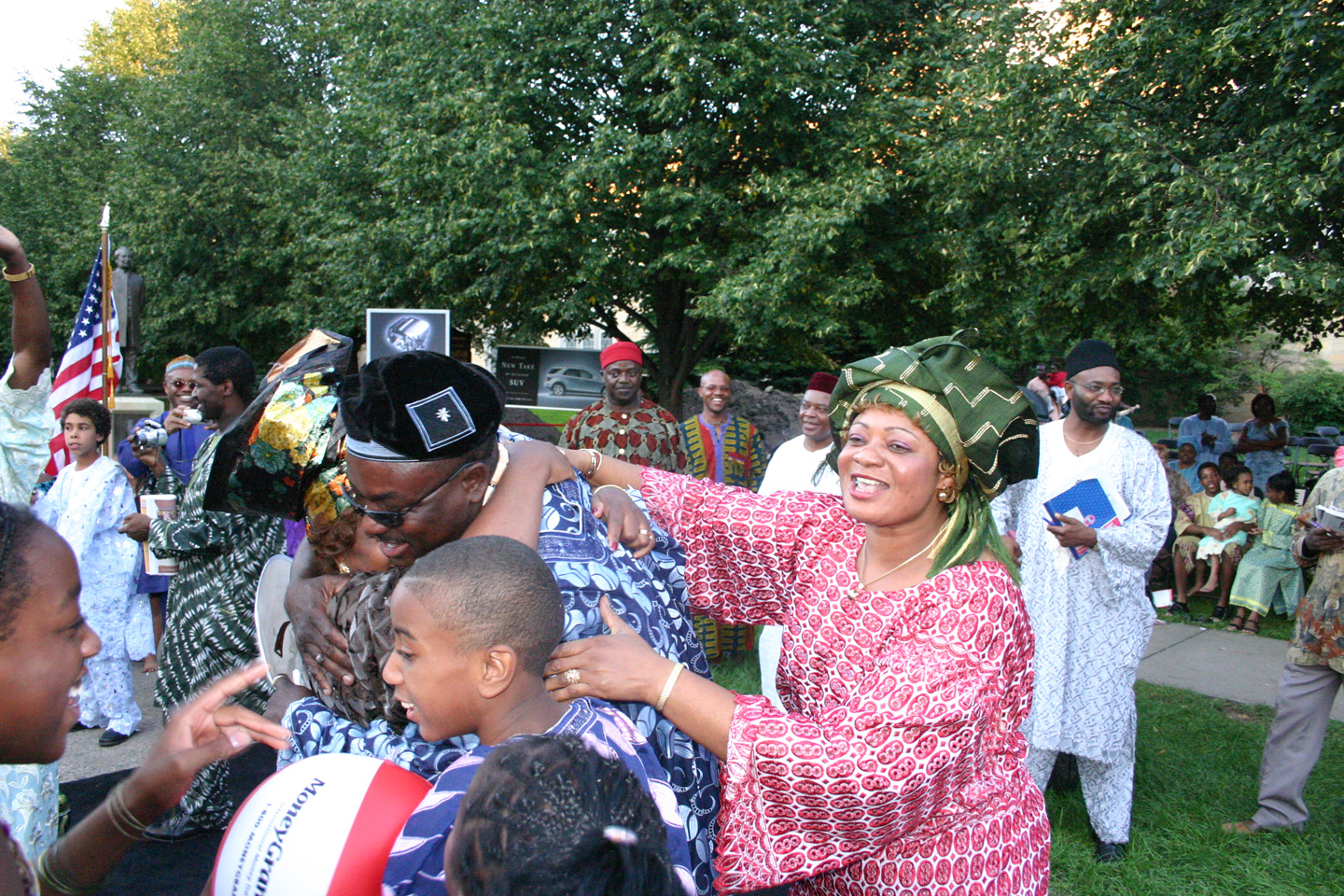
Nigerians in Minnesota at a past IgboFest which celebrates the culture of the Igbo people of Nigeria. Photo: Mshale Archives
IgboFest in Minnesota
Nigerians in Minnesota at a past IgboFest which celebrates the culture of the Igbo people of Nigeria. Photo: Mshale Archives
Nigerians in Minnesota at a past IgboFest which celebrates the culture of the Igbo people of Nigeria. Photo: Mshale  Archives
Nigerians in Minnesota at a past IgboFest which celebrates the culture of the Igbo people of Nigeria. Photo: Mshale Archives

For Nigerian Americans, opting for all possible medical treatments for the ailing parents is normal.

“This thinking represents the family caring and the filial duty in our culture. Especially, we have a long-held perception that American medicine can cure just about anything,” said Nigerian-born Dan Musa, holder of a PhD in theology, as well as an MBA.

Musa owns a car import-export business in Los Angeles and is former president of the nonprofit Uzuma Association USA, Inc. (California Chapter), which promotes and advances Nigerian Americans.

Type “Nigerian Americans,” and the Internet browser produces a surprisingly long list of links to this diaspora group on numerous topics ranging from demographics to religions to professional associations. With more than 500 different languages and dialects spoken in Nigeria, English has become the country’s official language since gaining independence from Britain in 1960. This diversity in Nigeria reflects the heterogeneity among Nigerians in the United States.

“I am from southern Nigeria and I speak Igbo language. My wife, on the other hand, is from the north and she speaks Hausa,’ said Chike Nweke, publisher and CEO of Life and Times Magazine, an African diaspora-focus publication based in Los Angeles. He’s also a published poet and a city planning professional.

Sacred Duty–Ensuring Parents’ Health

Nweke added, “Nigeria is composed of many ethnicities and cultures, which explains why we have so many different Nigerian associations based on regionalism, religions, language, professional interests, and so on.”

Despite this great diversity, he emphasized, all Nigerians share one common value–-that it’s the children’s sacred duty to ensure their parents’ health is well cared for and their rite of passage is with “peace and dignity.”

Solomon Gochin is a Nigerian-born psychologist, who specializes in providing supportive-living services and adaptive-living skills at Passport to Learning, Inc., in Los Angeles. Gochin came to the United States in the 1960s to study and decided to stay. He explains that to Nigerian elders, their “peace and dignity” derives from being cared for by family members in their final days regardless whether they are back in Nigeria or in the U.S.

He added that at the same time, they don’t want to burden their children with difficult financial decisions.

These Nigerian cultural values are consistent with findings in the 2012 survey report titled “Final Chapter: Californians’ Attitudes and Experiences with Death and Dying” conducted by the California Healthcare Foundation (CHCF).

“Of the survey’s 12 most important concerns at end of life for Californians, being at peace spiritually is the top priority (76 percent) for African Americans,” said Emma Dugas, CHCF’s communications officer. “Also for this group, their second most important consideration is to not burden their families (60 percent).”

“Since we came from a society of weak government social supports,” said Life & Times Magazine publisher Nweke, “we therefore mainly rely on our families and kinship for everything from birth to marriage and especially, the end of life. Family support is a necessity, a way of life.”

For that reason, sending one’s parents to a nursing home is culturally viewed as abandonment by their children, a social taboo in the Nigerian community. Furthermore, many Nigerian elders are truly frightened about being away from their family surroundings, according to Gochin, who often visits and provides counseling to Nigerian families with terminally-ill patients and aging parents.

Advance Care Planning

This filial duty also re-enforces the belief among many Nigerian Americans that all medical treatments for ailing parents must be pursued.

But one reality that some in the Nigerian American community, especially those in the healthcare industry, have begun to recognize is the physical discomfort and potential side effects that came with some of the more aggressive and costly medical treatments.

Karl Steinberg, MD, chief medical officer of Shea Family Health in San Diego, believes that physical comfort should be part of the end-of-life quality care besides curative treatments.

Steinberg suggested that families who have terminally-ill members or aging parents should consider filling out a Physician Orders for Life Sustaining Treatment (POLST) form by reviewing the treatment options with their doctors.

This planning would ensure that the selected treatments are appropriate, provide physical comfort and would not violate any cultural taboo. Advance planning would also help avoid a financial burden to the family, the second most important concern to most African Americans. Once the one-page POLST is filled out, healthcare providers are required to honor this physician’s order, which must be signed by your doctor.

Experts also recommend that people prepare an advance directive, which enables them to express their wishes in greater details that the POLST form allows.

Steinberg’ advocacy is supported by the 2008 Dartmouth Atlas of Health Care study, which reveals that aggressive medical interventions had worsened many patients’ quality of life, increased medical costs and even shortened their lives. This study involved over 4.7 Medicare patients at thousands of hospitals throughout the U.S.

Another study, titled “Do Unto Others,” by V.J. Periyakoil, MD, and her colleagues at Stanford School of Medicine, show that almost nine in 10 of the nearly 1,100 doctors surveyed would select comfort care over aggressive treatments for themselves.

Palliative Care Option

“But families shouldn’t have to make these hard decisions on their own,” said Bradley Rosen, MD, who heads the Cedar-Sinai Hospital’s Supportive Care Medicine, a palliative care program.

Rishi Gupta, MD, assistant director of the Cedar-Sinai program, echoed Rosen’s point by adding that with palliative care, a family would have a team of experts in medicine, social work and spirituality. Their comprehensive support would cover appropriate treatments, pain management, social work, volunteer services and bereavement follow-up for family caregivers.

“Palliative care is like a one stop-shop service for end-of-life patients,” said Vincent Nguyen, DO, director at the HOAG Cares program in Orange County, Calif. He added that palliative care provides a patient with an option to stay at home to be surrounded by family members and still get full support services. For complicated procedures, the patient can come to the hospital for treatment and often go home.

Studies in major medical journals, such as the New England Journal of Medicine and The Lancet have shown that cancer patients, who were given palliative care early, actually experienced a better quality life and even lived up to three months longer.

The lead researcher on the Lancet study found that “patients appreciated having a team of professionals available to provide additional support navigating the cancer system and coping with multiple medical and social issues.”

Medicine’s Limits

Chiedozio Esiobu, a nurse who came to the U.S. from Nigeria five years ago, works at a home care agency for veterans in Los Angeles. He believes a number of Nigerian Americans, especially those in the healthcare field, have begun to reconsider the idea of going for all possible medical treatments for ailing parents.

“There is a growing awareness that medical treatments can only go so far, and not all are effective and yet [they are] costly,” said Esiobu.

“But our belief in family and spiritual supports will not change as these are our cultural values,” added Esiobu. Later that the day he planned to visit his friend’s father who is ill and bed ridden, following the Nigerian practice of visiting friends and neighbors to pray for their ailing family members.

Julian Do wrote this article for The Immigrant Magazine with support from a New America Media fellowship, funded by the California Health Care Foundation.