
Home Blog Page 166

Commissioner Mike Opat kicks off African Community engagement on Bottineau Transit

0
Commissioner Mike Opat kicks off African Community engagement on Bottineau Transit

Over 50 people gathered on February 21 for the African Career, Education & Resource, Inc.‘s (ACER) Community Leader Forum to learn details of the Bottineau Transitway project and discuss how to become engaged in the process. ACER marked the launch of its “Making Transit Meaningful” project with this forum that brought ethnic minority leaders of various community organizations and faith-based groups together with elected officials and staff from Hennepin County and the City of Brooklyn Park.

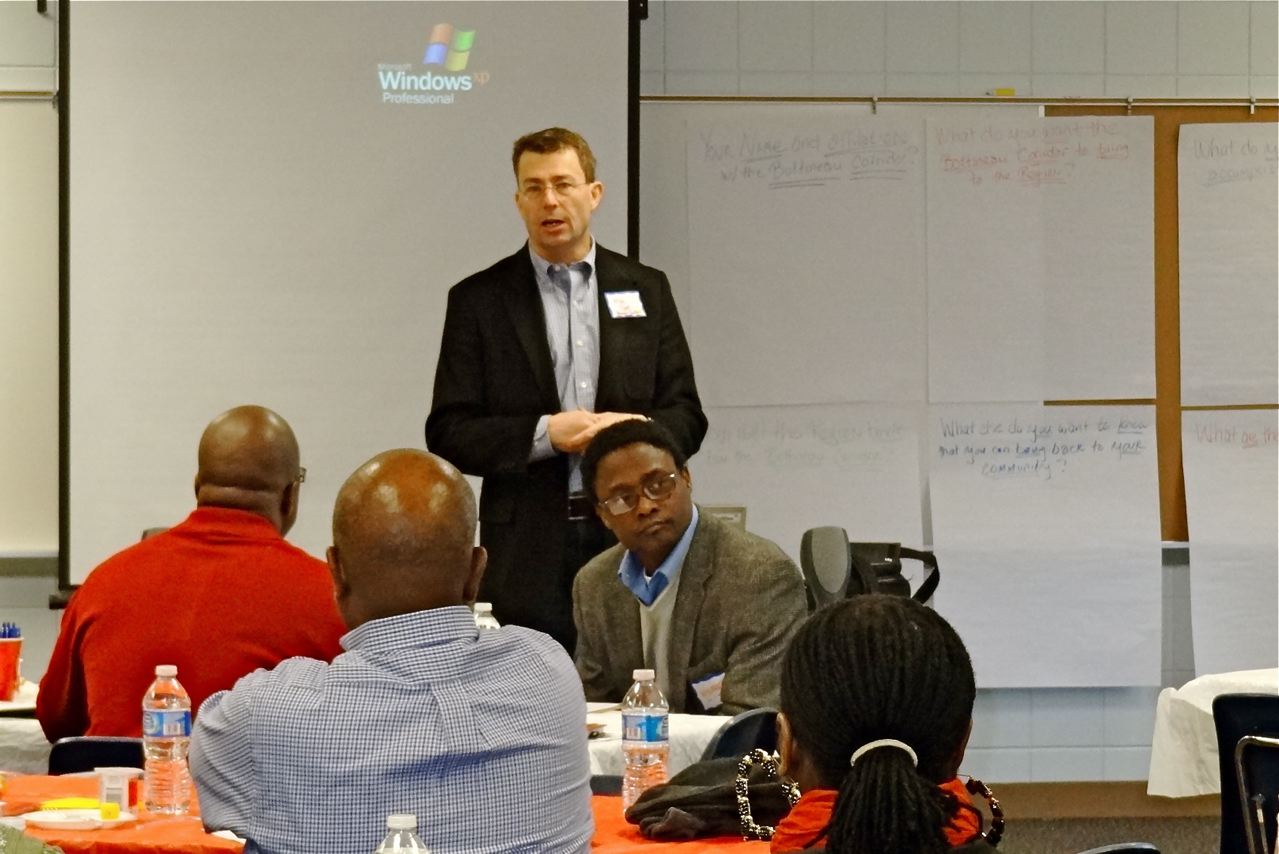
In opening remarks, Hennepin County Commissioner Mike Opat spoke about the importance of getting engaged in the Bottineau Transitway (County Road 81) planning process. He encouraged attendees to reach out to their legislators and advocate for more support for the project, in anticipation of the positive types of transit-oriented development that comes with a project of this magnitude. Brooklyn Park Mayor Jeffrey Lunde welcomed attendees to the City of Brooklyn Park and expressed his support of ACER’s efforts.

The facilitator, Tene Wells, set the upbeat tone of the forum by encouraging the leaders to use the opportunity by contributing their “best thinking” and ideas. Presenter Joe Scala, of Hennepin County, gave a regional transportation overview and reviewed plans for the Bottineau Corridor, while Veronica Burt, of Just Equity, shared her experiences as a community organizer and the strategies she has used to engage with and advocate for the Rondo area community around the Central Corridor. In two breakout sessions, participants spoke about their dreams, aspirations, and apprehensions, regarding the proposed transit project, and the opportunities and challenges involved with engaging their constituents. Many complained about the technical nature of some of the materials presented and requested that it be translated into a more simplified version.

Through feedback forms, participants contributed their comments to be included in the formal Bottineau Transitway Scoping Documents. The project team is gathering input from the community about the scope of issues to be studied during the Bottineau Transitway Draft Environment Impact Statement process. The scoping period closes on February 17, 2012.

Overall, leaders were excited to become engaged with the Bottineau Transitway project, and more than half signed up to participate in the next event being planned by ACER. On Saturday, March 24, community leaders will be taken on a Guided Mobile Tour of the Bottineau Transit Corridor and the Hiawatha Corridor, to experience riding a Light Rail train.

ACER was among 10 community-based organizations that received funding from the Corridors of Opportunity Policy Board of the Metropolitan Council, through the US Department of Housing and Urban Development, to ensure that underrepresented communities along transitway corridors, in the metropolitan area, are involved in the decision making process. With its project, ACER plans to connect with African immigrants, African Americans and other minorities through a series of community forums, open houses, and other evidence-based methods.

According to Wynfred Russell of ACER, his organization will partner with the City of Brooklyn Park to identify and engage this population to become actively involved. The goal is to move underrepresented communities from a lack of basic awareness to a state of informed and engaged community action as it relates to community input and impact along the Bottineau Corridor. ACER’s efforts will focus on segments of the corridor affecting Maple Grove, Osseo, Brooklyn Park, New Hope, Crystal, Brooklyn Center, and Robbinsdale.


Dish Network and TV9ja launch Short Films Contest

0
Dish Network and TV9ja launch Short Films Contest

Dish Network and TV9ja have launched a Short Films Contest.

With a tagline for the contest on its website stating “It’s not the size of your gear, it’s what you do with it” TV9ja encouraged submissions regardless of whether they were shot on camera, tablet or phone.

The first prize winner will receive a round trip ticket to Nigeria and an Ipad2 while the second place finisher will receive a roundtrip ticket to Nigeria.

TV9ja which is based in New York is owned by the Afrotainment Family of Channels and airs Nigerian movies and music on Dish Network.

Rules for the contest can be found online at TV9ja.

The contest runs through March 31 at 11:00 P.M EST.

African Diaspora remittances top US$40b

0
African Diaspora remittances top US$40b

Diaspora remittances are a key foreign exchange earner for Africa with US$40-billion flowing from the west annually.

That figure is growing at 15% per year, according to the chief executive officer of Homestrings, Eric Vincent Guichard.

Founded last year, Homestrings provides investors from the African diaspora and elsewhere the means to invest on the continent by providing direct access to institutional private equity funds, projects and public private partnerships.

As remittances surge, several African governments (and private companies such as Homestrings) are actively seeking ways to shift the resource from mere sustenance remittance to more focused development and investment resources. One innovative way in which governments are financing infrastructure, education and health projects is through diaspora bonds, a concept that has gained momentum. Kenya, Zimbabwe and Ethiopia already issued such bonds while Nigeria is expected to issue one in 2012.

However, whilst diaspora remittances are a major force in nearly every African nation, it is not possible to track how much is received officially as accurate information is not held by every authority. In addition, the amount of forex which is received through unofficial sources such as friends, networks or trading partnerships slips under the eye of official watchdogs.

Some countries are actively trying to encourage sending money sent through official channels only by offering nationals living abroad financial incentives that beat the rates offered by private dealers. However, this requires a formal banking system to be operational. In areas where banks are only based areas, many are left with no choice but to receive remittances via unofficial means.

Diaspora remittance can make up a considerable proportion of an African country’s income, especially for nations where there have been conflicts. According to data from the World Bank, Eritrea received remittances which were worth 190% of its export trade and 19% of its GDP whilst Nigeria receives approximately $1.3-billion every year, making it only second to oil for forex income.

Whilst the stream of forex may be seen as a good thing, economies that rely too heavily upon it leave themselves vulnerable to fluctuations, which unfortunately are common. One study researched the annual variances in diaspora remittances between 1980 and 1999 and found that Egypt swung by 17% each year. Niger, Togo, Cape Verde and Cameroon had a potential annual difference of 50% whilst Botswana, Lesotho, Ghana and Nigeria saw their diaspora remittance see-saw by more than 100% in just one year. Experts therefore suggest that managing the amount of remittance received whilst attempting to diversify to prevent future economic downturns is the key.

As long as there are Africans in the Diaspora remittances will keep flowing, and forex trading will continue to be a major source of income. In the next nine years, the World Bank predicts that the figure will reach $200-billion annually – a significant amount of forex, which experts suggest should be used wisely to tackle the challenges facing the continent.

Influenza

0
Influenza

Influenza is an illness that affects people of all ages worldwide. Symptoms range from mild to severe, and it is a major health issue around the world. Everyone can help fight the spread of influenza each year by getting vaccinated. Vaccination is also one of the best ways to reduce your chance of getting ill.

What is influenza?

Influenza is an illness caused by viruses that infect the nose, throat, and lungs. A virus is a tiny organism that lives in the cells of humans, animals, and plants. The flu virus is always changing and that allows it to continue to infect humans. Most people get the flu during the colder seasons, beginning in October and lasting through the spring. Influenza can be spread in the air when people with the virus cough or sneeze, or a person can become infected by touching a surface with the virus on it and then touching the mouth or eyes.

Who gets influenza?

Anybody can get influenza! But, some people are more likely to become very sick with influenza. Those at highest risk include: young children, people over 65 years, pregnant women, and people who are already sick with disease like pneumonia, asthma, chronic lung disease, HIV, heart disease and diabetes.

What are the signs and symptoms of influenza?

Influenza symptoms include a sore throat, runny nose, and cough. People with influenza also feel very tired and may have a fever, chills, and body aches. Children who have influenza may have different symptoms than adults, like diarrhea and vomiting in addition to the other symptoms. Influenza symptoms usually come on very suddenly.

How is influenza treated?

Most of the time, influenza can be treated at home. It is important to rest and to drink plenty of water. Stay home while you are sick and for at least 24 hours after the fever is gone so you do not get other people sick. Sometimes influenza can be severe. If a person is having trouble breathing, feeling dizzy or confused or having chest or abdominal pain they should go to the hospital. In some cases doctors may also give medications to help your body fight the virus.

How can I prevent influenza?

The most important way to prevent the flu is to get vaccinated! Everyone 6 months and older should get the influenza vaccine every year. The influenza vaccine reduces the chances of getting the flu. The vaccine may be given as a shot in the arm or as a spray in the nose. Talk with your doctor if you have an egg allergy or if you have had a reaction to the vaccine in the past. As the influenza season is currently approaching, it is important to get vaccinated now!

Other ways to avoid getting sick are:

• Clean your hands often with soap and water, or an alcohol-based hand cleaner.

• Avoid touching your eyes, nose and mouth.

• Avoid close contact with people who are sick, if possible.

Places Providing Influenza Vaccination:

To find a clinic near you, visit our website at mdhflu.com and click on “Find a Flu Clinic”.

Note: Special thanks to the University of Minnesota Medical Students and the Minnesota Department of Health Immunization Program for their contributions.

Kenyans in Minnesota embrace M-Pesa

0
Kenyans in Minnesota embrace M-Pesa

BROOKLYN CENTER, Minn. – Kenyan-American community and business leaders in Minnesota yesterday got an opportunity to learn more about Western Union’s Mobile Money Transfer (MMT) service to Kenya, at an event hosted by Mshale Newspaper and sponsored by Western Union. Western Union started the MMT service in the United States in the second quarter of 2011.

The Mobile Money Transfer (MMT) service is known as M-Pesa in Kenya and has proved popular with Kenyans since its launching in 2003 by Safaricom, a Kenyan mobile telephony company. It now boasts over 14 million subscribers according to Central bank of Kenya statistics, placing the country as the innovation hub center in the world for mobile money transfers.

Kenyan global Diaspora remittances to Kenya for 2011 (excluding December) were US$806 million up from US$642 million in 2010 with close to half originating from North America, according to Central Bank of Kenya data.

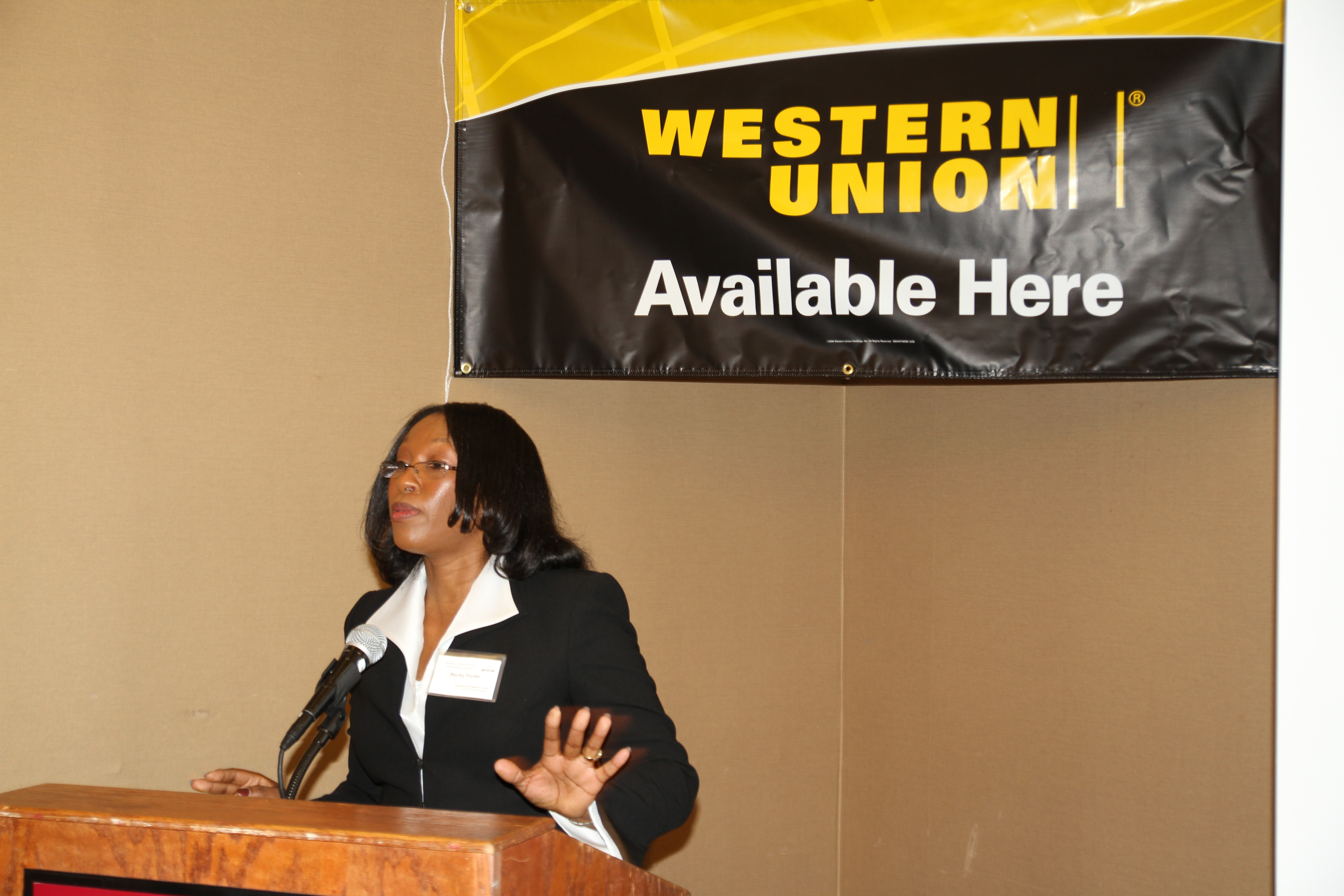
Western Union Account Executive in charge of the Upper Midwest region, Rebecca Porter, highlighted the benefits and convenience of the service for recipients in Kenya. “With money available immediately on their handsets and at more convenient locations than ever before, this is a great thing for your family and friends”, Ms. Porter said to a room full of some of the most influential Kenyan-Americans in the state.

Ms. Porter walked attendees through the process of sending money to recipients in Kenya using M-Pesa. “The most important thing is making sure you have the correct mobile number of your recipients, to avoid delays if money lands in someone else’s M-Pesa account”, she said. A participant, Fred Oduol, suggested Western Union liase more closely with Safaricom, the M-Pesa operator in kenya, to prevent any losses as the latter has tightened its processes to prevent this.

Those present were also able to send money to recipients in Kenya for free to the receivers’M-Pesa accounts. According to Ms. Porter this was the first time that Western Union has tried a money transfer at an offsite event location like was the case yesterday. One Dr. Thomas Nyambane, a local church leader, was unaware of the service and decided to give it a try. He was delighted to receive a call as he was about to leave the event venue from his surprised recipient. “It is 4:00 A.M. there (Kenya) and he (recipient) just got a text message saying he has money, this is wonderful,” a broadly smiling Nyambane said.

Ms. Porter also fielded questions from the audience during a Q and A session moderated by Mshale founder, Tom Gitaa. Questions were split evenly between the M-Pesa service which were overwhelmingly positive but she also got an earful of concerns on other Western Union business practices such as the exchange rate with one Anthony Makundi, a local CPA, terming it woeful and wondered how it was determined. She responded that the rate is determined by market forces and can change quickly from the time one looks up the rate online to when they get to an agent location to send money. A local businessman, Joash Omandhi, raised a question about the refund of the service fee when a money send is not successful and one gets their money back. When money you send is returned, you do not get back the service fee. Mr. Omandhi was of the opinion that the service fee should also be refunded.

One question that resonated with the audience was community event sponsorships that Western Union was active in before but has been missing in action lately. One community leader, Paul Morande, commended the company for a past sponsorship of a community high school and college graduates celebration ceremony that it had sponsored before but no longer does and gave a testimonial of the successful partnership. “Some of the kids from the last graduation ceremony you sponsored have gone on to very good colleges and we thank you for that” Mr. Morande said, but quickly pivoted and echoed the community sentiment for a reinstatement of the partnership.

One community leader, Joan Misoi, however aptly summed up the evening’s mood. Apparently fired up by the evening’s proceedings she wanted to know how she can get the word out on the M-Pesa service. A pleased Ms. Porter promised to team up with her and the community to make that possible.

In the absence of an official launch of the MMT service in the region by Western Union, yesterday’s gathering hosted by Mshale Newspaper had the trappings and feel of a product launch.

Provisional I-601 Waivers Likely to Streamline Visa Application Procedure and Reduce Separation of Families

Foreign nationals who have accrued unlawful presence in the U.S. are barred from re-entering the country for three years (if they were unlawfully present for at least 180 days but less than one year) or 10 years (if they were unlawfully present for one year or more). This is commonly known as the 3/10-year bar.

Moreover, foreign nationals who entered the U.S. illegally or otherwise do not quality to adjust to permanent resident status must depart for consular processing of their immigrant visa. Once they depart the country, they trigger the 3/10-year bar. To be excused from this bar, they must apply for a waiver of inadmissibility by filing a Form I-601 application with U.S. Citizenship & Immigration Services (USCIS).

The waiver is approved if they show that that their qualifying relative (spouse or parent who is a U.S. citizen or permanent resident) would “suffer extreme hardships” if they were not allowed to re-enter the U.S. Because the waiver processing can take several months to several years, USCIS is proposing changes to allow certain applicants to file for a provisional waiver while they wait in the U.S. for a decision.

On January 6, USCIS posted a notice outlining its plan to reduce the time that certain families are separated when the foreign national goes home to apply for an immigrant visa. The current process allows applicants to file for a waiver only after they have their initial interview at the U.S. Consulate, usually in their home country. Under the proposed process, the applicant may file the waiver application with USCIS while they are still in the U.S. The provisional waiver will be available only to applicants with U.S. citizen spouses or parents, but not to applicants whose qualifying relatives are permanent residents.

Although the new process will change the filing procedure for some, all applicants are still required to prove that the qualifying relative will suffer extreme hardships if they are not re-admitted to the U.S. In reviewing the waiver application, USCIS considers the totality of circumstances including factors such as: health concerns, financial considerations, education reasons, personal consideration and special factors (cultural, language, religious, and ethnic obstacles; valid fears of persecution, physical harm, or injury; social ostracism or stigma; access to social institutions or structures).

Current Process

Under the current process, a foreign national cannot file for a waiver before he departs the U.S. to apply for an immigrant visa at the U.S. Consulate. First, he must appear for a visa interview before a consular officer abroad. If the consular officer determines that he is subject to the 3/10-year bar, he next files his I-601 waiver application with USCIS through the U.S. Consulate. He may not apply for the waiver before the consular officer determines that he is inadmissible to the U.S.

USCIS reviews the waiver application while the foreign national remains outside the U.S. and waits for a decision. If USCIS approves the waiver request, it notifies the U.S. Consulate, which may then issue the immigrant visa as long as no other inadmissibility grounds apply. If USCIS denies the waiver request, the applicant may appeal the decision to the USCIS Administrative Appeals Office (AAO), which may take several months to several years to issue a decision. Finally, if the applicant does not win the appeal, he must remain outside the U.S., subject to the 3/10-year bar, before he may re-apply for an immigrant visa. A denial, however, does not preclude the applicant from filing a new I-601 waiver request.

Proposed Process

The proposed process is a simplified and more efficient way for certain applicants to file for an unlawful presence waiver while they remain in the U.S. with their family. If USCIS finds that the applicant qualifies, it will grant a provisional waiver and require the applicant to complete his biometrics (fingerprints). USCIS will deny the application for a provisional waiver if other possible grounds of inadmissibility are found or arise during its review.

To actually receive the benefit of the provisional waiver, the foreign national must depart the U.S. and apply for an immigrant visa at the U.S. Consulate. During the interview, the consular officer will issue a finding of inadmissibility and apply the provisional waiver. If there are additional grounds of inadmissibility besides unlawful presence, which can be waived, the applicant would need to file another waiver request for that bar to be excused.

The new process will reduce the movement of the case back and forth between the U.S. Consulate and USCIS, which significantly prolongs the processing time and increases the length of separation of families. In many cases, the provisional waiver will reduce the time that the visa applicant spends abroad. The new process will also reduce costs to the U.S. government and allow for speedier decisions in immigrant visa cases.

Conclusion

The proposed process has yet to take effect. The USCIS’ January 6 notice announces the government’s intent to issue a proposed regulation at a future date. Next, USCIS will issue a Notice of Proposed Rulemaking with a proposed regulation concerning the waiver process and will invite public comment. The new process will not be implemented until a final rule is issued and the change becomes effective.

Regardless of whether the new process takes effect, waiver applicants must still show that their qualifying relatives would suffer extreme hardships if they were not re-admitted to the U.S. The Service has no plans to lower this strict standard. This means that visa applicants must still consult with experienced immigration counsel to enhance the likelihood of obtaining the waiver.

Nothing in this article should be taken as legal advice for an individual case or situation. The information is intended to be general and should not be relied upon for any specific situation. For legal advice, consult an attorney experienced in immigration law.

What’s Coming Next to Top Gnahoré’s Performance Last Fall?

0
What's Coming Next to Top Gnahoré's Performance Last Fall?

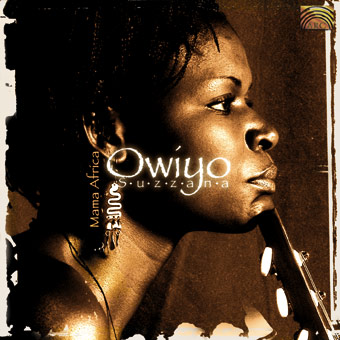
Two months ago I attended a show by Dobet Gnahoré and her entourage. I’m still waiting for a gig equally as impressive. She performed on November 10th, 2011 at the Dakota Jazz Bar. A packed audience was treated to over 16 polished numbers.

The Dakota’s commitment to carrying musicians from all over the world and especially Africa—Gnahoré’s from Ivory Coast—shows up on their calendar. While not frequent enough for the Twin Cities’ large population of African-born residents, a steady flow of African music can be heard at this venue. February 15th and 16th features South African trumpeter Hugh Masekela. Two months later, Vieux Farka Touré from Mali performs.

Other venues reveal similar cultural leanings. The Cedar Cultural Center relishes their reputation as a world music stage. This month, Aar Maanta will bring his Somali music on January 26th. Along with the Walker, the Cedar will host Seun Kuti—son of the late, famed Fela Kuti—to perform in mid-April.
The Blue Nile Ethiopian Restaurant & Lounge in Minneapolis, occasionally books African acts as does The Varsity Club and the Walker will open their McGuire Theater doors for musical acts of the African diaspora.

But like I said, I haven’t seen anything since that compares to Gnahoré’s show last year. Over a dozen years ago, Dobet Gnahoré performed with the immutable dance troupe, Tsché Tsché, which performed in Minneapolis several years ago.

Although Gnahoré no longer dances with them, she has not lost her jaw-dropping dance moves. She has ropes of muscle in every limb and uses them on stage looking effortless. But when her feet fly above her head repeatedly and she sings at the same time, it’s not effortless. When her body leaps through the air and lands prostate in the center of stage, only to spring upright without missing a note, it’s not effortless.

Gnahoré fills the hall with passion and compassion. One song I remember in particular, prefaced with, “This song is for my continent, for my country. I’m tired of the politics in my country, tired of those who don’t do anything.” Her heartfelt songs, sung in many languages, evokes the love she has for her people and her family.

Along with the seriousness of her music, her playfulness shines, too. A call-and-response with the audience, a number that begins with sign language, a selection that includes Gnahoré picking an mbira or thumb harp, and the driving dance of her entire body makes this show unforgettable.

I’m eager to see the next African act that can compare.

World Music: Where are the East Africans?

0
World Music: Where are the East Africans?

If you asked a random group of American world music fans to rattle off names of African musicians, it will most likely include Youssou N’dour, Baaba Maal, Habib Koite, Salif Keita, Ali Farka Toure, Angelique Kidjo and Fela Kuti. Conspicuously missing from this non-scientific sample are names of musicians from East Africa (Kenya, Uganda, Tanzania, Sudan, Somalia, Ethiopia and others). Save for Nigeria and a few other countries, it is largely music from francophone West African countries (former French colonies) such as Senegal, Mali and Guinea that has enjoyed the most success in the United States. The big question is: Knowing full well that the United States is the largest music market in the world, why is East Africa missing in action?

To begin with, I am led to believe that the French had a hand in this. Unlike the British, central to France’s colonial policy in Africa, was the doctrine of assimilation that considered colonies overseas extensions of imperial France and colonial subjects ripe candidates for integration into the “superior” French civilization. Once integrated, their subjects would be less resistant to colonial hegemony, so the French believed.

Assimilation of Africans was effected through the establishment of schools and French cultural centers designed to propagate French education, language and culture. The French Cultural Center in Bamako, Mali, is one of many around the world financed by France’s ministry of culture. Besides providing performing arts facilities, the cultural centers also extended opportunities to African musicians to perform and record in Paris; thus opening doors for them to the more lucrative European and eventually the United States markets.

It is also noteworthy to mention that the large West African immigrant community that had relocated to Paris beginning in the 50s in pursuit of employment and higher education quickly developed into a cultural hub that became critical to the popularization of African music by availing a support structure and a ready market. Many of the big-name West African artists such as Youssou N’dour and Habib Koite actually nurtured their early music careers in Paris. It is therefore plausible to argue that a primary reason why East African music did not spread is because the French never had a colonial footprint in East Africa. The region was mostly colonized by Great Britain who had no interest in promoting culture.

Some post-independence West African politicians definitely played a fundamental role in the resurgence of an African cultural renaissance. Save for Julius Nyerere of Tanzania, East African leaders did not make culture a centerpiece of governance. Ahmed Sékou Touré of Guinea, Omar Bongo of Gabon, Léopold Senghor of Senegal, himself a renowned poet, created government departments tasked with supporting and developing culture; efforts that greatly benefited the growth of West African musicians.

The most important aspect of music, especially world music, is that it is an artistic manifestation of culture. Attempting to detach music from culture is tantamount to committing artistic turpitude. Culture is a necessary ingredient of music authenticity that draws people or repels them from it: Hip Hop, rock, country and reggae all subscribe to a subculture that identifies the specific genre. West Africans have been effective at combining traditional dance, attire and music instruments (such as the Kora, djembe and ngoni) with modern instruments to the extent that when one goes to a Baaba Maal or Habib Koite concert, it is in essence, a cultural immersion experience that exudes pride and effervescence.

On the other hand, Instead of using traditional dance and instruments as the foundation for modernity, the East Africans seem to have separated their music into three categories.

The first is aimed at a younger, more educated urban population that basically caricatures western Hip Hop and R&B. The second is identified with a less educated, more rural population and is often accompanied by electric guitars and other modern instruments. The third typically employs traditional instruments and is common at tribal ceremonies that are regional and non-commercial in nature.

This separation has inadvertently suppressed East African music on the international arena as it is perceived as unoriginal and devoid of culture. In Kenya, for example, genge (rap in the Swahili language popular with urban youth) has very little in terms of incorporating Kenyan traditional music. The same is true with raga in Uganda and bongo flava in Tanzania.

“Modern” does not necessarily imply an abandonment of culture, but rather, an enrichment of it. Mbalax, a fusion of traditional Senegalese sabar and western pop music is an excellent example of blended African music that not only passes as authentic but is also internationally successful. East African artists need to learn from their West African counterparts if they are to crack the American market. President Ahmed Sékou Touré once said “…culture is not an entity or a phenomenon which is separate or separable from a people culture…”

It then naturally means that culture cannot be separated from music. They cannot survive separately.

Harvard alumnae launch African fashion company

0
Harvard alumnae launch African fashion company

Earlier this month, two recent alumnae who first met as roommates in Wigglesworth launched an African fashion website. Co-founded by CEO Chioma M. Achebe ’10 and CFO Osub S. Ahmed ’10, the site is called Osisi, which means “tree” in the Igbo language of Nigeria, according to the site’s creators.

Osisi sells clothing created by 11 African designers: one man and ten women, hailing from countries across Africa.

“We wanted to create a place where people could buy affordable and accessible African designs,” Achebe said.

The idea for the site first took root at Harvard. While serving as president and vice president of Harvard African Students Association, Achebe and Ahmed helped run a fashion show that showcased African designs. Achebe said that many people came up to her after the show to ask where they could buy the clothes they had just seen. She searched the web for outlets that sold affordable African designs, but she could not find many.

“I thought it would be cool to create a website,” Achebe said. “There’s a ton of small African fashion designers. I thought of bringing all of these designers together, like a hub. When we contacted these designers, they were really receptive and excited about it.”

The process of putting the site together took about nine months, and the two have been thinking about starting the business for even longer.

“It took an unbelievable amount of time, and at the end of the day, you have to be flexible,” Achebe said.

Starting Small

The two co-founders decided to start small before branching out, Achebe said.

Currently, the items on the site are geared toward 18- to 35-year-old customers, but the women eventually plan to target other age groups as well.

Achebe said that they do not have plans to open a physical store at the moment but remain “open to a lot of opportunities.”

“Our stuff is not just for Africans,” Achebe stressed, though she noted that the designs are uniquely African.

“Practically, different fabrics and materials are used,” Achebe said, and the clothing lines feature prints that are “virtually only used in African countries, especially in West Africa.”

Each designer also has a different style, Ahmed said, and Osisi features “a great sample from all over the continent.”

Achebe chose the name Osisi for its arboreal meaning. “I like what a tree represents,” she said. “It’s a good representation of what Osisi is about. We are digging into roots and branching out, and people can experience and see it [the culture] by wearing the clothes.”

Both co-founders have other occupations, but “having another creative outlet is worthwhile,” Ahmed said.

Achebe said she considers meeting people from all over the world the “most rewarding part.”

“I am just amazed at all the people we’ve met,” Achebe said. “These designers are so smart and savvy.”

When creating the website and deciding on the designs to promote, the women said that they aimed to pick items that they themselves would want to buy.

Since Osisi’s recent launch, Achebe and Ahmed said that it has been successful so far.

“The average time [people are] on the website is about eight minutes,” according to Google Analytics, Achebe said. After eight days, the website had over 6000 page views, which means about 800 people, she added.

“From all over, the people are checking it out,” Ahmed said.

A Good Team

Since their days as freshman roommates, Achebe and Ahmed have considered themselves best friends.

“I think that being good friends with someone translates to working well off one another and working off one’s strengths,” Ahmed said. “Even having worked together before—as president and vice president of HASA—how we worked together there translates to Osisi. We have a deep-set trust and a good base. It worked out.”

“You just know each other really, really well,” Achebe said. “We know what the other is good at.”

For example, Achebe said that Ahmed is very artistic, so she handles all the photographs and design for the site.

“Being friends with your business partners is really great,” Ahmed added. “Doing it together is better than doing it separately, and with small businesses, you definitely cannot do it alone.”

Both founders said their time at Harvard helped them create Osisi.

“Harvard has such a great collaborative environment, especially among the student groups,” Ahmed said. “Having been student leaders, we really learned how to connect to people in the Boston area and more.”

“Interacting with everyone who was there—dining hall conversations, late night chats—everyone just inspires you,” Achebe said. “Everyone has all these big ideas and dreams.”

South Africa takes over presidency of UN Security Council

0
South Africa takes over presidency of UN Security Council

South Africa is emphasizing the importance of closer cooperation between the United Nations and regional organizations in order to solve global problems.

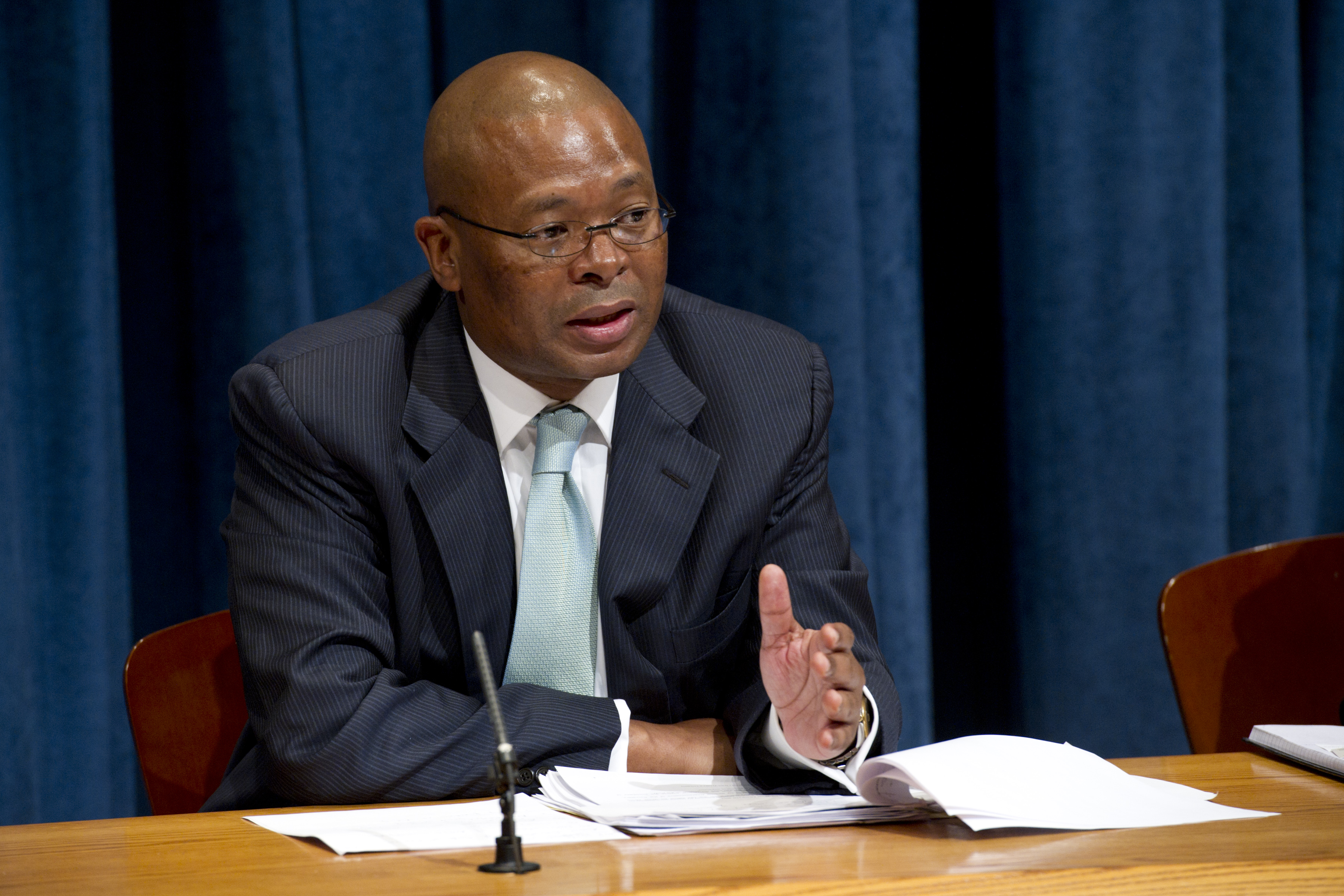
Ambassador Baso Sangqu, Permanent Representative of South Africa to the UN and President of the Security Council for January, has described 2011 as an “extremely dramatic” year with changes in the Arab World and ongoing crises in other parts of the world.

South Africa has assumed the rotating presidency of the Security Council for January.

Ambassador Sangqu has been discussing with Derrick Mbatha some of the issues that the Security Council is going to tackle under his presidency this month.

How a Somali rapper became the ‘Face of Africa’

0
How a Somali rapper became the 'Face of Africa'

Most people with any interest in soccer know that the FIFA World Cup was held for the first time in Africa in 2010 in South Africa. While Mother Africa was disappointed that one of her teams did not win the cup, it was nonetheless not a total loss for Africa. The event did popularize two things African: The loud vuvuzelas and a little-known Somali rapper named Keinan Abdi Warsame.

The would-be rapper was born and raised in Mogadishu, Somalia, left his war-torn country at age 13 for Harlem, New York, did a brief stint in Minneapolis, Minnesota before settling in Toronto, Canada. Here he learned English, horned his skills in poetry and Hip Hop, and adopted the stage name K’Naan.

Whereas Colombian-born singer Shakira’s song Its’ Time for Africa was tapped as the official FIFA World Cup anthem, Coca-Cola – one of the premier sponsors of the event—placed its bets on K’Nnaan and his Hip Hop flavored song Wavin’ Flag. K’Naan released a remixed version of the song baptized “Wavin’ Flag Coca-Cola Celebration Mix” specifically for use during the 2010 FIFA World Cup. Coca-Cola played the song at all its World Cup trophy tour events around the world and featured K’Naan.

It was also used on television and radio commercials worldwide as the music element for the entire campaign. Call it luck or destiny but this would become the break-through game changer for K’Naan. Many people probably understand that South Africa was chosen because it was one of the few African countries that had the facilities and resources to successfully host an event of this magnitude.

However, there are those who would ask: In the midst of African music heavyweights such as Youssou N’dour, Angelique Kidjo, Hugh Masekela, Alpha Blondy and many others, why K”Naan? Why Hip Hop? Is this even African music?

Being Somali in itself was a selling point for K’Naan. Somalia has been a global news staple: war, political turmoil, violence, terrorism and piracy on the high seas have been closely identified with this East African country, which has not had a central government for more than 20 years. Then, along comes a Somali rapper who not only conveys his experiences in Hip Hop—probably the most globally-pervasive music platform—but also delivers his lyrical potency in English: one of the most international languages. It also adds more pack to the punch that K’Naan is eloquent, borderline controversial and charismatic. Coca-Cola quickly and smartly figured that, coupled with the fact that the most popular sporting event in the world was happening in Africa, K’Naan’s attention-grabbing story was fresh and unconventional.

K’Naan’s story had the potential to attract media and public attention and thus benefiting Coca-Cola’s marketing efforts tremendously. The choice of Wavin’ Flag, I believe, was perfect because the song had a beautiful melody and a simple, catchy “nursery-rhyme” style chorus that soccer fans from any country could easily customize to suit their needs. All they needed was a dose of patriotism, a team to support and a flag to wave.

<object width=”430″ height=”248″><param name=”movie” value=”http://www.youtube.com/v/WTJSt4wP2ME?version=3&amp;hl=en_US”></param><param name=”allowFullScreen” value=”true”></param><param name=”allowscriptaccess” value=”always”></param><embed src=”http://www.youtube.com/v/WTJSt4wP2ME?version=3&amp;hl=en_US” type=”application/x-shockwave-flash” width=”430″ height=”248″ allowscriptaccess=”always” allowfullscreen=”true”></embed></object>

Coca-Cola’s decision to go with Hip Hop, the music of choice among a large percentage of the world’s youth, may have been partly a result of the fragmented and regionalized nature of African music: there just isn’t a single artist, music genre or style of music that transcends the continent. This, combined with the fact that an overwhelming percentage of soccer fans in Africa and across the world is youthful, made strategic sense for Coca-Cola.

Due to Hip Hop’s pervasiveness and growing influence among the youth of the world, it has become a force that big-business money cannot ignore. Spurred by media outlets such as MTV Africa, cell-phone technology and social media, Hip Hop is steadily becoming a homogeneous youth culture stubbornly diffusing to, and increasingly being embraced by even the tiniest and most remote villages of the globe. Hip Hop also provided the high-octane fervor that best lends itself to soccer fanaticism. The Hip Hop aspect, and K’Naan’s intriguing story, provided Coca-Cola with the perfect knock-out punch and in the process, made K’Naan the ephemeral flag bearer of the African continent.

Coca-Cola was looking for an African artist and a song that could help endear soccer fans across Africa and around the world to its products. It found that in K’naan and Wavin’ Flag. The campaign was highly successful by any standards. The single Wavin’ Flag Coca-Cola Celebration Mix hit the music charts in the top 5 spot in Netherlands, Norway, Italy, United Kingdom, Ireland, France, Canada, Spain and Scotland. It reached number one in China, Mexico, Germany, Canada, Austria, Switzerland and Luxembourg.

Troubadour, K’Naan’s second album from which the single was extracted, peaked at the number 12 position on the U.S. Billboard Top Rap Albums. With the success of Coca-cola’s campaign and the single, K’Naan, almost overnight, became an international sensation. With all the fame and fortune that followed, Somali-born Keinan Abdi Warsame was transformed to international star K’Naan, the provisional face of Africa during the 2010 FIFA World Cup.