

Home Blog Page 54

Somali President Hassan Sheikh Mohamud to visit Minnesota Thursday

President of Somalia Hassan Sheikh Mohamud, left, receives a ceremonial sword from former leader Mohamed Abdullahi Mohamed, right, during an official handover ceremony at the presidential palace in Mogadishu, Somalia, Monday, May 23, 2022. Mohamud was elected to the nation's top office in a protracted contest decided by legislators on Sunday, May 15, 2022. President Mohamud will speak at the Minneapolis Convention Center on Thursday, December 15, 2022. Photo: Farah Abdi Warsameh/AP
President Mohamud
President of Somalia Hassan Sheikh Mohamud, left, receives a ceremonial sword from former leader Mohamed Abdullahi Mohamed, right, during an official handover ceremony at the presidential palace in Mogadishu, Somalia, Monday, May 23, 2022. Mohamud was elected to the nation's top office in a protracted contest decided by legislators on Sunday, May 15, 2022. President Mohamud will speak at the Minneapolis Convention Center on Thursday, December 15, 2022. Photo: Farah Abdi Warsameh/AP

President Hassan Sheikh Mohamud of Somalia will speak at the Minneapolis Convention Center on Thursday, December 15 after attending a U.S.-Africa Leaders Summit that President Biden is hosting in Washington starting Tuesday that involves 48 African leaders.

According to Hashi Shafi, the executive director of Civic Ark, a civic engagement non-profit and chair of the host committee, President Mohamud’s visit is aimed at strengthening ties between Minnesota’s Somali diaspora and Somalia. Minnesota is home to the largest Somali diaspora in the United States and Canada.

The 4 p.m. event is free and open to the public but they should expect a security screening.

“Officials have made tight security arrangements ahead of the President’s visit to Minnesota,” Shafi said. “All attendees will be searched and required to pass through metal detects and have their bags examined.”

President Mohamud has been yearning to visit Minnesota after winning the election in May of this year, given the critical role Somalis in Minnesota play in that country’s development agenda.

The president is expected to address a host of issues, including the fight against al-Shabaab and the drought in East African countries at large, specifically in the horn of Africa.

“The safety and security are our number one priority,” Shafi said. “I would like suggest our guests come on time”.

Other pressing issues he is expected to address the strong ties between Somalia and the United States as well as money remittances to the country, a lifeline for the country.

The UN Development Programme estimates that $1.6 billion is sent back to Somalia each year – almost a third of the country’s GDP which was $5.42 billion in 2021.

This is Mohamud’s second term as a President of Somalia, having previously served from 2012 to 2017 before winning office again in May 2022.

His last visit to Minnesota was in 2014 when he gave a moving speech at the University of Minnesota’s Northrop Auditorium in Minnesota where he pleaded with the Somali community to do all it can to ensure money they send to relatives does not end up in the hands of al-Shabaab. He also urged parents to keep their children away from the insurgent militant group. 

The president can expect a warm welcome, Shafi said, as the community is pulling all the stops to ensure a warm welcome, entertainment, and live performances from Somali artists.

Governor Tim Walz, Minneapolis Mayor Jacob Frey, Congresswoman Ilhan Omar, and various Somali elected officials are expected to meet with the president.

“The President will discuss critical issues with Somali Imams about the Somali government’s fight against al-Shabaab,” Shafi said. “He will keenly pay attention to their ideas and suggestions for the war against the terrorist group.” Shafi also added, “The president will also meet with Somali professionals and many Somali elected officials to bolster ties between the two countries.”

Somalia is currently facing challenges related to food insecurity, poverty, and water shortage, among others. President Mohamud’s message will be centered on fostering unity and patriotism in all Somalis, regardless of their age, ethnicity, and political affiliation, to help the country overcome present obstacles to its progress, Shafi said.

“This is the third time President Mohamud is coming to Minneapolis, and this is the third time I am welcoming him,” said Awale Ghedi Raghe, one of the organizers of the president’s visit. “This will drive home the message to our younger generations in the states that they have another country that their parents originally hailed from.”


Biden to host U.S.-Africa Leaders Summit in Washington

0
President Joe Biden, right, listens as then Kenyan President Uhuru Kenyatta, left, speaks during their meeting in the Oval Office of the White House in Washington, Thursday, Oct. 14, 2021.The meeting was Biden’s first one-on-one, in-person engagement as president with an African leader. President Biden is hosting leaders from across the African continent in Washington, DC on December 13-15, 2022, for the U.S.-Africa Leaders’ Summit. Photo: Susan Walsh/AP
Uhururu Kenyatta with Joe Biden on October 14 2021 at Oval Office by Susan Walsh of AP
President Joe Biden, right, listens as then Kenyan President Uhuru Kenyatta, left, speaks during their meeting in the Oval Office of the White House in Washington, Thursday, Oct. 14, 2021.The meeting was Biden’s first one-on-one, in-person engagement as president with an African leader. President Biden is hosting leaders from across the African continent in Washington, DC on December 13-15, 2022, for the U.S.-Africa Leaders’ Summit. Photo: Susan Walsh/AP

Africa is a major geopolitical player and boasts some of the world’s fastest-growing economies.

From December 13 to December 15, President Biden will host the U.S.-Africa Leaders Summit. The three-day Washington event will bring together leaders from across the African continent to discuss bold, practical ways to strengthen ties and advance shared priorities.

“I look forward to working with African governments, civil society, diaspora communities across the United States, and the private sector to continue strengthening our shared vision for the future of U.S.-Africa relations,” the U.S. president said.

As Secretary of State Antony Blinken underscored during his August trip to Africa, the continent “shaped our past, is shaping our present, and will shape our future.”

The summit will include sessions on the African diaspora and young African leaders, global health and food security, climate change and energy as well as infrastructure investments.

During the summit’s U.S.-Africa Business Forum, African heads of state and U.S. and African business and government leaders will discuss ways to advance mutually beneficial partnerships to create jobs and drive inclusive and sustainable growth.

At the summit, Biden will promote the stable and reliable partnerships and investments the United States has to offer that enable businesses in Africa and the U.S. to flourish.

Since June 2019, the U.S. government helped close more than 800 two-way trade and investment deals across 45 African countries, worth an estimated $50 billion in exports and investments.

Those deals were implemented through Prosper Africa, a U.S. initiative that leverages the services and resources of 17 U.S. government agencies to increase two-way trade and investment between the United States and African countries.

The United States and African countries have partnered in many ways to address global challenges and will build on those relationships during the summit. Some current highlights include:

Climate change: Africa bears the brunt of climate change: 16 of the 20 most climate vulnerable countries are in sub-Saharan Africa. As part of the Biden administration’s PREPARE Action Plan, the U.S. teams up with African countries and communities to “climate-proof” their infrastructure, water, health and food systems.

Global health: The U.S. partners across the African continent through programs such as the U.S. President’s Emergency Plan for AIDS Relief and the U.S. President’s Malaria Initiative. U.S.-African investments have helped strengthen health systems, increase economic resilience and address the COVID-19 pandemic, monkeypox, Ebola and other public health threats. The U.S. has donated more than 194 million vaccine doses to sub-Saharan African countries in partnership with COVAX and the African Vaccine Acquisition Trust.

Food security: The U.S. government works with local governments and agricultural organizations throughout the continent to reduce global hunger and invest in agricultural resilience and innovation. One U.S. program, called Feed the Future, recently expanded in Africa, and now 16 of the current 25 Feed the Future countries are in sub-Saharan Africa.

“There is so much more for African nations and the United States to do together across so many fields, including some we may not even have discovered yet,” Secretary Blinken said. “As partners, that horizon is ours to make.”

18-year-old college student elected mayor of Arkansas city

0
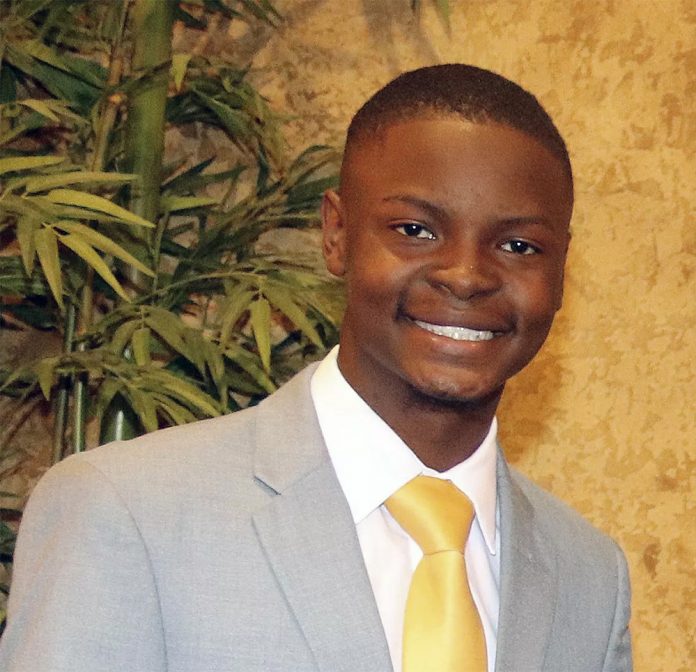
Jaylen Smith, 18-year-old mayor of Earle, Ark., at the Arkansas Black Mayors Association 50th Anniversary Gala, held Sept. 10, 2022 in Little Rock. The 18-year-old college student has been elected to serve as mayor of a small east Arkansas city, becoming one of the youngest people to serve as a city’s top leader in the United States. Photo: Helaine R. Williams/The Arkansas Democrat-Gazette via AP
Jaylen Smith
Jaylen Smith, 18-year-old mayor of Earle, Ark., at the Arkansas Black Mayors Association 50th Anniversary Gala, held Sept. 10, 2022 in Little Rock. The 18-year-old college student has been elected to serve as mayor of a small east Arkansas city, becoming one of the youngest people to serve as a city’s top leader in the United States. Photo: Helaine R. Williams/The Arkansas Democrat-Gazette via AP

EARLE, Ark. (AP) — An 18-year-old college student has been elected to serve as mayor of a small east Arkansas city, becoming one of the youngest people to serve as a city’s top leader in the U.S.

Jaylen Smith, who is Black, was elected mayor of Earle in Tuesday’s runoff election, winning 235 votes to Nemi Matthews’ 183, according to complete but unofficial results.

He’s among the youngest mayors elected in the United States and would be the youngest member of the African American Mayors Association. Phyllis Dickerson, chief executive officer of the association, told the Arkansas Democrat-Gazette that the association’s current youngest member is Cleveland Mayor Justin Bibb, who is 35.

Smith is among a handful of people elected mayor before turning 20, including Michael Sessions, who was elected mayor of Hillsdale, Michigan, in 2005 when he was 18; and John Tyler Hammons, who was elected mayor of Muskogee, Oklahoma, in 2008 when he was 19.

Smith, who graduated from Earle High School in May, campaigned on improving public safety and bringing new businesses, including a grocery store, to the city of about 1,800 people 25 miles (40 kilometers) northwest of Memphis, Tennessee. He is a student at Arkansas State University Mid-South in West Memphis, Arkansas.

“People looking at me, well I’m too young, he has no experience, he’s fresh out of high school.” Smith told Little Rock TV station KATV. “But I used to always tell people you have to start somewhere in life.”

As African community mourns, leaders struggle to find solutions to rising gun violence

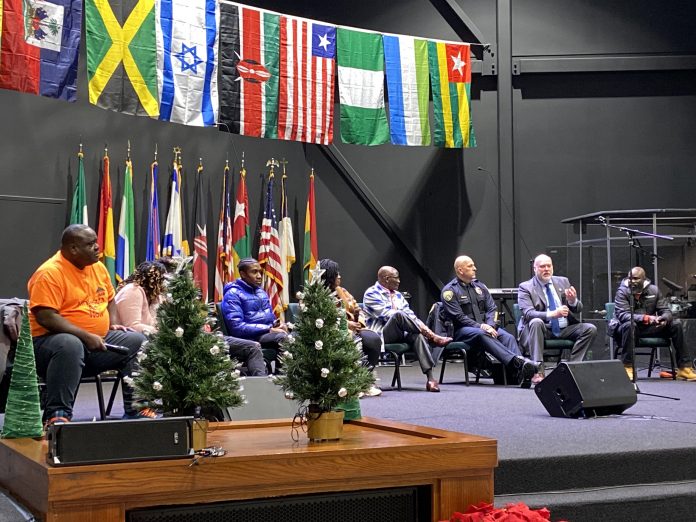
Panelists at a Thursday, December 1, 2022 community forum in Brooklyn Park, Minnesota to address rising cases of gun violence in the African community included the city’s police chief Mark Bruley, third from right and Bishop Harding Smith, left, of the Spiritual Church of God in Robbinsdale. Photo: Panashe Matemba-Mutasa/Mshale
panelists
Panelists at a Thursday, December 1, 2022 community forum in Brooklyn Park, Minnesota to address rising cases of gun violence in the African community included the city’s police chief Mark Bruley, third from right and Bishop Harding Smith, left, of the Spiritual Church of God in Robbinsdale. Photo: Panashe Matemba-Mutasa/Mshale

The Nov. 18 fatal shooting of 17-year-old Syoka Siko has brought the African community in the Twin Cities together to try and find a solution to what leaders say is an increasing trend of gun violence. On Thursday, the Organization of Liberians in Minnesota (OLM) hosted politicians, religious leaders, and concerned parents at Ebenezer Community Church in Brooklyn Park to address rising incidents of gun violence and gang membership among Black adolescents in the Twin Cities metropolitan area.

“No parent should have to bury their child,” Alvera Voss, the teenager’s Tanzanian-born mother said as she sobbed.

Rates of youth-involved gun violence in the United States depict a sobering trend. Communities of color continue to experience the highest rates of gun homicides, with Black Americans between the ages of 15 to 34 more likely to be victims than any other demographic, according to a study published in April by the Johns Hopkins Center for Gun Violence Solutions. Another analysis of data by the Kaiser Family Foundation found that despite Black children comprising 14% of the nation’s children, they accounted for 46% of firearm-related deaths in 2021.

Siko was murdered when his friend, who was in a vehicle with him, fired a gunshot police believe was intended for a target outside the vehicle, according to various news reports. The suspect was said to be carrying what is known as a “ghost gun” which is untraceable because it does not have a serial number. Ghost guns are often purchased from individuals, rather than a licensed seller, which allows the buyer to circumvent background checks.

On Nov. 14, just 4 days before Siko’s death, 17-year-old Yaseen Johnson was fatally shot by 19-year-old Liberian American Augustus M. Sirleaf, Jr. following an altercation over designer sneakers. During OLM’s discussion, residents were asked to reflect on the tragic cases and think about how families could be more proactive in preventing gun violence among youth.

With her eyes welling with tears, Voss urged the young people to turn to their parents, as opposed to violence, if they are experiencing conflict with their peers. Voss also encouraged any adult involved in a child’s life to play the role of “parent” when they see a behavioral issue. When she was growing up in Tanzania, it was rare for conflicts to escalate to violence because children not only had their parents, but also the community to support them.

“In Tanzania as a child, if your neighbor says ‘Stop’, you stop,” she said. “But in America, if the neighbor tells a kid to stop, the kid will say ‘Who are you to tell me what to do?’ Kids need a network of adults they can trust so can be guided and not fall into trouble.”

siko mother
Alvera Voss, the mother of the late Syoka Siko, speaks at a Thursday, December 1, 2022 community forum in Brooklyn Park, Minnesota to address rising cases of gun violence in the African community. Photo: Panashe Matemba-Mutasa/Mshale

Brooklyn Park Police Chief Mark Bruley spoke about the cases of youth violence he had witnessed in the community. Despite historic racial tensions with law enforcement, Bruley said he still believed police could play a role in effectively mitigating fatalities among Black youth.

“We don’t want to put your kids in jail,” he said. “But sometimes the solution is to love your children enough to hold them accountable.”

Bishop Harding Smith blamed absent fatherhood and a weak familial structure for the rise in violent crimes amongst the youth. Echoing Voss, he reiterated the importance of parental involvement in the healthy development of children and teens. More than anything, he said, it is crucial for parents to ensure their kids remain occupied.

“Our kids’ idle minds are getting them into trouble,” Smith said, who is also the founder of Minnesota Acts Now, an organization that helps underserved communities access support in times of difficulties.

Smith urged adults to mentor young people and encourage them to explore things like sports before they are exposed to gangs.

But Aja King, who works as a clinical counselor, said that while parental involvement could help curb delinquent behavior, it has its limits. While parents can do their best to instill values in the home, once they are old enough to be spending time outside of the home with their friends, it is impossible to control who influences them, she said.

“I’ve treated thousands across many states, and whether a child comes from a two-parent home or a single parent home, they are their own entity when they leave your house,” King said.

King also acknowledged that gang membership was increasing among Black youth because many lack a feeling of belonging, which gangs provide. She said that addressing the crisis of Black youth and mental health could help to reduce aggressive behaviors and gang participation in Black youth.

“We need to be proactive about encouraging our children to explore healthy avenues of fulfillment so that they do not get sucked into the gang life,” King said.

Brooklyn Park healthcare professional Arthur Biah said the recent killings resonated with him. As a parent to a 14-year-old daughter and son in his 20’s, Biah said that tragedies of this nature were a parent’s worst nightmare. He said he hoped community discussions would bring about communal healing.

“I want to see this trend end in our community, and it will take a village for us to get there,” Biah said.

Minneapolis Afrobeat dance party at The Cedar this Saturday

0
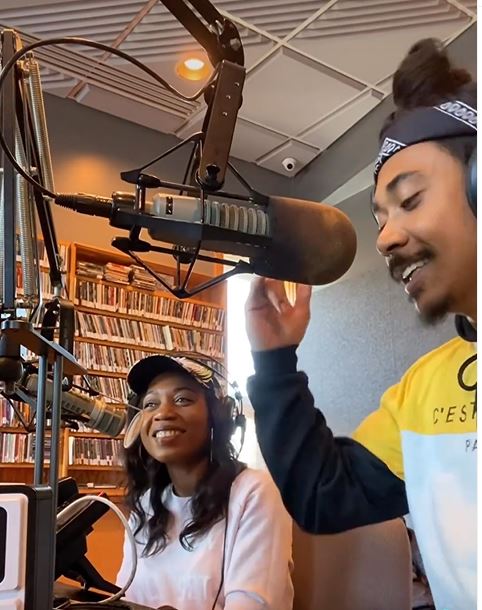
Carolyne Naomi and Fanaka Nation at KFAI Radio last week during the African Rhythms Show. The two will headline the Minneapolis Afrobeat Dance Party at The Cedar on Saturday, December 10, 2022. Photo: Fanaka Nation/Instagram
Fanaka and Naomi
Carolyne Naomi and Fanaka Nation at KFAI Radio last week during the African Rhythms Show. The two will headline the Minneapolis Afrobeat Dance Party at The Cedar on Saturday, December 10, 2022. Photo: Fanaka Nation/Instagram

Fanaka Nation brings hip hop and World-music sounds together when he performs. He’ll host a dance party at The Cedar Cultural Center in Minneapolis on December 10th. By then, we’ll be two weeks into the snow, ice, and wind and ready to move at the very least to the music of this African-fused rapper and also to the music of Nigerian-American Carolyne Naomi.

Not only live-music, this AfroBeat Dance Party presented by The Cedar and curated by George Ndege aka JoJo of TAMU Events will feature DJ Fawzi and DJ K-Little spinning as the crowd dances.

Mshale caught up with Fanaka Nation, host for the evening. Fanaka Nation recounted how the idea of a show focused on dancing and not only music emerged. “We chatted with The Cedar and said, let’s switch it up and do a dance party, bring AfroBeats to the West Bank. Spice things up,” he said.

Fanaka Nation described how the evening would play out. “When the DJs are up, my position is to welcome everybody in, make announcements, tell people what’s coming up,” he said. “I’ll be the Lit Energy, that’s my moniker,” he said with a laugh.

Doors for the all-age show open at 7 pm and if the past can foretell the future, the Cedar will have music over its PA system and people will be dancing early. The standing-room only show, slated to last three hours, starts at 8 pm. Tickets available on The Cedar’s website or at the door.

Winter Family Day brings food, fun, and health services to Brooklyn Park community

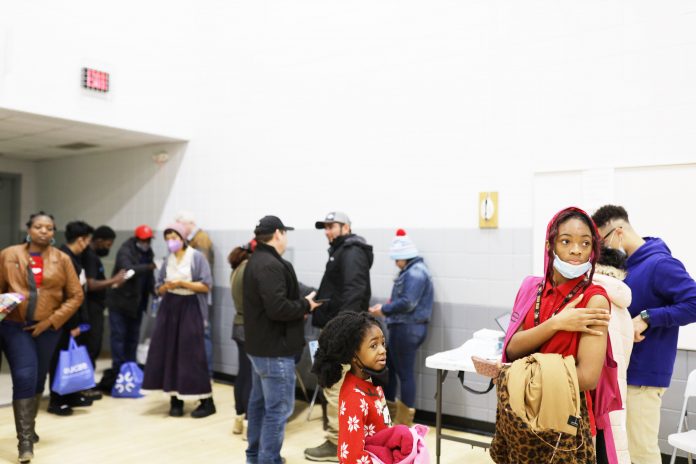
Community members line up for COVID-19 and flu vaccines during a Winter Family Day organized by African Career, Education & Resources, Inc. in Brooklyn Park, Minnesota on Saturday, December 3, 2022. Photo: Panashe Matemba-Mutasa/Mshale
vaccine line
Community members line up for COVID-19 and flu vaccines during a Winter Family Day organized by African Career, Education & Resources, Inc. in Brooklyn Park, Minnesota on Saturday, December 3, 2022. Photo: Panashe Matemba-Mutasa/Mshale

The African Career, Education & Resources, Incorporated (ACER) brought together community members Saturday in Brooklyn Park for a day of fun, food and opportunities to learn how to be proactive about their health.

Dubbed Winter Family Day, the event was held at Zanewood Recreation Center in the suburban city outside Minneapolis and included COVID-19 vaccinations.

“This is part of our ongoing health equity work to eliminate health disparities by bringing culturally responsive health services and resources to the community,” said Nelima Sitati Munene, the executive director of ACER.

Organizations like ACER are trying to reduce racial and economic disparities that exist in accessing health care in the United States. The gap became more apparent during the COVID-19 pandemic, which has infected nearly 100 million people and led to more than 1 million deaths, according to the U.S. Centers for Disease Control and Prevention. For example, Black Americans had the highest COVID-19 mortality rates in 2020, with about 98 deaths per 100,000 people, a rate that was double that of whites, according to research published in the Health and Human Rights Journal. A COVID-19 impact survey conducted by the City of Brooklyn Park also found that even within the Black community, immigrants from more African ranked lower economically. According to the study, people who identified themselves as “West African” or “African” were more likely to report trouble affording food, medications, and essential household items than those who checked “Black American” in the study questionnaire.

Winter Family Day featured a partnership with Health on the Go, a Brooklyn Park-based project that works to make healthcare services more accessible to the city’s residents.

“Sometimes the issue is not knowing that these resources exist, and sometimes it’s an issue of accessibility,” said Aru Sasikumar ACER’s program manager for health equity. “We’re working alongside other organizations to combat these barriers.”

waiting for vaccine
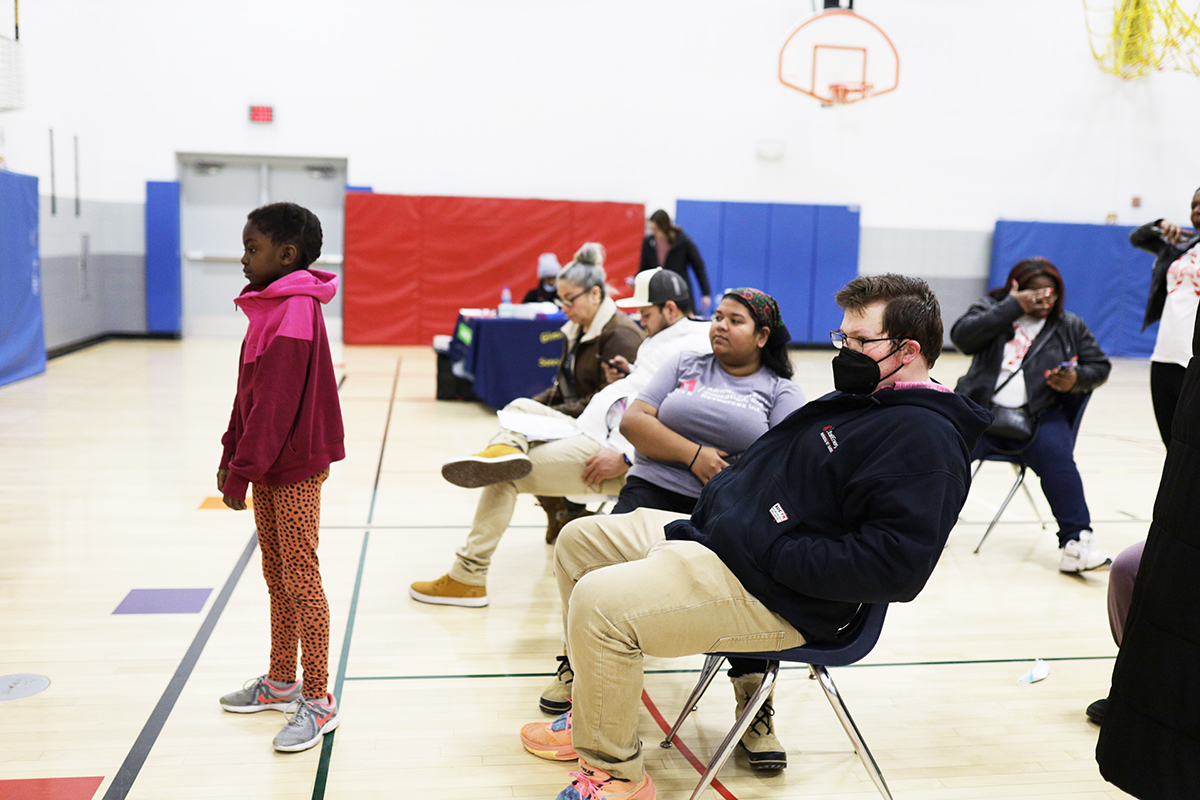
Community members wait their turn for COVID-19 and flu vaccines during a Winter Family Day organized by African Career, Education & Resources, Inc. in Brooklyn Park, Minnesota on Saturday, December 3, 2022. Photo: Panashe Matemba-Mutasa/Mshale

Despite their target to reach African communities, Winter Family Day was open to people of various backgrounds. Tomiko Thomas stood in a line in the center’s gymnasium with her two children as they awaited to receive their COVID-19 vaccines. Thomas said that when she saw the opportunity to get vaccinated at the event, she was overjoyed.

“I’m here because getting vaccinated is the right thing to do, and I want to protect my children” Thomas said.

Adrienne Thayer, a registered nurse at Richfield Health Center, noted the historic racial trauma caused by the American healthcare system that might draw diverse communities to community health fairs. Data from the Pew Research Center indicates that in 2021, only 42% of Black Americans said they would be willing to get the COVID-19 vaccine. The low rates can be partly attributed to the mistrust because of a history of the U.S. government using Black people as guinea pigs in experiments, according to a study by the Commonwealth Fund.

Thayer said that when institutions fail, it is up to the communities to supply their people with the resources and services they need for their wellbeing.

“If you’ve had a bad experience at a clinic, you’d be unlikely to go back, but maybe an event like this can alleviate those fears,” Thayer said.

ACER was founded in 2008 to address issues pertaining to African immigrants in Minneapolis’ northwest suburbs. It is one of 48 local organizations classed by the Minnesota Department of Health (MDH) as a COVID-19 Community Coordinator (CCC). MHD defines CCCs as community-centered organizations and groups that connect underserved populations in Minnesota to Covid relief resources, including testing kits, vaccinations, and post-pandemic support.

Aru
Aru Sasikumar, ACER’s program manager for health equity, during a Winter Family Day event that her organization held on Saturday, December 3, 2022 in Brooklyn Park, Minnesota. Photo: Panashe Matemba-Mutasa/Mshale

In addition to COVID-19 prevention and recovery services, CCCs are unique in that they offer a holistic wellness approach, meaning that they consider multiple factors to inform how they help the people they serve. Additional resources include but are not limited to food support, housing and rental assistance, health care and mental health services, and employment services. Currently, ACER works with hundreds of African immigrant communities to provide these resources and co-create solutions to persisting problems. ACER regularly collaborates with other groups across the Twin Cities metro area to fulfill its mission of addressing disparities among African communities.

Community member Youmei Hou stressed the importance of accessible COVID-19 prevention and recovery resources. During the pandemic, she volunteered with multiple organizations to connect individuals to free testing kits. She said events like Winter Family Day can transform communities by narrowing the gaps.

“It’s so important for us to do our part to protect ourselves and those around us,” Hou said. “When we invest in the health of our communities, everyone thrives.”

Africa CDC chief urges more COVID-19 testing as cases rise

0
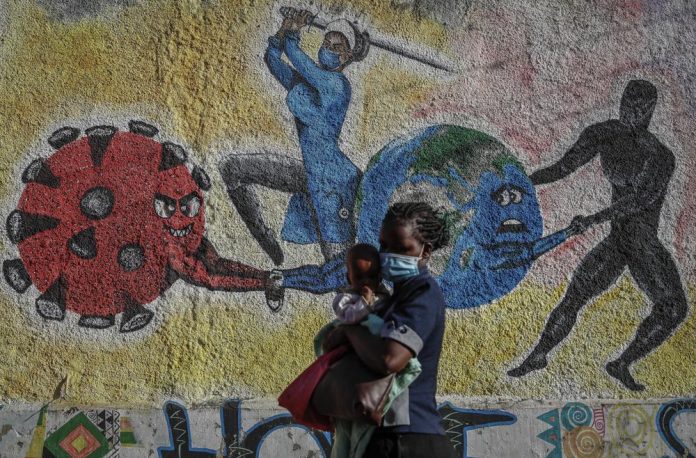
A woman and child walk past an informational mural portraying the global battle against the coronavirus, on a street in Kericho, Kenya on Jan. 26, 2022. The head of Africa's top public health institute urged authorities across the continent on Thursday, Nov. 17, 2022 to step up COVID-19 testing amid a concerning rise in new cases in some countries. Photo: Brian Inganga/Ap
Africa Covid
A woman and child walk past an informational mural portraying the global battle against the coronavirus, on a street in Kericho, Kenya on Jan. 26, 2022. The head of Africa's top public health institute urged authorities across the continent on Thursday, Nov. 17, 2022 to step up COVID-19 testing amid a concerning rise in new cases in some countries. Photo: Brian Inganga/Ap

KAMPALA, Uganda (AP) — The head of Africa’s top public health institute is urging authorities across the continent to step up COVID-19 testing amid a concerning rise in new cases in some countries.

The continent of 1.3 billion people saw a 37% rise in new cases over the past week, Ahmed Ogwell, acting director of the Africa Centers for Disease Control and Prevention, said Thursday.

Over the last four weeks there’s been an 11% rise in new cases, he said.

“COVID is still very much here with us and, in fact, when we look at the numbers we see that there are some member states that are actually going into a new wave and we are monitoring that closely,” he said. “When we have a clear analysis, next week we will be able to report to you if the new waves are holding or if those have been quickly brought under control.”

He did not mention which countries face a new wave of infections, but South Africa is one of them. Africa’s most advanced economy has been the most affected by COVID-19, the source of the bulk of confirmed cases and deaths.

COVID-19 has infected 12.1 million people across Africa’s 54 nations, accounting for 2% of cases globally, and at least 256,000 have died, according to figures from the Africa CDC.

Vaccination rates in Africa continue to be low, largely because of short supplies and also in part because of hesitancy among some. Only 25% of Africa’s people are fully vaccinated and under 3% have received booster doses.

Amid “this phenomenon we are seeing of numbers going up,” Ogwell said, national health authorities should focus on testing more people for COVID-19.

“When we see the numbers rising and the testing relatively low, it is an indication that we need to be careful in public,” he said. “And also we need to get ourselves vaccinated to avoid serious illness and even death when one is exposed to COVID. We know what we need to do.”

After a year, omicron still driving COVID surges and worries

0
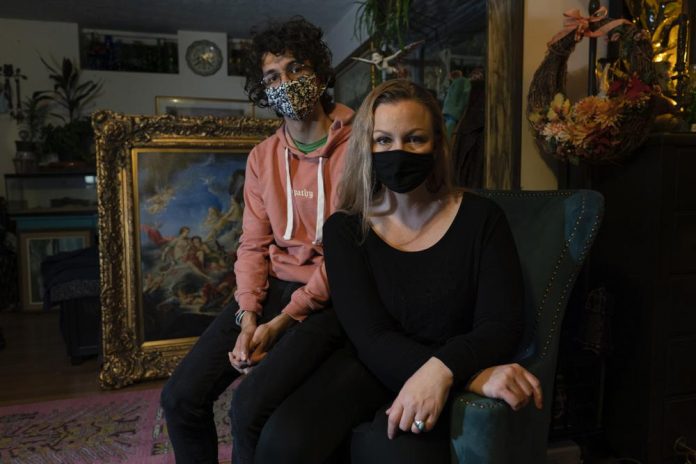
Carey Johnson and her son Fabian Swain are photographed wearing face masks in their Germantown, Md., home on Monday, Nov. 14, 2022. Both Carey and Fabian have recovered from COVID. Photo: Carolyn Kaster/AP
Omicron
Carey Johnson and her son Fabian Swain are photographed wearing face masks in their Germantown, Md., home on Monday, Nov. 14, 2022. Both Carey and Fabian have recovered from COVID. Photo: Carolyn Kaster/AP

A year after omicron began its assault on humanity, the ever-morphing coronavirus mutant drove COVID-19 case counts higher in many places just as Americans gathered for Thanksgiving. It was a prelude to a wave that experts expect to soon wash over the U.S.

Phoenix-area emergency physician Dr. Nicholas Vasquez said his hospital admitted a growing number of chronically ill people and nursing home residents with severe COVID-19 this month.

“It’s been quite a while since we needed to have COVID wards,” he said. “It’s making a clear comeback.”

Nationally, new COVID cases averaged around 39,300 a day as of Tuesday — far lower than last winter but a vast undercount because of reduced testing and reporting. About 28,000 people with COVID were hospitalized daily and about 340 died.

Cases and deaths were up from two weeks earlier. Yet a fifth of the U.S. population hasn’t been vaccinated, most Americans haven’t gotten the latest boosters and many have stopped wearing masks.

Meanwhile, the virus keeps finding ways to avoid defeat.

The omicron variant arrived in the U.S. just after Thanksgiving last year and caused the pandemic’s biggest wave of cases. Since then, it has spawned a large extended family of sub-variants, such as those most common in the U.S. now: BQ.1, BQ.1.1 and BA.5. They edged out competitors by getting better at evading immunity from vaccines and previous illness — and sickening millions.

Carey Johnson’s family got hit twice. She came down with COVID-19 in January during the first omicron wave, suffering flu-like symptoms and terrible pain that kept her down for a week. Her son Fabian Swain, 16, suffered much milder symptoms in September when the BA.5 variant was dominant.

Fabian recovered quickly, but Johnson had a headache for weeks. Other problems lingered longer.

“I was like, ‘I cannot get it together.’ I could not get my thoughts together. I couldn’t get my energy together” said Johnson, 42, of Germantown, Maryland. “And it went on for months like that.”

HOT SPOTS EMERGE

Some communities are being particularly hard hit right now. Tracking by the Mayo Clinic shows cases trending up in states such as Florida, Arizona, Colorado and New Mexico.

In Arizona’s Navajo County, the average daily case rate is more than double the state average. Dr. James McAuley said 25 to 50 people a day are testing positive for the coronavirus at the Indian Health Service facility where he works. Before, they saw just a few cases daily.

McAuley, clinical director of the Whiteriver Indian Hospital, which serves the White Mountain Apache Tribe, said they are “essentially back to where we were with our last big peak” in February.

COVID-19 is part of a triple threat that also includes flu and the virus known as RSV.

Dr. Vincent Hsu, who oversees infection control for AdventHealth, said the system’s pediatric hospital in Orlando is nearly full with kids sickened by these viruses. Dr. Greg Martin, past president of the Society of Critical Care Medicine, sees a similar trend elsewhere.

Pediatric hospitals’ emergency departments and urgent care clinics are busier than ever, said Martin, who practices mostly at Grady Memorial Hospital in Atlanta. “This is a record compared to any month, any week, any day in the past,” he said.

Looking to the future, experts see the seeds of a widespread U.S. wave. They point to what’s happening internationally — a BA.5 surge in Japan, a combination of variants pushing up cases in South Korea, the start of a new wave in Norway.

Some experts said a U.S. wave could begin during the holidays as people gather indoors. Trevor Bedford, a biologist and genetics expert at the Fred Hutchinson Cancer Research Center, said it could peak at around 150,000 new cases a day, about what the nation saw in July.

A new wave would be rough, said Dr. Mark Griffiths, medical director of the emergency department of Children’s Health Care of Atlanta-Spalding Hospital. “So many systems are on the brink of just being totally overburdened that if we get another COVID surge on top of this, it’s going to make some systems crack.”

One bright spot? Deaths are likely to be much lower than earlier in the pandemic. About 1 in 2,000 infections lead to death now, compared with about 1 in 200 in the first half of 2020, Bedford said.

OMICRON’S YEARLONG REIGN

The same widespread immunity that reduced deaths also pushed the coronavirus to mutate. By the end of last year, many people had gotten infected, vaccinated or both. That “created the initial niche for omicron to spread,” Bedford said, since the virus had significantly evolved in its ability to escape existing immunity.

Omicron thrived. Mara Aspinall, who teaches biomedical diagnostics at Arizona State University, noted that the first omicron strain represented 7.5% of circulating variants by mid-December and 80% just two weeks later. U.S. cases at one point soared to a million a day. Omicron generally caused less severe disease than previous variants, but hospitalizations and deaths shot up given the sheer numbers of infected people.

The giant wave ebbed by mid-April. The virus mutated quickly into a series of sub-variants adept at evading immunity. A recent study in the journal Science Immunology says this ability to escape antibodies is due to more than 30 changes in the spike protein studding the surface of the virus.

Omicron evolved so much in a year, Bedford said, it’s now “a meaningless term.”

That rapid mutation is likely to continue.

“There’s much more pressure for the virus to diversify,” said Shishi Luo, head of infectious diseases for Helix, a company that supplies viral sequencing information to the U.S. Centers for Disease Control and Prevention.

Doctors said the best protection against the bubbling stew of sub-variants remains vaccination. And officials said Americans who got the new combination booster targeting omicron and the original coronavirus are currently better protected than others against symptomatic infection.

Dr. Peter Hotez, co-director of the Center for Vaccine Development at Texas Children’s Hospital, said getting the booster, if you’re eligible, is “the most impactful thing you could do.”

Doctors also urge people to continue testing, keep up preventive measures such as masking in crowds, and stay home when sick.

“COVID is still a very significant threat, especially to the most vulnerable,” said Dr. Laolu Fayanju of Oak Street Health in Cleveland, which specializes in caring for older adults. “People have to continue to think about one another. We’re not completely out of the woods on this yet.”

___

Associated Press writer Heather Hollingsworth contributed from Mission, Kansas.

‘Miss Naomi’ launches with a contemplative set and dance party

0
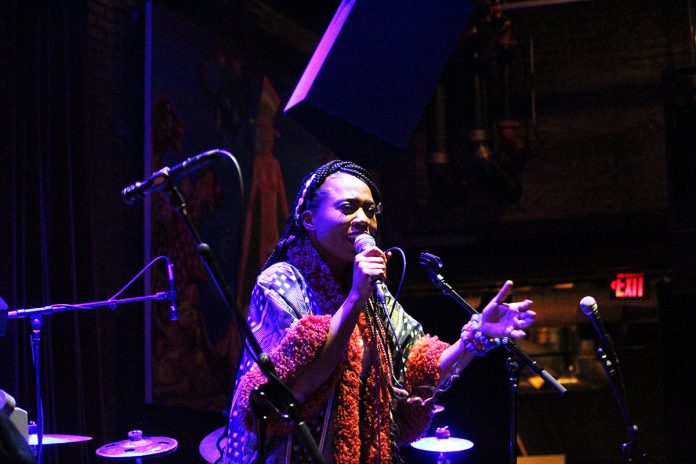
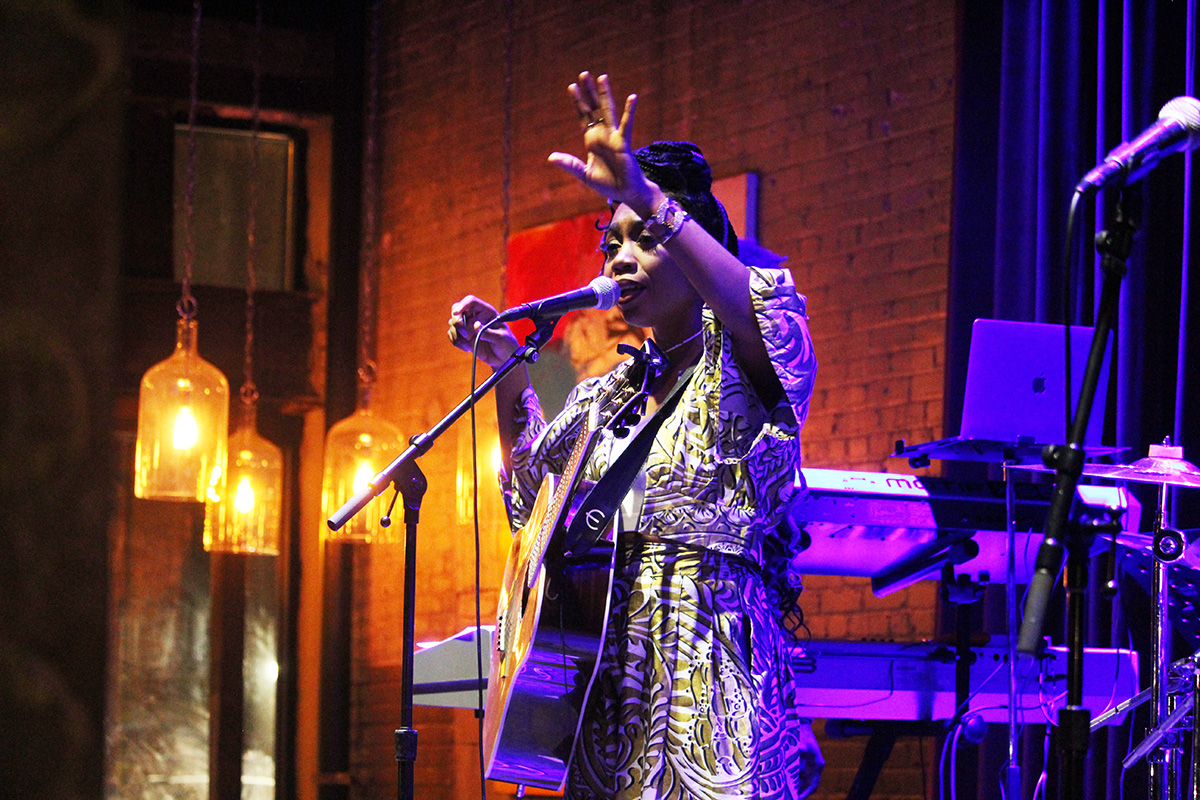
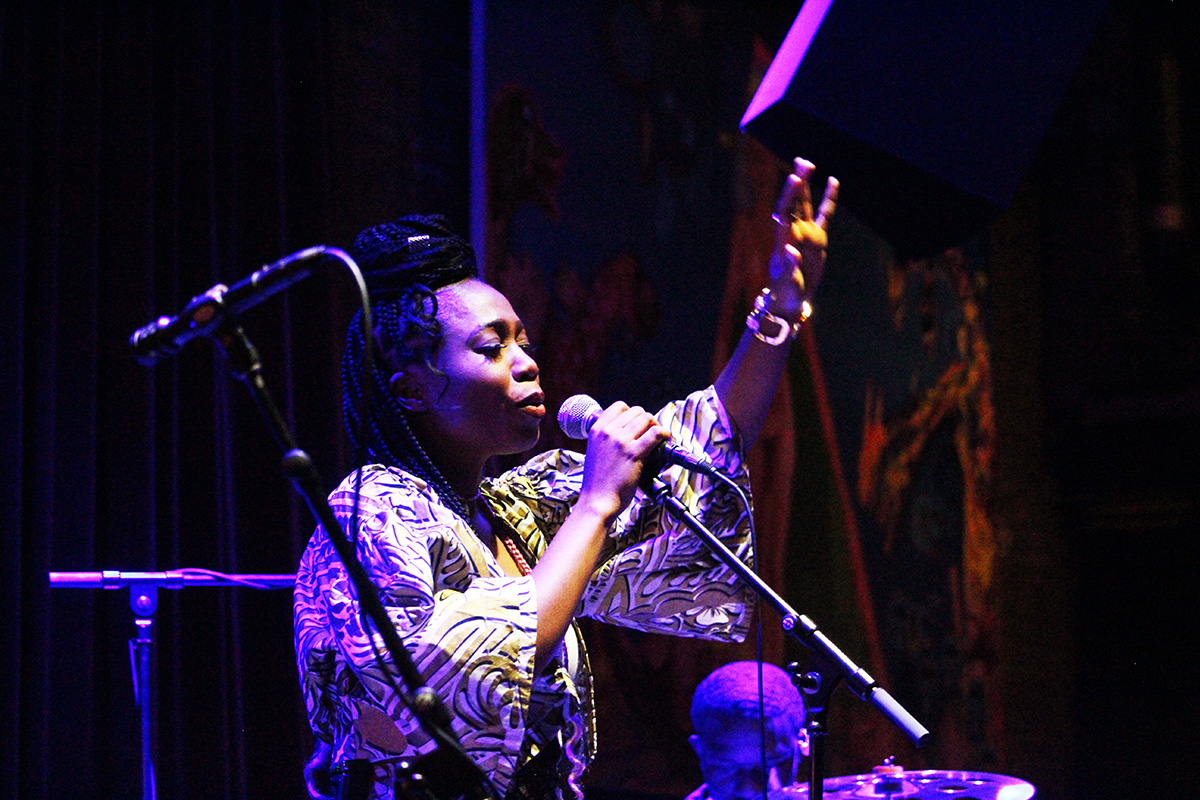
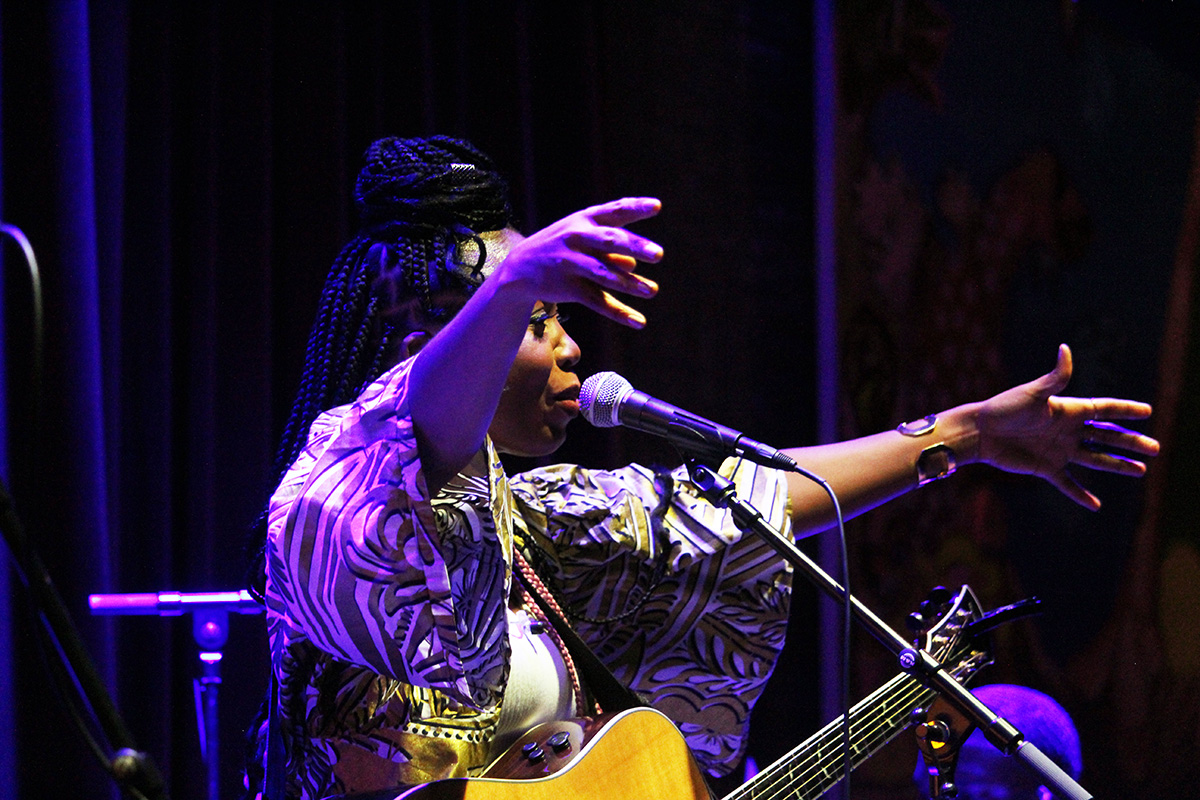
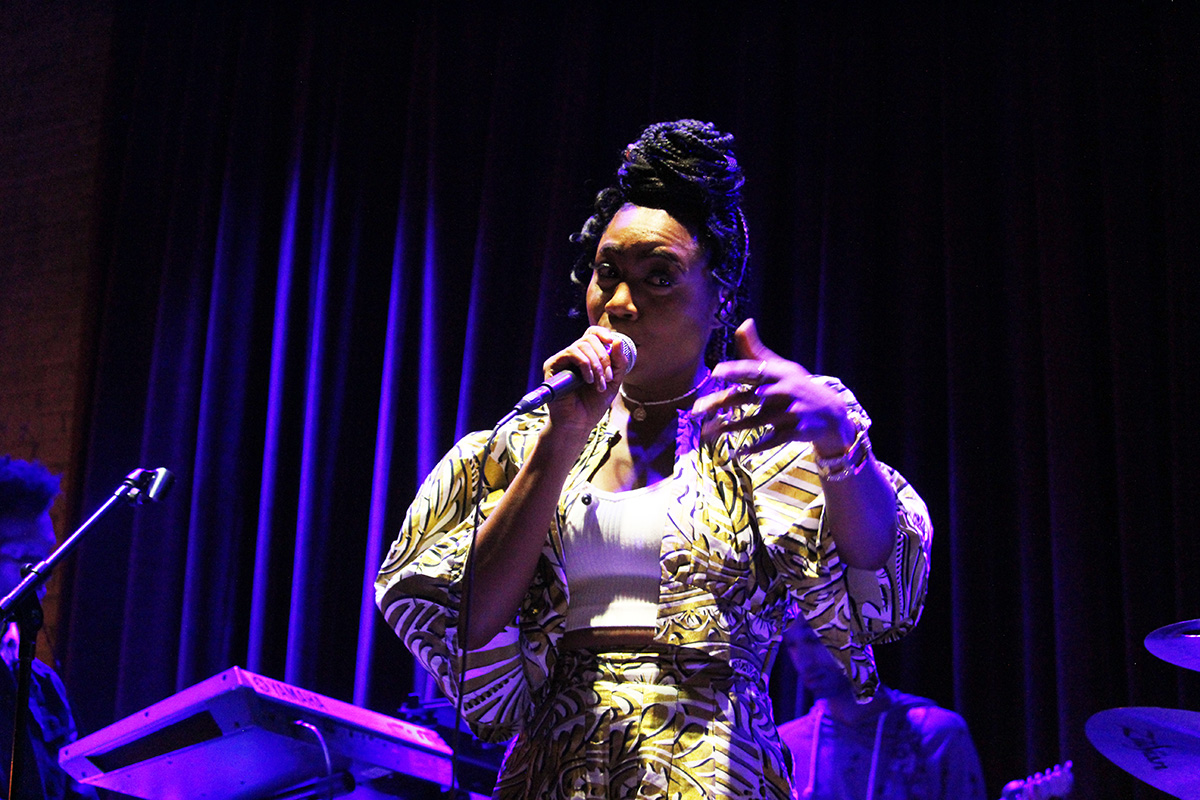
Nigerian American Carolyne Naomi during her four-hour EP release show curated by her at Ice House in Minneapolis’ Eat Street on Friday, November 4, 2022. Photo: Jasmine Webber/Mshale
Naomi 1
Nigerian American Carolyne Naomi during her four-hour EP release show curated by her at Ice House in Minneapolis’ Eat Street on Friday, November 4, 2022. Photo: Jasmine Webber/Mshale

“I always tried to run away from music, but it always called me back.”

Carolyne Naomi, singer-songwriter, born and raised in Lagos Nigeria, now based in Minneapolis, described the magnetizing draw music had on her even as she pursued an undergraduate degree in English and a Masters in Communication in Nigeria.

The guitar she first picked up at age nine finally stuck for good when she moved to Minnesota in 2014. “Even when I had [earned] my Masters,” Carolyne Naomi explained, “the self-fulfillment wasn’t complete. There were other things I wanted to accomplish. I still felt empty.” She admitted to herself, “it’s the music,” she was seeking and in pursuit of the music, she landed in Minnesota.

After several forays into the word of music: choir as a teenager, a competitor in the first season of Project Fame West Africa in 2008, Carolyne Naomi, having earned two degrees not related to music, started an online course with Berklee Online to solidify her skills in teaching guitar. She transferred to McNally Smith College of Music in St. Paul, Minnesota.

“Moving to Minnesota particularly was [because of] my brother,” she said. “He lived here with his family 20 years.” He dissuaded her from going to Boston because she didn’t know anyone there and in Minnesota Carolyne Naomi also had cousins.

Gigging at Open Mics and other small venues happened quickly for this AfroFunk artist. “Right away I was able to get on stage,” she said. “I went to coffee houses, small stages, and did a lot of networking.” Among the influencers she met, Carolyne Naomi sang backup for Neo Soul Dominican musician, Samantha Moon.

Nowadays, she’s backed by the band Gifted Handz that includes Joe Mason – drummer from Liberia; Joshua Cole – keyboardist from Liberia; Yonathan Bekure – bassist from Ethiopia; and Derrick Holleman – lead guitarist from the US.

“My style is heavily influenced by R&B, AfroPop, AfroBeats, Reggae, and Gospel,” Carolyne Naomi said describing her unique integration of sound.

As recently as November 4th, Carolyne Naomi used her influence to promote herself, her band, and other African musicians, doing her part in supporting fellow musicians working to gain an audience.

Her debut EP ‘Miss Naomi’ release concert at the Icehouse in Minneapolis included fellow Nigerian singer Anjy bey; Reggae artist, Ryan Liestman; and Congolese Dia Toti who took the spotlight and energetically led us in several songs that were irresistible dance numbers.

Carolyne Naomi also included Korma Afrocontigbo Danse, an Afrobeats Dance Company that lead the audience of about 200 people, in Congolese style dancing.

The four-hour show was curated by Carolyne Naomi to offer a contemplative first set followed by a dance party for the second set.

It’s not lack of collaboration, creative juices, talent, or even time that Carolyne Naomi faces. “One of the main challenges, I think,” said Carolyne Naomi reflecting on her long journey to success, and this is true for nearly all budding musicians, she asserted, is “getting financial resources. It takes a lot of money to pay for everything. At so many venues, they want me to play for free, as if exposure was sufficient.”

In fact, as a novice, she did play for free, but those days have been spent. Carolyne Naomi perseveres despite “people not valuing [the musician] as creator.”

“I’m looking for patrons to invest in Carolyne Naomi Music Production,” she said. Until she finds more backing by way of sponsorship or other funding, she’ll continue to promote what’s already produced and make more videos of her work with a goal of completing 12 to 14 songs that she can release on an album.

“You just have to pick yourself up and go do it,” she said with resolve.

Jeffries wins historic bid to lead House Dems after Pelosi

0
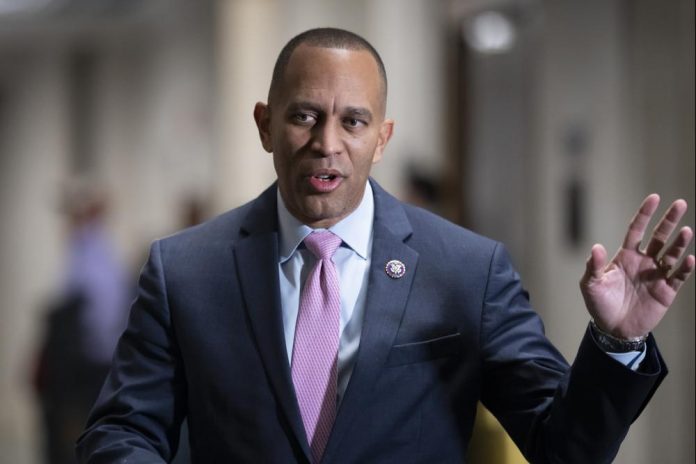
House Democratic Caucus Chair Hakeem Jeffries, D-N.Y., arrives for leadership elections at the Capitol in Washington, Wednesday, Nov. 30, 2022. Jeffries has been elected House Democratic leader and will become in the new year the first Black American to lead a major political party in Congress. Photo: J. Scott Applewhite/AP
Hakeem Jeffries main
House Democratic Caucus Chair Hakeem Jeffries, D-N.Y., arrives for leadership elections at the Capitol in Washington, Wednesday, Nov. 30, 2022. Jeffries has been elected House Democratic leader and will become in the new year the first Black American to lead a major political party in Congress. Photo: J. Scott Applewhite/AP

WASHINGTON (AP) — House Democrats ushered in a new generation of leaders on Wednesday with Rep. Hakeem Jeffries elected to be the first Black American to head a major political party in Congress at a pivotal time as long-serving Speaker Nancy Pelosi and her team step aside next year.

Showing rare party unity after their midterm election losses, the House Democrats moved seamlessly from one history-making leader to another, choosing the 52-year-old New Yorker, who vowed to “get things done” in the new Congress, even after Republicans won control of the chamber. The closed-door vote was unanimous, by acclamation.

“We stand on their collective broad shoulders,” Jeffries said afterward of Pelosi and her team.

“The best thing that we can do as a result of the seriousness and solemnity of the moment,” he had said earlier, “is lean in hard and do the best damn job that we can for the people.”

It’s rare that a party that lost the midterm elections would so easily regroup and stands in stark contrast with the upheaval among Republicans, who are struggling to unite around GOP leader Kevin McCarthy as the new House speaker as they prepare to take control when the new Congress convenes in January.

Wednesday’s internal Democratic caucus votes of Jeffries and the other top leaders came without challengers. Cheers broke out in the private meeting, where typically contested party elections unfolded instead like church service, a call-and-response affirming Democrats’ confidence in their choices, some in the room said.

The trio led by Jeffries, who will become the Democratic minority leader in the new Congress, includes 59-year-old Rep. Katherine Clark of Massachusetts as the Democratic whip and 43-year-old Rep. Pete Aguilar of California as caucus chairman. The new team of Democratic leaders is expected to slide into the slots held by Pelosi and her top lieutenants — Majority Leader Steny Hoyer of Maryland and Democratic Whip James Clyburn of South Carolina — as the 80-something leaders make way for the next generation.

But in many ways, the trio has been transitioning in plain sight, as one aide put it — Jeffries, Clark and Aguilar working with Pelosi’s nod these past several years in lower-rung leadership roles as the first woman to have the speaker’s gavel prepared to step down. Pelosi, of California, has led the House Democrats for the past 20 years, and colleagues late Tuesday granted her the honorific title of “speaker emerita.”

“It an important moment for the caucus — that there’s a new generation of leadership,” said Rep. Chris Pappas, D-N.H., ahead of voting.

Democratic Rep. Cori Bush of Missouri called the leadership election “historic” and a “time for change.”

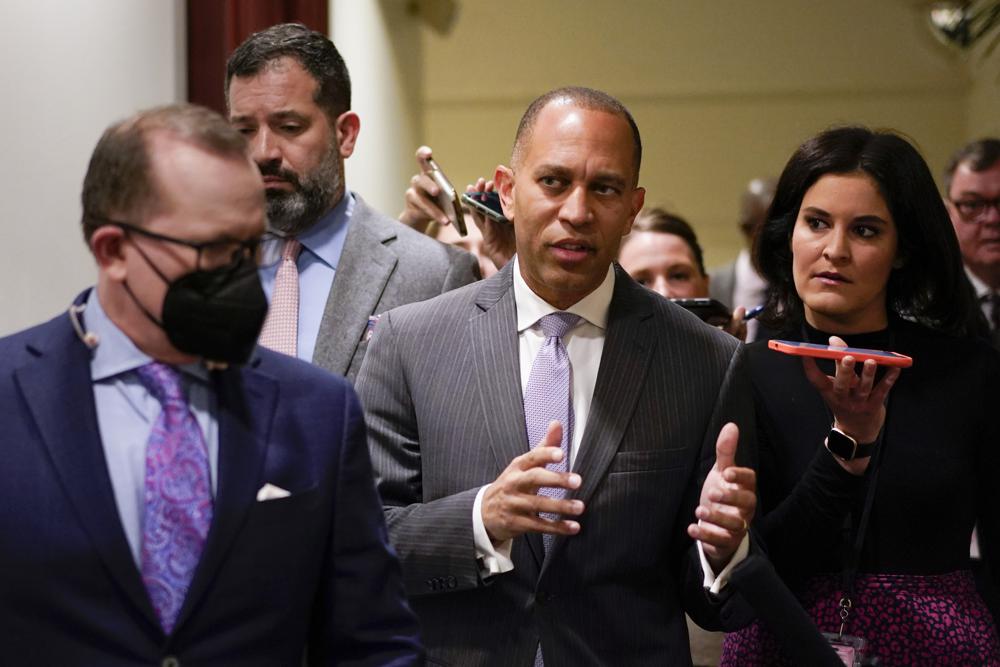
Hakeem Jeffries with reporters
Rep. Hakeem Jeffries, D-N.Y., talks with reporters on Capitol Hill in Washington, on Nov. 17, 2022. Photo: Carolyn Kaster/AP File

While Democrats will be relegated to the House minority in the new year for the 118th Congress, they will have a certain amount of leverage because the Republican majority is expected to be so slim and McCarthy’s hold on his party fragile.

The House’s two new potential leaders, Jeffries and McCarthy, are of the same generation but have almost no real relationship to speak of — in fact, the Democrat is known for leveling political barbs at the Republican from afar, particularly over the GOP’s embrace of former President Donald Trump. Jeffries served as a House manager during Trump’s first impeachment.

Jeffries said Wednesday he will work with Republicans “whenever possible but we will also push back against extremism whenever necessary.”

On the other side of the Capitol, Jeffries will have a partner in Senate Majority Leader Chuck Schumer as two New Yorkers are poised to helm the Democratic leadership in Congress. They live about a mile (1.6 kilometers) apart in Brooklyn.

“There are going to be a group, in my judgment, of mainstream Republicans who are not going to want to go in the MAGA direction, and Hakeem’s the ideal type guy to work with them,” Schumer said in an interview, referencing Trump’s “Make America Great Again” slogan.

Clark, elected for the No. 2 spot, extended the invitation to Republicans to work with Democrats on bipartisan projects.

“Our door is open for any member from across the aisle who wants to get to work for the American people,” she said.

At the same time Aguilar, the third-ranking member, said Democrats emerged from the narrow midterm election with a mandate: “What we’re fighting against is this MAGA extremism” that has captured the right flank of Trump’s party.

Jeffries has sometimes been met with skepticism from party progressives, viewed as a more centrist figure among House Democrats.

But Rep. Rashida Tlaib, D-Mich., a progressive and part of the “squad” of liberal lawmakers, said she has been heartened by the way Jeffries and his team are reaching out, even though they face no challengers.

“There’s a genuine sense that he wants to develop relationships and working partnerships with many of us,” she said.

Clyburn, now the highest-ranking Black American in Congress, is seeking to become the assistant Democratic leader, keeping a seat at the leadership table and helping the new generation to transition.

But Clyburn faces an unexpected challenge from Rep. David Cicilline, D-R.I., who is openly gay and argued Wednesday in a letter to colleagues that House Democrats should “fully respect the diversity of our caucus and the American people by including an LGBTQ+ member at the leadership table.”

After Wednesday’s hugging and high-fives, the elections Thursday for the assistant leader post and several others are expected to be more divisive.

Jeffries’ ascent comes as a milestone for Black Americans, the Capitol built with the labor of enslaved people and its dome later expanded during Abraham Lincoln’s presidency as a symbol the nation would stand during the Civil War.

His Brooklyn-area district was once represented by Shirley Chisholm, the first Black woman elected to Congress, and he noted that she was born on the same day as his election, Nov. 30, in 1924.

Civil rights leader Rev. Al Sharpton called Jeffries’ elevation a “long overdue moment in America,” noting that “another barrier to equal representation has come down.”

Pelosi and Hoyer plan to remain in office, an unusual but not unprecedented arrangement that Jeffries called a “blessing” the new leaders can seek their counsel.

While the House Democrats are a big, diverse and often “noisy” group, Jeffries said it’s a good thing, and representative of the House as “the institution closest to the people.”

“At the end of the day, we always come together, find the highest common denominator and get the things done everyday Americans,” he said.

Tess Gunty, Imani Perry among National Book Awards winners

0
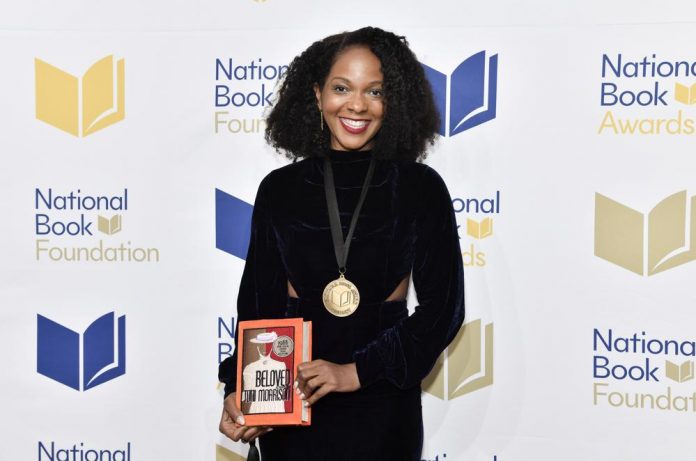
Imani Perry Photo: Evan Agostini/Invision/AP
Imani Perry
Imani Perry Photo: Evan Agostini/Invision/AP

NEW YORK (AP) — Tess Gunty’s “The Rabbit Hutch,” a sweeping debut novel set in a low-income housing community in Indiana, has won the National Book Award for fiction. The 30-year-old Gunty was among three writers nominated for their first published books.

The nonfiction prize went to Imani Perry’s “South to America: A Journey Below the Mason-Dixon to Understand the Soul of a Nation” and Sabaa Tahir’s “All My Rage” won for young people’s literature. In poetry, John Keene was cited for “Punks: New and Selected Poems,″ while Argentine-Spanish language author Samanta Schweblin and translator Megan McDowell won for best work in translation for “Seven Empty Houses.”

Wednesday night’s winners each received $10,000.

In her acceptance speech, Gunty cited comments made the day before by poetry nominee Sharon Olds about literature’s essential role as a force for good and for courage. Gunty praised the fiction finalists, which also included Alejandro Varela’s “The Town of Babylon” and Sarah Thankam Mathews’ “All This Could Be Different,” for bringing attention to those “neglected” and otherwise not visible.

“Attention is the most sacred resource we have,” she said, calling books among the last places “where we spend the resource freely and need the most.”

“I think kindness wins,” she concluded. “That’s the point of this evening.”

History was on the minds of many of the award winners, whether honorary medalist Art Spiegelman’s references to his parents surviving the Holocaust, Perry’s invocation of ancestors who had been “lashed,” “charred,” “roped” and “bullet-ridden” or Keene’s elegy for “Black, gay, queer and trans writers” who died during the AIDS epidemic of the 1980s and 1990s.

A tearful Tahir cited her background as a Muslim and Pakistani-American and dedicated her prize to her “Muslim sisters” around the world who “fight for their lives, their autonomy, their bodies and their right to live and tell their own stories without fear.”

Tess Gunty
Tess Gunty Photo: Evan Agostini/Invision/AP

Several speakers mentioned the current wave of book bannings and the threat to free expression. Spiegelman, whose Holocaust-themed cartoon book “Maus” has been pulled from shelves this year in Missouri and Tennessee, called some of his censors “shrewd marketers” because the controversy over his work boosted sales. He then wondered if some educators simply preferred a “kinder, gentler Holocaust.”

The dinner benefit for the National Book Foundation, which presents the awards, also included an honorary prize for Tracie D. Hall, executive director of the American Library Association. Hall remembered childhood trips with her grandmother to the local library in the Watts section of Los Angeles, likening the building to a cathedral and benefactor that permitted her to borrow as many books as she and her grandmother could carry.

She then offered tribute to librarians now who “in resisting censorship efforts have sacrificed their jobs and their livelihood.”

It was the first time since 2019 — before the pandemic — that the event was held in person and hundreds, virtually all maskless, gathered at Cipriani Wall Street in downtown Manhattan. Author and “Top Chef” host Padma Lakshmi hosted the ceremony, which also featured taped introductions by Keanu Reeves, Alicia Keys and Jimmy Fallon for nominees in competitive categories.

Outside, striking HarperCollins workers handed out leaflets and buttons — Lakshmi and presenter Ibram X. Kendi were among those wearing union buttons — outlining their differences with the publisher over wages, diversity and union security among other issues. Some 250 entry level and mid-level employees at HarperCollins, the only major New York publisher with a union, began their strike last week. No new talks are currently scheduled.

Perry, a HarperCollins author, made no direct reference to the strike in her acceptance speech, but did cite those who “walk the picket line” as among her inspirations.