Home Blog Page 95

Esther Agbaje launches bid for Minnesota House 59B seat

0
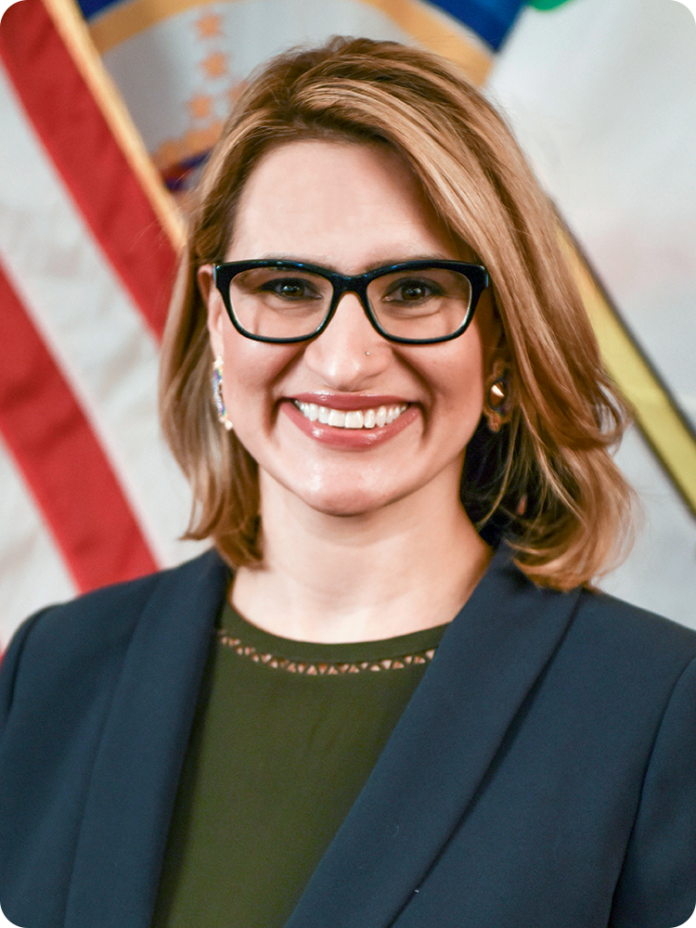
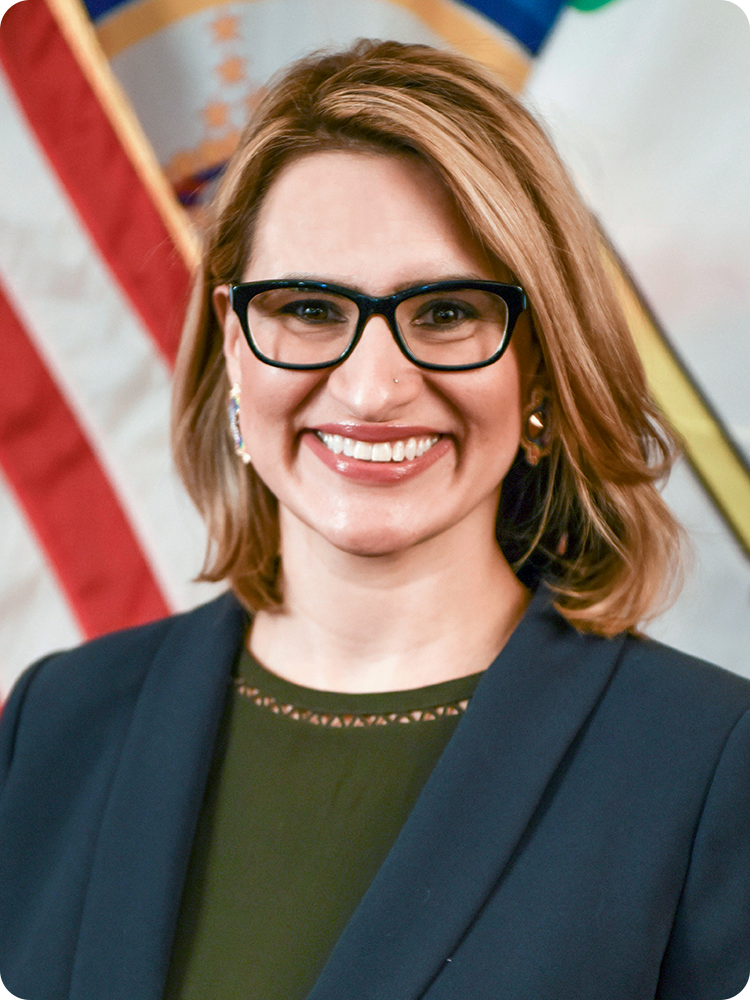
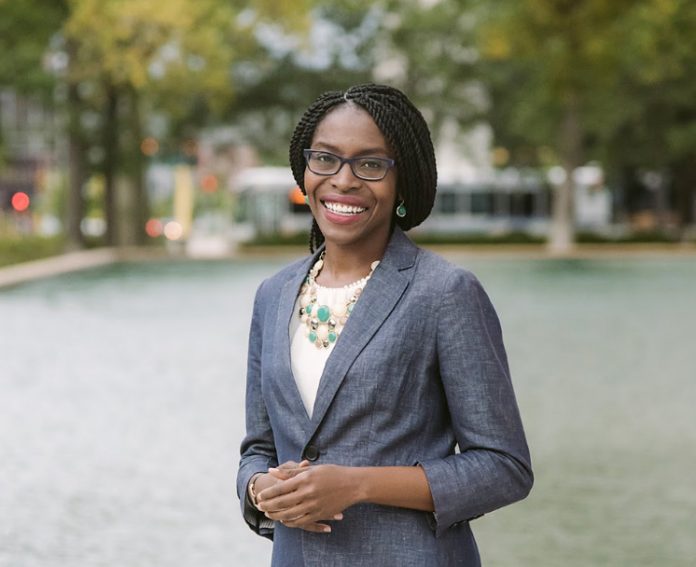
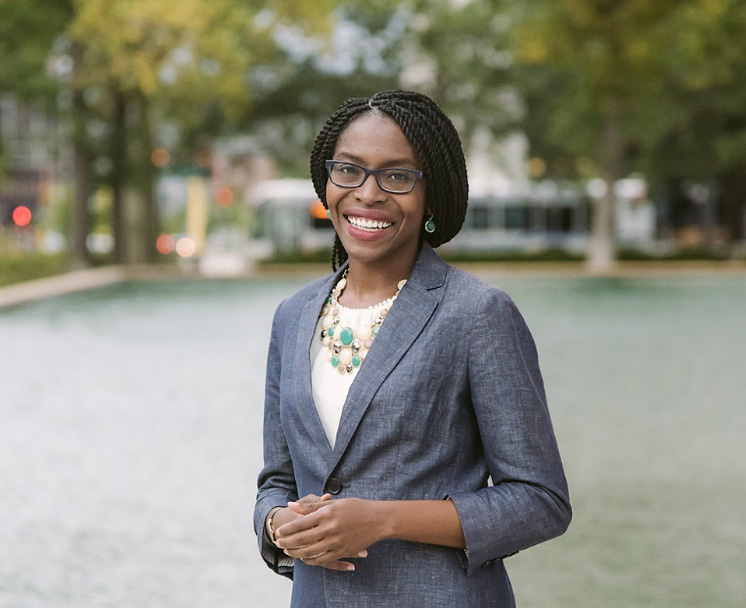
Minneapolis Attorney Esther Agbaje is running for the Minnesota House 59B seat. Photo: Submitted
Esther Agbaje web
Minneapolis Attorney Esther Agbaje is running for the Minnesota House 59B seat. Photo: Submitted
Esther Agbaje web
Minneapolis Attorney Esther Agbaje is running for the Minnesota House 59B seat. Photo: Submitted

Attorney Esther Agbaje is on a mission to create positive change in her community. The 34-year-old Minnesota native has announced that she’s running for the Minnesota House of Representatives seat in District 59B, which includes most of downtown Minneapolis and North Minneapolis.

Born in Saint Paul to Nigerian immigrants, Agbaje was raised in the Midway neighborhood before moving around the state as her father, a minister, practiced his vocation. She moved to the east coast to pursue her higher education before returning to Minnesota.

Agbaje is leading a grassroots campaign that has grown organically from a small team to over 65 volunteers across the district. She’s bringing five years of experience as a Foreign Affairs Officer with the State Department, a master’s in Public Administration from the University of Pennsylvania and a Harvard law degree to her campaign.

Agbaje and her supporters were able to canvas on over 3,500 doors leading to the caucus in February. Recent COVID-19 restrictions have forced her and the team to rely on reaching their voter demographic digitally.

At the forefront of Agbaje’s campaign is the issue of affordable housing. “Housing should be guaranteed for everyone,” she said. It was during her tenure as a student attorney at Harvard that she gained first-hand experience in fighting for equity in housing. In her pro bono work she successfully helped distraught tenants fight their eviction notices.

Minneapolis is facing an affordable housing crisis with statistics showing that the city has lost 15,000 affordable housing units in the last two decades while at a similar rate building high cost apartments.

Among other issues that her campaign is pledging to address are also public transit accessibility, affordable healthcare, business development and bridging the education gap.

“I really want to make sure that transit is a reliable option for people,” Agbaje said. Referring to expansion of the transit system to better serve the Twin Cities community and surrounding suburbs. A reliable transit is also part of Agbaje’s greater plan for environmental justice, a cause she’s aligned herself with for many years.

Minnesota has one of the highest educational achievement gaps in the nation. Agbaje intends to close this gap by ensuring students have the best learning environments and that educators are compensated adequately. Her plan also includes increasing the number of teachers of color so educators match the demographics they’re serving.

“The main challenge that students of color face is that there’s a lot of underestimation of your abilities” Agbaje said. Recalling her own struggles as a student of color where her mother had to continuously advocate for her and her siblings to be placed in classes reserved for gifted students. Increasing the number of minority educators and administrators would also act as advocates for the student body they serve.

For district 59B’s future Agbaje envisions an urban metropolis with booming economic development, lively eco-friendly neighborhoods, reliable transportation and a thriving education system that uplifts all its students. “A district that’s really focused on the health and wellness of the community,” she said.

Agbaje is challenging Representative Raymond Dehn who’s who is seeking reelection for a fifth term after serving eight years on the Minnesota floor. The primary for the Minnesota House of Representatives will take place in August with the winner proceeding to the November election.

As of the time of this writing, Agbaje already has the endorsement of the Minnesota DFL Senior Caucus and Women Winning.

COVID-19: Staying home will save lives

0
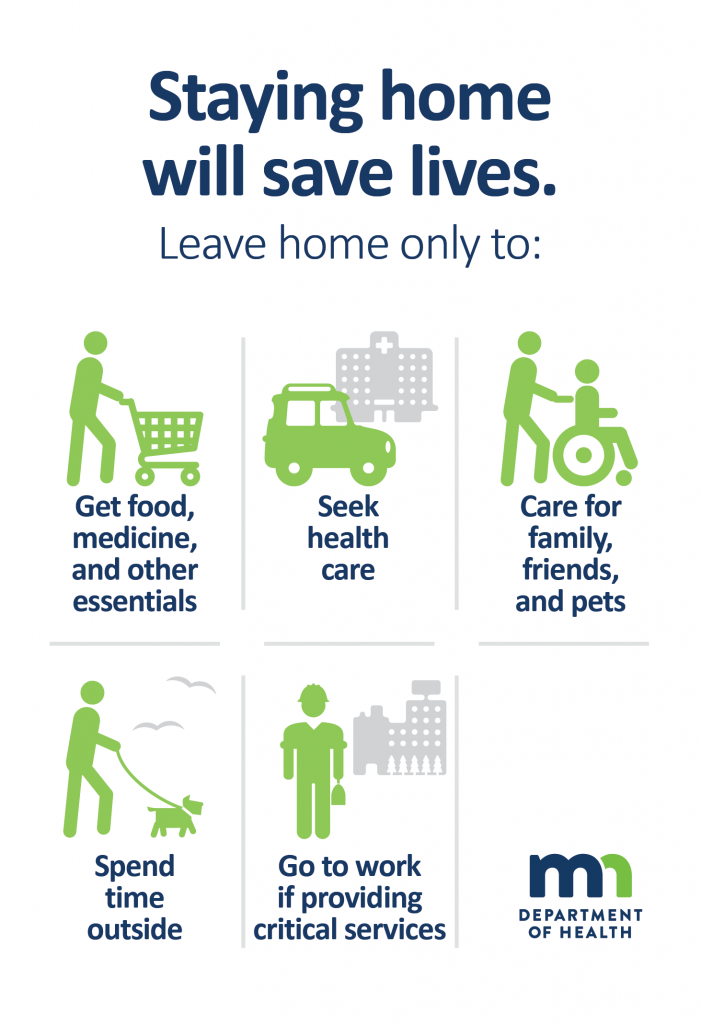
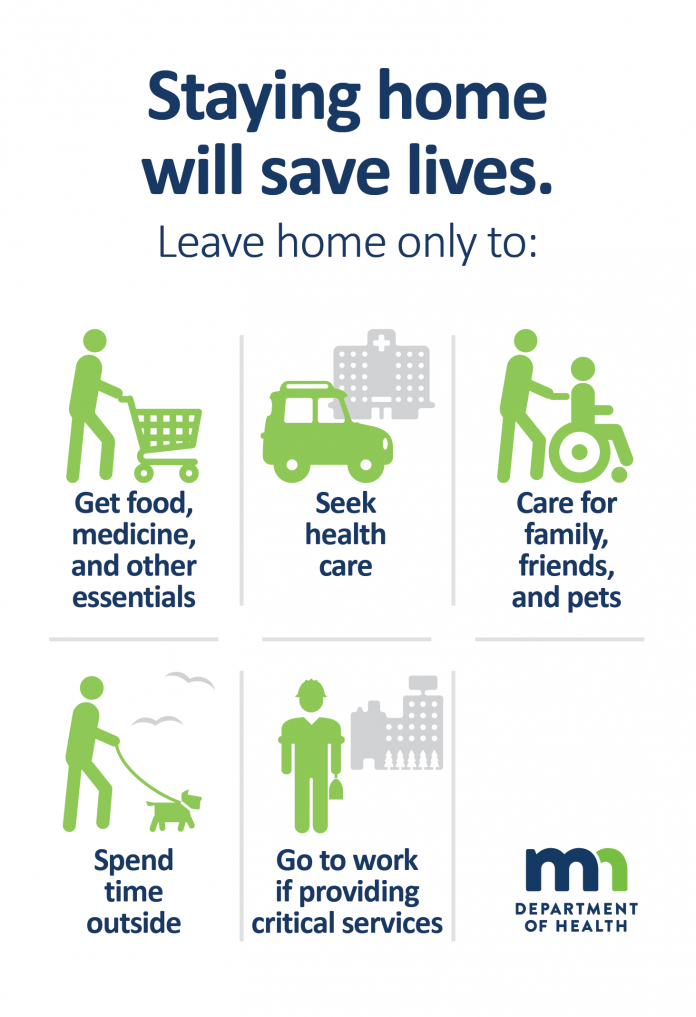
To protect the public's health and slow the rate of transmission of COVID-19, Governor Walz extended the executive order directing Minnesotans to stay at home and limit movements outside of their home beyond essential needs. This order extension is effective from March 27 at 11:59 p.m. to May 3 at 11:59 p.m.
MDH COVID 19 Stay at Home
To protect the public's health and slow the rate of transmission of COVID-19, Governor Walz extended the executive order directing Minnesotans to stay at home and limit movements outside of their home beyond essential needs. This order extension is effective from March 27 at 11:59 p.m. to May 3 at 11:59 p.m.
MDH COVID 19 Stay at Home
To protect the public’s health and slow the rate of transmission of COVID-19, Governor Walz extended the executive order directing Minnesotans to stay at home and limit movements outside of their home beyond essential needs. This order extension is effective from March 27 at 11:59 p.m. to May 3 at 11:59 p.m.

To protect the public’s health and slow the rate of transmission of COVID-19, Governor Walz extended the executive order directing Minnesotans to stay at home and limit movements outside of their home beyond essential needs.

This order extension is effective from March 27 at 11:59 p.m. to May 3 at 11:59 p.m. The Governor’s order to stay home is forecasted to help slow the spread of COVID-19 and allow the state to make key preparations for the pandemic. These preparations include building hospital capacity, increasing access to life-saving equipment like ventilators, increasing testing, planning for how to care for vulnerable populations, and assessing public health data to determine which community mitigation strategies are most effective.

Essential need activities

Minnesotans may leave their homes only to perform any of the following activities:

  • Health and safety activities, such as obtaining emergency services or medical supplies.
  • Outdoor activities, such as walking, hiking, running, biking, hunting, or fishing.
  • Obtain necessary supplies and services, such as getting groceries, gasoline, or carry-out.
  • Essential and interstate travel, such as returning to a home from outside this state. To protect our neighbors, Minnesotans are encouraged to stay close to home and are strongly discouraged from engaging in unnecessary travel.
  • Care of others, such as caring for a family member, friend, or pet in another household.
  • Displacement, such as moving between emergency shelters if you
    are without a home.
  • Relocation to ensure safety, such as relocating to a different location if your home becomes unsafe due to domestic violence, sanitation, or essential operations reasons.
  • Tribal activities and lands, such as activities by members within the boundaries of their tribal reservation.
  • Moving or relocation, such as moving to a new home or place of residence.
  • Voting, Minnesotans are encouraged to vote and to do so by mail when possible.
  • Funerals, provided that gathering consists of no more than 10 attendees and the space utilized allows for social distancing.

While doing these things you should practice social distancing (keep 6 feet apart from other people as much as possible).

Congresswoman Ilhan Omar introduces bill to cancel rent and mortgage payments during COVID-19

0
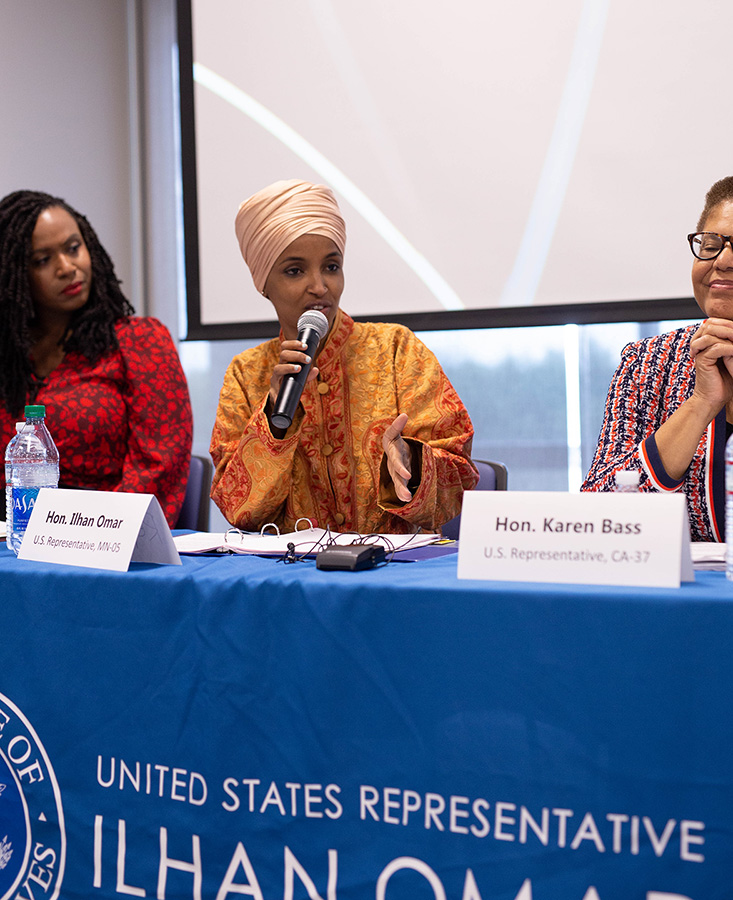
Congresswoman Ilhan Omar when she hosted in Minneapolis a powerful delegation of the Congressional Black Caucus in August 2019. On her left is the CBC Chair, Congresswoman Karen Bass of California and on her right Congresswoman Ayanna Pressley of Massachusetts. Photo: Jerusa Nyakundi/Mshale
Ilhan CBC
Congresswoman Ilhan Omar when she hosted in Minneapolis a powerful delegation of the Congressional Black Caucus in August 2019. On her left is the CBC Chair, Congresswoman Karen Bass of California and on her right Congresswoman Ayanna Pressley of Massachusetts. Photo: Jerusa Nyakundi/Mshale
Ilhan CBC
Congresswoman Ilhan Omar when she hosted in Minneapolis a powerful delegation of the Congressional Black Caucus  in August 2019. On her left is the CBC Chair, Congresswoman Karen Bass of California and on her right Congresswoman Ayanna Pressley of Massachusetts. Photo: Jerusa Nyakundi/Mshale

Congresswoman Ilhan Omar has introduced a bill to cancel all rent and mortgage payments nationwide during the COVID-19 pandemic. The Rent and Mortgage Cancellation Act would constitute a full payment forgiveness, with no accumulation of debt for renters or homeowners and no negative impact on their credit rating or rental history, according to Rep. Omar’s press statement sent to Mshale.

The legislation will establish a relief fund for landlords and mortgage holders to cover losses from the cancelled payments and create an optional fund to fully finance the purchase of private rental properties by non-profits, public housing authorities, cooperatives, community land trusts, and states or local governments—in order to increase the availability of affordable housing during this downturn.

48% of residents in the Fifth Congressional District that Rep. Omar represents are renters, according to the US Census Bureau. In the district’s largest city of Minneapolis, renters constitute 53%.

Rep. Omar’s move comes as numbers emerged that COVID-19 is affecting non-whites, especially black Americans, at a disproportionate level in terms of those contracting it and dying.

“The coronavirus crisis is more than just a public health crisis—it’s an economic crisis. Minnesotans are losing jobs, getting their hours reduced, and struggling just to put food on the table. We must take major action to protect the health and economic security of the most vulnerable, including the millions of Americans currently at risk of housing instability and homelessness,” said Rep. Omar. “Congress has a responsibility to step in to stabilize both local communities and the housing market during this time of uncertainty and crisis. In 2008, we bailed out Wall Street. This time, it’s time to bail out the American people who are suffering.”

Minneapolis City Council Member Jeremiah Ellison joined in support of Rep. Omar’s bill saying “We cannot allow this public health crisis to worsen the housing crisis we are already in. Displacement does not make our communities stronger. Increased homelessness does not make our communities stronger. Right now, we should be focused on protecting the vulnerable from COVID-19, and not risk making more people vulnerable. Because this is not a matter of ‘if’ people will pay their rent- this is about how we formalize the reality that the rent is already cancelled because people can’t pay.”

Tara Raghuveer, Homes Guarantee Campaign Director at People’s Action and Dianne Enriquez, Co-Director of Community Dignity Campaigns at the Center for Popular Democracy, both offered statements of support for Congresswoman Omar’s bill.

The bill is cosponsored by Reps. Alexandria Ocasio-Cortez (D-NY), Rashida Tlaib (D-MI), Pramila Jayapal (D-WA), Mark Pocan (D-WI), Ayanna Pressley (D-MA), Veronica Escobar (D-TX), Jesús“Chuy” García (D-IL), and Grace Meng (D-NY).

Full text of the bill can be found at this link.

Why coronavirus is killing black people more than others in the US

0
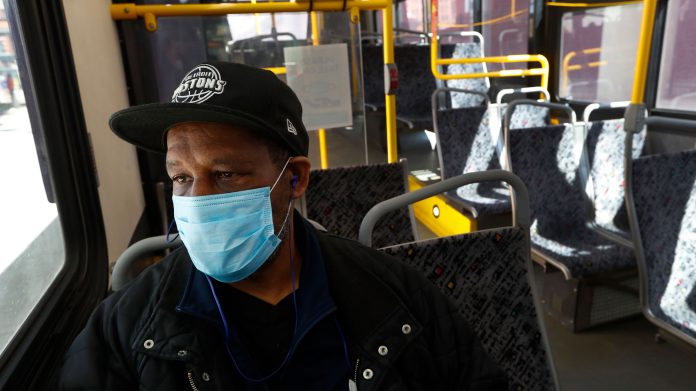
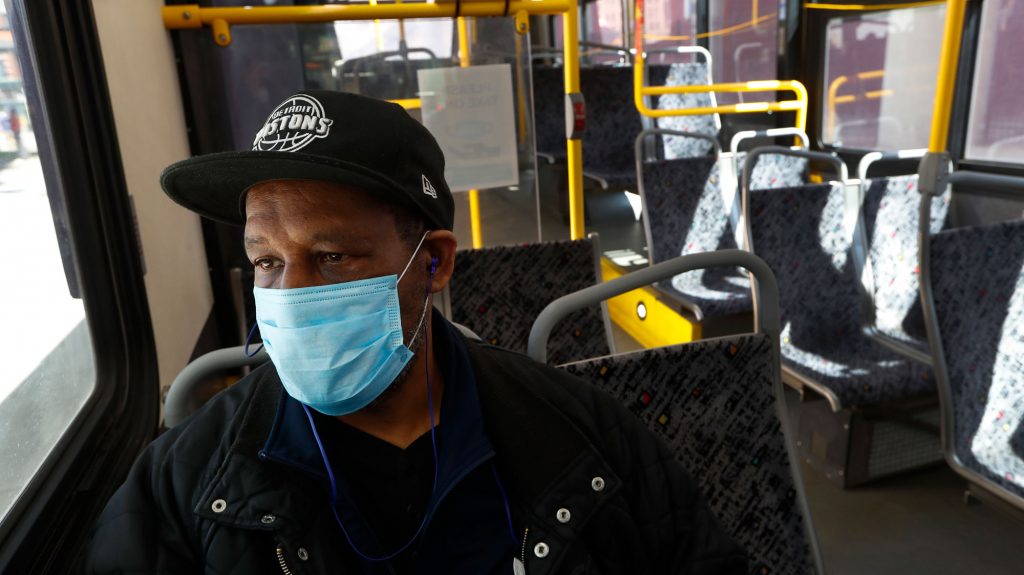
Albert Dowdell, wears a protective mask on a bus during the COVID-19 outbreak in Detroit.Paul Sancya/AP
Albert Dowdell
Albert Dowdell, wears a protective mask on a bus during the COVID-19 outbreak in Detroit.Paul Sancya/AP
Albert Dowdell
Albert Dowdell, wears a protective mask on a bus during the COVID-19 outbreak in Detroit.Paul Sancya/AP

A spate of recent news accounts reveals what many experts have feared: Black communities in the U.S. are experiencing some of the highest fatality rates from COVID-19. But without an understanding of the policy contexts that have shaped conditions in Black-majority neighborhoods, one may assume the rapid spread of the coronavirus there is caused by the individual behaviors of residents.

We’re all susceptible to this white supremacist myth that claims the conditions in Black communities are mainly the result of Black people’s collective choices and moral failings. Rather, it is historic and systemic housing devaluation, economic injustice, and discrimination in health care that have created the conditions that increase rates of morbidity and mortality, especially during this unprecedented pandemic.

Full story @ Brookings.

Ngozi Akubuike, Nigerian-American lawyer running for Ramsey County Judge

0
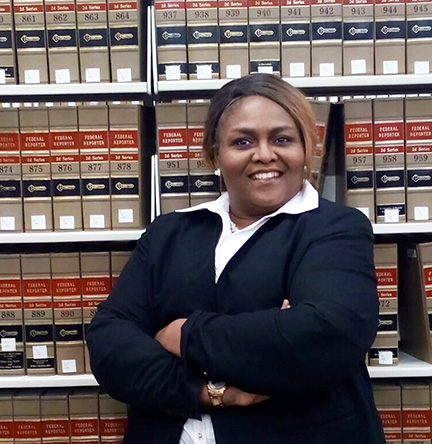
Twin Cities lawyer Ngozi Akubuike is running to be a Ramsey County judge. She spoke to Mshale about her candidacy. Photo: Submitted
Ngozi Akubuike Mshale feature
Twin Cities lawyer Ngozi Akubuike is running to be a Ramsey County judge. She spoke to Mshale about her candidacy. Photo: Submitted

Twin Cities attorney Ngozi Akubuike has her sights set on a new position. After a long multi decade legal career Akubuike is running to be a Ramsey County judge.

Akubuike is no stranger to public service.  “I have been an advocate for some time,” she said. The litigator has experience working with both state and county governments as well as providing pro bono legal services to community members.

Akubuike began her legal career in an unusual way. “I came into law by accident,” she said as she described her earlier higher educational journey.

As a young student in Nigeria she had her sights set on studying medicine. She had completed all but one prerequisite before enrolling in medical school. The final required course was a physics exam. On the day of examination, she arrived at the testing location only to find that her name was not on the list of students registered to take the exam.

Confused and panicked she had a driver take her to the official testing center to appeal her position. “I got to the council, [and] there were so many people like me there,” she said. Feeling optimistic she waited to plead her case to the council.

“By the time they got to me …I couldn’t take the exam,” Akubuike said. It was late in the day and the allotted time for testing had passed.

It was then that Akubuike was faced with the decision of taking a gap year and waiting to take the exam to enroll in medical school or to pursue an alternative vocation. She chose the latter.

“My first day in class was logic, it was exciting, that sparked my interest,” Akubuike said, as she described her immediate love of her new academic pursuit. This was the first step in what would become a three decade long legal career that transcended two continents.

After completing her studies, Akubuike practiced law for four years before relocating to the United States.

She immigrated to the United States in September of 1995 after winning a diversity visa lottery. The program which was established in 1993 by the State Department, awards legal status to individuals through a lottery system. The program is open to persons from countries that have historically low immigration rates to the United States.

Upon moving to the U.S., Akubuike who was at the time expecting her first child was unable to find employment before giving birth to her first child. When her baby was two weeks old she found herself homeless and was forced to move into a women’s shelter for temporary housing.

Feeling discouraged and defeated, Akubuike thought about leaving the United States and moving back to Nigeria. As she was planning to leave, she realized that her daughter, an American citizen did not have a passport.

“Shortly after I applied for the passport the federal government shut down” Akubuike said. This was during President Bill Clinton’s administration when lawmakers were unable to reach an agreement on the federal budget. Akubuike decided to stay in the U.S.

She continued to stay in the shelter for a month before moving to transitional housing and finding employment.

Determined to practice law again, Akubuike found employment doing clerical work for local firms before enrolling at Mitchell Hamline School of Law. Akubuike spent her days working and nights taking courses before taking the bar exam.

In 2000 she completed her studies and was offered a position working for the Scott County Attorney’s office as a prosecutor and thus began her career as an attorney in the United States.

During her legal career she has been able to work with the Minnesota Council on Disability to pass laws that enable those with disabilities have greater access to public buildings. The legislation also included language that ensures handicapped parking spots are properly reserved. Akubuike was also part of the legislation that mandates state documents to be available in alternative formats to accommodate individuals with disabilities.

In addition to this Akubuike has also worked with the Minnesota Supreme Court to ensure that the Minnesota justice system has access to outstate criminal records for convicted felons. “I have done a lot in keeping Minnesotans safe.”

Outside of the office Akubuike is passionate about serving her community. She provides pro bono legal advice on immigration law and is an educator on domestic violence.

In 2012 Akubuike opened a food shelf that serves the Ramsey County population. This move was inspired by her lived experience with food insecurity. “I was once hungry,” Akubuike said. “I was too ashamed to walk down to the welfare office to ask for help.”

The food shelf allows individuals to choose their own food. It provides the recipients the freedom and dignity to select their own items. During the Christmas season Akubuike teams up with other shelters to provide jackets to the homeless community.

Akubuike is also passionate about mental health. Upon completing her Masters in Public Administration from the Humphrey School of Public Affairs, she began to set up community workshops on mental health. She works to help communities understand mental health and guide them to resources where they can get professional help.

“There’s no reason to be ashamed in this,” she said, citing the stigma that revolves around mental health particularly in minority populations. Akubuike also works to aid individuals with mental health issues who have been victims of crime.

Akubuike cites her experience working in mental health as a distinguishing factor in her candidacy for the judicial position. “I want to bring that experience to the bench,” she said.

Akubuike points out that her unique life experience also enables her to have a different perspective on the issues affecting Ramsey County. “You can’t find many judges that have been homeless,” she said.

“When someone comes before my court, they are coming before somebody who knows what it is to lack and still be able to hold their head high, you’re coming before somebody who understands mental health issues,” Akubuike said.

“I believe it is time to transition from being an advocate to a neutral auditor.”

Ramsey County consists of seven cities around the Saint Paul metropolitan area and surrounding suburbs. The main duties of a county judge include interpreting state and local law, handing out penalties to those convicted of crimes, and providing a rule on civil disputes.

There are twelve Ramsey County judges with Judge Leonardo Castro the only person of color. The terms of five of the judges will expire on January 2021 according to mncourts.gov. One of these five seats is what Akubuike will be filling if she prevails in the November general election which is expected to see a high voter turnout as it is a presidential election year.

Ngozi Akubuike’s website is at ngoziakubuike4judge.org.

Minnesota Somali COVID-19 Task Force delivers cultural foods to seniors

Sheikh Tawakal Ismail, Chair of the Minnesota Somali COVID-19 Task Force. Photo: Mshale File Photo
Sheikh Tawakal Ismail
Sheikh Tawakal Ismail, Chair of the Minnesota Somali COVID-19 Task Force. Photo: Mshale File Photo
Sheikh Tawakal Ismail
Sheikh Tawakal Ismail, Chair of the Minnesota Somali COVID-19 Task Force. Photo: Mshale File Photo

The COVID-19 pandemic has upended everything. While Governor Tim Walz’s stay-at-home order has affected everyone, its effect has had a significant toll on the lives of African immigrant seniors and disabled individuals. They used to rely on adult day care centers and restaurants in the neighborhood for daily meals but the shutdowns have forced them to worry about immediate needs like food.

The  Greater Minneapolis Community Connections has stepped in to offer relief by delivering 200 boxed meals to the elderly on a daily basis since the stay-at-home took effect. The Minneapolis non-profit plans to do so for two more weeks and will provide the elderly with cultural appropriate foods.

The seniors appreciate the food assistance but express worry for the loss of freedom to go out to their favorite restaurants to enjoy their meals. They however understand the urgency of the global crisis and are taking the state’s orders of isolation seriously in order to prevent the spread of the virus. All the seniors we spoke to said they are adhering to the governor’s stay-at-home orders.

“Before COVID-19, we had freedom, we could go to anywhere”, Hussein Sheikh, an elderly Somali immigrant said. “We would go to restaurants.”

Adding to the sense of loss on their freedoms is the fact that most elderly male African immigrants do not know how to cook because their cultures have taught them that only women belong in the kitchen. Imam Tawakal Ismail, the chair of Minnesota Somali COVID-19  Task-Force, considers himself one of them.

For many of these men, some who are widowers, an extended stay-at-home order with no restaurants open portends a dire situation.

Boxed Lunches
A picture of the boxed foods that seniors have been receiving from the Minnesota Somali COVID-19 Task Force and the Greater Minneapolis Community Connections. Photo: Mohamud Farah Dulyadeyn/Mshale

Local non-profit organizations and Somali community volunteers and faith leaders have stepped in by forming the Minnesota Somali COVID-19 Task Force. The idea is to assess and fulfill people’s immediate needs in these challenging times. “As imams and community leaders, we have learned that many senior immigrants among the disabled population can’t come out of their homes for food and perhaps can’t even cook at home.” Imam Ismail. “Therefore, we have organized ourselves to help our community”.

The task force found a willing partner in GMCC and the idea of daily food deliveries to the seniors was mooted. With the help of the prolific faith leader, GMCC has started handing out nutritious meals to people in need.

“I am appreciating the food I am getting here at my home,” one senior who di not want to be identified said. “I am hungry, I can’t drive, I can’t go outside, and I am scared because the governor said you have to stay at your house, so police may stop me if I try to go out.”

There is a however concern if the stay-at-home order gets extended. “What will be next?” Hussein Sheikh asked. “What will happen if the governor’s stay-at-home order lasts more than two weeks?” That is a question that can only be answered this week by the governor when his stay-at-home order is set to expire. Lt. Governor Peggy Flanagan in a Mshale interview on Tuesday said Governor Walz will answer that question soon.

‘DEED taking lead to ensure African businesses get assistance’: An interview with Lt. Governor Peggy Flanagan on COVID-19

0
Mshale interviewed Minnesota Lt. Governor Peggy Flanagan on Tuesday, April 7, 2020 on the state's response to COVID-19 as regards the African immigrant community. Photo: Office of the Lt. Governor of Minnesota
Peggy Flanagan
Mshale interviewed Minnesota Lt. Governor Peggy Flanagan on Tuesday, April 7, 2020 on the state's response to COVID-19 as regards the African immigrant community. Photo: Office of the Lt. Governor of Minnesota
Peggy Flanagan
Mshale interviewed Minnesota Lt. Governor Peggy Flanagan on Tuesday, April 7, 2020 on the state’s response to COVID-19 as regards the African immigrant community. Photo: Office of the Lt. Governor of Minnesota

Mshale interviewed Minnesota Lt. Governor Peggy Flanagan today on the state’s COVID-19 response and impact on the African immigrant business community as well as the broader community. Lt. Governor Flanagan is the second Native American woman elected to statewide executive office in the United States and first minority woman elected to a statewide office in Minnesota.

Interview has been edited and condensed for clarity.

Mshale: My condolences and those of our staff for the loss of your brother to COVID-19.

Lt. Gov. Flanagan: Thank you so much Tom, I appreciate the outpouring of support and well wishes we have received from the community. This pandemic is dangerous and it hits you right at home when someone close to you succumbs to it.

Mshale: On the governor’s COVID-19 $30 million small-business loan fund, we are hearing from our community that many are not able to qualify when it comes to the 20% collateral or personal guarantee or insufficient business records, what can be done to help these businesses?

Lt. Gov. Flanagan: That is a situation we sympathize with and the governor is very determined to ensure that as many businesses as possible are able to access the funds. DEED, and especially Deputy Commissioner (Hamse) Warfa, is taking the lead to ensure businesses in the African community and other minority businesses are able to get the assistance they need through this fund by working with organizations like ADC and NDC to make this a reality.

I know some of those organizations might have their own specific requirements but Deputy Commissioner Warfa is working to make sure the small businesses are not overly burdened in trying to access the help they need.

Mshale: What is the state doing to get its messaging out using ethnic media who have forwarded a formal proposal on how the state can do this?

Lt. Gov. Flanagan: I am aware of the proposal to use ethnic media as they play a critical role in informing communities that would otherwise be left out. I encourage ethnic media who are also small business to tap into the governor’s $30 million fund for business which has loans that can be repaid for up to 30 years. The administration is however looking to see if additional funds can be obtained for further messaging in ethnic media.

Additionally, the state has also given grants of $600,000 to community organizations to assist with COVID-19 responses in their respective communities.

Mshale: Is the Governor out of self-quarantine and is he going to extend the stay-at-home order, and how do you gauge the success of the stay-at-home order?

Lt. Gov. Flanagan: Yes, the governor is out of self-quarantine and I am pleased to say that based on the modelling the health professionals are giving, the governor’s stay at home order is definitely having success. The governor is going to announce in the next few days on whether he is going to extend the stay-at-home order.

Mshale: One last question in the few minutes we have. As you know many African immigrants are the majority of workers in many senior living settings and they are expressing concern on their personal protection.

Lt. Gov. Flanagan: This is a concern to all of us as they take care of some of our most vulnerable in our state. The state is working extremely hard to source as much personal protective equipment as it can but I am sure you have heard unfortunately how we are having to compete with other states for them and the shortages countrywide have been really frustrating. Let me assure them that we are working really hard on this.

Mshale: Thank you for your time Lt. Gov. Flanagan.

Lt. Gov. Flanagan: Thank you so much Tom.

‘Game changing educator’ Qorsho Hassan is Minnesota Teacher of the Year finalist

0
Qorsho Hassan, a fifth grade teacher in the Burnsville-Eagan-Savage School District is a finalist for the 2020 Minnesota Teacher of the Year. Photo: District 191
Qorsho Hassan Web
Qorsho Hassan, a fifth grade teacher in the Burnsville-Eagan-Savage School District is a finalist for the 2020 Minnesota Teacher of the Year. Photo: District 191
Qorsho Hassan Web
Qorsho Hassan, a fifth grade teacher in the Burnsville-Eagan-Savage School District is a finalist for the 2020 Minnesota Teacher of the Year. Photo: District 191

Qorsho Hassan, a fifth grade teacher at Gideon Pond Elementary School in the Burnsville-Eagan-Savage School District is among ten finalists for this year’s Minnesota Teacher of the Year, Education Minnesota, the statewide 86,000 member educators union announced today. Education Minnesota organizes the annual Teacher of the Year program.

There were 135 candidates in the running before the panel selected the final 10..

Gideon Pond Elementary Principal Dr. Chris Bellmont described Hassan as a “a game changing educator” last year on the District’s website when she was honored as a leader in equity and inclusion. Bellmont went to to say “She is able to partner with families, students, and colleagues in creating a sustained, extraordinary trajectory for student academic and social growth. There is no limit to the positive impact Qorsho will have on students and our entire community.”

The 25-member selection panel will meet on June 13 to conduct individual interviews with the 10 finalists to cast votes for the winner. Education Minnesota said due to the COVID-19 pandemic, which has led to stay at home orders from Governor Walz, the previously scheduled Minnesota Teacher of the Year banquet on May 3 at the Saint Paul RiverCentre has been postponed until further notice.

The 2019 Minnesota Teacher of the Year, Jessica Davis of South St. Paul Secondary School in South St. Paul, will announce this year’s honoree. Due to the coronavirus pandemic, the date and venue for the announcement will be announced at a later date.

Below is the full list of the finalists, which is notable in its diversity:

1450 2020 TOY Finalist SocialMediaGraphic
In the above photo are the ten finalists for the 2020 Minnesota Teacher of the Year.Top row (left to right): Top row (left to right): DeWayne Combs, Katie Coulson, Shannon Finnegan; middle row (left to right): Rachel Steil, Maya Kruger, Ryan (Caleb) Larson, Omar McMillan; bottom row (left to right): Qorsho Hassan, Maria Villavicencio, Katie Watland. Photo: Education Minnesota

DeWayne Combs, Saint Paul Public Schools, Murray Middle School, physical education, grades 6-8 

Katie Coulson, Rosemount-Apple Valley-Eagan School District, Thomas Lake Elementary School, elementary, grade 4  

Shannon Finnegan, Hopkins Public Schools, Hopkins High School – Hopkins Achievement Program alternative program, social studies, grades 10-12 

Qorsho Hassan, Burnsville-Eagan-Savage School District, Gideon Pond Elementary School, elementary, grade 5 

Maya Kruger, St. Anthony-New Brighton School District, St. Anthony Middle School, language arts, grade 6 

Ryan (Caleb) Larson, Pine City Public Schools, Pine City Junior/Senior High School, English, grades 8 and 9 

Omar McMillan, Richfield Public Schools, Richfield STEM School, elementary, grade 4 

Rachel Steil, Stillwater Area Public Schools, Stillwater Area High School, English/journalism, grades 10-12 

Maria Villavicencio, Eden Prairie Schools, Eden Lake Elementary School, elementary, grade 1 

Katie  Watland, Lake Park Audubon School District, Lake Park Audubon High School, science, grades 7 and 8 

Governor Walz delivers State of the State address

0
Walz Screen Grab
Governor Walz delivers State of the State address

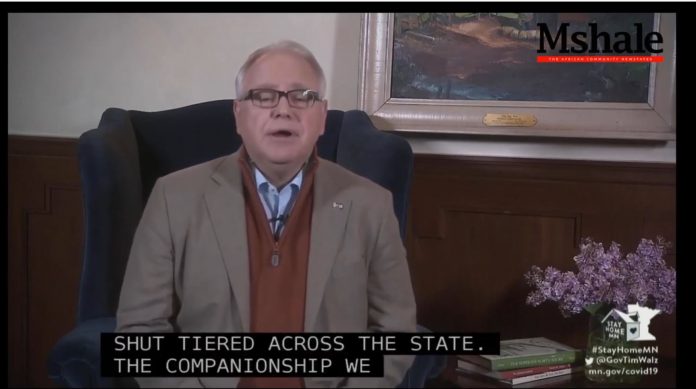
Minnesota Governor Tim Walz delivered his annual State of the State address on Sunday, April 6, 2020 from the Governor’s Residence instead of to a joint session of the Legislature at the Capitol as is the custom while the state is in a stay in place order he gave during the coronavirus pandemic. Governor Walz has been in self-quarantine as a precaution after being exposed to a member of his security detail who contracted the COVID-19 virus. The governor had shared at his daily COVID-19 media briefing last week that the member of the security detail has fully recovered.

Minnesota encourages residents to participate in national census

0
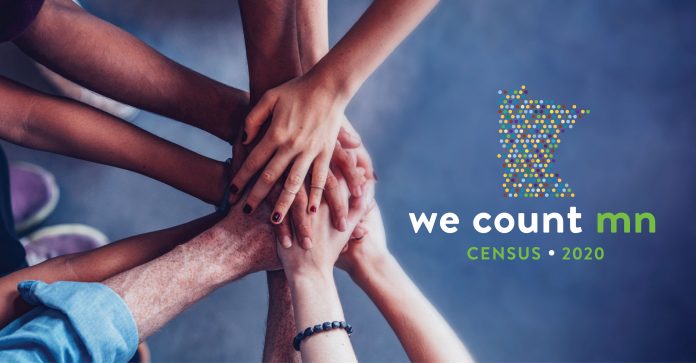
April 1, 2020 is Census Day in the United States. Mshale encourages all of our readers, and especially African immigrants, to participate in the census to make sure we count.
Census Hands
April 1, 2020 is Census Day in the United States. Mshale encourages all of our readers, and especially African immigrants, to participate in the census to make sure we count.

Today April 1 is Census Day and state and local government officials have been using the weeks leading up to it to encourage all residents to participate in the national 2020 census.

The once a decade opportunity makes it imperative that every Minnesotan, whether a citizen or not, even if undocumented is counted, said Brooklyn Park Community Liaison Brenda Morales during a Kenyan community meeting recently before the COVID-19 crisis. The city is home to a large concentration of African immigrants especially Liberians, Nigerians and Kenyans. Morales said her city is home to many historically under counted populations like African immigrants.

Participation helps ensure the state and communities such as Brooklyn Park receive the appropriate amount of federal funding and grants to help support schools, public safety resources, infrastructure resources, and more. An undercount of even just one person means Brooklyn Park loses $28,000 in funding for each person, said Morales.

Most Minnesotans should have already received their census form in the mail, and for those who haven’t already completed and returned it, today is a great day to do so, according to email and social media messages officials have been sending.

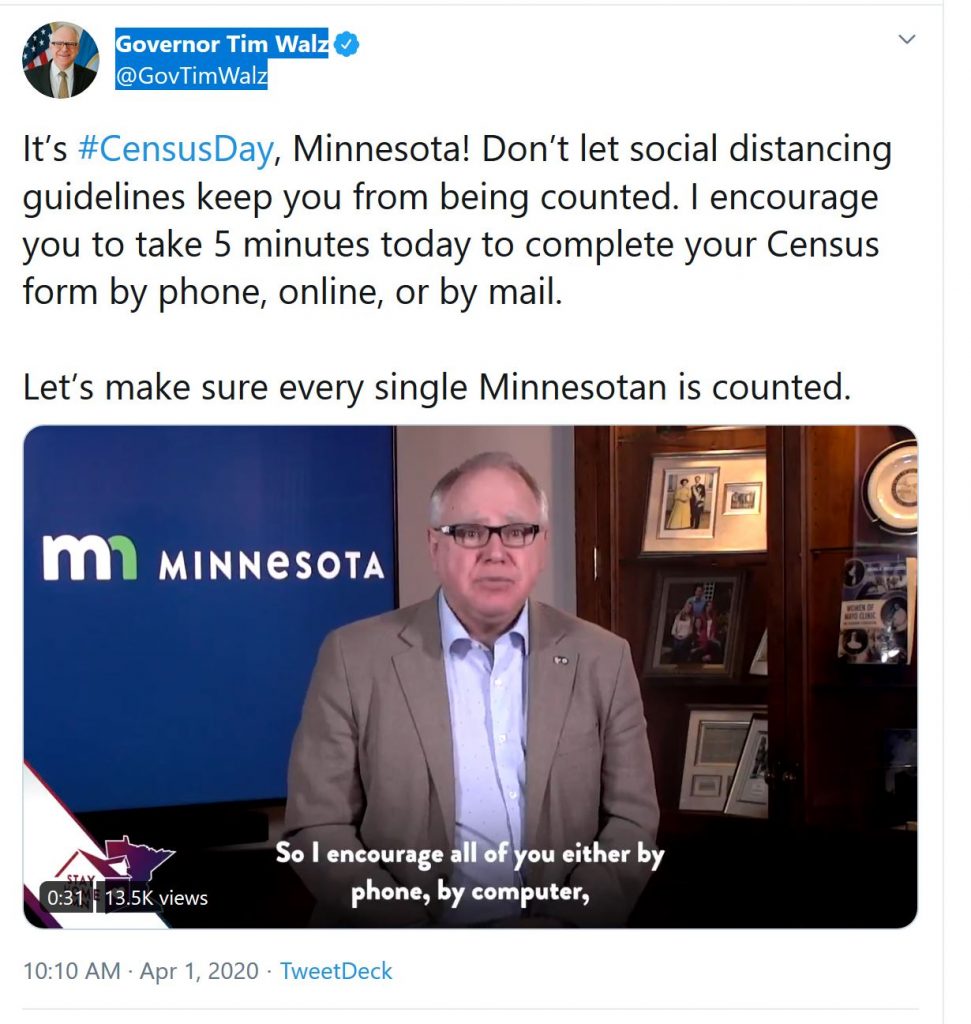
Minnesota Governor Tim Walz for example tweeted this morning “It’s #CensusDay, Minnesota! Don’t let social distancing guidelines keep you from being counted. I encourage you to take 5 minutes today to complete your Census form by phone, online, or by mail. Let’s make sure every single Minnesotan is counted.”

Walz Census Screen GrabRep. Mohamud Noor, the only elected black male in the Minnesota House of Representatives, took to Facebook to encourage participation “Happy Census Day 2020! Please fill the statistics https://my2020census.gov/,” he said.
April 1 is known as Census Day because it’s the day residents should reference, according to the US Census, when providing information about who lives in their home.

Information provided in the census, including residency status (documented or undocumented), is confidential and protected by federal law. This information can only be used to produce statistics, and cannot be shared with law enforcement or immigration enforcement agencies, or to determine eligibility for government benefits.

Why the census matters:

  • Results of the census are used to reapportion the House of Representatives, determining how many seats each state gets. In the last 2010 census, Minnesota came close to losing a seat, something many leaders in Minnesota is very eager to avoid.
  • The emerging class of African elected officials in state and local governments makes it imperative that areas with many African immigrants get full participation in this year’s census , as census data is used for redistricting efforts, ensuring populations have appropriate state and local representation.
  • Census data determines how more than $675 billion in federal funds are spent and apportioned to states, counties and communities.
  • Local governments like Brooklyn Park and Brooklyn Center use census data to ensure public safety and plan for new schools and hospitals.
  • Businesses may use census data to determine where to build stores, offices and other operations that create jobs in communities.

Complete the Census 2020 Online to avoid a visit from census staff:

For the first time in Census Bureau history, the census can be completed online, as well as by mail or phone. To respond online, you will need the materials each household should have already received in the mail. If you do not have or did not receive these materials, call 1-800-354-7271 to get a user ID.

As early as May, depending on the COVID-19 situation, census takers may start going door to obtain responses from those who have not completed the census. The census only asks questions about your residence, age, sex and the number of people who live with you.

Note: Census documents and census takers will never ask for Social Security numbers, bank or credit card numbers, money or donations, or anything related to political parties.

For more information, visit 2020census.gov.

Remembrance: Aurlus Mabele and Manu Dibango

0
AurlusDibango 1
Remembrance: Aurlus Mabele and Manu Dibango

The coronavirus has taken the lives of two elderly African musicians in Paris: Manu Dibango, a Cameroonian saxophone and vibraphone superstar, and Aurlus Mabele, the king of Congolese soukous music. National Public Radio’s Nairobi-based Eyder Peralta remembers the two. Mabele died on March 19, 2020 and Dibango died five days later on March 24, 2020.