Femi Kuti and the Positive Force Take the Stage at The Cedar
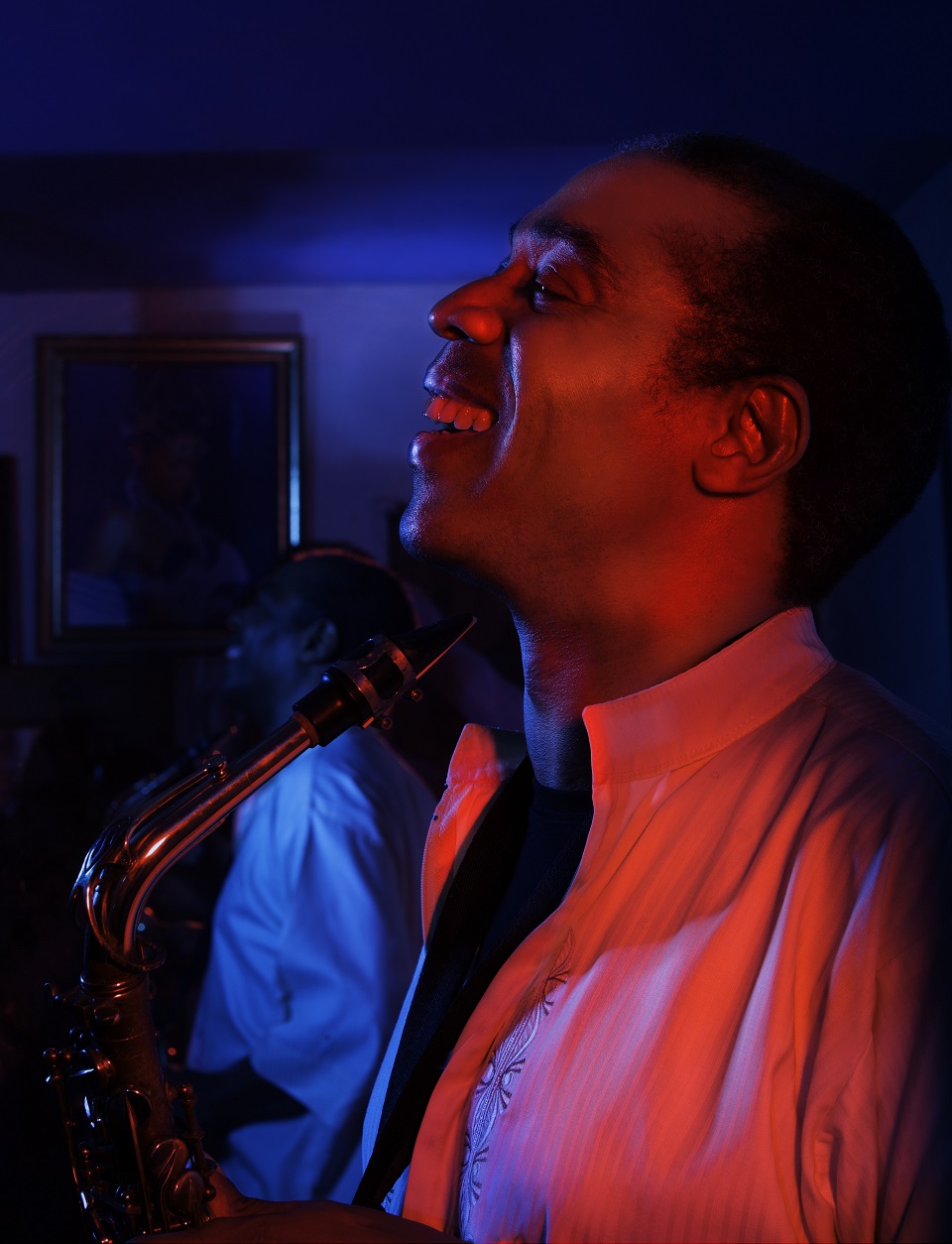
I couldn’t envision Femi Kuti and the Positive Force squashing onto The Cedar’s stage—not all the horn players, guitar players, drummers, dancers, keyboardist, and the man himself. I also could not imagine his gigantic sound contained indoors, definitely not in a space so small it only holds 600 concert-goers.
But somehow last Friday, July 15th, they did it. Kuti, the elder brother, and his magnificent entourage, cranked up the audience for two glorious hours.
In the dance-or- stand- only show, Kuti played music from his most recent album, No Place for My Dream, as well as reaching back to older numbers.
His message of political reform, revolutionary change, and the empowerment of the poor never wavered. Every song he played was electric, as if he were plugged into a 10,000 volt outlet the entire show.
He performed with a mastery that is unforgettable. Sweat poured from his body, soaking his red silk outfit. Unlike previous performances at the Minnesota Zoo, he never stripped down despite his high-intensity playing and movement. Any skin we saw from the dance floor was displayed by his dancers on stage. He blew his saxophone, pounded on keyboard, and sang—sometimes screamed—into the microphone. With circular breathing, he held onto horn notes so long, I couldn’t even count the minutes.
His voice called out in a wide range sometimes like a rolling thunder, sometimes menacing and commanding.
Kuti held his audience in trance-like attention as he moved his band from one song to the next with scarcely time to draw in breath. His three female dancers clad in beaded outfits shook their booties with expert force. A single male dancer stood to the back corner or the stage and writhed with rhythm, wearing a western tie-and-suit.
Mid-way through the second half of the show, Femi Kuti laughed at us in disbelief at our stiff movements. He directed us to dance and modeled what he meant. After that encouragement, at least half the audience produced some heat in response to the music. He also engaged us in some call-and-response that he wove throughout the show. Surprisingly to me, he only sang in English, even counting out to his band “one-two-three-four.”
There was very little banter between numbers, often none at all. His show was rich in music and dancing—pure entertainment as long as one suspends Kuti’s message. But this consummate musician won’t allow his message to be completed ignored. It’s in all his work and colors all his lyrics; it’s expressed in Kuti’s hand movements as he directs his band. As he proclaims the power of Afrobeat, he follows with the desperateness of his fellow Nigerians and their need for education, empowerment, and opportunities.
I felt simultaneously pummeled by his words/content and driven to frenzy by the music/conveyance. An amazing artist delivered a show that compels me to do better in this world of contention.
“How can you not care about 49 people killed in a nightclub,” Femi Kuti asks plaintively over the phone during an interview with Mshale recently. Indeed, this musical master of the Afrobeat who maintains his home in Lagos, Nigeria, does care.
His concern extends beyond his homeland where 86 people lost their lives in Dalori earlier this year as the Islamist extremist group Boko Haram gutted the village to find compassion for all lives throughout the world. “I have to be globally involved,” Kuti says.
A solution or resolution to the rampant violence and inequality among people won’t happen in his lifetime, Kuti states. Through music nursed on politics and social justice issues, he hopes to not only inspire people, but to raise awareness. “People have to have knowledge,” he says emphatically, “a major step is awareness.”
Femi Kuti & The Positive Force will perform at The Cedar Cultural Center on July 15th. If his past concerts can be held as an example, in his resonate voice, he’ll expound between numbers to talk to the audience and persuade them to deepen their awareness of current situations. Zuluzuluu and Worldwide Discotheque will play warm-up band.
This show is part of The Cedar’s Global Roots series.
For tickets go to The Cedar’s events page
Friday, July 15, 2016
Doors: 7:00 pm / Show: 8:00 pm
This is a standing show with an open floor.
Have you scheduled a back-to-school doctor visit for your preteen or teen? As kids get older, the protection from some of their childhood vaccines begins to wear off. There are also new diseases that teens can come in contact with in this stage of their lives. Keep your teens healthy with the meningococcal, HPV, Tdap, and influenza vaccines.
Vaccines for teens
Meningococcal Vaccine (MCV4, MenACWY)
Meningococcal conjugate vaccine protects against some of the germs that can cause two serious infections. One of them is meningitis, which is swelling of the lining of the brain and spinal cord. The other is a life-threatening blood infection. Your teen needs meningococcal vaccine at 11 or 12 years old and again at 16 years old.
HPV Vaccine
This shot is cancer prevention! Almost all people will be infected with human papillomavirus (HPV) at least once in their lives, and some forms of HPV can cause cancer at six different sites in the body, including the cervix and an area of the throat. There is no way to predict whether an HPV infection will be a type that may turn into cancer. HPV vaccines help protect against HPV infections and the cancers they cause. Teens need a series of three HPV shots. They can get these shots as early as age 9, but the shots are usually given with the other vaccines for teens at 11 or 12 years old.
Tdap Vaccine
This vaccine protects against three serious diseases: tetanus, diphtheria, and pertussis (also known as whooping cough). Your teen should receive the Tdap vaccine at 11 or 12 years old.
Influenza Vaccine
This vaccine protects against influenza (flu) and should be given every fall. The flu can cause health problems such as dehydration or lung infections.
When should my child be vaccinated?
A good time to get these vaccines is during a yearly checkup. Your teen can also get these vaccines at a physical exam required for sports, school, or camp. Even teens who missed these vaccines at 11 or 12 years can still get them at older ages. It’s a good idea to ask your health care provider at every visit if there are any vaccines your teen may need.
What else should I know about these vaccines?
All vaccines are studied in thousands of people before they are recommended to the public. Researchers check to be sure that less disease occurs in people who get a vaccine. They also make sure the vaccine doesn’t cause serious side effects. Vaccines can cause mild effects, like soreness or redness at the spot where the shot was given, and some people cannot receive certain vaccines because they have allergies to the ingredients. Occasionally, teens faint after getting any kind of shots. It’s a good idea to sit for 15 minutes afterwards.
How can I get help paying for these vaccines?
The Vaccines for Children (VFC) program provides free or low-cost vaccines for some children and teens. Talk to your health care provider to find out if you’re eligible.
Where can I learn more?
Visit www.vax4teens.com for more information on keeping your teen healthy and happy.
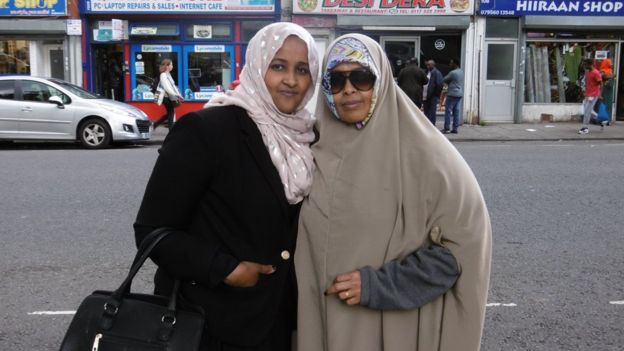
Some Somalis in Bristol told the BBC they were in favor of remaining because of connections with other Somali communities in Europe. Photo: Courtesy of GIN
Some Somalis in Bristol told the BBC they were in favor of remaining because of connections with other Somali communities in Europe. Photo: Courtesy of GINSome Somalis in Bristol told the BBC they were in favor of remaining because of connections with other Somali communities in Europe. Photo: Courtesy of GIN
Writing on the blogpost This Is Africa, Malawi journalist Levi Kabwato tackled the much reported story of “Brexit” from his own unique perspective.
“European Union policies towards Africa and the rest of the Global South are unhelpful to the ordinary African,” he began. “It is against this backdrop that we must see Britain’s referendum on the EU and use what we have already seen the EU do to its poorer member countries to craft more critical and useful thoughts on how Africa can respond to developments such as Brexit.”
Kabwato noted the near uniformity of news reports on Brexit, bemoaning “a weakened South African rand”, and prophesizing an apocalypse as “vital trade agreements” implode.
He continues: “This is the same EU that, earlier in June 2016, signed an Economic Partnership Agreement in Gaborone, Botswana that included a bilateral protocol between the EU and South Africa on the protection of geographical indications and on trade in wines and spirits.”
“What would this actually mean for a homeless person? Or a struggling black farmer, marginalized and not empowered?” he asked.
“The absence of an alternative narrative regarding this main news story should worry Africans who have been made to believe that they are facing imminent problems should Britain leave the EU.
“Is a weak Britain necessarily bad for the continent because it threatens the ‘Empire’? Is it not an opportunity for Africa to negotiate future trade and cultural deals from a position of strength?
“If Brexit must point Africans to anything, it is the pace at which democracy is being threatened in Europe, how poor countries like Greece are being further impoverished via their association with the EU and how the EU itself has become an anti-democratic institution, often meddling in domestic policies of member states. This means that the organic (local) hopes, dreams and aspirations of ordinary European citizens are routinely dismissed or ignored altogether.
“Is this what Africans concerned about Brexit are mourning? Or is it the myth of British exceptionalism, with its painful links to colonialism? Perhaps it is the trade agreements – most of them kept in secret?
“Maybe it is to stand in solidarity with the working class of Britain, which has borne the brunt of EU-imposed policies that have impacted negatively on their income and quality of life.”
In a lighter vein, the website OkayAfrica posed the question WhatifDavidCameronwasAfrican?”regarding the just-resigned Prime Minister. Patrick Nkusi tweeted back: “We would still be counting the votes and only God knows till when…”
Immigrants are waiting on a key decision on Obama immigration policies by the US Supreme Court expected by the end of June.
Immigrants are waiting on a key decision on Obama immigration policies by the US Supreme Court expected by the end of June. Immigrants are waiting on a key decision on Obama immigration policies by the US Supreme Court expected by the end of June.
The U.S. Supreme Court will announce its decision in United States v. Texas between now and the end of June. The outcome will determine the future of two immigration relief programs on hold since Obama first announced them in 2014.
If the Supreme Court sides with the Obama administration, the programs would finally go into effect, providing certain undocumented immigrants with temporary protection from deportation and access to a work permit and a social security number.
One program would expand DACA (Deferred Action for Childhood Arrivals), eliminating the age cap now in place with the existing program that was first announced in 2012.
The other, called DAPA (Deferred Action for Parents of Americans), would create a new program for undocumented parents who have U.S.-citizen or legal permanent resident children.
“If and when these programs go into effect, Ready California is working with many groups to get ready,” said Sara Feldman, project director of Ready California, a statewide collaborative that is working to ensure the maximum number of eligible Californians benefit from DACA and DAPA.
Nationally, an estimated 5 million people could be eligible to apply for one of the programs.
Three scenarios
Advocates are preparing immigrant communities for three possible outcomes.
In the case of a positive 5-3 decision, expanded DACA is expected to go into effect within days or weeks. DAPA is expected to go into effect a little later, in several weeks or months.
Families can start getting their documents together, but they will not be able to apply until the programs go into effect. Advocates warn that the potential for immigration scams during this time could be high, and that families should not pay anyone who promises to get them on a “waiting list” for a program that isn’t available yet.
In the case of a negative decision or a 4-4 split, DAPA and expanded DACA would remain blocked. However, a 4-4 split would not set legal precedent and could not be used as a legal challenge to the current DACA program.
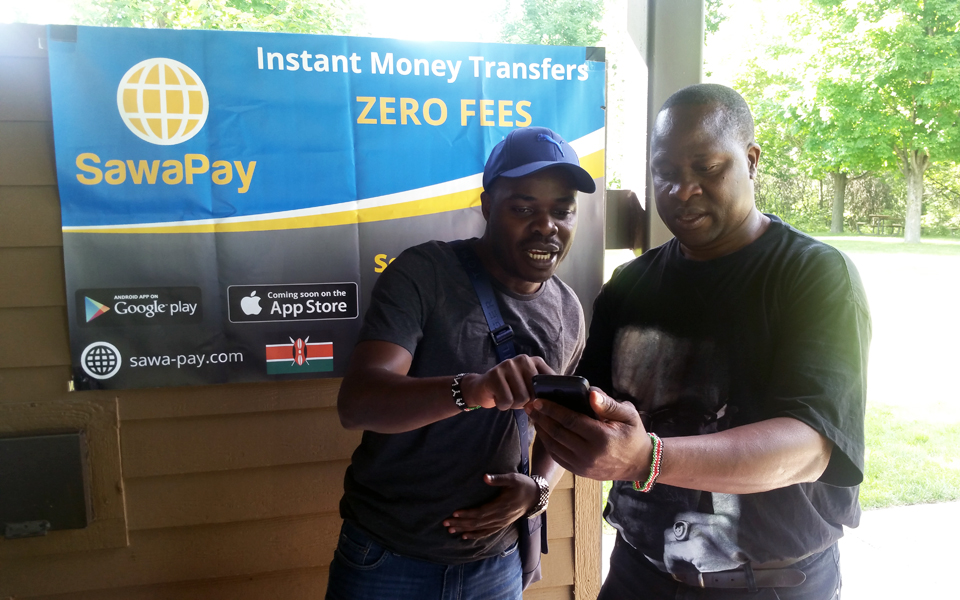
Alan Osoro, First Choice Global Ltd. CEO and Managing Director (left), during the Minnesota Madaraka Day Family event at a local park demonstrated to Kenyan-Americans like Henry Momanyi above, the SawaPay app that his company has launched for sending money for free to Kenya. Photo: Tom Gitaa/Mshale
Alan Osoro, First Choice Global Ltd. CEO and Managing Director (left), during the Minnesota Madaraka Day Family event at a local park demonstrated to Kenyan-Americans like Henry Momanyi above, the SawaPay app that his company has launched for sending money for free to Kenya. Photo: Tom Gitaa/MshaleAlan Osoro, First Choice Global Ltd. CEO and Managing Director (left), during the Minnesota Madaraka Day Family event at a local park demonstrated to Kenyan-Americans like Henry Momanyi above, the SawaPay app that his company has launched for sending money for free to Kenya. Photo: Tom Gitaa/MshaleA crossection of the Kenyan-Americans at a Minnesota Madaraka Day celebration where the SawaPay app was launched by First Choice Global Ltd. CEO Peter Osoro and his VP of Operations, Peter Okwera. The app enables senders to send money for free to Kenya. Photo: Tom Gitaa/Mshale
MINNEAPOLIS – The money transfer landscape in the North America to Kenya corridor is about to undergo a major shakeup with the entry of SawaPay into the market. SawaPay is an app-based service owned by Kenya-based First Choice Global Ltd. It provides ‘free’ and instant money transfer to receivers’ mobile wallets in Kenya, popularly known as M-Pesa.
Kenyans in North America send an average of US$140 million each month through official channels, according to data from the Central Bank of Kenya. The bulk of the US$140 million originates in the United States.
The free app based service in the US-Kenya corridor is currently dominated by SendWave which debuted two years and dislodged behemoths Western Union and MoneyGram as the sender of choice among Kenyan-Americans in sending money to Kenya. Some estimates put SendWave’s market share of the Kenya-US corridor at 60%.
SawaPay started service in February and launched in the United States in March during the USA Sevens Rugby in Las Vegas, a popular destination event with Kenyan-Americans.
Unlike Western Union and MoneyGram, services such as SendWave and now SawaPay, do not charge fees to send money to recipients but instead make their money in the exchange rate, a model which Kenyans in North America have embraced as a better alternative. Funds have to come from the sender’s US debit card.
Even with the business model hinging on the exchange rate with no send fees charged, these new entrants still offer a favorable exchange rate in comparison to Western Union and MoneyGram. While one can also send money to M-Pesa with the traditional services like Western Union and MoneyGram, just like is the case at their agent locations, customers have to pay a fee to do so.
At the time of posting this story for example, a Kenyan-American sending $100 to their recipient in Kenya would have had that recipient receiving Ksh. 8,926 or Ksh. 9,183 respectively from Western Union and MoneyGram. A test of a similar SawaPay send by yielded Ksh. 9,806 for that recipient, an almost 10% more money in the pocket for the recipient not including the $2.99 (Western Union) or $4.99 (MoneyGram) the Kenyan-American sender would incur to send from zip code 55403 (Mshale office) according to those company’s websites.
“We are a fully Kenyan owned company,” Alan Osoro, the First Choice Global CEO and Managing Director told Mshale during an interview.
Five of the seven directors are based in Kenya and the other two are in Atlanta and Minneapolis, he said. The two US based directors are Kenyan-Americans.
CoinX which is licensed in 42 states in the United States as an MTO (Money Transfer Operator), has struck an agreement with SawaPay which makes the latter their exclusive correspondent agent into SubSaharan Africa, Osoro told Mshale.
The emergence of SawaPay is not an answer to SendWave, Osoro told Mshale. “We only found out about them (SendWave) when we were in the development phase two years ago.”
“One of the advantages we offer the diaspora here in the US is the ability to pay other bills directly to commercial entities in Kenya that others do not offer,” Osoro said. Instead of sending money directly to their relatives for projects they are undertaking, the diaspora can now send those payments directly to the businesses in Kenya, known as PaybIlls. “They can also pay school fees to the school directly.”
“Senders can also send money from their US bank accounts to M-Pesa in Kenya although that will not be available instantly in the recipient’s M-Pesa as is the case when the source of funds is the debit card as the funds have to clear first, but is an option for those who might prefer that,” added Mr. Osoro.
Mr. Osoro, along with his co-founder Samuel Njehu, is currently in the United States on an ambitious SawaPay Road show to promote the company’s service. Osoro and Njehu are the co-founders along with Erastus Kamau, with Osoro being the originator of the concept before bringing the other two onboard.
At the official Minnesota Madaraka Day family day celebration at a local park over the weekend, Osoro and the Atlanta-based Peter Okwera, the company’s VP of Operations, formally introduced the service to Kenyans in the state which ranks among the top five contributors of the $140 million monthly that is sent to Kenya from North America.
“Reception has been warm from the diaspora,” Osoro said.
Murugi Mutiga was evidence of that warm reception, a new customer SawaPay gained during its Minnesota leg of the road show. Mutiga, a Kenyan-American lecturer at a local community college, said she tried the service during the Madaraka Day Dinner at a local hotel where Osoro presented and liked it.
“I was able to send M-Pesa just fine to my sister and she got it instantly. I also sent a small amount to my bank account in Kenya and it worked,” an excited Mutiga told Mshale. “I love it so now I do not have to pay to wire money to my account.”
“I have been using SendWave but I will stop using it and switch to SawaPay now that i know it is run by Kenyans and we have to support our own businesses.” Her only gripe with SawaPay is that the app does not show western Union and MoneyGram’s exchange rates the way its competitor SendWave does.
Sponsorships
Responding to a question on whether SawaPay, unlike its similar competitor SendWave, plans to sponsor Kenyan events in the United States, Osoro said “we have been supporting a lot of diaspora events since our launch in February and we plan to continue doing that but (it) is a two-way street, we support you (the diaspora) and you support us.”
The chairman of the Minnesota Madaraka Day Committee, Geoffrey Gichana, confirmed to Mshale that SawaPay joined its competitors Western Union and MoneyGram as key sponsors of this year’s celebration that drew a turnout of over 500 during the family day portion of the festivities.
“I am also pleased by what they have indicated their intentions are going forward in terms of sponsorships,” Gichana said.
Market Share
In a wide ranging interview with Mshale on his company’s entry into the United States, the First Choice Global CEO said the company’s goal is to grab upwards of 30% of market share in the Us-Kenya corridor of the money transferred within the next twelve months.
“We are also in discussion on how we can extend ownership by expanding the shareholding to Kenyans in the Diaspora, but more to come on that,” Osoro said.
The SawaPay app can be downloaded at the Google PlayStore and will be available soon on the Apple iTunes store. Its website is here.
As the Finance Minister for Kenya and as a proud Minnesotan who is a member of the Kenyan diaspora, we have always been aware of the importance of education and the role it plays in Kenya’s national development and future.
Kenya has always been aware that the needs of the education sector are immense, both structurally and materially. Unsurprisingly, the education sector was the top recipient of the national budget, receiving close to 30 percent of the total.
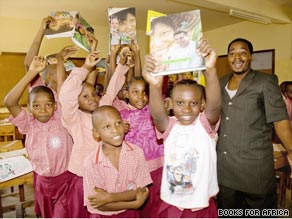
Even though Kenya recently attained middle income status, it still faces some challenges that are common to most African countries: namely lack of enough teachers, inadequate supply of teaching materials and, most importantly, an acute lack of text books whether for the official curriculum or leisure reading.
Last year the United Nations adopted 17 Sustainable Development Goals or as the UN put it, “17 goals to transform our world.”
One of the 17 goals is “Quality Education.” The 2030 Agenda for Sustainable Development calls on countries to begin efforts to achieve the 17 SDGs over the next 15 years. Kenya as a country is committed to the Sustainable Development Goals.
The many challenges that Kenya, and indeed other African countries, face can be tackled through education just as the United Nations has visualized.
Education is particularly important for our young people who will be tomorrow’s leaders. Kenya, like many countries across the world, has experienced the atrocious consequences of increasing radicalization and the scourge of violence from extremist groups. As the world looks for strategies to counter the radicalization trend and protect its citizens, we remain fully cognizant that military force is only but one tool. In the long-term, access to quality education is the bulwark against young people turning to radicalization and violence. When a population is more educated, people have more opportunities for economic and social advancement. A better educated population leads to better governance and the development of the rule of law.
That is why Kenya is proud to collaborate with Non-Governmental Organizations (NGOs) like St Paul-based Books for Africa (BFA). We are proud to note that Kenya has consistently been one of the top recipients of educational books from BFA. Since 1988, more than 34 million books have been sent by BFA to various countries in Africa and more than 1.8 million of these books have been sent to our young students in Kenya. The books have been extremely useful and helpful to our students.
Equally, we also greatly appreciate the good work that our Diaspora communities here in Minnesota and in the U.S. are doing to work with the youth to point out the importance of education.
Last year, Kenya was proud to host President Barack Obama who paid us a visit for the first time since he became President. President Obama recognized the value of education in his talk with the youth:
“And when it comes to the people of Kenya—particularly the youth—I believe there is no limit to what you can achieve. A young, ambitious Kenyan today should not have to do what my grandfather did, and serve a foreign master. You don’t need to do what my father did, and leave your home in order to get a good education and access to opportunity. Because of Kenya’s progress, because of your potential, you can build your future right here, right now.”
This inspiring message is premised on the achievements made by Kenya in the education sector and which would not have been attained without the generous and consistent support of international partners such as BFA.
Kenya will continue to work collaboratively with like-minded partners in achieving these goals and we expect that other African countries will do the same. The work of BFA, like that of other American NGOs that work in education, health care and economic development, is a clear reminder of the friendship, partnership and goodwill that Americans have for Africa. We greatly appreciate the sacrifice and endeavor that enables our students to help themselves achieve a better life.
Get free or low-cost vaccines through the UUAV program
Aminata Kamara knows how important it is that her children are up-to-date on all of their shots so that they are protected from dangerous diseases. She also knows that she and other adult family members need shots to stay healthy and keep their families healthy. Getting all recommended vaccines protects Aminata, her family, and community from the spread of disease.
Each year, thousands of adults in the U.S. suffer from serious illnesses that could have been prevented by vaccines. Even if you were fully vaccinated as a child, your protection from certain diseases wears off. That’s why we get boosters. Do you remember when your last tetanus booster was? Adults need one every ten years. You may also need vaccines due to long-term health conditions, your job, or certain times when you may be exposed to dangerous germs.
The cost of vaccines may prevent some people from getting vaccinated. Did you know most health insurance plans now cover the cost of recommended vaccines? Call the number on the back of your insurance card if you are not sure about your plan.
There is also a program for adults in Minnesota to get low-cost shots. If you don’t have health insurance or if your insurance doesn’t cover certain vaccines, you are eligible to receive free or low-cost shots at participating clinics. There are over 180 clinics located throughout Minnesota that participate in the Uninsured and Underinsured Adult Vaccine (UUAV) program. They usually offer all vaccines that are recommended for adults, including flu shots. These clinics do not charge for the cost of the vaccine and may only charge a small fee for giving the vaccine.
Siama Matuzungidi traveled across Africa performing his beloved soukous music of Zaire, now Democratic Republic of the Congo. Along the journey, he felt influences from Uganda, Kenya, and even Japan and Dubai.
Fate, both his and ours, landed him in Minnesota where he’s continued to experiment musically and expand his repertoire. The word, “soukous” originates from the French word, “secouer,” which is “to shake.” Matuzungidi’s music, like all excellent soukous music, compels its listener to stand up and dance. The audience will not be disappointed with the sounds that emanate from the stage.
This renowned soukous player will collaborate with familiar Minnesotans such as gospel singer JD Steele, fellow McKnight Performing Artist Fellowships recipient, Jacqueline Ultan on cello, as well as others including Carnatic Indian singer and veena virtuoso Nirmala Rajasekar, master Tibetan multi-instrumentalist Tenzen Ngawang, and Joe Savage on a mean pedal steel, in total, well over a dozen musicians. With Matuzungidi at the helm, their polyphonic and layered show promises a transformative experience.
Ultan said, upon first hearing Matuzungidi’s music, “I was immediately swept into a place of joy and beauty by his sound.” As they contemplated joining forces, the cellist continued, “I had never played African music before and Siama had never worked with a cellist, so this was a new experience for both of us. We are both versatile musicians with an interest in learning and trying different styles and immediately found a common ground, creating music that neither of us had ever really heard or played before.”
The evening will also enjoy the release of Siama Matuzungidi’s newest album, Rivers-from the Congo to the Mississippi.
With the support of the Cedar Cultural Center and a grant from the Minnesota State Arts Board, Matuzungidi performs on stage on Tuesday, May 31st.
Buy Tickets
Tuesday, May 31, 2016 – 7:30pm
Doors Open: 7:00pm
Advance: $12.00
Day of show: $15.00
All-Ages; Standing Show
Considered a hero and known to many as “mama or sister Abia” , Abia Ali died of cancer on May 8, 2016. Photo: Courtesy of Go Fund Me
Considered a hero and known to many as “mama or sister Abia” , Abia Ali died of cancer on May 8, 2016. Photo: Courtesy of Go Fund MeConsidered a hero and known to many as “mama or sister Abia” , Bia Ali died of cancer on May 8, 2016. Photo: Courtesy of GoFundMe
This year’s Mother’s Day came with the shocking death of a Minnesota mother, exploding social media and other local news outlets.
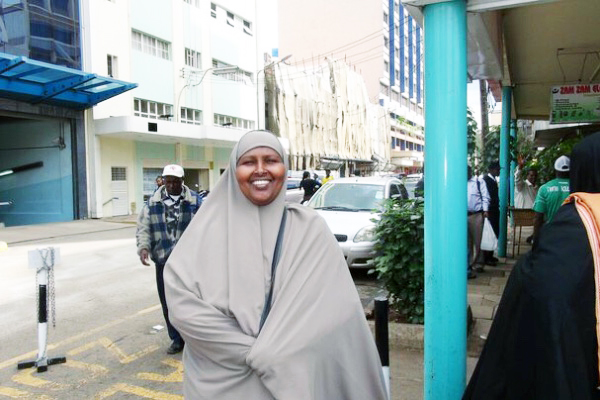
Many in Minnesota and around the world woke up to the sad news that Mama Abia Ali, 54, died from cancer.
“… our sister, known to many as Mother Abiya, who was well known in the AbuBakr Siddique Community in Minneapolis has lost her fight with cancer and retuned to her Lord. She died today in Mogadishu, Somalia,” declared the Minnesota Janazah Announcement Saturday at 10:03 p.m., a group that notifies its 16,865 members deaths and burial information.
Ali known to many as “mama or sister Abia” was diagnosed with cancer in 2014, leaving the Somali community in shock while she refused to succumb to her illness.
“I accept death,” said Roble Jama, security personnel at Karmel Square Mall. “I lost someone that the community needed. She inspired me.”
While her legacy in Minnesota begun in 1995, Ali became the first Minneapolis’ Somali woman and the first Muslim woman to win an annual Minneapolis Police volunteerism award, In 2008. Ali was awarded Teresa S. Ruhland Youth Award, an honor that recognizes adults who reach out to young people to build a better future for all city residents. It’s no surprise to many of all Ali’s accomplishments and tireless contribution to her community.
Ali’s life was built on volunteerism that sought no recognition and fame. She dedicated her life to help the needy here in the U.S. and Somalia. She was the pioneer of fundraiser events, mentor to many youth, an avid helper to orphaned children, a committed member of mosques and a pillar of Karmel Square Somali Mall in Minneapolis, to point a few.
Somalia remained home.
Ali performed Umrah, a timeless pilgrimage to Mecca, Saudi Arabia before returning to Mogadishu, Somalia where she later died. According to many reports, Ali’s burial was attended by more than thousands of mourners.
Ali always said, “I am happy we are Somali,” beaming with a smile.
Ali’s legacy lives on in the countless lives she touched in her community. Members of the Karmel Mall proposed the naming of Ali’s corner in Karmel after the lost mother.
“We will call it Abia’s Corner,” Jama said.
Ali is survived by her three children and husband, Adan. The Somali community and mosques will hold an event after May 15, 2016, to commemorate the legend’s many years of service in her community.
The community has setup a GoFundMe fundraising page to assist with hospital and funeral expenses at https://www.gofundme.com/mamaabia
Atsede Baysa, left, and Lemi Berhanu Hayle, both of Ethiopia, moments after they won the women's and men's divisions of the 120th Boston Marathon on Monday, April 18, 2016, in Boston. Photo: Courtesy Boston Marathon
Atsede Baysa, left, and Lemi Berhanu Hayle, both of Ethiopia, moments after they won the women's and men's divisions of the 120th Boston Marathon on Monday, April 18, 2016, in Boston. Photo: Courtesy Boston MarathonAtsede Baysa, left, and Lemi Berhanu Hayle, both of Ethiopia, moments after they won the women’s and men’s divisions of the 120th Boston Marathon on Monday, April 18, 2016, in Boston. Photo: Courtesy Boston Marathon
Ethiopians swept the Boston Marathon today for the first time in the race’s history, toppling the Kenyans who have dominated the race for decades.
It was a 1-2-3 sweep in the men’s race with Lemi Berhanu Hayle leading fellow countrymen Lelisa Desisa and Yemane Adhane Tsegay to the finish line. Hayle crossed the finish line with a time of 2:12:45.
In the women’s race, the Ethiopians almost shut out the Kenyans as well, as they won in that race as well and also clinched the second position.
Atsede Baysa won the women’s race with a time of 2:29:19 hours, 44 seconds ahead of Tirfi Tsegaye, also of Ethiopia. Baysa is also a two-time Chicago Marathon winner.
Joyce Chepkirui came in third to avoid a shut out of the Kenyans. The Kenyan athletes are under intense scrutiny following action by the World Anti-Doping Agency to put Kenya under probation after 40 athletes tested positive for performance enhancing drugs.
During a visit to Minneapolis last November to host running clinics for Minnesotans, the 2014 New York Marathon winner Wilson Kipsang, in informal conversations with this reporter who was a participant in the running clinic, said the performance enhancing scandal in his country is partly due to foreign managers misleading young athletes.


 I couldn’t envision Femi Kuti and the Positive Force squashing onto The Cedar’s stage—not all the horn players, guitar players, drummers, dancers, keyboardist, and the man himself. I also could not imagine his gigantic sound contained indoors, definitely not in a space so small it only holds 600 concert-goers.
 “How can you not care about 49 people killed in a nightclub,”

 Have you scheduled a back-to-school doctor visit for your preteen or teen? As kids get older, the protection from some of their childhood vaccines begins to wear off. There are also new diseases that teens can come in contact with in this stage of their lives. Keep your teens healthy with the meningococcal, HPV, Tdap, and influenza vaccines.