A food drive for the orphans of the Ebola crisis in West Africa will kick off at the Brooklyn Park Community Center in the city of Brooklyn park, Minnesota on Saturday, February 21 2015 at 11am through 6pm. the public is encouraged to bring non-perishable food items.
A food drive for the orphans of the Ebola crisis in West Africa will kick off at the Brooklyn Park Community Center in the city of Brooklyn park, Minnesota on Saturday, February 21 2015 at 11am through 6pm. the public is encouraged to bring non-perishable food items.A food drive for the orphans of the Ebola crisis in West Africa will kick off at the Brooklyn Park Community Center in the city of Brooklyn park, Minnesota on Saturday, February 21 2015 at 11am through 6pm. the public is encouraged to bring non-perishable food items.
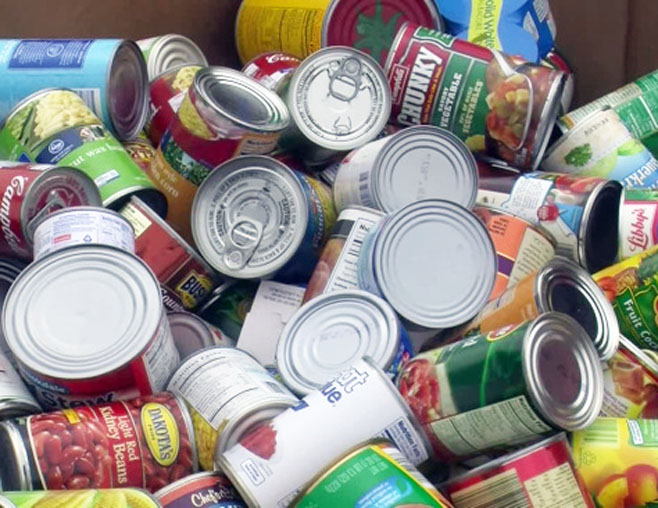
A food drive to benefit the orphans and neglected children stemming for the Ebola outbreak that devastated Liberia, Guinea and sierra leone, kicks off tomorrow (February 21) at the Brooklyn Park Community Center starting from 11am to 6pm. Food supplies collected will be sent to reputable organizations already working in the region to address hunger and the aftermath of Ebola.
The Minnesota African Task Force Against Ebola (MATFAE) is coordinating the food drive and is a continuation of its heightened profile in leading the African immigrant community response to the epidemic. MATFAE is appealing to the public to bring non-perishable food items to share with those whose lives have been negatively impacted by Ebola in West Africa
MATFAE said in statement the food drive is a first step “in a sustained campaign to help address hunger and food insecurity in the three countries most affected by the Ebola outbreak.”
“Even as a united world races to contain the spread of Ebola in West Africa, life-threatening hunger and chronic food insecurity are beginning to devastate the lives of vulnerable people, especially poor families, orphans, neglected children, and seniors,” said Robena Lewis-Vincent, project coordinator of the food drive. “Unless the African Diaspora plays its part, so many vulnerable lives will be expose to serious life-threatening crises beyond our worse fears.”
The World Bank, which with its sister organization the International monetary Fund (IMF) was blamed in an in depth study by a UK organization for contributing to the spread of Ebola by discouraging public investments in health, has estimated that almost a million people in the three affected countries are facing increasing hunger and acute food shortages.The Ebola crisis affected agriculture production.
Volunteers are also needed for the event. those interested can call Robena Lewis-Vincent at 660-687-9016, MATFAE Chair Abdullah Kiatamba at 612-388-4767 of the Assistant Coordinator Isaac Owens at 612-323-8834.
Ebola Orphans Food Drive
Saturday, February 21, 2015 11:00am-6:00pm Location: Brooklyn park Community Center, 5600 85th Ave N, Minneapolis, MN 55443
Project Coordinator Contact: Robena Lewis-Vincent, 660-687-9016
More info: www.kickebolaout.org or www.facebook.com/MATFAE
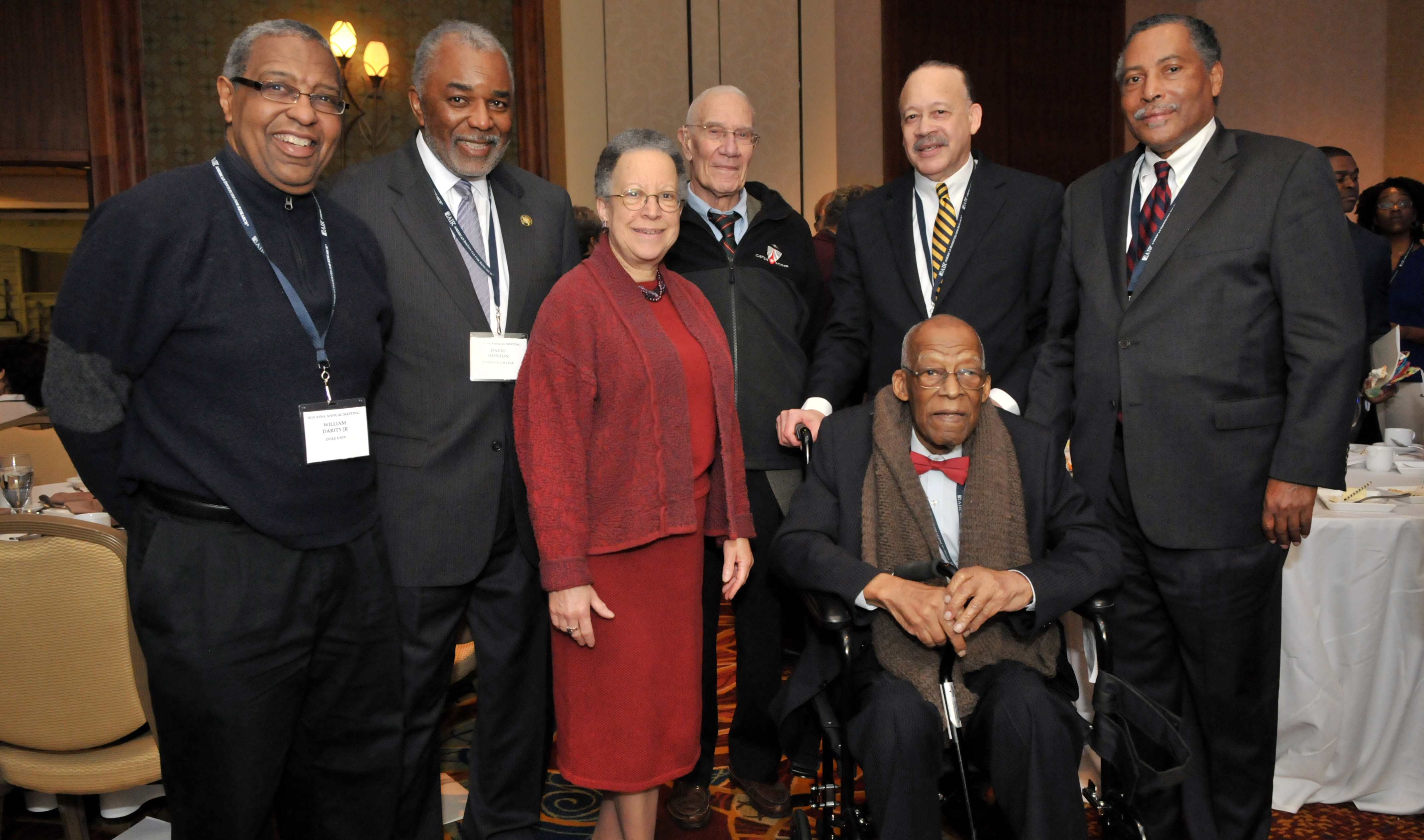
William Darity, Jr - Samuel Dubois Cook Professor of Public Policy; Margaret Simms, PhD - Institute Fellow at the Urban Institute; Robert Solow, Professor of Economics, Emeritus MIT (Myers, Jr.'s dissertation advisor at MIT); Bernard Anderson - Whitney M. Young, Jr. Professor of Management at the Wharton School;Samuel Myers, Jr - Professor, Roy Wilkins Center for Human Relations and Social Justice;David Swinton, PhD - President, Benedict College in Columbia, SC; Samuel Myers, Sr - Chairman of the Board - Minority Access, Inc. All are recipients of the Westerfield Award.Photo Courtesy of Craig Bailey/Perspective Photo via U of MN
William Darity, Jr - Samuel Dubois Cook Professor of Public Policy; Margaret Simms, PhD - Institute Fellow at the Urban Institute; Robert Solow, Professor of Economics, Emeritus MIT (Myers, Jr.'s dissertation advisor at MIT); Bernard Anderson - Whitney M. Young, Jr. Professor of Management at the Wharton School;Samuel Myers, Jr - Professor, Roy Wilkins Center for Human Relations and Social Justice;David Swinton, PhD - President, Benedict College in Columbia, SC; Samuel Myers, Sr - Chairman of the Board - Minority Access, Inc. All are recipients of the Westerfield Award.Photo Courtesy of Craig Bailey/Perspective Photo via U of MNWilliam Darity, Jr – Samuel Dubois Cook Professor of Public Policy; Margaret Simms, PhD – Institute Fellow at the Urban Institute; Robert Solow, Professor of Economics, Emeritus MIT (Myers, Jr.’s dissertation advisor at MIT); Bernard Anderson – Whitney M. Young, Jr. Professor of Management at the Wharton School;Samuel Myers, Jr – Professor, Roy Wilkins Center for Human Relations and Social Justice;David Swinton, PhD – President, Benedict College in Columbia, SC; Samuel Myers, Sr – Chairman of the Board – Minority Access, Inc. All are recipients of the Westerfield Award.Photo Courtesy of Craig Bailey/Perspective Photo via U of MN
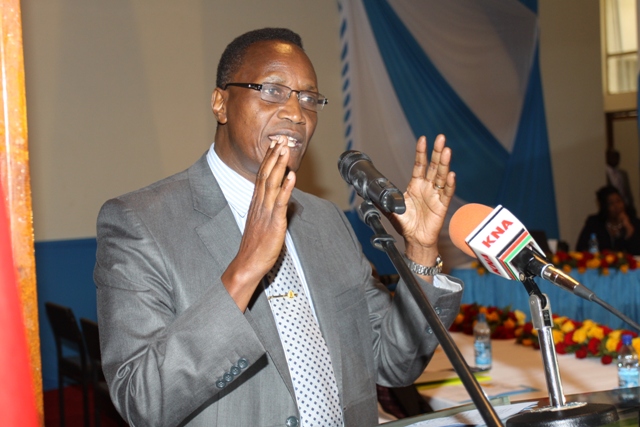
Dr. Samuel Myers, Jr., the Roy Wilkins Professor of Human Relations and Social Justice at the University of Minnesota’s Humphrey School of Public Affairs, has received the Samuel Z. Westerfield, Jr., Award by the National Economic Association (NEA). The award—NEA’s highest honor, awarded to recognize distinguished service, outstanding scholarship, and achievement of high standards of excellence—was presented at the organization’s annual meeting in January in Boston. Several past Westerfield Award recipients attended the event, including Dr. Myers’ father, Samuel Myers, Sr., who also previously received the same award. The event also drew Nobel Laureate, Robert M. Solow, Myers’ dissertation advisor at Massachusetts Institute of Technology.
“It was a significant honor to have two Harvard classmates of Samuel Westerfield in the audience: Samuel Myers, Sr. and Robert Solow,” says Dr. Sam Myers, Jr. “Both appreciate the connection to the University of Minnesota’s legendary economist, John D. Black, and the role of markets in affecting social and economic inequalities.”
Myers’ expertise and research focus on the impact of social policies on the economically disadvantaged. He is a national authority on the methodology of measuring racial and ethnic disparities in public procurement and contracting. Dr. Myers has served as an expert witness in groundbreaking litigation regarding disparity studies, including federal cases of GEOD vs New Jersey Transit (3rd Circuit Court of Appeals) and Geyer Signal vs Minnesota Department of Transportation. He regularly provides technical assistance to state transportation departments, airport authorities, and local transit agencies.
Myers has served as president of both the NEA and the Association of Public Policy and Management. He is an elected fellow of the National Academy of Public Administration and was a Fulbright Fellow with the Chinese Academy of Social Sciences in Beijing during the academic year of 2008-2009. Myers has consulted with the National Employment Policy Commission; National Academy of Sciences; U.S. Civil Rights Commission; U.S. General Accounting Office; and U.S. Congressional Committee on the Judiciary, Subcommittee on Crime; and served as a senior staff economist at the Federal Trade Commission.
The Westerfield Award is named after the distinguished economist and former Ambassador to Liberia, Samuel Z. Westerfield, Jr. Established in 1973, it acknowledges outstanding scholarly achievements and public service by an African-American economist. Previous recipients include Nobel Laureate and Princeton University Professor Sir W. Arthur Lewis, MIT Professor Phyllis Wallace, and Northwestern University Professor Marcus Alexis. The January ceremony was the first time that the son of a previous winner has been honored. In addition to Dr. Myers, Sr., past awardees who attended the event include David Swinton, Bernard Anderson, Margaret Simms, and William A. Darity, Jr.
Myers is the director of Roy Wilkins Center for Human Relations and Social Justice at the Humphrey School and has been a member of the Humphrey School faculty since 1992.
For information on the award ceremony, visit neaecon.org.
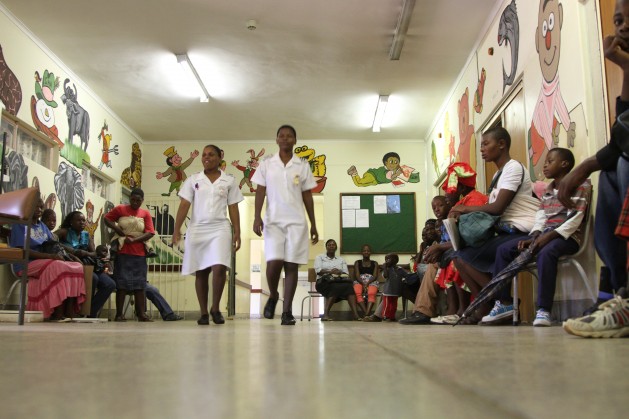
Many specialist doctors and nurses in Africa are migrating to greener pastures, leaving cancer patients with few options. Photo: Jeffrey Moyo/IPS
Many specialist doctors and nurses in Africa are migrating to greener pastures, leaving cancer patients with few options. Photo: Jeffrey Moyo/IPSMany specialist doctors and nurses in Africa are migrating to greener pastures, leaving cancer patients with few options. Photo: Jeffrey Moyo/IPS
HARARE – Hidden by the struggles to defeat Ebola, malaria and drug-resistant tuberculosis, a silent killer has been moving across the African continent, superseding infections of HIV and AIDS.
World Cancer Day commemorated on Feb. 4 may have come and gone, but the spread of cancer in Africa has been worrying global health organisations and experts year round. The continent, they fear, is ill-prepared for another health crisis of enormous proportions.
By 2020, according to the World Health Organisation (WHO), approximately 16 million new cases of cancer are anticipated worldwide, with 70 percent of them in developing countries. Africa and Asia are not spared.
“Africa is at a crossroads in the face of rising cancer cases, with the disease proving to be more deadly than HIV/AIDS and it is worsening at a time when the continent faces a serious shortage of cancer specialists,” Menzisi Thabane, a private oncologist in South Africa’s Eastern Cape Province, told IPS.
“Africa and its leaders have failed to recognise cancer as a high-priority health problem despite millions of people succumbing to the disease,” added Thabane.
Most of Africa’s 2,000 plus languages have no word for cancer. The common perception in both developing and developed countries is that it is a disease of the wealthy world, where high-fat, processed-food diets, alcohol, smoking and sedentary lifestyles fuel tumour growth.
While many cancers are linked to unhealthy diets and smoking, a large number – particularly in Africa – are caused by infections like hepatitis B and C which can lead to liver cancer and the human papillomavirus (HPV) that causes almost all cervical cancers.
An HPV vaccine treatment costs 350 dollars for three doses over six months in most sub-Saharan African countries, whereas in Zimbabwe radiotherapy costs between 3,000 and 4,000 dollars for a whole session.
A study published in 2011 found that since 1980 new cervical cancer case numbers and deaths dropped substantially in rich countries, but increased dramatically in Africa and other poor regions. Overall, 76 percent of new cervical cancer cases are in developing regions, and sub-Saharan Africa already has 22 percent of all cervical cancer cases worldwide.
According to Zimbabwe’s Ministry of Health and Child Care, the country only has four oncologists catering to over 7,000 cancer patients nationwide. “The shortage of cancer doctors stands as an impediment to comprehensive treatment and care for cancer patients here,” Dr Prosper Chonzi, director of Health Services in the Zimbabwean capital, Harare, told IPS.
The shortage of cancer specialists is also seen in West Africa.
Last year, The Vanguard, a Nigerian newspaper, reported that there were an estimated 60 oncologists serving over 300 million people in the West African sub-region with fewer than 20 oncologists serving 160 million Nigerians. Ghana has only seven for 24 million people, Burkina Faso two and Cote D’Ivoire just one. Sierra Leone has more than six million people and no cancer doctors.
Across the continent in Kenya, cancer accounts for approximately 18,000 deaths annually, with up to 60 percent of fatalities occurring among people who are in the most productive years of their life. Men are most commonly diagnosed with prostate or oesophageal cancer, and women are most frequently affected by breast and cervical cancer.
Zimbabwe’s health activists blame the absence of cancer education for the upsurge of fatal cases in the African nation. “Very few people, including government, consider cancer a real threat to the health delivery system,” Agnes Matutu, director of the Zimbabwe Cancer Alliance, an anti-cancer lobby group here, told IPS.
Melody Hamandishe, a retired government nutritionist, told IPS she blamed imported genetically modified foods. This contributes to cancer, she said, as does the abuse of alcohol, often causing liver cancer.
In Zambia, anti-cancer activists accuse the government of not prioritising the fight against the disease. “People are perishing in huge numbers because of cancer here in Zambia while government is seized with fighting HIV/AIDS,” Kitana Phiri, a cervical cancer survivor, now a devoted anti-cancer activist based in the Zambian capital, Lusaka, told IPS.
In Tanzania, cancer is also wreaking havoc. A January 2014 report by the Ocean Road Cancer Institute (ORCI), the only specialised facility for cancer treatment in this east African nation, said there are 100 new patients in every 100,000 population out of the country’s population of 45 million.
Finally, in Namibia, uranium workers were reported to have elevated rates of cancers and other illnesses after working in one of Africa’s largest mines.
Rio Tinto’s Rössing uranium mine extracts millions of tonnes of rock a year for the mineral. “Most workers stated that they are not informed about their health conditions and do not know if they have been exposed to radiation or not. Some workers said they consulted a private doctor to get a second opinion,” say researchers at Earthlife Namibia and the Labour Resource and Research Institute who collaborated in a study.
“The older workers all said they know miners dying of cancers and other illnesses. Many of these are now retired and many have already died of cancers,” says the study report.
Cancer is not beyond us in terms of cancer control and reducing the impact of the disease, declared the Cancer Association of South Africa (CANSA) on World Cancer Day this year.
“The global cancer epidemic is huge and set to rise,” said Elize Jourbert, head of CANSA. “In South Africa, more than 100 000 are diagnosed annually. This day helps us spread the word and raise the profile of cancer”.
Under the tagline ‘Not beyond us’, World Cancer Day in South Africa focused on taking a positive and proactive approach to the fight against cancer, highlighting that solutions do exist regarding cancer care and early detection and that they are within reach.
Meanwhile, Ellen Awuah-Darko, the 75-year-old founder of the Accra-based Jead Foundation for breast cancer, says her own experience – of finding a breast lump and ending up paying tens of thousands of dollars to be treated in the United States – made her to try force change.
“In America I had to put down 70,000 dollars before they’d even talk to me,” she said. “I was lucky, I could afford it after my husband died and left me money, but I thought ‘why should I get treatment when others can’t’.”
Now, every Wednesday, Awuah-Darko goes with healthcare workers into communities in the Eastern Region of Ghana to offer women breast screening. It is not the high-tech mammogram or ultrasound scan but a simple breast examination and a lesson in how to self-check.
“Early detection can save your life,” she said. “I want everybody to know that. It’s not something people should be ashamed of or embarrassed about.”
Pressured by the U.S. government’s anti-terrorism crackdown, a small Southern California bank is cutting off a crucial source of aid to families in war-ravaged Somalia — money wired from Somali immigrants in the United States.
Merchants Bank of California said it planned to stop wiring the funds to Somalia on Friday, following in the footsteps of a string of other banks that cut off the service since giants Wells Fargo & Co. and US Bancorp ended such transfers nearly a decade ago.
The one-office Carson bank had become a last resort for about a dozen money-transfer businesses that collect funds in U.S. offices and disperse them in Somalia, which has no connections to the international banking system or to such services as Moneygram and Western Union.
Somali-Americans said some relatives will be unable to afford food, clothing, rent or school fees if it becomes impossible to send money because of fears of illicit fund transfers to terrorists such as the Shabab, an Islamic militant group with ties to Al Qaeda.
“If this is shut down, it means people are not going to eat,” said caseworker Ali A. Mohamed at East African Community of Orange County in Anaheim, where an “Einstein was a refugee” poster hangs on a wall of the nonprofit for immigrants.
“Shutting down this option is like burning down the whole house to get one rat,” Mohamed said.
Somali expatriate Sadiq Yusuf Mohamud of Minneapolis, who immigrated in 1996 and became a U.S. citizen in 2008, sends $700 a month to five households of his own relatives in Somalia, Kenya and Ethiopia.
IRS launches directory of federal tax return preparers
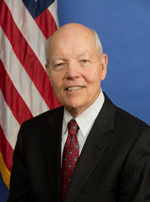
IRS Commissioner John Koskinen
The Internal Revenue Service has launched a new online directory of tax return preparers just as the tax filing season has kicked into gear. The searchable directory allows users to find tax professionals with credentials and select qualifications.
At the time of filing this report, all tax preparers advertising on Mshale after February 1 are listed on the IRS database. Of the more than 140 million tax returns filed last year, more than half were prepared with the help of a paid return preparer, according to the IRS.
IRS Commissioner John Koskinen said in a statement that those appearing on the database have completed the requirements for the voluntary IRS Annual Filing Season Program (AFSP) and have valid 2015 Preparer Tax Identification Numbers (PTIN). Koskinen said taxpayers should make sure their tax preparer has a valid PTIN and includes it on the tax return.
However, tax return preparers with PTINs who are not attorneys, CPAs, enrolled agents or AFSP participants are not included in the directory, nor are volunteer tax return preparers who offer free services.
Obamacare and your Taxes
New this year for those filing taxes are the requirements of the Affordable Care Act (ACA) aka Obamacare that requires everyone to have health care coverage. The directory can be a resource for taxpayers who may want to get help from tax professionals on the Affordable Care Act tax provisions that affect returns filed this year.“Taxpayers can also look to these tax professionals for help if they have questions about the new health care provisions on this year’s tax forms,” said IRS Commissioner John Koskinen.
The IRS searchable database which can be searched using the name, city, state and zip code of attorneys, CPAs, enrolled agents can be found here: http://irs.treasury.gov/rpo/rpo.jsf.
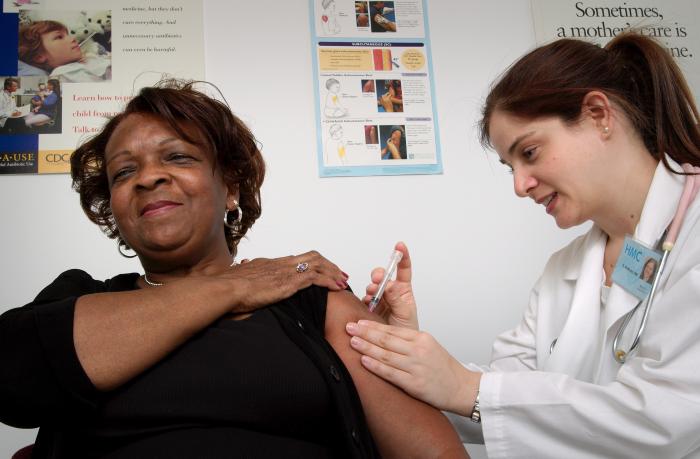
To keep your travels healthy, talk to your clinic or doctor about your trip, the shots you need and ways to stay healthy while traveling. Photo: Courtesy of the CDC
To keep your travels healthy, talk to your clinic or doctor about your trip, the shots you need and ways to stay healthy while traveling. Photo: Courtesy of the CDCTo keep your travels healthy, talk to your clinic or doctor about your trip, the shots you need and ways to stay healthy while traveling. Photo: Courtesy of the CDC
Measles kills 400 children in the world every day. It is very contagious and travels easily from one continent to another. But, there is something you can do to protect you and your family – get vaccinated.
If you are traveling overseas, make sure that you and your children are up-to-date on your measles, mumps and rubella vaccine (called MMR). Children as young as 6 months old should receive the MMR vaccine.
Polio is another infectious disease that has been spreading through travelers. Polio is a disease that can cause paralysis (cannot move a leg or arm) and sometimes meningitis (an infection in the brain and spinal cord). If the paralysis spreads it can cause a person to stop breathing.
The increase in the number of cases of polio has concerned health officials at the World Health Organization. They recommend that people who spend more than four weeks in a country where polio is found be vaccinated before they travel. People who are traveling to countries where polio is found should make sure to talk to their clinic about whether they need a booster and if their children have all the doses they need for travel.
It can be easy to think that these diseases won’t affect you and your family. One Minnesota mother found out how dangerous these diseases can be while traveling. Before traveling, the doctor recommended that her son get his MMR vaccine earlier than usual because they were traveling to visit family in Kenya. She meant for her son to get the vaccine, but he was finally sleeping. She decided it could wait until they came back. They were just going to visit family which didn’t seem like a big risk.
The day they returned home, her son developed cold symptoms – a cough, runny nose, and watery, red eyes. Then he got a fever and became very tired. She took him to the doctor, and they said it was a virus and to watch him closely. The cough got worse and the fever got higher so she took him to the doctor again. This time they put him in the hospital because he had pneumonia. The doctors did more tests and put him in a private room – he had measles.
It was hard for her child to breathe so they put him on a breathing machine. There were tubes in his mouth, nose, and arms. She felt helpless. The doctors warned that her son might die. For three weeks she watched a machine breath for her son.
The little boy survived, but his mother will never forget his suffering. The disease also spread to other people on the airplane and among family members that were not vaccinated. She tells anyone traveling overseas, “Be sure to get all the vaccines you or your family needs.”
To keep your travels healthy, talk to your clinic or doctor about your trip, the shots you need and ways to stay healthy while traveling.
Brooklyn Park forum to examine police and community relations
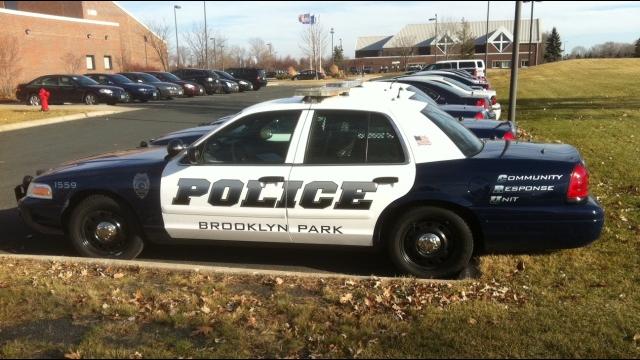
A forum to examine the relationship between police and communities of color with a focus on African immigrants will be held on Saturday, January 31 at Brooklyn Park Community Center starting at 5:30pm.
It is an initiative by the non-profit Global Fatherhood Foundation headed by Kenya-born Samuel Mwangi who sits on the City of Champlin’s Environmental Resources Commission. Mwangi says the forum is in response to calls from the community for a better way of “building relationships between the police and the community in the wake of recent events in Ferguson and New York City.” He said the Saturday forum will be first in a series of upcoming engagements that will address crime, racial disparities and just policing.
Mwangi said issues to be tackled on Saturday include what local African community leaders can do to contribute to good police/community relations and “basic civil rights to which citizens, and immigrants who are not yet citizens are entitled, and to the proper way to respond if you are stopped by the police.”
Panelists on Saturday will include Geoffrey Gichana, president of Mwanyagetinge an Association of Kenyans in Minnesota, Eddie Frizell of the Minneapolis Police Department and recent Hennepin County Sheriff candidate; Nadia Polukhin-Pratt, an immigration Attorney; Hassanen Mohamed, board chair of the League of Minnesota Human Rights Commissions; Pastor Charles Goah – Senior Pastor of United Christian Fellowship.
Liberian-born Seyon Nyanwieh will moderate. He is executive director of A-mon-nue Sport & Social Association.
Community Forum on Policing
Date: Saturday, January 31, 2015
Venue: Brooklyn Park Community Center, 5600 85th Ave. N, Brooklyn Park, MN 55443
Education Cabinet Secretary Jacob Kaimenyi speaking at University of Nairobi during the Association of Commonwealth Universities (ACU) Conference in 2013. Photo: Courtesy of University of Nairobi
Education Cabinet Secretary Jacob Kaimenyi speaking at University of Nairobi during the Association of Commonwealth Universities (ACU) Conference in 2013. Photo: Courtesy of University of NairobiEducation Cabinet Secretary Jacob Kaimenyi speaking at University of Nairobi during the Association of Commonwealth Universities (ACU) Conference in 2013. Photo: Courtesy of University of Nairobi
The selection process for who enters Kenya’s coveted national high schools has left one Kenyan-American grandfather, Stephen Ombaso, in Minnesota angry and has alleged corruption riddles the process.
His grandson, Brian Ombaso, was one of 889,000 who sat for the Kenya Certificate of Primary Education (KCPE) whose results were announced after Christmas by Education Cabinet Secretary Jacob Kaimenyi. He attended Eronge Primary School in Nyamira County.
Top performing students from each of the 47 counties get admission to the elite national schools. His grandson Brian scored 413 out of a possible score of 500 easily putting him on the list of the top performing students in the country. Education CS Jacob Kaimenyi when releasing the results said only 5,584 of the 889,000 students sitting the exams scored between 401 marks and 450 marks. 78% of the 889,000 students scored between 301 and 305 marks. Ombaso said his grandson instead of being admitted to one of the elite schools he chose such as Nairobi school, Kapsabet Boys or Mangu, is instead being told he has to go to the equivalent of a “village polytechnic”.
The elder Ombaso says he has not been able to sleep as his stress level has gone up “I appeal to the Ministry (of education) to bring fairness to the process,” he said as the top students have worked hard and are deserving of the opportunity to go the national schools.
Brooklyn Avenues, a $950,000 homeless shelter opens on January 31, 2015 in the City of Brooklyn. It will be the first youth homeless shelter in a Minnesota suburb. Photo: Tom Gitaa/Mshale
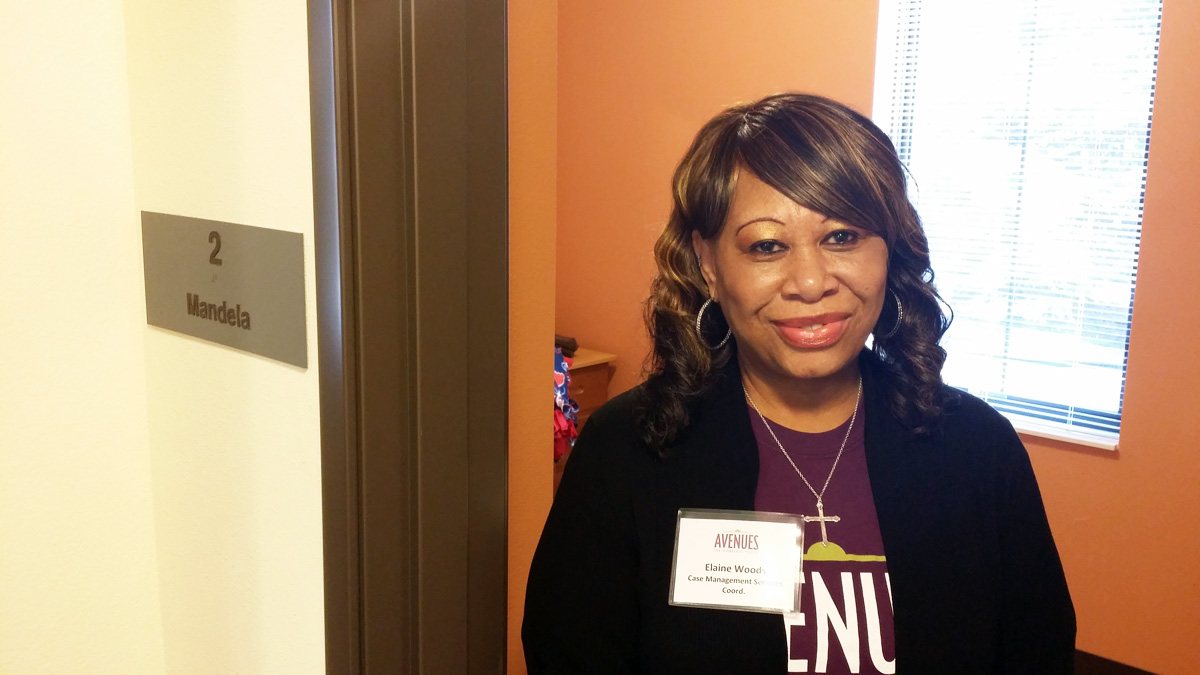
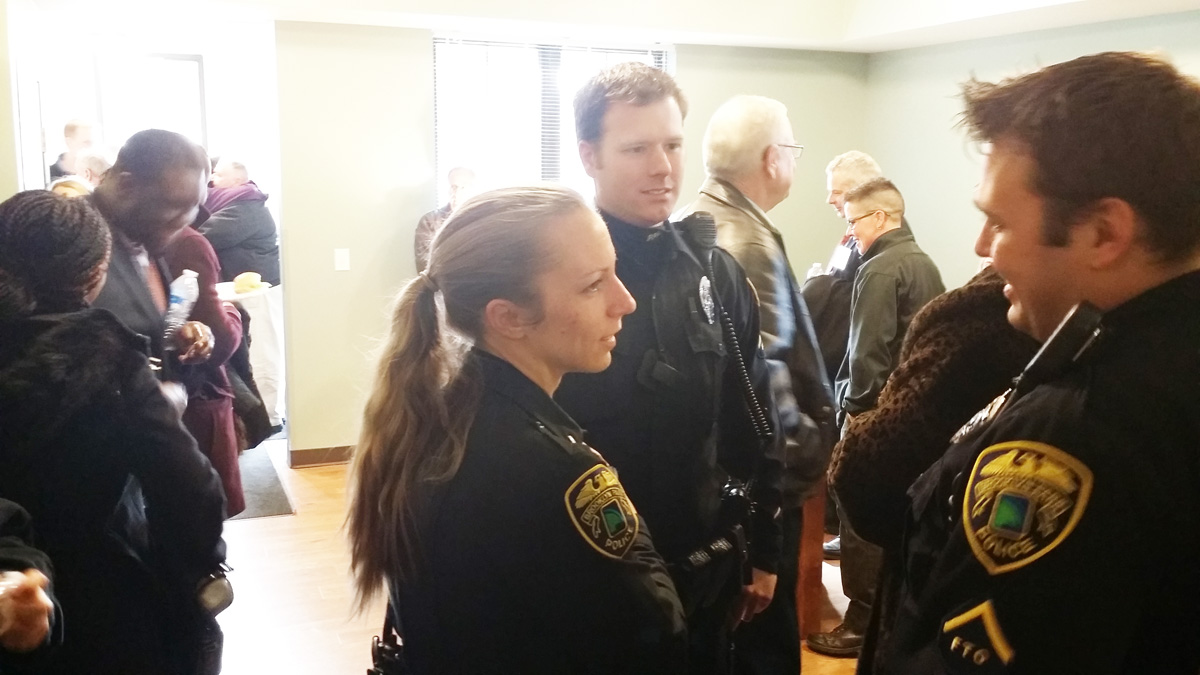
Brooklyn Avenues, a $950,000 homeless shelter opens on January 31, 2015 in the City of Brooklyn. It will be the first youth homeless shelter in a Minnesota suburb. Photo: Tom Gitaa/MshaleBrooklyn Avenues, a $950,000 homeless shelter opens on January 31, 2015 in the City of Brooklyn. It will be the first youth homeless shelter in a Minnesota suburb. Photo: Tom Gitaa/MshaleElaine Woods, the case management coordinator at Avenues outside the “Mandela” whose name he suggested. All the rooms at Brooklyn Avenues are named after famous historical names like Mandela and Muhammad Ali and others. Photo: Tom Gitaa/MshaleMembers of the Brooklyn Park Police Department have been key in support for the shelter to be built were on hand at a ribbon-cutting ceremony by community leaders on Friday, January 30, 2015. The grand opening is Saturday, January 31, 2015. Photo: Tom Gitaa/Mshale
The first of its kind in a Minnesota suburb, a homeless shelter for youth in the City of Brooklyn Park, will open tomorrow (Saturday, Jan. 31) during an open house to celebrate the achievement. Brooklyn Park and the surrounding northwest suburbs referred to as the “African Suburb” is home to the largest concentration of African immigrants in the state that are homeowners.
Called Brooklyn Avenues, it is a 12-bed, short-term shelter and transition housing program, for teens aged 16 through 20. The Minneapolis nonprofit, Avenues for Homeless Youth, will run the shelter built by the City of Brooklyn Park through its Economic Development Authority at a cost of $950,000. The City will lease it to Avenues for $1.
The grand opening ceremony on Saturday will be open to the public in the form of an open house that will run from 1-4pm.
According to the renowned Wilder Research in Saint Paul, more than 4,000 youth are homeless and living alone in Minnesota on any one given night. The homelessness situation in the northwest suburbs has been aggravated in the last few years with the foreclosure crisis that has seen families lose their homes and therefore compounding the problem for teenagers. Brooklyn Park is a minority-majority city with many African immigrants there owning their homes but also affected greatly with the foreclosure crisis.
The Republican mayor of Brooklyn Park, Jeff Lunde and Congressman Keith Ellison during a speech at the annual Avenues for Homeless Youth Benefit Breakfast in North Minneapolis last May spoke of the unique challenges homeless youth present to the city. “Our police have been pressing us in the city Council to do something about it,” Lunde said. He said at the time when completed it will be one of his proudest achievements.
The building is located across the street from the Brooklyn Park Target store. The average stay for a teenager is expected to be three to six months.
Two Africans sit on the board of Avenues for Homeless Youth, Kojo Baafi as the board treasurer and Godson Sowah as Secretary to the board. Sowah last year took over as Mshale’s African Awards Judges’ panel chairman.
Avenues for Homeless Youth Open House
Date: January 31, 2015
Time: 1-4pm
Address: 7210 76th Avenue N, Brooklyn Park, MN 55428
Parking: Target lot in spots facing W. Broadway Ave
Yacub Addy, renowned drummer, composer and choreographer from the Addy family of drummers is dead at 83. Photo: Courtesy of YacubAddy.com
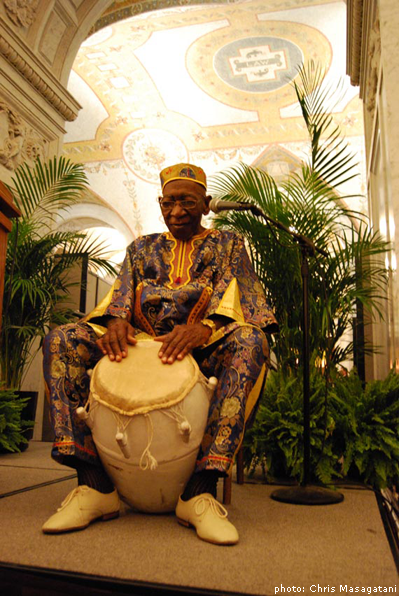
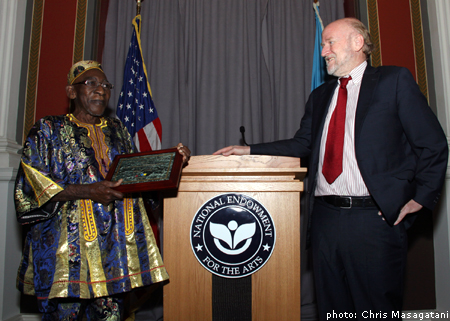
Yacub Addy, renowned drummer, composer and choreographer from the Addy family of drummers is dead at 83. Photo: Courtesy of YacubAddy.comYacub Addy, renowned drummer, composer and choreographer from the Addy family of drummers is dead at 83. Photo: Courtesy of YacubAddy.comYacub Addy was the recipient of a National Heritage Fellowship from the National Endowment for the Arts in 2010. Photo: Courtesy of YacubAddy.com
Yacub Addy, drummer, composer and choreographer from the Addy family of drummers, singers and dancers in Avenor, Accra, Ghana, has joined the elders, it was just announced. He was 83.
Addy lived in Latham, upstate New York, and received numerous awards including the National Heritage Fellowship from the National Endowment for the Arts, America’s highest honor for folk and traditional arts.
“A master of the traditional Ga music, Yacub Addy is a generous mentor of aspiring drummers as well as a collaborator with jazz and popular musicians, who has created new works that speak to issues of social and cultural relevance today,” said NEA chairman Rocco Landesman.
Born in 1932, Addy organized and led the first major staged performance of traditional Ghanaian music and dance at the Accra Community Center in 1956, the year of Ghana’s independence
He came to American in 1982 and created the Odadaa performance ensemble while teaching music at both Skidmore College and Rensselaer Polytechnic Institute in Troy, NY. He also taught at the Washington State Cultural Enrichment Program; the Seattle Public Schools; Evergreen College in Olympia, Washington; and Howard University in Washington, DC.
In an interview with the Saratoga Wire, jazz great Wynton Marsalis recalled his collaborator and close friend. “I loved Yacub. My kids loved Yacub,” Marsalis said. “I learned so much from him.’
Once, Marsalis recounted, during a rehearsal, Addy explained that a certain piece needed a royal rhythm. “I reminded Yacub that I was American and didn’t know much about royal rhythm,” said Marsalis. “Yacub looked at me with a broad smile: Brother, that’s why you’ll never play it right.”
In a 1989 review of an Odadaa! Performance at New York’s Symphony Space, the New York Times called the 11-member troop of dancers, singers and musicians “irresistible.” “Odadaa! is a treasure,” the review concluded.
Addy and Marsalis teamed together when they co-composed Congo Square, inspired by the historic park in New Orleans of the same name.
In 2012, the Congo Square group performed their European premiere at London’s Barbican Center. The London Evening Standard gave the performance 5 stars, saying that “a musical marriage as meaningful as this has never been realized before.”
His passing was announced by Amina Addy, his wife, manager and producer of 37 years.
Minneapolis City Councilman for Ward 6, Abdi Warsame will launch a new column in Mshale called Councilman's Corner starting February 1, 2015. He is the first Somali-American to win a municipal election in the US. Photo: Courtesy of Councilman Warsame
Minneapolis City Councilman for Ward 6, Abdi Warsame will launch a new column in Mshale called Councilman's Corner starting February 1, 2015. He is the first Somali-American to win a municipal election in the US. Photo: Courtesy of Councilman WarsameMinneapolis City Councilman for Ward 6, Abdi Warsame will launch a new column in Mshale called Councilman’s Corner starting February 1, 2015. He is the first Somali-American to win a municipal election in the US. Photo: Courtesy of Councilman Warsame
The first Somali-American to win a municipal election in the United States, Councilman Abdi Warsame of Minneapolis, will debut a new column called “Councilman’s Corner” in Mshale. The councilman’s column will debut in the February 2015 edition of the paper.
Mshale Newspaper was in 2014 named among the “100 Most Influential Ethnic Newspapers in America” by the Newseum and featured in the just concluded yearlong joint Smithsonian/Newseum “One Nation With News For All” exhibit.
The councilman will use the column to update constituents of developments in the Ward and the city at large. The councilman became the first Somali-American elected to the Minneapolis City Council in November 2013 and this past November marked his first anniversary on the council.
“Beyond his responsibilities to his constituents to report and update them on what is going on in the ward, he is a historic figure in our community and I would for sure expect him to share his thoughts and opinions about issues of importance to the larger African community,” said Mshale publisher Tom Gitaa after he visited with the councilman on his first year anniversary as a councilman. He will have full independence on what goes in the column, said Gitaa who invited the councilman to write the monthly column.
The column will appear in both the print edition of Mshale and its online property, Mshale.com.