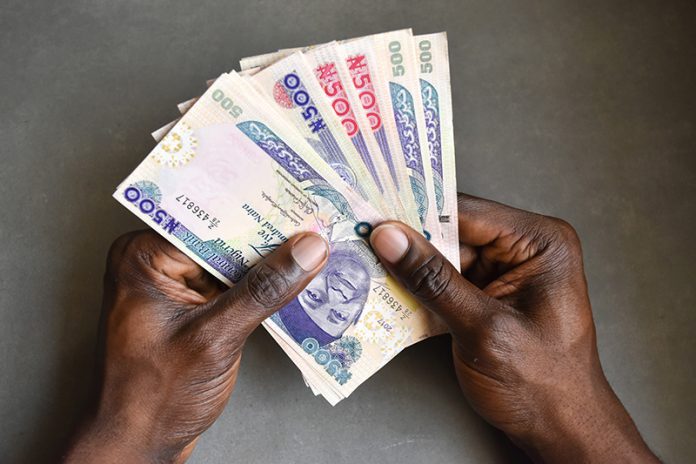
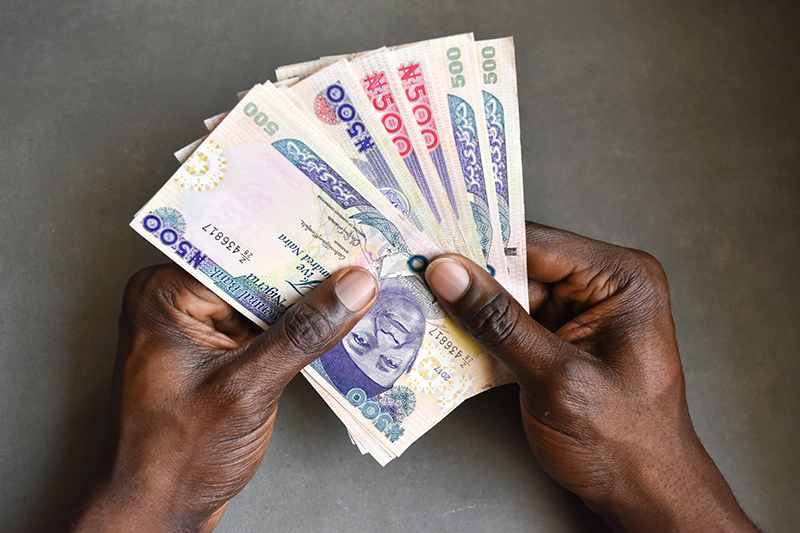
MoneyGram has signed a deal with Airtlel Africa to enable Airtel's 19 million customers receive money transfers directly into their wallets. Photo: Red Confidential/Shutterstock
MoneyGram has signed a deal with Airtlel Africa to enable Airtel's 19 million customers receive money transfers directly into their wallets. Photo: Red Confidential/ShutterstockMoneyGram has signed a deal with Airtlel Africa to enable Airtel’s 19 million customers receive money transfers directly into their wallets. Photo: Red Confidential/Shutterstock
MoneyGram, the Dallas based giant money transfer company is deepening its reach in Africa after signing a partnership with Airtel Africa that will see the mobile phone company’s customers 19 million customers receive transfers directly into their mobile wallets. Airtel Africa operates in 14 African countries and has 19 million customers.
According to the World Bank, African diaspora remittances to Africa in 2019 totaled $48 billion with Nigeria the largest recipient of remittance flows at $23.8 billion, followed by Ghana, which received $3.5 billion, and Kenya third at $2.8 billion. The World Bank in numbers it provided to Mshale forecasts an over 23% drop in remittances to Africa due to the Covid-19 pandemic.
“This partnership with Airtel will enable millions of consumers instant access to our global platform to receive money from over 200 countries & territories without having to even step outside,” said John Gely, Head of MoneyGram Africa in a statement.
Airtel Africa CEO, Raghunath Mandava, said of the new partnership, “This is a significant step forward in our ambition to transform lives through greater financial inclusion and empowerment across the continent. Maximizing access to global remittances is a key part of this – even more so given the disruption and economic hardship faced by many as a result of the COVID-19 pandemic.”
Earlier this year, MoneyGram’s larger competitor Western Union offered it an acquisition deal that has yet to materialize. Such a merger would raise antitrust concerns by US authorities, some experts say.
Childhood immunizations have declined during COVID-19 and Minnesota health officials are urging parents to ensure their children get the needed vaccines. Photo: Shutterstock
Childhood immunizations have declined during COVID-19 and Minnesota health officials are urging parents to ensure their children get the needed vaccines. Photo: ShutterstockChildhood immunizations have declined during COVID-19 and Minnesota health officials are urging parents to ensure their children get the needed vaccines. Photo: Shutterstock
Children in Minnesota are not getting their needed vaccinations during the COVID-19 pandemic. For a while, people were told to avoid going to clinics if they were not sick and many clinics were not seeing patients in person. When clinics were closed, families had to adjust to online visits. These changes caused many families to avoid scheduling appointments, including appointments for their child’s vaccinations.
However, even with COVID-19, it is important to continue actions that will protect our children. Doctor visits are critical for checking on your child’s growth, development, and getting recommended vaccinations. Delaying or missing vaccinations could put your child, your family, and your community at risk for serious diseases (like whooping cough, chickenpox, or measles).
It is also important that your child stays on track with their vaccinations for school. No matter what school looks like for your child this fall, schools still need documentation that students are up-to-date on their vaccinations.
Since many clinics have safely re-opened, we encourage all families to get their children vaccinated now. Call your clinic to make an appointment. Do not be afraid to ask questions! Things are a little different now; we are all getting used to something new. Your clinic can tell you what they are doing to keep patients safe. When you go to your child’s appointment, be prepared to wear a mask. Many clinics are not letting extra people into the clinic, so they might ask if siblings can stay home.
Parents are doing everything they can to keep their children healthy right now. We do not have a vaccine for COVID-19 yet, but keeping your child up to date on other recommended vaccines is one way you can help protect them and your community.
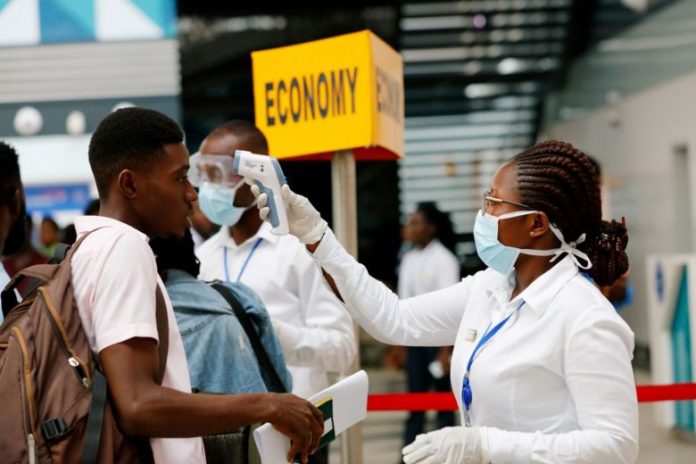
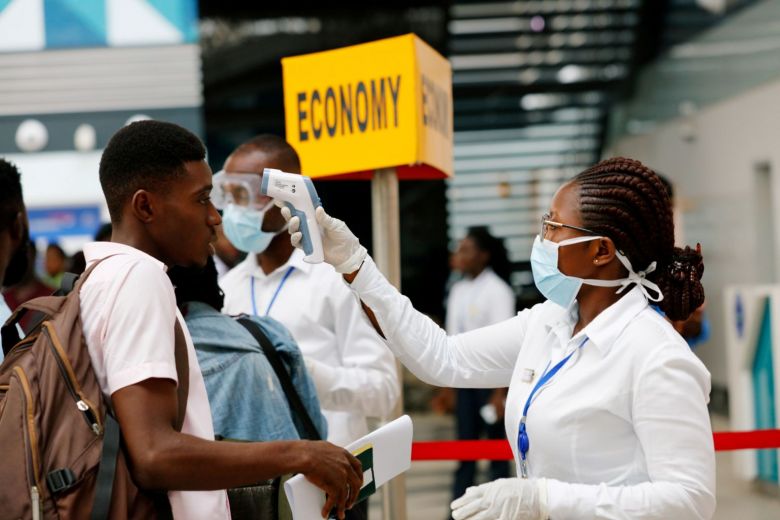
A health worker at the Kotoka International Airport in Accra, Ghana, checking the temperature of a traveler. African countries are slowly opening up their skies to international travel following COVID-19 lockdowns. Photo: Reuters
A health worker at the Kotoka International Airport in Accra, Ghana, checking the temperature of a traveler. African countries are slowly opening up their skies to international travel following COVID-19 lockdowns. Photo: ReutersA health worker at the Kotoka International Airport in Accra, Ghana, checking the temperature of a traveler. African countries are slowly opening up their skies to international travel following COVID-19 lockdowns. Photo: Reuters
The Democratic Republic of the Congo, Ethiopia, Kenya, Rwanda and Tanzania are among African countries that have relaxed restrictions on international air travel into their countries, while, Malawi, Namibia and Nigeria this week said they will be opening up soon. Nigeria was set to resume international flights tomorrow (Aug. 29) but has delayed that action by another week.
The closure of Africa’s airspace has had an impact on the tourism industry as well as members of the African diaspora that need to travel to the continent for family emergencies. International tourism pumps $61 billion into the Africa economy annually.
It is not clear yet whether tourists have the confidence to travel as coronavirus pandemic fears persist. A check on most US airlines’ websites in the last two weeks shows they have started accepting travel bookings to various African cities. Delta has a notice on its website telling customers its waiving change fees. Ethiopian Airiness is also offering flights from the United States while Kenya Airways announced they would resume their non-stop Nairobi-New York flight in October.
“The measures that we have taken will ensure that we completely limit the risk of transmission of this virus,” said Kenya Airways CEO Allan Kilavuka earlier this month as his airline got ready to fly again.
Minnesota started accepting applications on August 24, 2020 for the $100M COVID-19 housing assistance program.
Minnesota started accepting applications on August 24, 2020 for the $100M COVID-19 housing assistance program.Minnesota started accepting applications on August 24, 2020 for the $100M COVID-19 housing assistance program.
On Monday (Aug. 23) Minnesota started accepting applications for rental and housing assistance to eligible renters and homeowners through the COVID-19 Housing Assistance program.
The $100M program, which is funded through the Coronavirus Relief Fund, as part of the Federal Coronavirus Aid, Relief, and Economic Security Act, commonly known as the CARES Act, will help Minnesotans who qualify to cover expenses such as rent, mortgage, utilities or other housing-related expenses. Expenses must be past due and incurred after March 1, 2020.
To apply, call Greater Twin Cities United Way’s 211 Resource Helpline (Toll-Free: 1-800-543-7709; Local: 651-291-0211) or visit its website and click where it says MN COVID Housing Assistance Program.
In the Brooklyn Park/Brooklyn Center and surrounding suburbs, contact ACER, the African Career Education Resource for assistance. Their number is 763-273-4217.
The following expenses qualify according to the Minnesota Department of Housing, the state agency overseeing the fund:
Rent payments
Mortgage payments (including escrowed property taxes and insurance in the case of foreclosure prevention)
Contract for deed payments
Manufactured home park lot rents
Manufactured home payments
Utility payments
Homeowners Association fees
Homeowners insurance
Additional housing related costs approved by Minnesota Housing
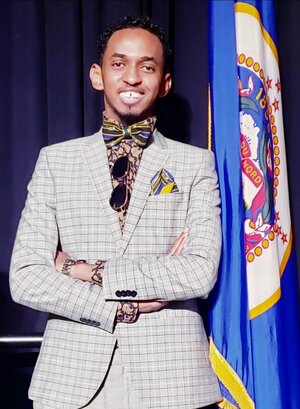
Kenyan American entrepreneur and community organizer Ukasha Dakane has joined the race for the Edina City Council. Edina is an affluent suburb of Minneapolis. Photo: Courtesy of Neighbors for Ukasha
Kenyan American entrepreneur and community organizer Ukasha Dakane has joined the race for the Edina City Council. Edina is an affluent suburb of Minneapolis. Photo: Courtesy of Neighbors for UkashaKenyan American entrepreneur and community organizer Ukasha Dakane has joined the race for the Edina City Council. Edina is an affluent suburb of Minneapolis. Photo: Courtesy of Neighbors for Ukasha
Entrepreneur and community organizer Ukasha Dakane is the latest candidate running for a seat on the Edina City Council. There are two open seats with the two incumbents not seeking reelection. Seven candidates had filed by the filing closing date of August 11, four of them from communities of color.
Dakane, a seven-year resident of Edina where he lives with his wife and two young daughters, told Mshale he was inspired to run for the position after observing a need for more representation on the council. “What inspired me to run for office is my voice as a resident for Edina City Council has been missing,” he said.
Part of his mission is to ensure that underrepresented voices are included in the city’s decisions. “The Edina I have known is changing its growing and becoming more diverse, we can no longer have a one size fits all approach [for] local governing,” he said.
Dakane is also running to continue his mission of empowering youth, promoting sustainable growth, as well as affordable housing among other issues. If elected for the position his first point of service would be to empower and engage youth in local government.
“Edina’s children are the young people of tomorrow,” he said. Dakane has received numerous awards for his involvement in community engagement and leadership. In 2018, he received the Leadership Community Award from the Edina Community Foundation for his project “Let It Go”, which educates youth on how to become community leaders and peace ambassadors.
Part of Dakane’s mission is also to ensure financial transparency and accountability. “I will make sure that the city is moving and thriving without engaging any debt,” he said. Dakane wants to see the city expand its projects in a fiscally sustainable manner. The city of Edina has an average yearly budget of $120 million.
Dakane currently serves on Edina’s energy and environment commission, a mayoral and council appointment. He was also appointed and reappointed to serve on Minnesota’s Board of Marriage and Family Therapy by both former Governor Mark Dayton and current Governor Tim Waltz and Lieutenant Governor Peggy Flanagan.
A native of Kenya, Dakane moved to the United States to be with his wife seven years ago. After navigating through the challenges of establishing life in a new country, Dakane was inspired to create a non-profit organization focused on helping new immigrants find employment. So far, the organization has helped 450 families find employment. His work in promoting stability and workforce enrollment for refugees awarded him a feature in the Refugee Hall of Fame.
For the city council hopeful, Edina is home. He finds the connection between the city’s name and his native Somali language. “The pronunciation of Edina means “our home” in Somali,” he said.
“The welcoming neighbors, the amazing fabric, and the awesomeness in this city inspired me to move [to] Edina” he said.
Looking ahead, Dakane has a bold and inclusive mission for Edina. “My vision for Edina is to see a community that has a strong leadership with a prosperity that can make the young, the adults, and everyone to like living, working, and worth hiring in this city,” he said.
This story has been updated to reflect the fact that Mr. Dakane moved to the United States to be with his wife. An earlier version indicated that both him and his wife moved to the United States at the same time.
Minnesota Department of Employment & Economic Development's Pathways to Prosperity provides workforce development and training opportunities to eligible adults and helps place them in high-growth, high-demand industries with long-term employment opportunities. Photo: Courtesy DEED
Minnesota Department of Employment & Economic Development's Pathways to Prosperity provides workforce development and training opportunities to eligible adults and helps place them in high-growth, high-demand industries with long-term employment opportunities. Photo: Courtesy DEEDMinnesota Department of Employment & Economic Development’s Pathways to Prosperity provides workforce development and training opportunities to eligible adults and helps place them in high-growth, high-demand industries with long-term employment opportunities. Photo: Courtesy DEED
There are about 60,000 jobs posted in Minnesota right now. Minnesota employers are hiring. But jobs in demand now have shifted in some cases from those in demand pre-pandemic. Sometimes landing one of those jobs in demand now means getting prepared with additional training.
The Minnesota Department of Employment and Economic Development (DEED), together with its workforce development partners, wants to help through CareerForce services.
If you were laid off during the pandemic and need additional help preparing for an in-demand career, you may be eligible for counselor-approved education or training through Dislocated Worker services. People who lost work due to civil unrest may also be eligible for help through the dislocated worker program.
Another option for eligible adults is Pathways to Prosperity. Pathways to Prosperity provides workforce development and training opportunities to eligible adults and helps place them in high-growth, high-demand industries with long-term employment opportunities. Training opportunities range from preparation for manufacturing careers to training for health care careers. Some training is geared specifically toward people learning English.
In addition, some employers hiring now offer on-the-job training. Search “on the job training” when looking at current postings on CareerForceMN.com to find options. There are thousands of jobs posted on CareerForceMN.com that offer on the job training. Just two examples: there are more than 380 current Personal Care Aide (PCA) postings and 500+ current manufacturing postings offering on-the-job training right now. And some employers offer paid professional training and certification, like transportation companies offering to pay people to get their commercial driver’s license (CDL).
And, the state’s Coursera initiative offers Minnesotans a chance to explore new career fields, take classes for college credit and earn valuable certifications to help prepare for your next job – all at no cost to you. Minnesotans have enrolled in more than 15,000 courses through Coursera so far. The top five courses people are taking to prepare for their next job or grow in their current one are: Technical Support Fundamentals; Programming for Everyone (Python); Excel Skills for Business; COVID-19 Contract Tracing; and Initiating and Planning Projects.
DEED and our workforce development partners throughout Minnesota are here to help through CareerForce services. We regularly hear from people who struggled on their own trying to find work, then contacted us and got the help they needed whether it was guidance in revising their resume or getting financial assistance for the training they needed for a career path job.
“It goes without saying I would not have landed here without the consistent guidance and support I received from Hired at a critical time in my life,” explains Ishmam, who got the training he needed through the Dislocated Worker program at CareeForce proud partner Hired and wants to make sure other job seekers get the help they need. “I know Beth and the CareerForce team will help make it happen for Minnesota.”
“I’ve cut my stress level to an eighth of what it was and more than doubled my income,” Bunni says about the career change she made from working in a coffee shop to long haul trucker, thanks to a grant to pay for CDL training she got with the assistance of CareerForce in Woodbury. “I’m super grateful for the grant. I wouldn’t have been able to do it without it.”
“I figured out that I wanted to go into being a teacher,” says Yailyn, who is gaining work experience and working toward her bachelor’s degree thanks to Northfield Healthy Community Initiative, a CareerForce Proud Partner that received a Pathways to Prosperity grant. “Working with students and just seeing them progress in such a little time…where they started reading a passage where they could only read a couple words… to the end, where they can read it completely and fluently, is heartwarming, and I love that.”
There are many jobs out there for Minnesotans now. Getting a job, and getting on a sustainable career path for the future, may mean changing careers or refreshing skills. If you are in this place right now, there are many training opportunities out there. I want to encourage everyone looking for work to contact staff at a CareerForce location near you to find out more and get the help you need.
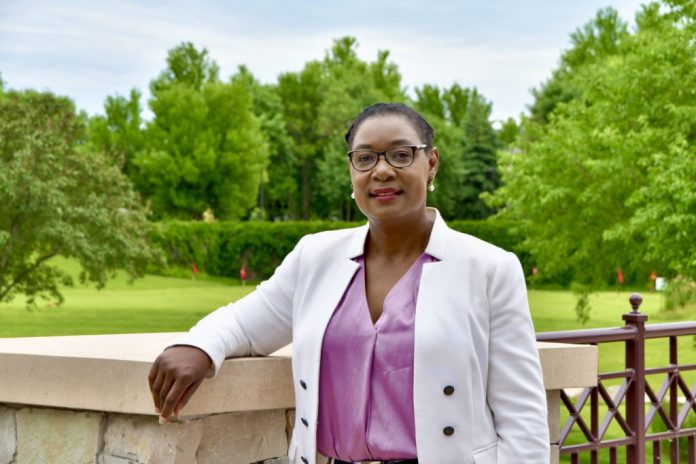
Janet Kitui is running for a seat in the Edina City Council in the November 3, 2020 election. Photo: Courtesy of Janet Kitui Campaign
Janet Kitui is running for a seat in the Edina City Council in the November 3, 2020 election. Photo: Courtesy of Janet Kitui Campaign Janet Kitui is running for a seat in the Edina City Council in the November 3, 2020 election. Photo: Courtesy of Janet Kitui Campaign
Minnesota state employee and longtime Edina resident Janet Kitui announced her run for one of two Edina City Council seats in the November 3 election. This is her second bid for a council seat.
Kitui, who is running on a platform of affordable housing, racial equity, and sustainable growth, took time recently to talk to Mshale about her background and her hopes for the city’s future where she has lived for nine years.
“I’ve worked tirelessly to be a voice in our community,” Kitui said. She has a history of volunteering in Edina public schools as well as the city council. She previously served as the President of the Parent Teacher Association at Southview Middle School. Kitui has contributed to the city’s race and inequity task force and is currently actively serving on the council’s housing task force.
The top priority of Kitui’s campaign is that of affordable housing, an issue that Kitui is fiercely passionate about. She is using her voice to help ensure that the city’s ten-year development plan includes single housing units.
Located just south of the Twin Cities, Edina is noted as being one of the state’s most affluent suburbs with the median household income above the national average and homes selling at an average of $440,000. Kitui points out that affordable housing options for middle income families are limited in the city’s real estate market.
“Citizens between the city’s 80 [thousand dollar] area median income are priced out of the market,” she said. The cost to purchase a home in Edina can be prohibitive for families that want to live there.
“When I talk about affordable housing, that is a sage way for racial equity,” she said. “The black and brown community, we have been left out,” Kitui said.
The electoral hopeful also pointed out at the COVID-19 pandemic that has been disproportionately affecting black and brown communities as a sign of deep racial inequality as well as the recent death of George Floyd.
Dedicated to racial equity, Kitui was inspired to run for public office after a 2016 reported incident showed an African American man was arrested for walking on the street in Edina. The occurrence was viewed as racial profiling and Larnie Thomas, the man arrested, sued the city for racial discrimination.
“I run to say that policies that have existed are not working for some of us in this city,” she said.
Kitui has raised three daughters in the city that attended Edina public schools. The city’s public schools are among the top in the nation and this was a main motivating factor for her moving there.
In the next five years Janet Kitui would love to see representation of diverse voices in the city of Edina’s council. “What I would definitely love to see in the next five years is representation of Edina’s diverse voices, both from the social economic aspects of it, from race and gender,” she said.
Kitui moved to the United States in 1988 and attended Minnesota State University Moorhead where she obtained her bachelors in International Business. In her current employment Kitui is a government supply chain professional in the state of Minnesota. She holds an MBA from Hamline University.
If elected as a member of Edina’s council Kitui looks forward to adding community voices to the council. “When all of us are involved, that is when our democracy is at its best,” she said.
Huldah Nyamisa Momanyi Hiltsley was sworn-in on Sunday, August 16, 2020 in Brooklyn Park, Minnesota as president of Mwanyagetinge, becoming the association's first elected female president. Photo: Courtesy Huldah Momanyi Campaign.
Huldah Nyamisa Momanyi Hiltsley was sworn-in on Sunday, August 16, 2020 in Brooklyn Park, Minnesota as president of Mwanyagetinge, becoming the association's first elected female president. Photo: Courtesy Huldah Momanyi Campaign.
On Sunday afternoon, Mwanyagetinge installed Huldah Nyamisa Momanyi-Hiltsley as its president in a COVID-19 influenced social distancing ceremony presided over by Japheth Kimaiga, the organization’s advisory committee chairman. The ceremony was streamed online for the membership via KJTV. Mwanyagetinge is the largest organized group of Kenyans in Minnesota that draws members from the state’s large Abagusii community. With the installation, she becomes the first elected female president of the organization.
Born in Nyamira County in Kenya in 1985, Momanyi-Hiltsley moved to the United States at the age of nine and was a graduate of the Class of 2004 at Robbinsdale Cooper High School in New Hope, Minnesota. She attended Bethel University in St. Paul where she received both her bachelor’s degree in International Business and an MBA. She is a recipient of The Morrill Hall and Rachel Tilsen Social Justice Award for her commitment to social justice and restorative justice practices. She works in corporate compliance at a NASDAQ listed medical device company.
Voting was conducted electronically for the first time in the organization’s history using eBallot, following online debates on KDRTV and spirited social media campaigns. Momanyi’s closest competitor was also a woman. Her success ascending to the top job came amid renewed calls for the organization to address its long-standing dominance of the top positions by men.
This was also the first time the organization installed county representatives as called for in its new constitution. The requirement for county representatives to cover the seven-county metro area in Minnesota was included in the new constitution last year to bring about better representation given that the Abagusii have spread out beyond the northwest suburbs of the Twin Cities, the hub of the burgeoning Kenyan American population in the state.
“This election has been a roller coaster, and I have been challenged and grown in ways that I would never have imagined,” Momanyi-Hiltsley said after taking the oath of office. She was alluding to the month-long campaign that was conducted mostly on social media due to the coronavirus pandemic. The campaigns on occasion degenerated to personal attacks directed at her.
Then Momanyi-Hiltsley said the support she received from the community after the election has been bipartisan regardless of the election outcome. This, she explained, was proof that Mwanyagetinge is capable of “coming together.”
“We are capable of rebuilding our community for future generations,” Momanyi-Hiltsley said. “I am privileged to lead this organization to the next level which requires all of us coming together, as I cannot do it alone and I ask my executive board to hold me accountable whenever I move in a direction that does not align to what we have pledged.”
The following is the slate of officers sworn-in on Sunday:
Amenya Amenya – Vice President Edward Nyakeri – Secretary Joyce Ontere – Treasurer Chris Omare – Organizing Secretary Edward Nyagechi – Anoka County Representative Josephath Ogwankwa – Upper Hennepin County Representative Reuben Nyabuto – Lower Hennepin County Representative
Elected but not sworn-in on Sunday were:
Edith Moronge – Dakota County Representative Arnold Maruko – Ramsey County Representative Festus Gichaba – Scott/Carver County Representative Douglas Ndege-Omosh – Washington County Representative
The new president and slate of officers will serve a two year term.
This article has been updated since its original posting to reflect the elected officers that were not present for the swearing in.
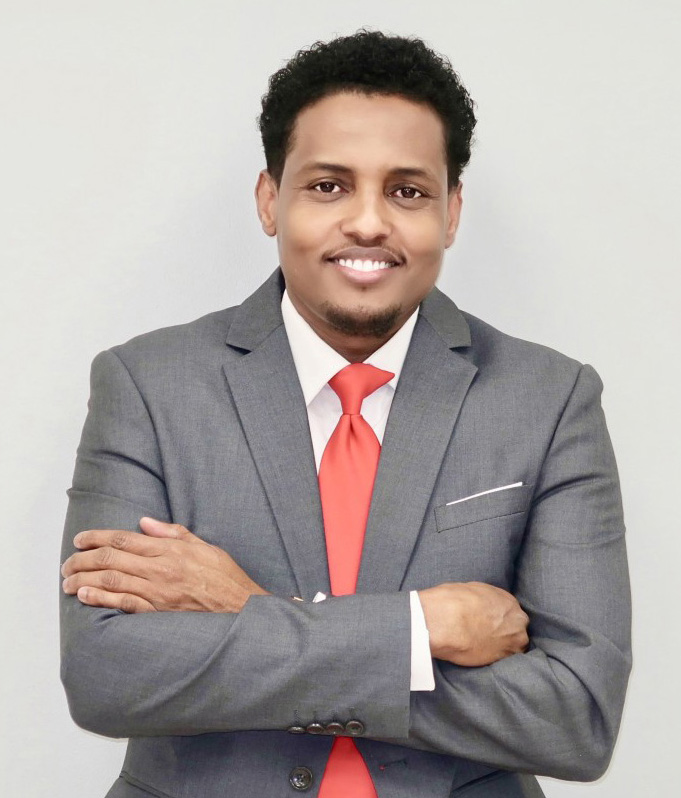
Jamal Osman has been declared the winner in the Minneapolis City Council Sixth Ward special election held on August 11, 2020. Photo: Courtesy of Jamal Osman Campaign
Jamal Osman has been declared the winner in the Minneapolis City Council Sixth Ward special election held on August 11, 2020. Photo: Courtesy of Jamal Osman CampaignJamal Osman has been declared the winner in the Minneapolis City Council Sixth Ward special election held on August 11, 2020. Photo: Courtesy of Jamal Osman Campaign
Jamal Osman is the new Minneapolis Sixth Ward City Council following Tuesday’s special election after the city released unofficial results this morning. The city uses Ranked Choice Voting for city elections and needed an extra two days for the tabulation and arrival of mail-in ballots.
The vacant seat drew an original twelve candidates with one Mohamoud Hassan dropping out before candidate forums begun. Going into Election Day on Tuesday, there eleven candidates, seven of them Somali Americans.
The Minneapolis elections office announced via Twitter this morning that after three rounds of voting, Osman emerged tops with 2,795 votes. Two other candidates, AJ Awed and AK Hassan made it out of the first round with Osman with Hassan eliminated in the second round leaving AJ Awed and Jamal Osman. The final tally was 2,795 for Jamal Osman and 2,286 for AJ Awed.
The Sixth Ward seat became vacant back in April when Abdi Warsame was appointed to lead the Minneapolis Public Housing Authority. The earliest opportunity the seat could be filled to comply with state law was this week’s August 11 state primary. The city charter requires a special election to be held within 90 days of a seat being declared vacant but the state only allows special elections to be on the second Tuesday in February, April, May, August and the First Tuesday after the first Tuesday after the first Monday in November.
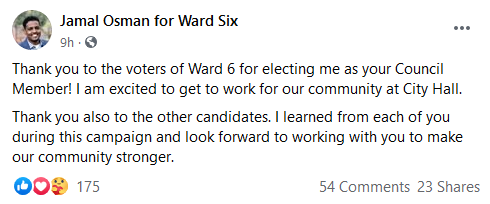
“Thank you to the voters of Ward 6 for electing me as your Council Member! I am excited to get to work for our community at City Hall. Thank you also to the other candidates. I learned from each of you during this campaign and look forward to working with you to make our community stronger,” Osman said in a Facebook posting immediately the unofficial results were announced Friday.
Since the seat became vacant, residents of the Sixth Ward have been without a representative during the COVID-19 pandemic and during the George Floyd murder and resulting civil unrest.
Osman has lived in the Sixth Ward for the last twelve years and works in the affordable housing sector.
The Municipal Canvassing Board will certify the results on August 20 and he will be sworn into office on August 28.
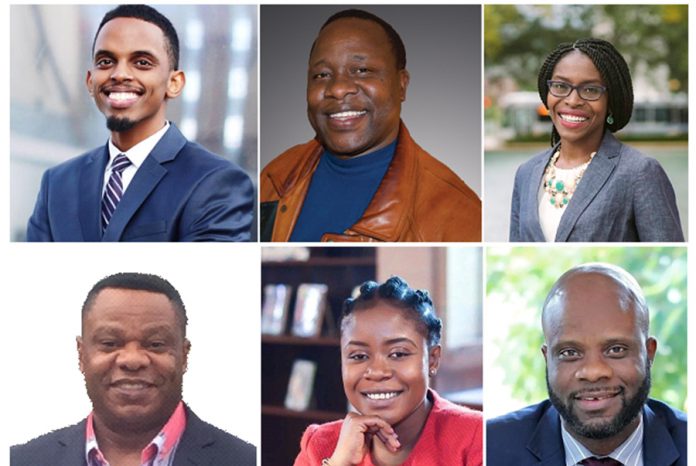
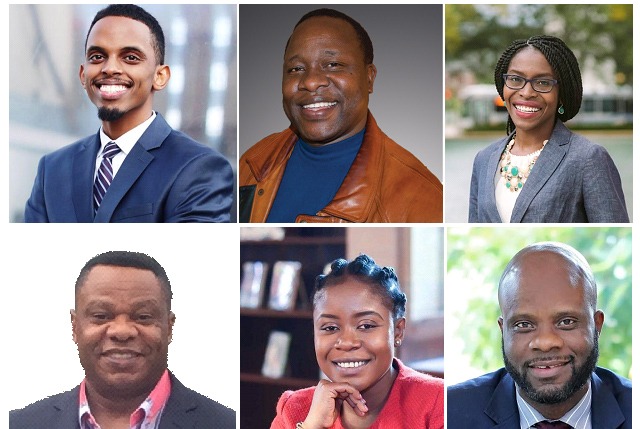
The above candidates made it through the Minnesota primary election held on August 11, 2020. (Clockwise from upper left) Omar Fateh, Henry Momanyi, Esther Agbaje, Sizi Goyah, Alfreda Daniel, Benjamin Osemenam. Photos: Courtesy Candidates
The above candidates made it through the Minnesota primary election held on August 11, 2020. (Clockwise from upper left) Omar Fateh, Henry Momanyi, Esther Agbaje, Sizi Goyah, Alfreda Daniel, Benjamin Osemenam. Photos: Courtesy CandidatesThe above candidates made it through the Minnesota primary election held on August 11, 2020. (Clockwise from upper left) Omar Fateh, Henry Momanyi, Esther Agbaje, Sizi Goyah, Alfreda Daniel, Benjamin Osemenam. Photos: Courtesy Candidates
It was a good night to be an African immigrant candidate in Minnesota’s primary election on Tuesday. U.S. Rep. Ilhan Omar was able to stave off a strong primary challenge from Antone Melton-Meaux to emerge tops with 57 percent of the votes to the challenger’s 39 percent. The victory positions her for an expected win in the November 3 election in the heavily Democratic district. We covered her win in a separate story last night.
Minnesota Senate
In the race for the Minnesota Senate in District 62, Omar Fateh, born of Somali parents, edged out Jeff Hayden, one of only two Black state senators. Fateh received 54 percent of the vote to the incumbent’s 45 percent. Fateh, who was the DFL endorsed candidate, is expected to win in November, which will maintain the number of black senators at two. He will become the first Somali American state senator in Minnesota. In Senate District 59, Bobby Jo Champion who serves with Jeff Hayden as the only two black senators defeated Suleiman Isse, who had hoped to join Fateh as the other Somali American state senator. Isse only managed to get 23 percent of the vote to Senator Bobby Jo Champion’s whopping 77 percent.
Minnesota House of Representatives
Harvard educated Nigerian American lawyer Esther Agbaje emerged victorious in District 59B defeating incumbent Raymond Dehn. She garnered 47 percent of the vote to Rep. Dehn’ s 42 percent This is Agbaje’s first run for office and was the endorsed DFL candidate in the primary.
With her expected win in November in the heavily Democratic district, she will become the first Nigerian American elected to the Minnesota House of Representatives and will add to the number of the POCI Caucus.
Minneapolis City Council Race – Sixth Ward
In the special election for the Sixth Ward in Minneapolis, results will not be known for at least another two days because the city uses Ranked Choice Voting where voters rank their choice of candidates. There were eleven candidates in the race, seven of them Somali Americans. An outright winner is declared only when one candidate is the first choice of more than 50 percent of the voters.
As of the time of this writing, Jamal Osman was the leader in terms of first choice votes with 29 percent of the voters choosing him as their first choice.
Minneapolis Park Board Commissioner AK Hassan was leading with those voters that chose him as their second choice at 21 percent.
AK Hassan was also the top choice for those who ranked him as their third choice. We will update this story with the winner once announced.
Brooklyn Park City Council
Four African immigrants were contesting in three different districts in Tuesday’s primary with all four needing to come out among the top two candidates in their respective districts in order to make it to the November general election.
In the East District, Nigerian American Benjamin Osemenam came in a distant second to the incumbent Lisa Jacobson with 24 percent of the vote to Jacobson’s 55 percent.
In the Central District, an open seat made for an interesting race. Kenyan American Walter Nyabere was eliminated leaving Boyd Morson and Christian Eriksen to move on to the general election. Christian Eriksen was the top vote getter with 44 percent to Boyd Morson’s 36 percent.
In the West District, Kenyan American Henry Momanyi barely made it as he squeaked past Yelena Kurdyumova by just three votes for a ticket to the general election. Momanyi eked out 15.62 percent of the votes to Kurdyumova’s 15.49 percent. Susan Pha, the incumbent they are trying to unseat, hauled in a commanding 68 percent of the vote.
Momanyi will therefore face Pha in the general election. Pha is the first Hmong American elected to the Brooklyn Park City Council.
Brooklyn Center City Council
Unlike Brooklyn Park, Brooklyn Center is an At-Large Council where if elected you represent the entire city instead of a ward or district within the city.
Seven candidates filed to run in the Tuesday primary with two high profile Liberian American candidates among them. Voters were to choose four to move on to the November general election where the four will fight it out for the two council seats available.
The two Liberian Americans Alfreda Daniels and Sizi Goyah were among the final four that made it. Daniels garnered an impressive 18 percent of the vote while Goyah hauled in 11 percent. The other two candidates are incumbents Marquita Butler and Kris Lawrence-Anderson who received 22 percent and 21 percent of the vote respectively.
There are more African immigrant candidates that will be running in the November election that did not have a primary. Check out our election page for more information.
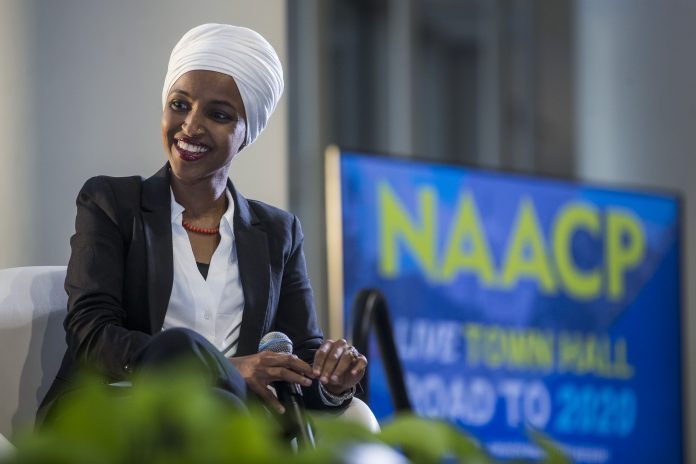
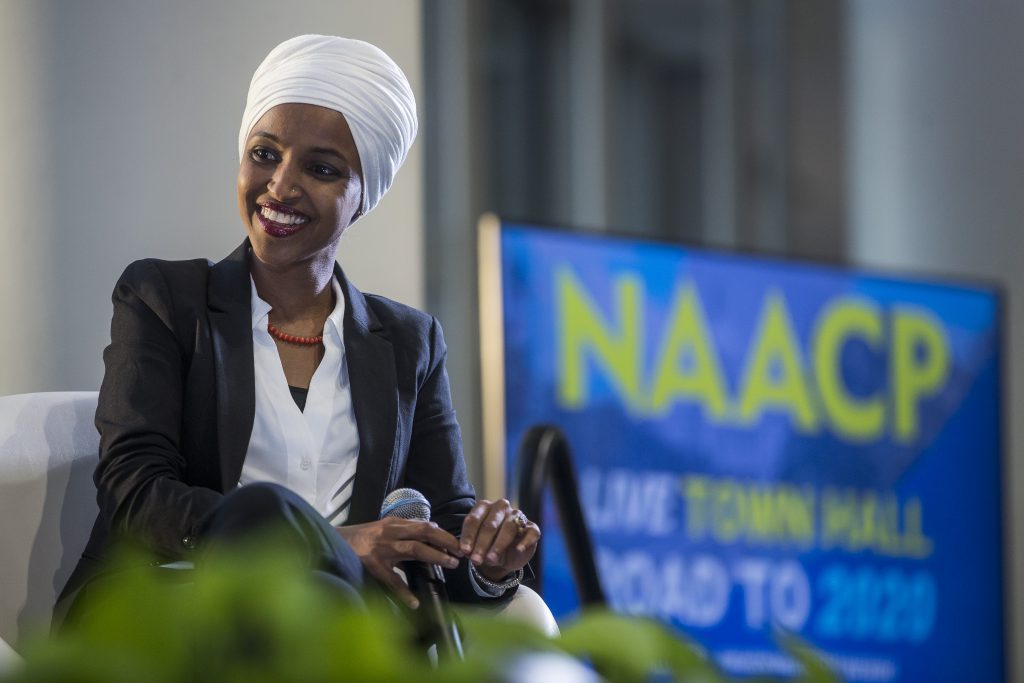
Rep. Ilhan Omar won the August 11, 2020 Minnesota Fifth Congressional District Democratic party primary in convincing fashion. She is the first Black person born on African soil to be elected to Congress. Photo: Zach Gibson/Getty Images
Rep. Ilhan Omar won the August 11, 2020 Minnesota Fifth Congressional District Democratic party primary in convincing fashion. She is the first Black person born on African soil to be elected to Congress. Photo: Zach Gibson/Getty ImagesRep. Ilhan Omar won the August 11, 2020 Minnesota Fifth Congressional District Democratic party primary in convincing fashion. She is the first Black person born on African soil to be elected to Congress. Photo: Zach Gibson/Getty Images
U.S. Rep. Ilhan Omar has won the Minnesota Fifth District DFL primary in a convincing fashion beating her well-financed and closest challenger, Antone Melton-Meaux, with 58 percent to his 40 percent. Opensecrets.org lists $2.5 million used by outside groups to target Omar in the lead up to the primary.
The Omar vs. Melton-Meaux campagn is the most expensive campaign in state history, fueled largely by outside groups attempting to dislodge Omar. Melton-Meaux for example raised over $4 million from outside of the state.
Rep. Omar, who is serving her first term, increased her margin of victory by almost ten per cent from her 2018 primary victory. More remarkable however, the votes she garnered, almost 90,000 by the time of this writing is the highest amount of votes in a Democratic primary in the district in over a decade.
“In Minnesota, we know that organized people will always beat organized money. Tonight, our movement did not just win. We earned a mandate for change. Despite outside efforts to defeat us, we once again broke turnout records. Despite the attacks, our support has only grown since 2018.”
Omar thanked her supporters by saying “Thank you from the bottom of my heart for choosing to send me back to Congress. As I like to say, here in Minnesota, we don’t just welcome refugees, we send them to Congress.”
Rep. Omar is the first Black person born in Africa to be elected to the United States Congress.