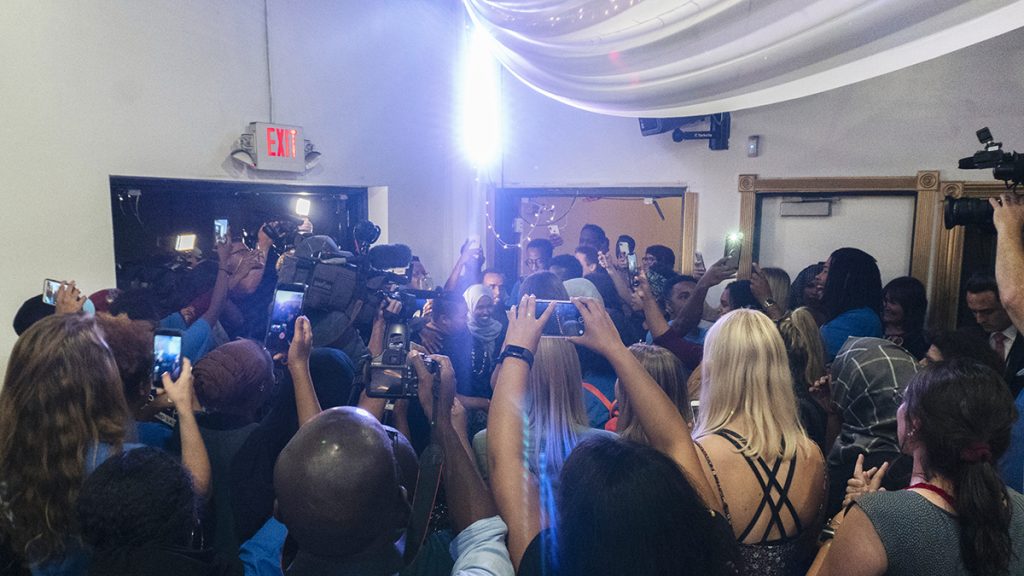
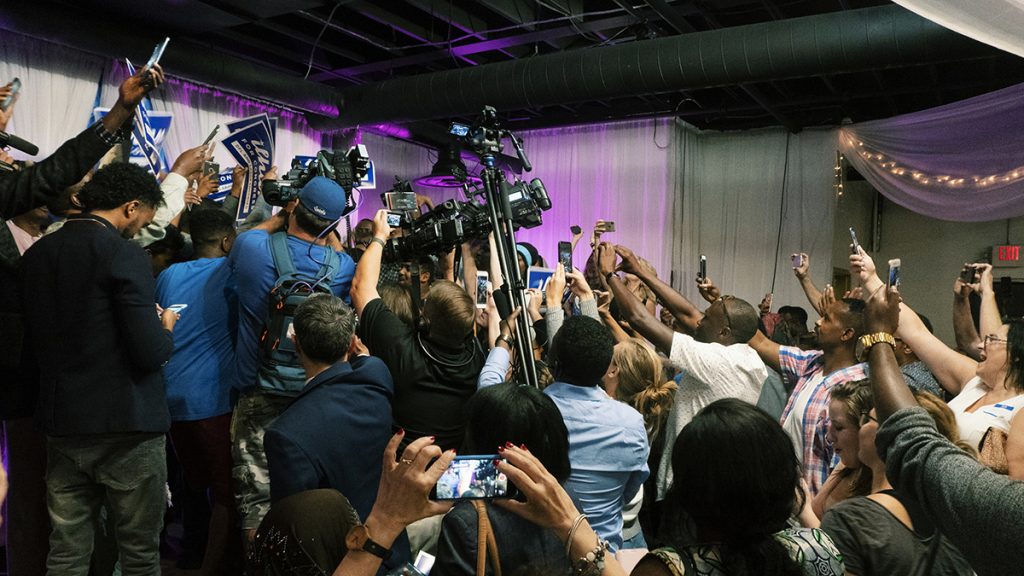
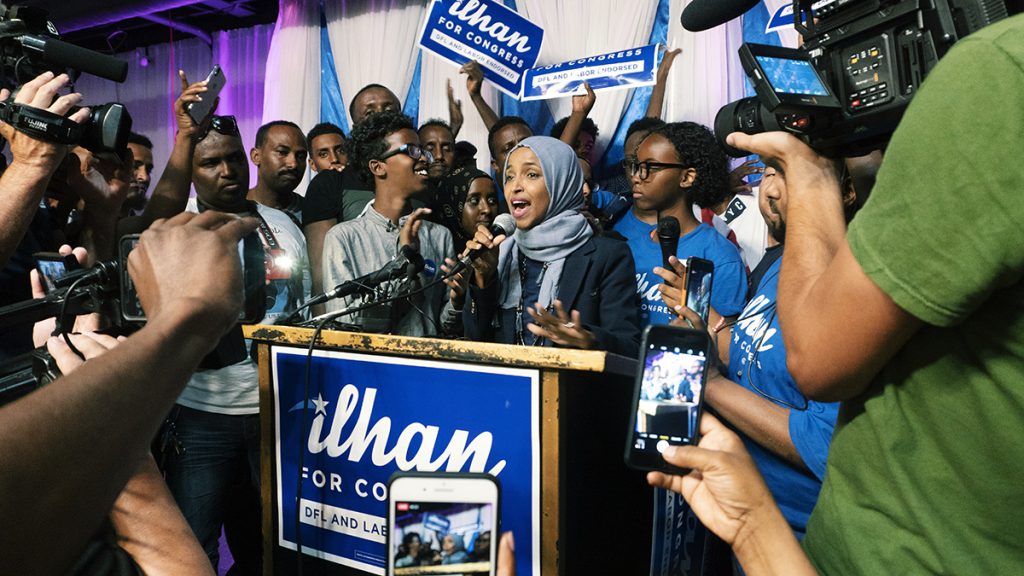
Rep. Ilhan Omar speaking to supporters at Safari Restaurant in Minneapolis after a convincing win in the Fifth Congressional District Democratic primary on Tuesday, August 14, 2018. Photo: Bethel Gessesse/Mshale
Rep. Ilhan Omar speaking to supporters at Safari Restaurant in Minneapolis after a convincing win in the Fifth Congressional District Democratic primary on Tuesday, August 14, 2018. Photo: Bethel Gessesse/MshaleSupporters mob Rep. Ilhan Omar as she enters Safari Restaurant in Minneapolis after a convincing win in the Fifth Congressional District Democratic primary on Tuesday, August 14, 2018. Photo: Bethel Gessesse/MshaleSupporters crowd Rep. Ilhan Omar at the podium as she was giving her victory speech at Safari Restaurant in Minneapolis after a convincing win in the Fifth Congressional District Democratic primary on Tuesday, August 14, 2018. Photo: Bethel Gessesse/MshaleRep. Ilhan Omar speaking to supporters at Safari Restaurant in Minneapolis after a convincing win in the Fifth Congressional District Democratic primary on Tuesday, August 14, 2018. Photo: Bethel Gessesse/Mshale
“We are going to Washington,” State Rep. Ilhan Omar shouted at Safari Restaurant as she joined supporters to celebrate her victory in the Democratic primary on Tuesday making her a favorite join the US Congress come January after the November election. A dearth of Republicans in the Fifth Congressional District makes it a near certainty she will be among members of the freshman class of the 116th Congress. She also most likely becomes the first person born in Africa to join the US Congress.
A strong challenge that was widely expected against her from former speaker of the Minnesota House of Representatives Margaret Anderson Kelliher, the only candidate out of the five to run TV ads, did not materialize as Omar punched her ticket to the November ballot with a convincing 48% of the vote (65,238 votes) against Kelliher’s 30% (41156 votes). The editorial board of the state’s largest newspaper, Star Tribune, opted to endorse Kelliher over Omar who had been endorsed by her party.
All of the City of Minneapolis is in the Firth District as is Edina, Brooklyn Center, St. Louis Park, Fridley, Columbia Heights, Richfield and others. Minneapolis mayor Jacob Frey announced early that he would be supporting Omar as did Minnesota Governor Mark Dayton.
Omar became the first Somali-American legislator in the US when she won a seat in the Minnesota House in 2016 and her star has risen ever since. She recalled the history making moment of 2016 and said she was excited that once again voters were choosing to make history.
The man she will be replacing, Keith Ellison, was the first Muslim to be elected to the US Congress and now Omar along with Rashida Tlaib of Michigan, will become the first Muslim women to be elected to Congress. Tlaib won the Democratic primary in the 13th Congressional District of Michigan, and will be running unopposed in November. Ellison on Tuesday won the Democratic primary for Minnesota Attorney General.
An emotional Omar teared up as she paid tribute to her grandfather who died five years ago. “He would have enjoyed seeing his daughter partake in the democracy he loved so much,” Omar said. She has talked often in the past how, as new refugees to the United States, her grandfather would take her to caucus meetings and have her translate for him. Her father and husband had to make their way to the crowded stage to comfort her.
“Together we can organize around the politics of hope and make sure that not only do we have the America we believe in but the America we deserve,” she said to deafening cheers.
In November, Omar will face off against Republican Jennifer Zielinski who also won her party’s primary on Tuesday.
(You can watch Ilhan Omar’s entire victory speech here).
New Somali-Americans to join Minnesota House
In two other races that Mshale has been tracking, Mohamud Noor won the Democratic primary for Minnesota House 60B with almost 40% of the vote (2,909 votes) in the overwhelmingly Democratic district. 60B is the seat Ilhan Omar vacated to run for Congress and is where she beat Noor in 2016 to join the House. On the Republican side, where a paltry 283 votes were cast, Somali-American candidate Fadumo Taani got 93 votes to the winner Joseph Patino’s 190 votes.
In 62A, which is in South Minneapolis, Hodan Hassan, staved off a stiff challenge from four other candidates to punch her ticket to the November ballot. In 62A, three of the five candidates vying for the Democratic nomination were Somali-Americans.
In both 60B and 62A, Noor and Hassan will be facing token opposition from Republicans and are thus virtually guaranteed to be elected to the Minnesota House of Representatives.
Bethel Gessesse provided additional reporting on this story.
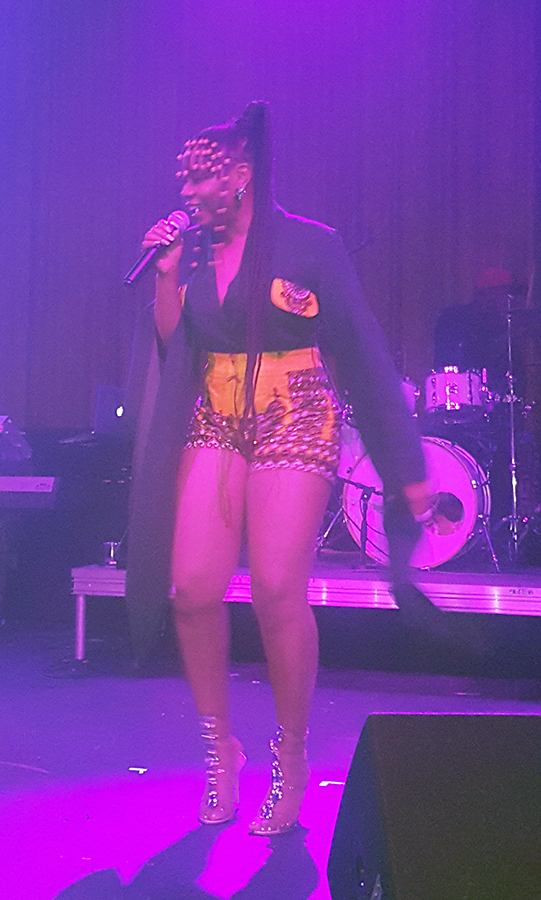
Nigerian Afropop superstar Yemi Alade performing in Minneapolis in the early morning of August 12, 2018 during a 13-minute concert which had been delayed due to non-payment of her fee by the hosts, Umunne Cultural Association in Minnesota. Photo: Tom Gitaa/Mshale
Nigerian Afropop superstar Yemi Alade performing in Minneapolis in the early morning of August 12, 2018 during a 13-minute concert which had been delayed due to non-payment of her fee by the hosts, Umunne Cultural Association in Minnesota. Photo: Tom Gitaa/MshaleNigerian Afropop superstar Yemi Alade perofrming at the Skyway in downtown Minneapolis in the early morning of August 12, 2018. Her 13-minute concert had been delayed due to non-payment of her fee by the hosts, Umunne Cultural Association in Minnesota. Photo: Tom Gitaa/MshaleNigerian Afropop superstar Yemi Alade being interviewed by Empire TV of Nigeria at her hotel in Minneapolis in the early morning of August 12, 2018 shortly after her 13-minute concert which had been delayed due to non-payment of her fee by the hosts, Umunne Cultural Association in Minnesota. Photo: Tom Gitaa/MshaleNigerian Afropop superstar Yemi Alade performing in Minneapolis in the early morning of August 12, 2018 during a 13-minute concert which had been delayed due to non-payment of her fee by the hosts, Umunne Cultural Association in Minnesota. Photo: Tom Gitaa/Mshale
The much-anticipated concert by Nigerian pop sensation, Yemi Alade, left a bitter taste in the mouths of her fans in Minnesota, including many who had traveled hours from surrounding states to see her at the Skyway. This was her first time to perform in the state courtesy of the Umunne Cultural Association in Minnesota, as part of their 25th anniversary celebration of IgboFest. Her concert last night was for the after party following the afternoon long outdoor festival in Brooklyn Park (you can view our Facebook livestream at this link, Part 2 here and Part 3 here).
Alade (full name Yemi Eberechi Alade) is on tour promoting her Black Magic album and typically performs a 70 to 90 minute set. Last night in Minneapolis, she performed for about 13 minutes before the sound was abruptly shut off and fans told to leave.
Doors opened at nine pm. Regulars to African concerts are accustomed to artists starting late, and so by 11pm when there was no sign of Yemi, not many were concerned. DJ Dash did his best to keep the crowd entertained with Afropop.
Most delayed African concerts start by midnight at the latest. Instead, a collection of local artists started taking the stage to entertain the now restless crowd who had started chanting “Yemi! Yemi!” in hopes of luring her onto the stage. Among those, taking the stage was Carolyne Naomi who quieted the crowd with some soulful ballads and Lady T, the evening’s hard working MC who kept saying “any minute now we should have Yemi here.”
More Afropop from DJ Dash and the crowd swayed to the irresistible beat that genre of music has as the local artists dried up. By 1:15am, the crowd was understandably getting angry and they were not hiding it, but kept it civil. “Bring her out here”, some shouted. By 1:30am, some fans had resigned themselves that she was going to be a no-show and started hurling expletives in low tones.
“She is definitely here”, Lady T the MC proclaimed at precisely 1:42am. DJ Dash pumped out some more Afroppop as they apparently waited on Yemi to come on stage, prompting one burly gentleman to shout at the DJ “shut that m***g sh**t down, we are here for Yemi.”
1:50am and two male dancers jump out of the left side of the stage and start dancing. The now agitated crowd, thinking this are more local artists to occupy their time, start howling in protest unaware that the two were part of Yemi’s crew. Two minutes later Yemi enters the stage and opens with her hit Tumbum, which is part of her sophomore album Mama Africa. Tumbum has to date had about 20 million views on YouTube.
The crowd roars their approval with a deafening welcome of screams, shouts, and seem to be forgiving as the self-proclaimed Queen of Afropop belts out the Tumbum lyrics, which speak of a Nigerian chef that serves tasty jollof and fufu.
The singer had just finished her second song, and it was now around 2:02am and the microphone suddenly went quiet as she was trying to chat with the fans. Mshale later learnt this ere the venue’s sound engineers signaling it is time to close (State law requires bars and clubs to close at 2:00am). There was a lull of about 5 minutes, which many thought was a technical hitch that should be sorted out soon enough.
It would have been an unforgivable sin if Yemi did not serve up her popular Johnny hit and sure enough, she launched into it with gusto after the ‘technical hitch’. The choreography was on point as Yemi, backed by two male dancers, a drummer and guitarist worked the crowd. She concluded the song at around 2:10am and by now the venue’s management was getting anxious and they signaled Johnny was the last song. So three songs in, starting at 1:52am and a five-minute ‘technical hitch’ break, at 2:10am the Yemi Alade Black Magic concert was done. You can watch part of her 13-minute show in Minneapolis at this link.
The crowd was not thrilled and they loudly uttered their disapproval with some calling for refunds. Charges were $50 for general admission. They however complied and slowly filed out.
When Mshale caught up with the chair of IgboFest 2018, Mazi Onyeka Tony Osakwe, outside the venue, he took responsibility on behalf of his committee for the fiasco in downtown Minneapolis.
“There is blame on us and the promoter,” said a crestfallen Mr. Osakwe. He attributed the delay in Yemi Alade starting the concert to the balance of her performance fee not being paid on time. “The person with the money went home after we finished at the festival as he did not know the money was needed. By the time we connected with him it was well past one.”
Asked why the promoter who brought Alade was also to blame, Osakwe did not elaborate. The Alade concert outcome seemed to be a cruel way to end an otherwise successful 25th anniversary celebration of IgboFest earlier in the day where hundreds converged in Brooklyn Park to celebrate Igbo culture and traditions (Read separate story on IgboFest here). This was Umunne’s first attempt to bring a big name artist for IgboFest and it backfired.
“I brought them the artist, think now Tom how am I to blame? I bring big artists here all the time and there is never a problem with payment,” Larry B of LB Entertainment answered, incredulous that anyone would blame him.
That was little comfort to the few hundred fans that packed the Skyway. “I had so much trouble finding a babysitter today and these stupid people do this to me,” one lady was heard telling her friends.
“I drove all the way from Fargo, four hours, and now this! I cannot believe it. What’s wrong with our people?” another one, who would only identify herself as Jane, said. Her sentiment summarized the mood of most of the crowd after the anticlimactic concert by one of Africa’s most beloved artists.
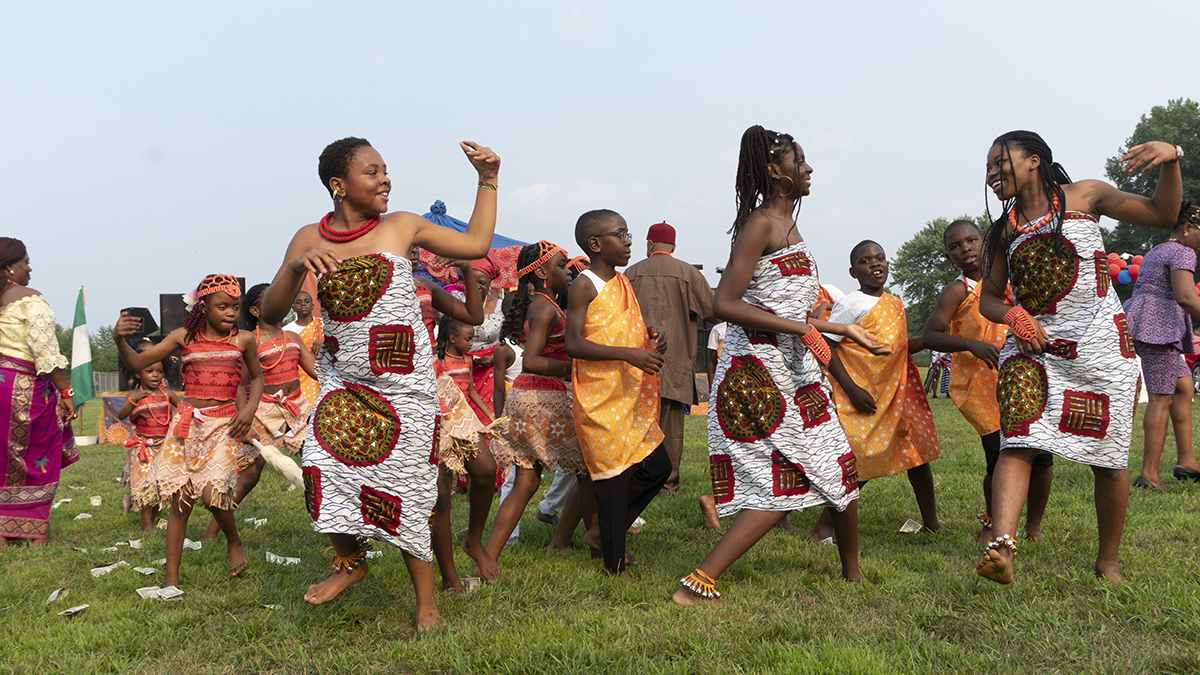
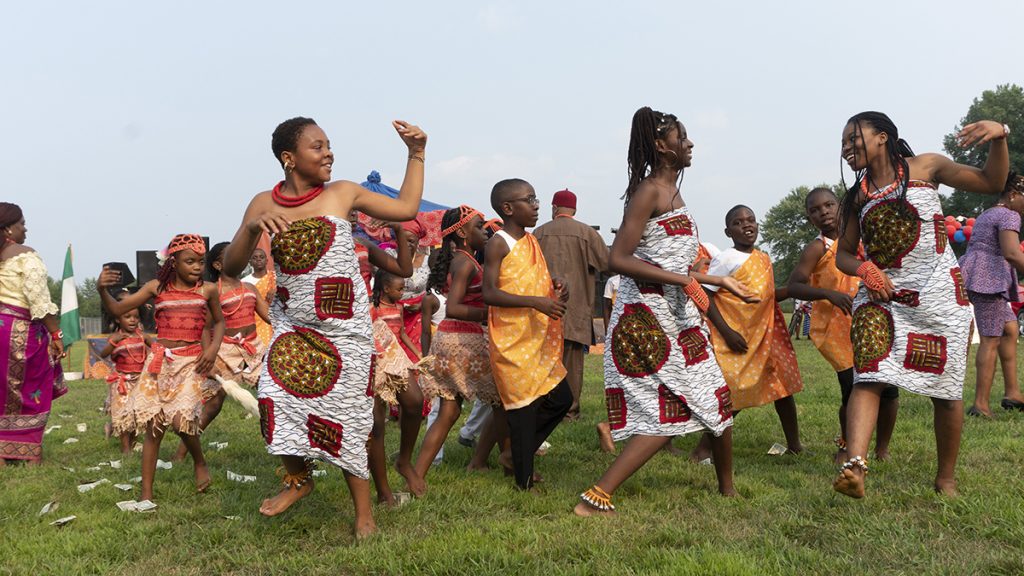
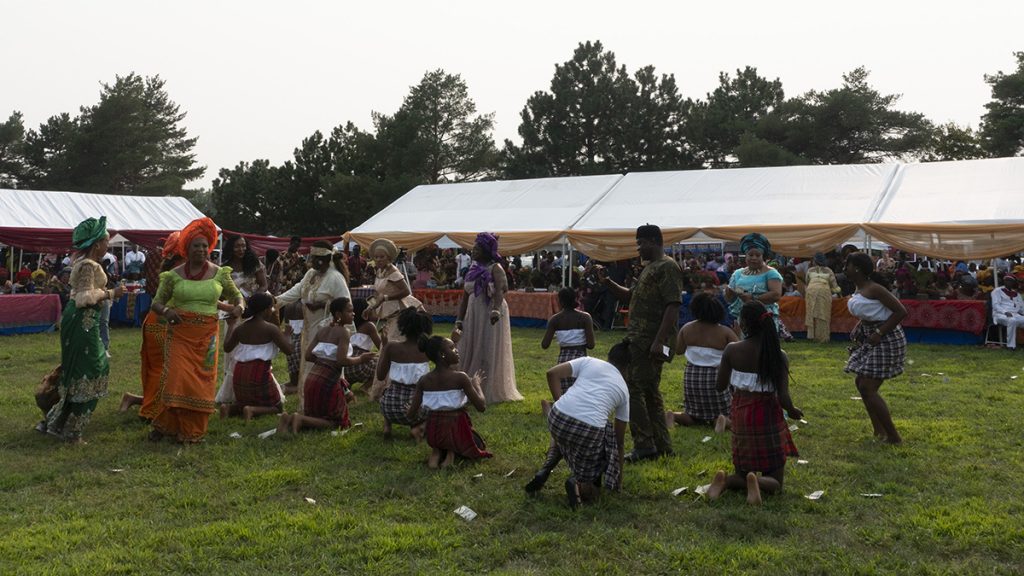
The youth performing at the Minnesota IgboFest 2018 held at North Hennepin Community College in Brooklyn Park on Saturday, August 11, 2018. Photo: Bethel Gessesse/Mshale
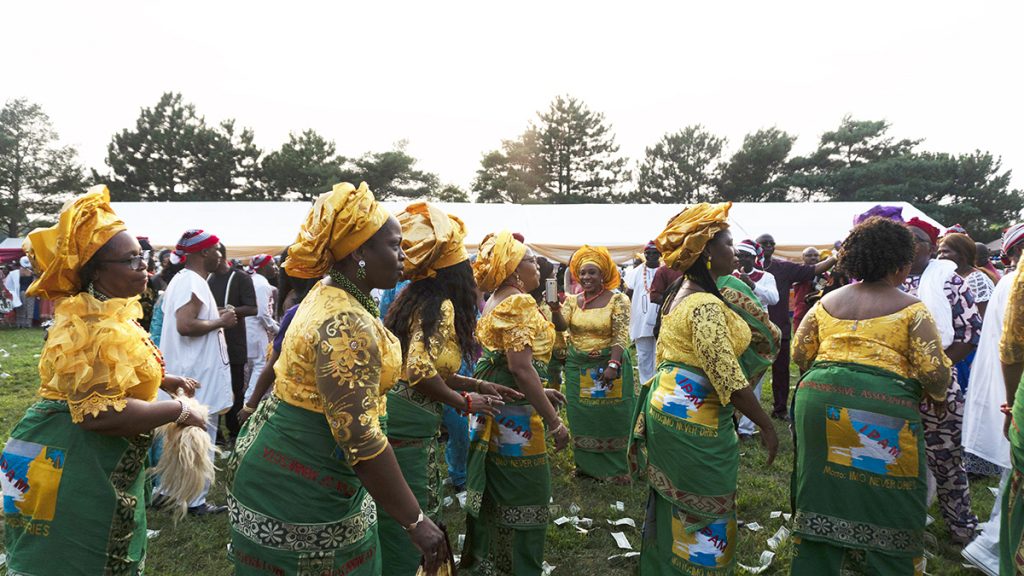
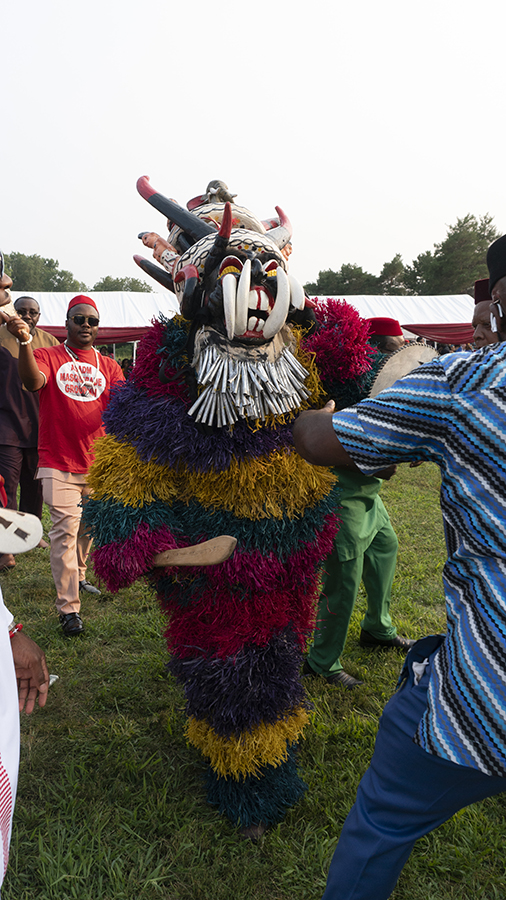
The youth performing at the Minnesota IgboFest 2018 held at North Hennepin Community College in Brooklyn Park on Saturday, August 11, 2018. Photo: Bethel Gessesse/MshaleThe youth performing at the Minnesota IgboFest 2018 held at North Hennepin Community College in Brooklyn Park on Saturday, August 11, 2018. Photo: Bethel Gessesse/MshaleMasters of Ceremonies at the Minnesota IgboFest 2018 held at North Hennepin Community College in Brooklyn Park on Saturday, August 11, 2018. Photo: Bethel Gessesse/MshaleThe masquerade performance at the Minnesota IgboFest 2018 held at North Hennepin Community College in Brooklyn Park on Saturday, August 11, 2018. Photo: Bethel Gessesse/MshaleThe Igbo Women’s League performing a dance at the Minnesota IgboFest 2018 held at North Hennepin Community College in Brooklyn Park on Saturday, August 11, 2018. Photo: Bethel Gessesse/MshaleA masquerade at the Minnesota IgboFest 2018 held at North Hennepin Community College in Brooklyn Park on Saturday, August 11, 2018. Photo: Bethel Gessesse/MshaleA section of the crowd at IgboFest 2018 held at North Hennepin Community College in Brooklyn Park on Saturday, August 11, 2018. Photo: Bethel Gessesse/MshaleChildren performing at the Minnesota IgboFest 2018 held at North Hennepin Community College in Brooklyn Park on Saturday, August 11, 2018. Photo: Bethel Gessesse/Mshale
Afrobeat and Afropop music blared from speakers on a decorated stage, aromatic scents of plantain and spices, clothing vendors and community nonprofits, Igbo women in long patterned dresses and head wraps folded with origami-like precision, Igbo men wearing traditional caps and garments, and children following suit. This was the scene at North Hennepin Community College in Brooklyn Park on Saturday, where an estimated 1,000 people gathered IgboFest, a celebration of Igbo culture and heritage. The Igbo hail from south-central and southeastern Nigeria and comprise almost 20% of Nigeria’s population of 196 million (UN estimates).
The event, now in its 25th year, continued its streak of good fortune as cooperating weather allowed it to be held outdoors in the expansive grounds of North Hennepin. It is organized each year by Umunne Cultural Association in Minnesota. At this year’s festival, food trucks such as Damota’s Kitchen and Kona’s Ice and other no-name food vendors did brisk business. Political campaigns especially from the DFL party were out in full force with primaries just days away.
Mazi Onyeka Tony Osakwe, Chairman of IgboFest 2018 set the tone early with his message to attendees and supporters of his community “I consider teaching our children Igbo language and culture, and the achievement orientation of the Igbo ethnic group of paramount importance and cultural imperative.”
To that end, the chairman’s message was put on display in practical ways in the afternoon-long celebration. First to perform was the children’s choir led by the Igbo Women’s League in an acapella Okwute melody. The Women’s League had a hand in many of the performances led by youth, including the Umunne Teenage Girls Dance and Drummer Boy’s Circle.
The two masters of ceremonies called group after group including Igbo counterparts from Winnipeg in the Canadian province of Manitoba who have been a consistent presence in Minnesota’s past IgboFest. The Minnesota group returns the favor by visiting Manitoba each year to participate in their IgboFest.
Over twenty groups performed at this year’s IgboFest. The Egba Eze Masquerade and the Anambra Masquerade were one of the main hits at the festival, their multi-colored robes and masks, and surrounding dancers attracting the attention and gaze of most attendees. You can watch Mshale’s livestream of some of the performances here, here and here.
During each dance, ecstatic members of the audience joined the performers, tossing dollar bills to express their praise. People of all ages danced, sung, and expressed their joy in Igbo culture.
The afternoon celebration was to be followed by Nigerian Afropop crowd puller, Yemi Alade, in her debut Minnesota concert, in town at the invitation of Umunne for its 25th Anniversary celebration of IgboFest.
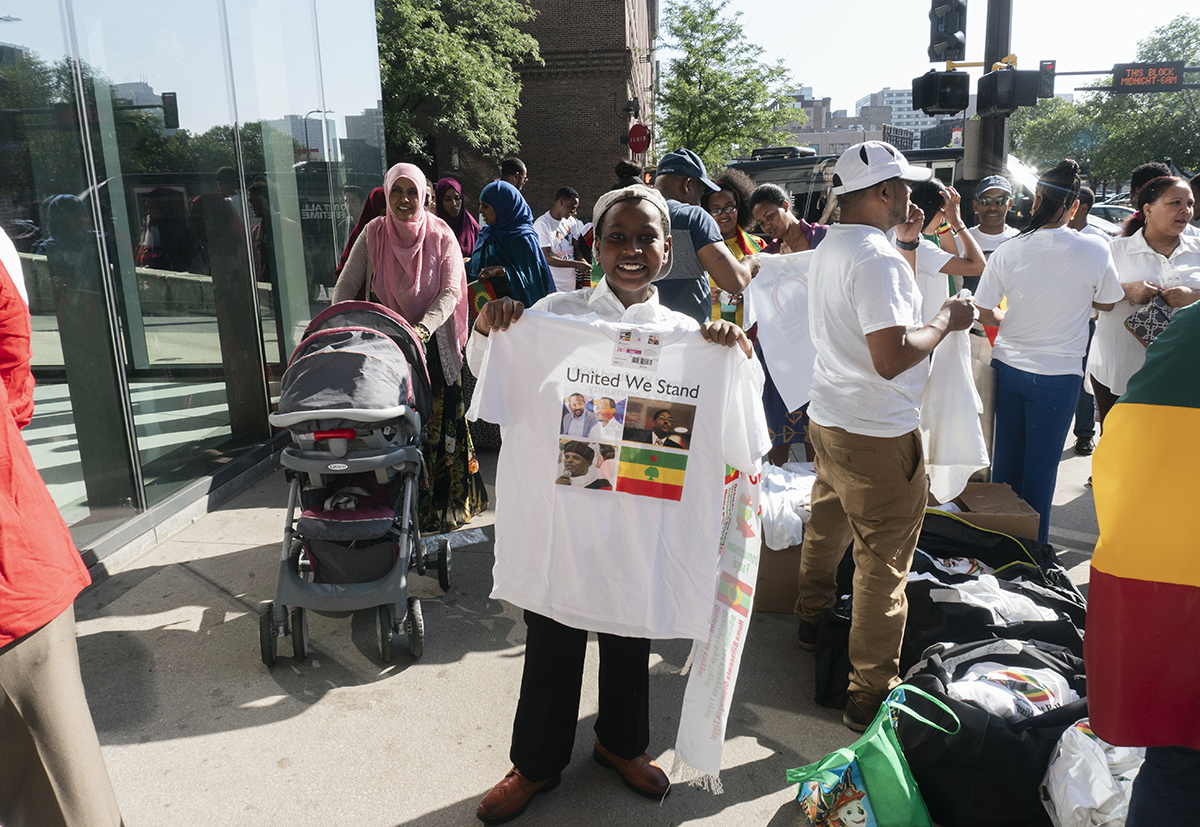
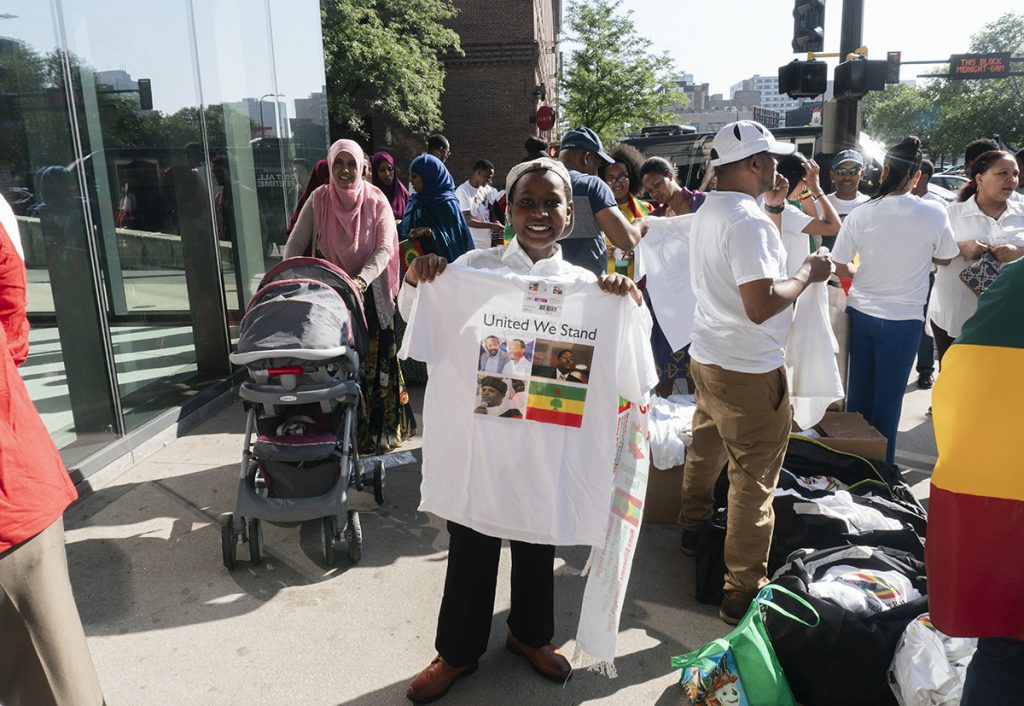
A young boy holding a t-shirt outside Target Center in Minneapolis that echoed the call for unity going on inside where prime minster Abiy Ahmed of Ethiopia addressed thousands. Photo: Bethel Gessesse/Mshale
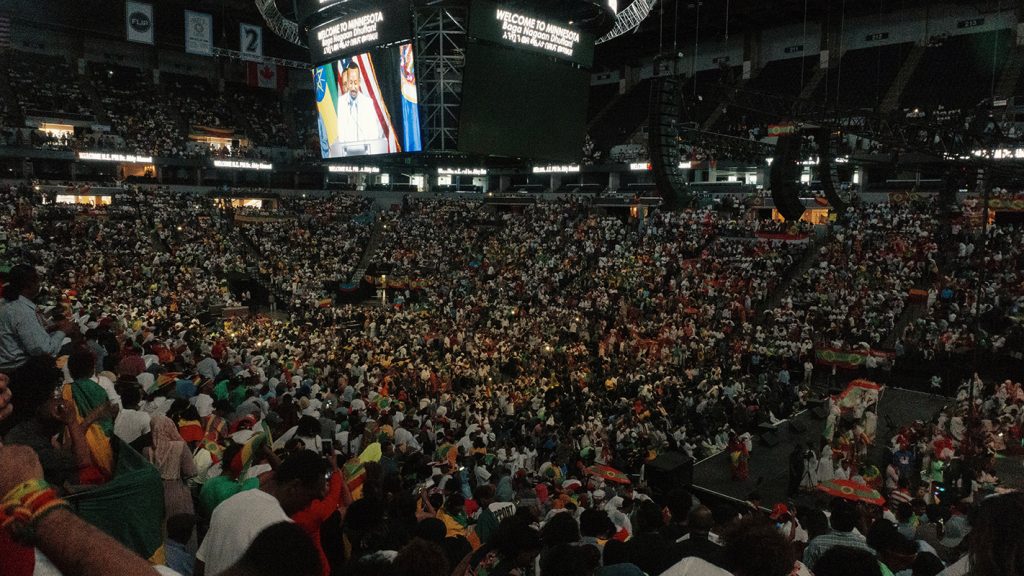
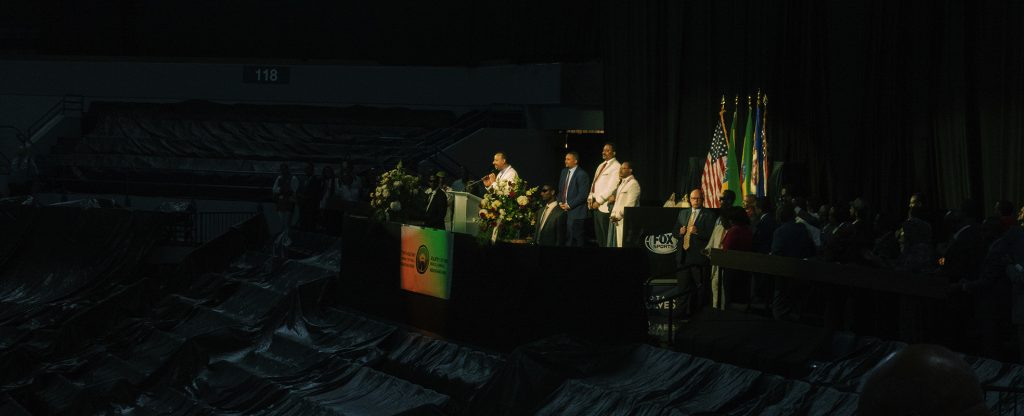
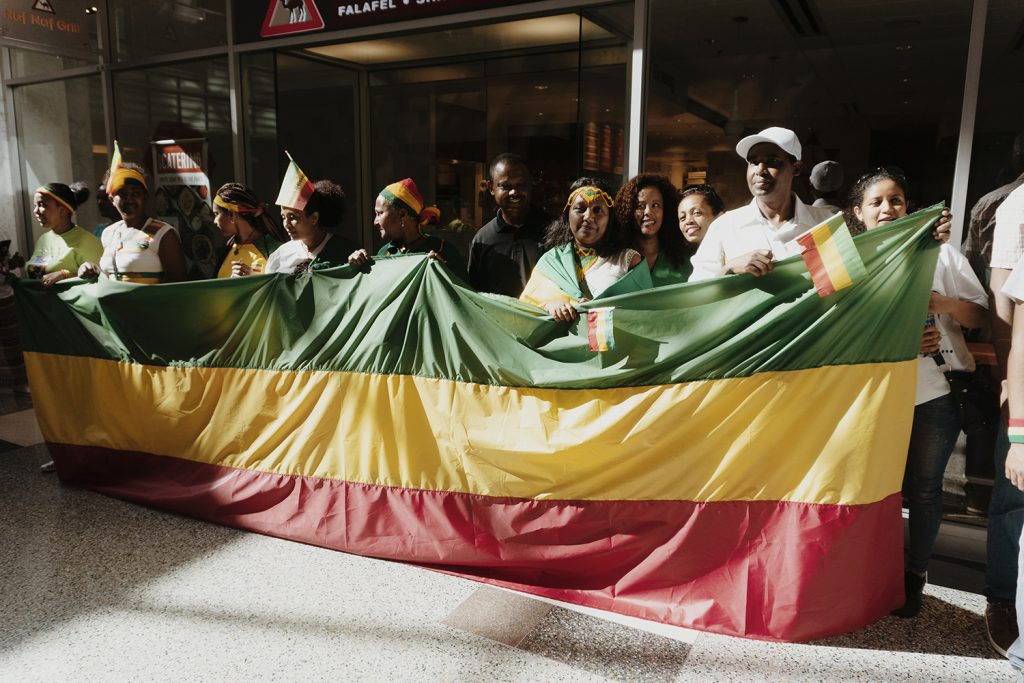
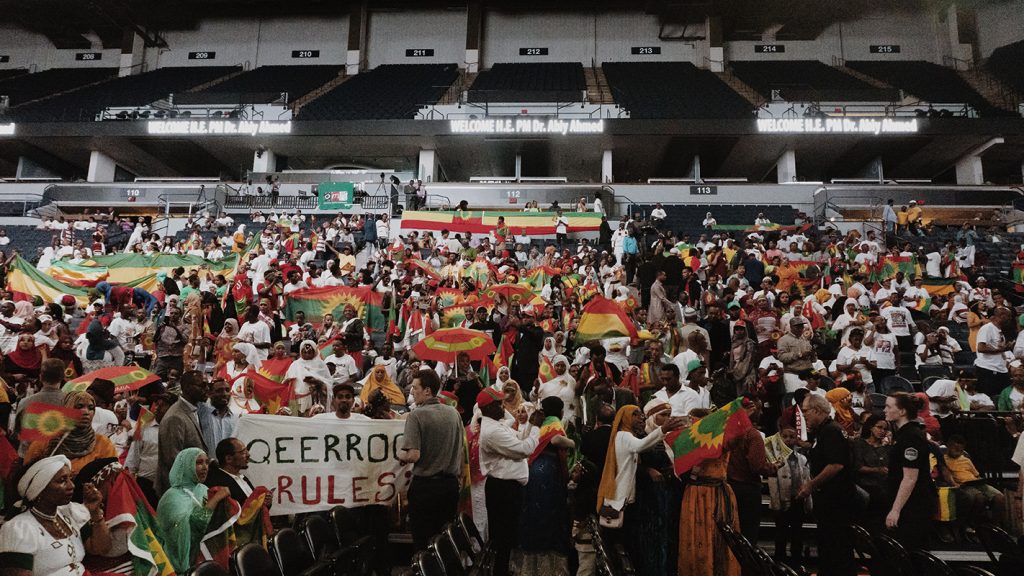
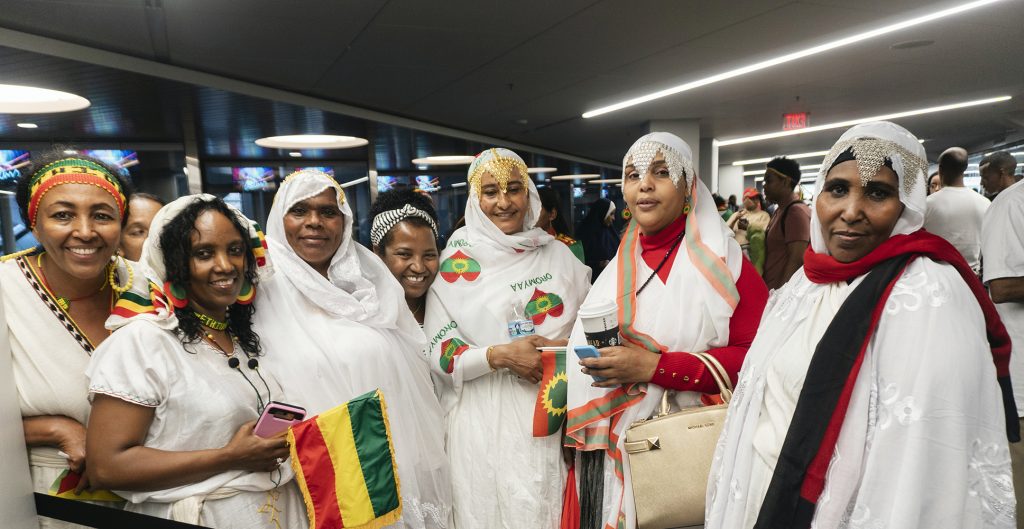
A young boy holding a t-shirt outside Target Center in Minneapolis that echoed the call for unity going on inside where prime minster Abiy Ahmed of Ethiopia addressed thousands. Photo: Bethel Gessesse/MshaleA young boy holding a t-shirt outside Target Center in Minneapolis that echoed the call for unity going on inside where prime minster Abiy Ahmed of Ethiopia addressed thousands. Photo: Bethel Gessesse/MshaleOver 10,000members of the Ethiopian diaspora packed the Target Center in Minneapolis on Monday, July 30 2018 during a visit by prime minister Abiy Ahmed of Ethiopia. Photo: Bethel Gessesse/MshalePrime Minister Abiy Ahmed of Ethiopia addressing over 10,000 member of his diaspora in Minneapolis on Monday, July 30, 2018. Photo: Bethel Gessesse/MshaleMembers of the Ethiopian diaspora holding the country’s flag in Minneapolis on Monday, July 30 2018 during a visit by prime minister Abiy Ahmed of Ethiopia. Photo: Bethel Gessesse/MshaleMembers of the Ethiopian diaspora inside Target Center in Minneapolis on Monday, July 30 2018 during a visit by prime minister Abiy Ahmed of Ethiopia. Photo: Bethel Gessesse/MshaleMembers of the Ethiopian diaspora in Minneapolis on Monday, July 30 2018 during a visit by prime minister Abiy Ahmed of Ethiopia. Photo: Bethel Gessesse/Mshale
MINNEAPOLIS — Over 10,000 members of the Ethiopian diaspora from around the US, including Canada, packed Target Center on Monday to hear from Ethiopia’s new Prime Minister, Dr. Abiy Ahmed, and Oromia Regional President Lemma Megersa.
The prime minister’s Minneapolis visit was the last of the three US cities he was visiting to spread his message of peace and reconciliation that has caused a sensation in the region and the diaspora.
The lines to get into the venue started early. Meleate Tsegaye, Fatuma Lali, Kedija Osman ZZ, and Alemnesh Tulu were first in line. They arrived at 5AM t to see the leaders, who were not scheduled to speak until 2:30 PM.
“I am here to tell them we are with you and we will work with you. We are happy. We are here to thank God for bringing new things for our country. The enemy’s work and curse which is hatred and racism is broken today,” said Tsegaye.
“The reason we left is because of lack of peace. Today we are ready to go back and help our country,” said Lali.
Upbeat support and optimism were the order of the day as people filed into the arena waving the flags of Oromo, Ethiopia, Ogaden, and Eritrea. They chanted, sang and danced as they awaited the arrival of the dignitary they had come to see.
The celebration inside Target Center however was not universally shared, as critics of the prime minister were also present. Boos and voices of disapproval could be heard as the proceedings went on.
Feven Ayana, a senior at the University of Minnesota and former Vice President of the Ethiopian Student Association, had her performance cut short as tensions escalated inside the arena.
“I was deeply saddened by the tension in the arena, but we were all excited to bring some diverse Ethiopian performances to our leaders, and our communities. We came on stage prepared to represent a wide range of Ethiopian identities,” Ayana stated.
Oromia Regional President, Lemma Megersa was first to speak, and took the opportunity to praise the crowd for gathering in unity, despite their differences.
Prime Minister Abiy who followed, called on the diaspora to knock down the walls between them and build bridges. He took responsibility for the tension in the arena and apologized for the performances that were cut short. He called on the older generation to guide the youth in peace and unity.
The prime minister shared the stage with Jawar Mohammed, who previously faced terror-related charges for messages spread on Oromo Media Network, which Dr. Abiy dismissed when he came to power. The Prime Minister embraced Mohammed and called on members to do the same with love and forgiveness. The crowd listened, chanted in happiness and hugged each other in agreement as the four-hour program concluded.
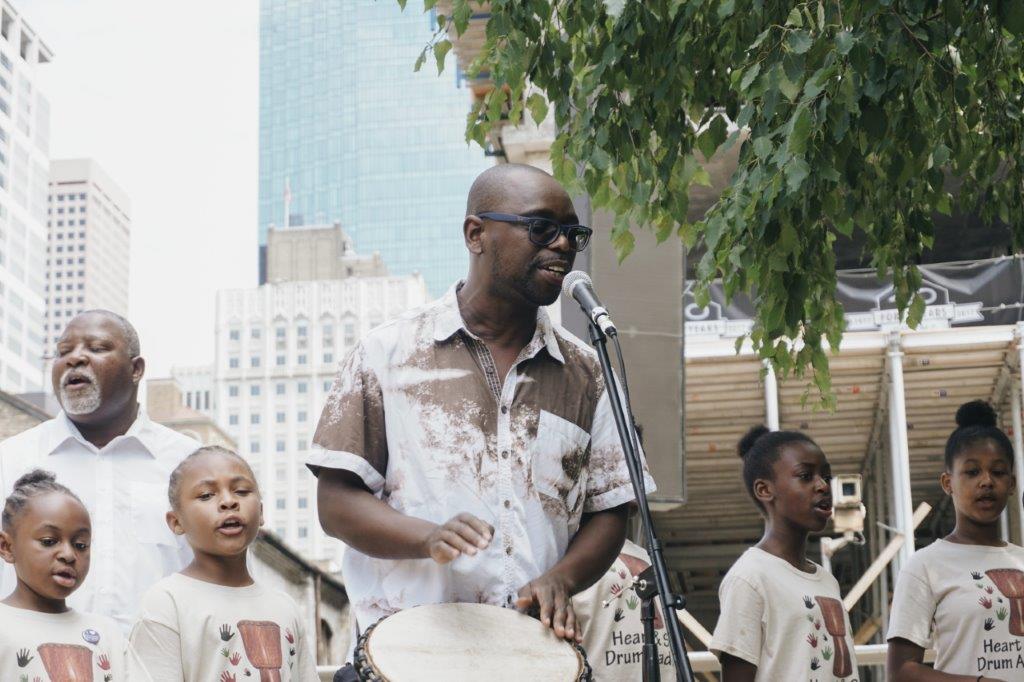
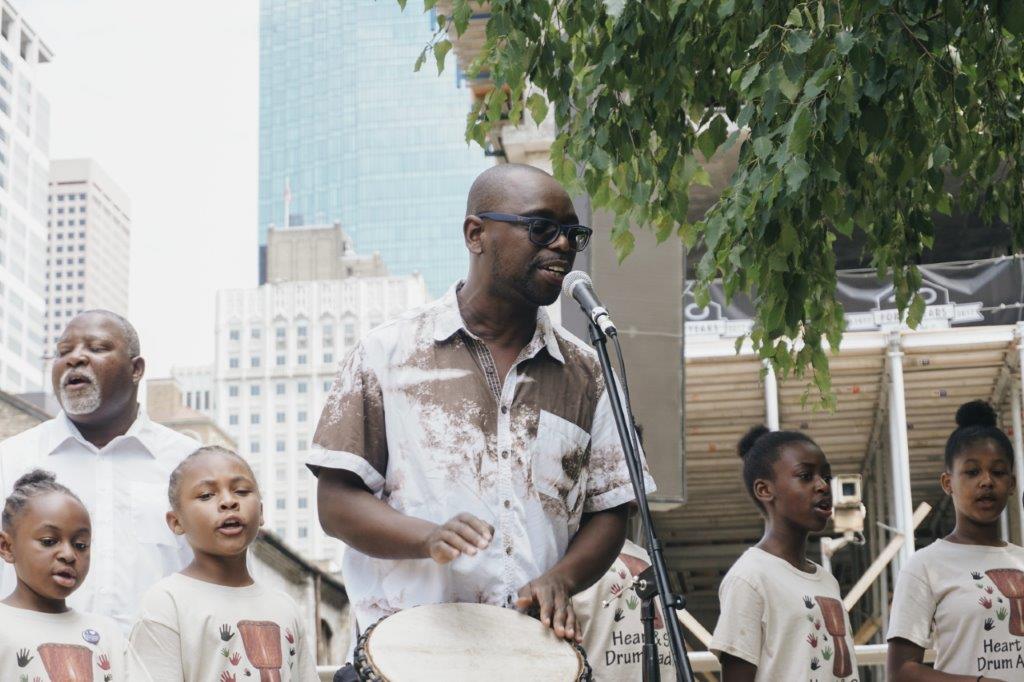
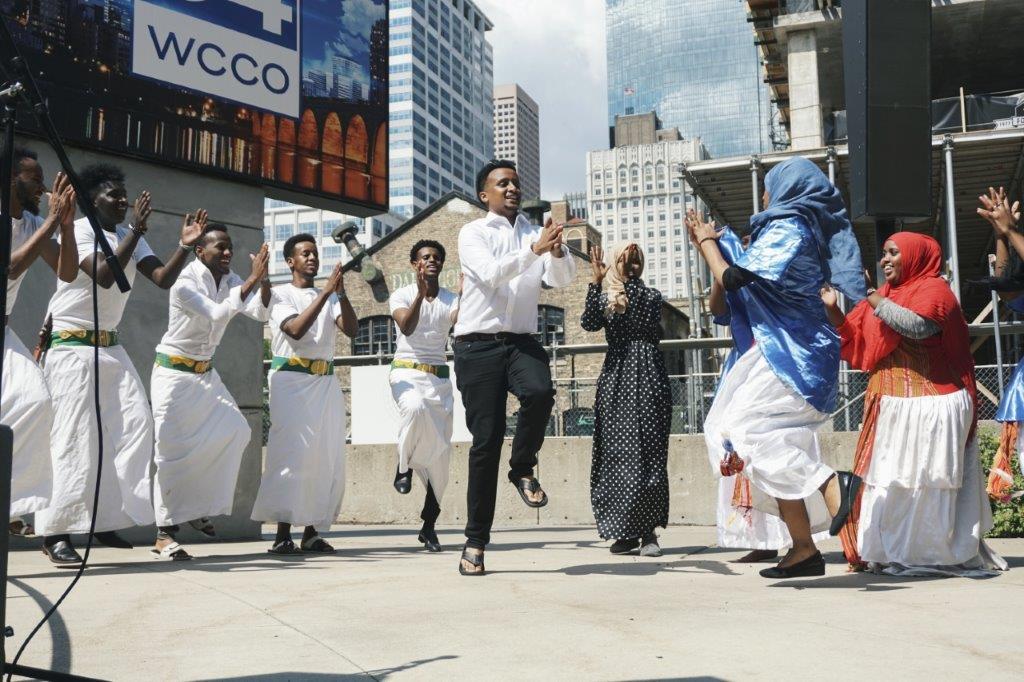
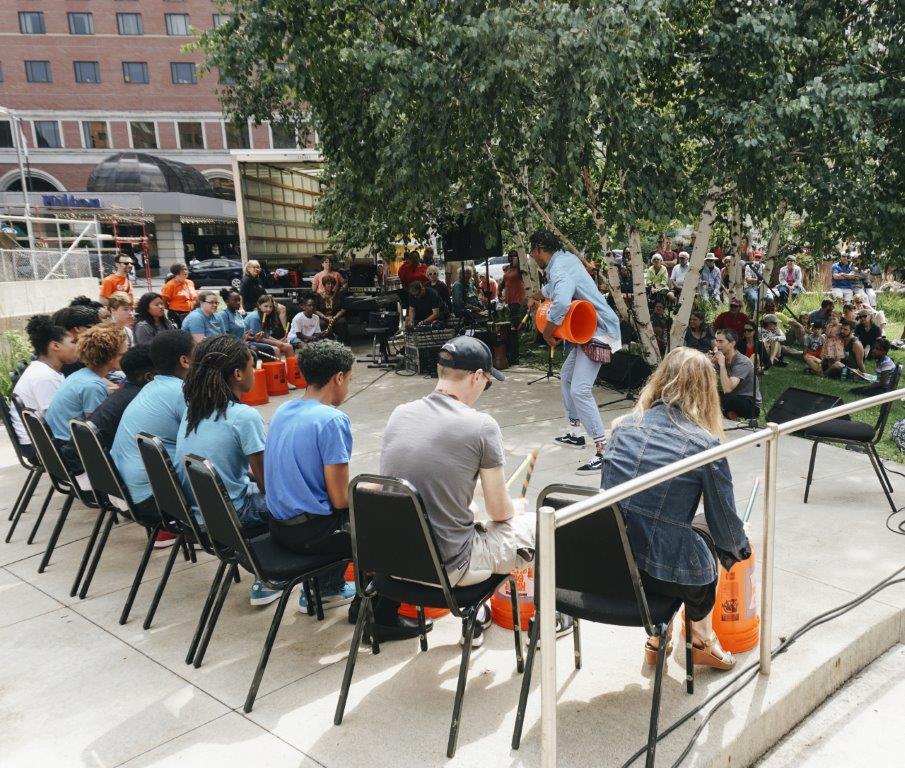
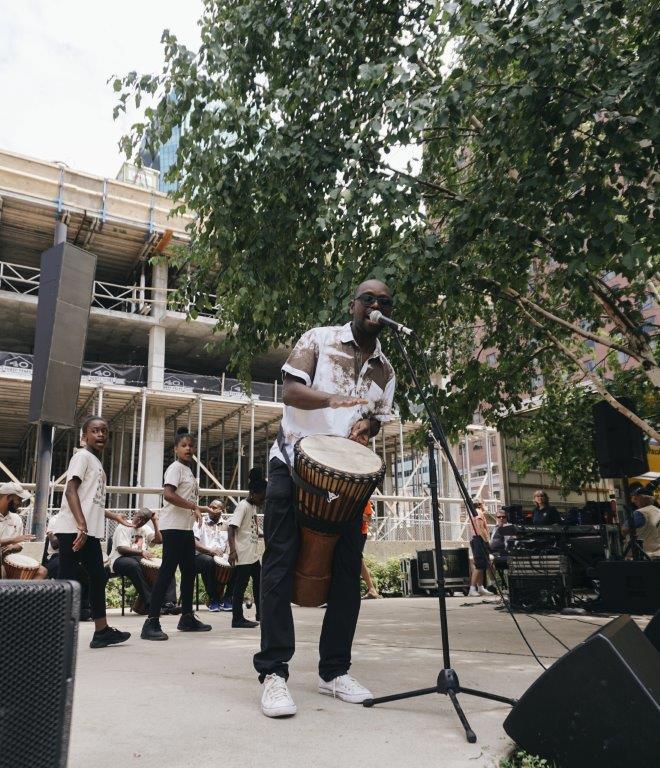
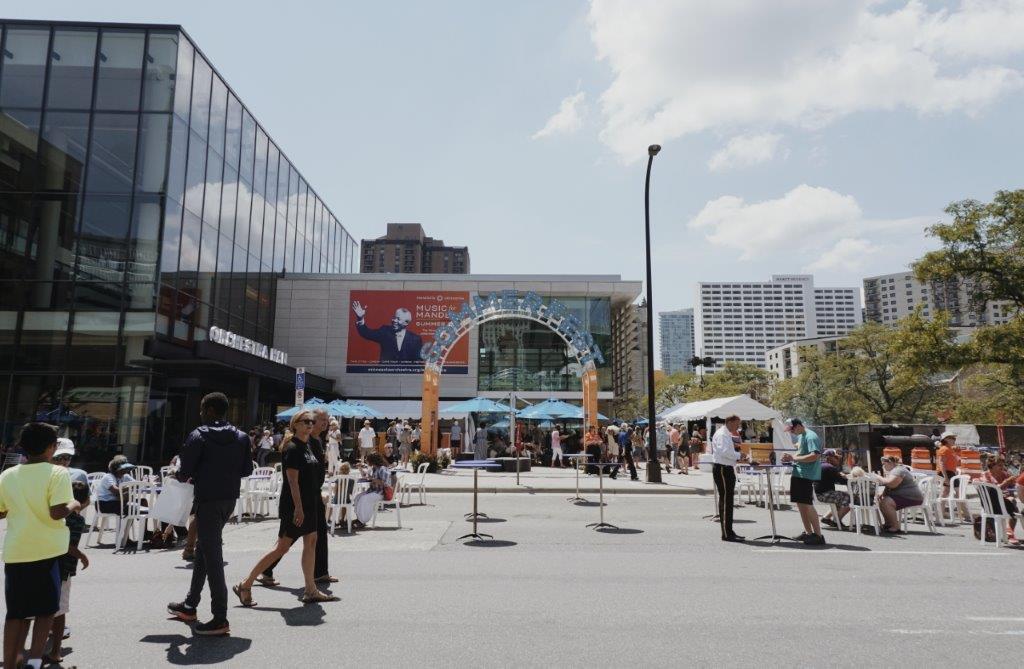
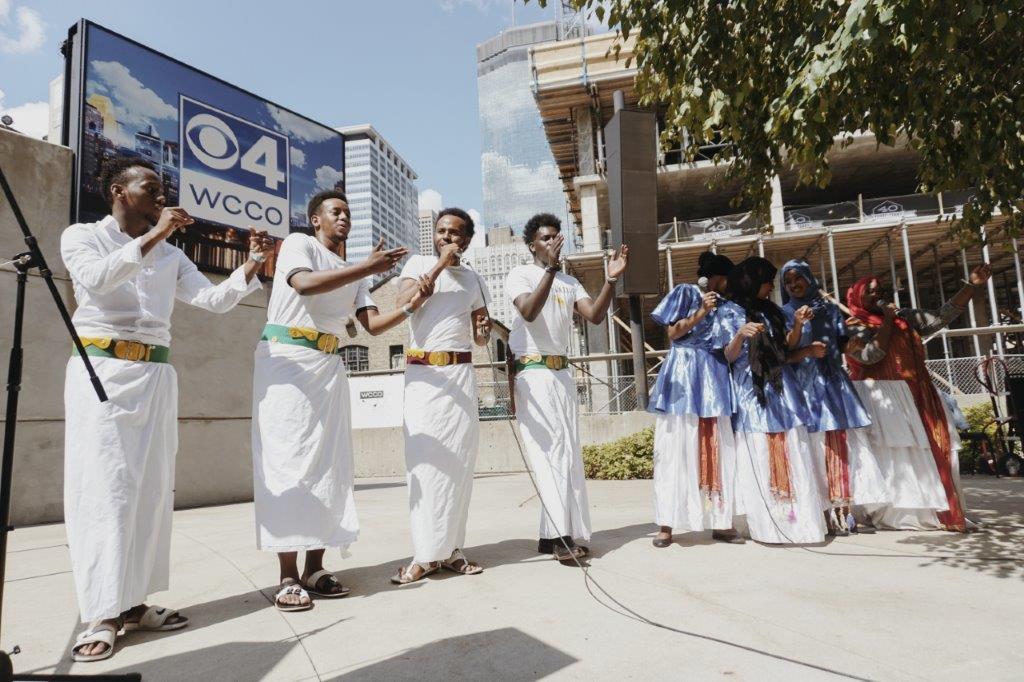
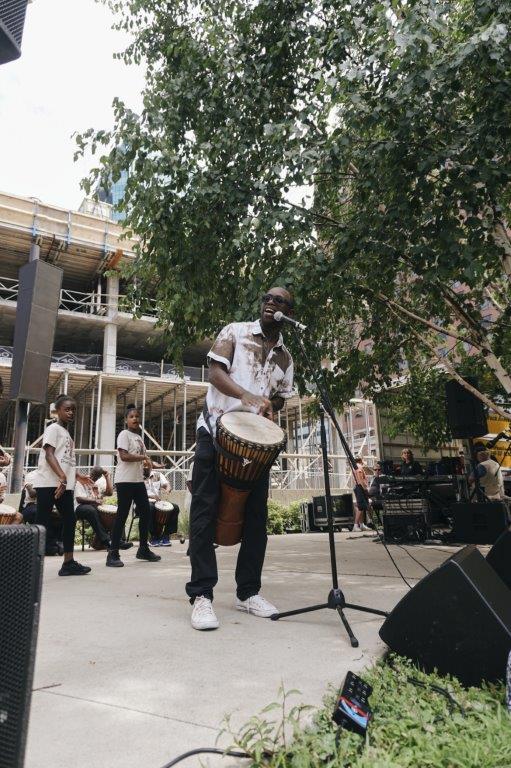
Insingizi performs alongside dancers, drummers, and singers of the Heart & Soul Drum Academy of St. Paul at Sommerfest 2018 held at Orchestra Hall in downtown Minneapolis on Saturday, July 21, 2018 during Music for Mandela. Photo: Bethel Gessesse/Mshale
Insingizi performs alongside dancers, drummers, and singers of the Heart & Soul Drum Academy of St. Paul at Sommerfest 2018 held at Orchestra Hall in downtown Minneapolis on Saturday, July 21, 2018 during Music for Mandela. Photo: Bethel Gessesse/Mshale
The Minnesota Orchestra celebrated Nelson Mandela’s 100th birthday with a ‘Day of Music’ both indoors and outdoors featuring different musicians and genres on Saturday, July 21, 2018 in downtown Minneapolis. Mandela’s eldest daughter, Makaziwe Mandela, kicked off the celebration the night before. The Nelson Mandela Centenary 10-day celebration will explore musical expressions of peace, freedom and reconciliation and will conclude with a five-city tour of South Africa. Ladysmith Black Mambazo will perform on July 31 concluding with a send-off of the orchestra on August 1. Mshale was there on the ‘Day of Music’ on Saturday, July 21, 2018 to capture the scenes.
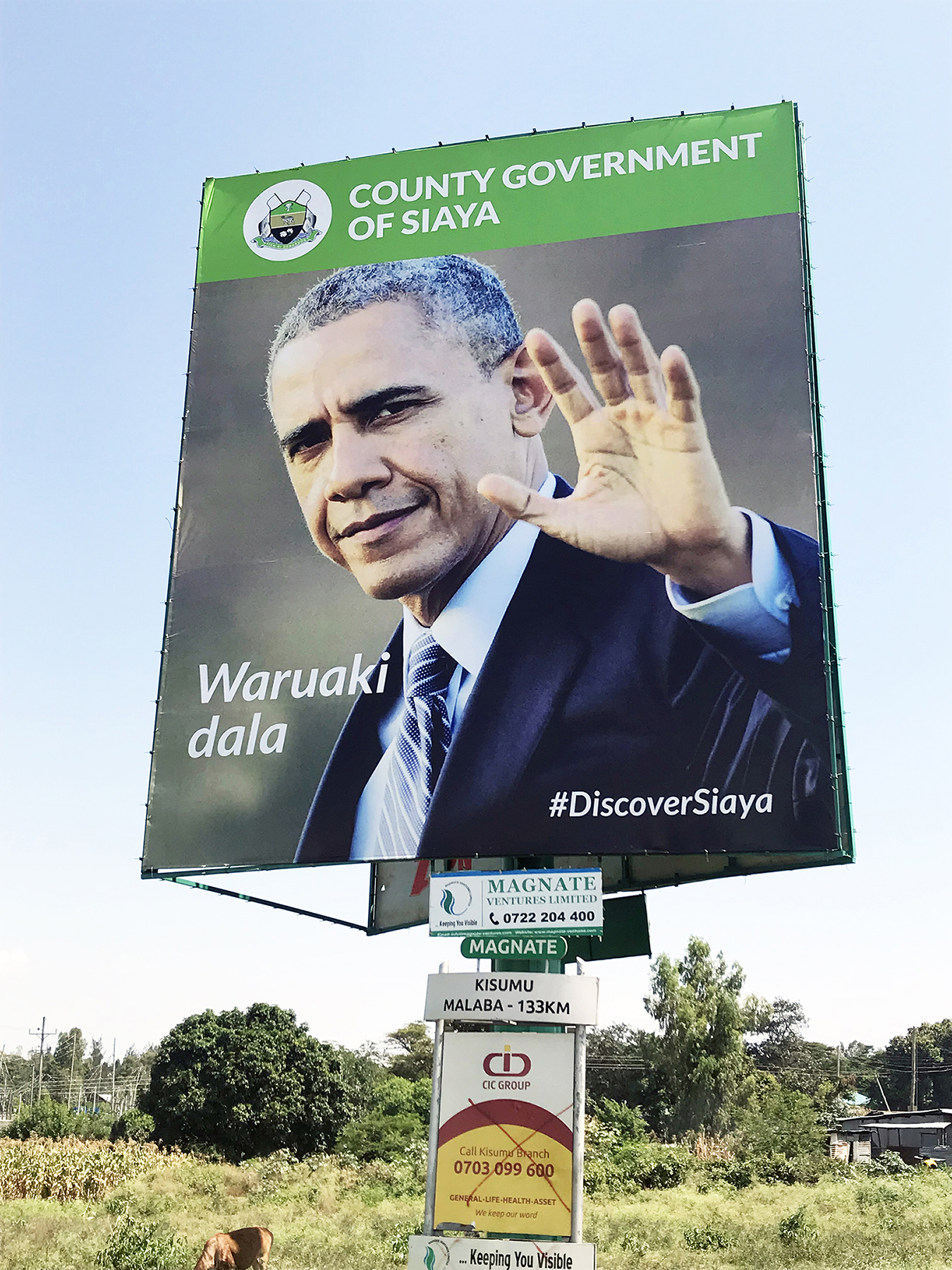
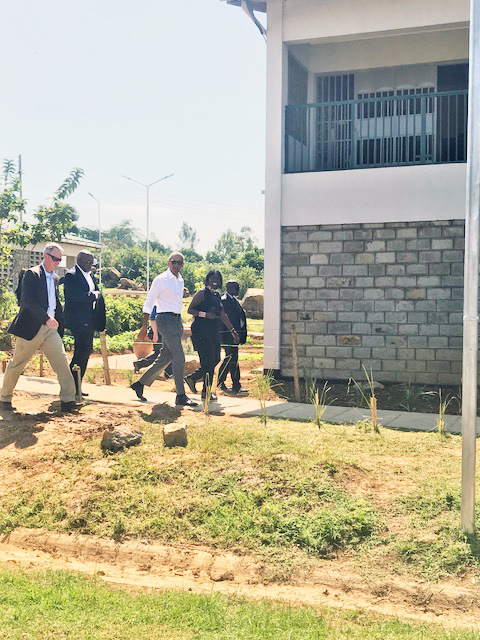
A billboard welcoming former US president Barack Obama to Siaya County where Kogelo is located. Obama was in town to launch his sister Auma Obama's Sauti Kuu Foundation on Monday, July 16, 2018. Photo: Kari Mugo/Mshale
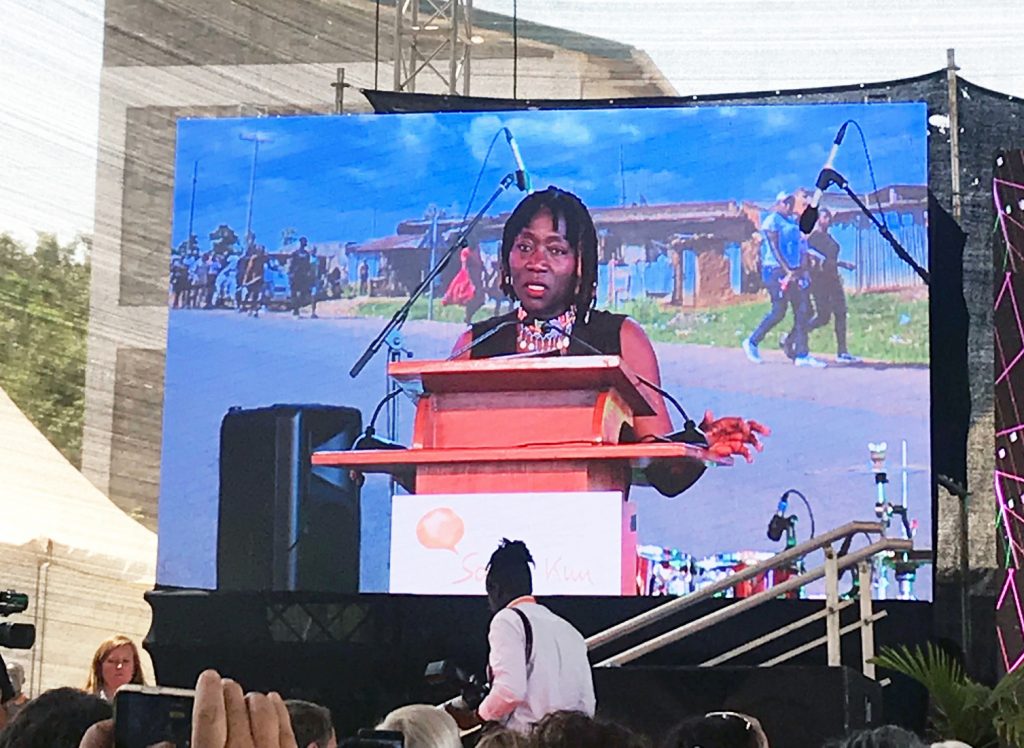
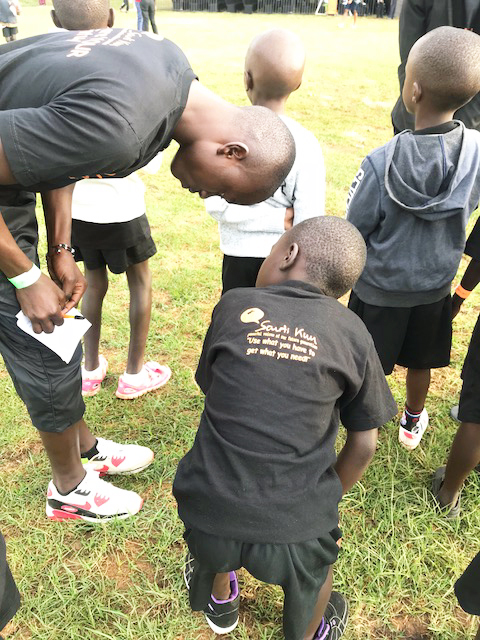
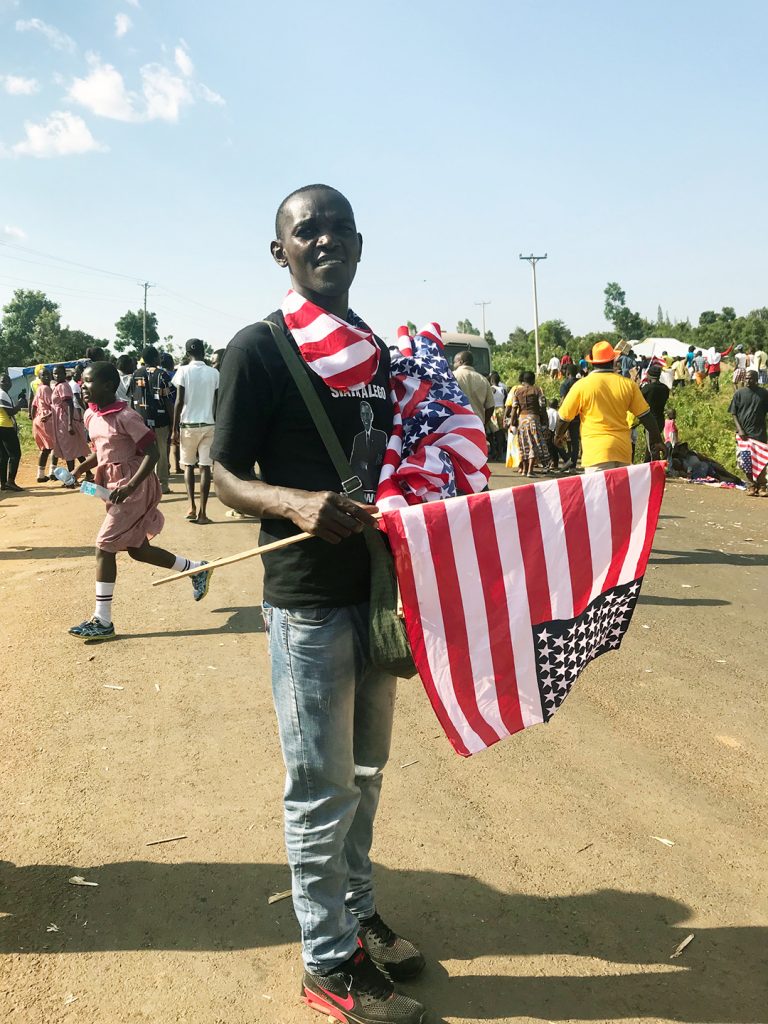
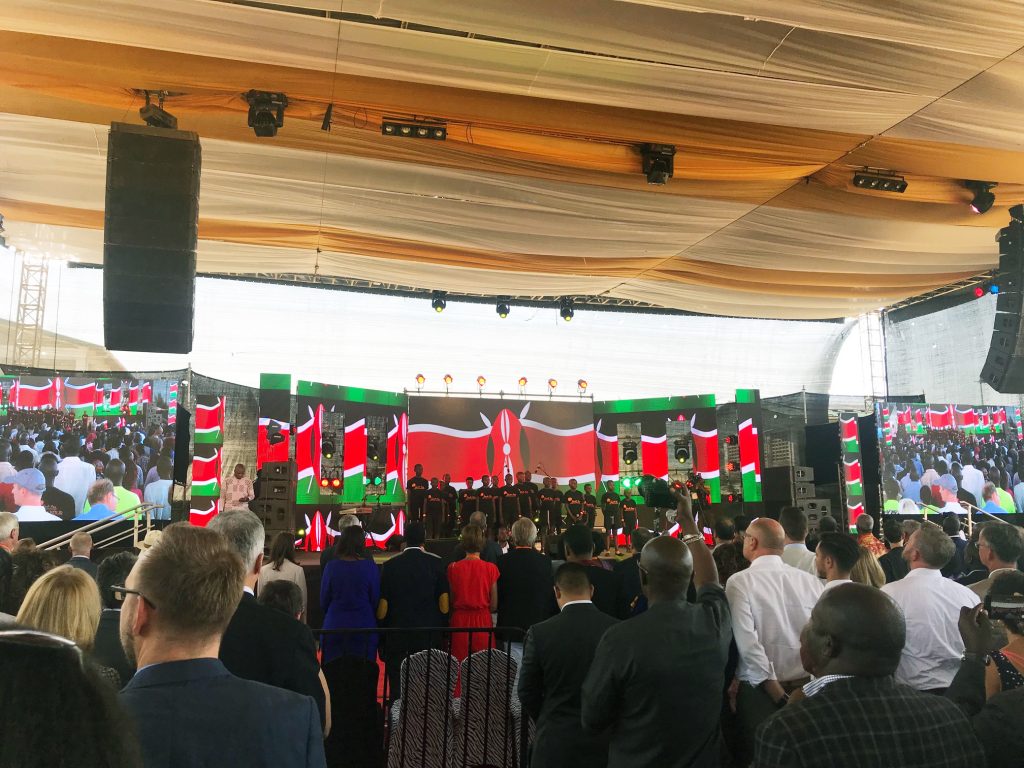
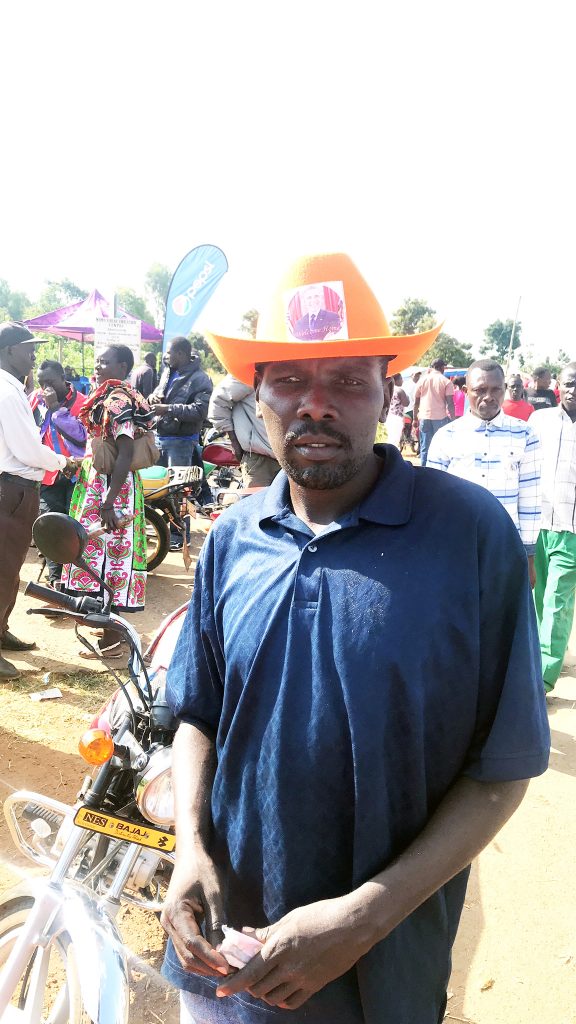
A billboard welcoming former US president Barack Obama to Siaya County where Kogelo is located. Obama was in town to launch his sister Auma Obama's Sauti Kuu Foundation on Monday, July 16, 2018. Photo: Kari Mugo/MshaleA billboard welcoming former US president Barack Obama to Siaya County where Kogelo is located. Obama was in town to launch his sister Auma Obama’s Sauti Kuu Foundation on Monday, July 16, 2018. Photo: Kari Mugo/MshaleFormer US president Barack Obama in Kogelo, Kenya during the launch of Sauti Kuu Foundation on Monday, July 16, 2018. Photo: Kari Mugo/MshaleAuma Obama, sister to former US president Barack Obama speaking during the launch of Sauti Kuu Foundation on Monday, July 16, 2018 in Kogelo, western Kenya. This was president Obama’s first visit to Kenya since leaving office. Photo: Kari Mugo/MshaleChildren of Sauti Kuu Foundation during the launch on Monday, July 16, 2018 in Kogelo, Kenya attended by former US president Barack Obama. Photo: Kari Mugo/MshaleA vendor hawks US flags during the visit of former US president Barack Obama to his father’s Kogelo hometown in Siaya County. The president was in town to launch his sister Auma Obama’s Sauti Kuu Foundation on Monday, July 16, 2018. Photo: Kari Mugo/MshaleGuests listen to children of Sauti Kuu Foundation during the launch in Kogelo attended by former US president Barack Obama on Monday, July 16, 2018. Photo: Kari Mugo/mshaleA Boda Boda driver spots a hat with the photo of former US president Barack Obama when the Obama visited Kogelo in western Kenya on Monday, July 16, 2018. Photo: Kari Mugo/Mshale
When Barack Obama became the first African American to be elected President of the United States, Kenya, and Africa as a whole, had a lot of expectations. Our continent, many thought, was finally going to get the attention it deserved. For many Africans, that meant channeling U.S. dollars into the continent to fund development projects. The belief was based on nothing but the mere fact that Obama is the son of an African father, who hailed from Kogelo, in western Kenya.
It didn’t take long for Africans to learn that, due to the nature of the American political system, a U.S. president can’t just do as he pleases. In fact, even if he wanted to, it would have been even more difficult for Obama to show any preference to Africa because his election angered many bigots, who could have jumped at any opportunity to delegitimize his presidency. Perhaps for the same reason, Obama didn’t even visit Kenya until late in his second term when he had no political price to pay. But now that he’s out of office, he finally seems to be free to get involved in matters of development on the continent, albeit in a small way.
Obama’s July visit to Kogelo located in western Kenya’s Siaya County showed that his hold on Kenyans remains spell binding. In Kisumu County, billboards dotted Busia Road, the highway leading out of Kisumu International Airport, with images of a smiling, waving President Obama. To the right, on the road heading towards Kisumu, signs and posters by the County Government proudly welcomed Obama to the “lakeside city.” And to the left, towards Kogelo, the County Government of Siaya extended a warm “Waruaki dala,” welcoming Obama home. A shiny stretch of highway, apparently repaved recently and perhaps in anticipation of Obama’s visit, extended all 70 kilometers to Kogelo.
President Obama was in Kenya for the opening of Sauti Kuu Foundation’s sports, resource and vocational training center. Founded by Auma Obama, the former U.S. president’s sister, the center is an impressive multi-million-shilling vocational center. On his fourth visit to the country, Obama arrived as a relative, not an American senator or president on official business. Yes, he met with President Uhuru Kenyatta, and opposition leader Raila Odinga, but the main reason he came to Kenya was to support his sister, Auma, a point underlined in the speech he gave.
“While three years ago my sister Auma introduced me, today I’m fully coming as a brother, as a citizen of the world,” Obama said. “As someone with a connection to Africa, to talk about the importance of what she’s doing. But also, to create a larger context of what’s possible.”
What is possible for the residents of Siaya County is something that Auma, who describes herself as “the heartbeat of Sauti Kuu” (“powerful voices” in Kiswahili), is interested in changing. Like many parts of Kenya, Siaya County remains rural and poor. Through her foundation, Auma has been creating alternative opportunities for Siaya’s youth under the motto, “Use what you have to get what you need.” Through Sauti Kuu, she intends to focus on creating opportunities for youth to remain in the region and end the flight of young people from rural areas. Traditionally, young Kenyan people have fled their rural homes after high school to cities like Nairobi and Kisumu in search of work. Many of them end up failing and spending decades in crowded city slums. The devolution of government, which was stipulated by a 2010 constitution, created semi-autonomous county governments with their own governors and legislatures. That has moved a lot of wealth from the central government in Nairobi, and Sauti Kuu wants to prepare rural youth for the new opportunities becoming available to them. The brand new vocational center, replete with a library, a workshop, an ICT room, a resource center, and a basketball court, is only another facet of Auma’s long-term vision.
“One of the reasons I built this center is because I asked the young people, ‘What would make you stay? Why do you all leave?’” Auma told a crowd of local citizens, and various dignitaries, including the legendary South African singer, Yvonne Chaka Chaka.
“They mentioned all the things they didn’t have and thought they would get in the city. I then explained to them, ‘You won’t get it because in the city if you don’t have the money, if you’re not equipped, you end up in a slum, and in the slum, you get nothing. But what I will do with you, if you work with me, is we’ll try to create those spaces here.”
Auma’s approach towards development in the area is not without its critics, as she herself acknowledged. There is an element of do-it-yourself peppered throughout her vision that brushes over the hardworking yet persistently poor in rural Kenya, one that at times seems to ignore their fraught geo-political and economic realities. Hard work sometimes, just isn’t enough. Her insistence that individuals should strive to lift themselves up has also been seen by some as being anti-Luo because it goes against a culture where collectivity is highly valued.
“I spoke in an interview about the syndrome of gonya gonya,” Auma said.
“And I’m adding to it, konya konya. That means, ‘unbind me, untie me, help me, give me.’ I don’t want my community to be a begging community. I’m not calling the Luos beggars, I’m telling Luos we need to start taking care of ourselves, and it is not difficult, because we can.”
Inside the carefully arranged tent, the crowd cheered. A few people yelled, “Yes We Can!” an echo of Obama’s 2008 campaign slogan. Foreign dignitaries from the various embassies, and from overseas filled the majority of seats in the front rows.
Outside the heavily guarded vocational center compound, thousands of Siaya county residents hoping to see President Obama had camped on the road since morning, held at bay by General Service Unit police officers. The guest list, despite protests and pleas from residents, had been kept to a minimum; a mix of Sauti Kuu parents and children, influential donors and partners, wealthy philanthropists, local government and religious leaders including the governors of Kisumu and Siaya, and friends and family of the Obamas. The former President’s arrival had been carefully executed to avoid both the swelling throng outside and the media circus that follows men like him.
Josephine Awuor Okollo was one of those lucky enough to get a ticket to the event. The mother of four children, all enrolled in Sauti Kuu programs had arrived early. “Nimekuja kuona mkubwa,” she told me. She had come to see the great man. She had not had a chance to see him during his last visit to Kogelo. When Obama finally took the stage, the crowd rose with him. Ululations erupted. From over the fence, the cheers reverberated. Their son had taken the stage. Ever affable, Obama greeted the gathering in Kiswahili and Luo.
“Thank you so much for this extraordinary welcome,” he began. “For your friendship. It is a joy to be back with so many people who are family to me and so many people who claim to be family to me. Everybody is a cousin.” The crowd burst into laughter at the cousin joke.
In a speech spanning fifteen minutes, Obama reminisced on his first visit to Kenya and Kogelo with Auma by his side. Of his walks in Nairobi, the long talks he had with his sister and their long arduous journey by train and bus to arrive at his grandmother’s home. There, he said, they had to chase their dinner, bathed from an outdoor cistern and found no electricity or running water. For a young Obama, this experience gave him “a sense of satisfaction that no five-star hotel could ever provide.”
“It grounded you and gave you a sense of place that then fortified you for the future.”
The former president went on to recall his other visits to the country, as a young Senator and “as the first sitting American president to come from Kenya.” This part, greeted by cheers from the crowd.
An Obama no longer afraid to associate himself with his Kenyan roots is a gift only afforded after his time in office, which was hounded by persistent claims that he was in fact a Kenyan citizen by birth and therefore not eligible to hold the presidency. Obama spoke glowingly of his sister, her Foundation, and how her own connections to Siaya had made her want to give other young people more opportunities at success. Much like her and her brother had been given.
Touching briefly on the state of affairs of the country, the former president spoke of the progress that had been made since his grandfather’s and his father’s time and the promising dialogue between President Kenyatta and Raila Odinga to peacefully end a political stalemate. But he also highlighted the challenges that remained, particularly when it came to corruption and tribalism which continue to hinder progress in the country. Ever a champion of gender equality, he emphasized the need for the participation of young girls and women in empowerment programs and education. Arguing no one should be left behind. Later, at a ribbon cutting ceremony for the basketball court funded by Giants of Africa, Obama would emphasize gender parity again, stating he wanted to see girls on the court too.
With a huge smile and a presidential wave, Obama’s fifteen minutes on stage came to an end. Ending as he had begun, in Kiswahili, “Mungu abariki Kenya (God bless Kenya)” before being swept away to a VIP lunch. About an hour later, a decoy convoy would speed out the front gate of the Sauti Kuu center and into the waiting arms of the hungry crowd. American flags were waved, herds of people in gear bearing Obama’s face rushed forward, eagerly waving as the convoy whizzed by.
In the sky, farther away, a black helicopter took off, heading towards Kisumu. And just like that, Kogelo’s son was gone. But this time, there is a feeling that he will come back soon.
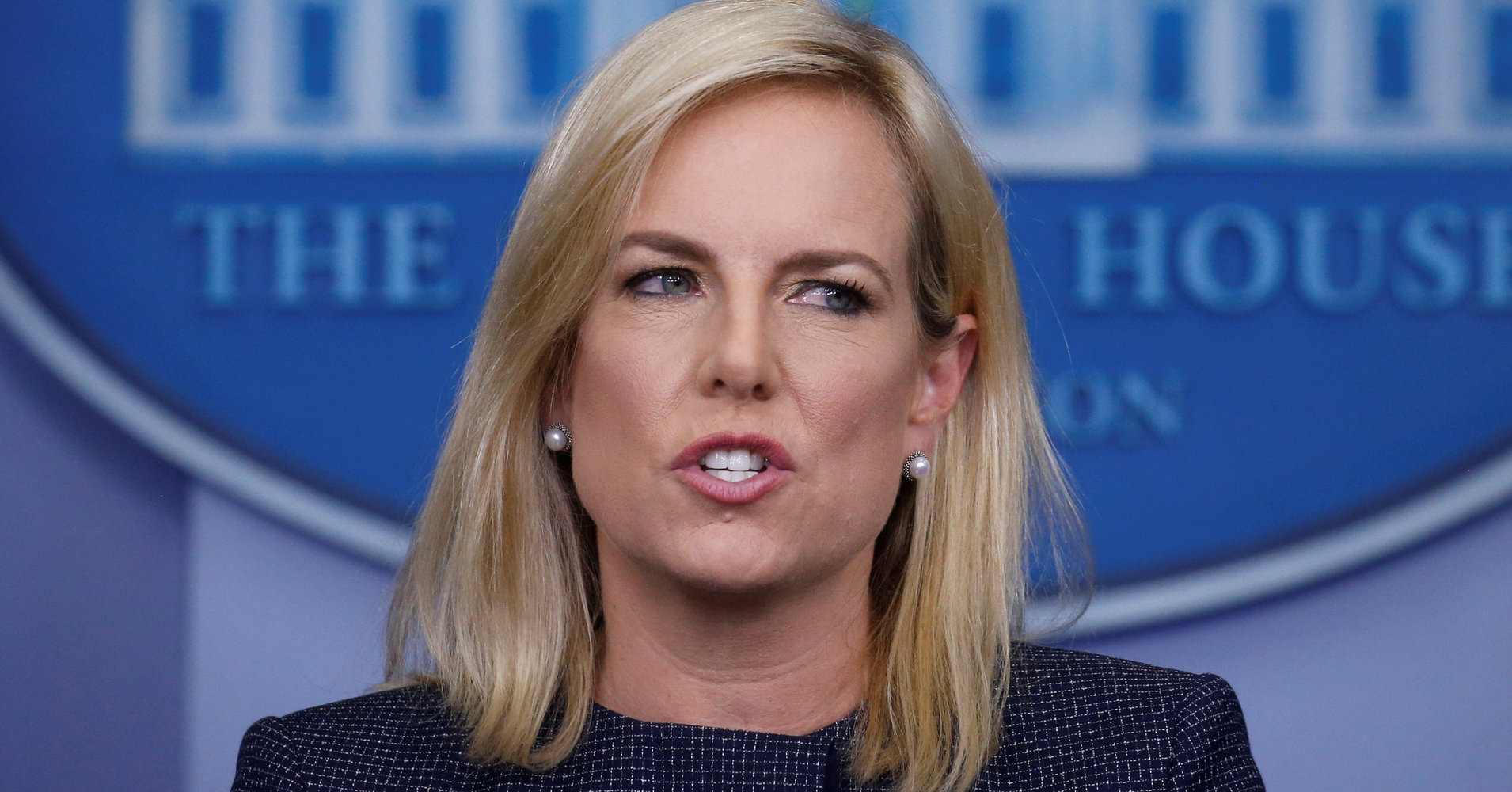
US Secretary of Homeland Security Kirstjen Nielsen answers questions during the daily briefing at the White House in Washington, D.C. on June 18, 2018. On July 19, 2018 she announced an 18 month extension for 500 Somalis on Temporary Protected Status (TPS). Photo: White House
US Secretary of Homeland Security Kirstjen Nielsen answers questions during the daily briefing at the White House in Washington, D.C. on June 18, 2018. On July 19, 2018 she announced an 18 month extension for 500 Somalis on Temporary Protected Status (TPS). Photo: White HouseUS Secretary of Homeland Security Kirstjen Nielsen answers questions during the daily briefing at the White House in Washington, D.C. on June 18, 2018. On July 19, 2018 she announced an 18 month extension for 500 Somalis on Temporary Protected Status (TPS). Photo: White House
Department of Homeland Security Secretary Kirsten Nielsen announced Thursday that Temporary Protected Status (TPS) for 500 Somali nationals will be extended for another 18 months through March 17, 2020 when conditions will in Somali will be reviewed again.
The 500 Somalis must re-register with DHS to maintain their eligibility.
TPS was established by Congress in the Immigration Act of 1990. It is a human rights program that stops those under the designation from being deported to their countries that have been destabilized by war or natural disasters. It allows the secretary to extend it up to 18 months for those under it. Somalis were first granted TPS in September 1991 and has since been reviewed multiple times with an extension.
Minnesota has the largest number of Somalis in the US at over 60,000 but most are either on refugee status or have permanent residency and many have become citizens.
To be eligible for TPS under Somalia’s current designation, along with meeting the other eligibility requirements, DHS said “individuals must have continuously resided in the United States since May 1, 2012, and have been continuously physically present in the United States since September 18, 2012.”
Nilesen’s office said that following careful consideration of the available information, including recommendations received as part of an inter-agency consultation process,” the Secretary determined that the conditions supporting Somalia’s designation for TPS continue to exist. Thus, under the applicable statute, the current TPS designation must be extended.”
“Nearly 500 TPS holders and their families today are relieved by the news of the extension, However, an estimated over a thousand will not be able to enroll to TPS,” said CAIR-MN Executive Director Jaylani Hussein in a statement. CAIR-MN is a Muslim civil rights and legal advocacy organization.
Two other African countries had their TPS terminated recently, Liberia and Sudan but South Sudan had theirs extended for another 18 months.
Those under TPS are generally able to obtain work authorization and driver’s licenses.
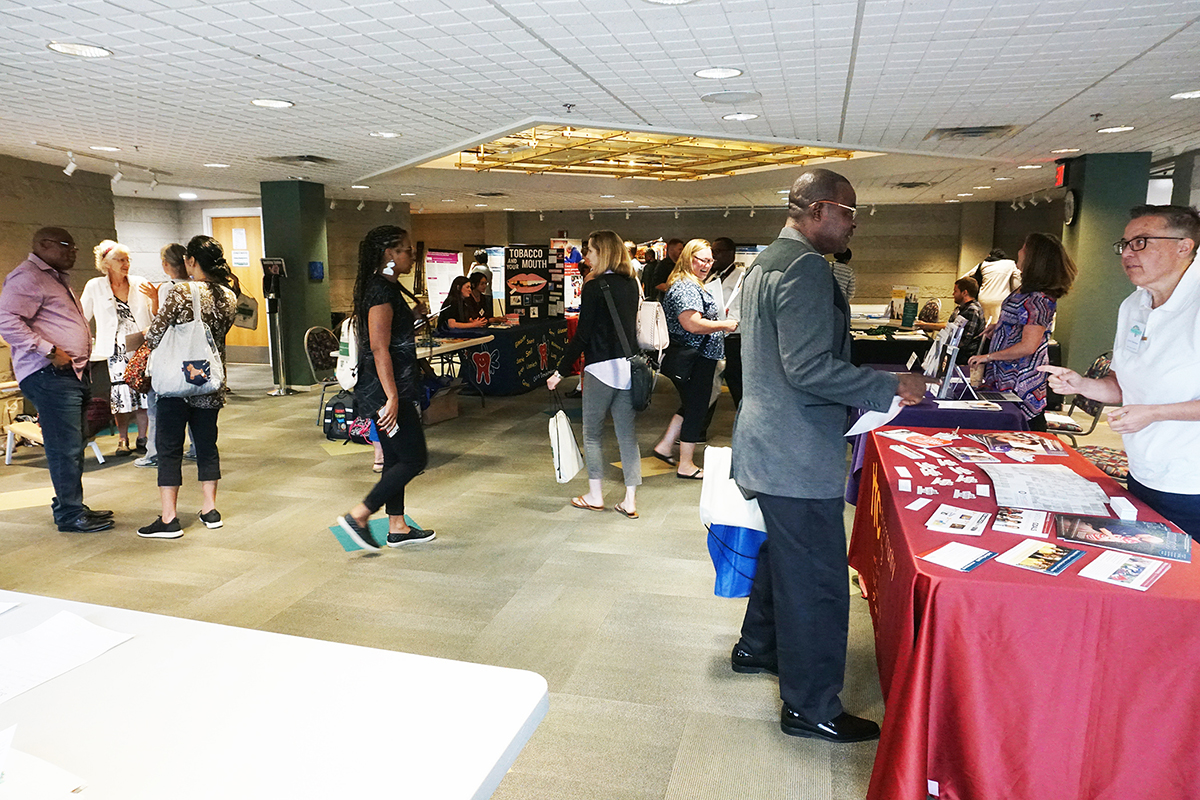
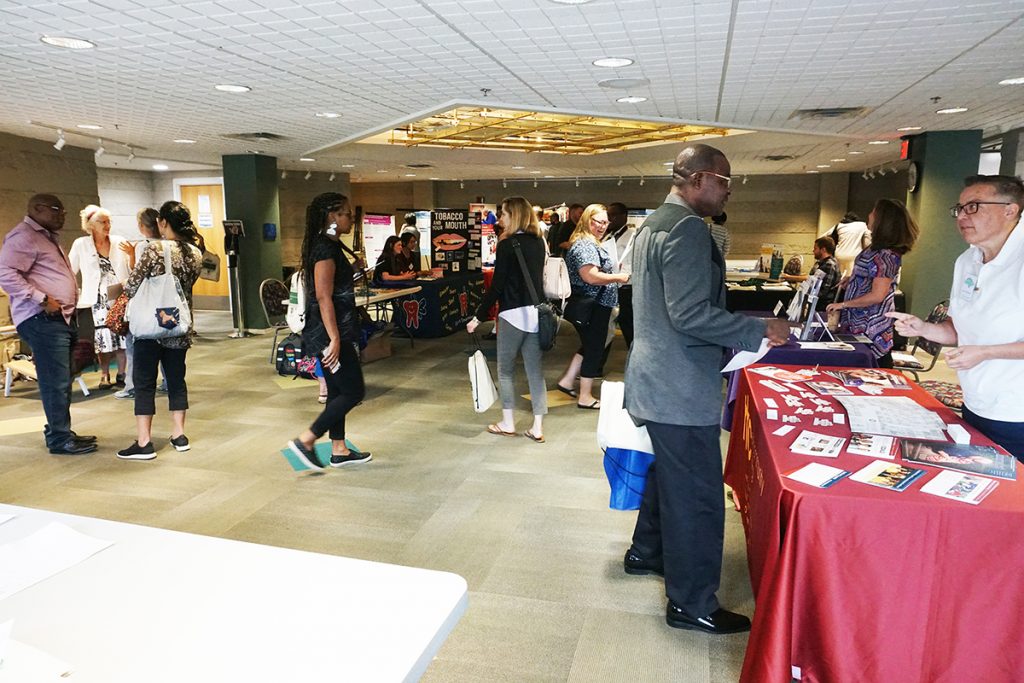
Summit attendees visit vendor booths at the 4th International African Mental Health Summit held at Metropolitan State University in Saint Paul, Minnesota on July 12-14, 2018. Photo: Bethel Gessesse/Mshale
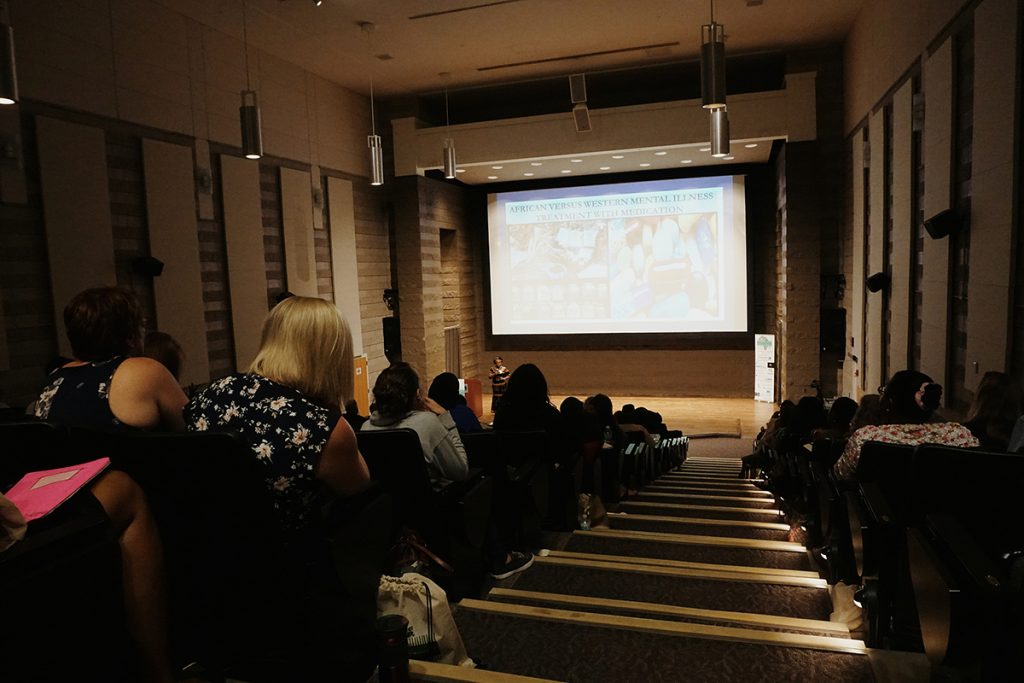
Summit attendees visit vendor booths at the 4th International African Mental Health Summit held at Metropolitan State University in Saint Paul, Minnesota on July 12-14, 2018. Photo: Bethel Gessesse/MshaleDr. Alvin KilloughSummit attendees visit vendor booths at the 4th International African Mental Health Summit held at Metropolitan State University in Saint Paul, Minnesota on July 12-14, 2018. Photo: Bethel Gessesse/MshaleInside the conference hall at the 4th International African Mental Health Summit held at Metropolitan State University in Saint Paul, Minnesota on July 12-14, 2018. Photo: Bethel Gessesse/Mshale
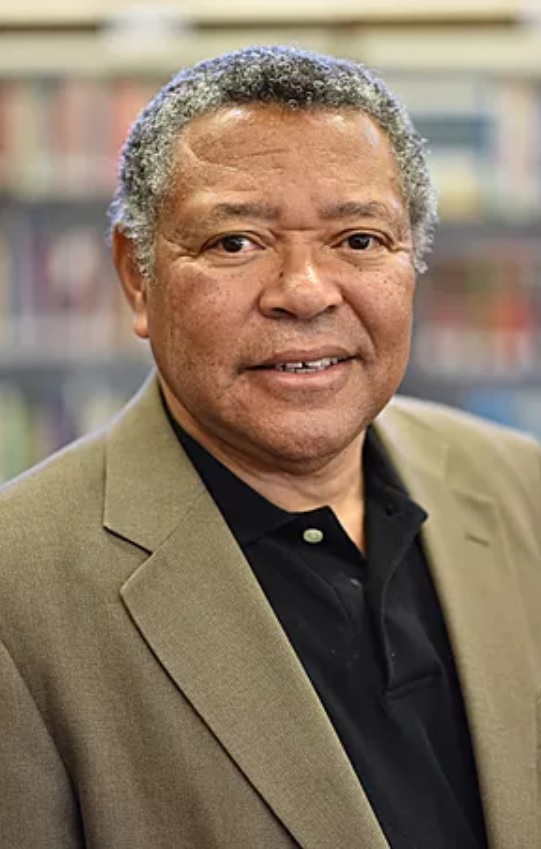
Black psychologists have been urged to do their own research to address the dearth of research on the mental health needs of people of color. That was the thrust of a keynote address given by Dr. Alvin Killough, Cultural-Ecological researcher and Associate Professor at the University of Minnesota Crookston during an expansive three-day conference held at Metropolitan State University in St. Paul.
“Do your own research. Assemble the evidence. Collaborate,” Killough told the fourth annual International African mental Health Summit last week.
Dr. Killough highlighted the important role of spirituality in addressing the mental health needs of African communities, despite its potential being overlooked in western studies and practice of mental health treatment.
“Mental illness is treated as a spiritual disorder… The notion of illness must be understood within the larger cultural meaning,” Killough said, speaking of the barrier that religion can place on mental health treatment.
In his keynote address, entitled “Back to the Basics: Towards a Shift in the Mental Health and Well Being of Africans in the Diaspora,” Killough also elaborated on the complexity of black identities, the rich history of Africans, and the traumatic impact of slavery on the present-day conditions of black people in the United States.
Killough also delved into the link between mental illness and poverty, which he said is often overlooked. “A pill won’t take away poverty,” he said.
He urged conference participants to “claim and tell your authentic story” and to expand the awareness that the experiences of black people are not simply about melanin. They should unapologetically raise the question that speaks to what the diaspora is and what are the implications of being of African descent and to also renew their inspiration to continue in their efforts on collaboration.
The 3-day Summit included workshops, musical performances, and breakout sessions covering topics ranging from structural barriers on the mental health of African immigrants, and conceptions and misconceptions of dementia care among Africans, to human trafficking in the African diaspora. In attendance were mental health practitioners, teachers, and professionals of various backgrounds. Representatives from Nigeria, Kenya, and Italy also attended the summit.
The summit is organized annually by Progressive Individual Resources under the leadership of Dr. Richard Oni. In a statement in advance of the summit, Dr. Oni said “I hope that through the platform of this Summit, we can all strive to continue our services and research in the field of Mental Health of Africans in Diaspora.”
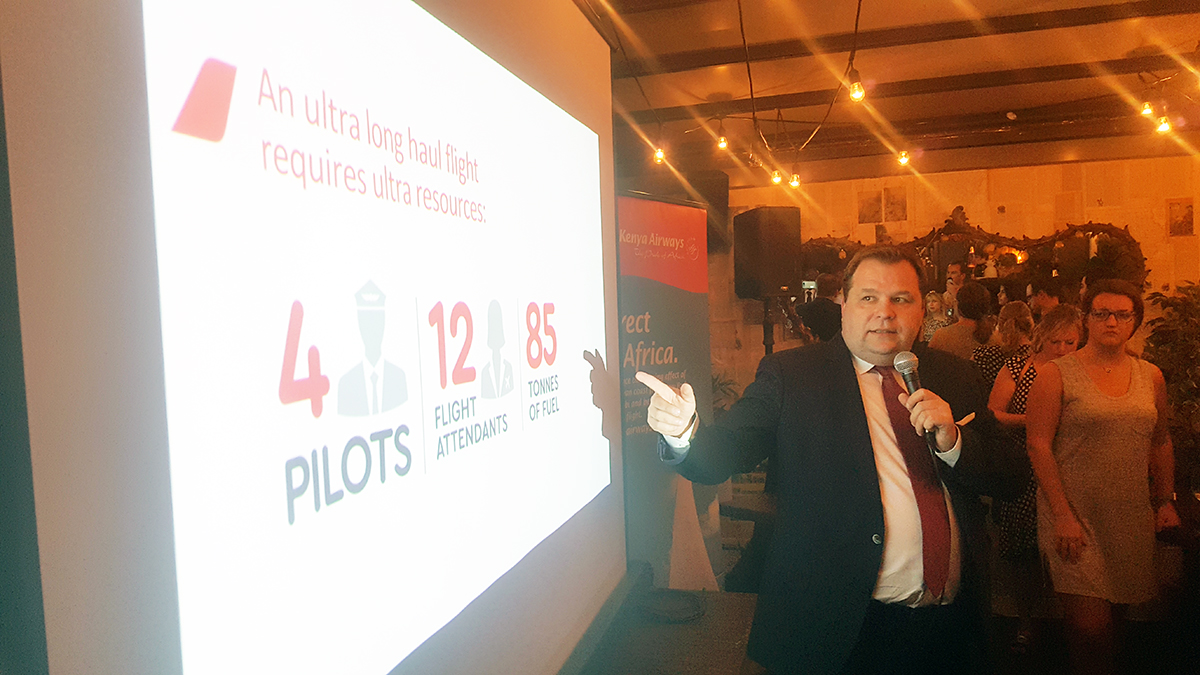
Kenya Airways CEO Sebastian Mikosz speaks to US media and travel enthusiasts in New York on Wednesday, July 11, 2018 on their upcoming launch of direct flights from Nairobi to New York on October 28, 2018. Photo: Tom Gitaa/Mshale
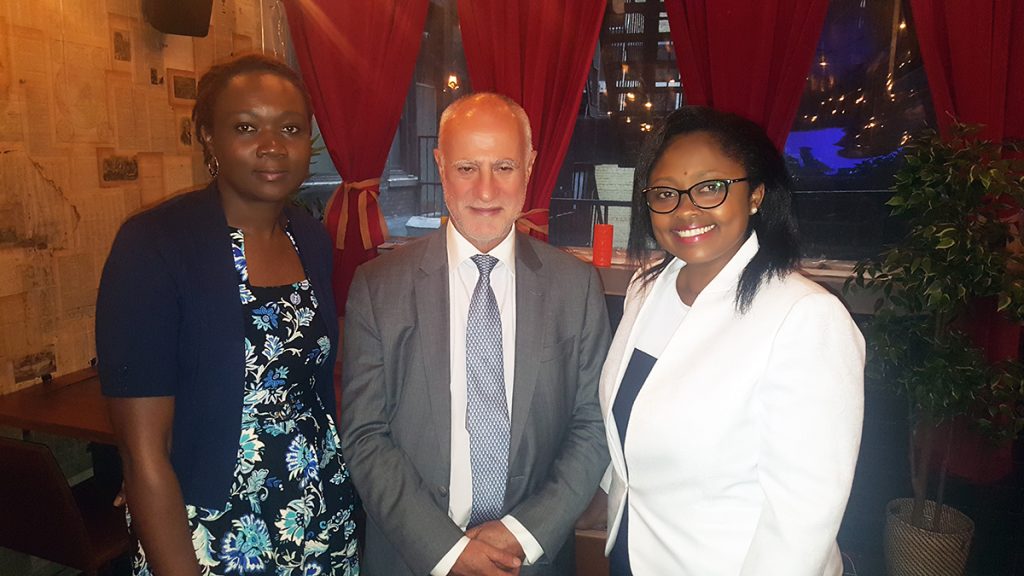
Kenya Airways CEO Sebastian Mikosz speaks to US media and travel enthusiasts in New York on Wednesday, July 11, 2018 on their upcoming launch of direct flights from Nairobi to New York on October 28, 2018. Photo: Tom Gitaa/MshaleKenya Airways CEO Sebastian Mikosz speaks to US media and travel enthusiasts in New York on Wednesday, July 11, 2018 on their upcoming launch of direct flights from Nairobi to New York on October 28, 2019. Photo: Tom Gitaa/MshaleKenya Airways pricing manager Rehema Mwanzia, chairman Michael Joseph and Jennifer Njuguna, senior sales manager for key markets at the meeting with US media and travel enthusiasts in New York on Wednesday, July 11, 2018 where the airline’s executives talked about their upcoming direct flights to New York from Nairobi that will commence on October 28, 2018. Photo: Tom Gitaa/Mshale
NEW YORK – Kenya Airways CEO Sebastian Mikosz and the airline’s chairman Michael Joseph met with members of the media to discuss their Nairobi to New York non-stop flight that is scheduled to launch in October.
The ‘Pride of Africa’ announced in January that it will start a daily nonstop flight from Nairobi to New York, beginning on October 28. The flight will be the “first true non-stop from East Africa” Mikosz pointed out Wednesday night to the US media as Ethiopian Airlines, which has direct flights to Addis Ababa, has to make a stopover in Dublin.
Media personalities and travel enthusiasts met with the airline executives at a boutique hotel near Times Square, including Bob Mwaura the airline’s US country manager.
Mikosz described the new direct flight offering “as the fastest and most convenient” into East Africa and should make for easier connections to the entire Kenya Airways network. He said the flight departure time from Nairobi of 11:25 PM was chosen intentionally to allow for those getting into Nairobi from other parts of the Kenya Airways network to connect to the New York flight.
“You can leave Nairobi after dinner and be in New York for breakfast in time for your morning meeting,” said Mikosz.
The airline CEO used a PowerPoint presentation to outline the more than twenty US companies that have their Africa operations in Nairobi that would benefit from the convenience of the direct flight. Those companies include household names such as Coca-Cola, Google, Uber and Microsoft. Kenya is also host to the only United Nations headquarters that is in a developing country. The United Nations which is headquartered in New York runs three other subsidiary headquarters around the world that include Geneva, Vienna and Nairobi.
That is not to say the road to launching the direct flight has been easy. Messrs. Joseph and Mikosz did not mention this during their official remarks with media but in a sideline interview with Mshale revealed they have not received much cooperation, if any, from their SkyTeam partner, Delta.
“They are not happy we are coming in,” Joseph said. “But we are working around it and are making progress”. Mikosz on his part told Mshale he is not surprised at the cold shoulder from Delta and has since moved to partner with American Airlines to smooth its entry into the US skies. American is the US’s largest carrier based on number of passengers carried which was 209 million on 2.2 million flights in 2017. Delta which is part of the SkyTeam Alliance with Kenya Airways was second with 186 million passengers last year.
The Kenya government owns 48.9 per cent stake of the airline while a consortium of eleven Kenyan banks have a 38.1 per cent stake. Air France-KLM whose share of passengers from the US to Kenya will be affected by Kenya Airways’ entry here decreased its stake in the airline last year from 26.7 per cent to 7.8 per cent.
In Minnesota, one of the states with a large Kenyan diaspora, a group Mikosz said on Wednesday he will go after aggressively, KLM and Delta provide most of the travel on the common Minneapolis/St. Paul to Amsterdam then on to Nairobi.
“We are working very hard to make it easier for our diaspora to fly us through codeshares and the like,” said Mikosz.
The CEO also said as part of their readiness to enter the US market, they are busy “Kenyanizing” the experience of flying the new route by engaging a top Kenyan chef to offer Kenyan cuisine. The crew’s uniform is also slated for a change.
Koki will fly inaugural flight
Mikosz also told Mshale that he expects the celebrated Kenya Airways captain, Irene Koki, to fly the inaugural flight to New York. Koki is Africa’s first female Dreamliner captain. Kenyan media reported that she had been chosen to fly the inaugural flight but later carried a clarification from Koki that the airline had yet to decide on the captains for the first flight into the US.
“She (Koki) is very active on social media and the media loves her,” Mikosz said. “So, I don’t see why she would not be one of the captains on that (inaugural) flight. So yes.”
East Africa US diaspora post-Christmas sale
As part of their foray into the US market, Kenya Airways also unveiled special rates for travel from JFK to Nairobi, Entebbe, Dar es Salaam and Kigali with fares as low as $699 roundtrip. The rates were revealed by the airline’s senior sales manager for key markets Jennifer Njuguna, who was present at the media briefing.
Tickets for the special rate must be purchased by July 20. To get the special rate, the traveler must depart JFK on December 27, 28 or 29 and leave Nairobi any day after January 8. Rates are subject to availability at the time of booking.
Using code CHRISTMASPRO that she provided, Mshale on the evening of July 12 tested travel from JFK to Nairobi on December 29 with a return on January 9 and came up with a fare of $720 on Kenya-Airways.com. To Entebbe from New York on the same dates it came to $1,120.
“We will soon roll out another deal that is for travel any time and with a longer validity,” Njuguna said.
An ad celebrating the US Army Reserve's 108th birthday in 2016 when 5,000 more recruits were brought into the MAVNI program by the Obama administration. Photo: Courtesy of US Army
An ad celebrating the US Army Reserve's 108th birthday in 2016 when 5,000 more recruits were brought into the MAVNI program by the Obama administration. Photo: Courtesy of US ArmyAn ad celebrating the US Army Reserve’s 108th birthday in 2016 when 5,000 more recruits were brought into the MAVNI program by the Obama administration. Photo: Courtesy of US Army
US Immigrants who were promised citizenship by the US military are being discharged without explanation, according to an AP report. Those being discharged enrolled as part of the Military Accessions Vital to the National Interest program (MAVNI) started during the George W. Bush administration as the Iraqi war peaked and the military was in need of immigrants with special skills like fluency in foreign languages. It offered expedited naturalization for those with the special skills.
President Obama expanded MAVNI eligibility to DACA recipients which immediately drew fire from conservatives. 5,000 immigrants were recruited into the program in 2016 as Obama prepared to leave office and there is more than 10,000 immigrants currently serving in the US armed forces, many joining through the MAVNI program.
The AP report said it was aware of as many as 40 enlistees being discharged recently but observers believe there could be more.
Following the discharge, some of the discharged recruits have filed lawsuits challenging the military’s action. As a result, the military is not commenting on the matter citing the pending litigation, but the Defense Department said the following in a statement: “All service members (i.e. contracted recruits, active duty, Guard and Reserve) and those with an honorable discharge are protected from deportation.”
The Defense Department’s statement did not however comment on what is described by lawyers representing the litigants as an “uncharacterized discharge”, which is neither dishonorable nor honorable. Those who serve in the military can obtain citizenship only if they receive an honorable discharge.
The unusual discharges by the military come in the wake of president Trump’s “zero tolerance” policy where those caught entering the US illegally face prosecution, a policy whose on the ground implementation at the border with Mexico has sparked a national outcry as toddlers were being separated from their mothers trying to enter the US.
The discharges have drawn widespread criticism including from former Republican presidential candidate, Governor John Kasich of Ohio who called the Trump administration’s actions “yet another low.”
“America has the most powerful military in the world and since our nation’s founding we have welcomed immigrants into its ranks,” Kasich wrote in a statement published online on Thursday.
“In exchange for putting their lives on the line for our freedom, immigrants—legal immigrants that we have welcomed into our country have long been able to earn their citizenship. In the process, we have boosted our military’s ranks and defended our values,” he continued.
“Breaking faith with these members of our Armed Forces as this White House has decided to is yet another low,” Kasich said, adding: “This decision must be reversed now, for the sake of our military, to show that America keeps its word and to uphold the very values we claim to stand for.”
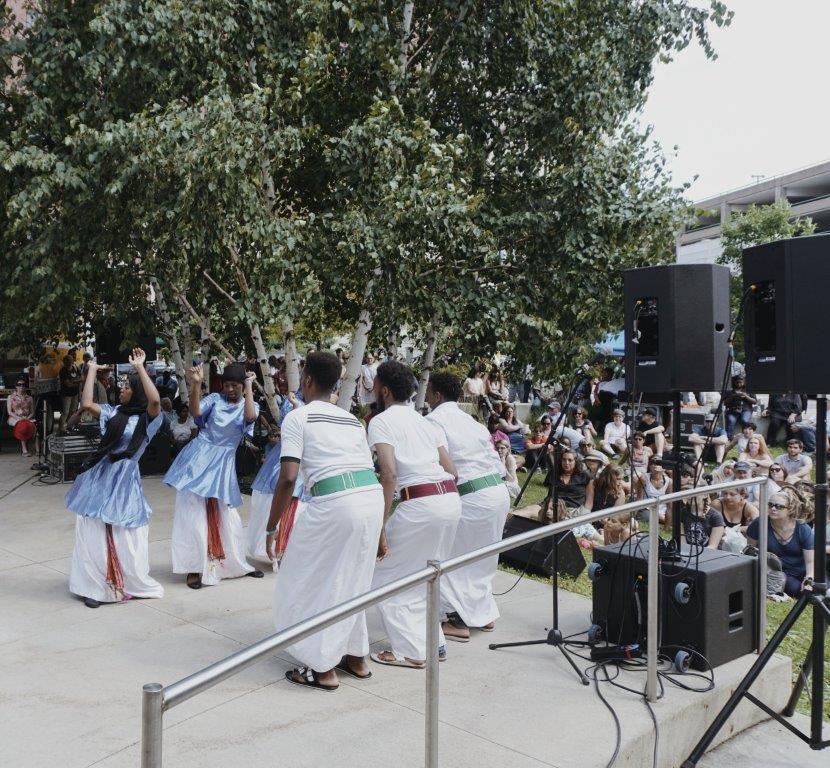
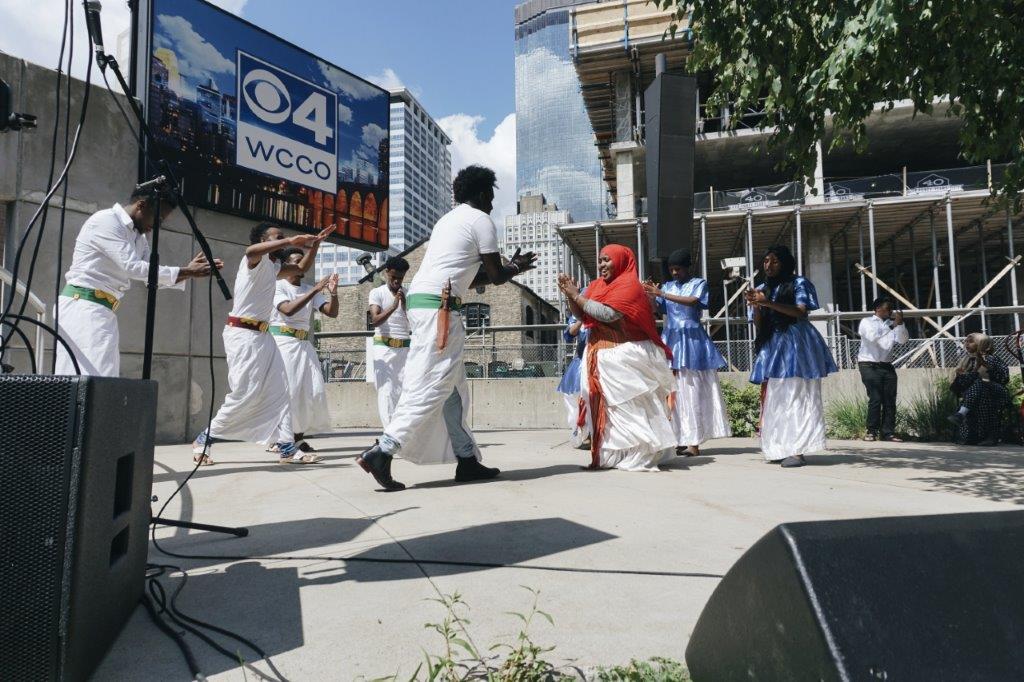
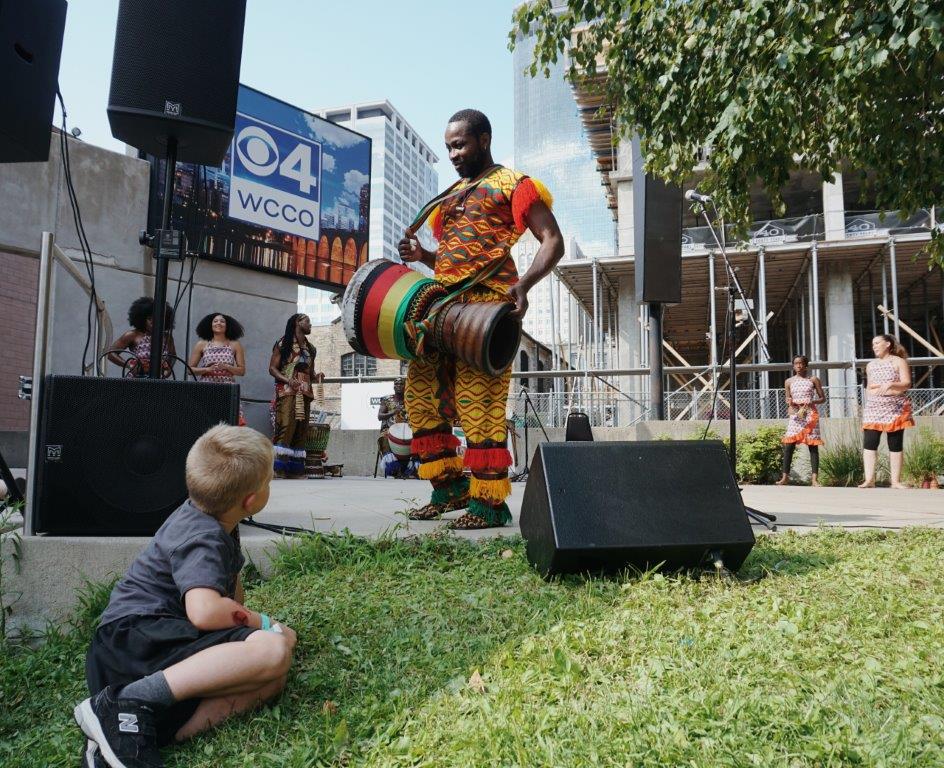
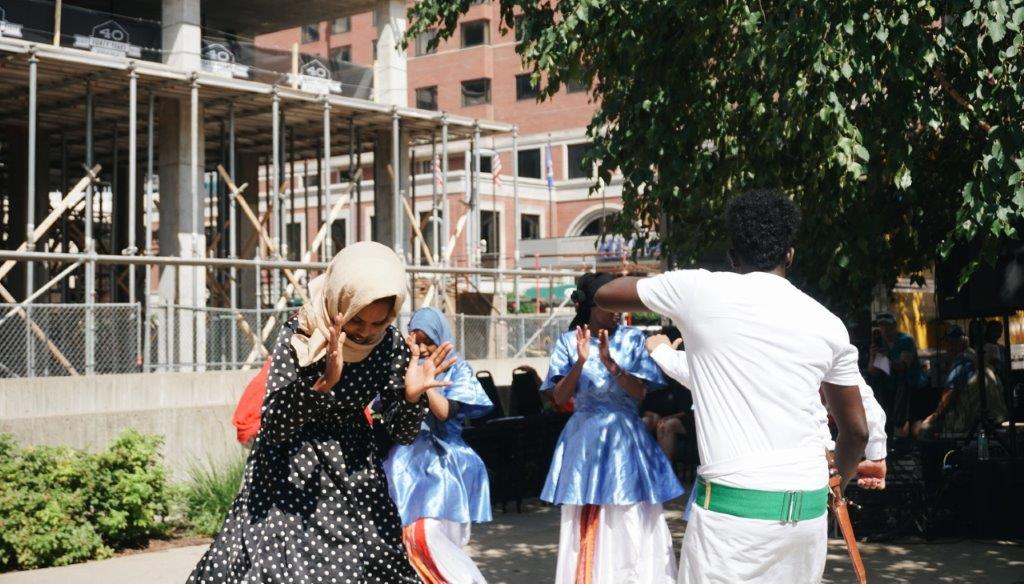
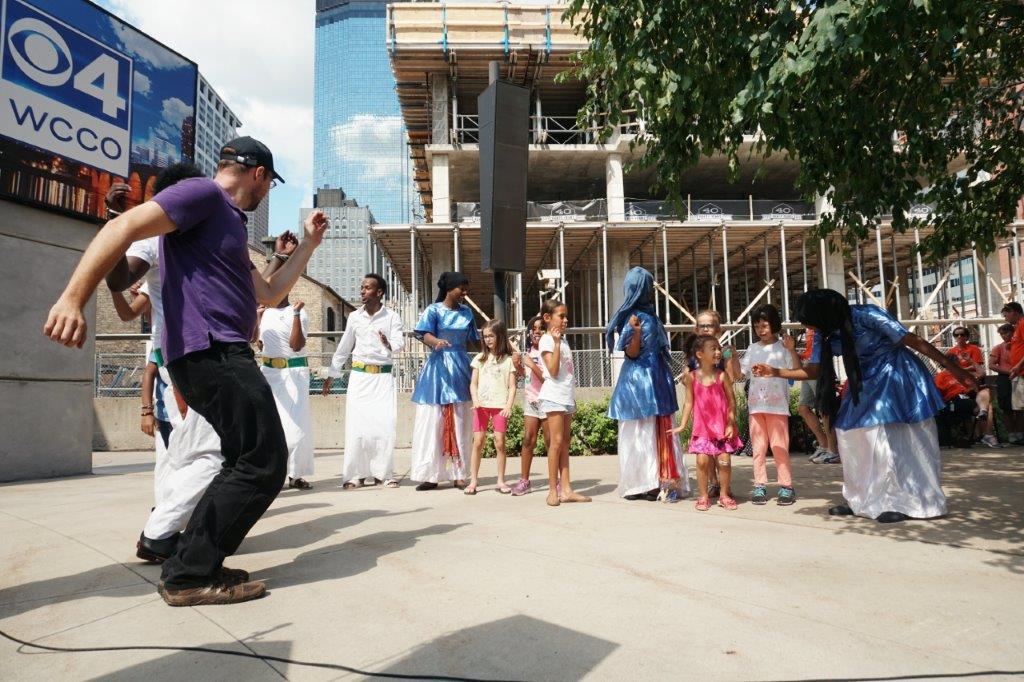
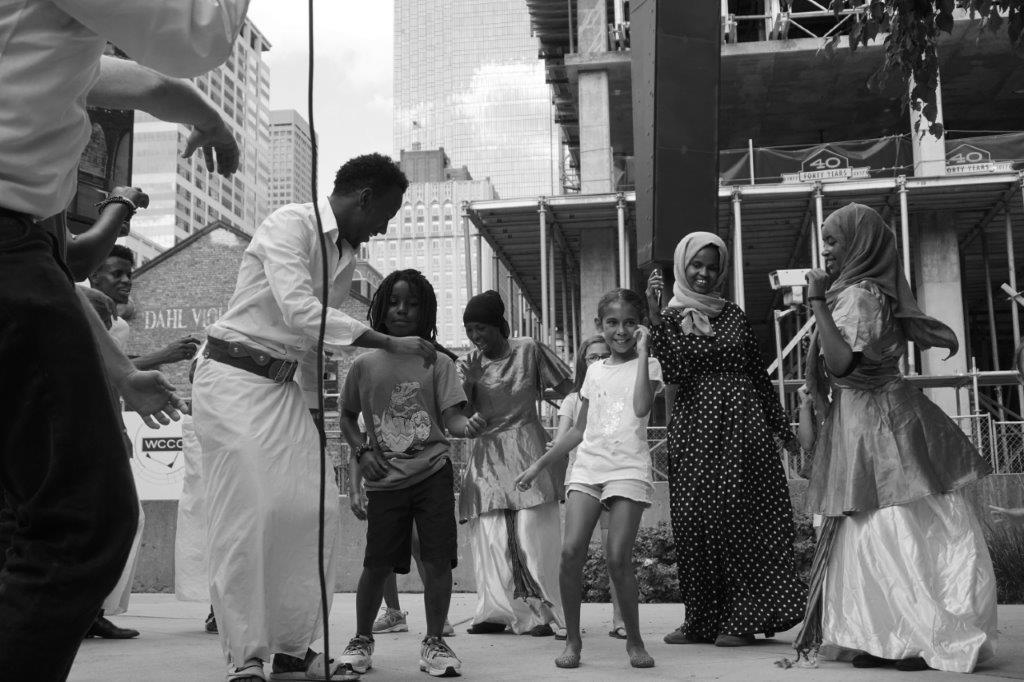
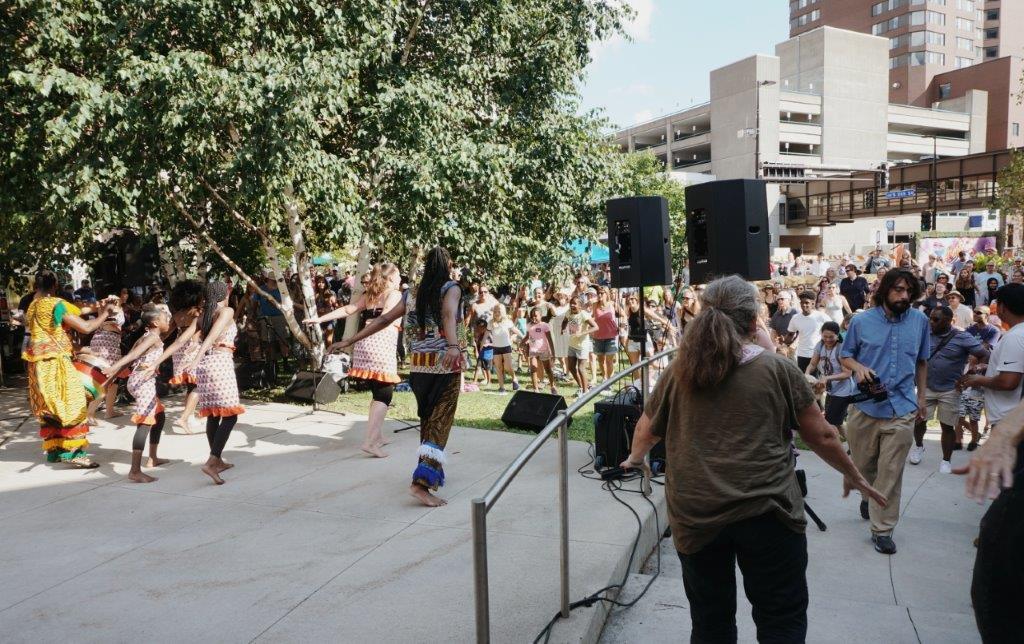
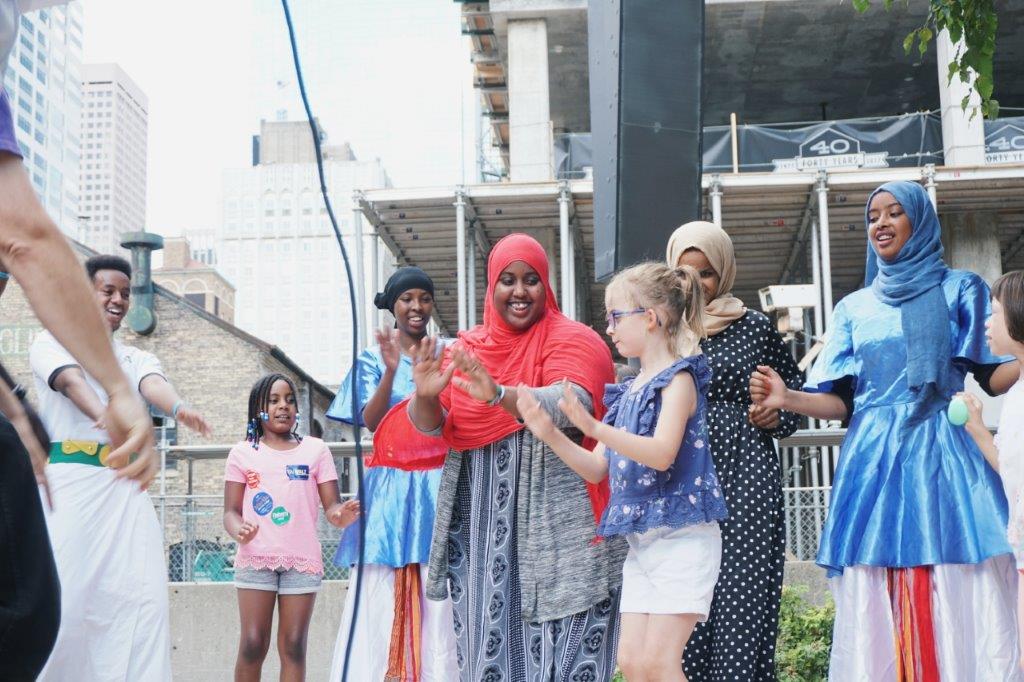
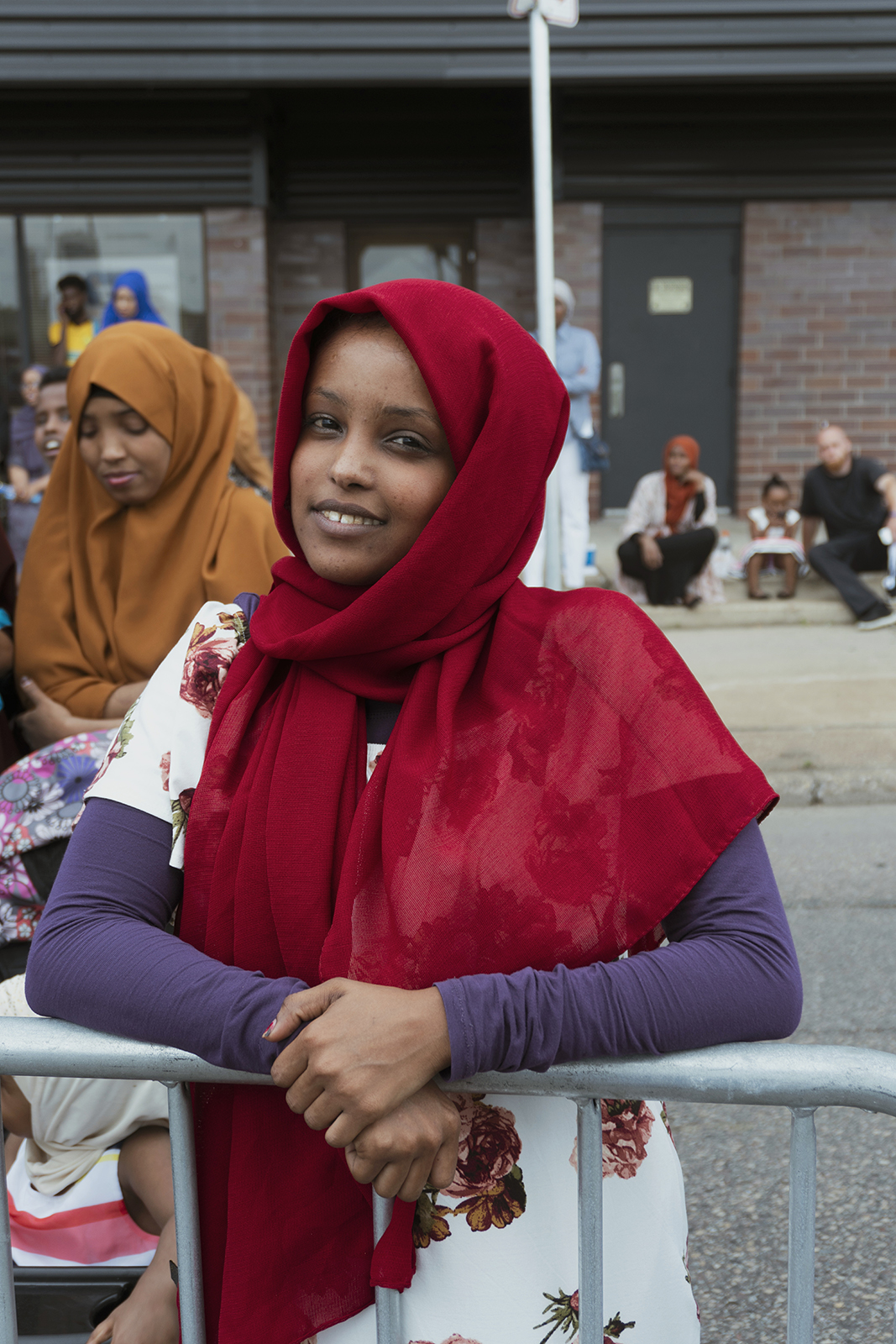
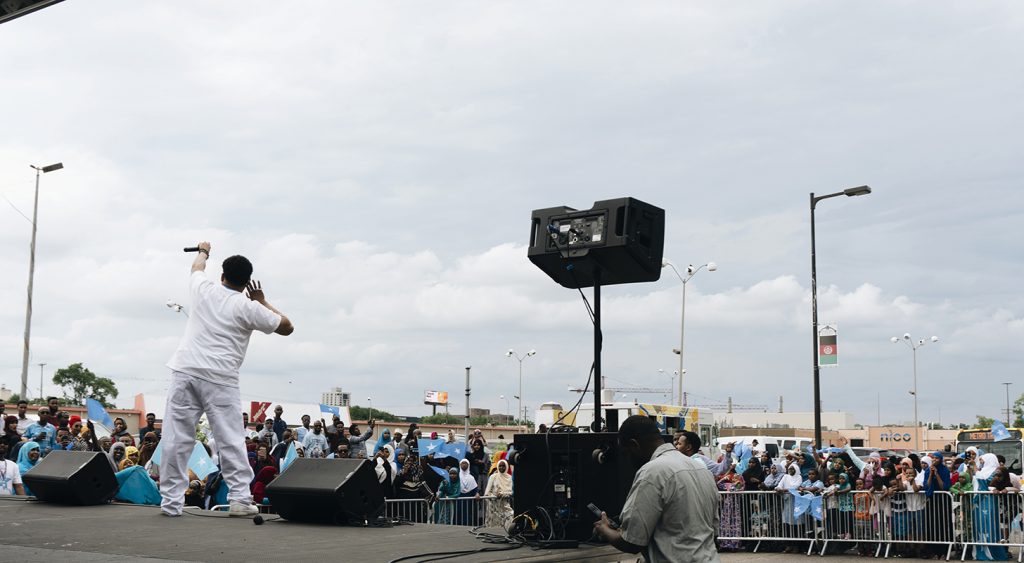
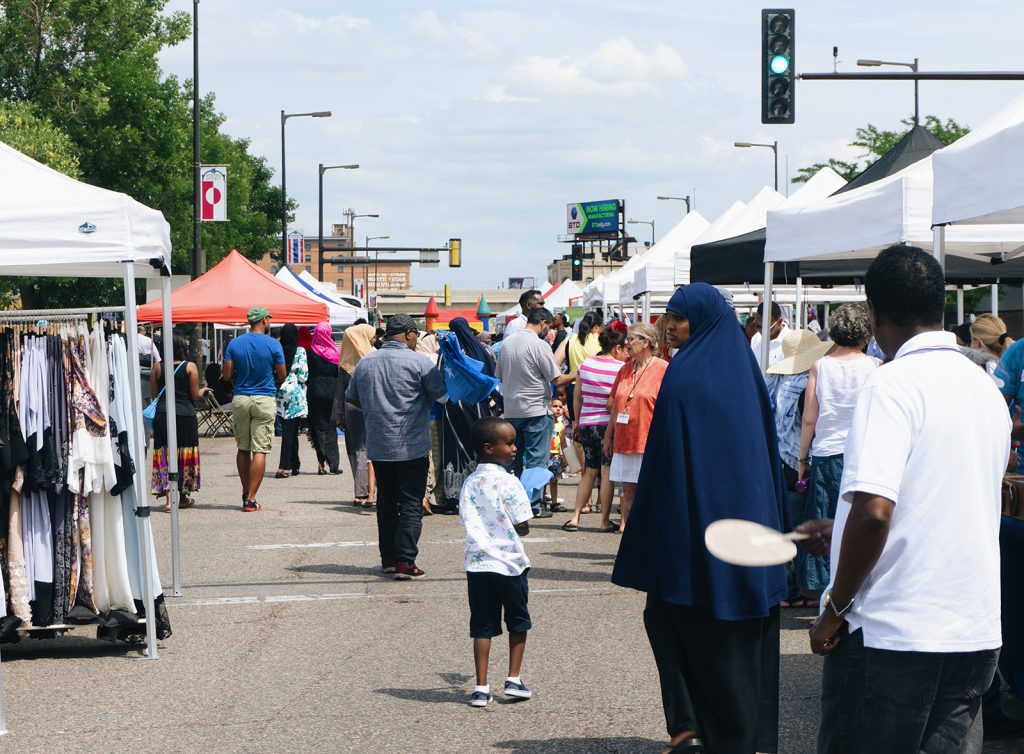
Minneapolis marked Somali Independence Day with a street festival on Saturday, June 30, 2018. Photo: Bethel Gessesse/Mshale
Minneapolis marked Somali Independence Day with a street festival on Saturday, June 30, 2018. Photo: Bethel Gessesse/MshaleMinneapolis marked Somali Independence Day with a street festival on Saturday, June 30, 2018. Photo: Bethel Gessesse/MshaleMinneapolis marked Somali Independence Day with a street festival on Saturday, June 30, 2018. Photo: Bethel Gessesse/MshaleMinneapolis marked Somali Independence Day with a street festival on Saturday, June 30, 2018. Photo: Bethel Gessesse/Mshale
MINNEAPOLIS – Hundreds of people gathered on Saturday between Blaisdell and Stevens Avenue block of West Lake Street to commence Somalia’s 58th Independence Day.
Every year, communities across the world celebrate Somalia’s independence and freedom from British and Italian colonial presence, which became official on July 1st, 1960.
In Minneapolis, residents commemorated the day with a festival hosted by Ka Joog, a Minnesota-based Somali nonprofit organization. The street was lined with booths from community organizations, clothing vendors, an activity zone, and people of all backgrounds enjoying the festivities and each other.
On the Blaisdell Avenue front was the main stage where DJ Jeylani curated upbeat and nostalgic Somali anthems that united crowd in song and laughter. Also on the stage were musical performers, dancers, and speakers who entertained and addressed the community.
“Every July 1st, we come here,” said attendant, Zahra Ali, a mother who has been in the U.S. for eighteen years. “It’s fun. It’s our culture.”
“It’s a celebration first of the flag. [Its] the day of our flag and freedom from the British.” said Slax Show, a merchant and resident of Minneapolis for over twenty years.
The light blue flag could be seen waving around all over the festival. The flag was designed by Mohammed Awale Lidan in 1954, and features the “Star of Unity,” a white, 5-point star representing the five regions where the Somali ethnic group has traditionally resided: Somaliland (former British occupied land), southern Somalia (former Italian occupied land), the Ogaden region in Ethiopia, Djibouti, and the North Eastern Province in Kenya.
Also strolling through the festival were many non-Somalis like Jeannete Lacono, a Minneapolis resident of 33 years who came to the festival with her two sons.
“I think it’s important for them to come to community festivals, especially ones that are run by people who are not white. And interact with people who are not white and learn that we are all human beings and we all have rich histories and we need to have an omniculture. I don’t know if we’re doing the best at that but we’re here,” Lancono said.
Hours into the festival, people gathered around the stage where singers, poets, community leaders, and politicians entertained the crowd for the remainder of the event.
The event marked the beginning of this years Somali Week, which will last until July 7th and feature multiple events throughout the Twin Cities. Somali Week is Minnesota’s largest Somali community celebration of the year.