
Home Blog Page 132

Refugee elders escape Somali strife – now struggle to survive U.S. bureaucracy

0
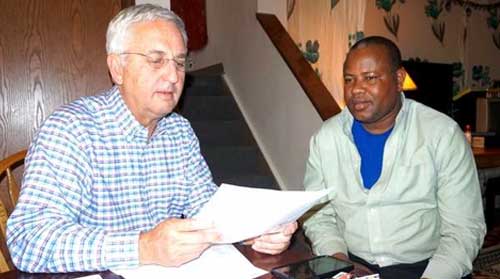
Rick Maples, left, and Mohamed Haji look over letters Haji's father-in-law, Sugow Said, a Somalian refugee, received from Social Security cutting the dialysis patient’s SSI assistance. Photo: Jennifer L. Boen/News-Sentinel
Rick Maples, left, and Mohamed Haji look over letters Haji’s father-in-law, Sugow Said, a Somalian refugee, received from Social Security cutting the dialysis patient’s SSI assistance. Photo: Jennifer L. Boen/News-Sentinel

FORT WAYNE, Ind.- Since arriving in the United States in 2004, Sugow Said, a Somali refugee, has desired to become a U.S. citizen.

But the Saids, who fled Somalia’s murderous militias and famine in 1994, endured a decade in Kenyan refugee camps, and finally were resettled by the U.S. State Department to Fort Wayne in 2004, now find themselves ill, impoverished and trying to survive their latest challenge: U.S. bureaucracy.

Said and his wife, Salimo, were taking English classes at several community locations until Said developed kidney failure. He had no schooling in Somalia and cannot read or write in his own language. Learning English is extremely difficult for Said, now in his mid-60s, especially when his illness prevents him from attending community classes.

Nightmare on Help Street

But unless he can either learn English well enough to pass the U.S. citizenship interview and tests — or get approved for a disability waiver exempting him from completing the naturalization process in English — he will not regain his only source of income – $721 a month in federal Supplemental Security Income (SSI) for low-income elders or people with disabilities that was suddenly revoked nearly a year ago.

Last September, the Social Security Administration (SSA) sent Said a letter stating, “We are writing to let you know that we have paid you $21,896.20 too much Supplemental Security Income (SSI),” due to an overpayment for the period December 2011 to June 2014. (The amount was later reduced to $19,000.)

The government granted Said his SSI in January 2011, because of his kidney failure. However, refugees and other legal alien residents who qualify for SSI due to disability lose those benefits if they do not become U.S. citizens within seven years of arrival in this county, regardless of age or disability–unless they are granted a special waiver. Neither Said nor those helping him were aware of that rule.

Said’s SSA letter continues, though, that he can request a waiver, ask for an appeal or do both. It also states he may not have to pay it back if “it wasn’t your fault that you got too much SSI money AND if paying us back would mean you can’t pay your bills for food, clothing, housing, medical care or other necessary expenses, or it would be unfair for some other reason.”

In early April, after Said had waited months for word from Social Security about his formal request to reinstate his SSI benefits, Carmen Moreno, communications director of the SSA regional office in Chicago, e-mailed this reporter, “We do not have a record of a reconsideration filed by Mr. Said.”

His Status ‘Entered Incorrectly’

Yet, Said has a copy of the official reconsideration form that an American friend, local business owner Rick Maples, helped him complete. The form was date-stamped by the Fort Wayne SSA office on June 30, 2014. Moreno said in a phone interview that the average processing time for a reconsideration request is about 90 days.

Moreno also said the reason Said got SSI benefits even after the seven-year time limit was because his “alien status was entered incorrectly.” In the future, Moreno said, SSA plans to use this error on their part as a “training opportunity.”

Meanwhile, Maples, who owns a home care company and has taken the Saids under his wing, sought help from two free legal aid agencies, both based in Indianapolis. Both said they could not help; one cited insufficient staff as the reason.

Now, with Maples’ help, Said is trying to find a physician or psychologist who accepts Medicaid payments for the required testing and evaluation he needs to apply for the disability waiver from the citizenship interview and testing in English. Said cannot afford to pay for the evaluation out of pocket.

Maples said that one doctor, worried about her own immigration status, refused to fill out the form for Said, while another clinic told him that there is a one-year waiting time for Medicaid patients to get the required evaluation.

Struggling With Dialysis – and Bureaucracy

“The biggest problem I have is that I am getting dialysis now,” he said, pulling up the left sleeve of his shirt to show the bulging vascular access in his upper arm.

The artificial kidney, or dialysis machine, is connected to this access port so the toxins, waste and extra fluid collecting in his blood can be removed.

The Medicaid program, for low-income individuals, pays for his dialysis. Said takes the bus to a dialysis center six miles from his apartment.

Although there is a Medicaid-paid transportation service available, he must call a 1-800 phone number and listen to an English-recorded message instructing him on what numbers to press on the phone in order to schedule a ride.

Dialysis lasts four hours, but the process causes weakness, headaches, stomach cramps and nausea. Said is not allowed to travel immediately after, so he sits at the center for at least an hour before taking the bus home. Dialysis creates high anxiety in people able to communicate with doctors and nurses, who have money and a strong support system. That stress is compounded for Said.

Toll More Than Physical

Studies show dialysis patients have significantly higher depression rates than the general public, with low-income individuals faring the worst.

In one study of patients at an urban dialysis center, Daniel Cukor and his colleagues in the Department of Psychiatry, State University of New York (SUNY) Downstate Medical Center in Brooklyn, found more than 70 percent had major depression, major anxiety disorder or other psychiatric conditions, with depression being the most pervasive.

Said recalled how he despaired last June on learning he would lose his SSI–“I cried.” He did not want Salimo or his three children to see him weep so, “I went away from here [his apartment] and cried,” he said through Haji.

He worries especially about Salimo, who has a seizure disorder and memory problems. “She puts things down, then doesn’t remember where she put them,” he said through Haji.

Salimo is also in the process of applying for SSI, and she only just qualified for the state’s low-income health insurance plan. Even though the plan exempts her from copayments for medical services, Indiana’s computer system has not updated her status and recently billed her for $12, while her neurologist’s office insisted on a $4 copayment.

The Saids’ friend, Rick Maples, paid for her. He lamented in an interview, “It takes so much work and effort when you’re poor!”

Family Aid Jeopardized, Transplant Denied

Maples also recently helped them file for Temporary Assistance to Needy Families (TANF), which is now providing $324 a month for up to 20 months for the family.

Even that small amount was in jeopardy when the state’s welfare office recently sent a letter saying he was being fined for not signing a certain form.

In a meeting with a Division of Family Resources caseworker, Said signed every paper he was asked to sign to apply for TANF, confirmed Maples, who takes Said to appointments and helps him fill out forms. After Maples intervened, the agency dropped the fine.

Said takes his medication as prescribed and never misses dialysis or doctors’ appointments, said Maples.

Staff at the dialysis center recommended Said consider a kidney transplant, but Lutheran Hospital, the only kidney transplant program in Fort Wayne, turned down Said’s application because of his income status, concerns about lack of a supportive network and his need to better understand his medical condition and medications.

In the denial letter, the hospital recommended he do fundraising through his faith community or a transplant foundation program.

A Heavy, But Hopeful Heart

Meanwhile, the worry lines on his face deepen as he waits for responses from Social Security on his request to have his SSI reinstated and for approval of the back payment waiver. His heart is heavy for his family.

Said’s three high school-age children need shoes and would like some of the things most teens want or need. They don’t have a home computer or Internet service to complete their homework. They go to the library if they can find a ride. The closest library branch is more than four miles away.

Despite a bleak outlook right now, Said is proud of his children–including the two older daughters, who grew up in refugee camps and who now live in Fort Wayne with their husbands and children. He reminds them often, “Education is the most important thing. That is the way. You have to study.”

Jennifer L. Boen, a freelance health care writer, wrote this series for the Fort Wayne News-Sentinel through a Journalists in Aging Fellowship, a collaboration of New America Media and the Gerontological Society of America, with support from AARP.


Protect your teens with vaccinations

0
As kids get older, the protection from some of their childhood vaccines begins to wear off. There are also new diseases that teens can come in contact with in this stage of their lives. Keep your teens healthy with the Tdap, meningococcal, HPV, and influenza vaccines. Photo: Courtesy Centers for Disease Control (CDC)
As kids get older, the protection from some of their childhood vaccines begins to wear off. There are also new diseases that teens can come in contact with in this stage of their lives. Keep your teens healthy with the Tdap, meningococcal, HPV, and influenza vaccines.  Photo: Courtesy Centers for Disease Control (CDC)
As kids get older, the protection from some of their childhood vaccines begins to wear off. There are also new diseases that teens can come in contact with in this stage of their lives. Keep your teens healthy with the Tdap, meningococcal, HPV, and influenza vaccines. Photo: Courtesy Centers for Disease Control (CDC)

Did you know that younger teens need vaccines, too? As kids get older, the protection from some of their childhood vaccines begins to wear off. There are also new diseases that teens can come in contact with in this stage of their lives. Keep your teens healthy with the Tdap, meningococcal, HPV, and influenza vaccines.

Vaccines for teens

Tdap Vaccine

This vaccine protects against three serious diseases: tetanus, diphtheria, and pertussis (also known as whooping cough). Your teen should receive the Tdap vaccine at 11 or 12 years old.

Meningococcal Vaccine (MCV4)

Meningococcal conjugate vaccine, also called the MCV4 vaccine, protects against some of the germs that can cause meningitis. Meningitis is a serious disease that can cause swelling around the lining of the brain and spinal cord. It can also cause a life threatening blood infection. Your teen needs this vaccine at 11 or 12 years old. They will need another meningococcal shot when they are 16 years old.

HPV Vaccine

This shot is cancer prevention! Almost all people will have a human papillomavirus (HPV) infection at some time in their lives and some forms of HPV can cause cancer. HPV vaccines help protect against HPV infections and the cancers they cause. Both boys and girls should receive HPV vaccine. Teens need a series of three HPV shots starting at 11 or 12 years old.

Influenza Vaccine

This vaccine protects against influenza (flu) and should be given every fall. The flu can cause health problems such as dehydration or lung infections.

Shots don’t have to be scary!

Help your teen be as calm and comfortable as possible when getting their vaccines. Have them bring along their favorite music and headphones; or have them close their eyes and imagine a favorite place or activity. Remind them that getting shots may sting a little, but it’s much better than getting sick!

When should my child be vaccinated?

A good time to get these vaccines is during a yearly checkup. Your teen can also get these vaccines at a physical exam required for sports, school, or camp. Even if your teen missed these vaccines at 11 or 12 years, they can still get them at an older age. It’s a good idea to ask your health care provider at every visit if there are any vaccines your teen may need.

What else should I know about these vaccines?

These vaccines have all been studied very carefully and are safe and effective. They can cause mild side effects, like soreness or redness at the spot where the shot was given. Occasionally, teens faint after getting shots. It’s a good idea to sit for 15 minutes afterwards. It is very important to tell your health care provider if your teen has any serious allergies before they receive any shots.

How can I get help paying for these vaccines?

The Vaccines for Children (VFC) program provides free or low cost vaccines for some children and teens. Talk to your health care provider for more information and to find out if you’re eligible.

Where can I learn more?

Visit www.vax4teens.com for more information on keeping your teen healthy and happy.

Longtime Twin Cities law firms merge to focus on immigrant and international legal issues

0
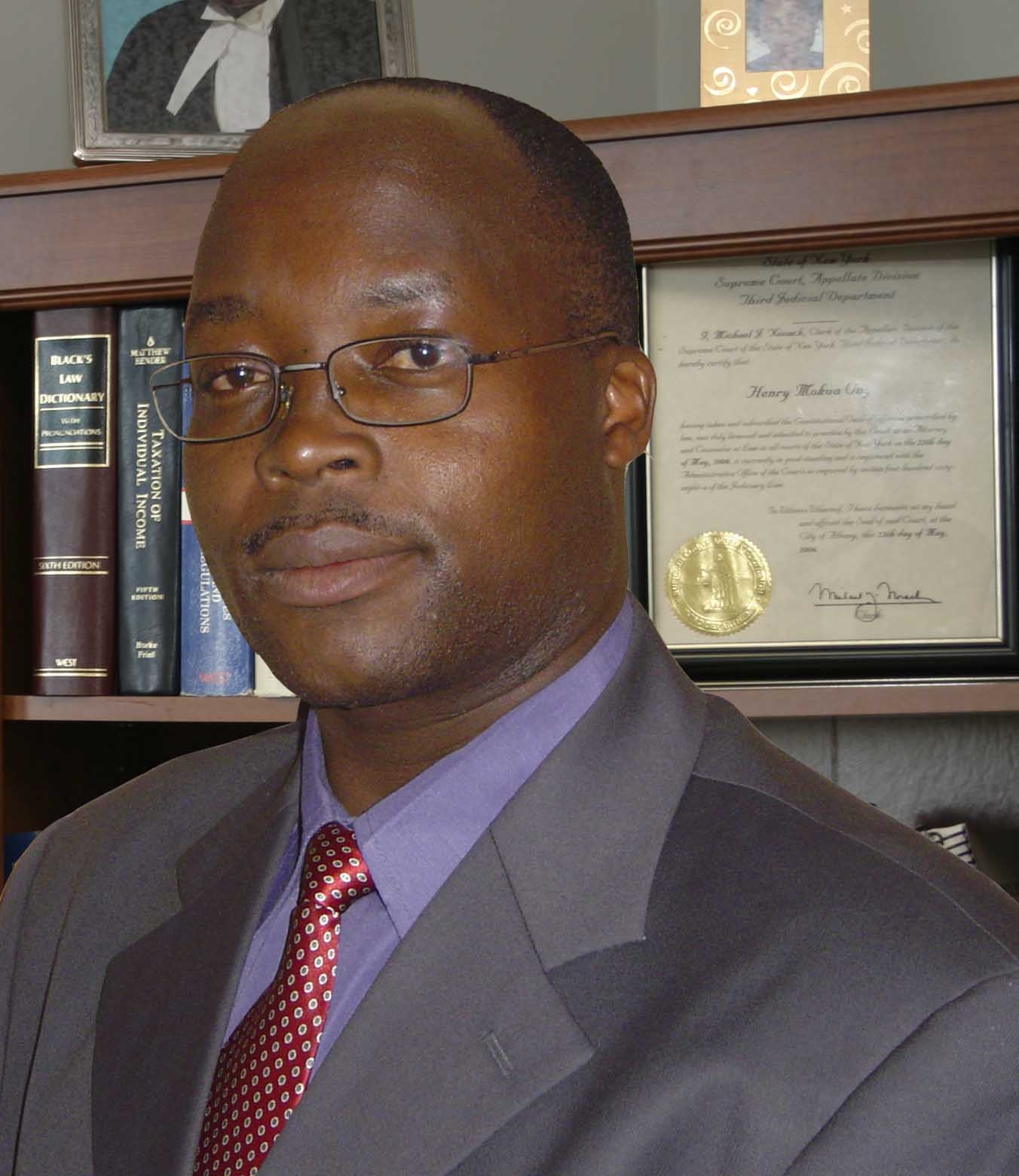
Henry Ongeri, a Twin Cities Kenyan born lawyer is merging his law firm with Polish-American Steven E. Antolak's law firm effective July 2015. Photo: Richard Ooga/Mshale
Henry Ongeri, a Twin Cities Kenyan born lawyer is merging his law firm with Polish-American Steven E.  Antolak's law firm effective July 2015. Photo: Richard Ooga/Mshale
Henry Ongeri, a Twin Cities Kenyan born lawyer is merging his law firm with Polish-American Steven E.
Antolak’s law firm effective July 2015. Photo: Richard Ooga/Mshale
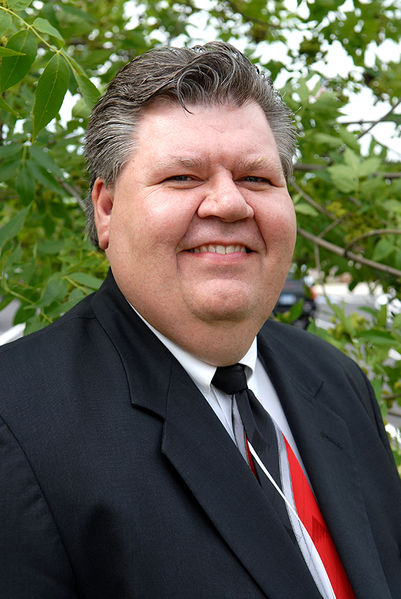
Steven Antolak, a Twin Cities Polis-American lawyer is merging his law firm with Kenyan-American Henry Ongeri's law firm effective July 2015. Photo: Submitted
Steven Antolak, a Twin Cities Polis-American lawyer is merging his law firm with Kenyan-American Henry Ongeri’s law firm effective July 2015. Photo: Submitted

A marriage of two longstanding law firms has taken effect this month. The Transatlantic Law Firm, PLLC, of New Hope and Antolak Law Office of Brooklyn Park, Minnesota announced their merger with a promise to boost the capacity of the two firms’ respective offices in Nairobi, Kenya and Crakow, Poland. Attorney Henry Ongeri, who founded Transatlantic, is a native of Kenya while Steven E.  Antolak who founded Antolak Law traces his roots to Poland. The two have run international practices over the years and plan to continue doing so.

The combined firm will be called ANTOLAK & ONGERI, The Transatlantic Law Firm, PLLC. The new firm will have expertise in a range of sectors including Immigration Law (family, sports and business), Family law, Wills, Trusts and Estate Planning, International Business, Intellectual Property and Litigation. The merger brings together a combined five decades of legal practice across multiple jurisdictions with Mr. Antolak having started in 1986 and Ongeri since 1996. Mr. Ongeri is licensed in the States of Minnesota, New York and the High Court of Kenya.

In the new setup, Henry Ongeri becomes the firm’s Chief Executive Manager while Mr. Antolak will be the Chief Operating Manager.

Its core base of clients will remain immigrant families and businesses, but according to Mr. Ongeri, the firm is setting its goals high. With plans to boost the capacities of the offices in Kenya and Poland, Ongeri said the firm is seeking “to become the go-to law firm for small to medium- size enterprises in the United States, Europe and Africa.” The two described the two countries, in addition to their main operations here in the United States, as critical hubs of growth for their newly merged firm.

Antolak, who has a three decades track record of managing law firms of different sizes, will oversee the new firm’s ambitious growth plans. That growth plan calls for a continued commitment to the legal needs of first and second generation immigrant families and businesses.

Open House

An open house to formally launch Antolak & Ongeri is planned for Saturday, July 18, 2015 at 5:00PM in Brooklyn Park. The address is 7600 Boone Avenue, Suite 26, Brooklyn Park, MN 55428.

More info on the open house can also be found at www.diasporalawyers.com or by calling 612-544-1039.

Minnesota to observe Nelson Mandela International Day

0
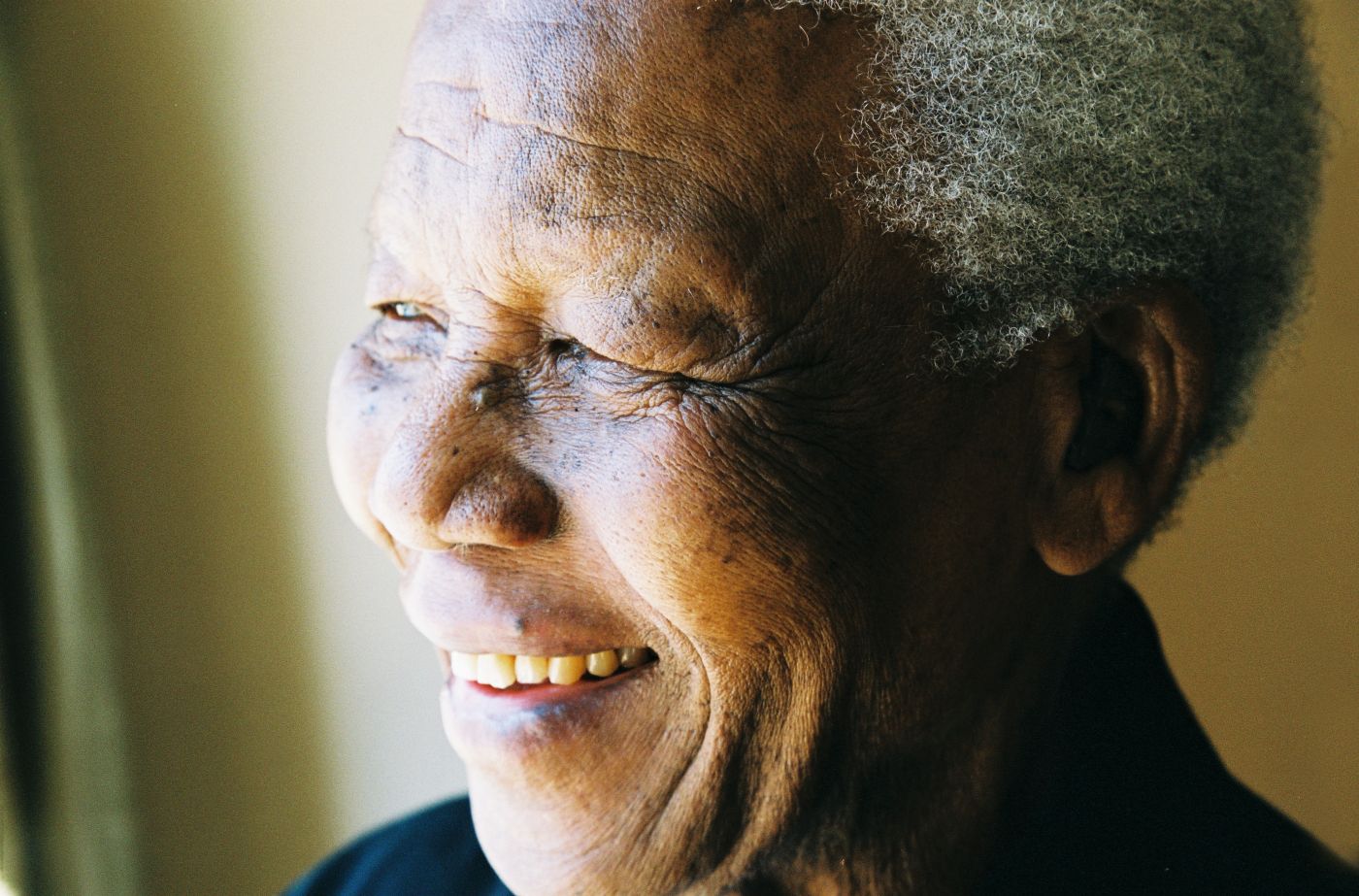
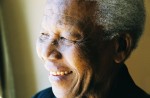
Minnesota will observe Nelson Mandela International Day on Saturday, July 18, 2015 in an event hosted by the South African Consul among others. Photo: Courtesy of Nelson Mandela Foundation

The South African Honorary Consul in Minnesota in conjunction with Meet Minneapolis and the International Leadership Institute and other notable institutions, will host the  President Mandela International Day on July 18 at the Sabathani Community Center in Minneapolis from 1pm-4pm. It is a free event and open to the public. Sabathani is located at 310 38th Street in Minneapolis.

Nelson Mandela International Day is named for the late South African leader and dedicated to service in his honor.

Judge (Ret.) LaJune Lange is the Honorary Consul for South Africa in Minnesota.

In the spirit of service, 25 members of President Obama’s Mandela Washington Fellowship for Young African Leaders, who are attending a six-week institute at the University of Minnesota’s Humphrey School of Public Affairs’ Center for Integrative Leadership, will volunteer at the Books For Africa warehouse in St. Paul. Books For Africa warehouse is located at 635 Prior Ave. N., St. Paul 55104.

The 25 Young African Leaders who will perform service at the BFA warehouse are ages 25-35 and come from countries across Africa including Botswana, Burkina Faso, Cameroon, Cote d’Ivoire, Ethiopia, Ghana, Kenya, Nigeria, Rwanda, Sierra Leone, South Africa, Tanzania and Zambia.

Nelson Mandela Day Activities

10:00am-12:00pm – Books For Africa warehouse, 635 Prior Ave. N., St. Paul 55104, just east of Menard’s.

1:00pm-4:00pm – Official celebration at Sabathani Community Center, 310 38th Street in Minneapolis. Hosted by South African Consul in Minnesota.

A wondrous Seun Kuti rocks the garden

0
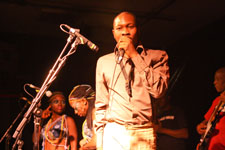
Seun Kuti and his band Egypt 80 performing at the 2015 Rock the Garden in Minneapolis. Photo: Tom Gitaa/Mshale

There was only one general consensus among the crowd that filled the Walker Museum’s lawn for Rock The Garden’s Sunday line up, as Nigerian musician Seun Kuti and his band performed their hour long set; they sure could move! Between Kuti’s rhythmic near-spiritual jerking, and his two female dancers’ African hip shaking (that some in the audience wrongly labeled “twerking”), they thrilled the crowd with a show that stood out from the rest of Sunday’s line up. That for many, this was the first time they had seen Kuti & Egypt 80 perform, only added to the wonder. And while it was clear that the crowd was eagerly awaiting Babes in Toyland, an all female punk rock band, and even more voraciously indie-rock darlings, Modest Mouse, who were the weekend’s closing act, they ate up the sounds of Afrobeat that poured off the Walker stage, keeping those at the front on their feet for the entire performance. The gorgeous backdrop of the Minneapolis skyline framing the stage, didn’t hurt either.

Previously performing at the Cedar Cultural Center in 2014, Sean Kuti & Egypt 80 broke ground with their Sunday appearance; as the first ever artists from the African continent to perform at the annual Rock the Garden music festival. The long running event launched in 1998 by the Walker, and subsequently co-sponsored by 89.3 The Current since 2008 has over the years morphed into an indie-rock music festival, so Kuti and Egypt 80’s inclusion this year seemed surprising. But the Current is also known for pushing eclectic and independent music to its fans; and afrobeat is no exception.

Opening the show with “Are you ready to dance?” Current host Mark Wheat provided a back story for the audience that highlighted Seun’s influential father, Fela Kuti who pioneered the style of Afrobeat that his son now tours the world performing. Wheat emphasized the importance of their inclusion in this year’s lineup, while also touching on the political messages infused into afrobeat, before Egypt 80 appeared on stage first. The band performed a warm up set before Seun Kuti himself appeared – dressed in fitted long sleeved black shirt and slacks in complete defiance of the hot and humid nearly 90F weather. Kuti opened his set with an homage to his father, that was doubly fitting as it was also Father’s Day. He performed Fela’s ‘Opposite People’; a song that is nearly impossible to sit still through and that set the tone for the rest of the show.

Jazz, funk, percussion, keyboards, and impassioned vocals poured out for the next 60 minutes straight, accompanied by dancers whose face paintings matched their traditional clothing and provided a visual focal point of entertainment as they were splashed onto projector screens. Kuti’s signature dance moves; arms flailing, hips jerking, back twisting, as he wound his body up and down the stage was as equally entertaining and fitting. By the end of the show, his sweat soaked shirt had been replaced by an even sweatier bare chest as he moved from saxophone to keyboard to mic, while giving each member of the band a solo piece set to showcase their talents.

Kuti & Egypt 80 lived to up the political message embedded in afrobeat, performing songs that highlighted the hypocrisy of the IMF’s message of bringing help to African countries as they chanted, “We never see no help, we never see no dollar,” and another dedicated to “ inspire women the world over”; although it quickly became apparent that it was dedicated to “black women” which seemed ill placed in the predominantly white crowd. Other hits also addressing Africa and African issues felt flat in the crowd, though poignant and relevant. No doubt however that Seun Kuti regained any fans he may have lost along the way by making a splashy announcement of his support for Minnesota’s legalization of medical marijuana, set to begin July 1st. His announcement, met by a big cheer from the crowd, set lighters flaming and the scent of marijuana floating through the crowd. Playing on the name of the drug’s chemical component, THC, he referred to it as “The Higher Consciousness”, and joked with the crowd to keep this part a “a top secret” as he crouched at the front of the stage, putting his lips to his fingers.

As the band came to the end of the show, the shorter time set became apparent for a band whose songs typically run upwards of 6 minutes. But given the hot weather and outdoor stage the limited set, was a welcome break to get away from the glaring sun, and replenish all the fluids lost in an hour of non-stop moving and shaking. And for many others, a chance to get more acquainted with the band and Afrobeat on their phones and social media. Without a doubt, Kuti and his band walked away with at least one more hardened fan; me.

Anglican cathedral in Zanzibar to house anti-slavery museum

Anglican cathedral in Zanzibar to house anti-slavery museum

anglicancatheralThe Anglican Diocese of Zanzibar is moving forward with plans to complete the repair and preservation of  the century-old Christ Church Cathedral and create a heritage center to display the history of slavery in Zanzibar and current human trafficking realities in East Africa and worldwide.

The church embarked on the project in October 2013 in partnership with World Monuments Fund Britain. They also used the crowd-funding site “gofundme.” This month, they announced that efforts to raise its portion of grant funding had been successful.

Christ Church Cathedral was built in Stone Town over the biggest slave market of Zanzibar. The altar is where the main “whipping post” of the market used to be. The museum will be located in the square, already occupied by a monument to the slaves.

The heritage center will retell the story of the East African slave trade in English and Kiswahili and bring history into the present, including the fact that there are now more slaves on the planet than at any previous time in history, with trafficking of women figuring as the world’s second largest industry, and that Zanzibar once again is serving as a trafficking point, especially of children.

“Telling the story of this dark chapter in the region’s history in an open and factual way will help bridge social and ethnic divides and promote tolerance, reconciliation and an inclusive society,” the group wrote on its fundraising page.

Both Britain and the U.S. established diplomatic relations with Zanzibar in the 19th century, supposedly to oversee the enforcement of anti-slavery laws. But slaving restrictions were largely ignored and the trade continued to kill and imprison countess Africans.

Anglicans say they hope to raise public awareness of human trafficking today both in East Africa and across the globe, and concrete actions are suggested that visitors can take to join in combating the crime.

The center also aims to promote interfaith and inter-communal dialogue and understanding.

King Sunny Ade’s Show at The Cedar Cancelled

0
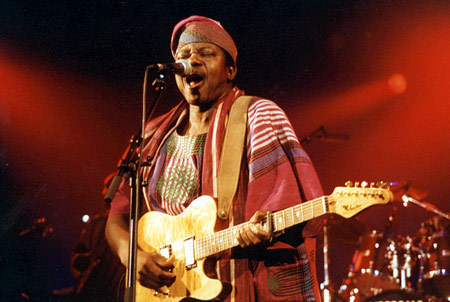
King Sunny Ade has canceled his concert at the Cedar in Minneapolis on July 13, 2015 due to a worldwide computer system breakdown within The Department of State’s Bureau of Consular Affairs . Photo: Courtesy Mesa/Blue Moon Recordings

If you had plans to enjoy King Sunny Ade at The Cedar Cultural Center on July 13th, you’ll need to make new plans. Due to a worldwide computer system breakdown within The Department of State’s Bureau of Consular Affairs, US Consulates have been unable to issue visas. This is a worldwide problem, not specific to only a few consulates, and affecting both immigrant and non-immigrant processing. Travel.state.gov reports, “Our team continues to work 24/7 to restore the systems to full functionality.”

Visas have been and will be issued for “urgent humanitarian cases,” but the backlog is deep. Because of the uncertainty, King Sunny Ade has cancelled his remaining tour in both Canada and the United States.

Seun Kuti & Egypt 80 to Perform at Rock the Garden June 21st

0
Seun Kuti & Egypt 80 to Perform at Rock the Garden June 21st

Seun Kuti & Egypt 80 understand how to play to huge crowds. They know how to handle hot sunshine or soaking rain. They’ve played in many festivals, but the weekend of music at Rock the Garden coming up in less than two weeks at the Walker Art Center might present a new element of challenge.

The Afrobeat band from Nigeria will be sandwiched between JD McPherson, an all-male old-time rock-n-roll band and Babes in Toyland, an all-female raw punk band, neither of which segue neatly from one to the other. What’s more, many of the members of the audience will be keen to hear the headline act, Modest Mouse.

Seun Kuti & Egypt 80 carry the legacy and the mien of Seun’s father, Fela Kuti. Hearing their horn-driven funk will very likely be a first for many concert-goers. Although Seun Kuti played here in Minneapolis as recently as 2014, he played at the Cedar Cultural Center where attendees either know their musician or expect something innovative. Plus, even with a sold-out house, there were only 625 people gathered.

Sunday, June 21st, easily 10,000 people could fill up the lawn at the Walker. People ready for punk and garage-band sound. When Kuti and his band take the stage at 5:45 pm, the audience might pull out their earplugs in amazed pleasure.

Tickets are still available.  Click here for details on tickets, parking, location, and access.

Books for Africa and MKIDA donate over 22,000 textbooks in memory of Ishmael Gitaa to Kenya schools

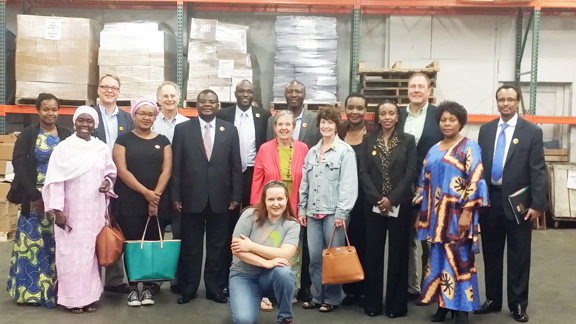
Ambassador Robinson Njeru Githae of Kenya (6th from left) at the Books for Africa Saint Paul, Minnesota warehouse after witnessing the donation of over 22,000 textbooks in memory of Ishmael Gitaa, father to Mshale founder and publisher, Tom Gitaa on Thursday, June 4, 2015. The donation was given jointly by Books for Africa and MKIDA. Books for Africa is the largest shipper of donated textbooks to Africa. Photo: Courtesy of BFA

ST. PAUL, Minn. – Less than a year after his death, Books for Africa and Minnesota Kenyans International Development Agency (MKIDA), are helping keep the legacy of Ishmael Nyangau Gitaa alive.

In the presence of Kenya’s ambassador to the United States, Robinson Njeru Githae, the two organizations yesterday donated a container of books in memory of the late Mr. Gitaa who was father to Mshale founder and publisher, Tom Gitaa. The younger Gitaa is former Books for Africa board of directors’ president and its current volunteer Director of Diaspora Affairs.

A typical 40-foot container that Books for Africa ships contains over 22,000 school textbooks.

The late Gitaa died on September 2, 2014 and was buried at his birthplace of Nyamira County in Kenya. He was a businessman and philanthropist based in the coastal city of Mombasa before semi-retiring to his rural home in Nyamira shortly before his death. Active in both his adopted city of Mombasa and birthplace of Nyamira, he was involved in many development projects both social and educational.

“MKIDA and Books For Africa, acting in partnership, have together raised the funds to ship MKIDA’s 5th container to Kenya.  This container will be shipped to Kisii, Kenya, in honor of your late father, Mr. Ishmael Nyangau Orobo Gitaa.  This decision and request for partnership came to BFA

through official action and request by the MKIDA board of directors,” Patrick Plonski, Books for Africa executive director said at the BFA Saint Paul, Minnesota warehouse during a brief ceremony.

Plonski said the older Gitaa’s legacy is worth preserving as it is a noteworthy one given he raised the younger Gitaa and his siblings “that has benefited us over here as well.”

“We are honored that MKIDA and BFA are thinking of my dad who loved education so much and there is no better way to honor him,” said Gitaa as he accepted the donation on behalf of the extended Gitaa family.

MKIDA, whose mission is to help improve education standards, health, and economic development of rural Kenya has previously sent four containers to the region through donations from its Diaspora supporters in the United States and is one of the leading Kenyan Diaspora groups in partnership with Books for Africa.

MKIDA executive director, Paul Morande, said the container in memory of Mr. Gitaa will benefit over 22 schools in the two counties of Nyamira and Kisii.

“I met Mzee (reference to Mr. Gitaa) when he was here last year and was very inspired by his love and generosity for our people,” said Mr. Morande. He said MKIDA was pleased to partner with books for Africa to make the donation possible.

Ambassador Githae who was in town for official Madaraka Day celebrations with the Kenyan community in the state praised Books for Africa and its group of volunteers for the work they have done of the years in sending books to Kenya and Africa. This is Ambassador Githae’s first visit to Minnesota since presenting his appointment credentials to president Obama last Fall.

“I am sure the parents, students and teachers in Nyamira and Kisii will appreciate these books once they get there,” Ambassador Githae said at the BFA warehouse. He told BFA to continue its “fine work” and pledged the embassy’s support in future Books for Africa endeavors.

Books for Africa is the largest shipper of donated school textbooks in the world to the African continent and is one of a handful of US charities to consistently get a four star rating for fiscal management by the charity rating agency Charity Navigator.

Ambassador Githae’s delegation from the embassy to the gifting ceremony included Agnes Kirui, First Secretary Economics; Elizabeth Belsoi, Social Secretary and Administrative Attaché Lydia Gakii Kiarie

Speaking on behalf of the BFA board of directors in the absence of the president Rosemond Owens who is in her native Ghana, president-elect Luanne Nyberg said BFA continues to play an important role in ending the book famine in the African continent in a very “cost effective way” and “we are going to continue doing so,” she said. Also present was Norm Linnell who succeeded Tom Gitaa as board president after his term expired.

Books for Africa has shipped 32 million books to 49 different African countries since 1988. Last year it shipped 2.6 million books, valued at $35 million to 27 African countries, with an additional 223 computers and 11 brand new law and human rights libraries, according to its official filings.

African Immigrant Services secures $200,000 Bush Foundation grant

0
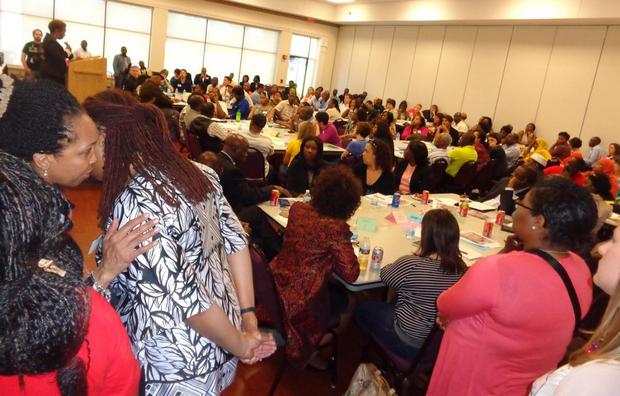
A parents of color townhall meeting organized at the Brooklyn Park Community Center by African Immigrant Services in May 2014. Photo: Jay Clark/TC Media

African Immigrant Services, a Brooklyn Park – Minnesota based non-profit, and the reigning Non-Profit of the Year honoree of the African Awards that are presented by Mshale Newspaper,  has received the maximum $200,000 ‘Community Innovation’ grant from the Bush Foundation, the latter announced yesterday. AIS is among 30 organizations that shared a nearly $5 million disbursement from the foundation which has since its founding in 1953 given nearly $1 billion in grants to individuals and organizations.

The Community Innovation Grant program was established in 2013 for community stakeholders to find breakthrough solutions to complex challenges.

The $200,000 grant to AIS is possibly the largest ever given to a non-profit founded by an African immigrant in Minnesota when one excludes entities like the African Development Center (ADC) or  the Neighborhood Development Center (NDC) whose focus is different from the multitude of service-oriented African-founded non-profits in existence.

According to Molly Matheson Gruen, Bush Foundation community innovation co-director, “This year’s Community Innovation Grant recipients represent a growing network of organizations that are truly advocating for social change.”

AIS has had a heightened profile ever since winning the Non-Profit category at the African Awards two years ago. Two high profile initiatives to its credit following the enhanced visibility after the win include an effort to organize parents of color in the Osseo School District which is home to a number of students that have African immigrant parents. AIS also took the lead this year in organizing the Minnesota Africans Against Ebola Task Force that put together information sessions on the epidemic for the community in Minnesota as well as collaborating with the Minnesota Department of Health.

AIS founding executive director, Abdullah Kiatamba, said the grant will improve AIS’s capacity to build on the “successes and breakthroughs of the AISFOTL project.” AISFOTL stands for From Observers To Leaders, an AIS initiative to move communities of colors from having no say in decisions and policies affecting them to being active participants in their formulation. It supports community participants to design and implement innovative action plans across five strategic focus areas: board leadership, educational equity, economic opportunity, elections, and resource information sharing.

Kiatamba in a conversation with this writer said  the project is right now producing racial equity outcomes by “shifting the roles of underrepresented groups from being mere observers to being change agents, stepping up to discover their own solutions and create sustainable impact on issues they care deeply about.”

The Bush Foundation grant will support the project for two years and will help AIS build “a more robust administrative support systems, including paid staff, engagement and communication tools,” Kiatamba said.

Ugandan Born Musician Samite to Headline International Children’s Festival at the Ordway

0
Samite performs with his band.

Samite (Sæm ē tay) n. 1.a. World-renowned musician, b. Humanitarian, c. Photographer. 2. Born and raised in Uganda. 3. Travels the world bringing his message of peace and hope through the healing power of music.

Ugandan born musician, Samite, is set to headline the Ordway Center for the Performing Arts’ 15th Annual Flint Hills International Children’s Festival this coming weekend, May 30-31st. “The world-class family event – one of the largest children’s festivals of its kind in the country – showcases diverse art, cultures and perspectives from more than 25 different countries,” and “features local, regional and international artists on indoor and outdoor stages in downtown Saint Paul’s Rice Park, Landmark Center, Landmark Plaza, Ordway Center for the Performing Arts and the Lehr Theater.”

Samite, who will be performing for the first time in Minnesota is equal parts talented musician and humanitarian. In his spare time he is also an avid photographer who captures images of the world through his lens. An accomplished musician with international recognition who counted Wangari Maathai as a “good friend” and produced the soundtrack for the documentary on her life, Taking Root, he finds a special joy in bringing music to youth and victims of war, disease, and loss. Working with local musicians, music therapy students from Berkeley’s College of Music, “young Americans looking to make a difference,” and others, Samite’s non profit, Musicians for World Harmony brings change to people’s lives through music.

Trained by his grandfather in the traditional flute, he picked up the Western flute at age 12, over time becoming one of East Africa’s most celebrated flutists until he was forced to flee Uganda as a political refugee in 1982. Samite went on to spend 5 years in Kenya before emigrating to the U.S, where he now lives in Ithaca, New York with his wife. While in Kenya, Samite lived briefly in a refugee camp in Thika; an experience that influenced his music and future. In an interview with him, he shared his vision for healing the world through music and what fans can expect at his performance this weekend.

How did you get involved in music?

I do many different kinds of concerts. I bring music into many places; I bring music to orphans in different parts of Africa, to children in Africa, to kids that have been kidnapped and turned into child soldiers. I bring music in helping them in the healing process and also bringing music to women that are abused in war torn places.

But when I’m not doing that, I’ve found that it helps a lot to bring young people to understand different cultures through music. They’re enjoying themselves, then they really realize that they can enjoy culture that is different than theirs; they leave singing in a different language that they didn’t even know before they came in. I find that it makes it easier for for one to introduce people to a different culture that way.

So what languages do you sing in?

I sing in a language called Luganda.

Can you tell me about your humanitarian work? You have an organization, correct?

Yes, it’s called Musicians for World Harmony. What we do is help people sing again. When you bring music to these places, say you go the Congo, you don’t even have to play for so long before people say, “You sit down now, we’re gonna sing for you.” What it does is it helps people remember how it feels when things are good. It helps them realize that things aren’t going to be so bad forever.

We sing for them in a way that you’re not just a performer, you’re there to share your experience with them. That’s what we do.

What can families and people attending your performance this weekend expect?

The families coming should expect to dance, they will really feel good about dancing and they will leave singing. They will also experience hearing instruments that they haven’t experienced before like the kalimba, the litungu which is from the Luhya’s (tribe) in Kenya, flutes and of course singing.

Do you have any other stops planned or is this your only performance?

This is actually the last stop on the Spring Tour. I’ve been on tour all over the East Coast, so this is actually the end of the tour.

To catch Samite at his last stop on his Spring Tour, there are four scheduled performances at the Flint Hills International Children’s Festival, where he will be backed by three other musicians who he promises “will make a lot of noise.” With tickets at $5 the event is as affordable as Samite is likeable. Be sure not to miss it and bring the young ones in tow.

Flint Hills International Children’s Festival

Ordway Concert Hall, St. Paul

Saturday May 30th, 10:00 am & 12:00 pm

Sunday May 31st, 12:00 pm & 2:00 pm

Buy tickets here