
Home Blog Page 139

Minnesota Africans tackle Ebola

0
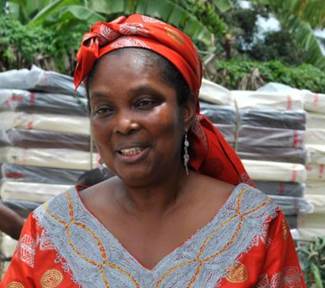
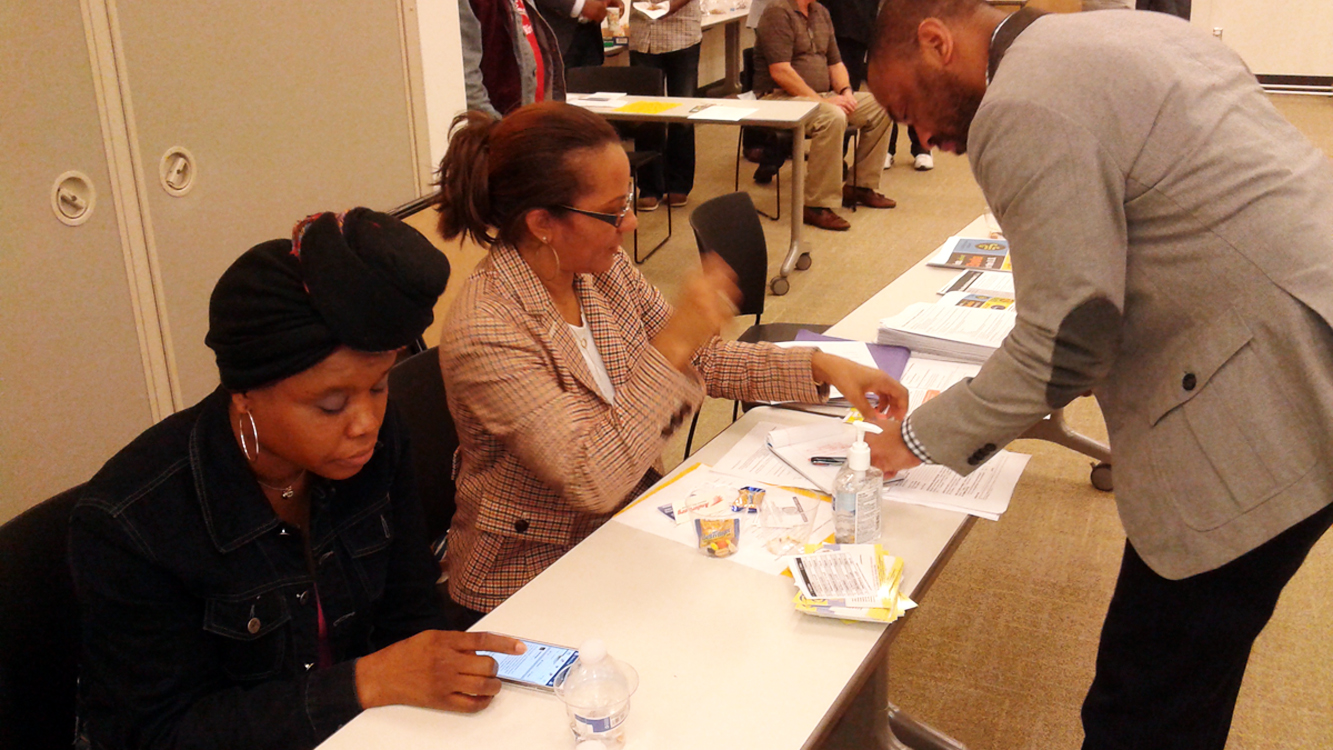
Kumba Momo and Ramona Gaye, a Registered Nurse, are part of Boots on the Ground, a group that has been signing up African medical practitioners from the diaspora that want to go and volunteer in West Africa in the fight against Ebola. They were at the Saturday session to solicit volunteers. Photo: Tom Gitaa/Mshale
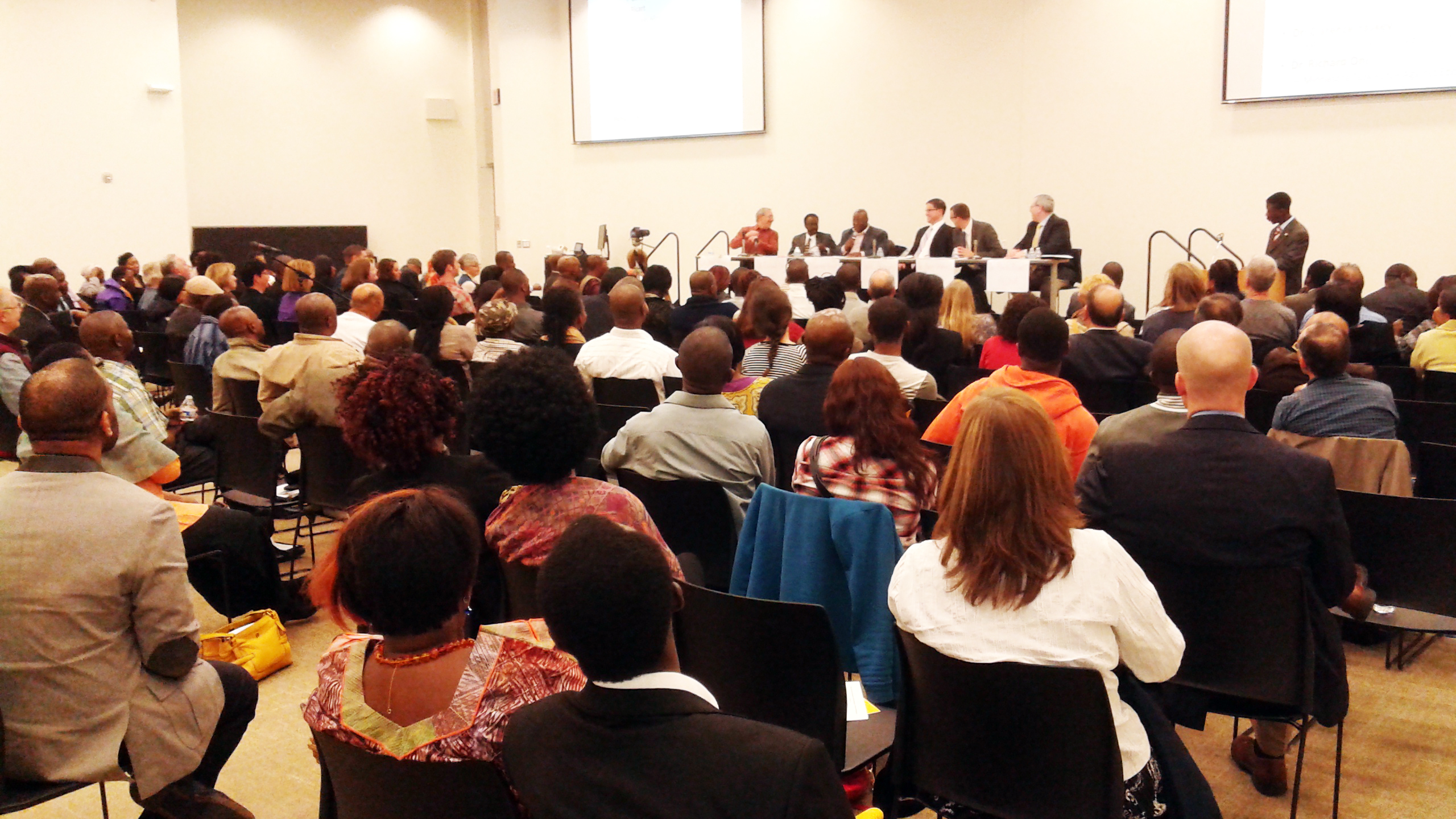
It was a packed house at the  Community college Saturday evening for an Ebola information session organized by the Minnesota Africans Against Ebola Task Force and the Minnesota Department of Health Ebola Information Session in brooklyn park, Minnesota on Saturday, October 25, 2014. Photo: Tom Gitaa/Mshale
It was a packed house at the Community college Saturday evening for an Ebola information session organized by the Minnesota Africans Against Ebola Task Force and the Minnesota Department of Health Ebola Information Session in brooklyn park, Minnesota on Saturday, October 25, 2014. Photo: Tom Gitaa/Mshale
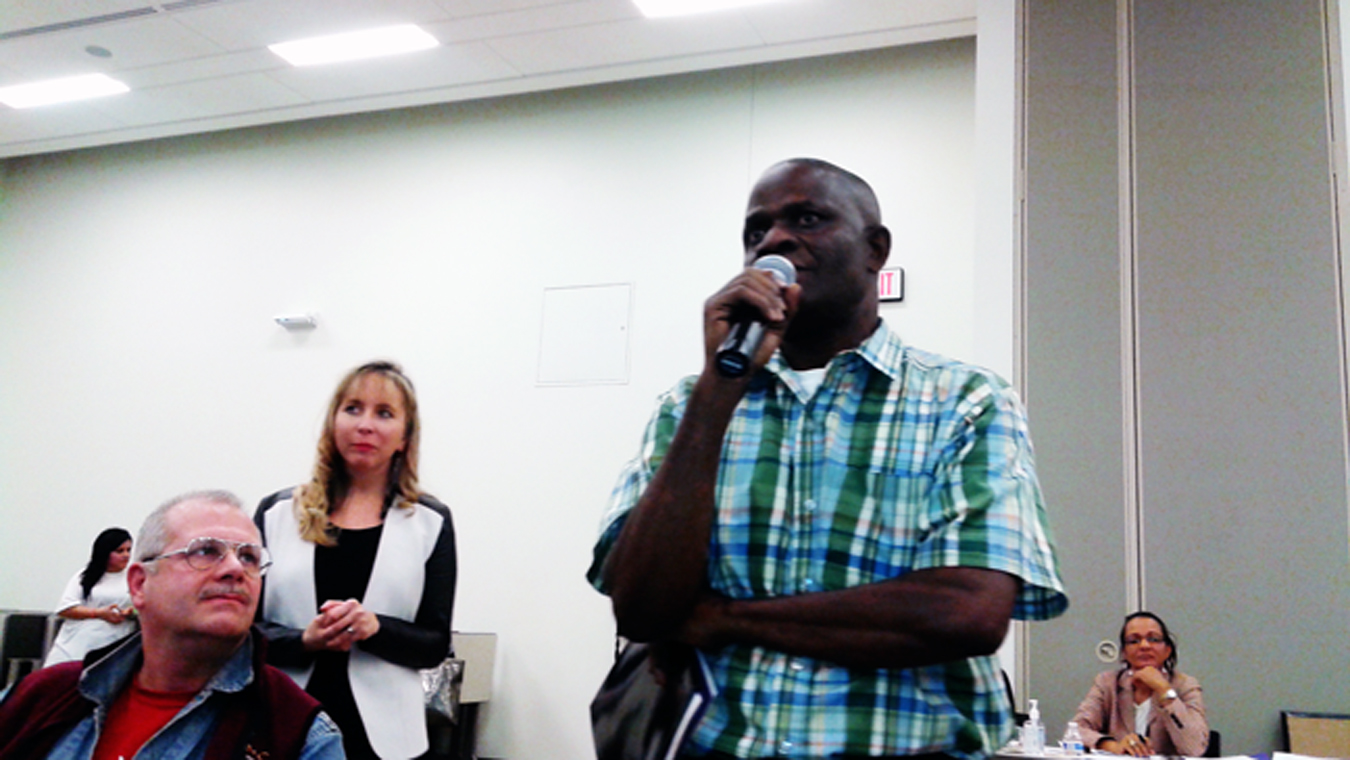
Kirkpatrick Weah, a Liberian-American community activist asked whether the Ebola virus was deliberately released. Photo: Tom Gitaa/Mshale
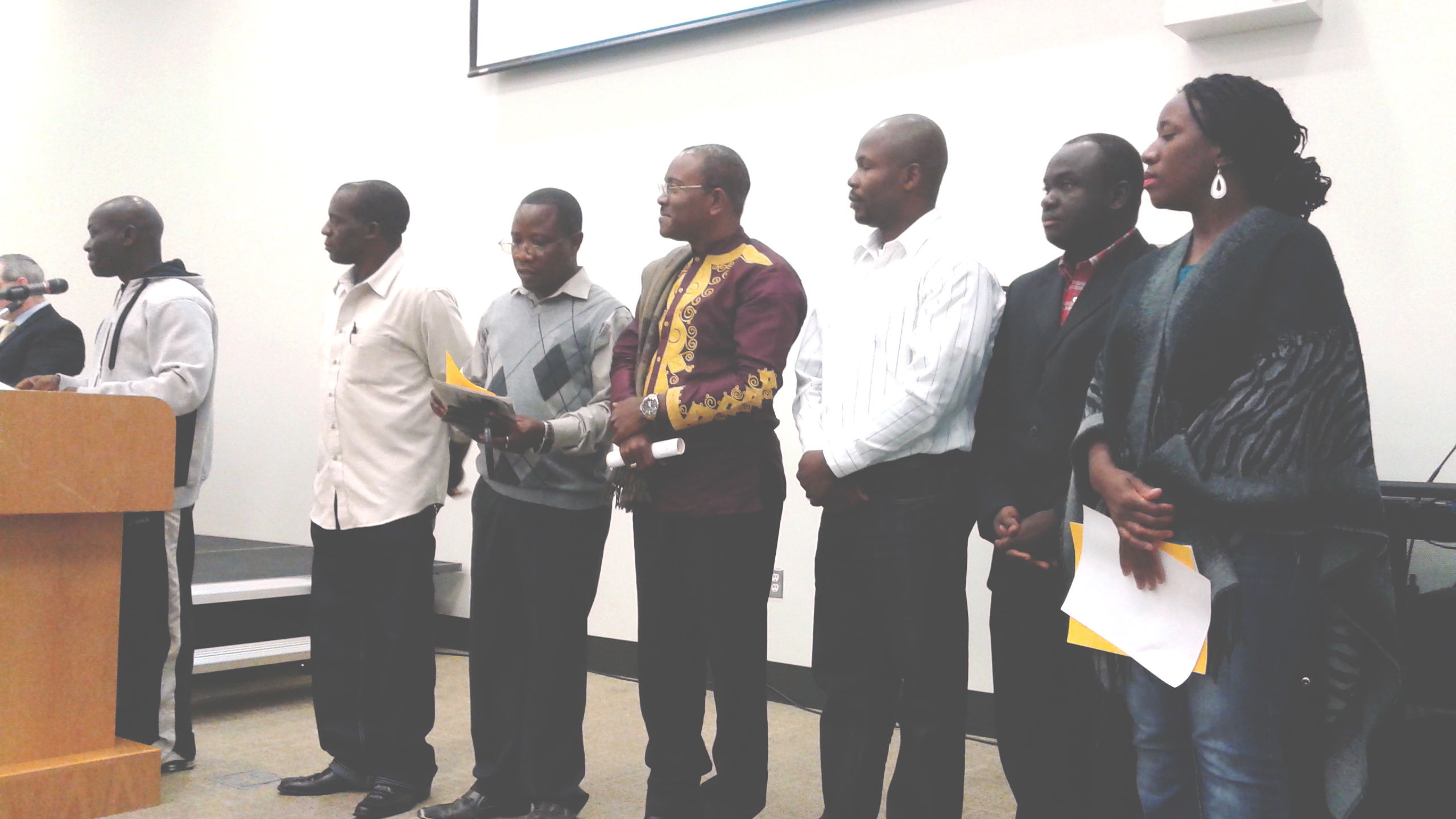
Abdullah Kiatamba (on microphone), Executive director of African Immigrant Services and chair of the Minnesota Africans Against Ebola Task Force introduces members of the Task Force. Photo: Tom Gitaa/Mshale

BROOKLYN PARK, Minn. – Hundreds of local residents gathered at the North Hennepin Community college Saturday evening for an Ebola information session organized by the Minnesota Africans Against Ebola Task Force and the Minnesota Department of Health.

Panelists included representatives from Allina Clinics and Hospitals and the Fairview Clinics. The two hospital systems are among the four selected by the state of Minnesota to be Ebola treatment centers should a case be diagnosed in the state. The other two are University of Minnesota Medical Center’s West Bank campus and the world-famous Mayo Clinic in Rochester. Abdullah Kiatamba, chair of the Task Force, said the choice of both private and public sector representatives was deliberate as “both perspectives are important,” he said. Rounding up the panelists was renowned mental health expert Dr. Richard Oni and Dr. Clarence Yaskey both members of the Task Force.

The US public has been in panic mode since the first case of Ebola was diagnosed on US soil, that of Thomas Eric Duncan, a Liberian who died October 8 after entering the country on September 20. Two nurses who treated him at a Texas hospital later contracted Ebola, Nurse Nina Pham being the first one to be diagnosed on October 12 with the second one, Nurse Amber Vinson on October 15. The two nurses have now recovered.
Avoid ‘Non-essential travel’

At Saturday’s session, Dr. Aaron Devries who is Director of Infectious Disease at the Minnesota Department of Health described Ebola as “one of the biggest health events in our community.” He said the numbers so far don’t capture the impact of the virus. Echoing recent statements from the Minnesota Africans Against Ebola Task Force urging African immigrants to avoid travel to the affected countries unless part of the medical teams that are volunteering to go and provide assistance, Devries said cooperation from members of the community is critical in dealing with any possible Ebola cases that might be diagnosed in the state. Dave Johnson, who oversees epidemiology at Hennepin County, the sates largest county and home to a larger percentage of the state’s African immigrants said the law gives the government the power to quarantine someone in the interest of public health. He stressed the preferred way is for those suspected to have been exposed to Ebola to cooperate with public health authorities.

“Please let us all encourage our people coming back (from West Africa) to adhere to the 21 day voluntary quarantine.” Stressing it will not be good for authorities to have to take extreme measures when it could be done voluntarily.

Dr. Alberto Ricart then explained the Ebola screening process when a suspected case shows up at the hospital. The Allina Hospital System is the largest in the state. Unity Hospital where Ricart is based is one of the twelve hospitals in the Allina system and is located in Fridley by the northwest suburbs home to many of the state’s large African population. It is one of the designated Ebola treatment c enters. Unity Hospital, Dr Ricart said, has a “negative pressure” room where someone suspected to have Ebola would be isolated to.

Through all these procedures, Dr. Steve Meizel of Fairview Hospitals said, his institution’s approach is to ensure the dignity of the patients is maintained.

The medical experts on the panel assured the community that the state is “well prepared” should any instance of Ebola be diagnosed.

They emphasized however that Ebola is not spread through the air and that one has to be exposed to the bodily fluids of an infected person.

Mental Health

“Mental health is not about craziness,” Dr. Richard Oni said in addressing the negative attitudes Africans have about the subject. He said Ebola is “stressing out people” and it is time for the community to embrace mental health. He said the virus is wreaking havoc with the African immigrants’ mental health as many are still dealing with the scars of civil war. Liberia, one of the three countries worst affected (the other two are Guinea and Sierra Leone), is the largest in Minnesota among the West African communities.

He lamented Africans’ response to stress or mental challenges by “overworking until they crash.” From a mental health perspective, he said such a response is not sustainable.

Conspiracy Theory

As is to be expected at a gathering that has Africans amongst it, things did get interesting during the Q & A, even with the seriousness of the subject. “Was this virus released into the world by the Americans as part of research?” one Liberian-American asked.

Dr. Aaron Devries of the Minnesota Department of Health calmly debunked the conspiracy and said Ebola “has been around for years.” The only difference he said the latest outbreak has been more widespread causing fear and panic. As of Saturday, the World health Organization (WHO) said the death toll from Ebola had risen to 4,922 out of 10,141 recorded infections. Guinea, Sierra Leone and Liberia account for 4,912 of the 4,922 deaths.

However “If one has no symptoms, you are not infectious,” he said.

Responding to another question, Devries said the state does not need that many ‘Ebola beds’ as they are not needed. The likelihood that the state will need to respond to a massive outbreak is very remote.

Stigma

Attendees at the session also shared instances of being stigmatized. A teacher from the Osseo school district said children of African immigrants do not want to be identified as African as other children have been accusing them of “bringing Ebola to America.”

A Liberian-American pastor, Alexander Collins, said even in his multicultural church, non-Africans have stopped coming to church for fear of catching Ebola.

Medical Volunteers

Ramona Gaye, a Liberian-American Registered Nurse (RN), spoke briefly about the recruiting effort of the Diaspora’s medical talent that is being spearheaded by Medical Boots on the Ground round among others. We cannot just wait for others to do things for us,” she said.
Insurance, evacuation and salaries of the volunteers will be covered. “And your job is guaranteed, upon returning,” she assured those contemplating volunteering.

Those interested in the Medical Boots on the Ground initiative can send an email to [email protected] for more information.

Congo’s Faustin Linyekula and Mozambique’s Panaibra Gabriel Canda to perform at the Walker November 7 and 8

0
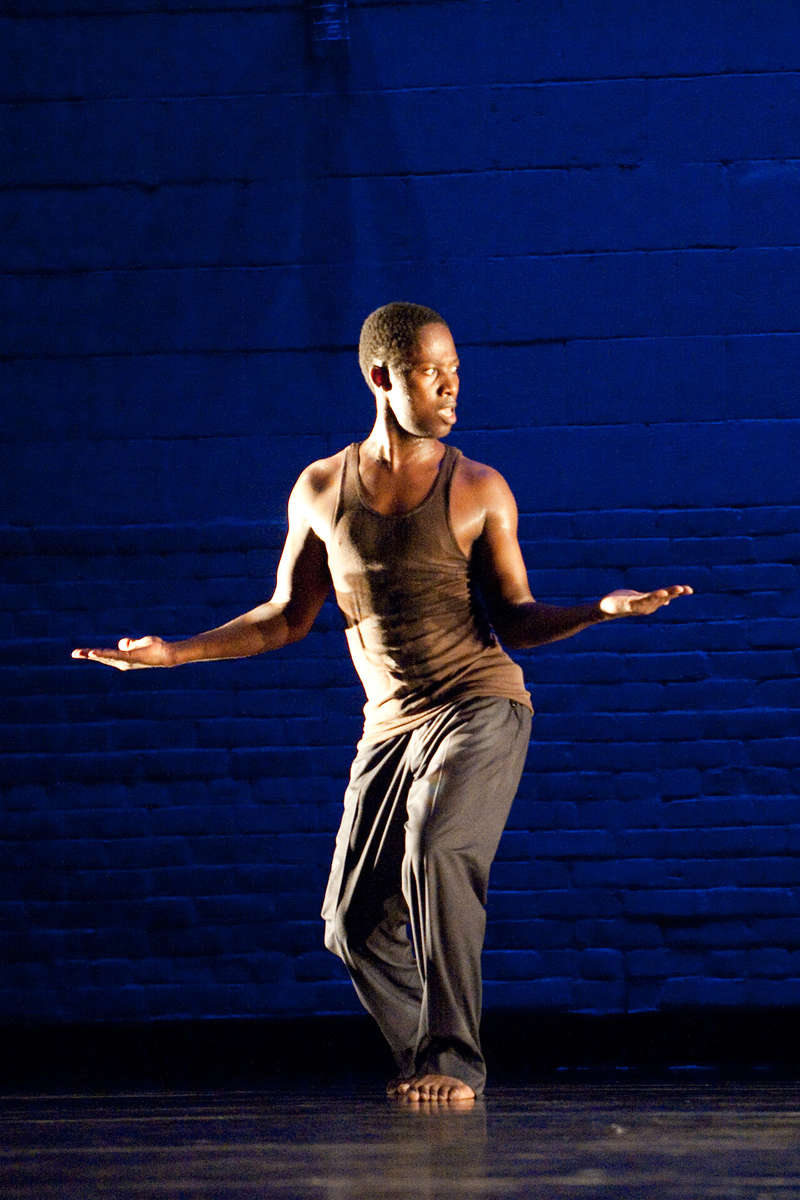
Faustin Linyekula performing Le Cargo. Photo: Agathe Poupeney
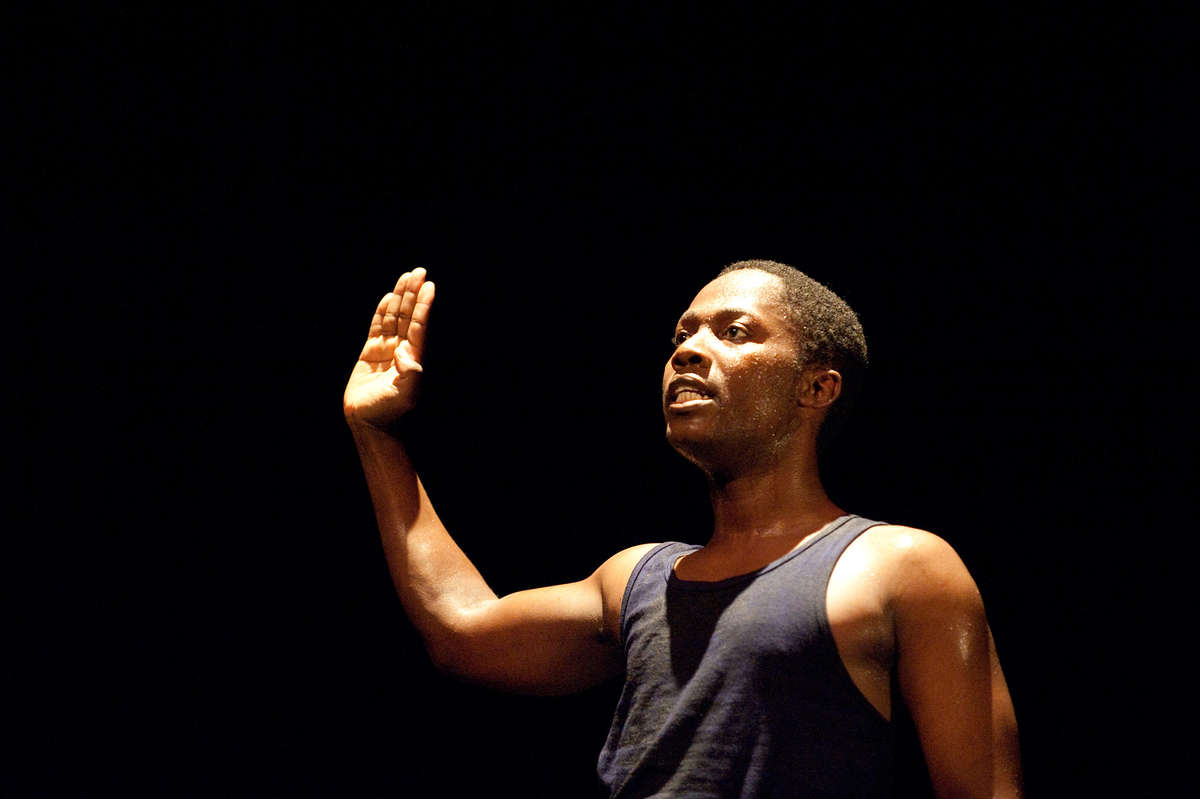
Panaibra Gabriel Canda performing Times & Spaces. Photo: Arthur Fink

This two-evening program of intimately scaled dance-theater features extraordinary contemporary artists from the African continent and the welcome return of Walker favorite Faustin Linyekula. In both full-length works, Linyekula and Panaibra Gabriel Canda grapple with the complex histories of their countries by reigniting memories of and experiences with their fathers and their own experiences of dislocation, forced emigration, and cultural assimilation. They present, in very different ways, intimate and personal points of view on colonialized and postcolonial Africa, familial and national histories, and our global society—and in the process, reveal the rigor and passions of their contemporary lives.

Tickets

Purchase tickets to both shows for $30 ($26 Walker members) by calling the box office at 612.375.7600. Single show, $22 ($18 Walker members)

Faustin Linyekula: Le Cargo

Friday, November 7, 8 pm

Following the success of his recent work more more more… future, Linyekula presents his first-ever choreographed solo. Le Cargo tells of the artist’s return home in search of things lost and the dance, people, and music he reclaimed in the process.

Panaibra Gabriel Canda: Time and Spaces: Marrabenta Solos

Saturday, November 8, 8 pm

Since gaining independence from Portugal in 1975, Mozambique has been a land of social and political rifts in which an inflexible communist model gradually made way for a fragile democracy. This complex history is carried in marrabenta, a musical form born in the 1930s from a mix of local and European influences. Time and Spaces: Marrabenta Solosdeconstructs cultural representations of a “pure” African body. Accompanied by virtuoso guitarist Jorge Domingos, Canda dances and speaks about today’s African body that has absorbed the elements of colonialism, nationalism, modernity, and freedom of expression.

Get tickets at the Walker website.

Brooklyn Park Mayoral race: African-American Caucus endorses Joy Marsh Stephens

0
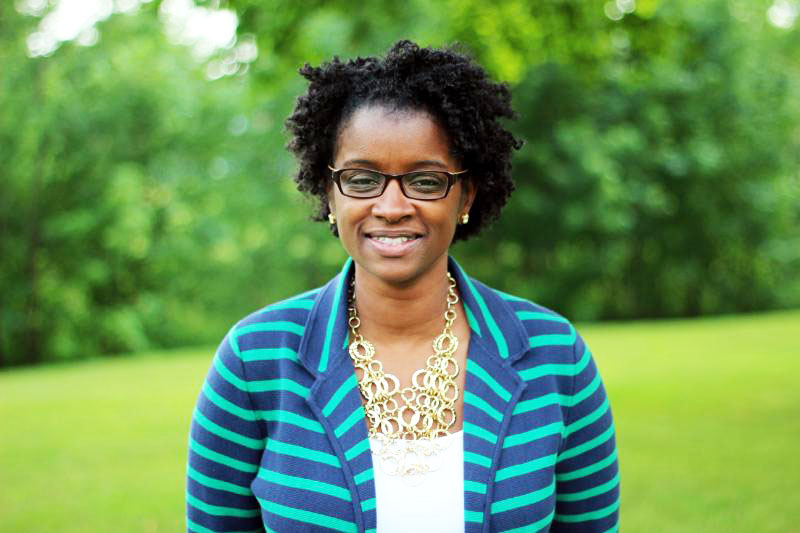
Joy Marsh Stephens who already enjoys the full endorsement of the Democratic Party in the race for Brooklyn Park Mayor, home to many African immigrants, has now been endorsed by the African-American Caucus. She will become the city's first black mayor if she wins.
Joy Marsh Stephens who already enjoys the full endorsement of the Democratic Party in the race for Brooklyn Park Mayor, home to many African immigrants, has now been endorsed by the African-American Caucus. She will become the city's black mayor if she wins.
Joy Marsh Stephens who already enjoys the full endorsement of the Democratic Party in the race for Brooklyn Park Mayor, home to many African immigrants, has now been endorsed by the African-American Caucus. She will become the city’s black mayor if she wins.

The African American DFL Caucus of Minnesota met at their last meeting to vet two 2014 candidates for endorsement. In addition to answering a series of questions pertaining to issues in Minnesota’s African American Community; members were interviewed in person. A 60% vote, with a quorum was, required for an endorsement. The Caucus endorsed Eddie Frizell for Hennepin County Sheriff and Joe Perske for U.S. 6th Congressional District.

The Caucus unanimously voted to endorse Eddie Frizell for Hennepin County Sheriff. Frizzel, the Caucus said exhibited “a deep knowledge of law enforcement administrative and policing practices. In addition, his past experience with actively diversifying the Minneapolis Police Department and his commitment to community policing addressed issues of primary concern to the Caucus and its membership.”

The Caucus endorsed Joe Perske for Congress for Minnesota’s 6th Congressional District. As a former school teacher, the Caucus said “Joe has shown a strong commitment to education for all Minnesotans and clearly expressed the need for Minnesota to address the educational disparities Minnesota is currently grappling with.” The district is currently represented by the controversial Michele Bachmann who won the seat narrowly last time around but is not seeking reelection. The Republican candidate is Tom Emmer, who unsuccessfully ran for Minnesota Governor in 2010.

The Caucus also encouraged voters to vote for, volunteer and support all of the candidates below. Their list of endorsements includes endorsements in the critical Brooklyn Park area where Joy Marsh Stephens  already has the Democratic Party’s full endorsement and is poised to become the city’s first black mayor. Brooklyn Park is home to a large African immigrant population. Also endorsed is Reva Chamblis who could become the first black council member in what is now a “minority majority city”.

Sharon Sund: Congress – 3rd Congressional District
Joe Perske: Congress – 6th Congressional District
Eddie Frizell: Hennepin County Sheriff
Steve Simon: Secretary of State
Joy Marsh Stephens: Mayor -Brooklyn Park
Reva Chamblis: City Council East District – Brooklyn Park
Rena Moran: State Representative – Senate District 65A
Ray Dehn: State representative – Senate District 59B
Joe Mullery: State Representative – Senate District 59A

Elections are November 4. In Minnesota, if you are not already registered and are an eligible voter, you can register and vote on election day.

You can find your polling place by following this link.

African leading light, Ali Mazrui, dead at 81

0
Prof Ali Mazrui, as chancellor of Jomo Kenyatta University of Agriculture and Technology, confers a doctoral degree at a graduation ceremony. Photo: Nation Media Group Kenya
Prof Ali Mazrui, as chancellor of Jomo Kenyatta University of Agriculture and Technology, confers a doctoral degree at a graduation ceremony.  Photo: Nation Media Group Kenya
Prof Ali Mazrui, as chancellor of Jomo Kenyatta University of Agriculture and Technology, confers a doctoral degree at a graduation ceremony. Photo: Nation Media Group Kenya

Renowned scholar, lecturer, school chancellor and “towering intellect” of the 21st century, Ali Al’Amin Mazrui, passed away peacefully at his home in the state of New York where he headed up the Institute for Global Cultural Studies at the State University of New York in Binghamton.

Prof. Mazrui had an illustrious scholarly life. He authored numerous books and hundreds of articles, carried many distinguished titles and sparked countless discussions and debates over African history. He was 81.

Born on Feb. 24, 1933 in Mombasa, Kenya, he studied in Great Britain, at Columbia University and Oxford College where he obtained a doctorate in 1966. He served at Makerere University, Uganda, until 1973 when he was forced into exile by Idi Amin.

In recent years, he spoke bluntly about his disillusion with political leaders, including Pres. Barack Obama, who began as democrats and wound up abusing power. He faulted the U.S. President for failing to release the Guantanamo prisoners but compared this to the actions of Kwame Nkrumah, a hero of anti-colonial liberation, who, later in his career, detained his adversaries without trial and invented Africa’s one party state.

“Idi Amin overthrew Milton Obote in 1971 in the name of human rights,” he noted, “and then launched a reign of terror in Uganda for almost a decade.”

A prominent critic of the current world order, he believed the current capitalist system was deeply exploitative of Africa, and that the West rarely if ever lived up to their liberal ideals. He opposed Western intervention in the Iraq War as well as many of the policies of Israel in its treatment of Palestinians.

In recent years, Mazrui became a well-known commentator on Islam and Islamism. While rejecting violence and terrorism, Mazrui praised some of the anti-imperialist sentiment within modern Islamic fundamentalism. He also argued, controversially, that sharia law is not incompatible with democracy.

In addition to his written work, Dr. Mazrui helped create the television series The Africans: A Triple Heritage.

He will be buried, in accordance with his wishes at the historical monument of Fort Jesus in Mombasa, a World Heritage site marked by Koran inscriptions carved into wooden door posts and ceiling beams.

He is survived by a wife and six children.

CNN’s only black executive producer quits

0
Tenisha Taylor Bell, the sole executive producer at CNN has quit the network. Photo: CNN

CNN’s only black executive producer of a show, Tenisha Taylor Bell, has quit the network. Her resignation comes in the wake of a $5 million lawsuit filed against CNN by a former employee alleging age and racial discrimination. The former employee, Stanley Wilson, was promoted only once during his 17 years at the network.

Last week, the National Association of Black Journalists expressed concern over the racial climate at CNN for journalists of color.

In an email to fellow employees at CNN, Tenisha Taylor Bell said:

“Hi Team Fred,

“As you know I’ve been on vacation for a few days. While away, I’ve been doing some soul searching and I’ve decided that at this time that I would like to go in a different direction with my career. This is a very hard decision for me. You ALL are like family to me. But of course, I have to make the best decision for Aidan and myself at this time. So I have decided to resign from CNN. You have been a great team to work with. I thank you for all of your hard work and dedication. I wish everyone the very best. You can reach me at Tenisha (at) PerfectPitchMediaGroup.com or my cell. . . .”

More at Daily Caller.

National Association of Black Journalists expresses concern over treatment of black journalists at CNN

0
CNN Center in Atlanta. The National Association of Black Journalists (NABJ) has expressed concern over the racial atmosphere at the network. Photo: City-Data

The National Association of Black Journalists issued a statement this week condemning the treatment of black employees at CNN.

They cite Suzanne Malveaux, T.J. Holmes and Soledad O’Brien, who have all left or been forced to leave their anchor posts in the past few years. They say there are only two black executive producers at the network.

This week is not a good one for CNN where discrimination is concerned. On Monday, Stanley Wilson, a 51-year-old writer/producer filed a $5 million lawsuit in Los Angeles County against the network for race and age discrimination after he was fired in January. He worked at CNN for 17 years. He was promoted one time despite applying for numerous positions.

In April of last year, Joel Dreyfuss, a founding NABJ member, wrote an opinion piece for the organization’s website putting CNN on notice. He wrote the piece from Paris, where he only had access to CNN International:

Full Story on Daily Caller.

Q & A with Al Franken: Candidate shares his record on issues affecting East Africans

0
United States Senator Al Franken who is seeking a second term poses with members of the East African community at a past event. Photo: Courtesy Al Franken Campaign

What do you do in your office as a United States Senator?

As one of your two United States Senators, I have been working hard to pass laws that help all Minnesotans do better. My office also works with Minnesotans who need help navigating federal programs and services, including helping Minnesotans who are having trouble with issues such as immigration, social security, and Medicare. It has been an honor to serve Minnesota for the past five years. I’ve worked hard and gotten a lot done, but we can’t stop now. That’s why I’m hoping to be reelected to another term this November.

What issues have you worked on that impact Minnesota’s East African community?

In the Senate, I worked with Senator Klobuchar and Congressman Ellison to pass legislation to help make sure that Minnesota’s East African community can send money to their families back home in East Africa. And during the 2011 famine in Somalia and the wider Horn of Africa, I used my position as a Senator to push Secretary of State Clinton to take all necessary actions to ensure that food assistance reached the millions of East Africans in need of essential survival assistance during the drought.

Minnesota’s East African families regularly tell me how important developing a strong quality of life is, which is why I have pushed for affordable health care, investments in early childhood education and mental health in schools. And I’m working to increase the minimum wage, make college more affordable and provide job training so that all Minnesotans willing to work hard can achieve a good quality of life for themselves and their families.

What work have you done to help East African communities worldwide?

Members of Minnesota’s East African community have told me time and again how important it is to keep families together; I could not  agree more, which is why I have worked to help East African families here in Minnesota bring their families members in need to the United States to be reunited, and to pass comprehensive immigration reform in the Senate.

I have also pushed the United States government to practice smart foreign policy that helps uphold human rights in Kenya and Ethiopia, and I have pushed for conditioned aid to Ethiopia to protect the Oromo people. I have also worked with Secretaries of State Clinton and Kerry for smart US-East African relations.

What has been your favorite event in the community this summer?

It’s a tough choice between all the great events I have been to, like Somali Independence Day or enjoying games with community members at the Oromo Soccer Tournament, but I’d have to go with the Iftar dinner that we held with community leaders and Imams in July. I enjoyed breaking fast with many respected individuals in the East African community – some of whom hadn’t seen each other for years – and spending time during Ramadan to reflect and discuss the issues that matter to all of us. And I can’t forget the delicious food!

What can Minnesota’s East African community do to support your work?

We’re working hard to build a strong grassroots movement of support across Minnesota with our East Africans for Al group but we can’t do that without you, and your family and friends. Please visit www.alfranken.com to learn more about my campaign and get involved. And don’t forget to vote, whether that’s early by mail or at the polls on November 4th.

‘Virunga’ team on the risks of politically-charged filmmaking

0
Director Orlando von Einsiedel, producer Joanna Natasegara, and Steve Greene discuss "Virunga"
Director Orlando von Einsiedel, producer Joanna Natasegara, and Steve Greene discuss “Virunga”

Editor’s note: Virunga opens November 7 on Netflix.

When filmmaker Orlando von Einsiedel (“Skateistan: To Live and Skate Kabul”) flew to the Congo to make a new documentary about mountain gorillas in the continent’s largest national park, little did he know that a mounting civil war would yield a much more sprawling project with global implications.

The final result of the director’s multi-year efforts is “Virunga,” a powerful look at the fight to protect the titular park against poaching rebels and greedy British oil companies that plays more like an ensemble thriller than a traditional documentary. With the award-winning film set to open November 7 on Netflix, director Einsiedel and producer Joanna Natasegara sat down with Criticwire’s Steve Greene at an IDA screening of “Virunga” in Hollywood to discuss the storytelling risks and emotionality behind the ambitious project.

Watch the interview clips on indiewire.com.

Ebola: Precautionary measures needed to save families and community

0
Ebola: Precautionary measures needed to save families and community

EbolaThe recent Ebola case of Mr. Thomas Eric Duncan in Dallas, Texas raises concern and fear in the West African Community, particularly in the Liberian Community, because of the stigma that Liberians are transporting Ebola to the United States. Today it is Mr. Duncan; tomorrow could be another West African, particularly a Liberian, since the Ebola epidemic is still high in Liberia.

Evidently, frequent visitations in and out of West Africa/Liberia are putting families and the wider community at risk. As we pray for the recovery of Mr. Duncan and a positive outcome of those he came in contact with who are currently being isolated/quarantined, it is imperative that all West Africans/Liberians take responsible precautions.

During this critical Ebola time, it is absolutely necessary to suspend visits to West Africa/Liberia, Sierra Leone, and Guinea until the Ebola crisis greatly improves unless you are called to go on a medical mission. Private business trips need to be suspended because they could be at the detriment of families and the community.  Right now, the focus is on Liberia and Liberians.

Liberians who are visiting the USA need to responsibly isolate/quarantine themselves including avoiding any group gathering until after the recommended 21 days Ebola incubation period. If a visitor’s health raises concern while in isolation, the relatives or friends of the visiting West Africans/Liberians should immediately contact a medical facility for advice or urgent medical care. Cover your mouth when you cough, cover your noise when you sneeze, and watch your hands regularly as well to keep you and family save. If possible, we should avoid face-to-face meetings and hold teleconferences instead. We all need to ensure that these precautionary measures are followed at this critical time of the Ebola crisis to save families and the wider community.

The fact that Mr. Duncan entered the United States knowingly or unknowingly with Ebola and considering the high population of Liberians in the United States/Minnesota, the wider American Community is becoming uncomfortable (if not already uncomfortable) with Liberians. We must exercise a high level of caution in our families and community.

Pretty soon, West Africans/Liberians might begin to experience a different kind of marginalization or discrimination in the wider American Community. An example is the embarrassing situation my wife and I experienced on October 2, 2014 at the Philadelphia International Airport. While returning to Minnesota from our vacation awaiting our flight, we went to have breakfast and we conspicuously received a different kind of service. When the server heard our Liberian accent, she stood far from us as she took our order and even when she brought the food she stood far from our table. We noticed her strange behavior because she did not exhibit the same to the Caucasians who were sitting next to our table. She treated us badly but took the $5 tip we left on the table. We were left wondering why she treated us that way. Could it be that Americans are beginning to avoid us Liberians because of the Ebola crisis in Liberia? Could this be a beginning of what is ahead of us Liberians during the Ebola crisis?

While these could be some of the new realities we will deal with in the coming years, which is understandable, we need not be angry with anyone. Not even our brothers and sisters who visit the USA. Rather, we should guide them and ensure that they take precautions when they enter the United States so as to save families and the wider community.

We also must do all we can to help our family members in West Africa/Liberia.

If foreign docs can be airlifted, why are African doctors left to die?

0
Liberia’s chief medical officer, Dr. Bernice T. Dahn, placed herself in quarantine after her assistant died from Ebola. Photo: Global Information Network (GIN)

An observer to a recent U.N. emergency meeting on the Ebola outbreak counted the seemingly sincere promises of help by government after government yet a pledge to airlift stricken African doctors and health workers to restorative health facilities was nowhere in the discussion.

“Despite all of the rhetoric seemingly laced with care and concern for the victims, the fact remains that no African doctors or health workers have been evacuated as of yet to Western facilities for treatment,” wrote Karen Attiah in a piece titled ‘Leaving Ebola Fighters Behind to Die.’ “At this stage of the outbreak, (this) is indefensible.”

Attiah, a Ghanaian, listed the recent death of Sierra Leonean Dr. Olivet Buck – the fourth health worker to succumb to Ebola. She died after the World Health Organization (WHO) denied a request to transport her to Germany for treatment.

“WHO is unable to organize evacuation of this doctor to (Germany) but is exploring all options on how to ensure best care,” WHO spokesman Tarik Jasarevic said. Health workers are at particular risk and 144 have died so far in the three countries, exacerbating a shortage of medical staff.

Dr. Sheik Umar Khan, an eminent physician who headed up Sierra Leone’s Ebola response, died after Doctors Without Borders (MSF) decided not to administer Zmapp, a life-saving experimental drug, although two infected American missionaries received it and recovered.

Earlier this week, Liberia’s chief medical officer, Dr. Bernice T. Dahn, placed herself in quarantine after her assistant died from Ebola. Sierra Leone officials have criticized the WHO for its sluggishness on decisions to evacuate their country’s infected doctors, Attiah pointed out.

Assistance efforts are stoking controversy, with a noticeable privilege of care being afforded to foreign healthcare workers over Africans, observed graduate student Joeva Rock, writing for the Inter Press Service.

The Pentagon provoked its own controversy, she added, when it announced plans to deploy a 22-million-dollar, 25-bed U.S. military field hospital—reportedly for foreign health workers only.

“Guinea, Liberia and Sierra Leone simply cannot afford to lose a single doctor,” wrote Attiah, noting that in 2010, Guinea had just one health-care worker per 10,000 people in 2010, with Liberia and Guinea employing even fewer health-care workers than that.

“One hopes that the new efforts by the U.N. and its partners will help prevent Ebola from claiming more lives of African doctors and researchers,” she said. “We cannot allow “medical apartheid” to characterize the international treatment of the African medical personnel and health workers (as distinct from those from) Europe or the United States.

Keep your travels healthy

0
Keep your travels healthy

travelvac_11She meant for her son to get the vaccine but he was finally sleeping. The doctor said it was a special situation because they were traveling to visit family in Kenya, so he recommended that her son get his vaccine earlier than usual. She decided it could wait until they came back. They were just traveling to visit family which didn’t seem like a big risk.

The day they returned home, her son developed cold symptoms – a cough, runny nose, and watery, red eyes. Then he got a fever and became very tired. She took him to the doctor, and they said it was a virus and to watch him closely. The cough got worse and the fever got higher so she took him to the doctor again. This time they put him in the hospital because he had pneumonia. The doctors did more tests and put him in a private room – he had measles.

It was hard for her child to breathe so they put him on a breathing machine. There were tubes in his mouth, nose, and arms. She almost didn’t recognize him. She felt helpless. The doctors warned that her son might die. For three weeks she watched a machine breath for her son. He survived, but his mother will never forget his suffering.  She tells anyone traveling overseas, “Be sure to get all the vaccines you or your family needs.”

How did this happen? No one was sick in the house where they stayed, and she rarely took her son out except to shop or visit another family. Doesn’t measles just cause a rash? How could measles make her son so sick?

Measles kills 430 children in the world every day. It is very contagious and will infect those who haven’t been vaccinated. It travels easily from one continent to another. The little boy in this story spread his disease to others – both on the plane and among the family’s unvaccinated children once back in Minnesota. If you are traveling overseas, make sure that you and your children are up-to-date on your measles, mumps and rubella vaccine (called MMR). Children as young as 6 months old should receive the MMR.

Polio is another infectious disease that has been spreading through travelers. Polio is a disease that can cause paralysis (cannot move a leg or arm) and sometimes meningitis (an infection in the brain and spinal cord). If the paralysis spreads it can cause a person to stop breathing. The spread of polio has concerned health officials at the World Health Organization. They recommend that people who spend more than four weeks in a country where polio is found be vaccinated before they go back home. People who are traveling to countries where polio is found should make sure to talk to their clinic about whether they need a booster and if their children have all the doses they need for travel.

To keep your travels healthy, talk to your clinic about your trip, the shots you need and the ways to stay healthy while traveling. Sometimes sickness happens because of travel. If you and your family are returning from international travel and become sick, make sure to call your clinic and let them know your symptoms and that you have recently traveled.