Governor Tim Walz of Minnesota on MOnday, March 23, 2020 launched a $30 million loan fund for small businesses affected by the COVID-19 pandemic. Photo: MN Governor Office
Governor Tim Walz of Minnesota on MOnday, March 23, 2020 launched a $30 million loan fund for small businesses affected by the COVID-19 pandemic. Photo: MN Governor OfficeGovernor Tim Walz of Minnesota on Monday, March 23, 2020 launched a $30 million loan fund for small businesses affected by the COVID-19 pandemic. Photo: MN Governor Office
Editor’s note: Since the publishing of this story on March 27, there is an update from the African Development Center of Minnesota on how to apply for the emergency loans that you can read at this link.
Minnesota Governor Tim Walz on Monday through executive order 201-5 announced the creation of a $30 million fund to lend money to small businesses that have been hurt by the COVID-19 pandemic, specifically businesses ordered to temporarily close by the governor (e.g. restaurants) following the pandemic through Executive Orders 20-04 and 20-08.
Under the COVID-19 Small Business Emergency Loan Program, the Minnesota Department of Employment and Economic Development (DEED) will use its lender network that includes the African Development Center of Minnesota (ADC) and the African Economic Development Solutions (AEDS) to make loans of between $2,500 and $35,000 for qualifying small businesses.
“Over the last week, we’ve heard from many of Minnesota’s small businesses who are facing significant hardships because of the COVID-19 crisis,” said Governor Walz. “Small businesses are the backbone of our communities, and now more than ever, we’re looking to creative solutions like DEED’s emergency loan program to help them weather these extraordinarily difficult times.”
To be eligible for the loans, businesses must be able to demonstrate that they were “directly and adversely affected by the conditions that precipitated the emergency declaration as noted in Executive Orders 20-04 and 20-08.”
Additionally, businesses applying for the loans must be current on their federal, state and local taxes.
The loans are interest-free for all businesses and maybe partially forgiven. No payments are required in the first six months, and after the six months of no payments, will be paid monthly over five years.
To see if your business qualifies to apply, go to this DEED link and click on Eligibility.
African immigrant owned businesses can contact the following agencies for loan inquiries and assistance:
You can join the fight against COVID-19 by helping yourself!
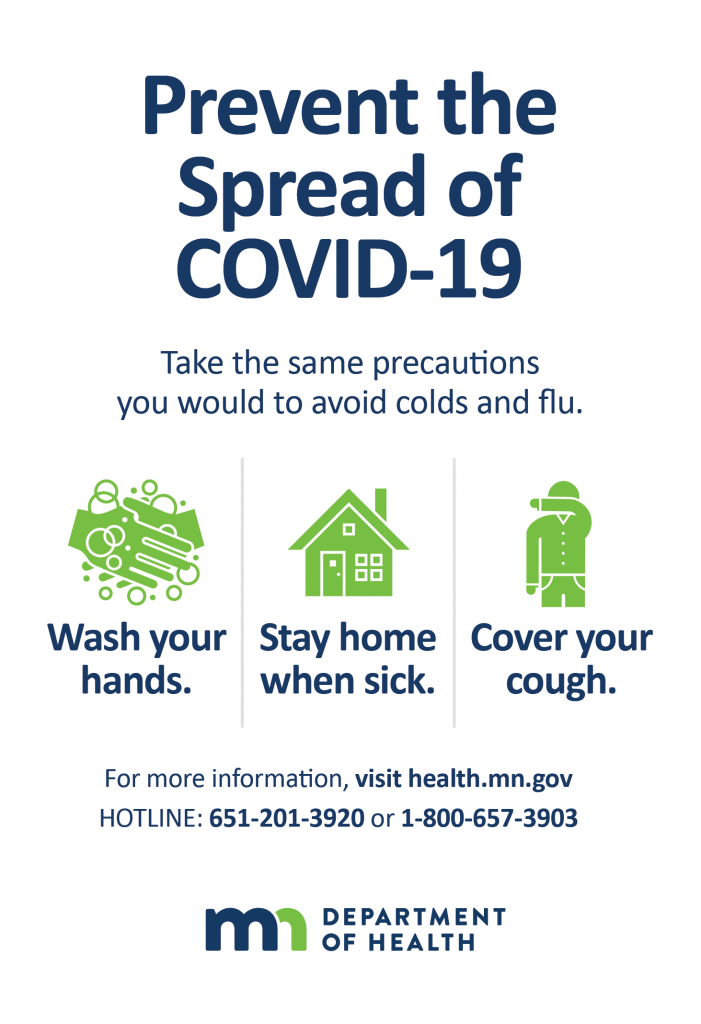
Troubling times can make us feel useless, like our hands are tied and there’s little we can do to help. The Minnesota Department of Health (MDH) and the U.S. Centers for Disease Control and Prevention (CDC) offer a few simple steps you can take to help reduce the risk of catching or sharing Coronavirus Diseases 2019 (COVID-19).
WASH YOUR HANDS
That’s it, just wash your hands. But do it properly as well: Wet your hands with water, then apply soap. Scrub them together for at least 20 seconds, being sure to pay attention to the backs of your hands anything that might have gotten stuck under your finger nails. Then rinse clean and dry. It’s as easy as that! Since is likely spread through droplets when an infected person coughs or sneezes, disinfecting surfaces, our hands, and the things we touch is a good plan.
STAY HOME IF YOU’RE SICK
If you’re not feeling well, stay home. Self-isolation is the best way to stop the spread of illness. Don’t go to public events, work, or even family gatherings when you’re not feeling well or if a doctor, medical professional, or public health officer has instructed you to stay home.
COVER YOUR COUGH
Under the best of circumstances, it’s best to cover your mouth and nose with a tissue when you sneeze or cough, or cough or sneeze into your elbow, not your hands.
FOLLOW YOUR DOCTOR’s ADVICE
With so many people claiming to be experts, knowing who to trust can be difficult. But you know your doctor, health care professional, or public health official have not only solid information, but also your best interests at heart. Follow their recommendations to help keep COVID-19 at bay.
It’s sometimes hard to find more information about what is going on locally. In efforts to provide a way for people to have their questions answered, MDH has established a hotline for the public. You can call 651-201-3920 to ask a qualified MDH staff member your questions about COVID-19 and what you should due to decrease your risk of infection. Interpreters and translation services are available.
African restaurants are offering takeout and delivery to feed their customers during the coronavirus crisis as restaurants have been ordered closed for dine-in service. Photo: smtomako/flickr
African restaurants are offering takeout and delivery to feed their customers during the coronavirus crisis as restaurants have been ordered closed for dine-in service. Photo: smtomako/flickrAfrican restaurants are offering takeout and delivery to feed their customers during the coronavirus crisis as restaurants have been ordered closed for dine-in service. Photo: smtomako/flickr
As the COVID-19 shuts down most of the world, African restaurants in the Minneapolis/St. Paul metro are responding to keep their customers fed with their favorite foods by offering takeout and delivery.
Here’s a list of some of the restaurants in our area that are offering takeout and/or delivery since Minnesota Governor Tim Walz ordered all restaurants closed for dine-in service.
Please note the situation for many restaurants can change at a moment’s notice so call or email them on the numbers listed here or on their websites.
THE RED SEA RESTAURANT (Minneapolis, MN) Offering: Takeout. To order takeout: Call 612-333-1644. To order delivery: Order via Bite Squad or GrubHub.
Website: theredseampls.com.
MNsure on Friday, March 20, 2020 announced a special enrollment period starting March 23, 2020 for those without health insurance in response to the coronavirus. Coverage will begin April 1, 2020.
MNsure on Friday, March 20, 2020 announced a special enrollment period starting March 23, 2020 for those without health insurance in response to the coronavirus. Coverage will begin April 1, 2020.MNsure on Friday, March 20, 2020 announced a special enrollment period starting March 23, 2020 for those without health insurance in response to the coronavirus. Coverage will begin April 1, 2020.
Those without medical insurance in Minnesota can now enroll in a plan during a 30-day special enrollment through MNsure, the state’s health insurance marketplace. The move by MNsure is in response to the potential growth of coronavirus cases.
MNsure CEO Nate Clark said in a news release received at Mshale that “As more cases of COVID-19 are diagnosed throughout the state, we want to make sure every Minnesotan has the security of health insurance to ensure they can get the care they need if they contract this serious illness.”
MNsure will start accepting applications this coming Monday, March 23 at www.MNsure.org for coverage that will begin on April 1 and applicants must select a plan by April 21. If you enroll after April 1 but before April 21 at 11:59PM, your start date will be retroactive to April 1.
MNsure also said that those who have lost or will lose their employer provided health insurance are also eligible for the special enrollment period. Those wishing to apply during the special enrollment should visit MNsure.org for details.
Comcast Cable Chief Executive Officer, Dave Watson. Photo: Courtesy Comcast
Comcast Cable Chief Executive Officer, Dave Watson. Photo: Courtesy ComcastComcast Cable Chief Executive Officer, Dave Watson. Photo: Courtesy Comcast
Comcast on Monday announced a breathtaking set of new initiatives to help its customers in response to the coronavirus crisis that has shut down most of the world including the United States. Schools and businesses have been shut down requiring workers to work from home and students to e-learn which has brought to light the broadband gap that exists in the country.
In a news release sent to Mshale, Comcast Cable Chief Executive Officer, Dave Watson said ““During this extraordinary time, it is vital that as many Americans as possible stay connected to the internet – for education, work, and personal health reasons.”
Free internet for low income
The steps Comcast is taking are listed below but most important to Mshale readers might be the extraordinary step to make “Internet Essentials”, the company’s low-income internet offering that usually is offered for $9.95 per month free for 60 days. New customers who qualify for the program will now receive it free for 60 days upon signing. The company is also increasing the speed of Internet Essentials to 25 Mbps downstream and 3 Mbps upstream. That increase will go into effect for no additional fee and it will become the new base speed for the program going forward.
Existing Internet Essentials customer do not need to do anything to get the higher speed. New customers can sign up at www.internetessentials.com.
The following is the full set of initiatives that Comcast announced, we are providing them verbatim as sent to us as a public service :
Xfinity WiFi Free For Everyone: Xfinity WiFi hotspots across the country will be available to anyone who needs them for free – including non-Xfinity Internet subscribers. For a map of Xfinity WiFi hotspots, visit www.xfinity.com/wifi. Once at a hotspot, consumers should select the “xfinitywifi” network name in the list of available hotspots, and then launch a browser.
Pausing Our Data Plan: With so many people working and educating from home, we want our customers to access the internet without thinking about data plans. While the vast majority of our customers do not come close to using 1TB of data in a month, we are pausing our data plans for 60 days giving all customers Unlimited data for no additional charge.
No Disconnects or Late Fees: We will not disconnect a customer’s internet service or assess late fees if they contact us and let us know that they can’t pay their bills during this period. Our care teams will be available to offer flexible payment options and can help find other solutions.
Internet Essentials Free to New Customers: As announced yesterday, it’s even easier for lowincome families who live in a Comcast service area to sign-up for Internet Essentials, the nation’s largest and most comprehensive broadband adoption program. New customers will receive 60 days of complimentary Internet Essentials service, which is normally available to all qualified low-income households for $9.95/month. Additionally, for all new and existing Internet Essentials customers, the speed of the program’s Internet service was increased to 25 Mbps downstream and 3 Mbps upstream. That increase will go into effect for no additional fee and it will become the new base speed for the program going forward.
News, Information and Educational Content on X1 and Flex: For those with school-age students at home, we’ve created new educational collections for all grade levels in partnership with Common Sense Media. Just say “education” into your X1 or Flex voice remote. To help keep customers informed, we also have created a collection of the most current news and information on Coronavirus. Just say “Coronavirus” into your X1 or Flex voice remote.
24×7 Network Monitoring: Underpinning all of these efforts, Comcast’s technology and engineering teams will continue to work tirelessly to support our network operations. We engineer our network capacity to handle spikes and shifts in usage patterns, and continuously test, monitor and enhance our systems and network to ensure they are ready to support customer usage. Our engineers and technicians staff our network operations centers 24/7 to ensure network performance and reliability. We are monitoring network usage and watching the load on the network both nationally and locally, and to date it is performing well.
Ghanaians in Minnesota celebrate Ghana's 63rd Independence Day
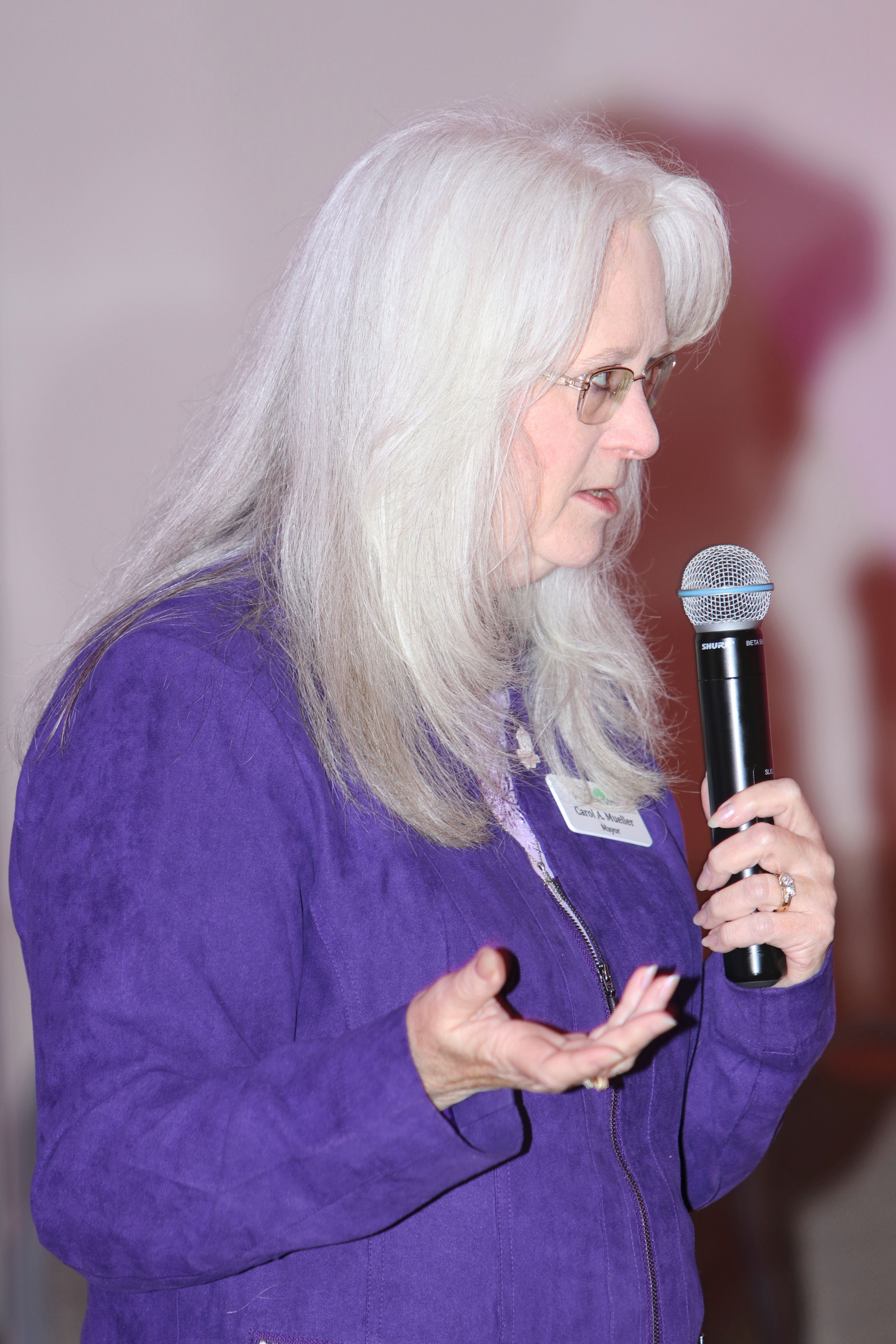
Ghanaians in Minnesota gathered at the Mounds View Community Center on Saturday, March 7, 2020 to celebrate Ghana’s 63rd Independence Day. Mayor Carol Mueller of Mounds View was the chief guest.
The colorful event featured a celebration of Ghana through food and music.
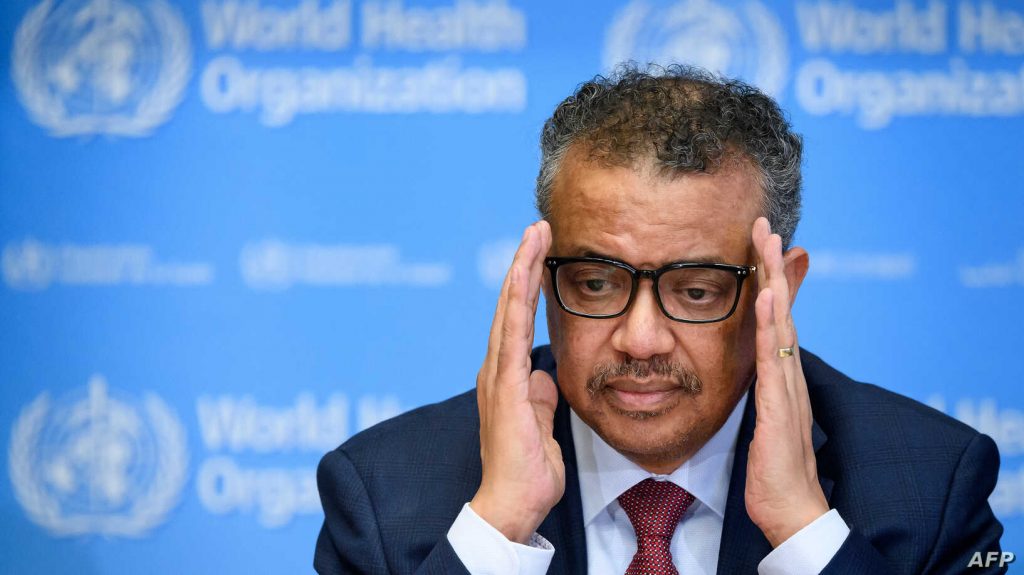
World Health Organization (WHO) Director-General Tedros Adhanom Ghebreyesus attends a daily press briefing on COVID-19 at the WHO headquaters on March 6, 2020 in Geneva. (Photo by FABRICE COFFRINI / AFP)
World Health Organization (WHO) Director-General Tedros Adhanom Ghebreyesus attends a daily press briefing on COVID-19 at the WHO headquaters on March 6, 2020 in Geneva. (Photo by FABRICE COFFRINI / AFP)World Health Organization (WHO) Director-General Tedros Adhanom Ghebreyesus attends a daily press briefing on COVID-19 at the WHO headquaters on March 6, 2020 in Geneva. (Photo by FABRICE COFFRINI / AFP)
Not everyone can work from home or cease traveling. Here’s what you can do when circumstance forces you to be out and about during the COVID-19 outbreak.
By MIT’s Technology Review’s Tanya Basu & Karen Hao
In theory, never leaving home during the coronavirus pandemic is the most effective means of prevention. It reduces your chance of infection and quickly contains the disease’s spread. A recent study in Science found, for example, that this kind of distancing is even better than widespread travel bans or restrictions.
In practice, however, it’s not always possible to hole up. Your circumstances may not afford you the luxury of working from home or avoiding public transit. And sometimes life happens and you just need to get on a plane.
The good news is that tamping down the coronavirus isn’t an all-or-nothing game. There are still many ways you can practice responsible social distancing even when you have to be out and about in the world. In addition to the basics—don’t touch your face, and wash your hands often with soap and water for 20 seconds—here are some other tips, collected from half a dozen experts, to follow in different areas of your life.
The bottom line: don’t stress too much. It’s equally important to “keep some sense of sanity,” says Moses Turkle Bility, an assistant professor of infectious diseases and microbiology at the University of Pittsburgh: “Your mental health and well-being affect your immune system.” Do what you can and develop habits you can stick to, but don’t panic if you can’t do everything.
Here’s what you should do when you…
take public transit
take flights or long-haul bus and train rides
are sick
need food
work out
leave and come back home
have kids
What to do when you take public transit
Stagger commute times. If you can’t drive or walk where you need to go, consider commuting by public transit during off-peak hours. Spreading out commute times, even by a small amount, can help reduce transmission risk from overcrowded subways and buses, says Julie McMurry, an assistant professor in the College of Public Health at Oregon State University, who created the popular Flatten the Curve web page with tips to contain Covid-19.
Avoid surfaces. While in transit, avoid touching poles and handles. Some recent research in a pre-print paper suggests that the virus can survive on hard surfaces for up to three days, although there is still no evidence that it is transmitted in this way. You can also wear gloves or create other makeshift barriers to stay protected, but they should be removed as soon as you are back indoors.
What to do when you take flights or long-haul bus and train rides
Monitor the coronavirus stats of your community and destination. With help from the CDC website, educate yourself about places to avoid—up until the minute you board. Information is changing “so quickly, in the matter of hours,” says Lin-Hwei Chen, president of the International Society of Travel Medicine and an associate professor at Harvard Medical School. It’s also important to check your hometown’s statistics so you know if you could have been exposed to the virus. Reconsider your travel if the risk is high.
Stay six feet away from people (as much as possible). The CDC’s six-feet rule might not be possible if you’re waiting in line to get to your seat, but there’s no need to rush to your boarding-area queue or crowd around a coffee shop.
Wear a makeshift mask (if it gives you peace of mind). It’s still unclear how much a mask will reduce a healthy person’s risk of contracting coronavirus, says Chen, but the extra protection doesn’t hurt. The caveat is if you’re not used to masks, you might fidget with it and thereby break a cardinal rule of coronavirus prevention: don’t touch your face.
Take a shower after you arrive. When you get to your destination, take a warm soap-and-water shower before interacting with people or lounging around too long in common spaces. “Soap and water is one of the best disinfectants,” says Bility. A bath is more comprehensive than hand-washing when you’ve been in contact with a lot of different surfaces. Avoid rewearing your travel clothes again until you’ve washed them.
What to do when you are sick
Stay at home. If you are sick (with something other than the coronavirus), reconsider whether you need to be out and about. The coronavirus is most threatening and more likely to result in complications when contracted along with another disease, says Fenyong Liu, a professor of virology at the University of California, Berkeley. With a weaker immune system, you will be more vulnerable. Exposing others to whatever you have, especially if they are immunocompromised, will make them more susceptible as well.
Wear a makeshift mask. But for essential trips, such as to go to the doctor, wear a mask or other makeshift barrier across your nose and mouth to protect others. Even a scarf or other cloth is better than nothing for reducing the spray of droplets when you cough or sneeze. Of course, the tighter the barrier the better, says McMurry. Do not, however, hoard surgical masks, which need to be reserved for front-line health-care responders. “That backfires for everyone,” McMurry says.
Call an ambulance. If you suspect you have coronavirus, call for an ambulance instead, says Liu. Traveling on public transit puts fellow passengers at too much risk. You could also contract another infection.
What to do when you need food
Get it delivered. Always opt for grocery or restaurant delivery if you have access to those services. It will reduce the flow of people circulating in-store and the chance of community spread. When the food arrives, wait for the delivery person to leave before you pick the package up. (Many delivery apps give you the option of specifying such instructions.) This minimizes delivery workers’—and the community’s—exposure to potential germs as they go from one home to another.
Use self-service checkout. If you have to go to the store, minimize contact with other people.
Decontaminate your packages. Once you’ve received your delivery or bought your food in-store, figure out a decontamination procedure. This might be overkill right now, says McMurry, “but it’s really important that everyone consider this a dry run.” Build the habit for when things get worse.
That means if you have a porch or other outside area where you can safely leave your packages, keep them there to air out for several hours. Again, experts don’t know how long the virus survives on surfaces, so the longer the wait you can afford, the better. Wear gloves or create a makeshift barrier when opening your package, and discard the outer layer. Or simply wash your hands diligently after you’re done handling it.
Wash and disinfect items before storage. After unwrapping the packages, use warm water and soap to scrub any washable items. While no specific studies have shown the effect of water and soap on the novel coronavirus, the combination is known to work against envelope viruses in general, says Bility. The soap damages the envelope and renders the virus ineffective. For other items that can’t be washed, use friction to wipe them down with soap and water or alcohol. The evaporative action of the alcohol inactivates the virus. (The EPA has also published a list of disinfectants that work.)
Opt for cooked over raw foods. Cooking produce is the safest way to guarantee decontamination, says Liu. But diligent washing with can also be a good defense.
What to do when you work out
Opt for in-home or outside exercises. Forgoing regular exercise can be challenging for mental health, especially during high-stress times such as this one. So consider developing routines that avoid the gym. Gyms are breeding grounds for many types of germs, which could weaken your immune system, but the heavy breathing and confined spaces also heighten the risk of coronavirus spread. Jog outside; do yoga in your bedroom; find in-home, equipment-free alternatives.
Avoid peak hours. If you do need to go to the gym, try to shift your workout schedule. Just as you should avoid peak hours on the subway, staggering workout times can help reduce risk of transmission.
Avoid high-contact equipment. Also avoid gym equipment that requires long periods of handling, like weights, and opt for things that don’t, like treadmills. Disinfect the equipment before and after use, and don’t wipe the sweat from your face with your hands during your workout.
Shower immediately after. A generally good rule regardless, but particularly important for disinfecting your body. You want to minimize the time you spend with potential contaminants on your clothes and skin.
What to do when you leave and come back home
Run errands together and during off-peak hours. Try to get as much done as possible in one fell swoop. “You want to minimize the number of trips, then stay home for as long a period of time as you can,” McMurry says. Also, try to avoid crowds by going to stores and public places early before work or late at night. In general, reduce the amount of time you spend in locations where you don’t know the level of infection, says Bility.
Don’t mix “outside” and “inside” clothes. Every time you get home, change your clothes—and shoes—and wash them as soon as possible. If you have the option, you can also leave coats and other hard-to-wash items outside to disinfect in the sunlight. “This is especially true for people that are in areas of high risk,” McMurry says.
Create a dedicated reentry zone. That staging area for packages is good for humans too: in addition to changing clothes and taking off shoes, use this space to disinfect your phone and keys. Phones, in particular, can be hard to disinfect, so consider putting yours in a thin plastic bag when you leave home. Wipe it down with soap and water or alcohol once you take it back out.
Take a shower after every outing. Of course, jump in the shower right away if you can. Children especially have a tendency to touch their faces, so bathe them with soap and water. If you don’t have time, at a bare minimum wash your and their face and hands, says Lauren Combe, a registered nurse and president of the National Association of School Nurses.
What to do when you have kids
Don’t exaggerate or panic. Explain coronavirus in an age-appropriate manner, says Mark Reinecke, a clinical psychologist and director of the Child-Mind Institute. But “maintaining a sense of perspective becomes critically important.” Don’t freak out if your kid coughs or dwell for hours on coronavirus coverage. Your kids want to feel secure.
Demonstrate good habits. Teach kids how to cough and sneeze into the crook of their arm and thoroughly wash their face and hands while singing “Happy Birthday” twice, says Combe. If you’re tired of the same song, pick something else easy for kids to remember, like “Twinkle, Twinkle Little Star” and the ABCs.
Get creative with playdates. If their schools have closed, kids are prone to quickly develop cabin fever and feelings of isolation. Use technology creatively: give them permission to FaceTime or play video games with friends, Reinecke says. Online social activities can help maintain and foster friendships. You can also opt for no-tech solutions like board games and crafts with the family. If you do end up hosting a playdate, keep the group small, make sure the other kids are not sick, and don’t share utensils, says Combe.
Gaelle Wondje of Cameroon will perform at the Cedar Cultural Center in Minneapolis on March 21, 2020 to kick off her first US tour. Photo: Courtesy The Cedar
Gaelle Wondje of Cameroon will perform at the Cedar Cultural Center in Minneapolis on March 21, 2020 to kick off her first US tour. Photo: Courtesy The CedarGaelle Wondje of Cameroon will perform at the Cedar Cultural Center in Minneapolis on March 21, 2020 to kick off her first US tour. Photo: Courtesy The Cedar
With a voice that fills the air with light, Gaëlle Wondje performs March 21st, at the Cedar Cultural Center in Minneapolis. Growing up in Cameroon, Ms Wondje has spent half her life on stage, winning competitions in university, reality TV contests, and then in touring nationally as part of a chorus ensemble.
Her repertoire blends traditional Cameroonian sounds of Makossa and Bikutsi with bluesy ballads, jazz, and Afro Pop music. Singing in French, English, and Beti languages, Ms Wondje’s musical range serenades her audience as well as inspires dancing. The Cedar will accommodate dancers with an open floor and limited seating.
This event is part of Alliance Française Mpls/St Paul’s Mois de la Francophonie : Celebration of Cameroon.
Tickets available at this link.
Saturday, March 21st, 2020 / Doors: 7:00 PM / Show: 8:00 PM
Standing Show
$15 Advance, $20 Day of Show
(L to R) Wells Fargo CEO Charlie Scharf, Congresswoman Maxine Waters and Mary Mack of Wells Fargo. Photo: Wells Fargo and US Congress
(L to R) Wells Fargo CEO Charlie Scharf, Congresswoman Maxine Waters and Mary Mack of Wells Fargo. Photo: Wells Fargo and US Congress(L to R) Wells Fargo CEO Charlie Scharf, Congresswoman Maxine Waters and Mary Mack of Wells Fargo. Photo: Wells Fargo and US Congress
Wells Fargo announced yesterday in a statement sent to Mshale that it will soon start extending mortgages and other credit programs to DACA recipients commonly known as “Dreamers.”
The bank was hit with lawsuits last year for discriminating against those on DACA among a host of other legal and regulatory challenges it faced unrelated to DACA.
The announcement comes a few days before the bank’s chief, CEO Charlie Scharf and Chair Elizabeth Duke, are scheduled to testify before the US Congress’ Financial Services Committee regarding the beleaguered bank’s work culture and management. The DACA move is viewed as an attempt to address some of the concerns about the bank. A day before the DACA announcement, the bank had announced it would raise its minimum age to between $15-$20 per hour based on the market.
DACA, which stands for Deferred Action for Childhood is a 2012 Obama program meant to protect those who were brought into the US illegally as children and are now grown.
Except where barred by specific investors, mortgages and home equity loans will be extended to those on DACA that qualify for them, the banks statements said. The rollout will start in the first half of 2020 and continue to the first quarter of 2021.
“Wells Fargo’s product set and customer reach enable us to contribute meaningfully to the opportunity DACA recipients have to succeed in the United States. We believe it is incumbent upon us to make credit as available as possible for these individuals as they seek to realize their ambitions,” said Mary Mack, Wells Fargo’s CEO of consumer and small business banking. “This is part of our continuing commitment to provide responsible lending and to expand our financial support and partnership for the many diverse communities we serve.”
House Financial Services Committee Chair Maxine Waters, speaking to reporters after the bank’s moves, applauded Wells Fargo’s action on minimum age and moves to address overdraft fees, but said the bank has more work to do.
“It goes a lot deeper than several actions that are taken prior to coming to the board to change our opinion,” Waters said.
Ghanaian Member of Parliament of the New Patriotic Party will address the Minnesota chapter of his party on Sunday, March 8, 2020 in St. Louis Park. Photo: Courtesy NPP
Ghanaian Member of Parliament of the New Patriotic Party will address the Minnesota chapter of his party on Sunday, March 8, 2020 in St. Louis Park. Photo: Courtesy NPP Ghanaian Member of Parliament of the New Patriotic Party, Hon. Kenendy Akyapong, will address the Minnesota chapter of his party on Sunday, March 8, 2020 in St. Louis Park. Photo: Courtesy NPP
CANCELLED: The Kennedy Agyapong Town Hall scheduled for March 8, 2020 has been cancelled according to officials of the Minnesota NPP Chapter. Hon. Akyapong cited “uncertainties that currently surrounds the (coronavirus) outbreaks” It will be rescheduled at a later date.
NOT CANCELLED: Ghana’s 63rd Independence Day Dinner is still on. See at the bottom for details.
Ghanaian parliamentary member Kennedy Agyapong of the ruling New Patriotic Party is due to visit the state of Minnesota for a Town Hall meeting on March 8 in St. Louis Park. The event will be hosted by the Minnesota chapter of the New Patriotic Party (NPP).
The visit comes at a time when Ghana is set to hold general elections in December of this year. Agyapong has been active in the Ghanaian parliament for the past two decades and is gunning for another four-year term in December.
The Minnesota Chapter of NPP began ten years ago in an attempt to coordinate and engage NPP’s party members who live abroad. The chapter expects an attendance of about 200 which will include Ghanaian citizens or friends of Ghana.
Minnesota is home to a sizable number of Ghanaians, with estimates placing the number to over 2,000 individuals. The NPP chapter of Minnesota has around 100 registered members and many are expected to attend on March 8.
In recent years the Ghanaian government has passed legislation that allows citizens in the diaspora to vote. Under the Representative of the People’s Amendment law Ghanaian’s abroad could be allowed to cast ballots for overseas elections as early as this year.
“From this visit we want to energize the membership… we want to be able to ask questions, in areas that we feel we need answers,” Collins Oppong said. Oppong serves as the party’s communication director in Minnesota. He has been a member of NPP for 18 years and has been involved in the Minnesota chapter since moving to the United States six years ago.
Attendees of the event are expected to engage with the lawmaker on a wide range of issues and policies in Ghana and the diaspora. It will also be an opportunity for Agyapong to interact with members of the Ghanaian community abroad.
“Ghanaians are part of the overwhelming number of Africans that support the economy through remittances” Oppong said as he explained why it is important for diaspora members to be engaged in current political affairs.
Parliament member Agyapong is also scheduled to be a special guest for Ghana’s 63rd Independence Dinner Dance celebration that will be hosted on Saturday March 7 by the Ghana Council of Minnesota at the Moundsview Community Center.
Hon. Kennedy Agyapong Town Hall When: Sunday, March 8, 2020 4PM-10PM Where: 4330 Cedar Lake Rd., St. Louis Park, MN 55416 Event Link:Facebook.
Ghana’s 63rd Independence Day Dinner
Host: Ghana Council of Minnesota
When: Saturday, March 7, 2020 6PM-Midnight
Cover: $30 (At the Door)
Where: Moundsview Community Center 5394 Edgewood Dr., Moundsview, MN 55112
Details: Facebook.
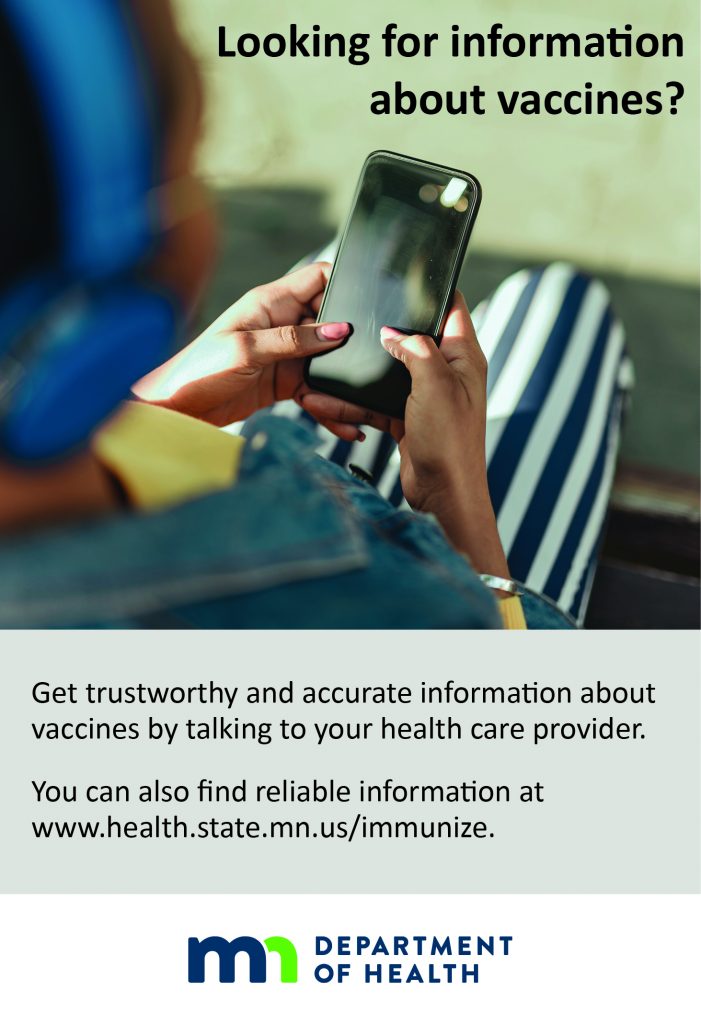
Have you ever gotten health advice from a friend or relative and wanted to check it out on the internet? Have you ever had questions about vaccines and searched for information on the internet? There is plenty of health information online, but some of the information is not accurate or can be confusing. How can you tell what information sites are good and what sites you should avoid? Here are a few tips to guide your internet searches.
Go to the experts. Just as you would not have a car mechanic fix an electrical problem in your house, we need to find the right health experts for reliable health information. Look at who is sponsoring the website. It might give you a clue about their goal. Hospitals and clinics, government agencies, and education systems are a good place to start. Look for web addresses that end in .edu or .gov.
Watch for signs that the information cannot be trusted. If the website is trying to sell you something, be careful. The information may be written to get you to buy their product. If the advice is something that goes against what you have heard before, the information may lead you to something that is not true. If the website does not provide proof of what they say, look for some other good sources of information.
Be aware that a person’s story can be emotional and persuade us to believe what they say, but their information may not be based on science. YouTube and social media sites have many stories but it is not always the place to find factual information. Because we do not know the medical background of the person telling the story, we are only hearing a small part of a larger situation. It takes an expert to put the facts together and come to an accurate conclusion.
So where can you start when you want trustworthy and reliable information about vaccines or another health topic? You can always ask your health care provider. They may have the answers and can direct you to additional information you can trust. The library is another place that can help you find accurate information. Ask the librarian to assist you to get to reliable websites. The Minnesota Department of Health has a list of trusted sources of immunization information. You can find that list at www.health.state.mn.us/immunize – search for “reliable information.”

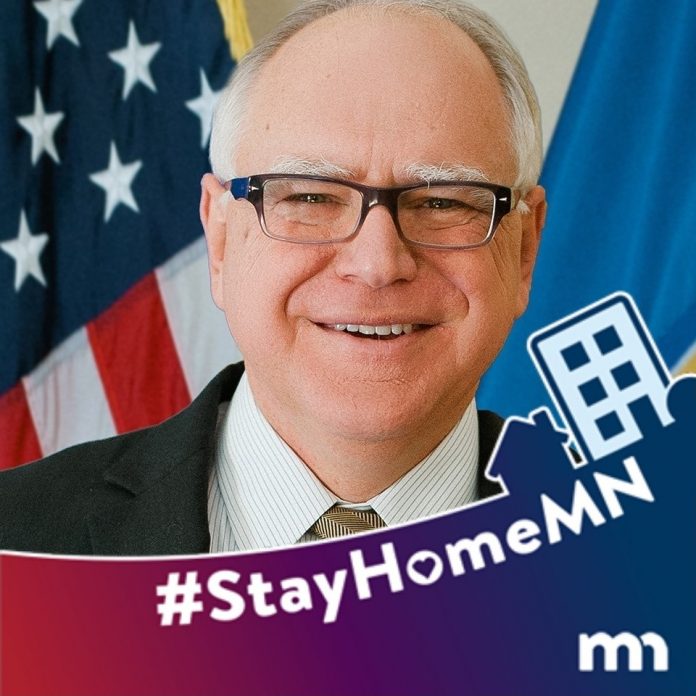
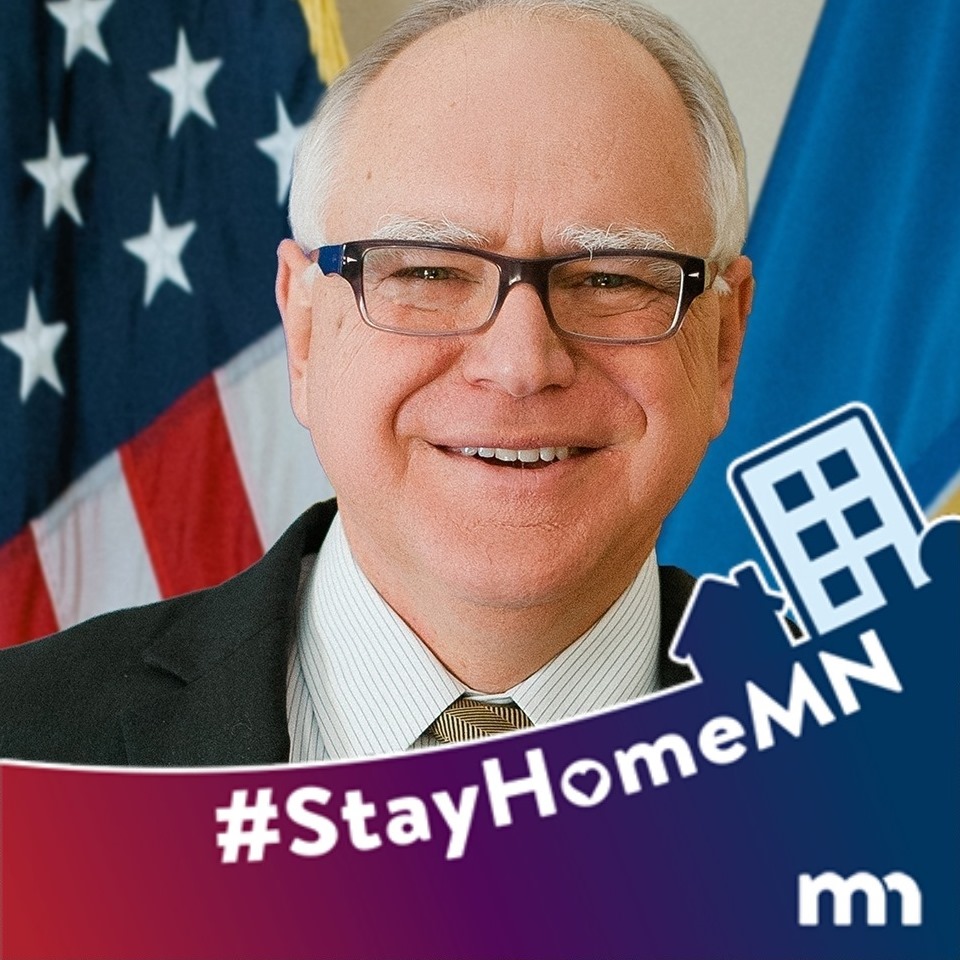
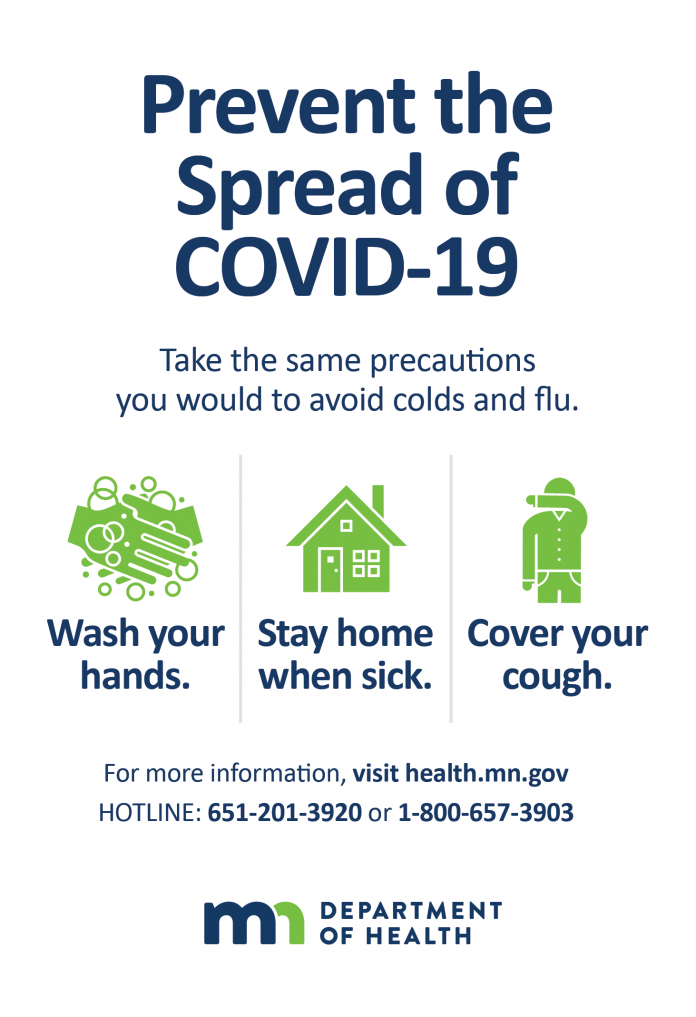
 Troubling times can make us feel useless, like our hands are tied and there’s little we can do to help. The Minnesota Department of Health (MDH) and the U.S. Centers for Disease Control and Prevention (CDC) offer a few simple steps you can take to help reduce the risk of catching or sharing Coronavirus Diseases 2019 (COVID-19).
































































 Have you ever gotten health advice from a friend or relative and wanted to check it out on the internet? Have you ever had questions about vaccines and searched for information on the internet? There is plenty of health information online, but some of the information is not accurate or can be confusing. How can you tell what information sites are good and what sites you should avoid? Here are a few tips to guide your internet searches.