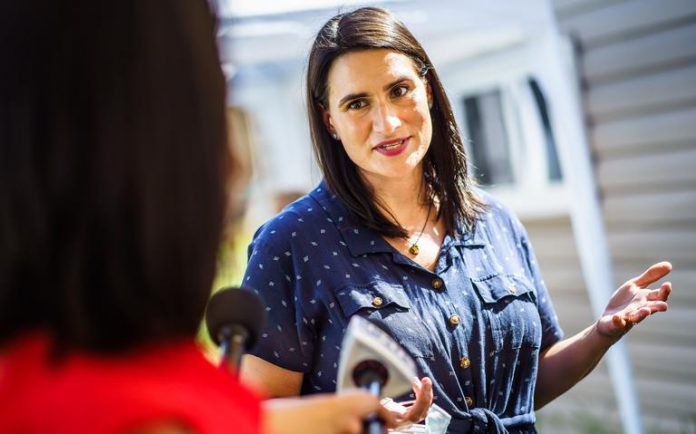
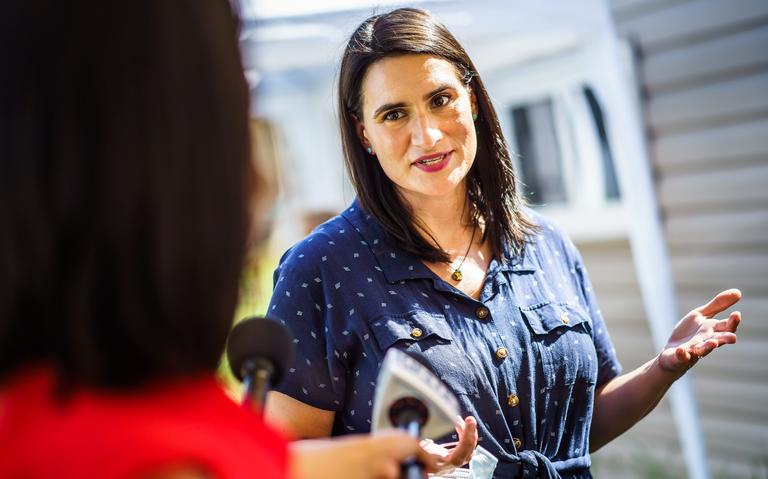
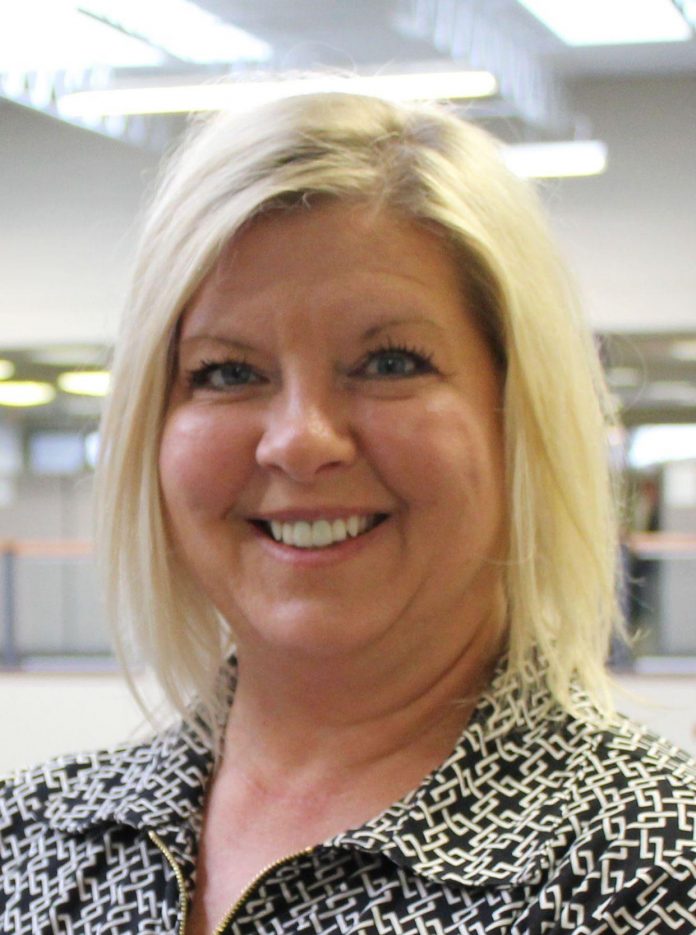
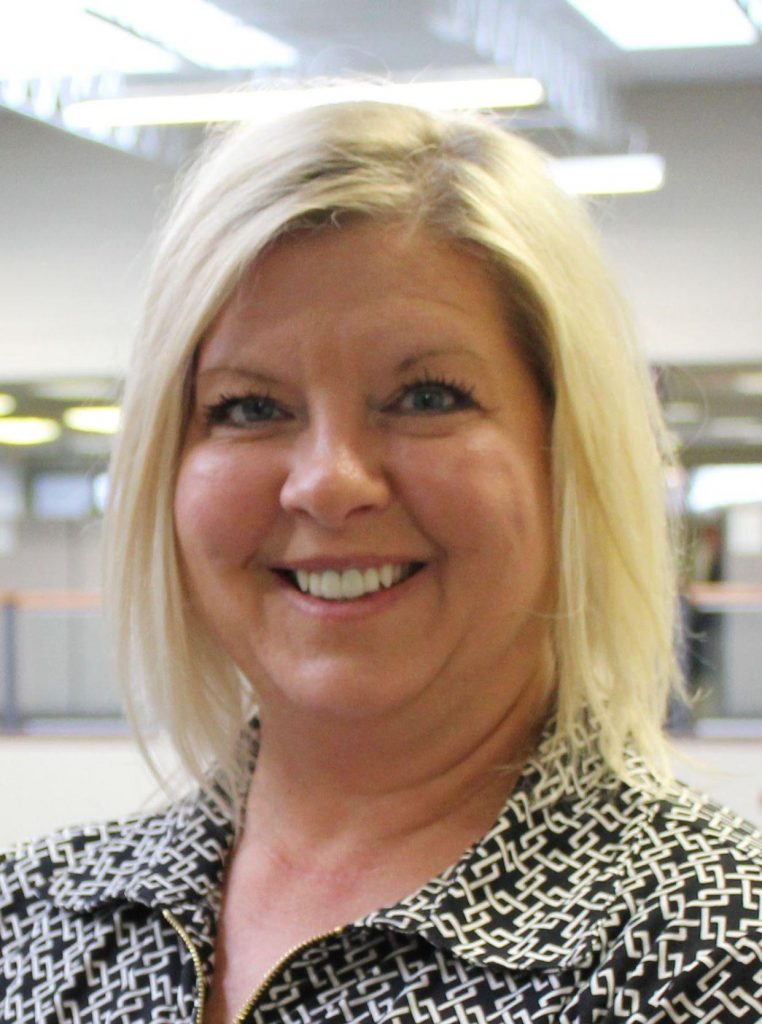
Lt. Gov. Peggy Flanagan, speaks to the media during a visit to the home of Ariane Bromberg, a licensed child care provider, Tuesday, July 7, 2020, in Rochester. Lt. Gov. Flanagan was in Rochester as part of an announcement of a plan to distribute $56.6 million in CARES Act funding for child care providers. Photo: Courtesy of Rochester Post Bulletin
Lt. Gov. Peggy Flanagan, speaks to the media during a visit to the home of Ariane Bromberg, a licensed child care provider, Tuesday, July 7, 2020, in Rochester. Lt. Gov. Flanagan was in Rochester as part of an announcement of a plan to distribute $56.6 million in CARES Act funding for child care providers. Photo: Courtesy of Rochester Post BulletinLt. Gov. Peggy Flanagan, speaks to the media during a visit to the home of Ariane Bromberg, a licensed child care provider, Tuesday, July 7, 2020, in Rochester. Lt. Gov. Flanagan was in Rochester as part of an announcement of a plan to distribute $56.6 million in CARES Act funding for child care providers. Photo: Courtesy of Rochester Post Bulletin
Starting today, approximately 7,000 Minnesota child care providers are be eligible for $56.6 million in funds to help ensure children’s and staff’s health and safety in their child care settings during COVID-19. The new COVID-19 Public Health Support Funds for Child Care program is specifically designed to provide support to all child care providers who qualify.
Governor Tim Walz visited and Lieutenant Governor Peggy Flanagan made the announcement of the new funding last week while visiting a child care center in St. Paul and a family child care provider in Rochester. The proposal provides grants to family child care providers, child care centers, and certain eligible certified centers to support the increased costs and decreased revenue due to COVID-19.
Child care providers can apply for the funding starting today (July 15) at 8 a.m. Applications are due by 5 p.m. Thursday, July 23. To apply for these funds, providers fill out an online application using a link that they will receive via email from the Minnesota Department of Human Services on July 15.
Benefits available under the program include:
Licensed family child care providers will receive up to $1,200 per month for July, August and September
Licensed centers will receive up to $8,500 per month for July, August and September
Certain certified centers will receive up to $8,500 per month in July and August. Eligible certified centers include nonprofit programs that primarily provide care for school-age children year round, but full time in the summer months and are certified to participate in the Child Care Assistance Program for families with low incomes.
All eligible providers who apply will receive funds.
“Child care providers play a critical role in caring for children and supporting our economy by enabling children’s parents to go to work,” said Human Services Commissioner Jodi Harpstead. “They have gone above and beyond during the public health emergency, and are now facing additional costs to ensure the health and safety of their staff and the families they serve. We want to support them as much as we can with this funding.”
Funds will be issued to all eligible child care providers who are operating and serving children, maintaining health and safety standards, and have a license in good standing. To qualify, providers must show they were operating and serving children as of June 15, 2020, and attest to remaining open and serving children for the duration of the funding period, among other criteria.
These funds are in addition to the $40 million in Peacetime Emergency Child Care Grants many providers received over the previous few months to provide care to children of health care and other essential workers. Providers are eligible for these new funds even if they previously applied for or received a Peacetime Emergency Child Care Grant.
To find child care resources related to COVID-19, including public health guidance for providers, visit mn.gov/childcare.
“Child care providers have stepped up to serve emergency workers and ensure families across Minnesota have a safe and reliable place to send their children,” said Governor Walz. “We will continue to support the critical work they do to educate our next generation, support families, and strengthen our economy.”
Mshale will host a virtual candidates forum on July 16 at 6:30PM for the Minneapolis City Council Sixth Ward race.
Mshale will host a virtual candidates forum on July 16 at 6:30PM for the Minneapolis City Council Sixth Ward race.Mshale will host a virtual candidates forum on July 16 at 6:30PM for the Minneapolis City Council Sixth Ward race.
Mshale will host a virtual candidate forum on Thursday, July 16 ahead of the special election for the Minneapolis City Council Ward 6 seat. The special election will be held on August 11 during the state primaries.
A record twelve candidates filed to run for the hotly contested race. One of them dropped out last week.
The July 16 forum will begin at 6:30 p.m. and will be moderated by Mshale reporters Cynthia Simba and Mohamud Farah Dulyadeyn. All remaining eleven candidates have confirmed their participation.
This All Clean brand of hand sanitizers is among the nine brands of hand sanitizers that the FDA has warned the public against using as it contains methanol which is harmful to humans.
This All Clean brand of hand sanitizers is among the nine brands of hand sanitizers that the FDA has warned the public against using as it contains methanol which is harmful to humans.This All Clean brand of hand sanitizers is among the nine brands of hand sanitizers that the FDA has warned the public against using as it contains methanol which is harmful to humans.
There has been an increased use of hand sanitizers during the coronavirus pandemic and with it an increased number of companies that are taking advantage of the situation by selling hand sanitizers with dangerous and unacceptable ingredients.
The Minnesota Department of Health this week in a memo to news media released a list of and sanitizers that the Food and Drug Administration (FDA) has flagged as being harmful to the public. MDH said anyone with the following nine brands of hand sanitizers not to use them:
All-Clean Hand Sanitizer (NDC: 74589-002-01)
Esk Biochem Hand Sanitizer (NDC: 74589-007-01)
CleanCare NoGerm Advanced Hand Sanitizer 75% Alcohol (NDC: 74589-008-04)
Lavar 70 Gel Hand Sanitizer (NDC: 74589-006-01)
The Good Gel Antibacterial Gel Hand Sanitizer (NDC: 74589-010-10)
CleanCare NoGerm Advanced Hand Sanitizer 80% Alcohol (NDC: 74589-005-03)
CleanCare NoGerm Advanced Hand Sanitizer 75% Alcohol (NDC: 74589-009-01)
CleanCare NoGerm Advanced Hand Sanitizer 80% Alcohol (NDC: 74589-003-01)
Saniderm Advanced Hand Sanitizer (NDC: 74589-001-01)
The FDA said it has seen an increase in hand sanitizer products that are labeled to contain ethanol (also known as ethyl alcohol) but that have tested positive for methanol contamination. The FDA recommends consumers immediately stop using these hand sanitizers and dispose of the bottle in a hazardous waste container, if available, or dispose of as recommended by your local waste management and recycling center. Do not flush or pour these products down the drain or mix with other liquids.
“All Americans should practice good hand hygiene, which includes using alcohol-based hand sanitizer if soap and water are not readily available. Unfortunately, there are some companies taking advantage of the increased usage of hand sanitizer during the coronavirus pandemic and putting lives at risk by selling products with dangerous and unacceptable ingredients. Consumers and health care providers should not use methanol-containing hand sanitizers,” said FDA Commissioner Stephen M. Hahn, M.D.
Methanol exposure can result in nausea, vomiting, headache, blurred vision, permanent blindness, seizures, coma, permanent damage to the nervous system or death.
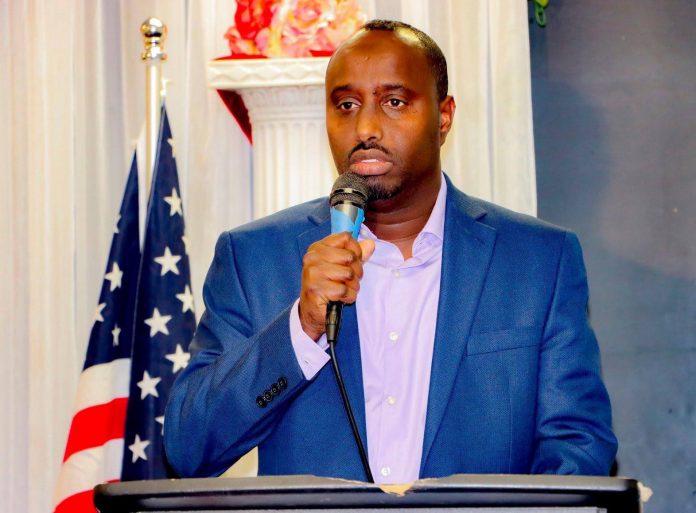
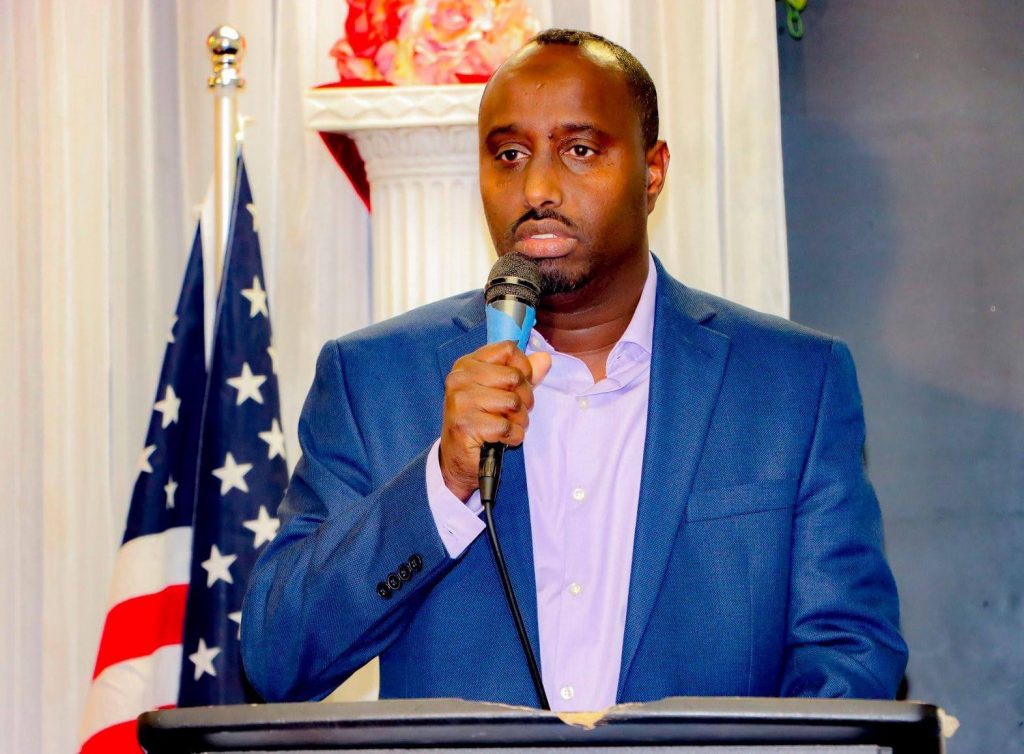
Mohamoud Hassan has dropped out of the Minneapolis Sixth Ward race. A special election is scheduled for August 11, 2020 during the state primary. Photo: Submitted
Mohamoud Hassan has dropped out of the Minneapolis Sixth Ward race. A special election is scheduled for August 11, 2020 during the state primary. Photo: SubmittedMohamoud Hassan has dropped out of the Minneapolis Sixth Ward race. A special election is scheduled for August 11, 2020 during the state primary. Photo: Submitted
A large field of candidates for the vacant Minneapolis City Council Sixth Ward has shrank by one as Mohamoud Hassan, a Somali-American activist announced he is dropping out of the race citing a crowded field. A special election is scheduled for August 11 during the state primary while a virtual candidates’ forum, organized by Mshale is scheduled for July 16. All remaining eleven candidates have confirmed their participation for the virtual forum.
Speaking to a handful of key supporters, kept small to adhere to social distancing guidelines due to the coronavirus pandemic, Hassan said “Because of the number of the candidates who are running for Ward Six’s council seat, I don’t think it would be very responsible to keep running”, Hassan said. “This is the only seat for the East African community in Minneapolis.”
Since Hassan dropped out after the June 4 deadline to withdraw, his name will still appear in the August 11 ballot.
Hassan, who is 46, is a longtime Cedar-Riverside resident and said as he was leaving the race his motivation for running was to serve the people of Minneapolis. “The only reason I decided to run for this seat was to help and work for my community,” he said. “However, since there are seven other Somali-American candidates, I decided to pull out of this race.”
Seven of the remaining eleven candidates are Somali-Americans. Minneapolis uses Ranked Choice Voting for its local elections which has sparked fears among the Somali community that the large number of Somali candidates might see the community lose the only seat it has in the Minneapolis City Council.
Mohamed Said, a Somali-American respected senior who was invited to speak at the event praised Hassan’s action, describing it as selfless.
“Hassan made a brave decision”,said Mr. Said. “This is a lesson for the young generations and the current candidates as well.”
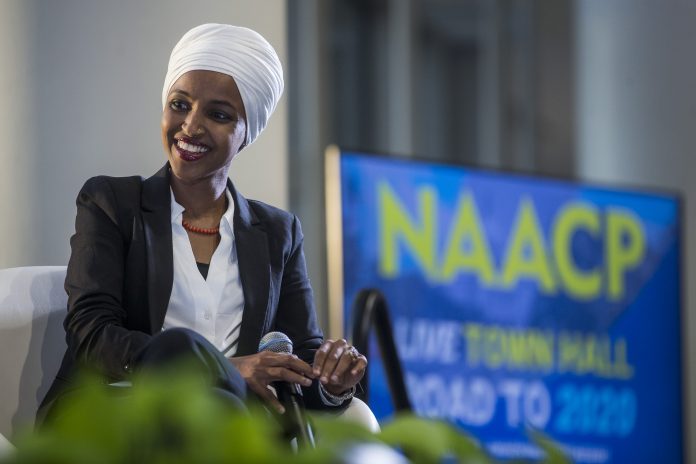
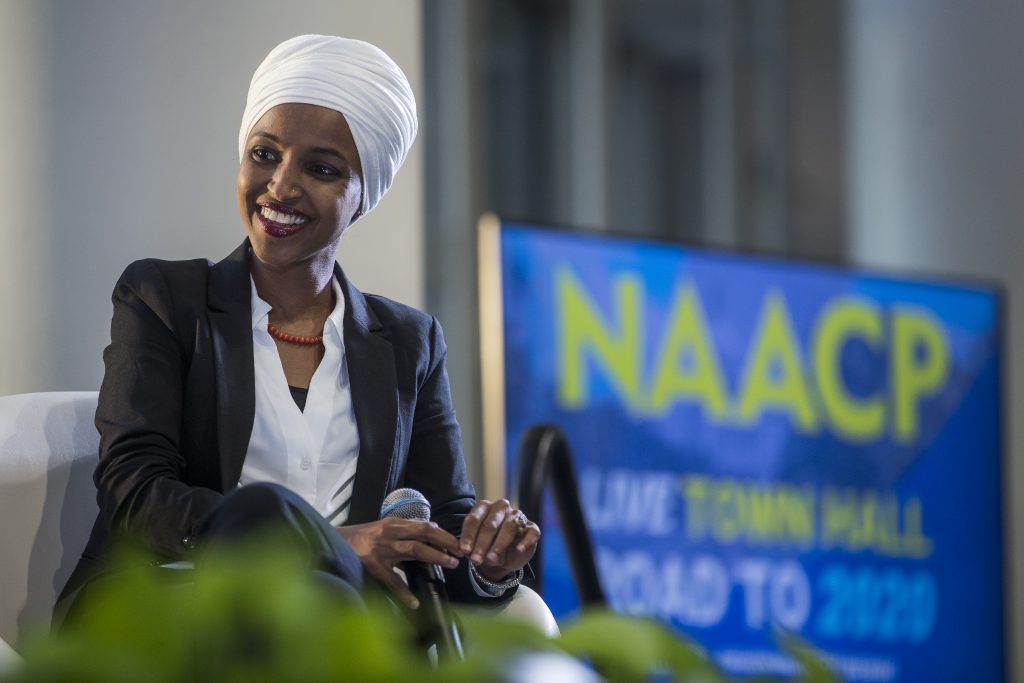
Rep. Ilhan Omar who represents Minnesota's 5th Congressional District speaks during a town hall hosted by the NAACP last September. Photo: Zach Gibson/Getty Images
Rep. Ilhan Omar who represents Minnesota's 5th Congressional District speaks during a town hall hosted by the NAACP last September. Photo: Zach Gibson/Getty ImagesRep. Ilhan Omar who represents Minnesota’s 5th Congressional District speaks during a town hall hosted by the NAACP last September. Photo: Zach Gibson/Getty Images
In 2018, Ilhan Omar made history as the first person born in the African continent to be elected to the U.S. House of Representatives, when she was chosen to represent Minnesota’s 5th Congressional District. A year and a half later, she finds herself fighting to be re-elected.
This time, things are different for the Omar, who was born in Somalia and immigrated to the United States as a refugee. She is no longer the newcomer underdog. She is the incumbent, with a national paper trail – albeit a short one – that has actions she must explain to voters.
Minnesota’s 5th Congressional District Omar she represents is a solid Democrat one, where winning the primary is a sure ticket to Congress. That’s what happened in 2018, when she, a darling of the liberals, won the primary election. But since then, Omar, who is a Muslim, has made missteps that have angered a lot of them. Most notable were her statements and tweets about Israel, which some have labeled anti-Semitic.
Those missteps have left her vulnerable as she faces a strong primary challenge from Antone Melton-Meaux, a local attorney.
Mshale spoke with Omar regarding her current political platform and what constituents can expect from their elected official during these uncertain times.
“These are very challenging times,” Omar said.
The effects of the challenges wrought by COVID-19 can be seen in the nation’s economy with a record-breaking number of workers filing for unemployment benefits and an anticipated housing crisis.
“Our worry is that the housing crisis that will result from this pandemic and the housing crisis were in, will be greater than the one we had in 2008,” Omar said.
The issue of affordable housing in district five has long been a topic of discussion. The current pandemic threatens to exacerbate this difficulty both locally and nationally.
The congresswoman said had been working with both state and federal legislators to ensure that protections for mortgage holders and renters are sustained after emergency protective declarations have been lifted. Many of these ordinances were introduced in the CARES Act, which passed in March.
Omar has vowed to continue addressing social justice issues in the midst of social unrest and a global pandemic.
“We’re looking at reforming the way in which local municipalities, states, and the federal level prioritize their budget,” Omar said.
In response to the protests that left many local businesses affected from damage, Omar turned her office into a distribution center for members of the community to receive essential supplies. The congresswoman also stated that she’s teamed up with local organizations to help rebuild the community.
“We’re not only dealing with the pandemic, that’s also brought an economic crisis, but we’re also now dealing with a neglected epidemic, which is racism,” Omar said.
The recent death of George Floyd, a restrained African American man at the hands of law enforcement, has sparked a national conversation on race and social justice. Reopening old wounds that were never mended in American history.
“I’ve been working closely with my colleagues in the Congressional Black Caucus on a bold transformative agenda,” Omar said.
The congresswoman teamed up with the Congressional Black Caucus to introduce a bill that would create an independent agency to investigate police misconduct, criminalizes violence against protesters, reduce president Trump’s ability to deploy the military domestically, and provide relief to communities that are affected. She has also worked with Rep. Ayana Pressley, who represents Massachusetts’ 7th Congressional District, to introduce a resolution that acknowledges the history of systemic racism in the United States dating back to slavery and calls for reforms to address it.
“Our hope is that our policies will bring transformative change not just for our district but for our state and for our country,” Omar said.
Minnesota has approved measures to allow individuals to vote by mail. Early voting began on June 26 and ends on August 10. The following day on August 11 will mark the beginning of the primaries.
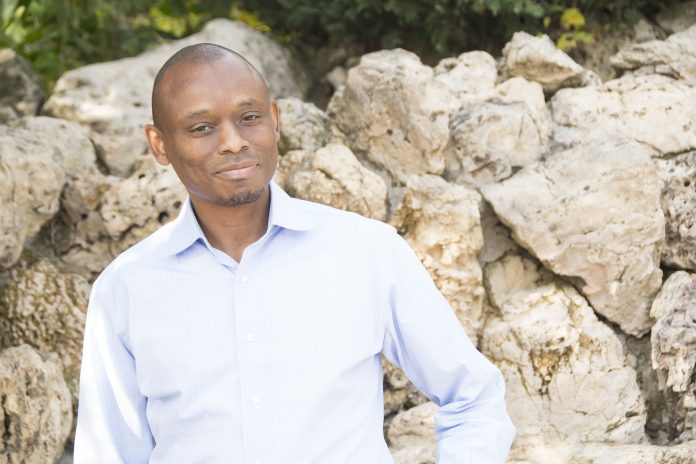
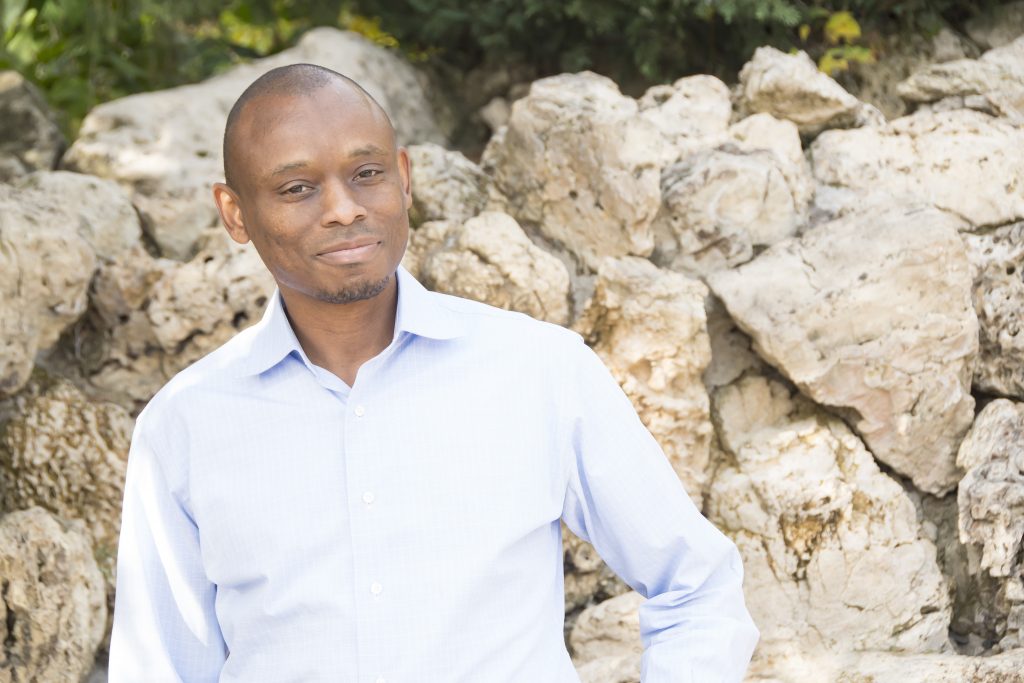
Antone Melton-Meaux, a Twin Cities attorney and mediator, is challenging congresswoman Ilhan Omar to represent Minnesota's 5th Congressional District. Photo: Courtesy of Antone Melton-Meaux campaign.
Antone Melton-Meaux, a Twin Cities attorney and mediator, is challenging congresswoman Ilhan Omar to represent Minnesota's 5th Congressional District. Photo: Courtesy of Antone Melton-Meaux campaign.Antone Melton-Meaux, a Twin Cities attorney and mediator, is challenging congresswoman Ilhan Omar to represent Minnesota’s 5th Congressional District. Photo: Courtesy of Antone Melton-Meaux campaign.
Antone Melton-Meaux, a local attorney and mediator, wants to leave his work in the courtroom to venture into the U.S. House of Representative. He is challenging congresswoman Ilhan Omar for a seat as the representative of Minnesota’s 5th Congressional District.
“I see myself as a bridge builder,” Melton-Meaux, said, “someone that believes and loves this district and all of us here and I think we can get so much done together if we would work together.”
Melton-Meaux, a native of Ohio, who first moved to Minnesota with his wife in 2008, announced his candidacy last December and has since received endorsements from various local leaders who are drawn to his leadership experience and are unsatisfied with the current administration. Among his supporters is two term Golden Valley Mayor Shep Harris.
“I’ve been very disappointed with the leadership of Ilhan Omar,” Harris said.
The mayor has openly been expressing his frustration at what he sees as the congresswoman’s lack of direct involvement and interaction with her constituents. In an interview with Mshale, Harris cited Omar’s absence in attending all but one mayoral meeting since taking office as proof of her disinterest in district affairs.
But Jeremy Slevin, a spokesman for Omar, said claims that she’s not involved in her constituency were unfounded.
“Rep. Omar fights for the 5th District of Minnesota every day,” Slevin said. “Amidst threats on her life, a pandemic, the George Floyd murder, and even the death of her own father, she has been out nearly every night protesting with her fellow Minnesotans.”
Slevin said Omar had held nearly three dozen town halls since she was elected, which earned her the Profile in Courage Award from the Town Hall Project for “continuing to hold regular town halls in spite of threats.”
One accusation Harris made that’s indisputable, however, is the congresswoman of making divisive statements on social media, which he says are against policies that House Democrats support.
Harris was referring to a series of statements Omar made on Twitter, which led to her being accused of anti-Semitism. In one such instance, she tweeted in early 2019 that it’s “all about the Benjamins baby” suggesting that Jewish money buys U.S. support for Israel. That tweet caused backlash from both Republicans and Democrats, who urged Omar to apologize. She acknowledged that “anti-Semitism is real” and said she apologized unequivocally.
Mayor Harris has also criticized Omar of being more of a national celebrity than an advocate for her constituents. At the time of the interview, the congresswoman had just launched and was in the middle of promoting her new book, “This is What America Looks Like”, which was released in May.
“[Melton-Meaux] is the type of member of congress that we want, that we need, that we can be proud of,” he said.
Attorney and civil rights activist Nekima Levy Armstrong has also publicly endorsed Melton-Meaux. Armstrong, who voted for representative Omar in the last election, feels that the congresswoman does not share the commitment to addressing social injustice as she claims.
“We’ve been left behind unfortunately, and we feel neglected,” Armstrong said. “The significance of the issues we have in the 5th Congressional District require an outstanding leader who is focused particularly specifically on our needs.”
Armstrong said she became acquainted with Melton-Meaux years ago and has had the opportunity to work professionally with him on a civil rights claim where he was a mediator.
“[Melton-Meaux] has already shown his commitment to the fifth congressional district through his service, his outreach, through his community engagement,” she said.
The attorney is running on a platform of unity and change, and has experience working on Capitol Hill with the Congressional Black Caucus. He said he plans to address a wide range of issues, from social and environmental injustice, education, housing, immigration, economics, and healthcare.
“I believe that healthcare is a right,” he said.
Melton-Meaux said he planned on continuously advocating for healthcare for all. He credits his wife Dr. Genevieve Melton-Meaux for being instrumental in how he views healthcare, placing special emphasis on the importance of preventative care. Dr. Melton-Meraux is a surgeon, university professor, and informatics specialist.
The issues of racial justice, reconciliation and healing are a personal experience for Melton-Meaux, who is a descendant of the emancipated slaves of John Meaux. His father, Clement Meaux, was instrumental in integrating his high school in rural Kentucky in the 1950s.
The recent death of George Floyd, a restrained African American man at the hands of police, has been a national wake-up call on the ongoing fight for racial equality. Melton-Meaux advocates for police reform by reallocating resources to organizations that provide better support to the community. Particularly in the areas of mental health, housing, education, and economics. He sees the importance of a police function but wants to minimize unnecessary contact between the police and the community.
Outside of his mediation practice Melton-Meaux volunteers with the Children’s Law Center to provide free legal services to children in foster care. He is also a volunteer minister at Salem English Lutheran Church, a progressive church he attends with his family. He also serves on the boards of several local nonprofits.
“I’m running for congress because I love this district” he said. “I care deeply about the community and the people here, how we live and how we work together and I truly believe the residents deserve someone who will listen and do the work to bring people together.”
Melton-Meaux and his wife live in the Northeast neighborhood of Minneapolis with their two children, Ava and Xavier.
Minnesota has approved measures to allow individuals to vote by mail. Early voting began on June 26 and ends on August 10. The following day, on Aug. 11 will mark the beginning of the primaries leading up to the elections on Tuesday Nov. 3.
This article has been updated to add context to claims made by Rep. Ilhan Omar’s opponents, and to include a response from her campaign.
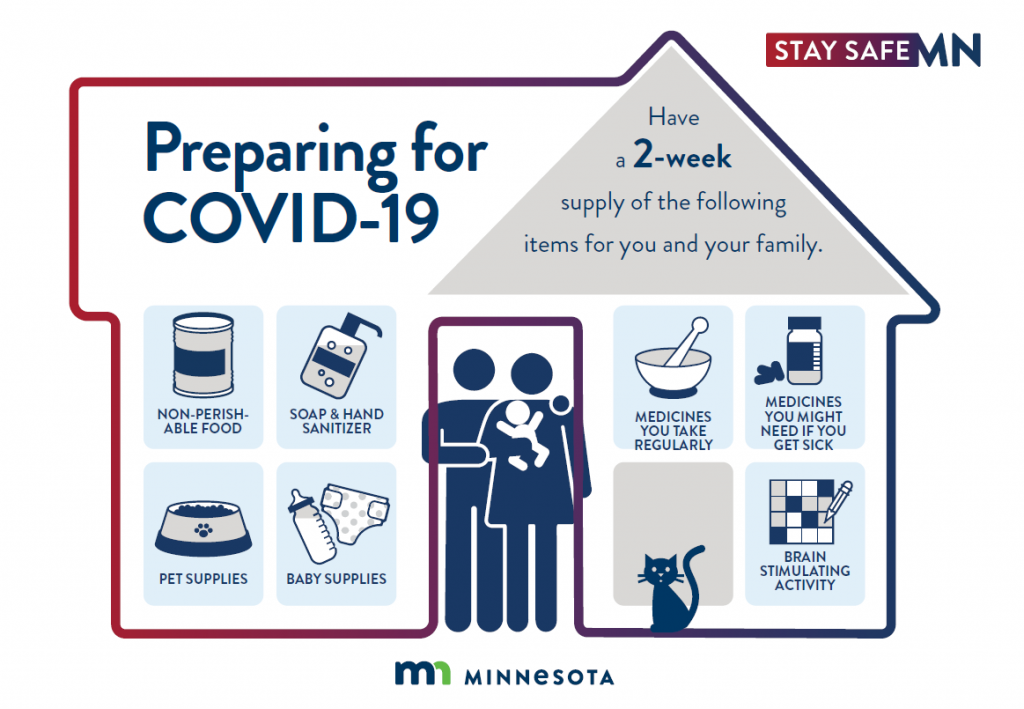
A graphic illustration of what to have at your home in case you get quarantined due to COVID-19. Photo: Minnesota Department of Health
A graphic illustration of what to have at your home in case you get quarantined due to COVID-19. Photo: Minnesota Department of HealthA graphic illustration of what to have at your home in case you get quarantined due to COVID-19. Photo: Minnesota Department of Health
If you have recently taken a COVID-19 test at your provider clinic or the community testing sites, you might be wondering what to do while you wait as test results can take several days to come back.
What you should do while you wait depends on whether you have symptoms or not. Below is what MDH advises depending on whether you have symptoms or not.
If you have symptoms of COVID-19
Symptoms can include cough, shortness of breath, fever, chills, headache, muscle pain, sore throat, or loss of taste or smell. Less often, symptoms can include vomiting, nausea, and diarrhea. Follow these instructions while you are waiting for your test results.
Separate yourself from others
Stay home. Do not go to work, school, or any other place outside the home. If you need medical care, follow the instructions below.
Stay away from other people in your home. As much as possible, stay in a separate room and use a separate bathroom, if available.
Wear a facemask if you need to be around other people, and cover your mouth and nose with a tissue when you cough or sneeze. Wash hands thoroughly afterward.
Avoid sharing personal household items. Do not share food, dishes, drinking glasses, eating utensils, towels, or bedding with other people in your home. After using these items, wash them with soap and water. Clean all frequently touched surfaces in your home daily, including door knobs, light switches, and faucets.
Wash your hands often with soap and water for at least 20 seconds, or use an alcohol-based hand sanitizer containing 60% to 95% alcohol. Avoid touching your face with unwashed hands.
Monitor your symptoms
Most people have mild symptoms that get better in a week or two. Some people do not have any symptoms. People age 65 and older or people who have other underlying medical conditions may get very sick from COVID-19.
If your symptoms get worse or you need medical care:
Contact your doctor or local clinic. Call ahead before going in.
Do not use public transportation, ride-sharing (such as Uber or Lyft), or taxis if you need to go to a clinic or hospital.
If you need emergency medical attention, call 911 and let them know that you have been tested for COVID-19 and your results are pending.
Notify people you’ve been in contact with
Make a list of the people you have been in close contact with, from two days before you started feeling sick until the time you were tested. Tell these people that you may have COVID-19 and that they may have it, too. Tell them to stay home and away from others until they hear from you. If your test results are positive, they should continue to stay home and away from others for 14 days from their last contact with you. If your test results are negative, and they do not feel sick, they do not have to keep staying apart from others.
If you do not have symptoms of COVID-19
You do not need to stay home from work, school, or other settings while you wait for your results if you do not have symptoms.
Continue to do things to help prevent the spread of COVID-19, such as staying at least 6 feet from other people, wearing a mask or cloth face covering when you go out, washing your hands often, and covering your cough.
Getting your test results
It can take several days for test results to come back. The clinic or testing site that did your testing will get the results to you. Do not call the Minnesota Department of Health to get your test results.
If you test positive
If you have symptoms, follow the instructions under the “Separate yourself from others” section above until all three of these things are true: Your symptoms are better, and it has been 10 days since you first felt sick, and you have had no fever for the last three days without using medicine that lowers fevers.
Drink plenty of fluids and eat when you can. You may take medicine for pain or fever if you need to. Rest as much as you can.
If you do not have symptoms, stay home for 10 days after your test date. If you develop symptoms during those 10 days, stay home until all three of these things are true: Your symptoms are better, and it has been 10 days since you first felt sick, and you have had no fever for the last three days without using medicine that lowers fevers.
A trained public health worker will call to follow up with you and give you more information about what to do and how long you should stay home.
If you test negative
A negative COVID-19 test at one point in time does not mean you will stay negative. You could become ill with COVID-19 and/or test positive at any time.
If you develop symptoms of COVID-19, talk to your doctor or other health care provider about getting tested again.
Remember to wash your hands often, avoid touching your face, stay 6 feet from people you do not live with, and wear a cloth facemask when you go out.
Anisa Hajimumin is the new assistant commissioner for the newly created office for immigrant and refugee affairs created by the state of Minnesota. Photo: Minnesota Department of Employment and Economic Development
Anisa Hajimumin is the new assistant commissioner for the newly created office for immigrant and refugee affairs created by the state of Minnesota. Photo: Minnesota Department of Employment and Economic Development
The Minnesota Department of Employment and Economic Development (DEED) has named Anisa Hajimumin as Assistant Commissioner of Immigrant and Refugee Affairs. Hajimumin will serve as the State’s primary specialist on immigrant and refugee affairs and will focus on assisting immigrants and refugee business owners and workers connect with resources while also analyzing their impact on the state’s economy.
“Now more than ever, we need to focus on eliminating economic disparities and historic injustices for people of color,” said Governor Tim Walz in a press release following announcement of the new office. Minnesota has one of the highest racial economic equality gaps in the nation with families of color having a disproportionate amount of wealth compared to their white counterparts.
Governor Waltz and Lieutenant Governor Peggy Flanagan have the initiative of addressing these disparities under the theme One Minnesota. “One of the things that is a pillar for the theme One Minnesota is removing barriers for communities that have [been] left on the margins of our economy who have experienced significant barriers,” said Hamse Warfa.
Warfa is the Deputy Commissioner for Workforce Development for DEED making him the highest ranking African Immigrant in the State. Warfa, who has a background in consulting, non-profit organization and entrepreneurship, was appointed first as an assistant commissioner to help address disparities between whites and communities of color. A month into his position, he was promoted to the role of Deputy Commissioner in April of last year.
His first initiative was to provide immigrants an opportunity to express the obstacles they personally face when interacting with state agencies. Warfa was part of a listening tour with Governor Tim Walz that took place across the entire state of Minnesota.
The creation of the new leadership position was announced in February of this year. The position attracted nearly fifty applicants and ultimately, Anisa Hajimumin was selected and her position was announced on June 15.
“[Hajimumin] was selected based on her strong immigrant advocacy background her executive leadership experience coordinating between multilateral agencies such as the U.N., the World Bank, and as a Minister of Women Children and Family Affairs in Somalia where she was appointed as a minister from the diaspora,” Warfa said.
Hajimumin immigrated to Minnesota in 1996 and holds a Master of Public Administration from Hamline University in St. Paul and a Bachelor of Arts in Gender Studies with a minor in creative writing from Metropolitan State University in St. Paul.
After founding and leading two businesses focused on providing technical and strategic support to entrepreneurs from communities of color and immigrants and refugees, she returned to Somalia for the first time in 2014 where she served as the Minister of Women, Development and Family Affairs in the Puntland region until 2017.
During her ministerial service, she established a social protection framework for women and children, directed a program to prevent human trafficking, raised and distributed funds for displaced families, increased women’s political participation, oversaw the building of a center to serve people with disabilities, and drafted and facilitated passage of a bill (the first ever in Somalia) to prosecute sexual offenders.
“All that [experience] brought me to be more aware of what is happening here locally,” Hajimumin said as she discussed her new role with Mshale. Her ministerial position helped her to realize the importance of establishing closer relationships between local and state agencies to best serve individuals of immigrant and refugee backgrounds in the State.
Minnesota is home to nearly half a million immigrants and refugees that accounted for nearly 60% of the States labor force growth between the years of 2010 and 2018.
“I will be engaging with employers, educational institutions… connecting immigrants and refugees with the stakeholders, state agencies, [and] services being offered by other nonprofits and education service institutes,” Hajimumin said.
“The work that awaits me is challenging but it’s also a turnabout,” she said.
“I am just happy and feel blessed that I have a great team and supportive system that will enable me to engage with people and get things done.”
Jael Kerandi, the student body president at the University of Minnesota triggered police reform in Minneapolis following the death of George Floyd. Photo: Jerusa Nyakundi/Mshale
Jael Kerandi, the student body president at the University of Minnesota triggered police reform in Minneapolis following the death of George Floyd. Photo: Jerusa Nyakundi/MshaleJael Kerandi, the student body president at the University of Minnesota triggered police reform in Minneapolis following the death of George Floyd. Photo: Jerusa Nyakundi/Mshale
Jael Kerandi is only 21 years old, but she has made the kind of impact that takes many social justice advocates decades to achieve.
When she saw the video of a Minneapolis police officer killing an unarmed, handcuffed black man named George Floyd by kneeling on his neck for nearly nine minutes, she sprang to action. On May 26, the day after officer Derek Chauvin’s actions led to Floyd’s death, Kerandi, who is the president of the University of Minnesota’s Student Body, immediately wrote a strongly-worded letter to Joan Gabel, the university’s president, demanding an immediate end to the institution’s relationship with Minneapolis Police.
“Black people have been killed by the Minneapolis Police Department at 13.2x the rate of white people.” Kerandi wrote. “It is disgusting and it is unacceptable.”
In the letter, outlined Minneapolis’s history of police brutality against black people, going as far back as 1967, as evidence that not much has changed. She added that the murder of Floyd had left students unwilling to continue engaging in discussions between minority communities and police, which she described as mere “donut hours” that make empty promises.
“Therefore we clearly and without hesitation DEMAND that the University of Minnesota Police Department ceases any partnerships with the Minneapolis Police Department immediately,” she demanded. “As a land-grant institution, statements professing appreciation of diversity and inclusion are empty and worthless if they are not backed up by action. A man was murdered. It is our job as an institution to exert whatever pressure we can to keep our students safe and demand justice in our city and state.”
Kerandi gave the university administrators a 24-hours deadline to respond to the student body’s demands.
“It was so important that while this was happening that we said something,” Kerandi told Mshale during a recent interview. “Thankfully we got the letter in less than 24 hours.”
The response from the Office of the President came in form of a statement proclaiming that the university will no longer be contracting with the Minneapolis Police Department for support services. The university’s swift action became the earliest major policy change in the country in response to Floyd’s murder. It garnered national attention, and soon Kerandi’s name was in several news media.
Kerandi’s actions and President Gable’s response sent a ripple effect across various organizations around the Twin Cities. Shortly after the university’s decision, the Minneapolis board of education, which administers the city’s public schools, voted to terminate contracts with the police department, ending a decades-long relationship that began in 1967. School district data from the years 2018 and 2019 show the police had more encounters with black students in comparison to their white counterparts.
Local museums as well as the Minneapolis Park and Recreation Board also chose to sever ties with the department. Ultimately, Minneapolis City Council unanimously voted to entirely disband the police department and rebuild it. Although the city council does not have the full power to completely dismantle the police force without voter consent, it voted on June 12 to begin a year-long police reform project that includes the active participation of community stakeholders.
So far, this has been Kerandi’s greatest achievement in her quest for social justice. Although she is only 21, her interest in social justice began a long time ago. Her passion for advocating for change can be traced back to her childhood. She spent her years in grade school participating in student clubs and groups. Even before she began her undergraduate studies, she emailed student government at the University of Minnesota to gain insight into the opportunities that were available to her to serve and advocate for other students.
“I think God put me in a position where I wanted to lead,” she said.
A senior at the Carlson School of Management, Kerandi was elected as Vice President of the Minnesota Student Association in the spring of 2019. At the beginning of this year, she transitioned into the role of president after running mate, Mina Kian, resigned from the position.
“I wanted to create a university that would support students that look like me,” Kerandi said.
Although her tenure as student body president was unexpected, Kerandi did not waste time. Her government went straight to work and had already made significant achievements before the murder of Floyd took center stage. For example, after the university made the decision to transition to online classes in response to the coronavirus pandemic, the student government successfully advocated to obtain refunds on expenses students had paid for but weren’t going to use since they were no longer on campus. Kerandi was also able to work with Vice President and Provost Rachel Croson to have the university temporarily change its pass/fail policy to accommodate students during the stressful and unpredictable times of the pandemic. Students were able to change their grading scales after final letter grades had been awarded.
Kerandi attributes her passion for advocacy to her upbringing.
“My [parent’s] mission has always been to give and care about other people,” she said.
Kerandi learned her leadership skills from her parents, Dr. Henry Kerandi, family physician, and Grace Kerandi, a philanthropist, and her older siblings.
“I grew up in an African household” she said.
The family moved to the United States from Kenya when Kerandi was 18 months old.
“My parents instilled morals and values in my siblings and I that I will hold true for the rest of my life” she said. She is the youngest of four, and her older siblings are equally as invested in creating the change they want to see in the world.
“Our approach to [serving] as siblings has taken different roles,” said her sister, Linda, a third-year medical student on the east coast.
Equally as devoted to medicine is the oldest sibling, her brother, Allan, who is a resident physician. Kerandi’s other sister Gloria graduated from the University of Minnesota with a science degree and plans on pursuing a healthcare career in dentistry.
“They believe in this work the same way I do” Jael Kerandi said.
Kerandi will be completing her term as student body president on June 30, after which she will begin her term as a student representative to the board of regents. She said she will be bringing her years of experience in student government, her position as student body president and advocacy work to the position.
“Students are looking for an advocate that can speak [for them],” said Mike Kenyanya, a member of the board of regents, who previously served as a student representative to the board as an undergraduate student. “That’s Ms. Kerandi.”
In her new role, Kerandi will be one of eight student representatives who are responsible for advocating for student interests before the board of regents. The student representatives act on behalf of the University of Minnesota’s entire student population of more than 60,000 undergraduate and professional students in five different campuses. Student representatives do not have any voting powers, but their position allows them to attend regent meetings and advocate on behalf of the student body.
Kerandi is double majoring in Finance and Marketing with minors in leadership, and business law. She’s currently completing an internship at Microsoft’s finance department and hopes to have a career in the field of technology after graduating.
To incoming students at institutions of higher educational, Kerandi had some advice.
“Be ready to challenge yourself. Be ready to push yourself. Be ready to find yourself in a new comfort zone” she said.
She also advises students to utilize their resources and to navigate ways they can leave a positive impact.
“You’re here to get an education, but you’re also here to become a better member of society.”
Dr. Heather Mueller, Deputy Commissioner, Minnesota Department of Education. Photo: MN Dept. of Education
Dr. Heather Mueller, Deputy Commissioner, Minnesota Department of Education. Photo: MN Dept. of EducationDr. Heather Mueller, Deputy Commissioner, Minnesota Department of Education. Photo: MN Dept. of Education
Minnesota health and education officials on Thursday gave guidance on how schools can reopen this fall by giving three possible scenarios and asked schools to start preparing for all three. The Minnesota Department of Health in its daily COVID-19 briefing said it will make the final decision at the end of July on which option schools should take.
As of Thursday, Minnesota had 31,675 reported cases of COVID-19 with those below the age of 20 comprising 10% with no known deaths in that age group.
The three scenarios outlined by health and education officials for the new school year are as follows:
1.) Students return to school as normal.
2.) A hybrid of in-person learning at school and distance learning. This scenario requires schools limiting building capacity to ensure social distancing in the buildings and school buses. This will see students alternating between in-school learning and distance learning – Groups of students for example coming into school for two days and doing distance learning the rest of the week and alternating.
3.) Distance learning continues in full as was the case when the governor ordered all schools closed in March as the pandemic got underway.
In Minnesota, there have been 1,344 deaths as of June 18 with 1,064 of those being residents of long-term care facilities.
Health officials on Thursday also reminded the public that free community COVID-19 testing which started last week will continue in Minneapolis and Saint Paul.
“We know schools and families are anxious to know which scenario we will be in this fall,” said state Education Deputy Commissioner Heather Mueller, “and we just don’t know yet.”
The outline for the three separate scenarios that the Minnesota Department of Health released can be found at this link.
Torrie Allen, executive director of Arts Midwest. Photo: Courtesy of Tessitura via Arts Midwest
Torrie Allen, executive director of Arts Midwest. Photo: Courtesy of Tessitura via Arts MidwestTorrie Allen, executive director of Arts Midwest. Photo: Courtesy of Tessitura via Arts Midwest
The Andrew W. Mellon Foundation announced on Tuesday June 16 its initiative to grant 10 million in emergency grants to six United States Regional Arts Organizations (ROA).
Arts Midwest, will be partnering with the United States Regional Arts Organization to redistribute the funds across the Midwest targeting historically under-resourced arts and culture organizations.
“During times of darkness, the arts illuminate our shared humanity” Elizabeth Alexander president of the Mellon Foundation said.
The COVID-19 crisis has presented unprecedented challenges to the arts community. It is estimated that the industry will experience approximately 6.8 billion, almost 26 percent loss in revenue as a result. The pandemic also further exacerbates inequalities within the nation and the arts community.
In a press release Arts Midwest announced that the United States Regional Arts Resilience Fund will seek to help historically under-resourced arts and culture organizations in the Midwest. The Mellon grants to the RAOs range from $1.27 million to $1.97 million and are determined by a formula based on population size and number of states served.
Arts Midwest will work with its state arts agency partners to distribute its $1.68 million share among small and mid-sized 501(c)3 arts organizations in Illinois, Indiana, Iowa, Michigan, Minnesota, North Dakota, Ohio, South Dakota, and Wisconsin and the Native nations that share this geography by September 2020.
“Creativity can motivate us through the darkest of times, and inspires us to seek a better world. However, systemic oppression means that different communities have vastly unequal access to the resources and capital required to weather this pandemic. The United States Regional Arts Resilience Fund is a way to support our region in a time of need, and take one step towards making meaningful, lasting, structural change to eliminate these inequities” Torrie Allen, President & CEO of Arts Midwest said.
Anyone may nominate an arts organization to receive a $30,000 – $75,000 award by filling out a simple online form before July 8th, 2020. Organizations may also self-nominate to support their own work. Arts Midwest will work with its partner state arts agencies to put together diverse advisory panels who will review all submissions, and invite a selected number of the nominated organizations to submit brief proposals.
For the nomination guidelines and award process, visit artsmidwest.org.